⚡ FLASH SALE: Get 60% OFF All Premium 3D & STL Models! ⚡

In the exhilarating world of real-time rendering and interactive experiences, visual effects (VFX) are the secret sauce that elevates a scene from static to spectacular. Whether you’re crafting a high-octane racing game, an immersive automotive configurator, or a photorealistic visualization, dynamic effects like smoke, sparks, rain, and debris add unparalleled depth and realism. At the heart of creating these captivating visuals in Unreal Engine lies the powerful and versatile Niagara VFX system. Far beyond its predecessor, Cascade, Niagara offers artists and developers an incredibly modular, data-driven, and performant framework for generating complex particle simulations that react dynamically to their environment.
For professionals working with high-fidelity 3D car models, such as those found on 88cars3d.com, mastering Niagara is not just an advantage—it’s a necessity. Imagine the realistic plume of exhaust from a finely detailed sports car, the subtle dust kicked up by spinning tires, or the dramatic sparks flying from a collision. These nuanced details breathe life into your automotive projects, pulling users deeper into the experience. This comprehensive guide will delve deep into the Unreal Engine Niagara VFX system, equipping you with the knowledge and techniques to integrate breathtaking effects seamlessly into your automotive visualizations, game development projects, and virtual production workflows. We’ll explore everything from basic setup to advanced optimization, ensuring your visual effects not only look incredible but also perform flawlessly in real-time.
Unreal Engine’s Niagara VFX system represents a paradigm shift in real-time particle effects creation. Unlike older systems that often relied on rigid, pre-defined behaviors, Niagara provides a highly modular and data-driven architecture. This allows for unprecedented flexibility, enabling artists to create virtually any effect imaginable, from subtle atmospheric nuances to large-scale environmental phenomena. Understanding its fundamental components is the first step towards harnessing its immense potential for your 3D car models and immersive scenes.
At its core, a Niagara system is composed of one or more Emitters, each of which spawns and manages particles. These Emitters, in turn, are built from a stack of Modules and dynamic inputs. Modules are small, self-contained pieces of functionality that dictate particle behavior, such as spawning rates, initial velocity, color, size, and interaction with forces. The beauty of this modularity lies in its reusability; a module designed for one effect can often be tweaked and applied to another, significantly streamlining the workflow. Furthermore, Niagara’s ability to run simulations on the GPU (Graphics Processing Unit) provides a significant performance boost, allowing for hundreds of thousands, if not millions, of particles to be rendered simultaneously without crippling frame rates – a crucial factor when combining complex VFX with demanding 3D car models and environments.
Creating a new Niagara system often begins with a template or a blank slate. Once an Emitter is added to a System, you’ll find a stack of modules that define its properties. These include Emitter Update modules, which run once per frame for the emitter, and Particle Spawn and Particle Update modules, which execute when particles are born and every frame thereafter, respectively. For instance, a basic exhaust smoke effect might start with a “Spawn Rate” module to define how many particles are created per second, followed by “Set New Particles Random Velocity” to give them initial movement, and “Scale Color by Life” to make them fade out. Each module exposes various parameters that can be adjusted manually, driven by curves, or even linked to other modules or external data via Niagara Data Interfaces. This highly organized structure encourages experimentation and iteration, making the complex process of VFX creation more manageable and enjoyable.
While Niagara offers a vast library of built-in modules, its true power lies in the ability to create custom modules using Scratchpads. A Scratchpad is essentially a mini-shader graph where you can define your own particle attributes and behaviors using a node-based interface, similar to the Material Editor. This allows for incredibly specific and unique effects that aren’t possible with standard modules. For example, if you need a custom force field that only affects particles within a certain radius of your 3D car model, or a specific turbulence pattern for tire smoke that responds to vehicle speed, a Scratchpad is your go-to solution. This level of customization ensures that your visual effects are not generic but are perfectly tailored to the nuances of your automotive project, distinguishing it with bespoke visual flair. For more detailed insights into creating custom modules and functions, refer to the official Unreal Engine documentation on Niagara.
Bringing 3D car models to life often requires more than just stunning visuals; it demands dynamic effects that anchor them within a believable environment. Niagara excels at generating a wide array of automotive-specific visual effects, from the subtle nuances of engine operation to the dramatic interactions with the surroundings. Mastering these techniques can significantly enhance the immersion and realism of your automotive visualizations and interactive experiences.
Consider the myriad ways a vehicle interacts with its environment: the wisps of exhaust vapor on a cold morning, the gritty spray from tires on a wet road, or the subtle dust cloud kicked up during a high-speed drift. Each of these effects tells a story and grounds the vehicle in its scene. When working with meticulously crafted models from platforms like 88cars3d.com, the visual quality of your VFX must match the fidelity of the vehicle itself. Niagara provides the tools to achieve this parity, offering detailed control over particle properties, behavior, and interaction.
Creating realistic exhaust fumes is a fundamental step in making a stationary car feel alive. A Niagara system for exhaust might involve a low spawn rate for larger, slower-moving particles, colored a subtle grey, with a slight upward velocity and an expanding size over their lifetime. Key modules here would be “Spawn Rate,” “Set New Particles Random Velocity,” “Scale Color by Life,” “Scale Sprite Size by Life,” and “Turbulence Force” to introduce natural variation. For more advanced effects, you can use flipbook textures (texture sheets with animated frames) to simulate complex fluid dynamics without heavy simulation costs. Similarly, tire smoke for a burnout or drift can be achieved with high spawn rates, faster initial velocities, and a more aggressive scaling and fading, often paired with collision detection against the ground plane to simulate realistic interaction. Using a Material Parameter Collection allows Blueprint to dynamically adjust properties like smoke density based on wheel speed or throttle input, connecting the car’s physics directly to the VFX.
Dynamic weather effects can dramatically change the mood and realism of an automotive scene. A rain system in Niagara might involve thousands of small, fast-moving particles spawned high above the vehicle, using “Mesh Renderer” to display small raindrop meshes or simple sprites. Crucially, these particles need to interact with the car and the ground. By using Niagara Collision modules, raindrops can splash upon impact with the car’s surface or the road, spawning secondary “splash” or “ripple” effects. This requires careful setup of collision channels and ensuring your 3D car models have proper collision meshes. Snowfall would follow a similar principle but with slower-moving, larger, and softer particles, often affected by a custom wind force. The interaction extends to the car’s materials; a PBR material for the car body can react to wetness or snow accumulation via material parameter blending, creating a cohesive visual experience where the VFX and the vehicle are deeply integrated.
For more action-oriented automotive projects, like racing games, impact sparks and debris are essential. When a car collides with another object or scrapes along a surface, Niagara can generate highly convincing visual feedback. A common approach involves spawning small, bright, short-lived particles with high initial velocities and a rapid falloff. Using “Light” modules within Niagara can even make these sparks briefly illuminate the surrounding geometry, adding another layer of realism, especially in dark environments. For debris, “Mesh Emitters” can spawn small, randomized meshes (e.g., shards of glass, fragments of metal) that scatter upon impact. Integrating these effects with Unreal Engine’s physics system allows debris to bounce and slide realistically. Blueprint can detect collision events from the vehicle and trigger the appropriate Niagara system at the exact point of impact, passing collision normal and velocity data to the Niagara system for accurate spawning direction and intensity. This level of detail in interactive effects significantly enhances the player or viewer’s sense of engagement and realism.
The true power of Unreal Engine lies in the synergy between its various cutting-edge features. Niagara doesn’t operate in a vacuum; it integrates seamlessly with other core systems like Nanite, Lumen, Blueprint, and Sequencer, creating a holistic and incredibly dynamic environment for real-time visualization. Understanding how to leverage these integrations is paramount for achieving state-of-the-art results, especially when showcasing highly detailed 3D car models within complex scenes.
This integration allows VFX to react intelligently to the environment, be controlled dynamically by game logic, and contribute to cinematic narratives. For instance, imagine a particle system for exhaust fumes that accurately receives global illumination from Lumen, or sparks illuminating the intricate surfaces of a Nanite-enabled car body. These interactions elevate the visual fidelity and create a more immersive experience, pushing the boundaries of what’s possible in real-time. The ability to orchestrate these complex interactions requires a thoughtful approach to project design and an understanding of each system’s capabilities.
Nanite, Unreal Engine’s virtualized geometry system, allows for incredibly high-polygon models to be rendered with unprecedented performance. When working with detailed 3D car models, Nanite ensures that every curve and surface is rendered perfectly. Niagara VFX can directly benefit from Nanite’s capabilities. For example, debris particles spawned from a collision on a Nanite car can interact with the vehicle’s high-fidelity mesh for accurate bouncing and scattering. Furthermore, Niagara’s ability to render volumetric effects like smoke and fog can be dramatically enhanced by Lumen, Unreal Engine’s global illumination system. Lumen accurately bounces light off and through these volumetric effects, leading to beautifully lit smoke plumes and atmospheric hazes that react correctly to the scene’s lighting, including reflections on the car’s paintwork. When sparks emit light, Lumen ensures that light realistically bounces off the Nanite-enabled car surface, adding dynamic highlights and shadows that would be impossible with traditional lighting methods. This synergy creates a deeply immersive and physically accurate visual experience.
Blueprint Visual Scripting is the backbone of interactivity in Unreal Engine, and it provides a powerful means to control Niagara systems dynamically. Instead of static effects, Blueprint allows you to create reactive VFX that respond to game events or user input. For automotive applications, this is invaluable. You can use Blueprint to:
This level of programmatic control, typically implemented by getting a reference to the Niagara component in Blueprint and calling functions like “Set Float Parameter” or “Set Emitter Enabled,” transforms static visual effects into integral parts of an interactive experience.
For cinematic content, marketing renders, or virtual production workflows, Sequencer is Unreal Engine’s non-linear editor that enables meticulous control over every aspect of a scene, including Niagara VFX. Integrating Niagara with Sequencer allows artists to:
This is especially useful in virtual production environments, where real-time VFX on an LED wall need to perfectly match the physical car and talent in front of it. By leveraging Sequencer, you can craft breathtaking automotive animations with seamlessly integrated and precisely timed visual effects, ensuring that every frame tells a compelling visual story. This precision is critical for high-end automotive visualization where every detail matters. For more information on Sequencer and its integration with VFX, consult the official Unreal Engine documentation.
Creating stunning visual effects is only half the battle; ensuring they run smoothly in real-time is equally crucial. High-fidelity 3D car models, elaborate environments, and complex Niagara systems can quickly push hardware to its limits. For real-time applications like games, interactive configurators, or AR/VR experiences, performance optimization is not an afterthought but a fundamental part of the development process. A beautiful effect that causes frame drops detracts significantly from the user experience. Therefore, mastering optimization techniques for Niagara is essential for any Unreal Engine developer working with automotive assets.
The goal is always to achieve the maximum visual impact with the minimum computational cost. This involves a careful balance of particle counts, texture usage, simulation complexity, and rendering techniques. Effective optimization allows your beautifully crafted effects to complement your high-quality automotive assets, such as those obtained from 88cars3d.com, without sacrificing the fluid interactivity that defines a premium real-time experience. We’ll explore strategies to keep your Niagara systems lean and mean, ensuring your projects run at optimal performance.
Just like static meshes, Niagara systems can and should utilize Level of Detail (LOD) settings. For distant effects, you can reduce particle counts, simplify module logic, or even swap to simpler texture sheets. Niagara allows you to define LODs per emitter, automatically switching based on distance or screen size. Culling is another vital optimization: ensure your Niagara systems only update and render when visible. Unreal Engine’s built-in frustum culling usually handles this, but you can also implement manual checks in Blueprint. For large open worlds or complex automotive showrooms, Level Streaming can be used to only load Niagara systems when the player is in close proximity, preventing unnecessary computation for out-of-view effects. When setting up Niagara, always consider the maximum potential distance an effect might be seen and optimize accordingly, focusing the highest fidelity for close-up interactions.
The number of particles spawned simultaneously is often the biggest performance culprit. While GPU simulation is highly efficient, there’s still a limit. Aim for the lowest possible particle count that still achieves the desired visual fidelity. For textures, consolidate multiple small textures into larger Texture Atlases (or sprite sheets). This reduces draw calls and improves GPU cache efficiency. PBR-compliant textures are crucial; ensure they are optimized (e.g., using appropriate compression formats like BC1/BC3 for color, BC5 for normal maps). Minimize Overdraw, which occurs when multiple transparent particles render on top of each other. This is a common performance bottleneck for dense smoke or fire effects. Techniques like using fewer, larger particles with softer alpha blending or leveraging specific material blend modes (e.g., additive for bright effects, translucent for smoke) can help mitigate overdraw. Always profile your effects with the “Shader Complexity” view mode in Unreal Engine to identify and address areas of high overdraw.
Whenever possible, utilize GPU simulation for Niagara effects. The GPU is far more efficient at processing large numbers of independent particles in parallel, making it ideal for dense smoke, rain, or debris fields. CPU simulation should be reserved for effects requiring complex logic or precise interaction with physics systems where CPU access is necessary. However, even GPU simulations need careful profiling. Unreal Engine provides robust debugging and profiling tools for Niagara. The Niagara Debugger allows you to inspect particle properties in real-time, step through simulation logic, and visualize performance metrics. Tools like the GPU Profiler and Stat VFX console command provide detailed breakdowns of render times, draw calls, and memory usage for your particle systems. Regularly using these tools during development helps identify bottlenecks early, allowing you to iterate on optimizations effectively. Understanding your target platform’s limitations (e.g., mobile for AR/VR vs. high-end PC) will also guide your choices between GPU and CPU simulation and overall particle complexity, ensuring a smooth experience for all users of your automotive applications.
Once you’ve grasped the fundamentals and optimized your basic Niagara systems, a world of advanced techniques opens up, allowing you to create truly bespoke and dynamic visual effects. These advanced approaches extend Niagara’s capabilities far beyond simple particle emission, enabling sophisticated interactions, procedural generation, and highly specialized behaviors that can elevate the realism and interactivity of your automotive projects. From custom modules to data interfaces, these tools empower you to craft unique effects tailored precisely to the specific needs of your high-fidelity 3D car models.
The key to mastering advanced Niagara lies in understanding how to break free from pre-defined behaviors and craft your own logic. This often involves delving into the visual scripting capabilities within Niagara itself, allowing you to dictate particle behavior at a granular level. The results are effects that not only look impressive but also react intelligently to external forces, environmental conditions, or intricate game logic. This level of control is particularly beneficial for creating signature effects that make your automotive visualizations and games stand out in a competitive market.
While we touched upon Scratchpads earlier, their true power becomes evident when designing complex, unique behaviors. Beyond simple attribute modifications, custom modules (created via Scratchpads) allow you to implement custom physics, complex turbulence models, or unique spawning patterns that are not available out-of-the-box. For example, you could create a custom module that calculates a particle’s drag based on its current velocity and a user-defined drag coefficient, or simulate granular material flow for a complex dust cloud. The node-based interface, similar to the Material Editor, allows for complex mathematical operations, vector manipulations, and conditional logic. This is where you can define how particles interact with specific volumes, follow splines, or even react to custom events generated by Blueprint. Developing a library of custom modules can significantly accelerate future projects and ensure a consistent visual style across your automotive game assets.
Niagara Data Interfaces are a game-changer for creating effects that truly respond to the world. They allow Niagara systems to query and receive data from various sources within Unreal Engine, such as static meshes, skeletal meshes, environment variables, or even Blueprint-defined arrays. For automotive applications, this is incredibly powerful:
This allows Niagara effects to become truly integrated, rather than simply overlaid, enhancing the realism of 3D car models by showing their true interaction with the environment.
Niagara particles typically use simple sprite materials. However, these materials can be highly sophisticated. By leveraging advanced material techniques, you can create effects that are both visually stunning and performant. For example, a single particle sprite can contain multiple frames of animation (flipbooks) or use complex shader logic to simulate refraction, subsurface scattering, or dynamic lighting. Using Material Parameter Collections allows Niagara systems to dynamically update material properties, such as emissive intensity or texture panning speed, in response to particle data. For AR/VR optimization, material efficiency is paramount. Use unlit materials where possible, bake lighting into textures, and minimize complex shader instructions. Reduce particle counts significantly, especially for mobile VR. Employ aggressive LODs, culling, and use smaller texture atlases. Consider using single-channel alpha textures instead of full RGBA for transparency where suitable, to save memory and processing power. When showcasing high-quality automotive assets in AR/VR, every millisecond of frame time counts, so meticulous optimization of Niagara effects is critical for a smooth and immersive user experience. This attention to detail ensures that the visual impact of your effects complements, rather than hinders, the overall performance of your real-time automotive projects.
The Unreal Engine Niagara VFX system stands as a monumental tool for artists and developers aiming to push the boundaries of real-time visual fidelity. From crafting the subtle nuances of engine exhaust to orchestrating dramatic environmental interactions and high-octane collision effects, Niagara provides the modularity, control, and performance necessary to bring any automotive scene to life. We’ve explored its core architecture, delved into specific techniques for creating realistic vehicle-centric effects, and highlighted its crucial integration with other Unreal Engine powerhouses like Nanite, Lumen, Blueprint, and Sequencer.
Furthermore, we’ve emphasized the critical importance of performance optimization, offering strategies for managing particle counts, leveraging LODs, and effectively using Unreal Engine’s profiling tools. By mastering these techniques, you ensure that your breathtaking visual effects not only look stunning but also run smoothly across various platforms, from high-end virtual productions to performance-sensitive AR/VR applications. The ability to integrate advanced techniques such as custom modules, data interfaces, and sophisticated material-driven effects empowers you to create truly unique and memorable experiences around your 3D car models.
Whether you’re developing the next generation of racing games, designing immersive automotive configurators, or producing photorealistic cinematic renders, Niagara is an indispensable ally. The journey to mastering this powerful system is one of continuous learning and experimentation. We encourage you to dive into Unreal Engine, practice the techniques discussed, and challenge yourself to create increasingly complex and realistic effects. For artists seeking high-quality, game-ready 3D car models to serve as the foundation for these dynamic effects, platforms like 88cars3d.com offer an exceptional starting point, providing optimized assets ready for your next big project. Embrace the power of Niagara, and transform your automotive visions into unparalleled real-time realities.
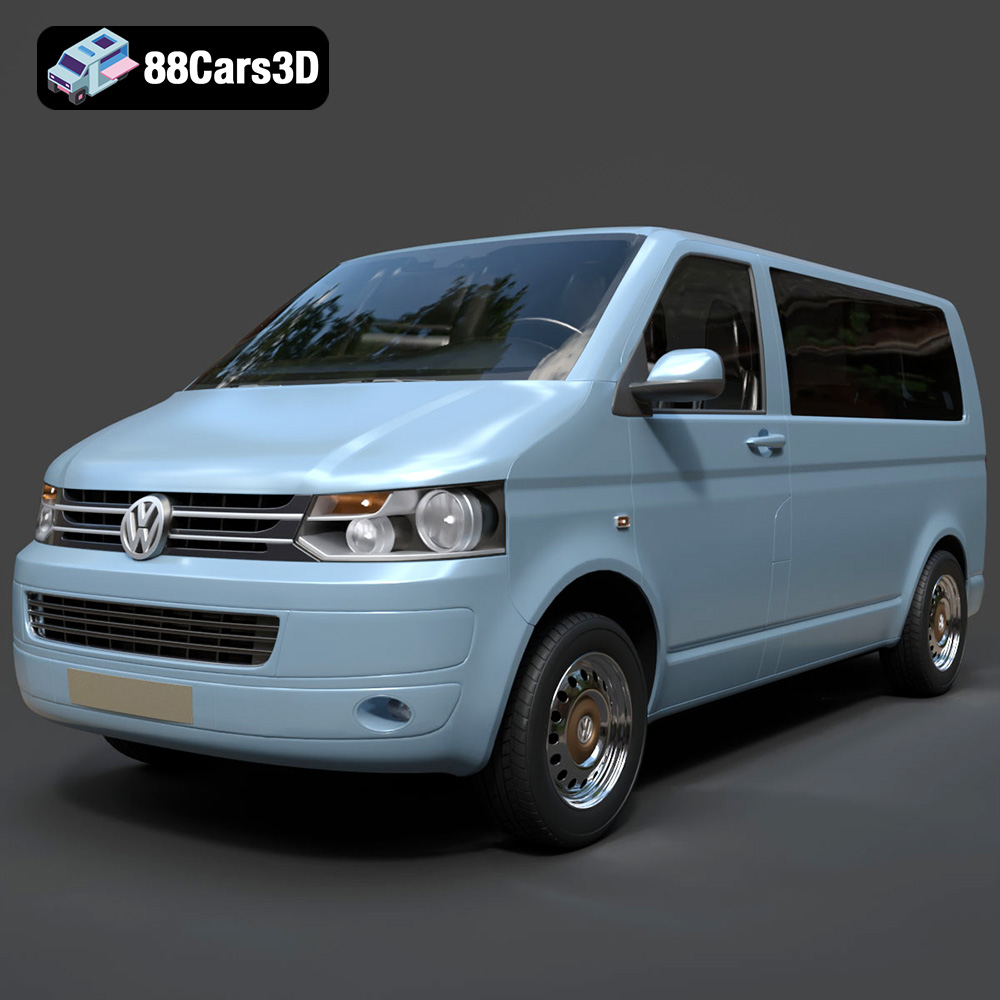
Texture: Yes
Material: Yes
Download the Volkswagen Transporter T5 FL 2010 3D Model featuring clean geometry, realistic detailing, and a fully modeled interior. Includes .blend, .fbx, .obj, .glb, .stl, .ply, .unreal, and .max formats for rendering, simulation, and game development.
Price: $22.99
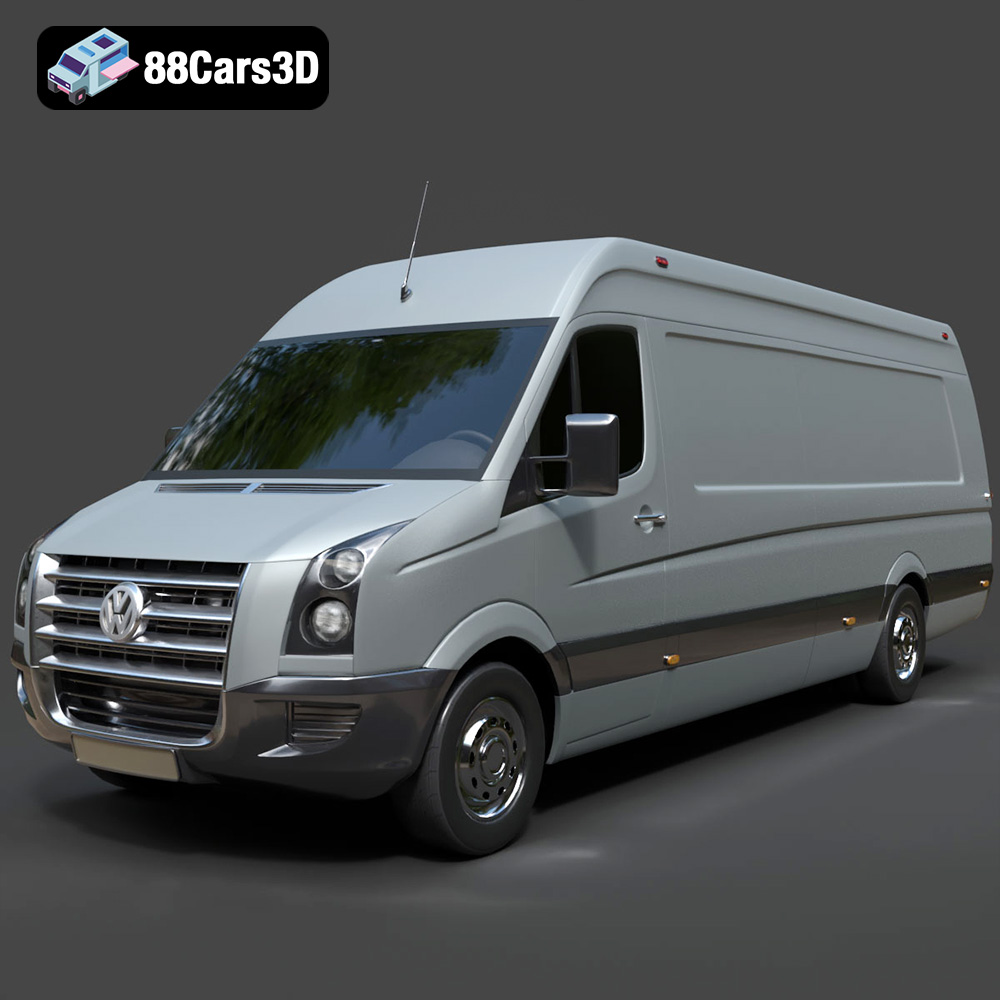
Texture: Yes
Material: Yes
Download the Volkswagen Crafter 2020 3D Model featuring clean geometry, realistic detailing, and a fully modeled interior. Includes .blend, .fbx, .obj, .glb, .stl, .ply, .unreal, and .max formats for rendering, simulation, and game development.
Price: $22.99
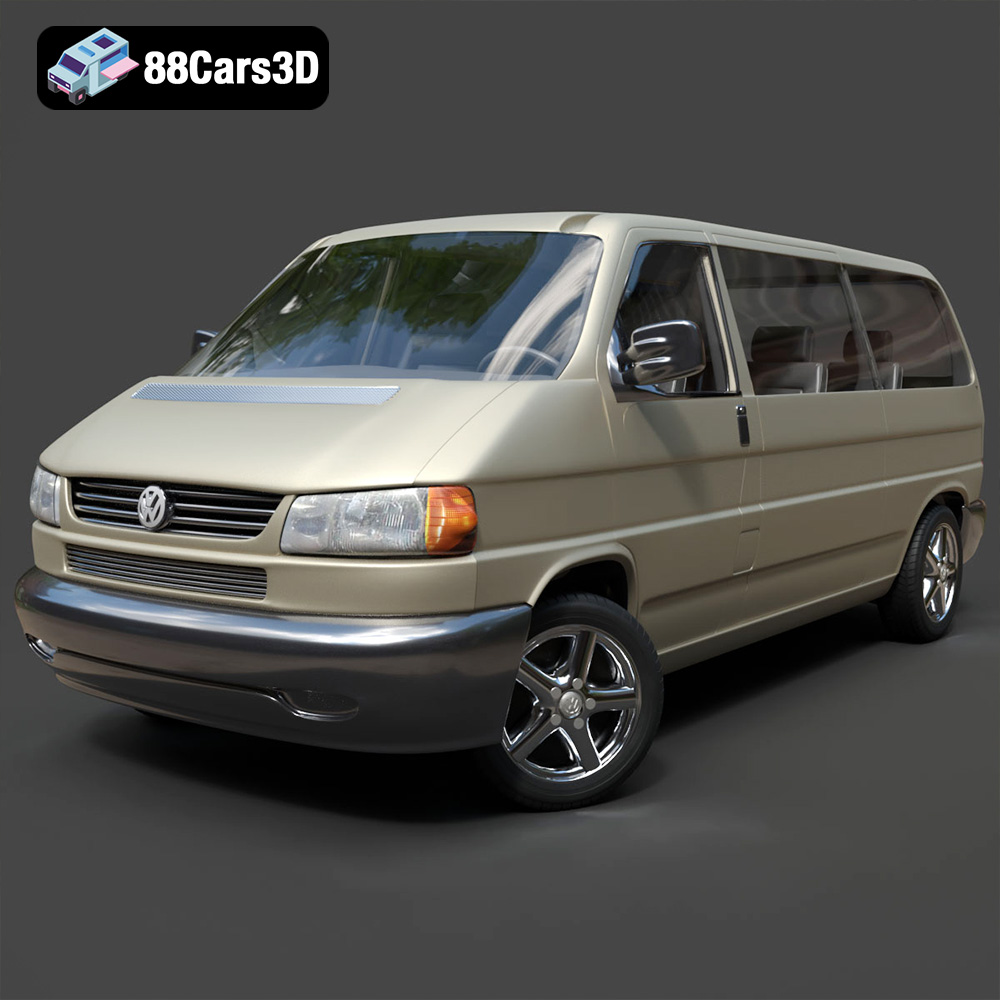
Texture: Yes
Material: Yes
Download the Volkswagen Caravelle 3D Model featuring a detailed exterior, functional interior, and optimized topology. Includes .blend, .fbx, .obj, .glb, .stl, .ply, .unreal, and .max formats for rendering, simulation, and game development.
Price: $23.99
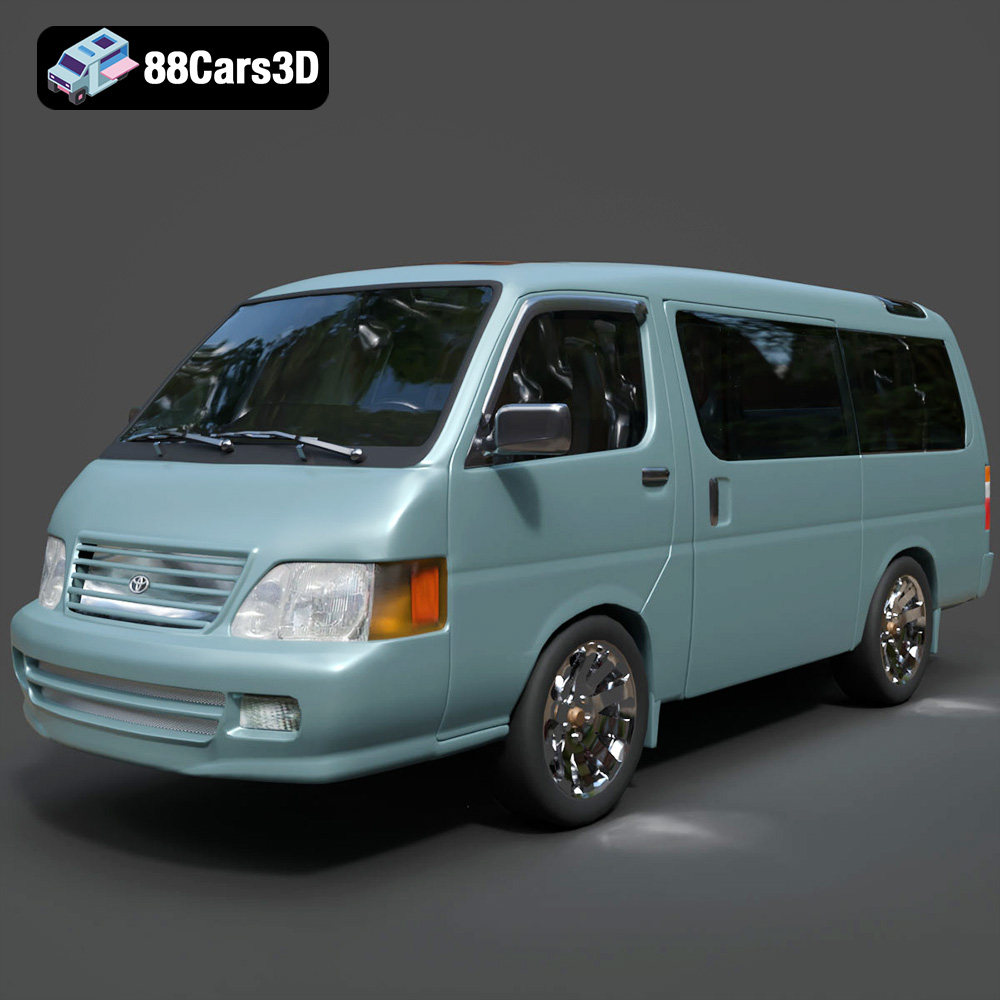
Texture: Yes
Material: Yes
Download the Toyota Hiace 3D Model featuring versatile design and detailed exterior. Includes .blend, .fbx, .obj, .glb, .stl, .ply, .unreal, and .max formats for rendering, simulation, and game development.
Price: $21.99
Texture: Yes
Material: Yes
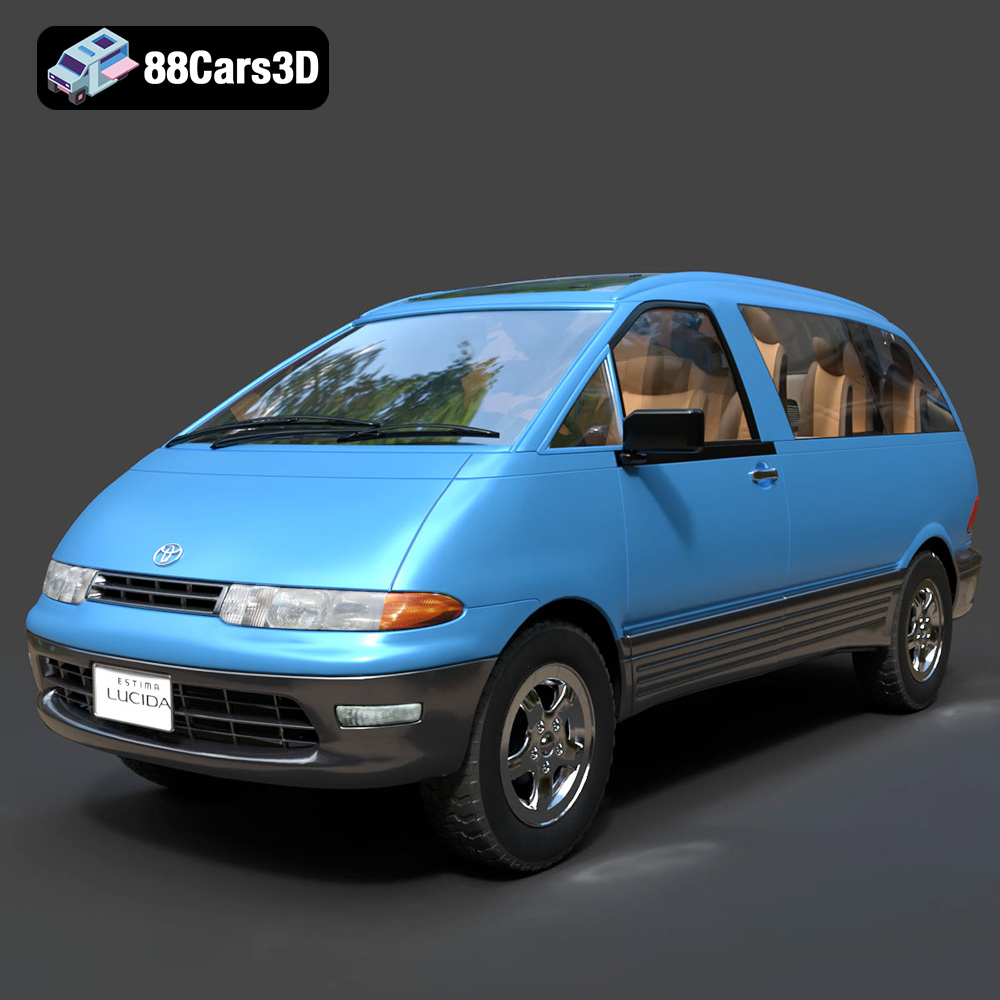
Download the Toyota Estima Lucida 3D Model featuring its iconic compact MPV design, versatile interior, and accurate exterior details. Includes .blend, .fbx, .obj, .glb, .stl, .ply, .unreal, and .max formats for rendering, simulation, and game development.
Price: $24.99

Texture: Yes
Material: Yes
Download the Toyota Alphard 3D Model featuring a detailed luxury minivan design with an accurate exterior and interior. Includes .blend, .fbx, .obj, .glb, .stl, .ply, .unreal, and .max formats for rendering, simulation, and game development.
Price: $21.99
Texture: Yes
Material: Yes
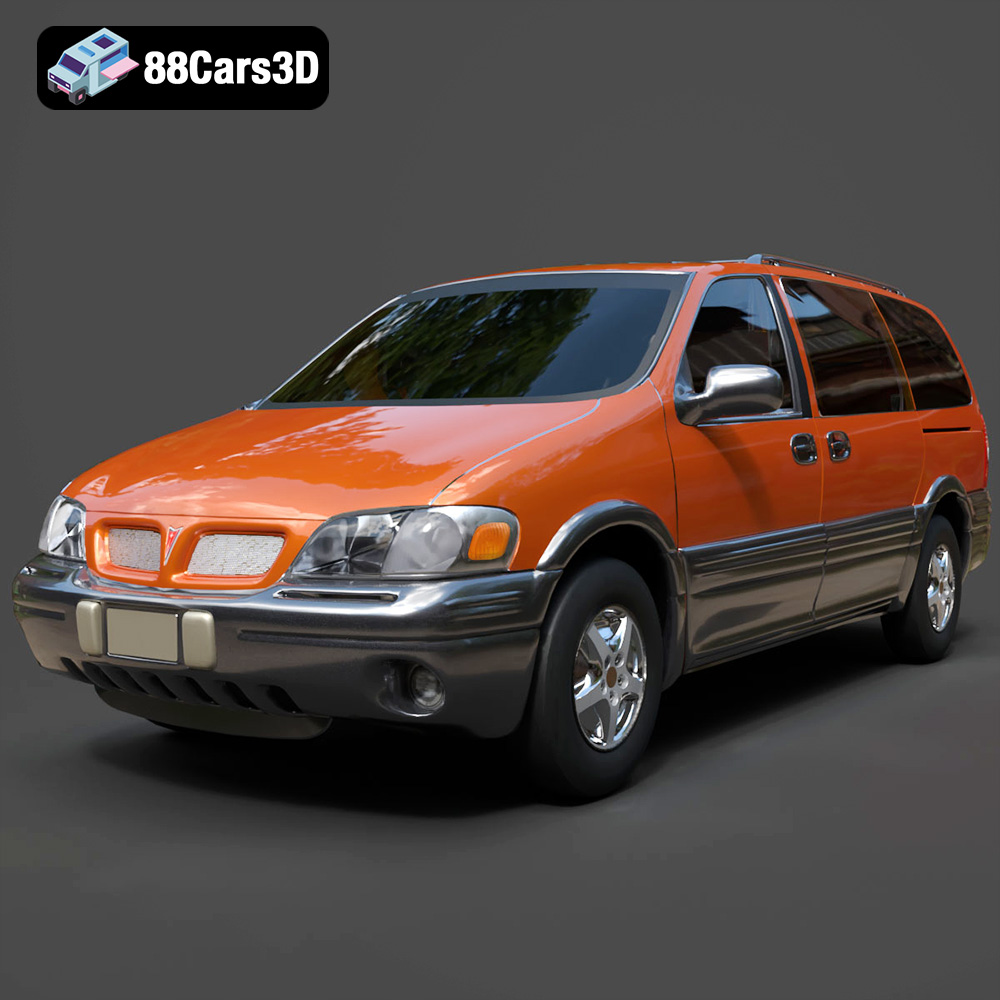
Download the Pontiac Montana 1998 3D Model featuring a detailed exterior, functional interior, and optimized mesh. Includes .blend, .fbx, .obj, .glb, .stl, .ply, .unreal, and .max formats for rendering, simulation, and game development.
Price: $21.99
Texture: Yes
Material: Yes
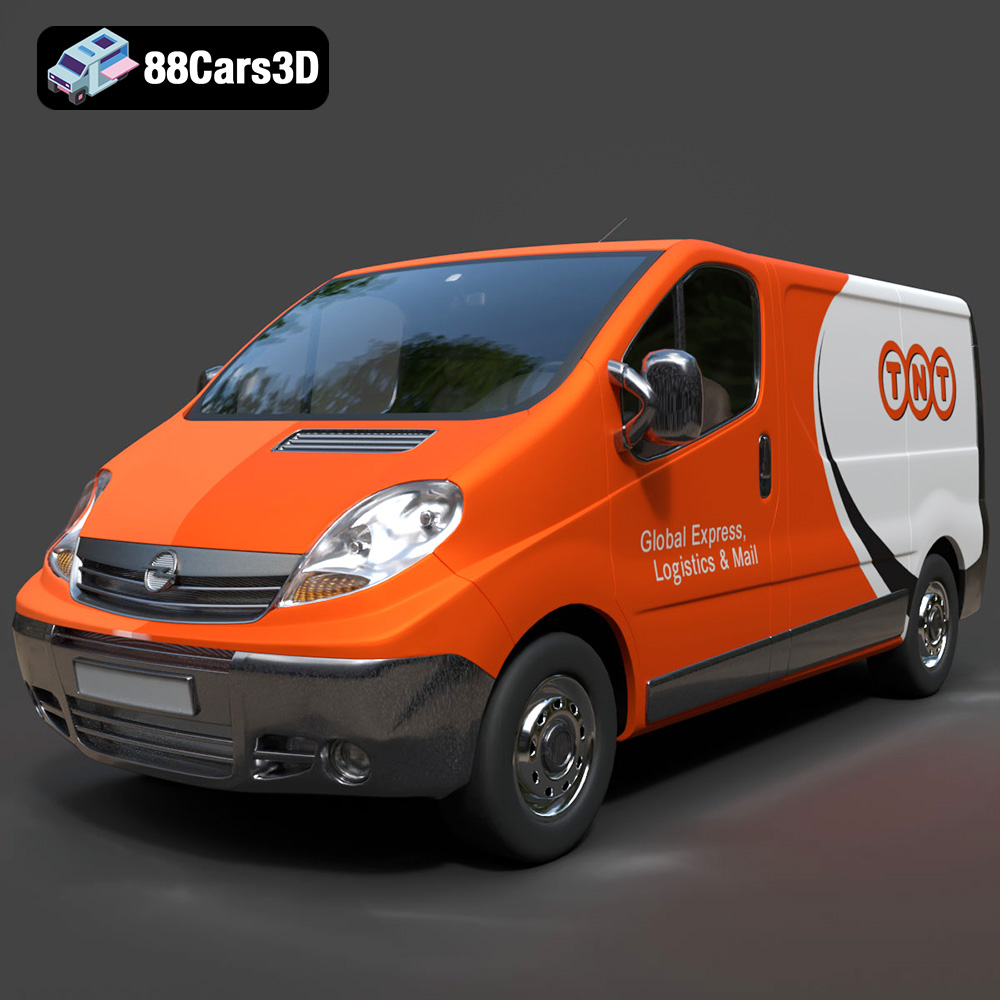
Download the Opel Vivaro 3D Model featuring a versatile commercial van design with balanced detailing. Includes .blend, .fbx, .obj, .glb, .stl, .ply, .unreal, and .max formats for rendering, simulation, and game development.
Price: $21.99
Texture: Yes
Material: Yes
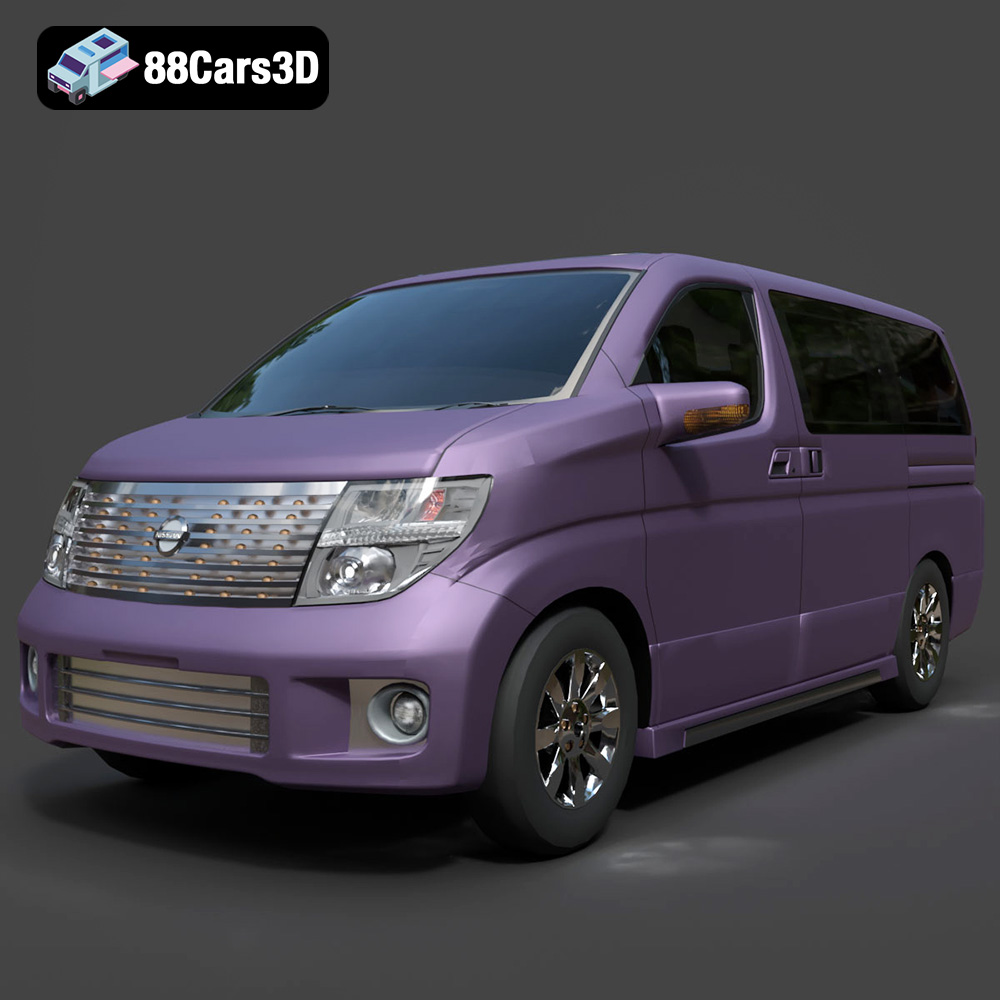
Download the Nissan Elgrand 3D Model featuring a versatile minivan design. Includes .blend, .fbx, .obj, .glb, .stl, .ply, .unreal, and .max formats for rendering, simulation, and game development.
Price: $21.99
Texture: Yes
Material: Yes
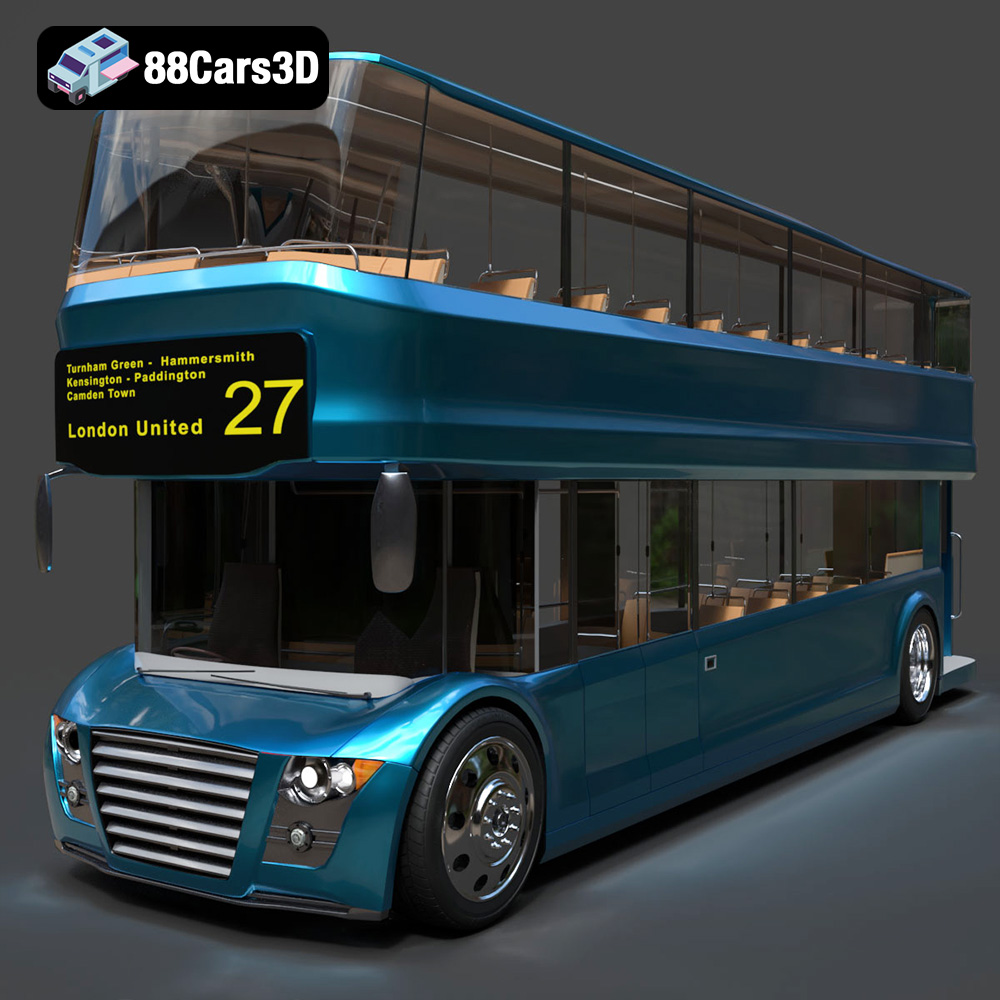
Download the New Bus For London 3D Model featuring a detailed exterior and interior, optimized for rendering and animation. Includes .blend, .fbx, .obj, .glb, .stl, .ply, .unreal, and .max formats for rendering, simulation, and game development.
Price: $21.99

