⚡ FLASH SALE: Get 60% OFF All Premium 3D & STL Models! ⚡

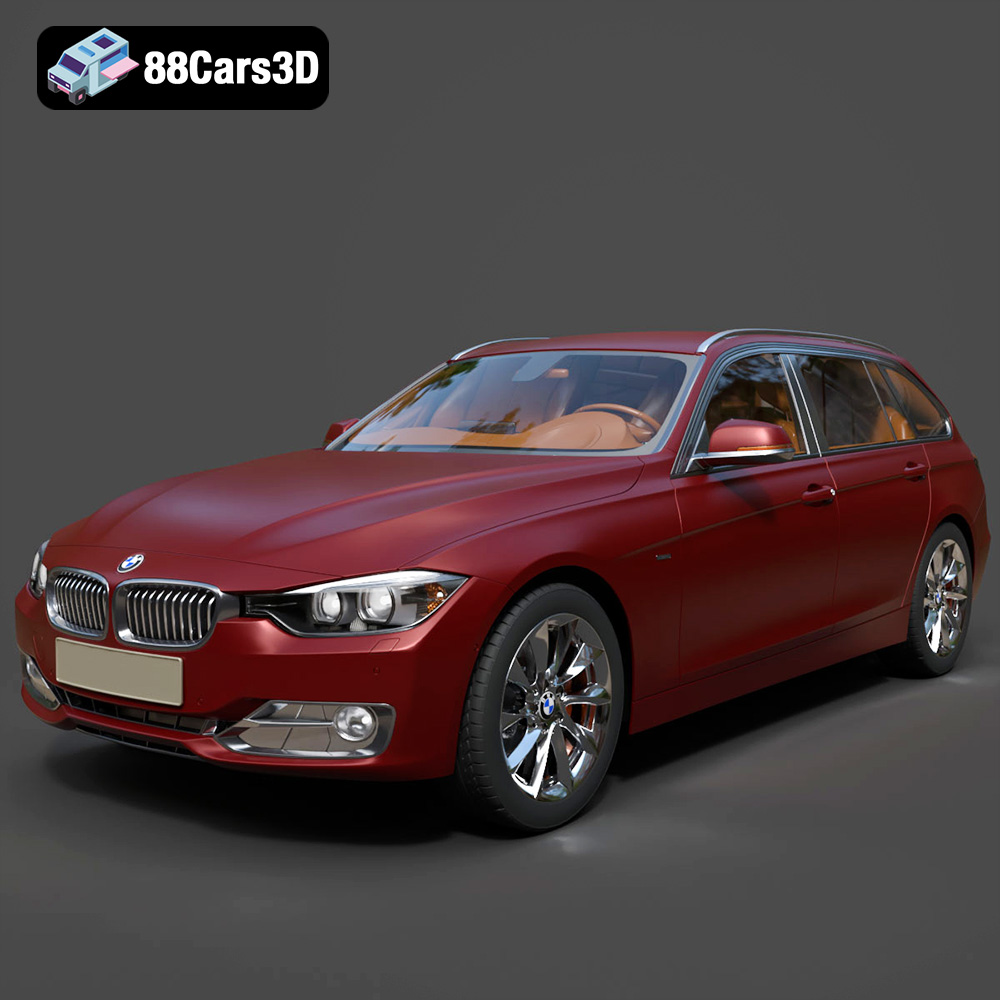
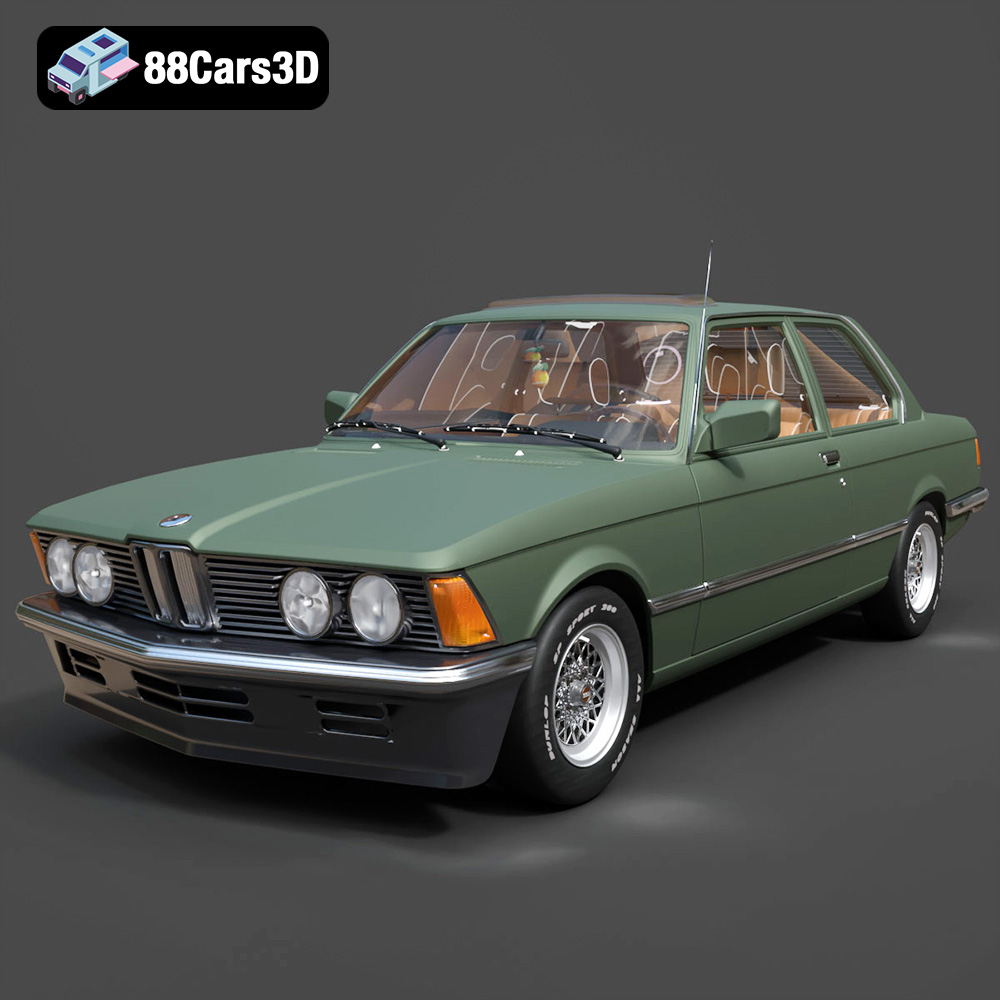
In the dynamic world of digital visualization, the demand for high-fidelity 3D car models has never been greater. From blockbuster video games and cinematic advertisements to cutting-edge architectural visualizations and advanced automotive design reviews, a meticulously crafted 3D vehicle asset forms the bedrock of stunning visual experiences. These aren’t just simple geometric shapes; they are complex digital sculptures that embody precision engineering, artistic vision, and technical mastery.
This comprehensive guide delves into the intricate universe of 3D car models, exploring their creation, optimization, and deployment across diverse industries. We’ll uncover the technical nuances that elevate a good model to an exceptional one, discuss essential workflows in popular software, and examine how these assets power everything from photorealistic renders to immersive real-time applications. Whether you’re an automotive designer, a game developer, an architect, or a marketing professional, understanding the core principles behind quality 3D car models is crucial for achieving impactful results.
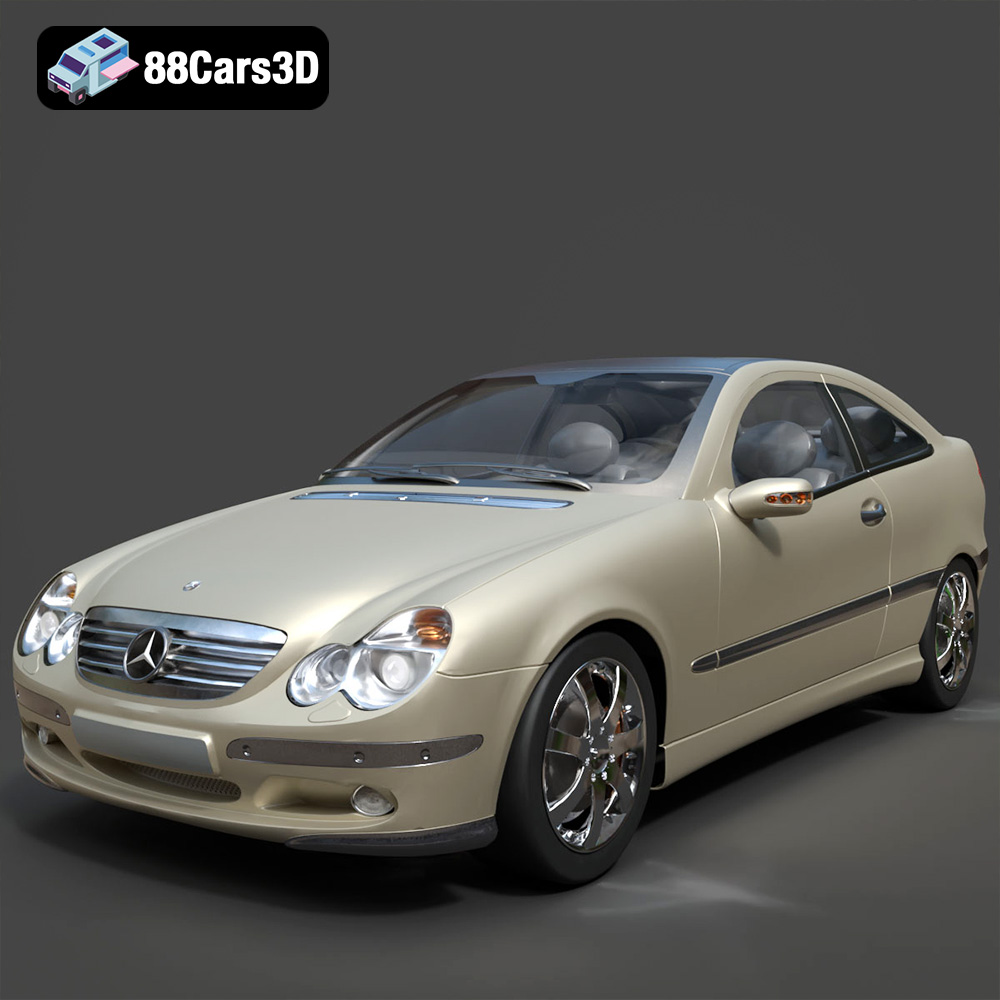
At the heart of any compelling automotive project lies a superior 3D car model. The quality of this foundational asset dictates the potential for realism, flexibility, and performance throughout the production pipeline. It’s more than just aesthetics; it’s about the underlying structure, accuracy, and efficiency that make the model usable across various platforms and applications.
A production-ready 3D car model is characterized by several critical attributes:
Realism in 3D car models is often a sum of its minute parts. While the exterior bodywork captures immediate attention, it’s the attention to internal and ancillary details that truly sells the illusion:
For many projects, the decision to create a 3D car model from scratch versus acquiring a pre-made asset is a significant one. Custom creation offers unparalleled specificity and control, ensuring the model perfectly matches unique project requirements. However, it demands substantial time, resources, and skilled artists.
Sourcing premium 3D car models from specialized marketplaces like 88cars3d.com offers a highly efficient alternative. These platforms provide access to a vast library of professionally crafted models, often already optimized for various uses. This approach significantly reduces production timelines and costs, allowing teams to focus on rendering, animation, or game integration rather than the initial modeling phase. The key is to find models that meet the high standards discussed above, ensuring they integrate seamlessly into your pipeline without requiring extensive cleanup or rework.
The world of 3D modeling is rich with various file formats, each designed with specific purposes, compatibilities, and technical characteristics in mind. Selecting the correct format is crucial for a smooth workflow, ensuring your 3D car models transfer accurately between software, engines, or specialized applications. Understanding these differences empowers creators to make informed decisions for their projects.
The .blend format is native to Blender, the popular open-source 3D creation suite. It’s a comprehensive scene file, meaning it saves not only the mesh data but also materials, textures, lighting, cameras, animations, rigging, and even Grease Pencil data. This makes it ideal for projects where Blender is the primary modeling and animation tool. When you download a .blend file from a marketplace like 88cars3d.com, you’re getting a fully intact, editable project file, allowing for deep customization and iteration within Blender. Its main drawback is that it’s primarily used within Blender; direct compatibility with other software often requires export to a more universal format.
.fbx (Filmbox) is one of the most widely adopted proprietary file formats for 3D content interchange, developed by Autodesk. It excels in transferring animated characters, scenes, and complex data between different 3D applications like Maya, 3ds Max, Cinema 4D, and critically, game engines such as Unreal Engine and Unity. An FBX file can store geometry (polygons, vertices, UVs), materials (with texture references), cameras, lights, animations, and skeletal deformation data (rigs and skinning). Its robust support for animation and hierarchical scene structures makes it the go-to format for real-time interactive applications and cinematic sequences. When working with .fbx, ensure texture paths are correctly referenced and embedded if needed, especially when transferring between systems.
The .obj (Wavefront OBJ) format is a venerable and highly universal text-based format. It’s excellent for geometry transfer, storing vertex positions, UV coordinates, vertex normals, and polygonal faces. Almost every 3D software can import and export OBJ files, making it a reliable choice for simple mesh exchange between disparate applications. However, OBJ does not inherently store scene information like lighting, cameras, or animation. Materials are typically referenced in an accompanying .mtl (material template library) file, which primarily defines basic color and reflection properties, often requiring material recreation in the target software for advanced PBR setups.
.glb (GL Transmission Format Binary) is the binary version of glTF (GL Transmission Format). It’s designed specifically for efficient transmission and loading of 3D scenes and models in web and real-time applications. GLB files package all assets (geometry, materials, textures, animations) into a single, self-contained binary file. This makes them incredibly efficient for web-based 3D viewers, AR/VR experiences, and applications where file size and load times are critical. GLB natively supports PBR (Physically Based Rendering) materials, making it a fantastic choice for showcasing 3D car models directly in browsers or mobile AR applications with high visual fidelity.
The .stl (Stereolithography) format is the standard for 3D printing and rapid prototyping. It describes only the surface geometry of a 3D object using a mesh of triangular facets. STL files do not contain color, texture, or material information, nor do they support animation or scene data. Its simplicity makes it universally compatible with 3D printers and slicing software. When preparing a 3D car model for 3D printing, converting it to STL involves ensuring the mesh is “watertight” (no holes or non-manifold geometry) to ensure a successful print.
.ply (Polygon File Format or Stanford Triangle Format) is a versatile format used primarily for storing 3D data from 3D scanners. It can store more complex information than STL, including color, transparency, confidence values, and normal vectors for each vertex and face, making it suitable for scientific data, CAD, and precise geometric analysis. While less common for general 3D model exchange compared to FBX or OBJ, its ability to store rich attribute data at a per-vertex or per-face level makes it valuable for specialized applications.
While not a universal file extension in the same vein as FBX or OBJ, when referring to .unreal, it typically implies an asset that has been fully imported, optimized, and configured within Unreal Engine itself. This isn’t a single exportable file type but rather a collection of UAssets (e.g., Static Meshes, Skeletal Meshes, Materials, Blueprints) saved within an Unreal project. An “Unreal-ready” 3D car model usually means it has been processed to fit Unreal’s specific requirements, including collision meshes, LODs (Levels of Detail), and PBR material setups, ready for direct integration into an Unreal project without further conversion or setup.
Similar to .blend for Blender, the .max format is the native file type for Autodesk 3ds Max. It stores a complete 3ds Max scene, encompassing geometry, materials, textures, lighting, cameras, modifiers, animations, and plugin data. This format is essential for users whose primary workflow revolves around 3ds Max, providing full editability and access to all scene components. Like .blend, its primary use is within its native software, requiring export to other formats for cross-application compatibility.
Choosing the right format is a strategic decision that impacts workflow efficiency, data integrity, and project outcome. By understanding the strengths and limitations of each, creators can ensure their premium 3D car models are delivered and utilized optimally across diverse digital landscapes.
Achieving photorealistic automotive renders is an art form that blends technical proficiency with an eye for aesthetic detail. It involves more than just having a great 3D car model; it’s about meticulously crafting the lighting, materials, and camera settings to create an image indistinguishable from a photograph.
A convincing render begins with a well-designed lighting setup, often mimicking real-world photography studios:
Workflows in software like 3ds Max with V-Ray or Corona Renderer, or Blender with Cycles, involve carefully placing and adjusting these light sources, paying close attention to their intensity, color temperature, and size to achieve the desired mood and reflectivity.
The materials applied to a 3D car model are paramount to its realism. Modern rendering engines utilize Physically Based Rendering (PBR) workflows, which simulate how light interacts with surfaces in the real world:
Creating these materials requires a deep understanding of PBR principles and meticulous texture creation, often leveraging software like Substance Painter or directly within the renderer’s material editor.
Even the most perfect render can be enhanced through thoughtful post-processing, much like a professional photographer edits their images:
These post-processing steps are crucial for transforming a technically accurate render into a visually stunning image that captures attention and conveys emotion.
While cinematic renders prioritize absolute visual fidelity, game development and real-time applications demand a balance between stunning visuals and robust performance. Optimizing 3D car models for these environments is a specialized skill focused on efficiency, maintainability, and scalability.
Real-time performance is directly tied to polygon count. High-poly models, while great for renders, can cripple a game engine:
Textures are vital for visual quality, and how they are mapped influences both appearance and performance:
The journey from a 3D model to an interactive game asset involves several crucial steps within the game engine:
Marketplaces like 88cars3d.com often provide models specifically labeled as “game-ready” or “engine-optimized,” meaning they come with appropriate poly counts, UVs, and PBR textures, significantly streamlining the integration process for game developers.
The utility of high-quality 3D car models extends far beyond traditional static renders and game environments. Augmented Reality (AR), Virtual Reality (VR), and advanced product visualization are rapidly growing fields where these assets play a pivotal role, offering immersive and interactive experiences.
AR/VR environments demand stringent optimization due to the real-time, often mobile-first, nature of the platforms and the need for high frame rates to prevent motion sickness:
Augmented Reality superimposes digital content onto the real world. For 3D car models, this means:
Imagine using an app to visualize a new car model in your garage or driveway before purchase – the quality and optimization of the 3D car model are paramount to making that experience believable and useful.
The automotive industry heavily utilizes 3D car models for sales and marketing:
The depth and breadth of application for professional-grade 3D car models continue to expand, making them indispensable assets for forward-thinking businesses across numerous sectors.
Examining real-world applications of 3D car models highlights the best practices and innovative approaches employed by professionals. These insights offer valuable lessons for anyone looking to excel in automotive visualization.
Consider a high-end automotive advertising studio tasked with creating a cinematic launch video for a new luxury vehicle. Their workflow typically involves:
The success of such a project hinges on meticulous attention to detail at every stage, building upon a high-quality 3D car model as its cornerstone.
An independent game studio aiming to create a realistic racing game faces different challenges, primarily resource constraints. Here, leveraging pre-made, optimized 3D car models is a game-changer:
This approach allows indie developers to achieve a level of visual fidelity that would otherwise be impossible within their budget and timeline, proving the immense value of accessible, high-quality 3D car models.
The 3D automotive industry is constantly evolving. New rendering technologies, software updates, and emerging platforms (e.g., Web3, advanced AR headsets) continuously push the boundaries of what’s possible. Best practices dictate a commitment to:
By embracing these principles, 3D artists and studios can consistently deliver cutting-edge automotive visualizations and interactive experiences that captivate audiences and drive innovation.
The world of 3D car models is a testament to the confluence of art, engineering, and digital wizardry. From the intricate topology that defines a vehicle’s silhouette to the complex PBR materials that bring its surface to life, every aspect contributes to its ultimate impact. We’ve explored the foundational elements of high-quality models, navigated the crucial landscape of file formats, and delved into the specialized workflows for photorealistic rendering, game development, and the exciting frontiers of AR/VR.
Whether you’re crafting cinematic advertisements, building immersive game worlds, or developing innovative product configurators, the quality of your 3D car models is paramount. It dictates the realism, flexibility, and performance of your entire project. As technology continues to advance, the demand for meticulously crafted, optimized, and versatile 3D assets will only grow.
For professionals and enthusiasts alike, understanding these technical nuances is key to success. And for those seeking a reliable source of premium, production-ready assets that can elevate any project, platforms like 88cars3d.com stand as invaluable resources, providing the building blocks for tomorrow’s most stunning digital experiences. Embrace the power of precision and push the boundaries of automotive visualization.