⚡ FLASH SALE: Get 60% OFF All Premium 3D & STL Models! ⚡

In the expansive realm of real-time rendering and virtual production, the environment surrounding your primary assets plays a pivotal role in telling a compelling story and achieving visual fidelity. For those working with exquisite 3D car models, be it for cutting-edge automotive visualization, immersive game development, or striking cinematic sequences, a meticulously crafted landscape is not merely a backdrop—it’s an integral component that enhances realism, defines mood, and provides a stage for your creations to shine. Unreal Engine, renowned for its powerful rendering capabilities, offers a comprehensive suite of Landscape tools that empower artists and developers to sculpt vast, detailed, and performant terrains.
Mastering these tools is essential for creating dynamic backdrops that complement the high-quality assets found on platforms like 88cars3d.com. Whether you’re designing a sprawling open-world environment for a racing game, a photo-realistic scene for an automotive configurator, or a stunning vista for a virtual production shoot, Unreal Engine’s Landscape system provides the foundation. This comprehensive guide will delve deep into the technical intricacies of terrain creation and sculpting within Unreal Engine, offering actionable workflows, optimization strategies, and professional tips to help you build breathtaking digital worlds that elevate your automotive projects to new heights.
The journey of crafting a compelling digital environment begins with the fundamental setup of your landscape within Unreal Engine. Unlike traditional static meshes, the Landscape system is purpose-built for large, editable terrains, offering significant performance advantages and specialized tools. Understanding its initial configuration is crucial for scalability and optimization. When you create a new Landscape actor, you’re prompted to define its dimensions through parameters like section size, number of sections, and number of components. These choices directly impact the resolution and detail capacity of your terrain, with larger section sizes leading to more components but potentially coarser detail per section. A common starting point for a balanced workflow might involve a section size of 63×63 and 1×1 sections per component, then scaling up the number of components.
For artists preferring to generate terrain outside Unreal Engine, importing heightmaps is a powerful alternative. Heightmaps, typically grayscale images (PNG or RAW format), define the elevation of each point on your landscape. The brighter the pixel, the higher the terrain. Ensuring your imported heightmap resolution matches Unreal Engine’s recommended power-of-two plus one (e.g., 505×505, 1009×1009, 2017×2017) is critical for avoiding interpolation artifacts and ensuring optimal detail representation. A well-prepared heightmap, perhaps generated from real-world GIS data or specialized terrain generation software like World Machine or Gaea, can provide an incredibly realistic base for your environment, especially when aiming for geographical accuracy to showcase high-fidelity 3D car models.
For truly vast and seamless open worlds, Unreal Engine offers powerful systems like World Composition (for older projects) and its successor, World Partition. World Partition, introduced in Unreal Engine 5, intelligently divides your world into a grid, only loading the necessary cells around the player or camera. This approach drastically reduces memory footprint and improves streaming performance, allowing for environments that would otherwise be impractical. Setting up World Partition involves enabling it in project settings and converting your existing levels, or starting a new project with it enabled. For optimal performance, configure streaming distances for cells based on your target platform and visual fidelity needs. This ensures that distant terrain and assets are culled or rendered at lower detail, conserving precious resources. Proper configuration of these systems is paramount when creating expansive scenic routes or diverse proving grounds for automotive visualization.
When importing heightmaps, precision is key. Opt for 16-bit PNG or RAW files to capture a greater range of elevation data, preventing banding or ‘terracing’ artifacts common with 8-bit images. Before import, ensure your heightmap’s aspect ratio matches your desired landscape dimensions. Unreal Engine will scale the heightmap to fit the chosen number of components and sections. It’s often beneficial to have a slight border of flat terrain in your heightmap to avoid abrupt edges. During the import process, you can adjust the Z-scale to control the vertical exaggeration of your terrain, allowing you to fine-tune mountain heights and valley depths. Remember, a good heightmap provides a solid structural base, but the real artistic refinement comes through the engine’s powerful sculpting tools.
Once your landscape is laid out, either procedurally or via heightmap import, Unreal Engine’s robust sculpting tools transform it from a raw canvas into a living, breathing environment. Accessible through the ‘Landscape’ mode in the editor, these tools offer intuitive controls for shaping the terrain with artistic precision. The ‘Sculpt’ tool, the most fundamental, allows you to raise and lower terrain with adjustable brush size, strength, and falloff. It’s perfect for creating general landforms like hills, valleys, and gentle slopes. For smoothing out rough edges or blending distinct features, the ‘Smooth’ tool is indispensable, preventing jagged transitions that can detract from realism.
The ‘Flatten’ tool is excellent for creating specific elevated or depressed areas, such as plateaus or lakebeds, allowing you to sample a height and then apply it across a brushed area. The ‘Ramp’ tool is a standout for creating consistent slopes between two designated points, proving invaluable for constructing roads, inclines for bridges, or gradual transitions for vehicle testing tracks. More advanced tools like ‘Erosion’ and ‘Hydro Erosion’ procedurally simulate natural geological processes, adding astonishing realism with minimal effort. Erosion creates weathered, rocky surfaces, while Hydro Erosion carves out believable riverbeds and sediment deposits. Finally, ‘Noise’ adds subtle, natural-looking variations to surfaces, breaking up monotonous areas, and ‘Retopologize’ can help optimize landscape component geometry by reconstructing it based on a brush, reducing complexity where fine detail isn’t required.
Beyond the basic application, advanced sculpting involves combining tools and leveraging brush properties. Using custom alpha brushes (grayscale images that define the brush shape) can introduce highly specific details, such as rock patterns, tire tracks, or architectural imprints, offering unparalleled control over surface textures. The ‘Remap’ tool provides fine-grained control over elevation ranges, allowing you to compress or expand specific height bands, which is incredibly useful for fine-tuning mountains or optimizing terrain for specific vehicle interactions. Furthermore, judicious use of masking can isolate areas, protecting them from unintended modifications while you sculpt adjacent regions. Mastering these techniques transforms generic terrain into unique, believable landscapes with intricate geological features, perfect for showcasing the realism of your 3D car models.
For automotive visualization and game development, the terrain isn’t just scenery—it’s an interactive surface. When sculpting, consider the implications for vehicle dynamics. Roads and tracks need to be smooth enough for realistic driving physics but still possess enough natural variation to feel authentic. The ‘Ramp’ and ‘Flatten’ tools are your best friends for creating stable roadbeds and smooth curves. Use the ‘Sculpt’ and ‘Smooth’ tools with low strength to add subtle undulations that simulate natural terrain without causing jarring vehicle behavior. For off-road scenarios, emphasize rougher surfaces using ‘Noise’ and ‘Erosion’ tools, but always test collision and physics to ensure a balanced experience. Designing naturalistic yet navigable terrains ensures your high-fidelity car models can be driven and presented authentically, whether in a high-octane racing simulator or a serene virtual showroom environment.
A sculpted landscape, no matter how detailed, remains a barren canvas without rich, realistic materials. Unreal Engine’s Material Editor, combined with its powerful Landscape Layer system, allows for incredibly versatile and performant terrain texturing. The core concept revolves around a Master Landscape Material that intelligently blends multiple PBR (Physically Based Rendering) texture sets based on painting, height, or slope. Each texture set typically includes an Albedo (color), Normal, Roughness, and optionally Ambient Occlusion and Height maps, all working together to define the surface properties.
The Landscape Layer system enables artists to paint different materials onto the terrain. You achieve this by creating Layer Info objects for each material layer (e.g., grass, dirt, rock, sand). There are two primary blending methods: Weight Blending and Non-Weight Blending. Weight blending is the most common, where the sum of all layer weights on a given pixel equals one, ensuring a seamless transition and preventing over-painting. Non-weight blending allows layers to stack independently but is generally less performant and primarily used for specific effects. A well-constructed Master Landscape Material will minimize instruction count while maximizing visual fidelity, supporting dynamic painting and blending across vast terrains.
While visual quality is paramount, performance cannot be overlooked, especially for real-time rendering. When developing PBR materials for your landscape, prioritize texture resolution carefully. While 4096×4096 or even 8192×8192 textures provide incredible detail up close, they consume significant memory. For layers that cover vast areas or are seen from a distance, 2048×2048 or even 1024×1024 might suffice, with detail provided by tiling and macro textures. The Material Editor’s instruction count is a critical metric; aim to keep it as low as possible without compromising visual quality. Overly complex material graphs can quickly become a performance bottleneck. Utilizing shared samplers, parameter collections, and carefully organized material functions can significantly reduce instruction count and draw calls. For deeper insights into optimizing materials, the official Unreal Engine documentation on material best practices is an invaluable resource: https://dev.epicgames.com/community/unreal-engine/learning.
Beyond manual painting, Unreal Engine allows for sophisticated procedural material blending. You can create an auto-material that automatically applies different textures based on the landscape’s slope (e.g., rock on steep inclines, grass on flatter areas) or height (e.g., snow on mountain peaks, sand in valleys). This significantly speeds up initial texturing and provides a natural base. For interactive experiences, you can even use Blueprint scripting to dynamically change landscape layers—for instance, creating muddy tracks where a vehicle has driven, or wet surfaces during rain. Integrating physical materials with your landscape layers is also crucial for realistic vehicle interaction, ensuring that driving on gravel sounds and feels different from driving on asphalt. By leveraging these dynamic blending techniques, you create truly immersive and reactive environments for your 3D car models.
A sculpted and textured landscape comes to life through the careful application of lighting and environmental effects. Unreal Engine offers a range of sophisticated lighting solutions that are critical for achieving photo-realism, especially when showcasing high-fidelity automotive assets. Lumen, Unreal Engine 5’s fully dynamic global illumination and reflections system, is a game-changer for landscapes. It provides real-time indirect lighting bounces and reflections on your terrain, making environments incredibly dynamic and reactive to changes in the sun’s position or the introduction of artificial lights. For expansive outdoor scenes, Lumen ensures that every crack and crevice in your terrain is realistically lit, bringing out the intricate details sculpted and textured earlier.
Alongside Lumen, traditional lighting elements remain essential. A powerful Directional Light simulates the sun, casting crisp, dynamic shadows that define the terrain’s contours. A Sky Light captures the ambient light of the sky, providing soft, diffused illumination that fills in shadowed areas and contributes to overall atmospheric realism. Adding an Atmospheric Fog or Volumetric Fog actor introduces depth and realism to distant vistas, helping to create a sense of scale and soften the horizon. Post-processing volumes are the final touch, allowing you to fine-tune color grading, exposure, bloom, depth of field, and other cinematic effects, bringing your entire scene into harmonious visual balance.
For automotive visualization, lighting isn’t just about realism—it’s about presentation. The environment’s lighting should accentuate the design and materials of your 3D car models from platforms like 88cars3d.com. Consider tailoring your lighting to create a studio-like ambiance even in an outdoor setting, using techniques like subtle bounce cards or fill lights (simulated with additional static lights) to highlight specific features of the vehicle. Dynamic time-of-day systems, often implemented with Blueprint, allow you to showcase a car in various lighting conditions—from the soft golden hour to the dramatic shadows of midday. Experiment with different sky colors and cloud formations to evoke specific moods, ensuring the environment perfectly complements the vehicle’s aesthetic. A well-lit environment can make the difference between a good car render and an exceptional one, demonstrating the vehicle’s appeal in diverse, believable settings.
Beyond static lighting, dynamic weather effects add another layer of immersion and storytelling. Unreal Engine’s Niagara particle system is incredibly powerful for creating realistic rain, snow, or dust effects that interact seamlessly with your landscape. Imagine a rally car tearing through a dusty desert track, with dust clouds kicked up by its tires and swirling across the terrain, or a luxury vehicle elegantly navigating a serene, rain-soaked city street. Volumetric clouds, either procedural or texture-based, can add dramatic depth and realism to your sky, influencing the overall lighting and mood. Integrating these elements with your landscape materials, perhaps by activating a “wetness” shader on the terrain during rain, significantly enhances the realism. These sophisticated visual effects not only make the environment more believable but also provide compelling scenarios for showcasing the resilience and design of your automotive assets.
Creating vast, detailed landscapes in Unreal Engine demands a keen understanding of performance optimization. Even with powerful hardware, unoptimized terrains can quickly cripple frame rates, making real-time rendering impractical for games, interactive experiences, or high-resolution visualization. The Landscape system itself is highly optimized, but its sheer scale and material complexity can be resource-intensive. One of the primary optimization strategies revolves around Landscape Level of Detail (LODs). Unreal Engine automatically generates LODs for landscapes, reducing the polygon count of distant terrain sections. You can fine-tune the LOD distances and detail levels in the Landscape actor’s properties, finding the sweet spot between visual fidelity and performance. Carefully setting these parameters prevents rendering unnecessary detail far from the camera.
While Nanite Virtualized Geometry doesn’t directly apply to the primary Landscape actor in the same way it does for static meshes, it plays a crucial role when populating your landscape. High-polygon static meshes like detailed rock formations, cliffs, or architectural elements placed on your terrain should leverage Nanite. This allows you to use film-quality assets without traditional LOD pipelines, as Nanite automatically streams and renders only the necessary pixel detail. For the landscape itself, managing draw calls and material complexity is paramount. Each unique material layer on your landscape adds to the draw call count, so consolidating material functions and texture usage within your Master Landscape Material is vital. Additionally, utilizing efficient culling techniques, such as frustum culling (where objects outside the camera’s view are not rendered) and occlusion culling (where objects hidden behind others are not rendered), helps reduce the workload on the GPU. World Partition, as discussed earlier, is fundamental for streaming large terrains, ensuring that only relevant sections are loaded into memory and rendered at any given time.
Textures are often a significant memory hog, especially for large landscapes with multiple high-resolution PBR material layers. Optimizing your texture pool size in Project Settings is crucial to prevent textures from being streamed out prematurely or causing hitches. Unreal Engine’s texture streaming system intelligently loads higher-resolution mipmaps for textures closer to the camera and lower-resolution ones for distant textures. Ensure your textures have proper mipmaps generated and configure their streaming settings effectively. Monitoring performance with profiling tools like ‘Stat GPU’ and ‘Stat Unit’ (accessed via the console) is indispensable. These tools provide real-time feedback on CPU and GPU performance, draw calls, memory usage, and texture streaming, allowing you to pinpoint bottlenecks and make informed optimization decisions. Regularly profiling your scene ensures a smooth experience for showcasing your 3D car models.
Striking the right balance between visual fidelity and frame rate is a constant challenge. For automotive visualization, where photo-realism is often the goal, you might prioritize higher texture resolutions and more complex materials, accepting a slightly lower frame rate or targeting high-end hardware. For games, however, consistent frame rates are paramount, requiring a more aggressive approach to optimization. Always consider your target platform and audience. Strategically place high-detail assets where they matter most, focusing player attention. Utilize Unreal Engine’s Optimization View Modes (e.g., Shader Complexity, Quad Overdraw) to identify performance hotspots within your landscape materials and geometry. Consistently review and refactor your landscape material graphs, simplifying where possible, and leveraging material instances for easier iteration and better performance. These practices ensure your meticulously crafted environments run smoothly, providing an uncompromised experience for your audience.
Beyond static beauty, Unreal Engine landscapes can be highly interactive, providing dynamic environments that react to player input or programmatic events. This interactivity is particularly valuable for automotive applications, from vehicle configurators to immersive driving simulators. Blueprint visual scripting is the cornerstone of this dynamism, allowing you to add complex logic without writing a single line of code. For instance, you can use Blueprint to modify landscape materials based on environmental factors, such as changing a road surface to appear wet during simulated rain, or dynamically altering terrain textures to create temporary muddy tracks where a vehicle has driven. This level of responsiveness significantly enhances immersion and realism.
Implementing realistic vehicle physics and collision with your landscapes is another critical aspect. Unreal Engine’s physics system ensures that vehicles interact believably with the terrain, with wheels reacting to bumps, slopes, and surface materials. Ensuring accurate collision meshes for your landscape, which the Landscape actor handles automatically, is vital for proper physics simulation. You can further enhance this by creating specific physical materials for different landscape layers (e.g., asphalt, gravel, dirt), allowing for unique tire friction, sound, and particle effects based on the surface the vehicle is traversing. This level of detail transforms a visual presentation into an interactive driving experience.
Blueprint allows for powerful interactions. Imagine a scenario where a player drives over a particular section of the landscape, and a hidden road segment becomes visible, or environmental hazards like falling rocks are triggered by proximity. You can script material parameters to change over time, simulating the gradual drying of a wet road or the accumulating dust on a desert path. More advanced Blueprint setups can even integrate with external data to procedurally generate or modify landscape features based on real-world conditions or user input. For example, a configurator could allow users to select a season, triggering a Blueprint that swaps landscape textures to reflect summer greenery, autumn leaves, or winter snow, providing diverse visual contexts for the 3D car models being showcased. These dynamic elements add significant value and engagement to any automotive project.
The true power of mastering Unreal Engine’s landscape tools lies in their ability to create bespoke, interactive environments perfectly tailored for showcasing 3D car models. Whether you’re designing a high-fidelity virtual showroom, a challenging rally course, or a serene coastal drive, the landscape provides the immersive context. By integrating landscapes into cinematic sequences using Sequencer, Unreal Engine’s powerful non-linear editor, you can choreograph camera movements that highlight both the vehicle and its environment. Imagine a camera sweeping gracefully over a rugged mountain pass, revealing a meticulously rendered sports car from 88cars3d.com navigating the challenging terrain, with dynamic lighting and weather effects further enhancing the drama. These interactive and cinematic applications of landscapes elevate automotive visualization from mere rendering to a truly immersive storytelling experience, allowing your vehicles to not just exist, but to perform and inspire within a credible digital world.
The journey through Unreal Engine’s Landscape tools reveals a powerful and versatile system, capable of generating anything from vast, photo-realistic open worlds to intricate, specialized environments. We’ve explored the foundational steps of landscape creation, the artistic nuances of sculpting, the technical depth of PBR material authoring and blending, and the critical strategies for lighting, visual effects, and performance optimization. We’ve also touched upon the immense potential of integrating Blueprint scripting for dynamic interactivity, transforming static backdrops into living, breathing stages for your projects.
For professionals in automotive visualization, game development, and real-time rendering, mastering these tools is not merely an optional skill but a fundamental requirement. The immersive quality of your digital world directly impacts how effectively you can present and highlight high-quality assets. A meticulously crafted landscape, rich with detail and optimized for performance, serves as the perfect canvas for the premium 3D car models available on marketplaces like 88cars3d.com. By understanding and applying the techniques discussed in this guide, you gain the ability to sculpt environments that not only look stunning but also enhance narrative, facilitate interaction, and push the boundaries of real-time realism.
So, take these insights, open Unreal Engine, and start experimenting. Leverage the engine’s incredible power to bring your creative visions to life, building the next generation of immersive automotive experiences and virtual worlds. The digital frontier awaits your touch—begin sculpting your masterpiece today.
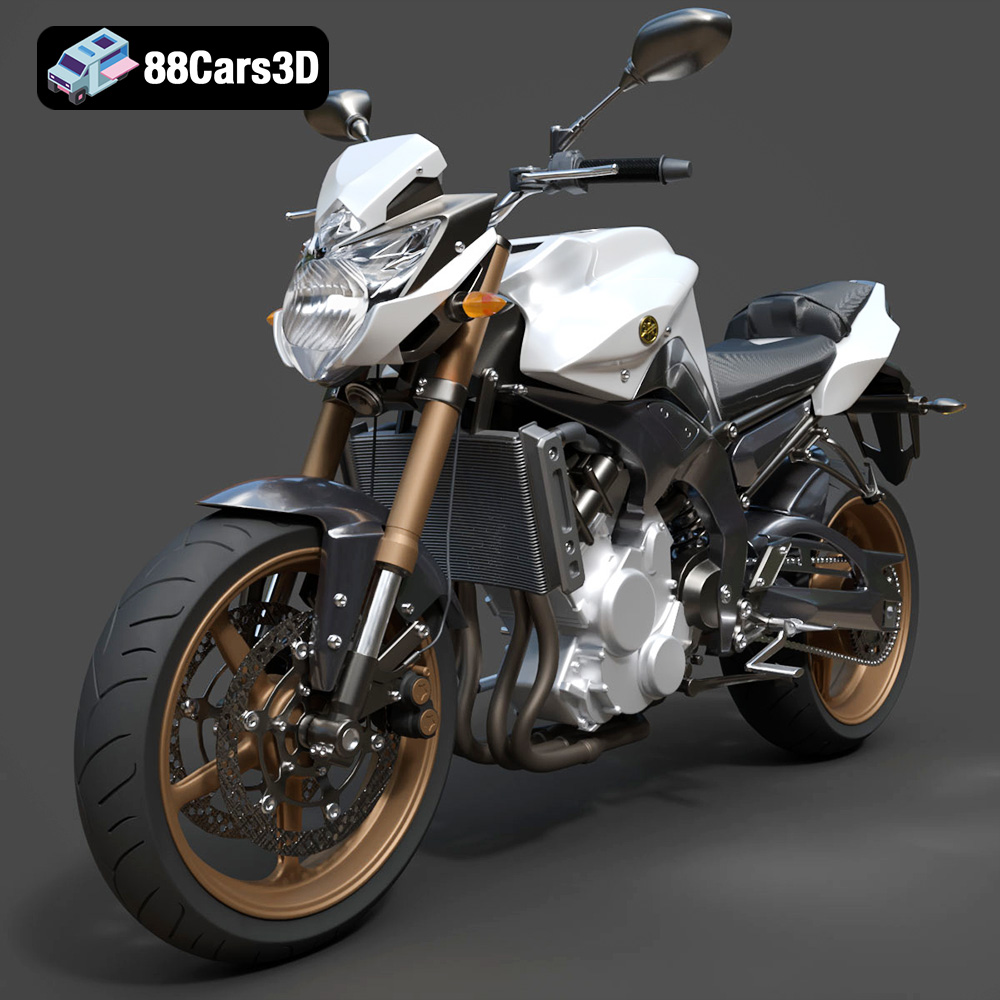
Texture: Yes
Material: Yes
Download the Yamaha FZ8 2011 3D Model featuring clean geometry, realistic detailing, and a fully modeled interior. Includes .blend, .fbx, .obj, .glb, .stl, .ply, .unreal, and .max formats for rendering, simulation, and game development.
Price: $19.99
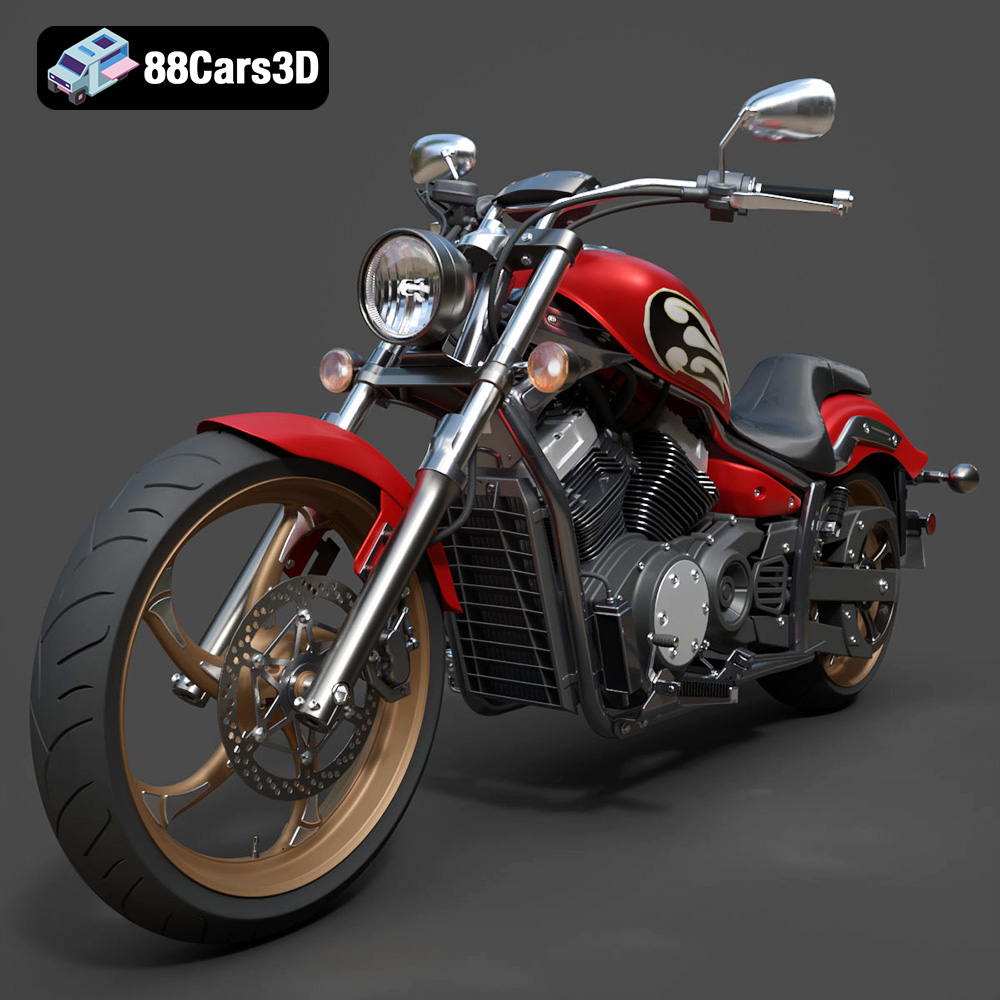
Texture: Yes
Material: Yes
Download the Yamaha Stryker 2012 3D Model featuring clean geometry, realistic detailing, and a fully modeled interior. Includes .blend, .fbx, .obj, .glb, .stl, .ply, .unreal, and .max formats for rendering, simulation, and game development.
Price: $19.99
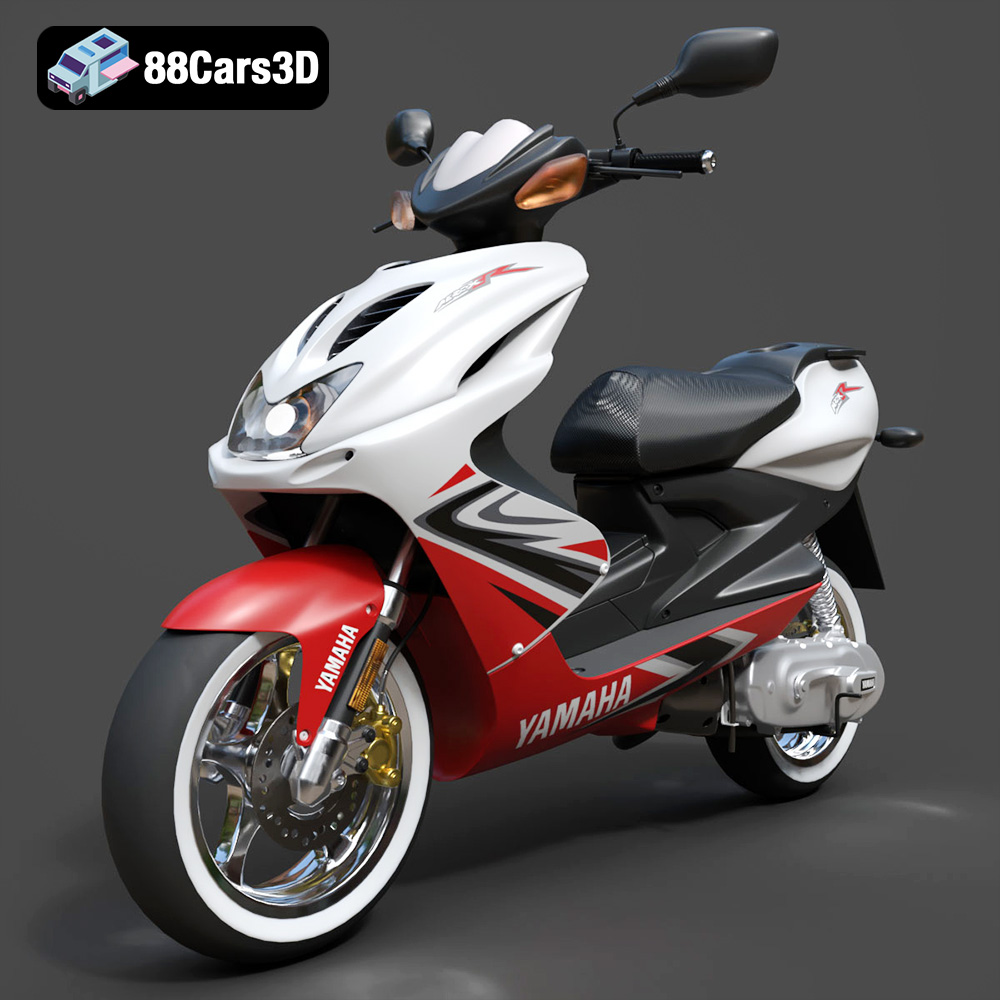
Texture: Yes
Material: Yes
Download the Yamaha Aerox R-002 2024 3D Model featuring clean geometry, realistic detailing, and a fully modeled interior. Includes .blend, .fbx, .obj, .glb, .stl, .ply, .unreal, and .max formats for rendering, simulation, and game development.
Price: $19.99

Texture: Yes
Material: Yes
Download the Ford Ambulance AmServ LTD Dusan-002 3D Model featuring a high-detail exterior and interior, realistic textures, and emergency lighting. Includes .blend, .fbx, .obj, .glb, .stl, .ply, .unreal, and .max formats for rendering, simulation, and game development.
Price: $19.99
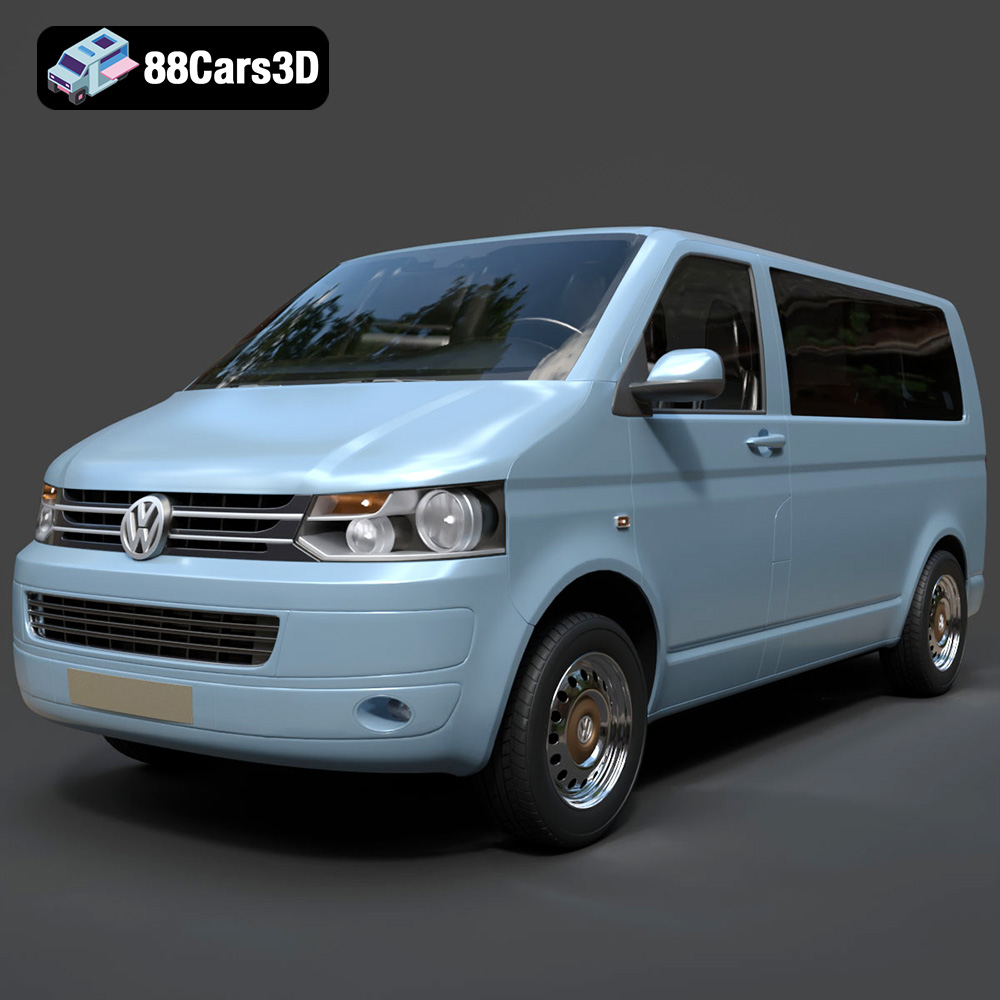
Texture: Yes
Material: Yes
Download the Volkswagen Transporter T5 FL 2010 3D Model featuring clean geometry, realistic detailing, and a fully modeled interior. Includes .blend, .fbx, .obj, .glb, .stl, .ply, .unreal, and .max formats for rendering, simulation, and game development.
Price: $22.99
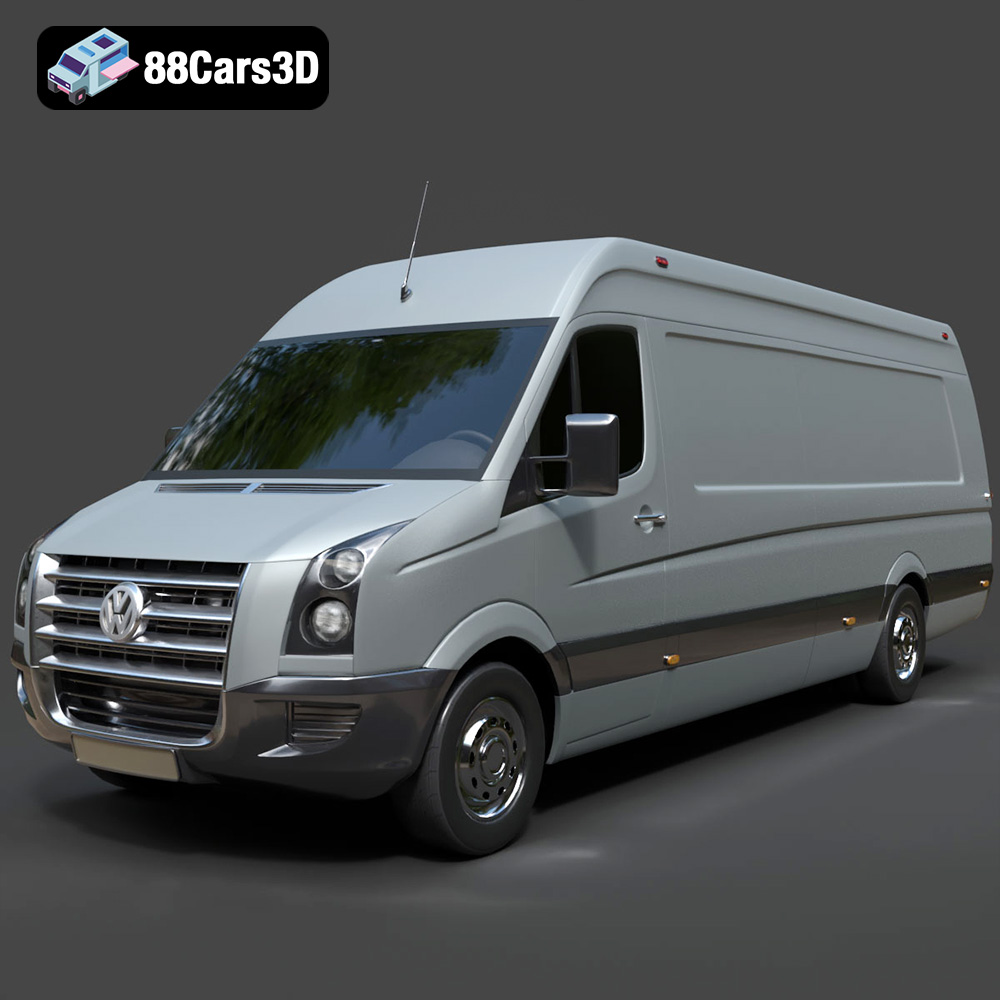
Texture: Yes
Material: Yes
Download the Volkswagen Crafter 2020 3D Model featuring clean geometry, realistic detailing, and a fully modeled interior. Includes .blend, .fbx, .obj, .glb, .stl, .ply, .unreal, and .max formats for rendering, simulation, and game development.
Price: $22.99
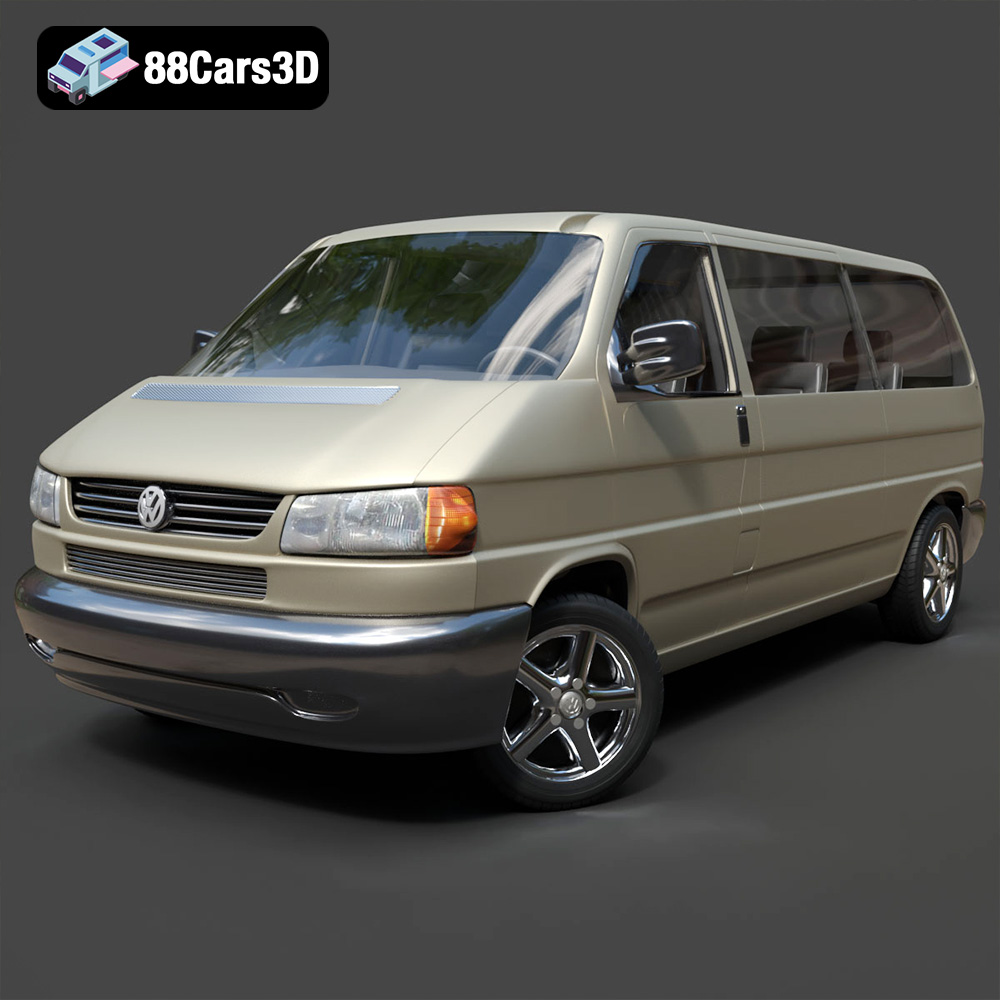
Texture: Yes
Material: Yes
Download the Volkswagen Caravelle 3D Model featuring a detailed exterior, functional interior, and optimized topology. Includes .blend, .fbx, .obj, .glb, .stl, .ply, .unreal, and .max formats for rendering, simulation, and game development.
Price: $23.99
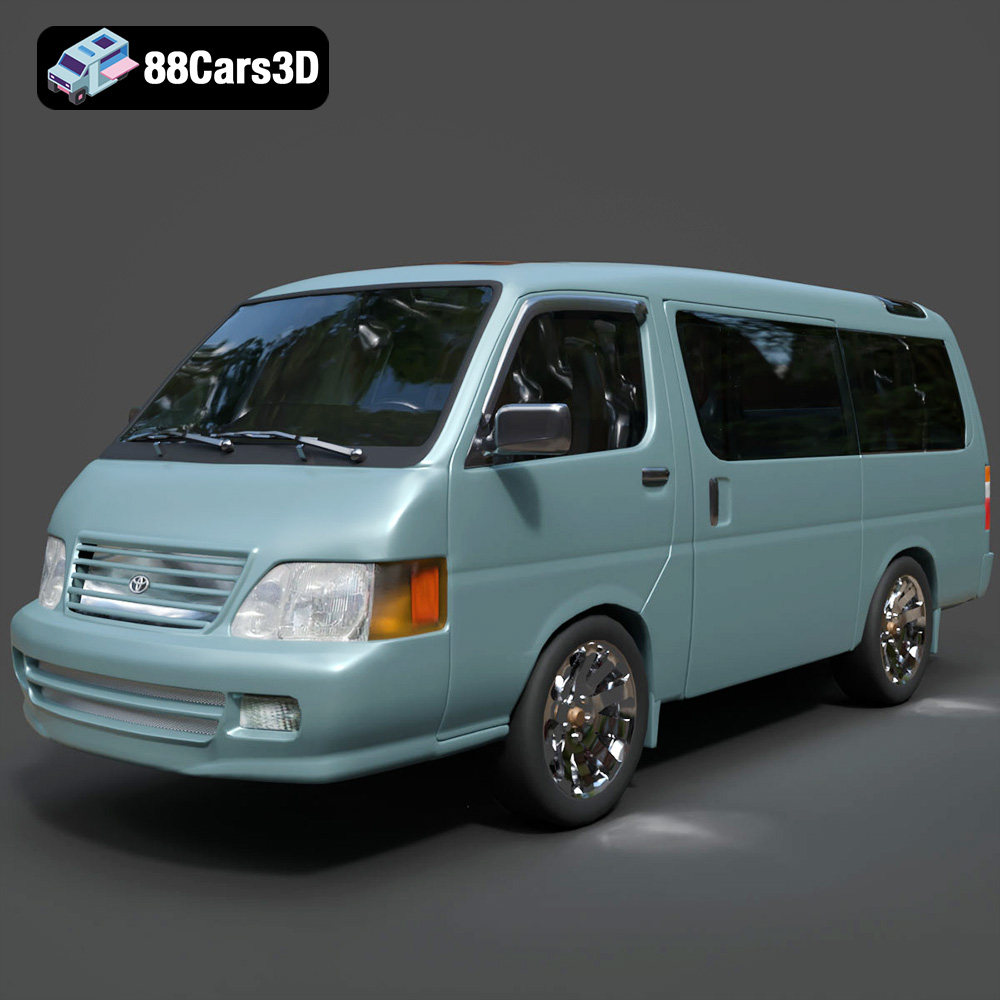
Texture: Yes
Material: Yes
Download the Toyota Hiace 3D Model featuring versatile design and detailed exterior. Includes .blend, .fbx, .obj, .glb, .stl, .ply, .unreal, and .max formats for rendering, simulation, and game development.
Price: $21.99
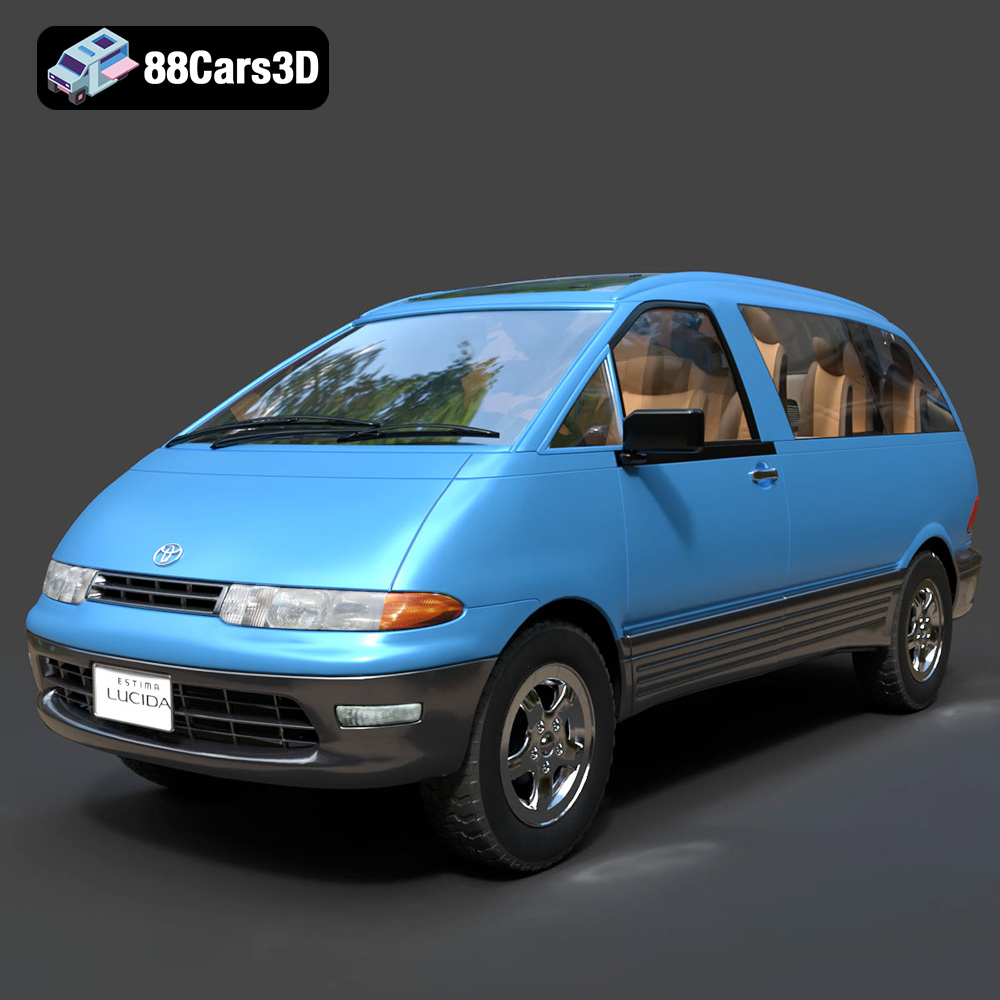
Texture: Yes
Material: Yes
Download the Toyota Estima Lucida 3D Model featuring its iconic compact MPV design, versatile interior, and accurate exterior details. Includes .blend, .fbx, .obj, .glb, .stl, .ply, .unreal, and .max formats for rendering, simulation, and game development.
Price: $24.99

Texture: Yes
Material: Yes
Download the Toyota Alphard 3D Model featuring a detailed luxury minivan design with an accurate exterior and interior. Includes .blend, .fbx, .obj, .glb, .stl, .ply, .unreal, and .max formats for rendering, simulation, and game development.
Price: $21.99

