⚡ FLASH SALE: Get 60% OFF All Premium 3D & STL Models! ⚡

“`html
The world of 3D printing has opened up incredible possibilities, allowing hobbyists and professionals alike to bring digital designs into the physical realm. For automotive enthusiasts and model makers, this means the ability to create detailed replicas of classic cars, modern supercars, and even concept vehicles. However, many of these intricate car models, especially those found on platforms like 88cars3d.com, present significant challenges due to their complex geometry – sharp edges, thin walls, overhangs, and intricate internal structures. Successfully printing these detailed STL files requires more than just hitting the ‘print’ button. It demands a deep understanding of file preparation, slicing techniques, printer settings, and post-processing. In this comprehensive guide, we’ll delve into the technical aspects of printing complex geometry, from understanding the STL file structure to overcoming common printing failures. By the end, you’ll be equipped with the knowledge and confidence to tackle even the most challenging 3D car models and achieve stunning results with your 3D printer.
Before a single layer is printed, understanding the STL (STereoLithography) file format is crucial. This ubiquitous format describes the surface geometry of a 3D object using a collection of triangular facets. Each triangle is defined by its three vertices and a normal vector, indicating which side of the triangle is ‘outward’ or ‘visible.’ For complex models, especially detailed car replicas, the sheer number of these triangles can be immense, directly impacting file size and processing time in your slicer. The quality of the STL file itself – its watertightness, absence of non-manifold edges, and consistent normal orientation – is paramount for successful printing. A poorly constructed mesh can lead to slicing errors, incomplete prints, and frustrating failures.
A ‘manifold’ mesh is a watertight, solid object that can be reliably sliced. Non-manifold geometry occurs when edges are shared by more than two faces, faces intersect improperly, or there are holes in the surface. These issues can confuse slicer software, leading to gaps in the print, incorrect feature generation, or even complete slicing failure. For intricate car models, features like thin spoilers, delicate grilles, or undercuts are prone to mesh errors if not modeled carefully. Software like Meshmixer, Blender, or Netfabb are invaluable tools for inspecting and repairing STL files. Common repairs include finding and closing holes, detaching intersecting faces, and ensuring consistent normal direction. When downloading models from marketplaces such as 88cars3d.com, you can often expect pre-validated and repaired files, but it’s always good practice to give them a quick check, especially if you plan on significant scaling or modification.
The resolution of an STL file, determined by the density of its triangular facets, directly correlates to the level of detail it can represent. A low-resolution STL might result in a faceted or ‘stair-stepped’ appearance on curved surfaces, even with a high-resolution print. Conversely, an extremely high-resolution STL can result in massive file sizes that bog down your computer and slicer. For car models, finding the right balance is key. You want enough triangles to capture sharp creases, subtle body lines, and intricate wheel designs, but not so many that the file becomes unmanageable. Often, models are optimized for 3D printing with a sensible triangle count that retains detail without excessive file bloat. This optimization is a hallmark of quality providers.
The slicer is your bridge between the digital STL model and the physical printer. It translates the 3D model into a series of thin, horizontal layers and generates the toolpath instructions (G-code) for your 3D printer. For complex geometries, the default slicing settings are rarely optimal. You need to carefully tune parameters to ensure that fine details are preserved, overhangs are supported, and print quality is maximized while managing print time. This involves a deep dive into layer height, wall thickness, support structures, and print speed.
Layer height is perhaps the most impactful setting for print quality. Smaller layer heights (e.g., 0.08mm to 0.12mm for resin, 0.1mm to 0.15mm for FDM) produce smoother surfaces and allow for finer details, crucial for capturing the nuanced curves of a car body. However, each layer takes time to print, so smaller layer heights significantly increase the overall print duration. For large, highly detailed car models, a print with a 0.1mm layer height could take days. Conversely, a larger layer height (e.g., 0.2mm to 0.3mm) drastically reduces print time but can result in visible layer lines and loss of fine features. A strategic approach involves using smaller layer heights for the critical, visible sections of the model and potentially slightly larger ones for less detailed areas or internal structures, although most slicers apply a uniform layer height.
For a printable car model, especially one intended for handling or display, adequate wall thickness and structural integrity are essential. Thin walls can be fragile, prone to delamination, or simply not printable if they are thinner than the printer’s capabilities (e.g., thinner than the nozzle diameter for FDM). Slicers allow you to set ‘wall line count’ or ‘shell thickness,’ effectively defining how many perimeters form the outer walls. For detailed models, a minimum of two or three wall lines (0.8mm to 1.2mm with a standard 0.4mm nozzle) is often recommended. Infill provides internal support and strength. While hollow prints save material and time, they can be susceptible to collapse, especially for larger models. For display models, a low infill percentage (5-15%) might suffice, while for more robust models, 20-30% or more could be necessary. Different infill patterns (e.g., gyroid, cubic, honeycomb) offer varying degrees of strength and print efficiency.
Print speed is a critical factor in achieving good quality, especially with complex geometries. For FDM printing, printing too fast can lead to poor layer adhesion, ringing artifacts, and inaccurate details. Printing complex curves and sharp corners requires slower speeds to allow the filament to cool properly and the extruder to change direction precisely. A general recommendation for detailed FDM prints is to reduce outer wall speed significantly (e.g., 25-40 mm/s) while maintaining a moderate inner wall speed. Travel speed also plays a role; faster travel reduces stringing but can increase vibrations. Resin printing (SLA/DLP/MSLA) has different speed considerations. Lift speed (how fast the build plate retracts) is crucial for peeling layers off the FDM resin tank; excessively fast speeds can cause layer separation or even damage the FEP film. Exposure time per layer is the primary determinant of print success in resin printing, requiring careful calibration. For complex models, slightly longer exposure times might be needed to ensure all fine details cure properly.
Complex car models are rife with overhangs – features that extend horizontally beyond the layer below. Without support, these overhangs will droop, sag, or fail entirely, resulting in a ruined print. Support structures are temporary scaffolding built by the printer to hold these unsupported sections during printing, which are then removed afterwards. Effective support generation is an art that balances the need for stability with ease of removal and minimal surface scarring.
Slicers offer various support types, including ‘Normal’ (grid or lines) and ‘Tree’ (organic, branching supports). Tree supports, often available in newer slicer versions or as plugins, can be highly effective for complex organic shapes, as they often use less material and are easier to remove from delicate areas. Key settings include:
When printing models from sources like 88cars3d.com, some may come with pre-designed supports, which can be a great starting point. However, you may still need to add or adjust supports based on your specific printer and orientation choice.
Removing supports cleanly, especially from intricate areas like wheel wells, spoilers, or grilles, is a delicate process. Patience and the right tools are key.
The goal is to remove all support material without damaging the model’s surface finish or breaking delicate parts.
How you position your 3D model on the print bed (orientation) and how well the first layer adheres are fundamental to a successful print, especially for complex shapes. The correct orientation can minimize the need for supports, improve surface quality, and enhance structural integrity. Bed adhesion ensures the print stays firmly attached to the build plate throughout the entire printing process.
For car models, there’s rarely a single ‘best’ orientation. It often involves a trade-off between minimizing supports, maximizing detail on visible surfaces, and ensuring print stability.
Experimentation is often required. Slicers provide tools to rotate and position your model precisely. For complex models, splitting them into multiple parts (if the designer allows or if you have the skills in CAD software) can enable optimal orientation for each component.
A print failing due to poor bed adhesion is one of the most common and frustrating issues. For complex models, the increased surface area and potential for warping make this even more critical.
The choice of filament (for FDM) or resin (for SLA/DLP) significantly impacts the outcome of your print, especially when dealing with fine details and structural requirements. Equally important is ensuring your printer is properly calibrated and maintained to perform at its best.
FDM Materials:
Resin Materials:
For most detailed car models from platforms like 88cars3d.com, PLA or standard resins are excellent choices for achieving high fidelity prints.
A well-calibrated printer is fundamental for success.
Regularly performing these calibrations and maintenance tasks will drastically reduce print failures and improve the quality of your complex car models.
The printing process is only part of the journey. Post-processing is where a raw 3D print transforms into a finished, professional-looking model. For complex car models, this stage is critical for achieving a smooth finish, assembling parts, and adding paintwork.
After supports are removed, the model will likely have small marks or remnants where supports were attached.
Achieving a flawless paint job requires careful preparation.
Post-processing requires patience and a steady hand, but the results can elevate a 3D printed model from a simple replica to a stunning display piece.
Printing complex geometry, especially intricate 3D printable car models, is a rewarding challenge. By understanding the nuances of STL file structure, mastering your slicer’s capabilities, carefully managing supports and orientation, selecting the right materials, and ensuring your printer is in top condition, you can overcome most common printing failures. The journey from a digital file to a tangible, detailed model is a testament to the power of additive manufacturing. Whether you’re building a fleet for your collection or prototyping a new automotive design, the techniques discussed here will equip you to achieve exceptional results. Happy printing!
“`
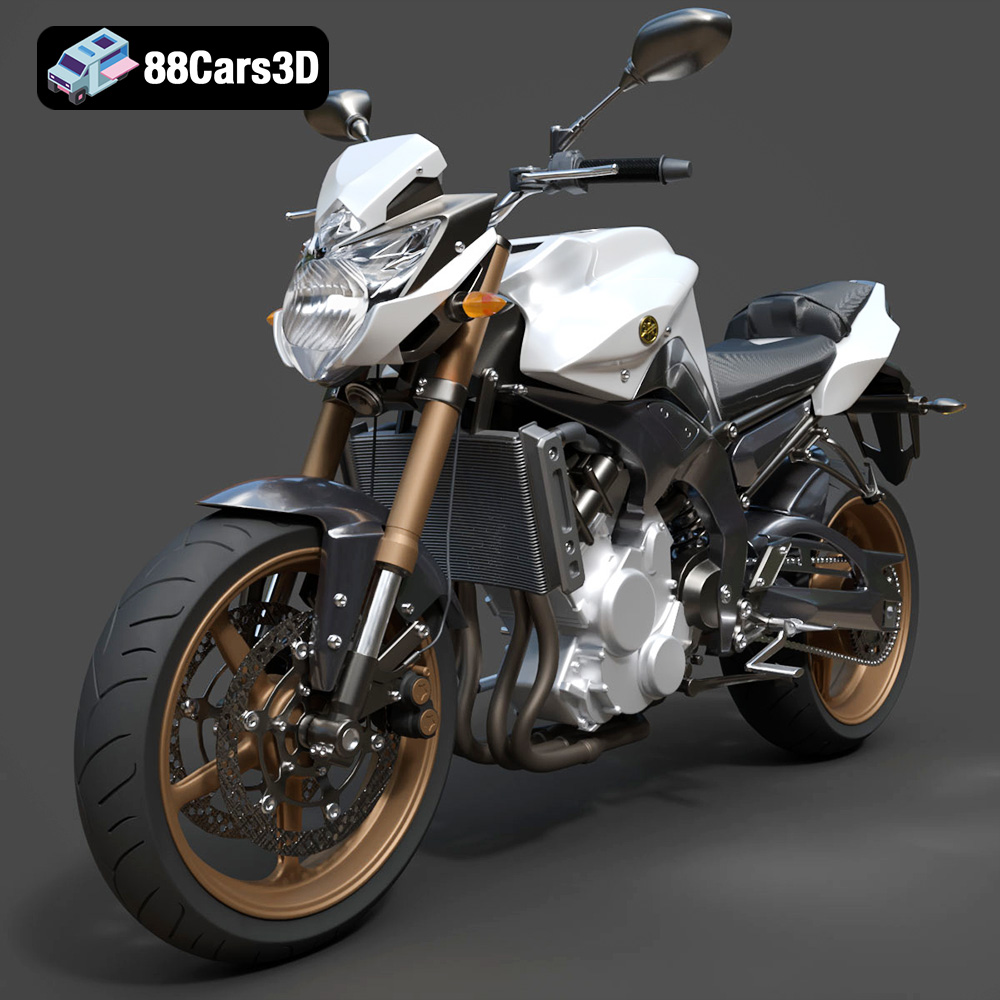
Texture: Yes
Material: Yes
Download the Yamaha FZ8 2011 3D Model featuring clean geometry, realistic detailing, and a fully modeled interior. Includes .blend, .fbx, .obj, .glb, .stl, .ply, .unreal, and .max formats for rendering, simulation, and game development.
Price: $19.99
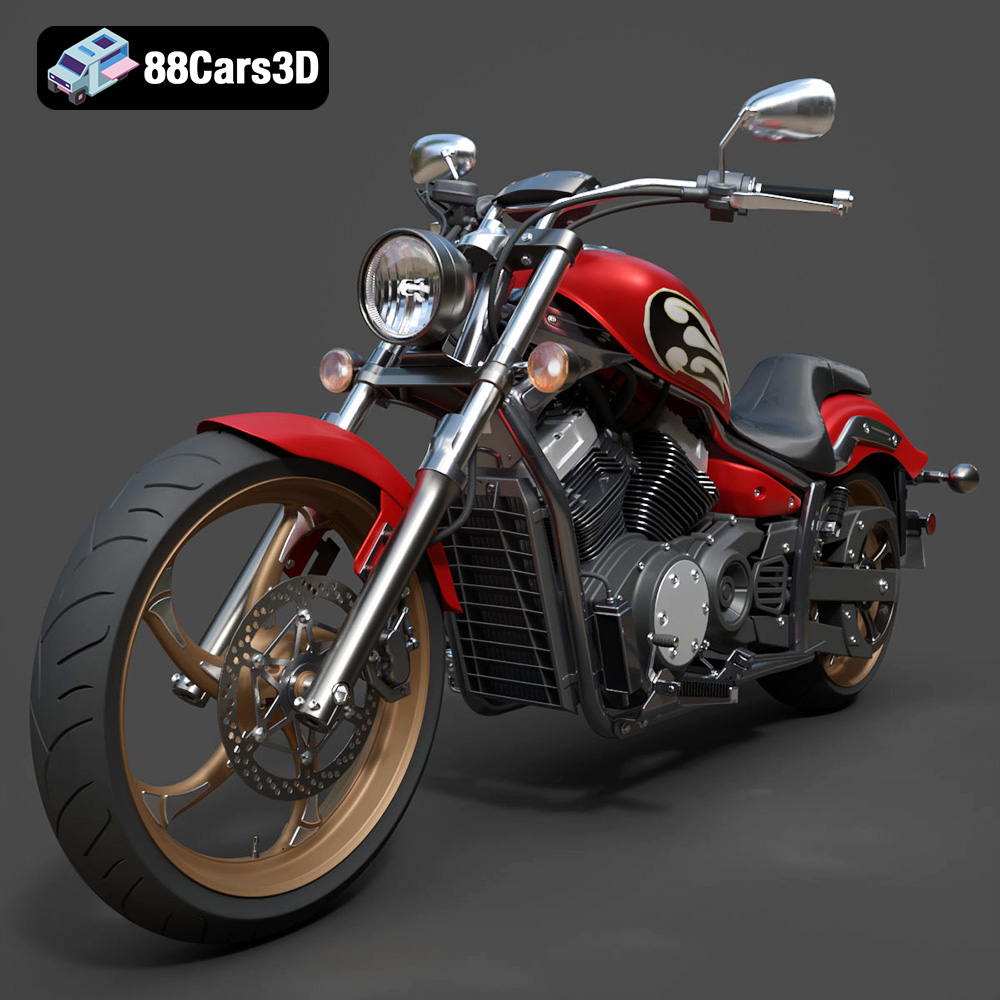
Texture: Yes
Material: Yes
Download the Yamaha Stryker 2012 3D Model featuring clean geometry, realistic detailing, and a fully modeled interior. Includes .blend, .fbx, .obj, .glb, .stl, .ply, .unreal, and .max formats for rendering, simulation, and game development.
Price: $19.99
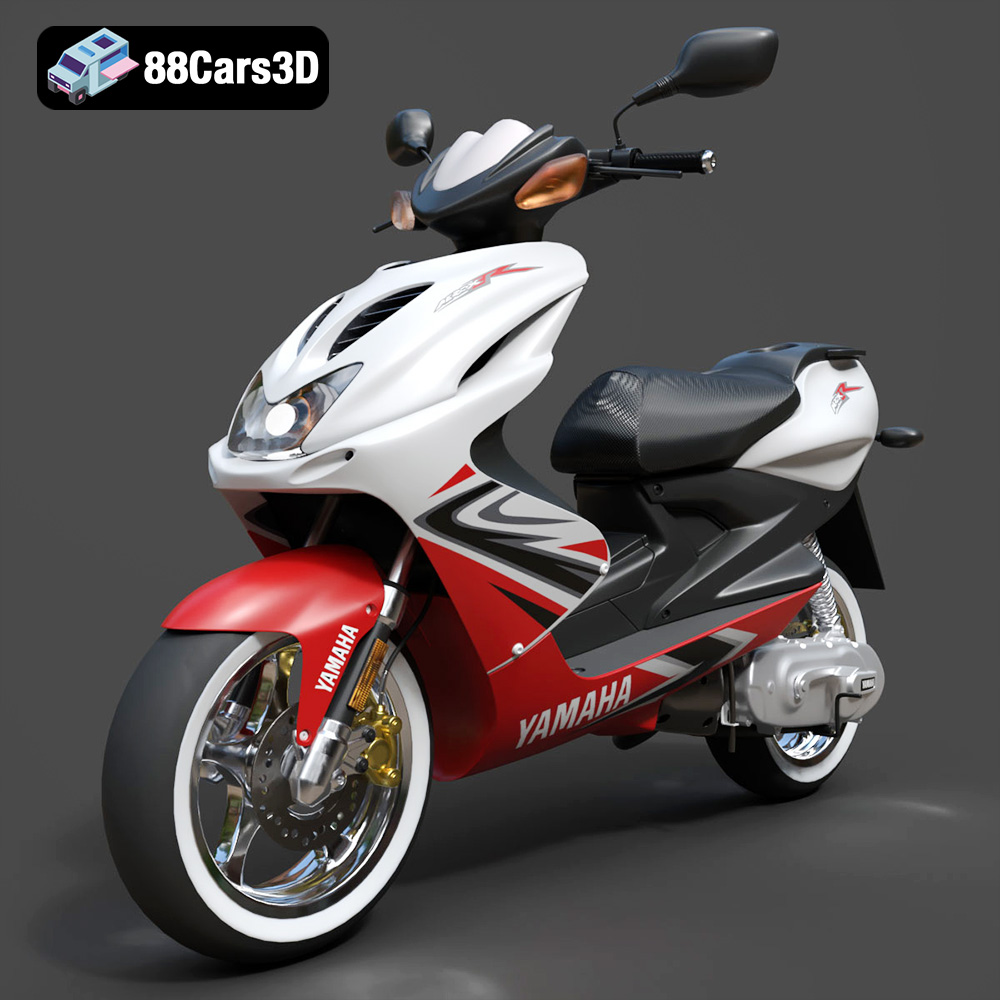
Texture: Yes
Material: Yes
Download the Yamaha Aerox R-002 2024 3D Model featuring clean geometry, realistic detailing, and a fully modeled interior. Includes .blend, .fbx, .obj, .glb, .stl, .ply, .unreal, and .max formats for rendering, simulation, and game development.
Price: $19.99
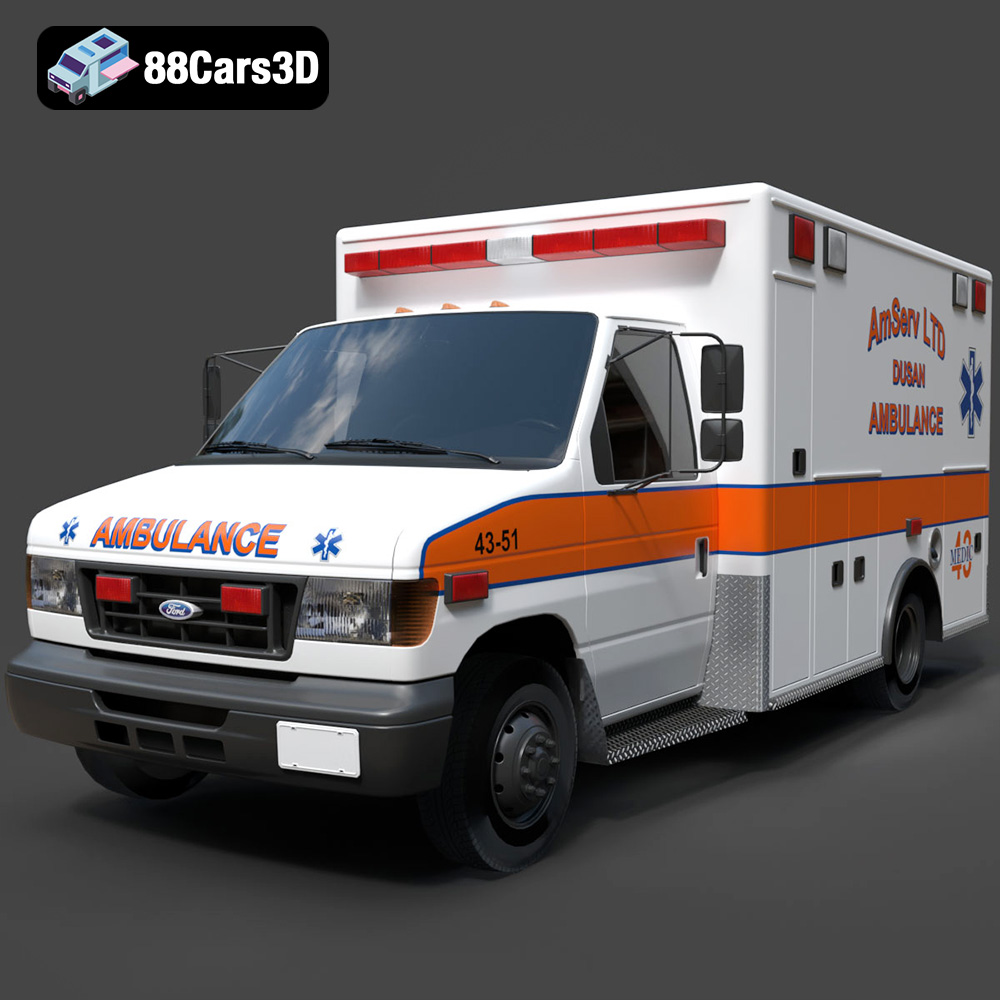
Texture: Yes
Material: Yes
Download the Ford Ambulance AmServ LTD Dusan-002 3D Model featuring a high-detail exterior and interior, realistic textures, and emergency lighting. Includes .blend, .fbx, .obj, .glb, .stl, .ply, .unreal, and .max formats for rendering, simulation, and game development.
Price: $19.99
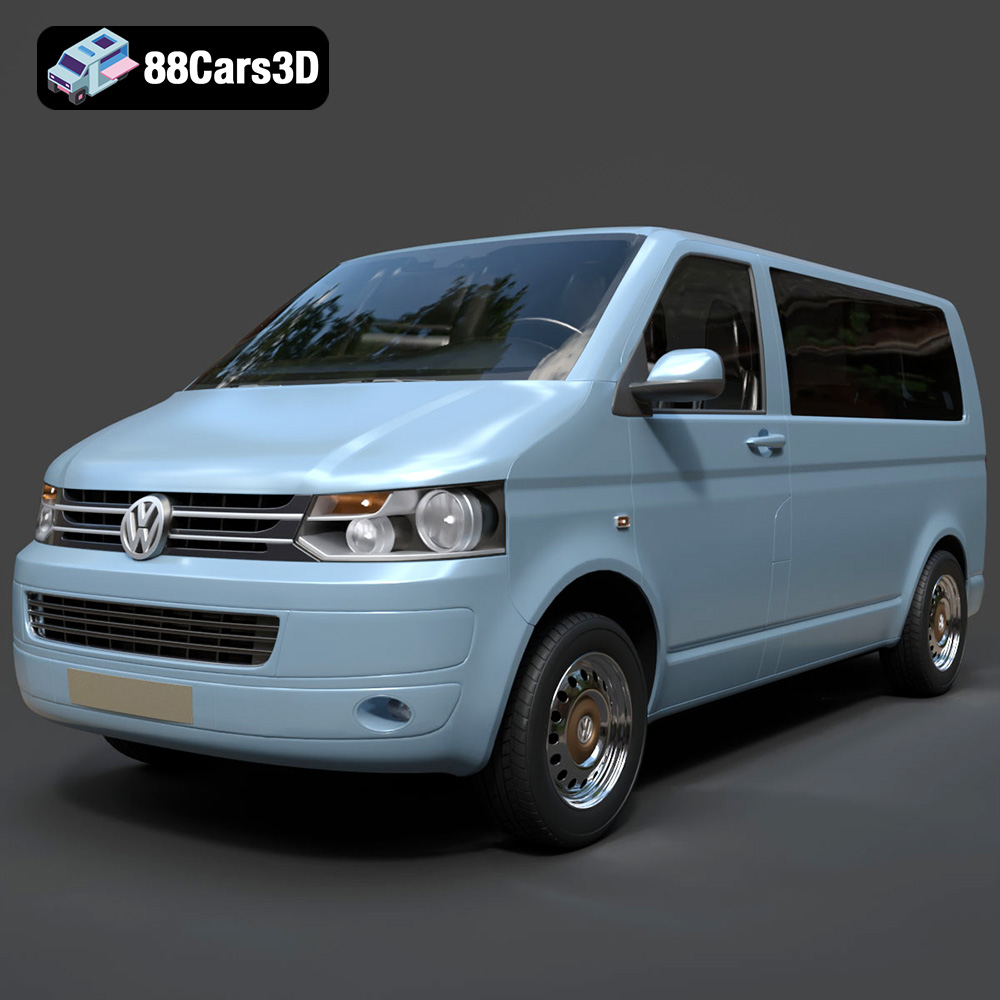
Texture: Yes
Material: Yes
Download the Volkswagen Transporter T5 FL 2010 3D Model featuring clean geometry, realistic detailing, and a fully modeled interior. Includes .blend, .fbx, .obj, .glb, .stl, .ply, .unreal, and .max formats for rendering, simulation, and game development.
Price: $22.99
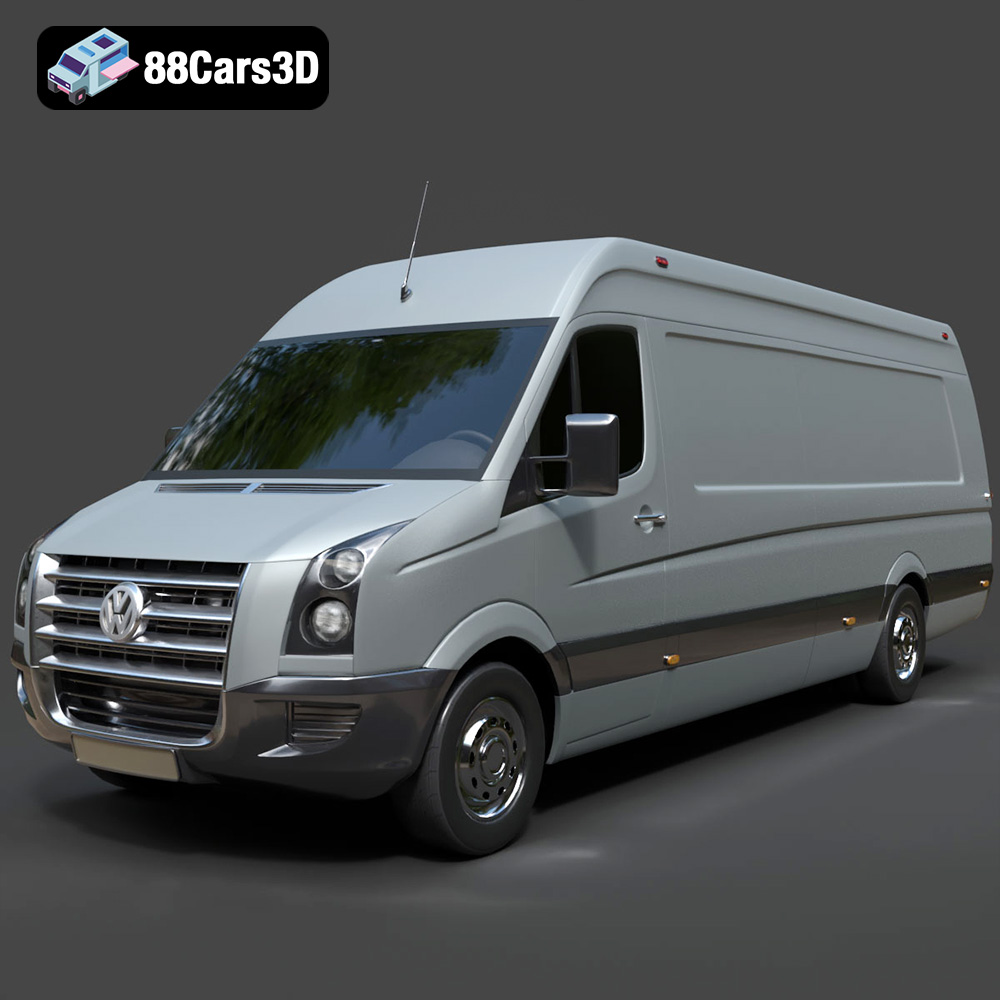
Texture: Yes
Material: Yes
Download the Volkswagen Crafter 2020 3D Model featuring clean geometry, realistic detailing, and a fully modeled interior. Includes .blend, .fbx, .obj, .glb, .stl, .ply, .unreal, and .max formats for rendering, simulation, and game development.
Price: $22.99
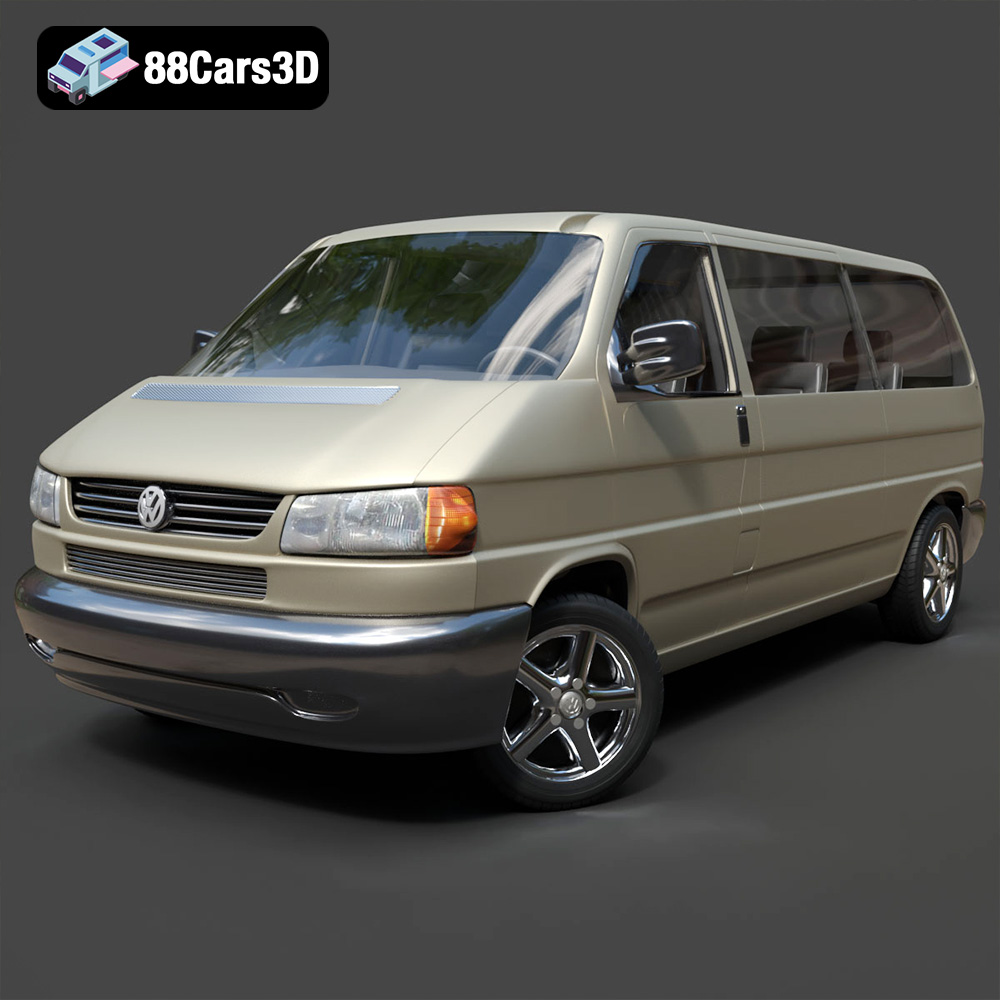
Texture: Yes
Material: Yes
Download the Volkswagen Caravelle 3D Model featuring a detailed exterior, functional interior, and optimized topology. Includes .blend, .fbx, .obj, .glb, .stl, .ply, .unreal, and .max formats for rendering, simulation, and game development.
Price: $23.99
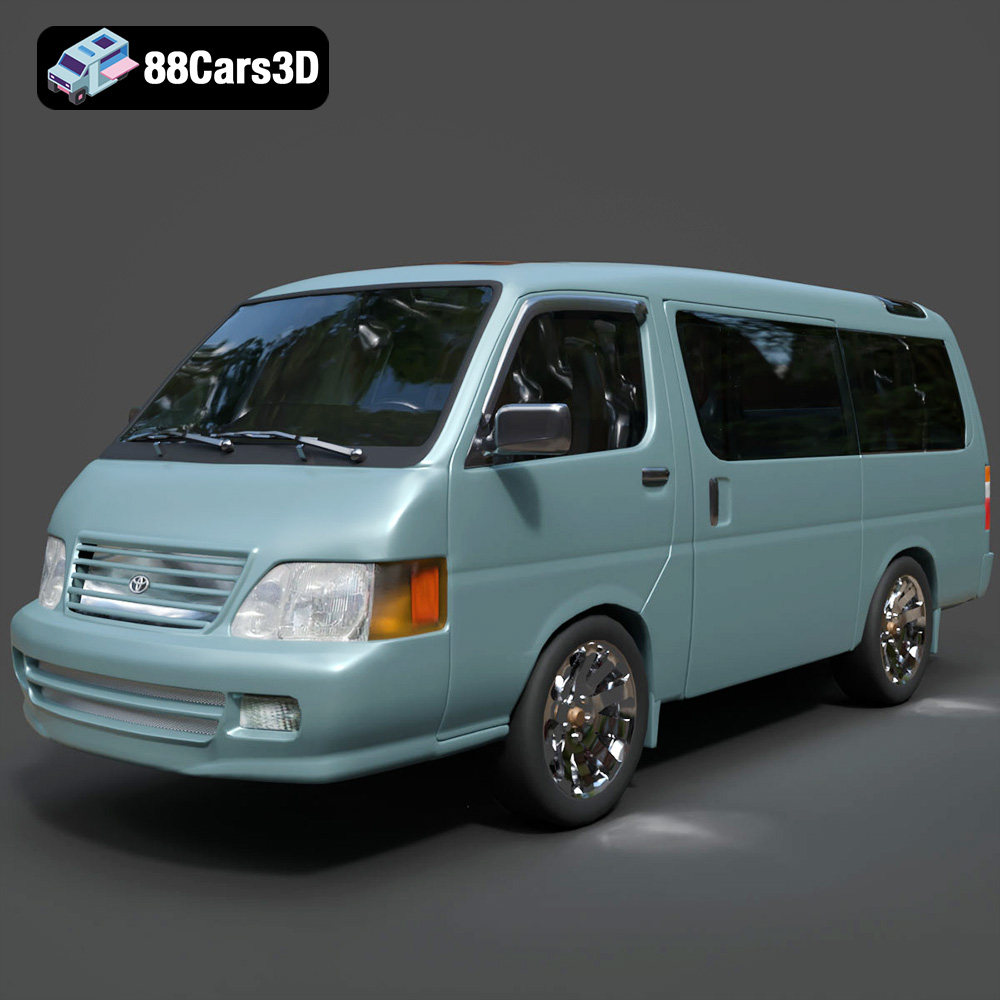
Texture: Yes
Material: Yes
Download the Toyota Hiace 3D Model featuring versatile design and detailed exterior. Includes .blend, .fbx, .obj, .glb, .stl, .ply, .unreal, and .max formats for rendering, simulation, and game development.
Price: $21.99
Texture: Yes
Material: Yes
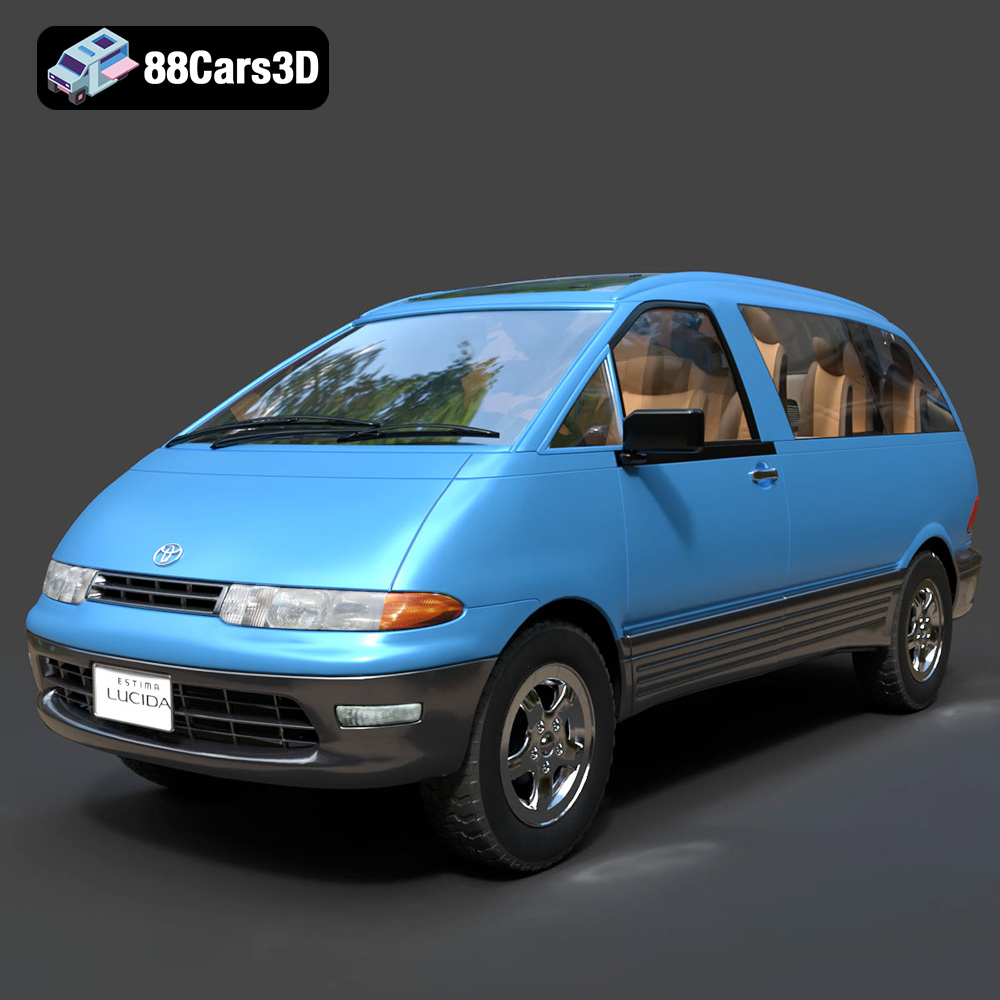
Download the Toyota Estima Lucida 3D Model featuring its iconic compact MPV design, versatile interior, and accurate exterior details. Includes .blend, .fbx, .obj, .glb, .stl, .ply, .unreal, and .max formats for rendering, simulation, and game development.
Price: $24.99

Texture: Yes
Material: Yes
Download the Toyota Alphard 3D Model featuring a detailed luxury minivan design with an accurate exterior and interior. Includes .blend, .fbx, .obj, .glb, .stl, .ply, .unreal, and .max formats for rendering, simulation, and game development.
Price: $21.99

