⚡ FLASH SALE: Get 60% OFF All Premium 3D & STL Models! ⚡

The allure of 3D printing lies in its ability to bring intricate digital designs into the physical world. For enthusiasts and professionals alike, particularly those working with detailed models like the printable car models found on 88cars3d.com, achieving a flawless print is paramount. While slicer software offers automatic support generation, these algorithms often fall short when dealing with complex geometries, leading to print failures, visible marks, or difficult post-processing. This is where the art and science of manual support generation come into play. Mastering this technique is not just about adding struts; it’s about strategically reinforcing overhangs and bridges to ensure structural integrity, reduce print time, minimize material waste, and elevate the final quality of your creations. This comprehensive guide will equip you with the knowledge and workflow to take control of your supports, transforming potentially problematic prints into successful showcases of your 3D printing prowess. We’ll delve into the intricacies of support structures, explore various generation strategies, and provide actionable steps to optimize your prints from start to finish.
Before we dive into the ‘how,’ it’s crucial to understand the ‘why’ behind support structures. In 3D printing, each layer is deposited on top of the previous one. While FDM printers can handle slight overhangs of up to 45-60 degrees without issue (depending on the material and printer calibration), anything beyond that requires external assistance. Supports act as temporary scaffolding, holding up these unsupported sections until they are solidified enough to bear their own weight. Without adequate supports, you’ll encounter common printing failures such as:
The goal of any support strategy, whether automatic or manual, is to provide just enough material to stabilize the overhanging geometry without compromising the print quality or making removal a nightmare. This balance is key, and manual intervention offers the precision needed to achieve it.
The angle of an overhang is a critical factor. For FDM printing, a 90-degree overhang is impossible without support. Even moderate overhangs can suffer from insufficient cooling or gravitational pull if printed too fast. Bridges, on the other hand, are horizontal sections printed between two existing points of support. The success of a bridge depends heavily on the filament’s ability to solidify quickly and maintain tension. Materials like PLA, with its lower glass transition temperature, generally bridge better than ABS or PETG. Understanding these physical limitations helps you anticipate where supports will be needed most.
Slicer software typically offers different types of supports:
Manual support allows you to combine strategies and place supports precisely where they are needed, optimizing for both stability and ease of removal.
Taking a manual approach to supports requires a systematic workflow. It involves understanding your model, your slicer’s capabilities, and your printer’s limitations. While the exact steps may vary slightly between slicers like Cura, PrusaSlicer, or Simplify3D, the core principles remain the same. Platforms like 88cars3d.com provide print-ready STL files, often optimized for printability, but even these can benefit from manual support tuning for specific printers and desired outcomes.
The first crucial step is to thoroughly examine your 3D model. Most slicers provide an overhang visualization tool. Load your STL file into your preferred slicer (e.g., Cura, PrusaSlicer) and enable this feature. This will highlight areas exceeding your defined overhang angle threshold (typically 45-60 degrees). Pay close attention to:
Don’t just rely on the visualization; use your judgment. Consider the scale of the print and the material you’re using. A large model printed in PLA might tolerate slightly steeper overhangs than a small, detailed print in ABS.
This is where you override the automatic generation. In Cura, you’ll typically find this option under the “Support” settings. Look for “Generate Support” and set it to “Off.” Then, find the “Support Blocking” or “Support Enabling” tools. Similarly, PrusaSlicer has robust options for manually adding, removing, and modifying supports. You might need to enable experimental features or specific plugins depending on your slicer version.
Most advanced slicers offer tools that function like brushes. You can paint areas where you want supports to be generated, or conversely, paint areas where you want to block supports. For manual support, you’ll primarily use the ‘enable’ or ‘paint support’ brush. Select this tool and carefully paint over the critical overhang areas identified in Step 1.
Tip: Start conservatively. You can always add more supports later, but removing excess can be time-consuming.
Once you’ve indicated where supports are needed, you’ll need to configure their properties. This is the most technical aspect of manual support generation and has a significant impact on print quality and removal ease. Key settings include:
For detailed printable car models, aim for supports that are sturdy enough but break away cleanly. This often means using a single wall, moderate density, and a carefully tuned Z distance.
After applying manual supports and tuning the settings, use your slicer’s layer preview function extensively. This is non-negotiable. Rotate the model, zoom in, and examine every layer where supports are present. Check:
If you spot issues, go back to Step 2 and Step 3 to adjust. Add or remove support points, or tweak the settings. This iterative process is key to achieving optimal results. Sometimes, rotating the model slightly on the build plate can significantly reduce the need for supports or make them easier to manage.
While the basic workflow covers most scenarios, highly complex models, such as intricate automotive replicas from 88cars3d.com, often demand more nuanced approaches. This involves understanding how different parts of the model interact and planning supports not just for individual overhangs, but for the overall structural integrity during the print and for ease of post-processing.
The biggest advantage of manual supports is control over *where* they connect to the model. Automatic supports can attach to surfaces that are difficult to reach with tools, leading to frustrating cleanup. When placing manual supports:
Example: For a car model with an underslung engine, instead of supporting each individual engine component, you might place larger, strategically located supports from the build plate to the underside of the car’s main body or chassis, effectively creating a stable platform for the engine block to print on.
Just as you can paint areas *to* support, you can also paint areas *to block* supports. This is invaluable for preventing slicers from adding supports where they aren’t needed or would cause damage. Common uses include:
This combination of enabling and blocking provides granular control, ensuring that supports are only where they are needed and in the most advantageous locations.
Some advanced slicers allow for more sophisticated integration. You might use a “support enforcer” modifier mesh in PrusaSlicer, for instance. This allows you to import a separate simple STL file that dictates where supports must be generated. This workflow can be very powerful:
This method offers unparalleled precision and is excellent for recurring complex geometries or for teams collaborating on print optimization. It ensures that supports are robust where needed and absent elsewhere.
Manual support placement is only half the battle. The success of your print also hinges on how your 3D printer and slicer are configured to handle these structures. Fine-tuning specific settings can dramatically improve both the quality of the supported surfaces and the ease of support removal.
The chosen layer height directly impacts the resolution of your supports. For highly detailed automotive models, you might opt for a lower layer height (e.g., 0.1mm – 0.15mm) for the main model. However, consider if this level of detail is necessary for the supports themselves.
Recommendation: For most manual support applications aiming for clean removal, start with a layer height for supports that is 2-3 times your model’s layer height, or at least equal to your nozzle diameter.
The number of walls (vertical shells) and the infill density/pattern of the support structure are crucial for stability and removal.
Printing supports too quickly can lead to instability and sagging. Conversely, printing them too slowly might cause adhesion issues with the model itself.
The goal is to give the filament enough time to cool and solidify properly, preventing drooping, while ensuring it doesn’t fuse excessively to the main model. Experimentation is key here, as material properties and ambient temperature play a role.
The material you choose for your 3D print significantly influences support needs and removal. PLA is generally the easiest to work with, offering good bridging capabilities and supports that snap off relatively cleanly. PETG can be more flexible and stringy, making supports harder to remove. ABS requires higher temperatures and can warp, often needing more robust supports.
Bed Adhesion: Strong bed adhesion is crucial, especially when printing large models with extensive supports. Ensure your build plate is clean and properly leveled. Using adhesion aids like a brim, raft, or specialized bed surfaces (e.g., PEI, glass with glue stick) can prevent the print from shifting, which could cause supports to fail mid-print. When manually placing supports, ensure they are anchored securely to the build plate or to the model in a way that won’t detach.
The journey doesn’t end when the print is finished. Effective support removal and subsequent finishing are critical to showcasing the quality of your manually supported prints. This is where careful planning during the support generation phase pays dividends.
Having the right tools makes the process significantly easier and safer:
Tip: Consider printing supports in a contrasting color to the main model if your slicer allows. This makes it easier to distinguish between the model and the support material during removal.
The key is patience and a gentle approach:
If you’ve meticulously planned your manual supports, the removal process should be significantly smoother, leaving minimal scarring and making the subsequent sanding and finishing stages much more manageable for your detailed STL files.
Once supports are removed, you’ll likely have small marks or slightly rough surfaces where they contacted the model. This is where post-processing truly elevates your print:
By investing time in careful manual support placement and thoughtful post-processing, you can transform a raw 3D print into a professional-looking model worthy of any collection.
While automatic support generation has improved significantly, the nuanced demands of intricate models, especially detailed automotive replicas found on marketplaces like 88cars3d.com, often necessitate a more hands-on approach. Mastering manual support generation empowers you to overcome the limitations of algorithms, leading to prints with superior structural integrity, reduced material waste, minimized print failures, and significantly cleaner surfaces. By understanding the physics of overhangs, carefully analyzing your models, strategically placing supports using slicer tools, fine-tuning print settings, and employing patient post-processing techniques, you gain complete control over the printing process.
The ability to precisely dictate where and how supports are generated transforms 3D printing from a sometimes unpredictable craft into a reliable engineering process. It requires practice and attention to detail, but the rewards—flawless prints with minimal cleanup—are well worth the effort. So, the next time you download an intricate STL file, don’t just rely on the default settings. Dive into the world of manual supports, experiment with different strategies, and unlock the full potential of your 3D printer to create stunning, high-quality models.

Texture: Yes
Material: Yes
Download the Ford Ambulance AmServ LTD Dusan-002 3D Model featuring a high-detail exterior and interior, realistic textures, and emergency lighting. Includes .blend, .fbx, .obj, .glb, .stl, .ply, .unreal, and .max formats for rendering, simulation, and game development.
Price: $19.99
Texture: Yes
Material: Yes
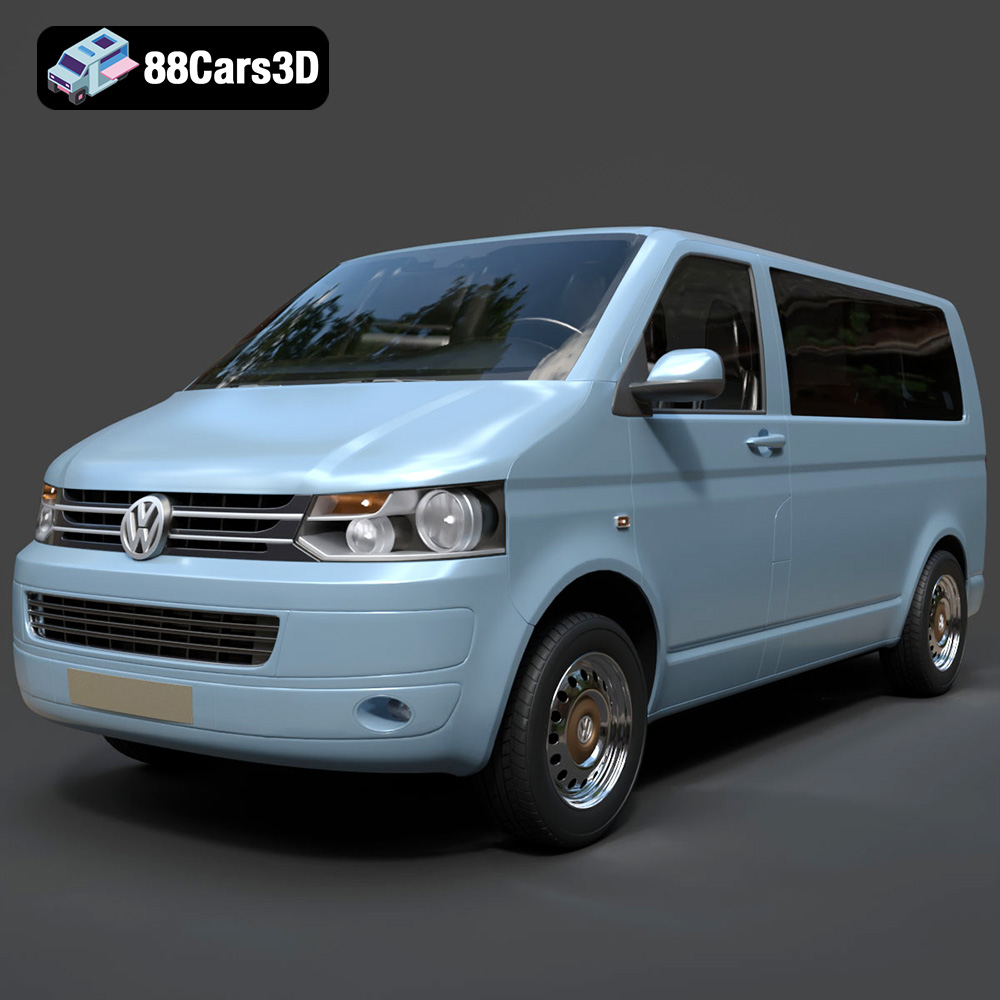
Download the Volkswagen Transporter T5 FL 2010 3D Model featuring clean geometry, realistic detailing, and a fully modeled interior. Includes .blend, .fbx, .obj, .glb, .stl, .ply, .unreal, and .max formats for rendering, simulation, and game development.
Price: $22.99
Texture: Yes
Material: Yes
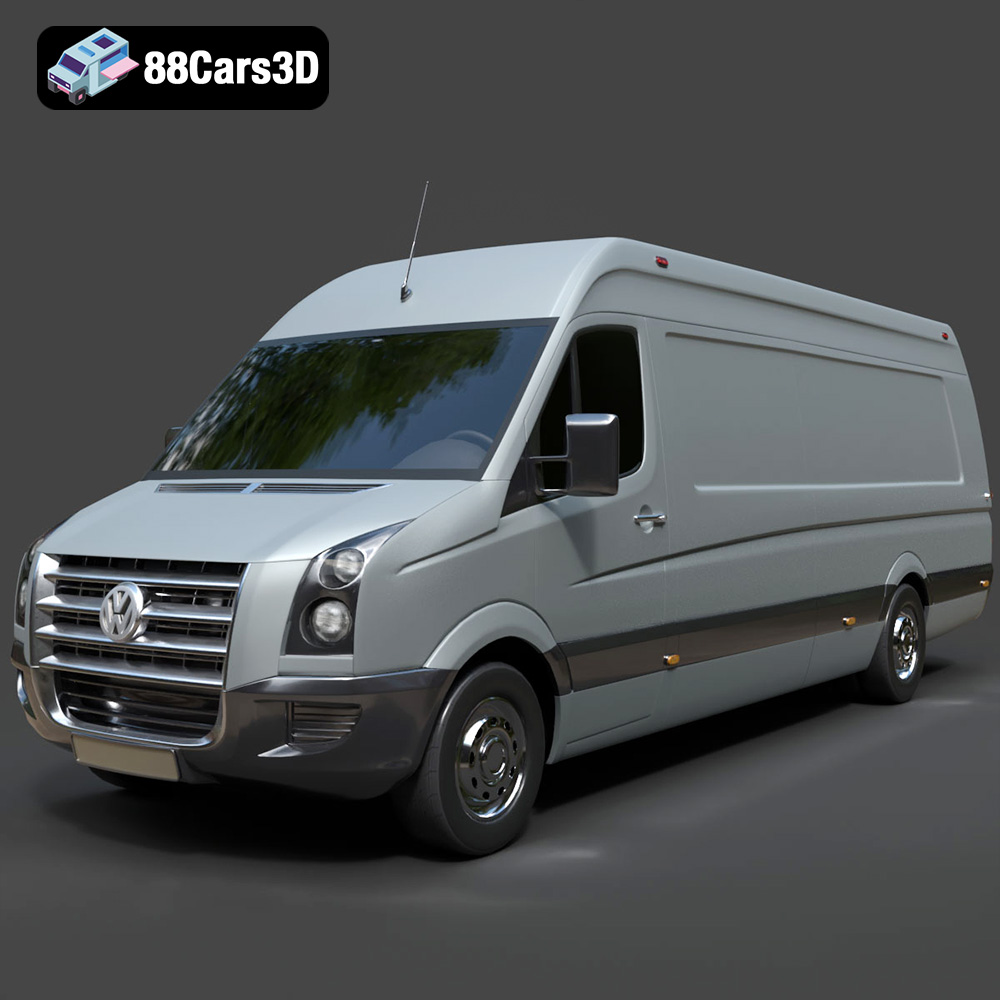
Download the Volkswagen Crafter 2020 3D Model featuring clean geometry, realistic detailing, and a fully modeled interior. Includes .blend, .fbx, .obj, .glb, .stl, .ply, .unreal, and .max formats for rendering, simulation, and game development.
Price: $22.99
Texture: Yes
Material: Yes
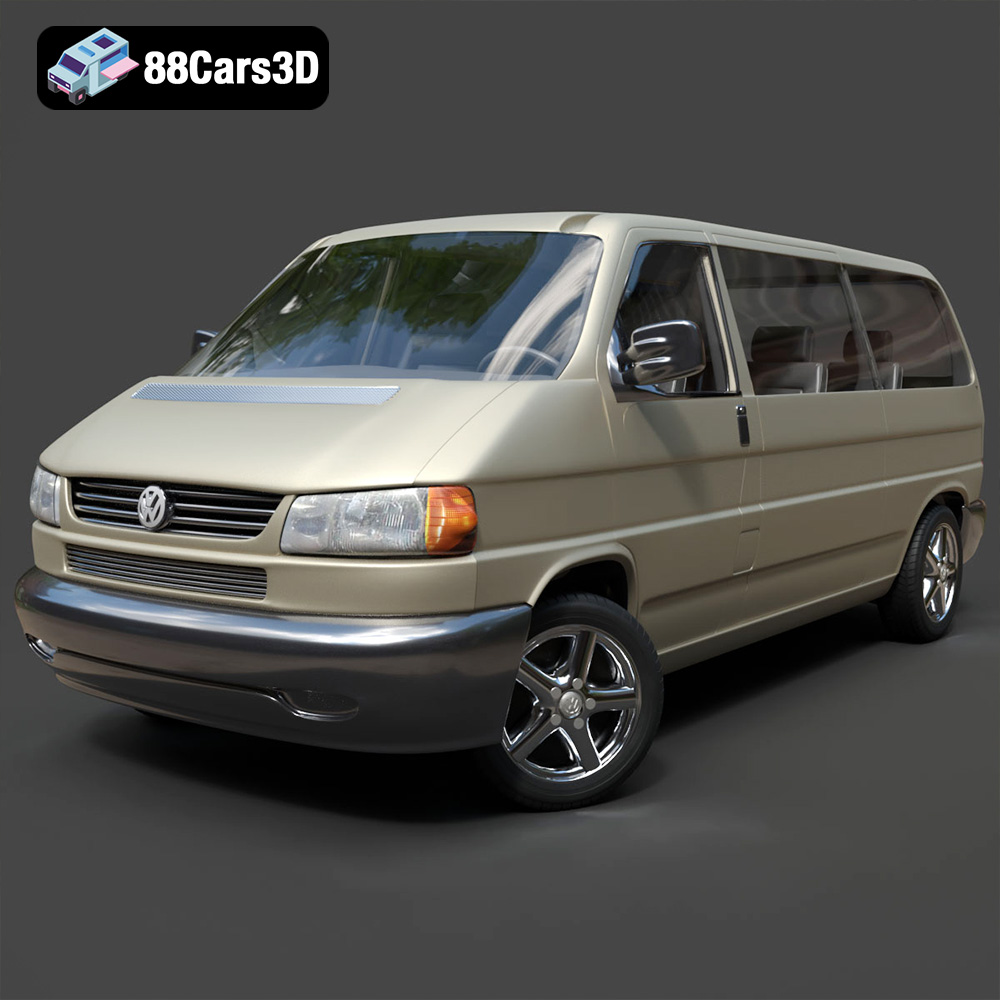
Download the Volkswagen Caravelle 3D Model featuring a detailed exterior, functional interior, and optimized topology. Includes .blend, .fbx, .obj, .glb, .stl, .ply, .unreal, and .max formats for rendering, simulation, and game development.
Price: $23.99
Texture: Yes
Material: Yes
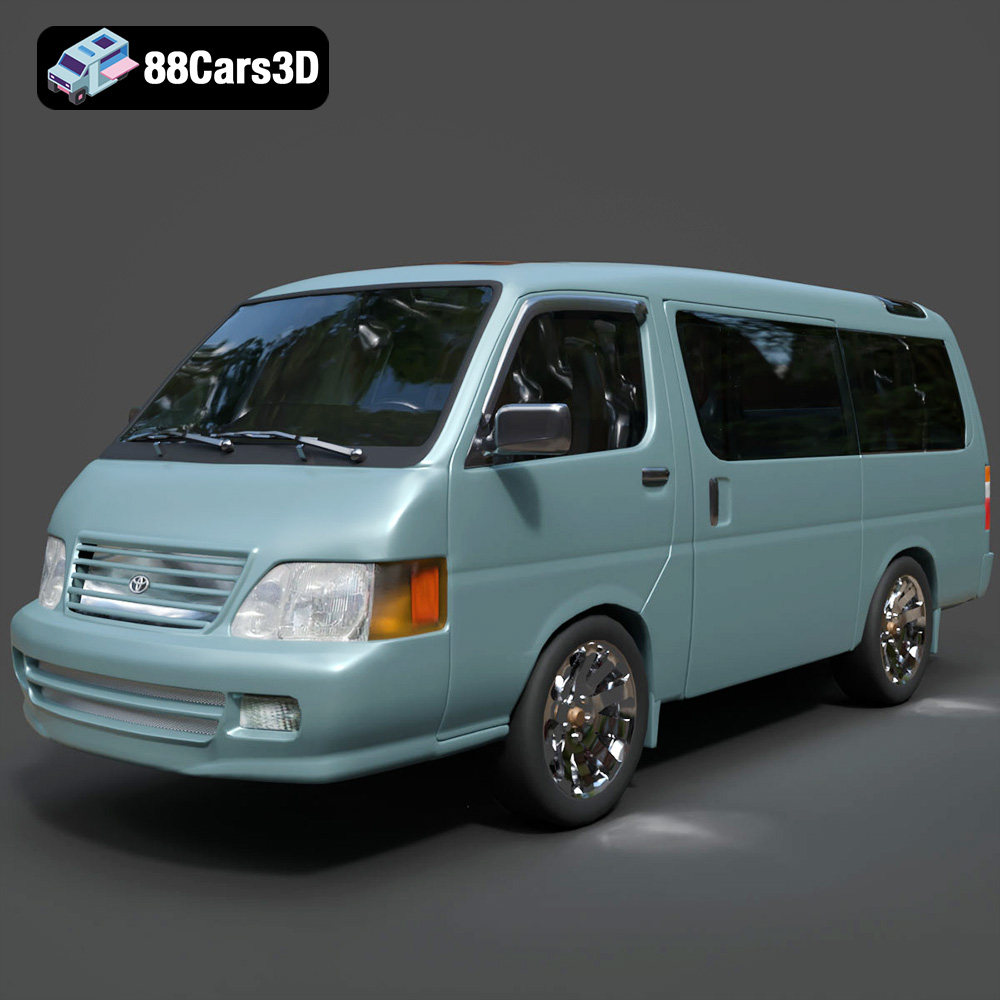
Download the Toyota Hiace 3D Model featuring versatile design and detailed exterior. Includes .blend, .fbx, .obj, .glb, .stl, .ply, .unreal, and .max formats for rendering, simulation, and game development.
Price: $21.99
Texture: Yes
Material: Yes
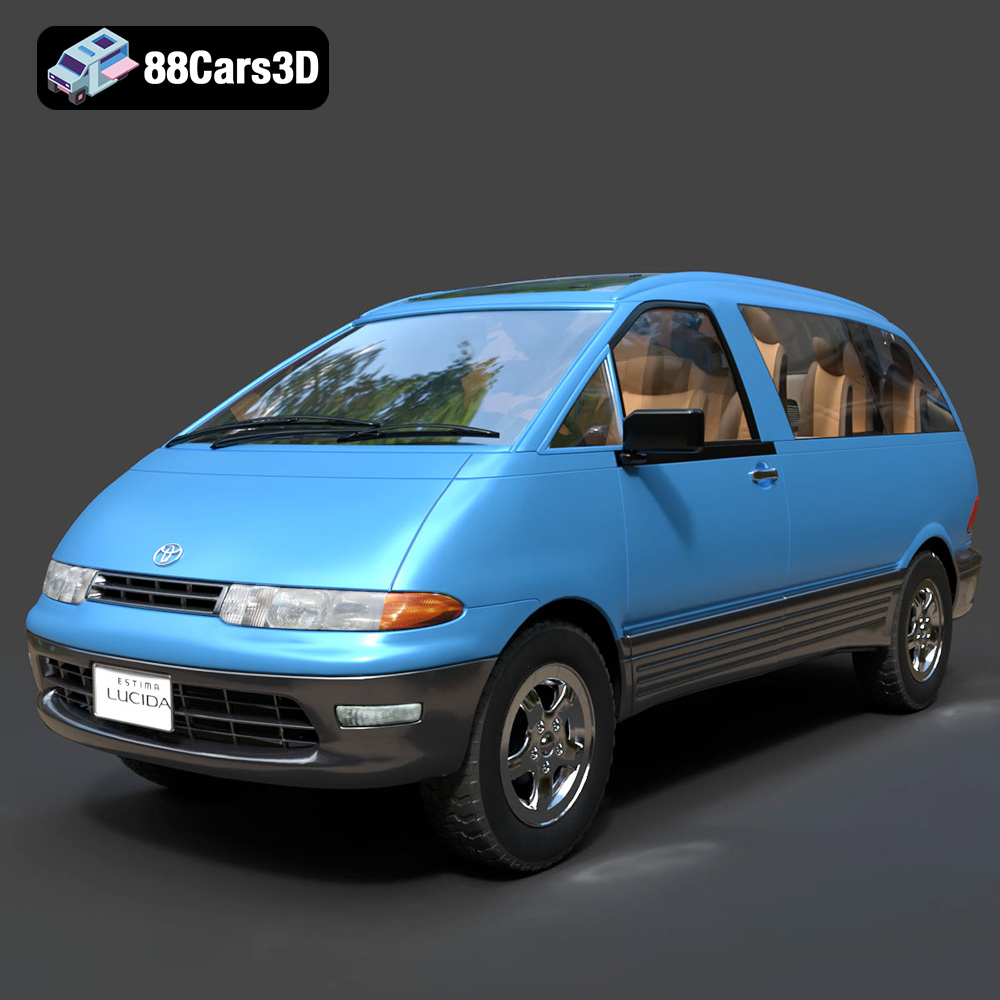
Download the Toyota Estima Lucida 3D Model featuring its iconic compact MPV design, versatile interior, and accurate exterior details. Includes .blend, .fbx, .obj, .glb, .stl, .ply, .unreal, and .max formats for rendering, simulation, and game development.
Price: $24.99

Texture: Yes
Material: Yes
Download the Toyota Alphard 3D Model featuring a detailed luxury minivan design with an accurate exterior and interior. Includes .blend, .fbx, .obj, .glb, .stl, .ply, .unreal, and .max formats for rendering, simulation, and game development.
Price: $21.99
Texture: Yes
Material: Yes
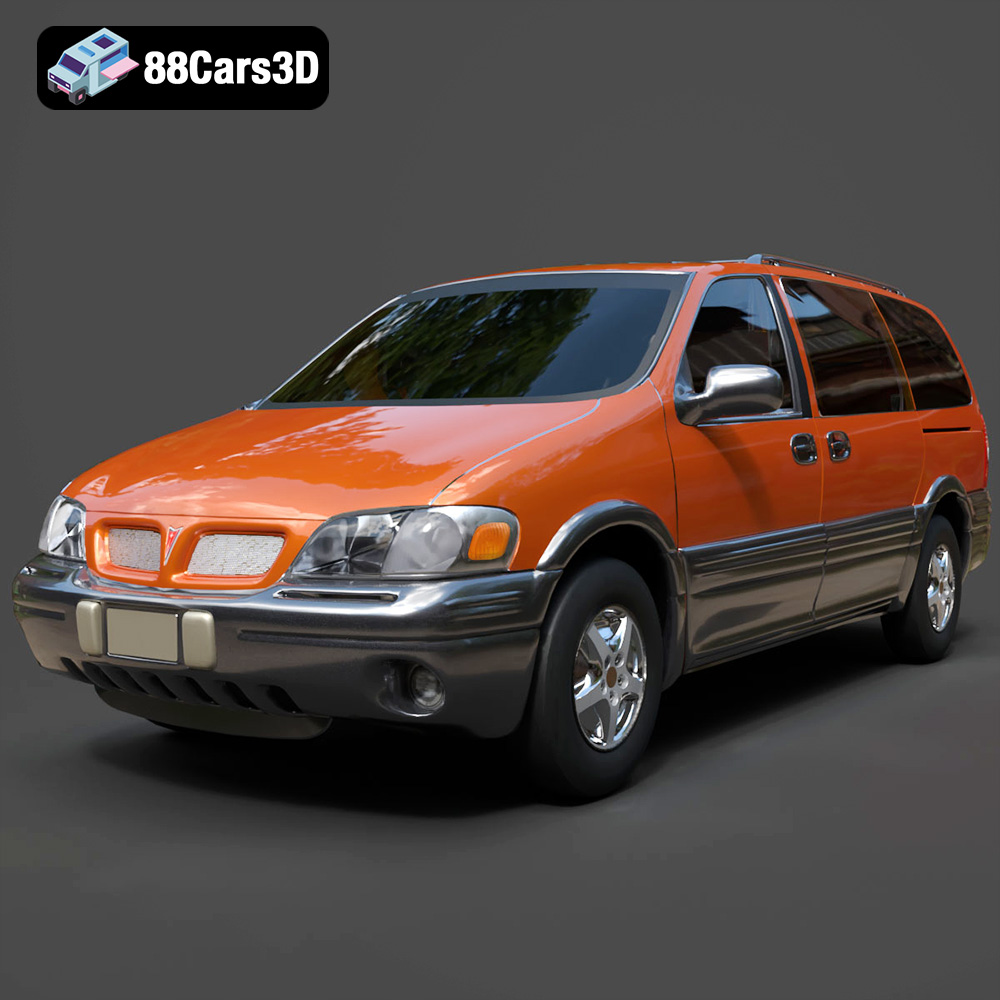
Download the Pontiac Montana 1998 3D Model featuring a detailed exterior, functional interior, and optimized mesh. Includes .blend, .fbx, .obj, .glb, .stl, .ply, .unreal, and .max formats for rendering, simulation, and game development.
Price: $21.99
Texture: Yes
Material: Yes
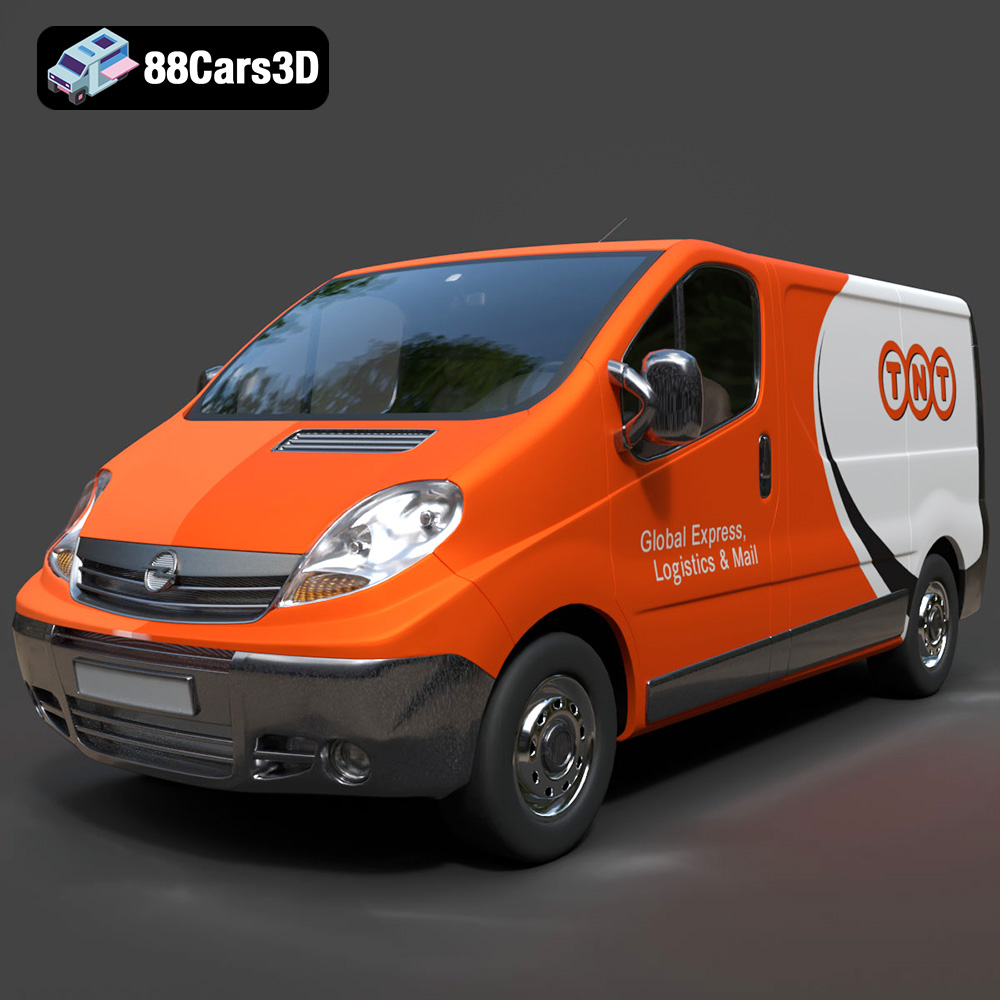
Download the Opel Vivaro 3D Model featuring a versatile commercial van design with balanced detailing. Includes .blend, .fbx, .obj, .glb, .stl, .ply, .unreal, and .max formats for rendering, simulation, and game development.
Price: $21.99
Texture: Yes
Material: Yes
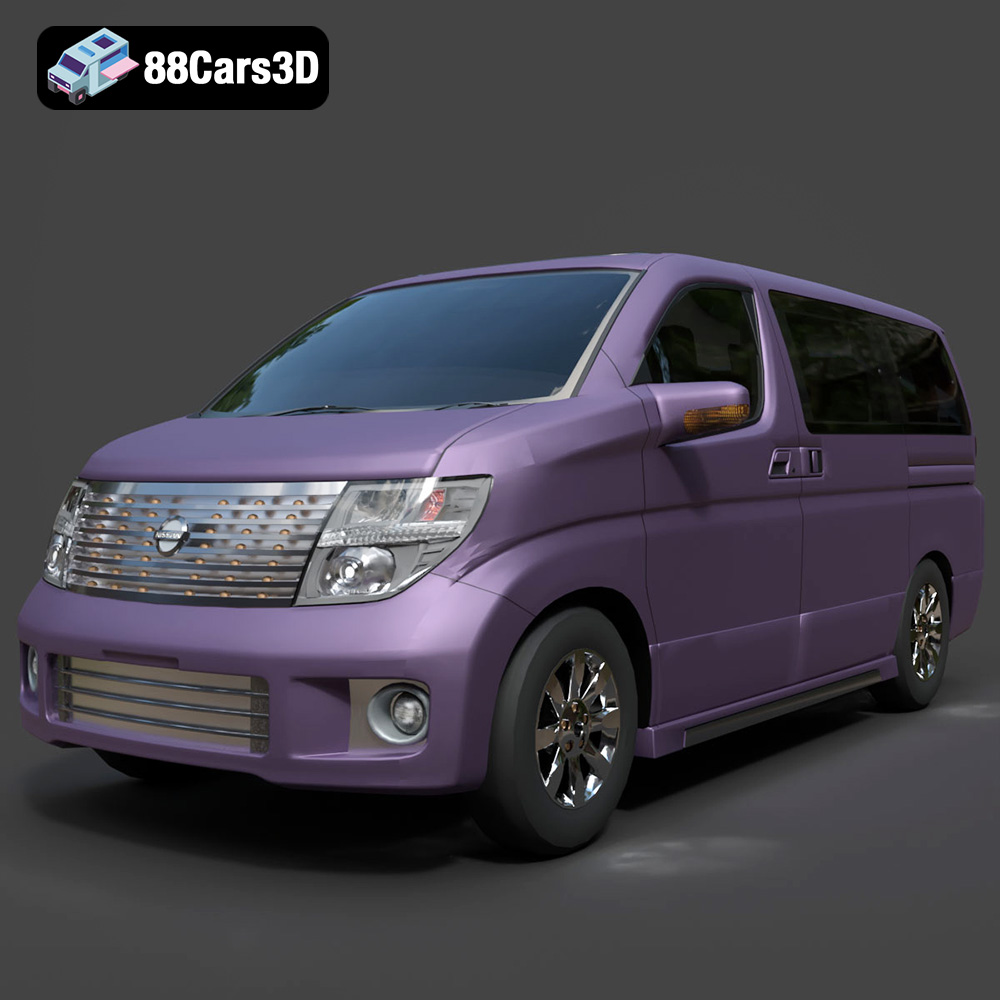
Download the Nissan Elgrand 3D Model featuring a versatile minivan design. Includes .blend, .fbx, .obj, .glb, .stl, .ply, .unreal, and .max formats for rendering, simulation, and game development.
Price: $21.99

