⚡ FLASH SALE: Get 60% OFF All Premium 3D & STL Models! ⚡

The pursuit of photorealism in 3D car models is an art form, a meticulous dance of light and shadow, form and material. Among the most challenging yet rewarding aspects of this endeavor are the creation of truly realistic reflections and refractions. These phenomena are not merely visual flourishes; they are fundamental drivers of visual credibility, imbuing a static render with dynamic life and telling the story of its environment. Without accurate reflections, a car model can look dull and lifeless; without convincing refractions, glass elements appear flat and unconvincing.
This comprehensive guide will delve deep into the technical workflows and artistic considerations necessary to achieve stunning reflections and refractions in your automotive renders. We’ll explore everything from the foundational importance of clean 3D modeling topology and precise UV mapping to the intricacies of PBR material creation, advanced lighting setups, and software-specific rendering techniques. Whether you’re a seasoned 3D artist, a game developer pushing visual boundaries, or an automotive designer striving for perfect visualizations, understanding these concepts is crucial. Prepare to unlock the secrets that transform good renders into truly spectacular, hyper-realistic automotive masterpieces, ready for any application from high-end marketing to immersive AR/VR experiences.
Before a single ray of light can bounce off your 3D car model, its underlying geometry must be impeccable. The quality of your mesh topology – the structure and flow of polygons – directly dictates how light interacts with the surface, and consequently, how reflections appear. Imperfections in topology, such as stretched polygons, N-gons (polygons with more than four sides), or poles with too many edges converging, can lead to unsightly pinching, artifacts, and jagged reflections that shatter the illusion of realism. Automotive surfaces, with their sleek curves and complex contours, demand an exceptionally clean and optimized mesh.
For automotive models, the golden rule is to prioritize quad-based topology. Quads (four-sided polygons) deform predictably and smoothly, which is essential when working with subdivision surface modifiers (like Catmull-Clark in Blender or Turbosmooth in 3ds Max). These modifiers smooth out a low-polygon base mesh, creating high-resolution, flowing surfaces without manual sculpting, crucial for the expansive, unbroken curves of a car body. Good edge flow ensures that these subdivisions produce consistent, ripple-free surfaces that accurately catch and reflect light. Aim for edge loops that follow the natural contours of the car, defining creases, panel lines, and transitions smoothly. Avoid triangles and N-gons on large, visible surfaces, as they can cause shading errors and render artifacts that are especially noticeable in reflections. For high-end rendering, polygon counts can range from hundreds of thousands to several million for a complete car, ensuring every curve is perfectly smooth. For game assets, targeted optimization through LODs (Levels of Detail) becomes paramount, but the base mesh for the highest LOD still benefits immensely from clean topology.
Even the most polished car surface isn’t perfectly smooth at a microscopic level. Subtle imperfections, minute scratches, or even the slight undulations of painted metal contribute to realistic reflections. These aren’t defects to be hidden but details to be meticulously crafted. While topology aims for macroscopic smoothness, microscopic imperfections are often introduced through texture maps (e.g., roughness maps, normal maps) or subtle displacement. However, the underlying mesh must be robust enough to support these details without introducing its own errors. A uniform distribution of quads across critical surfaces, particularly those that are highly reflective like the hood, doors, and roof, is vital. This ensures that when light reflects, it does so consistently across the surface, without showing areas where the mesh density changes abruptly. For example, ensuring that panel gaps are modeled with precise edge loops and slight bevels, rather than just faked with normal maps, allows for more convincing light interaction and shadow casting within those details. These topological considerations are foundational for any 3D car model, whether for rendering, game development, or even 3D printing, and directly influence the quality of your reflections.
The true magic of realistic reflections and refractions begins with Physically Based Rendering (PBR) materials. PBR shaders are designed to mimic how light behaves in the real world, based on physical properties of surfaces. This approach significantly simplifies the creation of believable materials by using real-world values for properties like metallicness, roughness, and index of refraction, leading to more consistent and accurate results across different lighting environments.
There are primarily two PBR workflows: Metallic/Roughness and Specular/Glossiness. The Metallic/Roughness workflow, widely adopted in game engines and modern renderers, uses a Metallic map (grayscale, 0=dielectric, 1=metallic) and a Roughness map (grayscale, 0=smooth/mirror-like, 1=rough/diffuse). The Base Color map provides the color for dielectrics and the tint for metals. Specular/Glossiness, on the other hand, uses a Specular map (color for reflections) and a Glossiness map (inverse of roughness). For automotive rendering, the Metallic/Roughness workflow is often preferred for its intuitive control. For instance, a car’s painted surface would be a dielectric (Metallic = 0) with its color defined by the Base Color, and its glossiness by the Roughness map. Chrome, conversely, would have a high Metallic value (close to 1), with its color originating from the Base Color (often a desaturated grey or white for pure chrome) and its mirror-like quality from a very low Roughness value. Normal maps are crucial for adding fine surface detail without increasing polygon count, subtly influencing how light reflects across tiny bumps and grooves. Ambient Occlusion maps provide localized shadowing, enhancing the sense of depth in crevices and further grounding the reflections.
Achieving photorealistic automotive materials requires a deep understanding of their specific properties.
Reflections and refractions are entirely dependent on the light sources and the surrounding environment. An impeccably modeled and textured car will still look flat and unconvincing if the lighting isn’t set up correctly to reveal its forms and materials. The environment is not just background; it’s an active participant in shaping the reflective and refractive properties of your automotive masterpiece.
One of the most powerful and efficient methods for creating realistic reflections and ambient lighting is Image-Based Lighting (IBL) using High Dynamic Range Images (HDRIs). HDRIs are 360-degree panoramic images that capture real-world lighting information, including intensity, color, and direction from every point in space. When used as a light source in your 3D scene, an HDRI provides:
The quality and resolution of your HDRI significantly impact the fidelity of your reflections. Higher resolution HDRIs (e.g., 8K, 16K, or even 32K) yield sharper and more detailed reflections. Experiment with different HDRIs – studio setups, outdoor environments, twilight scenes – and their rotation to find the perfect interplay of light and reflection that highlights your car’s form and material properties. Properly positioned, an HDRI can simulate a professional photo studio or an open road with incredible accuracy.
While HDRIs provide excellent ambient and environmental reflections, artificial light sources (area lights, spotlights, emissive meshes) offer precise control over highlights, shadows, and the overall mood of the render.
The careful orchestration of these elements allows you to sculpt reflections, creating dramatic highlights and subtle gradients that bring your automotive render to life.
The final stage of achieving photorealistic reflections and refractions lies within your chosen rendering engine. Different renderers employ various techniques, each with its strengths and specific settings to optimize for visual fidelity and performance. Understanding these nuances is key to maximizing the impact of your meticulously crafted models and materials.
At a fundamental level, rendering reflections involves either ray tracing or rasterization:
Each ray-tracing renderer offers specific parameters to control the quality and depth of reflections and refractions:
Regardless of your renderer, consistent material properties, appropriate light sources, and sufficient render samples are paramount for clean, accurate, and stunning reflections and refractions.
While offline rendering allows for extensive calculation of complex reflections and refractions, real-time environments like game engines and AR/VR experiences demand a careful balance between visual fidelity and performance. Achieving convincing reflections in these contexts requires smart optimization strategies that maintain visual quality without sacrificing frame rates.
Both Unity and Unreal Engine provide a suite of tools to simulate reflections in real-time:
For highly optimized 3D car models for games and AR/VR, platforms like 88cars3d.com often provide models with pre-baked normal maps, efficient UV layouts, and sometimes even pre-configured LODs, which greatly assist in integrating them into real-time environments.
Performance in real-time reflections is heavily influenced by model complexity and texture usage.
Careful planning and iterative testing are crucial for balancing the visual impact of reflections with the performance demands of real-time applications.
Even after meticulous modeling, texturing, lighting, and rendering, there are advanced techniques and post-processing steps that can push your automotive renders beyond “good” and into the realm of “unbelievable.” These final touches can add that elusive sparkle and depth that characterize truly photorealistic imagery.
Post-processing is where you can unify your render passes, enhance specific elements, and give your image a professional, polished look.
The goal of post-processing is not to fix a bad render but to enhance an already good one. By working with clean render passes and making subtle, informed adjustments, you can achieve an unparalleled level of realism that truly makes your 3D car models shine.
Mastering the art of realistic reflections and refractions is a cornerstone of automotive 3D visualization. It’s a journey that begins with the meticulous crafting of clean, optimized geometry, progresses through the intelligent application of Physically Based Rendering materials, and culminates in sophisticated lighting, rendering, and post-processing techniques. Every curve, every material property, and every light source contributes to the story of how light interacts with your 3D car model, defining its form, texture, and presence within the scene.
We’ve covered the critical importance of impeccable topology for distortion-free reflections, the nuances of PBR shaders for lifelike car paint and glass, and the strategic use of HDRIs and artificial lights to sculpt dynamic visual narratives. We’ve also explored the specific settings across popular renderers like V-Ray, Corona, Cycles, and Arnold, as well as the essential optimization strategies for delivering stunning visuals in performance-critical real-time and AR/VR applications. Finally, the subtle yet powerful impact of advanced techniques like caustics and the transformative potential of thoughtful post-processing have been highlighted as crucial steps to elevate your work to professional standards.
Achieving photorealism is an iterative process, demanding patience, experimentation, and a keen eye for detail. By diligently applying the principles and techniques outlined in this guide, you will undoubtedly enhance your 3D automotive renders, making them not just visually appealing, but truly believable. Continue to experiment with different lighting scenarios, refine your materials, and push the boundaries of your chosen software. For those looking to jumpstart their projects with industry-standard, high-quality 3D car models, explore the extensive collection available on 88cars3d.com, offering assets ready for rendering, game development, and visualization across various platforms. The pursuit of perfect reflections is an ongoing quest, and with these tools and insights, you are well-equipped to achieve breathtaking results.
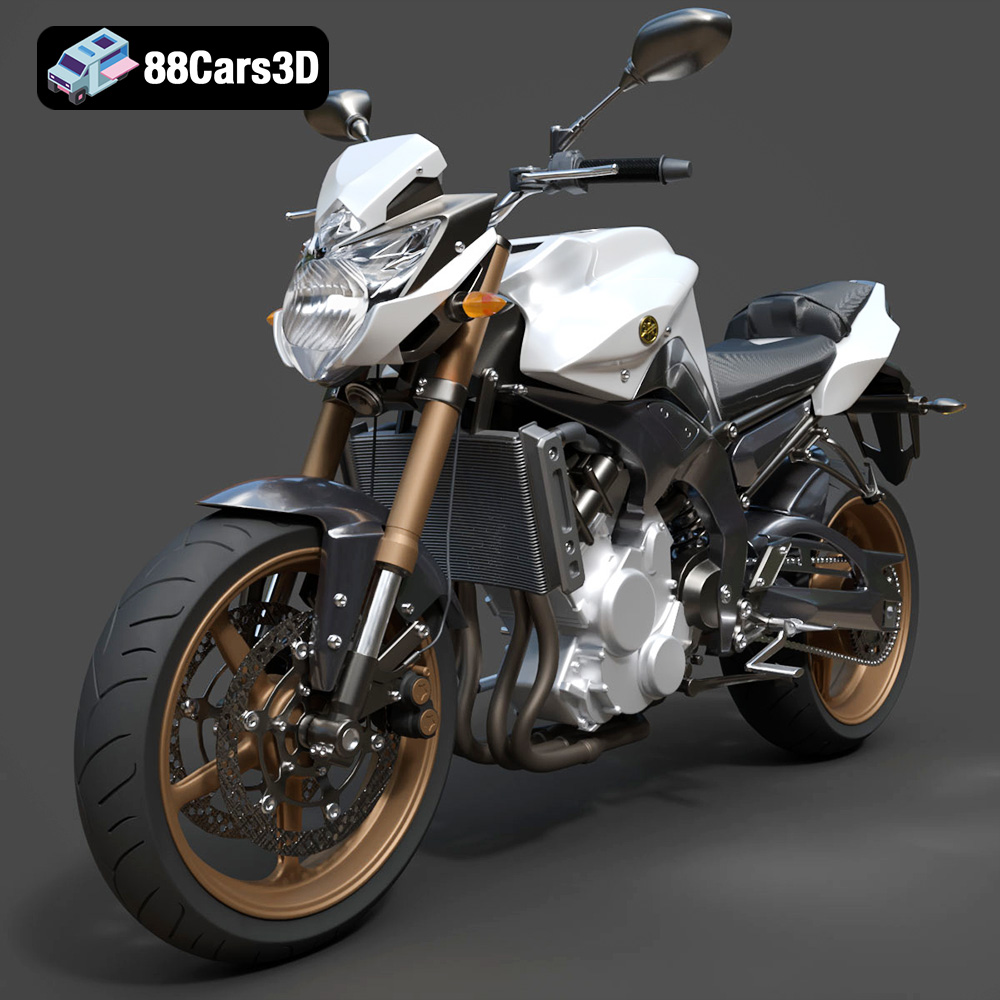
Texture: Yes
Material: Yes
Download the Yamaha FZ8 2011 3D Model featuring clean geometry, realistic detailing, and a fully modeled interior. Includes .blend, .fbx, .obj, .glb, .stl, .ply, .unreal, and .max formats for rendering, simulation, and game development.
Price: $19.99
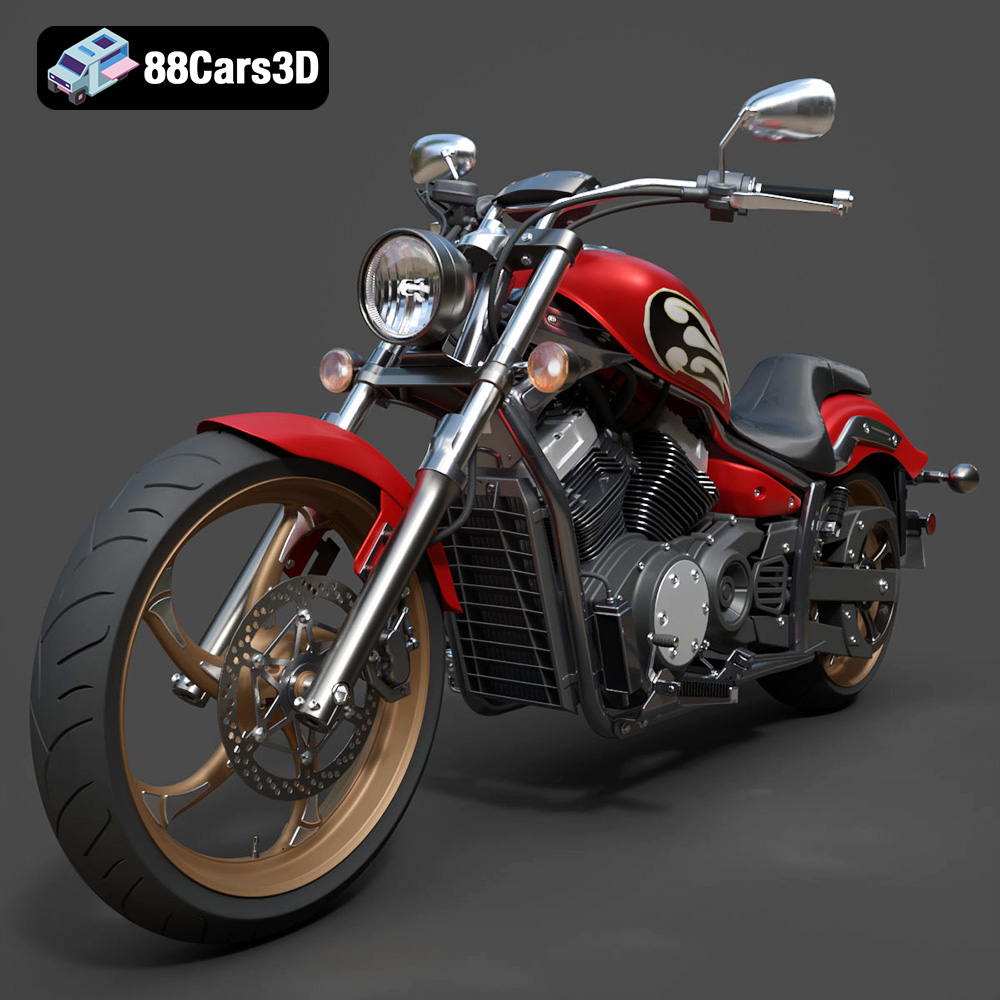
Texture: Yes
Material: Yes
Download the Yamaha Stryker 2012 3D Model featuring clean geometry, realistic detailing, and a fully modeled interior. Includes .blend, .fbx, .obj, .glb, .stl, .ply, .unreal, and .max formats for rendering, simulation, and game development.
Price: $19.99
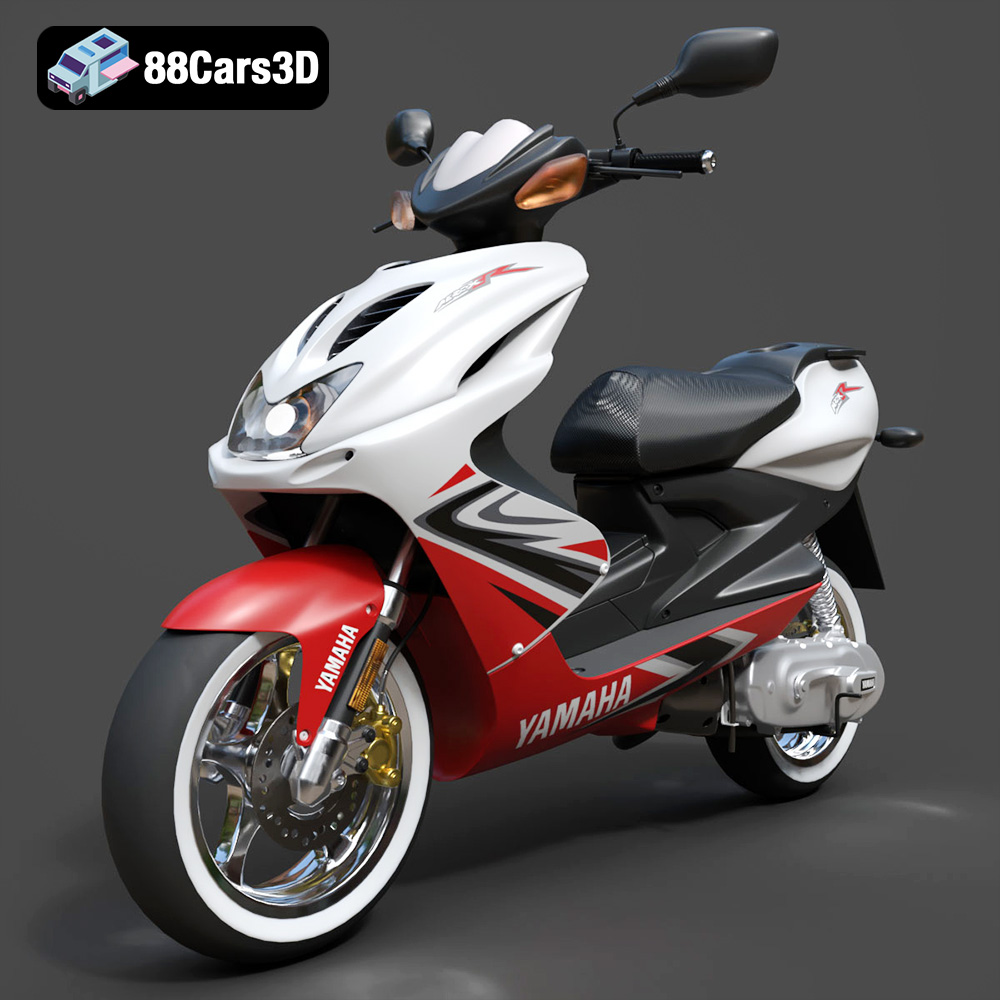
Texture: Yes
Material: Yes
Download the Yamaha Aerox R-002 2024 3D Model featuring clean geometry, realistic detailing, and a fully modeled interior. Includes .blend, .fbx, .obj, .glb, .stl, .ply, .unreal, and .max formats for rendering, simulation, and game development.
Price: $19.99
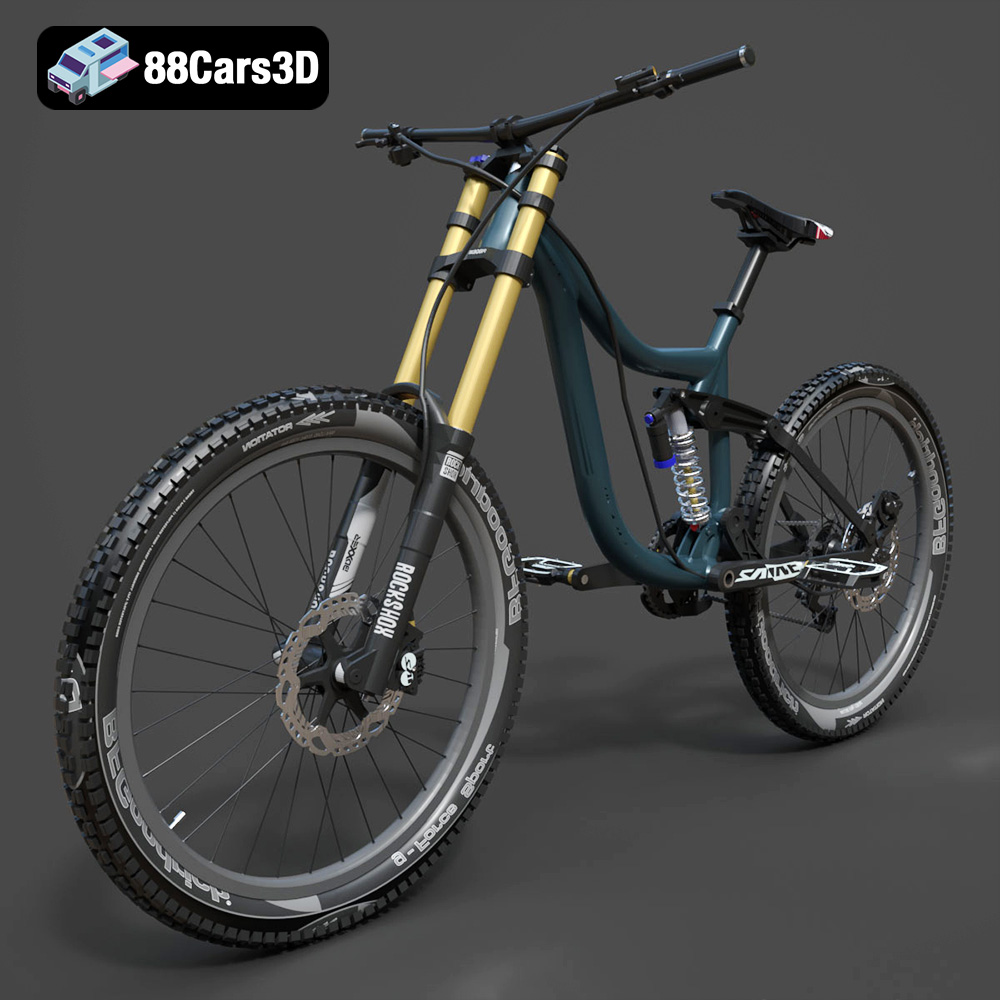
Texture: Yes
Material: Yes
Download the Mototsikly Downhill Bike-002 3D Model featuring clean geometry, realistic detailing, and precise mechanical components. Includes .blend, .fbx, .obj, .glb, .stl, .ply, .unreal, and .max formats for rendering, simulation, and game development.
Price: $19.99
Texture: Yes
Material: Yes
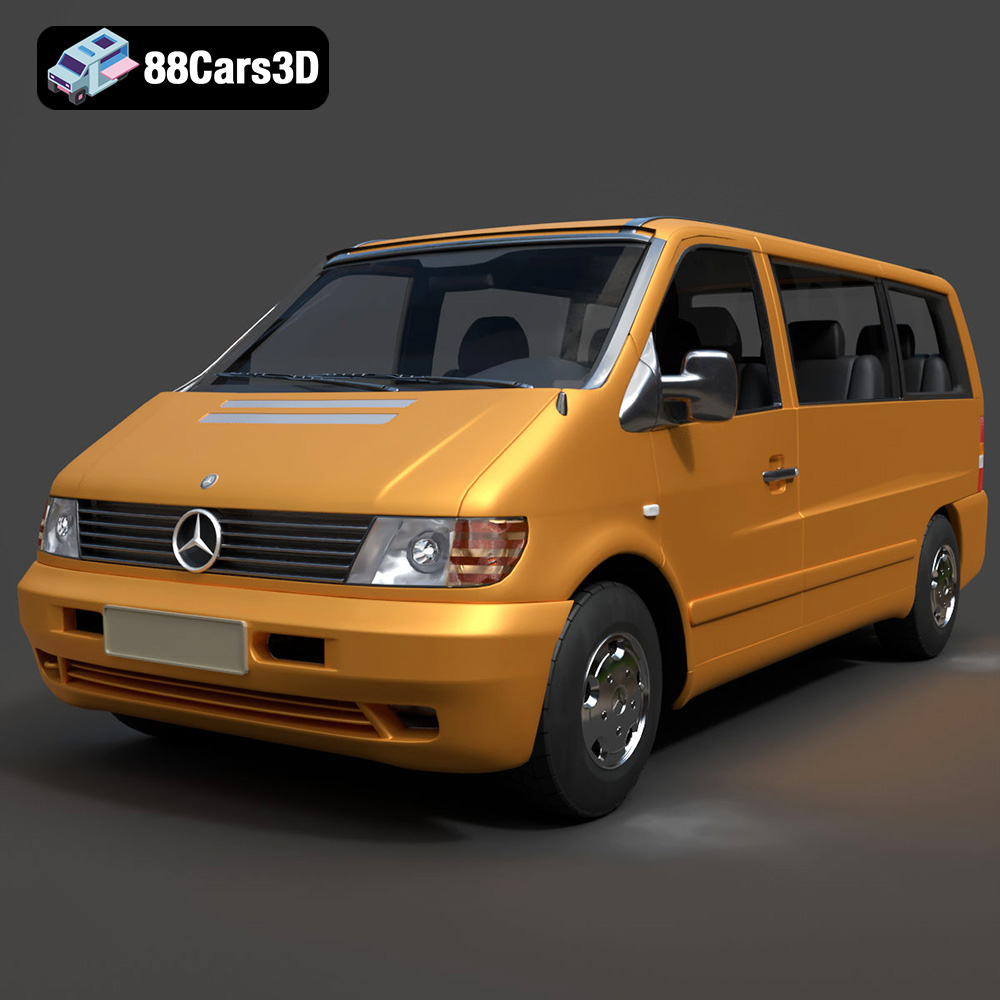
Download the Mercedes-Benz Vito Passenger Van 3D Model featuring clean geometry, realistic detailing, and a fully modeled interior. Includes .blend, .fbx, .obj, .glb, .stl, .ply, .unreal, and .max formats for rendering, simulation, and game development.
Price: $19.99
Texture: Yes
Material: Yes
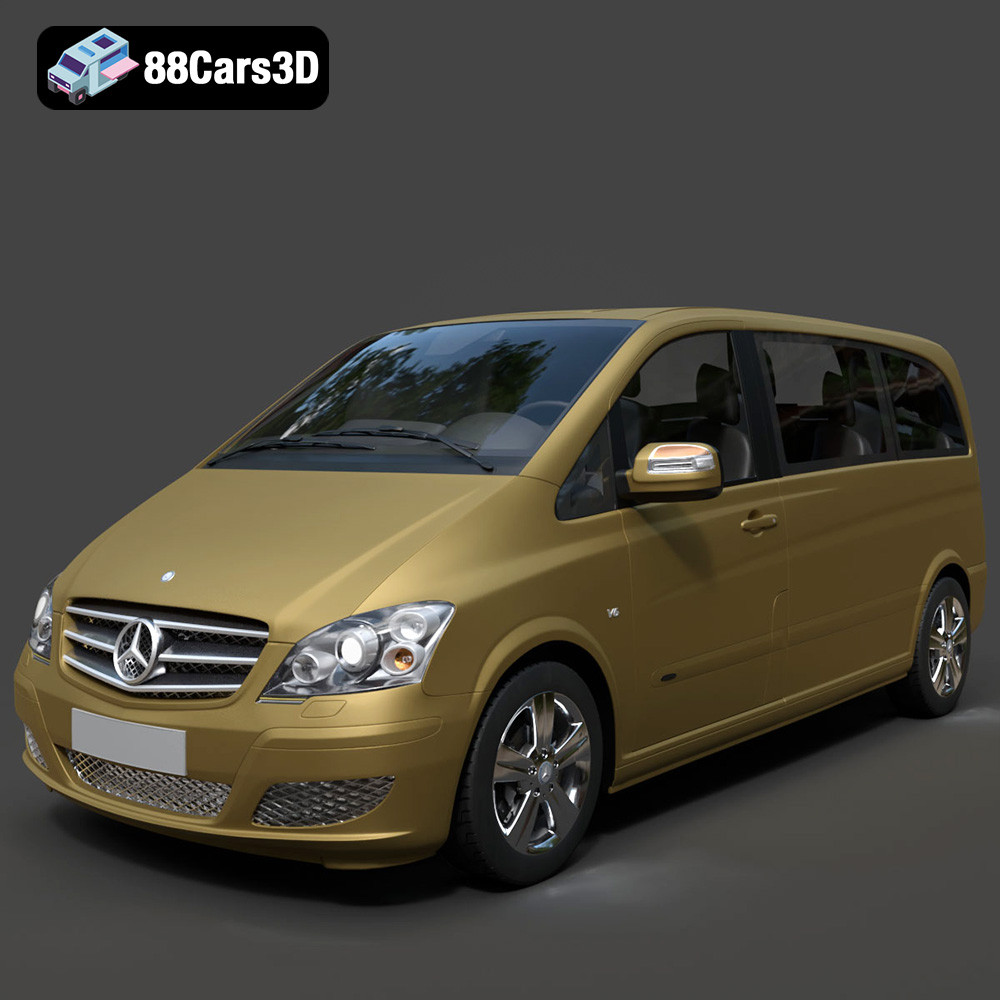
Download the Mercedes-Benz Viano 2010 3D Model featuring clean geometry, realistic detailing, and a fully modeled interior. Includes .blend, .fbx, .obj, .glb, .stl, .ply, .unreal, and .max formats for rendering, simulation, and game development.
Price: $19.99

Texture: Yes
Material: Yes
Download the Emt Avtobus 007 3D Model featuring clean geometry, realistic detailing, and a fully modeled interior. Includes .blend, .fbx, .obj, .glb, .stl, .ply, .unreal, and .max formats for rendering, simulation, and game development.
Price: $19.99
Texture: Yes
Material: Yes
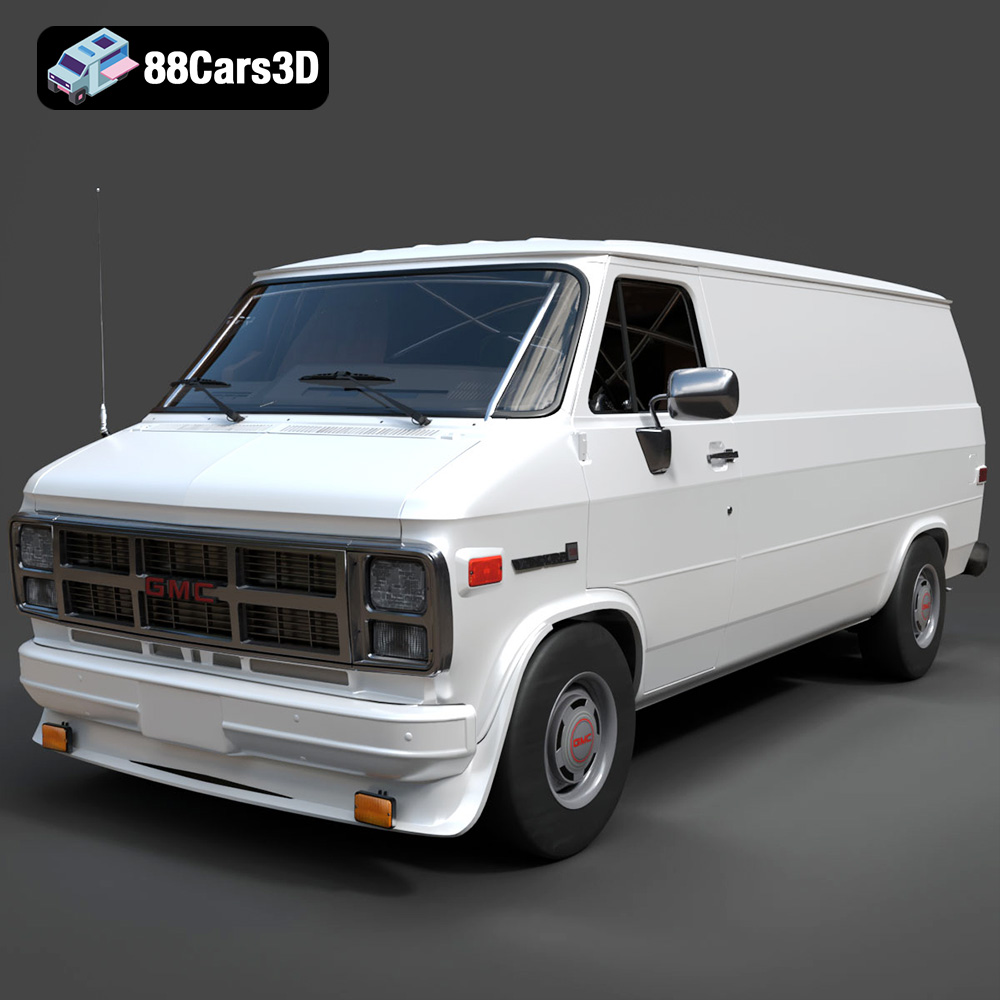
Download the GMC Vandura G-1500 1983 3D Model featuring clean geometry, realistic detailing, and a fully modeled interior. Includes .blend, .fbx, .obj, .glb, .stl, .ply, .unreal, and .max formats for rendering, simulation, and game development.
Price: $19.99
Texture: Yes
Material: Yes
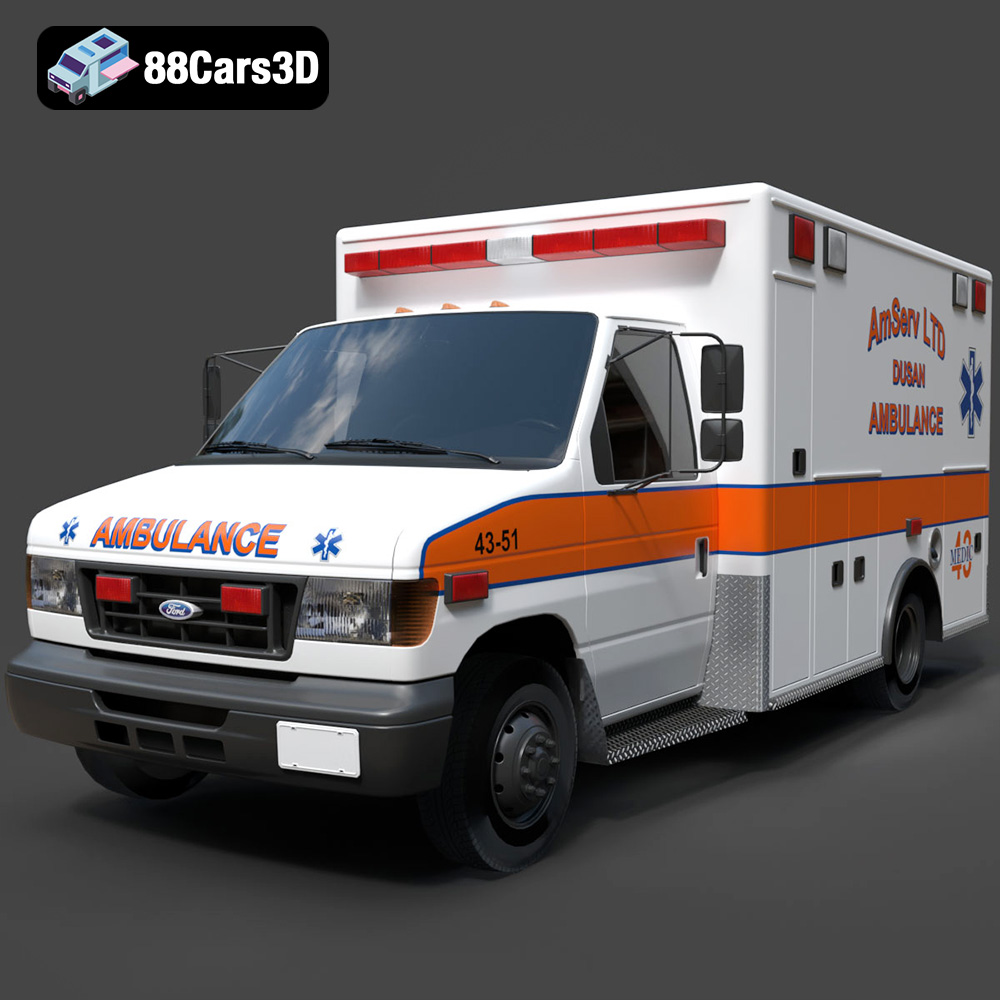
Download the Ford Ambulance AmServ LTD Dusan-002 3D Model featuring a high-detail exterior and interior, realistic textures, and emergency lighting. Includes .blend, .fbx, .obj, .glb, .stl, .ply, .unreal, and .max formats for rendering, simulation, and game development.
Price: $19.99
Texture: Yes
Material: Yes
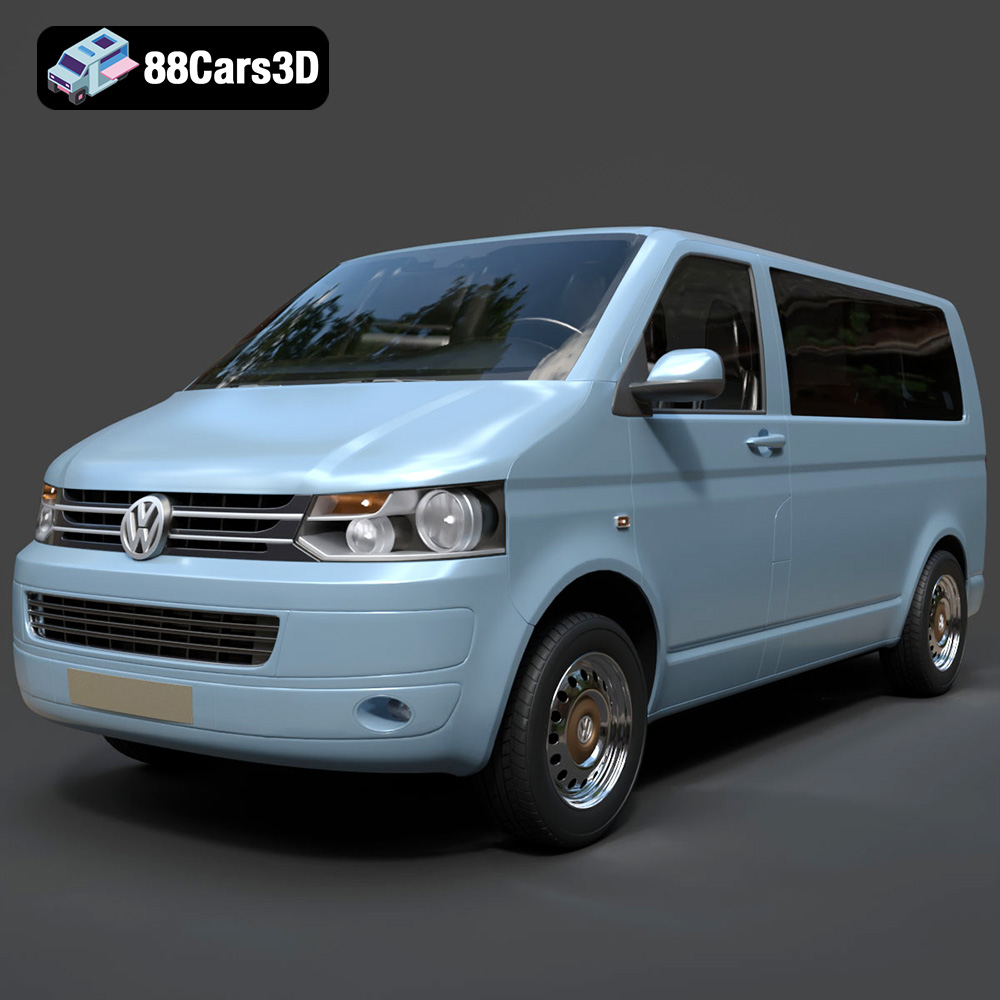
Download the Volkswagen Transporter T5 FL 2010 3D Model featuring clean geometry, realistic detailing, and a fully modeled interior. Includes .blend, .fbx, .obj, .glb, .stl, .ply, .unreal, and .max formats for rendering, simulation, and game development.
Price: $22.99

