⚡ FLASH SALE: Get 60% OFF All Premium 3D & STL Models! ⚡

“`html
The world of 3D printing is a thrilling frontier, blurring the lines between digital design and tangible reality. For automotive enthusiasts and hobbyists, this means the ability to hold a meticulously crafted replica of a dream car right in their hands. Platforms like 88cars3d.com provide access to a treasure trove of high-quality, 3D printable car models in STL format, ready to be brought to life. However, not all 3D models start as perfectly formed STLs. Often, designers work with more versatile polygon-based formats like OBJ or FBX. Understanding how to convert these polygon models into the universally accepted STL format is a fundamental skill for any aspiring 3D printer. This guide will walk you through the entire process, from understanding the file formats to utilizing powerful software tools, ensuring your digital creations translate seamlessly into stunning physical prints. We’ll delve into the technical nuances of mesh topology, watertight models, and the critical settings that bridge the gap between a digital file and a successful print.
Before diving into the conversion process, it’s crucial to grasp the fundamental differences between polygon-based formats and the STL (STereoLithography) format. Most 3D modeling software excels at creating and manipulating models using polygons – essentially, flat surfaces made up of three or more vertices. Formats like OBJ (Object), FBX (Filmbox), and even GLTF/GLB are highly versatile, capable of storing rich data such as color information, textures, materials, and complex scene hierarchies. They represent a model as a collection of these polygons, defining surfaces through their interconnected vertices and face normals.
In polygon modeling, a 3D object is broken down into a mesh of triangles or quadrilaterals. Each polygon is defined by its vertices, which are points in 3D space (X, Y, Z coordinates). The connectivity between these vertices forms the edges, and the collection of vertices and edges defines the faces of the mesh. For example, a simple cube can be represented by 8 vertices and 6 quadrilateral faces. More complex shapes, like intricate car bodies, require thousands or even millions of polygons to accurately capture their curves and details. The density of this polygon mesh directly impacts the model’s visual fidelity and the computational resources needed to process it.
The STL format, conversely, is far simpler and specifically designed for 3D printing. It represents a 3D model as a collection of triangular facets. Each triangle is defined by three vertices and a normal vector, which indicates the outward-facing direction of the surface. Crucially, an STL file does not store color, texture, or material information. Its sole purpose is to define the surface geometry of an object. This simplicity makes it the de facto standard for communicating 3D models to slicing software, which prepares them for printing by dividing the model into thin layers.
Slicing software, the intermediary between your 3D model and your 3D printer, is optimized to interpret the geometric data within STL files. While some slicers can import other formats, converting to STL ensures maximum compatibility and minimizes potential errors. Converting a polygon model to STL involves ensuring that the model’s surface is correctly represented by non-overlapping, consistently oriented triangles, forming a “watertight” or “manifold” volume. This watertight condition is paramount; it means the model has no holes, internal faces, or extraneous geometry that could confuse the slicer and lead to printing failures.
Before you hit the “export to STL” button, a crucial step is to prepare your polygon model. This preparation phase is vital for ensuring a clean, error-free STL file that will print successfully. It involves several checks and potential modifications to the mesh itself. Think of it as tidying up your digital workspace before packing it for a move – you want everything organized and in its correct place.
The most critical aspect of a printable STL is that it represents a solid, enclosed volume. This is often referred to as a “watertight” or “manifold” mesh. In layman’s terms, it means there are no holes, gaps, or inconsistencies in the surface geometry. Imagine trying to fill a bucket with water – if the bucket has holes, the water will leak out. Similarly, if your 3D model has holes, the slicer won’t know how to fill those areas during printing, leading to incomplete or failed prints. Common issues that prevent a mesh from being manifold include:
Many 3D modeling software packages have built-in tools to help detect and repair these issues. Features like “Mesh Cleanup,” “Make Solid,” or “Check for Non-Manifold Geometry” are invaluable.
Models created in high-end 3D modeling software can sometimes have an excessively high polygon count. While this allows for incredible detail on screen, it can lead to very large STL files that are slow to process by slicers and may even exceed the memory capacity of some machines. On the other hand, if the polygon count is too low, fine details might be lost. The process of reducing the number of polygons without significantly sacrificing visual detail is called decimation or retopology. Software like Blender, Meshmixer, or dedicated retopology tools can automate or assist in this process. The goal is to find a balance – enough polygons to capture the necessary details of your car model, but not so many that it becomes unwieldy.
Before exporting, ensure your model is scaled correctly and that you understand the units being used. 3D models are often created in arbitrary units (e.g., centimeters, millimeters, inches). If you intend to print a 1:24 scale model of a car, you need to ensure the digital model reflects these dimensions. Mismatched units between your modeling software and your slicer are a common cause of prints being either microscopic or gargantuan. Most 3D modeling software allows you to set the scene units, and it’s good practice to work in millimeters for 3D printing, as this is the standard unit for most slicers and printers.
Fortunately, you don’t need to be a programming expert to convert polygon models to STL. A variety of user-friendly and powerful software tools are available, ranging from free, open-source options to professional-grade applications. The choice of software often depends on your existing workflow and the complexity of the models you’re working with.
Autodesk Meshmixer is a fantastic, free tool for preparing 3D models for printing. It excels at mesh editing, repair, and manipulation. Its intuitive interface makes it accessible even for beginners. Key features for STL conversion include:
For models downloaded from marketplaces like 88cars3d.com, Meshmixer is an excellent first step to verify printability.
Blender is a free, open-source 3D creation suite that is incredibly powerful. While it has a steeper learning curve than Meshmixer, its capabilities are vast. For STL conversion and preparation, you’ll primarily use its modeling and mesh editing tools:
For more advanced users or professional workflows, software like Autodesk Netfabb or Fusion 360 offer highly sophisticated mesh repair and preparation tools. Netfabb is a dedicated platform for additive manufacturing, providing automated repair routines, analysis tools (like wall thickness analysis, undercut detection), and advanced build preparation. Fusion 360 integrates CAD modeling with mesh editing capabilities, allowing you to seamlessly transition between solid modeling and mesh manipulation.
Regardless of the software used, the export process typically involves selecting “STL” as the file format. You’ll often encounter two options: Binary and ASCII.
Ensure that any options related to scale or unit conversion are set correctly. For most applications, exporting as a Binary STL is recommended.
Understanding the underlying structure of an STL file and the principles of good mesh topology is not just for theoretical knowledge; it directly impacts how well your model will print. A well-structured mesh is the foundation of a successful 3D print, preventing common slicing errors and ensuring smooth, accurate replication of your digital design.
As mentioned, STL files exclusively use triangles. This means that even if your original model in software like Blender or Maya was composed of quads (four-sided polygons) or N-gons (polygons with more than four sides), it must be triangulated (tessellated) before being saved as an STL. The conversion process automatically handles this triangulation. However, the *quality* of this triangulation matters. Poorly generated triangles, especially in areas of high curvature or detail, can lead to faceted surfaces or geometric artifacts. Good triangulation aims to create evenly sized and shaped triangles where possible, following the contours of the original surface.
The concept of a manifold mesh is central to 3D printing. A manifold mesh is a continuous, watertight surface that defines a volume. Think of it like the skin of a balloon – it has no holes and encloses a space. A non-manifold mesh has geometric flaws that break this continuity:
Slicers rely on the manifold property to determine where the “inside” and “outside” of the model are, enabling them to correctly generate walls, infill, and supports. Non-manifold errors are the most common reason for failed prints originating from STL files.
Each triangle in an STL file has a normal vector. This vector is a line perpendicular to the triangle’s surface, pointing outwards from the solid volume. The consistent orientation of these normals is crucial. If a normal is flipped (pointing inwards), the slicer may interpret that surface as being inside-out, leading to gaps or solid material where there should be empty space. Most conversion tools and modeling software provide options to recalculate and enforce outward-facing normals. It’s good practice to visually inspect your model after conversion to ensure no surfaces appear inverted.
Once you have a clean, watertight STL file, the next step is to prepare it for your specific 3D printer using slicing software. This is where you define how the printer will build the object layer by layer. Choosing the right slicing parameters is critical for achieving the desired quality, strength, and detail in your printed car models.
Layer height is arguably the most significant setting affecting print quality and time. It determines the thickness of each layer deposited by the printer. Common layer heights for FDM printers range from 0.1mm (high detail, slow) to 0.3mm (faster, less detail). For highly detailed automotive models, you might opt for lower layer heights (e.g., 0.1mm or 0.15mm) to capture subtle curves and sharp edges more accurately. Larger models or those where speed is prioritized might use higher layer heights (e.g., 0.2mm or 0.25mm).
Print speed dictates how fast the print head moves while extruding material. Faster speeds can drastically reduce print times but often come at the cost of quality. Stringing, ringing (ghosting), and poor layer adhesion can occur if the speed is too high for the material and printer setup. For detailed car models:
Always consult your filament manufacturer’s recommendations and perform test prints to find optimal speeds for your specific material and printer.
Infill refers to the internal support structure printed inside the model. It affects the model’s strength, weight, and print time. Slicers offer various infill patterns (grid, gyroid, cubic, etc.) and densities (percentage).
Consider the purpose of your printed car model. A static display piece doesn’t require the same internal strength as a model intended for handling or minor assembly.
Properly supporting overhangs and choosing the optimal print orientation are critical for preventing print failures and achieving clean results, especially with complex shapes like car models featuring spoilers, mirrors, and undercarriages.
Overhangs are parts of the model that extend horizontally beyond the layer below. If an overhang angle exceeds a certain threshold (typically 45-60 degrees, depending on the printer and material), it needs support material to prevent it from collapsing during printing. Slicing software can automatically generate these supports.
The goal is to provide adequate support for overhangs without making the support material impossible to remove cleanly. Test prints are essential to dial in support settings.
The way you orient your model on the print bed significantly impacts the need for supports, print strength, and surface quality. For car models, consider:
Experimentation is key. Try slicing the model in a few different orientations and compare the predicted support material and layer line visibility.
The printing process is often just the beginning. Post-processing is where you transform a raw 3D print into a polished, display-worthy model. This stage requires patience and attention to detail, but the results can be spectacular.
Carefully removing support structures is the first step. Tools like flush cutters, pliers, hobby knives (X-Acto knives), and dental picks are invaluable. Work slowly and deliberately to avoid damaging the actual model. For difficult-to-reach areas, a rotary tool (like a Dremel) with a small grinding bit can be used with extreme caution.
Layer lines are inherent to FDM printing and are most noticeable on curved surfaces. Sanding is the primary method for smoothing these out.
Painting brings your 3D printed car model to life. A good primer coat is essential for paint adhesion and to reveal any remaining surface imperfections.
Consider using automotive-specific paints for authentic finishes. For models downloaded from repositories like 88cars3d.com, the clean geometry makes painting significantly easier and more rewarding.
Converting polygon 3D models to STL and preparing them for printing is a skill that blends technical understanding with practical application. By mastering the nuances of file formats, utilizing the right software for mesh repair and conversion, and carefully dialing in your slicing parameters, you can transform digital designs into stunning, tangible 3D printed car models. Remember that attention to detail in preparation, thoughtful orientation, strategic support generation, and patient post-processing are the keys to unlocking the full potential of additive manufacturing for your hobbyist projects, collections, and educational endeavors. Happy printing!
“`
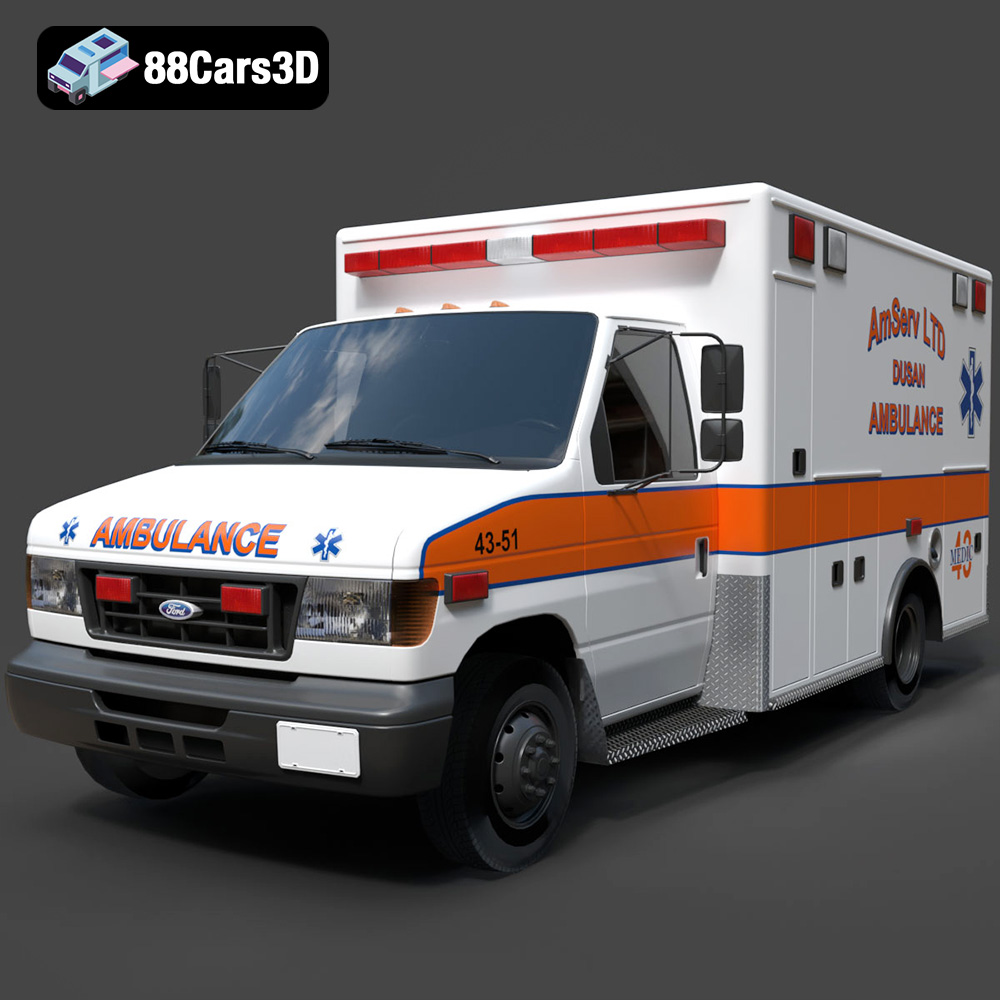
Texture: Yes
Material: Yes
Download the Ford Ambulance AmServ LTD Dusan-002 3D Model featuring a high-detail exterior and interior, realistic textures, and emergency lighting. Includes .blend, .fbx, .obj, .glb, .stl, .ply, .unreal, and .max formats for rendering, simulation, and game development.
Price: $19.99
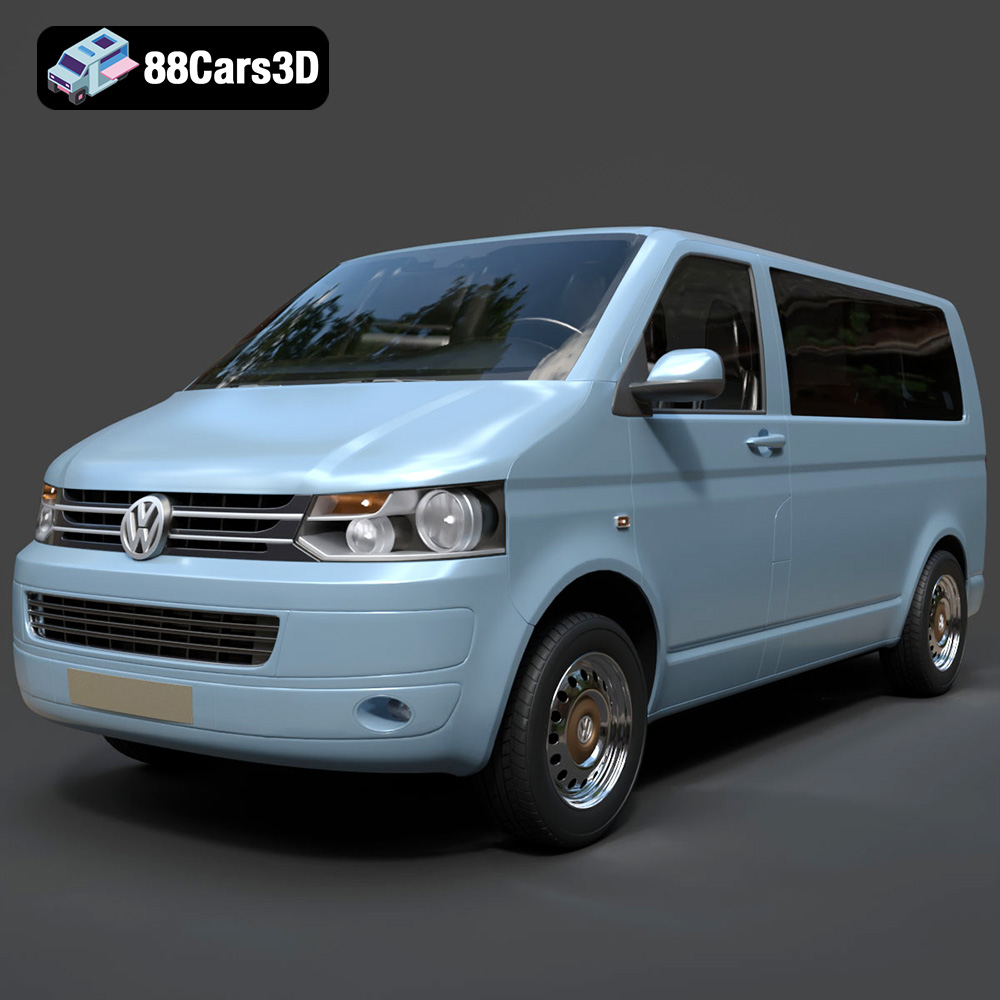
Texture: Yes
Material: Yes
Download the Volkswagen Transporter T5 FL 2010 3D Model featuring clean geometry, realistic detailing, and a fully modeled interior. Includes .blend, .fbx, .obj, .glb, .stl, .ply, .unreal, and .max formats for rendering, simulation, and game development.
Price: $22.99
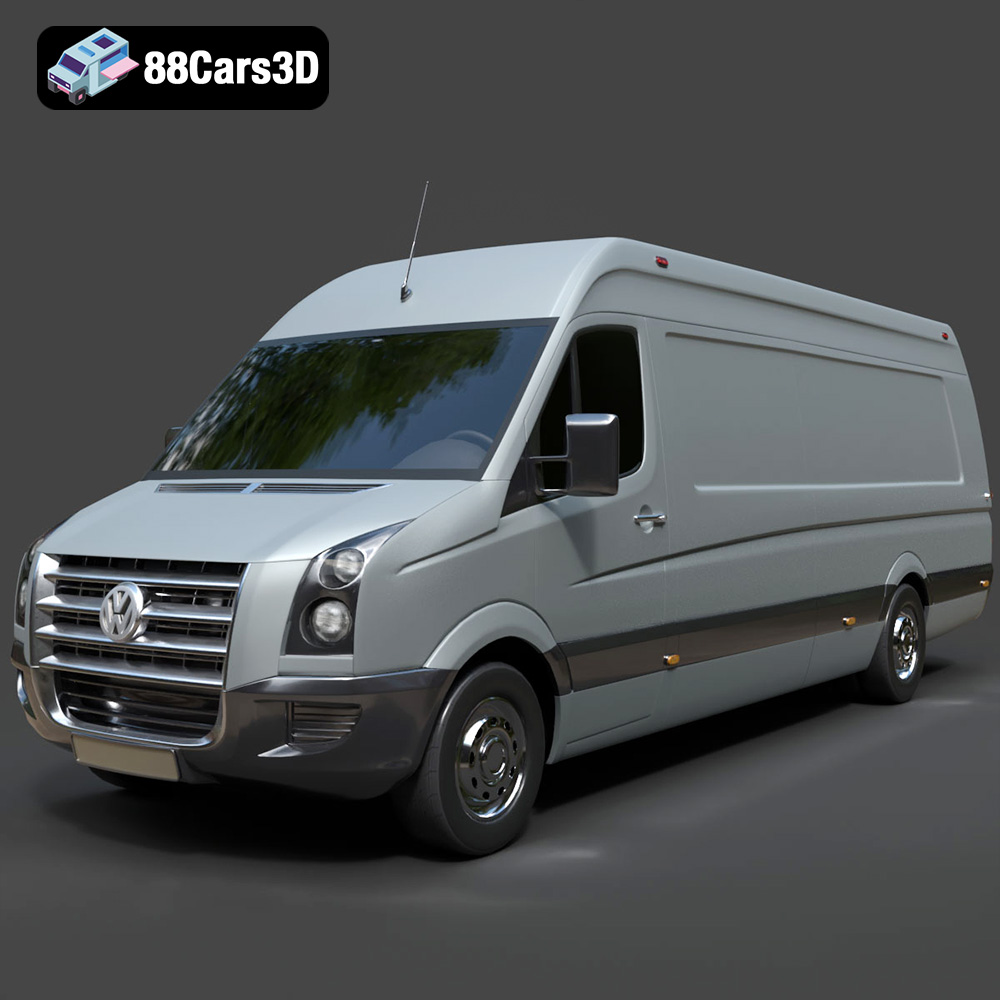
Texture: Yes
Material: Yes
Download the Volkswagen Crafter 2020 3D Model featuring clean geometry, realistic detailing, and a fully modeled interior. Includes .blend, .fbx, .obj, .glb, .stl, .ply, .unreal, and .max formats for rendering, simulation, and game development.
Price: $22.99
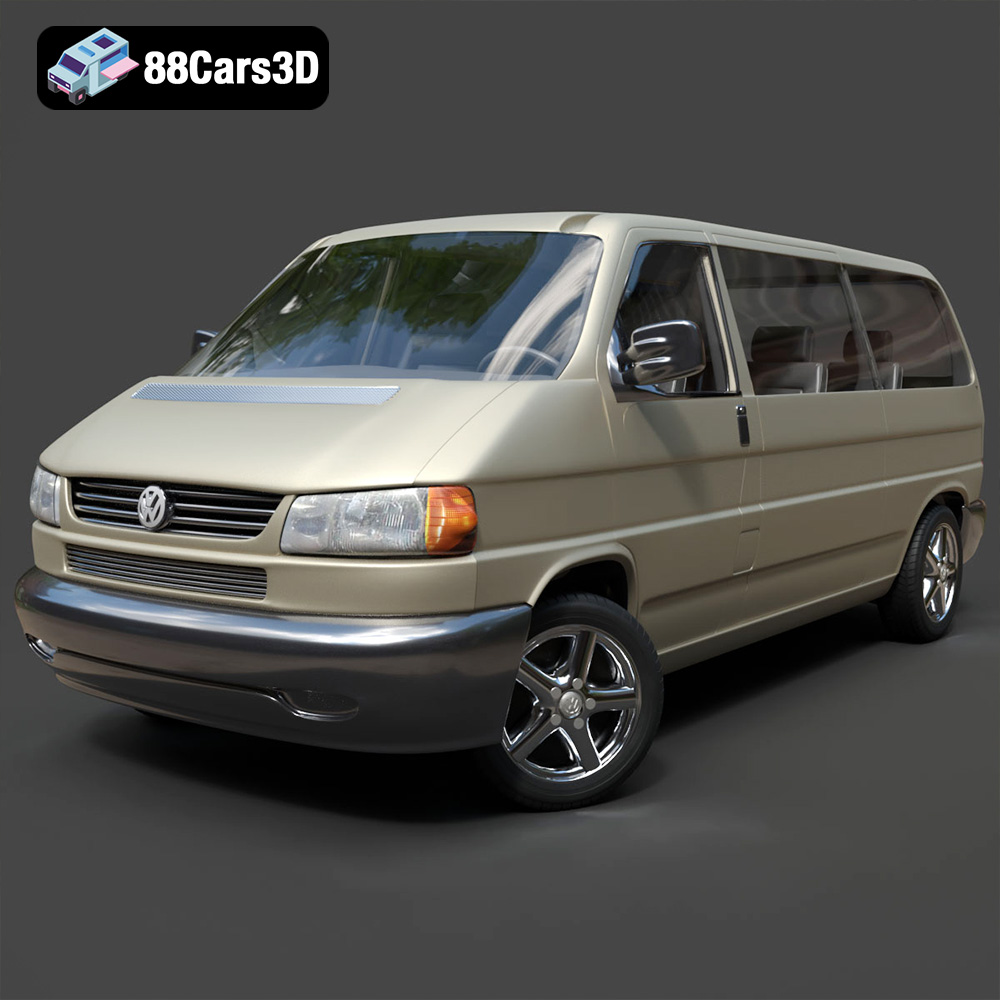
Texture: Yes
Material: Yes
Download the Volkswagen Caravelle 3D Model featuring a detailed exterior, functional interior, and optimized topology. Includes .blend, .fbx, .obj, .glb, .stl, .ply, .unreal, and .max formats for rendering, simulation, and game development.
Price: $23.99
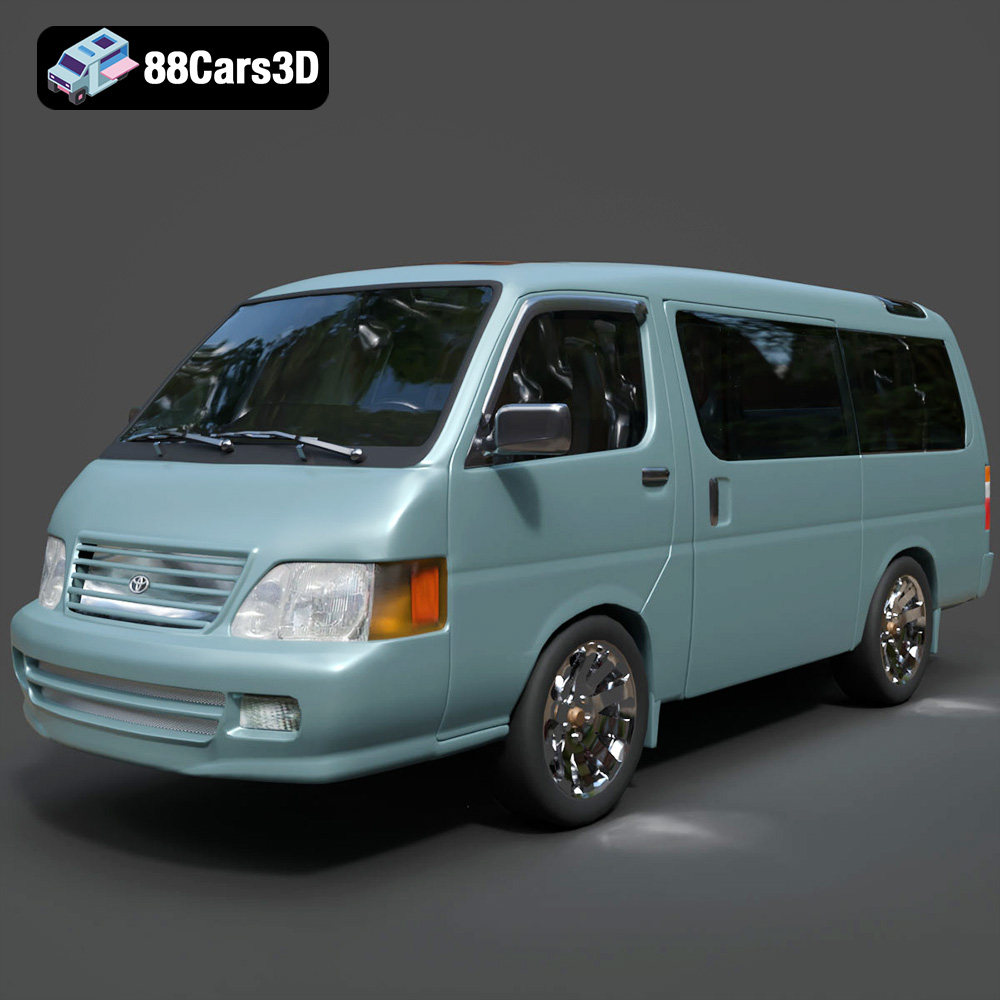
Texture: Yes
Material: Yes
Download the Toyota Hiace 3D Model featuring versatile design and detailed exterior. Includes .blend, .fbx, .obj, .glb, .stl, .ply, .unreal, and .max formats for rendering, simulation, and game development.
Price: $21.99
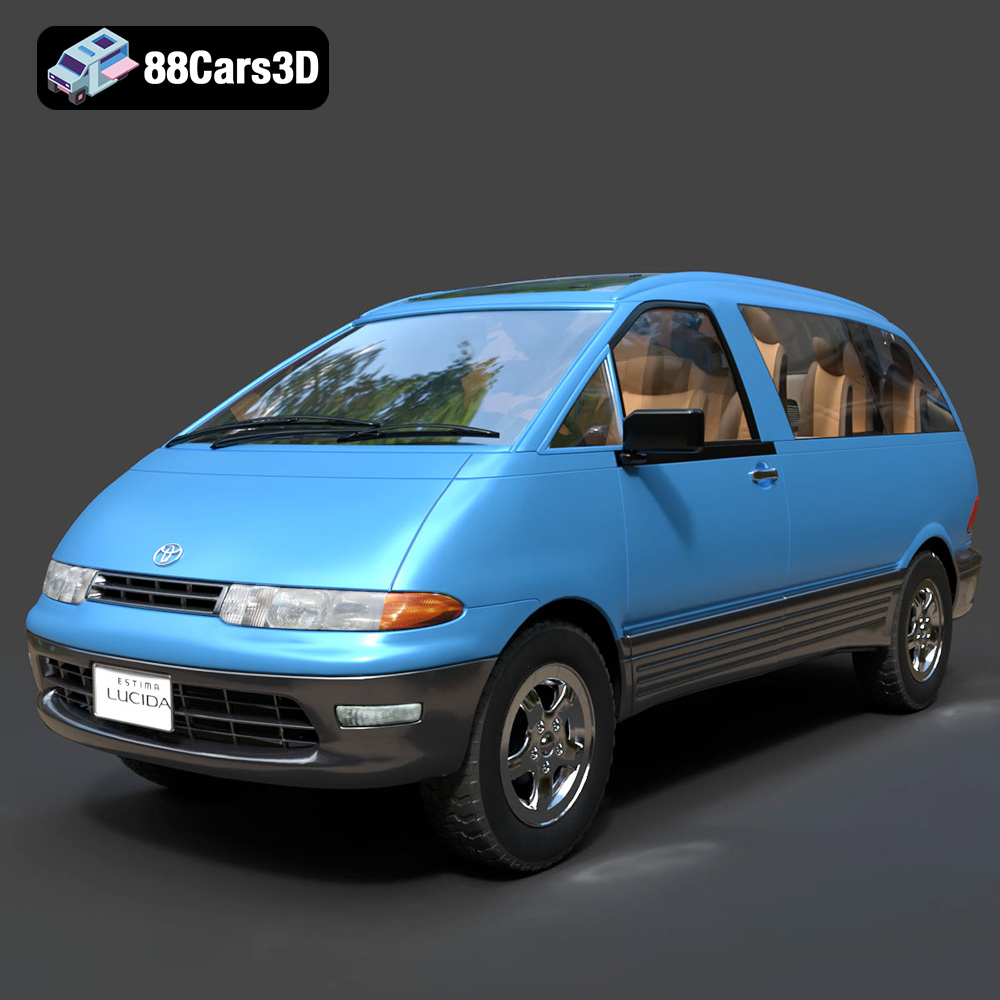
Texture: Yes
Material: Yes
Download the Toyota Estima Lucida 3D Model featuring its iconic compact MPV design, versatile interior, and accurate exterior details. Includes .blend, .fbx, .obj, .glb, .stl, .ply, .unreal, and .max formats for rendering, simulation, and game development.
Price: $24.99

Texture: Yes
Material: Yes
Download the Toyota Alphard 3D Model featuring a detailed luxury minivan design with an accurate exterior and interior. Includes .blend, .fbx, .obj, .glb, .stl, .ply, .unreal, and .max formats for rendering, simulation, and game development.
Price: $21.99
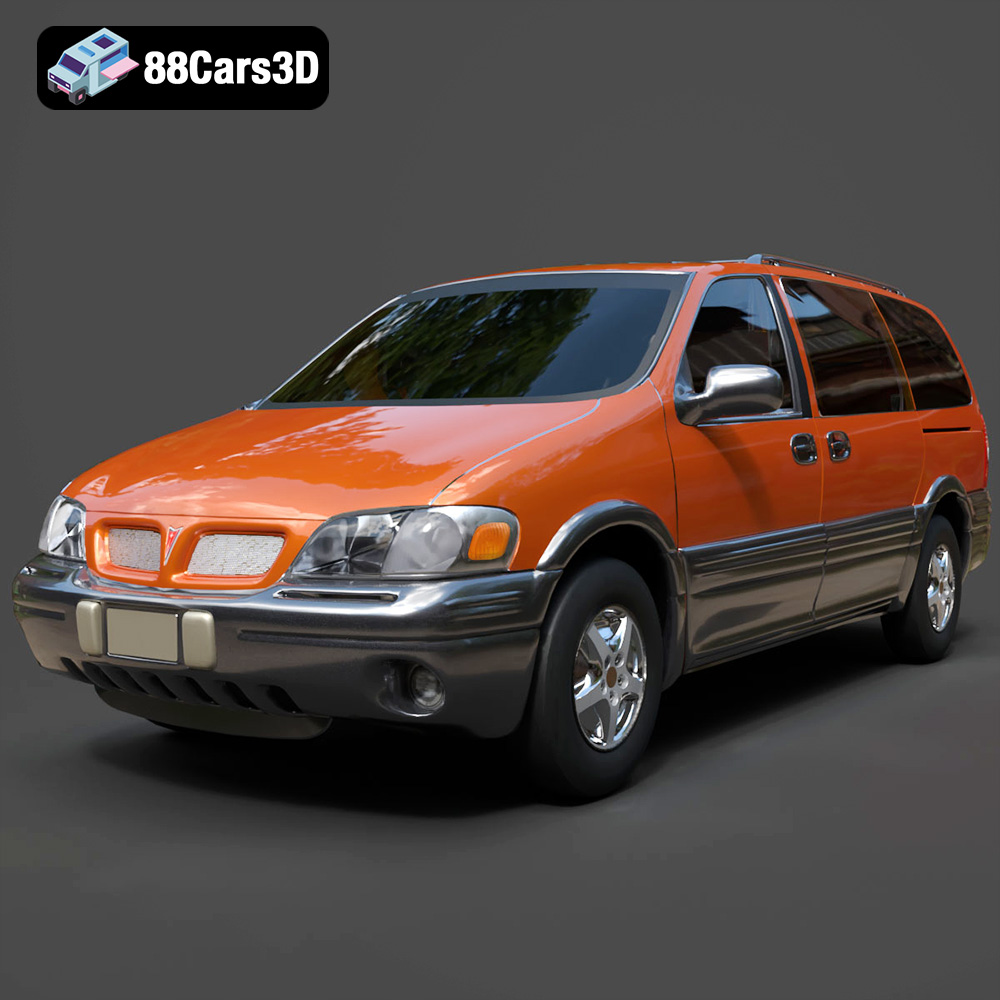
Texture: Yes
Material: Yes
Download the Pontiac Montana 1998 3D Model featuring a detailed exterior, functional interior, and optimized mesh. Includes .blend, .fbx, .obj, .glb, .stl, .ply, .unreal, and .max formats for rendering, simulation, and game development.
Price: $21.99
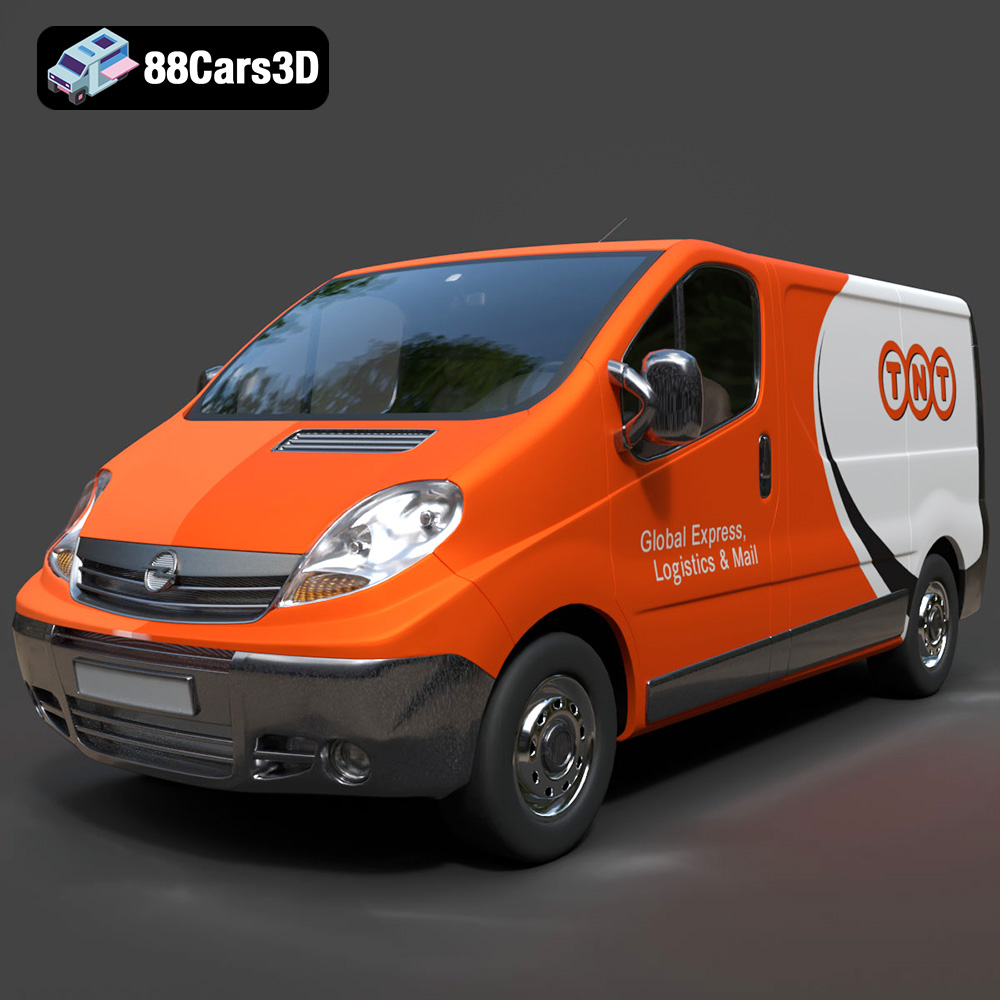
Texture: Yes
Material: Yes
Download the Opel Vivaro 3D Model featuring a versatile commercial van design with balanced detailing. Includes .blend, .fbx, .obj, .glb, .stl, .ply, .unreal, and .max formats for rendering, simulation, and game development.
Price: $21.99
Texture: Yes
Material: Yes
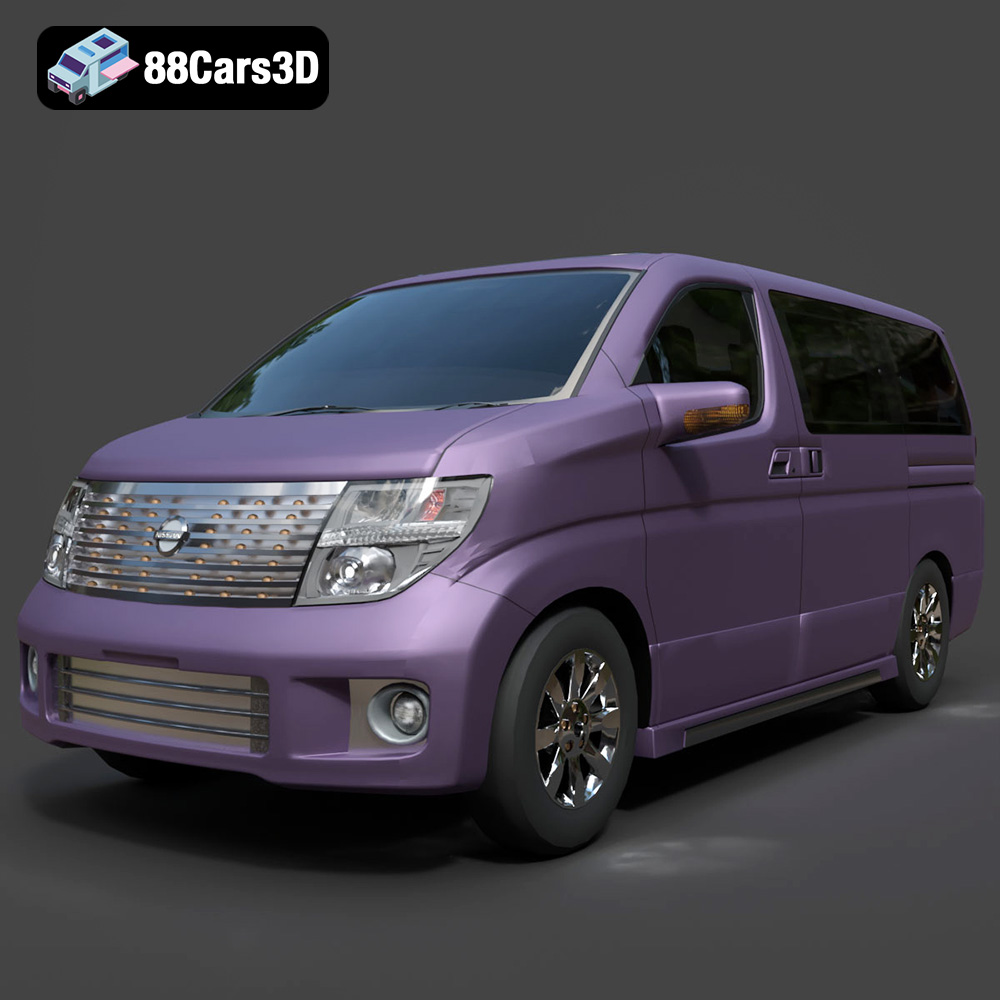
Download the Nissan Elgrand 3D Model featuring a versatile minivan design. Includes .blend, .fbx, .obj, .glb, .stl, .ply, .unreal, and .max formats for rendering, simulation, and game development.
Price: $21.99

