⚡ FLASH SALE: Get 60% OFF All Premium 3D & STL Models! ⚡

“`html
The allure of a perfectly replicated classic car, a futuristic concept, or a rugged off-roader sitting on your desk is undeniable for any automotive enthusiast and 3D printing aficionado. At 88cars3d.com, we’re dedicated to providing you with the highest quality printable car models in STL files, meticulously designed for successful 3D printing. However, even the most exquisite digital model can falter during the printing process if crucial parameters aren’t dialed in. This guide delves deep into two of the most critical aspects for bringing your 3D printed automotive dreams to life: achieving optimal wall thickness and mastering support structures. We’ll navigate the intricate world of slicing, explore specific 3D printer settings, and arm you with the knowledge to conquer common printing challenges. By the end of this post, you’ll understand how to transform raw STL files into stunning, detailed replicas with confidence, whether you’re using FDM or resin technology.
Wall thickness, often referred to as shell thickness or perimeter count in slicing software, is a fundamental parameter that dictates the structural integrity and visual fidelity of your 3D prints. For intricate automotive models, it’s not just about preventing fragility; it’s about preserving fine details, ensuring watertightness (especially for resin printing), and achieving a smooth surface finish. A wall that’s too thin can lead to print failures, where the nozzle essentially prints into thin air, resulting in a broken or incomplete model. Conversely, excessively thick walls can obscure delicate features like grilles, emblems, and panel lines, and unnecessarily increase print time and material consumption.
The ideal wall thickness is heavily dependent on the chosen 3D printing technology and the specific detail level of the model. For FDM printing, the minimum wall thickness is typically dictated by your nozzle diameter. A common recommendation is to set the wall thickness to at least 2-3 times your nozzle diameter. For instance, with a standard 0.4mm nozzle, a minimum wall thickness of 0.8mm to 1.2mm is a good starting point. This ensures sufficient overlap between extrusion paths, creating a robust shell. For highly detailed areas like intricate wheel spokes or small exterior mirrors, you might need to adjust this value or ensure the model itself has been designed with appropriate thickness. Many models available on platforms like 88cars3d.com are pre-optimized with minimum wall thicknesses to account for common nozzle sizes, but it’s always wise to verify.
Most slicers, such as Cura, PrusaSlicer, and Simplify3D, offer settings that directly influence wall thickness. You’ll often see two primary methods: setting a specific wall thickness value or defining the number of perimeters (or shells). Setting a specific wall thickness (e.g., 1.0mm) is generally more straightforward for beginners. However, advanced users often prefer setting the number of perimeters. If your slicer software is set to use a 0.4mm nozzle width, setting 3 perimeters would result in a wall thickness of 1.2mm (3 * 0.4mm). This method provides finer control and ensures that the resulting thickness is a multiple of your extrusion width, leading to more consistent and stronger walls. When downloading models from marketplaces such as 88cars3d.com, always check the model’s description for recommended settings, which often include optimal perimeter counts.
If you’re experiencing issues with thin walls, such as gaps or complete print failures, the first step is to increase your wall thickness setting in the slicer. If you’re using perimeters, add one or two more. Ensure your 3D printer settings, particularly extrusion multiplier (flow rate), are correctly calibrated; an under-extrusion issue can mimic thin walls. For resin printing, wall thickness is critical for preventing leaks and ensuring successful curing. While resin printers don’t use perimeters in the same way as FDM, the thickness of the model’s walls directly impacts its ability to hold resin during printing and its overall durability. A minimum wall thickness of 1.5mm to 2.0mm is often recommended for resin prints, especially for hollow models, to ensure structural integrity and prevent print failures during the peeling process.
Automotive models are rife with overhangs and complex geometries: spoilers, undercarriage details, interior components, and even the subtle curves of a car’s body. Without proper support, these features will sag, droop, or fail entirely. Support structures are temporary lattices or scaffolds printed alongside your model to hold up these unsupported sections until they are solidified by subsequent layers. The goal is to create supports that are effective, easy to remove, and leave minimal scarring on the final print. Balancing the need for support with the desire for a clean finish is where the real art lies.
Slicing software offers various support types, each with its advantages. Tree supports (often called organic supports) are a popular choice for complex models like cars. They branch out from the build plate or model surface, reaching only the necessary overhang points, thus minimizing contact with the model itself and reducing the amount of material used. This can significantly ease post-processing. Normal supports, or standard grid/line supports, are more traditional, forming a solid block or grid structure beneath overhangs. While they offer robust support, they can be more difficult to remove and leave more marks. For FDM printing, consider the support interface option. This allows you to print a dense, flat layer at the top of the support structure where it contacts the model. This interface layer creates a smoother surface on the underside of your overhangs, making removal cleaner and the resulting surface finish better.
Dialing in support settings requires careful consideration of several parameters. Overhang threshold is key: this setting determines the angle at which supports will be generated. A common starting point is 45-50 degrees for FDM, meaning any part of the model that extends beyond this angle from the vertical will receive support. Experimentation is crucial here; too low an angle can lead to unnecessary supports, while too high can result in print failures. Support density controls how dense the support structure is. Lower density (e.g., 10-15% for FDM) uses less material and is easier to remove, but might be less stable. Higher density provides more stability but increases removal difficulty. Support Z distance (or support gap) is the vertical gap between the top of the support and the model. A larger gap makes removal easier but can lead to poorer surface quality on the underside of overhangs. Fine-tuning this value, often down to 0.1mm or even less for precise FDM printing, is essential for balancing ease of removal and surface finish. For resin printing, support settings are different. Supports need to be strong enough to hold the model against the peel forces but delicate enough to be removed without damaging the print. Thinner, more numerous supports are often preferred, with careful attention to the contact point size. Platforms like 88cars3d.com often provide models with pre-designed areas that minimize the need for excessive supports, simplifying the printing process.
The removal of support structures is a critical step in post-processing. For FDM prints, gentle prying with pliers, hobby knives, or specialized support removal tools is often necessary. A controlled approach minimizes damage. For tree supports, often a quick snap-off can detach them. If supports are proving difficult to remove, it might indicate they were printed too close to the model (reduce Z distance) or that the model’s geometry isn’t well-suited for the support type used. For resin prints, supports are typically cut away using flush cutters or pliers. Be patient and work slowly to avoid snapping delicate parts of the model. After support removal, you’ll likely need to address any contact marks. This is where sanding comes in. Start with a coarser grit sandpaper (e.g., 220-400 grit) to remove the majority of the mark, then progressively move to finer grits (e.g., 1000, 2000, and even higher) for a smooth finish. For FDM prints, primer can help reveal imperfections and provide a uniform surface for painting. For resin prints, isopropyl alcohol (IPA) washes and a final cure under UV light are standard before any sanding or painting.
Achieving that factory-perfect finish on a 3D printed car model often requires going beyond basic settings. The interplay between wall thickness, support structures, and other slicer parameters can be optimized to capture the subtle nuances that define a truly premium replica. Understanding how these elements interact, particularly with highly detailed models, is crucial for elevating your prints from good to exceptional.
The choice of layer height is a classic tradeoff between print speed and detail. A larger layer height (e.g., 0.2mm or 0.3mm on FDM) results in faster prints but a more pronounced layer line appearance. For automotive models where smooth curves and reflections are important, smaller layer heights are usually preferred. Consider a layer height of 0.1mm to 0.15mm for FDM to achieve a significantly smoother finish. Resin printers inherently offer higher resolutions, with layer heights often ranging from 0.025mm to 0.1mm, providing incredibly smooth surfaces ideal for intricate details like badges and emblems. However, lower layer heights dramatically increase print time. A good strategy is to use a moderate layer height for less critical areas and then potentially switch to a finer layer height for specific sections or use adaptive layer height features in some slicers, though this is more complex. For models from 88cars3d.com, starting with a layer height of 0.1mm for FDM is a solid baseline.
While many decorative models can be printed hollow or with very low infill, structural components or models intended for handling might benefit from optimized infill. For typical decorative car models, an infill density of 5-15% is often sufficient. Patterns like gyroid or cubic are popular as they offer good strength in multiple directions and are relatively efficient with material. For FDM, a higher infill percentage (e.g., 20-30%) and denser patterns can improve the rigidity of larger parts, but it significantly increases print time and material usage. For resin, infill is less relevant as the entire object is typically printed solid (though some slicers allow for hollow models with internal supports). If you’re aiming for maximum detail preservation and structural integrity, ensure your walls are adequately thick and consider the infill primarily for models that will undergo stress or require a specific weight.
The way you orient your model on the build plate can dramatically impact the need for supports, the surface quality of visible areas, and overall print success. For car models, consider orienting them to minimize overhangs on the most visible surfaces, such as the roof, hood, and doors. Often, placing the car upright on its wheels is the most intuitive approach, but it can lead to extensive supports underneath the chassis and wheel wells. Sometimes, printing a car model on its side, or even upside down with supports carefully placed on the roof, might be more efficient in terms of support material and removal, especially if the underside details are less critical. Always preview the sliced model to see where supports will be generated and how they will interact with the geometry. Experimentation with orientation on test prints can save significant time and material when tackling complex models.
The success of your 3D printed automotive masterpiece isn’t solely dependent on slicing parameters; the material you choose and the calibration of your 3D printer play equally vital roles. Each filament type and resin has unique properties that affect how it interacts with your printer and how well it holds fine details and structural integrity. Ensuring your printer is accurately calibrated is the bedrock upon which all successful prints are built.
For FDM printing, PLA is often the go-to material due to its ease of printing, low warping, and good detail reproduction. It’s ideal for decorative models and hobbyist projects. PETG offers greater durability and temperature resistance than PLA, making it suitable for models that might be exposed to higher temperatures or require more robustness, though it can be stringier and require more careful tuning. ABS provides excellent strength and temperature resistance but is prone to warping and requires an enclosed printer and ventilation. For resin printing, standard ABS-like resins offer good mechanical properties and are well-suited for detailed models. Tough resins can add durability. The choice of material influences required print temperatures, cooling settings, and even support strategies. Always consult the material’s technical data sheet for recommended print settings. When downloading models from 88cars3d.com, consider the intended use and select a material that best fits your needs.
A miscalibrated printer can render even the best-designed STL files unprintable. Key calibration steps include: bed leveling (ensuring a consistent first layer across the entire build plate), E-step calibration (ensuring the extruder pushes out the correct amount of filament), and temperature tower and retraction tuning (optimizing print temperature and filament travel to minimize stringing and blobs). For FDM, ensuring your belts are tensioned correctly and your frame is rigid contributes to print quality. For resin printers, calibrating exposure times (using calibration prints like the “Wham Wham” test or similar) is paramount for successful curing and detail capture. Regularly performing these calibrations ensures your printer consistently produces accurate dimensions and clean surfaces, making it easier to achieve the desired wall thickness and reliable support adhesion.
Before you even slice, ensuring your STL files are “watertight” or manifold is crucial. A manifold mesh is a continuous, closed surface with no holes, non-manifold edges (where more than two faces meet at an edge), or inverted normals. Many slicers can automatically repair minor issues, but for complex problems, dedicated software like Meshmixer, Blender, or Netfabb is invaluable. Importing an STL from a reputable source like 88cars3d.com usually guarantees a clean, manifold mesh, but it’s always good practice to run a quick check. Repairing these issues beforehand prevents unpredictable slicing behavior, incorrect support generation, and failed prints. Tools like Meshmixer’s “Make Solid” or “Inspector” features can automatically detect and often fix common mesh errors, ensuring your model is print-ready.
Successfully 3D printing intricate automotive models is a rewarding endeavor that hinges on meticulous attention to detail. By understanding and mastering the nuances of wall thickness and support structures, you unlock the potential to create stunningly accurate replicas. We’ve explored how different printing technologies dictate wall thickness requirements, the critical role of slicer settings like perimeters and overhang thresholds, and the various strategies for effective support generation and removal. Remember that the ideal settings are often a blend of software parameters, material properties, and your specific printer’s capabilities, demanding experimentation and a willingness to learn.
Leveraging high-quality, print-ready STL files, such as those found on 88cars3d.com, provides a fantastic starting point. Combine these expertly crafted models with a solid understanding of FDM printing and resin printing best practices, careful calibration of your 3D printer, and thoughtful post-processing. By applying the principles discussed—from setting appropriate wall thickness and perimeter counts to strategically placing and removing supports—you’ll significantly reduce print failures and elevate the quality of your automotive creations. Embrace the iterative nature of 3D printing, and soon you’ll be proudly displaying a fleet of perfectly printed vehicles, a testament to your skill and the power of additive manufacturing.
“`
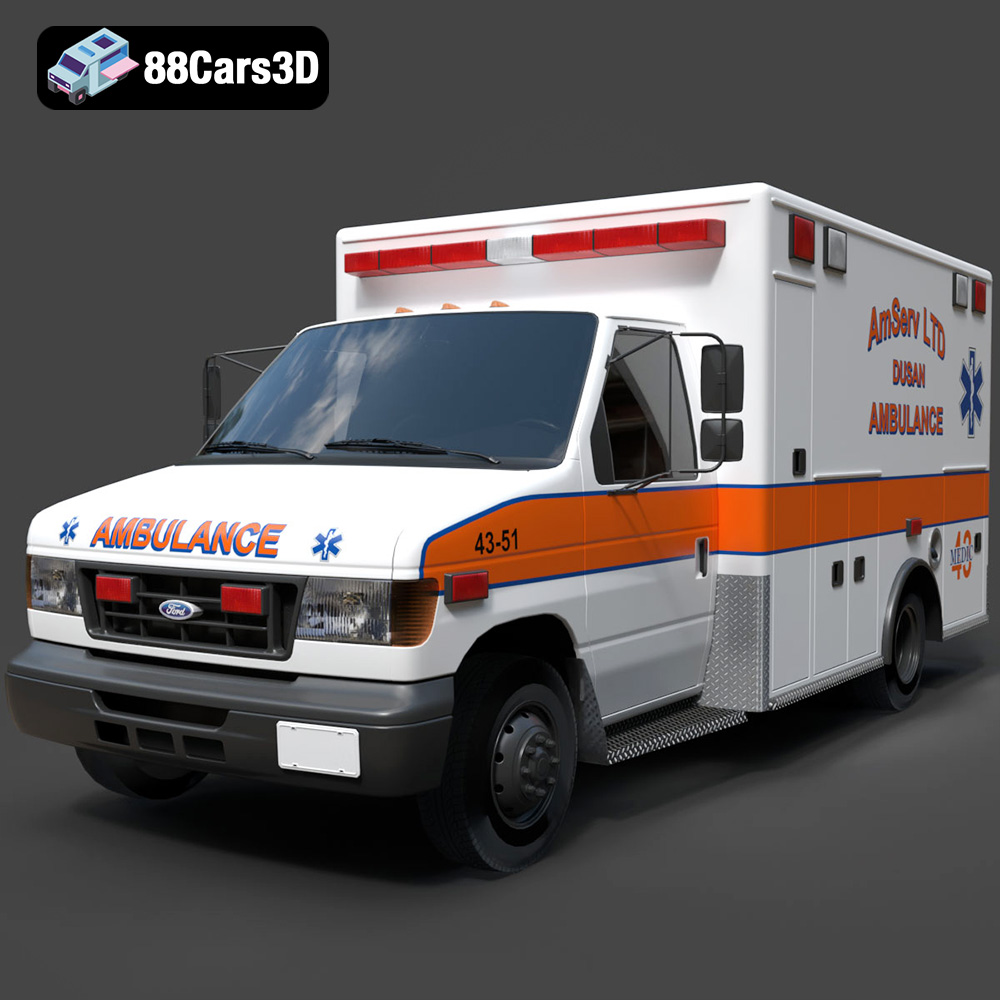
Texture: Yes
Material: Yes
Download the Ford Ambulance AmServ LTD Dusan-002 3D Model featuring a high-detail exterior and interior, realistic textures, and emergency lighting. Includes .blend, .fbx, .obj, .glb, .stl, .ply, .unreal, and .max formats for rendering, simulation, and game development.
Price: $19.99
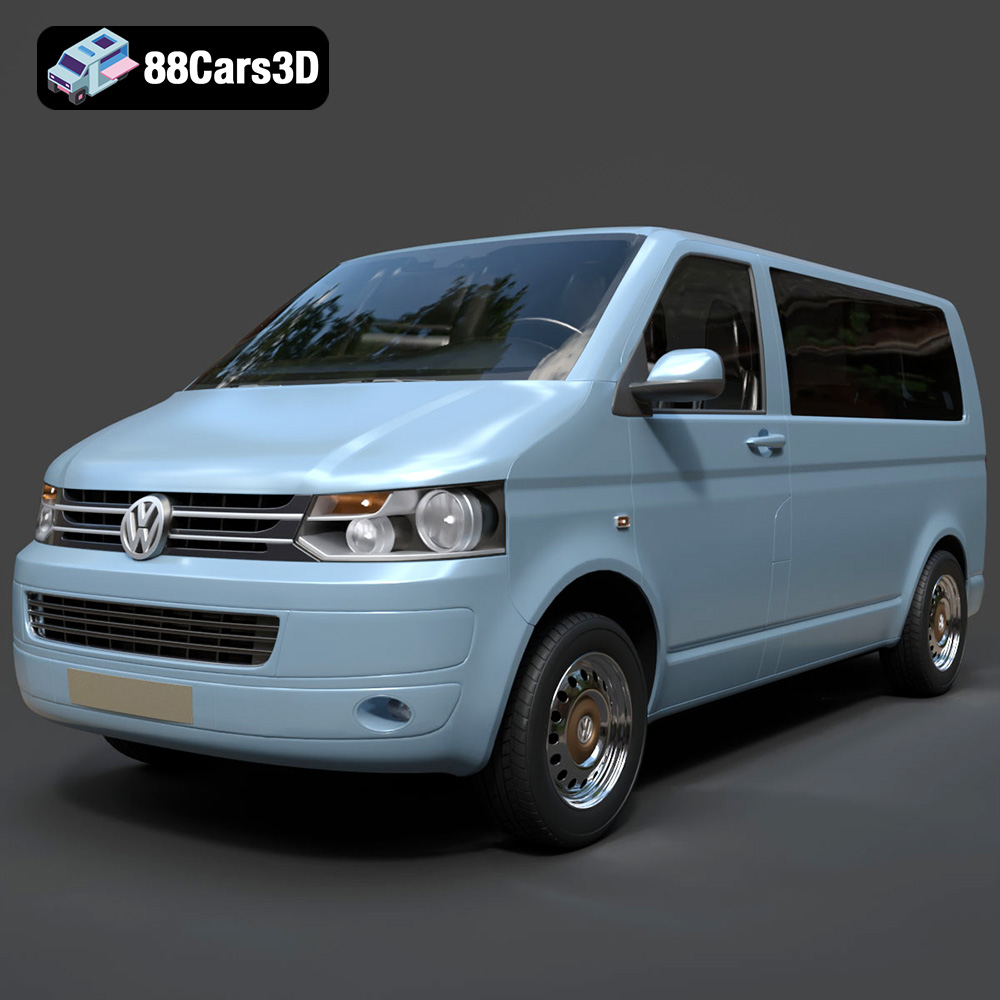
Texture: Yes
Material: Yes
Download the Volkswagen Transporter T5 FL 2010 3D Model featuring clean geometry, realistic detailing, and a fully modeled interior. Includes .blend, .fbx, .obj, .glb, .stl, .ply, .unreal, and .max formats for rendering, simulation, and game development.
Price: $22.99
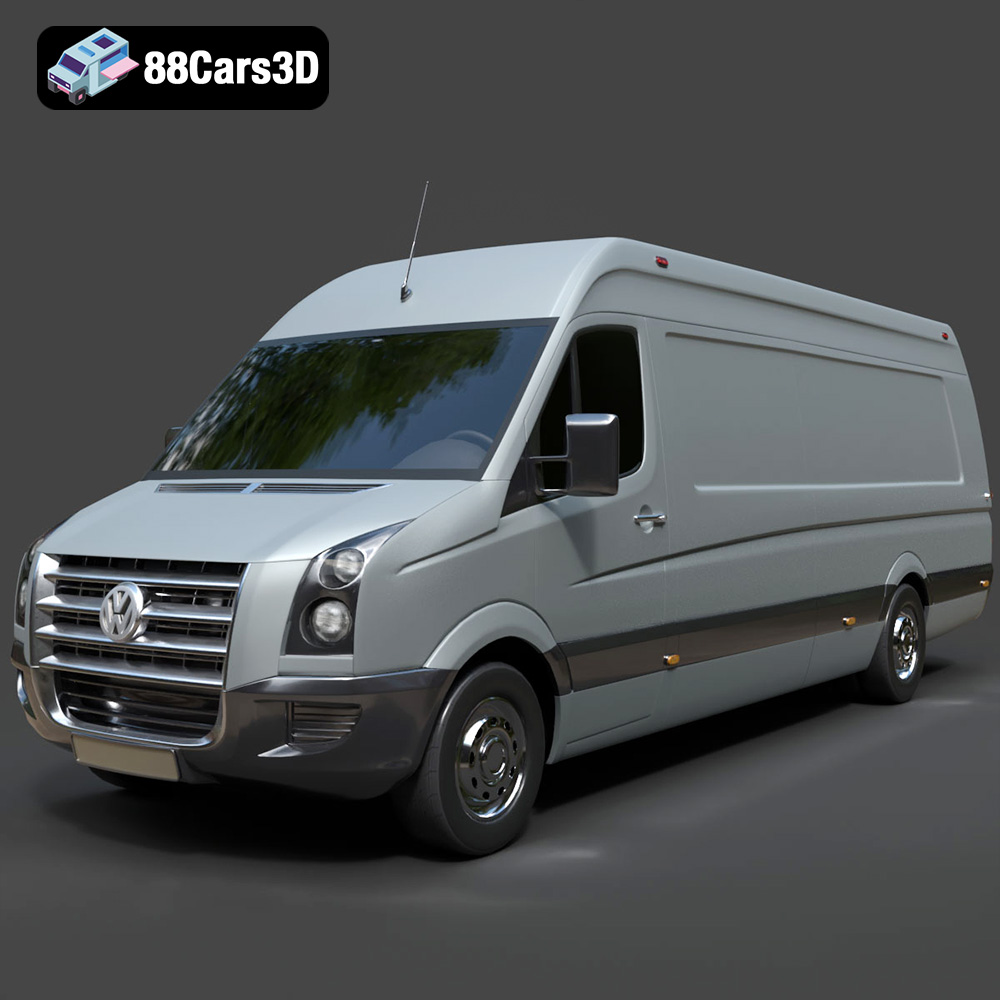
Texture: Yes
Material: Yes
Download the Volkswagen Crafter 2020 3D Model featuring clean geometry, realistic detailing, and a fully modeled interior. Includes .blend, .fbx, .obj, .glb, .stl, .ply, .unreal, and .max formats for rendering, simulation, and game development.
Price: $22.99
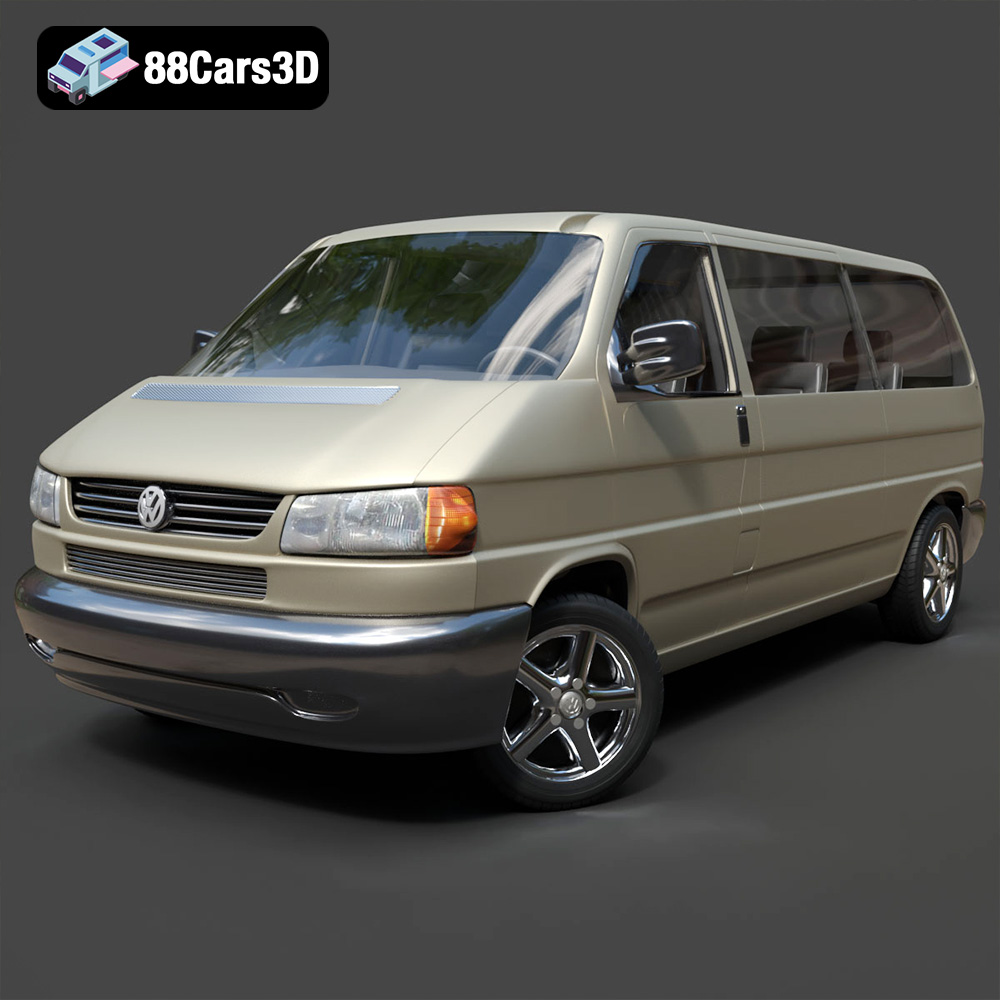
Texture: Yes
Material: Yes
Download the Volkswagen Caravelle 3D Model featuring a detailed exterior, functional interior, and optimized topology. Includes .blend, .fbx, .obj, .glb, .stl, .ply, .unreal, and .max formats for rendering, simulation, and game development.
Price: $23.99
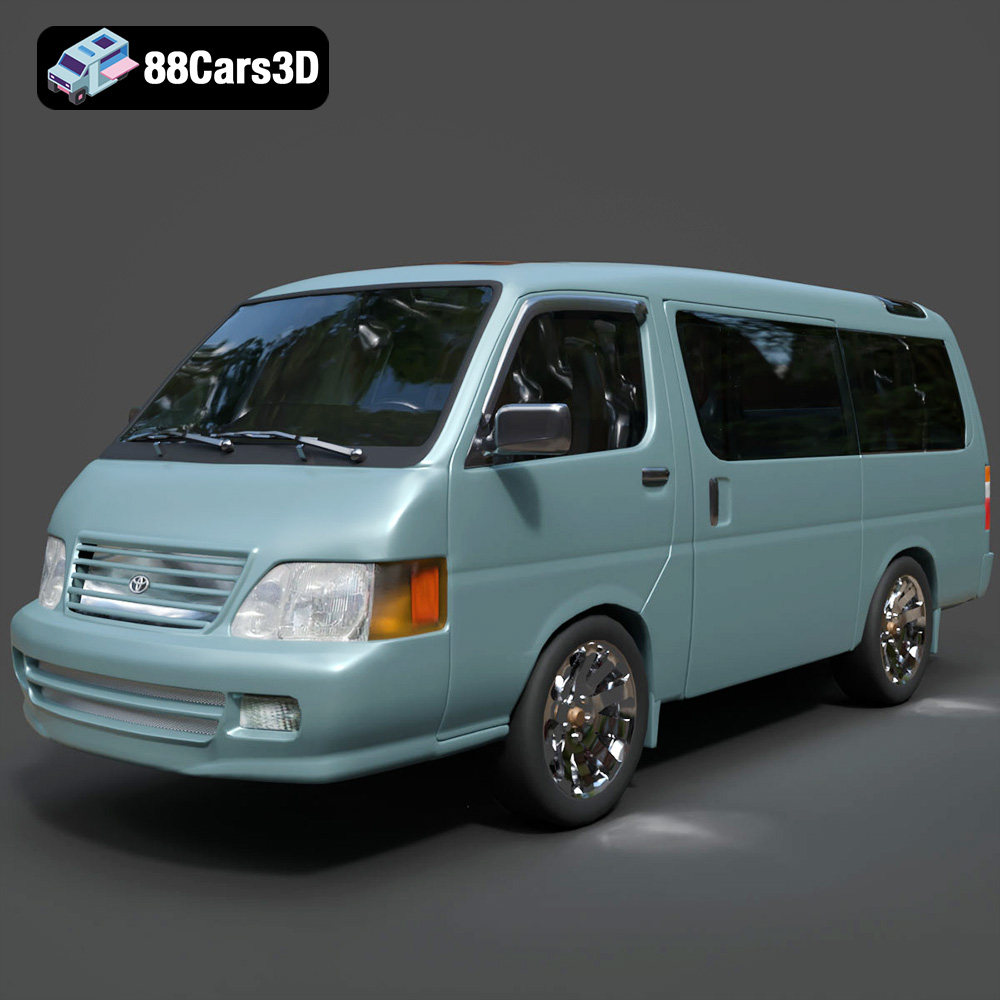
Texture: Yes
Material: Yes
Download the Toyota Hiace 3D Model featuring versatile design and detailed exterior. Includes .blend, .fbx, .obj, .glb, .stl, .ply, .unreal, and .max formats for rendering, simulation, and game development.
Price: $21.99
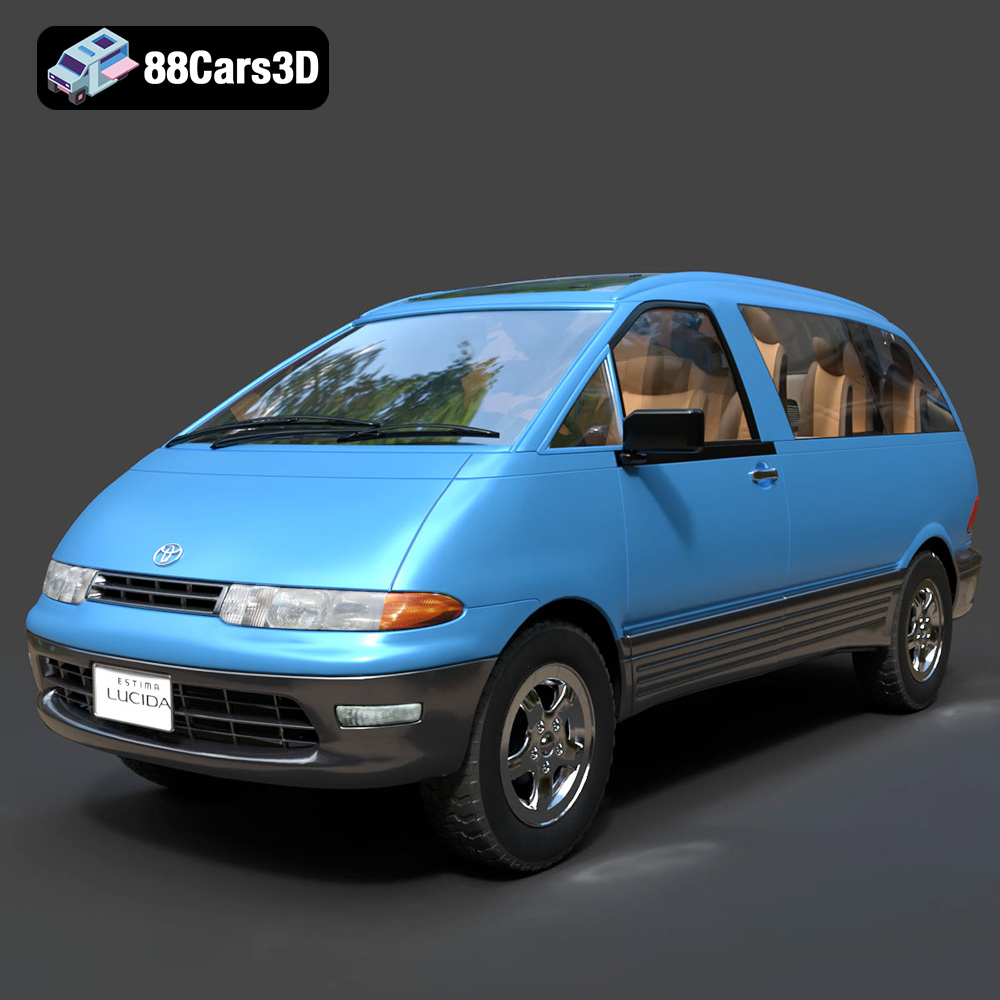
Texture: Yes
Material: Yes
Download the Toyota Estima Lucida 3D Model featuring its iconic compact MPV design, versatile interior, and accurate exterior details. Includes .blend, .fbx, .obj, .glb, .stl, .ply, .unreal, and .max formats for rendering, simulation, and game development.
Price: $24.99

Texture: Yes
Material: Yes
Download the Toyota Alphard 3D Model featuring a detailed luxury minivan design with an accurate exterior and interior. Includes .blend, .fbx, .obj, .glb, .stl, .ply, .unreal, and .max formats for rendering, simulation, and game development.
Price: $21.99
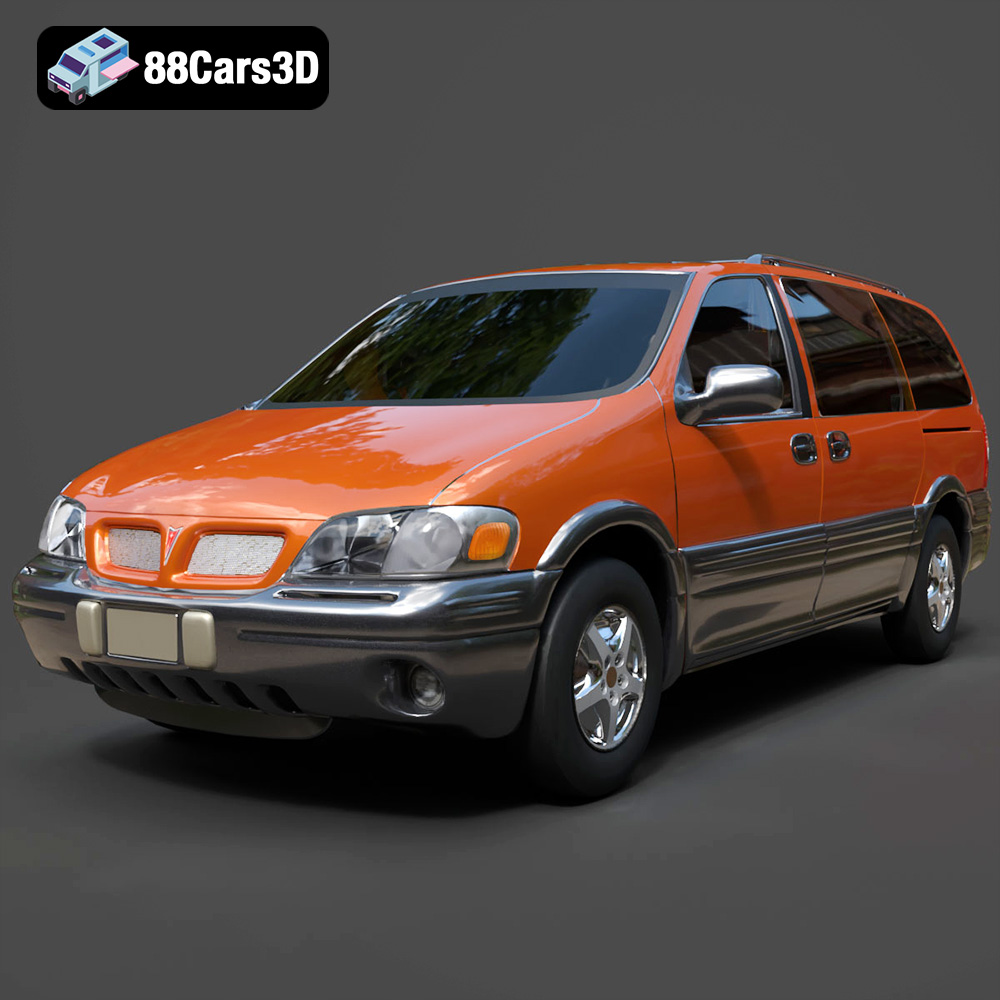
Texture: Yes
Material: Yes
Download the Pontiac Montana 1998 3D Model featuring a detailed exterior, functional interior, and optimized mesh. Includes .blend, .fbx, .obj, .glb, .stl, .ply, .unreal, and .max formats for rendering, simulation, and game development.
Price: $21.99
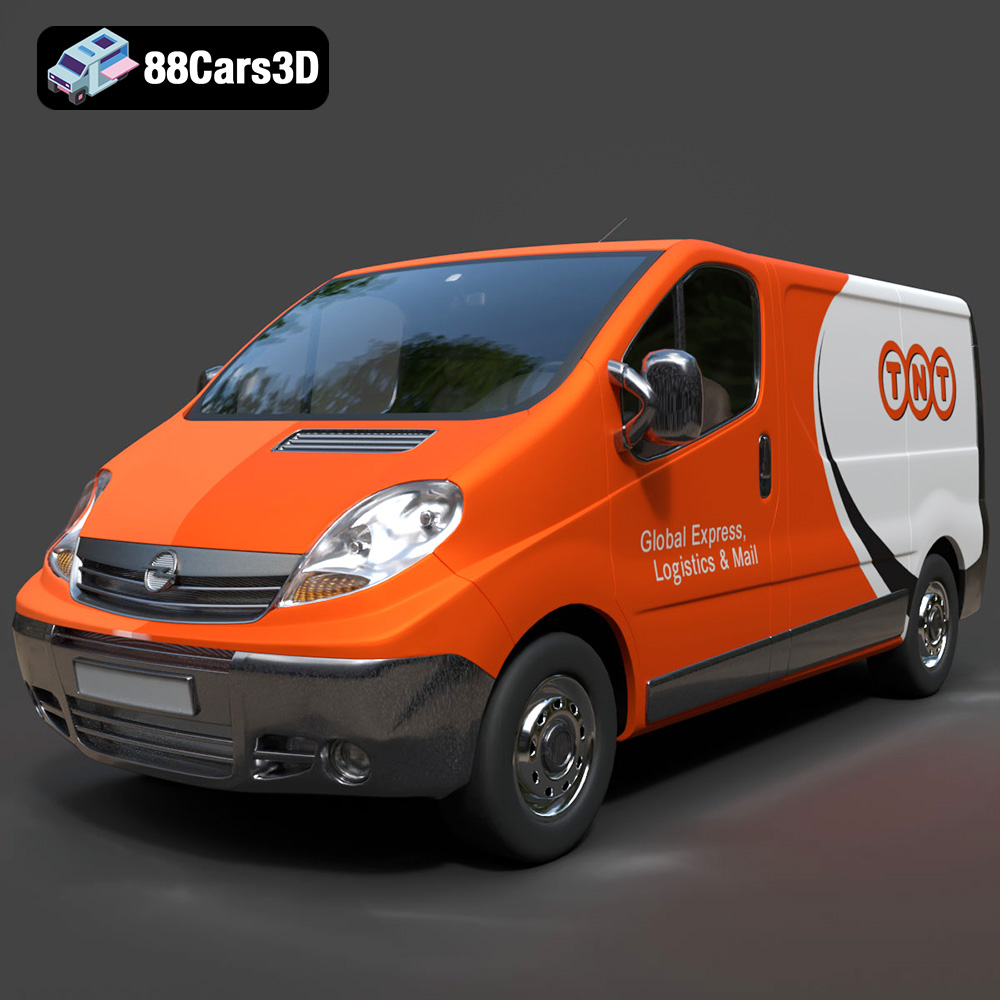
Texture: Yes
Material: Yes
Download the Opel Vivaro 3D Model featuring a versatile commercial van design with balanced detailing. Includes .blend, .fbx, .obj, .glb, .stl, .ply, .unreal, and .max formats for rendering, simulation, and game development.
Price: $21.99
Texture: Yes
Material: Yes
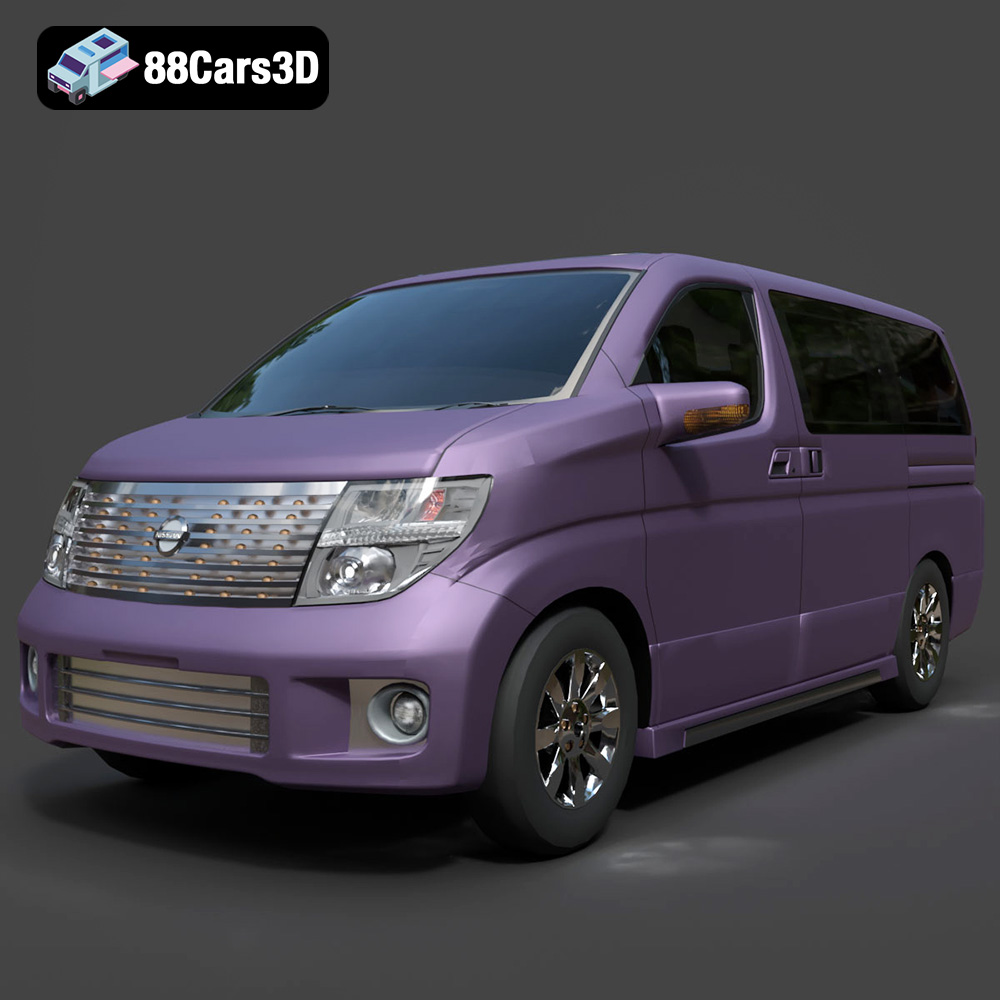
Download the Nissan Elgrand 3D Model featuring a versatile minivan design. Includes .blend, .fbx, .obj, .glb, .stl, .ply, .unreal, and .max formats for rendering, simulation, and game development.
Price: $21.99

