⚡ FLASH SALE: Get 60% OFF All Premium 3D & STL Models! ⚡

In the rapidly evolving landscape of real-time rendering and virtual experiences, the demand for unparalleled realism continues to drive innovation. For professionals in automotive visualization, game development, and interactive media, the ability to populate stunning vehicle scenes with lifelike digital humans is no longer a luxury but a strategic imperative. Enter MetaHuman Creator – Epic Games’ revolutionary cloud-based application that empowers creators to generate incredibly realistic, fully rigged digital humans in minutes, seamlessly integrated with Unreal Engine.
This comprehensive guide dives deep into the technical workflows of integrating MetaHumans into Unreal Engine projects, with a particular focus on how these advanced digital characters can elevate automotive visualizations and interactive experiences. We’ll explore everything from initial project setup and optimization to advanced lighting, interactive Blueprint scripting, and cinematic production. By combining the fidelity of MetaHumans with high-quality 3D car models – like those found on platforms such as 88cars3d.com – you can create immersive automotive configurators, virtual showrooms, realistic game environments, and captivating cinematic content that truly blurs the line between the digital and physical worlds. Get ready to unlock new dimensions of realism and interactivity in your Unreal Engine projects.
The journey to integrating lifelike digital humans into your Unreal Engine projects begins with MetaHuman Creator and a well-configured Unreal Engine environment. MetaHuman Creator allows artists to sculpt, customize, and generate photorealistic characters with an unprecedented level of detail, covering everything from facial features and hair to clothing and musculature. Once a MetaHuman is designed, it’s effortlessly exported through Quixel Bridge directly into your Unreal Engine project, ready for integration. This streamlined process ensures that artists can focus on creative iteration rather than the complexities of rigging and skinning a character from scratch.
For automotive visualization and game development, the foundation of your Unreal Engine project is critical. Enabling key features like Nanite, Lumen, and Ray Tracing from the outset ensures that both your high-fidelity MetaHumans and detailed 3D car models will render with maximum visual fidelity and optimal performance. For complex scenes involving multiple characters and detailed vehicles, setting up your project with these advanced rendering features active allows for breathtaking realism in real-time. Remember that while these features enhance visual quality significantly, proper optimization will be key later on.
Creating a MetaHuman starts in the intuitive MetaHuman Creator interface, accessible through a web browser. You can either begin with a preset or sculpt a character from scratch using a vast library of scans and customization options. Pay attention to details like skin texture, eye realism, and hair fidelity, as these are crucial for achieving a believable digital human. Once satisfied, save your MetaHuman, and it will appear in your “My MetaHumans” collection in Quixel Bridge.
To export, open Quixel Bridge, navigate to your “My MetaHumans,” and select the desired character. Before downloading, you’ll have options for texture resolution (e.g., 2K, 4K, 8K) and LOD settings. For initial high-fidelity work, choosing 8K textures is ideal, but for performance-critical applications like AR/VR or mobile games, lower resolutions might be necessary. Crucially, ensure Unreal Engine is running and your project is open. Click the “Add” button in Bridge, and your MetaHuman, along with all its assets (meshes, textures, materials, Blueprints, and animation assets), will be automatically imported into your project’s Content Browser under a dedicated MetaHumans folder. This includes the official Unreal Engine documentation on MetaHuman import if you encounter issues.
After importing your MetaHuman, several Unreal Engine project settings should be verified or adjusted to harness its full potential alongside your automotive assets. Navigate to Edit > Project Settings.
These settings lay the groundwork for a visually stunning scene. For an automotive visualization featuring a detailed vehicle from 88cars3d.com and a MetaHuman presenter, these configurations ensure both assets render at their absolute best, creating a cohesive, photorealistic environment.
While MetaHumans provide the human element, the core of 88cars3d.com’s focus remains on high-quality 3D car models. Seamlessly integrating these two asset types is crucial for creating compelling automotive experiences. Whether for a virtual showroom, an interactive configurator, or a game environment, the synergy between a realistic vehicle and a lifelike character elevates the entire presentation. This section focuses on the best practices for importing and optimizing your 3D car models to coexist harmoniously with MetaHumans in Unreal Engine.
High-quality car models, often sourced from platforms like 88cars3d.com, come with intricate details, clean topology, and PBR-ready materials. Leveraging Unreal Engine’s advanced features like Nanite and intelligent LOD management allows these highly detailed vehicles to be rendered efficiently alongside your MetaHumans, ensuring smooth performance without sacrificing visual fidelity. The goal is to achieve a balanced scene where both the digital human and the automotive asset contribute to an overall sense of realism and immersion.
Nanite virtualized geometry is a game-changer for handling extremely high-polygon assets, making it perfect for both MetaHumans and professional-grade 3D car models. When importing your car models (typically FBX or USD files), ensure the ‘Build Nanite’ option is checked in the import settings. This converts your mesh into a Nanite mesh, allowing it to scale automatically based on screen space, rendering only the necessary detail.
For car models, this means you can import highly detailed CAD data or cinematic-quality meshes with millions of polygons directly into Unreal Engine without manual polygon reduction. Nanite efficiently handles the geometry, drastically reducing draw calls and memory footprint compared to traditional meshes. This is especially beneficial for close-up shots in cinematic sequences or for showcasing intricate details in an automotive configurator where a MetaHuman might be pointing out specific features. Both MetaHumans and premium car models from 88cars3d.com inherently benefit from Nanite, allowing artists to maintain their high visual fidelity throughout the entire project.
While Nanite handles geometry detail efficiently, comprehensive performance optimization still requires careful LOD (Level of Detail) management, particularly for non-Nanite elements, physics assets, and when targeting platforms with varying performance capabilities (e.g., AR/VR). MetaHumans automatically come with robust LOD setups, often ranging from LOD0 (full detail, ~100k-150k triangles) down to LOD8 (low detail, ~5k triangles) for extreme distances. It’s crucial to understand how to leverage these and apply similar strategies to your car models.
By thoughtfully managing LODs and optimizing various aspects of your scene, you can ensure that both your high-detail MetaHumans and complex car models from 88cars3d.com render smoothly across different hardware configurations, from high-end workstations to more constrained AR/VR devices.
Achieving photorealistic results in Unreal Engine, especially when combining the intricate surfaces of MetaHumans with the sleek finishes of automotive models, hinges on robust PBR (Physically Based Rendering) material setup and sophisticated lighting. PBR materials ensure that light interacts with surfaces in a physically accurate way, while advanced lighting techniques like Lumen and hardware-accelerated Ray Tracing elevate the realism to cinematic levels.
The synergy between MetaHuman’s pre-configured PBR materials and your custom car materials is vital. MetaHumans come with complex shader networks for skin, eyes, hair, and clothing, designed for peak realism. Your automotive assets, often sourced with clean UVs and detailed PBR textures from marketplaces like 88cars3d.com, need to be integrated into this PBR pipeline seamlessly. Understanding how to customize and optimize these materials, combined with an intelligent lighting strategy, is key to creating a cohesive and stunning visual experience that holds up in real-time.
MetaHumans arrive with highly sophisticated master materials that drive their photorealism. These materials handle complex sub-surface scattering for skin, anisotropic reflections for hair, and refraction/reflection for eyes, among many other features. While you generally won’t need to delve into the core MetaHuman master materials, understanding their principles helps in matching the aesthetic with your custom assets.
For your car models, the focus will be on creating equally compelling PBR materials. Utilize the Unreal Engine Material Editor to build material instances from well-structured master materials. Key PBR parameters include:
For car paint, consider using Unreal’s built-in clear coat shader model, which accurately simulates the layered look of automotive finishes. You can layer multiple clear coats, adjust their roughness, and even add flakes for pearlescent effects. Always ensure your texture resolutions are appropriate for the desired detail and optimize them using texture compression where necessary. When customizing materials, refer to the Unreal Engine documentation on Material Editor for advanced techniques.
Lumen and hardware-accelerated Ray Tracing are fundamental to achieving dynamic and realistic lighting in modern Unreal Engine projects. Lumen provides real-time global illumination and reflections, meaning light bounces realistically around your scene, illuminating your MetaHuman and car models with soft, natural indirect lighting. This is crucial for environments where light sources (like a virtual showroom’s overhead lights or an outdoor sun) impact every surface accurately.
By mastering these lighting techniques, you can create scenes where MetaHumans and vehicles, particularly those high-quality 3D car models from 88cars3d.com, are presented in their best light, literally. The interplay of realistic materials and dynamic, physically accurate lighting results in a truly immersive and photorealistic experience.
Beyond static renders, the true power of Unreal Engine lies in its capacity for creating interactive experiences. Integrating MetaHumans with 3D car models opens up a new realm of possibilities, from dynamic virtual showrooms where a digital salesperson guides users through vehicle features, to immersive games where characters interact seamlessly with drivable cars. Blueprint visual scripting is the key to bringing these interactions to life, allowing artists and designers to create complex logic without writing a single line of code.
This section explores how to use Blueprint to create engaging interactions between MetaHumans and automotive assets. We’ll cover basic MetaHuman control and animation, delve into crafting sophisticated automotive configurators, and discuss how to leverage 88cars3d.com assets within these interactive demos. The goal is to build compelling, user-driven experiences that showcase both the stunning realism of MetaHumans and the intricate detail of your car models.
To make your MetaHuman an active participant in an automotive scene, you first need to establish control and animation. Each MetaHuman imported into Unreal Engine comes with a Blueprint character, which includes a skeletal mesh, animation Blueprint, and control rig. This character Blueprint serves as the central hub for all interaction logic.
Interactive automotive configurators are a prime application for combining MetaHumans and detailed car models. Imagine a user selecting different paint colors, wheel options, or interior trims, with a MetaHuman guide verbally describing the benefits of each choice. This personalized experience can significantly enhance user engagement and decision-making.
Here’s a simplified workflow for creating such a configurator using Blueprint:
This approach allows for a highly interactive and informative experience, leveraging the visual appeal of a MetaHuman to enhance the presentation of a sophisticated automotive product.
The integration of MetaHumans with high-fidelity automotive models extends beyond interactive experiences into the realm of cinematic storytelling and virtual production. Unreal Engine’s powerful toolset, including Sequencer, Niagara, and its robust virtual production capabilities, enables creators to produce broadcast-quality automotive advertisements, stunning game cinematics, and real-time virtual set environments that feature lifelike characters interacting with realistic vehicles.
This section explores how to harness these advanced features to craft compelling narratives and visuals. We’ll look at using Sequencer for precise control over cameras and character animations, delve into the world of virtual production with LED walls, and touch upon leveraging Niagara for dynamic visual effects that enhance both MetaHumans and their automotive counterparts.
Sequencer is Unreal Engine’s non-linear cinematic editor, providing precise control over every aspect of a shot or sequence. When creating cinematics involving MetaHumans and cars, Sequencer becomes your director’s chair.
By meticulously orchestrating these elements within Sequencer, you can create immersive automotive stories where MetaHumans play a central role, driving engagement and conveying narrative depth.
Virtual production, particularly using large LED volumes, is transforming filmmaking and advertising. Integrating MetaHumans and digital car models into these workflows offers unprecedented creative freedom and efficiency. Imagine a MetaHuman actor standing on a physical set interacting with a real car, while an LED wall behind them displays a dynamic, high-resolution Unreal Engine environment – complete with other digital cars or virtual crowds.
In this setup:
This fusion of physical and digital assets, with MetaHumans bridging the gap, allows for flexible and visually stunning productions, especially relevant for high-end automotive advertisements and brand experiences.
Niagara, Unreal Engine’s powerful modular particle system, can add subtle yet impactful visual effects that enhance both MetaHumans and vehicles. While not as central as Sequencer or Blueprint for core interactions, Niagara provides the finishing touches that elevate realism.
By strategically implementing Niagara effects, creators can add dynamism and atmospheric depth, making the interaction between MetaHumans and their automotive surroundings feel even more alive and believable.
While Unreal Engine, MetaHumans, and high-fidelity automotive models offer unparalleled visual quality, achieving smooth performance is paramount, especially for real-time applications like AR/VR experiences, interactive configurators, and high-end automotive visualizations. Optimization isn’t a one-time task but an ongoing process that touches every aspect of your project, from asset preparation to rendering settings. The goal is to deliver stunning visuals at target frame rates without compromising interactivity or immersion.
This section focuses on crucial strategies for optimizing your Unreal Engine project, ensuring that your MetaHumans and premium 3D car models, like those available on 88cars3d.com, run efficiently across various platforms. We’ll cover advanced LOD management, strategic scalability settings, and asset management techniques specifically tailored for complex scenes involving digital humans and vehicles, particularly in performance-sensitive AR/VR contexts.
Effective LOD management is critical for performance, especially when combining MetaHumans and detailed car models. While Nanite simplifies geometry optimization for meshes that support it, many other assets (skeletal meshes, translucent materials, physics assets) still require careful LOD planning. MetaHumans automatically come with extensive LODs, but understanding how to manage them is key.
Efficient asset management and data streaming are crucial for keeping memory footprints low and load times fast, especially for large scenes featuring multiple MetaHumans and high-quality car models.
By diligently applying these optimization techniques, developers can ensure that their Unreal Engine projects featuring MetaHumans and high-quality automotive assets deliver a smooth, immersive, and visually stunning experience across a broad spectrum of hardware and platforms, from high-end visualization to accessible AR/VR applications.
The integration of MetaHumans into Unreal Engine represents a paradigm shift for anyone working in real-time rendering, particularly within the automotive and game development sectors. By combining the unparalleled realism of MetaHumans with meticulously crafted 3D car models – readily available from platforms like 88cars3d.com – creators can forge experiences that were previously confined to the realm of pre-rendered cinematics.
From designing and importing your MetaHumans, configuring your Unreal Engine project with cutting-edge features like Nanite and Lumen, to crafting sophisticated PBR materials and dynamic real-time lighting, every step contributes to an immersive visual tapestry. Blueprint visual scripting empowers you to build interactive automotive configurators where lifelike digital guides present vehicles with captivating realism. Furthermore, the power of Sequencer for cinematic storytelling, coupled with virtual production workflows and subtle Niagara effects, allows for the creation of compelling narratives and advertisements that resonate deeply with audiences.
Ultimately, whether you’re building a next-generation automotive configurator, populating an open-world game with believable characters and vehicles, or producing stunning virtual showrooms for AR/VR, the synergy between MetaHumans and high-quality 3D car models in Unreal Engine unlocks unprecedented potential. Embrace these advanced workflows, and prepare to elevate your automotive visualizations and interactive experiences to new, breathtaking levels of realism and engagement.
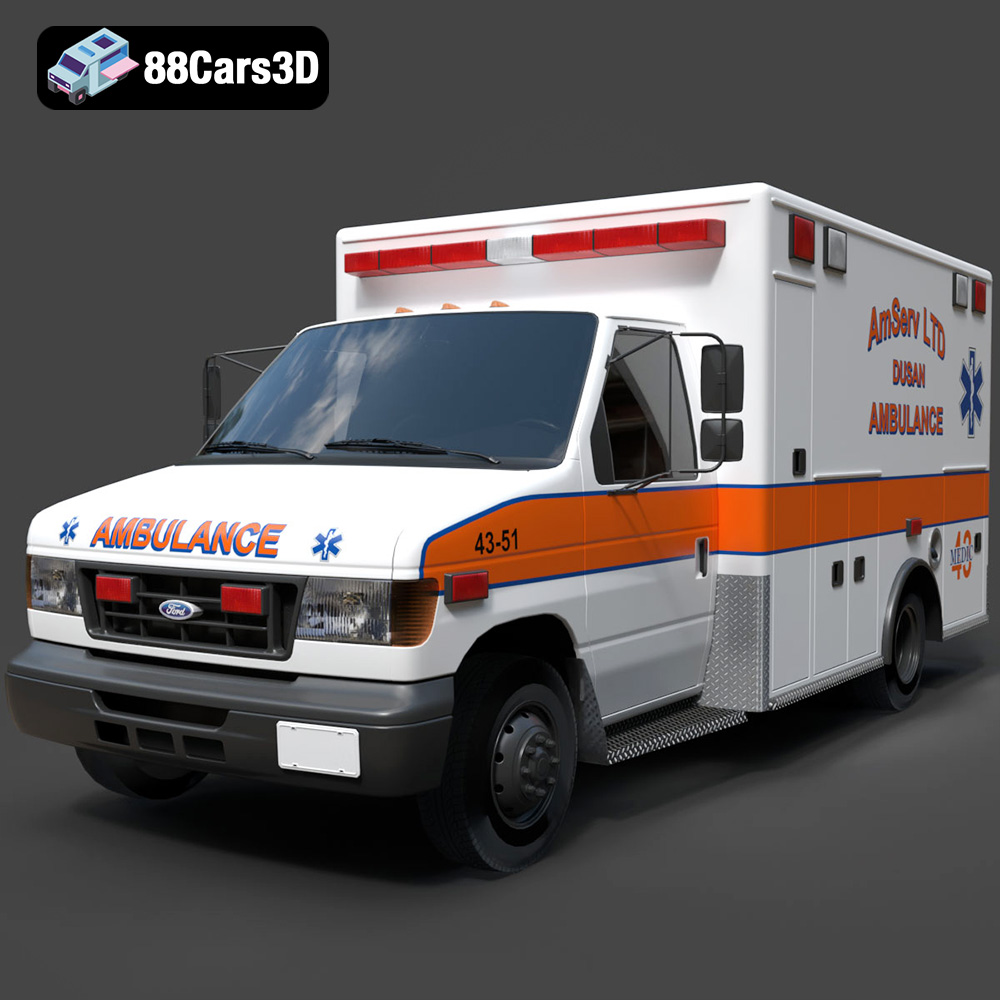
Texture: Yes
Material: Yes
Download the Ford Ambulance AmServ LTD Dusan-002 3D Model featuring a high-detail exterior and interior, realistic textures, and emergency lighting. Includes .blend, .fbx, .obj, .glb, .stl, .ply, .unreal, and .max formats for rendering, simulation, and game development.
Price: $19.99
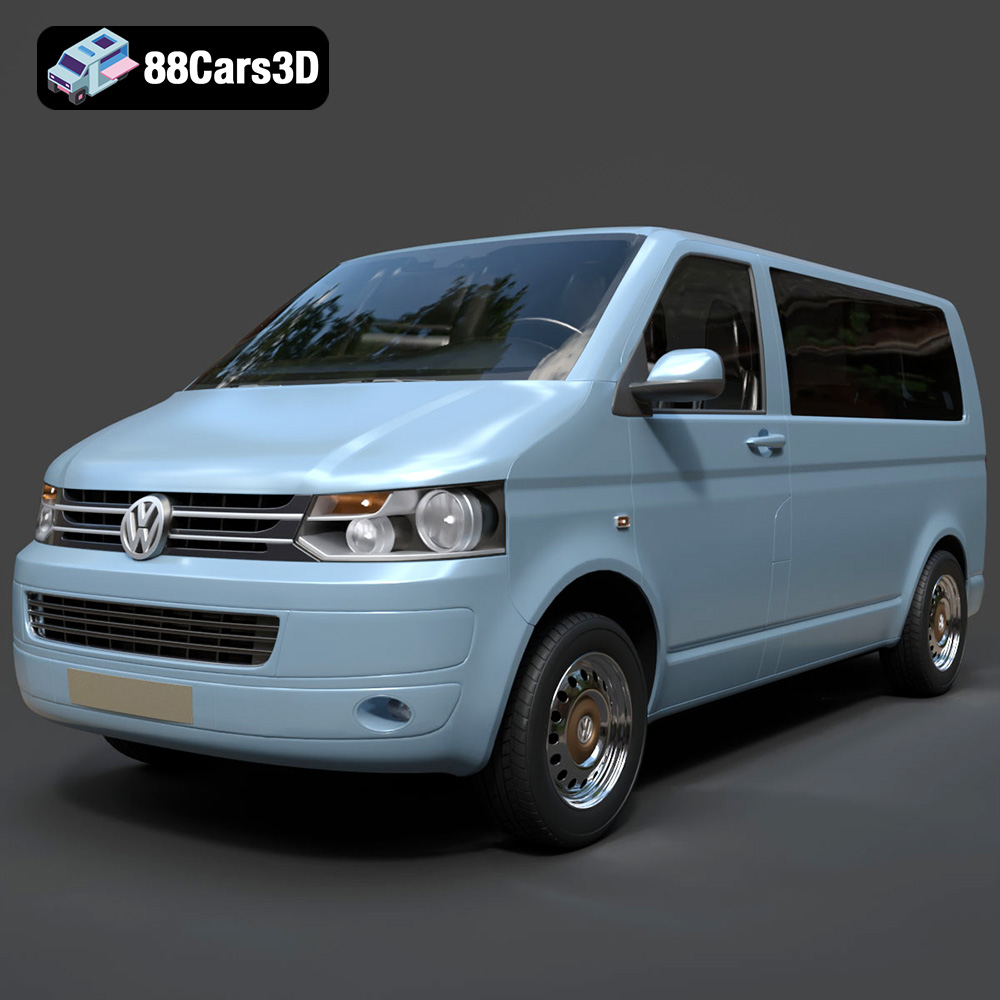
Texture: Yes
Material: Yes
Download the Volkswagen Transporter T5 FL 2010 3D Model featuring clean geometry, realistic detailing, and a fully modeled interior. Includes .blend, .fbx, .obj, .glb, .stl, .ply, .unreal, and .max formats for rendering, simulation, and game development.
Price: $22.99
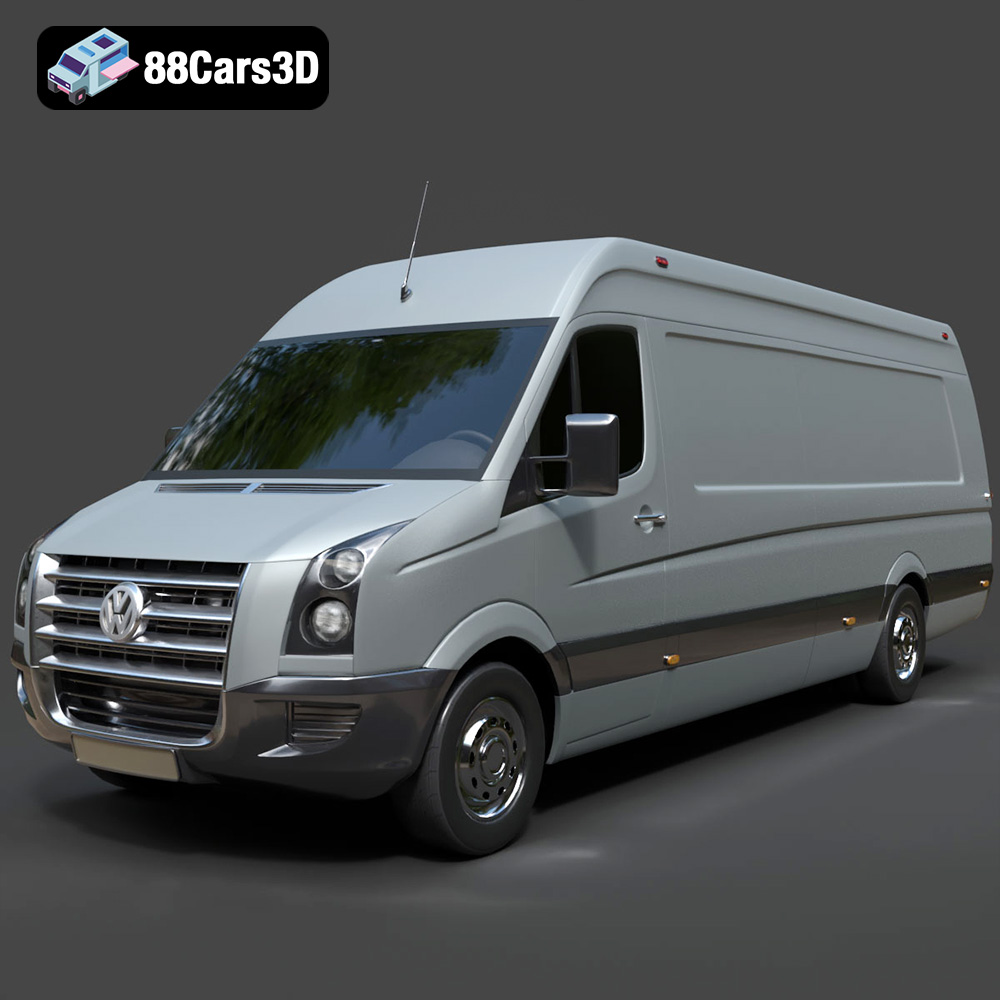
Texture: Yes
Material: Yes
Download the Volkswagen Crafter 2020 3D Model featuring clean geometry, realistic detailing, and a fully modeled interior. Includes .blend, .fbx, .obj, .glb, .stl, .ply, .unreal, and .max formats for rendering, simulation, and game development.
Price: $22.99
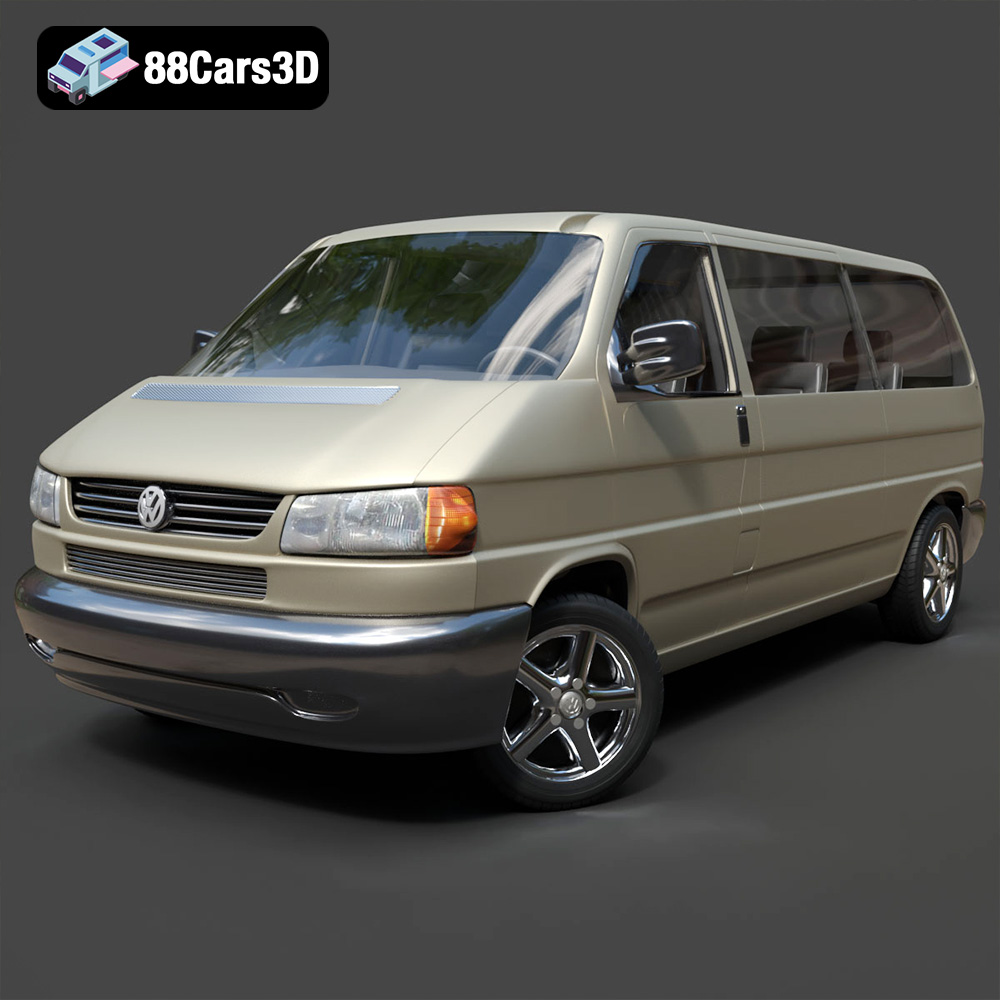
Texture: Yes
Material: Yes
Download the Volkswagen Caravelle 3D Model featuring a detailed exterior, functional interior, and optimized topology. Includes .blend, .fbx, .obj, .glb, .stl, .ply, .unreal, and .max formats for rendering, simulation, and game development.
Price: $23.99
Texture: Yes
Material: Yes
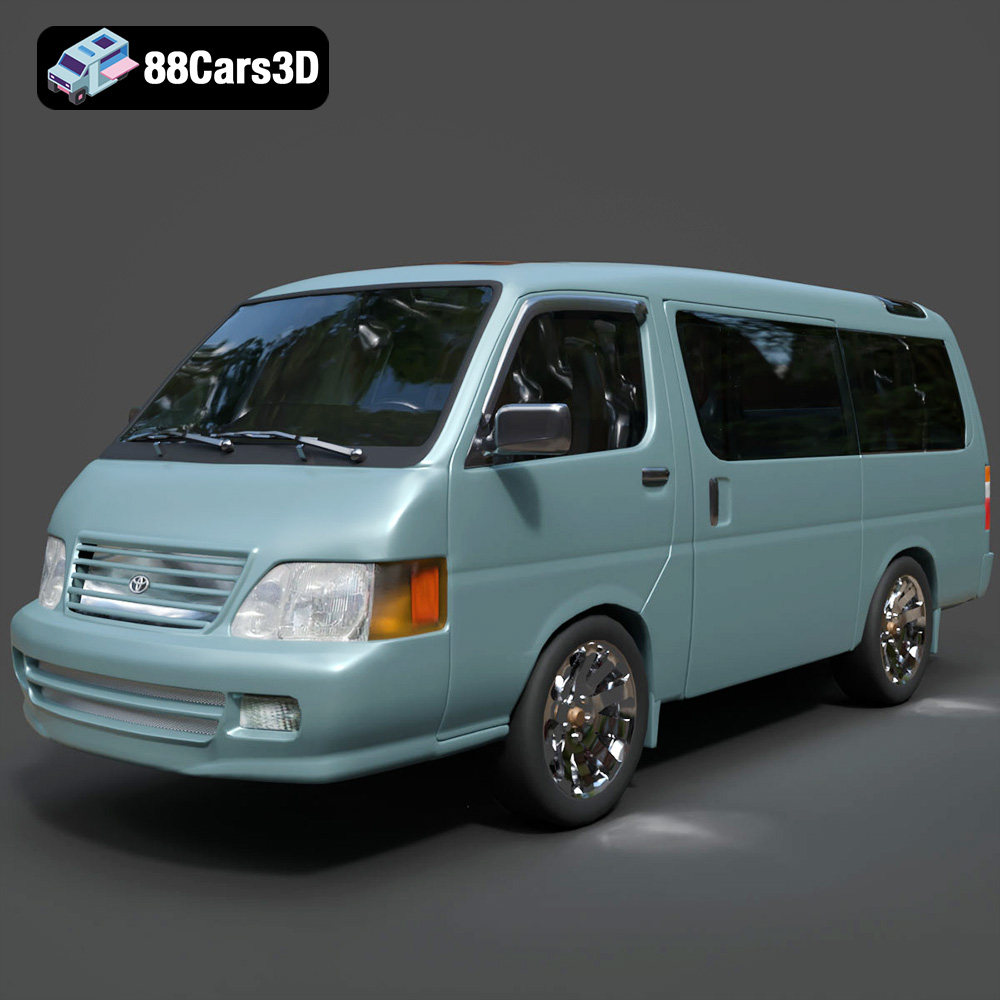
Download the Toyota Hiace 3D Model featuring versatile design and detailed exterior. Includes .blend, .fbx, .obj, .glb, .stl, .ply, .unreal, and .max formats for rendering, simulation, and game development.
Price: $21.99
Texture: Yes
Material: Yes
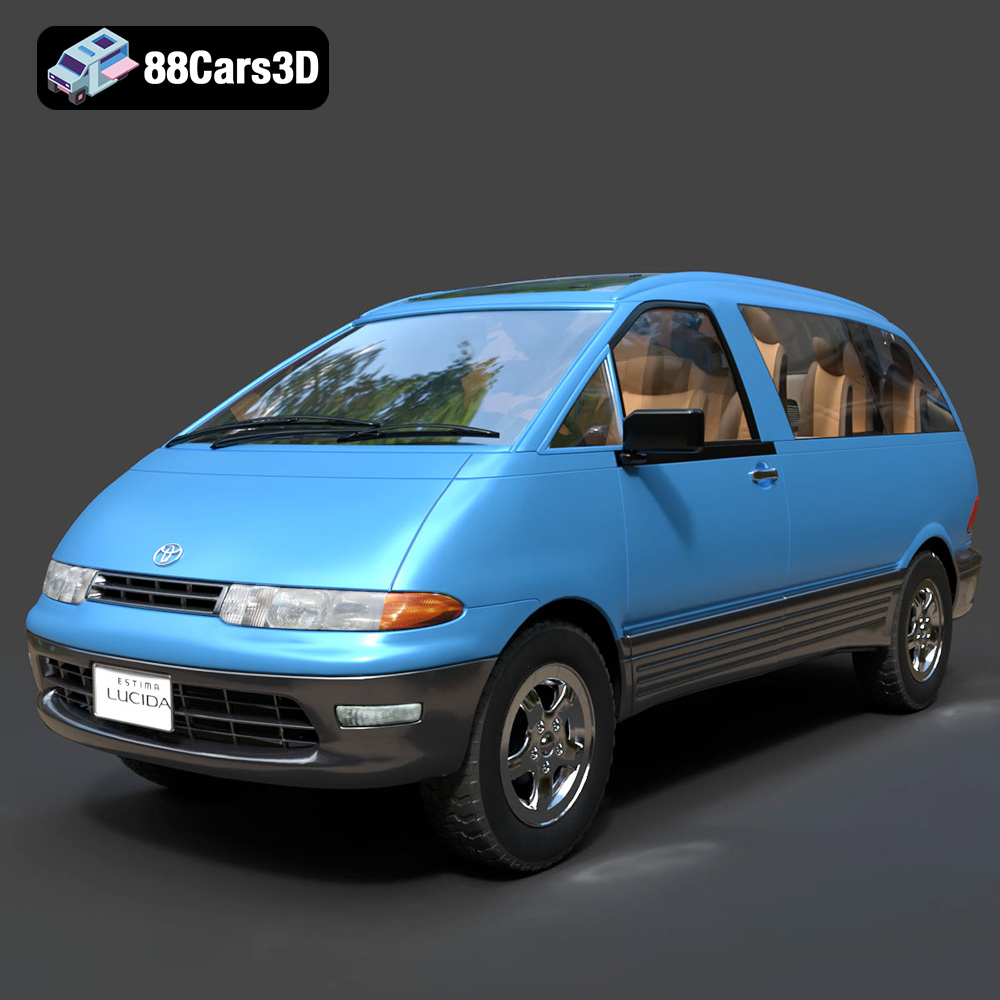
Download the Toyota Estima Lucida 3D Model featuring its iconic compact MPV design, versatile interior, and accurate exterior details. Includes .blend, .fbx, .obj, .glb, .stl, .ply, .unreal, and .max formats for rendering, simulation, and game development.
Price: $24.99

Texture: Yes
Material: Yes
Download the Toyota Alphard 3D Model featuring a detailed luxury minivan design with an accurate exterior and interior. Includes .blend, .fbx, .obj, .glb, .stl, .ply, .unreal, and .max formats for rendering, simulation, and game development.
Price: $21.99
Texture: Yes
Material: Yes
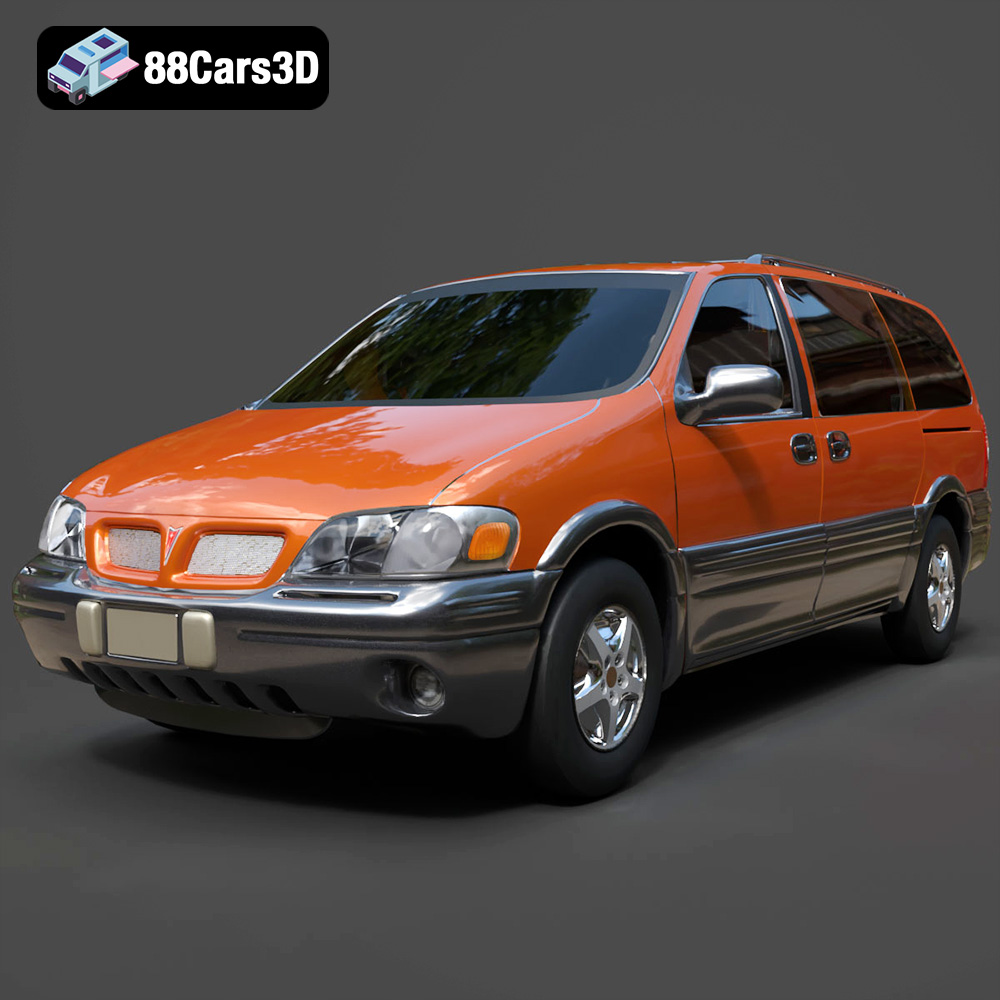
Download the Pontiac Montana 1998 3D Model featuring a detailed exterior, functional interior, and optimized mesh. Includes .blend, .fbx, .obj, .glb, .stl, .ply, .unreal, and .max formats for rendering, simulation, and game development.
Price: $21.99
Texture: Yes
Material: Yes
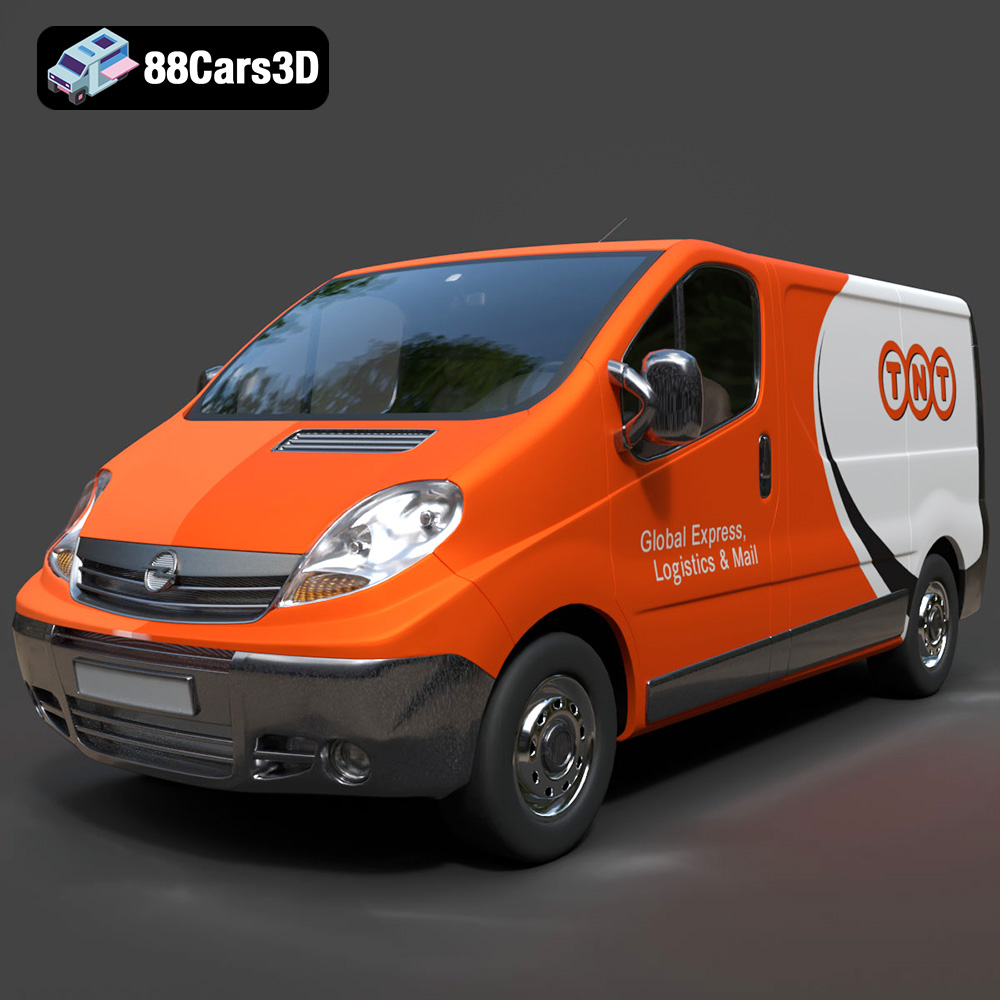
Download the Opel Vivaro 3D Model featuring a versatile commercial van design with balanced detailing. Includes .blend, .fbx, .obj, .glb, .stl, .ply, .unreal, and .max formats for rendering, simulation, and game development.
Price: $21.99
Texture: Yes
Material: Yes
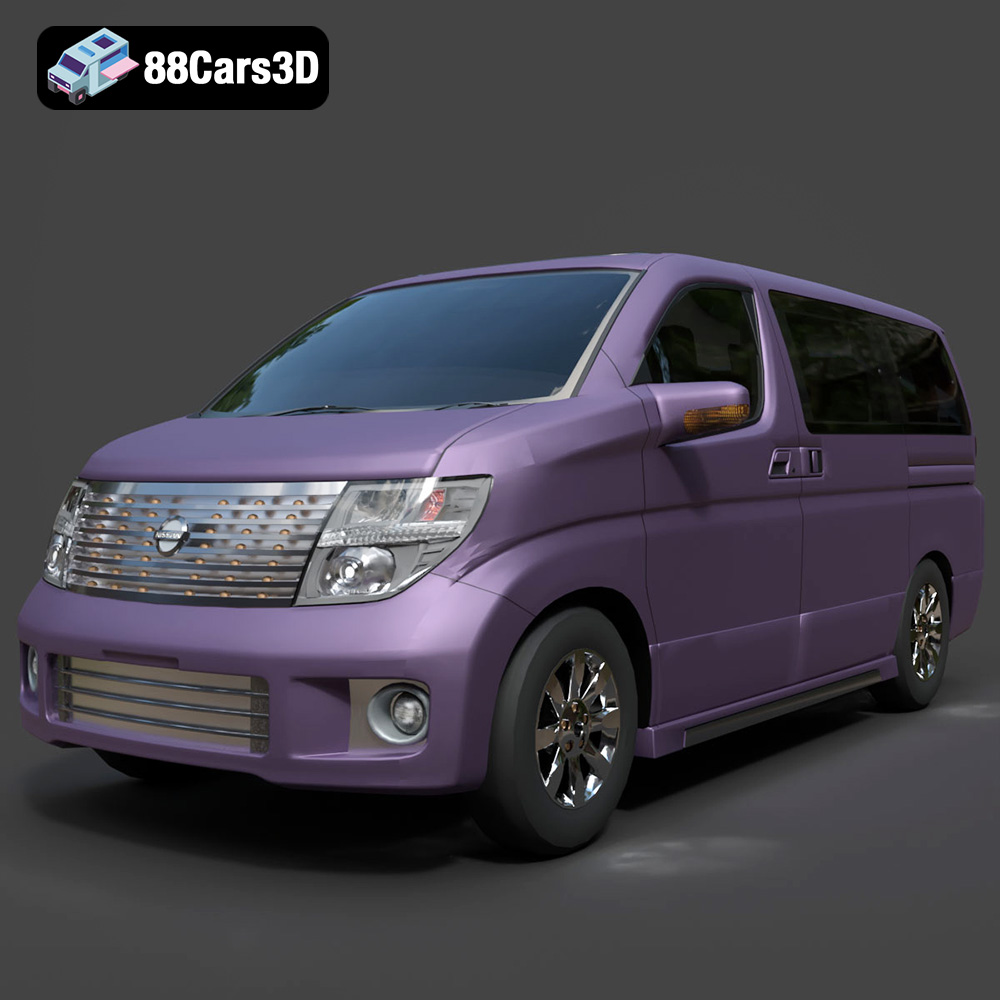
Download the Nissan Elgrand 3D Model featuring a versatile minivan design. Includes .blend, .fbx, .obj, .glb, .stl, .ply, .unreal, and .max formats for rendering, simulation, and game development.
Price: $21.99

