⚡ FLASH SALE: Get 60% OFF All Premium 3D & STL Models! ⚡

In the dynamic realm of real-time rendering, achieving truly photorealistic visuals has long been the holy grail for artists and developers. For automotive visualization, where every curve, reflection, and material nuance matters, this pursuit is even more critical. Enter Lumen Global Illumination in Unreal Engine – a revolutionary system that has fundamentally transformed how we approach lighting and realism. Gone are the days of baking static lightmaps or faking indirect lighting with expensive and often unconvincing methods. Lumen offers a fully dynamic, real-time global illumination and reflections solution, bringing an unprecedented level of visual fidelity and artistic freedom to projects ranging from interactive configurators to cinematic showcases.
This technical deep dive will explore Lumen’s core mechanics, its profound impact on automotive visualization, and how to harness its power effectively within Unreal Engine. We’ll cover everything from project setup and model optimization to advanced lighting techniques and performance strategies. Whether you’re an Unreal Engine developer aiming for the pinnacle of realism, a 3D artist seeking to elevate your car renders, or an automotive designer pushing the boundaries of interactive experiences, understanding Lumen is essential. Prepare to unlock a new dimension of realism for your high-quality 3D car models, ensuring they shine with accurate lighting and reflections that truly captivate your audience.
For decades, real-time global illumination (GI) remained one of the most challenging problems in computer graphics. Traditional methods often involved pre-calculating light interactions (light baking) into textures or vertex data, which produced beautiful results but severely limited dynamic scenarios. Changes in light sources, moving objects, or interactive elements would invalidate these baked solutions, making them unsuitable for truly dynamic environments. Various real-time approximations emerged, such as Screen Space Global Illumination (SSGI) or voxel-based solutions, but they often came with significant limitations in accuracy, range, or performance. These techniques struggled to accurately represent complex light bounces, color bleeding, and intricate reflections, especially on highly detailed surfaces like those found on premium 3D car models.
Lumen represents a paradigm shift, addressing these long-standing challenges head-on. Introduced with Unreal Engine 5, Lumen is a robust, dynamic global illumination and reflections system designed for next-generation consoles and high-end PCs. It primarily uses software ray tracing against signed distance fields (SDFs) and scene meshes, combined with screen-space traces, to calculate indirect lighting and reflections in real-time. This hybrid approach allows Lumen to capture intricate light bounces, subtle color bleeding, and physically accurate reflections across an entire scene, regardless of its complexity or dynamism. For automotive visualization, where the interplay of light on metallic paints, glass, and intricate interiors is paramount, Lumen provides the realism and flexibility previously unattainable in real-time. It ensures that your high-quality 3D car models, like those available on 88cars3d.com, react to light in a physically plausible and visually stunning manner.
Before Lumen, real-time GI relied heavily on approximations. Early techniques like Light Propagation Volumes (LPVs) or simple Ambient Occlusion (AO) offered hints of indirect lighting but lacked true global illumination. More advanced solutions such as VXGI (Voxel Global Illumination) showed promise by discretizing the scene into voxels, but were often memory-intensive and struggled with fine details. Screen-Space Global Illumination (SSGI) provided decent results for visible areas but suffered from “screen-space” limitations – light interaction with objects outside the camera’s view was ignored, leading to inconsistencies. Light baking, while highly accurate, was a static solution, meaning any moving light, destructible environment, or interactive element broke the illusion of dynamic lighting. This constant compromise between quality, performance, and dynamism was a persistent hurdle for achieving truly photorealistic interactive experiences.
Lumen tackles these issues through several innovative components. It uses a Scene Surface Cache to store lighting and material properties for objects, creating an efficient representation for ray tracing. Global Distance Fields (GDFs) and Mesh Distance Fields (MDFs) provide low-resolution scene representations for long-distance tracing, while more precise hardware or software ray tracing is used for closer objects and reflections. This multi-layered approach allows Lumen to scale from vast outdoor environments to intricate interior scenes without significant performance drops or loss of detail. Critically, Lumen is entirely dynamic. This means moving lights, changing environmental conditions, or even animated materials on your 3D car models will instantly update their indirect lighting and reflections, creating an immersive and responsive experience that was previously impossible. This dynamism is a game-changer for automotive product visualization, allowing for real-time adjustments and explorations of different lighting scenarios.
To fully leverage Lumen’s capabilities for your automotive visualization projects, a correct and optimized Unreal Engine project setup is paramount. Lumen, being a demanding feature, requires specific engine versions and configuration settings to perform optimally. It was introduced with Unreal Engine 5, and subsequent updates have brought significant improvements in stability, performance, and quality. Therefore, ensure you are using Unreal Engine 5.0 or newer. Prior to diving into advanced lighting, verifying your project’s compatibility and setting up the foundational Lumen configurations will prevent many potential headaches down the line. A well-configured project allows you to focus on the artistic aspects of lighting your exquisite 3D car models without being bogged down by technical glitches or poor performance.
The core settings for Lumen reside within your project’s rendering settings and can be fine-tuned with various console variables. By understanding and adjusting these parameters, you can strike the perfect balance between visual fidelity and real-time performance, which is crucial for delivering fluid automotive configurators or captivating virtual experiences. For high-quality assets sourced from marketplaces like 88cars3d.com, ensuring Lumen is correctly implemented will maximize their visual impact, showcasing their clean topology and realistic materials under accurate global illumination.
First and foremost, Lumen is a feature of Unreal Engine 5 and later. It requires a modern GPU with support for DirectX 12. To enable Lumen in a new project, select the “Lumen” Global Illumination and Reflection method when creating the project. For existing projects, navigate to Project Settings > Engine > Rendering. Under the “Global Illumination” section, set the “Dynamic Global Illumination Method” to “Lumen” and the “Reflections” method to “Lumen”. It’s also highly recommended to enable “Hardware Ray Tracing” if your target hardware supports it, as this can significantly improve Lumen’s quality and performance, especially for reflections. Enabling “Generate Mesh Distance Fields” under the “Lighting” section is also crucial, as Lumen heavily relies on these for its ray tracing. Without Mesh Distance Fields, Lumen will default to a less accurate, screen-space-only solution for many calculations.
Lumen’s behavior can be extensively tweaked using console variables, providing granular control over quality and performance. Access these via the console (tilde key `~`) or within the DefaultEngine.ini file. Some essential variables include:
r.Lumen.DiffuseTracing: Controls the quality of diffuse GI. Higher values mean more rays and bounces, leading to smoother, more accurate lighting but increased cost.r.Lumen.Reflections: Controls the quality of Lumen reflections. Similar to diffuse tracing, higher values improve fidelity.r.Lumen.ScreenProbeGather.MaxRayBounces: Determines how many times light can bounce for screen-space traces, affecting overall light propagation.r.Lumen.ScreenProbeGather.Resolution: Adjusts the resolution of the screen probes used for GI. Lower values improve performance at the cost of detail.r.Lumen.HardwareRayTracing: Forces hardware ray tracing if enabled in Project Settings. Essential for optimal quality.r.Lumen.FullResolve: Can reduce artifacts but is more expensive.Experimentation with these variables is key. For example, in automotive studios, you might prioritize reflection quality (r.Lumen.Reflections) for gleaming car bodies, while a background environment might use slightly lower diffuse tracing quality to balance performance. For a comprehensive list and deeper understanding, refer to the official Unreal Engine documentation on Lumen scalability settings.
The quality of your 3D car models plays a pivotal role in how effectively Lumen can render realistic global illumination and reflections. Even the most advanced lighting system can only perform as well as the underlying geometry and materials allow. For automotive visualization, where precision and visual fidelity are paramount, optimizing your 3D car models is not just a best practice—it’s a necessity. Models sourced from marketplaces like 88cars3d.com are typically created with these optimizations in mind, featuring clean topology, proper UV mapping, and PBR materials. However, understanding the technical considerations behind these optimizations will empower you to further enhance their performance and visual quality within your Lumen-enabled Unreal Engine projects.
Proper mesh preparation ensures that Lumen’s ray tracing calculations are accurate and efficient, preventing artifacts and maintaining high frame rates. Similarly, correctly configured PBR materials are essential for physically accurate light interactions, making sure that your car’s paint, glass, and chrome reflect and diffuse light as they would in the real world. This symbiotic relationship between high-quality assets and Lumen’s dynamic lighting is what unlocks true photorealism in real-time automotive rendering. Investing time in optimizing your assets will pay dividends in visual quality and project performance.
For Lumen to work optimally, your 3D car models need to have clean, watertight geometry. Gaps or overlapping faces can lead to light leaks or inaccurate reflections. Ensure your meshes are manifold and have good surface normals. When importing into Unreal Engine, consider leveraging Nanite virtualized geometry, especially for highly detailed car models. Nanite allows for extremely high polygon counts (millions or even billions of triangles) without the traditional performance cost, rendering only the detail that is perceptibly necessary. This is a game-changer for automotive models, enabling artists to use CAD-level detail directly in-engine. When importing a car model into UE5, right-click the static mesh asset and enable Nanite. Ensure your model is imported with “Build Mesh Distance Fields” enabled, as Nanite-enabled meshes also generate Mesh Distance Fields, which Lumen utilizes for its ray tracing. For complex assets with multiple parts, like car interiors or engine bays, merging them into a single Nanite mesh can improve efficiency, but also consider breaking them down into logical components to allow for individual material assignments and easier interaction.
Physically Based Rendering (PBR) materials are the cornerstone of realism in modern rendering, and Lumen is designed to work hand-in-hand with them. Each material on your 3D car model – from the glossy clear coat to the matte tires – must accurately represent its real-world physical properties. In the Unreal Engine Material Editor, pay close attention to the following PBR inputs:
When sourcing automotive assets, platforms like 88cars3d.com prioritize clean UV mapping and realistic PBR materials, making them ideal for Lumen. Their optimized models ensure textures are applied correctly and material properties accurately reflect real-world surfaces, directly translating into superior Lumen-driven GI and reflections within your Unreal Engine projects.
Once your Unreal Engine project is set up and your 3D car models are optimized, the next critical step is illuminating your automotive scenes with Lumen. This is where the magic truly happens, transforming static models into dynamic, living representations that react realistically to light. Lumen’s dynamic nature frees you from the constraints of baked lighting, allowing for creative freedom and instantaneous feedback on your lighting choices. For automotive visualization, this means you can rapidly iterate on different studio setups, environmental conditions, or even time-of-day scenarios, all while maintaining physically accurate global illumination and reflections. The interplay between various light sources and Lumen’s sophisticated calculations is what brings your high-quality car models to life.
Understanding how Lumen interacts with different types of light sources – from the sun to a car’s headlights – is essential for crafting compelling and realistic renders. It’s not just about placing lights; it’s about shaping the light, guiding the viewer’s eye, and emphasizing the intricate details of your vehicle. Leveraging emissive materials as light sources, an often-overlooked feature, further enhances the realism, especially for vehicle interiors or functional lighting. This section will guide you through effective strategies for lighting your automotive scenes to achieve stunning results with Lumen.
Lumen shines brightest with dynamic light sources. These lights interact with the environment, contributing to and receiving global illumination. Here’s how they fit into automotive scenes:
Experiment with light intensity, color, and attenuation to achieve the desired mood and emphasize the car’s design features. Lumen’s dynamic nature provides instant visual feedback, allowing for rapid artistic iteration.
One of Lumen’s powerful features is its ability to treat emissive materials as actual light sources. This is incredibly valuable for automotive visualization:
To ensure emissive materials contribute effectively to Lumen GI, set a sufficiently high “Emissive Color” value in your material. For very bright emissives, you might need to adjust the “Emissive Light Source Contribution” property directly on the Static Mesh Component (in the Details panel), allowing you to fine-tune how much light it emits into the Lumen scene without necessarily blowing out the material’s direct appearance. This enables incredibly realistic interior and exterior lighting from the car itself.
While Lumen handles dynamic reflections for most of the scene, Reflection Captures still play a role, particularly for non-Lumen reflections (e.g., translucent surfaces that Lumen might not fully cover) or as a fallback for distant reflections where Lumen’s precision might be lower due to performance optimizations. For automotive visualization, precise reflections are critical for metallic surfaces, glass, and polished chrome. Lumen primarily uses software ray tracing for reflections, offering accurate results for opaque objects. However, you might find that Reflection Captures (Sphere or Box) can supplement or enhance very specific reflection requirements, especially for background elements or certain translucent materials not fully supported by Lumen’s ray tracing. Generally, with Lumen enabled, you will rely less on traditional Reflection Captures, as Lumen aims to provide a unified solution. However, understanding their legacy role and potential for niche applications can be beneficial for troubleshooting or specialized effects.
While Lumen offers unparalleled realism, it is also one of the most resource-intensive features in Unreal Engine. Achieving stunning visual fidelity for your 3D car models in real-time requires a careful balance of quality settings and robust optimization strategies. For demanding applications like automotive configurators, virtual production, or AR/VR experiences, maintaining a smooth frame rate is as important as visual quality. Understanding Lumen’s performance characteristics and knowing how to troubleshoot common issues are crucial skills for any developer working with this advanced GI system. Even with highly optimized assets from platforms like 88cars3d.com, the scene complexity, lighting setup, and overall project configuration can significantly impact Lumen’s performance.
This section will guide you through practical steps to optimize Lumen for your automotive scenes, helping you maintain a high frame rate without sacrificing too much visual quality. We’ll explore scalability settings, common artifacts, and how to leverage Unreal Engine’s built-in visualization tools to identify and resolve performance bottlenecks. Mastering these techniques will enable you to push the boundaries of real-time automotive visualization, delivering immersive experiences that look incredible and run smoothly across a range of target hardware.
Unreal Engine’s scalability settings are your primary tools for balancing Lumen quality and performance. These settings control various aspects of Lumen’s rendering, allowing you to tailor it to your target platform. Access them via Settings > Engine Scalability Settings in the editor, or through console commands:
For fine-grained control, delve into the Lumen console variables (e.g., r.Lumen.ScreenProbeGather.Resolution, r.Lumen.DiffuseTracing, r.Lumen.Reflections.MaxTraceDistance). Lowering resolutions and trace distances can yield significant performance gains, but be mindful of introducing artifacts like “light leaking” or overly coarse GI. Start with cinematic quality and gradually reduce settings until you hit your target frame rate, focusing on the most visually impactful components first. Remember that scalability settings are often linked, so changing one might affect several underlying Lumen variables.
Despite its sophistication, Lumen can exhibit certain artifacts, especially when pushed to its limits or with suboptimal scene setup:
r.Lumen.DiffuseTracing or r.Lumen.ScreenProbeGather.Resolution. Using the “Full Resolve” setting (r.Lumen.FullResolve=1) can sometimes smooth out splotches but is performance-intensive.r.Lumen.Temporal.MaxFrames can also help stabilize.r.Lumen.Reflections quality and ensure Hardware Ray Tracing is enabled if possible. Ensure your materials have correct PBR values, especially low roughness for clear reflections.Unreal Engine provides powerful visualization tools to debug Lumen and identify performance bottlenecks. Access these through the “Show” menu in the viewport, under “Visualize”:
Regularly utilizing these views, especially during complex scene development or when troubleshooting issues, will significantly streamline your optimization process and help you pinpoint the exact source of any Lumen-related problems.
Lumen’s true power lies not just in its dynamic global illumination, but also in its seamless integration with other cutting-edge Unreal Engine features. When combined, these technologies elevate automotive visualization to an unprecedented level, enabling highly detailed, interactive, and cinematic experiences. Pushing beyond basic setup, advanced Lumen techniques involve leveraging features like Nanite for unparalleled geometric detail, integrating with Blueprint for dynamic lighting scenarios, and adapting for specialized applications like virtual production or AR/VR. This symbiotic relationship between Lumen and the broader Unreal Engine ecosystem allows creators to build rich, immersive worlds around their 3D car models, going far beyond simple static renders.
For professionals working with high-quality automotive assets, understanding these advanced integrations is key to unlocking the full potential of Unreal Engine 5. It empowers you to create not just visually stunning scenes but also highly interactive and performant applications that meet the demands of modern industry standards. From creating a compelling car configurator to a photorealistic virtual showroom, Lumen, alongside these other features, forms the backbone of next-generation real-time visualization.
The combination of Lumen and Nanite is perhaps the most impactful pairing for automotive visualization in Unreal Engine 5. Nanite allows you to import and render 3D car models with millions, even billions, of polygons without crippling performance. This means CAD data and high-fidelity sculpts can be brought directly into the engine, preserving every intricate detail of the vehicle’s design. Lumen then leverages this incredibly detailed geometry (via Mesh Distance Fields generated by Nanite) to calculate highly accurate global illumination and reflections. The result is photorealism at an unprecedented scale: chrome trims reflect the environment with surgical precision, metallic flakes in the paint shimmer realistically, and subtle indirect lighting illuminates the nuanced curves of the bodywork. This eliminates the need for complex LOD setups for your core car models, simplifying the artist’s workflow and delivering consistent visual quality across all distances. Ensure that your Nanite meshes are properly set up to generate Mesh Distance Fields for Lumen to function correctly.
Virtual Production, particularly with LED wall volumes, is revolutionizing filmmaking and automotive advertising. Lumen is a cornerstone of this workflow. When a 3D car model is placed in front of an LED wall displaying a virtual environment, Lumen ensures that the real-world car receives accurate real-time global illumination and reflections from the virtual environment. As the virtual camera moves, Lumen dynamically updates the lighting on the physical car, matching the scene displayed on the LED wall. This creates a seamless blend between physical and digital elements. Artists can also use Lumen to light virtual foreground objects or even the virtual versions of the car itself, ensuring consistent lighting across all assets. This real-time interaction significantly reduces post-production time and offers incredible creative flexibility, allowing for rapid iteration on lighting and environment designs for automotive commercials or virtual showcases.
Blueprint visual scripting allows you to create interactive experiences that dynamically leverage Lumen. Imagine a car configurator where a user changes the car’s paint color. A Blueprint could instantly update the material and, thanks to Lumen, the global illumination and reflections would immediately adjust to reflect the new color’s light absorption and reflection properties. Other interactive possibilities include:
These interactive elements, powered by Lumen and Blueprint, significantly enhance the user experience, allowing for unparalleled exploration and customization of automotive models.
While AR/VR has stringent performance requirements, Lumen can still be a viable option for high-end automotive visualization on these platforms, provided careful optimization. The key is to leverage the scalability settings mentioned previously, prioritizing frame rate above all else. For AR applications, Lumen can ensure the virtual car is realistically lit by the real-world environment (through captured scene data or pre-baked lighting probes that Lumen integrates with). For VR experiences, Lumen can provide immersive, dynamic GI within a virtual showroom. Strategies include:
While achieving full cinematic Lumen quality in untethered AR/VR is challenging, tailored optimization allows for impressive results, especially on high-end PCVR or tethered AR experiences, offering dynamic and plausible lighting for immersive automotive showcases.
Lumen Global Illumination in Unreal Engine represents a monumental leap forward for real-time rendering, particularly for industries where visual fidelity is paramount, such as automotive visualization. Its dynamic nature, combined with physically accurate light propagation and reflections, empowers artists and developers to create scenes of unprecedented realism and interactivity. From the subtle nuances of car paint under changing light conditions to the immersive experience of a fully interactive vehicle configurator, Lumen ensures that every detail of your high-quality 3D car models is presented with stunning accuracy.
By understanding the technical intricacies of Lumen—from proper project setup and model optimization (especially leveraging Nanite) to advanced lighting techniques and performance tuning—you can unlock its full potential. The ability to iterate on lighting designs in real-time, integrate with Blueprint for interactive experiences, and even utilize it in cutting-edge virtual production workflows positions Unreal Engine 5 as the leading platform for automotive content creation. The journey to mastering Lumen is an ongoing one, but the rewards are truly transformative.
Ready to bring your automotive visions to life with Lumen? Start by exploring the vast collection of meticulously crafted 3D car models available on 88cars3d.com. Each model is optimized for Unreal Engine, featuring clean topology, realistic PBR materials, and multiple file formats, providing the perfect foundation to create breathtakingly realistic projects enhanced by Lumen’s dynamic global illumination. Elevate your automotive visualization today and witness the future of real-time rendering unfold.

Texture: Yes
Material: Yes
Download the Ford Ambulance AmServ LTD Dusan-002 3D Model featuring a high-detail exterior and interior, realistic textures, and emergency lighting. Includes .blend, .fbx, .obj, .glb, .stl, .ply, .unreal, and .max formats for rendering, simulation, and game development.
Price: $19.99
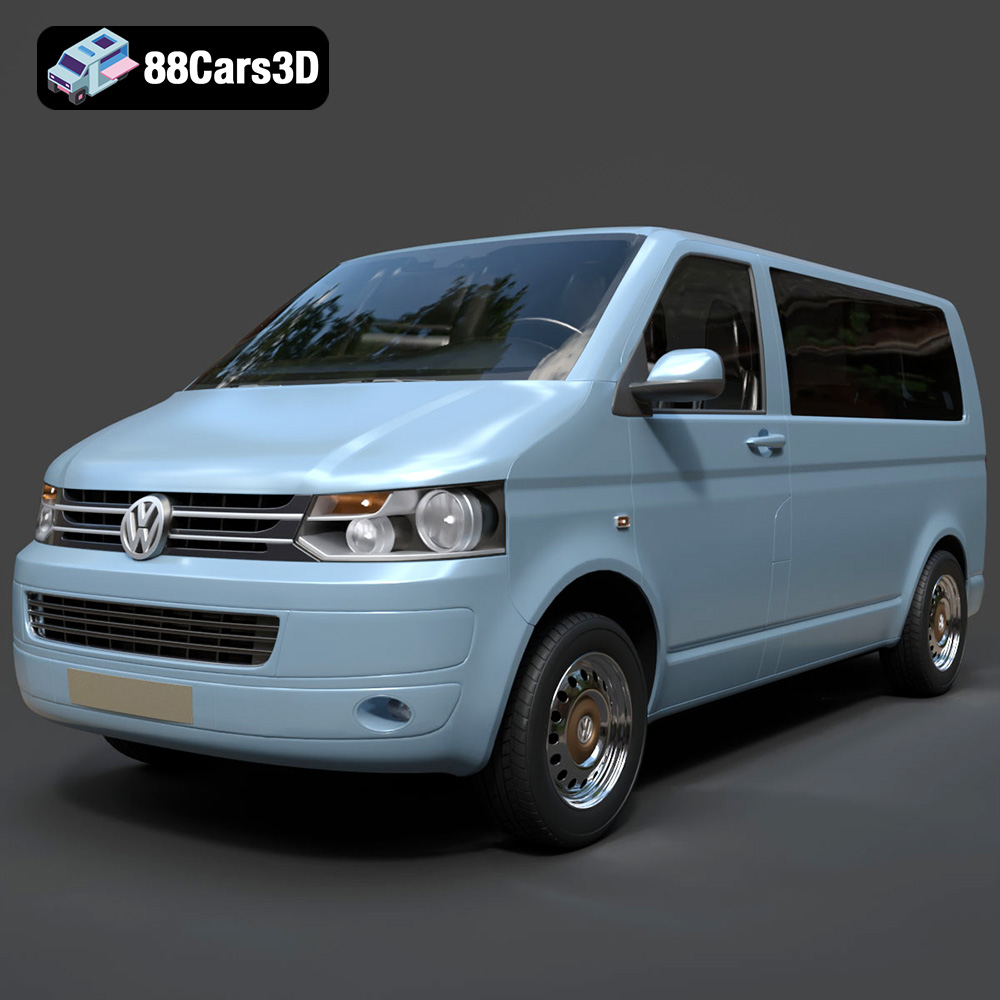
Texture: Yes
Material: Yes
Download the Volkswagen Transporter T5 FL 2010 3D Model featuring clean geometry, realistic detailing, and a fully modeled interior. Includes .blend, .fbx, .obj, .glb, .stl, .ply, .unreal, and .max formats for rendering, simulation, and game development.
Price: $22.99
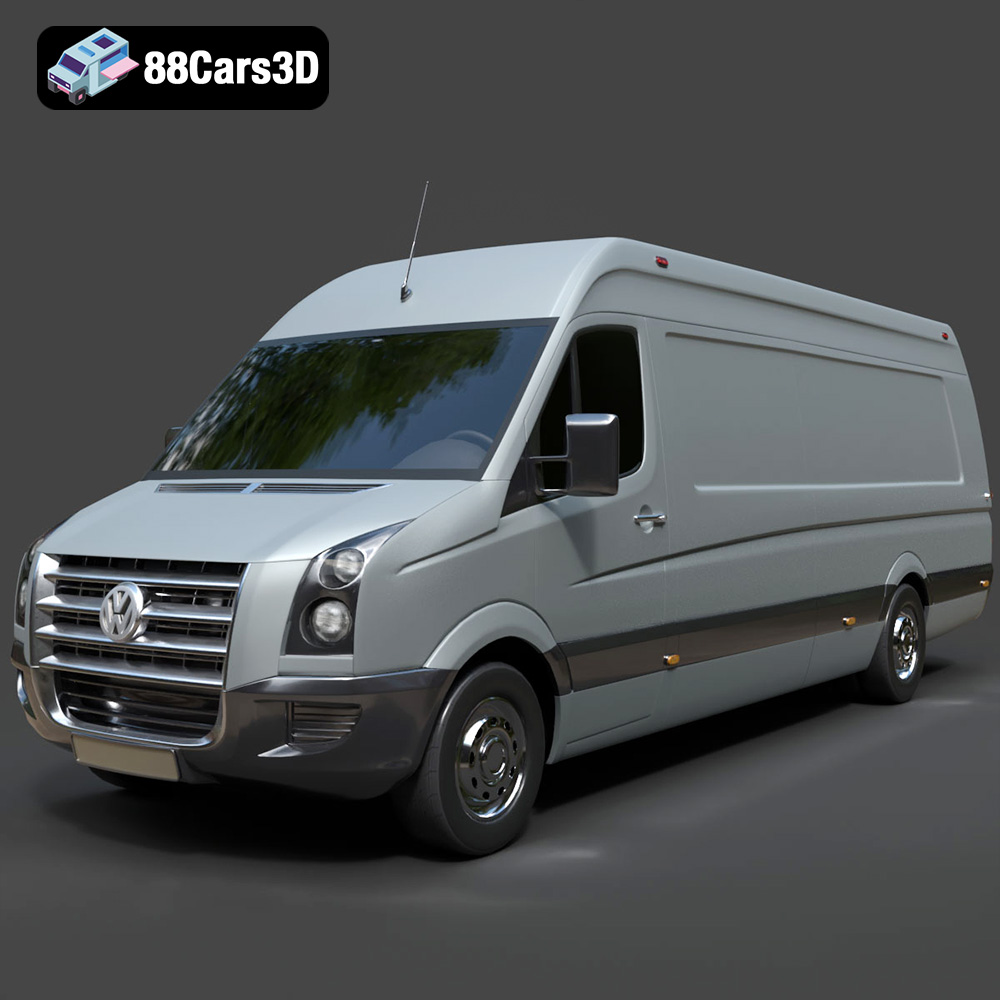
Texture: Yes
Material: Yes
Download the Volkswagen Crafter 2020 3D Model featuring clean geometry, realistic detailing, and a fully modeled interior. Includes .blend, .fbx, .obj, .glb, .stl, .ply, .unreal, and .max formats for rendering, simulation, and game development.
Price: $22.99
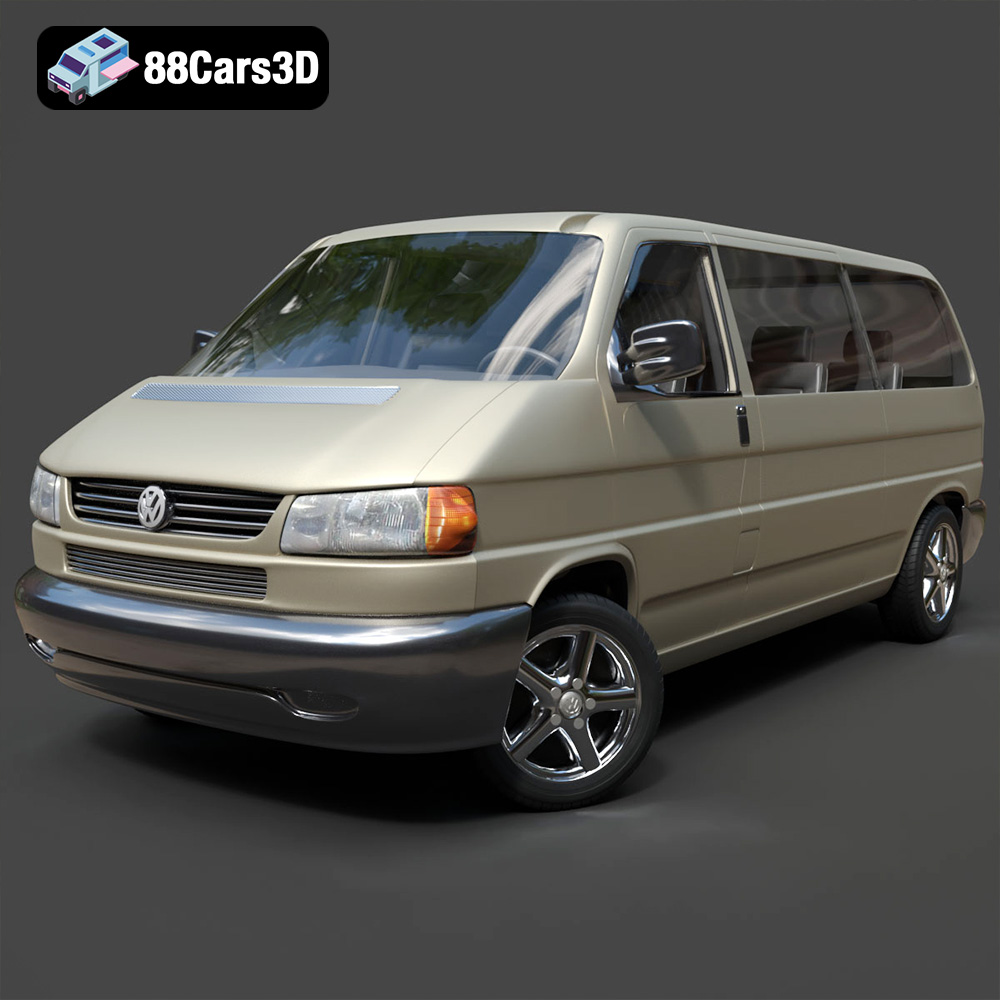
Texture: Yes
Material: Yes
Download the Volkswagen Caravelle 3D Model featuring a detailed exterior, functional interior, and optimized topology. Includes .blend, .fbx, .obj, .glb, .stl, .ply, .unreal, and .max formats for rendering, simulation, and game development.
Price: $23.99
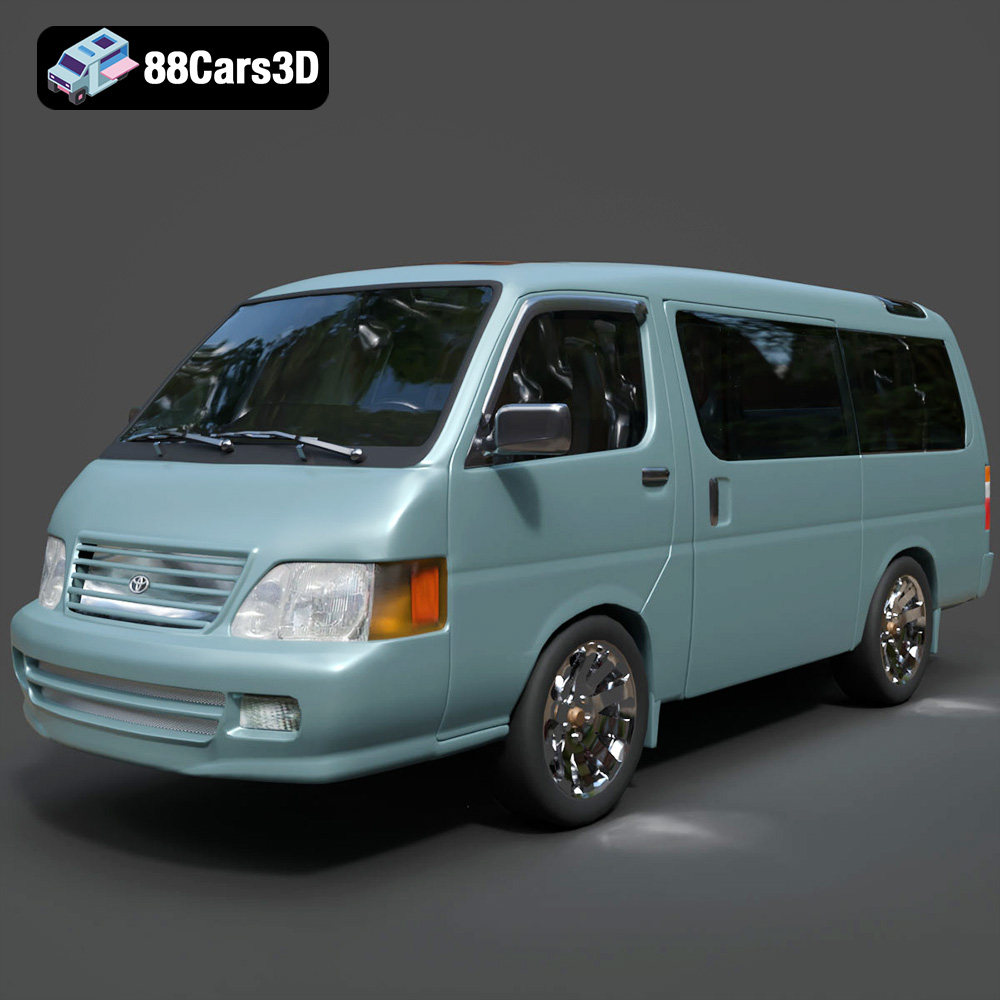
Texture: Yes
Material: Yes
Download the Toyota Hiace 3D Model featuring versatile design and detailed exterior. Includes .blend, .fbx, .obj, .glb, .stl, .ply, .unreal, and .max formats for rendering, simulation, and game development.
Price: $21.99
Texture: Yes
Material: Yes
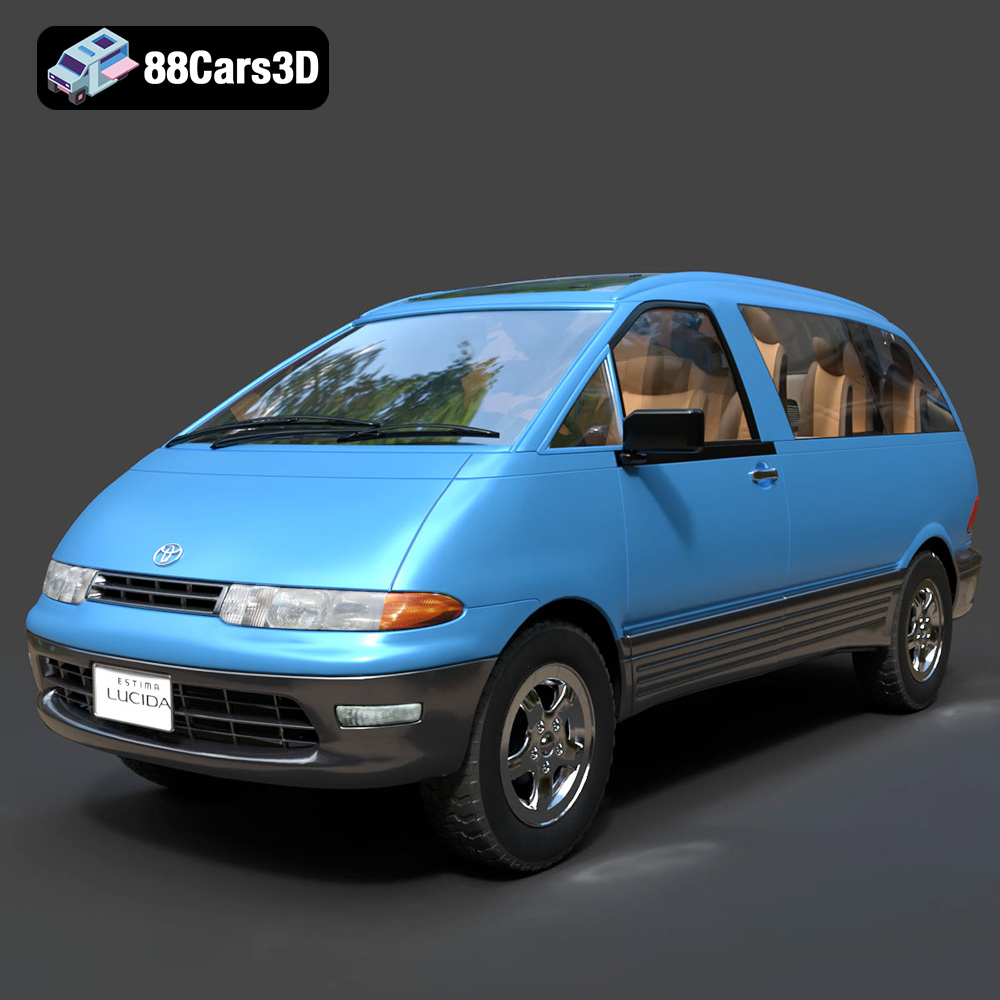
Download the Toyota Estima Lucida 3D Model featuring its iconic compact MPV design, versatile interior, and accurate exterior details. Includes .blend, .fbx, .obj, .glb, .stl, .ply, .unreal, and .max formats for rendering, simulation, and game development.
Price: $24.99

Texture: Yes
Material: Yes
Download the Toyota Alphard 3D Model featuring a detailed luxury minivan design with an accurate exterior and interior. Includes .blend, .fbx, .obj, .glb, .stl, .ply, .unreal, and .max formats for rendering, simulation, and game development.
Price: $21.99
Texture: Yes
Material: Yes
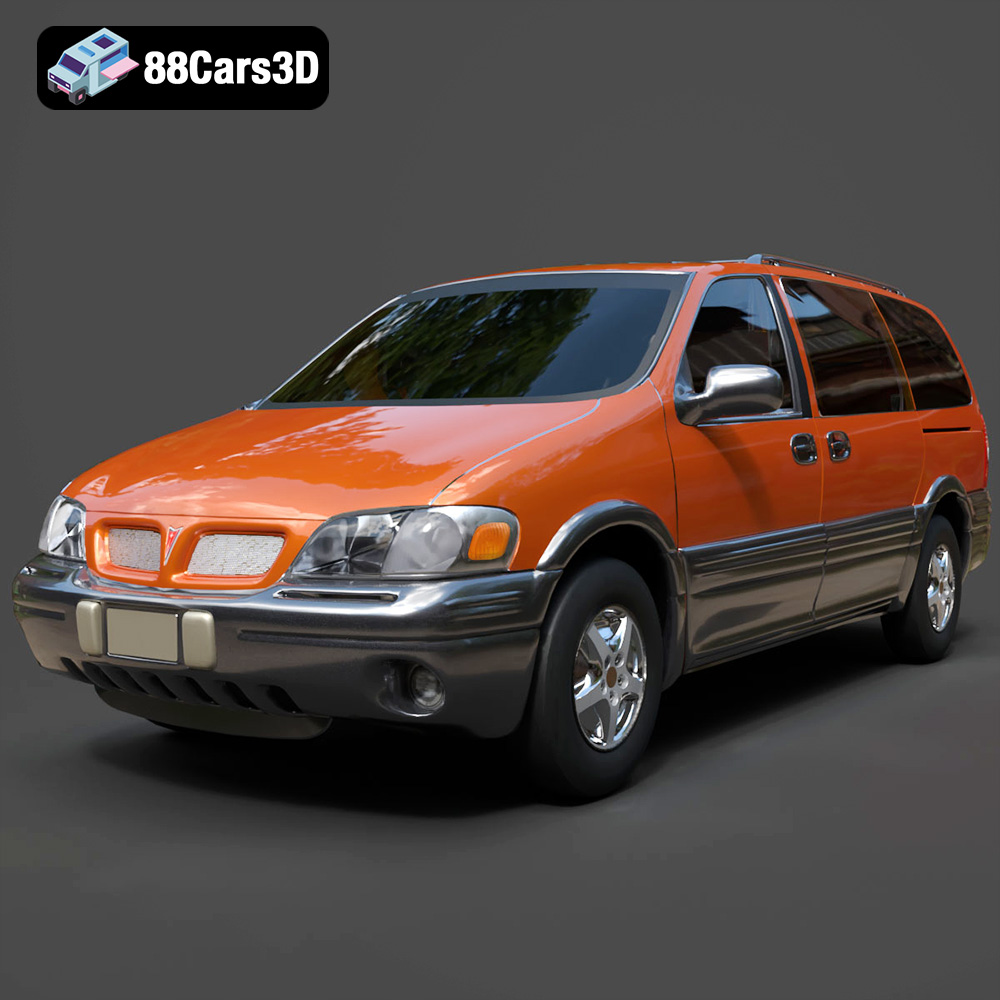
Download the Pontiac Montana 1998 3D Model featuring a detailed exterior, functional interior, and optimized mesh. Includes .blend, .fbx, .obj, .glb, .stl, .ply, .unreal, and .max formats for rendering, simulation, and game development.
Price: $21.99
Texture: Yes
Material: Yes
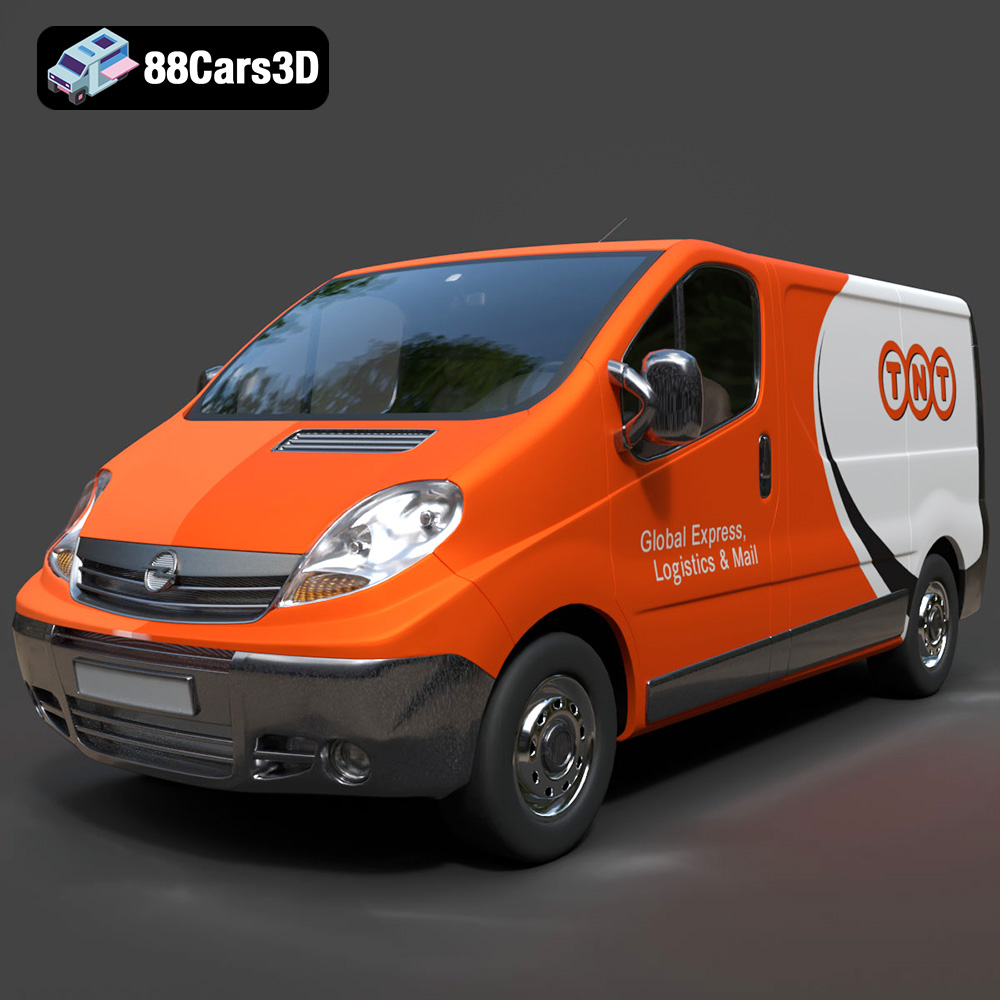
Download the Opel Vivaro 3D Model featuring a versatile commercial van design with balanced detailing. Includes .blend, .fbx, .obj, .glb, .stl, .ply, .unreal, and .max formats for rendering, simulation, and game development.
Price: $21.99
Texture: Yes
Material: Yes
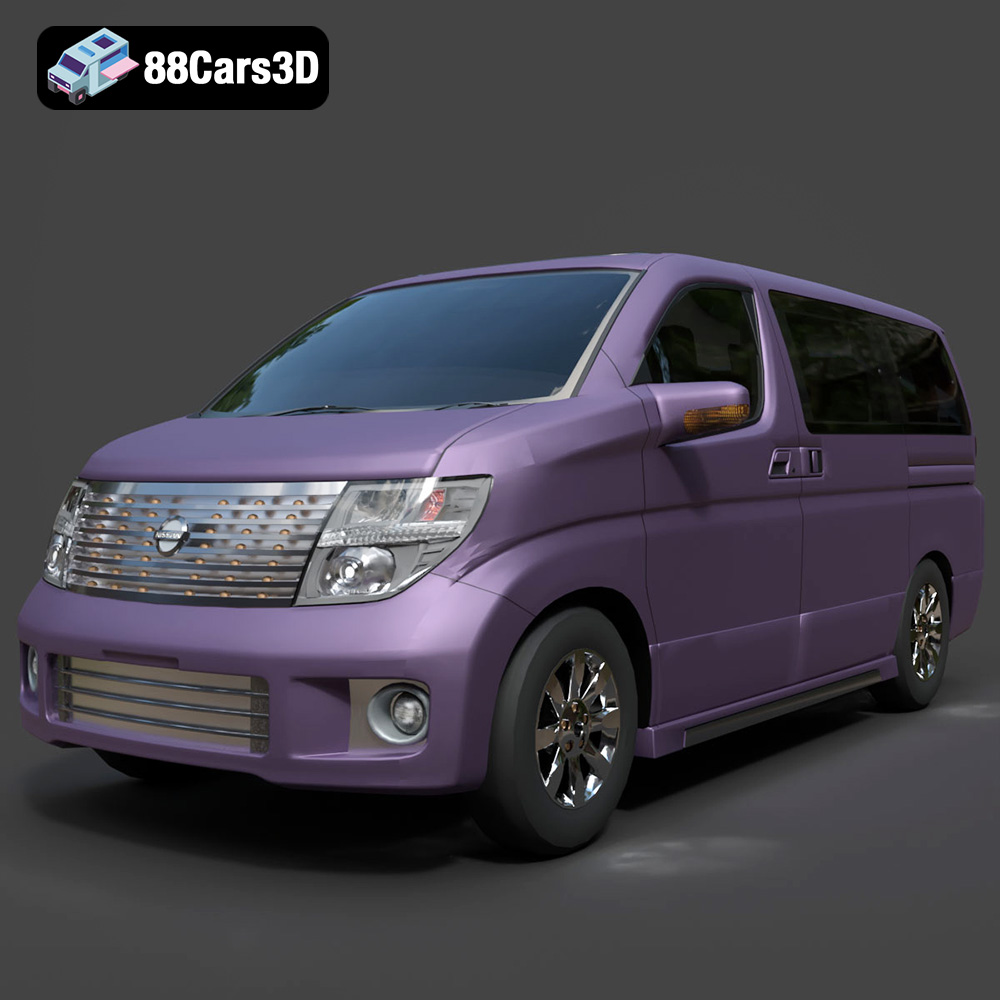
Download the Nissan Elgrand 3D Model featuring a versatile minivan design. Includes .blend, .fbx, .obj, .glb, .stl, .ply, .unreal, and .max formats for rendering, simulation, and game development.
Price: $21.99

