⚡ FLASH SALE: Get 60% OFF All Premium 3D & STL Models! ⚡

The realms of Augmented Reality (AR) and Virtual Reality (VR) are no longer futuristic concepts but integral tools transforming industries, from education and healthcare to entertainment and, significantly, automotive design and visualization. For automotive enthusiasts, designers, and marketers, AR/VR offers an unparalleled opportunity to showcase vehicles with immersive realism, allowing users to interact with 3D car models in ways traditional media cannot replicate. Imagine clients exploring a car’s interior as if they were sitting inside it, or projecting a full-scale model onto their driveway with just a smartphone – these are the experiences AR/VR delivers.
However, bringing these high-fidelity 3D car models into real-time AR/VR environments presents a unique set of technical challenges. The pursuit of visual realism often clashes with the stringent performance demands of AR/VR devices, which require extremely optimized assets to maintain smooth frame rates and prevent motion sickness. This comprehensive guide will delve deep into the technical strategies and best practices for optimizing 3D car models, ensuring they look stunning and perform flawlessly across a spectrum of AR/VR applications. We’ll cover everything from meticulous topology and efficient UV mapping to advanced PBR material creation and game engine integration, equipping you with the knowledge to bridge the gap between stunning static renders and interactive real-time experiences.
Before diving into optimization techniques, it’s crucial to grasp the fundamental constraints and performance metrics that govern real-time AR/VR experiences. Unlike offline rendering, where computational time is not a limiting factor, AR/VR demands immediate visual feedback, typically at a minimum of 60 frames per second (FPS) for AR and 90 FPS for VR to ensure user comfort and immersion. Falling below these thresholds can lead to a jarring experience, even motion sickness, diminishing the perceived quality of your high-fidelity automotive models.
Frames Per Second (FPS): This is the most common metric, representing how many unique images the system can render and display per second. Higher FPS means a smoother, more responsive experience. In AR/VR, maintaining a consistent high FPS is paramount.
Latency: Refers to the delay between a user’s action (e.g., head movement in VR, device movement in AR) and the corresponding visual update on screen. Low latency is critical for a sense of presence and preventing motion sickness. Every millisecond counts, and heavy 3D models directly contribute to increased rendering time, thus higher latency.
Draw Calls: A draw call is an instruction from the CPU to the GPU to render a specific set of geometry. Each unique material, mesh, or texture typically results in at least one draw call. While modern GPUs are powerful, an excessive number of draw calls can bottleneck the CPU, leading to performance degradation. For automotive models, which often have many distinct parts and materials, minimizing draw calls is a key optimization target. Techniques like texture atlasing and combining meshes can significantly reduce this count.
The diversity of AR/VR hardware means that optimization strategies must be adaptable. Each platform has distinct computational and graphical capabilities:
Understanding these fundamental limitations guides every decision in the 3D model optimization process. A model perfectly suited for a high-end PC VR experience might cripple a mobile AR application, making targeted optimization paramount for broad compatibility and optimal user experience.
The underlying mesh structure, or topology, of a 3D car model is the foundation of its visual fidelity and performance in real-time environments. A well-constructed mesh not only looks better when rendered but also allows for more efficient optimization without significant loss of detail. For automotive models, known for their smooth, curved surfaces and intricate details, clean topology is non-negotiable.
The most effective way to manage polygon count in AR/VR is through Levels of Detail (LODs). LODs are different versions of the same 3D model, each with a progressively lower polygon count. The game engine automatically swaps between these versions based on the object’s distance from the camera. This ensures that distant objects, which occupy fewer screen pixels, don’t waste rendering resources on unnecessary geometric detail.
Creating LODs can be done manually or using automated tools. Manual retopology offers the best control over edge flow and detail preservation. Automated decimation tools (like Blender’s Decimate modifier, 3ds Max’s ProOptimizer, or Maya’s Reduce) can quickly generate lower-poly versions, but often require cleanup to maintain shading quality, especially on curved surfaces. When using decimation, ensure that supporting edge loops for crucial hard edges are preserved or recreated, and bake high-poly normal maps onto the lower-poly meshes to retain surface detail.
A car’s design is characterized by flowing lines and precise panel gaps. To accurately represent this in 3D, maintaining a clean edge flow is crucial, even for optimized models. The industry standard dictates a preference for quad-based topology (faces with four vertices). Quads offer several advantages:
Avoid N-gons (faces with more than four vertices) and T-junctions (where an edge ends in the middle of another edge) where possible. While modern game engines can handle triangulated meshes (often converting quads to triangles upon import), starting with clean quads in your modeling software like Blender, as detailed in the official Blender 4.4 documentation on modeling, provides a much more robust and manageable base mesh for optimization and UV mapping. Always ensure that critical creases and hard edges are supported by sufficient edge loops. This allows for a lower overall polygon count while preserving the sharp visual definition of car body panels, grilles, and other intricate details.
Textures are the skin of your 3D car model, providing crucial visual information like color, reflectivity, and surface imperfections without requiring excessive geometric detail. Effective UV mapping and texture optimization are paramount for achieving high visual fidelity while adhering to the memory and performance budgets of AR/VR devices. Poor UVs lead to wasted texture space, resolution issues, and inefficient rendering.
UV mapping is the process of unfolding the 3D mesh into a 2D representation, which then dictates how a 2D texture image is applied to the model. For automotive models, specific strategies are vital due to their large, often curved surfaces and numerous components:
Proper UV unwrapping, as detailed in the Blender 4.4 documentation on UV unwrapping, is a fundamental skill. For large, continuous surfaces like a car’s body, techniques like ‘Smart UV Project’ or ‘Angle Based’ unwrapping in Blender can provide a good starting point, followed by manual adjustment and packing for optimal efficiency.
Physically Based Rendering (PBR) is the standard for achieving realistic materials in real-time. PBR textures typically include several maps:
Texture Resolution Considerations: The appropriate resolution depends on the platform and the object’s importance and proximity to the camera.
Texture Atlasing: This is a critical optimization technique. Instead of using multiple small textures for different parts of your car model, you combine them into a single, larger texture sheet (an atlas). For example, all interior fabric textures, dashboard buttons, and trim details can be packed into one 2K atlas. This significantly reduces the number of draw calls because the engine only needs to bind one material and one texture to render multiple surfaces, improving CPU performance. Many DCC tools and game engines offer robust atlasing features, and external tools like Substance Painter can efficiently pack textures.
Compression Formats: After atlasing, textures should be compressed. Game engines support various formats:
Always use the appropriate compression for your target platform to minimize VRAM usage without sacrificing too much visual quality. When sourcing models from marketplaces such as 88cars3d.com, check if they provide optimized texture sets and PBR maps, as this can save a significant amount of development time.
Beyond textures, the materials and shader networks applied to your 3D car model play a crucial role in real-time performance. Complex shaders, while visually stunning in offline renders, can quickly become performance bottlenecks in AR/VR due to the extensive calculations required per pixel. Optimizing these elements involves simplifying the material setup and understanding the rendering costs associated with various material properties.
In offline renderers like Corona or V-Ray, artists often build intricate shader networks using dozens of nodes to achieve hyper-realistic effects for car paint, intricate fabrics, or complex glass. While powerful, these node graphs are generally too expensive for real-time engines. The key is to leverage the engine’s built-in, optimized PBR shaders and avoid custom, overly complex solutions:
The goal is to achieve visual realism with the fewest possible computational steps per pixel. Every node in a custom shader graph adds to the rendering cost. If a desired effect can be achieved with a simpler texture map, it’s almost always preferable to a complex shader node network.
These elements are crucial for realistic automotive visualization but are also among the most expensive to render:
For AR/VR, prioritize reflection probes and cubemaps. They offer a good balance of visual quality and performance. Only resort to SSR or planar reflections if the performance budget allows and the visual impact is absolutely critical. For models from 88cars3d.com, always check their material setup and whether they include baked reflection maps or optimized PBR materials.
Once your 3D car model and its textures are meticulously optimized, the next crucial step is to efficiently integrate it into your chosen real-time engine (Unity, Unreal Engine, etc.) and optimize the surrounding scene. The engine’s capabilities and your export workflow heavily influence the final performance of your AR/VR application.
Choosing the right file format and following best practices during export can prevent countless headaches and ensure your optimized model translates correctly into the engine:
Pre-Export Cleanup: Before exporting from your DCC software:
Once your model is in the engine, leverage built-in optimization features:
Platforms like 88cars3d.com often provide models specifically optimized for game engines, complete with LODs, PBR textures, and clean geometry, which can significantly accelerate development for AR/VR applications.
Beyond core 3D asset optimization, the unique nature of AR and VR environments demands additional considerations. These enhancements focus on improving the user experience, ensuring comfort, and maximizing realism within the constraints of real-time performance.
A technically optimized model is only truly effective if it contributes to a compelling and comfortable user experience in AR/VR:
To truly sell the realism of a 3D car model in AR/VR, lighting and reflections must be meticulously crafted, even within real-time budgets.
Use these sparingly and always profile their performance impact, especially on mobile AR or standalone VR platforms where every millisecond matters.
The journey from a high-polygon 3D car model to a flawlessly performing AR/VR experience is a meticulous process, demanding a deep understanding of both artistic vision and technical constraints. It’s a dance between aesthetic quality and real-time performance, where every decision, from polygon reduction to shader complexity, impacts the final user experience. We’ve explored the critical pillars of this optimization process: starting with a strong foundation of clean, optimized topology and strategic LODs; meticulously crafting efficient UV layouts and PBR textures; simplifying material networks; and finally, integrating and enhancing the model within game engines for specific AR/VR demands.
The key takeaway is a holistic approach: no single optimization technique will suffice. Instead, it’s the cumulative effect of strategic polygon reduction, smart UV packing, texture atlasing, efficient PBR materials, and thoughtful engine-specific settings that culminates in a truly immersive and performant AR/VR automotive visualization. The ongoing evolution of AR/VR hardware and software will continue to push boundaries, but the core principles of efficient 3D asset creation will remain timeless.
By applying the detailed techniques and best practices outlined in this guide, 3D artists, game developers, and visualization professionals can confidently create and deploy stunning 3D car models that not only look incredible but also deliver a smooth, comfortable, and truly engaging experience across diverse AR/VR platforms. Platforms like 88cars3d.com offer a wide array of high-quality 3D car models, many already built with a focus on clean topology and efficient UVs, providing an excellent starting point for further optimization or immediate use in your AR/VR projects. Embrace these strategies, and unlock the full potential of interactive automotive visualization in the exciting world of augmented and virtual reality.
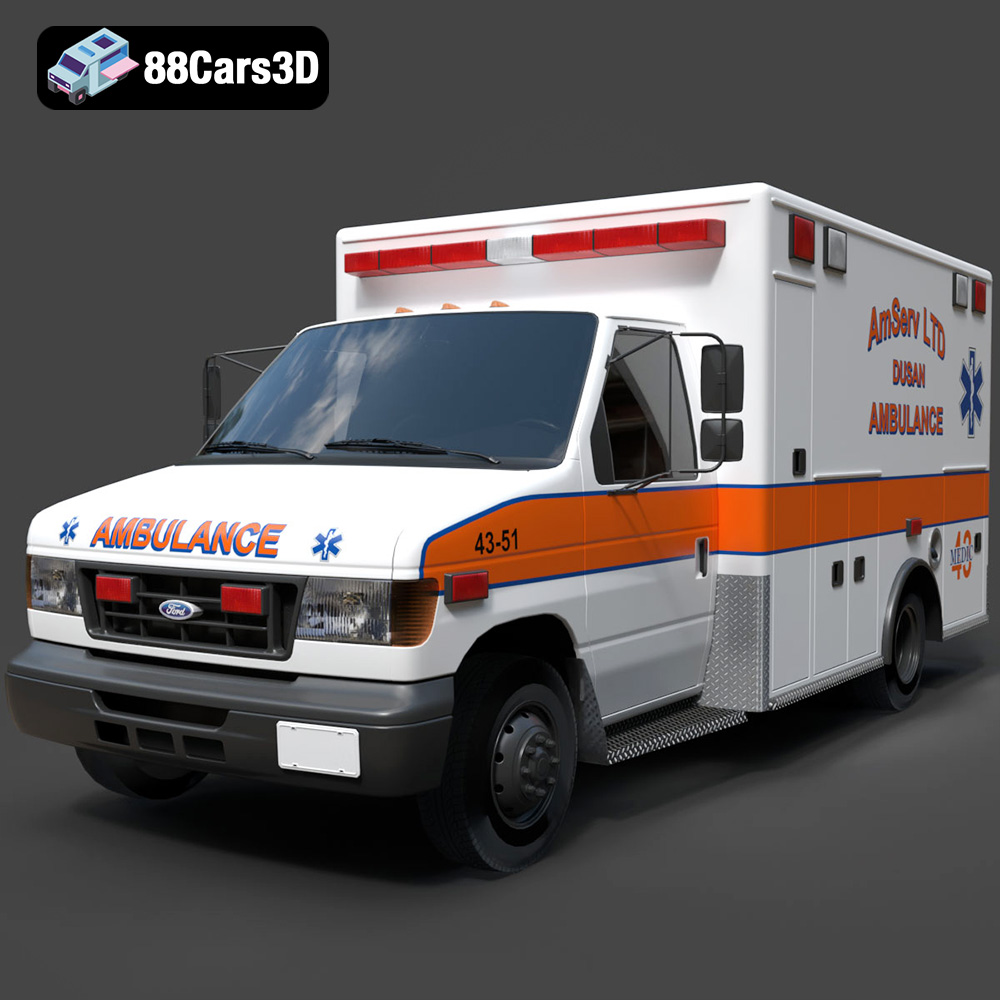
Texture: Yes
Material: Yes
Download the Ford Ambulance AmServ LTD Dusan-002 3D Model featuring a high-detail exterior and interior, realistic textures, and emergency lighting. Includes .blend, .fbx, .obj, .glb, .stl, .ply, .unreal, and .max formats for rendering, simulation, and game development.
Price: $19.99
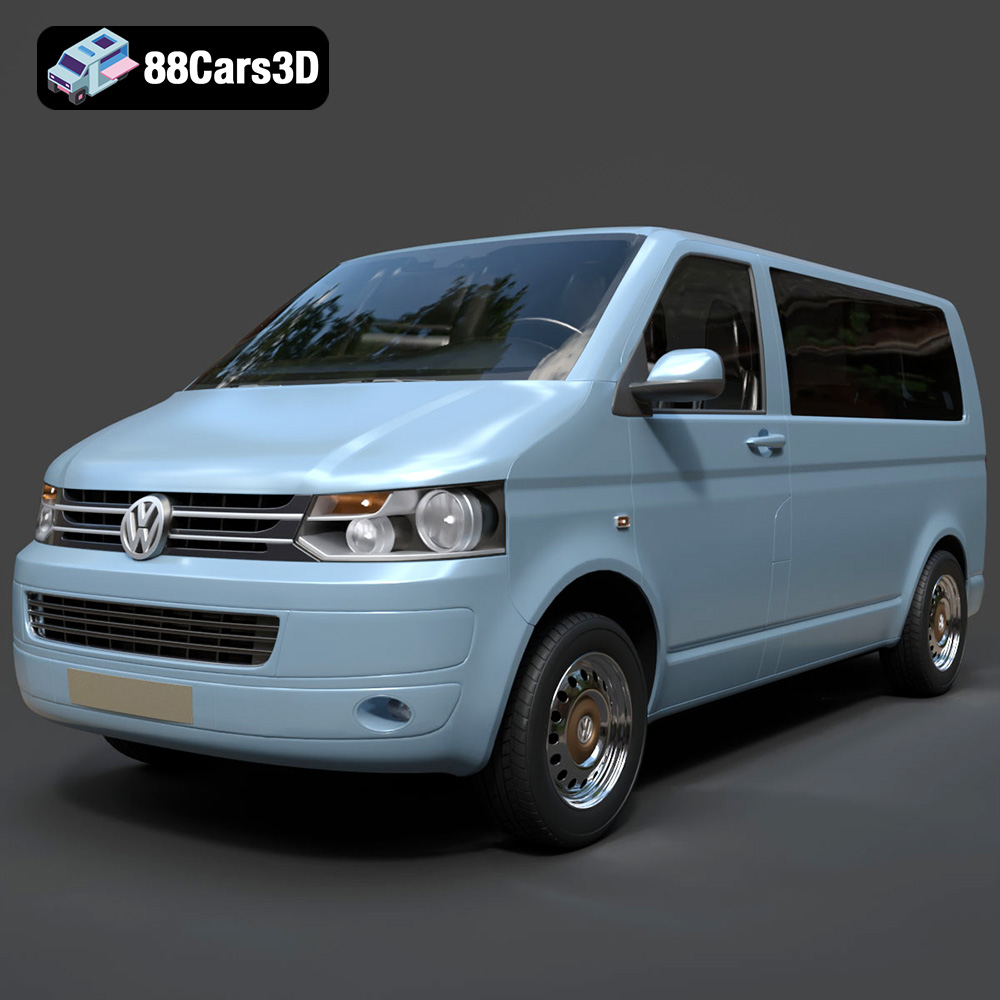
Texture: Yes
Material: Yes
Download the Volkswagen Transporter T5 FL 2010 3D Model featuring clean geometry, realistic detailing, and a fully modeled interior. Includes .blend, .fbx, .obj, .glb, .stl, .ply, .unreal, and .max formats for rendering, simulation, and game development.
Price: $22.99
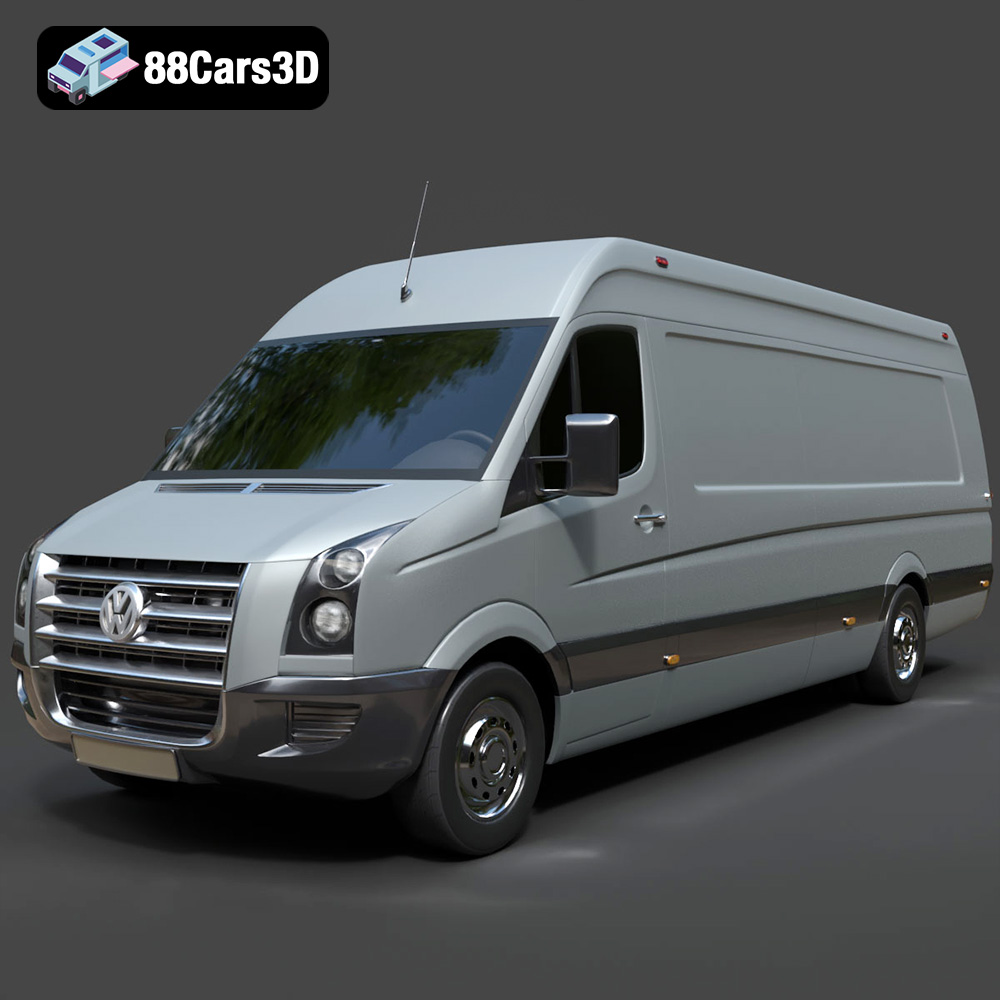
Texture: Yes
Material: Yes
Download the Volkswagen Crafter 2020 3D Model featuring clean geometry, realistic detailing, and a fully modeled interior. Includes .blend, .fbx, .obj, .glb, .stl, .ply, .unreal, and .max formats for rendering, simulation, and game development.
Price: $22.99
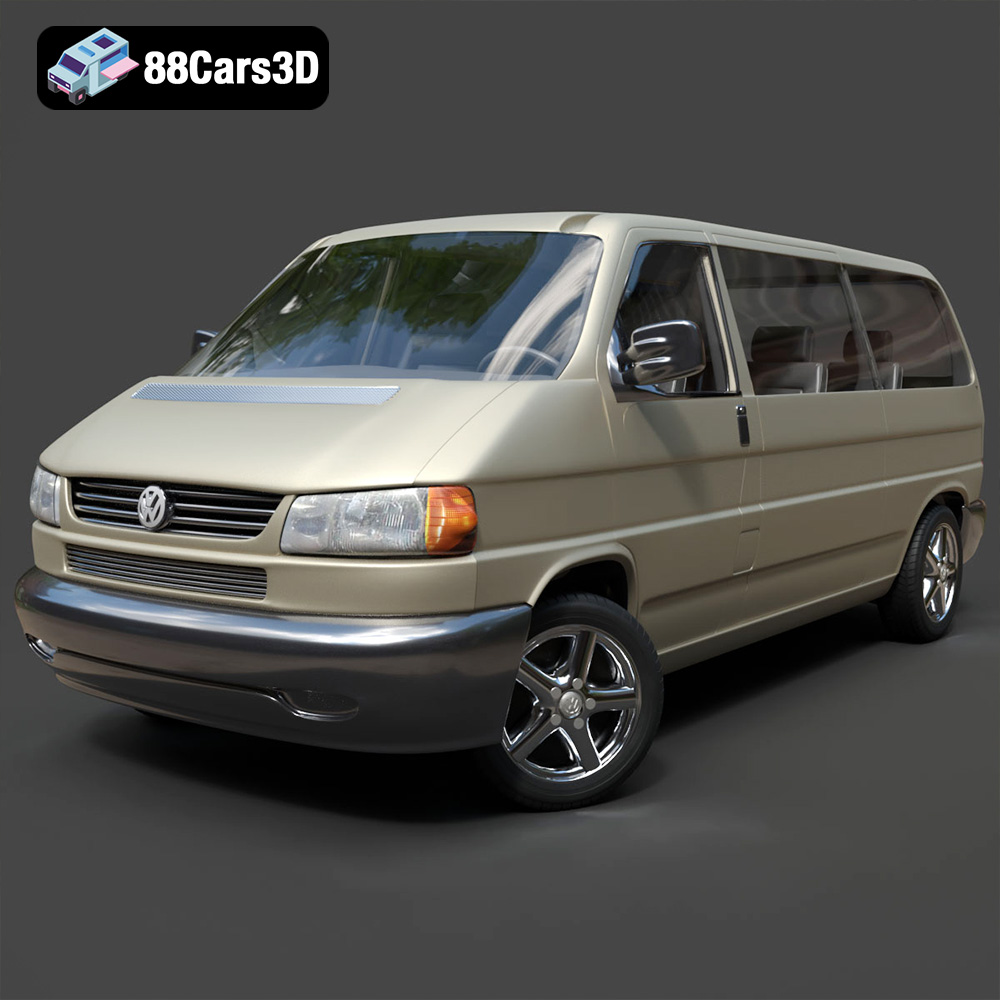
Texture: Yes
Material: Yes
Download the Volkswagen Caravelle 3D Model featuring a detailed exterior, functional interior, and optimized topology. Includes .blend, .fbx, .obj, .glb, .stl, .ply, .unreal, and .max formats for rendering, simulation, and game development.
Price: $23.99
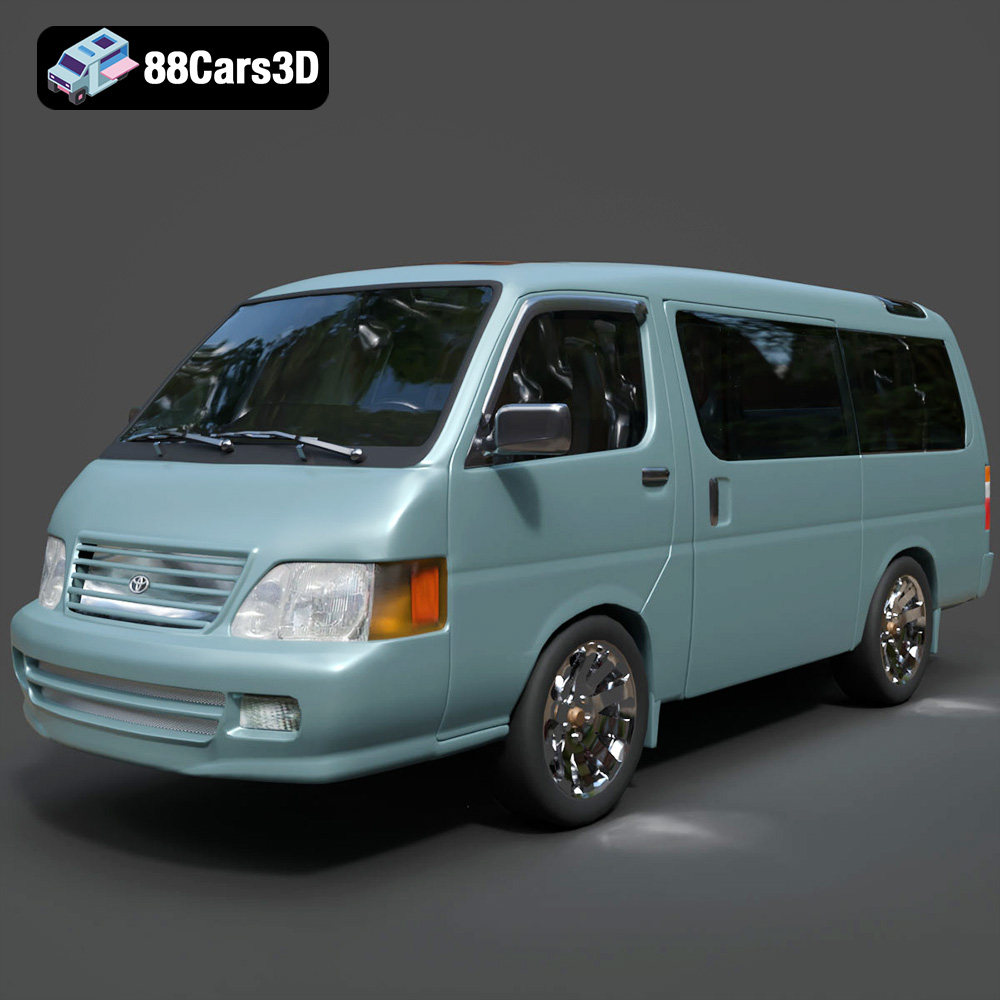
Texture: Yes
Material: Yes
Download the Toyota Hiace 3D Model featuring versatile design and detailed exterior. Includes .blend, .fbx, .obj, .glb, .stl, .ply, .unreal, and .max formats for rendering, simulation, and game development.
Price: $21.99
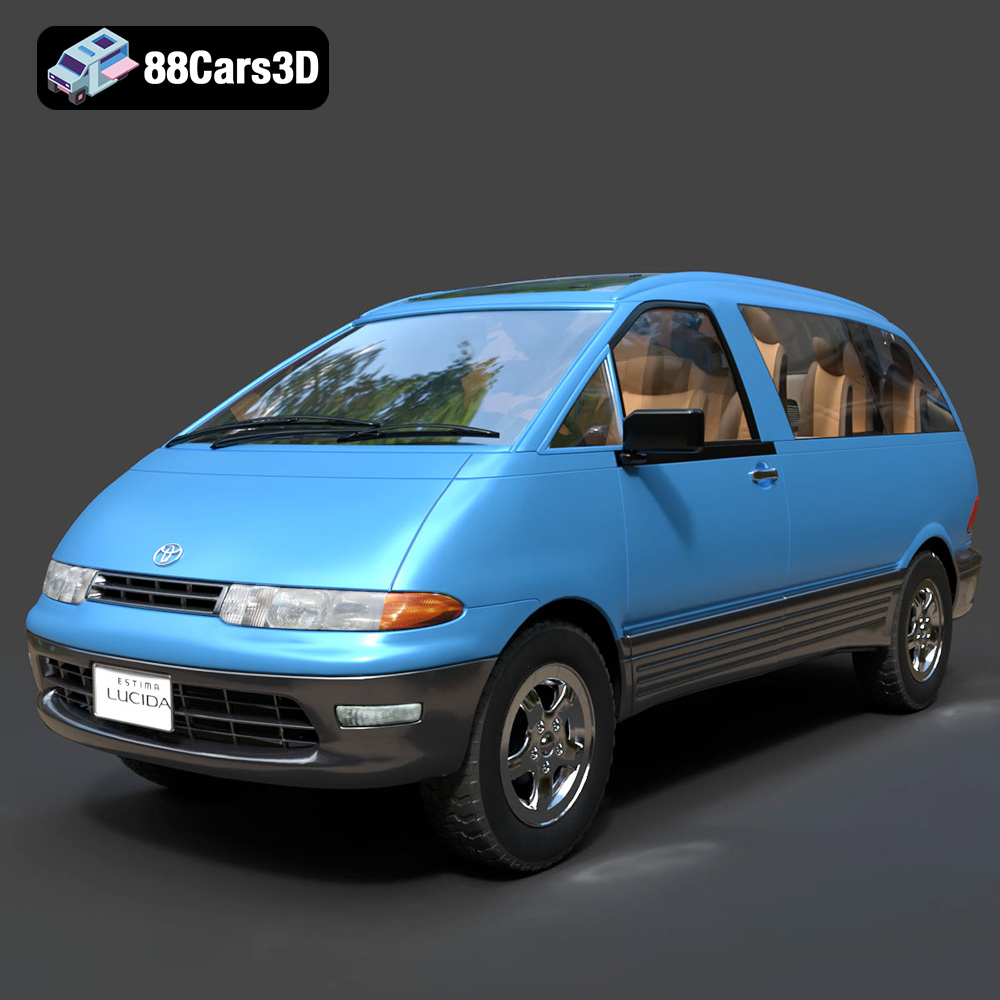
Texture: Yes
Material: Yes
Download the Toyota Estima Lucida 3D Model featuring its iconic compact MPV design, versatile interior, and accurate exterior details. Includes .blend, .fbx, .obj, .glb, .stl, .ply, .unreal, and .max formats for rendering, simulation, and game development.
Price: $24.99

Texture: Yes
Material: Yes
Download the Toyota Alphard 3D Model featuring a detailed luxury minivan design with an accurate exterior and interior. Includes .blend, .fbx, .obj, .glb, .stl, .ply, .unreal, and .max formats for rendering, simulation, and game development.
Price: $21.99
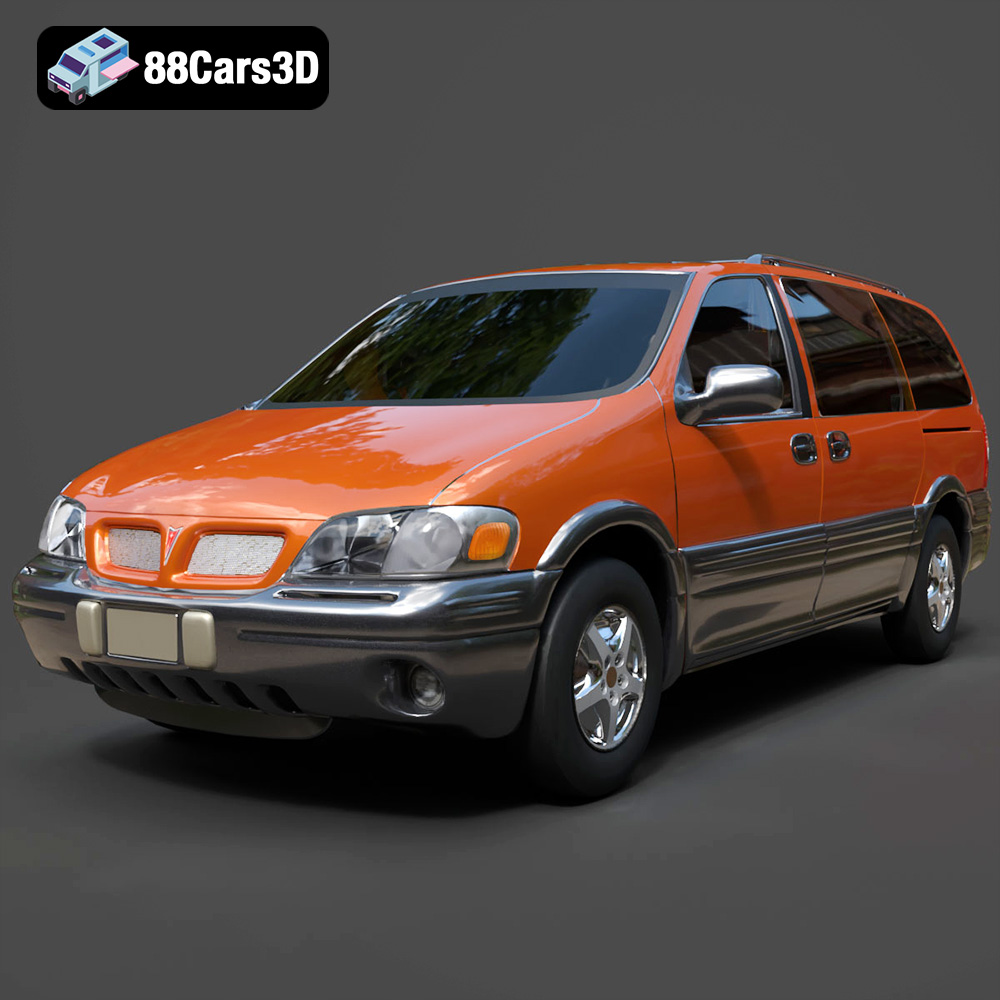
Texture: Yes
Material: Yes
Download the Pontiac Montana 1998 3D Model featuring a detailed exterior, functional interior, and optimized mesh. Includes .blend, .fbx, .obj, .glb, .stl, .ply, .unreal, and .max formats for rendering, simulation, and game development.
Price: $21.99
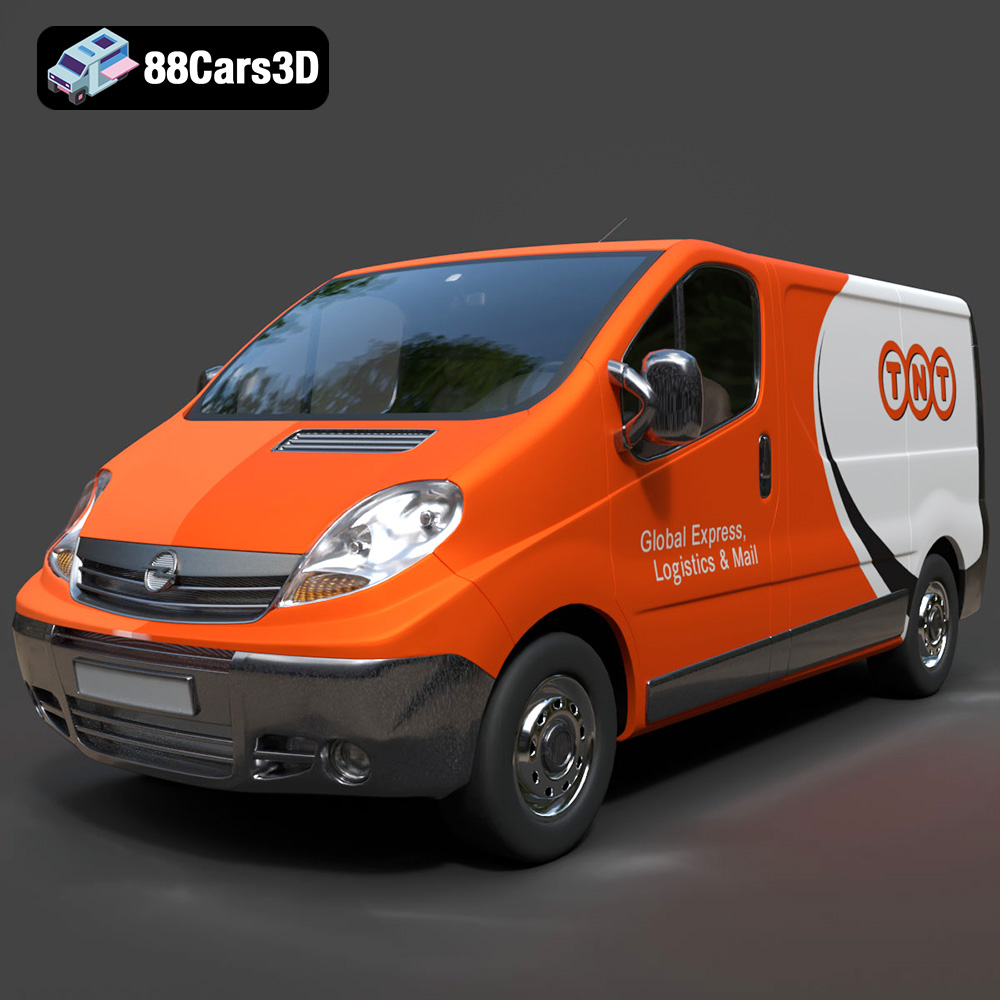
Texture: Yes
Material: Yes
Download the Opel Vivaro 3D Model featuring a versatile commercial van design with balanced detailing. Includes .blend, .fbx, .obj, .glb, .stl, .ply, .unreal, and .max formats for rendering, simulation, and game development.
Price: $21.99
Texture: Yes
Material: Yes
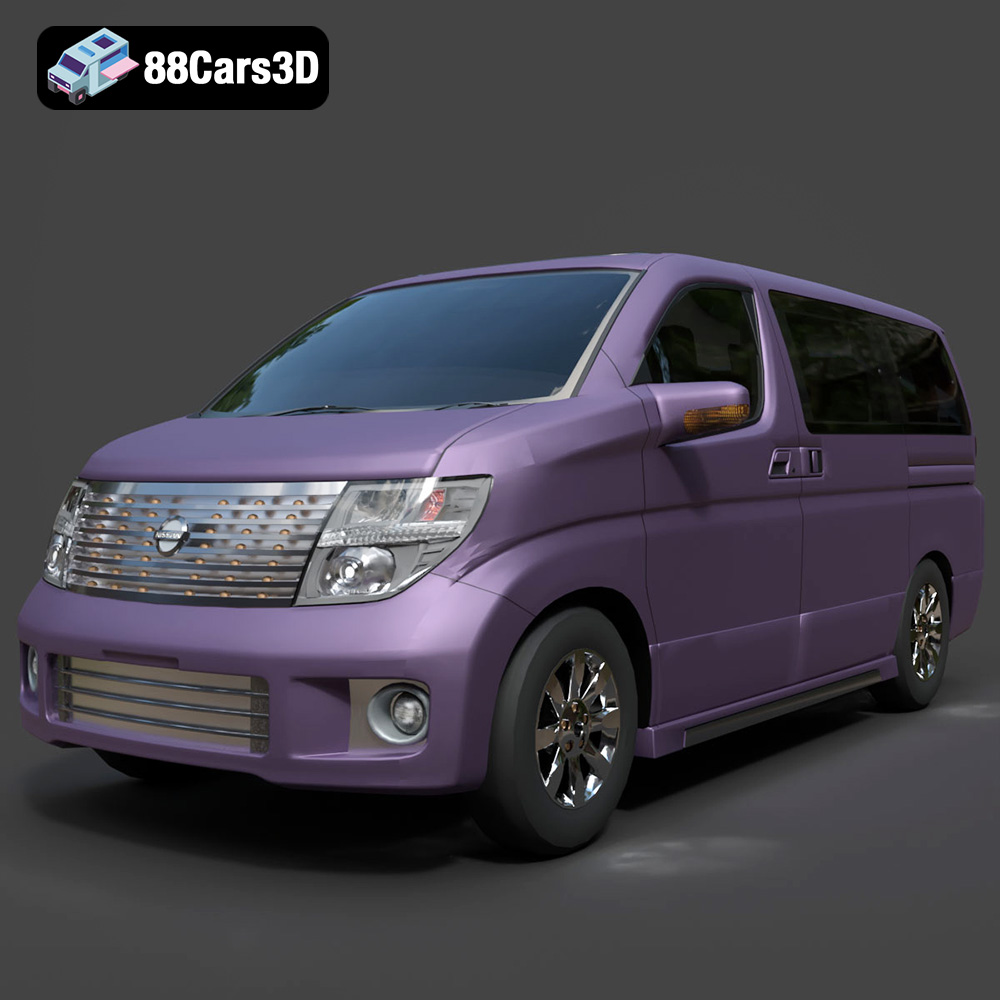
Download the Nissan Elgrand 3D Model featuring a versatile minivan design. Includes .blend, .fbx, .obj, .glb, .stl, .ply, .unreal, and .max formats for rendering, simulation, and game development.
Price: $21.99

