⚡ FLASH SALE: Get 60% OFF All Premium 3D & STL Models! ⚡

In the expansive and ever-evolving landscape of real-time rendering, creating compelling, lifelike experiences often hinges on the quality of both static assets and dynamic elements. For professionals working in automotive visualization, game development, or virtual production, highly detailed 3D car models from platforms like 88cars3d.com provide an unparalleled foundation. However, to truly bring these scenes to life, human interaction and realistic character animation are often indispensable. This is where Unreal Engine’s powerful Control Rig system steps in, offering artists and developers an intuitive, procedural framework for animating characters directly within the engine.
Control Rig revolutionizes the traditional animation pipeline by enabling highly flexible and reusable rigging and animation directly inside Unreal Engine. No longer are you strictly bound to external DCC applications for every animation tweak; Control Rig empowers you to build intricate, performant rigs that can be animated in real-time, react to environmental cues, and integrate seamlessly with Blueprints and Sequencer. Whether you’re animating a driver gripping a steering wheel, a salesperson presenting a vehicle in a virtual showroom, or a pedestrian navigating a bustling automotive environment, Control Rig provides the precision and control needed to achieve stunning results. This comprehensive guide will delve into the technical depths of Unreal Engine Control Rig, exploring its setup, advanced animation techniques, integration into automotive workflows, and strategies for optimizing performance, ensuring your 3D car models are complemented by equally realistic character performances.
Unreal Engine’s Control Rig is a powerful, node-based rigging and animation system designed to give artists unprecedented control over character articulation directly within the engine. Unlike traditional animation workflows that often rely on iterative exports and imports from external 3D software, Control Rig enables a fully in-engine rigging and animation pipeline. At its heart, Control Rig operates on a graph-based system, similar to Blueprints, where nodes represent various rigging operations, mathematical functions, and bone manipulations. This procedural approach means that rigs are dynamic and can be easily modified, extended, and reused across multiple characters or animation scenarios.
The core concept behind Control Rig is to provide a layer of manipulation on top of an existing Skeletal Mesh’s joint hierarchy. Instead of directly keyframing individual bones, artists create a set of intuitive “controls” – visual manipulators that drive groups of bones or entire limbs. These controls are then connected through a network of nodes within the Control Rig Graph, allowing for sophisticated inverse kinematics (IK), forward kinematics (FK), constraints, and custom behaviors. This not only streamlines the animation process but also allows for real-time adjustments and immediate feedback, crucial for iterating quickly in demanding production environments like automotive configurators or virtual production stages.
The Control Rig Graph is where all the magic happens. It’s a visual scripting environment where you define how your controls influence your character’s skeleton. Each node in the graph performs a specific operation, from basic mathematical calculations to complex IK solvers. For instance, a common setup involves using a “Two Bone IK” node to allow a hand control to precisely position an arm and forearm, automatically calculating the elbow’s rotation. Nodes are connected with pins, passing data like transforms, vectors, and booleans, allowing for complex logic and dependencies. This modularity means you can create reusable rigging modules, such as a leg IK setup or a hand pose library, and integrate them seamlessly into different character rigs.
Control Rig inherently supports both FK and IK, providing animators with maximum flexibility. FK allows you to animate a hierarchical chain of bones from root to end, like rotating a shoulder, then an elbow, then a wrist. IK, on the other hand, allows you to specify the desired position of an end effector (e.g., a hand or foot), and the system automatically calculates the rotations for the intermediate bones in the chain to reach that target. This is incredibly powerful for tasks like planting a character’s feet firmly on the ground or ensuring a driver’s hand stays fixed on a steering wheel, even as the character or vehicle moves. Control Rig provides dedicated nodes for various IK solvers, enabling precise and stable kinematic solutions that are essential for high-fidelity animation.
Before you can begin animating with Control Rig, your character model needs to be properly set up within Unreal Engine. This involves importing your Skeletal Mesh, ensuring it has a clean bone hierarchy, and then creating and initializing your Control Rig asset. For automotive visualization, whether you’re bringing in a driver, a showroom attendant, or a crowd NPC, the foundational steps are critical for a smooth workflow.
When sourcing 3D assets, ensure your character models, much like the 3D car models you might acquire, adhere to best practices for game development: optimized polygon counts (within reason, given modern features like Nanite), clean topology, and a well-defined skeletal hierarchy. A good skeletal hierarchy simplifies the rigging process significantly. For instance, a common practice for characters is to have a root bone, followed by a pelvis, spine, neck, and then limbs branching off. Each bone should have a logical name for easy identification within the Control Rig Graph.
The first step is to import your character’s Skeletal Mesh into Unreal Engine. Navigate to your Content Browser, right-click, and select “Import” or drag and drop your FBX file. During import, ensure you select “Skeletal Mesh” and choose the correct skeleton if you’re importing additional meshes that share the same skeleton. Pay attention to import settings like “Import Uniform Scale” if your model’s scale differs from Unreal Engine’s default (1 unit = 1cm). Once imported, open the Skeletal Mesh Editor to inspect the skeleton, ensure bone orientations are correct, and preview your mesh.
With your Skeletal Mesh imported, you can now create the Control Rig asset. This asset will house all your rigging logic and controls.
This initial setup forms the canvas upon which you’ll build increasingly complex and expressive character animations, whether they’re casually leaning against a car or intricately operating its controls.
Once the basic controls are established, the real power of Control Rig comes into play as you begin to craft sophisticated animation logic. This involves connecting controls, implementing constraints, and developing modular systems that enhance an animator’s capabilities. For the precise movements required in automotive visualization – a driver’s hand on a steering wheel, feet on pedals, or a character interacting with door handles – advanced Control Rig techniques are indispensable.
The goal is to move beyond simple FK rotations and create intuitive controls that automate complex motions, making animation faster and more consistent. This often involves leveraging a combination of IK solvers, look-at constraints, and space switching to give animators ultimate flexibility. For example, when animating a driver, you might want the hand control to switch between following the steering wheel’s rotation (local space) and being locked in world space for precise placement during a specific pose.
The Control Rig Graph allows you to define intricate relationships between controls and bones. Constraints are fundamental here. You can use “Parent Constraint” nodes to make one control follow another, a “Look At” constraint to make a character’s head always face a specific target (like a car’s dashboard or a virtual camera), or “Transform Constraint” to copy specific transform components (e.g., only translation, not rotation) from one control to another. This is particularly useful for:
The key is to think procedurally: how can you define a set of rules that automatically achieve a desired motion, rather than manually keyframing every single bone? This level of procedural control is what makes Control Rig exceptionally efficient for iterative design.
Control Rig’s true power shines when integrated with Blueprints. You can expose Control Rig properties and controls to Blueprint, allowing artists and designers to create interactive scenarios. For instance, you could have a Blueprint that drives a car, and then, using Control Rig, update the driver’s hand and foot positions based on the car’s steering and pedal inputs. This creates a fully dynamic and interactive driver animation.
This deep integration between Control Rig and Unreal Engine’s core scripting and animation systems makes it an unparalleled tool for creating dynamic, responsive, and highly detailed character performances that complement the fidelity of your automotive assets.
The synergy between meticulously crafted 3D car models and compelling character animation elevates automotive visualization from static renders to immersive experiences. Control Rig plays a pivotal role in this integration, allowing artists to create lifelike interactions between characters and vehicles, whether for virtual showrooms, cinematic sequences, or interactive game environments. The procedural nature of Control Rig ensures that these animations are not only realistic but also highly adaptable to various scenarios and real-time inputs.
When developing automotive experiences, the context of human presence is often crucial. A car presented in isolation lacks the human element that drives desire and relatability. By using Control Rig, we can animate drivers, passengers, showroom models, or pedestrians to inhabit the scene, adding scale, activity, and emotional resonance. This section explores specific workflows for embedding Control Rig animations within an automotive context, leveraging Unreal Engine’s powerful toolset.
Animating a driver is perhaps the most direct application of Control Rig in automotive visualization. The precision required for hands on a steering wheel, feet on pedals, and body posture adapting to the seat is paramount for realism.
This workflow provides animators with intuitive controls to pose the driver precisely, ensuring believable interactions with the car’s interior, a crucial aspect for immersive driving simulations or cinematic presentations.
Control Rig isn’t limited to animating drivers. It’s equally effective for any character interaction with a vehicle, enriching virtual showrooms, interactive experiences, and game scenarios.
By making character interactions dynamic and adaptable, Control Rig significantly enhances the realism and interactivity of your automotive projects, breathing life into the meticulously detailed models you acquire from sources like 88cars3d.com.
Unreal Engine’s Sequencer is the engine’s powerful non-linear cinematic editor. Control Rig animations seamlessly integrate with Sequencer, allowing you to choreograph complex scenes involving both characters and cars.
This integration allows for unprecedented artistic control over every aspect of your cinematic output, from the smallest character gesture to grand vehicle chases.
While Control Rig offers immense flexibility and power, maintaining optimal performance is crucial, especially in real-time applications such as games, AR/VR experiences, and high-fidelity automotive configurators. Just as optimizing your 3D car models for poly count and draw calls is essential, character animations driven by Control Rig also require careful attention to performance. Balancing visual fidelity with efficient runtime execution ensures a smooth and immersive user experience.
Unreal Engine provides a suite of tools and best practices to help you achieve this balance. Understanding how Control Rig processes information, coupled with smart asset management and strategic use of engine features, will allow you to create complex character animations without compromising frame rates. For scenarios where characters appear alongside highly detailed automotive assets, like those from 88cars3d.com, it’s vital that character performance scales effectively with the scene’s overall complexity.
Just like with complex vehicle models, characters benefit significantly from a robust Level of Detail (LOD) strategy. As a character moves further from the camera, a lower-polygon mesh with simpler textures and fewer bones can be swapped in, reducing rendering overhead.
A well-implemented LOD system for characters, combined with intelligent animation budgeting, ensures that your real-time applications can handle multiple animated characters without performance degradation.
While Nanite and Lumen are often discussed in the context of environment and vehicle rendering, their benefits extend to characters as well, especially when animated by Control Rig in high-fidelity scenes. PBR materials are fundamental for achieving visual consistency.
By combining Control Rig’s animation power with these advanced rendering features, you can achieve an unparalleled level of visual fidelity and realism for your character-driven automotive experiences.
Developing for AR/VR platforms demands even stricter performance budgets. Control Rig animations must be optimized heavily to ensure a comfortable and fluid experience.
Through careful planning and judicious use of optimization techniques, Control Rig can be a powerful asset for creating engaging and high-performance character animations across a spectrum of real-time applications, from high-fidelity virtual production to demanding AR/VR automotive showrooms.
Unreal Engine Control Rig stands as a transformative tool in the arsenal of any developer or artist striving for unparalleled realism and interactivity in their projects. From animating the subtle nuances of a driver’s interaction with a steering wheel to choreographing a complex cinematic sequence involving multiple characters and vehicles, Control Rig offers a flexible, procedural, and in-engine solution that streamlines workflows and elevates artistic control. By empowering animators to build robust, reusable rigs directly within Unreal Engine, it bridges the gap between traditional DCC applications and real-time production, fostering rapid iteration and high-fidelity results.
As the demand for immersive experiences continues to grow across industries like automotive visualization, game development, and virtual production, the ability to create dynamic, believable character performances becomes increasingly critical. When paired with high-quality 3D car models from marketplaces like 88cars3d.com and leveraged alongside Unreal Engine’s cutting-edge rendering features such as Nanite, Lumen, and a robust PBR material pipeline, Control Rig enables the creation of breathtaking scenes where every element, from the gleam of a vehicle’s paint to the subtle gestures of a character, contributes to a cohesive and believable virtual world. Mastering Control Rig is not just about learning a new tool; it’s about unlocking a new paradigm of animation that is faster, more integrated, and ultimately, more powerful for bringing your creative visions to life.
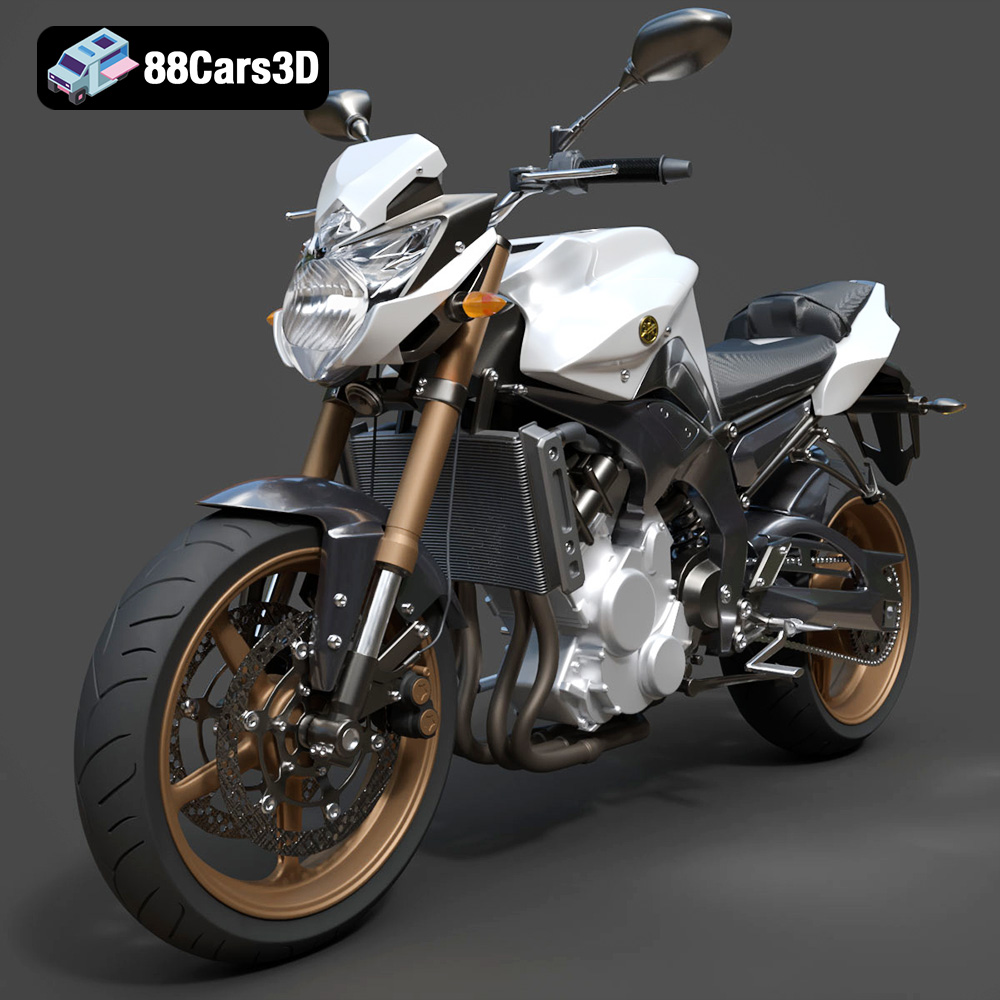
Texture: Yes
Material: Yes
Download the Yamaha FZ8 2011 3D Model featuring clean geometry, realistic detailing, and a fully modeled interior. Includes .blend, .fbx, .obj, .glb, .stl, .ply, .unreal, and .max formats for rendering, simulation, and game development.
Price: $19.99
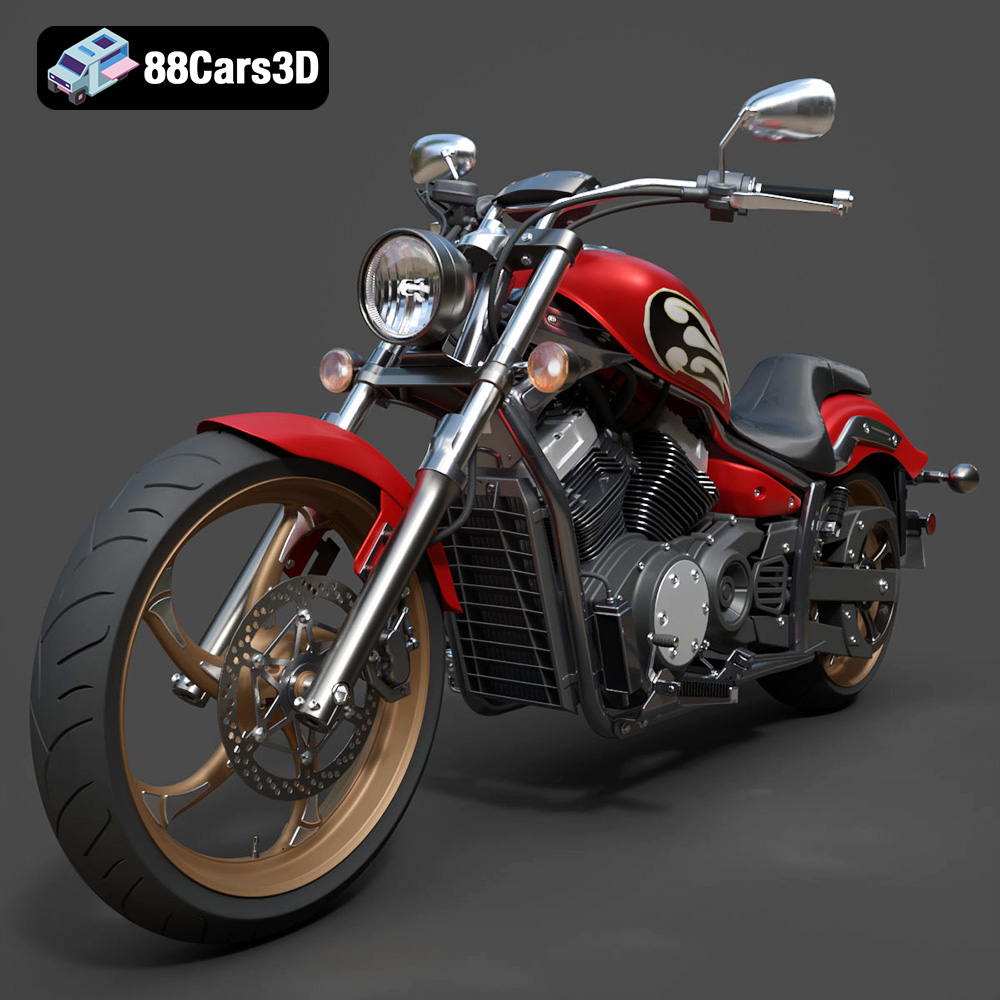
Texture: Yes
Material: Yes
Download the Yamaha Stryker 2012 3D Model featuring clean geometry, realistic detailing, and a fully modeled interior. Includes .blend, .fbx, .obj, .glb, .stl, .ply, .unreal, and .max formats for rendering, simulation, and game development.
Price: $19.99
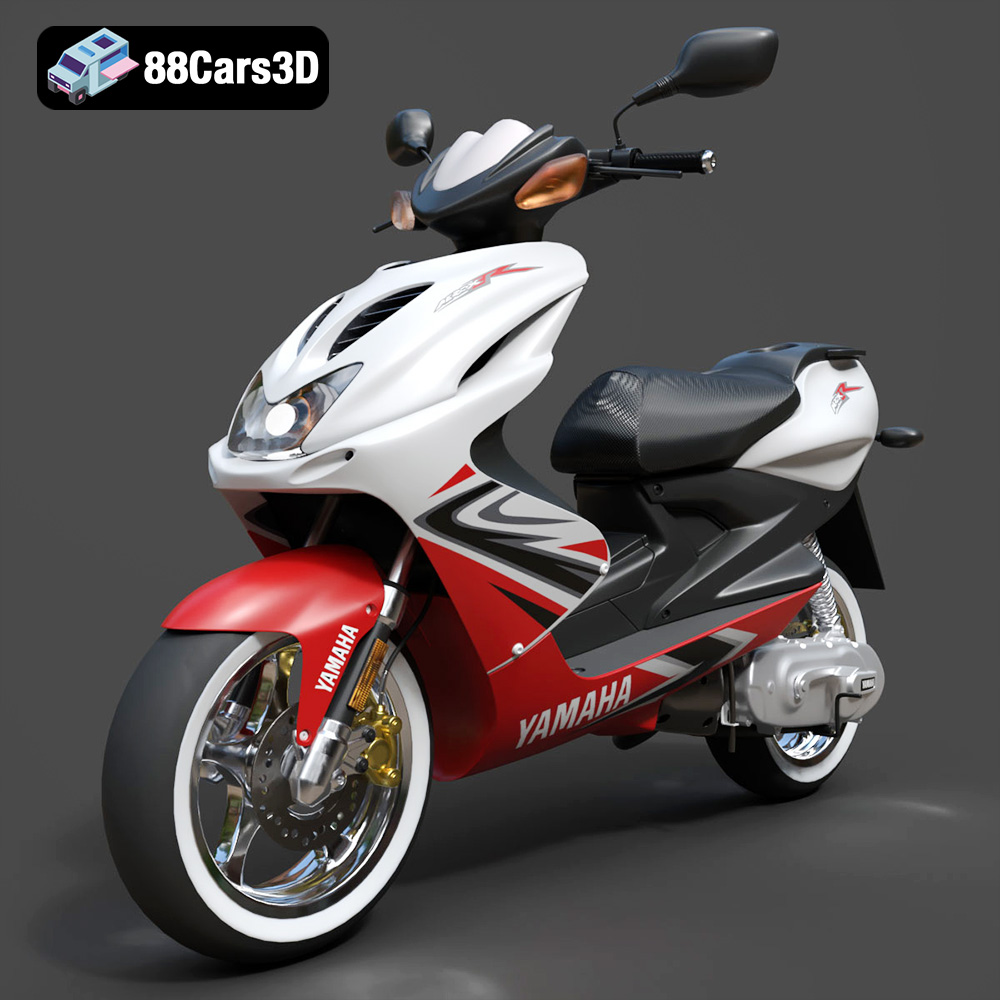
Texture: Yes
Material: Yes
Download the Yamaha Aerox R-002 2024 3D Model featuring clean geometry, realistic detailing, and a fully modeled interior. Includes .blend, .fbx, .obj, .glb, .stl, .ply, .unreal, and .max formats for rendering, simulation, and game development.
Price: $19.99
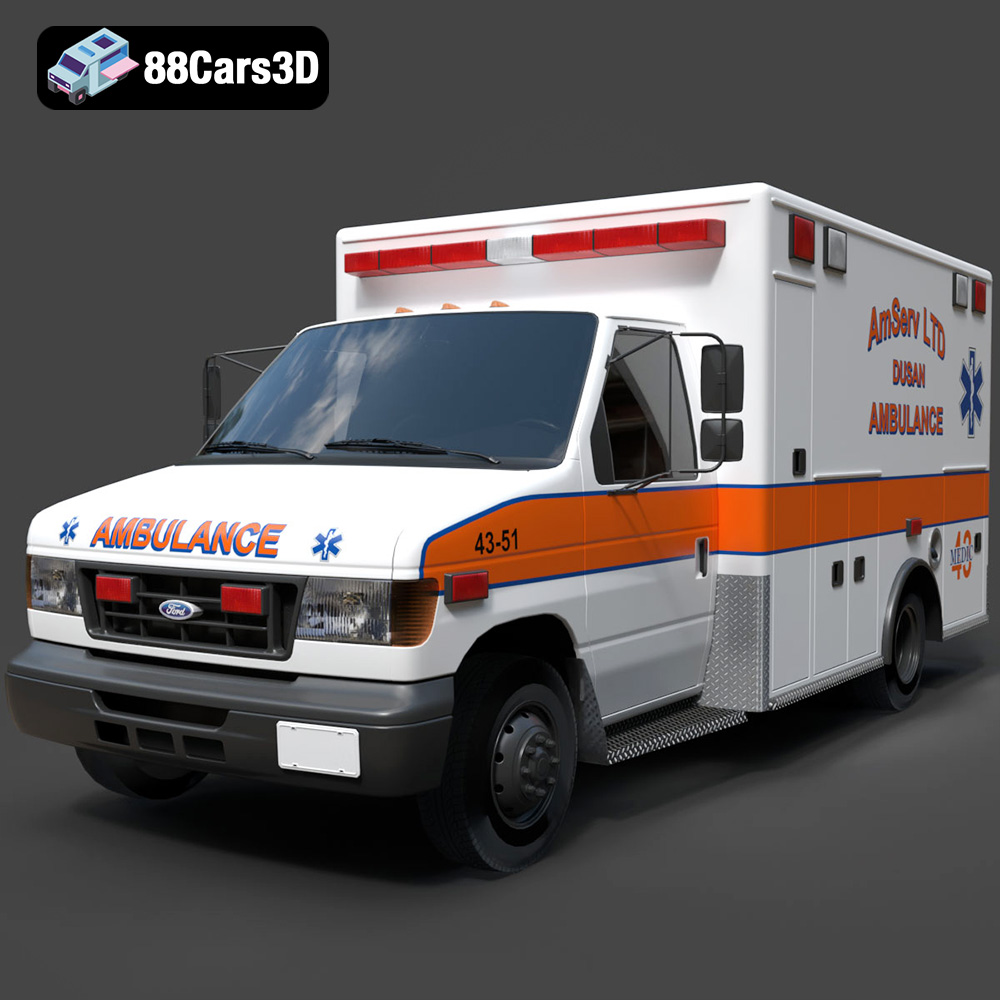
Texture: Yes
Material: Yes
Download the Ford Ambulance AmServ LTD Dusan-002 3D Model featuring a high-detail exterior and interior, realistic textures, and emergency lighting. Includes .blend, .fbx, .obj, .glb, .stl, .ply, .unreal, and .max formats for rendering, simulation, and game development.
Price: $19.99
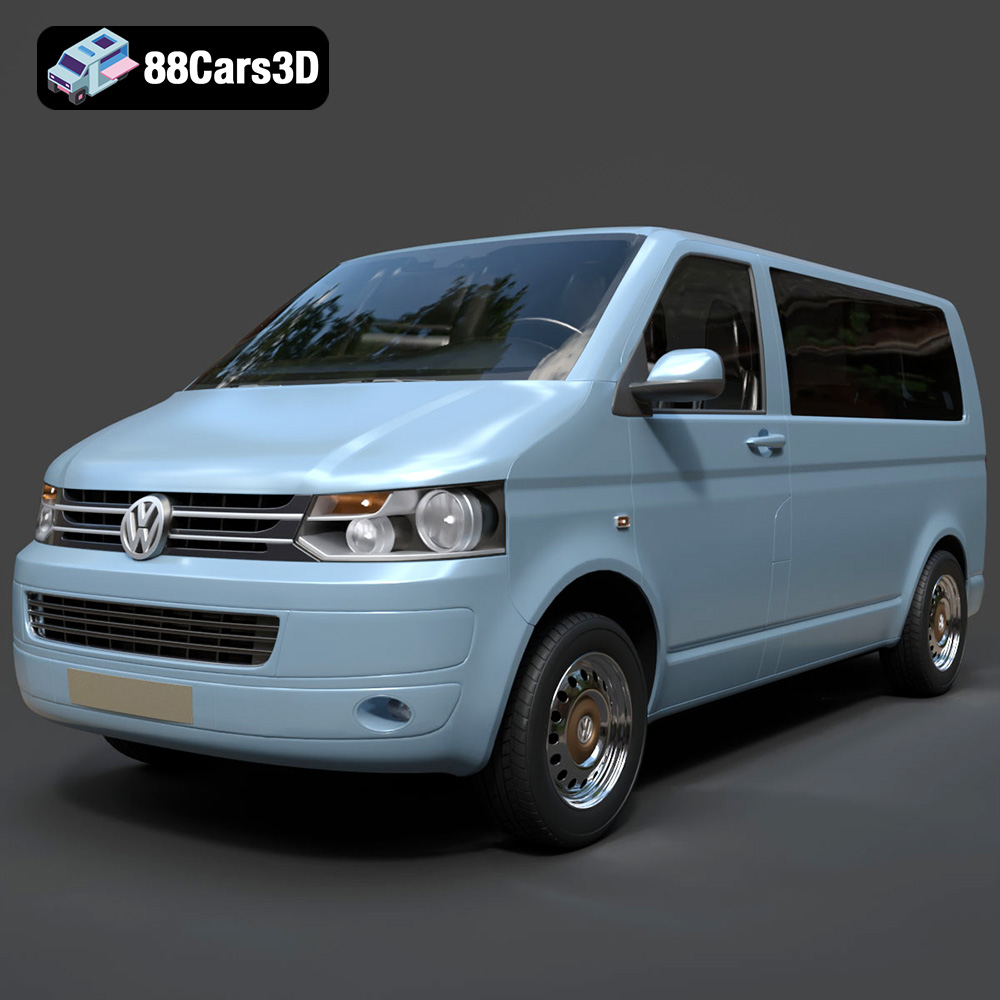
Texture: Yes
Material: Yes
Download the Volkswagen Transporter T5 FL 2010 3D Model featuring clean geometry, realistic detailing, and a fully modeled interior. Includes .blend, .fbx, .obj, .glb, .stl, .ply, .unreal, and .max formats for rendering, simulation, and game development.
Price: $22.99
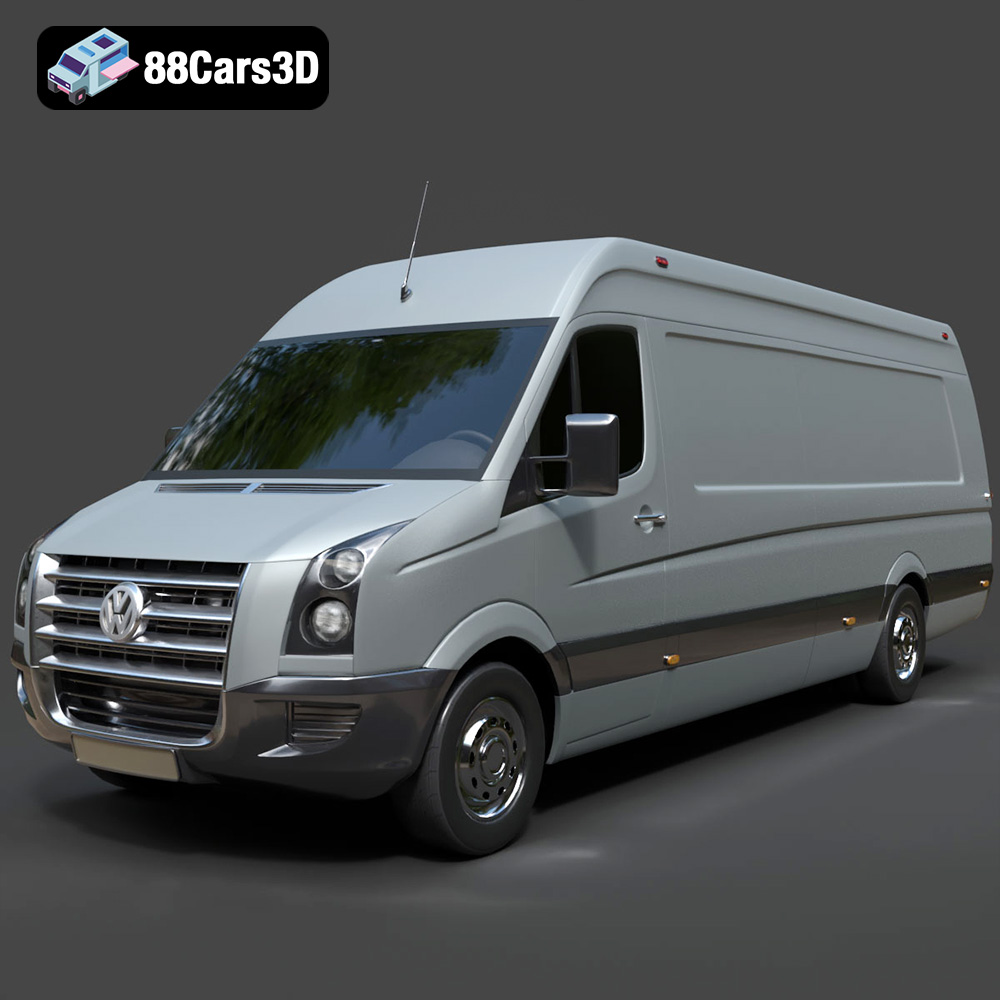
Texture: Yes
Material: Yes
Download the Volkswagen Crafter 2020 3D Model featuring clean geometry, realistic detailing, and a fully modeled interior. Includes .blend, .fbx, .obj, .glb, .stl, .ply, .unreal, and .max formats for rendering, simulation, and game development.
Price: $22.99
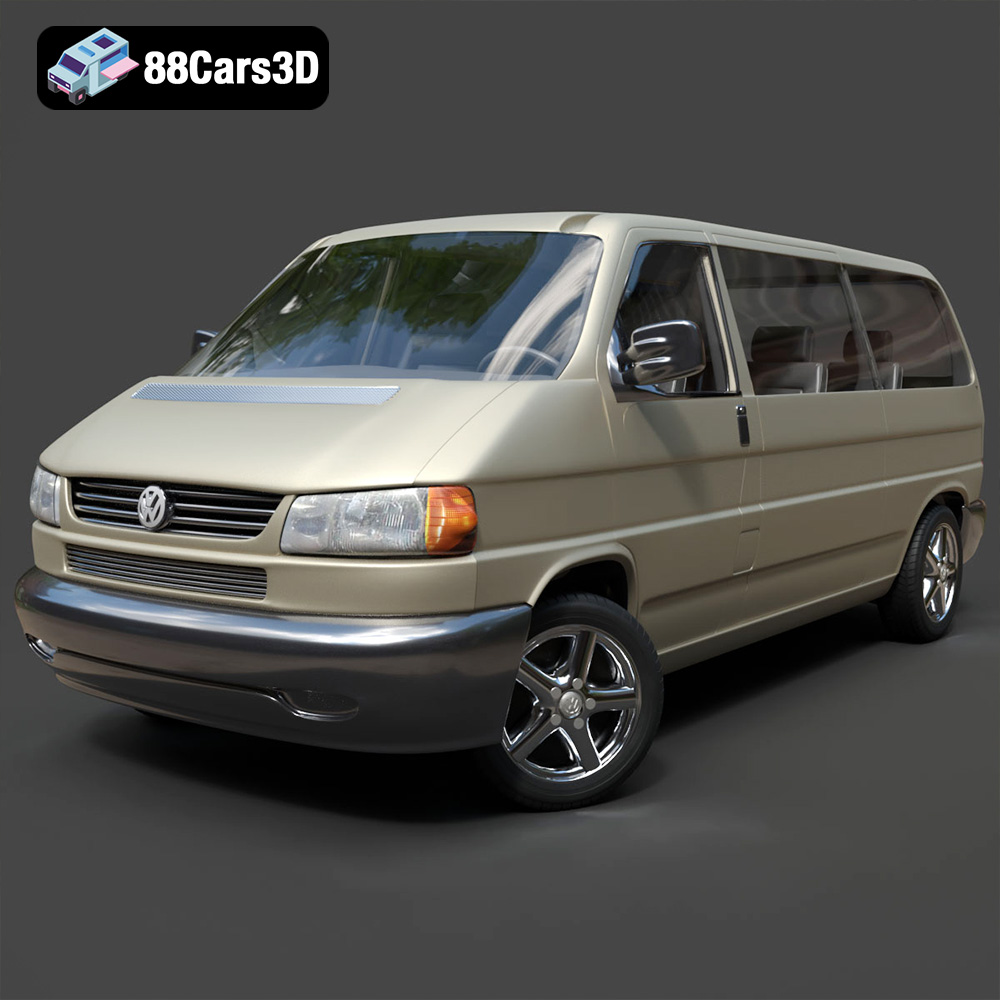
Texture: Yes
Material: Yes
Download the Volkswagen Caravelle 3D Model featuring a detailed exterior, functional interior, and optimized topology. Includes .blend, .fbx, .obj, .glb, .stl, .ply, .unreal, and .max formats for rendering, simulation, and game development.
Price: $23.99
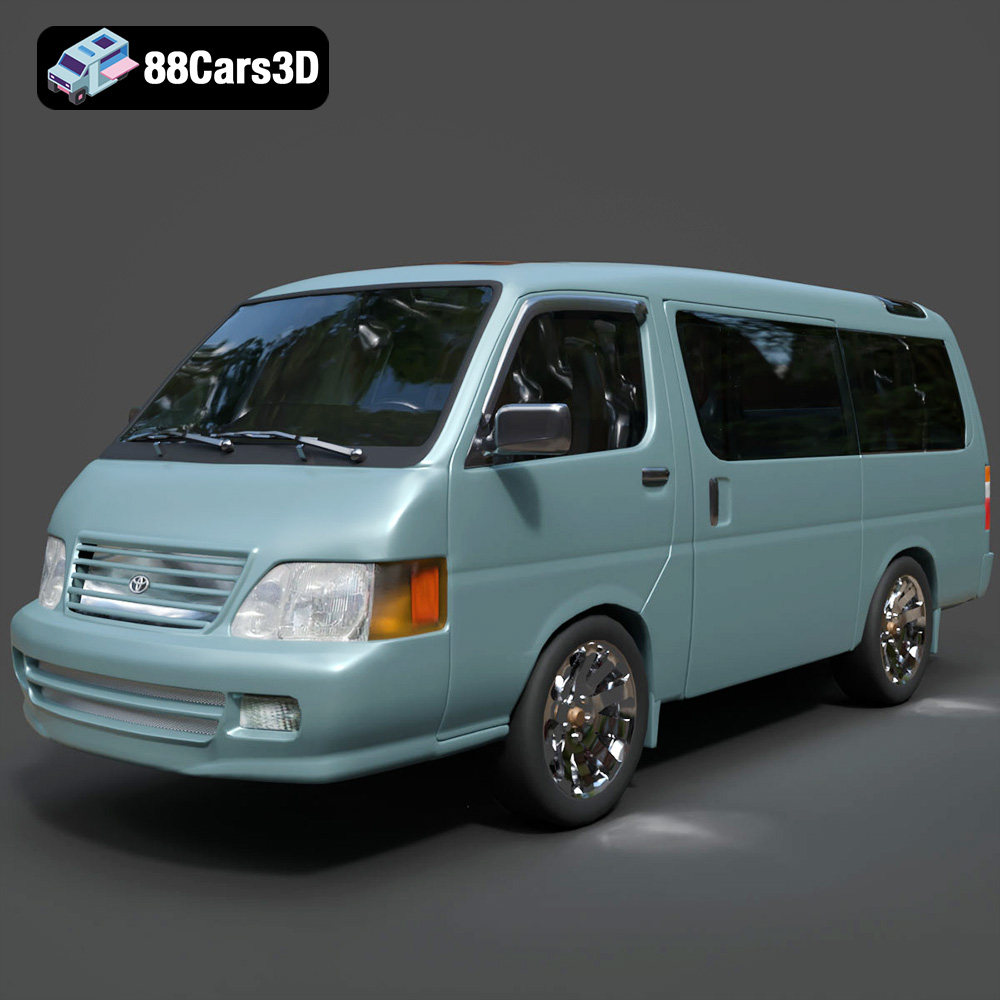
Texture: Yes
Material: Yes
Download the Toyota Hiace 3D Model featuring versatile design and detailed exterior. Includes .blend, .fbx, .obj, .glb, .stl, .ply, .unreal, and .max formats for rendering, simulation, and game development.
Price: $21.99
Texture: Yes
Material: Yes
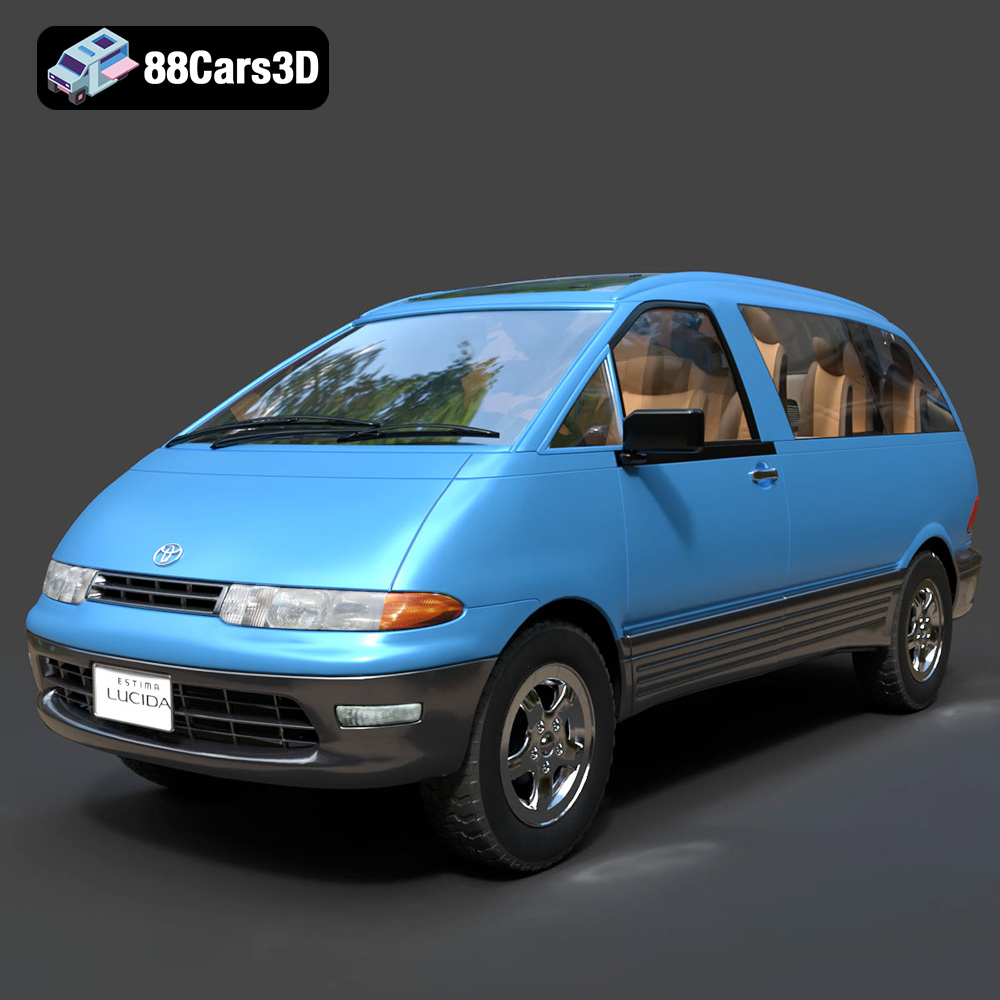
Download the Toyota Estima Lucida 3D Model featuring its iconic compact MPV design, versatile interior, and accurate exterior details. Includes .blend, .fbx, .obj, .glb, .stl, .ply, .unreal, and .max formats for rendering, simulation, and game development.
Price: $24.99

Texture: Yes
Material: Yes
Download the Toyota Alphard 3D Model featuring a detailed luxury minivan design with an accurate exterior and interior. Includes .blend, .fbx, .obj, .glb, .stl, .ply, .unreal, and .max formats for rendering, simulation, and game development.
Price: $21.99

