⚡ FLASH SALE: Get 60% OFF All Premium 3D & STL Models! ⚡

In the rapidly evolving landscape of real-time rendering and virtual production, the ability to create stunning, photorealistic cinematic content is no longer a luxury but a necessity. For the automotive industry, this means showcasing vehicles with unparalleled fidelity, dynamic storytelling, and interactive experiences that captivate audiences. At the heart of this revolution for Unreal Engine users lies **Sequencer**, Unreal Engine’s powerful multi-track non-linear editor. It’s the ultimate tool for orchestrating everything from brief product reveals to elaborate virtual test drives.
This comprehensive guide will dive deep into leveraging Unreal Engine Sequencer to produce high-quality cinematic automotive visualizations. We’ll explore the critical workflows, technical considerations, and best practices required to transform premium 3D car models – such as those readily available on marketplaces like 88cars3d.com – into compelling visual narratives. From initial project setup and camera work to advanced lighting, animation, post-processing, and even virtual production techniques, you’ll learn how to harness the full potential of Unreal Engine for your next automotive masterpiece. Whether you’re a game developer, an automotive designer, or a visualization professional, mastering Sequencer is key to unlocking new levels of creativity and impact in real-time rendering.
The journey to a captivating automotive cinematic begins long before you even touch Sequencer. A robust project setup and the efficient integration of high-quality 3D car models are fundamental. Without a solid foundation, even the most intricate animation or advanced lighting will fall short. Understanding the intricacies of Unreal Engine’s project settings and the proper way to import and prepare your automotive assets is paramount for achieving professional results.
When starting a new Unreal Engine project for cinematic purposes, several initial configurations are crucial. First, consider your target frame rate and render resolution. For film and TV, 24 FPS is standard, but for high-fidelity marketing or interactive experiences, 30 or even 60 FPS might be preferred. Navigate to Edit > Project Settings > Engine > General Settings to adjust the default RHI (e.g., DirectX 12 for ray tracing benefits) and ensure the “Use Nativized Blueprint Assets” is enabled for potential performance gains if you plan extensive Blueprint interaction. For high-quality visuals, ensure the engine scalability settings are set to “Epic” by default, and that you’ve enabled relevant features like Lumen and Nanite for dynamic lighting and virtualized geometry respectively, under Edit > Project Settings > Engine > Rendering. Activating these features from the outset prevents rework later and ensures your project is optimized for the latest rendering capabilities. For a deeper dive into engine settings, the official Unreal Engine documentation (https://dev.epicgames.com/community/unreal-engine/learning) is an invaluable resource.
Sourcing high-quality 3D car models is a critical first step. Platforms like 88cars3d.com offer models specifically designed for Unreal Engine, featuring clean topology, PBR materials, and optimized UV mapping. When importing these assets, the FBX format is a common choice, but the emerging USD (Universal Scene Description) format offers enhanced interoperability and non-destructive workflows. To import, simply drag and drop your FBX or USD file into the Content Browser, or use the “Import” button.
During import, pay close attention to settings like “Combine Meshes” (usually unchecked for cars to maintain individual parts like doors, wheels), “Auto Generate Collision” (disable for detailed models, you’ll create custom collision later if needed for physics), and “Material Import Method” (often “Create New Materials” or “Use Existing Materials” if you’re importing updates). Once imported, inspect the model’s pivot points, especially for rotating parts like wheels and opening doors. Correct pivot points are essential for smooth animation in Sequencer. You can adjust pivots directly in Unreal Engine by enabling “Enable Pivot Snapping” and moving the pivot using the middle mouse button, or by returning to your 3D modeling software for precise adjustments. Finally, ensure the PBR materials are correctly applied and tuned. High-quality PBR textures (Albedo, Normal, Roughness, Metallic, Ambient Occlusion) are vital for photorealism, and models from marketplaces like 88cars3d.com typically come with these expertly set up, simplifying your material graph creation process.
Just as in traditional filmmaking, compelling camera work is the backbone of any successful cinematic. In Unreal Engine, Sequencer empowers you to manipulate virtual cameras with the precision and flexibility of a real-world cinematographer. Understanding how to utilize Cinematic Camera Actors and craft dynamic compositions will elevate your automotive visualizations from simple renders to immersive storytelling experiences.
The cornerstone of cinematic camera work in Unreal Engine is the Cine Camera Actor. Unlike regular cameras, Cine Camera Actors provide an array of properties mimicking real-world lenses and film cameras, granting you granular control over your shot. To add one, simply click the “Cinematics” button in Sequencer and select “Add Cine Camera Actor.” Once placed, you can adjust its focal length (e.g., 24mm for wide, dramatic shots; 85mm for flattering portraits of the car), aperture (f-stop) to control depth of field, and sensor size.
Manipulating the aperture is key to achieving that coveted “bokeh” effect, blurring out backgrounds or foregrounds to draw the viewer’s eye to the vehicle. A lower f-stop value (e.g., f/2.8) results in a shallower depth of field, ideal for artistic close-ups, while a higher f-stop (e.g., f/11) keeps more of the scene in focus for establishing shots. Experiment with different focal lengths to convey emotion and perspective. A wide lens can make the car feel grand and powerful, while a telephoto lens can compress the background, isolating the vehicle and emphasizing speed. Keyframing these properties within Sequencer allows for dynamic changes mid-shot, such as a rack focus from a car’s emblem to its headlights, adding professional polish to your automotive sequences.
Beyond static camera placements, Unreal Engine offers powerful tools to create complex, dynamic camera movements. For smooth tracking shots, you can attach your Cine Camera Actor to a Cine Camera Rig Rail. This allows you to define a spline path along which the camera will travel, with adjustable speed and interpolation. To create one, add a “Cine Camera Rig Rail” from the Cinematics menu, define its path by adding spline points, and then attach your Cine Camera Actor to it. The camera will automatically follow the path, and you can keyframe its position along the rail in Sequencer.
For more sophisticated movements like crane shots or elaborate rotations around the vehicle, consider parenting your Cine Camera Actor to an empty Blueprint Actor or a simple Static Mesh. This “parent” can then be animated to perform complex maneuvers, with the camera’s local transform adjusted for fine-tuning. For multi-camera setups or virtual production environments, mastering these camera rig techniques is essential. You can even combine them, having a camera on a rig rail that also rotates to keep the car in frame using a “Look At” track in Sequencer, ensuring the vehicle remains the focal point throughout the shot. Careful planning of camera angles and movement, inspired by real-world automotive commercials, will dramatically elevate the impact of your cinematic sequences.
Lighting is perhaps the single most critical factor in achieving photorealistic automotive visualizations. It dictates mood, emphasizes form, and highlights the luxurious finishes of your 3D car models. Unreal Engine’s advanced lighting capabilities, particularly with Lumen, offer unparalleled realism and flexibility for real-time rendering. Mastering these tools is essential to make your vehicles truly shine.
Lumen, Unreal Engine’s fully dynamic global illumination and reflections system, has revolutionized real-time rendering. For automotive visualization, Lumen is a game-changer, providing realistic bounce lighting, intricate reflections, and diffuse inter-reflection that perfectly capture the nuances of car paint and reflective surfaces. To enable Lumen, navigate to Project Settings > Engine > Rendering > Global Illumination and set “Dynamic Global Illumination Method” to “Lumen.” Do the same for “Reflections Method.”
Once enabled, Lumen dynamically calculates how light bounces around your scene, creating incredibly natural and immersive environments. When working with automotive models, pay close attention to how light interacts with the car’s surfaces. Soft, diffused light will highlight curves and contours, while harsh, direct light can create dramatic shadows and specular highlights. Lumen ensures that light from your environment, whether an HDRI backdrop or physical light sources, interacts realistically with your vehicle, contributing to a sense of presence and depth. For optimal results, ensure your materials have accurate base color, metallic, and roughness values, as Lumen relies heavily on these PBR properties to calculate reflections and light absorption. Remember that Lumen currently supports static meshes primarily for GI; dynamic objects like animated cars will mostly contribute to direct lighting and screen-space reflections, though advancements are continually being made.
Effective lighting combines a mix of direct and indirect light sources. For studio setups, a classic three-point lighting system (key, fill, back) is an excellent starting point. A strong Rect Light (or area light) often serves as the key light, positioned to highlight the primary features of the car. Use a less intense Rect Light as a fill light to soften shadows, and a subtle Spot Light or another Rect Light as a back light to create a rim around the vehicle, separating it from the background. Experiment with the size and intensity of these lights. Larger light sources produce softer shadows, while smaller ones create sharper, more defined shadows.
For environmental lighting, an HDRI Sky Sphere is indispensable. Import a high-resolution (e.g., 8K or 16K) HDRI image into Unreal Engine as a Cubemap texture, then use it within a Sky Light. This will bathe your entire scene in realistic ambient light and reflections derived from the environment, making the car feel truly grounded. Combine this with a Directional Light to simulate the sun, matching its rotation to the HDRI for coherent shadows. Don’t shy away from using practical lights within your scene, such as streetlights or interior cabin lights, adding to the realism. Advanced users can explore Light Functions, which allow you to project grayscale textures onto lights, simulating effects like volumetric spotlights or intricate shadow patterns. For specific components, like headlights or taillights, create emissive materials to enhance their glow and integrate them naturally into the overall lighting scheme. Utilizing Light Linking plugins or custom Blueprint solutions can give even more control, allowing specific lights to only affect certain objects or material channels, further refining your aesthetic.
A static image of a car, no matter how beautiful, can only tell part of the story. Animation breathes life into your automotive visualizations, conveying motion, revealing intricate details, and creating a dynamic narrative. Sequencer is your conductor for this symphony of movement, allowing you to keyframe everything from subtle nuances to grand, sweeping gestures. Moreover, integrating Blueprint visual scripting can transform your cinematics into interactive experiences.
Sequencer provides a familiar multi-track interface where you can add actors and their properties to animate. To animate a car’s movement, drag your vehicle’s Static Mesh Actor (or its parent Blueprint) into Sequencer’s track list. Then, add a “Transform” track. At different points in your timeline, move, rotate, or scale the car and click the keyframe button next to the Transform properties. Sequencer will smoothly interpolate between these keyframes. For more nuanced movement, right-click on a keyframe and choose interpolation types like “Cubic” or “Linear,” or dive into the “Curve Editor” for precise control over speed and easing.
Animating individual components of a car, such as opening doors, spinning wheels, or deploying a spoiler, follows a similar process. If your 3D car model from 88cars3d.com is structured with separate mesh components for these parts, simply add them to Sequencer and animate their local transforms. For wheels, animate their rotation around their local Z-axis (or appropriate axis) to simulate driving. You can even use simple expressions or Blueprint logic to link wheel rotation speed to the overall car’s forward motion for realistic effects. For complex skeletal mesh animations, such as a convertible roof retracting, Sequencer supports animation sequences imported from DCC software. Furthermore, Unreal Engine’s Control Rig system offers a powerful way to create procedural animation and inverse kinematics (IK) directly within the engine, allowing for more organic and controllable vehicle suspension animations or complex character interactions with the car.
While Sequencer excels at timeline-based animation, Blueprint visual scripting unlocks a new dimension of interactive possibilities within your cinematics. You can trigger Blueprint events directly from Sequencer, allowing for dynamic changes that go beyond simple transformations. For example, imagine a cinematic where, at a specific moment, the car’s paint color changes, its headlights turn on, or its interior ambient lighting adjusts.
To achieve this, first, create a Blueprint Actor for your car (if it’s not already one). Within this Blueprint, create custom events (e.g., “ChangeCarColor,” “ToggleHeadlights”) that modify material parameters (like Base Color or Emissive strength) or visibility states of other components. In Sequencer, add your car Blueprint Actor to the track list. Right-click on the track, navigate to “Add Track,” and select “Event Track.” Within the Event Track, you can place keyframes that trigger your custom Blueprint events. When Sequencer plays past that keyframe, your Blueprint event will fire, executing the desired interactive logic. This powerful combination allows for creating interactive vehicle configurators, dynamic demonstrations of features, or even gamified elements within your cinematic sequences, offering a level of engagement far beyond passive viewing.
After meticulously crafting camera moves, lighting, and animation, the final layer of polish comes through sophisticated post-processing, impactful visual effects (VFX), and immersive audio design. These elements transform raw renders into production-ready cinematics, adding mood, realism, and a heightened sense of drama to your automotive visualizations. Sequencer provides the necessary tracks and tools to integrate these crucial components seamlessly.
Post-processing is akin to color grading and final touches in traditional film production. In Unreal Engine, a Post Process Volume is your primary tool. Drag one into your scene, and ensure its “Unbound” property is checked for global effect, or size it to affect specific areas. Within its details panel, you’ll find a vast array of settings to tweak.
For cinematic automotive looks, focus on these key properties:
Crucially, all these Post Process Volume settings can be keyframed within Sequencer. This allows for dynamic changes in color grading, exposure shifts as the car enters a tunnel, or a dramatic bloom burst as headlights ignite, adding another layer of visual storytelling to your sequence.
Visual effects add an extra layer of realism and impact. Unreal Engine’s Niagara particle system is incredibly powerful for creating dynamic, GPU-accelerated VFX. For automotive cinematics, consider effects like:
To integrate Niagara effects, simply drag your Niagara System into your scene, then add it to Sequencer. You can keyframe its visibility, spawn rates, or even activate/deactivate it at specific points in your timeline. For instance, a tire smoke system could be triggered only when the car performs a hard drift, and then quickly fade out.
Equally important is the audio landscape. A visually stunning cinematic loses much of its impact without a compelling soundtrack. Sequencer provides dedicated Audio Tracks for integrating sound effects and music.
Import WAV or OGG audio files into the Content Browser, then drag them onto an Audio Track in Sequencer. You can trim, loop, and keyframe volume levels and fades, ensuring the audio perfectly complements the visual narrative. The synergy between visuals, VFX, and audio elevates your automotive cinematic to a truly immersive experience.
The real-time capabilities of Unreal Engine, driven by Sequencer, have ushered in an era of virtual production. This paradigm shift allows for unparalleled creative freedom and efficiency, especially for automotive content. Beyond traditional rendering, understanding how to leverage Sequencer for virtual production environments and optimizing for high-quality real-time exports are essential skills for modern professionals.
Virtual production workflows, particularly those utilizing large LED walls, are revolutionizing how automotive commercials and presentations are made. Instead of greenscreens, actors and vehicles are placed in front of dynamic, real-time Unreal Engine environments displayed on massive LED screens. Sequencer plays a central role here, orchestrating the virtual background.
Using Unreal Engine’s nDisplay framework, a Sequencer sequence can drive the content across multiple synchronized LED wall segments. This means the virtual environment behind the physical car moves in perfect parallax with the physical camera, creating seamless “in-camera VFX.” The advantages are immense: realistic reflections from the LED screen appear directly on the car’s surfaces, and the lighting from the virtual environment realistically illuminates the physical vehicle and actors. In Sequencer, you can animate the virtual environment’s movement, the time of day, or even trigger specific effects that respond to the camera’s position. This allows for dynamic background changes, virtual test drives in exotic locations, or interactive product reveals that feel incredibly real, all captured live without extensive post-production compositing. Integrating DMX for physical lighting control further blurs the line between virtual and reality, allowing Sequencer to control both virtual lights and real-world studio lights in perfect harmony.
Whether for traditional video export or virtual production, optimizing your Sequencer sequence for both high-quality output and real-time performance is crucial. When rendering a final video, Unreal Engine’s Movie Render Queue is the gold standard. Access it via Window > Cinematics > Movie Render Queue.
The Movie Render Queue offers superior control over output settings compared to the legacy “Render Movie” option. Key settings include:
For real-time playback in an interactive experience or virtual production, performance is paramount. Profile your scene using the Unreal Engine’s built-in profilers (e.g., `stat gpu`, `stat unit`) to identify bottlenecks. Optimize asset complexity, manage draw calls, and ensure efficient material usage. Even with Nanite and Lumen, understanding the performance budget for real-time interaction is key to a smooth and responsive experience.
Creating visually stunning automotive cinematics often involves incredibly detailed 3D car models and complex environments. While Unreal Engine’s cutting-edge features like Nanite and Lumen deliver incredible fidelity, achieving smooth real-time performance and efficient rendering requires a strategic approach to optimization. This is particularly vital for interactive configurators, AR/VR experiences, or high-frame-rate cinematic exports.
Nanite, Unreal Engine’s virtualized geometry system, is a revolutionary tool for managing extremely high-polygon assets. For your detailed 3D car models from 88cars3d.com, Nanite can process millions of polygons per mesh with minimal performance impact. To enable Nanite for a Static Mesh, simply open the Static Mesh Editor and check the “Enable Nanite” checkbox under the “Nanite Settings” section. Once enabled, Nanite intelligently streams and renders only the necessary detail, allowing you to bring CAD-level models directly into Unreal without traditional poly-reduction hassles.
However, Nanite is primarily designed for static meshes. For animated components of your vehicle (like spinning wheels, opening doors, or dynamic suspension), traditional **Levels of Detail (LODs)** are still crucial. Create multiple LODs for these animated parts, with each subsequent LOD having a lower polygon count. Unreal Engine can automatically generate LODs for Static Meshes, or you can import custom LODs created in your 3D modeling software. Set appropriate “Screen Size” thresholds for each LOD to ensure the engine switches to a lower detail mesh when the object is further from the camera, significantly reducing polygon count and draw calls for parts that don’t benefit from Nanite’s dynamic scaling. Balancing Nanite for the car body and static parts with traditional LODs for animated elements is key to optimizing complex automotive models.
Optimizing an entire automotive scene goes beyond individual assets. Several strategies can streamline performance, especially in larger environments:
By implementing these optimization strategies, you can ensure your automotive cinematics run smoothly, look incredible, and are suitable for a wide range of applications, from high-end marketing videos to real-time interactive configurators and even AR/VR experiences.
Unreal Engine’s Sequencer is an incredibly powerful and versatile tool, transforming the landscape of automotive visualization and cinematic content creation. Throughout this guide, we’ve journeyed from the foundational steps of project setup and asset integration – highlighting the value of high-quality 3D car models from resources like 88cars3d.com – through the intricate details of camera work, advanced lighting with Lumen, dynamic animation, and the essential layers of post-processing, VFX, and audio. We’ve also touched upon cutting-edge workflows like virtual production with LED walls and crucial optimization techniques leveraging Nanite and LODs.
Mastering Sequencer empowers you to tell compelling stories, showcase vehicle designs with unprecedented realism, and create immersive experiences that captivate your audience. The blend of real-time rendering capabilities, visual scripting with Blueprint, and cinematic control offered by Unreal Engine unlocks limitless creative potential for artists, designers, and developers alike. As the demand for photorealistic, interactive automotive content continues to grow, your proficiency with Sequencer will be a key differentiator.
The journey of mastering real-time cinematics is ongoing, constantly evolving with Unreal Engine updates. We encourage you to experiment, explore the features discussed, and push the boundaries of what’s possible. Dive into the official Unreal Engine documentation (https://dev.epicgames.com/community/unreal-engine/learning) for even deeper technical insights, and continually refine your craft. Whether you’re producing a high-impact commercial, an interactive car configurator, or a stunning concept reveal, Sequencer, paired with premium assets, is your ultimate companion in crafting cinematic automotive experiences that truly resonate.
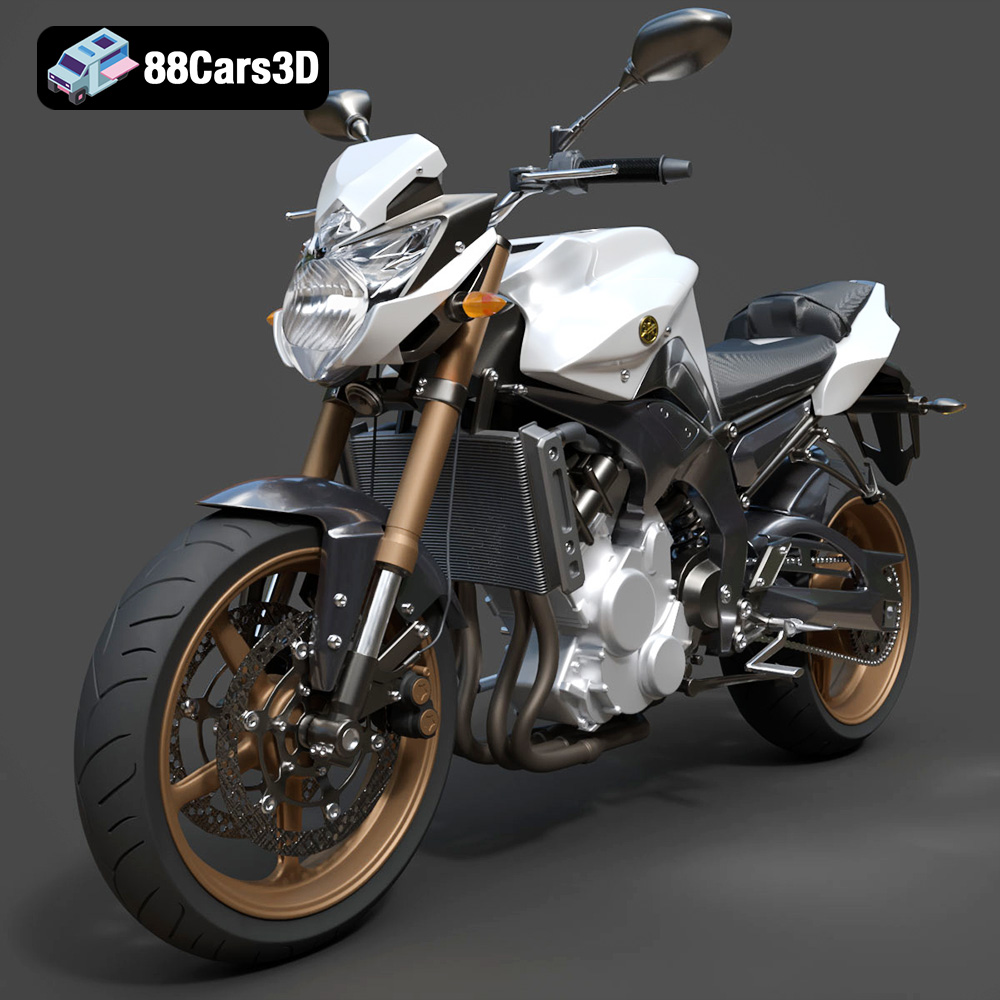
Texture: Yes
Material: Yes
Download the Yamaha FZ8 2011 3D Model featuring clean geometry, realistic detailing, and a fully modeled interior. Includes .blend, .fbx, .obj, .glb, .stl, .ply, .unreal, and .max formats for rendering, simulation, and game development.
Price: $19.99
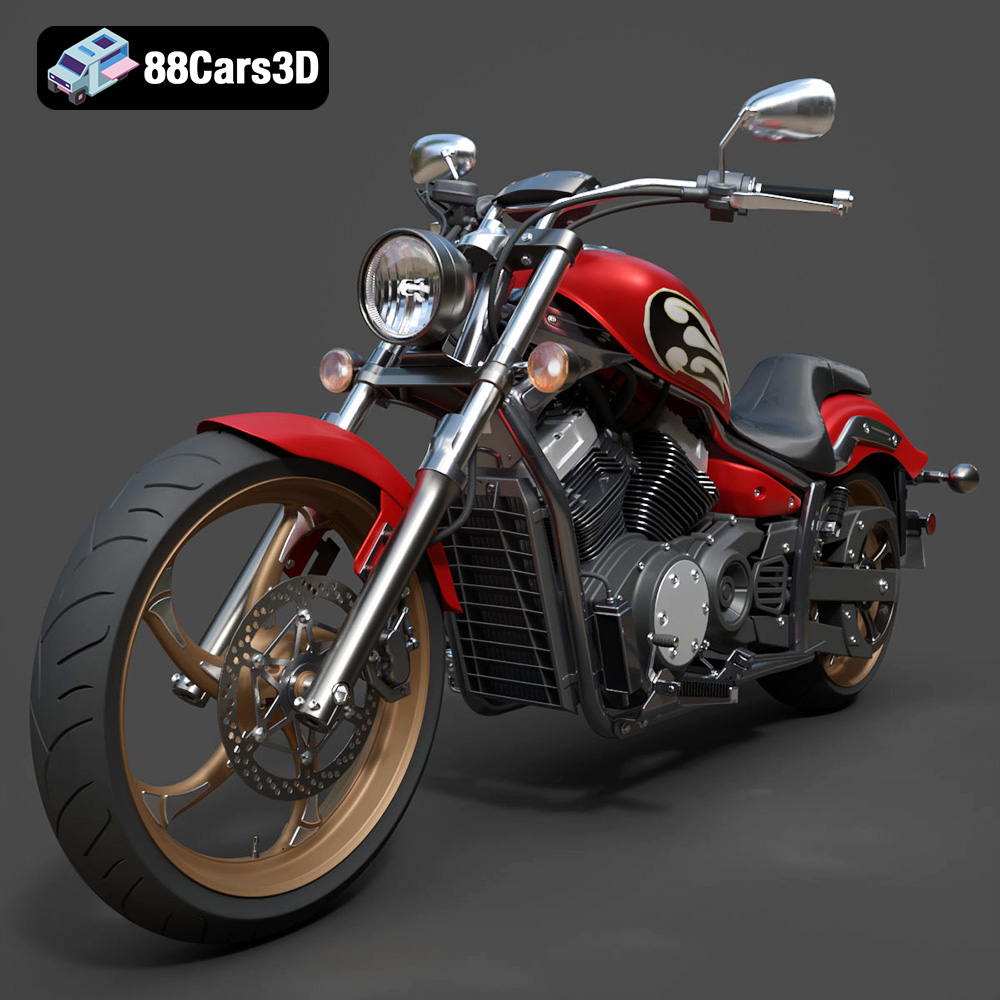
Texture: Yes
Material: Yes
Download the Yamaha Stryker 2012 3D Model featuring clean geometry, realistic detailing, and a fully modeled interior. Includes .blend, .fbx, .obj, .glb, .stl, .ply, .unreal, and .max formats for rendering, simulation, and game development.
Price: $19.99
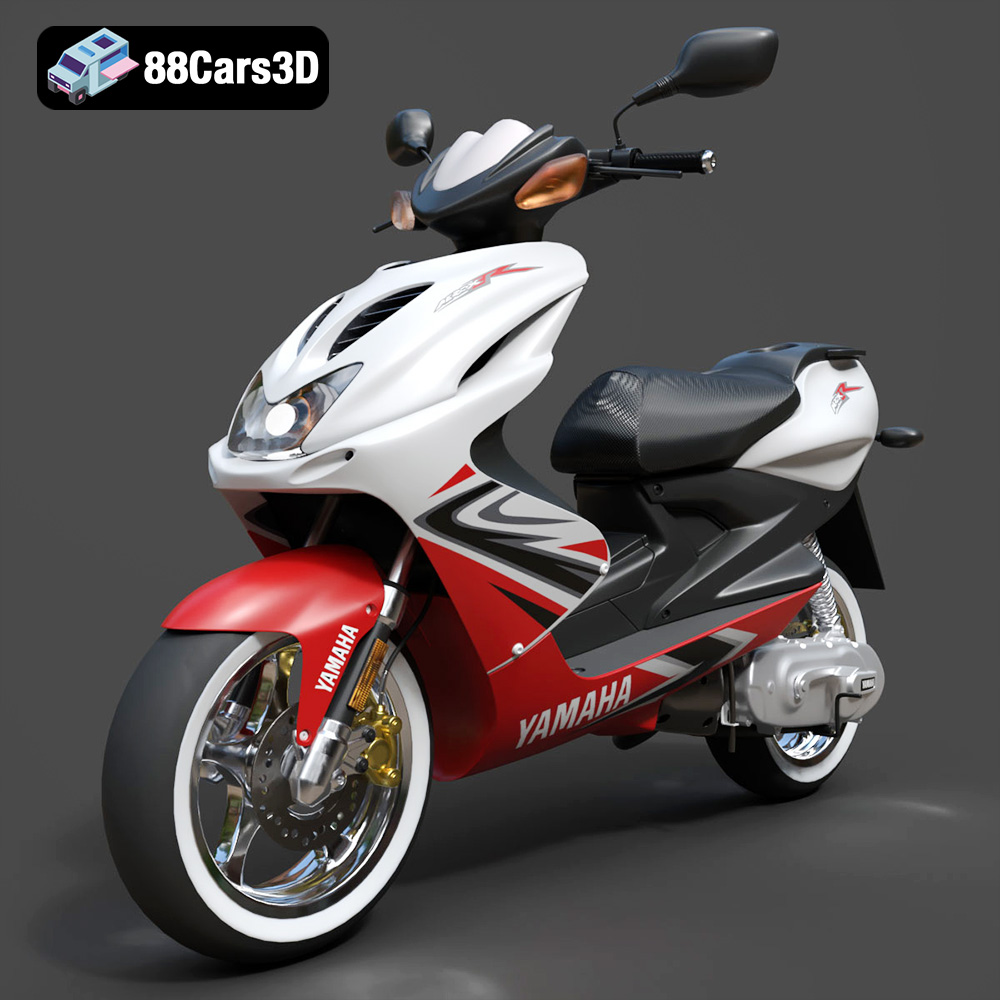
Texture: Yes
Material: Yes
Download the Yamaha Aerox R-002 2024 3D Model featuring clean geometry, realistic detailing, and a fully modeled interior. Includes .blend, .fbx, .obj, .glb, .stl, .ply, .unreal, and .max formats for rendering, simulation, and game development.
Price: $19.99

Texture: Yes
Material: Yes
Download the Ford Ambulance AmServ LTD Dusan-002 3D Model featuring a high-detail exterior and interior, realistic textures, and emergency lighting. Includes .blend, .fbx, .obj, .glb, .stl, .ply, .unreal, and .max formats for rendering, simulation, and game development.
Price: $19.99
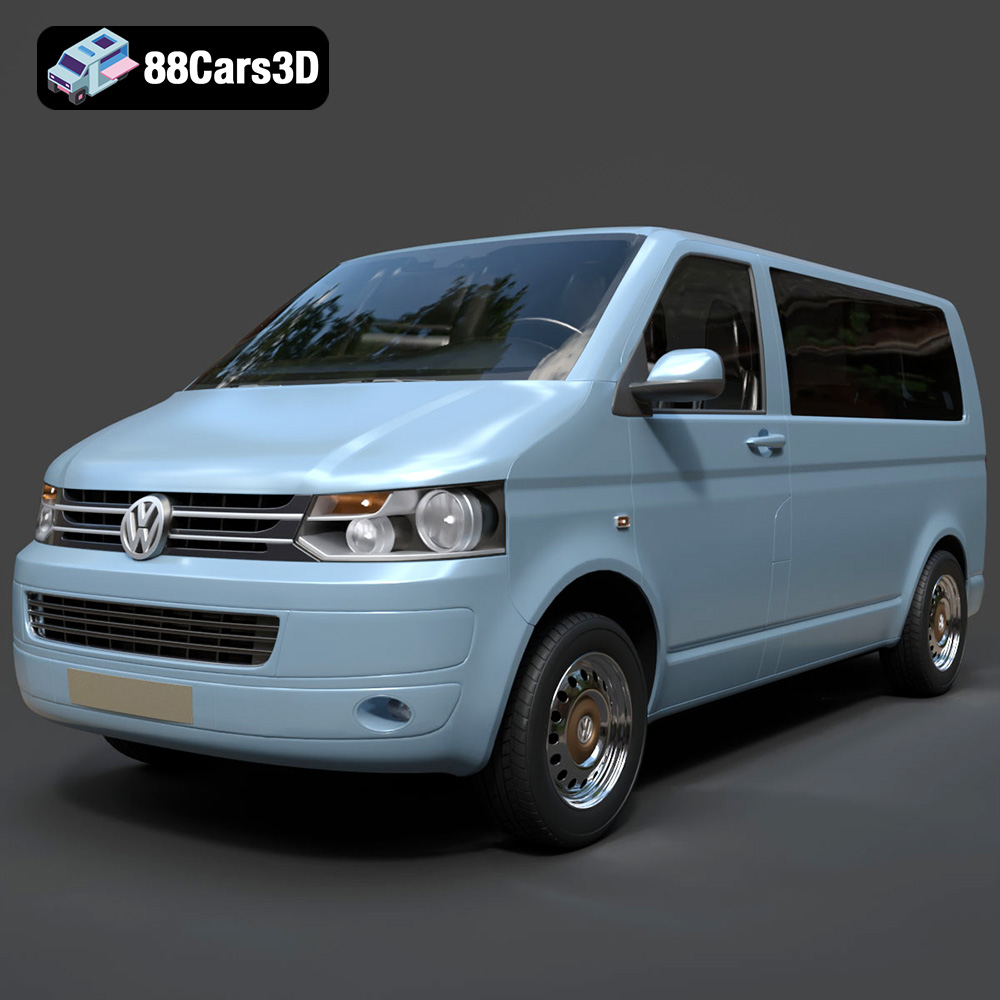
Texture: Yes
Material: Yes
Download the Volkswagen Transporter T5 FL 2010 3D Model featuring clean geometry, realistic detailing, and a fully modeled interior. Includes .blend, .fbx, .obj, .glb, .stl, .ply, .unreal, and .max formats for rendering, simulation, and game development.
Price: $22.99
Texture: Yes
Material: Yes
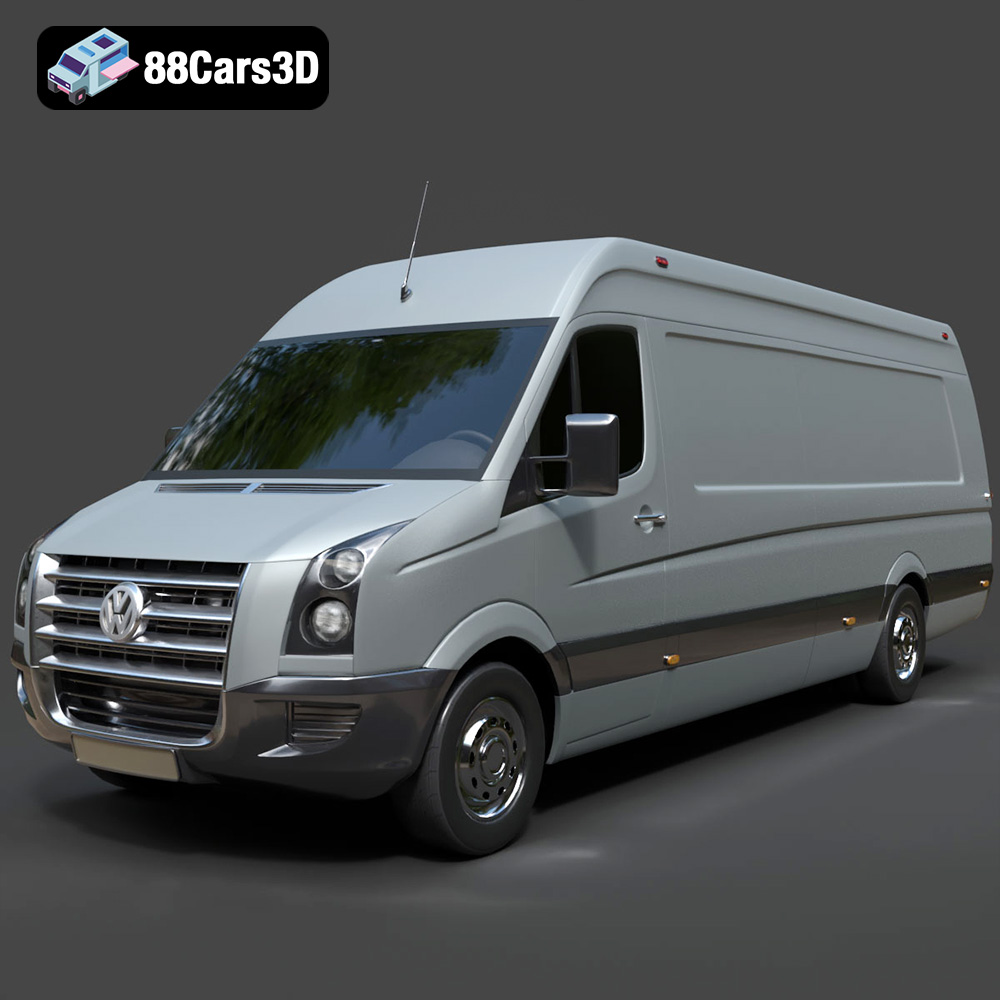
Download the Volkswagen Crafter 2020 3D Model featuring clean geometry, realistic detailing, and a fully modeled interior. Includes .blend, .fbx, .obj, .glb, .stl, .ply, .unreal, and .max formats for rendering, simulation, and game development.
Price: $22.99
Texture: Yes
Material: Yes
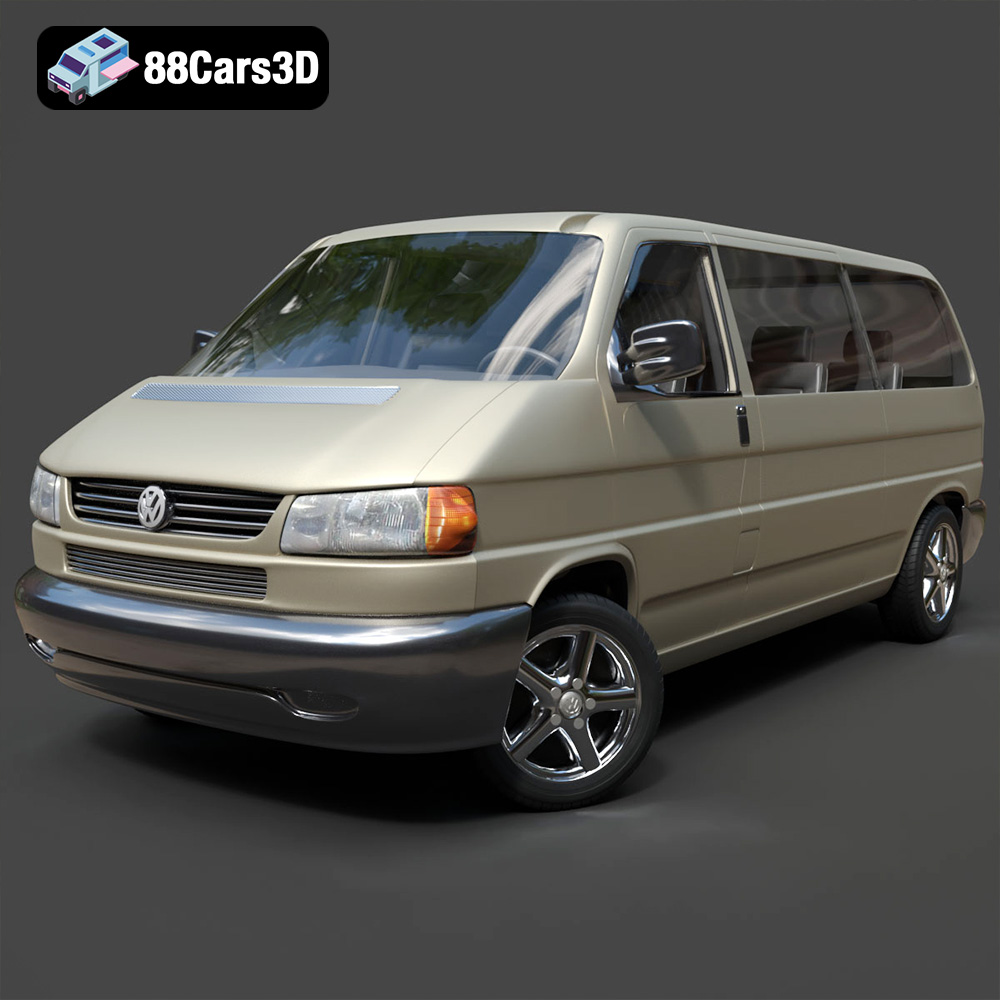
Download the Volkswagen Caravelle 3D Model featuring a detailed exterior, functional interior, and optimized topology. Includes .blend, .fbx, .obj, .glb, .stl, .ply, .unreal, and .max formats for rendering, simulation, and game development.
Price: $23.99
Texture: Yes
Material: Yes
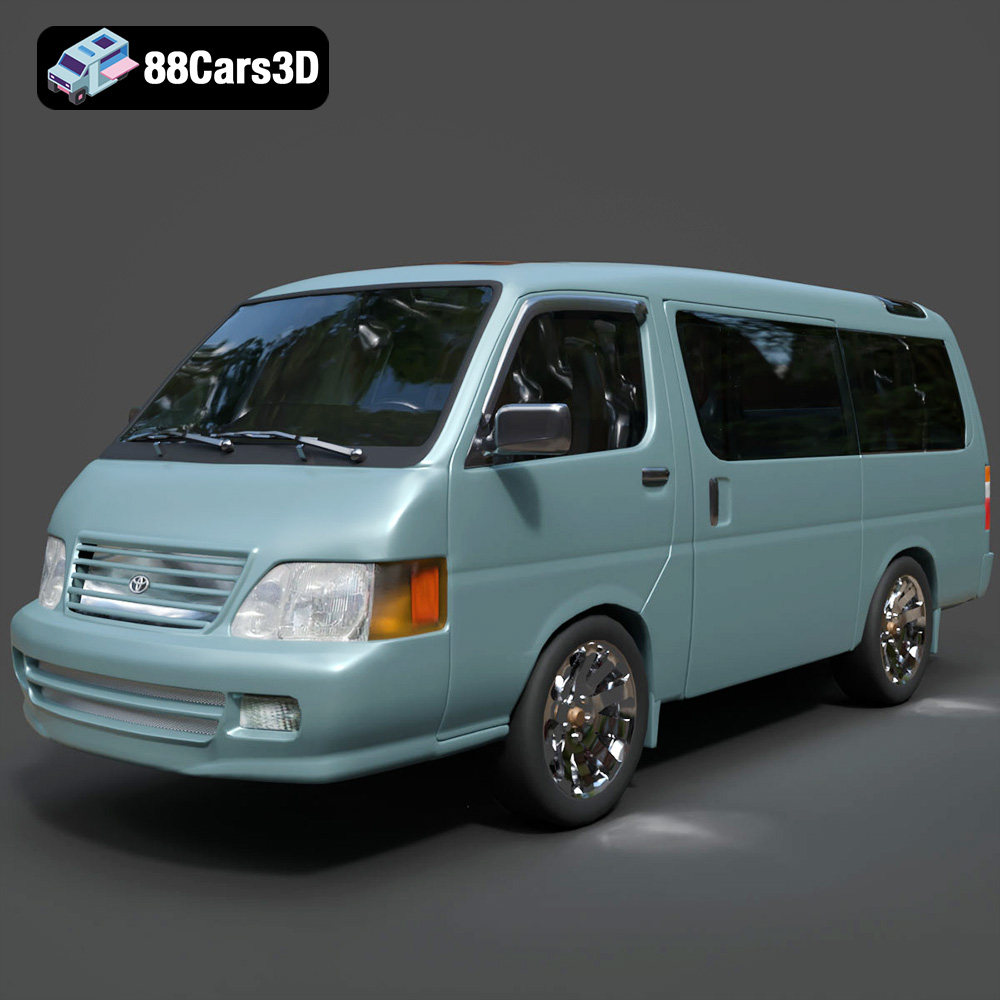
Download the Toyota Hiace 3D Model featuring versatile design and detailed exterior. Includes .blend, .fbx, .obj, .glb, .stl, .ply, .unreal, and .max formats for rendering, simulation, and game development.
Price: $21.99
Texture: Yes
Material: Yes
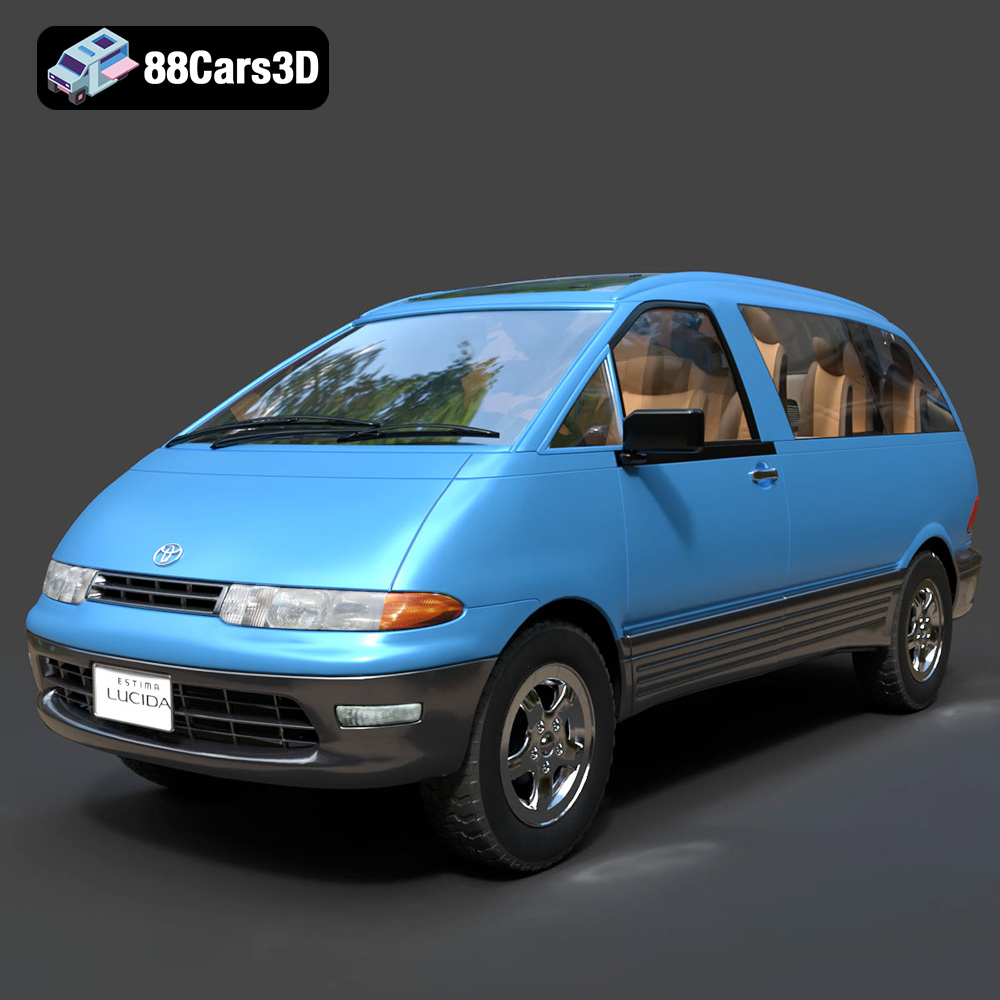
Download the Toyota Estima Lucida 3D Model featuring its iconic compact MPV design, versatile interior, and accurate exterior details. Includes .blend, .fbx, .obj, .glb, .stl, .ply, .unreal, and .max formats for rendering, simulation, and game development.
Price: $24.99

Texture: Yes
Material: Yes
Download the Toyota Alphard 3D Model featuring a detailed luxury minivan design with an accurate exterior and interior. Includes .blend, .fbx, .obj, .glb, .stl, .ply, .unreal, and .max formats for rendering, simulation, and game development.
Price: $21.99

