⚡ FLASH SALE: Get 60% OFF All Premium 3D & STL Models! ⚡

The pursuit of photorealism in digital environments has long been the holy grail for 3D artists and visualization professionals. In the automotive industry, where precision and aesthetic appeal are paramount, this pursuit takes on even greater significance. Imagine showcasing a future vehicle with breathtaking realism, allowing prospective buyers to explore every curve, material, and feature in a dynamic, interactive setting, long before a physical prototype exists. This is no longer a futuristic dream but a tangible reality, largely thanks to the groundbreaking capabilities of Unreal Engine.
Unreal Engine has transcended its gaming roots to become the go-to platform for high-end cinematic content, architectural visualization, and crucially, automotive design and marketing. Its powerful real-time rendering capabilities, coupled with cutting-edge features like Nanite and Lumen, empower artists to create environments so convincing they are often indistinguishable from reality. For professionals seeking to push the boundaries of automotive visualization, understanding how to leverage Unreal Engine effectively is not just an advantage—it’s a necessity. This comprehensive guide will walk you through the technical intricacies of building stunning, photorealistic automotive environments, from initial project setup and model import to advanced lighting, material creation, optimization, and interactive experiences, ensuring your creations truly stand out. We’ll explore how high-quality 3D car models, such as those found on platforms like 88cars3d.com, are the cornerstone of achieving these exceptional results.
The journey to photorealistic automotive visualization in Unreal Engine begins with meticulous project setup and the strategic import of high-quality 3D car models. A well-configured project provides the bedrock for performance and visual fidelity, while professionally crafted assets ensure you’re starting with the best possible foundation. Unreal Engine offers various project templates, but for automotive visualization, starting with a Blank project or the Automotive Configurator template provides the most flexibility, allowing you to tailor settings precisely to your needs. Before diving deep, it’s crucial to enable key rendering features like Lumen and Nanite from the Project Settings under the “Rendering” section, as these will be central to achieving realism and managing complexity.
When sourcing 3D car models, quality is non-negotiable. Assets need clean topology, accurate UV mapping, and a logical hierarchy to seamlessly integrate into Unreal Engine. Marketplaces such as 88cars3d.com specialize in providing high-fidelity 3D car models specifically optimized for real-time rendering and Unreal Engine workflows. These models often come prepared with PBR textures and organized meshes, significantly streamlining the development process. Once acquired, the import process itself is a critical step, requiring attention to detail to maintain scale, pivot points, and proper material assignments, which collectively impact the final visual outcome and future interactivity. Understanding Unreal Engine’s import pipeline is key to avoiding common pitfalls and ensuring your assets are ready for prime time.
Setting up your Unreal Engine project correctly is paramount for achieving the desired visual quality and performance for automotive visualization. Start by creating a new project, ideally from the “Blank” template, to have maximum control. Immediately navigate to Project Settings > Rendering. Here, enable essential features like Lumen Global Illumination and Lumen Reflections for dynamic, real-time lighting and physically accurate reflections. If your hardware supports it, enabling Hardware Ray Tracing will further enhance shadow fidelity, ambient occlusion, and reflections, albeit with a higher performance cost. For managing high-polygon assets, enable Nanite Support, which virtualizes geometry to render incredibly detailed meshes efficiently. For anti-aliasing, Unreal Engine’s Temporal Super Resolution (TSR) offers a good balance of quality and performance, but for very specific, static shots, you might consider Multi-Sample Anti-Aliasing (MSAA) with Forward Shading. Configure your scalability settings to “Cinematic” or “Epic” as a baseline, and adjust post-processing volumes for exposure, white balance, and color grading early on, ensuring a consistent visual target from the start.
Importing your high-quality 3D car models from sources like 88cars3d.com is a straightforward yet crucial step. Most models are provided in universal formats like FBX or USD, which Unreal Engine handles exceptionally well. To import, simply drag and drop the FBX or USD file into your Content Browser, or use the “Import” button. In the FBX Import Options dialog, pay close attention to the following:
After import, place your car model in the scene. Verify its pivot point (the center of rotation), especially for wheels and doors, and adjust it in the Static Mesh Editor if necessary. Proper asset naming conventions are also vital for organization and future Blueprint scripting. Models from 88cars3d.com typically feature clean topology, often ranging from 100,000 to 500,000 polygons for the base vehicle, which is an ideal starting point for Nanite-enabled workflows, ensuring both detail and manageable performance.
Achieving true photorealism in automotive visualization hinges significantly on the quality and complexity of your PBR (Physically Based Rendering) materials. A car’s surface is a symphony of diverse materials—lustrous paint, reflective chrome, transparent glass, textured rubber, and intricate interior fabrics—each requiring meticulous attention to its unique physical properties. Simply applying basic PBR textures isn’t enough; you need to understand how light interacts with these surfaces at a nuanced level within Unreal Engine’s Material Editor. This means going beyond just Base Color, Roughness, and Metallic maps, and delving into advanced material graph setups that simulate intricate phenomena like clear coats, metallic flakes, and accurate light refraction.
The Material Editor in Unreal Engine is an incredibly powerful node-based system that allows you to construct virtually any material imaginable. For automotive applications, this power translates into crafting shaders that replicate the subtle nuances of real-world finishes. For instance, automotive paint isn’t a single layer; it’s a multi-layered structure involving a primer, base coat (color and metallic flakes), and a protective clear coat. Recreating this requires layered materials and specific inputs that simulate reflection and refraction accurately. Similarly, glass needs careful handling of its transparency, refraction index, and absorption properties to look believable. By mastering these techniques, you can transform your 3D car models into visually stunning replicas that truly capture the essence of their real-world counterparts, making them perfect for high-end automotive visualization projects.
Creating believable automotive paint in Unreal Engine is a sophisticated process that goes beyond standard PBR. Real car paint features a base color, metallic flakes, and a clear coat, all interacting with light differently. In the Material Editor, you’ll typically start with a Master Material that incorporates these elements. Use a standard PBR setup for your base color, metallic (often a value close to 1 for metallic paints), and roughness. The magic happens with the Clear Coat input. Connect a value (typically 0.8-1.0 for a strong clear coat) to the Clear Coat input and define its roughness (e.g., 0.04-0.1 for a glossy finish) using the Clear Coat Roughness input. For metallic flake effects, you can blend a subtle Normal Map with a fine noise texture into your main Normal input, or use a custom material function that simulates anisotropic reflections based on a metallic flake texture. Experiment with Fresnel nodes to control reflections at grazing angles, making the paint appear brighter and more reflective when viewed from certain angles. For more advanced setups, consider a “Lerp” node to blend between different metallic flake patterns or colors based on material parameters, offering greater configurability. High-resolution textures (4K or 8K) for normal and roughness maps, especially if generated from Substance Painter, will greatly enhance the realism of the surface detail.
Each material type demands specific attention. For realistic glass, set the material’s Blend Mode to Translucent and Shading Model to Default Lit or Thin Translucent. Key parameters include:
Chrome, a highly reflective metallic surface, requires a Metallic value of 1 and an extremely low Roughness (0.01-0.03). Its primary visual characteristic comes from accurate reflections, making Lumen or Ray Tracing crucial for believable results. For interior materials like leather, fabric, or plastics, use detailed 4K PBR textures for Base Color, Normal, and Roughness. Fabric materials often benefit from a subtle fuzzy shading effect, which can be achieved with a custom shader using a Fresnel node to add rim lighting, or by leveraging Unreal Engine’s ‘Subsurface Profile’ for materials that allow light to scatter beneath the surface, such as suede or velvet. For the ultimate realism, ensure your assets from 88cars3d.com come with a robust set of PBR textures, often including specific maps for Ambient Occlusion, Curvature, and Thickness, which can be further utilized in complex material setups.
Lighting is arguably the most critical component in achieving photorealism in any 3D scene, and automotive visualization is no exception. It defines form, highlights contours, and creates the mood and atmosphere of an environment. Unreal Engine’s advanced lighting systems, particularly Lumen, have revolutionized how artists approach real-time global illumination and reflections, making previously impossible dynamic lighting scenarios a reality. Gone are the days of baking static lightmaps for complex scenes; Lumen provides instant, physically accurate indirect lighting bounce and reflections, crucial for showing off a car’s intricate surfaces and exquisite paintwork.
However, Lumen is just one part of the puzzle. Combining it with traditional lighting methods—such as strategically placed directional lights for the sun, atmospheric fog for environmental depth, and high-dynamic-range image (HDRI) backdrops—allows for unparalleled control and artistic expression. A finely tuned lighting setup not only makes your 3D car models look exceptional but also integrates them seamlessly into their virtual environments, whether it’s a showroom, an urban street, or a serene natural landscape. Mastering the interplay between these different light sources and their properties is what separates a good render from a truly photorealistic one, allowing your automotive designs to shine with lifelike fidelity in every real-time rendering.
Lumen is Unreal Engine 5’s default global illumination and reflections system, providing a robust solution for real-time indirect lighting. It calculates diffuse interreflection with infinite bounces and detailed specular reflections, all dynamically. To fully leverage Lumen for your automotive scenes, ensure it’s enabled in Project Settings > Rendering > Global Illumination and Reflections. For quality, within the Post Process Volume in your scene, navigate to the Lumen section. Here, you can adjust parameters like Lumen Scene Detail (higher for more accurate geometry representation), Final Gather Quality (higher for cleaner indirect lighting), and Max Trace Distance. Lumen dynamically reacts to scene changes—moving lights, changing materials, or animating objects like car doors opening—making it indispensable for interactive configurators and cinematic sequences. It excels at illuminating complex cavities, like the underside of a car or intricate engine bays, where traditional methods struggle without extensive light baking. For detailed configuration and performance considerations, consult the official Unreal Engine documentation on Lumen at https://dev.epicgames.com/community/unreal-engine/learning.
While Lumen handles global illumination, primary light sources need careful placement. An HDRI (High-Dynamic Range Image) Sky Dome Actor is fundamental for realistic environmental lighting and reflections. Import a high-resolution (8K-16K) HDRI image, set it as the cubemap for a Sky Light Actor, and ensure the Sky Light is set to “Movable” to interact dynamically with Lumen. The HDRI provides realistic ambient light and crucial reflections that accurately depict the car’s environment on its reflective surfaces. For direct sunlight, use a Directional Light Actor. Align its rotation with the sun in your HDRI for cohesive lighting. Adjust its intensity (e.g., 10000-50000 lux) and color temperature for realistic sun characteristics. Enable “Cast Ray Traced Shadows” (if Ray Tracing is enabled) for sharp, physically accurate shadows. Fill lights (often small Spot Lights or Rect Lights with low intensity) can be strategically placed to softly illuminate darker areas, highlight specific contours, or provide subtle rim lighting without washing out the scene. For example, placing a low-intensity Rect Light near the ground can subtly bounce light onto the car’s underbody, enhancing realism. Always consider the “physical” placement of your lights in the scene; imagine where they would be in a real-world studio or outdoor setting to achieve compelling and believable automotive visualization.
The pursuit of photorealism often means working with incredibly high-polygon models, which historically presented a significant performance bottleneck for real-time applications. Modern 3D car models, especially those crafted for cinematic quality, can easily exceed several million polygons. Unreal Engine 5 introduces revolutionary technologies like Nanite to elegantly solve this challenge, allowing artists to incorporate virtually unlimited geometric detail without compromising frame rates. Nanite virtualized geometry automatically handles Level of Detail (LOD) management, culling, and streaming, freeing artists to focus solely on visual fidelity rather than polygon budgets. This is a game-changer for automotive visualization, where every curve and panel needs to be rendered with pristine accuracy.
However, while Nanite is powerful, it’s not a universal solution for every asset. Skeletal meshes, certain translucent objects, and smaller, less critical static meshes might still benefit from traditional LODs and other optimization techniques. A balanced approach, leveraging Nanite for the primary car model and complex environment assets, while judiciously applying conventional optimization methods for ancillary elements, is key to creating breathtakingly detailed environments that run smoothly in real-time. This dual strategy ensures that your projects, utilizing optimized game assets, maintain both visual integrity and robust performance.
Nanite is a virtualized geometry system in Unreal Engine 5 that allows for the import and rendering of film-quality assets with incredibly high polygon counts—up to billions of triangles per mesh—without noticeable performance degradation. It achieves this by intelligently streaming and rendering only the necessary triangle data at an optimal detail level for each pixel. For your 3D car models and highly detailed environment elements, enabling Nanite is a massive advantage. To convert a static mesh to Nanite, simply open the Static Mesh Editor, locate the “Nanite Settings” section in the Details panel, and check “Enable Nanite.” You can also adjust the “Fallback Relative Error” to control the quality of the non-Nanite fallback mesh, useful for distant views or platforms that don’t support Nanite. For typical automotive scenes, you’ll want to enable Nanite for the car body, wheels, chassis, and any complex background geometry like detailed buildings or terrain. The benefits are immediate: no need for manual LODs on these assets, incredibly sharp detail even up close, and significantly reduced draw calls, which frees up CPU resources for other aspects of your real-time rendering project. For comprehensive instructions, refer to the Nanite documentation on the official Unreal Engine learning portal.
While Nanite is excellent for static, high-poly meshes, there are still scenarios where traditional LODs (Levels of Detail) are necessary. Skeletal meshes (like character animations or complex vehicle suspensions that need to animate), meshes with complex material setups (e.g., tessellation, specific blending modes), or simpler static meshes that don’t warrant Nanite’s overhead should still use traditional LODs. Unreal Engine provides tools to auto-generate LODs within the Static Mesh Editor. Under “LOD Settings,” you can specify the number of LODs and their screen size percentages. For example, LOD1 might switch in when the mesh occupies 50% of the screen, LOD2 at 25%, and so on. Manual LOD creation in a 3D modeling package offers more control but is more time-consuming. Beyond LODs, culling techniques are crucial for managing performance in large environments. Cull Distance Volumes allow you to define specific distances at which objects within that volume will be hidden, reducing rendering overhead for objects far from the camera. Hierarchical LODs (HLODs) are powerful for very large open worlds; they group multiple static meshes into a single proxy mesh with reduced detail for distant viewing, then stream in the full-detail meshes as the camera approaches. Implementing these optimization strategies ensures that your game assets and entire scene maintain a high frame rate, even on less powerful hardware, crucial for interactive and AR/VR experiences.
Beyond static renders, Unreal Engine empowers artists and developers to create dynamic, interactive automotive experiences and breathtaking cinematic content. The ability to engage users with a car model—allowing them to change colors, open doors, or customize features in real-time—transforms a passive viewing experience into an immersive one. This interactivity is primarily driven by Unreal Engine’s powerful visual scripting system, Blueprint, which enables complex logic without writing a single line of code. From simple material swaps to intricate multi-part configurations, Blueprint makes it possible to build fully functional automotive configurators that run seamlessly in real-time.
Furthermore, Unreal Engine’s Sequencer offers a robust toolset for crafting high-fidelity cinematics. Whether for marketing campaigns, virtual unveilings, or design reviews, Sequencer provides granular control over camera movements, lighting changes, and object animations, all rendered with the engine’s stunning visual quality. The integration of these capabilities extends into the exciting realm of virtual production, where real-time rendering meets traditional filmmaking techniques. Leveraging LED walls and camera tracking, studios can place virtual cars into live-action footage, creating seamless hybrid realities. This versatility solidifies Unreal Engine’s position as an indispensable tool for every facet of modern automotive visualization.
Unreal Engine’s Blueprint visual scripting system is the core of creating interactive automotive experiences. For a basic car configurator, you’ll primarily use Blueprint to handle material swapping, component visibility toggles, and simple animations like opening doors. Start by creating a Blueprint Class based on an Actor, then add your car model as a component.
Utilize Event Dispatchers or Blueprint Interfaces to communicate between your UI (UMG Widget Blueprint) and the car’s Blueprint. For more complex logic, like managing dependencies between options (e.g., specific wheel types only available with certain trim levels), you’ll build out more intricate state machines or data tables within your Blueprint. This iterative process allows designers to quickly prototype and refine interactive elements, offering unprecedented flexibility in automotive showcasing.
For polished marketing videos or design presentations, Sequencer is Unreal Engine’s non-linear cinematic editor. It allows you to orchestrate every aspect of a scene over time.
Moving into Virtual Production, Unreal Engine facilitates combining real-time 3D environments with live-action footage. This typically involves LED walls or greenscreens, where your Unreal Engine scene is rendered and displayed on physical screens. A tracked camera then captures both the live elements and the virtual background, creating seamless in-camera visual effects. For automotive commercials, this means a physical car can be driven on a stage, with its environment rendered dynamically around it, reacting to the camera’s perspective. Features like nDisplay enable rendering across multiple screens, while plugins for camera tracking (e.g., Live Link for Mo-Sys or Stype) integrate real-world camera data directly into Unreal Engine, enabling real-time compositing and pre-visualization of unprecedented quality for automotive visualization.
Creating stunning photorealistic automotive environments in Unreal Engine is only half the battle; ensuring they perform smoothly across various platforms is equally critical. High-fidelity 3D car models and intricate environments, while visually impressive, can quickly strain hardware resources. This is especially true for interactive experiences, where maintaining a high, consistent frame rate is paramount, and even more so for demanding applications like Augmented Reality (AR) and Virtual Reality (VR), which require extremely low latency and stable frame rates (e.g., 90 FPS per eye) to prevent motion sickness and ensure immersion.
Effective performance optimization isn’t an afterthought; it’s an ongoing process woven into every stage of development. It involves understanding Unreal Engine’s profiling tools, strategically managing asset complexity, optimizing lighting and shadow calculations, and making informed trade-offs between visual quality and performance. When targeting AR/VR, specific rendering paths and architectural considerations come into play, demanding even stricter adherence to optimization best practices. By mastering these techniques, you can deliver breathtaking automotive visualization experiences that are not only visually spectacular but also flawlessly performant, extending their reach to a wider audience and range of devices.
Optimizing your Unreal Engine scenes for real-time automotive rendering involves a multi-faceted approach. Start by using Unreal Engine’s built-in profiling tools:
Common bottlenecks include draw calls, shadow calculations, and texture memory. To address these:
Continuous profiling and iterative optimization are key to maintaining a smooth experience. For comprehensive optimization guidelines, consult the Unreal Engine performance documentation.
Developing automotive visualizations for AR/VR presents unique challenges due to the stringent performance requirements—typically a stable 90 FPS per eye to prevent motion sickness. This often necessitates significant compromises compared to desktop rendering.
Developing for AR/VR means every element of your game assets and environment must be meticulously optimized, focusing on efficiency without sacrificing critical visual fidelity that makes the automotive models shine. Thorough testing on the target hardware is crucial to ensure a comfortable and immersive user experience.
The journey to creating photorealistic automotive environments with Unreal Engine is a deep dive into advanced real-time rendering techniques, intricate material artistry, and sophisticated performance optimization. We’ve explored how starting with a meticulously configured project and high-quality 3D car models from platforms like 88cars3d.com sets the stage for success. From mastering the nuances of PBR materials for lifelike paint and glass to harnessing the dynamic power of Lumen for global illumination and reflections, every step contributes to an unparalleled visual experience. The revolutionary capabilities of Nanite for managing extreme geometric detail, coupled with intelligent LOD management, ensure that visual fidelity doesn’t come at the cost of performance.
Beyond static renders, we delved into bringing these automotive creations to life through interactive Blueprint scripting for configurators, cinematic storytelling with Sequencer, and the cutting-edge realm of virtual production. Finally, we emphasized the critical importance of performance optimization, especially when targeting demanding AR/VR applications, ensuring that these breathtaking visualizations run smoothly across diverse platforms. Unreal Engine offers an expansive toolkit for automotive designers, visualization professionals, and game developers to create experiences that are not just visually stunning but also deeply engaging and technically robust. The future of automotive visualization is real-time, interactive, and undeniably photorealistic.
Now, it’s your turn to embark on this exciting journey. Equip yourself with the knowledge and tools discussed, explore the vast library of high-quality, Unreal-ready 3D car models available at 88cars3d.com, and begin crafting your own breathtaking automotive realities. The power of Unreal Engine is at your fingertips—unleash it!
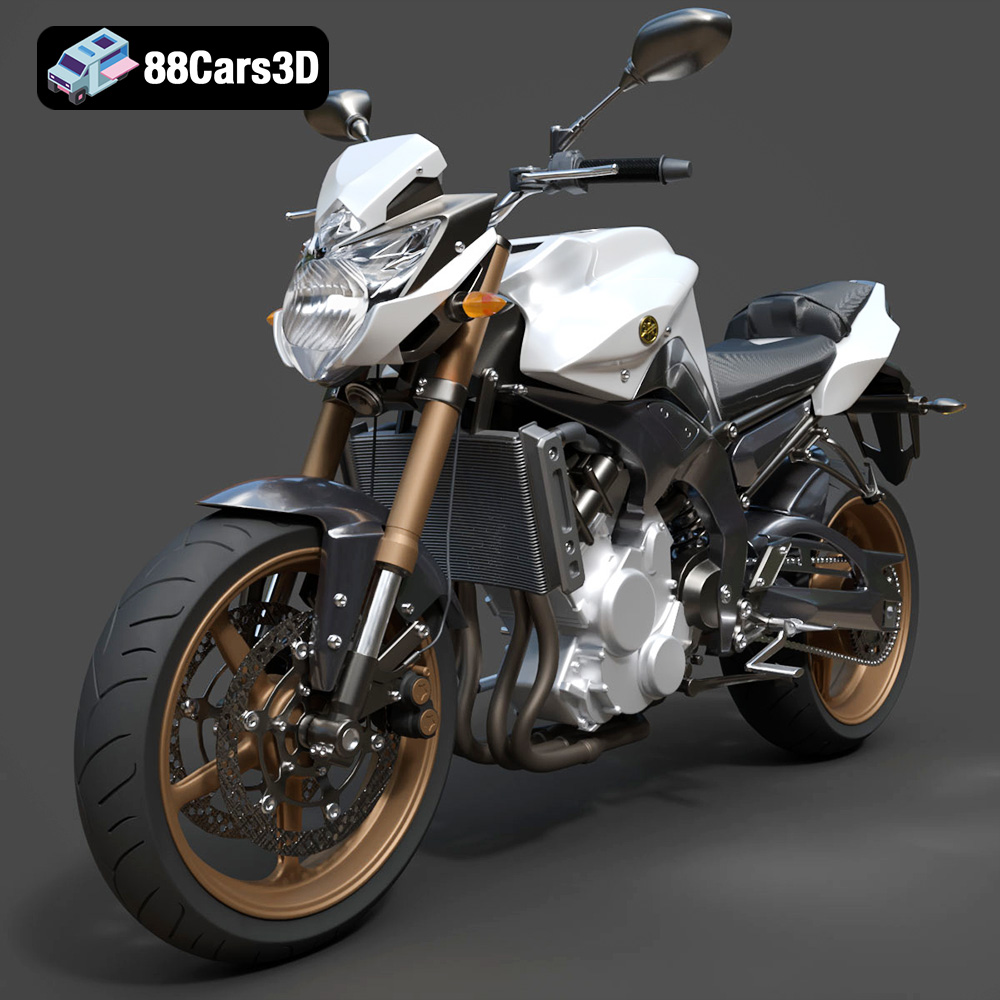
Texture: Yes
Material: Yes
Download the Yamaha FZ8 2011 3D Model featuring clean geometry, realistic detailing, and a fully modeled interior. Includes .blend, .fbx, .obj, .glb, .stl, .ply, .unreal, and .max formats for rendering, simulation, and game development.
Price: $19.99
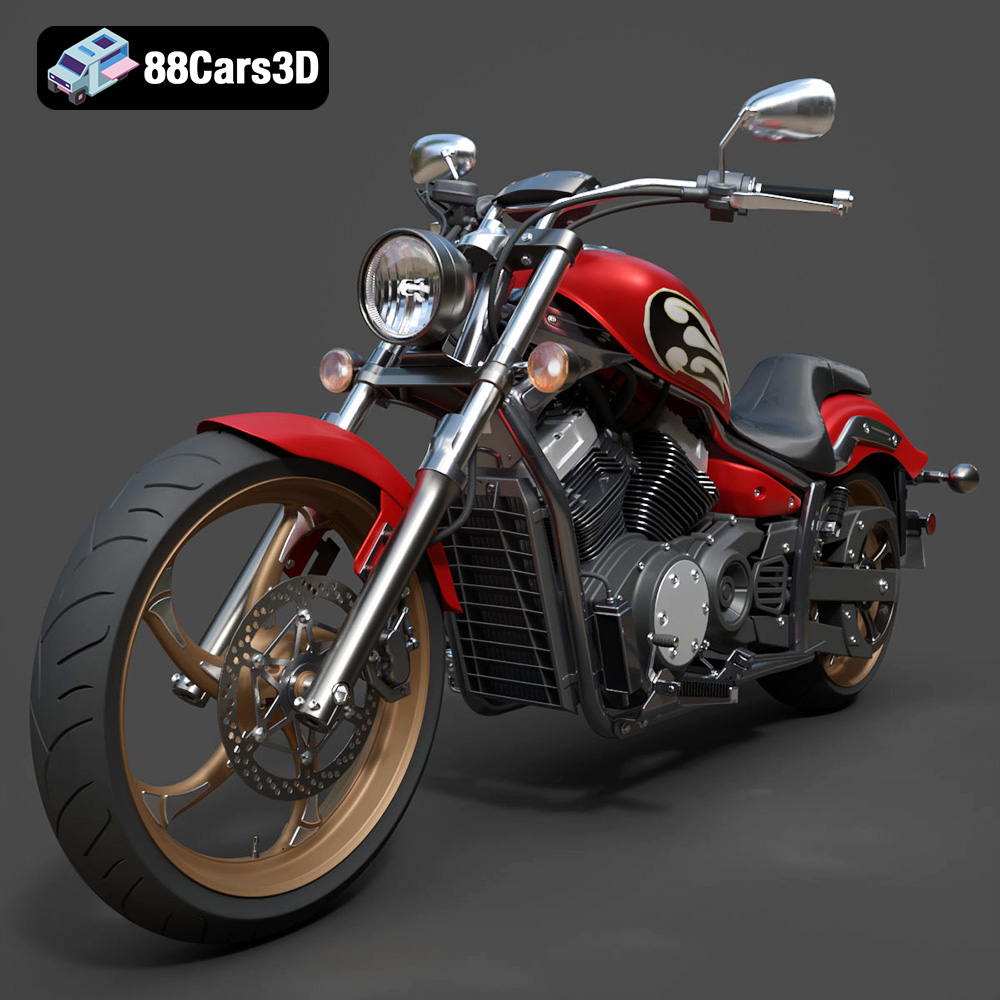
Texture: Yes
Material: Yes
Download the Yamaha Stryker 2012 3D Model featuring clean geometry, realistic detailing, and a fully modeled interior. Includes .blend, .fbx, .obj, .glb, .stl, .ply, .unreal, and .max formats for rendering, simulation, and game development.
Price: $19.99
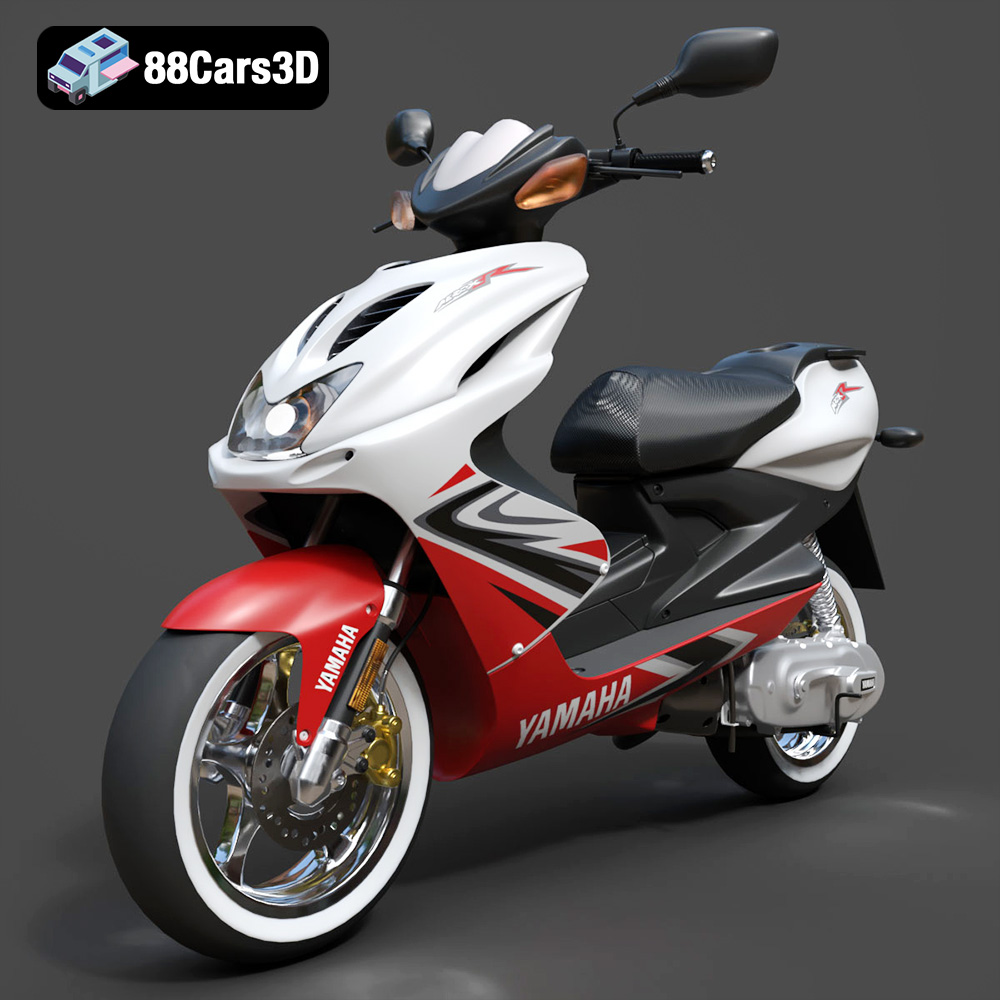
Texture: Yes
Material: Yes
Download the Yamaha Aerox R-002 2024 3D Model featuring clean geometry, realistic detailing, and a fully modeled interior. Includes .blend, .fbx, .obj, .glb, .stl, .ply, .unreal, and .max formats for rendering, simulation, and game development.
Price: $19.99
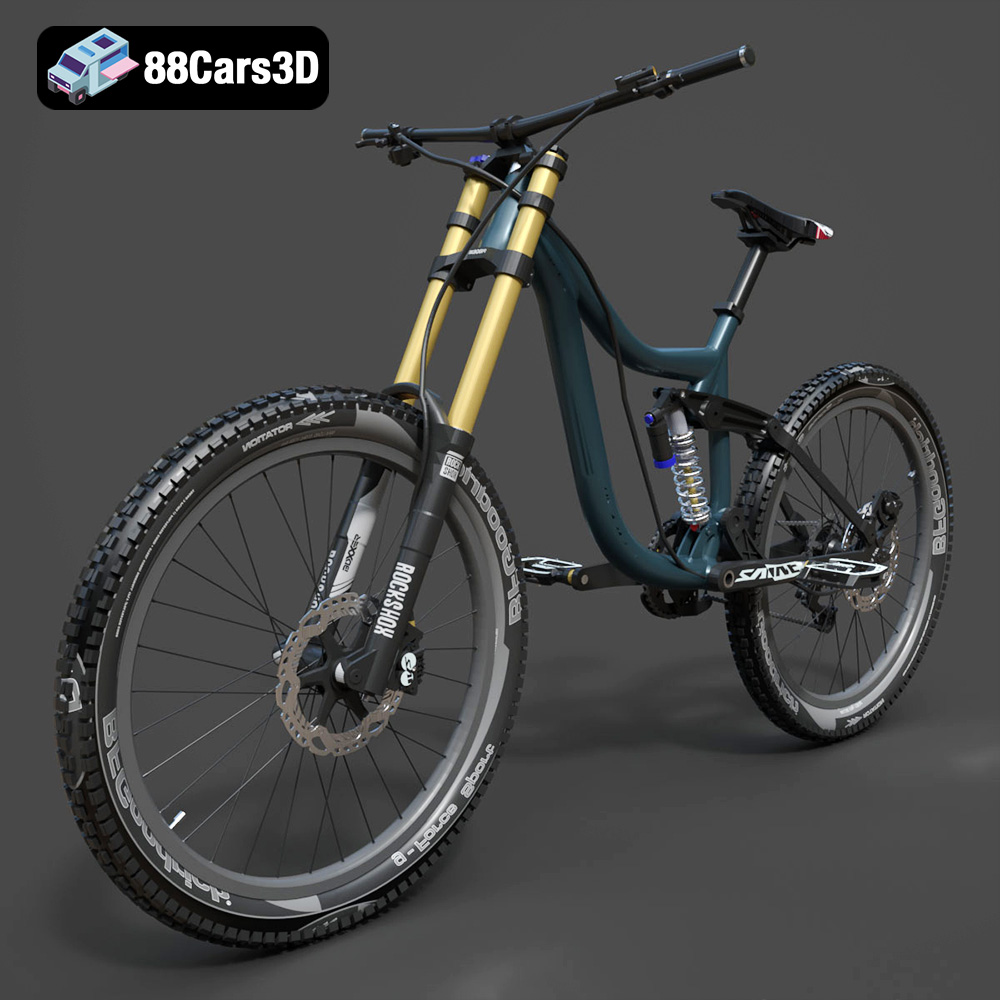
Texture: Yes
Material: Yes
Download the Mototsikly Downhill Bike-002 3D Model featuring clean geometry, realistic detailing, and precise mechanical components. Includes .blend, .fbx, .obj, .glb, .stl, .ply, .unreal, and .max formats for rendering, simulation, and game development.
Price: $19.99
Texture: Yes
Material: Yes
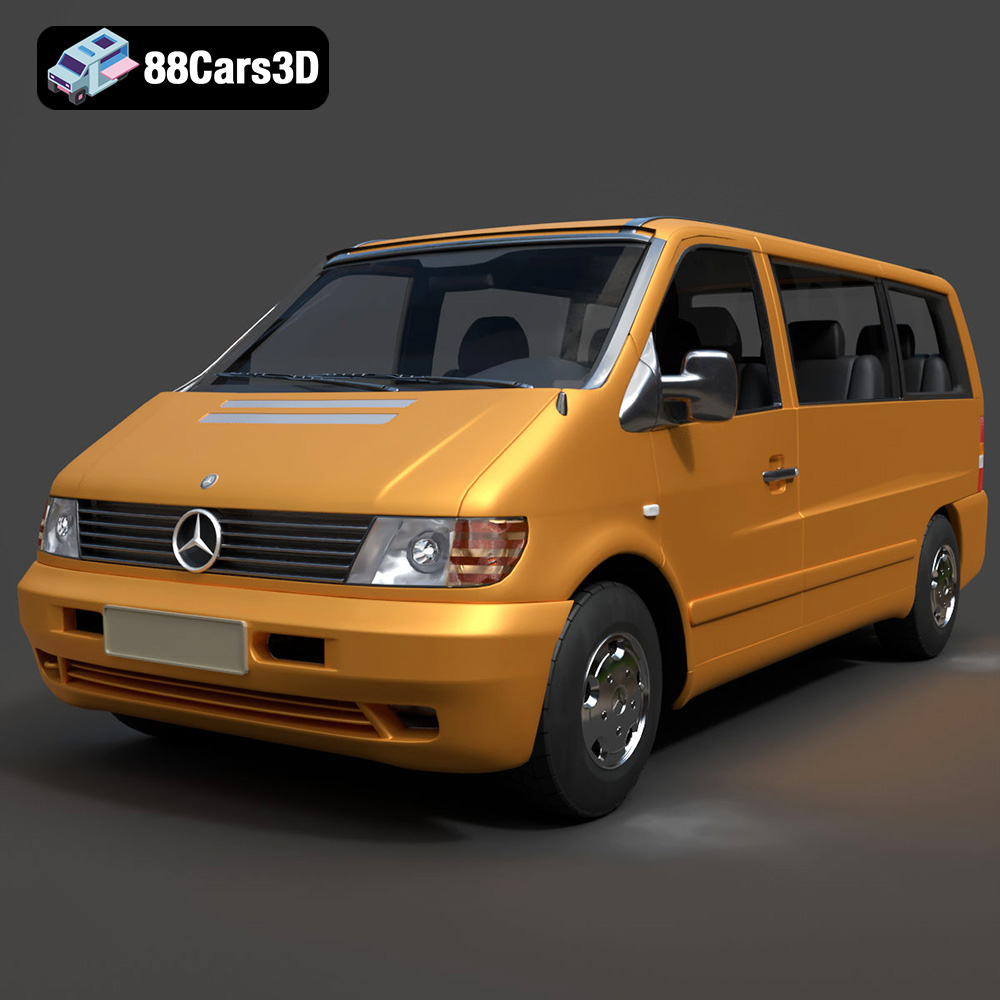
Download the Mercedes-Benz Vito Passenger Van 3D Model featuring clean geometry, realistic detailing, and a fully modeled interior. Includes .blend, .fbx, .obj, .glb, .stl, .ply, .unreal, and .max formats for rendering, simulation, and game development.
Price: $19.99
Texture: Yes
Material: Yes
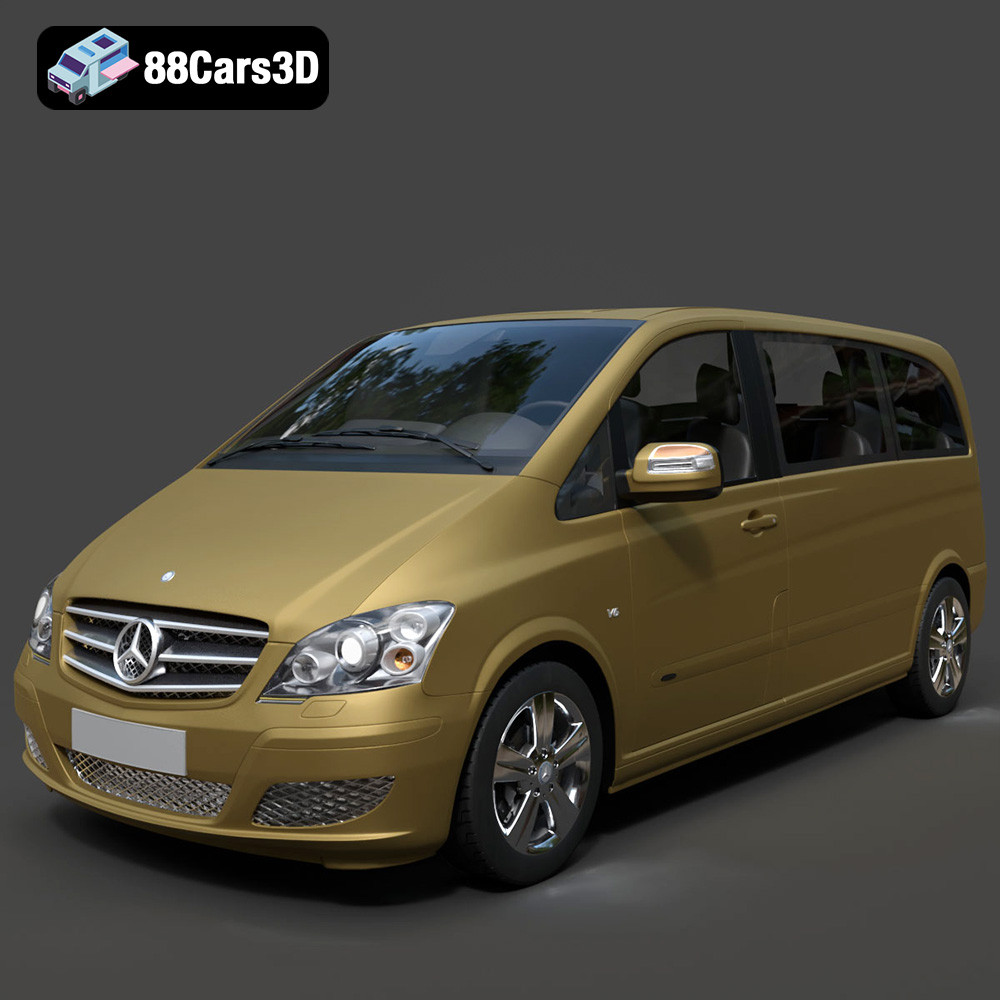
Download the Mercedes-Benz Viano 2010 3D Model featuring clean geometry, realistic detailing, and a fully modeled interior. Includes .blend, .fbx, .obj, .glb, .stl, .ply, .unreal, and .max formats for rendering, simulation, and game development.
Price: $19.99

Texture: Yes
Material: Yes
Download the Emt Avtobus 007 3D Model featuring clean geometry, realistic detailing, and a fully modeled interior. Includes .blend, .fbx, .obj, .glb, .stl, .ply, .unreal, and .max formats for rendering, simulation, and game development.
Price: $19.99
Texture: Yes
Material: Yes
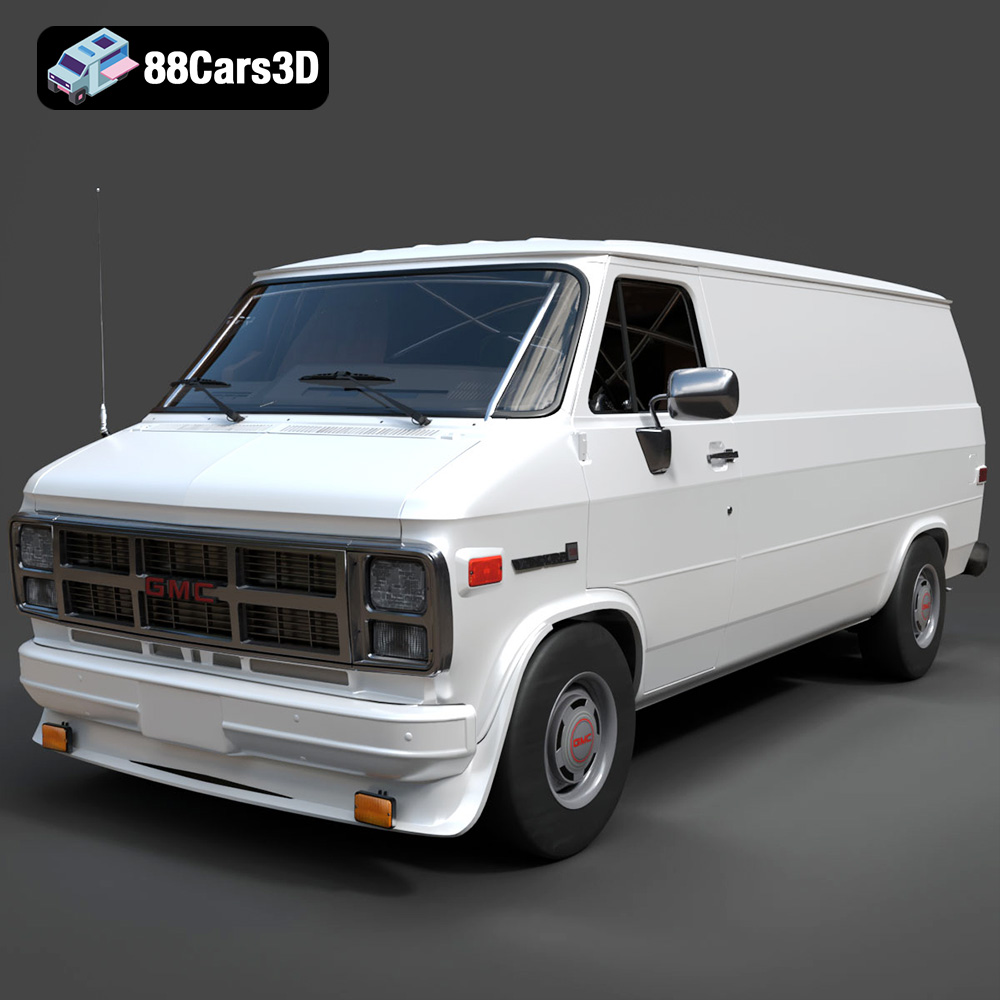
Download the GMC Vandura G-1500 1983 3D Model featuring clean geometry, realistic detailing, and a fully modeled interior. Includes .blend, .fbx, .obj, .glb, .stl, .ply, .unreal, and .max formats for rendering, simulation, and game development.
Price: $19.99
Texture: Yes
Material: Yes
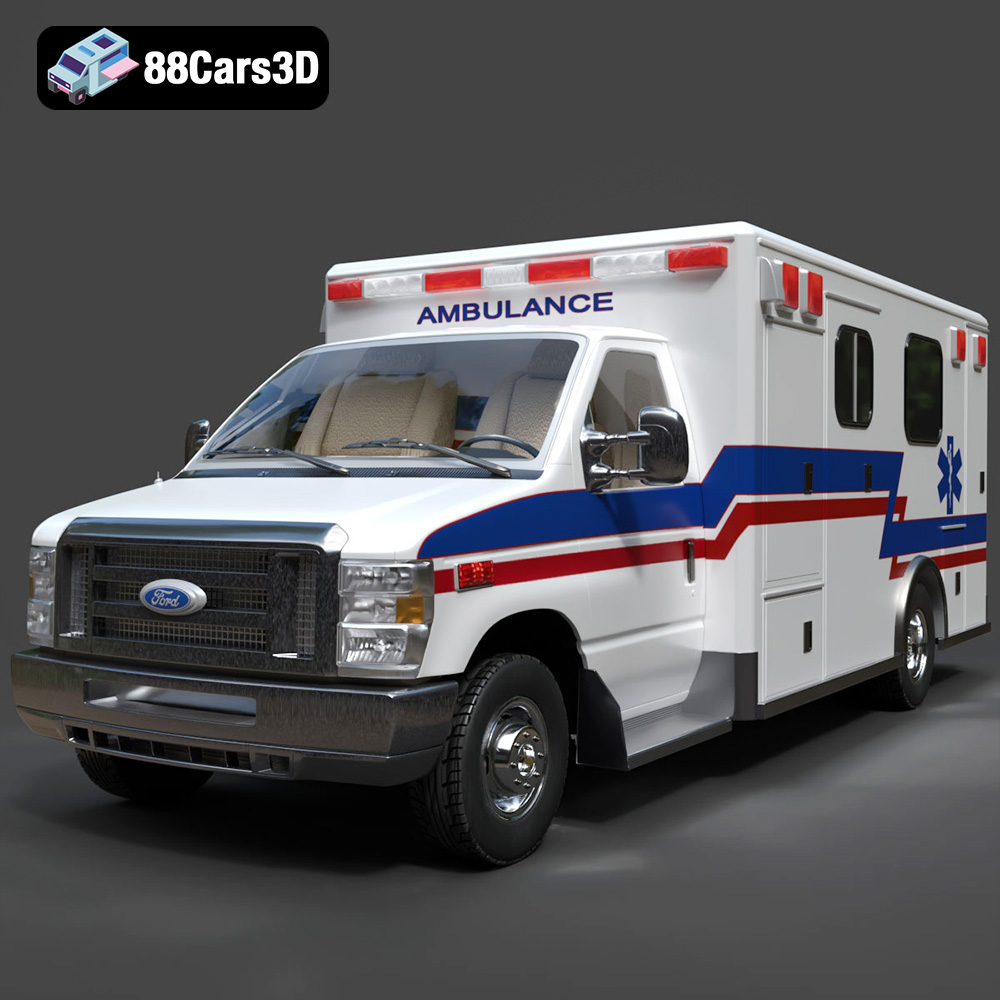
Download the Ford E-450 Ambulance 3D Model featuring clean geometry, realistic detailing, and a fully modeled interior. Includes .blend, .fbx, .obj, .glb, .stl, .ply, .unreal, and .max formats for rendering, simulation, and game development.
Price: $19.99

Texture: Yes
Material: Yes
Download the Fiat Ducato SWB-001 3D Model featuring clean geometry, realistic detailing, and a fully modeled interior. Includes .blend, .fbx, .obj, .glb, .stl, .ply, .unreal, and .max formats for rendering, simulation, and game development.
Price: $19.99

