⚡ FLASH SALE: Get 60% OFF All Premium 3D & STL Models! ⚡

The automotive industry has always pushed the boundaries of visual fidelity, from stunning concept art to breathtaking cinematic advertisements. In today’s fast-paced digital landscape, the demand for photorealistic, interactive, and real-time visualization of vehicles is paramount. This is where Unreal Engine shines, transforming the traditional, often time-consuming, offline rendering pipeline into an agile, dynamic, and incredibly powerful real-time workflow. From design review to marketing campaigns, and even in next-generation game development, Unreal Engine provides the tools to bring automotive visions to life with unparalleled realism and interactivity.
Gone are the days when real-time meant significant compromises in visual quality. With advancements like Lumen for global illumination, Nanite for virtualized geometry, and robust ray tracing capabilities, Unreal Engine 5 (and beyond) empowers artists and developers to achieve stunning, production-ready visuals on the fly. This comprehensive guide will walk you through the essential steps and advanced techniques for leveraging Unreal Engine to create high-fidelity automotive visualizations. We’ll cover everything from project setup and importing optimized 3D car models to crafting exquisite PBR materials, mastering real-time lighting, optimizing performance, and building interactive experiences. Whether you’re an automotive designer, a game developer, or a visualization professional, prepare to unlock the full potential of your automotive projects.
The journey to breathtaking automotive visualization in Unreal Engine begins with a solid foundation: proper project setup and the intelligent import of high-quality 3D car models. This initial phase dictates the efficiency of your workflow and the fidelity of your final output. Selecting the right assets and configuring your project for performance and visual quality are critical steps that save immense time down the line.
When starting a new project in Unreal Engine, choosing the correct template and configuring essential settings are vital. For automotive visualization, a “Blank” or “Automotive” template is often a good starting point, providing a clean slate or basic automotive-centric assets. Immediately after creation, navigate to Edit > Project Settings to activate crucial rendering features. Ensure that Lumen and Nanite are enabled under the “Rendering” section, as these are fundamental for achieving modern photorealism and handling high-polygon models. For ultimate visual fidelity, especially for cinematics or high-end desktop experiences, consider enabling Hardware Ray Tracing under “Platform” > “Windows” > “Default RHI” and then “Rendering” > “Ray Tracing.”
Additionally, enable necessary plugins via Edit > Plugins. For importing complex CAD data or large scenes from other DCC applications, the Datasmith CAD Importer and Datasmith Runtime plugins are indispensable. The High-Quality Media Export plugin is also crucial for rendering out high-resolution videos and image sequences. For accurate color representation, ensure your project’s color space is correctly configured, often defaulting to sRGB for most displays. For advanced users, the official Unreal Engine documentation at dev.epicgames.com/community/unreal-engine/learning provides in-depth guidance on project settings and plugin management.
Sourcing high-quality 3D car models is the cornerstone of any realistic automotive visualization project. Platforms like 88cars3d.com offer meticulously crafted models designed specifically for Unreal Engine, featuring clean topology, realistic materials, and proper UV mapping. When importing, file format compatibility is key. FBX is a widely supported format, while newer options like USD (Universal Scene Description) and USDZ are gaining traction, offering better scene description and material handling. For complex CAD data, Datasmith is the preferred workflow, allowing for direct import of formats like STEP, IGES, or native CAD files, maintaining hierarchies, metadata, and material assignments.
Upon importing an FBX model, Unreal Engine presents several options. It’s often beneficial to enable “Combine Meshes” if the model consists of many small, separate parts that don’t require individual manipulation. For a more modular approach, keeping parts separate allows for greater control over materials and interactivity. Ensure “Generate Lightmap UVs” is checked if you plan on using baked lighting, although Lumen and Ray Tracing often negate this need for dynamic scenes. “Normal Import Method” should generally be “Import Normals” to preserve the smoothing information from the source DCC application. A common practice is to create a “Master Car” Blueprint after import. This Blueprint encapsulates the individual static meshes, PBR materials, and any initial logic, making it easy to instantiate, modify, and manage your vehicle across different scenes. This also serves as a central point for applying further optimizations or interactive elements.
Once your 3D car models are in Unreal Engine, the next critical step is to apply physically accurate materials. Physically Based Rendering (PBR) is the industry standard for achieving photorealistic results, mimicking how light interacts with surfaces in the real world. Mastering the PBR workflow in Unreal Engine’s Material Editor is essential for bringing your automotive assets to life with convincing reflections, accurate colors, and realistic textures.
PBR materials are defined by several key properties that correspond to real-world physics: Base Color (Albedo), Metallic, Roughness, Normal, and Ambient Occlusion. For automotive surfaces, understanding these properties is paramount. The Base Color map represents the diffuse color of a non-metallic surface or the inherent color of a metallic surface. The Metallic map is a binary mask (0 for non-metallic, 1 for metallic) that dictates whether a surface behaves like a metal or dielectric. Roughness, a grayscale map, controls the specularity and blurriness of reflections; a value of 0 is perfectly smooth (like polished chrome), while 1 is completely rough (like matte paint). The Normal map adds fine surface detail without increasing polygon count, crucial for subtle body panel nuances or tire treads. Ambient Occlusion provides contact shadows, enhancing depth and realism.
Achieving accurate material values for different parts of a car—such as glossy car paint, reflective chrome, transparent glass, or textured rubber—requires meticulous attention. Car paint typically utilizes a layered material approach to simulate the clear coat and metallic flakes beneath. Chrome is a metallic material with very low roughness. Glass requires specific translucency and refraction properties, often with a subtle normal map for imperfections. Rubber, being a dielectric, will have a Base Color, higher roughness, and a detailed normal map to convey its texture. The quality of your PBR textures (2K, 4K, 8K) directly impacts the perceived realism, with higher resolutions being ideal for close-up shots but requiring careful optimization for performance-sensitive applications like AR/VR.
Unreal Engine’s Material Editor offers incredible flexibility for creating complex, layered PBR materials. For realistic car paint, a common approach involves a base metallic material layer for the paint color and metallic flakes, overlaid with a clear coat material layer that handles reflections and specular highlights. This can be achieved using a “Material Function” for the base paint, which takes color and flake parameters, and then blending it with a transparent, highly reflective layer for the clear coat using “Lerp” nodes or a custom “Material Layer” setup. Parameters exposed to a “Material Instance” allow artists to easily change the car’s color, metallic flake intensity, or clear coat roughness without recompiling the base material.
Glass materials require careful handling of transparency, refraction, and reflections. Instead of a simple translucent material, consider using a more advanced setup that accounts for fresnel reflections, which become more prominent at glancing angles. A common technique involves setting the material to a “Translucent” blend mode, but overriding the translucency and refraction with custom calculations or specific nodes for better accuracy. For car glass, a slight tint in the Base Color and a small amount of roughness can enhance realism, simulating minor dirt or imperfections. Remember to utilize the “Thin Translucency” lighting mode for realistic, single-pass glass rendering. For windscreens, adding a subtle normal map for slight imperfections or a shader that simulates rain effects can dramatically enhance realism, especially in cinematic sequences. These advanced techniques, while requiring a deeper understanding of the Material Editor, are instrumental in achieving truly photorealistic automotive visualizations.
Lighting is arguably the most critical component in achieving photorealism in any visualization. In Unreal Engine, the dynamic duo of Lumen and hardware-accelerated Ray Tracing offers unprecedented control and fidelity for real-time lighting, transforming how automotive scenes are illuminated. Understanding how to harness these powerful systems is key to rendering visually stunning vehicles in any environment.
Lumen is Unreal Engine’s groundbreaking dynamic global illumination and reflections system, providing truly real-time indirect lighting. Unlike traditional baked lighting solutions, Lumen instantly reacts to changes in light sources, geometry, or materials, making it ideal for interactive configurators or virtual production environments where flexibility is paramount. For automotive visualization, Lumen accurately simulates light bouncing off surfaces (global illumination), creating soft ambient light and realistic color bleeding that dramatically enhances the realism of your car models. Imagine a car parked in a garage, where the red paint of the car subtly reflects onto the surrounding walls—Lumen handles this automatically and in real-time.
Lumen operates by generating a software ray tracing representation of the scene, calculating multiple light bounces, and then injecting that indirect lighting back into the scene. For car scenes, Lumen excels at capturing the nuances of light interacting with complex curves and highly reflective surfaces, providing consistent indirect lighting and reflections across the entire environment. Adjusting Lumen’s settings, found in the Post-Process Volume, allows you to balance visual quality and performance. Increasing “Global Illumination Quality” and “Reflection Quality” will yield higher fidelity but demand more GPU resources. For most automotive scenarios, a moderate setting combined with careful light source placement provides exceptional results. Lumen’s strengths lie in its dynamic nature, allowing for moving cars, changing time of day, and interactive environments without the need for re-baking lightmaps.
While Lumen handles indirect lighting, direct lighting still comes from traditional light sources. A Directional Light simulates the sun, providing powerful shadows and highlights. A Sky Light, often paired with a High Dynamic Range Image (HDRI), captures ambient light and environmental reflections, crucial for realistic car paint. For studio setups, Rect Lights act as softboxes, creating professional, controlled lighting. The combination of these lights, meticulously placed and configured, forms the backbone of your automotive lighting setup.
To push visual fidelity further, especially for reflections, shadows, and ambient occlusion, Unreal Engine’s hardware-accelerated Ray Tracing capabilities are indispensable. Ray Tracing for reflections produces pixel-perfect mirror-like reflections on car surfaces, capturing the environment and other objects with unparalleled accuracy. Ray Traced Shadows offer incredibly sharp and realistic shadow edges and contact shadows, eliminating many of the artifacts associated with traditional shadow maps. Ray Traced Ambient Occlusion (RTAO) accurately simulates contact shadows in crevices and tight spaces, adding crucial depth. It’s important to balance the use of Lumen and Ray Tracing. While Lumen handles global illumination and reflections efficiently, Ray Tracing can be enabled selectively for specific features like reflections or shadows on high-priority objects (like the car itself) to achieve ultimate quality without crippling performance for the entire scene. Careful adjustments in the Post-Process Volume for each Ray Traced feature allow for fine-tuning this balance, ensuring your automotive visualizations achieve maximum impact.
Achieving photorealism in real-time, especially with complex 3D car models, presents a significant performance challenge. Unreal Engine’s advanced features like Nanite and intelligent Level of Detail (LOD) management, combined with robust optimization strategies, are crucial for maintaining high frame rates while delivering stunning visual fidelity. This section explores how to efficiently manage your automotive assets to ensure smooth, high-performance real-time experiences.
Nanite is Unreal Engine’s virtualized micropolygon geometry system, designed to handle incredibly detailed meshes with millions or even billions of polygons with unprecedented efficiency. For automotive visualization, Nanite is a game-changer. It allows artists to import CAD data or highly detailed sculpts of car models directly into Unreal Engine without the need for manual retopology or complex LOD pipelines. Nanite automatically streams and processes only the necessary detail, pixel by pixel, eliminating traditional polygon budget constraints and dramatically reducing draw calls.
Enabling Nanite for your static meshes is straightforward: simply select the mesh in the Content Browser, right-click, and choose “Enable Nanite.” You’ll immediately notice the polygon count in the statistics panel can be astronomically high, yet performance remains smooth. This is because Nanite intelligently renders only the visible triangles at a resolution appropriate for the screen. For car models, this means preserving all the intricate details of body panels, interior components, and engine parts without sacrificing real-time performance. However, there are considerations: currently, Nanite has limitations with masked materials (like fences or grilles with alpha cutouts) and translucent materials (like glass). For these specific components, traditional meshes and LODs might still be necessary, or specific workarounds applied. For Nanite-enabled meshes, manual LODs are generally not required for distance-based culling, as Nanite handles this virtualized culling automatically, further streamlining the workflow.
While Nanite excels for static, opaque, high-detail meshes, traditional Level of Detail (LOD) management remains essential for non-Nanite-enabled assets (like transparent glass, particle systems, or older assets) and for targeting performance-critical applications such as AR/VR, mobile, or older hardware. LODs are simplified versions of a mesh that are swapped in at varying distances from the camera, reducing polygon count and draw calls when an object is far away or small on screen.
Unreal Engine provides powerful tools for generating and managing LODs automatically or manually. For manually created LODs, you typically start with the highest detail (LOD0) and then create progressively simpler versions (LOD1, LOD2, etc.), reducing polygon count by 50-75% at each step. In the Static Mesh Editor, you can configure “Reduction Settings” to generate LODs based on a target triangle count or percentage. It’s crucial to ensure that UVs and materials remain consistent across LODs to avoid popping artifacts. Beyond LODs, a holistic approach to optimization is vital. This includes:
stat gpu), Statistics window (stat rhi, stat unit), and console commands to identify performance bottlenecks. Optimize the most expensive parts first.By combining the brute-force efficiency of Nanite with intelligent traditional LODs and vigilant profiling, you can ensure your automotive visualizations run smoothly across a range of hardware and applications.
The true power of Unreal Engine for automotive visualization extends beyond static renders. It lies in its ability to create fully interactive experiences, produce stunning cinematics, and power cutting-edge applications like virtual production and AR/VR. These capabilities transform a passive viewing experience into an engaging, dynamic journey with the vehicle.
One of the most compelling applications of Unreal Engine in the automotive sector is the creation of interactive car configurators. These allow users to customize a vehicle in real-time, changing colors, rims, interior options, and even opening doors or activating lights. This interactivity is primarily driven by Unreal Engine’s visual scripting system, Blueprint. With Blueprint, artists and designers can implement complex logic without writing a single line of code.
For a basic configurator, you would typically set up “Master Car” Blueprint that contains all the different vehicle components (body, wheels, interior, etc.). Variables within this Blueprint can control material instances for color changes (e.g., swapping a red paint material instance for a blue one), or visibility states for different rim models. User Interface (UI) elements, built using UMG (Unreal Motion Graphics), can provide buttons or sliders that, when interacted with, trigger events in the Blueprint. For example, clicking a “Change Color” button would call a Blueprint function that sets a new Base Color parameter on the car paint material instance. For more advanced interactions, such as opening doors, you can use Blueprint to animate skeletal meshes (if the door is rigged) or simple static mesh rotations, perhaps incorporating basic physics for a realistic swing. Utilizing Data Tables can streamline the management of numerous vehicle variants, allowing you to quickly define different trim levels, available colors, and optional extras, all accessible and selectable through your UMG interface. This empowers users to explore endless configurations, enhancing engagement and accelerating the decision-making process.
Beyond interactivity, Unreal Engine is a powerhouse for cinematic automotive content. The Sequencer tool is a non-linear editor that enables artists to choreograph complex scenes with animation, cameras, effects, and audio. For automotive cinematics, Sequencer is used to animate camera paths, track focus, control vehicle movement, and even animate character drivers. Keyframing various properties of your car (e.g., wheel rotation, suspension compression) within Sequencer allows you to create dynamic driving shots. The Render Movie Queue (RMQ) provides a robust system for rendering high-quality video and image sequences, supporting various codecs, resolutions (up to 8K and beyond), and multi-pass renders for compositing. RMQ also allows for deferred rendering, enabling highly accurate ray-traced reflections and global illumination for pristine final output.
Unreal Engine also plays a pivotal role in Virtual Production, especially with LED wall workflows. This cutting-edge technique replaces traditional green screens with large LED volumes displaying real-time Unreal Engine environments. When filming a physical car in front of an LED wall, the Unreal Engine environment can dynamically adjust perspective and lighting to match the physical camera’s position, creating seamless in-camera visual effects. This allows filmmakers to capture final pixels on set, with realistic reflections and indirect lighting from the digital environment appearing directly on the physical vehicle. This workflow significantly reduces post-production time and offers unprecedented creative flexibility, making it a go-to solution for high-end automotive commercials and film.
Augmented Reality (AR) and Virtual Reality (VR) offer immersive ways to experience automotive designs, from virtual showrooms to training simulations. However, these platforms demand extreme performance optimization due to their strict frame rate requirements. For AR/VR automotive applications, a key strategy is aggressive LOD management, ensuring that polygon counts are kept as low as possible while maintaining visual integrity. Techniques like foveated rendering (where only the area the user is looking at is rendered at full resolution) can also be employed on supported hardware. Material complexity should be reduced, avoiding expensive translucent effects where possible, and utilizing baked textures where appropriate. When sourcing automotive assets from marketplaces such as 88cars3d.com, always check for AR/VR optimized versions or discuss specific requirements with the seller.
For creating realistic drivable experiences, Unreal Engine’s built-in Chaos physics engine provides a robust framework for vehicle dynamics. Unreal Engine offers dedicated vehicle Blueprint classes (e.g., Chaos Vehicle) that simplify the process of setting up wheel colliders, suspension, engine torque, and braking forces. This allows developers to create highly realistic driving simulations or even interactive vehicle demos where users can truly get a feel for the car’s performance. By combining optimized 3D car models, a well-tuned physics setup, and AR/VR-specific performance strategies, the automotive industry can deliver unparalleled immersive experiences, pushing the boundaries of how we interact with and perceive vehicles in the digital realm.
Unreal Engine has definitively revolutionized automotive visualization, transforming it from a time-consuming, offline process into a dynamic, real-time, and interactive experience. From meticulously crafting physically accurate materials with PBR to harnessing the power of Lumen for dynamic global illumination and Nanite for unparalleled geometric detail, Unreal Engine provides an end-to-end solution for artists and developers. We’ve explored how to efficiently import high-quality 3D car models, optimize scenes for peak performance, and build compelling interactive configurators with Blueprint.
The ability to create cinematic sequences with Sequencer, leverage cutting-edge virtual production techniques with LED walls, and develop immersive AR/VR applications further solidifies Unreal Engine’s position as the leading tool in the automotive visualization space. The fidelity achievable in real-time today rivals, and in some cases surpasses, traditional offline rendering, all while offering unparalleled flexibility and iteration speed. This paradigm shift empowers automotive designers to review concepts faster, marketers to create more engaging campaigns, and game developers to deliver hyper-realistic driving experiences.
Now is the time to dive in and explore the boundless possibilities. Start by experimenting with the robust features discussed, and when seeking the perfect foundation for your projects, consider sourcing high-quality, optimized 3D car models from trusted platforms like 88cars3d.com. The future of automotive visualization is real-time, interactive, and incredibly exciting, and Unreal Engine is at the forefront of this revolution.
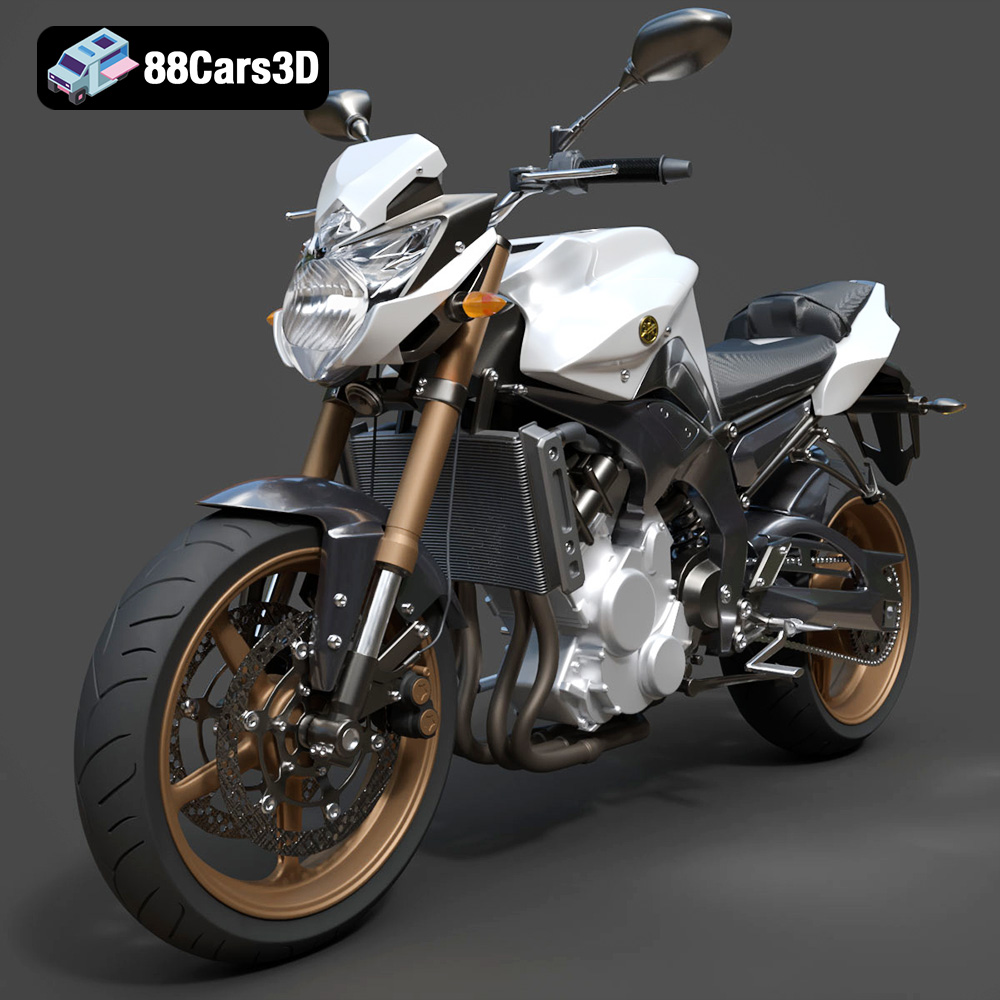
Texture: Yes
Material: Yes
Download the Yamaha FZ8 2011 3D Model featuring clean geometry, realistic detailing, and a fully modeled interior. Includes .blend, .fbx, .obj, .glb, .stl, .ply, .unreal, and .max formats for rendering, simulation, and game development.
Price: $19.99
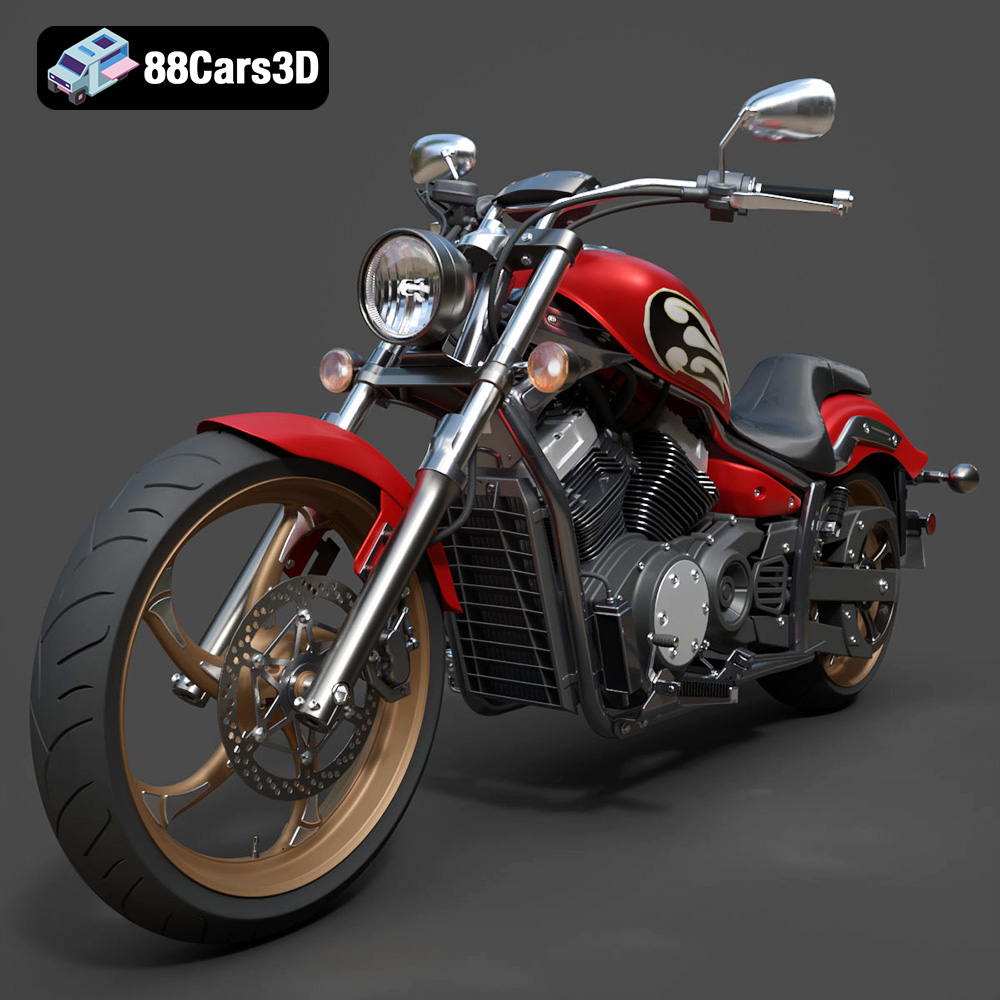
Texture: Yes
Material: Yes
Download the Yamaha Stryker 2012 3D Model featuring clean geometry, realistic detailing, and a fully modeled interior. Includes .blend, .fbx, .obj, .glb, .stl, .ply, .unreal, and .max formats for rendering, simulation, and game development.
Price: $19.99
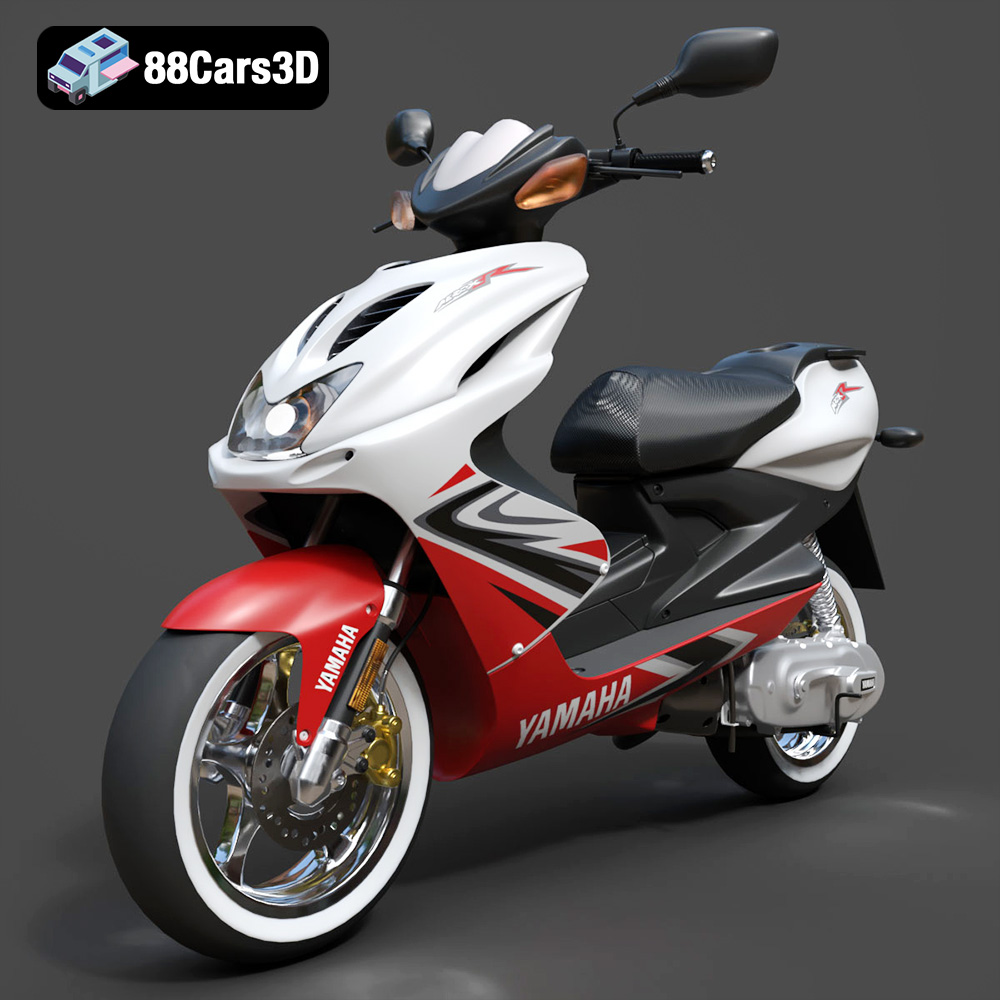
Texture: Yes
Material: Yes
Download the Yamaha Aerox R-002 2024 3D Model featuring clean geometry, realistic detailing, and a fully modeled interior. Includes .blend, .fbx, .obj, .glb, .stl, .ply, .unreal, and .max formats for rendering, simulation, and game development.
Price: $19.99
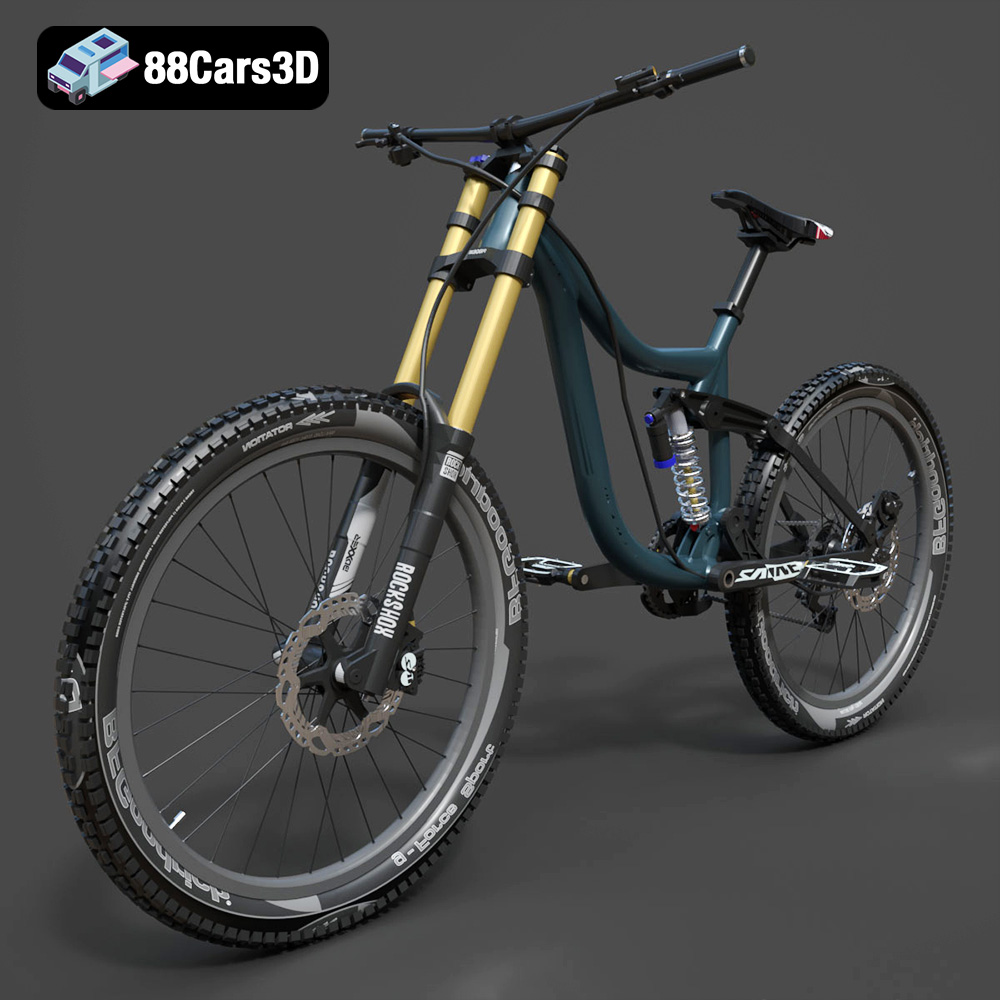
Texture: Yes
Material: Yes
Download the Mototsikly Downhill Bike-002 3D Model featuring clean geometry, realistic detailing, and precise mechanical components. Includes .blend, .fbx, .obj, .glb, .stl, .ply, .unreal, and .max formats for rendering, simulation, and game development.
Price: $19.99
Texture: Yes
Material: Yes
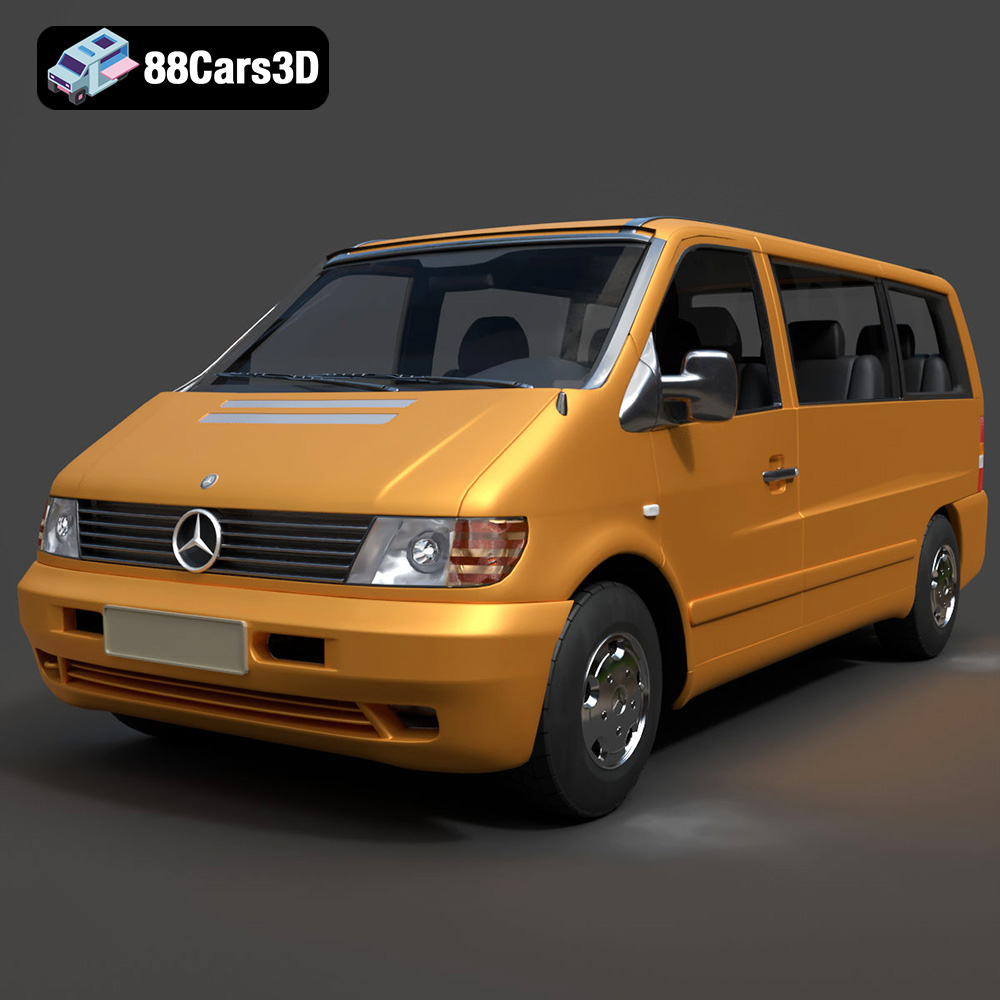
Download the Mercedes-Benz Vito Passenger Van 3D Model featuring clean geometry, realistic detailing, and a fully modeled interior. Includes .blend, .fbx, .obj, .glb, .stl, .ply, .unreal, and .max formats for rendering, simulation, and game development.
Price: $19.99
Texture: Yes
Material: Yes
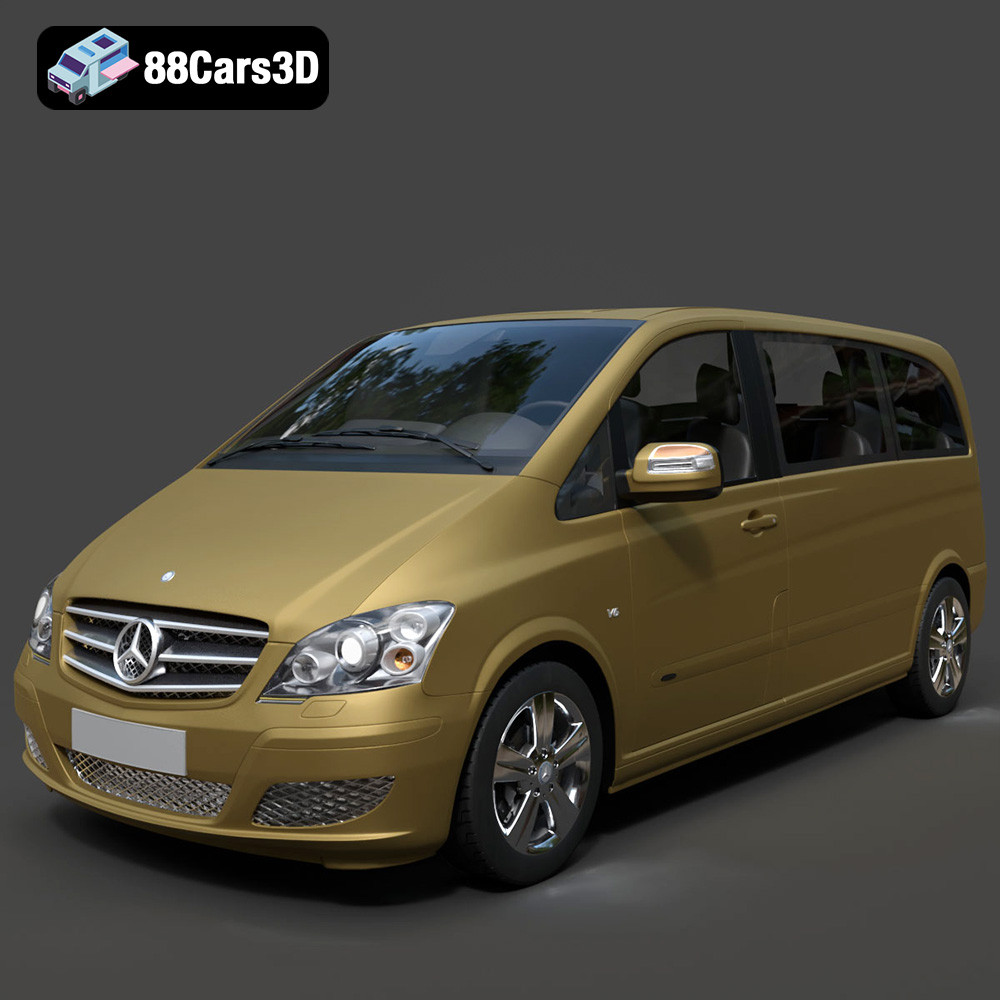
Download the Mercedes-Benz Viano 2010 3D Model featuring clean geometry, realistic detailing, and a fully modeled interior. Includes .blend, .fbx, .obj, .glb, .stl, .ply, .unreal, and .max formats for rendering, simulation, and game development.
Price: $19.99

Texture: Yes
Material: Yes
Download the Emt Avtobus 007 3D Model featuring clean geometry, realistic detailing, and a fully modeled interior. Includes .blend, .fbx, .obj, .glb, .stl, .ply, .unreal, and .max formats for rendering, simulation, and game development.
Price: $19.99
Texture: Yes
Material: Yes
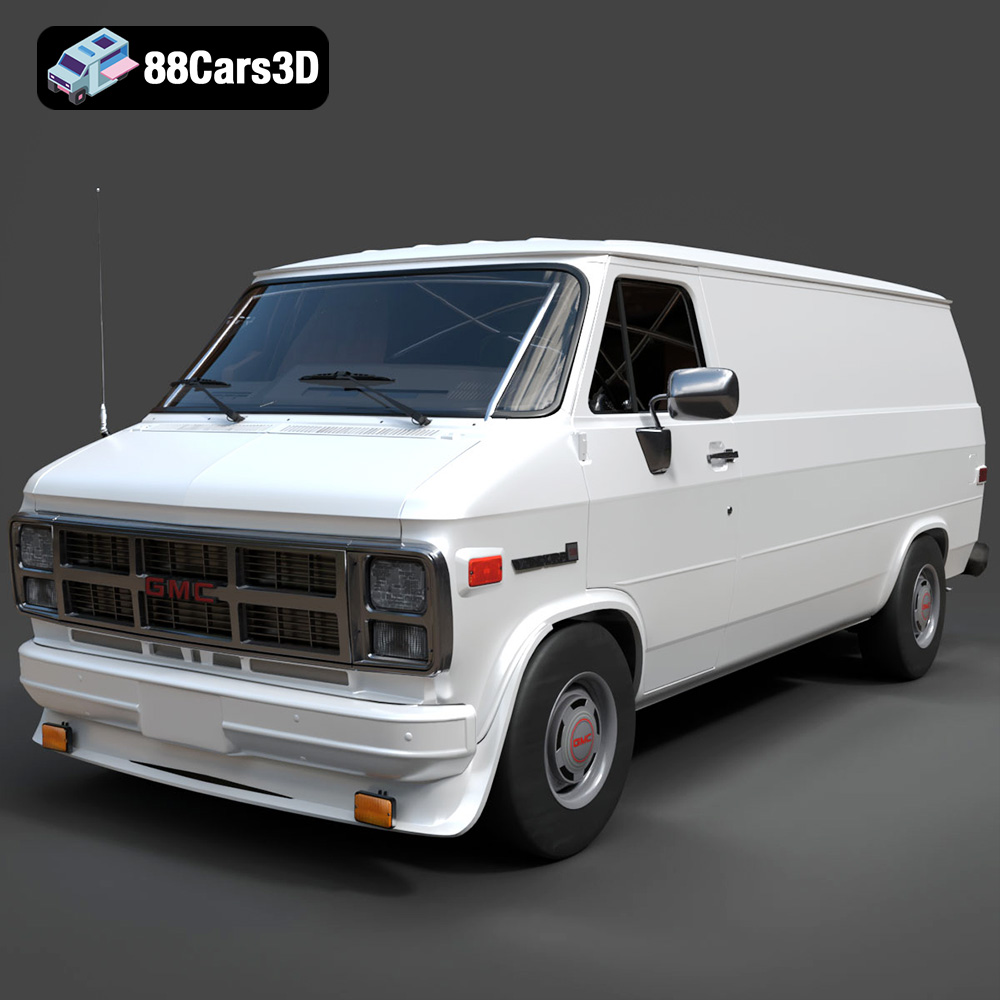
Download the GMC Vandura G-1500 1983 3D Model featuring clean geometry, realistic detailing, and a fully modeled interior. Includes .blend, .fbx, .obj, .glb, .stl, .ply, .unreal, and .max formats for rendering, simulation, and game development.
Price: $19.99
Texture: Yes
Material: Yes
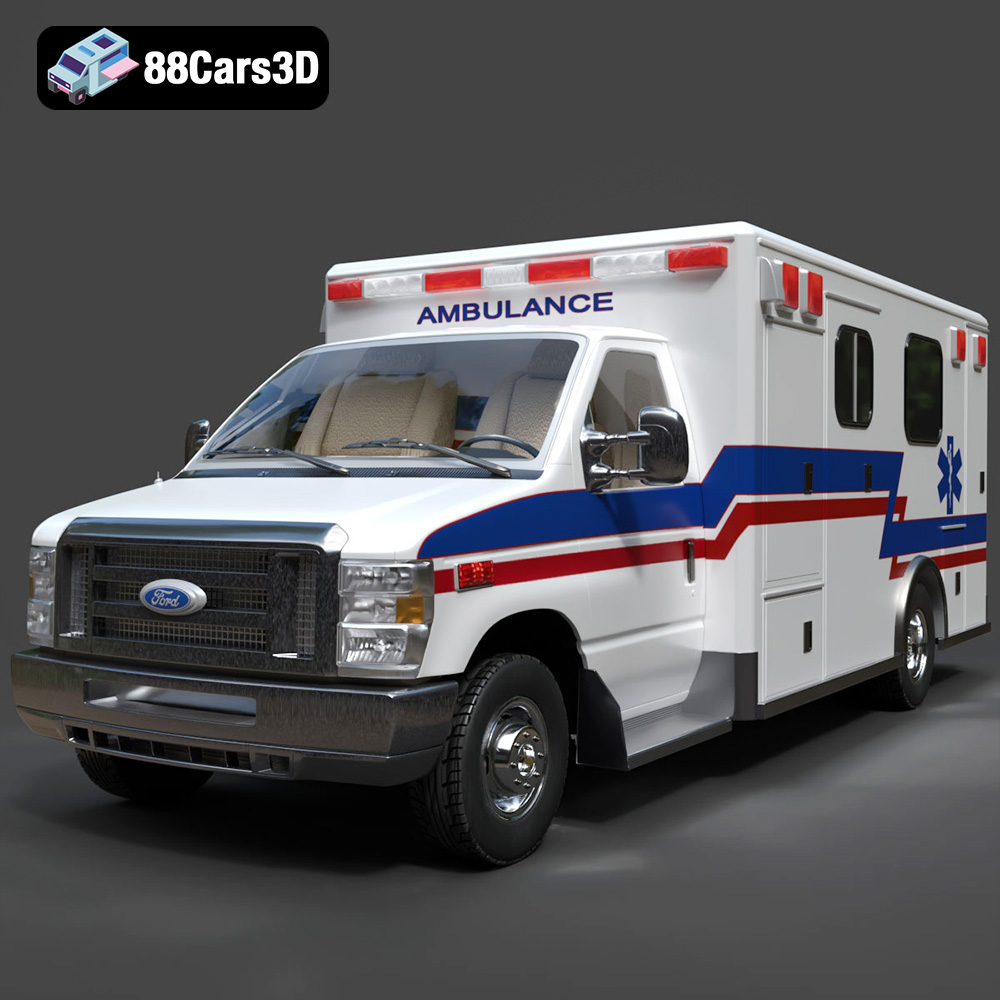
Download the Ford E-450 Ambulance 3D Model featuring clean geometry, realistic detailing, and a fully modeled interior. Includes .blend, .fbx, .obj, .glb, .stl, .ply, .unreal, and .max formats for rendering, simulation, and game development.
Price: $19.99

Texture: Yes
Material: Yes
Download the Fiat Ducato SWB-001 3D Model featuring clean geometry, realistic detailing, and a fully modeled interior. Includes .blend, .fbx, .obj, .glb, .stl, .ply, .unreal, and .max formats for rendering, simulation, and game development.
Price: $19.99

