⚡ FLASH SALE: Get 60% OFF All Premium 3D & STL Models! ⚡

The automotive industry has always been at the forefront of technological innovation, and its visualization needs are no exception. From concept design and marketing campaigns to interactive configurators and virtual showrooms, the demand for photorealistic representations of vehicles is skyrocketing. Unreal Engine stands out as the premier real-time rendering platform, empowering artists and developers to create stunningly immersive and interactive automotive experiences that blur the line between digital and reality.
Achieving true photorealism in real-time environments is a complex endeavor, requiring a deep understanding of PBR materials, sophisticated lighting techniques, performance optimization, and robust interactive systems. This comprehensive guide will take you through the essential workflows and advanced techniques within Unreal Engine, demonstrating how to transform high-quality 3D car models into breathtaking scenes. We’ll explore everything from initial project setup and material creation to advanced lighting with Lumen, performance optimization with Nanite, and building interactive experiences with Blueprint. By the end of this article, you’ll have a solid foundation to leverage Unreal Engine’s immense power for your next automotive visualization project, enabling you to deliver unparalleled visual fidelity and interactive engagement.
The journey to photorealistic automotive visualization begins with a meticulously configured Unreal Engine project. A strong foundation ensures optimal performance, scalability, and visual fidelity throughout the development cycle. Choosing the right project template and configuring essential settings from the outset can save countless hours and prevent performance bottlenecks later on. We’ll delve into the crucial initial steps, including template selection, plugin management, and the vital process of importing and preparing your high-quality 3D car models.
For automotive visualization, the “Blank” or “Film, Television, and Live Events” templates are excellent starting points. The “Film” template often comes pre-configured with cinematic settings and essential plugins, providing a good base for high-fidelity rendering. Once your project is created, navigate to Edit > Project Settings. Here, several key adjustments are paramount. Under “Engine – Rendering,” consider enabling Ray Tracing for superior global illumination, reflections, and shadows, especially when paired with Lumen. Ensure “Virtual Textures” are enabled for potentially vast texture assets, and set your “Default RHI” to DirectX 12 for the best performance with modern features. For projects targeting very high frame rates or specific VR applications, you might explore the “Forward Shading” renderer instead of the default deferred renderer, although it comes with certain limitations regarding lighting features.
Beyond basic rendering settings, several other configurations are critical. Under “Engine – Plugins,” activate essential plugins like “HDRIBackdrop,” “Datasmith Importer” (if you’re bringing in CAD data), and “Chaos Vehicles” for realistic physics simulations. For large-scale environments, consider activating the “World Partition” plugin to efficiently manage vast open worlds. In the “Platforms” section, optimize scalability settings to ensure your project performs well across different hardware specifications. Always aim for a balance between visual quality and performance. For example, while ray tracing delivers stunning results, it is computationally intensive. Smart use of lighting and materials can achieve convincing results even without full ray tracing, or by selectively enabling it for specific elements.
The quality of your source assets is paramount. When sourcing automotive assets from marketplaces such as 88cars3d.com, you can expect high-quality 3D car models with clean topology, realistic PBR materials, and proper UV mapping. To import your FBX or USD car model, drag and drop it directly into the Content Browser or use Import > Import Content. In the FBX Import Options dialog, crucial settings include: Combine Meshes (generally unchecked for cars to maintain individual components like doors, wheels, and interior parts), Import Materials (checked), Import Textures (checked), and ensuring the correct Import Uniform Scale (often 0.01 for Blender/Max to UE scale, or 1.0 if units match). After import, inspect the mesh: check for correct pivot points (especially for wheels and doors), apply scaling in the modeling software if necessary to avoid non-uniform scale in Unreal, and ensure consistent naming conventions for easier management. For complex models, consider using the “Merge Actors” tool to combine static meshes into a single actor if they don’t require individual interaction, which can reduce draw calls and improve rendering performance.
Photorealism in Unreal Engine heavily relies on a robust material system, particularly Physically Based Rendering (PBR). PBR materials simulate how light interacts with surfaces in a physically accurate manner, resulting in highly convincing visuals under various lighting conditions. For automotive visualization, this is non-negotiable, as subtle nuances in car paint, glass, and interior materials define the overall perceived quality. Understanding and correctly implementing PBR principles is key to bringing your 3D car models to life.
PBR operates on two core principles: energy conservation and physically accurate light reflection. In Unreal Engine, the “Metallic/Roughness” workflow is predominantly used. This involves several texture maps: Base Color (albedo), representing the diffuse color of the surface; Metallic, a grayscale map indicating how metallic a surface is (0 for dielectric/non-metal, 1 for metal); Roughness, a grayscale map defining the micro-surface detail and how rough or smooth a surface is (0 for perfectly smooth/glossy, 1 for completely rough/matte); and Normal Map, which fakes high-detail geometry using surface normals. Other maps like Ambient Occlusion (AO) and Emissive can further enhance realism. The PBR pipeline ensures that materials react correctly to light, making them look realistic regardless of the lighting environment, a critical factor for showcasing 3D car models effectively.
Automotive paint is notoriously complex due to its multi-layered nature (base coat, metallic flakes, clear coat). In Unreal Engine’s Material Editor, you can replicate this by layering materials. A common approach involves a base PBR material for the car body, then using a Clear Coat layer. Enable “Clear Coat” and “Clear Coat Roughness” inputs in your main material’s details panel. The Base Color drives the underlying paint, while the Clear Coat parameters control the glossy top layer. For metallic flakes, you can overlay a subtle noise texture (e.g., a “Voronoi” or custom flake map) onto the Base Color or Metallic input, using a “Fresnel” node to make the flakes more visible at glancing angles. Interior materials like leather, carbon fiber, or brushed metal require their own specific PBR texture sets, ensuring appropriate roughness, metallic, and normal map details to capture their unique tactile qualities. Leveraging material instances for variations (e.g., different car colors or interior trims) is crucial for efficiency, allowing you to tweak parameters without recompiling the base material.
High-resolution textures are essential for capturing fine details, especially on close-up shots of 3D car models. For critical areas like the car body, aim for 4K or even 8K texture maps (Base Color, Normal, Metallic, Roughness). Interior elements and wheels might use 2K-4K. However, balance resolution with performance: use lower resolutions for less prominent or distant objects. Proper UV mapping is equally vital. Ensure that UVs are non-overlapping for unique texture applications and that texture density is consistent across the model to avoid stretching or pixelation. Utilize multiple UV channels: one for unique PBR textures, another for lightmaps (if not using fully dynamic lighting), and potentially a third for global details like dirt or wear. Clean UVs provided by platforms like 88cars3d.com simplify this process, allowing you to focus on material design rather than UV correction. Using texture atlases for smaller components can also reduce draw calls and improve rendering efficiency.
Lighting is arguably the most critical component in achieving photorealism. Unreal Engine’s advanced real-time global illumination and reflections system, Lumen, coupled with powerful traditional lighting methods, allows for incredibly dynamic and realistic illumination setups. Mastering Lumen and complementary lighting techniques is essential for making your 3D car models truly shine within their environments.
Lumen is Unreal Engine’s fully dynamic global illumination and reflections system designed for next-generation consoles and high-end PCs. It accurately tracks and propagates light bounce, enabling scenes to react instantly to changes in lighting and geometry. To enable Lumen, navigate to Project Settings > Engine > Rendering and set “Global Illumination Method” and “Reflection Method” to Lumen. Crucial settings to fine-tune include “Lumen Global Illumination Quality” and “Lumen Reflection Quality,” along with “Max Trace Distance” and “Indirect Lighting Bounce Distance.” For automotive visualization, Lumen dramatically enhances realism by accurately illuminating the car’s underside from ground bounce, reflecting environment light onto the paint, and creating soft, natural shadows. It eliminates the need for complex light baking, allowing for iterative design and real-time adjustments, which is invaluable for showcasing vehicle aesthetics in various conditions.
Beyond Lumen, a combination of traditional light sources is used to craft compelling scenes. A Directional Light simulates the sun, providing strong, parallel shadows and primary illumination. Adjust its angle and intensity to mimic different times of day. Sky Light captures the ambient light of the environment, crucial for filling in shadows and contributing to global illumination, especially when paired with an HDRI. Rect Lights are excellent for studio-like setups, providing soft, area-based illumination and realistic specular highlights on the car body. Point Lights and Spot Lights can add accent lighting or simulate specific light sources like streetlights or interior cabin lights. For dynamic scenarios, sequence light intensity and color temperature using Sequencer to simulate time-of-day transitions or specific dramatic effects, offering unparalleled flexibility for real-time rendering of dynamic automotive scenes.
To ground your 3D car models realistically, integrate a Sky Atmosphere component into your scene. This physically based sky system generates realistic skies, clouds, and volumetric fog, reacting dynamically to the sun’s position. For highly specific lighting and reflections, an HDRI (High Dynamic Range Image) Backdrop is invaluable. This acts as both a light source and a background image, providing perfect reflections and environment lighting. You can enable the “HDRIBackdrop” plugin and add the component, then assign your high-quality HDRI texture. Finally, Post-Processing Volumes are essential for the final polish. Adjust settings like Exposure, White Balance, Color Grading (Look-Up Tables), Bloom, Vignette, and Depth of Field (DoF) to achieve a cinematic look. DoF is particularly effective for focusing attention on the car while subtly blurring the background. Experiment with these elements to create diverse moods, from a sunny showroom to a dramatic evening drive, ensuring your automotive visualization stands out.
Achieving photorealism with intricate 3D car models and detailed environments in real-time requires a delicate balance between visual fidelity and performance. Unreal Engine offers powerful tools like Nanite and robust LOD systems to manage this challenge. Optimizing your scenes is an ongoing process, crucial for delivering smooth frame rates across target platforms, whether for games, configurators, or high-end virtual production.
Nanite is Unreal Engine 5’s groundbreaking virtualized geometry system, designed to handle immense polygon counts – often billions of triangles – without significant performance degradation. This is a game-changer for automotive visualization, as it allows artists to import highly detailed CAD data or scanned models without extensive manual optimization. To enable Nanite, simply select your static mesh (e.g., a car body, wheel, or complex environment prop) in the Content Browser, right-click, and choose “Nanite > Enable Nanite.” Alternatively, in the Static Mesh Editor, check the “Enable Nanite” box in the Details panel. Nanite automatically handles LODs, culling, and streaming, delivering only the necessary detail to the screen. This means you can have incredibly high-fidelity 3D car models from 88cars3d.com with millions of polygons per mesh, seamlessly integrated into your scene, making close-up renders incredibly sharp without crippling performance. However, remember that Nanite works best with static meshes and currently has limitations with features like morph targets and per-pixel displacement, so careful planning is still required for animated or dynamic elements.
While Nanite excels for static, high-poly meshes, traditional Level of Detail (LOD) management remains vital for other asset types and for maintaining scalability across different hardware. LODs are simplified versions of a mesh that are swapped in at increasing distances from the camera, reducing polygon count and draw calls. Unreal Engine provides an automatic LOD generation system. In the Static Mesh Editor, go to the “LOD Settings” section, set the “Number of LODs,” and configure the “Screen Size” thresholds for each LOD. For critical assets like vehicles that will be viewed up close, manual LOD creation in your 3D modeling software offers greater control over mesh simplification and texture adjustments. For example, a car’s interior might have a very high LOD0, a slightly simplified LOD1 for medium distances, and a much simpler LOD2 or LOD3 for far-away shots, where details like individual dashboard buttons are no longer necessary. Proper LOD setup ensures that your game assets and visualization projects remain performant without sacrificing visual quality where it matters most.
Effective optimization is a multi-faceted approach. On the GPU front, reducing draw calls is paramount. Use the “Merge Actors” tool to combine static meshes where possible, and employ texture atlases. Leverage instanced static meshes for repetitive elements like tire treads or bolts. Optimize material complexity by limiting expensive nodes and using shared material instances. For complex environments, aggressive culling (frustum culling, occlusion culling) is handled by the engine, but you can further optimize by manually culling objects that are never seen. On the CPU side, optimize Blueprint scripts to avoid unnecessary calculations, use data tables for configurations, and profile your game using the “Stat Game,” “Stat FPS,” and “Stat Unit” commands in the console. Regularly use the “Unreal Insights” profiling tool to identify performance bottlenecks in rendering, CPU, and memory usage. Additionally, for real-time rendering, keeping texture sizes manageable, enabling texture streaming, and using efficient collision meshes are all critical for a smooth user experience. Platforms like 88cars3d.com often provide models pre-optimized for various uses, significantly aiding in this endeavor by starting with a solid performance baseline.
Photorealism is just one piece of the puzzle. To truly immerse users and convey a narrative, automotive visualization projects often require interactivity, dynamic animations, and compelling cinematic sequences. Unreal Engine’s powerful scripting, animation, and sequencing tools enable developers to build rich, engaging experiences, from simple door opens to full-blown virtual test drives.
Unreal Engine’s Blueprint visual scripting system empowers artists and designers to create complex gameplay and interactive logic without writing a single line of code. For an automotive configurator, Blueprint is indispensable. You can script interactions such as changing the car’s paint color, swapping out wheel designs, opening doors or the trunk, or even toggling interior lighting. For example, a simple Blueprint might involve: creating an Event Clicked for a UI button, which then calls a Set Material node to change the car body’s material instance, altering its Base Color parameter. For more advanced features, you could use arrays to store multiple material options and iterate through them. Connecting these interactions to UI widgets (UMG) allows users to dynamically customize the vehicle in real-time. This level of interactivity transforms static models into engaging experiences, allowing potential customers to explore vehicle features in a fully immersive virtual environment.
Sequencer is Unreal Engine’s non-linear cinematic editing tool, perfect for creating high-quality animations, camera moves, and cutscenes for marketing materials or virtual productions. For automotive visualization, Sequencer is used to choreograph sophisticated camera paths around the vehicle, animate elements like doors opening smoothly, or showcase intricate details. You can import your car model into Sequencer, create camera tracks, and keyframe camera positions, rotations, and focal lengths. Animate skeletal meshes for car parts like steering wheels or suspension, or animate static mesh components using transform tracks. Beyond simple movements, Sequencer allows for blending animations, adding audio, controlling particles (Niagara), and even triggering Blueprint events at specific times. The final cinematic can be rendered out as high-quality video files directly from Unreal Engine, suitable for commercials, presentations, or film integration.
For truly interactive experiences, especially those involving driving simulations or crash tests, realistic physics are crucial. Unreal Engine’s Chaos Vehicle System provides a robust framework for simulating vehicle dynamics. This system allows you to configure engine torque curves, gear ratios, suspension settings, tire friction, and center of mass to achieve a realistic driving feel. You typically set up a custom “Vehicle Blueprint” that incorporates a skeletal mesh of your car and defines its physical properties. Attach wheel colliders and adjust parameters until the vehicle behaves as expected. While detailed vehicle dynamics can be complex to fine-tune, the ability to physically drive and interact with a high-fidelity 3D car model in real-time significantly enhances the immersion and utility of an automotive visualization project, especially for training, simulation, or immersive configurators.
Unreal Engine’s capabilities extend far beyond traditional game development, pushing the boundaries of what’s possible in professional visualization. Virtual production, utilizing cutting-edge LED wall technology, and optimized augmented/virtual reality experiences are transforming how the automotive industry designs, markets, and interacts with its products. These advanced applications demand meticulous attention to detail, performance, and integration, where high-quality game assets are critical.
Virtual production, particularly with large LED volumes, has revolutionized filmmaking and high-end advertising. For automotive visualization, this means placing a physical car (or actor) on a stage in front of dynamic, real-time Unreal Engine environments projected onto LED screens. The LED wall acts as a dynamic background and light source, creating realistic reflections and ambient light on the physical vehicle, all while allowing real-time camera tracking. This workflow significantly reduces the need for green screens and complex post-production. Key steps involve setting up nDisplay for multi-screen rendering, carefully calibrating the LED volume, and integrating camera tracking systems (like Mo-Sys or Stype). The 3D car models and environments within Unreal Engine must be highly optimized and visually consistent to seamlessly blend with the physical elements. This technique offers unparalleled flexibility for capturing high-fidelity marketing content or even filming virtual car commercials, providing immediate feedback and reducing production costs.
Augmented Reality (AR) and Virtual Reality (VR) offer unique opportunities for immersive automotive experiences, from virtual showrooms to interactive design reviews. However, these platforms have stringent performance requirements. Optimization is paramount. For VR, utilize techniques like instanced stereo rendering (which renders both eyes simultaneously in a single pass) and forward shading (which can be more performant than deferred shading for specific rendering paths). Reduce draw calls by merging meshes and using texture atlases. Keep polygon counts and texture resolutions as low as visually acceptable, leveraging technologies like Nanite for specific, static high-detail elements. For AR, especially on mobile devices, focus on efficient mobile rendering settings, simplified materials, and highly optimized meshes. High-quality, optimized 3D car models from sources like 88cars3d.com are particularly beneficial here, as they provide a solid starting point with clean topology and efficient UVs, minimizing the need for extensive re-optimization. Careful LOD management and aggressive culling of unseen geometry are also critical to maintaining the high frame rates necessary to prevent motion sickness in VR and ensure a smooth AR experience.
Even with powerful tools, challenges persist. One common hurdle is maintaining performance while pushing visual fidelity. This often requires iterative profiling and optimization, identifying bottlenecks in GPU or CPU usage. Another challenge is achieving perfect material realism, especially with complex surfaces like car paint or realistic glass, which demands deep knowledge of PBR and Unreal’s material graph. Data integrity and pipeline efficiency are also crucial; ensuring smooth transfer of CAD data or high-poly models into Unreal Engine can involve using Datasmith and cleaning up imported geometry. Version control (e.g., Perforce) becomes indispensable for collaborative projects. Finally, managing large assets and ensuring consistent quality across diverse environments requires robust asset management and adherence to naming conventions and best practices. Continual learning and experimentation are key to overcoming these hurdles and delivering truly exceptional automotive visualization projects.
Unreal Engine has firmly established itself as an indispensable tool for cutting-edge automotive visualization. From the foundational steps of project setup and asset import to the nuanced artistry of PBR materials and dynamic lighting with Lumen, and the technical prowess of Nanite and Blueprint, the engine offers an unparalleled suite of features for creating breathtaking real-time experiences. We’ve explored how high-quality 3D car models, often found on platforms like 88cars3d.com, serve as the perfect starting point, enabling artists and developers to focus on scene creation and interaction rather than asset cleanup.
The journey to photorealism in real-time is a blend of artistic vision and technical execution. By mastering PBR workflows, leveraging Unreal Engine’s advanced lighting and geometry systems, optimizing for performance, and embracing interactive scripting and cinematic tools, you can transform your automotive concepts into vivid, immersive realities. Whether you’re designing an interactive configurator, producing a virtual commercial with LED walls, or developing a captivating AR/VR experience, the power of Unreal Engine provides the canvas. Embrace these techniques, continue experimenting, and push the boundaries of what’s possible in the exciting world of real-time rendering and automotive design. The future of automotive visualization is here, and it’s built with Unreal Engine.
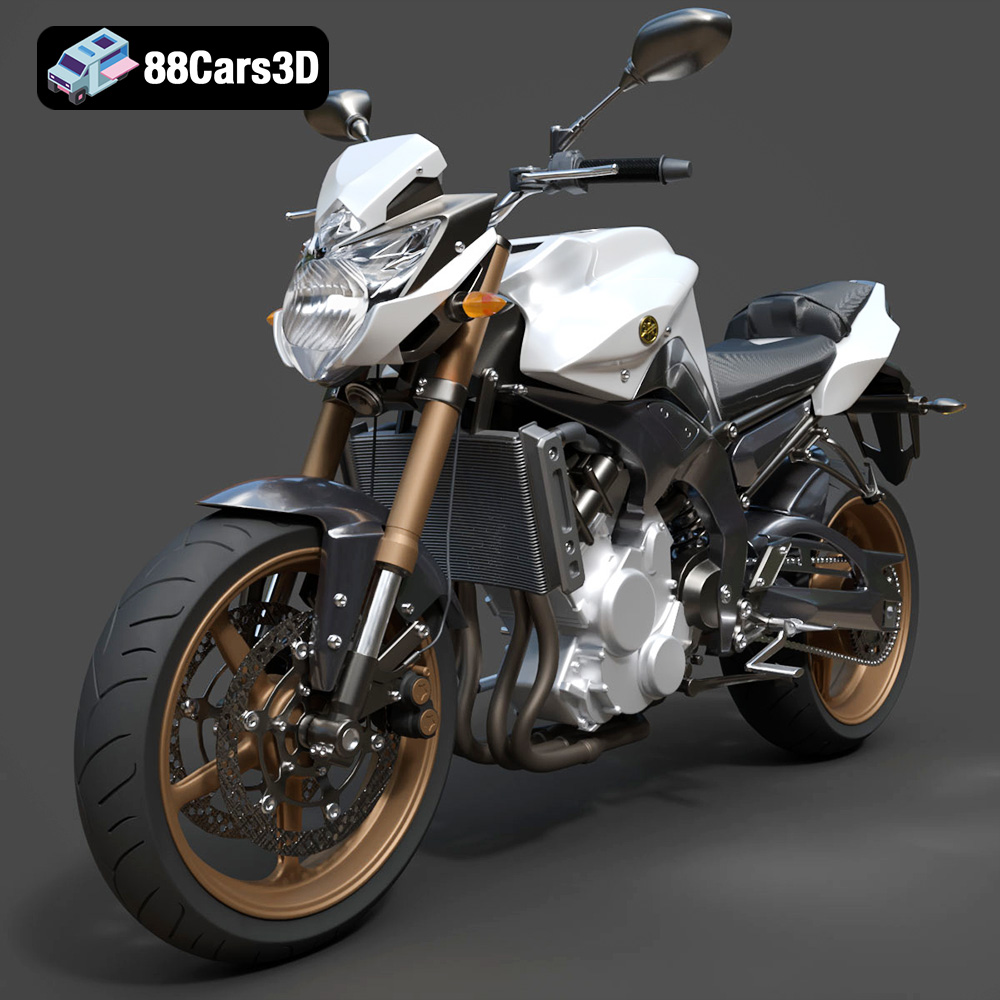
Texture: Yes
Material: Yes
Download the Yamaha FZ8 2011 3D Model featuring clean geometry, realistic detailing, and a fully modeled interior. Includes .blend, .fbx, .obj, .glb, .stl, .ply, .unreal, and .max formats for rendering, simulation, and game development.
Price: $19.99
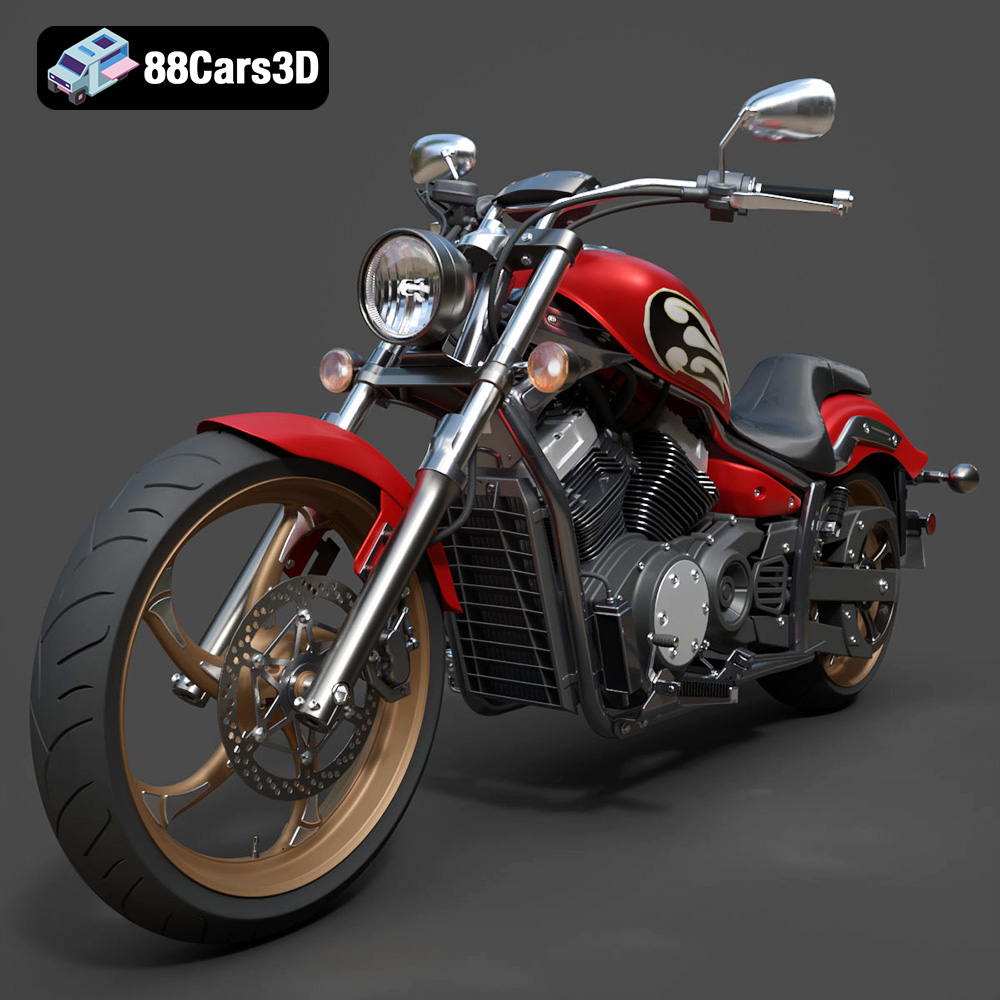
Texture: Yes
Material: Yes
Download the Yamaha Stryker 2012 3D Model featuring clean geometry, realistic detailing, and a fully modeled interior. Includes .blend, .fbx, .obj, .glb, .stl, .ply, .unreal, and .max formats for rendering, simulation, and game development.
Price: $19.99
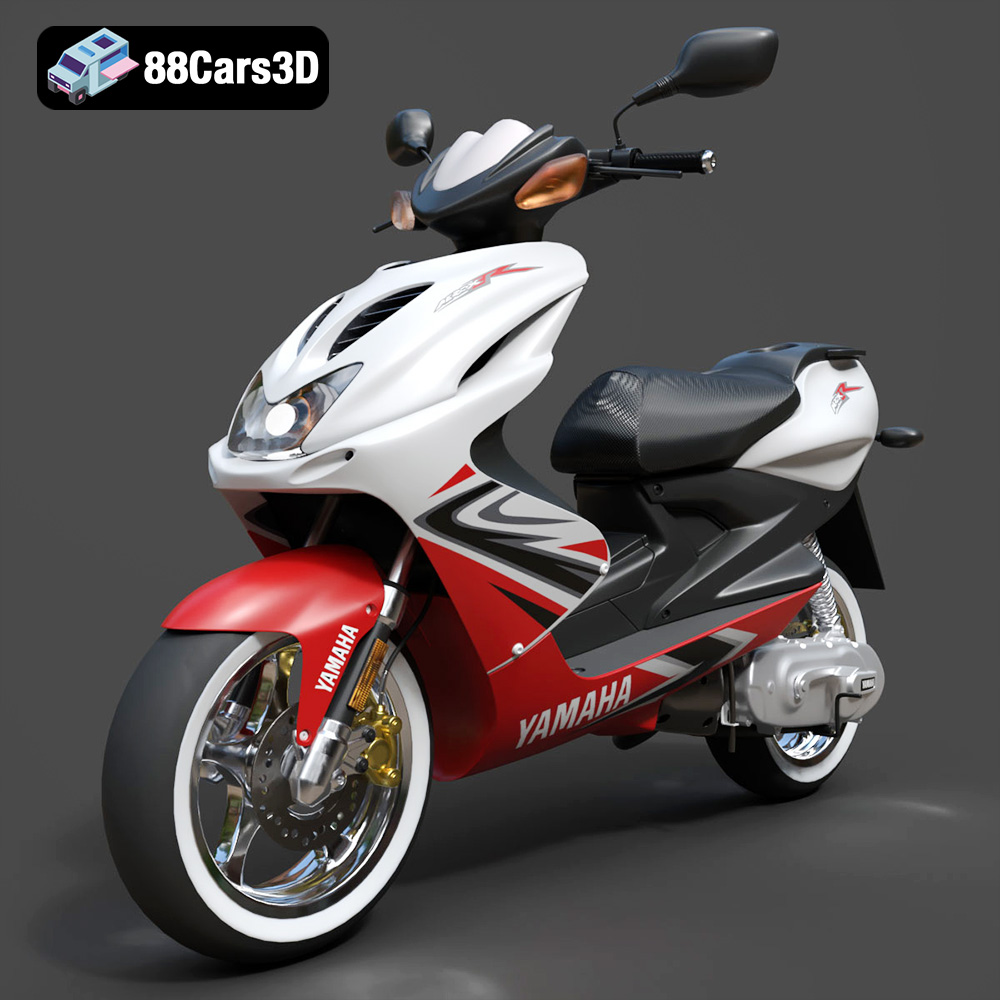
Texture: Yes
Material: Yes
Download the Yamaha Aerox R-002 2024 3D Model featuring clean geometry, realistic detailing, and a fully modeled interior. Includes .blend, .fbx, .obj, .glb, .stl, .ply, .unreal, and .max formats for rendering, simulation, and game development.
Price: $19.99
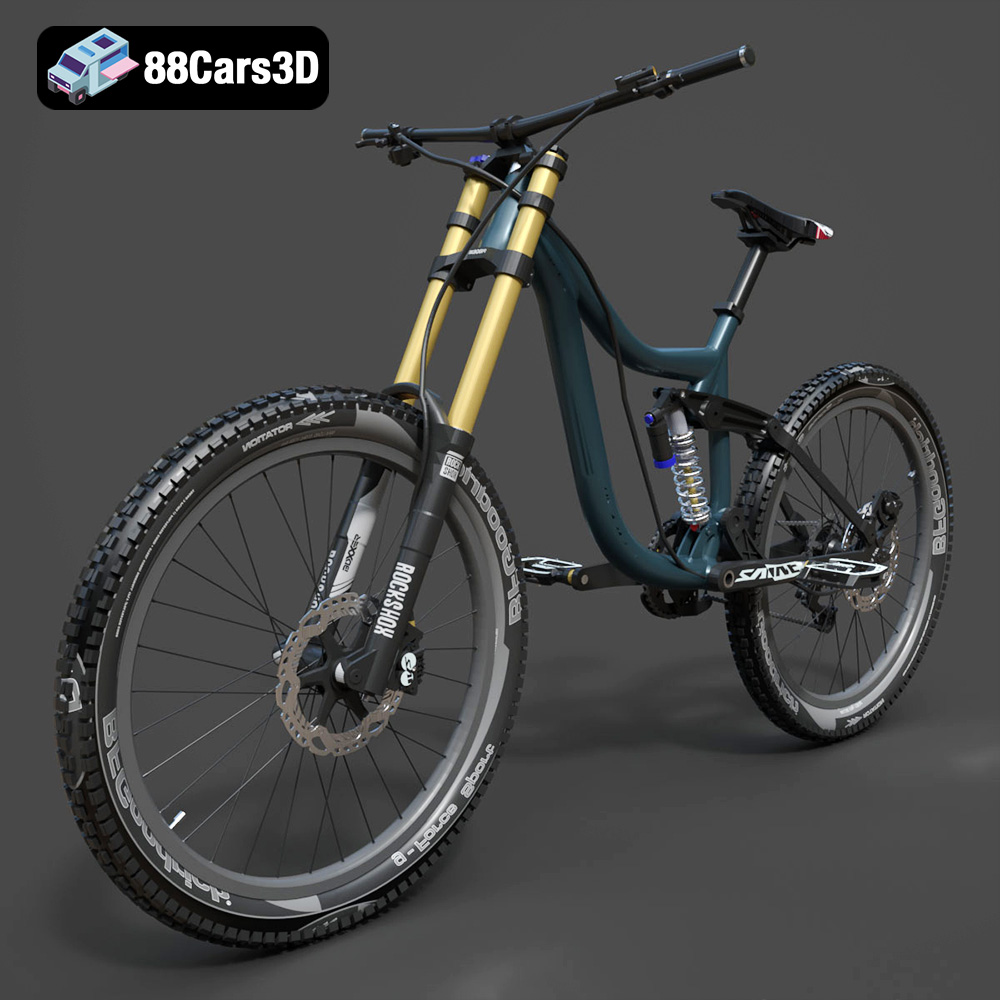
Texture: Yes
Material: Yes
Download the Mototsikly Downhill Bike-002 3D Model featuring clean geometry, realistic detailing, and precise mechanical components. Includes .blend, .fbx, .obj, .glb, .stl, .ply, .unreal, and .max formats for rendering, simulation, and game development.
Price: $19.99
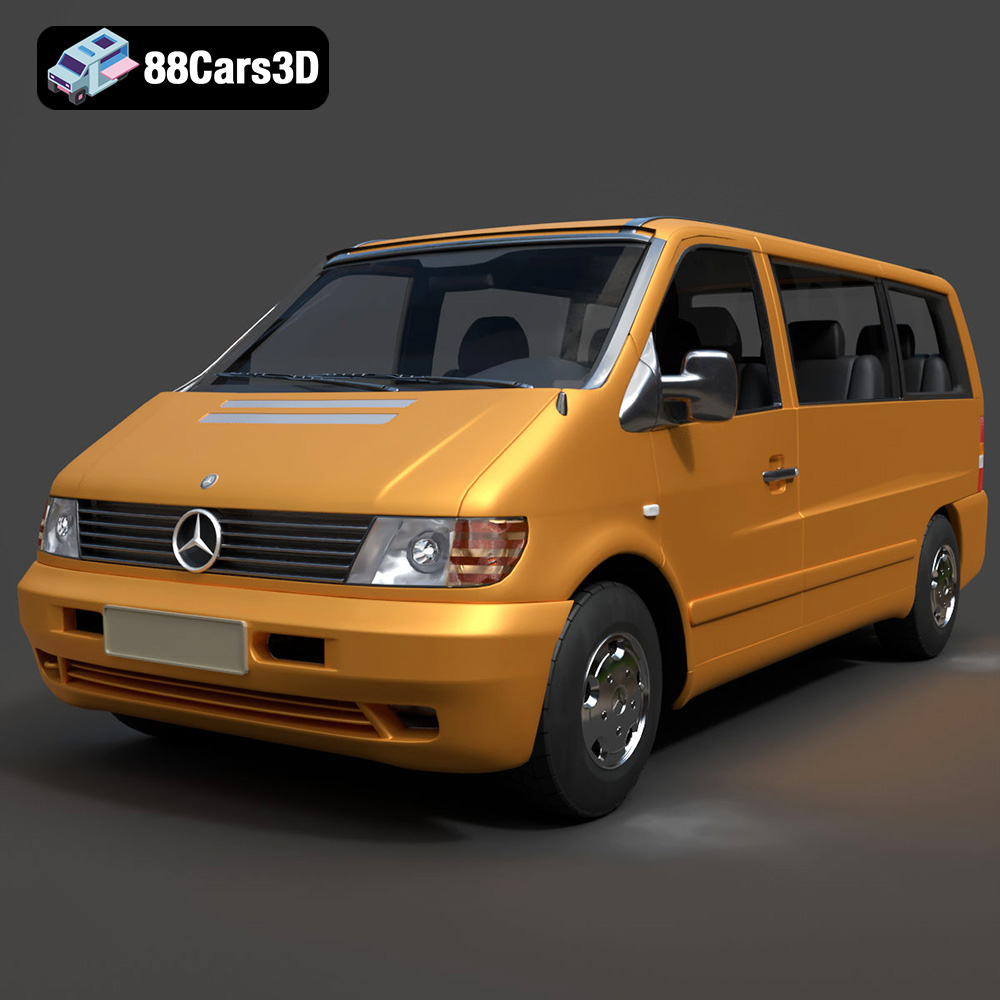
Texture: Yes
Material: Yes
Download the Mercedes-Benz Vito Passenger Van 3D Model featuring clean geometry, realistic detailing, and a fully modeled interior. Includes .blend, .fbx, .obj, .glb, .stl, .ply, .unreal, and .max formats for rendering, simulation, and game development.
Price: $19.99
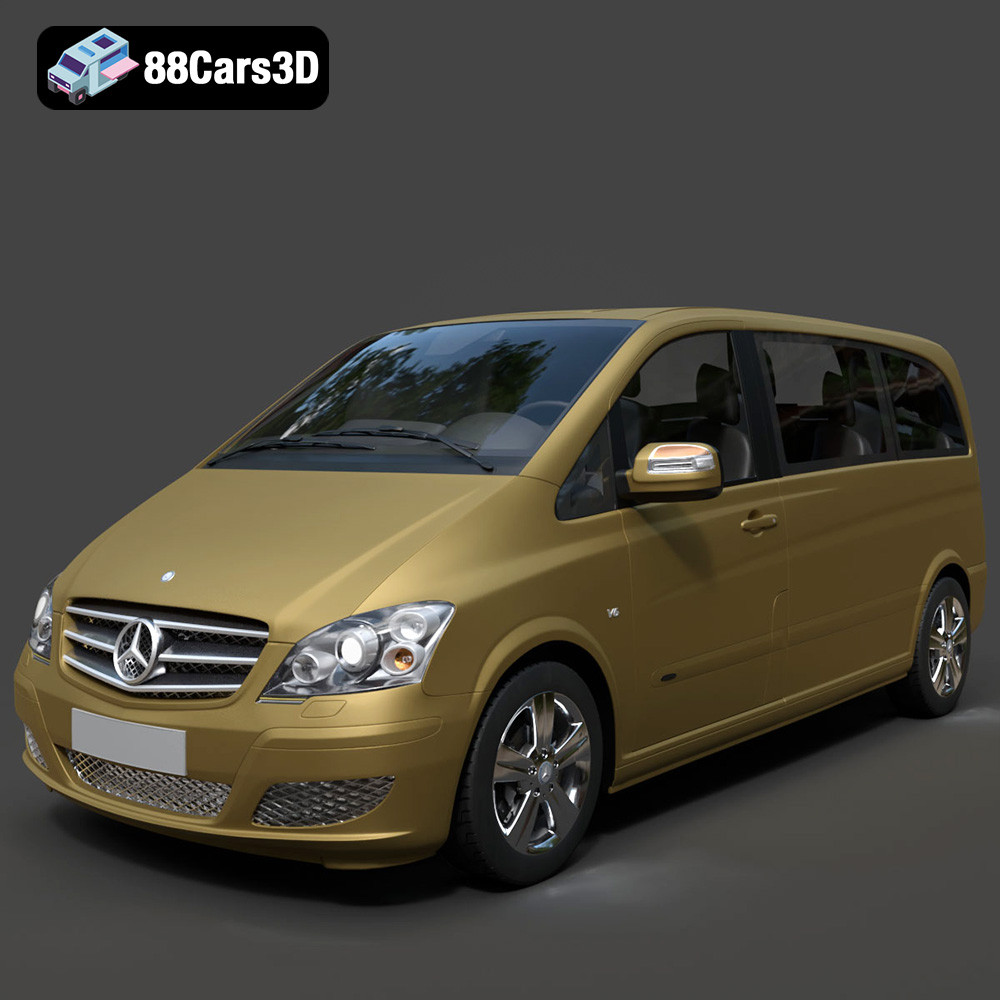
Texture: Yes
Material: Yes
Download the Mercedes-Benz Viano 2010 3D Model featuring clean geometry, realistic detailing, and a fully modeled interior. Includes .blend, .fbx, .obj, .glb, .stl, .ply, .unreal, and .max formats for rendering, simulation, and game development.
Price: $19.99

Texture: Yes
Material: Yes
Download the Emt Avtobus 007 3D Model featuring clean geometry, realistic detailing, and a fully modeled interior. Includes .blend, .fbx, .obj, .glb, .stl, .ply, .unreal, and .max formats for rendering, simulation, and game development.
Price: $19.99
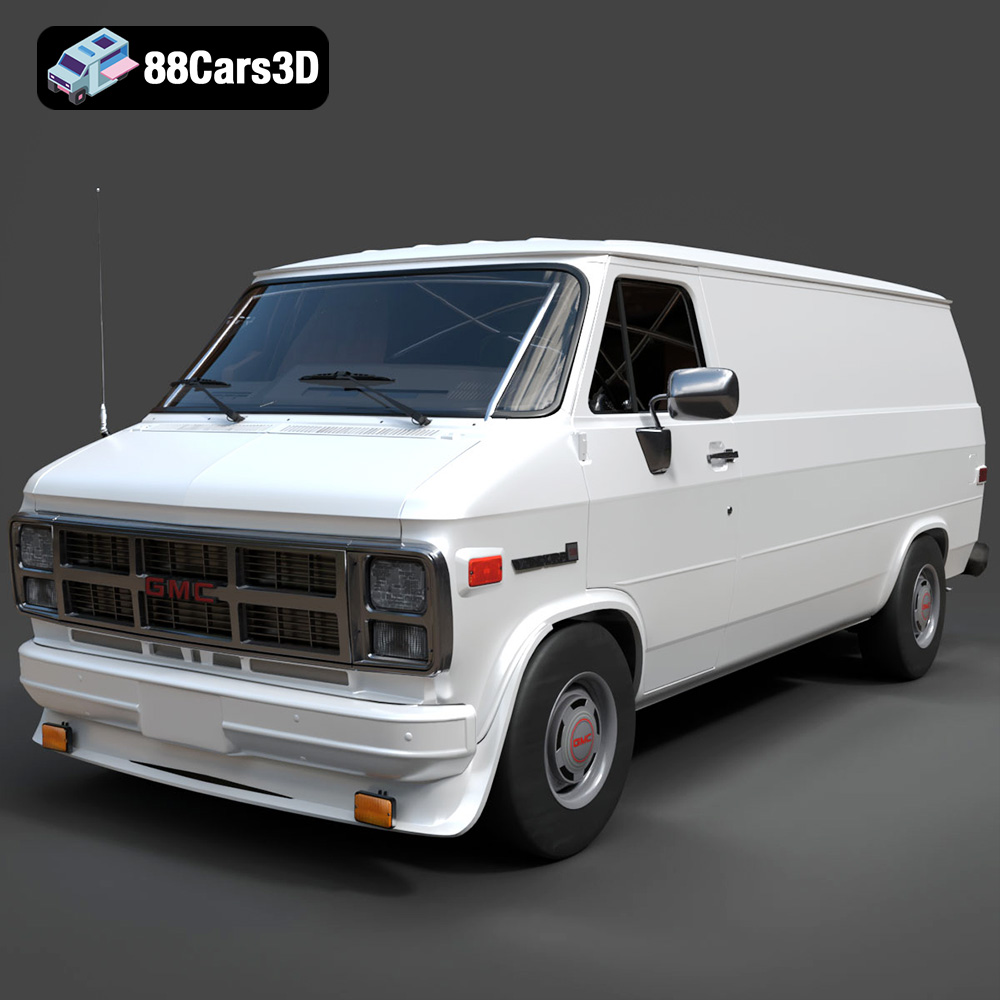
Texture: Yes
Material: Yes
Download the GMC Vandura G-1500 1983 3D Model featuring clean geometry, realistic detailing, and a fully modeled interior. Includes .blend, .fbx, .obj, .glb, .stl, .ply, .unreal, and .max formats for rendering, simulation, and game development.
Price: $19.99
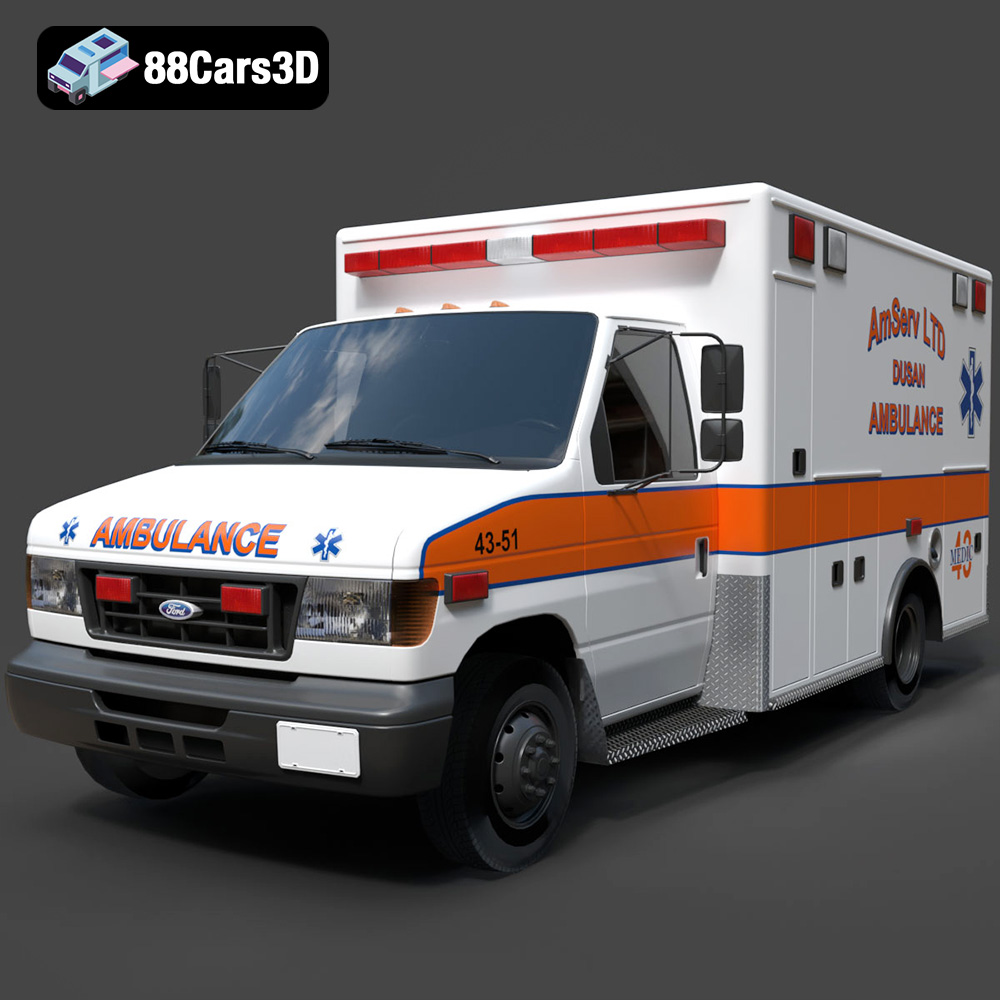
Texture: Yes
Material: Yes
Download the Ford Ambulance AmServ LTD Dusan-002 3D Model featuring a high-detail exterior and interior, realistic textures, and emergency lighting. Includes .blend, .fbx, .obj, .glb, .stl, .ply, .unreal, and .max formats for rendering, simulation, and game development.
Price: $19.99
Texture: Yes
Material: Yes
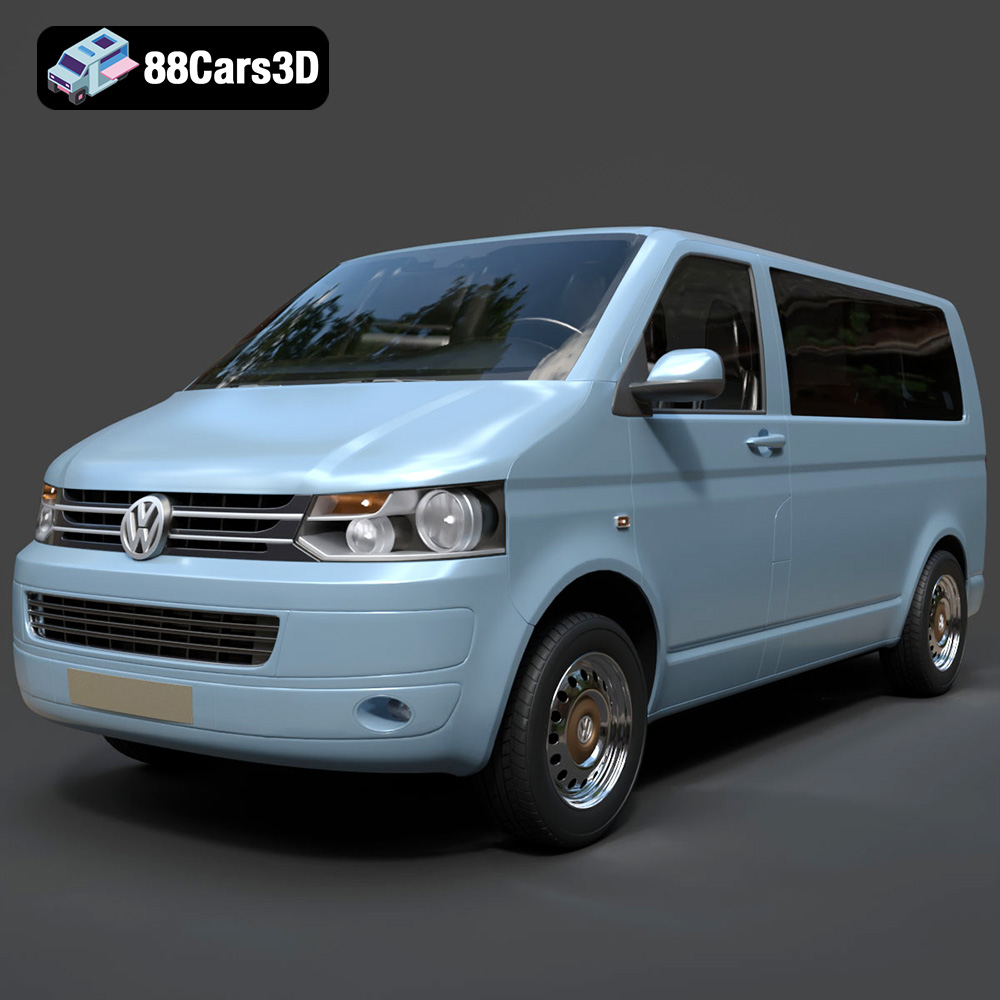
Download the Volkswagen Transporter T5 FL 2010 3D Model featuring clean geometry, realistic detailing, and a fully modeled interior. Includes .blend, .fbx, .obj, .glb, .stl, .ply, .unreal, and .max formats for rendering, simulation, and game development.
Price: $22.99

