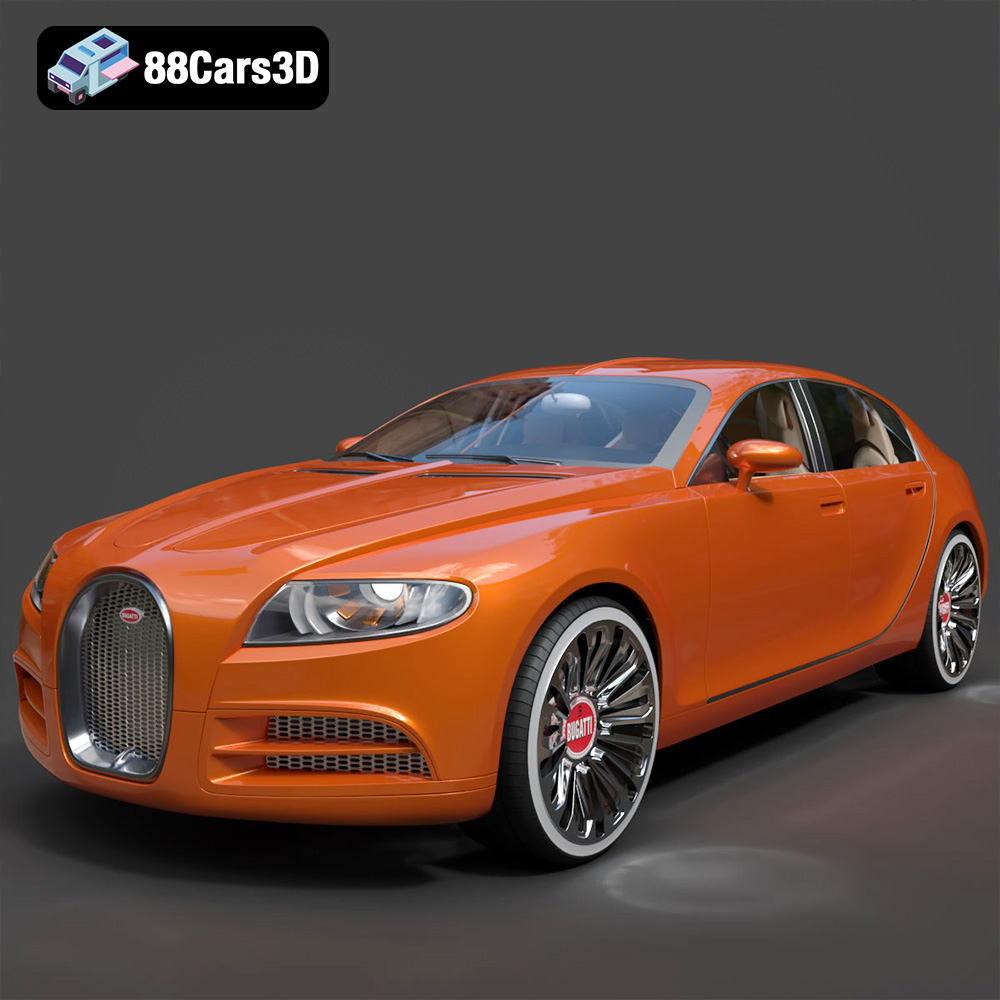
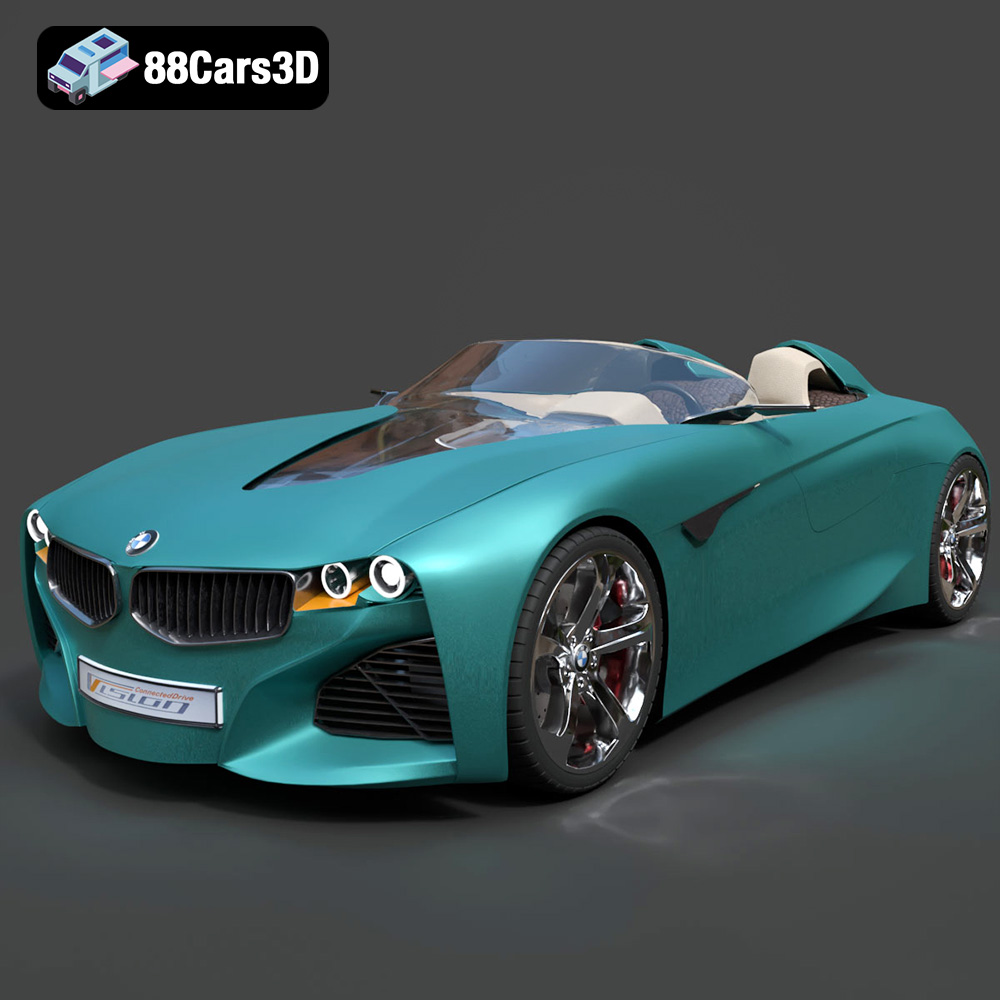
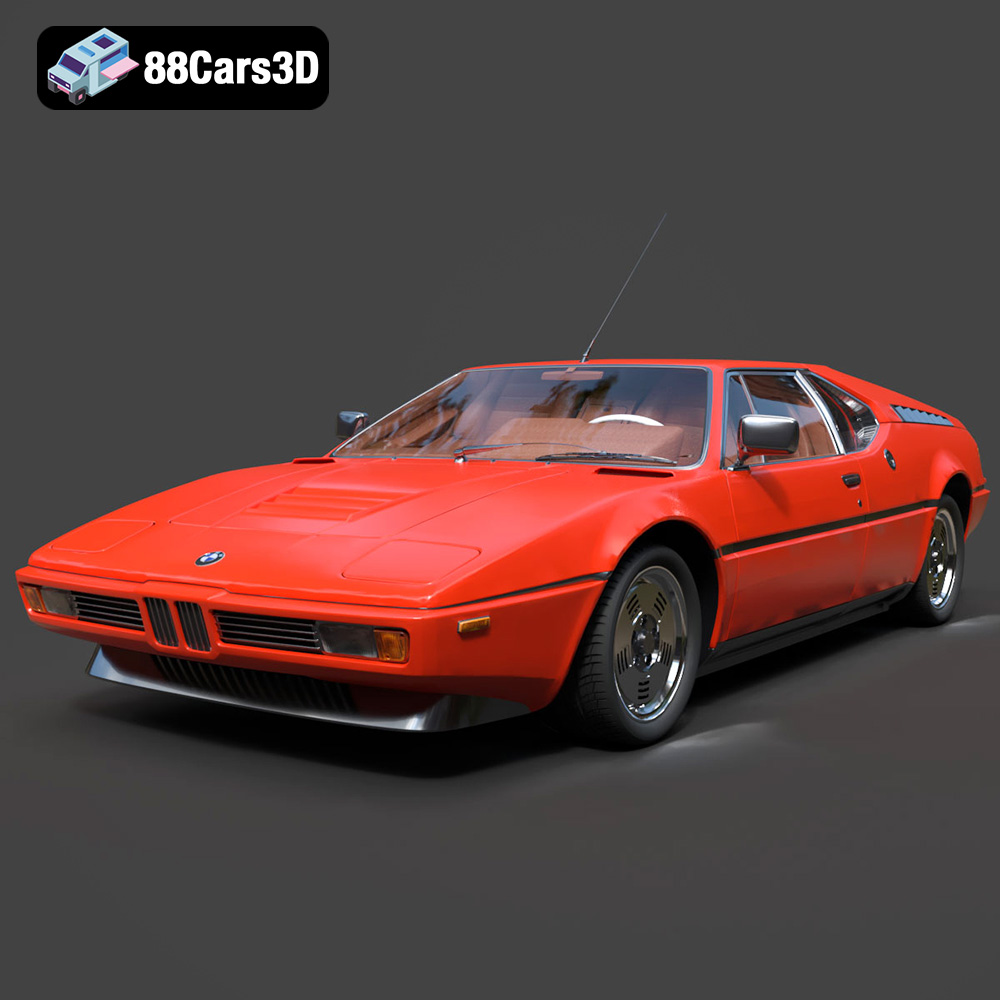
Mastering the Art of Automotive 3D: From High-Fidelity Renders to Real-Time Game Assets
The intricate world of automotive design and visualization has undergone a remarkable transformation thanks to advancements in 3D technology. From the glossy marketing campaigns that showcase concept vehicles with breathtaking realism to the high-octane virtual races found in cutting-edge video games, 3D car models are the foundational elements driving these experiences. The demand for exquisite detail, technical precision, and cross-platform compatibility has never been higher, impacting industries from film and advertising to engineering and interactive entertainment. For professionals seeking top-tier assets, understanding the nuances of 3D model formats, rendering techniques, and game engine optimization is paramount. Resources like 88cars3d.com provide a vital marketplace for acquiring the high-quality assets necessary to meet these demanding standards.
The Foundation: Understanding 3D Model File Formats
Selecting the correct file format is a critical first step in any 3D project, directly impacting compatibility, workflow efficiency, and the final output quality. Each format is designed with specific use cases and technical considerations in mind, making an informed choice essential for professional results. Understanding these distinctions is key to maximizing the utility of your 3D car models.
.blend – Blender’s Native Powerhouse
The .blend format is the native file type for Blender, the powerful open-source 3D creation suite. A .blend file encapsulates an entire Blender scene, including all 3D geometry, materials, textures, lighting, cameras, animations, physics simulations, and even custom scripts. This makes it an incredibly comprehensive and fully editable format, ideal for users who primarily work within Blender or intend to perform extensive modifications. When you download a .blend file, you gain access to the raw project, allowing for deep customization, re-rigging, re-texturing, and scene composition. Its strength lies in its completeness, offering unparalleled flexibility for artists and developers comfortable with Blender’s environment.
.fbx – The Industry Workhorse for Interoperability
.fbx (Filmbox) is a proprietary file format developed by Autodesk, serving as the de facto standard for exchanging 3D data between various software applications. Its widespread adoption stems from its robust ability to store not only geometry (meshes, polygons, NURBS) but also animation, cameras, lights, and materials. This makes .fbx exceptionally versatile for pipelines involving multiple software packages, such as modeling in 3ds Max or Maya, texturing in Substance Painter, and then importing into game engines like Unreal Engine or Unity. For game assets, .fbx is often the preferred choice due to its efficient handling of complex scenes and animations, making it an ideal format for streamlined real-time development.
.obj – Universal Compatibility and Simplicity
The .obj (Wavefront OBJ) format is one of the oldest and most universally supported 3D file formats. It primarily stores geometric data, including vertices, normals, UV coordinates, and faces. Material information is typically stored in a separate companion file (.mtl). While .obj does not support animation or rigging, its simplicity and broad compatibility make it excellent for static mesh exchange across virtually any 3D software. It’s a reliable choice for archival purposes or when you need a clean mesh without complex scene data, often used for sculpting, 3D printing preparation, or when transferring basic geometry between applications with minimal fuss.
.glb – Web-Optimized for AR, VR, and Browser-Based Display
.glb (GLB format) is the binary version of glTF (GL Transmission Format), designed specifically for efficient transmission and loading of 3D scenes and models by applications. It packages textures, animations, and other scene data directly within a single file, making it incredibly convenient for web-based 3D, Augmented Reality (AR), and Virtual Reality (VR) applications. Its optimization for real-time rendering and small file size makes it perfect for displaying interactive 3D car models in browsers or mobile AR apps without significant loading delays. It’s quickly becoming the standard for 3D content on the web.
.stl – The Standard for 3D Printing Output
.stl (Stereolithography) is the most common file format used for 3D printing. It represents a 3D model as a series of connected triangles, defining only the surface geometry without color, texture, or other attributes. Its primary purpose is to convey the physical shape of an object to a 3D printer slicing software. While simple, precision is crucial; errors in an .stl file, such as non-manifold geometry or flipped normals, can lead to print failures. For converting a detailed 3D car model into a physical prototype, .stl is the indispensable format.
.ply – Precision Mesh Format for CAD or Analysis
.ply (Polygon File Format or Stanford Triangle Format) is another format that stores geometric data, often including color, transparency, and sometimes normal vectors, typically for scanned 3D data. It can store both point clouds and polygonal meshes. While less common than .obj for general exchange, .ply is frequently used in scientific applications, 3D scanning, and CAD/CAM environments where precision and additional per-vertex or per-face data are important. It’s a robust format for handling complex, dense meshes often derived from real-world measurements.
.unreal – Engine-Ready Asset for Real-Time Environments
The .unreal designation often refers to assets that are packaged specifically for Unreal Engine, typically as a .uasset file or a collection of assets organized within an Unreal project structure. These are not raw 3D models but rather pre-configured assets (meshes, materials, textures, blueprints, animations) that have been imported, optimized, and set up within the Unreal Editor. While the initial raw model might be an .fbx, once inside Unreal, it becomes an .uasset. This “engine-ready” state means it’s often optimized for performance, has collision meshes, LODs (Levels of Detail), and appropriate material instances already configured, saving developers significant setup time for game assets.
.max – Editable 3ds Max Project for Animation and Rendering
The .max format is the native file type for Autodesk 3ds Max, a professional 3D computer graphics program for making 3D animations, models, games, and images. Similar to .blend, a .max file contains the entire scene data, including all geometry, modifiers, materials, lighting, cameras, render settings, and animations specific to 3ds Max. This format is crucial for users who rely on 3ds Max for their primary workflow, particularly in architectural visualization, product design, and high-end automotive rendering. It offers full editability and access to 3ds Max’s extensive toolset for detailed scene construction and advanced rendering features.
Crafting Realism: High-Fidelity Automotive Rendering
Achieving photorealistic automotive rendering is an art form that blends technical mastery with an artistic eye. It’s about meticulously recreating the interplay of light and material that defines real-world vehicles, demanding precision in every aspect from shader properties to environmental illumination.
The Power of Physically Based Rendering (PBR)
At the heart of modern photorealistic rendering lies Physically Based Rendering (PBR). This methodology ensures that materials react to light in a way that conserves energy and accurately simulates real-world physics. For 3D car models, this translates to incredibly convincing surfaces. Key PBR texture maps include:
- Albedo/Base Color: Defines the diffuse color of the surface, essentially what color the object is without any lighting.
- Metallic: A grayscale map (0 to 1) indicating which parts of the surface are metallic (e.g., chrome trim, car paint flakes) and which are dielectric (e.g., rubber tires, plastic panels).
- Roughness: Controls the microscopic surface irregularities, determining how sharp or diffuse reflections appear (e.g., glossy car paint vs. matte plastic).
- Normal Map: Adds fine surface detail without increasing polygon count, simulating bumps and grooves (e.g., subtle panel lines, tire tread patterns).
- Ambient Occlusion (AO): Simulates soft shadows where surfaces are close together, adding depth and realism to crevices.
Popular renderers like V-Ray, Corona Renderer, Octane Render, and Blender’s Cycles engine are all built upon robust PBR foundations, allowing artists to translate these texture maps into stunning visuals.
Advanced Lighting and Environment Setup
Lighting is arguably the most critical element in compelling automotive rendering. A perfectly modeled and textured car can look flat without expertly crafted illumination.
- HDRI (High Dynamic Range Image): These 360-degree panoramic images capture real-world lighting and reflections, providing highly accurate global illumination and reflections. A high-quality automotive HDRI can instantly elevate a render, making the car seamlessly blend into its environment.
- Area Lights and Directional Lights: Used to simulate studio lighting setups, suns, or specific light sources. Strategic placement can highlight body lines, create dramatic shadows, and emphasize specific design elements.
- Interior vs. Exterior Rendering: Interior renders require careful consideration of light bounce and material interaction within a confined space, often relying on volumetric effects and subtle emissive surfaces. Exterior shots benefit from realistic sky models, atmospheric perspective, and ground interaction.
Post-Production Techniques for Photorealism
Even the most technically perfect render can be enhanced through thoughtful post-production. This stage is where a good render becomes a great image.
- Compositing: Combining render passes (beauty, reflections, shadows, alpha) to gain granular control over each element.
- Color Grading: Adjusting hues, saturation, and luminance to achieve a specific mood or to match a desired aesthetic.
- Depth of Field (DoF): Simulating camera lens blur to draw the viewer’s eye to specific focal points, adding photographic realism.
- Motion Blur: Essential for dynamic shots, it accurately simulates the blur caused by movement during a camera’s exposure, making static renders feel alive.
- Lens Effects: Adding subtle imperfections like chromatic aberration, lens flares, or vignetting to mimic real-world camera optics.
Bridging Worlds: From CAD to Game-Ready Assets
Transforming highly detailed CAD data or high-poly 3D car models into optimized game assets is a specialized process. It requires a deep understanding of performance budgets, real-time rendering constraints, and engine-specific requirements to ensure smooth gameplay without sacrificing visual fidelity.
Optimizing Poly Counts and LODs
Game engines operate under strict performance budgets, making polygon count optimization crucial.
- High-Poly vs. Low-Poly: Original CAD models or subdivision surface models often contain millions of polygons, suitable for cinematic renders but entirely unsuitable for real-time. Game assets require a significantly reduced poly count. This involves a process called retopology, where a new, optimized mesh is built over the high-poly version.
- Generating Level of Detail (LOD) Models: To maintain performance as a player moves away from a car, multiple versions of the model are created, each with progressively fewer polygons. LOD0 (highest detail) is used when close, while LOD1, LOD2, and so on, are swapped in at increasing distances. This ensures that distant objects don’t consume unnecessary rendering resources. A high-quality model from 88cars3d.com will often come with pre-configured LODs, saving valuable development time.
- Specific Poly Count Targets: Targets vary wildly depending on the platform. A mobile game might target 20k-50k triangles for a main player car, while a high-end PC or console title could push 150k-300k+ triangles for LOD0, plus interior details.
Efficient UV Mapping and Texture Baking
Once the polygon count is optimized, the next step is to prepare the model for texturing.
- Non-overlapping UVs: Game engines require clean UV maps where no texture coordinates overlap. This is essential for preventing texture artifacts and for baking maps accurately. Careful unwrapping ensures efficient use of texture space and prevents distortion.
- Texel Density: Maintaining consistent texel density across the model ensures that all parts of the car have a similar level of texture detail, preventing some areas from looking blurry while others are sharp.
- Baking Maps: The fine details from the high-poly model are “baked down” onto the low-poly mesh as texture maps. This includes normal maps (to simulate surface detail), ambient occlusion maps (for contact shadows), curvature maps, and sometimes lightmaps (for pre-calculated static lighting). This technique allows low-poly models to appear highly detailed, an indispensable technique for realistic game assets.
Setting Up Car Models in Game Engines (Unreal Engine Focus)
Bringing a 3D car model into a game engine like Unreal Engine involves several crucial steps to make it truly “game-ready.”
- Importing FBX: The optimized low-poly mesh, along with its baked PBR texture maps, is typically imported via the .fbx format. Correct import settings for scale, rotation, and coordinate systems are vital.
- Material Setup: PBR textures (Albedo, Normal, Roughness, Metallic, Ambient Occlusion) are assigned to material instances. Shaders are configured to accurately interpret these maps, often involving complex material graphs for realistic car paint, glass, and tire effects.
- Collision Meshes: Simple collision meshes (often convex hulls or simplified versions of the visual mesh) are created and assigned to the car. These dictate how the car interacts physically with the environment and other objects.
- Blueprinting for Car Physics and Controls: In Unreal Engine, a blueprint class is created for the car, incorporating the imported mesh and setting up the engine’s physics system (e.g., Chaos Vehicle System). This involves configuring wheel setups, engine torque curves, gear ratios, suspension, and input controls.
Beyond Visualization: Practical Applications of 3D Car Models
The utility of high-quality 3D car models extends far beyond static renders or interactive games. They are integral tools across a spectrum of industries, driving innovation, enhancing customer experience, and streamlining development workflows.
Automotive Design and Prototyping
In the automotive industry, 3D models are the backbone of the design and engineering process.
- Virtual Showrooms and Configurators: Manufacturers use 3D models to create interactive online configurators, allowing potential buyers to customize colors, wheels, and interior options in real-time, greatly enhancing the pre-purchase experience. Virtual showrooms offer immersive environments to explore vehicles from any angle.
- Ergonomics Studies: Engineers use 3D models to simulate human interaction with the vehicle interior, assessing comfort, visibility, and control accessibility without building physical mock-ups.
- Aerodynamic Simulations (CFD): While often using highly specialized CAD models, the principles extend to detailed surface models used for computational fluid dynamics (CFD) analysis, simulating airflow and predicting aerodynamic performance.
- Safety and Crash Testing Simulations: Advanced 3D models are used in virtual crash tests, saving immense costs and time compared to physical testing.
Augmented Reality (AR) and Virtual Reality (VR) Experiences
AR and VR are transforming how we interact with products, and 3D car models are at the forefront of this revolution.
- Immersive Car Showrooms: VR allows users to “sit inside” a vehicle, experience its interior, and walk around it in a fully immersive virtual environment, regardless of physical location.
- Virtual Test Drives: VR simulations can offer a realistic driving experience, allowing potential customers to “test drive” a car long before it’s physically available.
- Technical Considerations for AR/VR: Performance is paramount for AR/VR to prevent motion sickness. This means highly optimized models with efficient geometry, minimal draw calls, and streamlined materials, often leveraging formats like .glb. Accurate scaling and anchoring in AR are also critical for a believable experience.
3D Printing for Physical Models
From rapid prototyping to creating intricate display models, 3D printing offers a tangible output from a digital 3D car model.
- Preparing Models for FDM/SLA: Models must be “manifold” (watertight, no open edges) and have sufficient wall thickness for the chosen printing technology (FDM for larger, robust prints; SLA/DLP for fine detail).
- Considerations for Wall Thickness, Overhangs, Support Structures: Features that are too thin can break, while complex overhangs require support structures that need to be carefully designed and removed post-print. Intricate details of a car model, such as grilles or wing mirrors, require careful preparation for successful printing.
The Workflow: A Case Study in Asset Development
Let’s walk through a simplified, professional workflow for creating a high-quality 3D car model, suitable for both automotive rendering and game integration, emphasizing the technical steps involved.
High-Poly Modeling in 3ds Max/Blender
The journey begins with meticulous high-poly modeling, often starting with engineering blueprints or reference images.
- Blueprint Setup: Accurate orthographic blueprints (front, back, side, top) are loaded into the 3D viewport as image planes to guide the modeling process.
- Surface Modeling (Subdivision Modeling or NURBS Conversion): Artists typically use subdivision surface modeling (e.g., poly-modeling with a Turbosmooth modifier in 3ds Max or Subdivision Surface modifier in Blender) to achieve smooth, curvature-continuous surfaces. Alternatively, industrial designers might start with NURBS surfaces for ultimate precision and then convert to polygons.
- Attention to Detail: Every shut line, panel gap, and intricate component (headlights, grilles, wheels, interior dashboard) is modeled with precision. This is where the difference between a good model and an exceptional one lies. High-quality base meshes like those found on 88cars3d.com significantly expedite this stage.
Texturing and Shading for Different Targets
Once the high-poly model is complete, it’s time to bring it to life with materials and textures.
- Substance Painter Workflow for PBR Textures: The high-poly model is often taken into Substance Painter (or similar texturing software) where PBR textures are created. This involves applying smart materials for realistic car paint (base coat, clear coat, metallic flakes), weathered plastic, rubber, glass, and chrome. Details like dust, scratches, and fingerprint smudges are added using procedural masks and hand-painting.
- Custom Shader Development for Specific Engine Requirements: For advanced automotive rendering, custom shaders might be developed in software like 3ds Max (using Maxscript or OSL) or directly within Unreal Engine (using the Material Editor). These can handle complex multi-layered car paint effects, anisotropic reflections, or specialized glass refractions that go beyond standard PBR.
Export and Integration into Unreal Engine
The final step involves preparing the model for its intended use and integrating it into an engine.
- Detailed Steps for Exporting FBX with Correct Settings:
- Mesh Preparation: Ensure all geometry is clean, has appropriate smoothing groups, and correct UV channels.
- Origin and Scale: The model’s pivot point should be at the ground plane’s center and oriented correctly (e.g., Z-up for Unreal). Scale should match the engine’s units (Unreal uses centimeters).
- Export Settings: When exporting from 3ds Max or Blender as .fbx, ensure only selected objects are exported, embed media (textures) if desired, and disable cameras/lights unless specifically needed. Set FBX version compatibility for the target engine.
- Importing, Setting Up Materials, Collision, and Initial Blueprint: In Unreal Engine, import the .fbx, then create and assign materials using the PBR textures. Set up collision meshes (simple box or convex hull collisions for performance). Finally, create a vehicle Blueprint and integrate the skeletal mesh, physics assets, and initial vehicle controls.
- Stress the Importance of Clean Assets: Starting with a professionally modeled and optimized 3D car model from a reputable source like 88cars3d.com can drastically reduce iteration time and ensure a robust foundation for any project, whether for photorealistic renders or interactive game experiences.
Conclusion
The world of 3D automotive modeling is a dynamic and technically demanding field, constantly evolving with new tools and techniques. From the initial choice of file format to the meticulous crafting of materials for photorealistic automotive rendering or the rigorous optimization required for high-performance game assets, every step demands precision and expertise. Whether you are visualizing a futuristic concept, developing the next-generation racing title, or creating immersive AR experiences, the quality of your 3D car models is paramount.
Understanding the intricacies of formats like .blend, .fbx, .obj, and .glb, mastering PBR workflows, and navigating the complexities of game engine integration are vital skills for any professional. By leveraging high-quality assets and adhering to robust technical practices, artists and developers can push the boundaries of visual fidelity and interactive experiences. For those seeking a reliable source for expertly crafted 3D car models, 88cars3d.com stands as a valuable resource, offering the foundation for stunning visualizations and compelling interactive content.
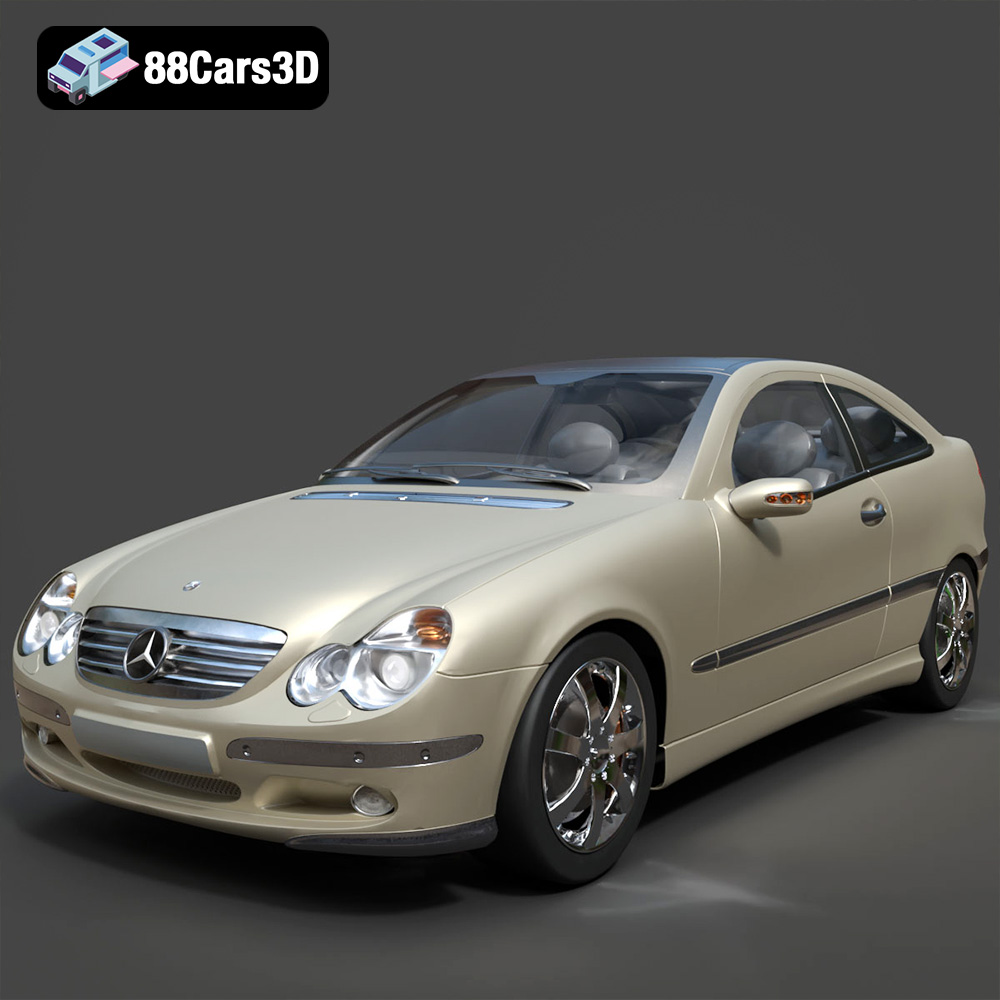
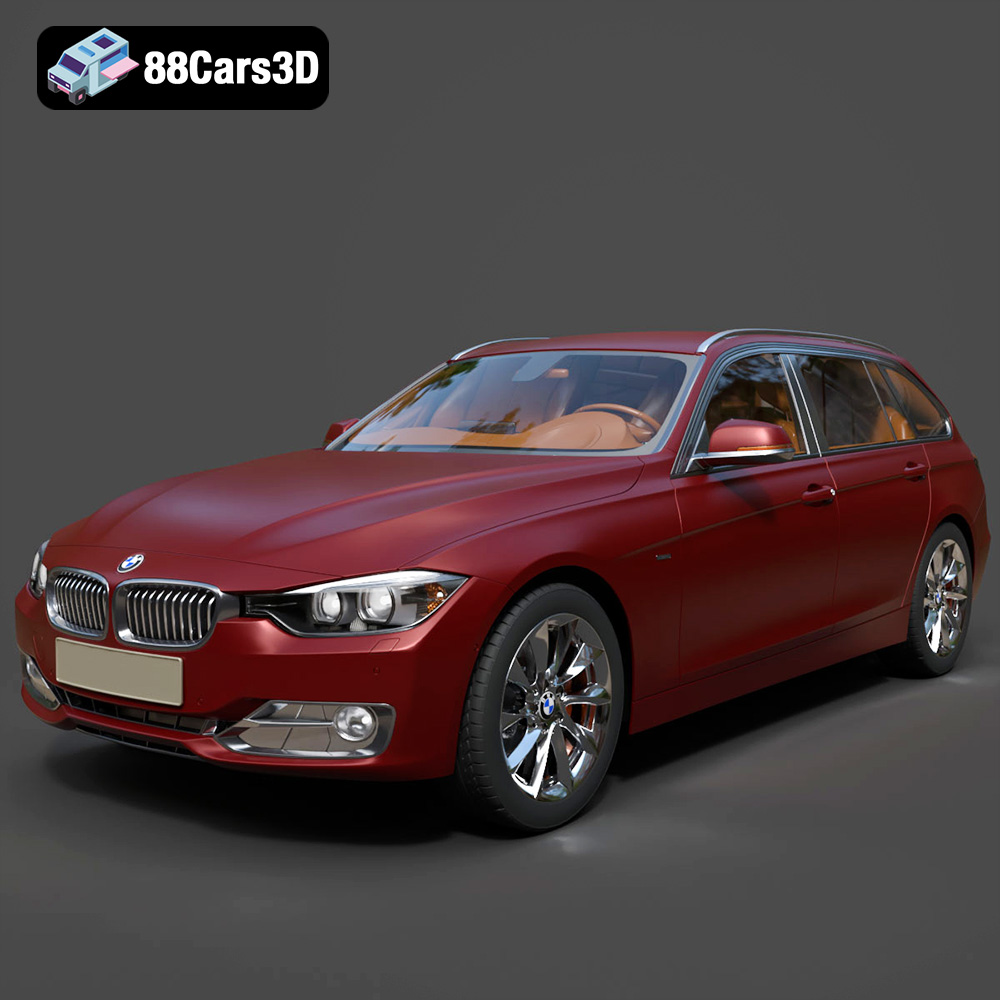
Featured 3D Car Models