⚡ FLASH SALE: Get 60% OFF All Premium 3D & STL Models! ⚡

“`html
Welcome, fellow makers and automotive enthusiasts! If you’re passionate about bringing iconic vehicles to life through 3D printing, you understand that achieving a flawless final product hinges on the details. At 88cars3d.com, we’re dedicated to providing you with meticulously crafted, print-ready STL files of your favorite cars. But even the best models require the right tools and settings to shine. Two fundamental, yet often overlooked, aspects of your 3D printer setup are the nozzle size and the build volume (bed size).
Choosing the correct nozzle and understanding your printer’s build capacity isn’t just about fitting a part onto the bed; it’s about optimizing print quality, speed, and material usage. This guide will delve deep into the technical nuances of nozzle selection and the implications of your printer’s build volume, empowering you to make informed decisions for your next 3D printing project, whether you’re replicating a classic muscle car or prototyping a futuristic concept. We’ll explore how these choices impact layer resolution, print strength, and the feasibility of printing larger or multiple printable car models simultaneously. Get ready to elevate your 3D printing game and unlock the full potential of your machine!
The nozzle is where the magic happens in FDM 3D printing – it’s the point of contact between your filament and the build plate, shaping every layer of your creation. The diameter of this tiny metal orifice has a profound impact on virtually every aspect of your print. From the fine details of a vintage car’s grille to the overall structural integrity of a larger model, nozzle choice is a critical decision. At 88cars3d.com, our STL files are designed with versatility in mind, but the nozzle plays a key role in realizing that versatility on your printer.
Understanding the trade-offs is paramount. A smaller nozzle, typically 0.2mm or 0.3mm, excels at producing incredibly fine details. For intricate components like delicate spoilers, emblems, or the complex lines of a supercar, a smaller nozzle can capture nuances that larger nozzles would blur. This leads to smoother surfaces and sharper edges, reducing the need for extensive post-processing. However, this level of detail comes at a cost: significantly increased print times. Each layer is thinner, requiring more passes to build up the model. Furthermore, smaller nozzles are more susceptible to clogging, especially with less-than-perfect filament or if the extruder isn’t properly calibrated. They also require more precise 3D printer settings, particularly regarding temperature and retraction.
Conversely, a larger nozzle, such as 0.6mm or even 0.8mm, dramatically speeds up printing. By extruding a wider bead of plastic, it can lay down layers more quickly and build height faster. This is advantageous for larger models or when printing multiple car models at once to fill the build plate. Larger nozzles also produce stronger parts due to a wider extrusion width, which can improve layer adhesion and overall part integrity. However, they sacrifice fine detail. Curves may appear more faceted, and small features can become indistinct. Think of printing a large, simplified truck model versus a detailed vintage sports car; a larger nozzle might be perfect for the former but disastrous for the latter.
The nozzle diameter directly influences the maximum achievable layer height. While theoretically, you can print with layer heights up to 75-80% of your nozzle diameter, best practice dictates staying within 50-60% for optimal adhesion and surface finish. For a standard 0.4mm nozzle, layer heights between 0.1mm and 0.2mm are common. A 0.2mm nozzle might allow for layer heights of 0.06mm to 0.12mm, enabling exquisite detail but extending print times considerably. Conversely, a 0.6mm nozzle could comfortably handle layer heights of 0.2mm to 0.36mm, significantly reducing print duration but compromising on the sharpness of small features. When selecting printable car models from 88cars3d.com, consider the complexity and scale. For highly detailed models, a smaller nozzle and finer layer height are often the best choices, even if it means a longer wait. For larger, less intricate models, a larger nozzle can be a game-changer for efficiency.
Nozzle clogging is a common frustration in FDM printing, and smaller nozzles are more prone to it. Dust particles in filament, partially melted filament, or inconsistent extrusion can all lead to blockages. When using a smaller nozzle, it’s crucial to ensure filament quality is high and your printer’s extruder is well-calibrated. PID tuning for your hotend can ensure stable temperatures, and ensuring the filament path is clear and smooth is essential. For larger nozzles, the wider opening offers more tolerance for minor imperfections in filament or slight temperature fluctuations. However, you’ll need to adjust your 3D printer settings accordingly. Typically, with a larger nozzle, you’ll need to increase the extruder multiplier (flow rate) to compensate for the wider extrusion width, ensuring you don’t under-extrude. For example, if you switch from a 0.4mm to a 0.8mm nozzle, you might need to increase your flow rate by approximately 400% (though this is a rough estimate and requires calibration).
The ability of your printer to handle bridges (spans between two points) and overhangs (sections printed in mid-air) is also influenced by nozzle size. Smaller nozzles generally have an easier time with complex overhangs and bridges because the extruded line is thinner and can cool more rapidly. This means less material is being laid down at once, reducing the chance of sagging. Larger nozzles, extruding a wider, hotter line of plastic, can struggle more with steep overhangs and long bridges. This often necessitates the use of more robust support structures or requires careful tuning of cooling fan speeds and print speeds. When downloading models from marketplaces such as 88cars3d.com, pay attention to the model’s design complexity. Intricate undercuts or steep overhangs might guide you towards a smaller nozzle for better intrinsic printability.
The build volume, or bed size, of your 3D printer dictates the maximum dimensions of a single object you can print. For hobbyists and enthusiasts who love printing detailed printable car models, this can significantly influence project planning and execution. Whether you have a compact desktop printer or a large-format machine, understanding its limits and how to work within them is key to successful prints.
A larger build volume offers more flexibility. You can print larger car models at a 1:18 scale or even larger, capturing more detail and creating more impressive display pieces. It also allows you to print multiple smaller models simultaneously, optimizing your printing time and material usage. Imagine printing an entire fleet of classic Fords or a collection of Formula 1 cars in a single batch! This is where efficient slicing becomes crucial – arranging parts on the build plate to maximize space and minimize travel time for the print head.
However, larger build volumes aren’t without their challenges. Larger prints inherently take longer. Furthermore, maintaining consistent bed adhesion across a large surface area can be more difficult. Warping, a phenomenon where the corners of a print lift off the build plate due to uneven cooling, is more common on larger prints, especially with materials like ABS. Ensuring your print bed is perfectly level and using appropriate adhesion aids (like glue stick, hairspray, or specialized build surfaces) is vital. Smaller printers, while limited in the size of single objects, can often be more manageable for beginners, and you can always print larger models in sections and assemble them later.
If your printer’s build volume is smaller than your desired model, don’t despair! Most 3D printing software and CAD tools allow you to scale models down. However, for very large models, scaling might compromise detail. A more effective approach is to split the model into multiple printable sections. Software like Meshmixer, Blender, or even some advanced slicers (like PrusaSlicer or Cura with plugins) can help you cut a complex model, like a full-size car body, into manageable pieces. You’ll need to add registration keys or interlocking features to ensure precise alignment during assembly. This technique requires careful planning in the slicing stage to ensure cut surfaces are flat and printable, and often involves designing for post-processing to seamlessly join the parts. Platforms like 88cars3d.com often provide models that are already designed with split options for larger scales.
Achieving reliable bed adhesion is paramount, especially for prints that occupy a significant portion of your build plate. For FDM printers, common materials like PLA are relatively forgiving, but even they can warp on large, flat bases. Using a heated bed is almost mandatory. Temperatures around 50-60°C for PLA and 70-100°C for ABS or PETG are typical. Beyond the heated bed, consider these strategies:
When printing complex printable car models that have a large footprint, employing a combination of these techniques will greatly improve your success rate.
When your desired model exceeds your build volume, or when you want to print multiple models efficiently, strategic splitting and arrangement are key. If you’re printing a large-scale model car, consider breaking it down into logical sections: chassis, body panels, wheels, interior components, etc. Each piece can then be oriented optimally on the build plate for strength, detail, and minimal support structures. For instance, you might print the car body upright to minimize supports on the exterior surfaces, while printing the chassis flat for maximum stability. Using your slicer’s features to arrange multiple parts also requires consideration of print times and potential failures. If one small part fails, it’s better it fails on its own than to ruin a large, partially completed print. Therefore, printing smaller, independent parts might be preferable, even if it means more individual print jobs. Effective use of build plate real estate can significantly reduce your overall production time.
The interplay between nozzle size and bed size is crucial for effective project planning. A small nozzle on a large bed might be ideal for printing a highly detailed, large-scale model car as a single piece, provided your patience holds for the extended print time. Conversely, a large nozzle on a small bed is best suited for rapidly printing multiple smaller components or less detailed, larger-scale models where speed is paramount. Understanding this synergy allows you to tailor your approach to the specific printable car models you’re working with and your printer’s capabilities.
For instance, if you download a complex, highly detailed 1:8 scale model car from 88cars3d.com and your printer has a modest 200x200mm build volume, you’ll almost certainly need to split the model. To maintain maximum detail on intricate parts like grilles, small spoilers, or interior dashboard elements, you would opt for a smaller nozzle (e.g., 0.25mm or 0.4mm) and a finer layer height (e.g., 0.1mm). This ensures that even when printed in sections, the fine details are preserved. The individual parts would then be carefully arranged on your limited build plate, likely requiring brims for stability on smaller contact points.
On the other hand, if you have a large-format printer with a 300x300mm or larger build volume and you want to print a more simplified, larger-scale (e.g., 1:10) truck model, you might choose a larger nozzle (0.6mm or 0.8mm) and a coarser layer height (0.2mm to 0.3mm). This would allow you to print the entire model, or significant portions of it, much faster, without sacrificing the visual fidelity required for a less intricate design. The larger nozzle’s increased extrusion width also contributes to stronger, more robust prints, which can be beneficial for larger models that might be handled more frequently.
The choice of printing material also interacts with your nozzle and bed size decisions. High-temperature materials like ABS or Nylon often require higher nozzle temperatures and a heated bed, and they are also more prone to warping on larger prints. If you’re printing large ABS car models, a larger nozzle might make the print faster, but the increased risk of warping on a large surface area necessitates robust adhesion strategies and potentially an enclosure. For smaller, detailed prints with high-temperature materials, a smaller nozzle might be used with very precise temperature control. PLA, being more forgiving, is suitable for a wider range of nozzle sizes and bed applications. Resin printers, while having different constraints (build plate size and Z-axis height), offer unparalleled detail with their layer resolution, making them ideal for very small, intricate car models where FDM printing might struggle with fine features, irrespective of nozzle size.
This might sound obvious, but it’s a critical step often overlooked: always ensure your slicer software is configured with the correct nozzle diameter you are physically using on your printer. Whether you’re using Cura, PrusaSlicer, Simplify3D, or another slicer, there’s a setting for nozzle size. If your slicer is set to 0.4mm but you’ve installed a 0.6mm nozzle, your extrusion widths, travel moves, and retraction settings will be incorrect, leading to under-extrusion, poor layer adhesion, and stringing. Conversely, if you have a 0.4mm nozzle installed but your slicer is set to 0.6mm, you’ll experience over-extrusion, potentially causing nozzle clogs and imprecise dimensions. This simple calibration step ensures that the complex algorithms calculating print paths and material flow are working with accurate physical parameters, directly impacting the quality of your 3D printing and the success of your printable car models.
Mastering the choices of nozzle size and understanding your printer’s build volume are fundamental steps towards achieving professional-quality 3D prints, especially for intricate subjects like automotive models. We’ve explored how smaller nozzles excel in capturing the fine details that define iconic vehicles, leading to sharper lines and smoother surfaces, albeit at the cost of increased print time. Conversely, larger nozzles offer significant speed advantages and stronger parts, making them ideal for larger, less detailed models or for rapidly producing multiple components. The interplay between nozzle diameter and achievable layer height was also detailed, highlighting the direct impact on both print resolution and duration.
Furthermore, we’ve delved into the practical implications of your printer’s bed size, discussing strategies for overcoming limitations through model scaling and splitting, crucial for bringing large-scale printable car models to fruition. Robust bed adhesion techniques were covered, essential for large prints prone to warping. The synergistic relationship between nozzle choice, build volume, material selection, and slicing strategies has been emphasized, empowering you to make informed decisions. Remember to always calibrate your slicer software with the exact nozzle diameter you are using – a simple yet vital step for accurate extrusion. By thoughtfully considering these technical aspects, you can unlock new levels of precision and efficiency in your 3D printing endeavors, ensuring that the stunning car models you download from platforms like 88cars3d.com are printed to perfection.
Your journey into detailed automotive 3D printing is ongoing. Continue to experiment with different nozzle sizes, refine your slicing profiles, and optimize your printer’s settings. The ability to print complex objects is a powerful tool, and by understanding these core principles, you are well on your way to creating breathtaking replicas that truly stand out. Happy printing!
“`
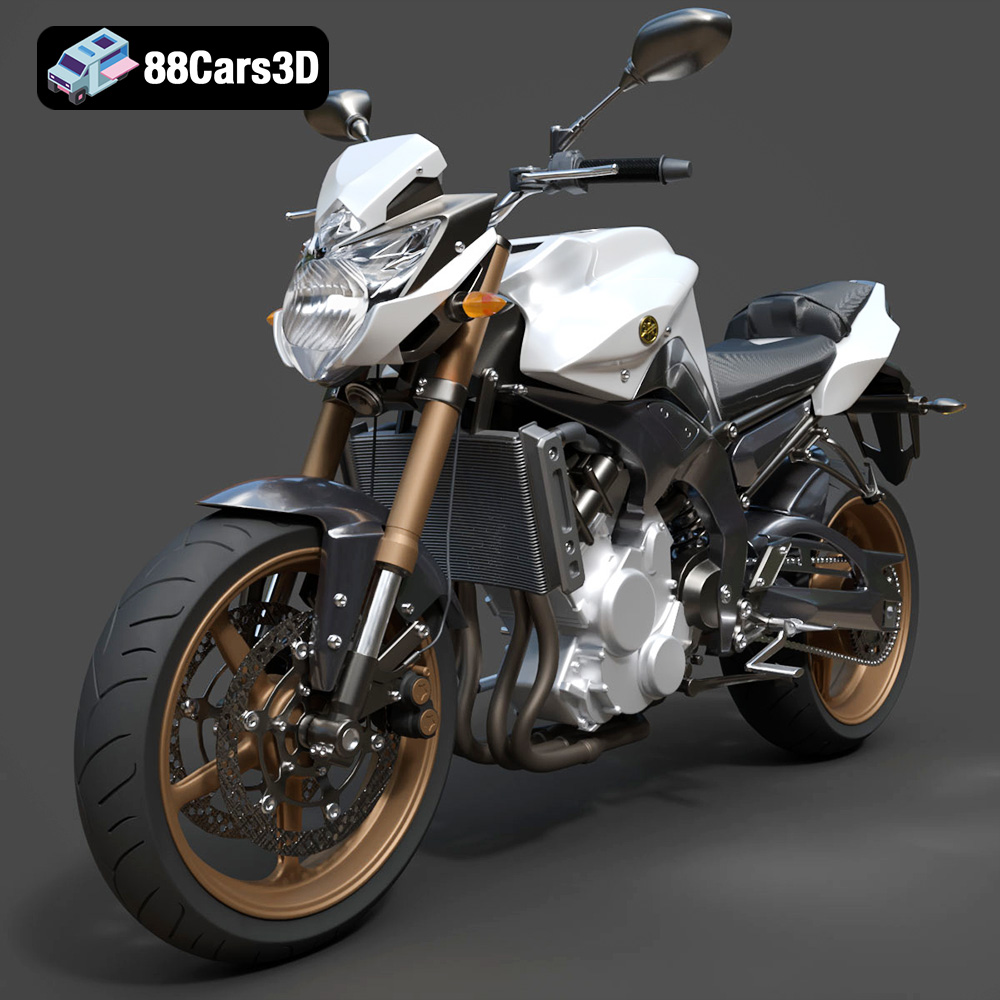
Texture: Yes
Material: Yes
Download the Yamaha FZ8 2011 3D Model featuring clean geometry, realistic detailing, and a fully modeled interior. Includes .blend, .fbx, .obj, .glb, .stl, .ply, .unreal, and .max formats for rendering, simulation, and game development.
Price: $19.99
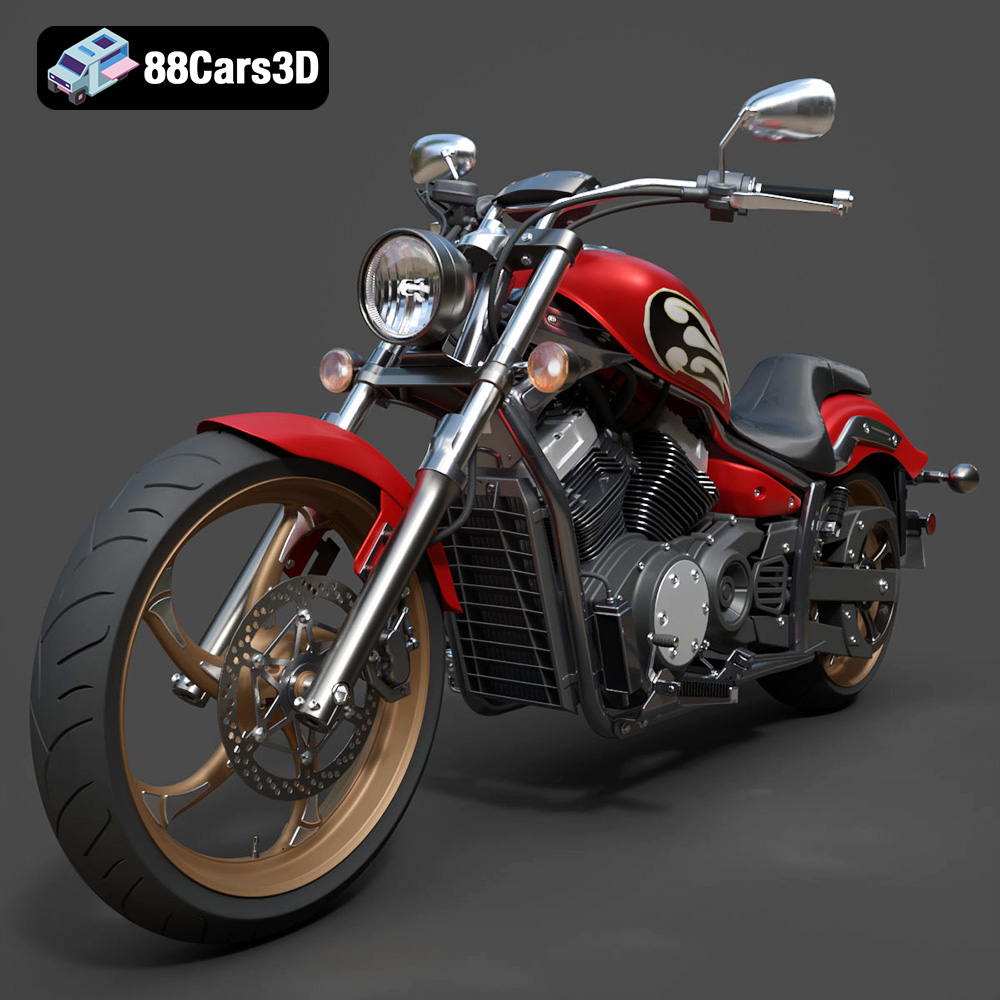
Texture: Yes
Material: Yes
Download the Yamaha Stryker 2012 3D Model featuring clean geometry, realistic detailing, and a fully modeled interior. Includes .blend, .fbx, .obj, .glb, .stl, .ply, .unreal, and .max formats for rendering, simulation, and game development.
Price: $19.99
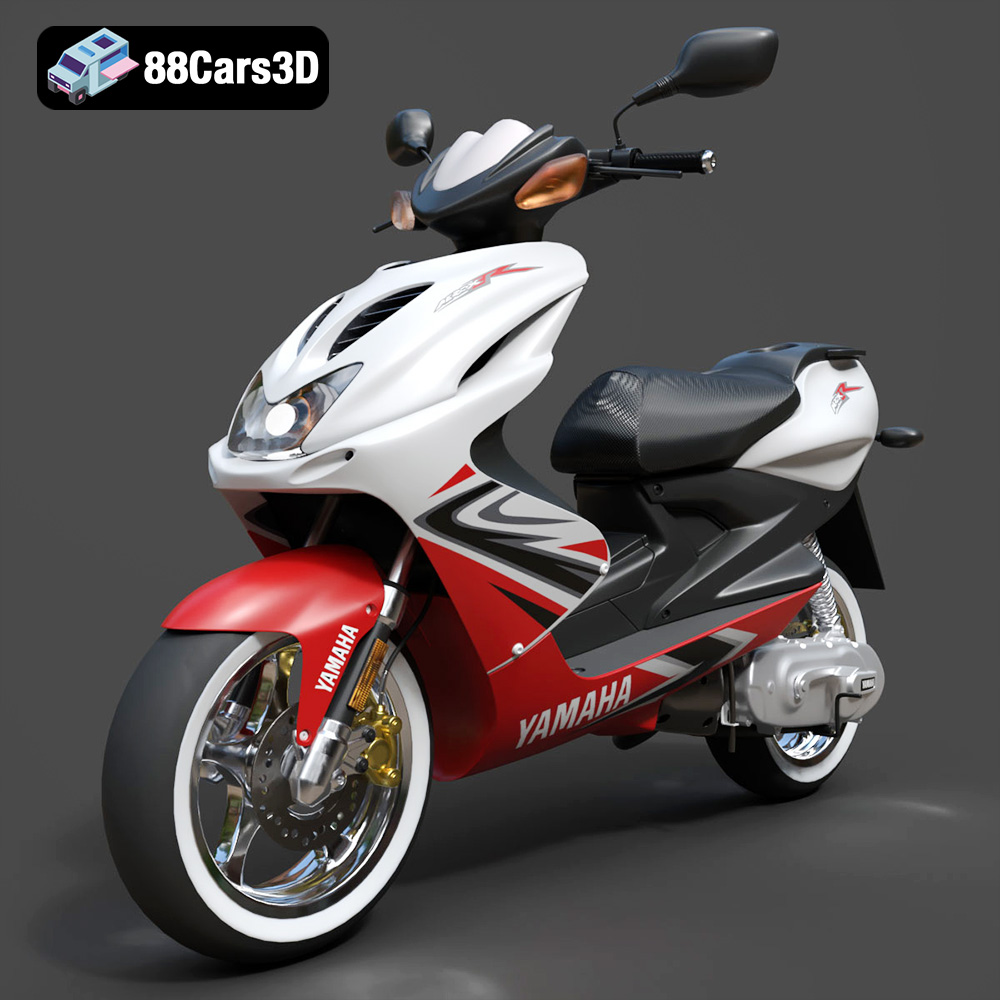
Texture: Yes
Material: Yes
Download the Yamaha Aerox R-002 2024 3D Model featuring clean geometry, realistic detailing, and a fully modeled interior. Includes .blend, .fbx, .obj, .glb, .stl, .ply, .unreal, and .max formats for rendering, simulation, and game development.
Price: $19.99
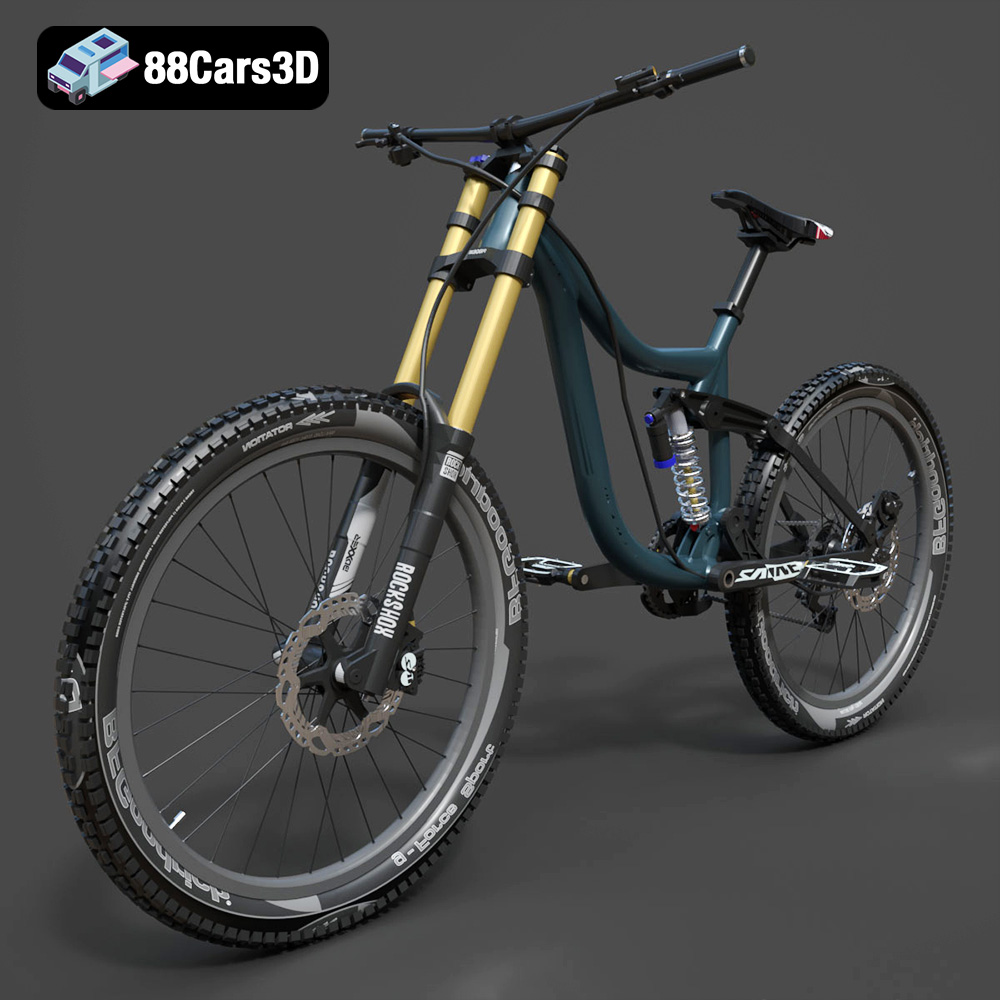
Texture: Yes
Material: Yes
Download the Mototsikly Downhill Bike-002 3D Model featuring clean geometry, realistic detailing, and precise mechanical components. Includes .blend, .fbx, .obj, .glb, .stl, .ply, .unreal, and .max formats for rendering, simulation, and game development.
Price: $19.99
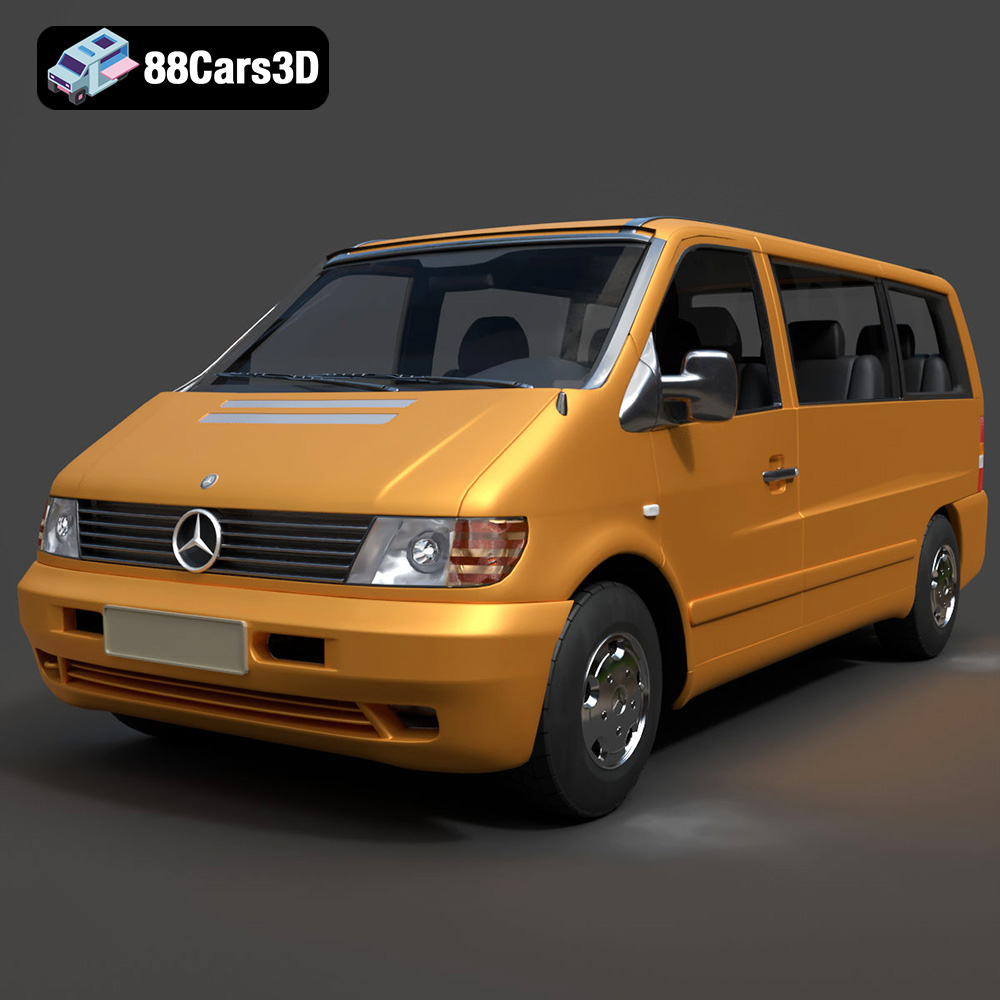
Texture: Yes
Material: Yes
Download the Mercedes-Benz Vito Passenger Van 3D Model featuring clean geometry, realistic detailing, and a fully modeled interior. Includes .blend, .fbx, .obj, .glb, .stl, .ply, .unreal, and .max formats for rendering, simulation, and game development.
Price: $19.99
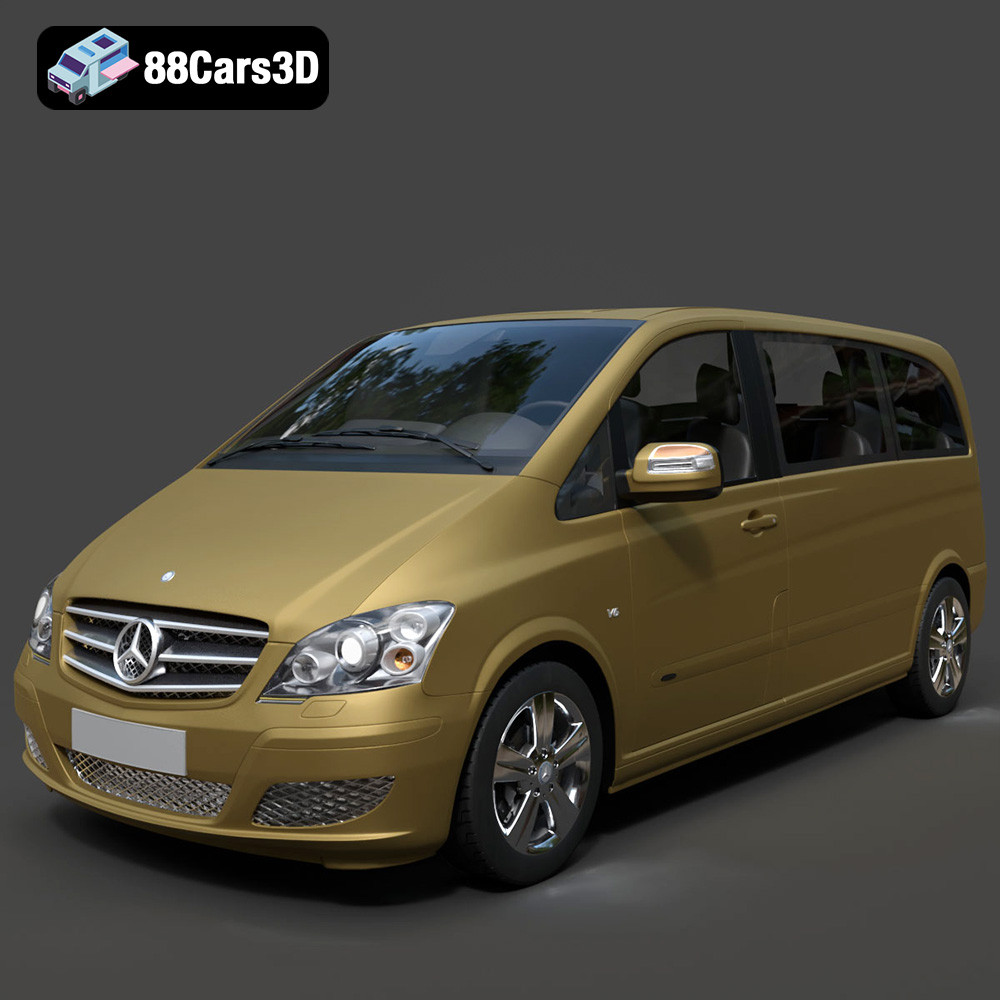
Texture: Yes
Material: Yes
Download the Mercedes-Benz Viano 2010 3D Model featuring clean geometry, realistic detailing, and a fully modeled interior. Includes .blend, .fbx, .obj, .glb, .stl, .ply, .unreal, and .max formats for rendering, simulation, and game development.
Price: $19.99

Texture: Yes
Material: Yes
Download the Emt Avtobus 007 3D Model featuring clean geometry, realistic detailing, and a fully modeled interior. Includes .blend, .fbx, .obj, .glb, .stl, .ply, .unreal, and .max formats for rendering, simulation, and game development.
Price: $19.99
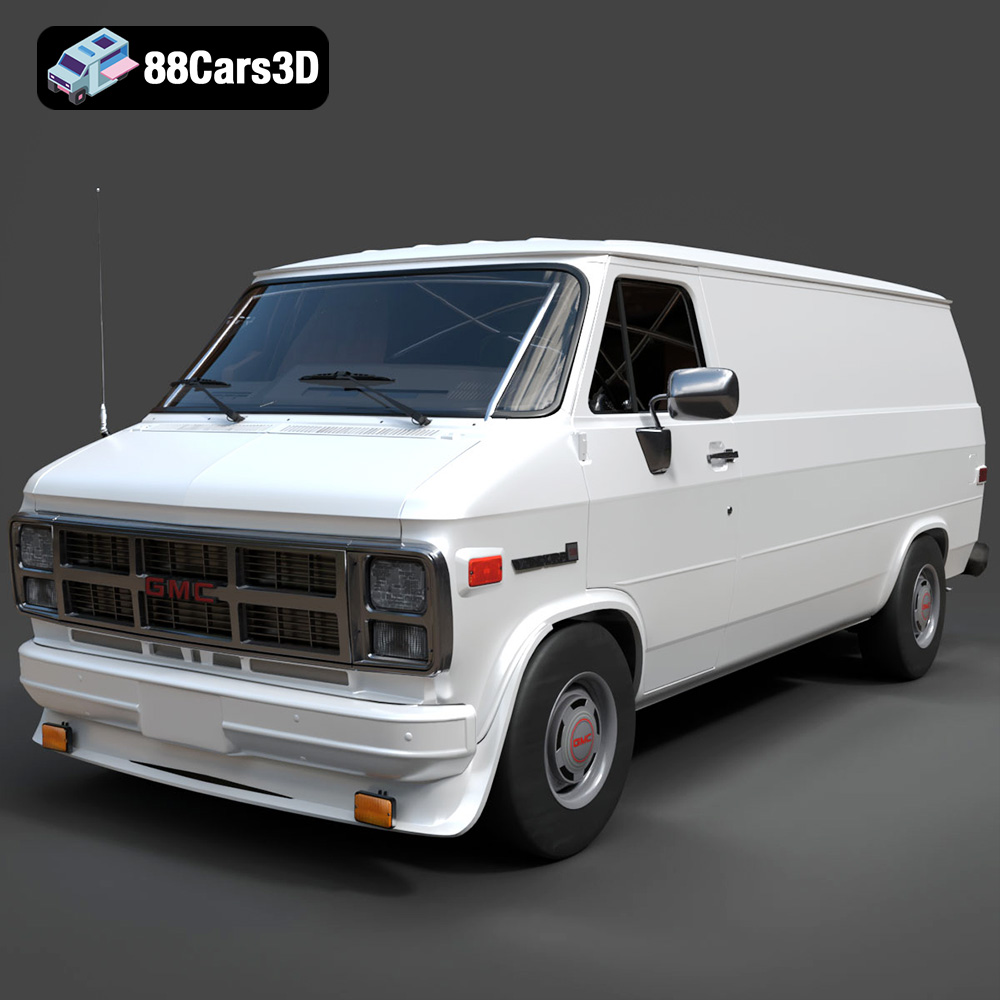
Texture: Yes
Material: Yes
Download the GMC Vandura G-1500 1983 3D Model featuring clean geometry, realistic detailing, and a fully modeled interior. Includes .blend, .fbx, .obj, .glb, .stl, .ply, .unreal, and .max formats for rendering, simulation, and game development.
Price: $19.99
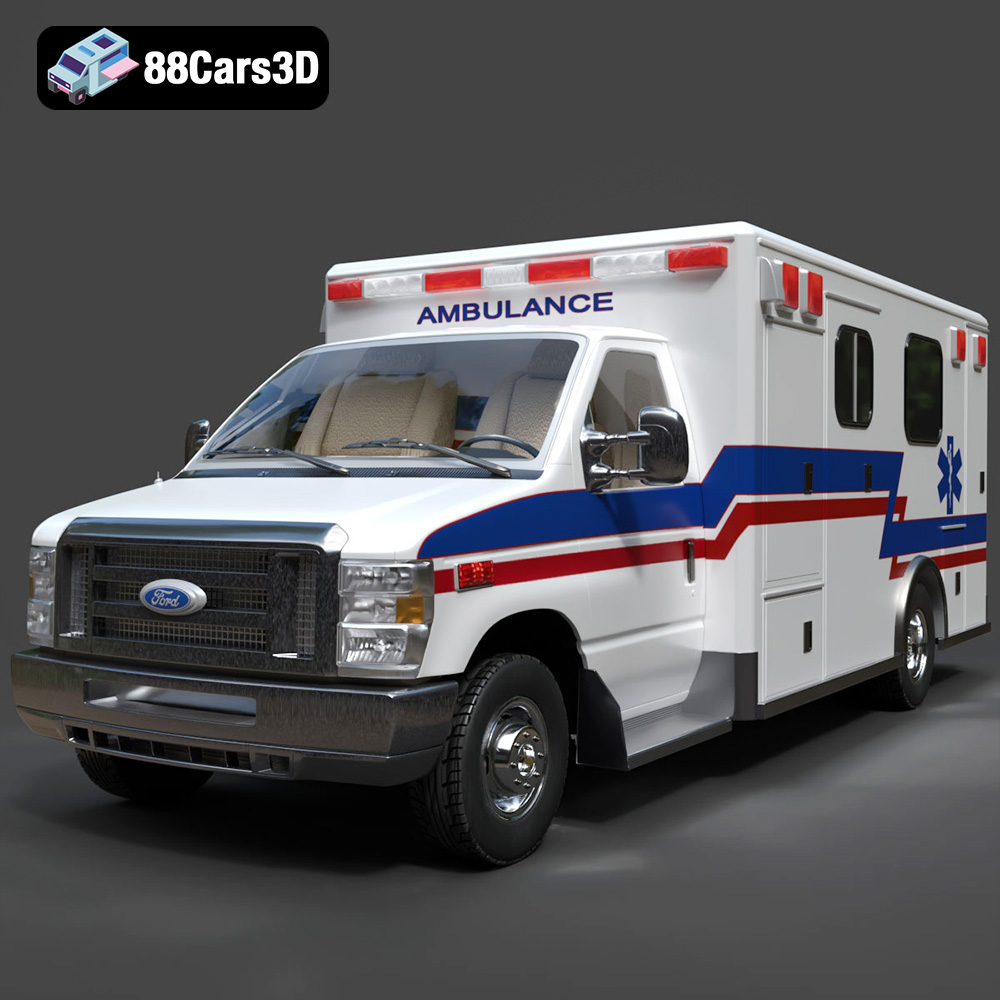
Texture: Yes
Material: Yes
Download the Ford E-450 Ambulance 3D Model featuring clean geometry, realistic detailing, and a fully modeled interior. Includes .blend, .fbx, .obj, .glb, .stl, .ply, .unreal, and .max formats for rendering, simulation, and game development.
Price: $19.99

Texture: Yes
Material: Yes
Download the Fiat Ducato SWB-001 3D Model featuring clean geometry, realistic detailing, and a fully modeled interior. Includes .blend, .fbx, .obj, .glb, .stl, .ply, .unreal, and .max formats for rendering, simulation, and game development.
Price: $19.99

