⚡ FLASH SALE: Get 60% OFF All Premium 3D & STL Models! ⚡

“`html
The world of 3D printing, especially for intricate collectibles like car models, is a fascinating blend of art and engineering. As you embark on bringing classic vehicles, race cars, or concept designs to life from digital STL files, understanding the fundamental hardware settings is paramount. Two of the most critical, yet often underestimated, components are your 3D printer’s nozzle diameter and its build volume (bed size). These choices profoundly impact print quality, speed, detail, and the very feasibility of printing your chosen model. Whether you’re a seasoned maker or just starting your journey with additive manufacturing, this guide will delve deep into how selecting the correct nozzle and leveraging your bed size can transform your prints from good to exceptional. We’ll explore the technical nuances, common pitfalls, and best practices to ensure your projects, from small-scale desktop models to larger display pieces, are printed with precision and fidelity, especially when working with high-quality printable car models.
The nozzle is where the magic happens – it’s the gateway through which molten filament is deposited layer by layer to form your 3D object. The diameter of this orifice is one of the most significant factors dictating the level of detail, print speed, and structural integrity of your creations. For enthusiasts printing detailed automotive models, the nozzle choice is a critical decision that balances fine features against print efficiency.
The most common nozzle sizes found on FDM printers are 0.4mm. This is often considered the industry standard, offering a good balance between detail and print speed for a wide range of applications. However, for the intricate curves, panel gaps, and badges found on car models, a smaller nozzle can be a game-changer. Nozzles as small as 0.1mm or 0.2mm can produce incredibly fine lines and sharp details, capturing the nuances of a finely sculpted automotive design. For instance, printing a tiny grille or a delicate spoiler with a 0.2mm nozzle will result in a much crisper and more defined appearance compared to a 0.4mm nozzle, where these features might appear slightly rounded or blurred. This enhanced detail is crucial when you download detailed STL files from marketplaces like 88cars3d.com, ensuring the fidelity of the digital model is translated into the physical print.
Conversely, larger nozzles, such as 0.6mm, 0.8mm, or even 1.0mm, are designed for speed and strength. While they sacrifice fine detail, they can print significantly faster by extruding more material per pass. These are ideal for larger, less detailed parts, or when structural integrity is paramount. For example, printing a chassis for a larger model car might benefit from a 0.6mm nozzle to reduce print time while maintaining sufficient strength.
The material of your nozzle also plays a role, particularly when printing with abrasive filaments like carbon fiber-filled or metal-filled materials. Standard brass nozzles are economical and common but wear down relatively quickly when printing with abrasives. For such materials, hardened steel, ruby, or plated copper nozzles are essential to maintain dimensional accuracy and prevent premature wear. If you plan to print a variety of materials, investing in a set of interchangeable nozzles made from different materials can extend the life of your printer’s hotend and ensure consistent print quality across different filament types. Regular inspection of your nozzle for wear or clogs is a vital part of printer maintenance, directly impacting the quality of your 3D prints.
Switching nozzle sizes isn’t just a physical change; it necessitates adjustments in your slicing software. When you change to a smaller nozzle (e.g., 0.2mm), you’ll typically set a smaller “line width” or “extrusion width” parameter in your slicer (e.g., Cura, PrusaSlicer, Simplify3D). This tells the slicer to draw thinner lines, allowing it to create finer details. Conversely, a larger nozzle allows for a wider line width, enabling faster printing. Layer height is also closely related; smaller nozzles are better suited for very low layer heights (e.g., 0.05mm to 0.1mm) to truly leverage their fine detail capability. Larger nozzles might be used with slightly higher layer heights (e.g., 0.2mm to 0.3mm) when speed is prioritized. Understanding these interplay effects is key to optimizing your 3D printer settings.
The build volume, or bed size, of your 3D printer dictates the maximum dimensions of a single piece you can print. For automotive model enthusiasts, this can mean the difference between printing a single, large-scale model or needing to split a complex design into multiple parts. Effectively utilizing your build volume involves understanding its limitations and planning your prints accordingly.
Many popular desktop 3D printers have build volumes around 220x220x250mm. While this is sufficient for many models, printing larger, more ambitious car replicas might require segmenting the design. Fortunately, most CAD software and even some slicers offer tools to cut and prepare models for multi-part printing. When you download high-quality printable car models from platforms like 88cars3d.com, they are often designed with assembly in mind, featuring interlocking parts or flat surfaces for easy joining. The key here is meticulous planning: ensure your cuts align with natural breaks in the model (like separating the body from the chassis or fenders) and that you incorporate registration keys or alignment pins to ensure accurate assembly. This approach allows you to create impressively large models even with a smaller printer, turning a potential limitation into a rewarding assembly project.
Printers with larger build volumes (e.g., 300x300mm or even larger) open up possibilities for printing more substantial models in a single piece. This significantly reduces post-processing effort related to assembly and seam filling, leading to a cleaner, more integrated final product. For very large scale models, a large bed can be a significant advantage, allowing you to print a complete 1/12th or even 1/8th scale car body without needing to subdivide it. When planning for large prints, consider the increased print time and material consumption. Ensure your printer is calibrated for long, uninterrupted runs, and that you have sufficient filament on hand. Bed adhesion is also more critical on larger prints, as warping can affect the entire piece.
Regardless of your bed size, efficient layout within the build area is crucial, especially when printing multiple parts or a large, single component. Arrange your models to minimize the need for supports and to ensure even heat distribution and adhesion. Print orientation, as discussed in many 3D printing guides, is also directly influenced by your bed size. You might orient a car body differently on a larger bed to minimize overhangs or to achieve a better surface finish on visible areas, even if it means a slightly longer print time. Utilizing your build plate effectively can also mean printing multiple smaller car models simultaneously, optimizing your print queue and maximizing your printer’s uptime.
The interplay between your chosen nozzle size and your printer’s build volume is crucial for successful printing of complex automotive models. It’s not just about having a large bed or a tiny nozzle; it’s about matching them to the demands of your specific project.
For highly detailed projects, regardless of whether you have a small or large bed, a smaller nozzle (0.2mm or 0.3mm) is often preferred. On a small bed, this means you might be printing smaller scales or needing to split larger models. The smaller nozzle will capture the fine details of emblems, grilles, and interior components. On a large bed, a small nozzle allows for incredibly high-fidelity prints of larger models, though it will significantly increase print time. When downloading models from 88cars3d.com, pay attention to the model’s complexity. If it boasts intricate details, a smaller nozzle is your ally. Ensure your slicing parameters are set accordingly, with lower layer heights (e.g., 0.1mm or even 0.08mm) and adjusted line widths to match the nozzle.
If your goal is rapid prototyping or printing larger, less detailed chassis or body components quickly, a larger nozzle (0.6mm or 0.8mm) paired with a substantial build volume is ideal. This combination allows you to churn out bigger parts in a fraction of the time it would take with a standard nozzle. For instance, printing a 1:10 scale car chassis with a 0.6mm nozzle and a 0.25mm layer height can drastically reduce print times compared to using a 0.4mm nozzle at 0.15mm layer height. However, be mindful of the loss of fine detail. For automotive models, this might be acceptable for internal components but less so for exterior body panels where subtle curves and panel lines are critical.
The optimal choice often lies in finding a balance. For many hobbyists using standard 220x220mm printers, a 0.4mm nozzle with a layer height of 0.12mm to 0.16mm offers a good compromise between detail and speed for most car models. If a specific model requires exceptional detail, you might swap to a 0.2mm nozzle for that print, accepting the longer print time. If you’re printing a series of simpler models or functional parts, a 0.6mm nozzle could be beneficial for speed. It’s also worth noting that some advanced users utilize multiple nozzles on a single print – for example, printing fine details with a small nozzle and larger areas with a larger nozzle, though this requires specific hardware and sophisticated slicing techniques.
Beyond the basic choices, several advanced techniques can help you get the most out of your nozzle and bed size for printing car models.
For printers equipped with dual extruders or single extruders capable of handling multiple filaments (like mixing colors or materials), you can leverage different nozzle sizes. For example, one nozzle could be a fine 0.2mm for intricate details, while the other is a 0.6mm for faster printing of larger surfaces. This requires advanced slicing profiles and careful calibration to ensure perfect nozzle alignment and material flow. While complex, this can offer unparalleled flexibility for highly detailed and multi-colored car models.
When adapting a model designed for one nozzle size to another, especially when scaling, you might encounter issues. A model scaled down significantly might have features that become smaller than your nozzle’s minimum extrusion width, leading to gaps or incomplete layers. Conversely, scaling up might make originally fine details appear too thick for a smaller nozzle. Software like Meshmixer, Blender, or Netfabb can be invaluable here for mesh repair and analysis. You can use these tools to thicken thin walls or refine details before slicing, ensuring the model is robust enough for your chosen nozzle. For instance, if you’re using a 0.4mm nozzle but the downloaded STL file has very thin panel lines, you might use Meshmixer to slightly thicken those lines uniformly before slicing.
The choice of nozzle size directly impacts how support structures are generated and how easily they can be removed. Smaller nozzles can create finer, more delicate supports that are easier to break away without damaging intricate parts of your car model. However, they also require more print time. Larger nozzles can print supports faster and stronger, but removal can be more challenging, potentially leaving marks on the model. Always consider your nozzle size when setting support parameters in your slicer, adjusting density, pattern, and contact distance accordingly. Explore tree supports or custom supports for complex geometries to minimize contact points and simplify removal, especially for delicate automotive parts.
The seemingly simple choices of nozzle diameter and build volume size are, in fact, fundamental pillars of successful 3D printing, particularly for detailed hobbies like automotive modeling. By understanding the trade-offs between detail, speed, and material deposition, you can make informed decisions that elevate the quality of your prints. A smaller nozzle unlocks exquisite detail essential for capturing the soul of a car model, while a larger nozzle offers the efficiency needed for bigger projects or faster iteration. Your printer’s bed size, whether modest or expansive, dictates the scale and complexity of single-piece prints, or conversely, the feasibility of multi-part assembly projects. Platforms like 88cars3d.com provide access to a wealth of meticulously crafted STL files designed to be printed, and by mastering your hardware settings – from nozzle selection to strategic bed utilization – you ensure these digital creations translate into tangible, high-quality replicas. Experiment with different nozzle sizes, plan your prints considering your build volume, and leverage advanced slicing techniques. The journey to perfectly printed car models is paved with thoughtful preparation and a deep understanding of your 3D printer’s capabilities.
“`
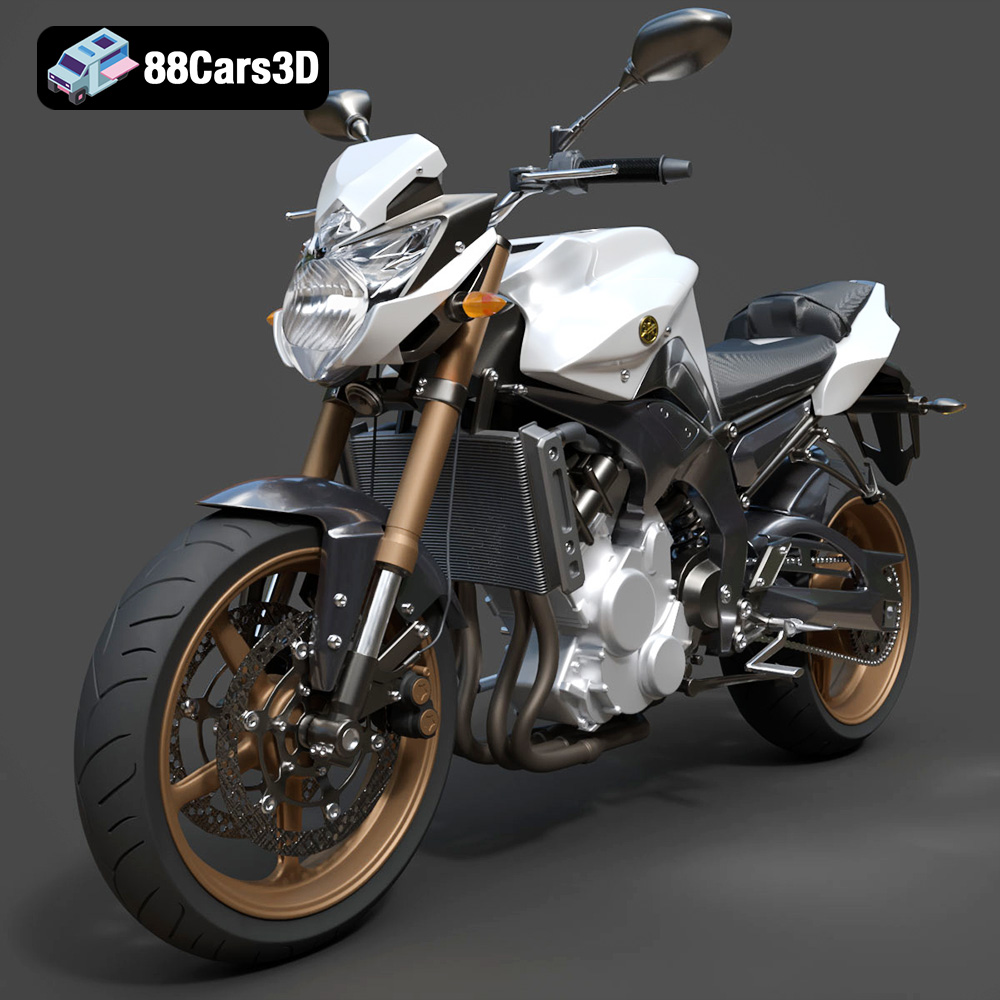
Texture: Yes
Material: Yes
Download the Yamaha FZ8 2011 3D Model featuring clean geometry, realistic detailing, and a fully modeled interior. Includes .blend, .fbx, .obj, .glb, .stl, .ply, .unreal, and .max formats for rendering, simulation, and game development.
Price: $19.99
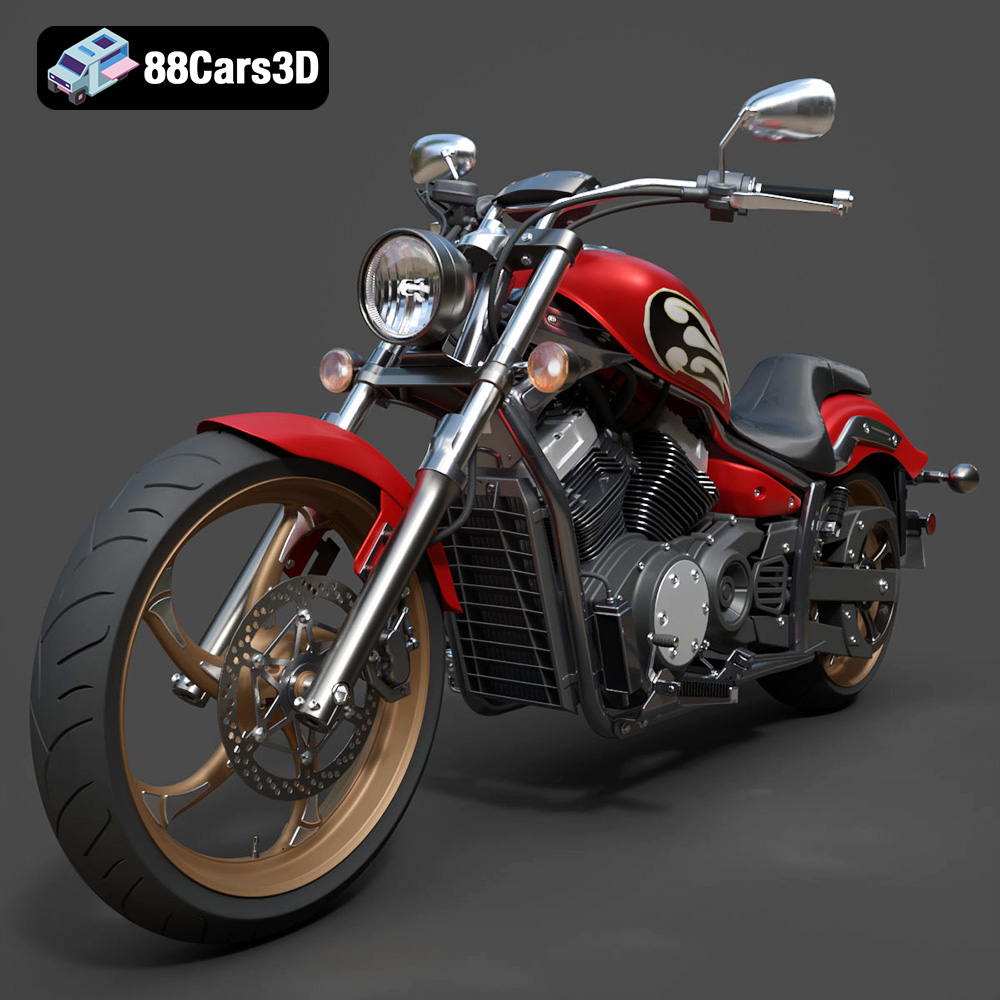
Texture: Yes
Material: Yes
Download the Yamaha Stryker 2012 3D Model featuring clean geometry, realistic detailing, and a fully modeled interior. Includes .blend, .fbx, .obj, .glb, .stl, .ply, .unreal, and .max formats for rendering, simulation, and game development.
Price: $19.99
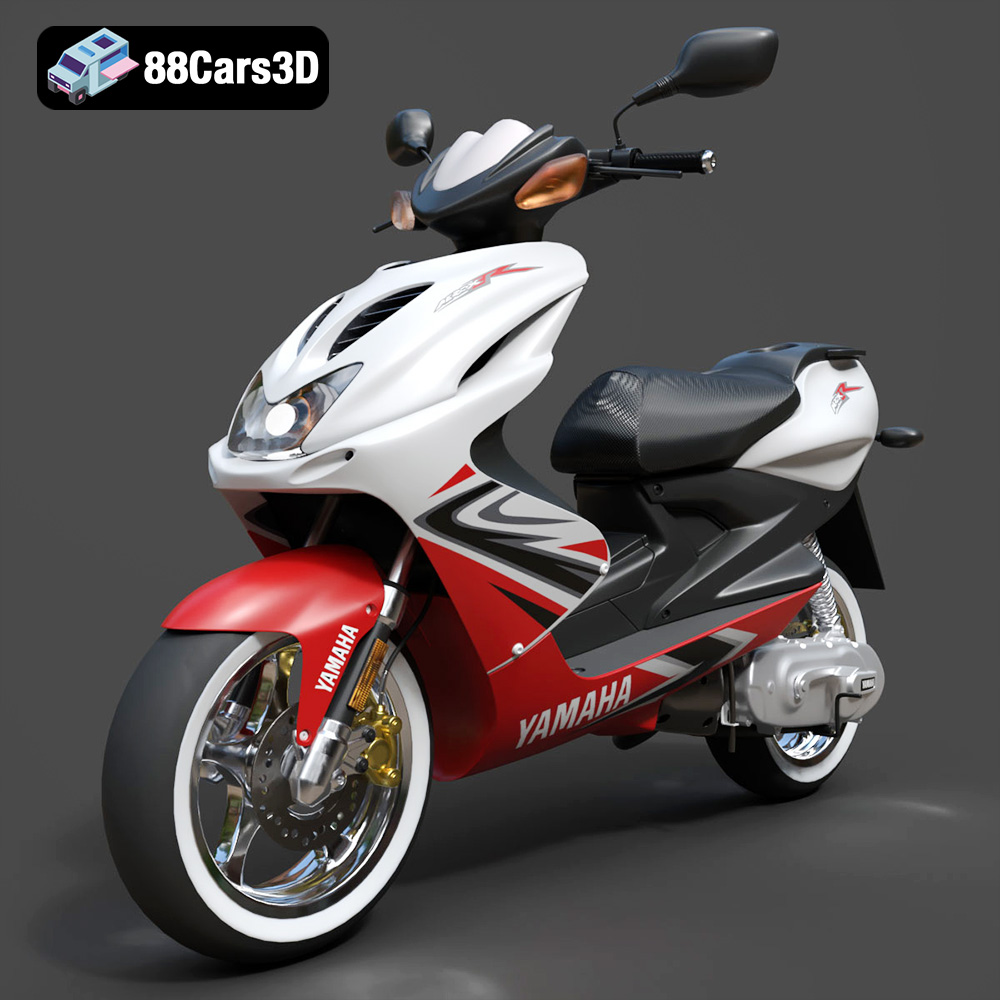
Texture: Yes
Material: Yes
Download the Yamaha Aerox R-002 2024 3D Model featuring clean geometry, realistic detailing, and a fully modeled interior. Includes .blend, .fbx, .obj, .glb, .stl, .ply, .unreal, and .max formats for rendering, simulation, and game development.
Price: $19.99
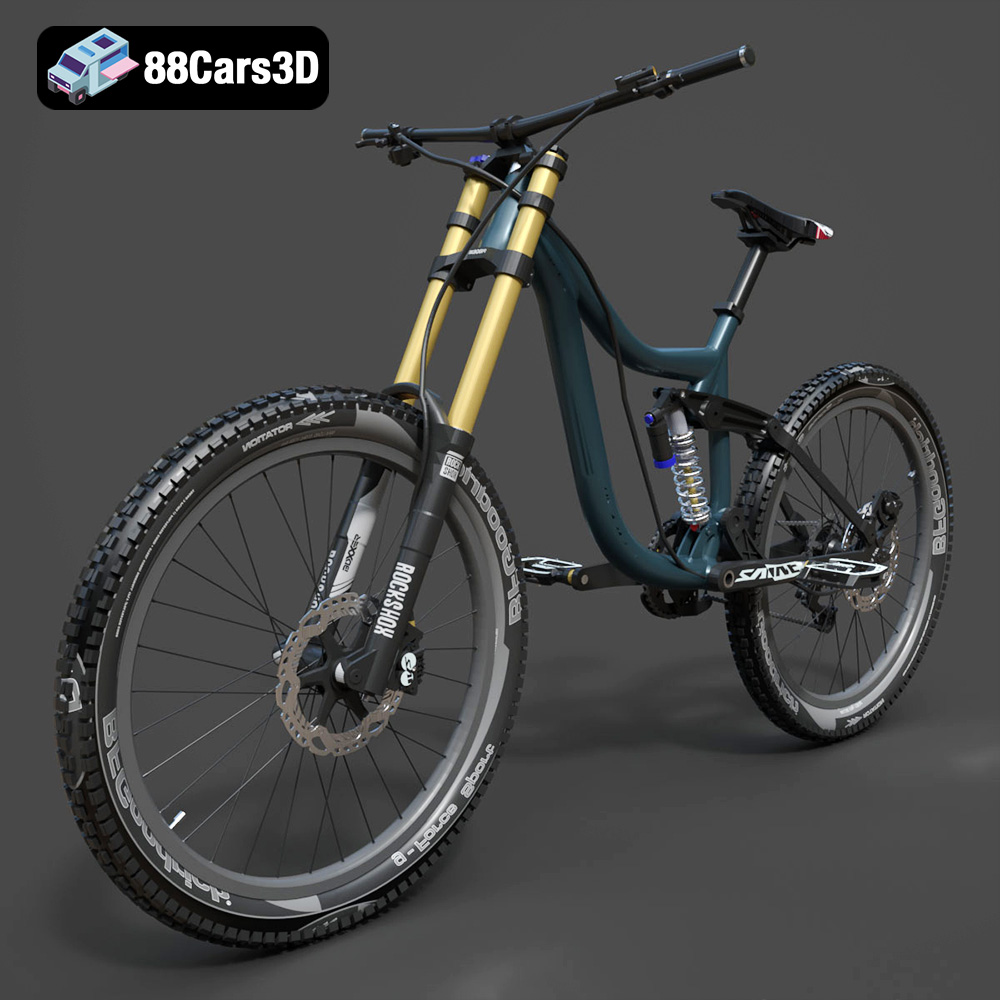
Texture: Yes
Material: Yes
Download the Mototsikly Downhill Bike-002 3D Model featuring clean geometry, realistic detailing, and precise mechanical components. Includes .blend, .fbx, .obj, .glb, .stl, .ply, .unreal, and .max formats for rendering, simulation, and game development.
Price: $19.99
Texture: Yes
Material: Yes
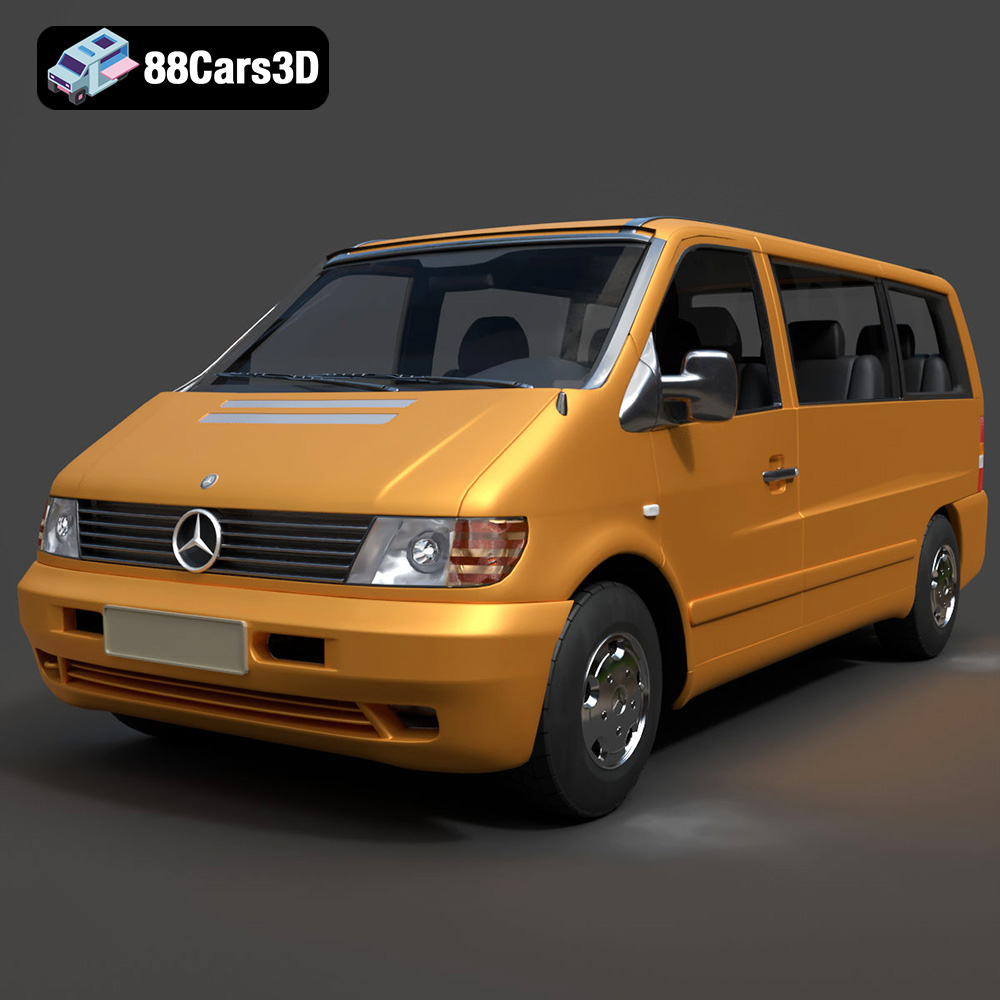
Download the Mercedes-Benz Vito Passenger Van 3D Model featuring clean geometry, realistic detailing, and a fully modeled interior. Includes .blend, .fbx, .obj, .glb, .stl, .ply, .unreal, and .max formats for rendering, simulation, and game development.
Price: $19.99
Texture: Yes
Material: Yes
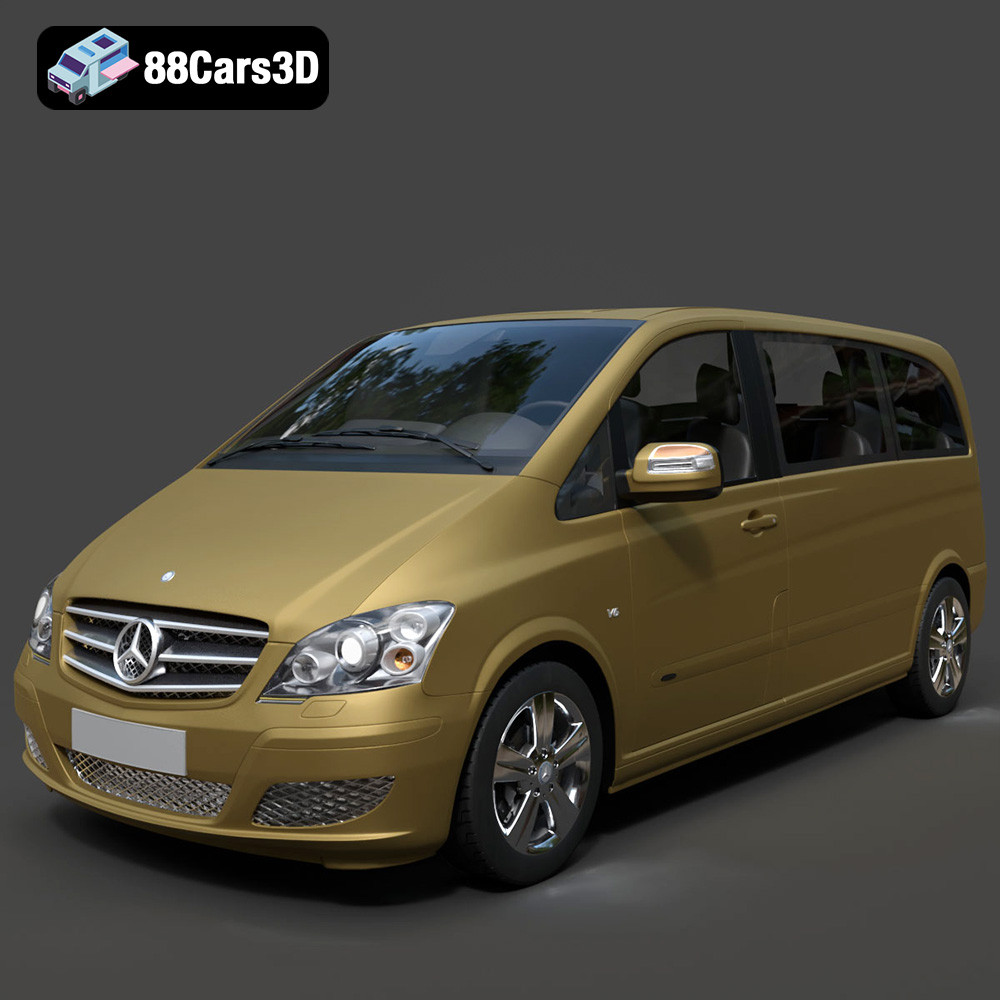
Download the Mercedes-Benz Viano 2010 3D Model featuring clean geometry, realistic detailing, and a fully modeled interior. Includes .blend, .fbx, .obj, .glb, .stl, .ply, .unreal, and .max formats for rendering, simulation, and game development.
Price: $19.99

Texture: Yes
Material: Yes
Download the Emt Avtobus 007 3D Model featuring clean geometry, realistic detailing, and a fully modeled interior. Includes .blend, .fbx, .obj, .glb, .stl, .ply, .unreal, and .max formats for rendering, simulation, and game development.
Price: $19.99
Texture: Yes
Material: Yes
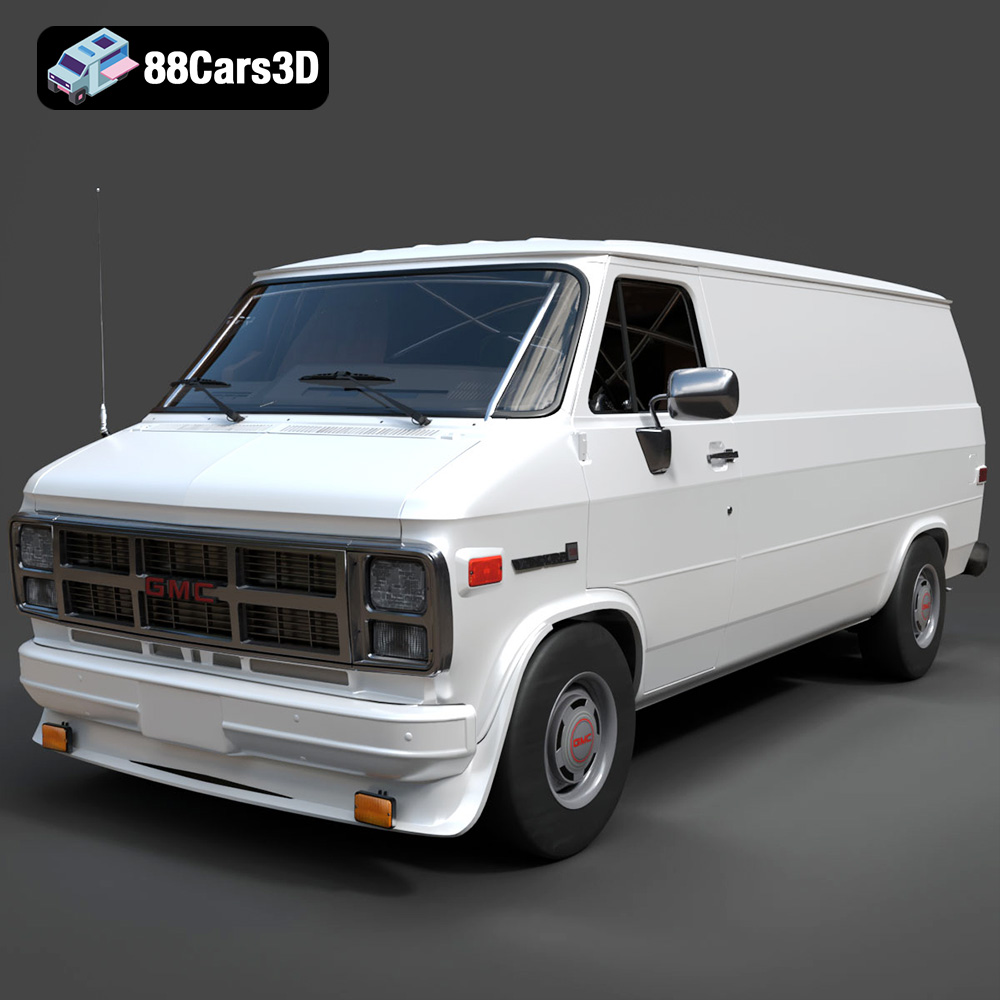
Download the GMC Vandura G-1500 1983 3D Model featuring clean geometry, realistic detailing, and a fully modeled interior. Includes .blend, .fbx, .obj, .glb, .stl, .ply, .unreal, and .max formats for rendering, simulation, and game development.
Price: $19.99
Texture: Yes
Material: Yes
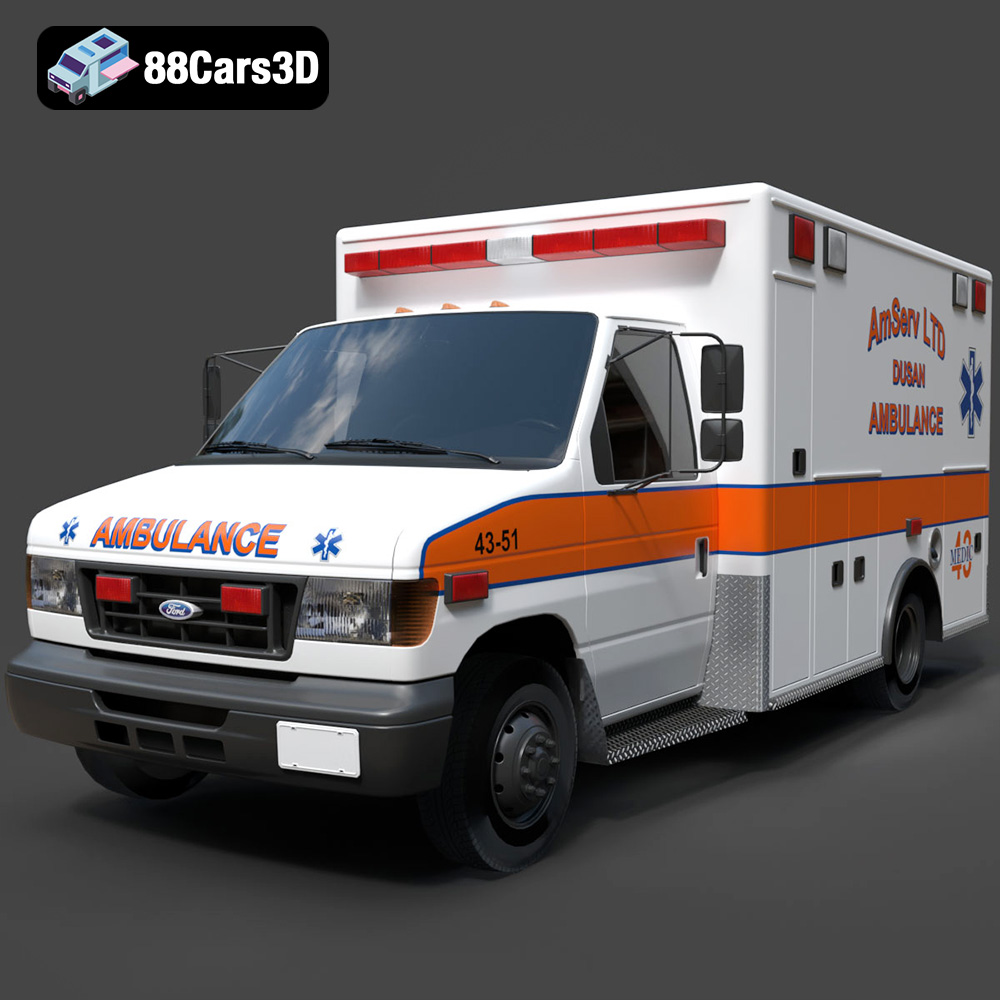
Download the Ford Ambulance AmServ LTD Dusan-002 3D Model featuring a high-detail exterior and interior, realistic textures, and emergency lighting. Includes .blend, .fbx, .obj, .glb, .stl, .ply, .unreal, and .max formats for rendering, simulation, and game development.
Price: $19.99
Texture: Yes
Material: Yes
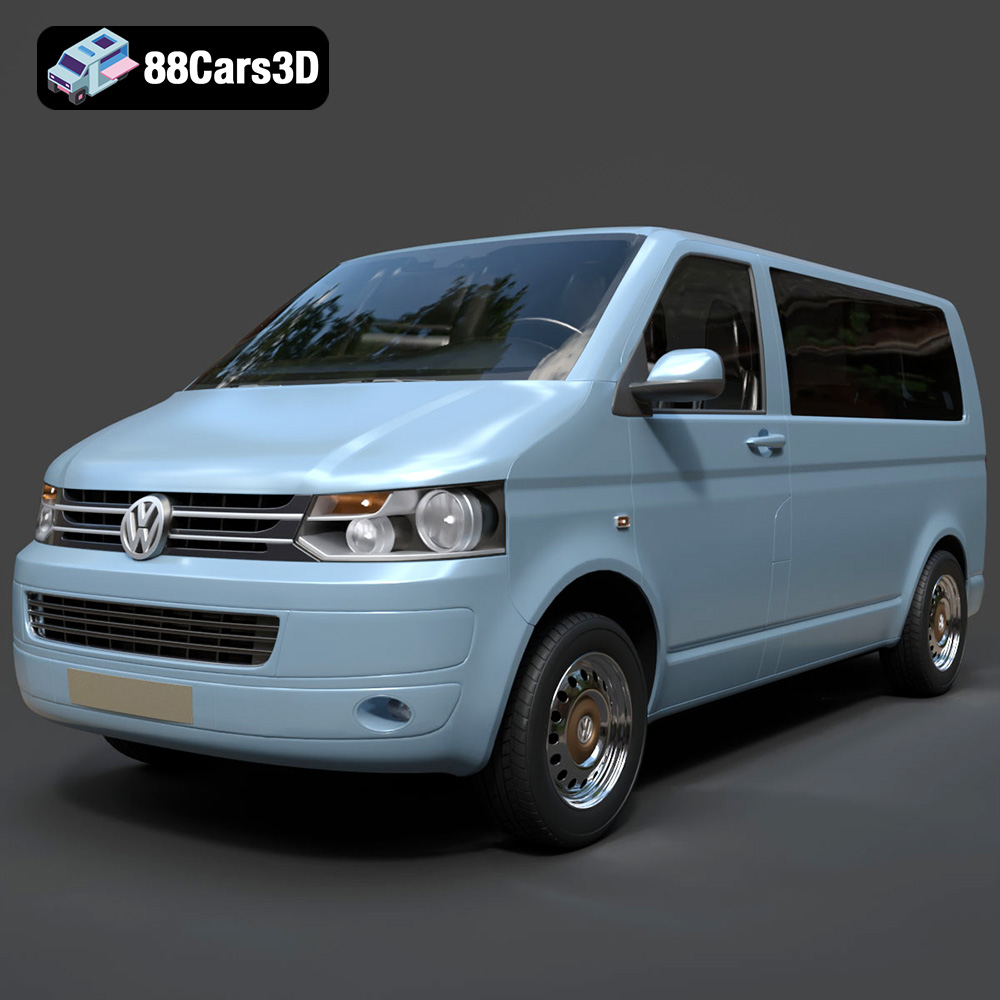
Download the Volkswagen Transporter T5 FL 2010 3D Model featuring clean geometry, realistic detailing, and a fully modeled interior. Includes .blend, .fbx, .obj, .glb, .stl, .ply, .unreal, and .max formats for rendering, simulation, and game development.
Price: $22.99

