⚡ FLASH SALE: Get 60% OFF All Premium 3D & STL Models! ⚡

“`html
The world of 3D printing has exploded in popularity, bringing intricate models and functional parts within reach for hobbyists and professionals alike. For automotive enthusiasts, the ability to 3D print detailed car models is a dream come true. Whether you’re looking to build a collection of classic beauties, prototype a custom modification, or simply bring your favorite supercars to life in miniature, the journey begins with a high-quality STL file. But once you have that perfect printable car model, a crucial decision arises: which 3D printing technology will yield the best results? Fused Deposition Modeling (FDM) and Stereolithography (SLA)/Digital Light Processing (DLP) resin printing each offer unique advantages and disadvantages when it comes to rendering the complex geometries and fine details found in automotive designs. This article will delve deep into the technical nuances of both FDM and resin printing, equipping you with the knowledge to choose the right technology for your 3D printing projects and ensuring your downloadable printable car models from sources like 88cars3d.com turn out flawlessly. We’ll explore everything from mesh preparation and slicing techniques to material properties and post-processing, providing actionable insights for makers of all levels.
At their heart, FDM and resin printing are fundamentally different approaches to additive manufacturing. FDM, the most common type of 3D printing for hobbyists, builds objects layer by layer by extruding melted thermoplastic filament through a heated nozzle. Think of it like a very precise, automated hot glue gun. Resin printing, on the other hand, uses a UV light source (laser for SLA, projector for DLP) to selectively cure liquid photopolymer resin in a vat, solidifying it into a solid object layer by layer. This fundamental difference in process dictates the strengths and weaknesses of each technology when it comes to printing complex models like those found in the automotive domain.
FDM printers typically consist of a print bed, an extruder assembly with a hotend and nozzle, and a motion system (often X, Y, and Z axes) to move the print head and/or bed. Filament is fed from a spool, heated, and deposited onto the print bed. The layer height in FDM is determined by the nozzle diameter and the Z-axis movement, commonly ranging from 0.1mm to 0.3mm for standard prints, though finer details are possible. The materials used are typically thermoplastics like PLA, PETG, and ABS, each offering different properties regarding strength, temperature resistance, and ease of printing.
Resin printers, conversely, feature a build platform that is submerged into a vat of liquid resin. A UV light source shines through a transparent film at the bottom of the vat (or from the side in some DLP setups), curing the resin in the desired pattern for each layer. Common resin printing technologies include SLA (using a laser) and DLP (using a digital projector). The layer height is controlled by the vertical movement of the build platform and can be incredibly fine, often down to 0.025mm or even 0.01mm. The cured resin is then washed with isopropyl alcohol (IPA) or a similar solvent and further cured under UV light to achieve its final, hardened state. This process allows for exceptionally high detail and smooth surfaces.
The defining characteristic of FDM is the extrusion process. A spool of thermoplastic filament is fed into the printer’s extruder, where it passes through a heated nozzle (typically 0.4mm, but smaller nozzles like 0.2mm are available for finer details). The filament melts and is precisely deposited onto the build platform or the previous layer. The nozzle moves in the X and Y directions to draw out the shape of each layer, while the Z-axis movement lowers the nozzle (or raises the bed) for the next layer. The precision of an FDM print is directly influenced by factors like nozzle size, layer height, and the accuracy of the printer’s stepper motors and motion system. For intricate car models, using a smaller nozzle and a lower layer height (e.g., 0.1mm or 0.15mm) is crucial for capturing details like panel lines, grilles, and emblems. However, this also significantly increases print time.
Resin printing relies on photopolymerization. Liquid resin, sensitive to UV light, is contained within a vat. A UV light source, either a laser (SLA) or a digital projector (DLP), selectively cures the resin according to the digital model’s cross-section for each layer. The build plate moves incrementally upwards, allowing fresh liquid resin to flow into the gap for the next layer to be cured. The resolution of resin prints is often much higher than FDM, with XY resolution determined by the laser spot size or pixel size of the projector, and Z resolution determined by the minimum layer height the printer can achieve (typically 0.025mm to 0.1mm). This capability makes resin printing ideal for models with very fine details, sharp edges, and smooth, seamless surfaces, characteristics highly desirable for realistic car replicas.
When it comes to replicating the sleek lines, intricate grilles, and subtle curves of a car, the difference in surface finish between FDM and resin prints can be dramatic. Resin printing, due to its significantly lower layer heights and the nature of photopolymerization, generally produces prints with incredibly smooth surfaces and exceptional detail. The visible layer lines characteristic of FDM printing are either non-existent or so fine as to be almost imperceptible on a resin print. This is crucial for automotive models where a polished, factory-finish look is often the goal. For downloadable printable car models, especially those featuring complex aerodynamic shapes or delicate trim, resin printing often provides a superior starting point for achieving a show-quality result.
The ability to achieve resolutions down to 25-50 microns (0.025mm – 0.05mm) per layer on resin printers allows for the faithful reproduction of minute details. Think of tiny badges, door handles, or even the texture on tires. While FDM printers can achieve layer heights as low as 0.05mm with smaller nozzles, the inherent extrusion process can still leave subtle imperfections. Furthermore, the physical nature of extruded plastic can lead to slight rounding of sharp corners, whereas resin printing can produce much crisper edges. This makes resin printing the preferred choice for highly detailed scale models, dioramas, or parts requiring a visually polished aesthetic straight off the build plate.
The high resolution of resin printers is a significant advantage for automotive models. Consider the intricate design of a classic car’s grille, the sharp creases on a modern supercar’s bodywork, or the delicate spokes of its wheels. Resin printing excels at capturing these fine features with remarkable fidelity. Layer heights of 0.025mm mean that layer lines are practically invisible to the naked eye, resulting in a surface finish that rivals injection-molded parts. This smoothness is particularly important for paint adhesion and achieving a realistic glossy finish during post-processing.
While FDM printing can be optimized to reduce visible layer lines through careful slicer settings (low layer height, adjusted print speed), it is an inherent characteristic of the extrusion process. With resin printing, the extremely fine layer heights and uniform curing process virtually eliminate this issue. This means that models printed in resin often require less sanding and surface preparation to achieve a smooth, paintable surface, saving significant time in the post-processing phase. For complex geometries or parts intended for display, the absence of prominent layer lines can be a deciding factor.
When it comes to the physical properties of the final printed object, FDM and resin printing diverge significantly. FDM printers work with a vast array of thermoplastic filaments, including durable and temperature-resistant options like ABS and PETG, as well as easier-to-print materials like PLA. These materials often offer superior mechanical strength and durability compared to standard 3D printing resins. This makes FDM a strong contender for functional parts, prototypes that need to withstand stress, or models that might be handled frequently. For car models that might be part of a larger, interactive display or require some degree of flexibility, FDM materials can be advantageous.
Resin prints, while excellent for detail, can be more brittle depending on the resin type. Standard “model” resins are formulated for high detail but can be prone to breaking if dropped or subjected to significant force. However, specialized engineering resins are available that offer increased toughness, flexibility, and even temperature resistance, bridging some of the gap with FDM materials. For many aesthetic-focused car models, the inherent strength of standard resin is often sufficient, especially when handled with care. The choice of material, therefore, becomes a critical consideration based on the intended use of the printed model.
FDM printing boasts a wide spectrum of filament materials. PLA (Polylactic Acid) is popular for its ease of printing and low warping but can be brittle. PETG (Polyethylene Terephthalate Glycol) offers better strength, temperature resistance, and impact resistance than PLA, making it a good all-rounder for many applications. ABS (Acrylonitrile Butadiene Styrene) is known for its durability and temperature resistance but can be challenging to print due to warping and requires good ventilation. For more demanding applications, materials like Nylon or Polycarbonate can be used, offering extreme strength and heat resistance. When printing car models with FDM, selecting the right filament depends on whether you prioritize ease of printing, visual appeal, or the structural integrity of the final object.
Resin printing also offers a growing range of material options. Standard resins are excellent for highly detailed prints but can be somewhat brittle. “Tough” or “ABS-like” resins are formulated to mimic the mechanical properties of ABS plastic, offering increased impact resistance and durability. “Flexible” resins can be used to print parts with rubber-like properties, which might be useful for tires or suspension components. For high-temperature applications, “high-temp” resins are available. When choosing a resin, it’s important to consider the desired properties of your finished car model. If it’s purely for display, a standard resin might suffice. If it needs to be more robust, a tough resin would be a better choice.
Printing complex geometries, such as those found in many automotive designs, invariably requires the use of support structures. These temporary structures are printed alongside the model to support overhangs and bridges, preventing them from collapsing during the printing process. Both FDM and resin printing require supports, but the nature and ease of removal differ. Resin printing often excels in generating and removing supports due to the material’s properties and the printing orientation possibilities.
In FDM, supports are printed from the same material as the model, or a soluble support material if using a dual-extruder printer. Removing them can sometimes leave marks on the surface or require careful cutting and sanding. The orientation of the model on the build plate is critical in FDM to minimize the amount of support material needed and to ensure supports are placed in less visible areas. For intricate car models with many overhangs, such as spoilers or undercarriage details, extensive support structures can be necessary, which can add significant post-processing time.
Resin printing offers more flexibility in support placement and removal. Supports can be made very fine, almost needle-like, and often break away cleanly with minimal scarring. The orientation of the model on the build plate in resin printing is also crucial for minimizing “suction forces” that can pull the print off the build plate or distort it. Placing the model at an angle (e.g., 45 degrees) can help reduce these forces and also place supports in less noticeable areas. While supports are still necessary, their fine nature and easier removal often make the process more manageable for highly detailed models.
When printing car models with FDM, thoughtful support placement is paramount. Slicing software like Cura or PrusaSlicer offers various support options: ‘Touching Buildplate’ (only supports that extend from the bed) or ‘Everywhere’ (supports under any overhang). You can also define custom support structures or paint areas where supports should and shouldn’t be generated. For detailed car models, opting for ‘Everywhere’ and then carefully reviewing and editing the generated supports is often the best approach. Consider printing the model in separate parts if complex overhangs are problematic, simplifying the support requirements for each individual piece. Optimizing print orientation to minimize overhangs is also key; for instance, printing a car body upright might require extensive supports under the roof, while printing it on its side might distribute supports more evenly but potentially create a less optimal surface finish on the sides.
For resin printing, support generation is often more automated and refined. Most slicers for resin printers (e.g., ChiTuBox, Lychee Slicer) allow you to add supports manually or automatically. It’s common practice to angle the model on the build plate between 10-45 degrees. This reduces the surface area of each layer exposed to the vat, minimizing suction forces and the risk of print failure. Supports are typically generated as small cylinders or cones that attach to the model at specific points. When removing them, gentle force is usually sufficient. A small hobby knife or flush cutters can be used to carefully snip the supports close to the model’s surface. For areas that might be tricky, a light sanding or filing after removal can ensure a smooth finish.
When comparing FDM and resin printing, print speed and build volume are important factors to consider, especially for hobbyists. Generally, FDM printers can print larger objects due to their higher extrusion rates and larger available build volumes. While FDM printing can be slow, especially when printing at high resolutions for detailed models, it often achieves this speed over a larger area. The time it takes to print a detailed car model on an FDM printer is influenced by layer height, print speed, infill percentage, and the complexity of the model’s geometry.
Resin printing, particularly SLA, can be very slow per layer, as the laser traces the entire outline of each layer. However, DLP printers, which project an entire layer image at once, can be significantly faster, especially for models with a smaller cross-sectional area. While resin printers typically have smaller build volumes than FDM printers, they offer incredible detail resolution. For printing multiple small car models or components, resin printing can be efficient. However, for large-scale car models or printing multiple large parts simultaneously, FDM might be the more practical choice due to build volume and potentially faster overall print times for larger objects.
Achieving a balance between print speed and quality on an FDM printer is crucial for car models. Printing too fast can lead to artifacts like ringing, ghosting, and poor layer adhesion. For detailed models, it’s often recommended to reduce print speed to around 40-60 mm/s for outer walls and general movement, while potentially increasing speed for infill. Layer height plays a significant role; a layer height of 0.1mm or 0.12mm will take considerably longer than 0.2mm but will yield much finer detail. Infill percentage, typically between 10-20% for display models, also affects print time. Using infill patterns like Gyroid or Cubic can offer good strength with less material and print time compared to solid infill.
Resin print time is primarily determined by the number of layers and the exposure time per layer. While the XY resolution is determined by the printer’s capabilities, the Z-axis movement and cure time dictate the overall speed. A typical resin print might have exposure times ranging from 1 to 10 seconds per layer, depending on the resin type and light source intensity. For a model with 500 layers printed at a 0.05mm layer height, the total print time could be anywhere from 40 minutes to several hours. Larger or more complex models, or those requiring thicker supports, will naturally take longer. Understanding these factors helps in planning your printing schedule and choosing appropriate models for your printer’s capabilities.
Once your car model is printed, regardless of the technology used, post-processing is essential to achieve a professional, display-ready finish. This is where the real transformation happens, turning a raw 3D print into a polished replica. For FDM prints, this typically involves removing support structures, sanding to smooth out layer lines, filling any gaps or imperfections, priming, and finally painting. The goal is to achieve a surface that hides the additive manufacturing process as much as possible.
Resin prints also require post-processing, but the steps are slightly different. After removing the model from the build plate, it needs to be cleaned to remove uncured resin, usually with isopropyl alcohol (IPA). This is often done in an ultrasonic cleaner or by gently washing with a soft brush. Following cleaning, the print needs to be cured under UV light to achieve its final hardness and stability. This can be done using a dedicated UV curing station or even direct sunlight. After curing, supports are removed, and then sanding, priming, and painting can commence. While resin prints start with a smoother surface, sanding might still be necessary, especially around support contact points, to achieve a perfectly smooth finish.
For FDM prints, a robust sanding process is often required. Start with a coarser grit sandpaper (e.g., 120-220 grit) to remove major layer lines and support marks, progressing to finer grits (e.g., 400, 800, 1200, and even higher) for a smooth finish. If significant gaps or imperfections exist, using a filler putty designed for plastics can be beneficial. After sanding, apply a primer. A good quality spray primer will reveal any remaining imperfections that need further attention. Multiple thin coats of primer are better than one thick coat. Once primed and any issues addressed, the model is ready for its final paint job.
The post-processing workflow for resin prints is critical for both appearance and durability. Thoroughly cleaning the print in IPA is essential; residual uncured resin can make the print sticky and weak. Ensure good ventilation during this process. After cleaning and drying, UV curing hardens the resin. Over-curing can make some resins brittle, so follow manufacturer recommendations. Once cured, supports are removed. Light sanding might be needed, particularly at support contact points. Many modelers then apply a primer, similar to FDM, to create a uniform surface for painting. The smooth base provided by resin prints often allows for more vibrant and detailed paint jobs, making them ideal for collectors who plan to meticulously paint their models.
The decision between FDM and resin printing for your car STL files from marketplaces like 88cars3d.com ultimately hinges on your priorities. If your primary goal is **exceptional detail**, smooth surfaces, and a showroom-quality finish with minimal post-processing effort required to hide layer lines, then **resin printing** is likely the superior choice. It excels at capturing the subtle curves, sharp edges, and intricate details that define many automotive designs, making it ideal for scale model replicas and display pieces. Platforms like 88cars3d.com offer print-ready STL files that are optimized for both technologies, but the inherent capabilities of resin printing often bring out the best in highly detailed models.
However, if you need to print **larger models**, require higher **mechanical strength** and durability, or are looking for a more budget-friendly entry into 3D printing with a wider range of material options, **FDM printing** remains a very capable option. With careful calibration, optimized slicer settings, and diligent post-processing, FDM printers can produce impressive car models. For functional prototypes, parts that need to be robust, or when the sheer size of the model is a primary consideration, FDM has a distinct advantage. It’s also often more forgiving for beginners when it comes to print failures and material costs.
Resin printing is the top choice for:
FDM printing is recommended for:
Choosing between FDM and resin printing for your 3D printable car models is a decision that impacts the final quality, required effort, and overall cost of your project. Resin printing, with its unparalleled detail and smooth surface finish, is the undisputed champion for producing high-fidelity replicas and display pieces. The ability to capture minute features and render curves with near-perfect smoothness makes it ideal for bringing the sleek aesthetics of your favorite cars to life. However, this comes with considerations for build volume, material handling (solvents, UV curing), and potentially higher costs per print for some resins.
On the other hand, FDM printing offers a more versatile and often larger-scale printing solution. Its strength, durability, and a vast array of material options make it suitable for functional parts, larger models, and applications where robustness is key. While it requires more effort in post-processing to achieve a smooth, detailed finish, the accessibility and practicality of FDM printing make it an excellent choice for many hobbyists. Ultimately, the best technology depends on the specific demands of your car model project, your desired level of detail, and your willingness to engage in post-processing. By understanding the technical strengths and weaknesses of each, you can confidently select the right tool to bring your automotive 3D printing visions to reality, leveraging the amazing printable car models available from platforms like 88cars3d.com.
“`
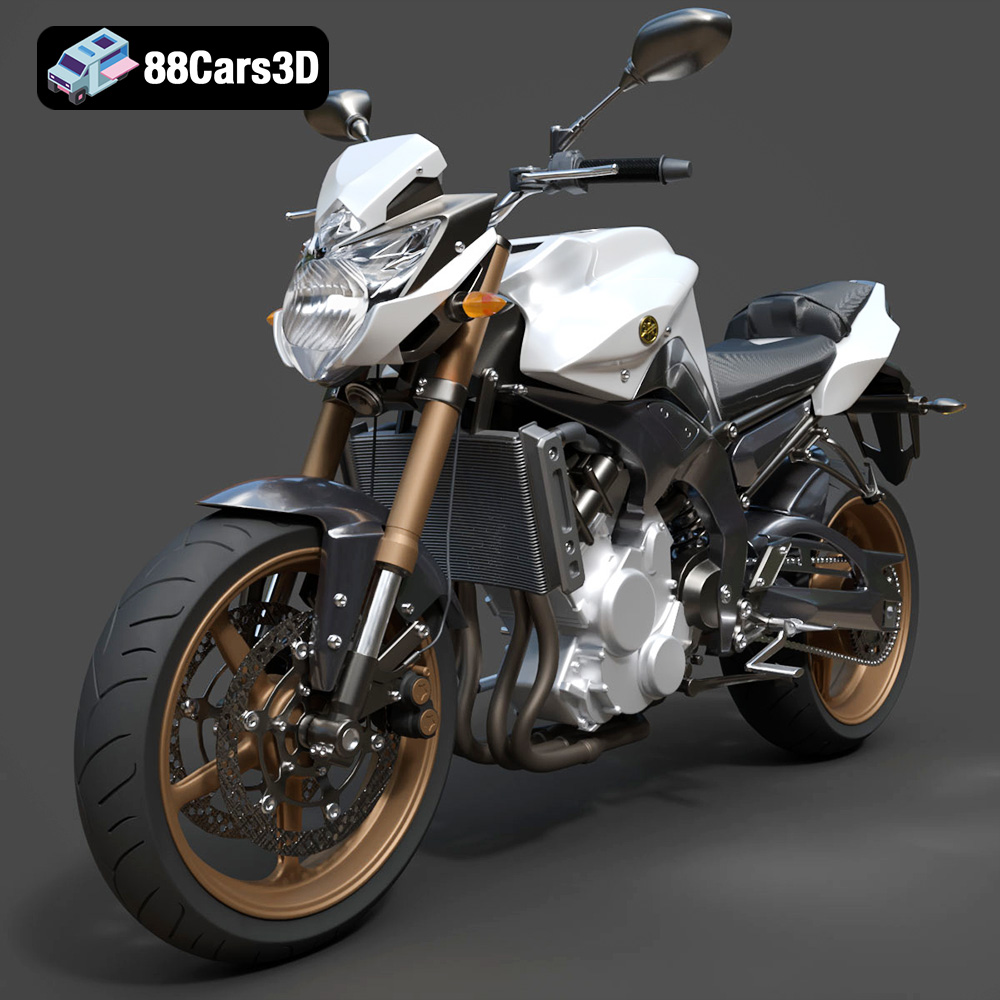
Texture: Yes
Material: Yes
Download the Yamaha FZ8 2011 3D Model featuring clean geometry, realistic detailing, and a fully modeled interior. Includes .blend, .fbx, .obj, .glb, .stl, .ply, .unreal, and .max formats for rendering, simulation, and game development.
Price: $19.99
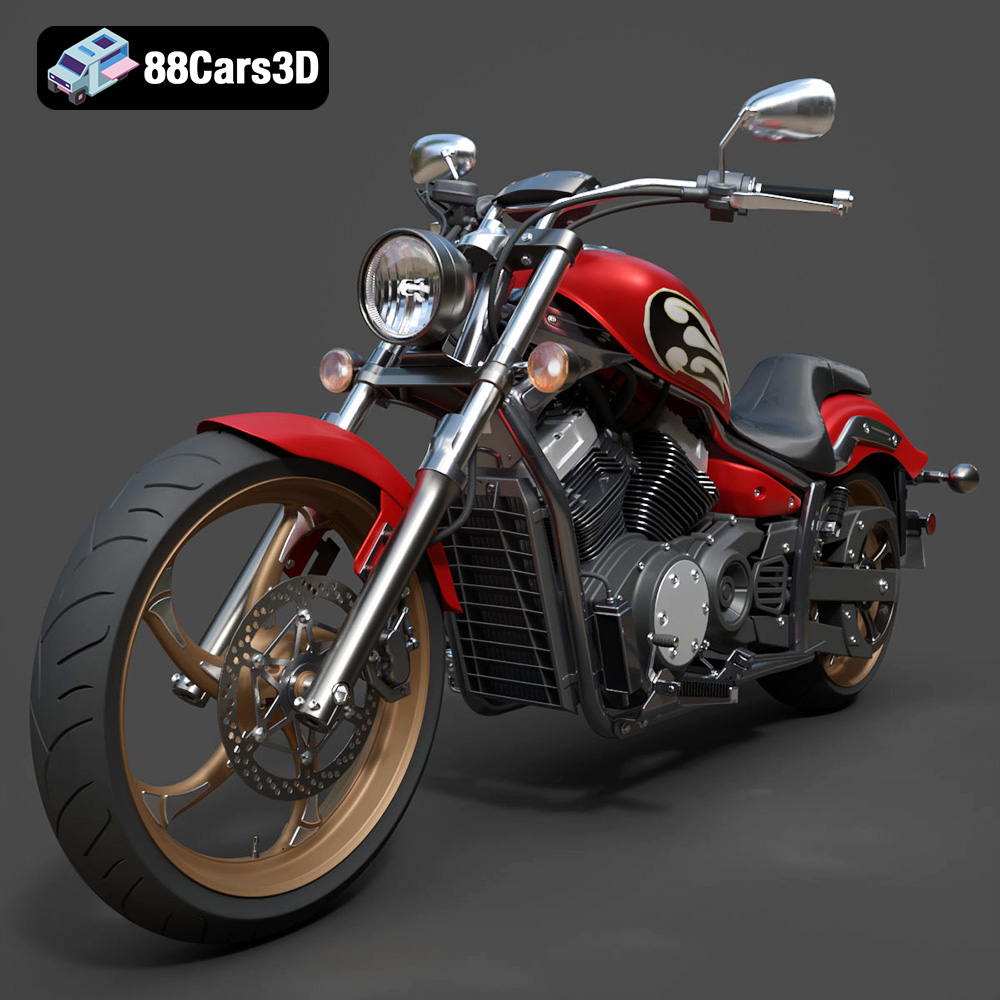
Texture: Yes
Material: Yes
Download the Yamaha Stryker 2012 3D Model featuring clean geometry, realistic detailing, and a fully modeled interior. Includes .blend, .fbx, .obj, .glb, .stl, .ply, .unreal, and .max formats for rendering, simulation, and game development.
Price: $19.99
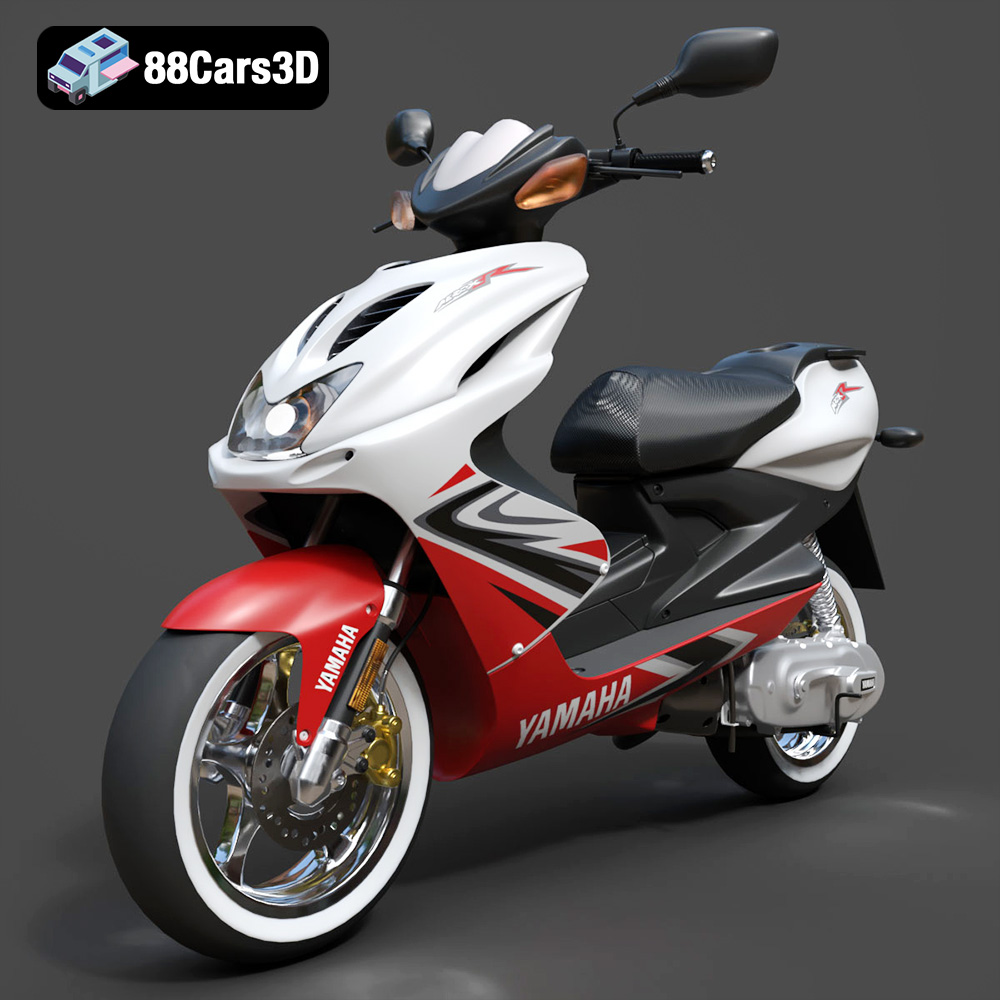
Texture: Yes
Material: Yes
Download the Yamaha Aerox R-002 2024 3D Model featuring clean geometry, realistic detailing, and a fully modeled interior. Includes .blend, .fbx, .obj, .glb, .stl, .ply, .unreal, and .max formats for rendering, simulation, and game development.
Price: $19.99
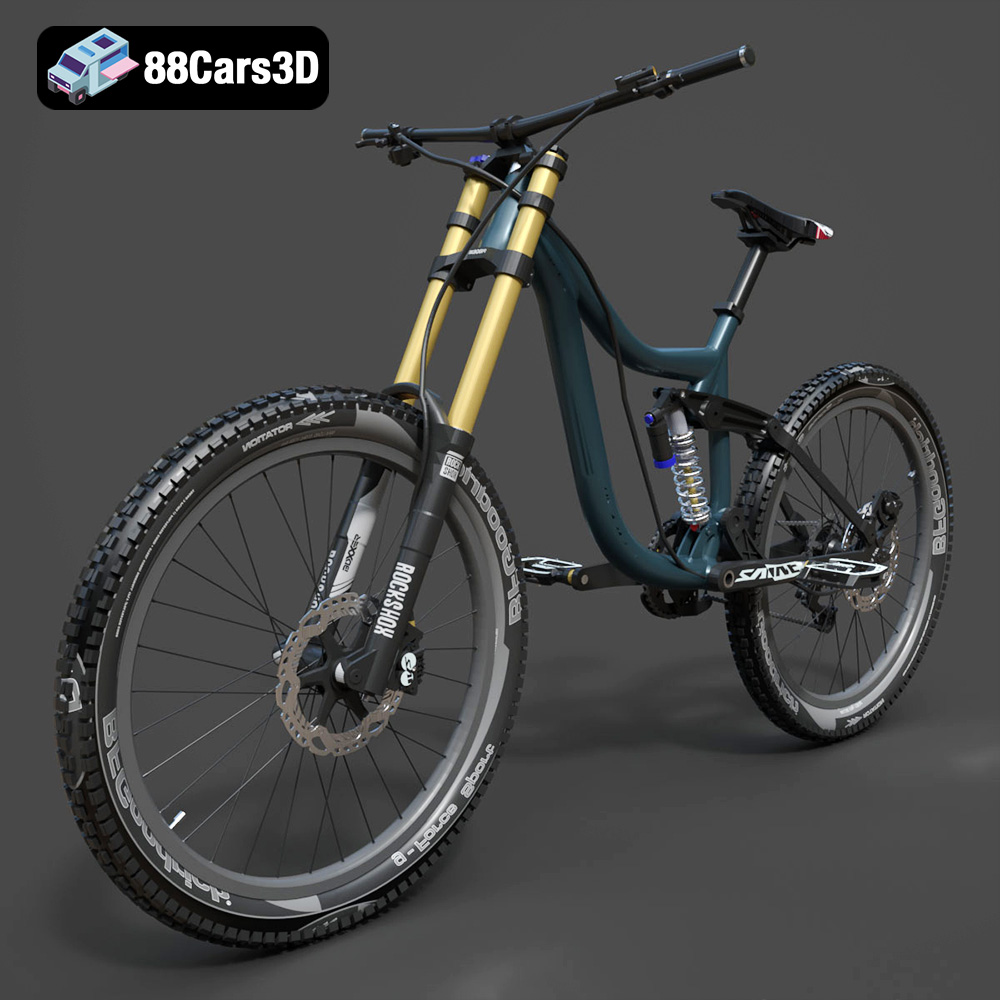
Texture: Yes
Material: Yes
Download the Mototsikly Downhill Bike-002 3D Model featuring clean geometry, realistic detailing, and precise mechanical components. Includes .blend, .fbx, .obj, .glb, .stl, .ply, .unreal, and .max formats for rendering, simulation, and game development.
Price: $19.99
Texture: Yes
Material: Yes
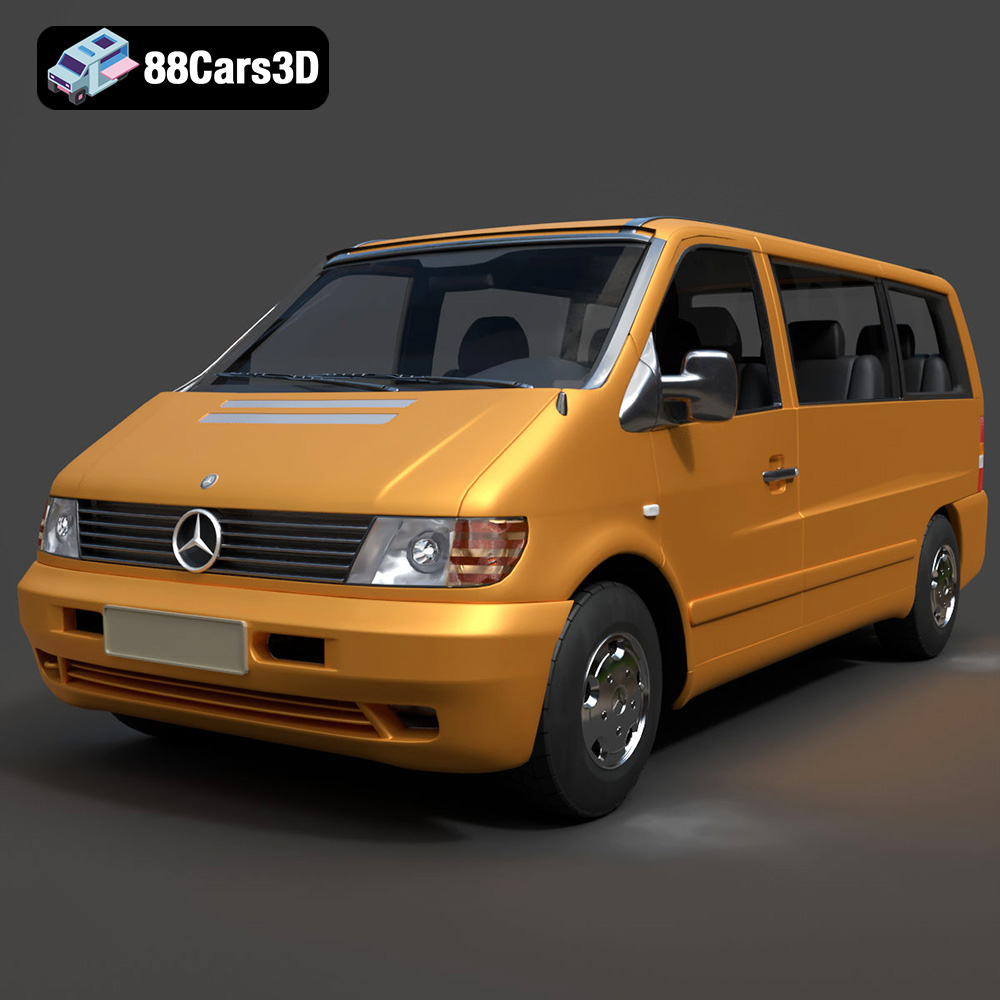
Download the Mercedes-Benz Vito Passenger Van 3D Model featuring clean geometry, realistic detailing, and a fully modeled interior. Includes .blend, .fbx, .obj, .glb, .stl, .ply, .unreal, and .max formats for rendering, simulation, and game development.
Price: $19.99
Texture: Yes
Material: Yes
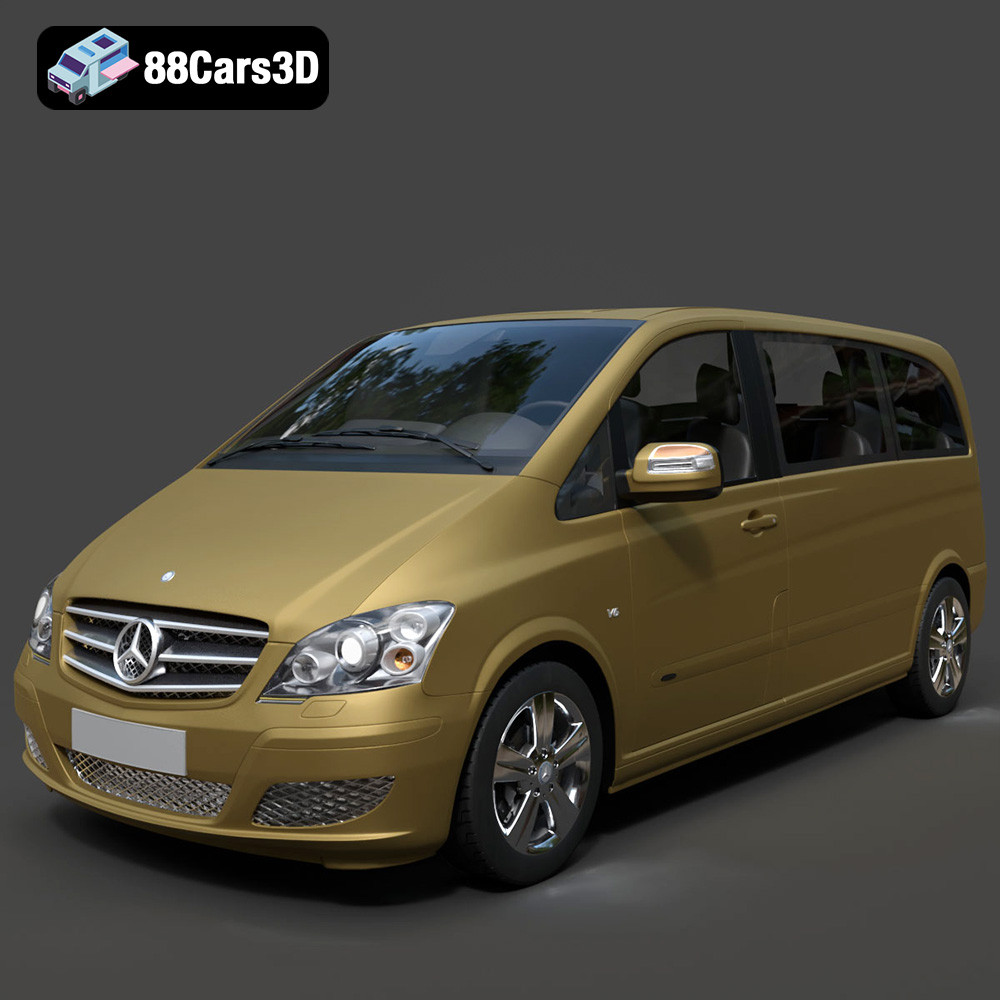
Download the Mercedes-Benz Viano 2010 3D Model featuring clean geometry, realistic detailing, and a fully modeled interior. Includes .blend, .fbx, .obj, .glb, .stl, .ply, .unreal, and .max formats for rendering, simulation, and game development.
Price: $19.99

Texture: Yes
Material: Yes
Download the Emt Avtobus 007 3D Model featuring clean geometry, realistic detailing, and a fully modeled interior. Includes .blend, .fbx, .obj, .glb, .stl, .ply, .unreal, and .max formats for rendering, simulation, and game development.
Price: $19.99
Texture: Yes
Material: Yes
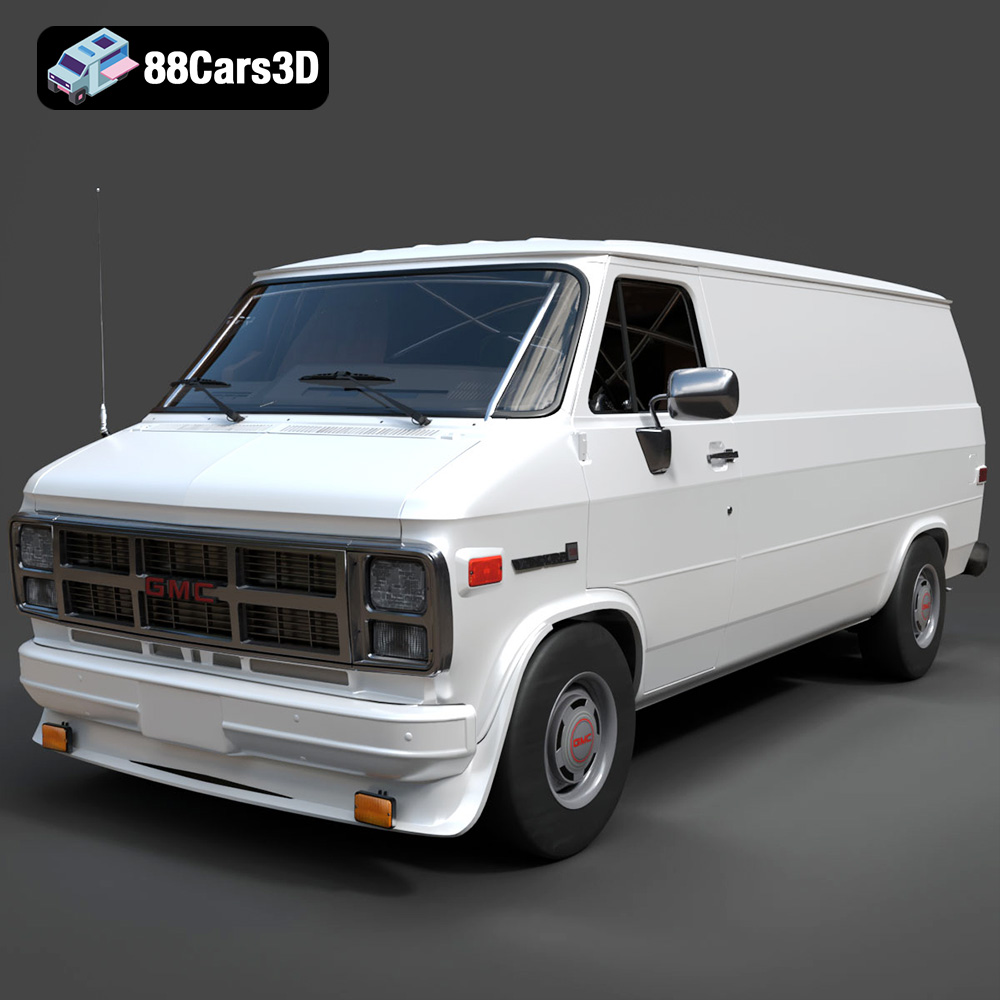
Download the GMC Vandura G-1500 1983 3D Model featuring clean geometry, realistic detailing, and a fully modeled interior. Includes .blend, .fbx, .obj, .glb, .stl, .ply, .unreal, and .max formats for rendering, simulation, and game development.
Price: $19.99
Texture: Yes
Material: Yes
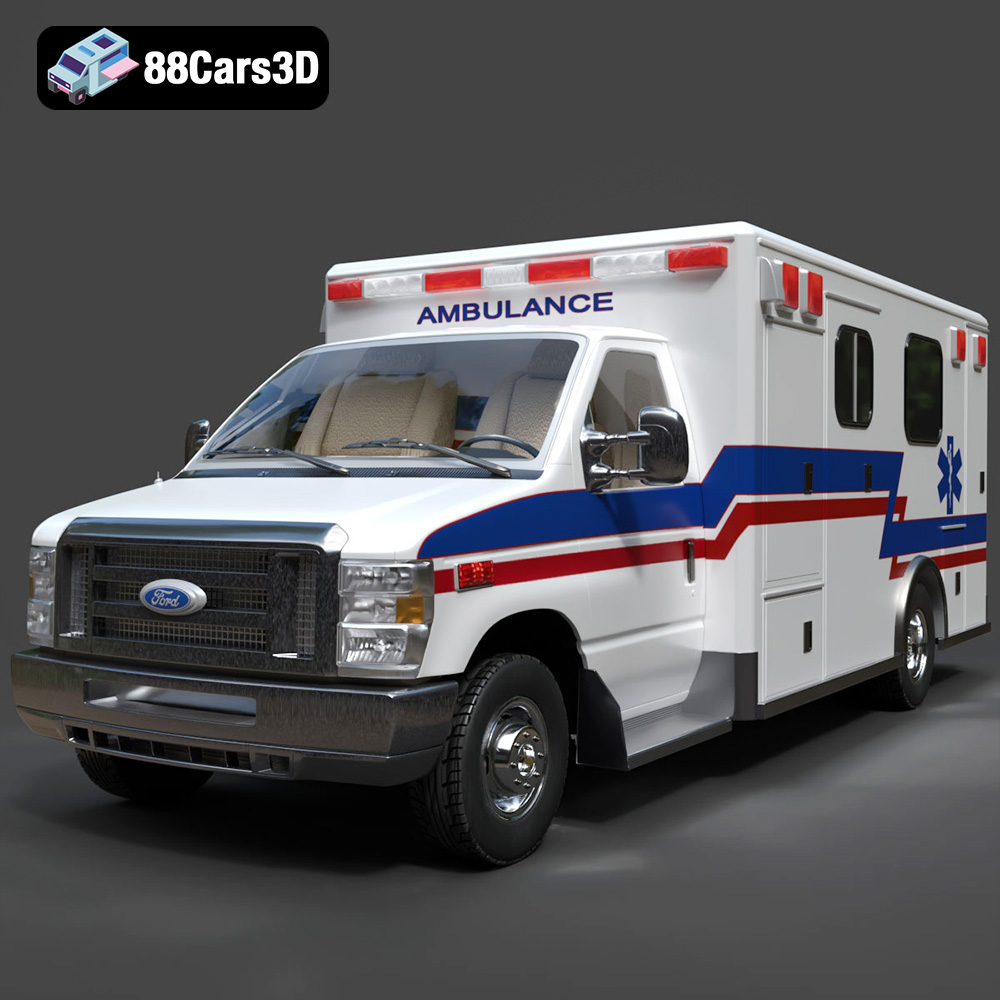
Download the Ford E-450 Ambulance 3D Model featuring clean geometry, realistic detailing, and a fully modeled interior. Includes .blend, .fbx, .obj, .glb, .stl, .ply, .unreal, and .max formats for rendering, simulation, and game development.
Price: $19.99

Texture: Yes
Material: Yes
Download the Fiat Ducato SWB-001 3D Model featuring clean geometry, realistic detailing, and a fully modeled interior. Includes .blend, .fbx, .obj, .glb, .stl, .ply, .unreal, and .max formats for rendering, simulation, and game development.
Price: $19.99

