The pursuit of photorealism in real-time rendering has long been the holy grail for 3D artists and developers, especially within the demanding automotive visualization sector. With the advent of Unreal Engine 5, achieving stunning, true-to-life visuals for vehicles and their environments is no longer an aspiration but a tangible reality. From interactive car configurators to cinematic marketing campaigns and cutting-edge virtual production, Unreal Engine provides an unparalleled suite of tools to bring automotive dreams to life.
This comprehensive guide delves into the intricate techniques and best practices required to create breathtakingly realistic automotive environments using Unreal Engine. We’ll explore everything from efficient project setup and advanced material creation to dynamic lighting with Lumen, performance optimization with Nanite, and building interactive experiences with Blueprint. Whether you’re a game developer seeking authentic vehicle assets, an automotive designer envisioning future models, or a visualization professional pushing the boundaries of real-time graphics, mastering these workflows will elevate your projects to a professional standard. Prepare to unlock the full potential of Unreal Engine and transform high-quality 3D car models into captivating, photorealistic masterpieces.
Setting the Stage: Unreal Engine Project Setup and Asset Integration
The foundation of any successful Unreal Engine project for automotive visualization begins with meticulous project setup and efficient asset integration. A well-configured project ensures optimal performance, scalability, and ease of development. Understanding the intricacies of importing and preparing high-fidelity 3D car models is paramount to achieving photorealistic results, as the quality of your source assets directly impacts the final render.
Initial Project Configuration and Plugins
Starting with the right Unreal Engine template is crucial. For automotive visualization, the “Blank” or “Architecture, Engineering, and Construction” templates often provide a clean slate or useful default settings. It’s essential to enable key plugins that enhance realism and workflow efficiency. Navigate to Edit > Plugins and ensure the following are activated:
- Datasmith: Critical for importing CAD or complex DCC scene data. Datasmith streamlines the process of bringing in detailed models while maintaining material assignments and scene hierarchy.
- Alembic Groom: If your car models include detailed hair or fur (e.g., for interior carpets or specific trims), this plugin is necessary for importing Alembic-based groom assets.
- Blueprint Editor Utilities: Useful for creating custom tools and automating repetitive tasks within your project.
- Modeling Tools Editor Mode: Provides in-engine mesh editing capabilities, handy for minor adjustments to imported geometry.
- Niagara: For creating advanced particle effects like exhaust fumes, dust, or rain, which add significant realism to environments.
- Virtual Production > nDisplay, Remote Control: If you plan for LED wall virtual production or multi-screen setups, these are essential.
- Chaos Vehicles: For realistic vehicle physics simulation, crucial for interactive driving experiences.
Beyond plugins, configure your project settings for optimal visual fidelity. In Project Settings > Engine > Rendering, consider enabling Hardware Ray Tracing if your target hardware supports it, as this can dramatically improve reflections, shadows, and global illumination. Adjusting the default texture streaming pool size can prevent blurry textures on high-resolution assets, especially with 4K or 8K textures common in automotive models. For accurate color representation, ensure your color space and tonemapping settings are correctly configured, typically using ACES or similar industry standards for cinematic outputs.
Importing High-Fidelity 3D Car Models
The quality of your 3D car models is a primary determinant of visual fidelity. Platforms like 88cars3d.com offer high-quality 3D car models that are often pre-optimized for Unreal Engine, featuring clean topology, proper UV mapping, and PBR-ready materials. When importing these assets, the FBX format is most commonly used due to its robust support for mesh data, skeletal animations, and basic material information. For more complex scenes or CAD data, Datasmith is the preferred pipeline.
Upon import, always critically evaluate the asset. For FBX imports, ensure the following:
- Scale: Confirm the model’s scale matches Unreal Engine’s units (1 unit = 1cm). Incorrect scale can lead to lighting issues, physics problems, and incorrect material rendering.
- Origin/Pivot: The pivot point should be at a logical location, typically the center base of the car, for easy placement and manipulation.
- Mesh Optimizations: While models from marketplaces like 88cars3d.com are usually optimized, larger components might still benefit from initial mesh simplification if not using Nanite. However, with Nanite, higher polygon counts are generally acceptable, or even desirable, for maximum detail.
- Material Slots: Verify that the correct number of material slots are created, corresponding to different parts of the car (body, glass, tires, interior, etc.).
- UV Maps: Ensure multiple UV channels exist – one for base textures, another for lightmaps (even with Lumen, sometimes useful for specific effects or baked lighting fallback), and potentially a third for custom effects or decals.
After importing, it’s good practice to create a Blueprint Class for your car model. This allows you to combine multiple static mesh components (body, wheels, interior elements) into a single, manageable actor, making it easier to add interactivity, attach accessories, or integrate physics later. This modular approach significantly streamlines iteration and development.
Crafting Realistic Materials: The Heart of Visual Authenticity
Materials are arguably the most critical component in achieving photorealism in Unreal Engine, especially for the intricate surfaces of an automobile. From the metallic sheen of the paint to the subtle reflections on glass and the tactile feel of interior fabrics, each material needs careful attention to detail. Unreal Engine’s physically based rendering (PBR) pipeline allows artists to simulate how light interacts with real-world surfaces, producing highly convincing results.
Mastering PBR Workflows for Automotive Finishes
The PBR workflow is fundamental to photorealistic rendering. It relies on a set of standardized texture maps that describe a surface’s properties, dictating how it reflects and absorbs light. For automotive finishes, the key PBR maps include:
- Base Color (Albedo): Represents the diffuse color of the surface without any lighting information. For car paint, this will be the primary color.
- Metallic: A grayscale map where white (1) indicates a metallic surface and black (0) indicates a non-metallic (dielectric) surface. Car paint, while appearing metallic, is technically a dielectric with metallic flakes embedded, often simulated with a blend. True metallic components like chrome trim will be pure white.
- Roughness: Controls the microscopic surface irregularities. A value of 0 is perfectly smooth (mirror-like), while 1 is completely rough (matte). Car paint usually has very low roughness, while tires have high roughness.
- Normal Map: Adds fine surface detail without increasing polygon count, simulating bumps and grooves. Used for tire treads, interior stitching, or subtle paint imperfections.
- Ambient Occlusion (AO): Simulates shadowed areas where light is blocked, enhancing depth and realism.
For car paint, creating a truly realistic PBR material requires a more advanced approach than a simple Metallic/Roughness setup. Automotive paints often feature multiple layers:
- Base Coat: The primary color.
- Metallic Flake Layer: A layer of tiny metallic particles embedded in the paint, responsible for the sparkling effect. This can be simulated using a custom Material Function that blends a normal map representing the flakes with the base coat, often driven by Fresnel and anisotropy.
- Clear Coat: A glossy, transparent protective layer that sits on top. Unreal Engine’s PBR system has a dedicated Clear Coat input in the Material Editor. This input allows you to define a separate normal map and roughness value for the clear coat layer, crucial for realistic reflections and specular highlights on car bodies. The Clear Coat parameter typically ranges from 0 (no clear coat) to 1 (full clear coat).
Remember that consistent texture resolutions are important. For hero vehicles, 4K or even 8K textures for critical areas like the body are common, ensuring maximum detail when viewed up close. Smaller details like bolts or interior buttons might use 1K or 2K textures. Ensure your UVs are clean and non-overlapping for optimal texture sampling and lightmap generation.
Leveraging Advanced Material Features for Detail
Unreal Engine’s Material Editor is an incredibly powerful node-based system, allowing for highly complex and nuanced material creation. Beyond basic PBR, several advanced features can dramatically enhance the realism of your automotive assets:
- Material Functions: Encapsulate common material logic (e.g., a complex car paint shader, a tire rubber shader, or a parameterized glass material) into reusable functions. This promotes modularity, consistency, and efficiency across multiple assets.
- Layered Materials: For complex surfaces with varying properties (e.g., dirt on a car body, scratches, or decal overlays), Layered Materials allow you to blend multiple materials using masks. This is particularly useful for adding wear and tear or customization options.
- Decal Materials: Project textures onto surfaces without modifying the underlying geometry. Perfect for logos, license plates, warning labels, or mud splatters. Use Deferred Decals for static applications and Material Decals for more dynamic effects.
- Translucency and Subsurface Scattering: For materials like headlights, taillights, or certain interior plastics, accurate translucency is vital. Subsurface scattering can simulate light passing through and scattering within translucent materials, giving them a softer, more realistic look. Ensure your material’s Lighting Mode is set appropriately for these effects.
- Anisotropy: Crucial for metallic brushed surfaces, like certain aluminum trims or brake discs, where reflections stretch along a specific direction. Unreal Engine provides an Anisotropy input in the Material Editor, allowing you to control the direction and strength of this effect using a tangent space normal map or a custom vector.
- Virtual Textures (Sparse Volume Textures/Runtime Virtual Textures): For extremely large environments or highly detailed assets, Virtual Textures can optimize texture memory usage by streaming only the visible portions of very large texture maps. This is less common for individual car models but highly relevant for the environments they inhabit.
Remember to constantly preview your materials under various lighting conditions. What looks good in direct sunlight might fall apart in shadow or under studio lights. Iterate and refine until your materials respond authentically to different lighting scenarios, mimicking real-world behavior.
Illuminating Realism: Advanced Lighting Techniques with Lumen
Lighting is the soul of photorealism. In automotive visualization, accurate and compelling lighting can transform a static 3D model into a captivating visual experience. Unreal Engine 5’s Lumen global illumination and reflections system has revolutionized real-time lighting, offering dynamic, physically accurate illumination previously only achievable with offline renderers. Coupled with strategic traditional lighting, Lumen empowers artists to create incredibly immersive environments.
Harnessing Lumen for Dynamic Global Illumination
Lumen is Unreal Engine 5’s fully dynamic global illumination and reflections system, designed for next-generation consoles and high-end PCs. It calculates diffuse inter-reflection with infinite bounces and detailed specular reflections from emissive materials and sky lights. This means light realistically bounces around your environment, creating soft indirect lighting, colored bounces, and accurate shadows, all in real-time. Activating Lumen is straightforward: go to Project Settings > Engine > Rendering > Global Illumination and set Global Illumination Method and Reflection Method to “Lumen.”
Key considerations for working with Lumen:
- Scene Scale: Lumen performs best with objects scaled appropriately to real-world sizes. Inaccurate scale can lead to lighting artifacts or incorrect light propagation.
- Material Emissivity: Emissive materials (e.g., LED screens, illuminated signs) contribute to Lumen’s global illumination, acting as light sources. This is powerful for realistic night scenes or studio setups.
- Foliage & Translucency: Lumen handles translucent objects better than previous GI systems, but complex foliage with many small translucent leaves can still be computationally intensive. Optimize your foliage where necessary.
- Hardware Ray Tracing vs. Software Ray Tracing: Lumen can operate in two modes. Software Ray Tracing is the default and runs on all compatible hardware. Hardware Ray Tracing, when enabled (in Project Settings), provides higher quality and more accurate results for reflections and shadows on supported RTX cards, leveraging the GPU’s dedicated RT cores. For the highest fidelity, always aim for Hardware Ray Tracing if your target platform allows.
- Performance: While Lumen is incredible, it’s also demanding. Monitor your frame rate using the ‘stat gpu’ and ‘stat lumen’ commands. Adjust Lumen quality settings in the Post Process Volume (e.g., ‘Lumen Final Gather Quality’, ‘Lumen Scene Capture Resolution’) to balance visual fidelity with performance. For more advanced troubleshooting, consult the official Unreal Engine documentation at dev.epicgames.com/community/unreal-engine/learning.
Lumen significantly reduces the need for manually placed fill lights, as indirect light naturally illuminates shadowed areas, providing a more cohesive and realistic lighting solution. This is particularly beneficial for showcasing 3D car models within complex environments, allowing for accurate light interaction with complex PBR materials.
Strategic Lighting for Automotive Showcase
While Lumen handles global illumination, direct lighting sources are still crucial for shaping the scene, highlighting car features, and setting the mood. A combination of dynamic direct lights and Lumen’s indirect lighting creates truly compelling visuals.
Consider these lighting types:
- Directional Light: Simulates sunlight or a distant, parallel light source. Crucial for establishing the primary light direction, casting sharp shadows, and defining the overall mood (e.g., harsh midday sun, soft morning light).
- Sky Light: Captures the ambient light from the sky and injects it into the scene. For realistic outdoor environments, always pair a Sky Light with an HDRI (High Dynamic Range Image) cubemap. This provides incredibly realistic ambient lighting and reflections, as the Sky Light captures the colors and intensities from the HDRI.
- Rect Lights/Spot Lights: Essential for studio setups or focused illumination. Rect Lights mimic softbox lighting, providing even, diffuse illumination ideal for highlighting specific car panels or creating dramatic reflections on the bodywork. Spot Lights are useful for accentuating details, rims, or logos.
- Point Lights: For interior lighting, brake lights, or small environmental details that emit light.
When lighting a car, focus on these principles:
- Highlighting Form: Place lights to emphasize the car’s curves and design lines. Soft, broad lights work well for the main body, while sharper highlights can define edges.
- Reflection Quality: Cars are highly reflective. Ensure your lighting setup provides interesting and varied reflections on the body, glass, and chrome. The environment itself, captured by Lumen and Sky Light HDRI, plays a massive role here. Consider placing reflective surfaces or emissive elements in the environment to create captivating reflections on the car’s paint.
- Shadow Detail: Shadows add depth and realism. Ensure they are soft enough to avoid harshness but defined enough to ground the car in the environment. Lumen greatly enhances shadow realism with its indirect shadowing.
- Atmospheric Effects: Utilize Exponential Height Fog for atmospheric perspective, depth, and volumetric effects. Coupled with Volumetric Clouds and Volumetric Fog (if enabled), you can create stunning sky and weather conditions that dramatically affect the mood of your automotive scene.
Always adjust light intensities, colors, and shadows based on your desired aesthetic and real-world references. Use a Post Process Volume to fine-tune exposure, color grading, bloom, and other visual effects to achieve a final cinematic look.
Performance and Scalability: Optimizing for Real-Time Excellence
Achieving photorealism in Unreal Engine often comes with a performance cost. For real-time applications like games, AR/VR experiences, or interactive configurators, optimization is not an option but a necessity. Unreal Engine offers powerful tools like Nanite and intelligent LOD management to handle high-fidelity assets efficiently, ensuring smooth frame rates without sacrificing visual quality.
Nanite and LODs: Managing High-Poly Automotive Assets
Nanite, Unreal Engine 5’s virtualized micropolygon geometry system, is a game-changer for handling extremely high-polygon assets without the traditional performance bottlenecks. It intelligently streams and renders only the detail that is perceptually necessary, meaning artists can import film-quality 3D car models with millions of polygons directly into Unreal Engine without manual LOD creation. This dramatically streamlines the workflow for automotive visualization, where intricate details like panel gaps, engine components, and interior stitching are paramount.
To enable Nanite for a Static Mesh:
- Import your high-poly mesh (FBX or Datasmith).
- Open the Static Mesh Editor for the asset.
- In the Details panel, under the Nanite Settings section, check Enable Nanite.
- Adjust the Fallback Relative Error to control the simplification quality for non-Nanite render paths (e.g., when viewed from very far away or for shadow maps).
While Nanite removes the need for traditional manual LODs for the mesh itself, it’s important to understand its limitations:
- Transparency & Deformations: Nanite currently doesn’t support complex transparent materials (like car glass where refractive index changes) or mesh deformation. For these elements, traditional static meshes and LODs are still necessary. You might need to disable Nanite for glass components or use a separate simplified mesh.
- Instanced Static Meshes: Nanite doesn’t work directly with Instanced Static Meshes, so large numbers of identical, highly detailed objects might still benefit from traditional instancing, or you can leverage Nanite by converting them to regular Static Meshes.
- Overlap & Intersections: While Nanite handles geometric complexity, it doesn’t solve performance issues arising from extreme material complexity or overdraw from overlapping translucent surfaces.
For non-Nanite assets (like glass, small props, or assets that need traditional LODs for compatibility with specific features), Unreal Engine’s built-in LOD generation system is invaluable. In the Static Mesh Editor, under the LOD Settings, you can automatically generate multiple LODs based on polygon reduction or import your own custom LOD meshes. Configure the Screen Size for each LOD to determine when it switches, ensuring optimal performance across different viewing distances. This ensures that even components not leveraging Nanite remain performant.
Texture Streaming, Culling, and Project Settings for Performance
Beyond geometry, textures can be a significant performance hog, especially with the 4K and 8K maps commonly used for high-quality 3D car models. Unreal Engine employs a texture streaming system that loads higher-resolution mipmaps only when needed (e.g., when the object is close to the camera), saving VRAM. Ensure your textures have mipmaps generated (usually automatic) and that your texture streaming pool size in Project Settings > Engine > Rendering is adequately configured for your project’s assets.
Effective culling strategies are equally important:
- Frustum Culling: Unreal Engine automatically prevents objects outside the camera’s view frustum from being rendered.
- Occlusion Culling: Objects hidden behind other opaque objects are not rendered. You can place Occlusion Culling Volume actors to assist the engine in complex scenes.
- Distance Culling: For objects that don’t use Nanite, set a Max Draw Distance in their details panel to prevent them from rendering when too far from the camera.
- Visibility Culling: Use Blueprint or Sequencer to dynamically hide/show objects that are not relevant at certain times, such as hidden interior elements when the door is closed.
Project settings offer further global optimizations:
- Quality Settings: In Project Settings > Engine > Rendering > Optimizations, adjust settings like Shader Quality, Material Quality, and Shadow Map Resolution to find a balance between visual fidelity and performance.
- Scalability Settings: Unreal Engine’s built-in scalability system (accessible via console commands like
sg.PostProcessQuality 0-4 or in-game options) allows you to define different quality levels for various hardware configurations.
- Post Process Volume: Carefully manage post-process effects. Heavy bloom, screen space reflections (when not using Lumen’s more robust reflections), ambient occlusion (when Lumen provides it), and complex anti-aliasing methods can impact performance. TAA (Temporal Anti-Aliasing) is generally recommended for its quality, but DLSS/FSR plugins offer superior upscaling and anti-aliasing with significant performance gains on supported hardware.
Regular profiling using tools like the GPU Profiler (Ctrl+Shift+,) and Stat Commands (stat fps, stat gpu, stat unit, stat rhi) is critical to identify bottlenecks and guide your optimization efforts. For detailed guidance on optimization, refer to the performance and profiling sections within the official Unreal Engine documentation.
Interactive Experiences and Cinematic Storytelling
Beyond static renders, Unreal Engine excels at creating dynamic, interactive experiences and cinematic sequences. For automotive visualization, this means building compelling car configurators, interactive showrooms, and broadcast-quality marketing animations. Leveraging Blueprint for interactivity and Sequencer for cinematics allows developers and artists to craft rich, engaging narratives around their 3D car models.
Blueprint for Automotive Configurators and Interactivity
Blueprint Visual Scripting is Unreal Engine’s powerful node-based scripting system that enables artists and designers to create complex gameplay and interactive logic without writing a single line of code. For automotive configurators, Blueprint is indispensable.
A typical car configurator Blueprint might involve:
- Core Car Blueprint: Create a Master Blueprint for your car model, containing all the static mesh components (body, wheels, interior parts, lights) as child components.
- Material Swapping: Implement logic to swap materials for different paint colors, wheel finishes, or interior trims. This can be done by creating an array of Material Instances and using “Set Material” nodes. Expose these options as variables in the Blueprint Details panel, or drive them from a UI.
- Component Visibility: Control the visibility of optional accessories (e.g., spoiler, roof rack, specific headlight types). Use “Set Visibility” nodes based on user selections.
- Door/Trunk Animation: Use a Timeline in Blueprint to animate door or trunk opening/closing. This involves rotating or translating specific mesh components over time. Trigger these animations with mouse clicks or UI button presses.
- Camera Controls: Create custom camera movements (e.g., orbiting around the car, snapping to interior views) using Blueprint logic to enhance the user’s exploration of the vehicle.
- UI Integration: Connect UMG (Unreal Motion Graphics) user interfaces to your Blueprint logic to create intuitive menus for customization options. Buttons, sliders, and dropdowns can directly call functions within your car Blueprint.
- Physics-Based Interactions: For a driving simulator or realistic car configurator, integrate Unreal Engine’s Chaos Vehicles plugin. This allows for realistic suspension, tire physics, and engine simulation, all configurable via Blueprint. You can expose parameters like engine power, gear ratios, and suspension stiffness for real-time adjustments.
By exposing variables and functions in your Blueprint, you empower non-programmers to create robust interactive experiences, making your 3D car models truly dynamic assets.
Sequencer, Virtual Production, and High-Fidelity Renders
Sequencer is Unreal Engine’s powerful multi-track editor for creating cinematic sequences, animations, and high-quality renders. It’s the go-to tool for automotive marketing, virtual production, and pre-visualization.
Key Sequencer applications for automotive visualization:
- Cinematic Camera Movements: Animate camera paths, focus, and aperture settings to create professional-grade camera work. Use Cine Camera Actors for physically accurate camera properties.
- Actor Animation: Animate the car’s components (doors, wheels, steering wheel), lights, and even the car’s movement along a path using keyframes.
- Material Parameter Animation: Animate material parameters over time, such as changing car paint color, adjusting roughness for a “wet look,” or animating emissive elements.
- Level Sequences: Combine multiple sequences to create complex narratives, managing transitions between shots and events.
- Virtual Production: Sequencer is integral to virtual production workflows. By synchronizing real-world camera tracking data with virtual cameras in Sequencer, you can project photorealistic automotive scenes onto LED volumes. This allows actors to interact with virtual vehicles in real-time, blurring the lines between physical and digital. Tools like nDisplay and Remote Control plugins facilitate this integration.
- High-Fidelity Rendering: Use Sequencer’s Movie Render Queue to export stunning, uncompressed cinematic frames. The Movie Render Queue offers advanced settings like “Warm Up Frames,” “High Resolution,” “Anti-Aliasing (Spatial & Temporal Sample Counts),” and “Console Variables” (CVars) to crank up quality far beyond real-time playable settings. For the ultimate quality, consider enabling “Path Tracer” as your rendering method, which provides physically accurate, unbiased ray tracing for film-quality results, albeit with longer render times. This is perfect for hero shots and marketing assets.
By mastering Sequencer, you can transform your interactive automotive experiences into broadcast-ready content, telling compelling stories that resonate with your audience.
Expanding Horizons: AR/VR and Physics Integration
The utility of high-fidelity 3D car models extends beyond traditional screens, moving into immersive experiences like Augmented Reality (AR) and Virtual Reality (VR), and enhancing realism through robust physics simulations. Unreal Engine provides the tools to push these boundaries, offering new ways to interact with and present automotive designs.
Optimizing for Immersive AR/VR Automotive Experiences
AR and VR offer unparalleled immersion, allowing users to experience cars in a completely new dimension – whether placing a virtual car in their driveway via AR or exploring an interior in a fully immersive VR showroom. However, these platforms demand extreme performance optimization due to their strict frame rate requirements (typically 90 FPS for VR to prevent motion sickness) and limited hardware resources, especially on mobile AR devices.
Key optimization strategies for AR/VR:
- Aggressive LODs: While Nanite is revolutionary, for many AR/VR devices, traditional, aggressively optimized LODs are still paramount. Ensure your non-Nanite components (especially glass, interiors) have multiple, well-optimized LODs that switch at appropriate distances.
- Baked Lighting (where possible): For static environments, baking lightmaps (disabling Lumen) can drastically improve performance in AR/VR, as it removes the runtime cost of dynamic global illumination. If dynamism is required, careful use of static lights with dynamic shadows is a good compromise.
- Simplified Materials: Reduce shader complexity by minimizing instructions in your materials. Avoid complex blended materials, excessive clear coat layers, or costly translucency where possible. Consider using opaque materials for window glass on distant LODs in VR, or simpler transparent shaders for AR.
- Texture Optimization: Use smaller texture resolutions (2K maximum, 1K for less critical assets) and efficient compression formats (e.g., BC7, ASTC for mobile). Ensure textures have proper mipmaps and stream efficiently.
- Polycount Management: Even with Nanite, the overall polygon count of the scene, particularly for objects visible from multiple angles, must be managed. For AR/VR, a total polycount for the car might still target tens or hundreds of thousands of triangles (for non-Nanite components) rather than millions.
- Disable Expensive Features: Turn off costly post-process effects like Bloom, Lens Flares, Motion Blur, and high-quality Anti-Aliasing (using a simpler FXAA or TAA with fewer samples). Minimize Screen Space Reflections/Global Illumination when Lumen is not an option.
- Forward Shading: For VR, consider enabling the Forward Shading Renderer (in Project Settings). It can offer performance benefits, especially for scenes with many transparent objects, by reducing overdraw.
- VR Editor: Use Unreal Engine’s built-in VR Editor (accessible via the VR Mode button) to test and optimize your VR experiences directly within the headset, ensuring comfort and performance.
For AR, especially on mobile, consider using features like the Unreal Engine AR Core and ARKit plugins, which provide robust tracking and plane detection. Streamlined assets and highly optimized rendering pipelines are crucial for a smooth user experience on mobile devices.
Vehicle Physics and Dynamics for Enhanced Realism
Integrating realistic physics simulation transforms a static car model into a dynamic, interactive vehicle. Unreal Engine’s Chaos Physics system, particularly the Chaos Vehicles plugin, provides a robust framework for simulating car dynamics, crucial for driving simulators, realistic configurators, or even cinematic crash sequences.
Working with Chaos Vehicles involves:
- Vehicle Blueprint Setup: Create a Blueprint Class based on the
WheeledVehiclePawn or WheeledVehicleSuspensionComponent. This Blueprint will contain your car’s mesh components and the Chaos Vehicle Movement Component.
- Tire Configuration: Define individual tire settings for each wheel, including wheel radius, friction properties, suspension forces (springs, dampers), and camber/caster angles. These parameters directly impact how the car handles and interacts with the ground.
- Engine and Transmission: Configure engine torque curves, gear ratios, and differential settings to simulate realistic acceleration, top speed, and power delivery. This allows for nuanced driving feel.
- Aerodynamics: While not fully simulated by default, you can use Blueprint to apply custom aerodynamic forces (drag, downforce) based on vehicle speed and direction, enhancing realism for high-performance vehicles.
- Input Mapping: Set up input actions for acceleration, braking, steering, and handbrake in your Project Settings. Connect these inputs to the Chaos Vehicle Movement Component within your Blueprint.
- Environment Interaction: Ensure your environment meshes have appropriate collision settings. Complex terrain or obstacles will interact realistically with the vehicle’s suspension and wheels.
- Damage Simulation: For more advanced scenarios, integrate procedural mesh deformation or material swapping based on collision events to simulate vehicle damage, adding another layer of realism.
By carefully tuning these physics parameters, you can create a vehicle that not only looks photorealistic but also behaves authentically, providing a much richer and more engaging user experience. Whether it’s a casual drive through a beautiful environment or a precise race simulation, accurate physics grounds your virtual vehicle in reality.
Conclusion
Creating photorealistic automotive environments in Unreal Engine is a demanding yet incredibly rewarding endeavor. It requires a meticulous blend of artistic skill, technical understanding, and a keen eye for detail. From the initial project setup and the careful selection of high-quality 3D car models from marketplaces like 88cars3d.com, to the intricate crafting of PBR materials, and the masterful orchestration of dynamic lighting with Lumen, every step contributes to the final immersive experience.
We’ve explored how Nanite revolutionizes the handling of high-poly assets, how Blueprint empowers interactive configurators, and how Sequencer delivers cinematic narratives. Furthermore, we’ve touched upon the critical optimizations for AR/VR and the dynamic realism brought by Chaos Physics. The journey to photorealism in real-time is continuous, with new tools and techniques constantly emerging, but the core principles of PBR, efficient asset management, and thoughtful lighting remain foundational.
By applying the workflows and best practices outlined in this guide, you are well-equipped to elevate your automotive visualization projects to new heights. Embrace the power of Unreal Engine, continuously refine your craft, and transform your vision into stunning, real-time realities. The road to automotive photorealism is open, and with these techniques, you’re ready to drive forward.
Featured 3D Car Models
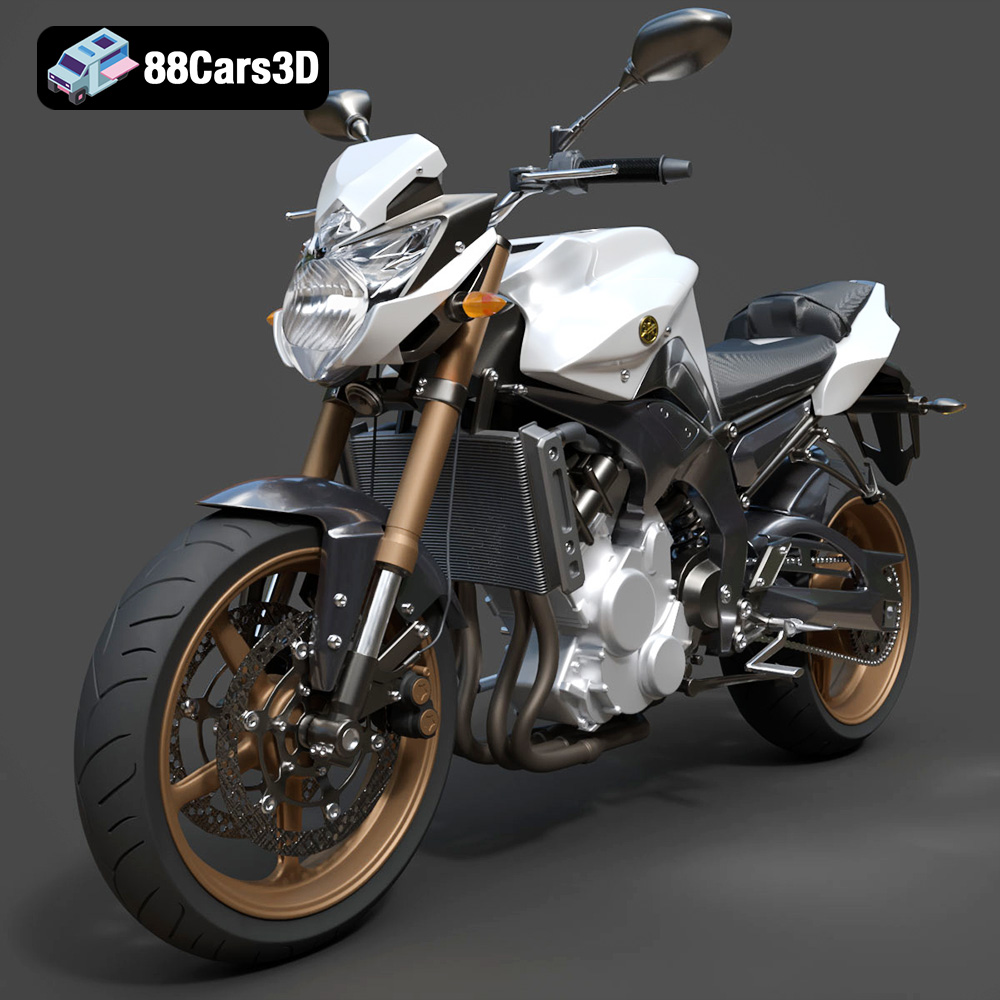
Texture: Yes
Material: Yes
Download the Yamaha FZ8 2011 3D Model featuring clean geometry, realistic detailing, and a fully modeled interior. Includes .blend, .fbx, .obj, .glb, .stl, .ply, .unreal, and .max formats for rendering, simulation, and game development.
Price: $19.99
View Product
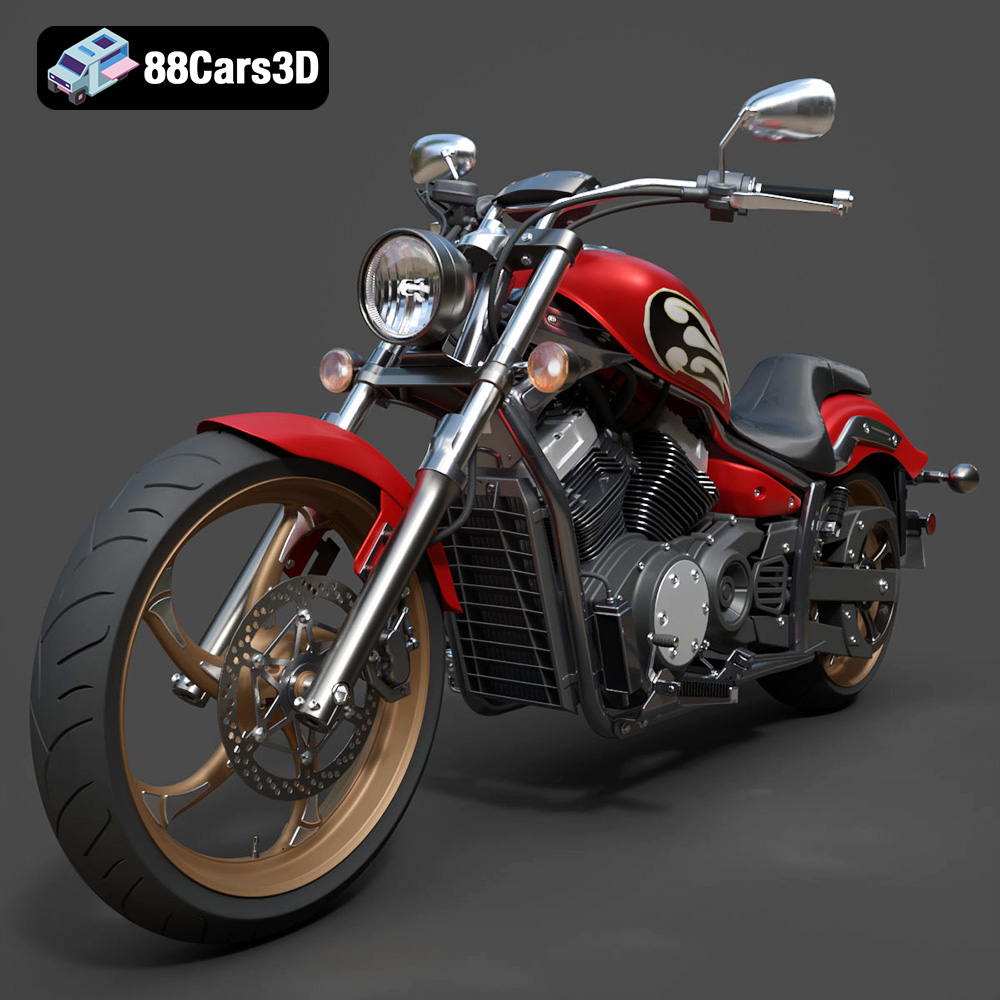
Texture: Yes
Material: Yes
Download the Yamaha Stryker 2012 3D Model featuring clean geometry, realistic detailing, and a fully modeled interior. Includes .blend, .fbx, .obj, .glb, .stl, .ply, .unreal, and .max formats for rendering, simulation, and game development.
Price: $19.99
View Product
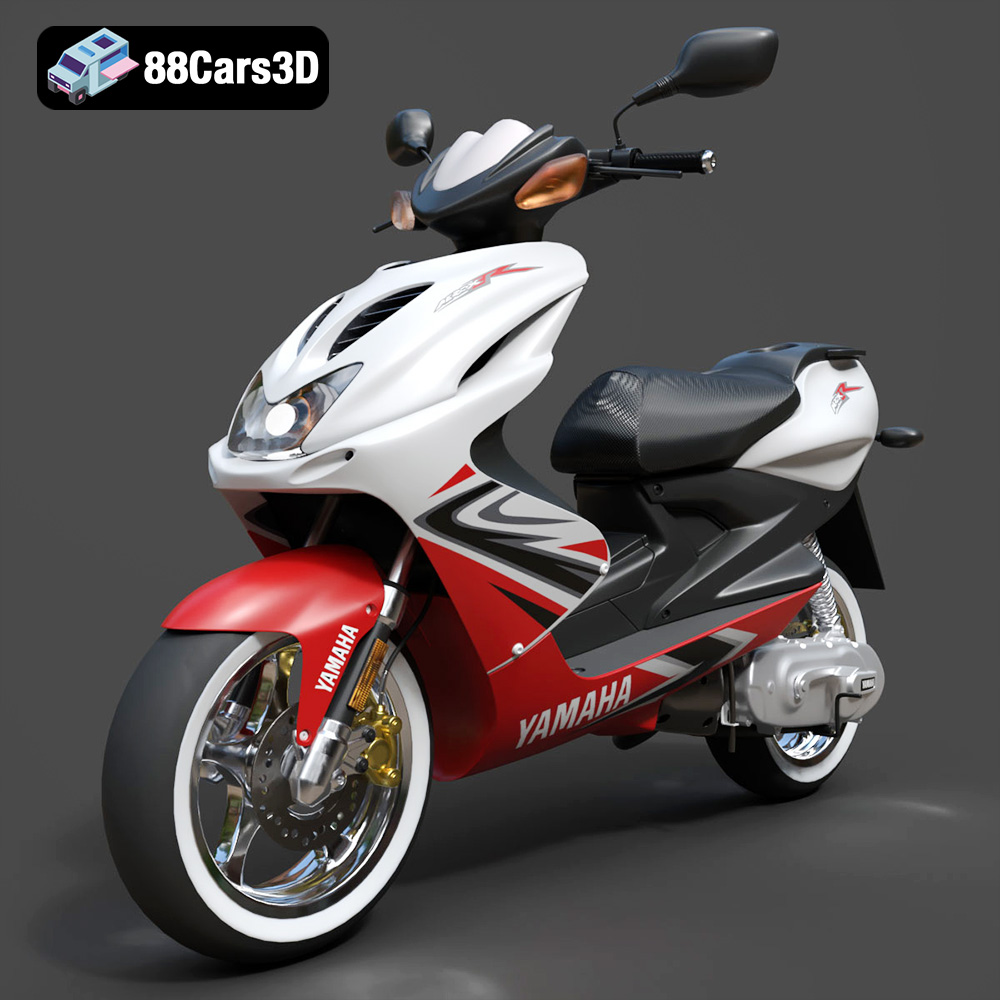
Texture: Yes
Material: Yes
Download the Yamaha Aerox R-002 2024 3D Model featuring clean geometry, realistic detailing, and a fully modeled interior. Includes .blend, .fbx, .obj, .glb, .stl, .ply, .unreal, and .max formats for rendering, simulation, and game development.
Price: $19.99
View Product
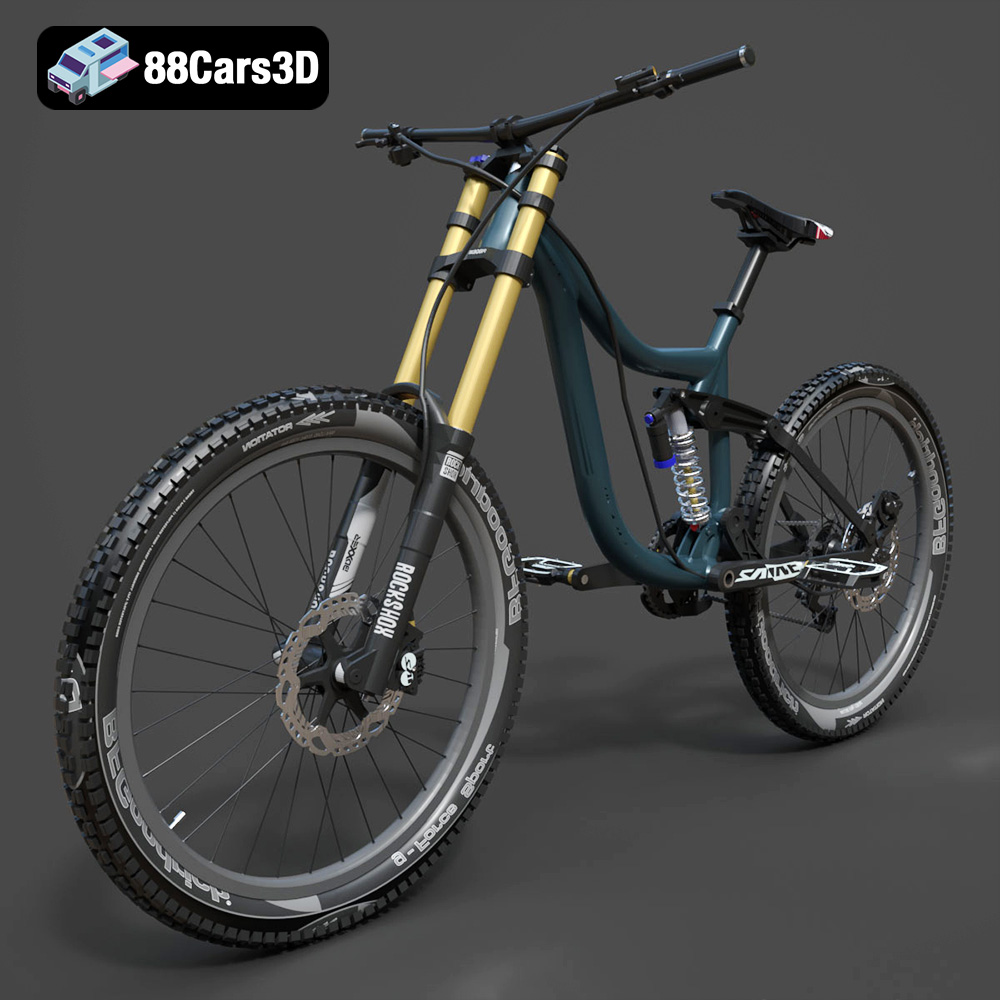
Texture: Yes
Material: Yes
Download the Mototsikly Downhill Bike-002 3D Model featuring clean geometry, realistic detailing, and precise mechanical components. Includes .blend, .fbx, .obj, .glb, .stl, .ply, .unreal, and .max formats for rendering, simulation, and game development.
Price: $19.99
View Product
Texture: Yes
Material: Yes
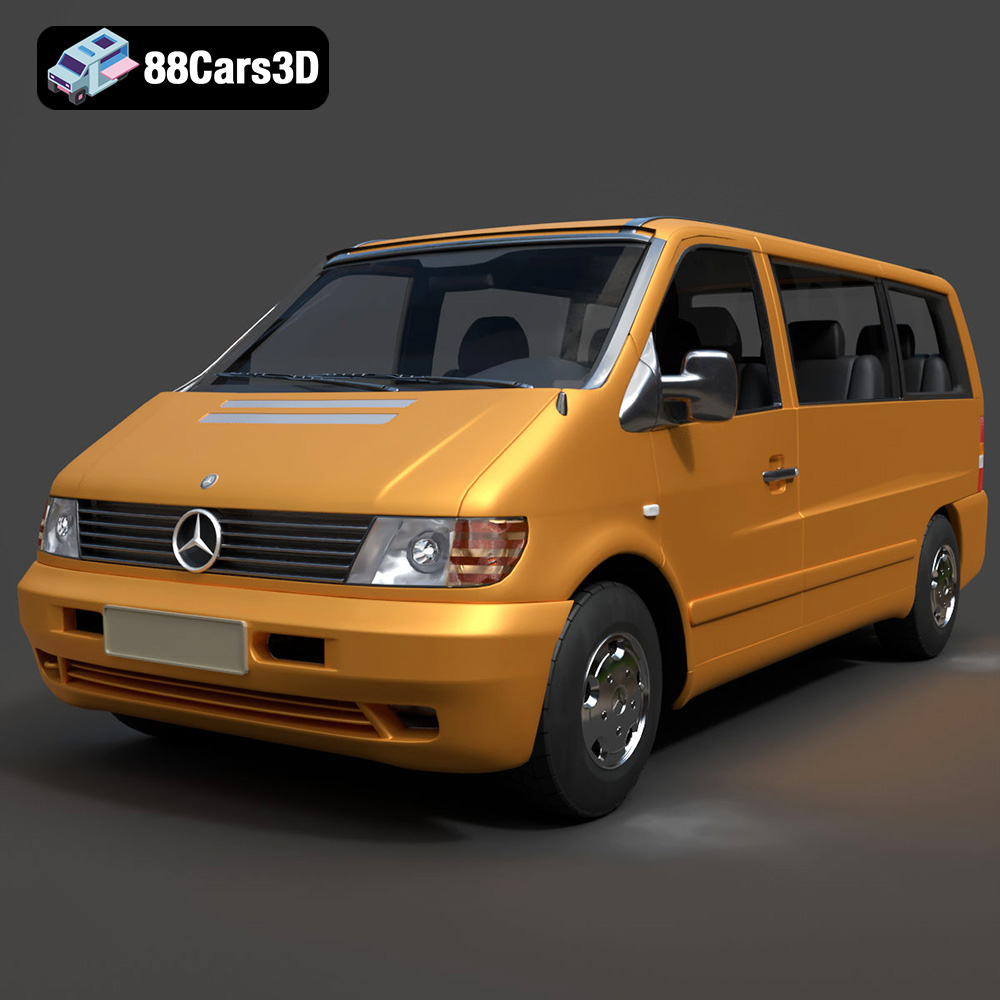
Download the Mercedes-Benz Vito Passenger Van 3D Model featuring clean geometry, realistic detailing, and a fully modeled interior. Includes .blend, .fbx, .obj, .glb, .stl, .ply, .unreal, and .max formats for rendering, simulation, and game development.
Price: $19.99
View Product
Texture: Yes
Material: Yes
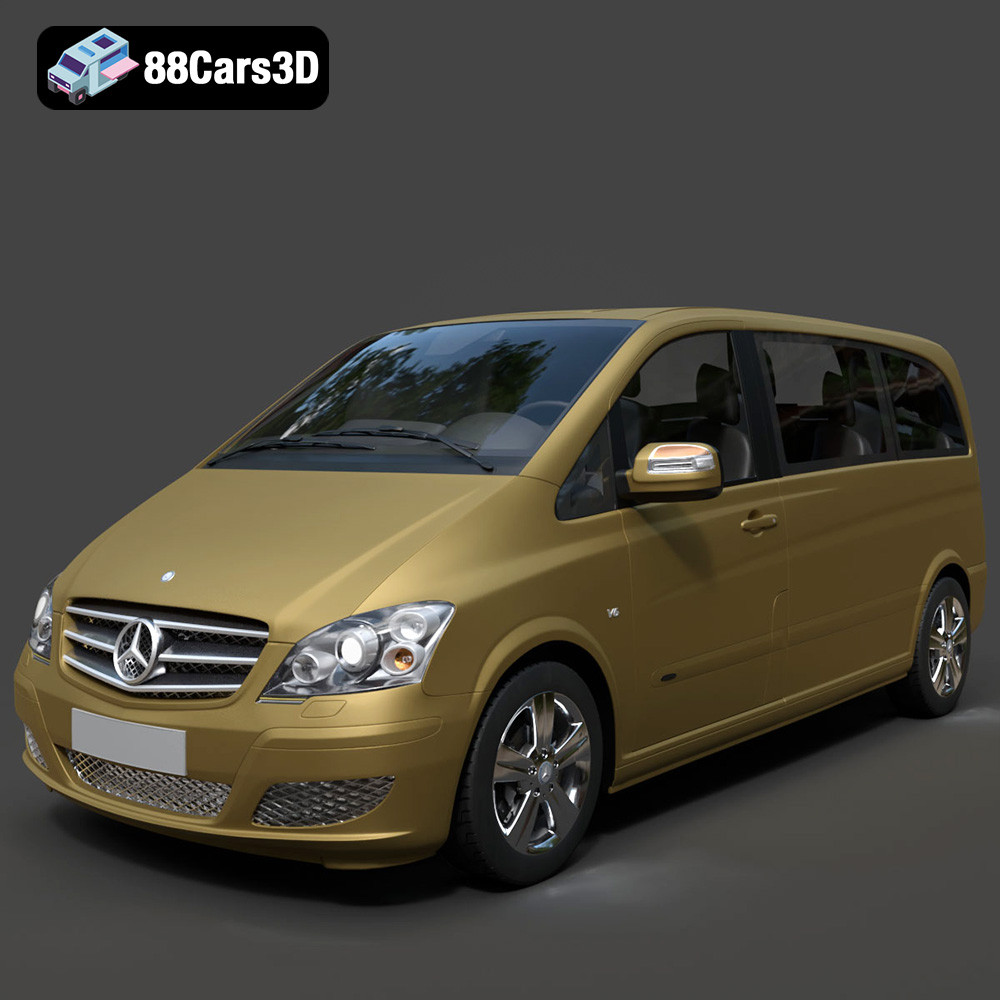
Download the Mercedes-Benz Viano 2010 3D Model featuring clean geometry, realistic detailing, and a fully modeled interior. Includes .blend, .fbx, .obj, .glb, .stl, .ply, .unreal, and .max formats for rendering, simulation, and game development.
Price: $19.99
View Product

Texture: Yes
Material: Yes
Download the Emt Avtobus 007 3D Model featuring clean geometry, realistic detailing, and a fully modeled interior. Includes .blend, .fbx, .obj, .glb, .stl, .ply, .unreal, and .max formats for rendering, simulation, and game development.
Price: $19.99
View Product
Texture: Yes
Material: Yes
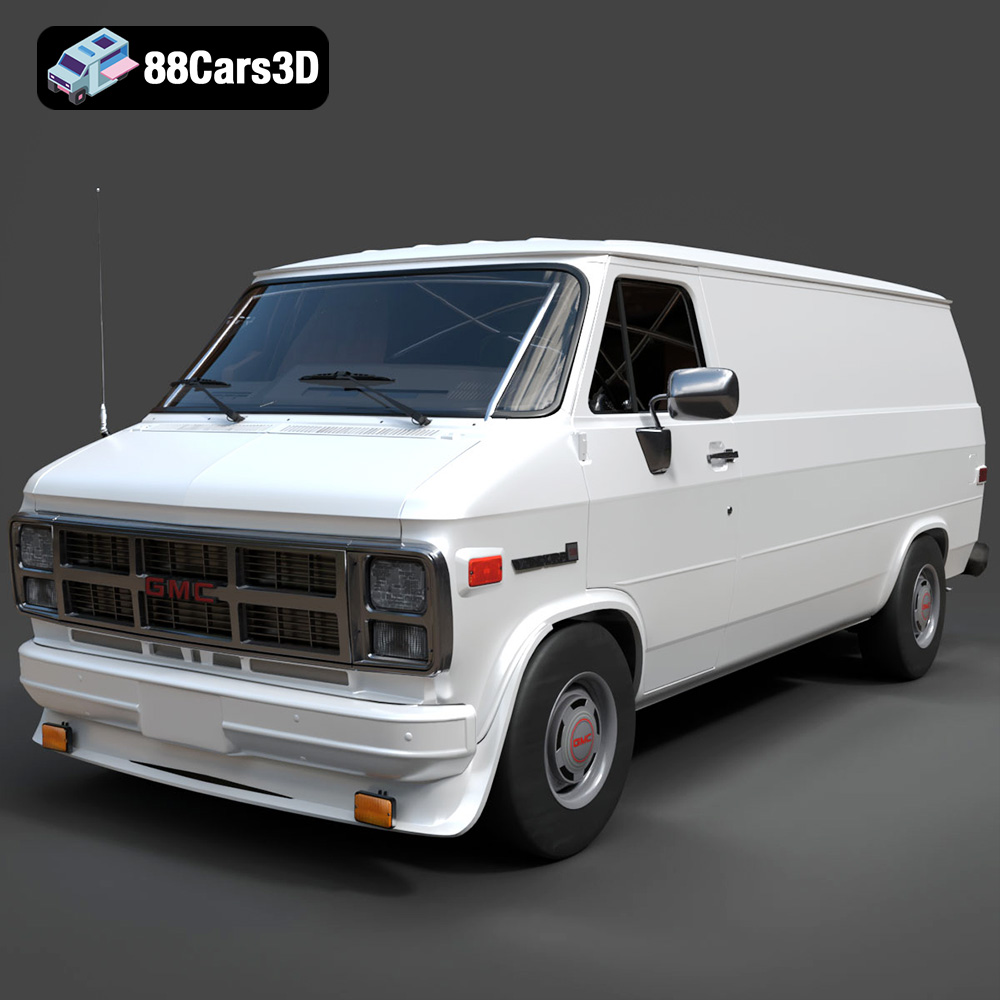
Download the GMC Vandura G-1500 1983 3D Model featuring clean geometry, realistic detailing, and a fully modeled interior. Includes .blend, .fbx, .obj, .glb, .stl, .ply, .unreal, and .max formats for rendering, simulation, and game development.
Price: $19.99
View Product
Texture: Yes
Material: Yes
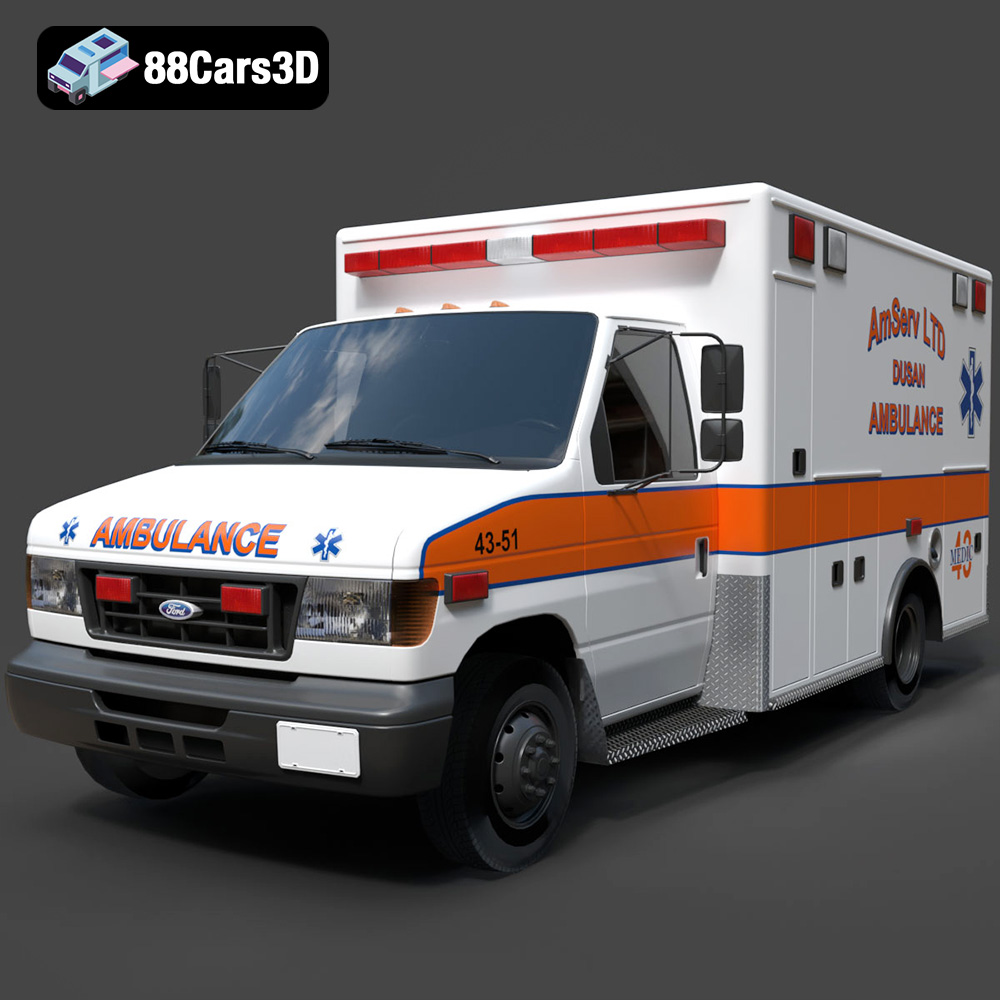
Download the Ford Ambulance AmServ LTD Dusan-002 3D Model featuring a high-detail exterior and interior, realistic textures, and emergency lighting. Includes .blend, .fbx, .obj, .glb, .stl, .ply, .unreal, and .max formats for rendering, simulation, and game development.
Price: $19.99
View Product
Texture: Yes
Material: Yes
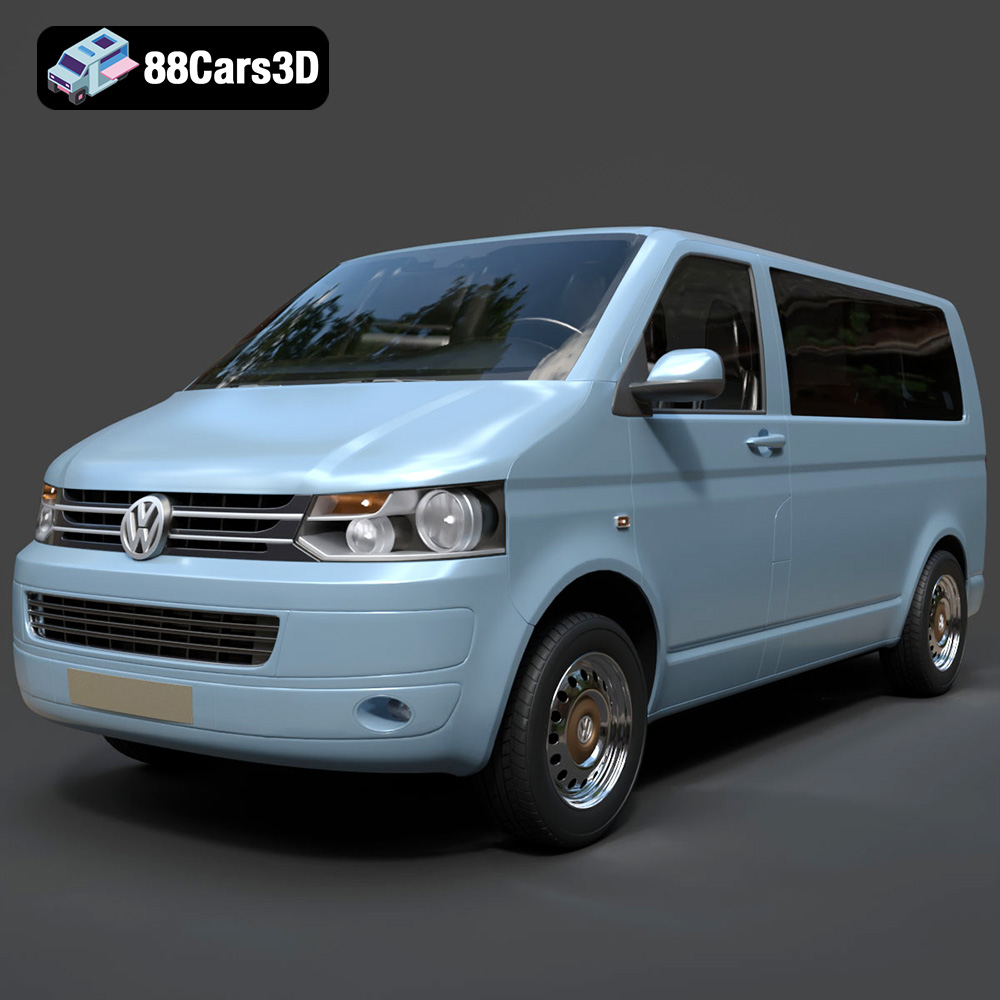
Download the Volkswagen Transporter T5 FL 2010 3D Model featuring clean geometry, realistic detailing, and a fully modeled interior. Includes .blend, .fbx, .obj, .glb, .stl, .ply, .unreal, and .max formats for rendering, simulation, and game development.
Price: $22.99
View Product


