⚡ FLASH SALE: Get 60% OFF All Premium 3D & STL Models! ⚡

The world of 3D automotive design is a fascinating blend of art and engineering, where creativity meets technical precision. For enthusiasts, designers, and game developers alike, the allure of customizing a vehicle goes beyond simply changing its color. It’s about transforming its very silhouette, enhancing its performance aesthetics, and imbuing it with a unique personality. This is where custom body kits and modifications come into play in the digital realm. Creating these bespoke additions for 3D car models requires a deep understanding of advanced modeling techniques, material science, and optimization strategies.
Whether you’re aiming to craft a wide-body monster for a racing simulator, a sleek aerodynamic kit for a photorealistic render, or a unique concept for a client visualization, the journey involves intricate steps. This comprehensive guide will take you through the entire process, from establishing a solid topological foundation to fine-tuning for various applications like automotive rendering, game assets, AR/VR experiences, and even 3D printing. We’ll delve into the nuances of clean modeling, realistic material creation, and crucial optimization techniques that ensure your custom creations not only look stunning but also perform flawlessly across different platforms. Prepare to elevate your skills and transform ordinary 3D car models into extraordinary custom masterpieces.
Before you even think about cutting into your base model, understanding and establishing impeccable topology is paramount. For custom body kits and modifications, a clean, quad-based mesh with excellent edge flow isn’t just a suggestion; it’s a fundamental requirement. Poor topology leads to pinching, undesirable shading artifacts, and makes future modifications and deformations incredibly difficult. When working with automotive surfaces, which are characterized by smooth curves and sharp creases, maintaining consistent and logical polygon distribution is critical.
Your base car model, whether it’s one you’ve modeled yourself or sourced from a platform like 88cars3d.com, should serve as a clean canvas. Inspect its existing topology meticulously. Look for n-gons (polygons with more than four sides), triangles in flat areas, or unevenly distributed edge loops. Ideally, you want a mesh composed almost entirely of quads, with edge loops running parallel to the natural curvature of the car and defining its major contours. These edge loops are crucial for controlling how subdivision surfaces (like those generated by a Turbosmooth or Subdivision Surface modifier) smooth the mesh, ensuring crisp edges where needed and smooth transitions elsewhere.
The first step in any customization project is to ensure your base model is ready. If you’re modifying an existing model, isolate the parts you’ll be working on, such as fenders, bumpers, or side skirts. Detach these components into separate objects for easier manipulation. If the topology isn’t ideal, you might need to perform a retopology pass, either manually or using tools that assist with quad drawing. Manual retopology, though time-consuming, offers the most control, allowing you to define perfect edge flow. When working with complex curves, ensure an even density of polygons. Too few polygons will result in blocky shapes after subdivision, while too many can lead to unnecessary file sizes and performance overhead, especially for game assets. Aim for a balance that captures the primary forms without excessive detail in the base mesh.
Proper edge flow is the secret sauce for beautiful automotive surfaces. For custom body kits, this means that edge loops should follow the natural lines and curves of the modified panel. For instance, around a wheel arch extension, edge loops should encircle the opening, providing smooth deformation and crisp edges. Similarly, on a new front splitter, edge loops should define the sharp contours and transitions between surfaces. This logical flow ensures that when you apply a subdivision modifier, the mesh smooths predictably, without undesirable ripples or bumps. It also makes subsequent modeling steps like extrusion, bevelling, and detailing much more straightforward. For those using Blender, understanding tools like the Edge Slide and Subdivide operators is vital for maintaining excellent edge flow. Regularly check your mesh with a matcap shader or by temporarily applying a high-subdivision modifier to spot any topological issues early on.
With a solid topological foundation established, the exciting part begins: bringing your custom body kit designs to life. There are several approaches to modeling custom body panels, each with its strengths and best applications. The choice often depends on the complexity of the design, the desired level of realism, and your preferred software workflow.
Poly-modeling is the traditional and often preferred method for hard-surface automotive parts. It involves manipulating vertices, edges, and faces to build the mesh directly. This approach offers unparalleled precision and control over topology, which is crucial for achieving the clean, flowing surfaces of a car. You start with basic primitives or by extruding from your base mesh, then refine the shape using tools like extrusion, inset, bevel, bridge, and loop cuts. For custom wide-body fenders, you might duplicate the existing fender, extrude it outwards, and then meticulously connect the new geometry back to the original body, ensuring smooth transitions and maintaining the correct curvature.
Digital sculpting, while more commonly associated with organic forms, can also be a powerful tool for certain types of custom modifications, especially those involving more fluid, less angular designs or to block out initial concepts. Software like ZBrush or Blender’s sculpt mode (see Blender 4.4 Sculpt Mode documentation) allows for rapid iteration and creative freedom. However, sculpted meshes often have very dense and messy topology (triangles and n-gons galore), making them unsuitable for direct use in rendering or game engines. If you go this route, a crucial retopology phase is absolutely necessary to convert the high-detail sculpt into a clean, animation-friendly, quad-based mesh that adheres to good automotive topology principles.
Regardless of whether you start with poly-modeling or retopology a sculpt, precision tools are your best friends. In software like 3ds Max, Blender, or Maya, you’ll extensively use:
Focus on building up your custom parts piece by piece, paying close attention to the way the surfaces interact with light. Constant iteration, using reference images, and comparing your model to real-world examples will guide you towards a professional finish. Keep your polygon counts reasonable for your target application; a high-detail render model can afford more polygons than a game-ready asset, but even then, efficiency is key.
Once your custom body kit is modeled with impeccable topology, the next critical step is to give it a convincing surface appearance. This involves two core processes: efficient UV mapping and meticulous PBR material creation. These elements combine to define how light interacts with your model, giving it realism and character.
UV mapping is the process of unwrapping your 3D model into a 2D space, allowing you to apply textures. For complex automotive surfaces and custom body kits, a strategic UV layout is crucial for several reasons:
When unwrapping, break your model into logical “islands” along natural seams and hard edges where textures won’t be visibly stretched. For example, a fender might be unwrapped as one or two large pieces. Avoid small, fragmented islands unless absolutely necessary for specific details. Overlapping UVs can be used for mirrored parts (e.g., left and right side skirts) to save texture space if the textures are perfectly symmetrical; however, for unique dirt, wear, or decal placement, distinct UV space is preferred. Aim for consistent texel density across all islands to ensure uniform texture resolution. Many software packages, including Blender (see Blender 4.4 UV Unwrapping documentation), offer various unwrapping methods like Smart UV Project, Cube Projection, or Conformal/Angle-Based unwrapping. Experiment to find the best fit for each part.
PBR (Physically Based Rendering) materials are essential for achieving photorealistic results in modern renderers and game engines. PBR shaders simulate how light interacts with real-world surfaces, using a set of texture maps that define properties like color (Albedo/Base Color), reflectivity (Metallic), roughness, normal information, and ambient occlusion.
Authoring these textures can be done using dedicated texturing software like Substance Painter, Mari, or even directly in Blender’s Shader Editor. Focus on creating subtle variations; no real-world surface is perfectly uniform. A slight grunge map for roughness or subtle color variations can dramatically enhance realism. Test your materials under different lighting conditions to ensure they hold up.
Modeling and texturing are only half the battle; the true magic of showcasing your custom body kits comes in the rendering phase. High-quality automotive rendering is about more than just hitting the render button; it involves thoughtful lighting, camera work, and fine-tuning render settings to achieve photorealistic results that can rival professional photography. This is where your custom 3D car models truly shine.
Lighting is arguably the most critical element in automotive rendering. It defines shape, highlights form, and evokes mood. Here are common and effective strategies:
Always pay attention to reflections. Car surfaces are highly reflective, and the reflections in your paintwork and chrome trim will heavily influence the perceived realism. Position your lights and environment to create interesting and believable reflection patterns. Using a gray environment or an infinite floor with a subtle gradient often works well to frame the car.
Modern renderers like Corona Renderer, V-Ray, Blender’s Cycles, and Arnold are incredibly powerful, but understanding their advanced settings is key to unlocking their full potential. While specific parameters vary, the core concepts remain:
A typical workflow involves setting up lighting, refining materials, adjusting camera angles, and then performing test renders at lower quality. Once satisfied, crank up the settings for the final, high-resolution output. Remember that rendering is an iterative process; don’t expect perfection on the first try. Platforms offering high-quality 3D car models like 88cars3d.com often have examples of exceptional rendering, which can serve as great inspiration for your own work.
Creating custom body kits for real-time applications like video games or interactive configurators presents a unique set of challenges compared to static renders. Here, performance is paramount, and every polygon, texture, and draw call counts. The goal is to make your custom game assets look stunning while maintaining high frame rates in engines like Unity and Unreal Engine.
Optimizing your custom body kit for games involves several key strategies:
Proper export is critical to ensure your custom body kits integrate seamlessly into game engines. The most common exchange format is **FBX**.
The applications for high-quality custom 3D car models extend far beyond traditional rendering and game development. Augmented Reality (AR), Virtual Reality (VR), and 3D printing offer exciting new frontiers, each with its own specific technical requirements and optimization strategies.
AR/VR experiences demand extreme performance efficiency due to the need for high frame rates (typically 90fps or higher to prevent motion sickness) and the mobile nature of many AR devices. Your custom body kits must be highly optimized:
Transforming your digital custom body kit into a tangible physical object through 3D printing introduces an entirely different set of rules. The mesh needs to be “watertight” and structurally sound:
Crafting custom body kits and modifications for 3D car models is a deeply rewarding endeavor that spans across various disciplines of 3D art. From the initial meticulous work of ensuring impeccable topology and precise hard-surface modeling to the artistic challenge of UV mapping and creating authentic PBR materials, each step builds upon the last, culminating in a truly unique digital creation. We’ve explored how to bring these models to life through stunning automotive rendering using advanced lighting and renderer settings, and crucially, how to optimize them for demanding real-time environments like game assets in Unity and Unreal Engine.
Furthermore, we delved into the specialized requirements for extending your custom designs into the innovative realms of AR/VR, with a focus on aggressive optimization for performance and specific file formats like GLB and USDZ. Finally, we covered the unique technical considerations for preparing your models for physical fabrication through 3D printing, emphasizing watertight meshes and structural integrity in formats like STL and OBJ.
The journey from concept to a fully realized, optimized, and render-ready custom car model is complex but incredibly fulfilling. It demands technical proficiency, artistic vision, and a commitment to detail. By mastering these techniques, you’re not just creating digital assets; you’re shaping experiences, pushing creative boundaries, and adding value to platforms like 88cars3d.com, whether you’re sourcing base models or contributing your own stunning custom creations. Continue to practice, experiment with different workflows, and stay updated with the latest software features and industry best practices. Your next custom automotive masterpiece awaits!
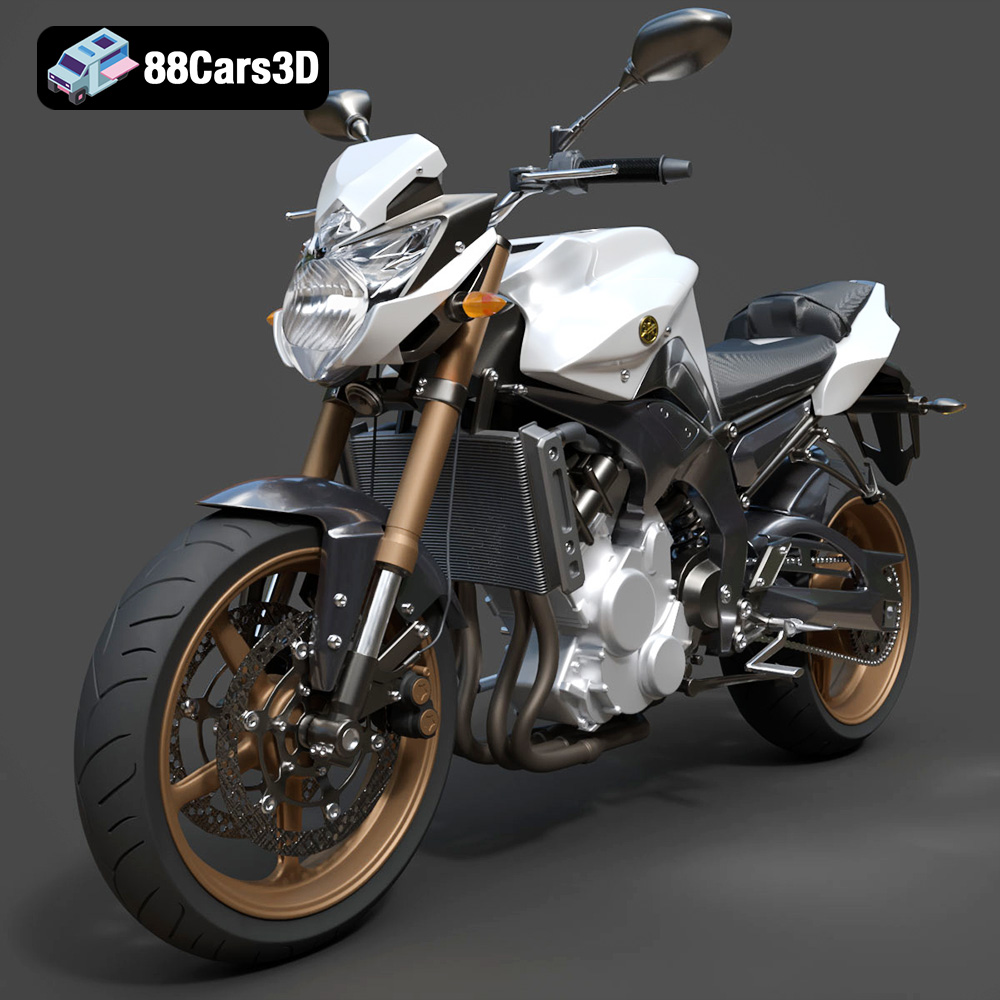
Texture: Yes
Material: Yes
Download the Yamaha FZ8 2011 3D Model featuring clean geometry, realistic detailing, and a fully modeled interior. Includes .blend, .fbx, .obj, .glb, .stl, .ply, .unreal, and .max formats for rendering, simulation, and game development.
Price: $19.99
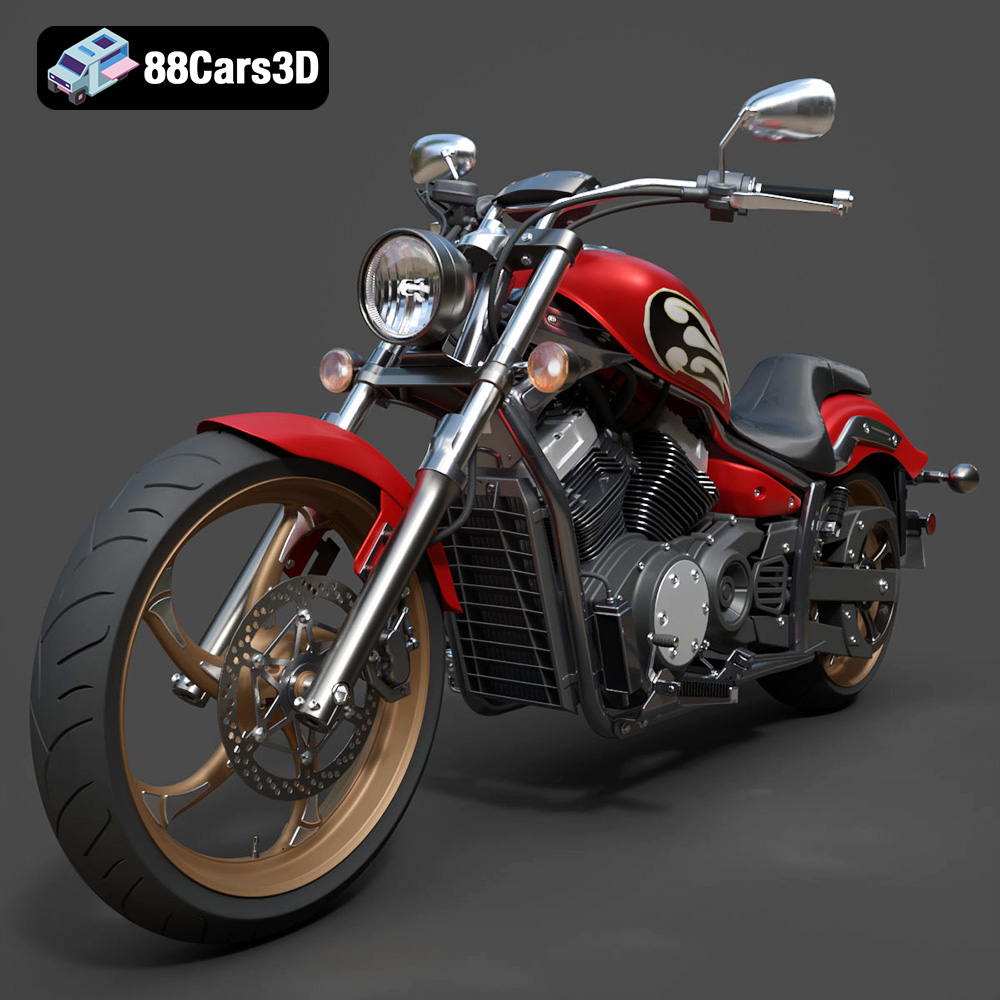
Texture: Yes
Material: Yes
Download the Yamaha Stryker 2012 3D Model featuring clean geometry, realistic detailing, and a fully modeled interior. Includes .blend, .fbx, .obj, .glb, .stl, .ply, .unreal, and .max formats for rendering, simulation, and game development.
Price: $19.99
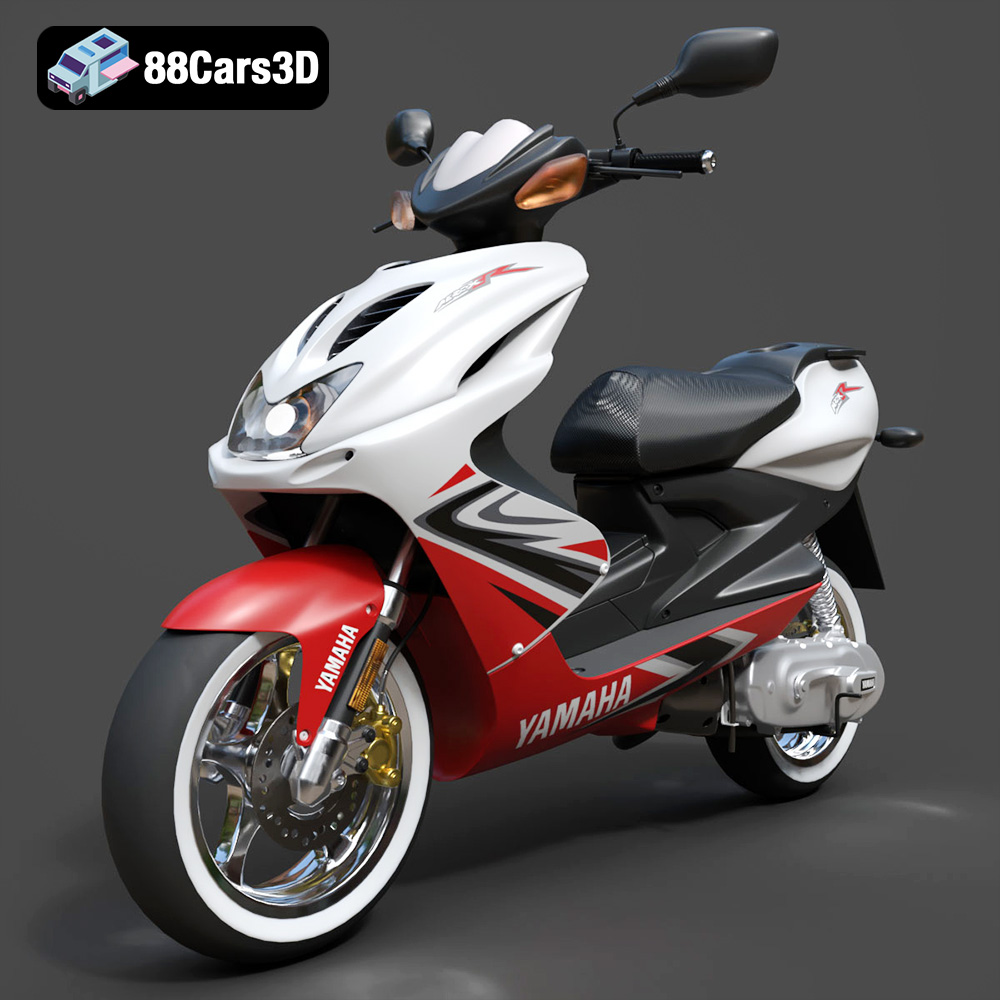
Texture: Yes
Material: Yes
Download the Yamaha Aerox R-002 2024 3D Model featuring clean geometry, realistic detailing, and a fully modeled interior. Includes .blend, .fbx, .obj, .glb, .stl, .ply, .unreal, and .max formats for rendering, simulation, and game development.
Price: $19.99
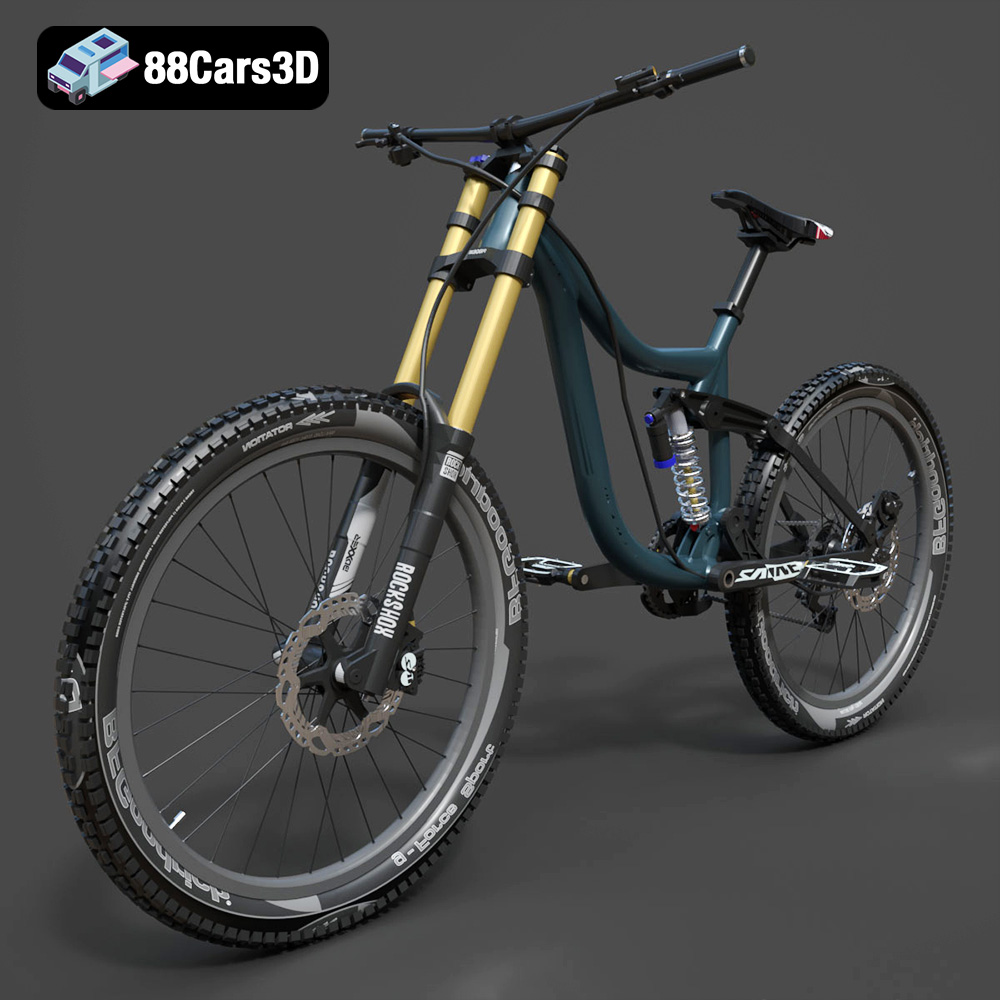
Texture: Yes
Material: Yes
Download the Mototsikly Downhill Bike-002 3D Model featuring clean geometry, realistic detailing, and precise mechanical components. Includes .blend, .fbx, .obj, .glb, .stl, .ply, .unreal, and .max formats for rendering, simulation, and game development.
Price: $19.99
Texture: Yes
Material: Yes
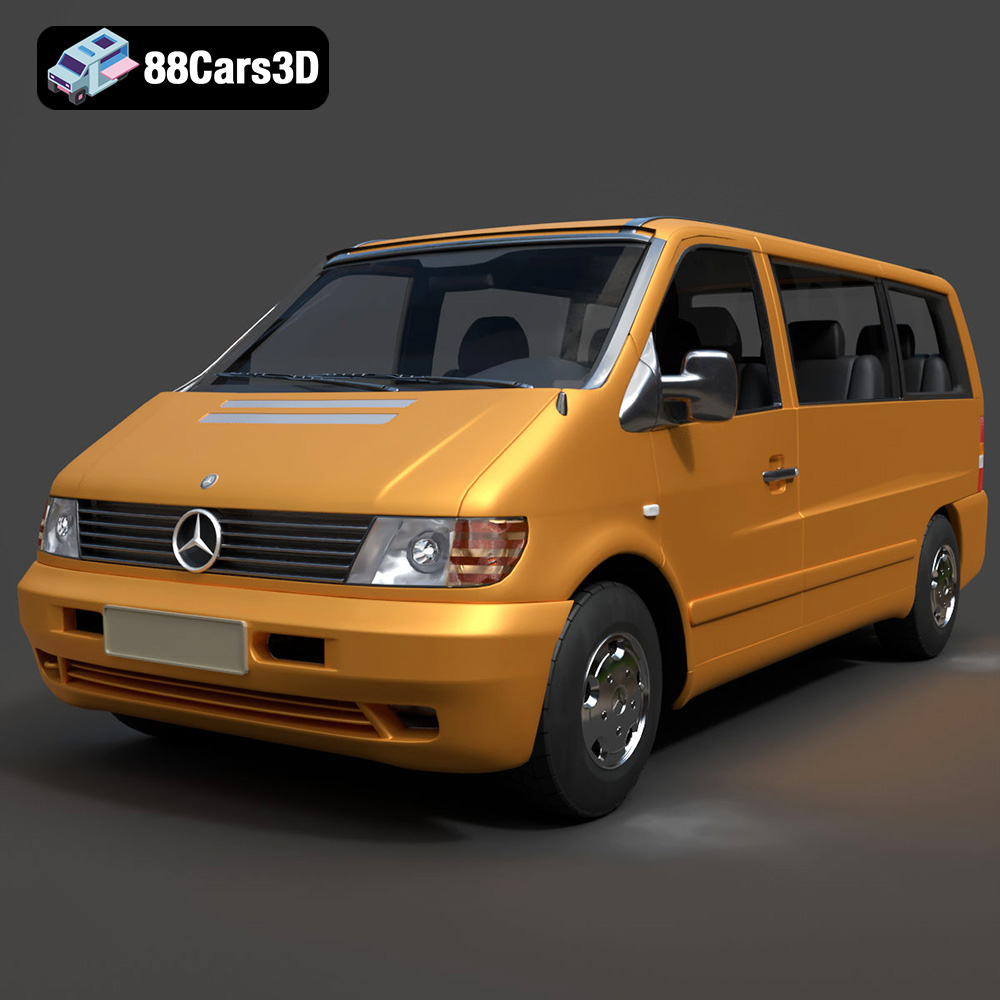
Download the Mercedes-Benz Vito Passenger Van 3D Model featuring clean geometry, realistic detailing, and a fully modeled interior. Includes .blend, .fbx, .obj, .glb, .stl, .ply, .unreal, and .max formats for rendering, simulation, and game development.
Price: $19.99
Texture: Yes
Material: Yes
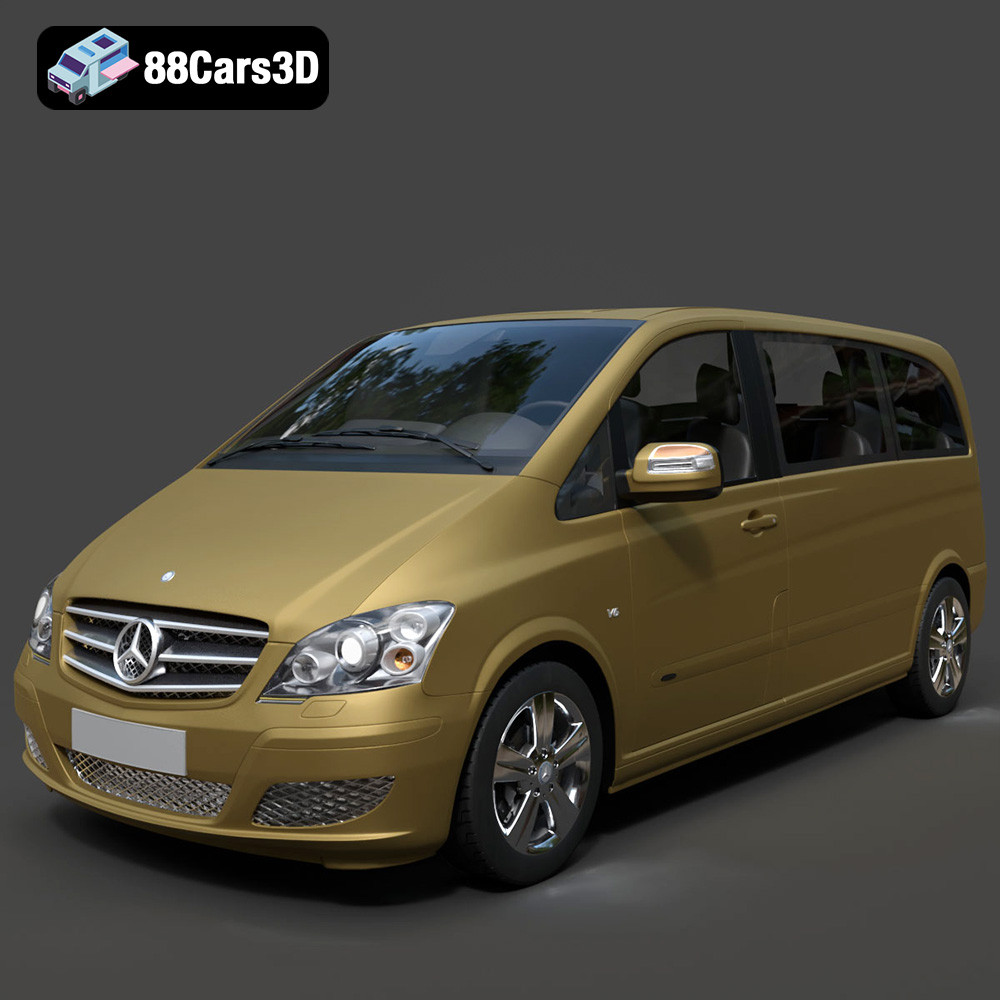
Download the Mercedes-Benz Viano 2010 3D Model featuring clean geometry, realistic detailing, and a fully modeled interior. Includes .blend, .fbx, .obj, .glb, .stl, .ply, .unreal, and .max formats for rendering, simulation, and game development.
Price: $19.99

Texture: Yes
Material: Yes
Download the Emt Avtobus 007 3D Model featuring clean geometry, realistic detailing, and a fully modeled interior. Includes .blend, .fbx, .obj, .glb, .stl, .ply, .unreal, and .max formats for rendering, simulation, and game development.
Price: $19.99
Texture: Yes
Material: Yes
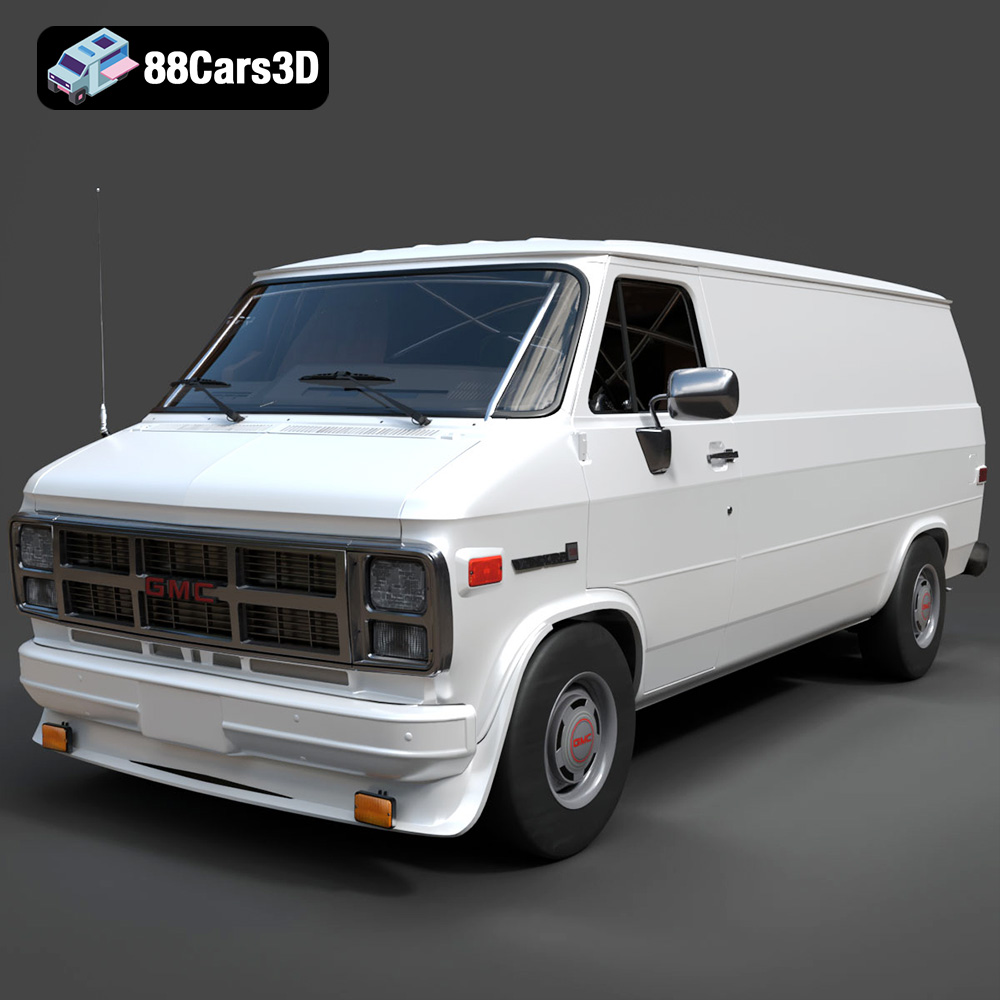
Download the GMC Vandura G-1500 1983 3D Model featuring clean geometry, realistic detailing, and a fully modeled interior. Includes .blend, .fbx, .obj, .glb, .stl, .ply, .unreal, and .max formats for rendering, simulation, and game development.
Price: $19.99
Texture: Yes
Material: Yes
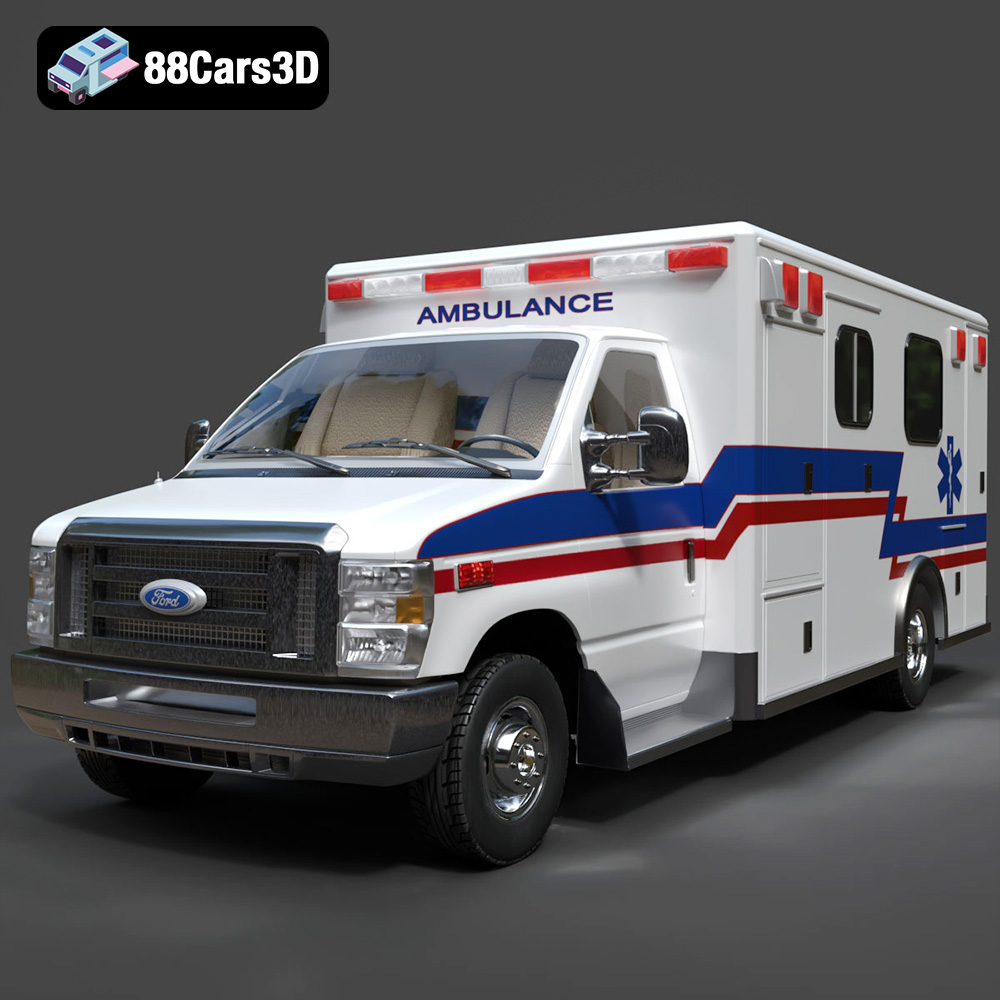
Download the Ford E-450 Ambulance 3D Model featuring clean geometry, realistic detailing, and a fully modeled interior. Includes .blend, .fbx, .obj, .glb, .stl, .ply, .unreal, and .max formats for rendering, simulation, and game development.
Price: $19.99

Texture: Yes
Material: Yes
Download the Fiat Ducato SWB-001 3D Model featuring clean geometry, realistic detailing, and a fully modeled interior. Includes .blend, .fbx, .obj, .glb, .stl, .ply, .unreal, and .max formats for rendering, simulation, and game development.
Price: $19.99

