In the rapidly evolving landscape of real-time rendering and interactive experiences, a visually compelling and intuitive User Interface (UI) is no longer a luxury—it’s a necessity. This holds especially true for high-fidelity applications like automotive visualization, game development, and AR/VR experiences, where users expect seamless interaction and immediate feedback. Unreal Engine, renowned for its stunning visual capabilities, provides a robust and flexible framework for UI/UX design through its Unreal Motion Graphics (UMG) Widget System.
UMG empowers developers and artists to craft everything from intricate car configurators and interactive dashboards to heads-up displays and immersive menus. It bridges the gap between sophisticated 3D environments and user interaction, ensuring that even the most complex automotive models – like those found on platforms such as 88cars3d.com – can be controlled and customized with ease. This comprehensive guide will deep dive into the technical intricacies of UMG, exploring its core components, advanced features, optimization strategies, and its critical role in delivering exceptional UI/UX for demanding real-time projects. We’ll cover everything from initial setup to deploying high-performance, interactive UIs that elevate your Unreal Engine projects.
The Foundation of Interactive Experiences: Understanding UMG
The Unreal Motion Graphics (UMG) Widget System is Unreal Engine’s declarative UI framework, enabling developers to create powerful and flexible user interfaces directly within the engine editor. Unlike traditional UI systems that often require extensive coding, UMG leverages a visual design approach, allowing artists and designers to assemble UI elements using a drag-and-drop interface, while developers can extend functionality with Blueprint visual scripting or C++. This blend of visual design and robust scripting makes UMG incredibly versatile for a wide array of applications, from intricate game menus to sophisticated automotive configurators and control panels for virtual production.
At its core, UMG operates on the principle of widgets – individual UI components like buttons, text blocks, images, and sliders. These widgets can be combined and nested to form complex UI layouts. The visual nature of UMG means you can see your UI taking shape in real-time, drastically speeding up the iteration process. For automotive visualization, UMG is indispensable. Imagine a user interacting with a high-fidelity 3D car model, changing its paint color, wheel type, or interior trim. UMG provides the interface elements to make these interactions fluid and intuitive, translating user choices into real-time updates on the 3D model. Understanding UMG is the first step towards building immersive and interactive experiences that truly captivate your audience.
What is UMG and Why is it Essential?
UMG is essentially a framework built on top of Unreal Engine’s underlying Slate UI system, providing a more artist-friendly, Blueprint-centric approach to UI creation. It abstracts away much of the complexity of Slate, allowing users to focus on design and functionality rather than low-level code. Its essentiality stems from several key factors:
- Visual Workflow: The Widget Designer provides a WYSIWYG (What You See Is What You Get) editor, allowing for rapid prototyping and iteration. You can drag widgets onto a canvas, arrange them, and preview their appearance immediately.
- Blueprint Integration: UMG is deeply integrated with Unreal Engine’s Blueprint visual scripting system. This means you can add complex logic, handle user input, update UI elements dynamically based on game or application state, and communicate with other parts of your project without writing a single line of C++. For instance, a button in a car configurator UI can trigger a Blueprint event that changes the material of a 3D car model.
- Scalability and Reusability: Widgets are modular. You can create custom widgets that encapsulate specific functionality or visual styles, then reuse them across different parts of your UI or even different projects. This promotes consistency and reduces development time.
- Performance: While UMG offers visual convenience, it’s built to be performant for real-time applications. With proper optimization techniques, UMG UIs can run efficiently even in demanding scenarios like AR/VR or virtual production.
For detailed technical insights into UMG’s architecture, refer to the official Unreal Engine documentation on UMG UI Designer Overview.
UMG Workflow Overview: From Concept to Canvas
The typical UMG workflow involves several distinct phases, each crucial for building a robust and user-friendly interface:
- Planning & Concepting: Before touching Unreal Engine, define your UI’s purpose, target audience, and desired user experience. Sketch out layouts, user flows, and identify key interactive elements. For an automotive configurator, this might involve mapping out the process of selecting models, colors, wheels, and accessories.
- Creating Widget Blueprints: In Unreal Engine, you’ll create new “Widget Blueprints” from the Content Browser (Right-click > User Interface > Widget Blueprint). Each Widget Blueprint represents a distinct UI screen or a reusable component.
- Designing the Layout (Designer Tab): Open a Widget Blueprint, and you’re in the Widget Designer. Here, you drag and drop various UMG widgets (e.g., Buttons, Text Blocks, Images, Progress Bars) onto the Canvas Panel. Use layout panels like Horizontal Box, Vertical Box, Grid Panel, and Uniform Grid Panel to organize widgets responsively.
- Adding Interactivity (Graph Tab): Switch to the Graph tab (Blueprint editor) to add logic. Select a widget (e.g., a Button) and in the Details panel, find its “Events” section (e.g., On Clicked). Click the ‘+’ button to create an event node in the Blueprint graph. Here, you can define what happens when a user interacts with the widget. This is where you connect your UI to your game’s underlying logic, such as updating an internal variable that controls the color of a car model.
- Data Binding & Updates: Connect your UI elements to dynamic data. For instance, a text block displaying the current vehicle price can be bound to a variable in your game state, ensuring it updates automatically when options are changed.
- Displaying the UI: To make your UI visible, you typically “Create Widget” and “Add to Viewport” from a Level Blueprint, Game Mode, Player Controller, or another relevant Blueprint. You can also define specific input modes (UI Only, Game Only, Game and UI) to control how user input is handled.
Crafting Visuals: Core UMG Widgets and Design Principles
The visual appeal and intuitive layout of a UI are paramount to its success. UMG offers a rich library of pre-built widgets and powerful layout tools that allow artists and designers to craft sophisticated interfaces. Understanding these core components and adhering to sound design principles ensures your UI is both functional and aesthetically pleasing. For interactive automotive presentations, such as those leveraging high-quality 3D car models from 88cars3d.com, the UI needs to be clean, informative, and responsive, guiding the user effortlessly through customization options.
The Widget Designer tab is your primary workspace for visual layout. It provides a hierarchy of widgets, a canvas for arrangement, and a details panel for customization. Mastery of this environment involves not just knowing what each widget does, but also how to combine them effectively to create complex, scalable layouts. This section will delve into the essential widgets, robust layout panels, and advanced styling options that form the bedrock of compelling UMG interfaces.
Mastering Basic Widgets: Buttons, Text, Images, and Sliders
UMG provides a foundational set of widgets that are the building blocks of almost any UI:
- Text Block: Displays static or dynamically updated text. Crucial for labels, prices, descriptions, and informational messages. You can customize font, size, color, justification, and even apply a Material for advanced text effects.
- Button: A fundamental interactive element. Used for navigation, confirmation, and triggering actions (e.g., “Change Color,” “Select Wheels,” “Buy Now”). Buttons can have different states (Normal, Hovered, Pressed, Disabled) with unique visual styles.
- Image: Displays textures or sprites. Essential for logos, icons, backgrounds, and custom imagery. You can specify different textures for different states, making it versatile for dynamic visual feedback.
- Slider: Allows users to select a value from a continuous range. Perfect for adjusting camera zoom, volume, or parameter tuning in a car configurator (e.g., opacity of a window tint).
- Progress Bar: Visualizes the progress of an operation (loading, downloading, health bar). Can be used to indicate the progress of a car model loading or rendering.
- Checkbox: A simple on/off toggle. Useful for enabling/disabling features (e.g., “Show Interior,” “Enable Ambient Occlusion”).
- Editable Text / Multi-line Editable Text: Allows users to input text. Important for user names, search fields, or custom input.
Each of these widgets has a myriad of properties in the Details panel, allowing for extensive customization of appearance, behavior, and interaction. Understanding their individual strengths is key to effective UI construction.
Layout and Responsiveness: Canvases, Boxes, and Grids
Simply adding widgets isn’t enough; they need to be organized effectively to create a coherent and responsive layout. UMG provides various panel widgets for this purpose:
- Canvas Panel: The most basic and versatile layout panel. Widgets placed on a Canvas Panel can be positioned absolutely (using X/Y coordinates) or relative to anchors. Anchors are powerful for creating responsive UIs that scale correctly with different screen resolutions. For instance, a button anchored to the top-right will always stay in the top-right corner, regardless of the screen size.
- Horizontal Box / Vertical Box: These panels arrange their child widgets either horizontally or vertically in a single line. They automatically resize children based on ‘Fill’ or ‘Auto’ settings, making them ideal for navigation bars or lists where elements need to align neatly.
- Grid Panel: Arranges widgets in a grid formation (rows and columns). Useful for inventory systems, numerical keypads, or structured option selections in a configurator where multiple choices are presented simultaneously.
- Wrap Box: Arranges widgets horizontally until the available space is filled, then wraps them to the next line. Excellent for displaying a dynamic number of items, like a gallery of wheel options, where the number of items might change.
- Overlay: Allows widgets to be stacked on top of each other. Useful for creating complex visual effects, like text over an image, or displaying multiple UI layers.
Combining these panels with smart use of padding, alignment, and fill options enables you to create sophisticated, resolution-independent UIs that adapt gracefully to various screen sizes and aspect ratios – a critical consideration for any real-time application.
Custom Styling and Themes: Leveraging Materials and Slate Brushes
To give your UI a distinct visual identity, UMG allows for deep customization of widget appearance. This goes beyond simple color changes and delves into custom styling using Slate Brushes and Materials:
- Slate Brushes: At the heart of UMG styling are Slate Brushes. These are structures that define how a widget looks, encompassing elements like texture, tint color, tiling method, and margin. Most widgets, especially buttons and images, expose properties where you can assign custom Slate Brushes for their different states (Normal, Hovered, Pressed, Disabled). By creating a consistent set of Slate Brushes, you can establish a visual theme for your entire application.
- Custom Textures: For unique visual elements, you’ll often import custom textures (PNG, TGA) into Unreal Engine. These can then be used directly with Image widgets or as part of a Slate Brush for buttons, borders, etc. Proper texture atlas packing is crucial here for performance.
- Materials for UI: For advanced visual effects, UMG allows you to use Unreal Engine Materials on certain widgets, particularly Images and Text Blocks (for advanced text rendering). This opens up possibilities for dynamic gradients, subtle animations, shader-based effects (like glows or distortions), and even complex procedural backgrounds for your UI. By creating a Material with the “User Interface” domain, you can access UI-specific nodes and parameters, integrating your UI seamlessly with Unreal Engine’s powerful rendering capabilities.
- Style Assets: To maintain consistency and simplify updates, you can create “Widget Style” assets and “Slate Brush” assets. These allow you to define a look once and apply it to multiple widgets. Changing the master style asset will automatically update all instances of widgets using that style, ensuring a cohesive and easily maintainable UI.
Leveraging these styling options effectively allows for the creation of brand-specific, high-quality interfaces that resonate with the visual fidelity of your 3D content.
Bringing UI to Life: Blueprint Scripting and Data Binding
A static UI, however beautifully designed, offers little utility. The true power of UMG lies in its ability to become a dynamic, interactive system driven by Blueprint visual scripting and robust data binding. This is where your UI transforms from a mere display into a functional control panel for your Unreal Engine application, whether it’s an immersive game or a sophisticated automotive visualization. Users expect real-time feedback and control, and Blueprint is the bridge that connects their interactions with the underlying logic of your project.
For an automotive configurator, this means a button click instantly changes the car’s paint, a slider adjusts a parameter like wheel size, and text fields display real-time information such as price or specifications. This section will explore how to harness Blueprint to handle user input, bind UI elements to dynamic data, and establish seamless communication between your widgets and the broader game or application logic.
Event Handling and User Input
Every interactive widget in UMG has a set of associated events that are triggered by user actions. These events are the entry points for your Blueprint logic:
- On Clicked: The most common event for Buttons. When a user clicks a button, this event fires, allowing you to execute a specific sequence of actions, such as changing a car’s color, opening a new menu, or playing a sound.
- On Hovered/On Unhovered: Useful for providing visual feedback as the user’s mouse passes over an interactive element. You might change a button’s color or display a tooltip when hovered.
- On Value Changed: Crucial for sliders, spin boxes, and editable text fields. This event fires whenever the value of the widget changes, allowing you to update a parameter in real-time. For example, a slider controlling headlight intensity would trigger this event to modify a light source’s Lumen intensity in the scene.
- On Text Committed: For Editable Text widgets, this event fires when the user finishes typing (e.g., by pressing Enter or clicking away). This is distinct from ‘On Text Changed’ which fires on every character input.
To implement an event, simply select the desired widget in the Designer tab, navigate to the Events section in the Details panel, and click the ‘+’ icon next to the relevant event. This will create a corresponding event node in the Widget Blueprint’s Graph tab, where you can then connect other Blueprint nodes to define the logic. For complex input scenarios, consider using the Enhanced Input System in conjunction with UMG for robust keyboard, gamepad, and mouse input handling.
Dynamic Data Binding for Real-time Updates
Data binding is a powerful UMG feature that automatically updates UI elements based on the value of a variable or the return value of a function. This eliminates the need for manual updating logic in many cases, simplifying your Blueprints and ensuring your UI always reflects the current state of your application:
- Property Binding: Most widget properties (e.g., Text Blocks’ “Text” property, Progress Bars’ “Percent” property, Image’s “Brush” property) can be bound to a variable or a function. In the Details panel, next to a bindable property, you’ll see a “Bind” dropdown. You can either select an existing variable (often a Blueprint Variable within the Widget Blueprint or exposed via an Event Dispatcher) or create a new “Binding” function.
- Binding Functions: When you create a binding function, Unreal Engine generates a new function within your Widget Blueprint. This function’s return value will directly update the bound property. For example, a binding function for a Text Block’s “Text” property might retrieve the current price of a configured car model and format it as a string to display. This function is automatically executed by UMG whenever it needs to refresh the UI, typically every frame or when marked “dirty.”
- Event Dispatchers: For binding to external data (e.g., a variable in your Player Controller, Game Mode, or a specific car Blueprint), Event Dispatchers are invaluable. Your external class can “Call” an Event Dispatcher, and your Widget Blueprint can “Assign” (subscribe) to it. When the dispatcher is called, the widget can update its bound properties or execute specific logic. This creates a loose coupling, making your UI more modular.
Effective data binding streamlines the process of keeping your UI synchronized with your application’s logic, a critical aspect for dynamic information display in automotive visualization.
Communication Between Widgets and Game Logic
While data binding handles many one-way updates, robust UIs often require more direct communication, both between different widgets and between widgets and core game/application logic:
- Direct Widget References: Within a parent widget, you can access child widgets by marking them as “Is Variable” in the Designer tab. This creates a variable in the Widget Blueprint that holds a reference to that child widget, allowing you to call its functions or modify its properties directly (e.g., calling an “Open” function on a child pop-up menu widget).
- Event Dispatchers (as mentioned): These are powerful for communicating from a child widget up to a parent widget or to an external class. For example, a “Close” button on a pop-up widget might call an Event Dispatcher named “OnClosePopup.” The parent widget that created the pop-up can then subscribe to this dispatcher and perform actions when it’s called.
- Blueprint Interfaces: For more structured, flexible communication, especially when you need multiple different classes or widgets to respond to the same type of message, Blueprint Interfaces are excellent. You can define a set of functions that any class implementing the interface must provide. This allows you to call a generic “UpdateOptions” message on any object that implements the interface, without needing to know its specific type.
- Casting: While generally less flexible than interfaces or dispatchers, sometimes you need to directly access properties or functions of a specific class. You can cast a generic object reference (e.g., the return value of “Get Owning Player Controller”) to a specific Blueprint class (e.g., “Cast To MyPlayerController”) to access its unique members. Use casting judiciously to avoid tight coupling.
By mastering these communication paradigms, you can build complex, interconnected UIs that seamlessly interact with all aspects of your Unreal Engine project.
Advanced UMG Techniques for Sophisticated UI
Beyond the basics of layout and data binding, UMG offers a suite of advanced techniques that allow for the creation of truly sophisticated and engaging user interfaces. These features elevate the user experience from merely functional to highly interactive and visually appealing. For cutting-edge applications in automotive visualization, where premium aesthetics and fluid interactions are expected, leveraging these advanced UMG capabilities is crucial. This includes crafting dynamic animations, managing complex UI states, and even extending UMG’s core functionality with custom C++ widgets.
Achieving a professional-grade UI often involves more than just static elements; it requires movement, feedback, and intelligent state management. This section will delve into how to implement these advanced features, ensuring your UMG interfaces are not only robust but also polished and responsive, mirroring the high quality of assets you might find on marketplaces like 88cars3d.com.
UI Animations and Transitions with the Animation Editor
Animations bring life and polish to your UI, guiding the user’s attention and providing satisfying feedback. UMG integrates a powerful Animation Editor that functions similarly to Sequencer but specifically for widget properties:
- Creating Animations: In the Widget Designer, under the “Animations” panel, click the “Track” button to create a new animation. You can then select any widget in your hierarchy and add “Tracks” for its various properties (e.g., Position, Scale, Opacity, Rotation, Color).
- Keyframing: Just like in Sequencer, you’ll set keyframes for these properties over time. For example, to make a menu slide in, you might keyframe its X-position from off-screen to its final position over 0.5 seconds.
- Animation Curves: Utilize animation curves (Ease In, Ease Out, Linear, Custom) to control the acceleration and deceleration of your animations, making them feel more natural and fluid.
- Playing Animations via Blueprint: Once created, animations can be controlled via Blueprint. You can use nodes like “Play Animation,” “Reverse Animation,” “Stop Animation,” and “Set Playback Speed” to trigger animations in response to user input (e.g., a button click) or game events. You can also bind to the “On Animation Finished” event to chain animations or trigger subsequent logic.
- Transitions: Use animations to create smooth transitions between UI states, such as fading in/out menus, scaling buttons on hover, or sliding in informational panels.
Well-timed and subtle UI animations significantly enhance user experience, making the interface feel more responsive and premium.
Managing Complex UI States and Navigation
Many applications require complex UI navigation (e.g., main menu, options menu, configurator sub-menus). UMG provides several ways to manage these states effectively:
- Visibility (Collapsed/Hidden): The simplest way to manage states is by changing the visibility of widgets. You can set a widget’s visibility to “Collapsed” (takes up no layout space) or “Hidden” (takes up space but is invisible) via Blueprint. This is effective for toggling simple pop-ups or sub-panels.
- Widget Switcher: This powerful panel widget allows you to define multiple “slots,” each containing a different child widget (e.g., a different menu screen). You can then programmatically switch between these children using the “Set Active Widget Index” or “Set Active Widget” by reference nodes. This is ideal for tabbed interfaces or multi-page menus, ensuring only one menu screen is active at a time.
- Parent/Child Widget Communication: As discussed, Event Dispatchers and Blueprint Interfaces are crucial for informing parent widgets when a child widget’s state changes or when an action is performed. For example, a “Confirm” button in a sub-menu might fire a dispatcher that the main menu listens to, triggering an update.
- UI Navigation System: Unreal Engine has a built-in UI navigation system primarily for gamepad and keyboard navigation. Widgets can be made “focusable,” and you can define “Navigation Rules” (e.g., “Up,” “Down,” “Left,” “Right” links) to specify how focus moves between widgets. This is essential for console games and accessible UIs.
- Widget Component in 3D Space: For AR/VR or interactive architectural/automotive walkthroughs, you can display UMG widgets in the 3D world using a “Widget Component.” This allows for interactive screens within your scene (e.g., an in-car infotainment display, an interactive virtual billboard). You can set its render target, draw size, and interaction method (e.g., raycasting from a VR controller).
By combining these techniques, you can build intricate, multi-layered UIs that guide the user through complex workflows seamlessly.
Extending UMG with Custom Widgets and C++
While UMG’s pre-built widgets are extensive, there might be scenarios where you need highly specialized functionality or optimized performance that requires stepping beyond standard Blueprint and existing widgets. This is where C++ comes into play:
- Creating Custom C++ Widgets: You can create new Slate widgets in C++ (inheriting from SWidget) and then expose them to UMG as “User Widgets” (inheriting from UUserWidget). This allows you to build widgets with unique rendering logic, complex data structures, or direct access to engine internals not exposed through Blueprint. For example, a highly optimized custom graph visualization widget or a bespoke dial for an automotive dashboard.
- Exposing Properties and Functions to Blueprint: When creating a custom C++ widget, you can use UPROPERTY() and UFUNCTION() specifiers to expose variables and functions directly to Blueprint. This means your custom C++ widget can be designed and laid out in the UMG Designer, and its unique C++ functionality can be accessed and controlled through Blueprint scripting, maintaining the visual workflow.
- Performance-Critical Scenarios: For widgets that perform heavy calculations every frame, or require very specific rendering commands, implementing them in C++ can provide significant performance gains over a purely Blueprint-driven approach.
- Integration with External Libraries: C++ allows you to integrate third-party libraries or custom SDKs directly into your widget’s functionality, which might be necessary for specific hardware integrations or data processing tasks relevant to automotive applications.
While most UMG needs can be met with Blueprint, knowing when and how to leverage C++ for custom widgets provides unparalleled flexibility and optimization potential for truly demanding projects.
Performance and Scalability: Optimizing UMG for Automotive Projects
In real-time rendering, especially for high-fidelity automotive visualization, performance is paramount. A beautiful but sluggish UI can quickly degrade the user experience, regardless of how stunning the 3D models (like those from 88cars3d.com) or the environment are. UMG, while powerful, requires careful consideration for optimization, especially when targeting demanding platforms like AR/VR or high-resolution displays. Understanding how UMG renders and processes data is key to building scalable and performant interfaces.
Optimization is an ongoing process, not a one-time fix. It involves smart design choices, efficient asset management, and diligent profiling. This section will guide you through common performance bottlenecks in UMG and provide actionable strategies to ensure your UI remains responsive and fluid, even in the most graphically intensive automotive projects.
Draw Calls, Widget Complexity, and Texture Atlases
The primary performance consideration for UMG is often related to rendering efficiency:
- Minimizing Draw Calls: Every time a new material or texture is used, it often incurs a new draw call. UMG batches draw calls where possible. To optimize, try to use a minimal number of unique textures and materials across your UI. Grouping similar UI elements that use the same material will result in fewer draw calls.
- Texture Atlases: A texture atlas combines multiple smaller UI textures (icons, button states, background elements) into a single, larger texture. By using a single atlas texture for most of your UI elements, you drastically reduce the number of texture swaps and thus draw calls. UMG’s Image widget supports UV coordinates, allowing you to specify which portion of the atlas texture to display. This is a critical optimization for UI performance.
- Widget Complexity and Overdraw: Each widget adds to the processing overhead. Avoid creating unnecessarily complex widget hierarchies. Widgets that are transparent or semi-transparent can cause “overdraw,” where multiple layers of transparent pixels are rendered on top of each other, consuming more GPU resources. Minimize the use of complex materials with many instructions on UI elements, especially if they are transparent.
- Visibility vs. Collapsed: When widgets are not needed, set their visibility to “Collapsed” instead of “Hidden.” “Hidden” widgets still occupy layout space and might contribute to layout calculations, whereas “Collapsed” widgets are completely ignored by the layout system.
By being mindful of how your UI elements are constructed and rendered, you can significantly improve performance.
UI Scaling and Resolution Independence
Automotive visualization projects often need to run on diverse hardware, from high-end workstations with 4K monitors to VR headsets and embedded systems. Your UI must adapt gracefully to different resolutions and aspect ratios:
- Anchoring: As mentioned previously, smart use of anchors on Canvas Panels is fundamental for resolution independence. Anchor widgets to the corners, edges, or center of the screen, and use offsets and percentages for positioning, rather than absolute pixel values.
- Scaling Rules: In your Project Settings > User Interface > UI > UMG Scaling Rules, you can define how your UI scales. The “Design Resolution” is the resolution you design your UI at, and Unreal will scale it accordingly. The “Custom” scaling rule with “Scale with Screen” is often a good choice, as it scales the entire UI proportionally based on the difference between your design resolution and the current screen resolution.
- DPI Scaling: For very high-DPI displays, Unreal Engine provides DPI Scaling settings. You can define curves that adjust the UI scale based on the system’s DPI, ensuring text and elements remain legible.
- Layout Panels for Flexibility: Rely heavily on layout panels like Horizontal Box, Vertical Box, Grid Panel, and Wrap Box. These panels automatically manage the spacing and sizing of their children, making them inherently more responsive than absolute positioning on a Canvas Panel. Use “Fill” for children that should take up available space and “Auto” for children with fixed sizes.
Thorough testing across various resolutions and aspect ratios is crucial to confirm your UI’s responsiveness.
Debugging and Profiling UMG Performance
When performance issues arise, Unreal Engine offers tools to diagnose and resolve them:
- Widget Reflector: Accessed via the “Tools” menu in the Widget Designer or by pressing `Ctrl+Shift+W` in PIE, the Widget Reflector provides a live view of your UI hierarchy. It allows you to inspect individual widget properties, visibility, and even highlight their drawing bounds. This is invaluable for identifying hidden widgets or unexpected layout issues.
- Slate UI Debugger (`stat slate` or `stat uielements` console commands): These console commands provide real-time statistics about UMG rendering, including draw calls, batch counts, and widget update times. It helps pinpoint which parts of your UI are contributing most to render overhead.
- Unreal Insights: For deeper profiling, Unreal Insights (available from the Epic Games Launcher’s Unreal Engine installation folder) can record and visualize detailed performance data, including UI rendering and Blueprint execution times. You can filter by “UI” events to see exactly how much CPU and GPU time your UMG is consuming.
- Blueprint Debugger: When UI logic is not behaving as expected, the Blueprint Debugger allows you to step through your Widget Blueprint graphs, inspect variable values, and track execution flow, just like any other Blueprint.
Regular profiling and debugging during development are essential practices for maintaining optimal UMG performance, ensuring your automotive applications deliver a smooth and engaging user experience.
Real-World Applications: UMG in Automotive Visualization
Unreal Engine’s UMG Widget System is not just for games; its robust feature set makes it an indispensable tool for high-end interactive applications, particularly in the realm of automotive visualization. The ability to seamlessly integrate sophisticated UI elements with physically accurate 3D car models creates powerful experiences for designers, marketers, and end-users. From presenting configurable options on assets sourced from 88cars3d.com to creating fully interactive virtual showrooms, UMG empowers developers to build engaging and informative automotive experiences.
These applications demand precise control over 3D assets, real-time data display, and intuitive navigation. UMG provides the tools to build interfaces that not only look stunning but also enhance the user’s ability to explore, customize, and understand complex automotive designs. This section will explore key real-world applications where UMG shines in the automotive sector.
Building Interactive Car Configurators
One of the most compelling applications of UMG in automotive visualization is the creation of interactive car configurators. These tools allow prospective buyers or designers to customize a 3D car model in real-time, exploring different options and seeing immediate visual feedback. A UMG-driven configurator typically involves:
- Model Selection UI: Buttons or thumbnails for selecting different car models (e.g., sedan, SUV, sports car). Clicking a thumbnail would swap out the loaded 3D car model.
- Color Palettes: A grid or list of color swatches. Clicking a swatch triggers a Blueprint event that dynamically changes the PBR material parameters (Base Color, Roughness, Metallic) of the car body. This might involve creating Material Instance Dynamic (MID) assets for runtime modification.
- Wheel and Rim Selectors: A scrollable list of wheel options. Selecting a new wheel would swap out the existing wheel meshes with new ones, ensuring proper scale and pivot alignment.
- Interior Customization: Options for seat materials, dashboard trims, and interior accent colors. This often requires complex material swaps or visibility toggling of nested meshes.
- Feature Toggles: Checkboxes or toggle switches for optional features like sunroof, spoiler, or different headlight types. These toggle the visibility of specific sub-meshes on the 3D model.
- Real-time Price/Specification Display: Text Blocks bound to variables that update the total price and vehicle specifications as options are changed.
- Camera Controls: UI elements (buttons, joystick controls, or even sliders for specific camera angles) to manipulate the camera around the 3D model, allowing users to inspect their configuration from all angles.
The entire configurator interface is built using UMG widgets, with Blueprint scripting handling the communication between the UI and the 3D car model, providing an unparalleled level of interactivity and customization.
In-Car Infotainment Systems and Virtual Dashboards
UMG is also an excellent solution for prototyping and developing virtual in-car infotainment systems and interactive dashboards. These can be integrated into virtual production environments, training simulators, or marketing experiences:
- Interactive Navigation: A mini-map widget with dynamic route display, traffic updates, and destination input fields.
- Climate Control Interface: Sliders and buttons for adjusting temperature, fan speed, and air distribution.
- Media Playback Controls: Buttons for play, pause, skip, and volume control for an in-car audio system.
- Vehicle Telemetry Display: Real-time display of speed, RPM, fuel level, and other diagnostics, often using progress bars, text blocks, and custom gauge widgets.
- Settings and Customization: Menus for adjusting vehicle settings, driver profiles, and display preferences.
These UMG interfaces can be rendered directly onto 3D planes within the car interior using Widget Components, making them appear as native screens. Interaction can be handled via virtual touch events (raycasting from a mouse or VR controller) or traditional keyboard/gamepad input mapped to the UI. The visual fidelity and responsiveness achieved with UMG make these virtual dashboards highly realistic and functional.
VR/AR UI Considerations for Immersive Automotive Experiences
When porting automotive visualizations to AR/VR, UI/UX design becomes even more critical. UMG plays a vital role in creating interfaces that are comfortable and intuitive within an immersive environment:
- 3D Widgets in World Space: Instead of traditional 2D overlays, UI elements are often placed in the 3D world using Widget Components. These can be attached to the user’s hand, a virtual tablet, or even directly onto the car model itself (e.g., a floating tag with information). Proper scaling and distance are crucial to avoid eye strain.
- Input Mechanisms: Traditional mouse input is replaced by gaze, point-and-click with virtual laser pointers (raycasting), or direct hand interaction. UMG needs to be configured to respond to these new input methods. Custom interaction components often facilitate this, translating VR controller inputs into UMG events.
- Contextual UI: Instead of a single, omnipresent UI, AR/VR often benefits from contextual interfaces that appear only when needed or when the user focuses on a specific object. For example, selecting a car part might bring up a small UMG panel with customization options for that part.
- Legibility and Simplicity: Text should be large and clear, and interactive elements should be adequately spaced to prevent accidental selections. Avoid overly complex layouts that can overwhelm users in VR/AR.
- Performance Optimization: UI elements in VR/AR contribute to render cost. Employ all UMG optimization strategies rigorously: texture atlases, minimal overdraw, and optimized widget hierarchies. Every millisecond counts in maintaining a smooth framerate for comfort in immersive experiences.
UMG provides the flexibility to design for these unique challenges, ensuring that automotive VR/AR experiences remain engaging and user-friendly while maintaining visual fidelity.
Conclusion
The Unreal Motion Graphics (UMG) Widget System stands as a cornerstone of interactive experiences within Unreal Engine, offering an unparalleled blend of visual design flexibility and powerful Blueprint scripting. From orchestrating intricate automotive configurators to designing immersive AR/VR interfaces and intuitive in-car infotainment systems, UMG empowers developers and artists to craft user experiences that are both visually stunning and incredibly functional.
Throughout this guide, we’ve explored the journey from foundational UMG concepts and core widget design principles to advanced techniques like UI animations, state management, and the critical importance of performance optimization. We’ve highlighted how these technical insights translate into real-world applications, particularly within the demanding realm of automotive visualization, where the seamless interaction with high-fidelity 3D models – like those readily available on marketplaces such as 88cars3d.com – is paramount. By leveraging UMG effectively, you can ensure your projects not only look exceptional but also provide a fluid, engaging, and intuitive user journey, setting a new standard for interactive real-time applications.
Embrace the power of UMG, experiment with its diverse features, and consistently profile and optimize your UI to achieve the highest levels of performance and user satisfaction. Your dedication to a superior UI/UX experience will ultimately differentiate your projects and captivate your audience in the ever-evolving landscape of real-time rendering.
Featured 3D Car Models
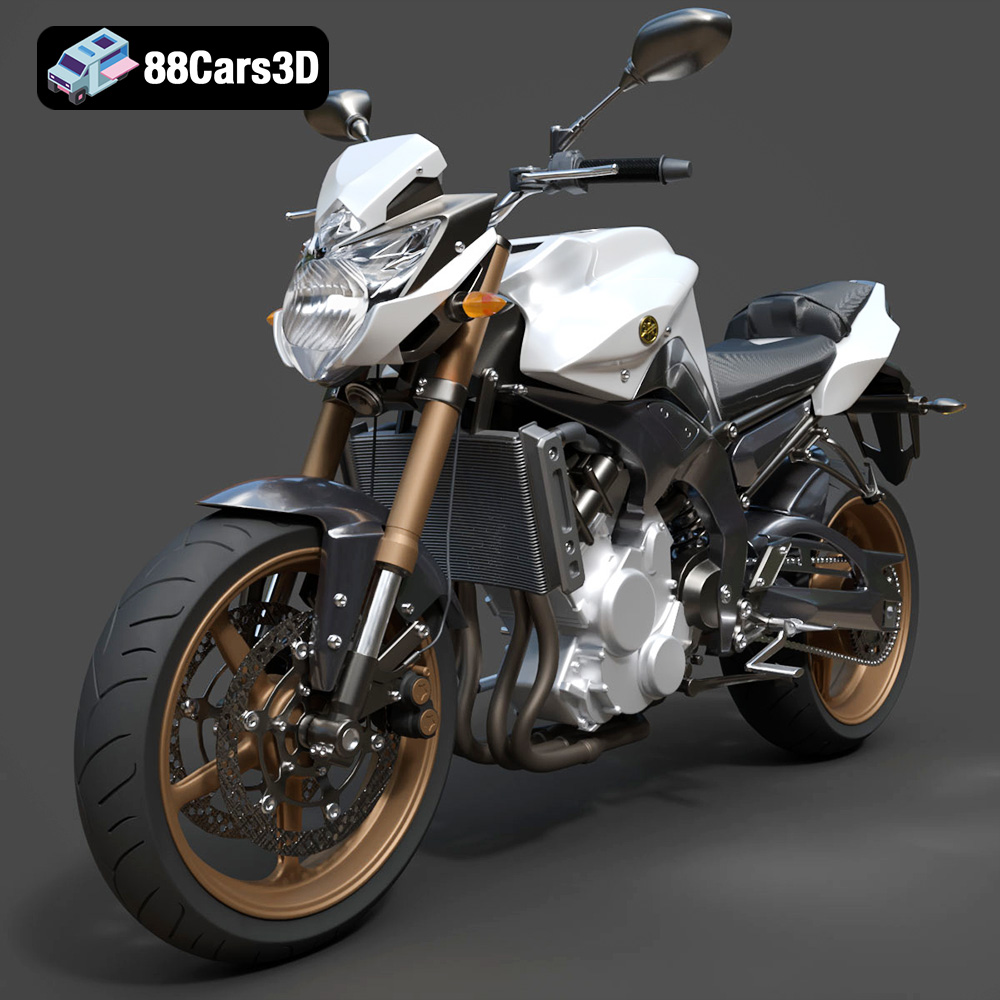
Texture: Yes
Material: Yes
Download the Yamaha FZ8 2011 3D Model featuring clean geometry, realistic detailing, and a fully modeled interior. Includes .blend, .fbx, .obj, .glb, .stl, .ply, .unreal, and .max formats for rendering, simulation, and game development.
Price: $19.99
View Product
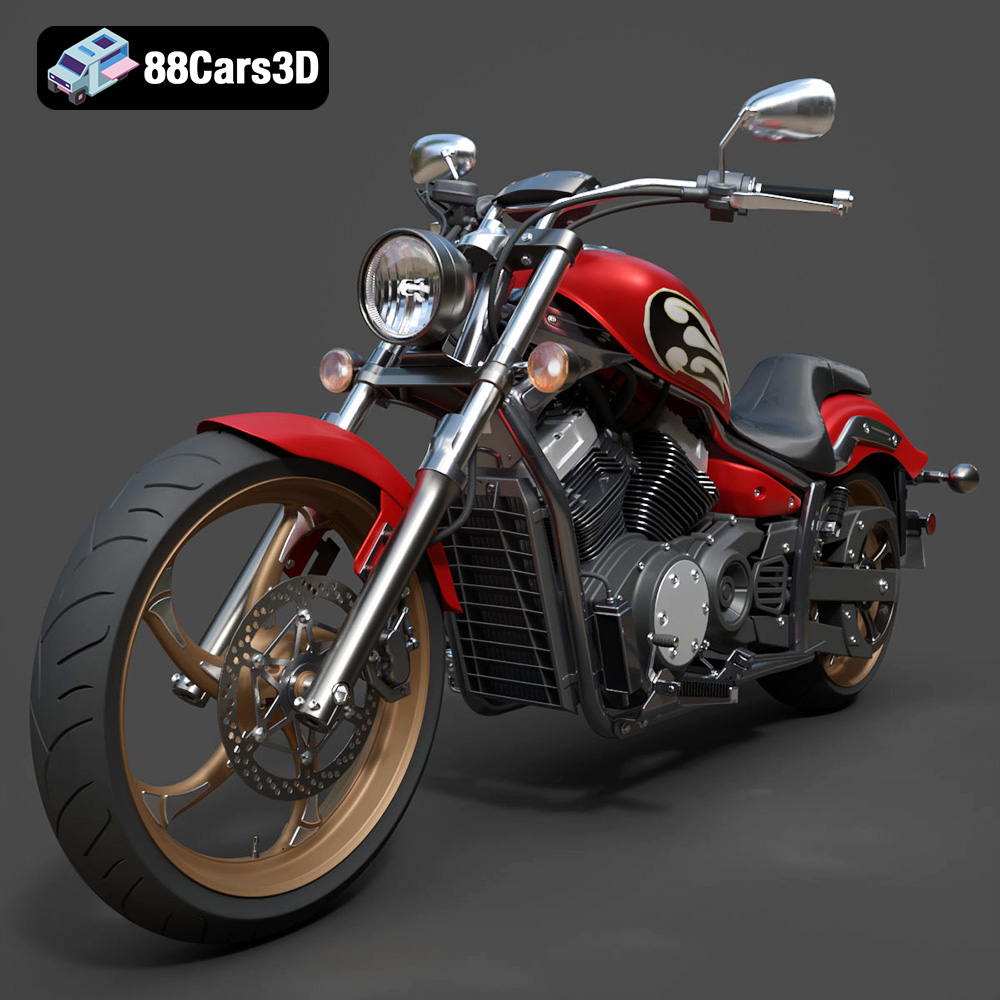
Texture: Yes
Material: Yes
Download the Yamaha Stryker 2012 3D Model featuring clean geometry, realistic detailing, and a fully modeled interior. Includes .blend, .fbx, .obj, .glb, .stl, .ply, .unreal, and .max formats for rendering, simulation, and game development.
Price: $19.99
View Product
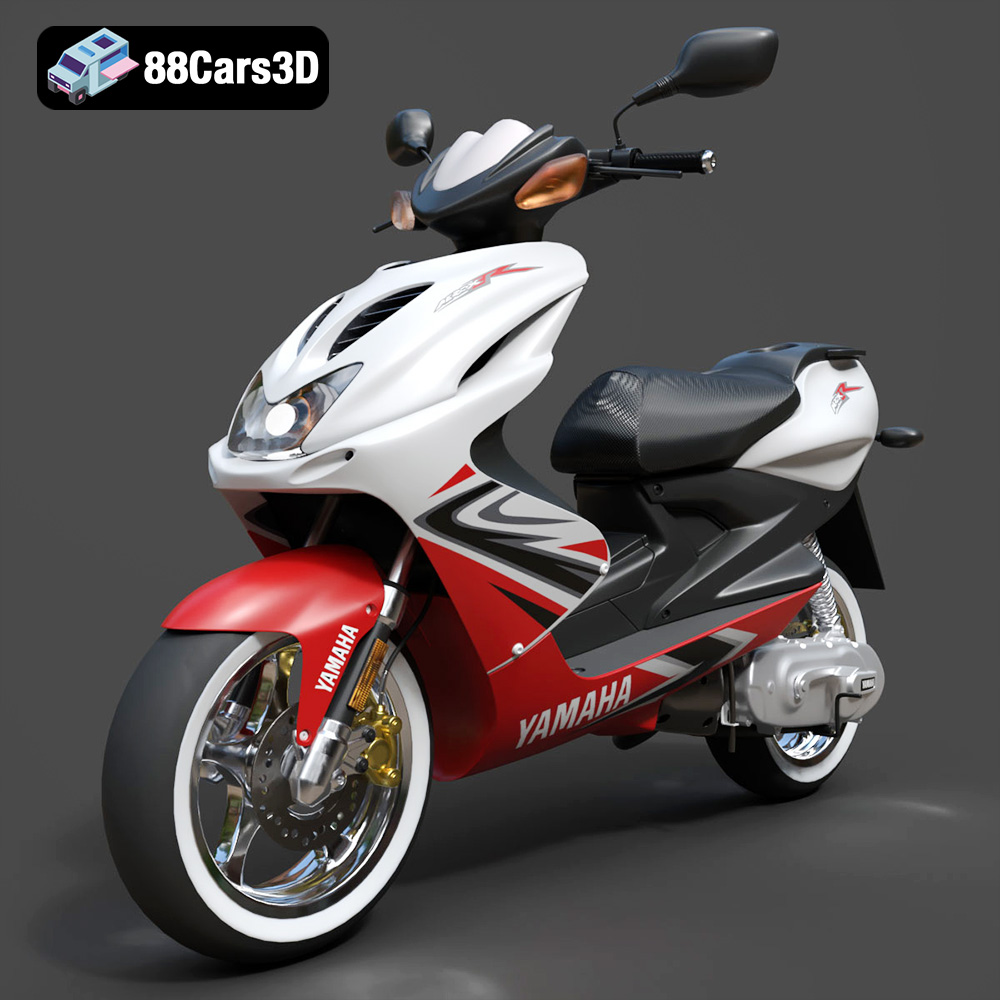
Texture: Yes
Material: Yes
Download the Yamaha Aerox R-002 2024 3D Model featuring clean geometry, realistic detailing, and a fully modeled interior. Includes .blend, .fbx, .obj, .glb, .stl, .ply, .unreal, and .max formats for rendering, simulation, and game development.
Price: $19.99
View Product
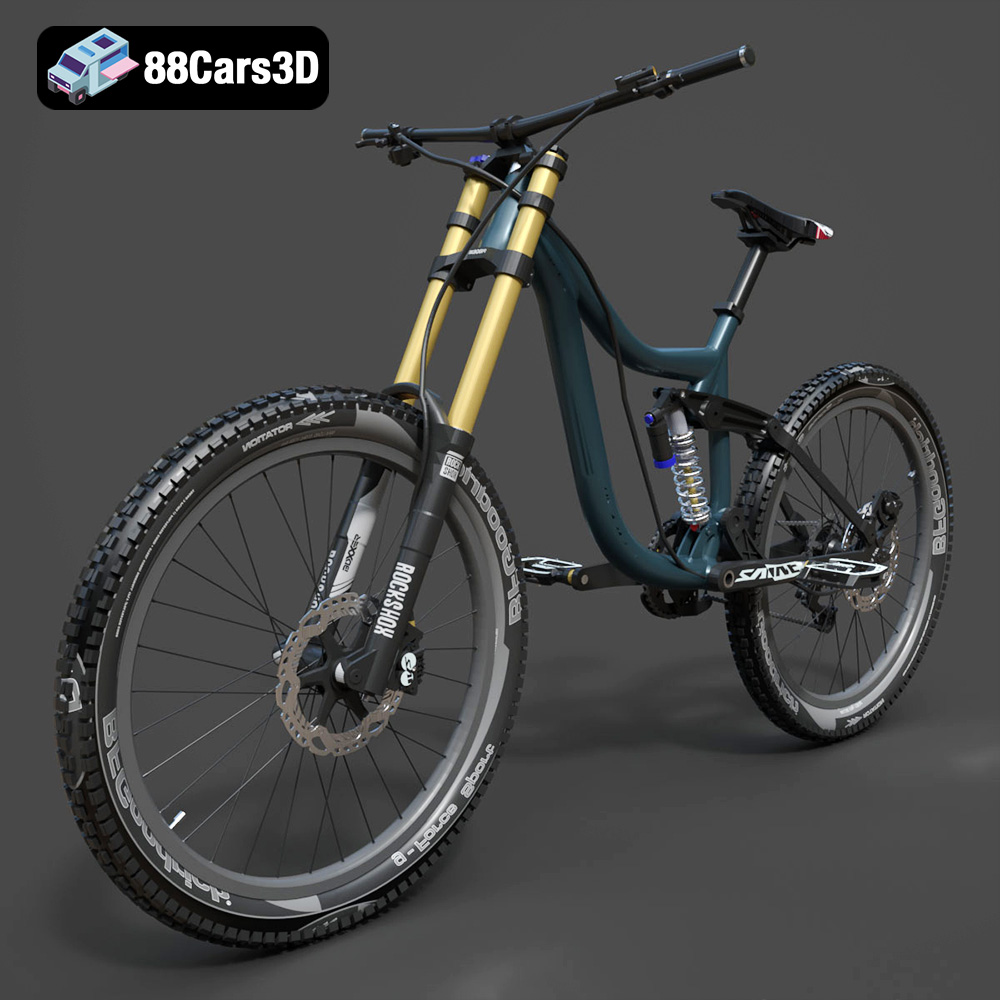
Texture: Yes
Material: Yes
Download the Mototsikly Downhill Bike-002 3D Model featuring clean geometry, realistic detailing, and precise mechanical components. Includes .blend, .fbx, .obj, .glb, .stl, .ply, .unreal, and .max formats for rendering, simulation, and game development.
Price: $19.99
View Product
Texture: Yes
Material: Yes
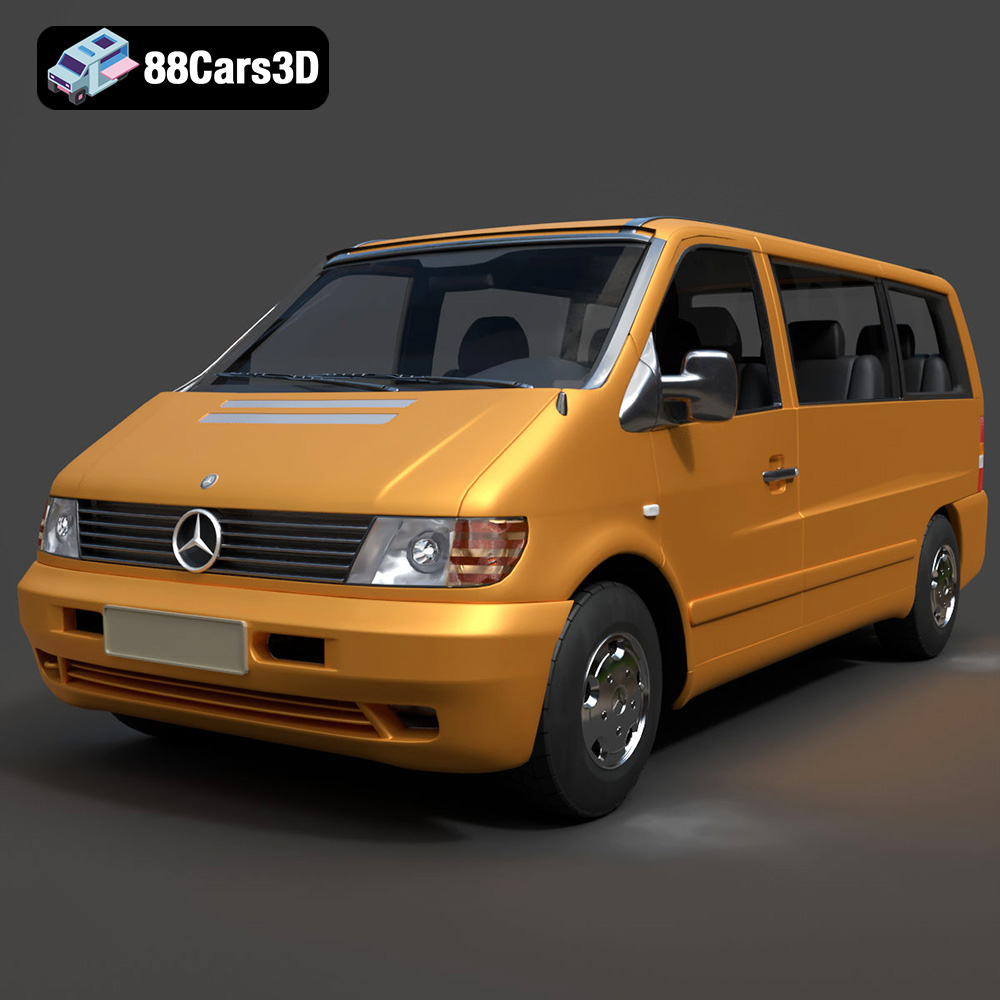
Download the Mercedes-Benz Vito Passenger Van 3D Model featuring clean geometry, realistic detailing, and a fully modeled interior. Includes .blend, .fbx, .obj, .glb, .stl, .ply, .unreal, and .max formats for rendering, simulation, and game development.
Price: $19.99
View Product
Texture: Yes
Material: Yes
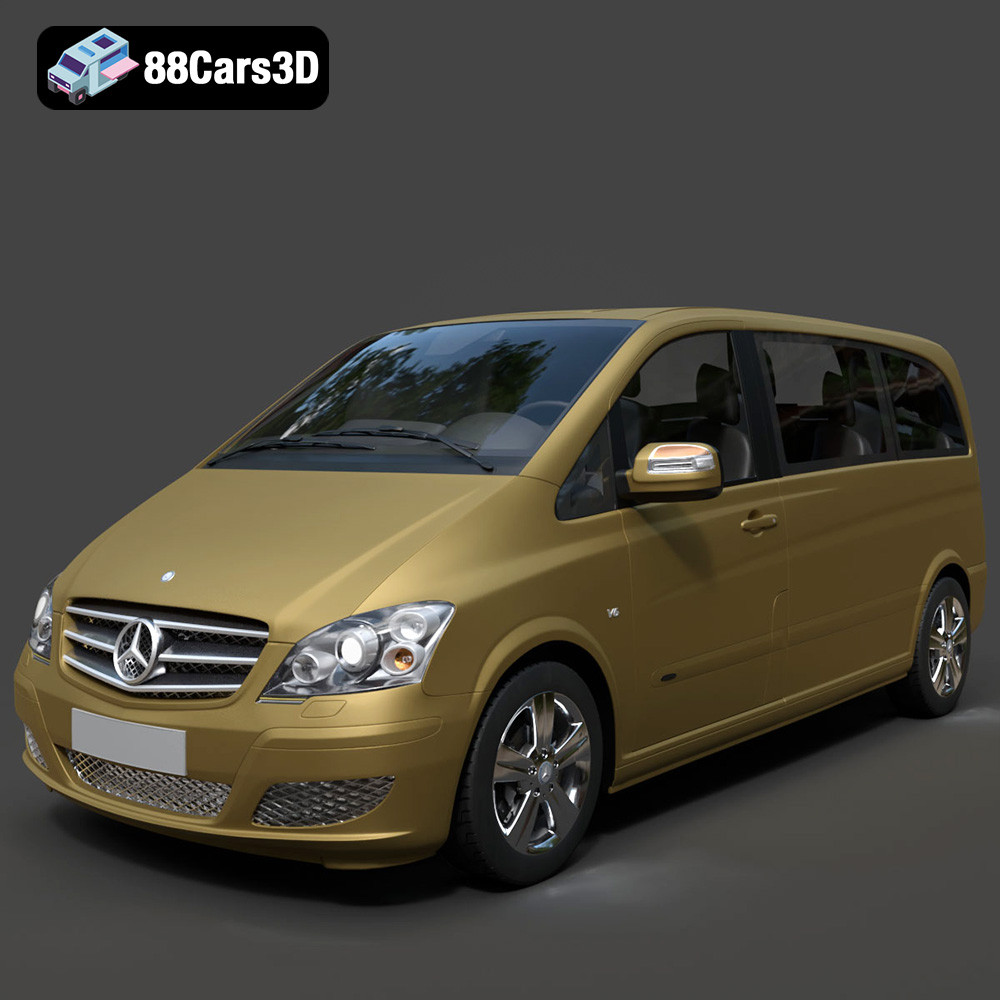
Download the Mercedes-Benz Viano 2010 3D Model featuring clean geometry, realistic detailing, and a fully modeled interior. Includes .blend, .fbx, .obj, .glb, .stl, .ply, .unreal, and .max formats for rendering, simulation, and game development.
Price: $19.99
View Product

Texture: Yes
Material: Yes
Download the Emt Avtobus 007 3D Model featuring clean geometry, realistic detailing, and a fully modeled interior. Includes .blend, .fbx, .obj, .glb, .stl, .ply, .unreal, and .max formats for rendering, simulation, and game development.
Price: $19.99
View Product
Texture: Yes
Material: Yes
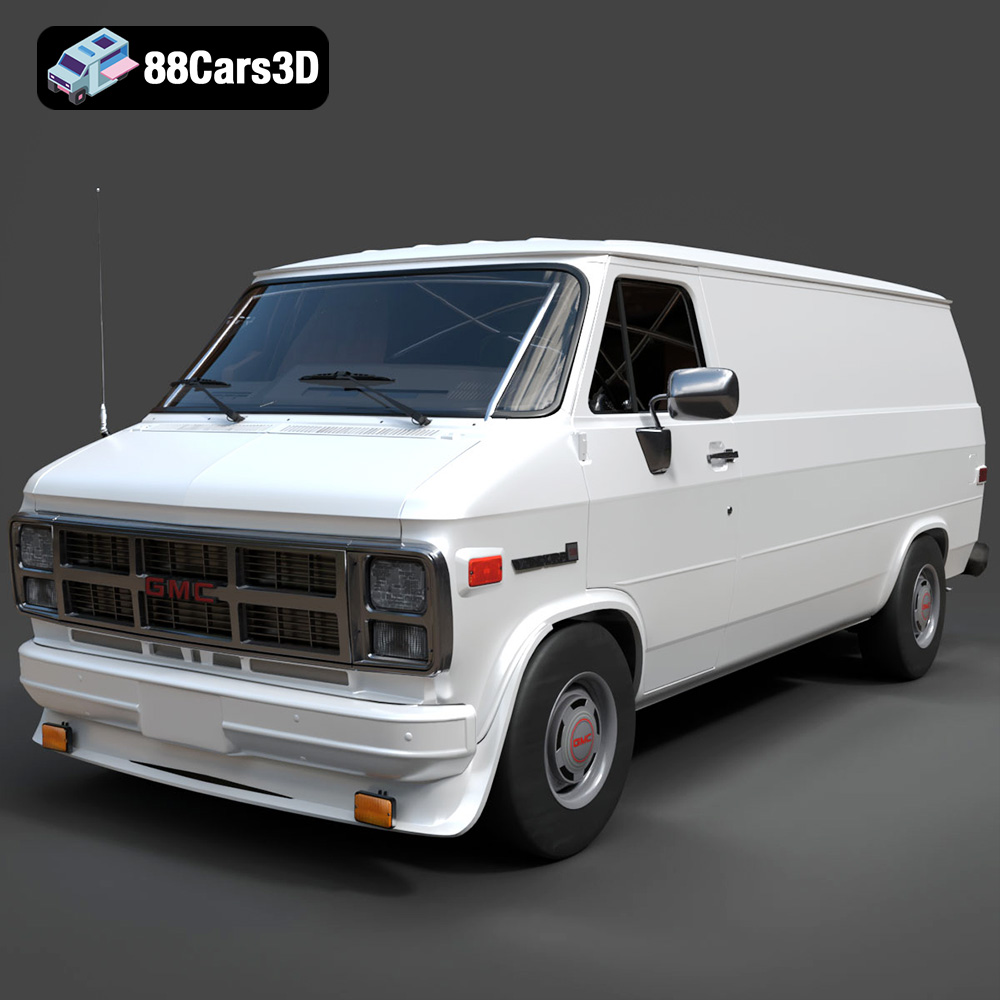
Download the GMC Vandura G-1500 1983 3D Model featuring clean geometry, realistic detailing, and a fully modeled interior. Includes .blend, .fbx, .obj, .glb, .stl, .ply, .unreal, and .max formats for rendering, simulation, and game development.
Price: $19.99
View Product
Texture: Yes
Material: Yes
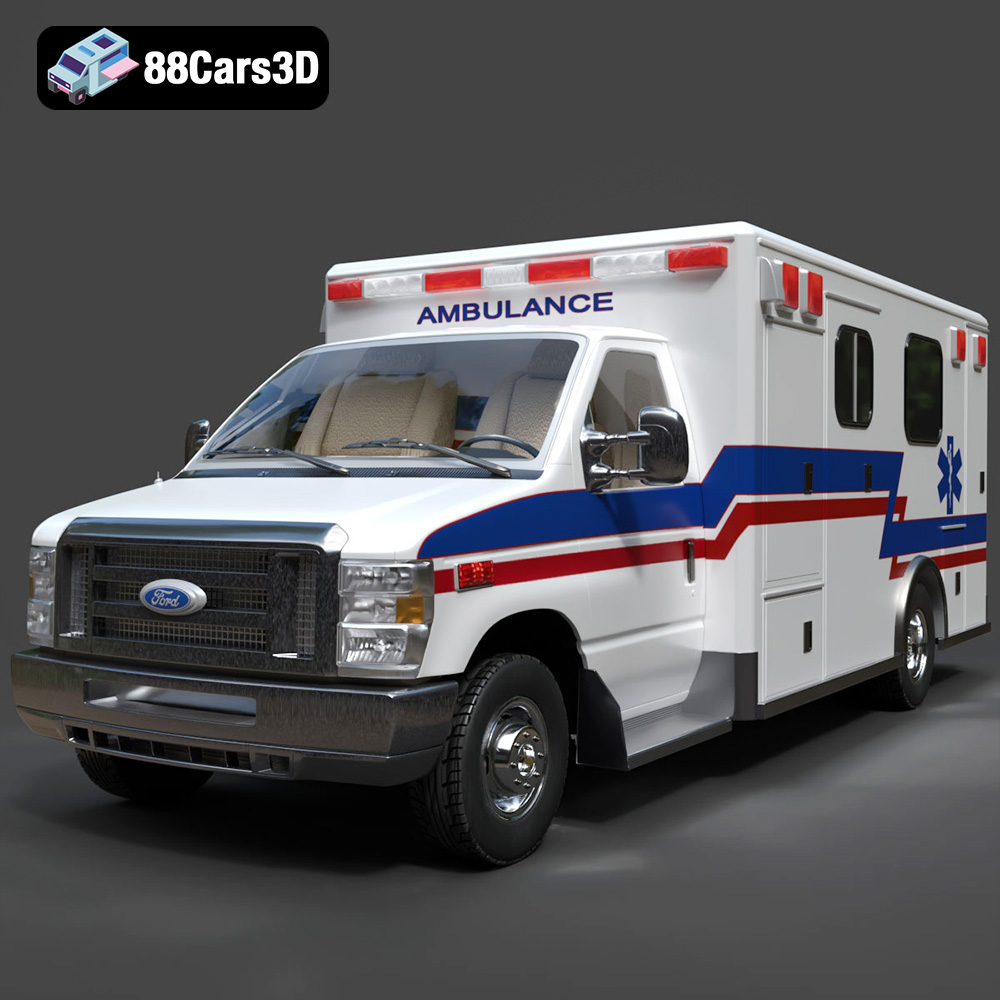
Download the Ford E-450 Ambulance 3D Model featuring clean geometry, realistic detailing, and a fully modeled interior. Includes .blend, .fbx, .obj, .glb, .stl, .ply, .unreal, and .max formats for rendering, simulation, and game development.
Price: $19.99
View Product

Texture: Yes
Material: Yes
Download the Fiat Ducato SWB-001 3D Model featuring clean geometry, realistic detailing, and a fully modeled interior. Includes .blend, .fbx, .obj, .glb, .stl, .ply, .unreal, and .max formats for rendering, simulation, and game development.
Price: $19.99
View Product


