⚡ FLASH SALE: Get 60% OFF All Premium 3D & STL Models! ⚡

In the world of real-time rendering and immersive experiences, visuals often take center stage. We obsess over polygon counts, PBR materials, and cutting-edge lighting solutions like Lumen. However, a truly compelling experience engages more than just the eyes; it speaks to the ears. For Unreal Engine developers and 3D artists specializing in automotive visualization and game development, neglecting the audio dimension means missing a profound opportunity to elevate realism, immersion, and emotional connection. Imagine the visceral roar of a supercar engine, the subtle creak of leather as a door closes, or the distinct whine of tires on various surfaces – these are the sonic textures that transform a beautiful 3D car model into a living, breathing entity.
This comprehensive guide will demystify the Unreal Engine’s powerful audio system, delving into the intricacies of spatial sound and mixing. We’ll explore how to harness these tools to create dynamic, realistic soundscapes that breathe life into your automotive projects, whether for high-fidelity visualizations, interactive configurators, or cutting-edge games. From setting up foundational audio assets to implementing advanced spatialization techniques and optimizing performance, you’ll gain the knowledge to craft an auditory experience that rivals your visual prowess. A high-quality 3D car model from a reputable marketplace like 88cars3d.com provides the perfect visual foundation; now, let’s build the sonic architecture that completes the illusion.
The journey to stunning automotive audio begins with understanding the core building blocks of Unreal Engine’s sound system. At its heart, Unreal Engine handles audio assets with a robust, modular approach, allowing for immense flexibility and control.
Unreal Engine primarily uses `.WAV` files for its audio assets. When importing, it’s crucial to consider sample rates and bit depth. For most high-fidelity applications, 44.1 kHz or 48 kHz sample rates at 16-bit or 24-bit depth are standard. Higher sample rates can offer marginal improvements but often come with increased file sizes and processing overhead, which might not be justifiable for real-time applications unless extreme pitch shifting or slowing down of audio is required.
Once imported, Unreal Engine treats these raw `.WAV` files as **Sound Waves**. A Sound Wave is the most basic audio asset, representing a single audio clip. However, to truly make them dynamic and interactive, we encapsulate them within **Sound Cues**.
Sound Cues are the Unreal Engine equivalent of a visual Blueprint for sound. They are powerful nodes that allow you to combine, modify, and control multiple Sound Waves. Within a Sound Cue, you can:
For instance, a single engine sound might be a Sound Cue comprising multiple Sound Waves: a base idle loop, a subtle engine hum, and a random, infrequent clunk. Modulators can then dynamically adjust the pitch and volume of these components based on the car’s RPM, providing a much more organic and believable engine sound than a single static loop. Learning more about Sound Cues and their node graph is essential for any serious audio designer in Unreal Engine, and Epic Games provides excellent resources on their official documentation portal: https://dev.epicgames.com/community/unreal-engine/learning.
As projects grow, managing individual Sound Cues becomes unwieldy. This is where **Sound Classes** come into play. Sound Classes allow you to categorize and group similar sounds (e.g., “Engine Sounds,” “Tire Sounds,” “UI Sounds,” “Music”). Each Sound Class can have its own default volume, pitch, and attenuation settings. Crucially, Sound Classes support inheritance, allowing you to establish a hierarchical structure where changes to a parent class propagate to its children. This is invaluable for maintaining consistent audio levels and behaviors across your project.
**Sound Mixes**, on the other hand, provide a powerful mechanism for global audio adjustments. A Sound Mix applies temporary or permanent changes to specific Sound Classes or the master volume. This is perfect for scenarios like pausing the game (muting most sounds except UI), entering a tunnel (applying a specific reverb and LPF to exterior sounds), or focusing on dialogue (ducking music and sound effects). By activating and deactivating Sound Mixes via Blueprint, you can create dynamic and responsive audio environments. Properly utilizing Sound Classes and Mixes is fundamental to professional audio management and ensures a cohesive sonic experience in any complex automotive project.
Spatial audio is the magic that makes a sound appear to originate from a specific point in 3D space, contributing immensely to immersion. Without it, all sounds would feel flat, as if coming from a single point or everywhere at once. Unreal Engine offers robust tools to bring your car models to life with believable spatialization.
At the core of spatial audio in Unreal Engine are **Attenuation Settings**. These assets define how a sound’s properties change as the listener’s distance from the sound source varies. Key parameters include:
For a car engine, you’d want a strong volume falloff, significant LPF at range, and full spatialization to accurately convey its position in the world. Different car sounds will require unique attenuation profiles; for example, a subtle interior cabin noise might have very little falloff, while an exterior horn would have a broad range.
While basic stereo panning is useful, for truly immersive spatial audio, especially in VR/AR or games with headphones, more advanced spatialization algorithms come into play. Unreal Engine offers built-in options, but often the most realistic results are achieved through third-party plugins that leverage **Head-Related Transfer Functions (HRTF)**.
Reverb is a cornerstone of environmental audio, providing critical cues about the size, shape, and material properties of a space. Unreal Engine provides several ways to implement reverb:
By thoughtfully combining these tools, you can ensure that the engine of an 88cars3d.com supercar sounds vastly different when it’s roaring through an open desert versus echoing within a multi-story parking garage, adding layers of authenticity to your real-time visualizations.
Beyond basic spatialization, advanced mixing techniques and dynamic soundscapes are what truly set professional automotive audio experiences apart. This involves not just playing sounds, but intelligently controlling their interplay, processing them, and making them react to the game world.
As your project grows, you’ll inevitably have many sounds trying to play simultaneously. Without proper management, this can lead to an auditory cacophony, CPU overload, and clipping. **Concurrency Settings** are crucial here. These settings, often defined within Sound Cues or inherited from Sound Classes, dictate how many instances of a particular sound can play at once, and what happens when that limit is reached (e.g., oldest instance stops, newest instance stops, or simply ignores the new request). For a high-speed chase, you might allow many instances of tire squeals, but only one instance of the car horn.
**Sound Mixes**, as touched upon earlier, become incredibly powerful for dynamic, context-aware audio shifts. Imagine:
These dynamic adjustments, often triggered via Blueprint, create a living soundscape that reacts to the player’s actions and the environment, enhancing immersion significantly.
For truly professional mixing, Unreal Engine provides **Submixes**. A Submix acts like a bus in a traditional audio mixing console. You can route multiple Sound Classes or individual Sound Cues to a specific Submix. This allows you to apply a chain of effects (e.g., EQ, compression, delay, chorus, reverb) to an entire group of sounds simultaneously, before they hit the Master Submix.
The **Master Submix** is the final output of all audio in your project. It’s where you’d typically apply final mastering effects like a master compressor/limiter to ensure the overall loudness and prevent clipping. Thoughtful use of Submixes allows for a clean, organized, and professionally mixed audio track, ensuring every element, from the distinct sound of a sports car from 88cars3d.com to the subtle ambient hum, finds its rightful place in the mix.
Unreal Engine’s visual scripting system, **Blueprint**, is incredibly powerful for driving dynamic audio behavior. Almost every audio parameter can be exposed and controlled via Blueprint.
Blueprint empowers developers to create incredibly nuanced and interactive audio experiences, making the auditory world as responsive and engaging as the visual one. For detailed guides on Blueprint interaction with the audio system, the official Unreal Engine learning portal is an invaluable resource.
Creating compelling automotive sound requires more than just playing engine noises; it’s about building a layered, dynamic soundscape that responds authentically to the vehicle’s state and environment.
The engine sound is perhaps the most crucial element of automotive audio. A single, static audio loop will never suffice. Professional engine sounds are built through careful layering and dynamic blending:
The goal is to create a seamless, believable transition from a quiet idle to a roaring redline, making the 3D car models sourced from 88cars3d.com truly come alive.
Tire sounds provide critical feedback about the car’s interaction with the ground, its speed, and its grip.
These details significantly contribute to the player’s perception of handling and speed, making the driving experience more tactile and responsive.
Beyond the engine and tires, a host of other sounds contribute to a realistic automotive soundscape:
By meticulously crafting and integrating these various layers of sound, you transform a visually stunning 3D car model into an auditory masterpiece, creating an unforgettable sensory experience.
High-fidelity audio, especially with complex spatialization and dynamic mixing, can become a significant performance consideration in real-time applications. Optimization is key to maintaining smooth frame rates and a responsive experience.
As discussed, **Concurrency Settings** are your first line of defense against audio overload. Every Sound Cue should have thoughtfully defined concurrency limits. For example, if you have a “Car Impact” sound, you might only allow 2-3 instances to play simultaneously before older instances are culled. For highly repetitive sounds like small pebbles hitting the car chassis, you might allow a higher number but ensure they are very short. Overly generous concurrency settings can lead to an explosion of active voices, consuming CPU and memory.
Audio files can be large, especially at high sample rates and bit depths.
Unreal Engine provides powerful commands to profile and debug your audio system:
Regularly profiling your audio can help you catch performance issues before they become major problems, ensuring your complex automotive soundscapes run smoothly.
For AR/VR automotive experiences, audio optimization is even more critical due to the stringent performance requirements and the need for low latency.
The combination of stunning visuals from models like those at 88cars3d.com and perfectly optimized, immersive audio creates a truly unforgettable AR/VR automotive experience.
In the pursuit of ultimate realism and immersion within Unreal Engine, sound design is not merely an afterthought; it is a foundational pillar. By mastering the principles of spatial audio, dynamic mixing, and performance optimization, you unlock a new dimension of storytelling and engagement for your automotive projects. From the meticulous layering of engine sounds to the nuanced environmental acoustics, every sonic detail contributes to a richer, more believable world.
We’ve explored the fundamental building blocks like Sound Waves and Sound Cues, delved into the intricacies of attenuation and advanced spatialization with HRTF, and armed ourselves with the power of Sound Classes, Submixes, and Blueprint for dynamic control. We also covered critical optimization strategies to ensure your rich soundscapes run flawlessly, even in demanding real-time scenarios like AR/VR.
The next step is to experiment. Take the high-quality 3D car models available on platforms like 88cars3d.com and start building your own immersive soundscapes. Leverage the robust tools Unreal Engine provides, constantly iterate, and listen critically. The synergy between breathtaking visuals and expertly crafted audio is what truly defines a world-class automotive experience, transforming a static model into a captivating, living entity that resonates with your audience on a profound level. Unleash the unseen symphony, and watch your projects transcend the ordinary.
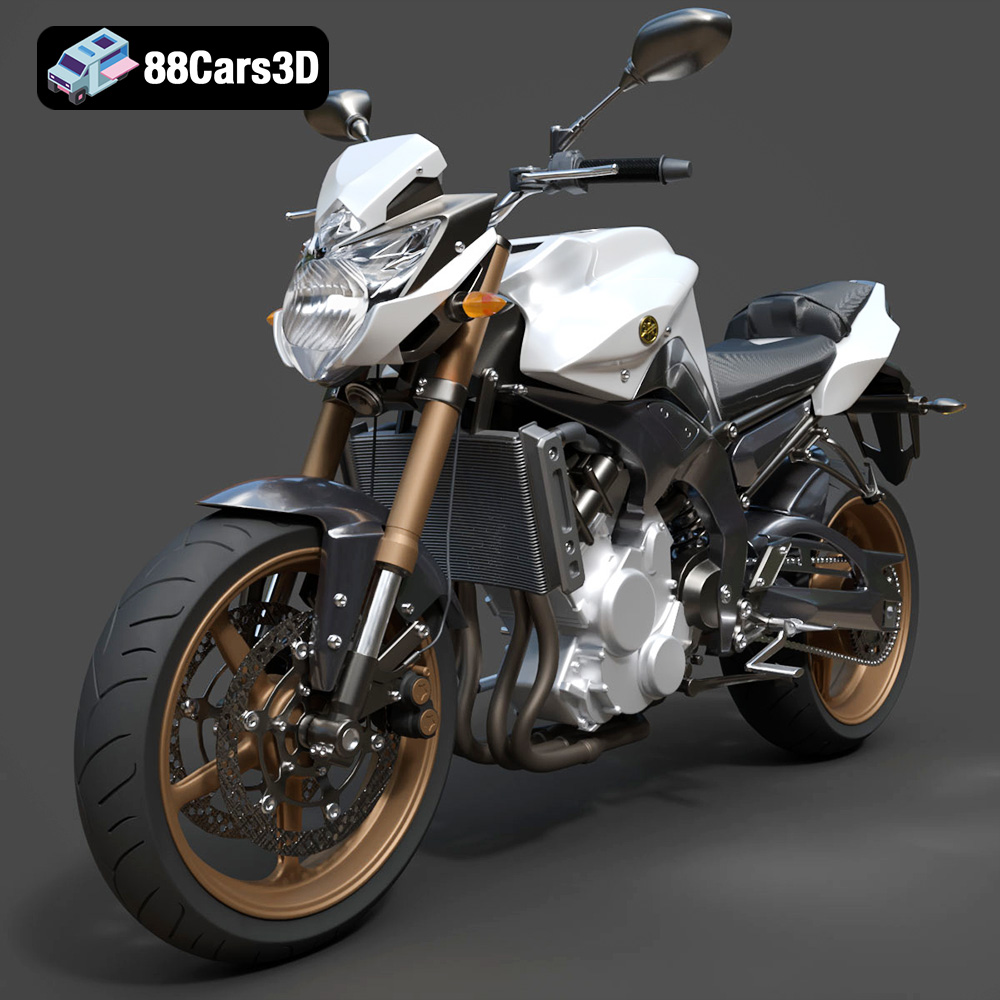
Texture: Yes
Material: Yes
Download the Yamaha FZ8 2011 3D Model featuring clean geometry, realistic detailing, and a fully modeled interior. Includes .blend, .fbx, .obj, .glb, .stl, .ply, .unreal, and .max formats for rendering, simulation, and game development.
Price: $19.99
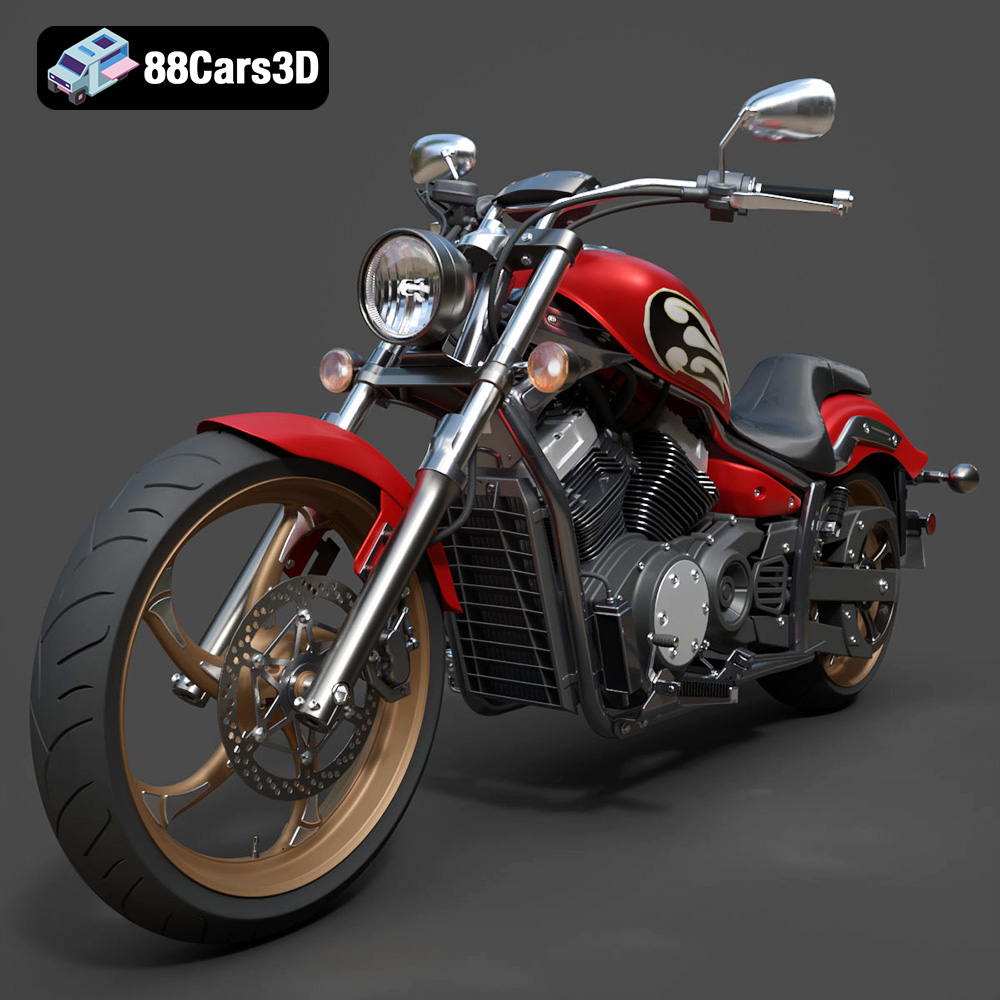
Texture: Yes
Material: Yes
Download the Yamaha Stryker 2012 3D Model featuring clean geometry, realistic detailing, and a fully modeled interior. Includes .blend, .fbx, .obj, .glb, .stl, .ply, .unreal, and .max formats for rendering, simulation, and game development.
Price: $19.99
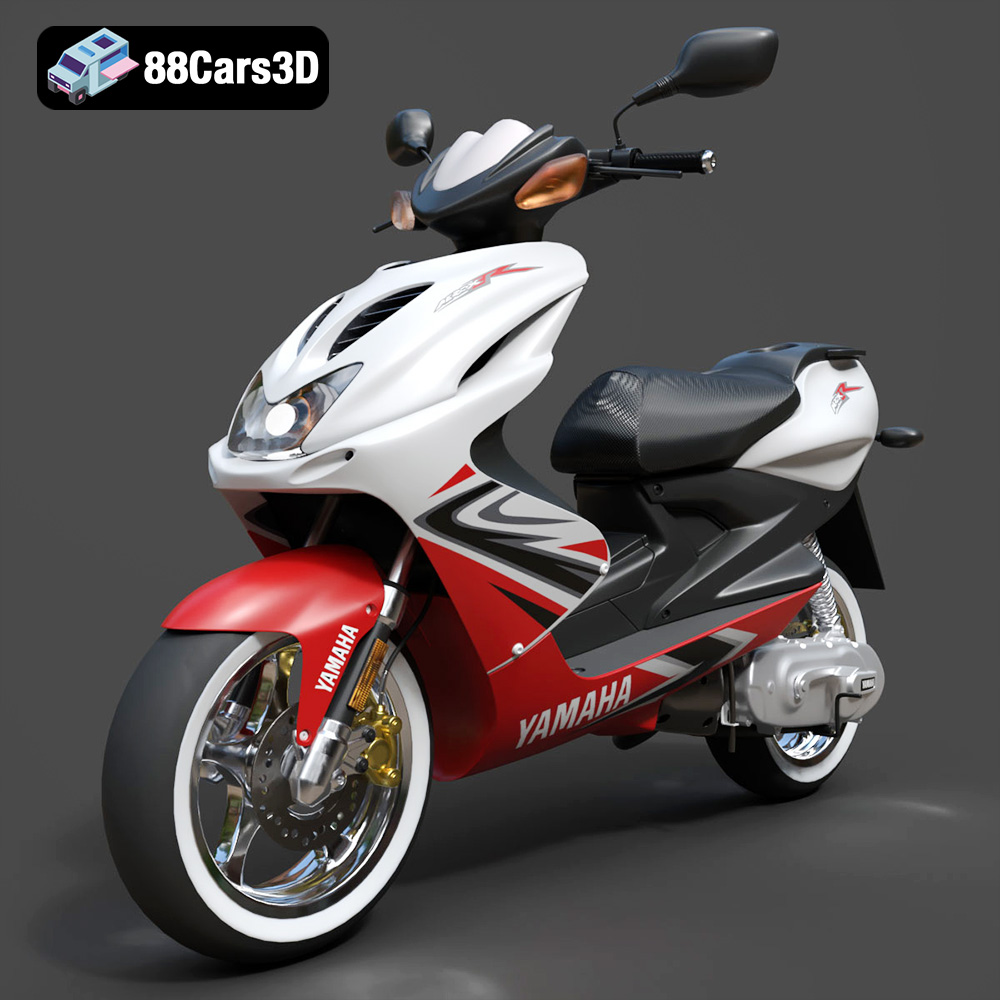
Texture: Yes
Material: Yes
Download the Yamaha Aerox R-002 2024 3D Model featuring clean geometry, realistic detailing, and a fully modeled interior. Includes .blend, .fbx, .obj, .glb, .stl, .ply, .unreal, and .max formats for rendering, simulation, and game development.
Price: $19.99
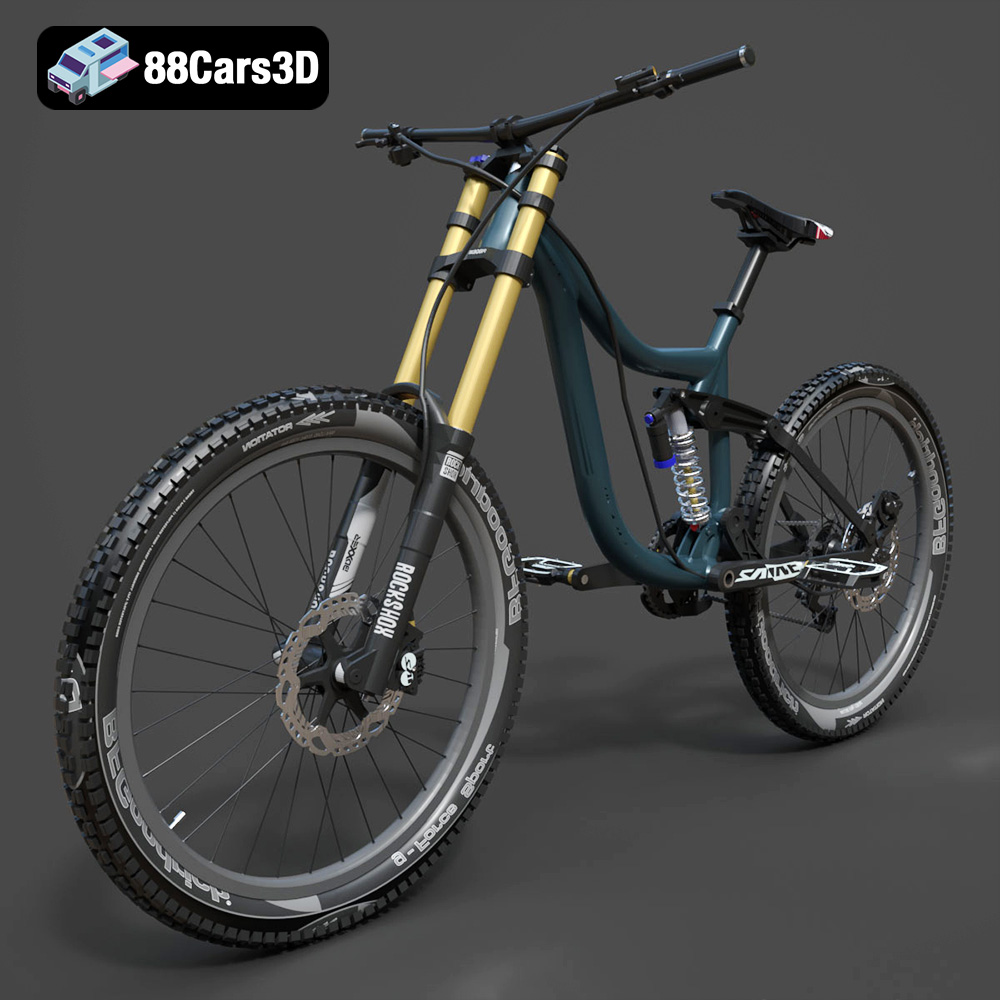
Texture: Yes
Material: Yes
Download the Mototsikly Downhill Bike-002 3D Model featuring clean geometry, realistic detailing, and precise mechanical components. Includes .blend, .fbx, .obj, .glb, .stl, .ply, .unreal, and .max formats for rendering, simulation, and game development.
Price: $19.99
Texture: Yes
Material: Yes
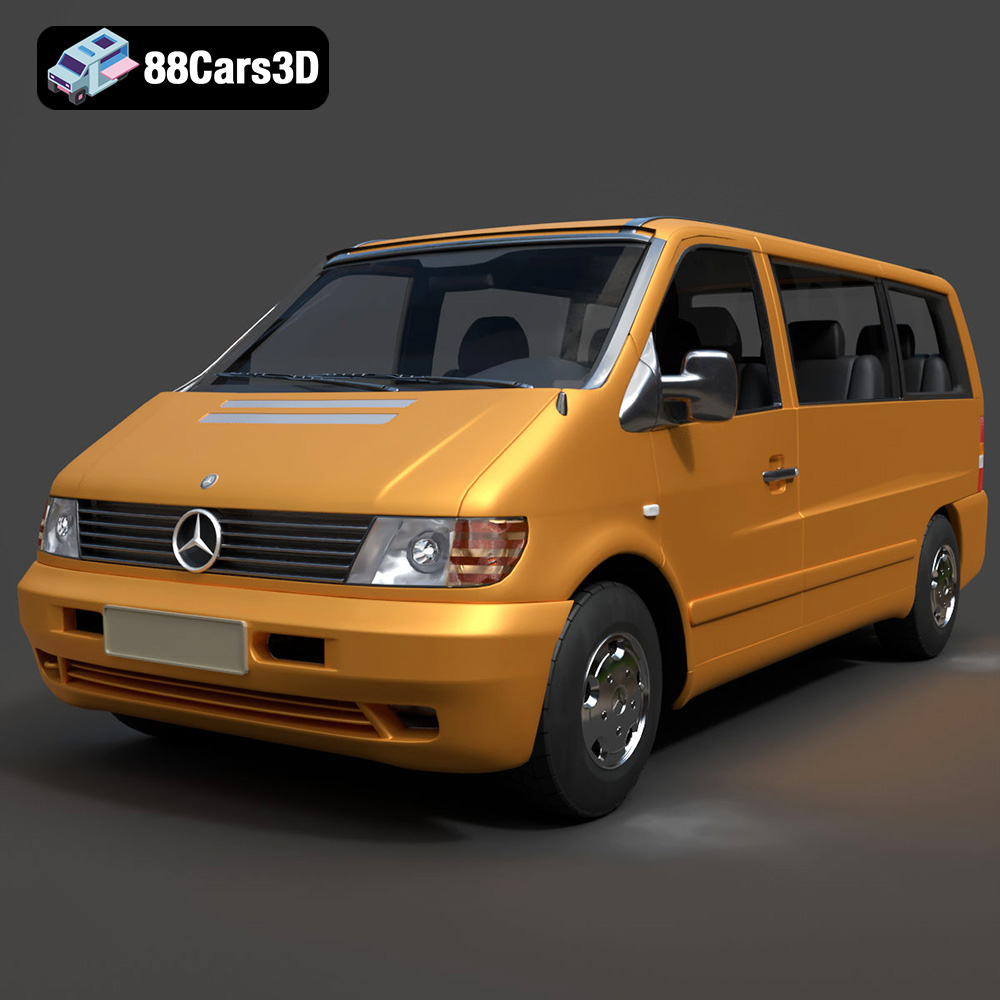
Download the Mercedes-Benz Vito Passenger Van 3D Model featuring clean geometry, realistic detailing, and a fully modeled interior. Includes .blend, .fbx, .obj, .glb, .stl, .ply, .unreal, and .max formats for rendering, simulation, and game development.
Price: $19.99
Texture: Yes
Material: Yes
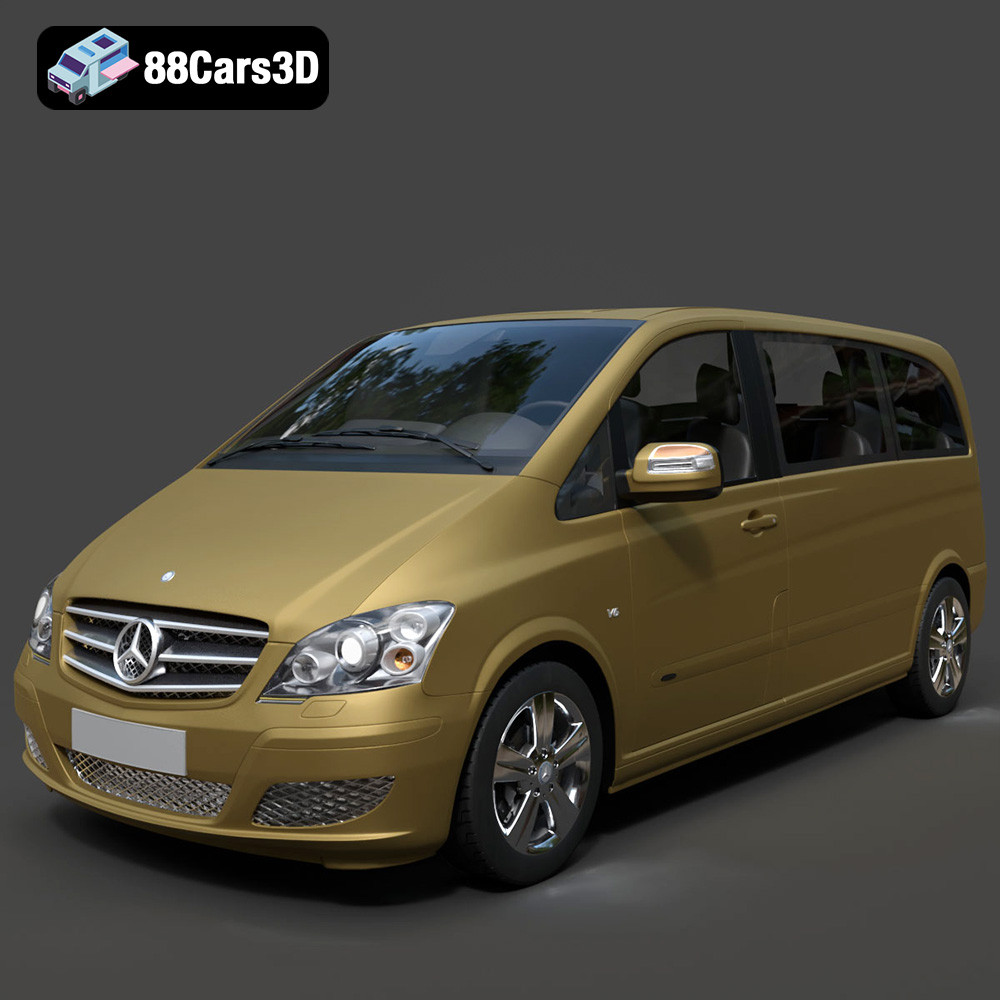
Download the Mercedes-Benz Viano 2010 3D Model featuring clean geometry, realistic detailing, and a fully modeled interior. Includes .blend, .fbx, .obj, .glb, .stl, .ply, .unreal, and .max formats for rendering, simulation, and game development.
Price: $19.99

Texture: Yes
Material: Yes
Download the Emt Avtobus 007 3D Model featuring clean geometry, realistic detailing, and a fully modeled interior. Includes .blend, .fbx, .obj, .glb, .stl, .ply, .unreal, and .max formats for rendering, simulation, and game development.
Price: $19.99
Texture: Yes
Material: Yes
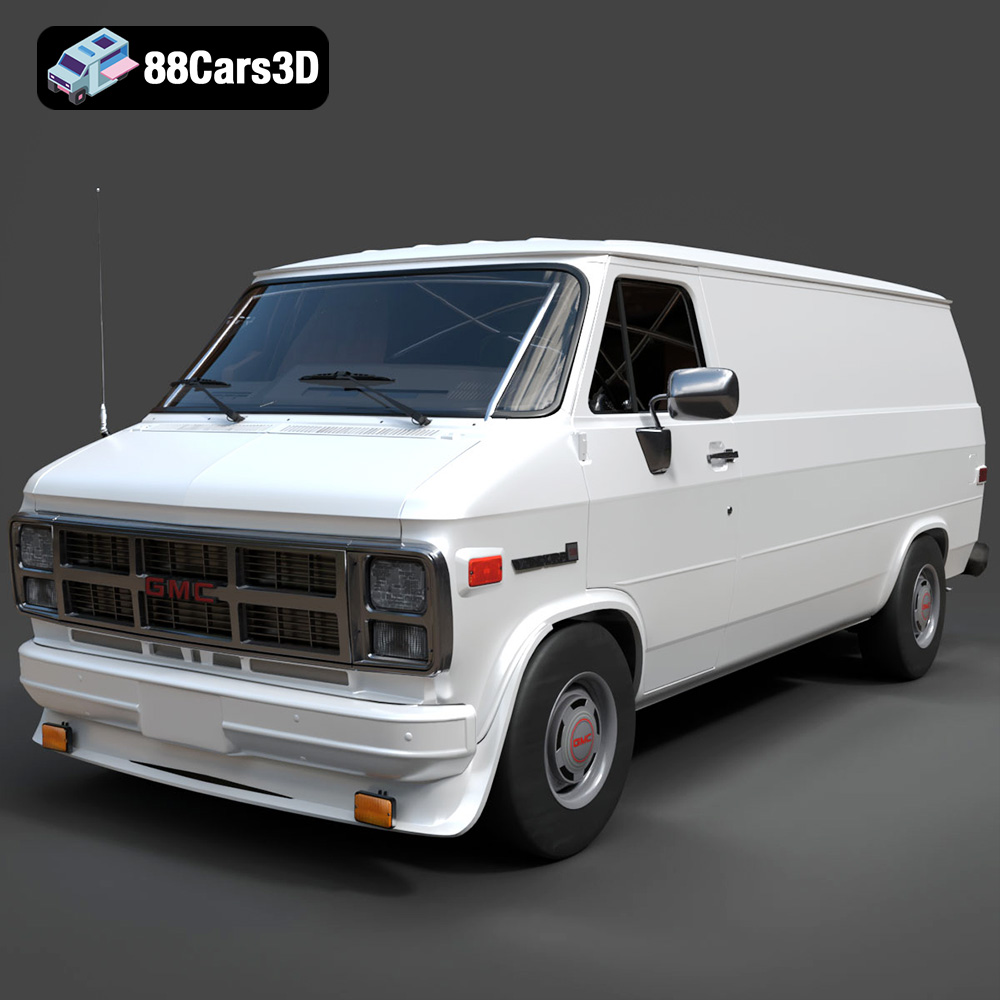
Download the GMC Vandura G-1500 1983 3D Model featuring clean geometry, realistic detailing, and a fully modeled interior. Includes .blend, .fbx, .obj, .glb, .stl, .ply, .unreal, and .max formats for rendering, simulation, and game development.
Price: $19.99

Texture: Yes
Material: Yes
Download the Ford E-450 Ambulance 3D Model featuring clean geometry, realistic detailing, and a fully modeled interior. Includes .blend, .fbx, .obj, .glb, .stl, .ply, .unreal, and .max formats for rendering, simulation, and game development.
Price: $19.99

Texture: Yes
Material: Yes
Download the Fiat Ducato SWB-001 3D Model featuring clean geometry, realistic detailing, and a fully modeled interior. Includes .blend, .fbx, .obj, .glb, .stl, .ply, .unreal, and .max formats for rendering, simulation, and game development.
Price: $19.99

