⚡ FLASH SALE: Get 60% OFF All Premium 3D & STL Models! ⚡

In the vibrant world of real-time rendering and interactive experiences, stunning visuals are only half the story. The other, equally crucial half, is the user interface and user experience (UI/UX) that guides, informs, and engages your audience. Whether you’re crafting an immersive automotive configurator, a cutting-edge game, or a sophisticated architectural visualization, a well-designed UI/UX can elevate a project from merely functional to truly exceptional.
Unreal Engine, renowned for its graphical prowess and robust development tools, offers a powerful and flexible solution for UI/UX design: the Unreal Motion Graphics (UMG) Widget System. UMG empowers developers and artists to create everything from intricate main menus and heads-up displays (HUDs) to dynamic interactive elements that seamlessly blend with your 3D scenes. This comprehensive guide will deep dive into leveraging UMG for building intuitive and performant user interfaces, particularly within the demanding realms of automotive visualization and game development. We’ll explore core concepts, advanced techniques, and vital optimization strategies, ensuring your interactive experiences, perhaps featuring the high-quality 3D car models from platforms like 88cars3d.com, not only look incredible but also feel intuitive and responsive.
The Unreal Motion Graphics (UMG) Widget System is Unreal Engine’s declarative UI framework, enabling developers to build visually compelling and functionally rich user interfaces. At its core, UMG is deeply integrated with Unreal’s Blueprint visual scripting system, allowing for intuitive design and powerful interactive logic without writing a single line of C++. This synergy makes UMG incredibly accessible for artists and designers, while still offering the depth required by seasoned programmers.
UMG operates on a hierarchy of “Widgets” – individual UI elements like buttons, text blocks, images, and sliders. These widgets are assembled within a “Widget Blueprint,” which acts as a container for your UI design and its corresponding interaction logic. The power of UMG lies in its drag-and-drop interface within the Widget Blueprint editor, where you can visually arrange elements, set their properties, and define their behavior. Understanding this foundational system is key to unlocking its full potential, whether you’re building a sleek menu for an automotive configurator or an intricate HUD for a racing game.
At the heart of every UMG interface is a collection of essential widgets, each serving a specific purpose. The most fundamental is the Canvas Panel, which typically serves as the root container for most UI designs. It provides a flexible area where you can freely position and size child widgets using anchors and offsets, crucial for creating responsive UIs that adapt to different screen resolutions. Beyond the Canvas Panel, a plethora of common widgets form the building blocks of any interface:
Each of these widgets comes with a rich set of properties that can be adjusted in the Details panel of the Widget Blueprint editor, controlling aspects like appearance, behavior, and interaction. For more detailed information on specific widgets and their properties, refer to the official Unreal Engine documentation.
A truly professional UI isn’t static; it adapts gracefully to various screen sizes and aspect ratios. UMG provides powerful tools to achieve responsiveness, primarily through its Anchor system. Anchors define a widget’s relationship to its parent container, dictating how it scales or maintains its position relative to the screen edges or center. By setting appropriate anchors, you can ensure elements like a “Back” button always remain in the top-left corner, regardless of the screen resolution.
Beyond anchors, several layout widgets are indispensable for responsive design:
Mastering these tools involves visualizing how your UI will behave under different aspect ratios and testing frequently. A common workflow involves setting anchors and then adjusting offsets to fine-tune placement, relying on the automatic scaling behavior of layout panels for internal content. This structured approach ensures a polished and consistent user experience across diverse display environments.
UMG truly shines when applied to specialized domains like automotive visualization. Imagine stepping into a virtual showroom, where you can customize a car in real-time, change its paint, swap wheels, or even explore its interior with interactive hotspots. All these dynamic interactions are typically powered by a well-designed UMG interface. For projects featuring high-fidelity assets like the 3D car models available on 88cars3d.com, UMG provides the perfect bridge between showcasing stunning visuals and delivering a rich, interactive user journey.
The flexibility of UMG allows for the creation of sophisticated systems, such as an intuitive car configurator that dynamically updates the 3D model in the scene, or an in-car HMI (Human-Machine Interface) simulation that mimics real-world infotainment systems. These applications require a robust UI that not only looks good but also efficiently communicates with the underlying 3D scene and its intricate systems. The seamless integration of UMG with Blueprint scripting is paramount here, enabling complex logic to drive visual feedback and dynamic content changes.
Let’s consider the practical application of building an interactive car configurator. This involves several key UI elements and interactions:
The workflow for implementing this is as follows: You would create a Widget Blueprint for your main configurator screen, laying out the category buttons and a scrollable panel for options. Each option (e.g., a color swatch) would be its own small, reusable Widget Blueprint. When a color swatch is clicked (using the ‘OnClicked’ event in its Blueprint), it would trigger an event that communicates with the 3D car model’s Blueprint. This communication often involves casting to the car’s Blueprint and calling a function that modifies a material instance parameter (e.g., changing the base color of the car paint material) or swaps out a static mesh (for different wheels). This real-time feedback is crucial for an engaging user experience, showcasing the fidelity of your 3D assets.
Beyond simple configurators, UMG is adept at displaying and reacting to real-time data. In an automotive context, this could mean:
To achieve this, you typically use a concept called “Binding.” In UMG, many widget properties (like the text content of a Text Block, or the fill percentage of a Progress Bar) can be “bound” to a variable or function in your Widget Blueprint or another Blueprint (e.g., your Player Controller or the specific 3D car model’s Blueprint). This means the UI automatically updates whenever the underlying data changes, ensuring a live and accurate display. For instance, a text block displaying speed could be bound to a function that retrieves the current speed from your vehicle’s physics component, refreshing every frame to provide real-time metrics.
As UI complexity grows, especially in expansive game worlds or feature-rich automotive visualizations, going beyond static elements becomes essential. Advanced UMG techniques allow for dynamic content generation, efficient display of large datasets, and robust interactivity. However, with increased complexity comes the critical need for performance optimization. A sluggish UI can quickly detract from even the most visually stunning real-time experience. Therefore, understanding how to manage resources and optimize draw calls is paramount, particularly for projects targeting lower-end hardware or demanding platforms like AR/VR.
Efficient UMG design means not just creating beautiful interfaces but ensuring they run smoothly. This involves careful consideration of widget hierarchy, texture usage, and Blueprint logic. For developers leveraging high-fidelity assets for real-time rendering, like the 3D models from 88cars3d.com, ensuring the UI doesn’t become a bottleneck is as important as optimizing the 3D scene itself. A balanced approach between visual richness and performance is the hallmark of professional UI/UX development.
For scenarios involving lists of items (e.g., inventory, vehicle customization options, player leaderboards), manually creating and managing individual widgets is inefficient. UMG offers powerful solutions for dynamic content:
Dynamic widget creation in Blueprint typically involves using functions like `Create Widget` and `Add Child` to construct UI elements at runtime based on game state or user input. This gives you complete programmatic control over your UI, allowing for highly adaptable and interactive designs.
Performance is a non-negotiable aspect of any real-time application, and UMG is no exception. Here are key strategies for optimizing your UI:
By diligently applying these optimization techniques, you can ensure your UMG interfaces remain smooth and responsive, enhancing the overall user experience without compromising the graphical fidelity of your 3D scenes.
The true power of UMG comes from its seamless integration with Unreal Engine’s Blueprint visual scripting system. While UMG handles the visual layout and basic properties of your UI, Blueprint is where the interactivity, logic, and dynamic responses are engineered. It allows you to define how your UI reacts to user input, how it communicates with your 3D world (e.g., modifying 3D car models), and how it manages its own state. This visual programming paradigm makes creating complex UI logic accessible to a wider range of developers, fostering rapid prototyping and iteration.
Understanding the interplay between UMG’s designer view and Blueprint’s event graph is fundamental. Every interactive widget, like a button or a slider, exposes a set of events that can be captured and responded to within the Widget Blueprint’s Event Graph. This event-driven approach is highly efficient and forms the backbone of responsive user interfaces. From simple button clicks to complex conditional logic determining UI visibility, Blueprint is your command center for bringing your UI to life.
Interactivity in UMG begins with Event Handling. When a user interacts with a widget (e.g., clicks a button, drags a slider, types into a text box), the widget broadcasts an event. In the Widget Blueprint’s Event Graph, you can “bind” to these events to execute specific Blueprint logic. Common events include:
Beyond individual widget events, effective UI often requires Widget Communication – enabling different widgets or even other Blueprints in the scene (like your Player Controller or the 3D car model’s Blueprint) to exchange information. Several methods facilitate this:
Mastering these communication patterns is key to building scalable and maintainable UI systems, especially for complex applications like automotive configurators where the UI constantly needs to update and receive feedback from intricate 3D assets.
Modern UIs are rarely static. They transition between different states (e.g., main menu, options, pause screen) and often use animations to provide visual feedback and enhance the user experience. Blueprint and UMG offer robust tools for managing these complexities:
These animations are timeline-based and can be triggered directly from Blueprint events, allowing you to create dynamic and visually appealing transitions without leaving UMG.
By combining `Widget Switcher` for state management, UMG animations for visual flair, and Blueprint for controlling the logic, you can build highly interactive and dynamic user interfaces that engage users and effectively communicate information in your Unreal Engine projects.
Crafting a compelling UI/UX isn’t just about technical implementation; it’s equally about adhering to design principles that ensure usability, consistency, and accessibility. In professional automotive visualization and game development, the stakes are high: a poorly designed interface can frustrate users, diminish immersion, and even undermine the perceived quality of the underlying 3D assets. Conversely, a well-thought-out UI/UX enhances the user’s journey, making complex systems feel intuitive and delightful to interact with.
Adopting industry best practices from the outset can save significant time and resources in the long run. This includes establishing a clear visual hierarchy, maintaining consistent branding, and thoroughly testing your designs with real users. For projects leveraging advanced real-time rendering features and high-fidelity content, like those showcasing premium 3D car models, the UI must complement, not detract from, the visual splendor. It should guide the user effortlessly through the experience, allowing them to focus on the content itself.
At the heart of any successful UI/UX are fundamental design principles:
Consistency reduces cognitive load and makes the interface feel polished and professional.
Adhering to these principles ensures that your Unreal Engine UI isn’t just functional, but also delightful and inclusive for all users.
Designing a UI is not a one-time event; it’s an iterative process of creation, testing, and refinement. User testing is invaluable for identifying pain points, uncovering usability issues, and validating design choices that might be missed by developers intimately familiar with the system.
By embracing a rigorous testing and iteration process, you can ensure your Unreal Engine UMG interfaces deliver an exceptional and intuitive experience, perfectly complementing the high-quality real-time content they present.
In the dynamic landscape of real-time rendering, from captivating games to sophisticated automotive visualizations, the user interface and user experience are as vital as the stunning 3D graphics themselves. Unreal Engine’s UMG Widget System provides a powerful, flexible, and accessible framework for designing and implementing these critical interactive elements. We’ve explored how UMG, in conjunction with Blueprint visual scripting, empowers you to create everything from responsive layouts and dynamic content displays to complex interactive configurators that beautifully showcase your assets, such as the premium 3D car models from 88cars3d.com.
From understanding the core components and leveraging anchors for responsiveness, to crafting intricate automotive UIs, implementing advanced data binding, and rigorously optimizing for performance, the journey of UI/UX design in Unreal Engine is one of continuous learning and refinement. By adhering to best practices in usability, consistency, and accessibility, and by embracing an iterative design and testing methodology, you can ensure your projects not only look spectacular but also feel intuitive, engaging, and professional. The seamless integration of UI with your 3D world is what truly brings your vision to life, allowing users to effortlessly interact with and appreciate the fidelity of your real-time content.
Now is the time to dive in and experiment. Start building your own interactive experiences, leveraging the knowledge shared here to create UIs that elevate your projects. For further in-depth technical details and examples, always refer to the official Unreal Engine documentation, an invaluable resource for every developer. Empower your Unreal Engine projects with stellar UI/UX – because a great user experience is the ultimate driver of engagement and success.
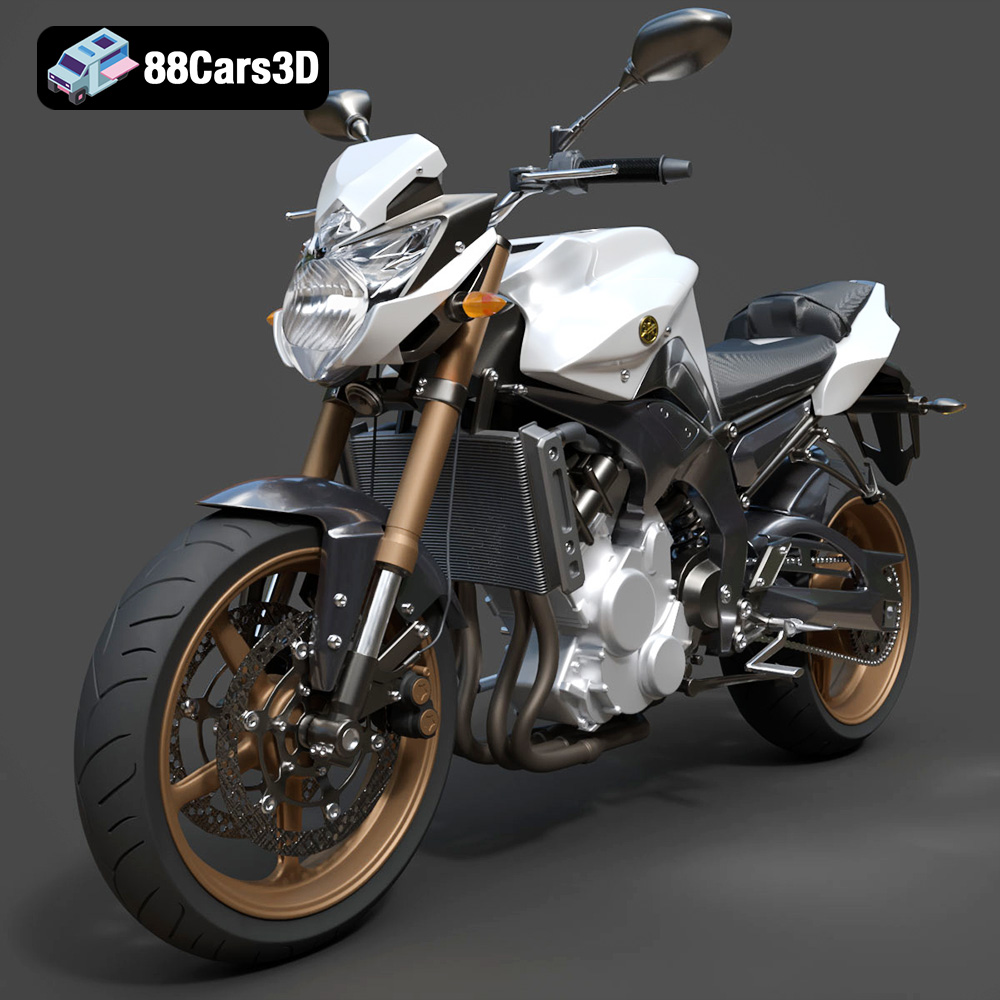
Texture: Yes
Material: Yes
Download the Yamaha FZ8 2011 3D Model featuring clean geometry, realistic detailing, and a fully modeled interior. Includes .blend, .fbx, .obj, .glb, .stl, .ply, .unreal, and .max formats for rendering, simulation, and game development.
Price: $19.99
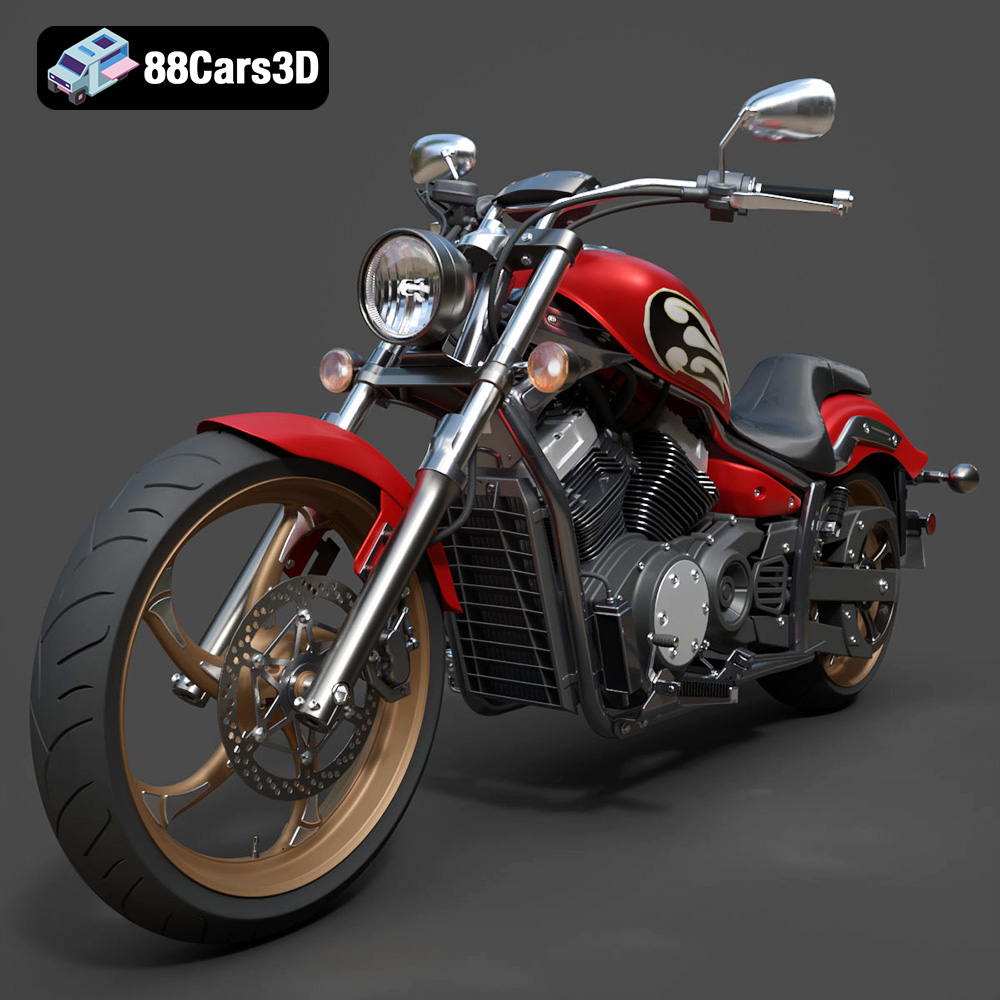
Texture: Yes
Material: Yes
Download the Yamaha Stryker 2012 3D Model featuring clean geometry, realistic detailing, and a fully modeled interior. Includes .blend, .fbx, .obj, .glb, .stl, .ply, .unreal, and .max formats for rendering, simulation, and game development.
Price: $19.99
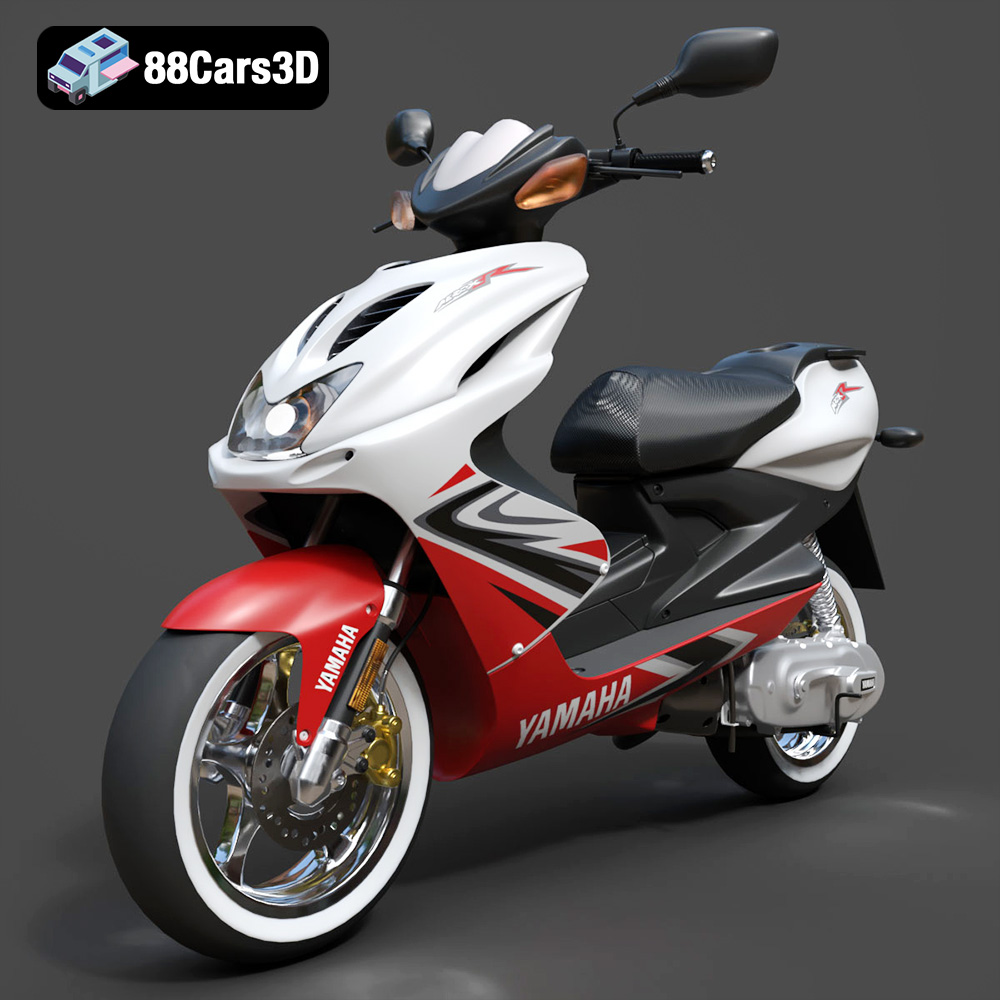
Texture: Yes
Material: Yes
Download the Yamaha Aerox R-002 2024 3D Model featuring clean geometry, realistic detailing, and a fully modeled interior. Includes .blend, .fbx, .obj, .glb, .stl, .ply, .unreal, and .max formats for rendering, simulation, and game development.
Price: $19.99
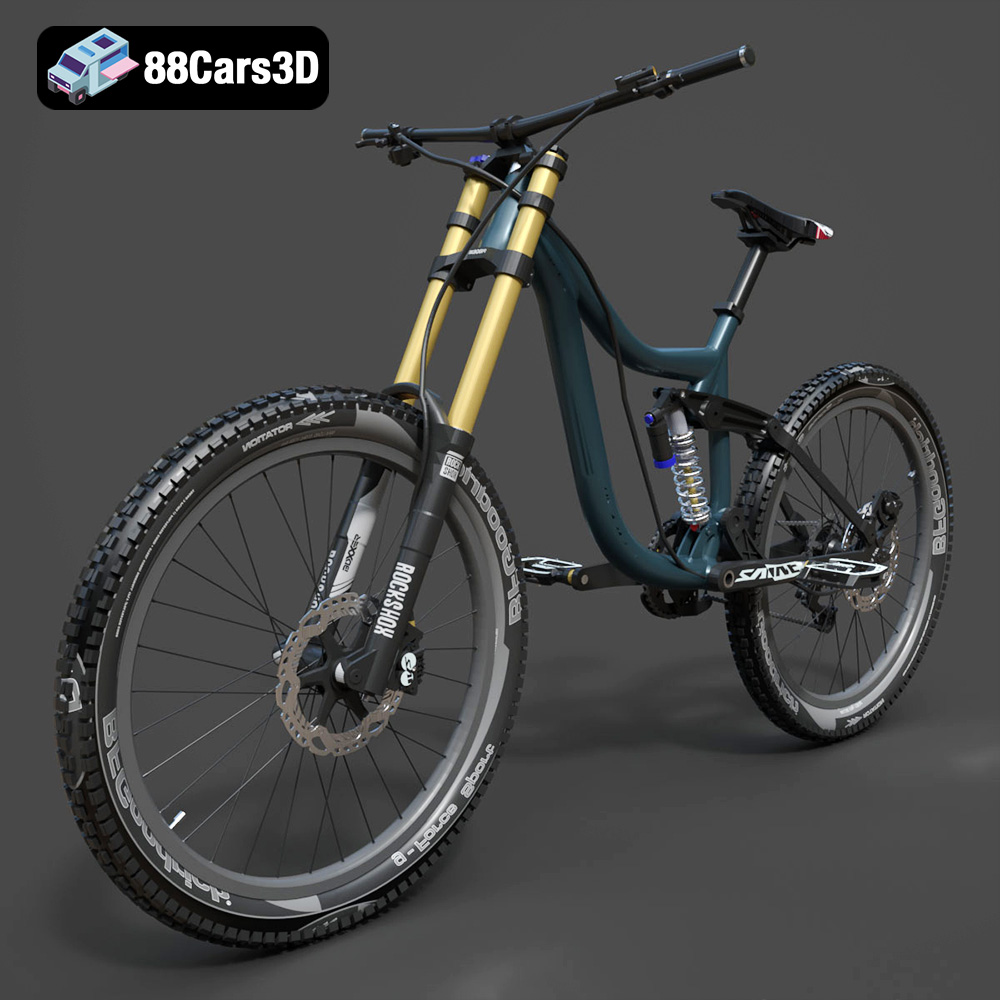
Texture: Yes
Material: Yes
Download the Mototsikly Downhill Bike-002 3D Model featuring clean geometry, realistic detailing, and precise mechanical components. Includes .blend, .fbx, .obj, .glb, .stl, .ply, .unreal, and .max formats for rendering, simulation, and game development.
Price: $19.99
Texture: Yes
Material: Yes
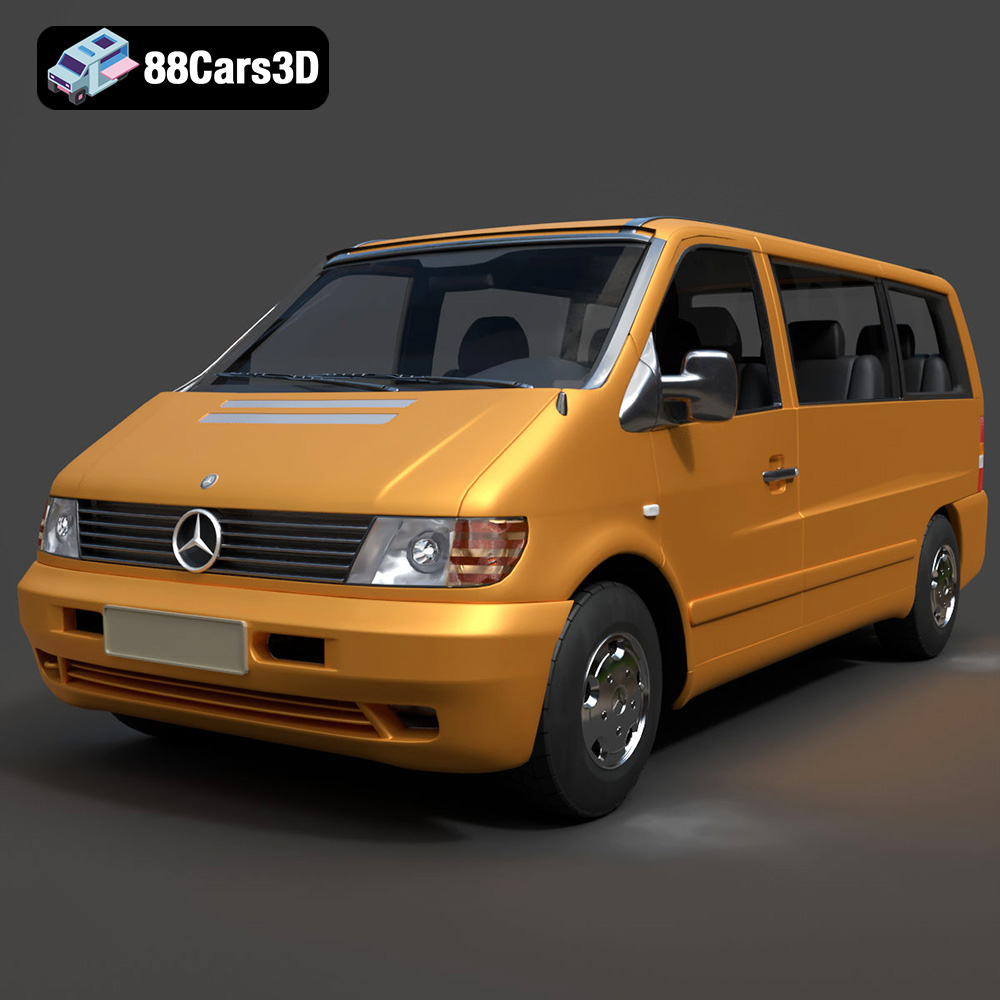
Download the Mercedes-Benz Vito Passenger Van 3D Model featuring clean geometry, realistic detailing, and a fully modeled interior. Includes .blend, .fbx, .obj, .glb, .stl, .ply, .unreal, and .max formats for rendering, simulation, and game development.
Price: $19.99
Texture: Yes
Material: Yes
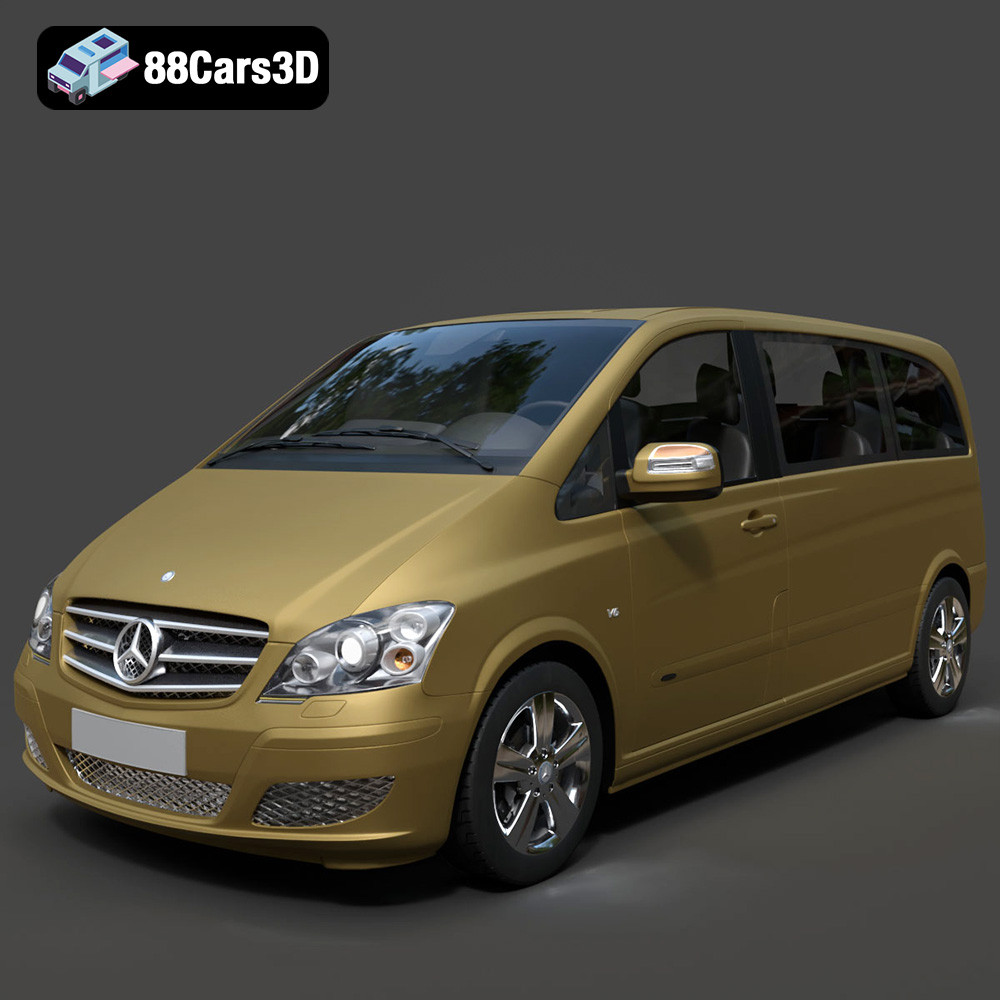
Download the Mercedes-Benz Viano 2010 3D Model featuring clean geometry, realistic detailing, and a fully modeled interior. Includes .blend, .fbx, .obj, .glb, .stl, .ply, .unreal, and .max formats for rendering, simulation, and game development.
Price: $19.99

Texture: Yes
Material: Yes
Download the Emt Avtobus 007 3D Model featuring clean geometry, realistic detailing, and a fully modeled interior. Includes .blend, .fbx, .obj, .glb, .stl, .ply, .unreal, and .max formats for rendering, simulation, and game development.
Price: $19.99
Texture: Yes
Material: Yes
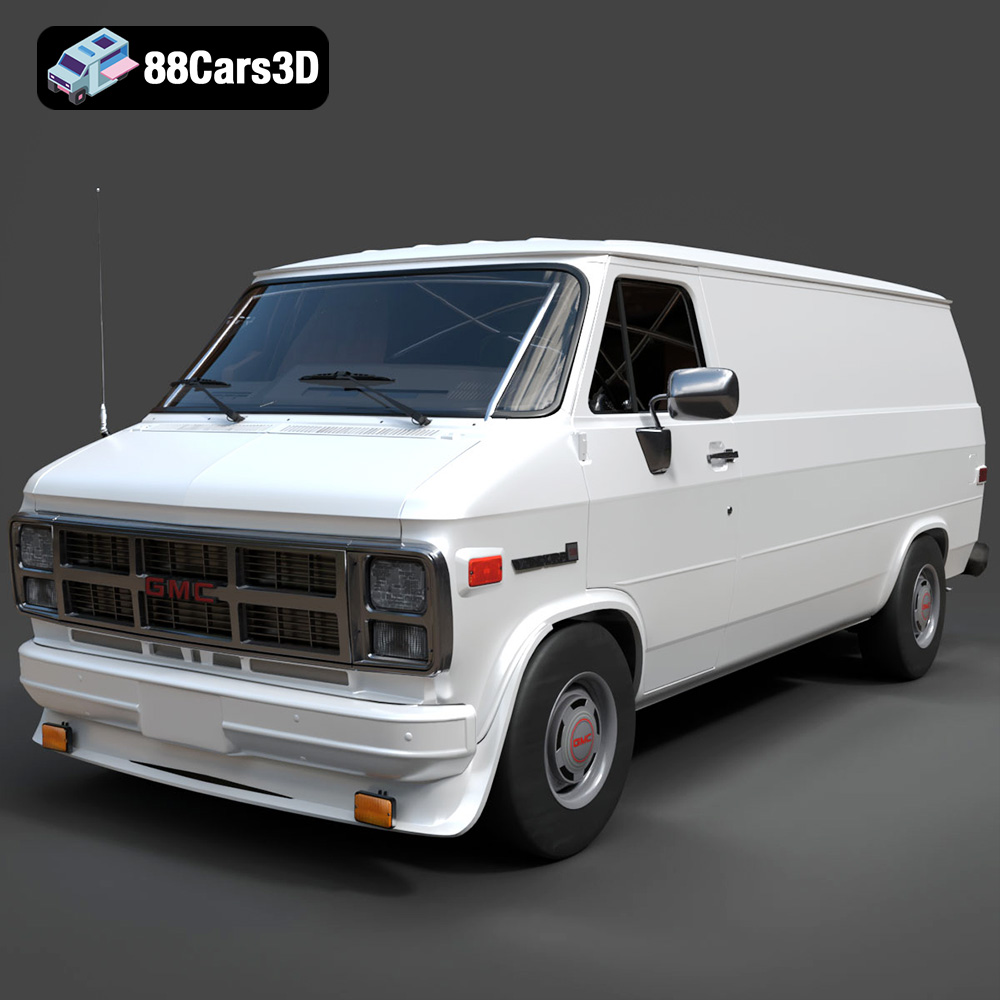
Download the GMC Vandura G-1500 1983 3D Model featuring clean geometry, realistic detailing, and a fully modeled interior. Includes .blend, .fbx, .obj, .glb, .stl, .ply, .unreal, and .max formats for rendering, simulation, and game development.
Price: $19.99

Texture: Yes
Material: Yes
Download the Ford E-450 Ambulance 3D Model featuring clean geometry, realistic detailing, and a fully modeled interior. Includes .blend, .fbx, .obj, .glb, .stl, .ply, .unreal, and .max formats for rendering, simulation, and game development.
Price: $19.99

Texture: Yes
Material: Yes
Download the Fiat Ducato SWB-001 3D Model featuring clean geometry, realistic detailing, and a fully modeled interior. Includes .blend, .fbx, .obj, .glb, .stl, .ply, .unreal, and .max formats for rendering, simulation, and game development.
Price: $19.99

