Unleashing Innovation: A Comprehensive Guide to 3D Printing Custom Car Parts
The automotive world is undergoing a silent revolution, one driven by the incredible capabilities of additive manufacturing. Gone are the days when custom car parts were the exclusive domain of highly specialized fabricators with exorbitant costs and lengthy lead times. Today, 3D printing empowers enthusiasts, designers, and engineers alike to transform digital visions into tangible reality, creating bespoke components ranging from aesthetic enhancements to functional prototypes. Whether you’re looking to restore a classic with hard-to-find parts, personalize your modern vehicle, or prototype an innovative performance upgrade, 3D printing offers an unparalleled avenue for creativity and precision.
This comprehensive guide will take you on a journey from the initial concept of a 3D car model to holding a finished, custom-printed part in your hand. We’ll delve into the intricacies of preparing your digital assets, selecting the right printing technology and materials, optimizing slicer settings, and mastering post-processing techniques. By the end of this tutorial, you’ll possess the technical knowledge and practical insights needed to confidently embark on your own custom automotive 3D printing projects, unlocking a new dimension of design and functionality for your vehicle. We’ll bridge the gap between high-quality 3D models – such as those found on platforms like 88cars3d.com – and their physical manifestation, empowering you to innovate like never before.
The Digital Foundation: Sourcing or Creating Your 3D Car Model
Every successful 3D print begins with a robust and well-prepared 3D model. For automotive applications, this initial digital asset is paramount, as it dictates the final quality, fitment, and functionality of your custom part. The journey to a printable model can take one of two main paths: modifying an existing high-quality model or designing a part from scratch. Regardless of the route, understanding the specific requirements for 3D printing is crucial.
Understanding 3D Model Requirements for 3D Printing
Unlike models destined solely for rendering or game engines, 3D printable models must represent a solid, physical object. This means the mesh needs to be “watertight” or “manifold.” Imagine filling your digital model with water; if it leaks, it’s not manifold. Essential characteristics include:
- Watertight Mesh: No holes or gaps in the surface geometry. Every edge must be shared by exactly two faces. Non-manifold edges, inverted normals, and self-intersections are common issues that must be resolved.
- Correct Scale and Units: Your model must be designed and exported in the correct real-world units (e.g., millimeters or inches) to ensure the printed part fits as intended. Discrepancies here can lead to frustrating misprints.
- Appropriate Polygon Count: While high polygon counts are desirable for smooth rendered surfaces, for 3D printing, an overly dense mesh can complicate repair and processing without adding significant print fidelity. Conversely, a mesh that is too low-poly might show faceted surfaces in the final print. The ideal lies in balancing detail with manageability, ensuring curves appear smooth but not creating unnecessary geometric complexity.
- Wall Thickness: The thickness of all walls and features must exceed the minimum capability of your chosen 3D printer and material. Too thin, and features will break during printing or post-processing, or simply not print at all.
Leveraging Existing 3D Car Models
For many custom car parts, especially those focused on aesthetic modifications or replicating existing components, starting with a high-quality base model can significantly accelerate your workflow. Platforms like 88cars3d.com offer a vast array of detailed 3D car models that can serve as excellent starting points. When sourcing models from marketplaces such as 88cars3d.com, it’s vital to:
- Assess Model Quality: Look for models with clean topology, realistic materials (though materials won’t be printed, they indicate overall model quality), and accurate proportions. While UV mapping and PBR materials are crucial for rendering, for 3D printing, the underlying geometry is king.
- Identify Modifiable Elements: A full vehicle model can be sectioned or modified to extract specific components like a spoiler, a dashboard piece, or an emblem. You might need to use modeling software to isolate, refine, and close off these sections to create a watertight mesh suitable for printing.
- Convert and Clean Up File Formats: Often, models are provided in formats like FBX or OBJ, which are excellent for game development or rendering. However, these may contain issues (like non-manifold geometry or unjoined vertices) that need to be addressed in a dedicated 3D modeling application like Blender, Maya, or 3ds Max before exporting for print.
Designing from Scratch: Tools and Techniques
When creating truly custom or highly functional parts – such as a bespoke bracket, an intake manifold component, or a unique interior trim piece – designing from scratch offers maximum control. This path often involves Computer-Aided Design (CAD) software, which excels at creating precise, dimensionally accurate models:
- CAD Software: Tools like Fusion 360, SolidWorks, Onshape, or FreeCAD are ideal for engineering-focused parts. They allow for parametric design, making it easy to revise dimensions and ensure exact fitment. Features like fillets, chamfers, and precise hole placements are effortlessly achieved.
- Polygon Modeling Software (for complex organic shapes): For more artistic or organic custom parts, such as complex grilles or body kit elements, polygon modelers like Blender (check the official Blender 4.4 documentation at https://docs.blender.org/manual/en/4.4/ for in-depth tools and workflows), ZBrush, or Maya can be more suitable. Here, the emphasis is on sculpting and manipulating mesh geometry to achieve desired forms. The challenge then becomes ensuring the resulting mesh is manifold and suitable for printing.
- Design Intent: Always design with the final function and manufacturing process in mind. Consider how the part will be assembled, the stresses it will endure, and the limitations of your chosen 3D printer and material.
Preparing Your 3D Model for Impeccable 3D Printing
Once you have your base 3D model, the next crucial phase is rigorous preparation. Even a perfectly designed model might not be print-ready without a few essential steps. This stage focuses on ensuring the geometry is flawless, optimized for the printer, and structurally sound to guarantee a successful physical output.
Mesh Repair and Watertightness
As previously mentioned, a watertight, manifold mesh is the cornerstone of successful 3D printing. Many common issues arise from the digital modeling process, especially when working with imported files or complex geometries. Identifying and resolving these errors is non-negotiable:
- Common Issues:
- Non-manifold Geometry: Edges connected to more than two faces, or floating vertices/edges.
- Inverted Normals: Faces pointing inwards instead of outwards, which confuses the slicer about what is “inside” and “outside” the model.
- Holes: Gaps in the mesh surface that prevent it from being a solid object.
- Self-intersections: When different parts of the mesh pass through each other, creating ambiguous geometry.
- Software Tools for Repair:
- Blender’s 3D Print Toolbox Addon: Blender, a powerful open-source 3D suite, offers a fantastic built-in “3D Print Toolbox” addon. Activate it in preferences, and you’ll find a dedicated panel to “Check All” common issues like non-manifold edges, intersections, and thin walls. The “Make Manifold” operation, found within the toolbox, is incredibly useful for automatically sealing holes and correcting some non-manifold geometry, though manual cleanup is often still required for complex errors. For detailed instructions on using these tools, refer to the official Blender 4.4 documentation.
- Meshmixer: Autodesk Meshmixer is a free tool specifically designed for mesh editing and repair. Its “Inspector” tool can automatically detect and fix many common issues with remarkable efficiency.
- Netfabb (now Autodesk Netfabb): A professional-grade software for advanced mesh repair, optimization, and preparation, often used in industrial settings for complex geometries and rigorous quality control.
Scaling and Orientation
Correct scaling ensures your custom part fits perfectly, while optimal orientation on the print bed influences both print quality and structural integrity:
- Precise Scaling: Always verify your model’s dimensions against the real-world part it’s replacing or complementing. Most slicers allow you to scale your model, but it’s best practice to ensure the model is correctly scaled in your 3D modeling software before export (e.g., 1 unit = 1mm). Double-check the units setting in your slicer to avoid common scaling errors.
- Strategic Orientation: The way a part is positioned on the build plate significantly impacts print success:
- Strength: For FDM prints, layers adhere strongest along the X-Y plane. Orient the part so that critical load-bearing features are primarily aligned with this plane, minimizing stress on layer lines. For example, a bracket should be printed on its side rather than standing upright, if possible, to put stress across layers instead of along them.
- Support Minimization: Minimize overhangs that require support structures. Overhangs typically create poorer surface finish and require post-processing. Try to orient the model to utilize the steepest possible angle that doesn’t need supports (often around 45-60 degrees for FDM).
- Surface Quality: Critical aesthetic surfaces should face upwards or be aligned to minimize visible layer lines or contact points from supports.
- Adhesion: Maximize the contact area between the first layer and the print bed for better adhesion, especially for materials prone to warping.
Hollowing and Infill Strategies
Optimizing for material usage and part strength is essential, especially for larger components or when using expensive materials:
- Hollowing: For solid objects that don’t require immense internal strength, hollowing out the model can drastically reduce material consumption and print time. Most slicers offer a hollowing feature where you specify a wall thickness. Ensure you add drain holes (typically 2-3mm diameter) to hollow parts printed with resin (SLA/DLP) to allow uncured resin to escape and prevent suction forces.
- Infill Patterns and Density: The internal structure of your print, known as infill, plays a critical role in part strength, weight, and print time:
- Density: Typically expressed as a percentage. 0-10% for aesthetic models, 20-30% for general functional parts, 40-60% for stronger parts, and 80-100% for maximum strength or watertight applications.
- Patterns:
- Grid/Lines: Simple, fast, but anisotropic strength.
- Honeycomb/Triangles: Good strength-to-weight ratio, more isotropic.
- Gyroid: Excellent isotropic strength, good material distribution, but can increase print time.
- Cubic/Adaptive: Often used for its excellent strength properties and efficient material use.
Choosing the Right 3D Printing Technology and Materials
The world of 3D printing offers a diverse range of technologies, each with its unique strengths and ideal applications. For custom automotive parts, selecting the appropriate printer type and material is paramount to achieving the desired functionality, aesthetics, and durability. Understanding the characteristics of FDM, SLA/DLP, and SLS, alongside specific material properties, will guide your decision-making.
FDM (Fused Deposition Modeling) for Automotive Parts
FDM is the most common and accessible 3D printing technology, ideal for hobbyists and professionals alike due to its affordability and versatility. It works by extruding a thermoplastic filament layer by layer.
- Pros:
- Cost-Effective: Both printers and materials are generally inexpensive.
- Wide Material Choice: Compatible with a vast array of thermoplastics like PLA, ABS, PETG, Nylon, and advanced composites (carbon fiber or glass fiber reinforced filaments).
- Large Build Volumes: Many FDM printers offer substantial build areas, suitable for larger car components.
- Cons:
- Visible Layer Lines: Parts often exhibit a textured surface, requiring post-processing for smooth finishes.
- Anisotropic Strength: Parts are typically weaker along the Z-axis (between layers) due to less perfect layer adhesion.
- Lower Detail Resolution: FDM struggles with very fine details compared to resin-based methods.
- Best for Automotive Applications: Prototyping, non-critical functional parts (e.g., interior organizers, trim pieces, temporary fixtures), aesthetic modifications (e.g., custom emblems, dash covers, phone mounts), and jigs. PLA is good for prototyping, PETG for more durable interior parts, and ABS/Nylon for higher heat resistance and strength.
SLA/DLP (Stereolithography/Digital Light Processing) for Detail
SLA and DLP technologies use UV light to cure liquid resin, layer by layer, offering exceptional detail and smooth surface finishes.
- Pros:
- High Resolution and Detail: Capable of printing incredibly fine features and intricate geometries.
- Smooth Surface Finish: Parts emerge with a remarkably smooth surface, often requiring minimal post-processing for aesthetics.
- Isotropic Properties: Resin prints tend to have more uniform strength across all axes compared to FDM.
- Cons:
- Higher Cost: Printers and resins are more expensive than FDM.
- Limited Material Choice: While various resins exist (tough, flexible, high-temp), the range is smaller than FDM thermoplastics.
- Post-Processing: Requires washing and UV post-curing, and resins can be messy to work with.
- Smaller Build Volumes: Most desktop resin printers have smaller build areas.
- Best for Automotive Applications: Highly detailed aesthetic parts (e.g., scale models, intricate interior trim, custom badges), molds for casting other materials, small functional prototypes requiring precision, and complex components where surface finish is critical.
SLS (Selective Laser Sintering) for Strength and Functionality
SLS uses a laser to sinter powdered material, typically Nylon, into a solid structure. It builds parts within a powder bed, meaning no support structures are needed for overhangs.
- Pros:
- Exceptional Strength and Durability: Produces very strong, robust, and functional parts with isotropic mechanical properties.
- Complex Geometries: Capable of printing highly intricate designs without the need for supports.
- Excellent Surface Finish: Parts have a slightly porous but uniform matte finish.
- Cons:
- High Cost: SLS printers and materials are significantly more expensive than FDM or SLA, often requiring industrial-grade equipment.
- Limited Accessibility: Most users access SLS through service bureaus rather than owning a machine.
- Post-Processing: Requires depowdering, which can be messy.
- Best for Automotive Applications: End-use functional parts, robust prototypes, complex intake manifolds, custom brackets, internal components, and jigs/fixtures that demand high mechanical performance and durability.
Material Selection for Automotive Applications
The choice of material is as critical as the printing technology. Each thermoplastic or resin has unique properties:
- PLA (Polylactic Acid): Easy to print, low cost. Good for aesthetic prototyping, but has low heat resistance and can deform in a hot car interior.
- ABS (Acrylonitrile Butadiene Styrene): Higher heat resistance, good impact strength, often used in OEM car parts. Requires an enclosed printer to prevent warping.
- PETG (Polyethylene Terephthalate Glycol): A good all-rounder, offering better heat resistance than PLA, good layer adhesion, and moderate strength. Often used for interior car parts.
- Nylon (Polyamide): Excellent strength, flexibility, abrasion resistance, and chemical resistance. Ideal for gears, clips, and robust functional components. Can be tricky to print due to moisture absorption and warping.
- Carbon Fiber/Glass Fiber Reinforced Filaments: These composite materials significantly boost strength, stiffness, and heat deflection of base plastics (e.g., Carbon Fiber Nylon, Carbon Fiber PETG), making them suitable for high-performance automotive applications. Require hardened nozzles.
- Resins (SLA/DLP): Standard resins for detail, “Tough” resins for increased impact resistance, “High-Temp” resins for under-hood applications or mold making.
Slicer Settings and Print Optimization
The slicer is the bridge between your 3D model and your 3D printer. It translates your digital design into machine-readable G-code, layer by layer, dictating every movement of the print head and every detail of the material deposition. Mastering slicer settings is crucial for achieving high-quality, strong, and reliable custom car parts.
Key Slicer Parameters for Quality and Strength
Even with the perfect model and material, incorrect slicer settings can lead to print failure or subpar results. Here are the critical parameters:
- Layer Height: This setting determines the thickness of each printed layer.
- Lower Layer Height (e.g., 0.1mm – 0.15mm): Results in finer detail, smoother surfaces, and stronger parts (due to more layers, hence more surface area for adhesion). However, it significantly increases print time.
- Higher Layer Height (e.g., 0.2mm – 0.3mm): Leads to faster prints but visible layer lines and potentially weaker parts.
- Recommendation: For aesthetic car parts, aim for lower layer heights. For functional prototypes where speed is key, a higher layer height might be acceptable.
- Wall Thickness (Perimeters/Shells): This defines the number of vertical layers that make up the outer shell of your part.
- More perimeters (e.g., 3-5) lead to significantly stronger parts, especially for FDM, as the outer shell contributes most to overall strength. It also improves the aesthetic finish by minimizing infill bleed-through.
- For most functional automotive parts, aim for at least 3-4 perimeters to ensure robustness.
- Print Speed: Directly impacts print time and quality.
- Slower Speeds: Generally yield higher quality, better layer adhesion, and fewer artifacts like ringing or ghosting. Essential for intricate details.
- Faster Speeds: Reduce print time but can compromise surface finish, layer adhesion, and increase the likelihood of skipped steps or clogs.
- Recommendation: Find a balance. Print outer walls slower for aesthetics, and infill faster to save time.
- Retraction Settings: Controls how much filament is pulled back into the nozzle when the print head moves between separate sections of the model.
- Proper retraction prevents “stringing” (fine wisps of plastic between features) and “oozing” (unwanted material deposition).
- Settings include retraction distance and retraction speed, which often require fine-tuning for specific filaments.
Support Structures: When and How
Overhangs in your model that exceed your printer’s unsupported angle capabilities (typically 45-60 degrees for FDM) will require support structures to prevent printing into thin air:
- Types of Supports:
- Tree Supports: Often more material-efficient and easier to remove, branching out like a tree.
- Linear/Grid Supports: Traditional solid or grid-like structures that provide robust support but can be harder to remove and leave more surface marks.
- Overhang Angle: Define the angle at which supports are generated. A 45-degree angle is a common starting point.
- Support Density: Higher density means stronger supports, but also more material usage and harder removal. Lower density is faster and uses less material but might not adequately support steep overhangs.
- Support Interface Settings: Crucial for ease of removal and surface finish. Adjusting the “Z-distance” (gap between support and model) and “support roof/floor” can create a smoother surface where supports connect, making them easier to snap off cleanly.
Adhesion and Warping Prevention
Ensuring the first layer sticks firmly to the print bed is paramount, especially for larger parts or materials prone to warping like ABS or Nylon:
- Build Plate Adhesion Techniques:
- Brim: Adds a single-layer, flat perimeter around the base of your part, increasing surface area for adhesion without touching the model’s footprint directly. Excellent for small or tall parts.
- Raft: Prints a thick, disposable grid of material under the entire first layer of your part. Provides maximum adhesion and helps with uneven beds but uses more material and can leave a rougher bottom surface.
- Skirt: Simply prints a line around the part without touching it, primaring the nozzle and checking bed leveling. Does not aid adhesion.
- Temperature Control:
- Heated Bed: Essential for most materials (especially ABS, PETG, Nylon) to prevent warping by keeping the bottom layers warm and adhering.
- Nozzle Temperature: Adhere to the manufacturer’s recommended temperature range for your filament.
- Enclosure: For materials like ABS that are highly prone to warping and cracking due to uneven cooling, an enclosed print chamber maintains a stable, warm environment around the print.
- Build Plate Surfaces: Different surfaces work best with different materials: glass (with glue stick or hairspray), PEI sheets, or textured magnetic beds.
Post-Processing and Finishing Your Custom Car Part
The journey from a raw 3D print to a polished, functional custom car part doesn’t end when the printer finishes. Post-processing is a critical stage that can significantly enhance the part’s aesthetics, strength, and integration into your vehicle. This phase requires patience and attention to detail, transforming a layered plastic object into something truly refined.
Removing Supports and Initial Cleanup
If your part required support structures, their removal is the first step in post-processing. Done incorrectly, this can damage your part:
- Tools for Support Removal:
- Flush Cutters/Snips: Ideal for carefully snipping away larger support structures close to the model.
- Needle-Nose Pliers: Useful for gripping and twisting off stubborn support pieces.
- Deburring Tools: Excellent for scraping away small tags and burrs left by supports on flat edges.
- Hobby Knives/Scalpels: For precision trimming and cleaning tight corners.
- Technique: Work slowly and methodically. For FDM prints, sometimes heating the area slightly (with a heat gun on a low setting) can make brittle supports more pliable and easier to remove cleanly. Be careful not to overheat and deform the part. For SLA prints, supports are often cured and snapped off after the initial wash, sometimes before final UV curing, depending on the resin and desired strength.
- Initial Cleanup: After removing the bulk of the supports, use sanding sticks, files, or sandpaper (starting with a coarse grit like 120-220) to remove any remaining nubs or rough patches where supports were attached.
Surface Finishing Techniques
To achieve a professional look and feel, especially for aesthetic car parts, further surface refinement is necessary:
- Sanding: This is the most common and effective method for smoothing FDM parts.
- Progressive Grits: Start with a relatively coarse grit (e.g., 220, 320) to remove prominent layer lines. Gradually move to finer grits (400, 600, 800, 1000, 1500, and even 2000) for a progressively smoother finish.
- Wet Sanding: Using water during sanding reduces friction, prevents clogging of sandpaper, and produces a finer finish. This is especially useful for later, finer grits.
- Primer Filler: After initial sanding, apply a sandable primer filler. This fills minor imperfections and remaining layer lines. Sand the primer smooth, and repeat the primer-sand cycle until the surface is perfectly uniform.
- Painting: Once the surface is smooth and primed, the part is ready for paint.
- Automotive Spray Paints: Use paints designed for automotive applications for durability and a good finish.
- Multiple Thin Coats: Apply several light, even coats rather than one thick coat to avoid drips and ensure uniform coverage.
- Clear Coat: For a glossy finish and added protection, apply a clear coat after the color coat has dried.
- Vapor Smoothing (for ABS): For ABS parts, vapor smoothing with acetone can dissolve and re-flow the outer layers, resulting in an incredibly smooth, glossy finish without sanding. This technique requires caution due to the flammability and toxicity of acetone.
- Epoxy Coatings: Applying a thin layer of brush-on or spray-on epoxy resin can fill layer lines and provide a durable, smooth, and often glossy finish to any plastic print.
Assembly and Integration
The final stage involves bringing your custom part to life by assembling it, if necessary, and integrating it seamlessly into your vehicle:
- Joining Multiple Printed Parts: If your custom part was printed in multiple pieces (due to print volume limitations or for assembly purposes), you’ll need to join them.
- Adhesives: Super glue (cyanoacrylate) is fast and effective for many plastics. Epoxy adhesives provide a stronger, more permanent bond for structural parts. Plastic welding or solvent welding (for materials like ABS) can create very strong, seamless joints.
- Mechanical Fasteners: Design parts with interlocking features, bolt holes, or slots for screws to allow for robust and potentially removable assembly.
- Integrating with Existing Car Components: Carefully test fitment. Minor adjustments might be needed, which can often be achieved with careful sanding, filing, or drilling.
- Fastening Methods:
- Screws and Bolts: Design pilot holes for self-tapping screws or incorporate threaded inserts during or after printing for machine screws, ensuring a secure attachment.
- Clips and Snaps: For interior trim or cosmetic parts, design integrated clips or snap-fit features that mimic OEM designs for a clean, tool-less attachment.
- Automotive Adhesives: For non-structural or aesthetic parts, specialized automotive double-sided tape or strong adhesives can be used for secure mounting.
Advanced Applications and Considerations
Beyond simply creating replacement or aesthetic parts, 3D printing unlocks a realm of advanced possibilities for automotive enthusiasts and professionals. From rapid functional prototyping to creating specialized manufacturing aids, the technology’s versatility extends far beyond mere cosmetic upgrades. However, it’s also essential to consider the practical and ethical boundaries of this powerful tool.
Functional Prototyping and Iteration
One of the most significant advantages of 3D printing in the automotive sector is its capacity for rapid functional prototyping. This allows for quick, iterative design cycles that were once prohibitively expensive and time-consuming:
- Accelerated Design Validation: Instead of waiting weeks for a machined prototype, a 3D printed model can be produced in hours or days. This allows engineers and designers to quickly test fitment, ergonomics, airflow, and basic functionality of custom components like intake manifolds, dashboard layouts, or aerodynamic elements.
- Cost-Effective Iteration: Multiple design iterations can be printed and tested for a fraction of the cost of traditional manufacturing methods. This encourages experimentation and optimization, leading to superior final designs. Imagine designing a custom air duct, printing a version to test in the engine bay, identifying interference, revising the CAD model, and printing an improved version all within a single day.
- Real-World Testing: While 3D printed parts might not always have the final material properties for end-use, they are invaluable for verifying form, fit, and even some aspects of function in a real-world environment. This early validation significantly reduces risks and costs down the line.
Creating Molds and Jigs
3D printing isn’t just for creating final parts; it’s also an exceptional tool for manufacturing aids that facilitate other production processes:
- Custom Molds for Casting: 3D printers can produce highly detailed molds for casting other materials like silicone, polyurethane resins, or even low-melt metals. This is invaluable for replicating intricate car parts in a different material or for small-batch production. For example, you could 3D print a master pattern for a custom interior trim piece, then create a silicone mold from it, and finally cast multiple copies in a durable resin that matches your interior.
- Jigs and Fixtures: These are custom tools designed to hold parts precisely during assembly, machining, or painting. 3D printing allows for the creation of bespoke jigs tailored to specific, often complex, automotive components, ensuring accuracy and repeatability in repair or modification tasks. Need to precisely drill holes in a custom panel? Print a drill guide. Need to hold an oddly shaped component steady for sanding or painting? Print a custom fixture.
- Vacuum Forming Molds: For thin plastic parts like custom interior panels or aerodynamic elements, 3D printed molds can be used as forms for vacuum forming, offering a cost-effective way to produce custom plastic sheets.
Legal and Safety Considerations
While 3D printing offers immense freedom, it’s critical to approach certain applications with caution and awareness of legal and safety implications:
- Safety-Critical Components: Generally, it is not recommended to 3D print safety-critical parts such as structural chassis components, suspension arms, brake system components, or engine internals without extensive engineering validation, material testing, and professional certification. The anisotropic nature of FDM prints, the inherent weaknesses of many common 3D printing materials compared to forged or cast metals, and the potential for print defects make them unsuitable for applications where failure could lead to severe consequences. Always consult with a qualified automotive engineer if considering such applications.
- Material Limitations: Even advanced composite filaments may not withstand the extreme temperatures, pressures, and stresses found in certain areas of a vehicle (e.g., direct engine contact, high-pressure fuel lines). Understand your chosen material’s limitations thoroughly.
- Copyright and Intellectual Property: Be mindful of intellectual property rights when replicating or modifying existing car parts. While designing a unique custom part is fine, reproducing copyrighted or patented designs without permission can lead to legal issues. This is especially relevant if you plan to sell or distribute your custom parts.
- Regulatory Compliance: For parts that impact vehicle emissions, safety, or roadworthiness, ensure compliance with local automotive regulations. This is particularly important if your printed part replaces a component that falls under specific regulatory standards.
Conclusion
The ability to transform a digital 3D car model into a tangible, custom car part through 3D printing represents a paradigm shift in automotive customization, repair, and innovation. From the meticulous preparation of a watertight mesh to the careful selection of printing technology and materials, and finally, to the detailed post-processing and integration, each step is crucial in realizing your vision. We’ve explored how different 3D printing technologies like FDM, SLA, and SLS cater to varying needs for strength, detail, and cost, alongside the critical role of materials like ABS, Nylon, and advanced composites.
By mastering slicer settings, understanding support structures, and finessing post-processing techniques, you gain the power to create parts that are not only functional but also aesthetically pleasing. Furthermore, the capacity for rapid functional prototyping, mold creation, and jig fabrication opens up endless possibilities for accelerating design cycles and enhancing manufacturing processes. While the allure of 3D printing is immense, remember the importance of safety considerations and respecting intellectual property, especially for critical automotive components.
Embrace the revolution of additive manufacturing. Whether you’re a seasoned 3D artist, a game developer looking to bring assets to life, or an automotive designer pushing the boundaries of customization, 3D printing provides an accessible and powerful toolkit. Start your journey today by exploring the vast library of high-quality 3D car models available on platforms like 88cars3d.com, and begin transforming your digital dreams into physical realities for your vehicle.
Featured 3D Car Models
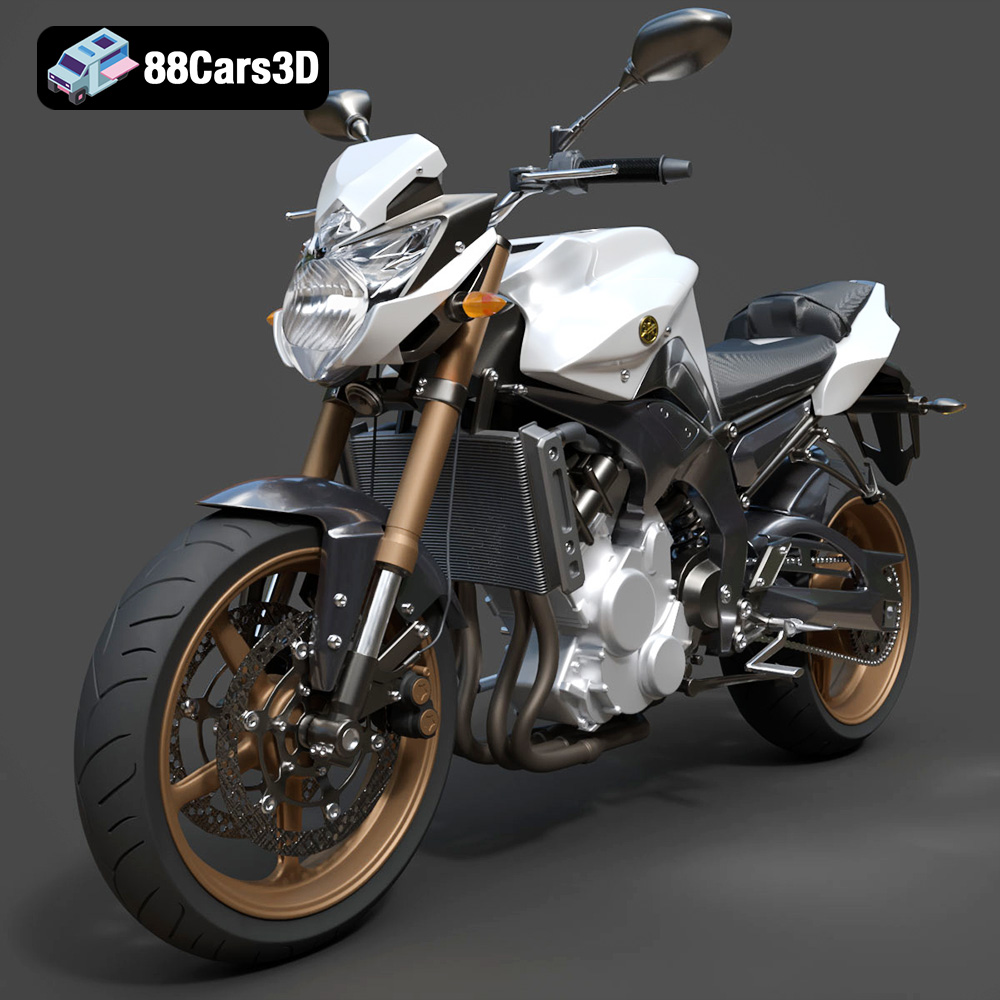
Texture: Yes
Material: Yes
Download the Yamaha FZ8 2011 3D Model featuring clean geometry, realistic detailing, and a fully modeled interior. Includes .blend, .fbx, .obj, .glb, .stl, .ply, .unreal, and .max formats for rendering, simulation, and game development.
Price: $19.99
View Product
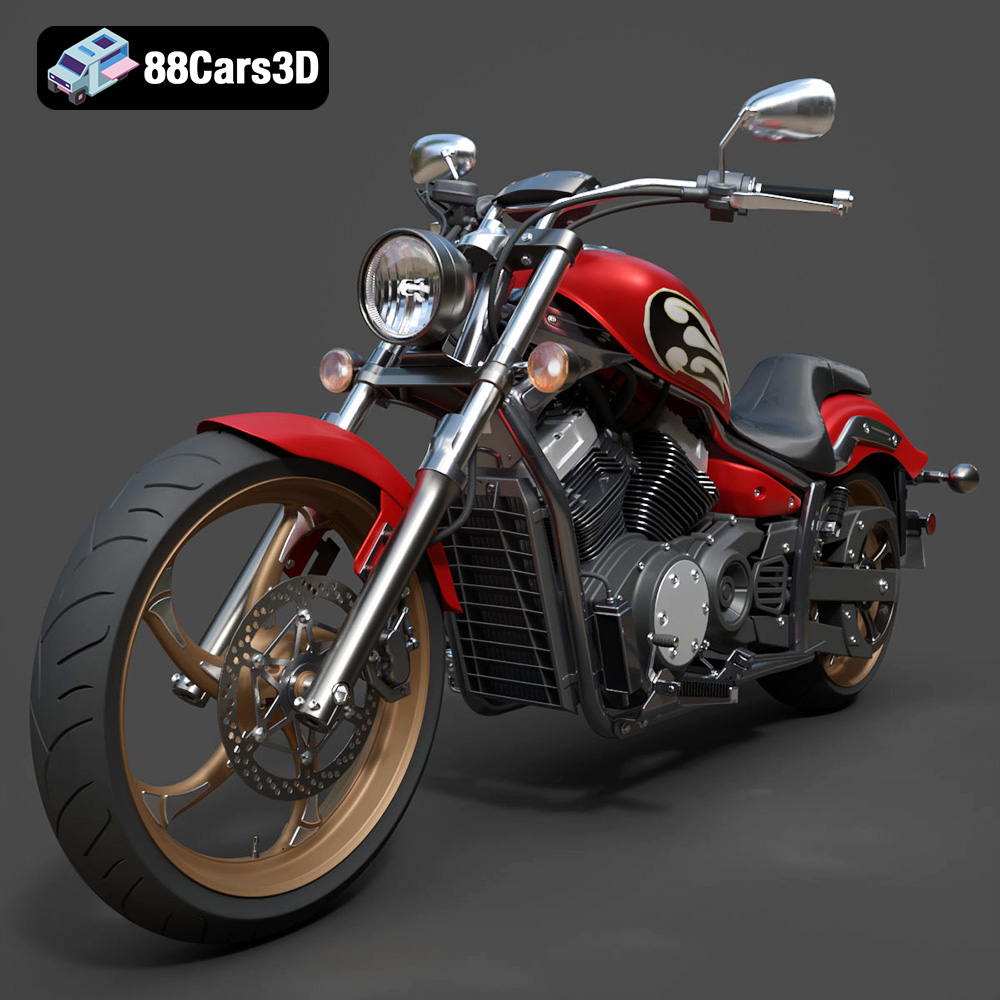
Texture: Yes
Material: Yes
Download the Yamaha Stryker 2012 3D Model featuring clean geometry, realistic detailing, and a fully modeled interior. Includes .blend, .fbx, .obj, .glb, .stl, .ply, .unreal, and .max formats for rendering, simulation, and game development.
Price: $19.99
View Product
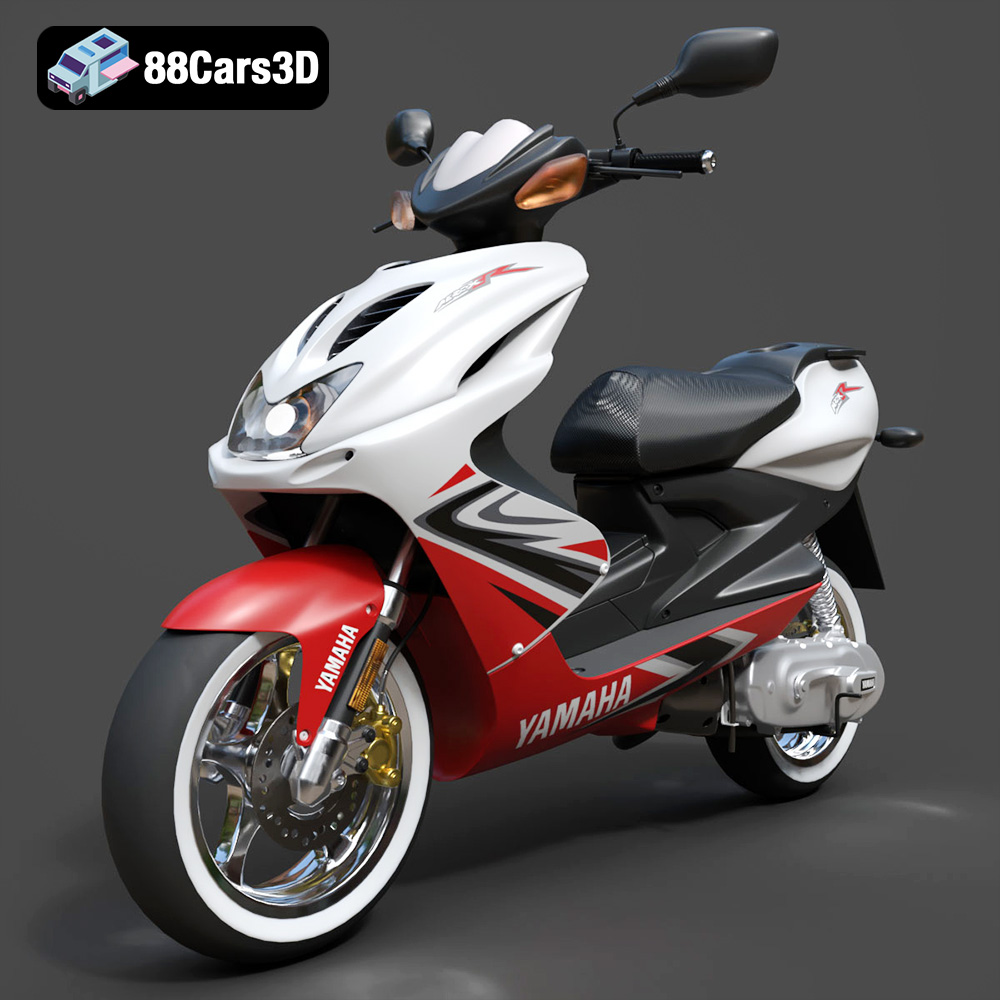
Texture: Yes
Material: Yes
Download the Yamaha Aerox R-002 2024 3D Model featuring clean geometry, realistic detailing, and a fully modeled interior. Includes .blend, .fbx, .obj, .glb, .stl, .ply, .unreal, and .max formats for rendering, simulation, and game development.
Price: $19.99
View Product
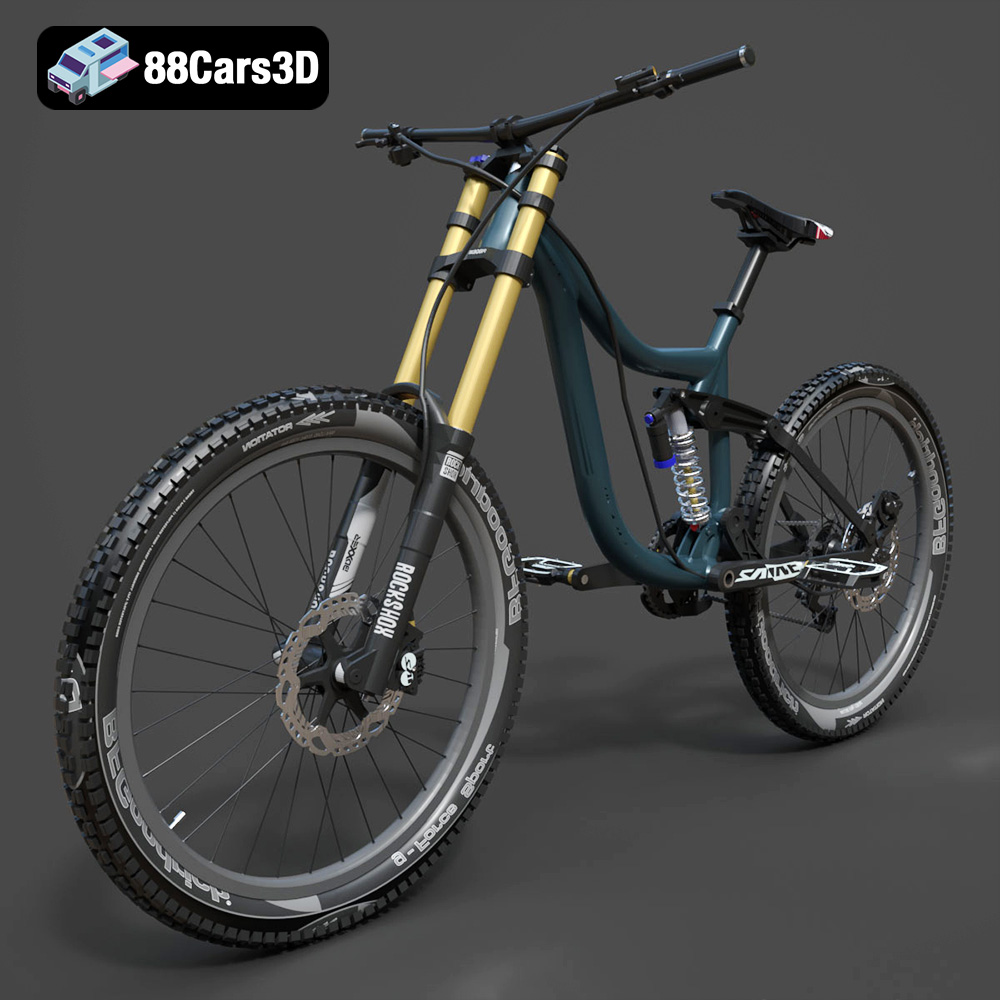
Texture: Yes
Material: Yes
Download the Mototsikly Downhill Bike-002 3D Model featuring clean geometry, realistic detailing, and precise mechanical components. Includes .blend, .fbx, .obj, .glb, .stl, .ply, .unreal, and .max formats for rendering, simulation, and game development.
Price: $19.99
View Product
Texture: Yes
Material: Yes
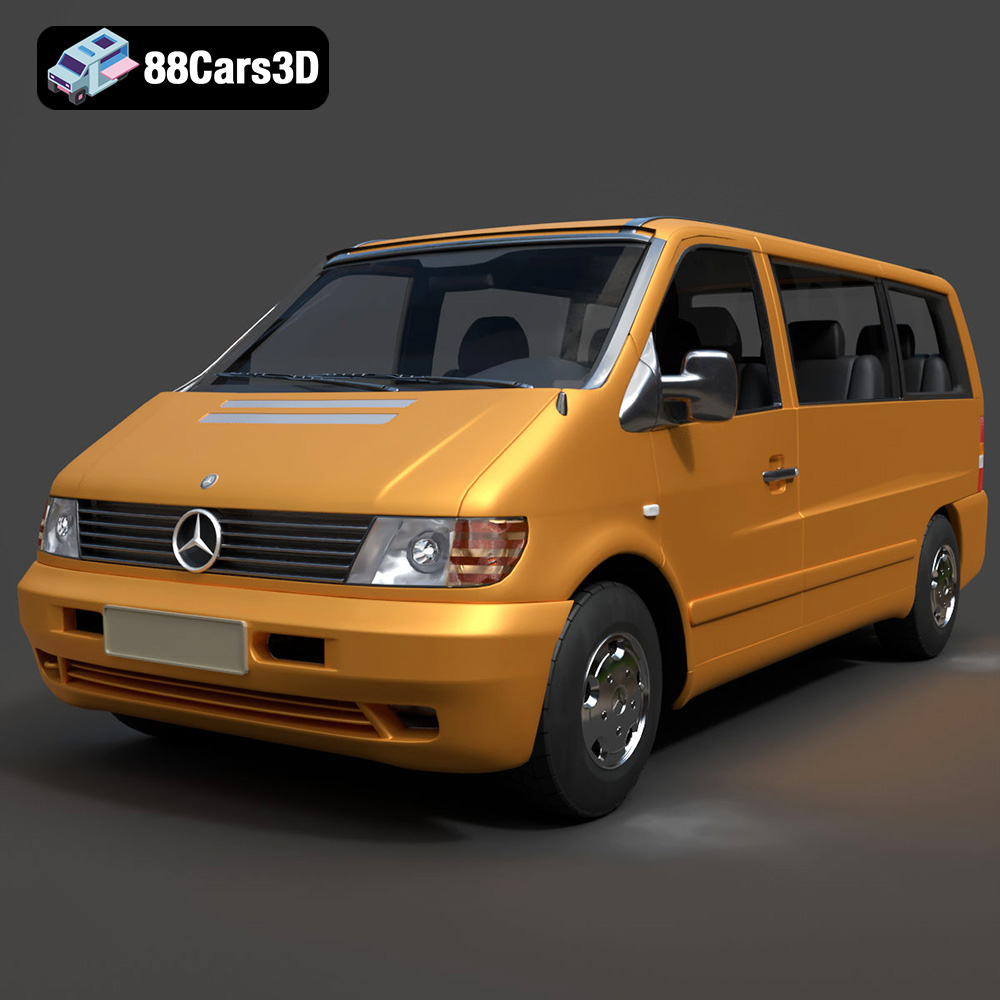
Download the Mercedes-Benz Vito Passenger Van 3D Model featuring clean geometry, realistic detailing, and a fully modeled interior. Includes .blend, .fbx, .obj, .glb, .stl, .ply, .unreal, and .max formats for rendering, simulation, and game development.
Price: $19.99
View Product
Texture: Yes
Material: Yes
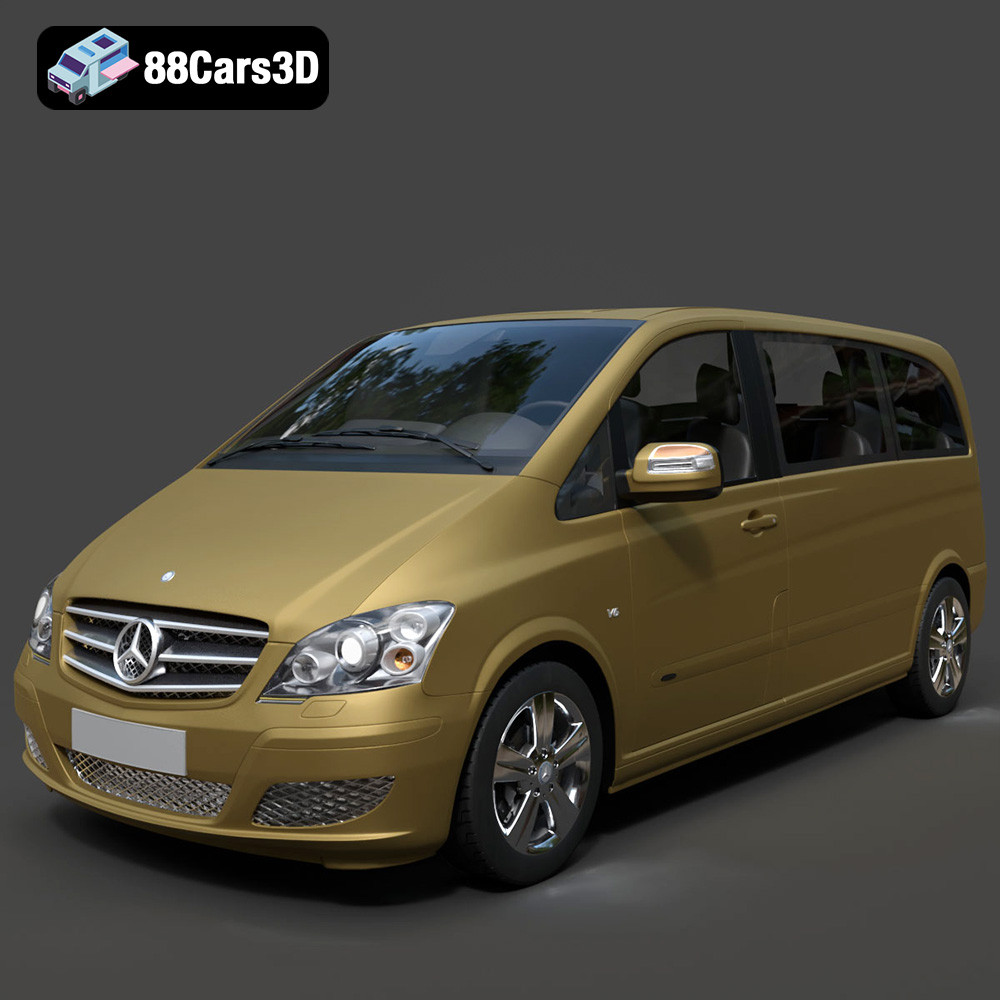
Download the Mercedes-Benz Viano 2010 3D Model featuring clean geometry, realistic detailing, and a fully modeled interior. Includes .blend, .fbx, .obj, .glb, .stl, .ply, .unreal, and .max formats for rendering, simulation, and game development.
Price: $19.99
View Product

Texture: Yes
Material: Yes
Download the Emt Avtobus 007 3D Model featuring clean geometry, realistic detailing, and a fully modeled interior. Includes .blend, .fbx, .obj, .glb, .stl, .ply, .unreal, and .max formats for rendering, simulation, and game development.
Price: $19.99
View Product
Texture: Yes
Material: Yes
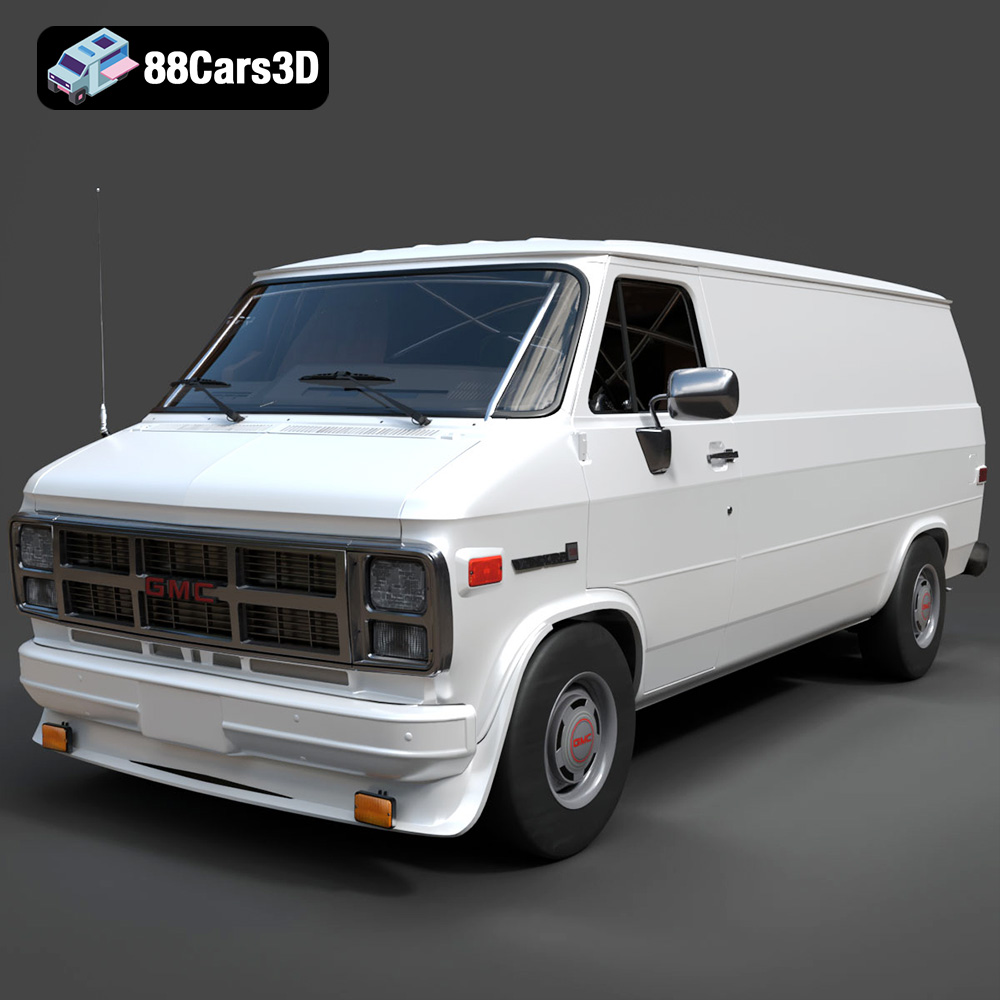
Download the GMC Vandura G-1500 1983 3D Model featuring clean geometry, realistic detailing, and a fully modeled interior. Includes .blend, .fbx, .obj, .glb, .stl, .ply, .unreal, and .max formats for rendering, simulation, and game development.
Price: $19.99
View Product
Texture: Yes
Material: Yes
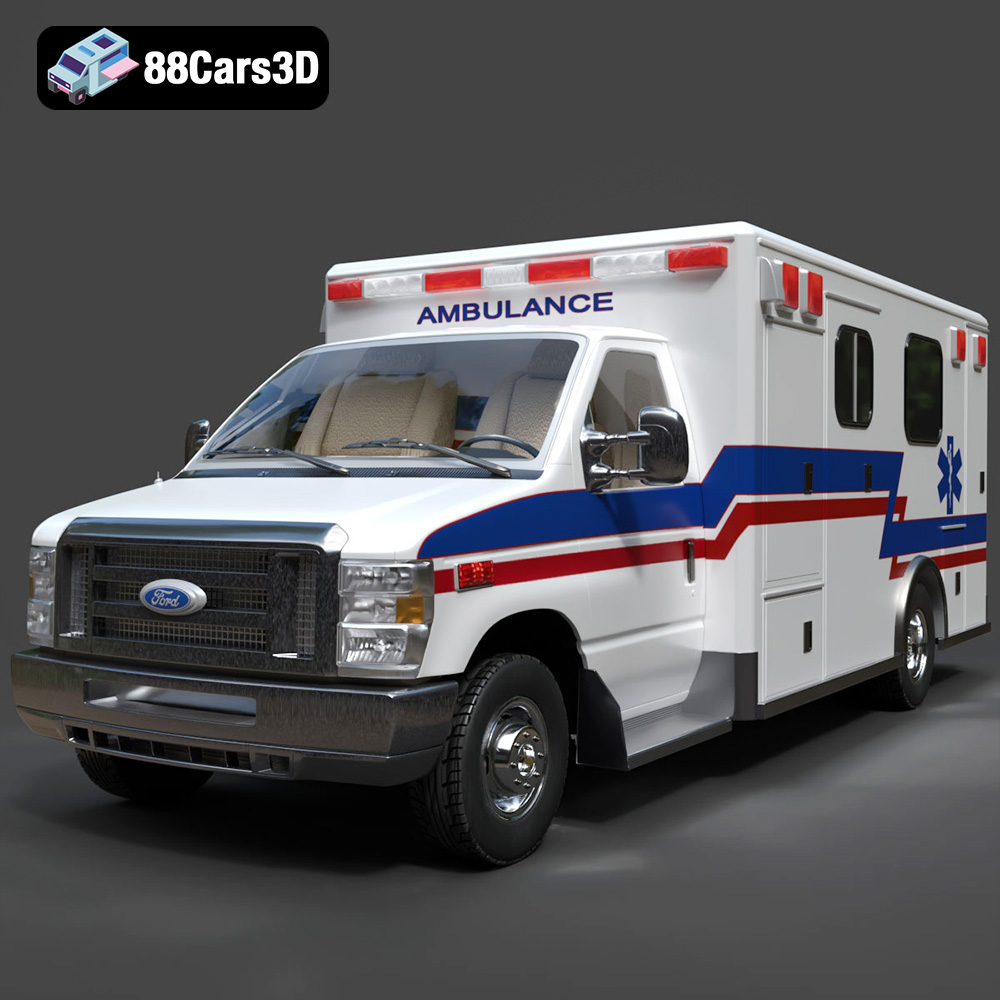
Download the Ford E-450 Ambulance 3D Model featuring clean geometry, realistic detailing, and a fully modeled interior. Includes .blend, .fbx, .obj, .glb, .stl, .ply, .unreal, and .max formats for rendering, simulation, and game development.
Price: $19.99
View Product

Texture: Yes
Material: Yes
Download the Fiat Ducato SWB-001 3D Model featuring clean geometry, realistic detailing, and a fully modeled interior. Includes .blend, .fbx, .obj, .glb, .stl, .ply, .unreal, and .max formats for rendering, simulation, and game development.
Price: $19.99
View Product


