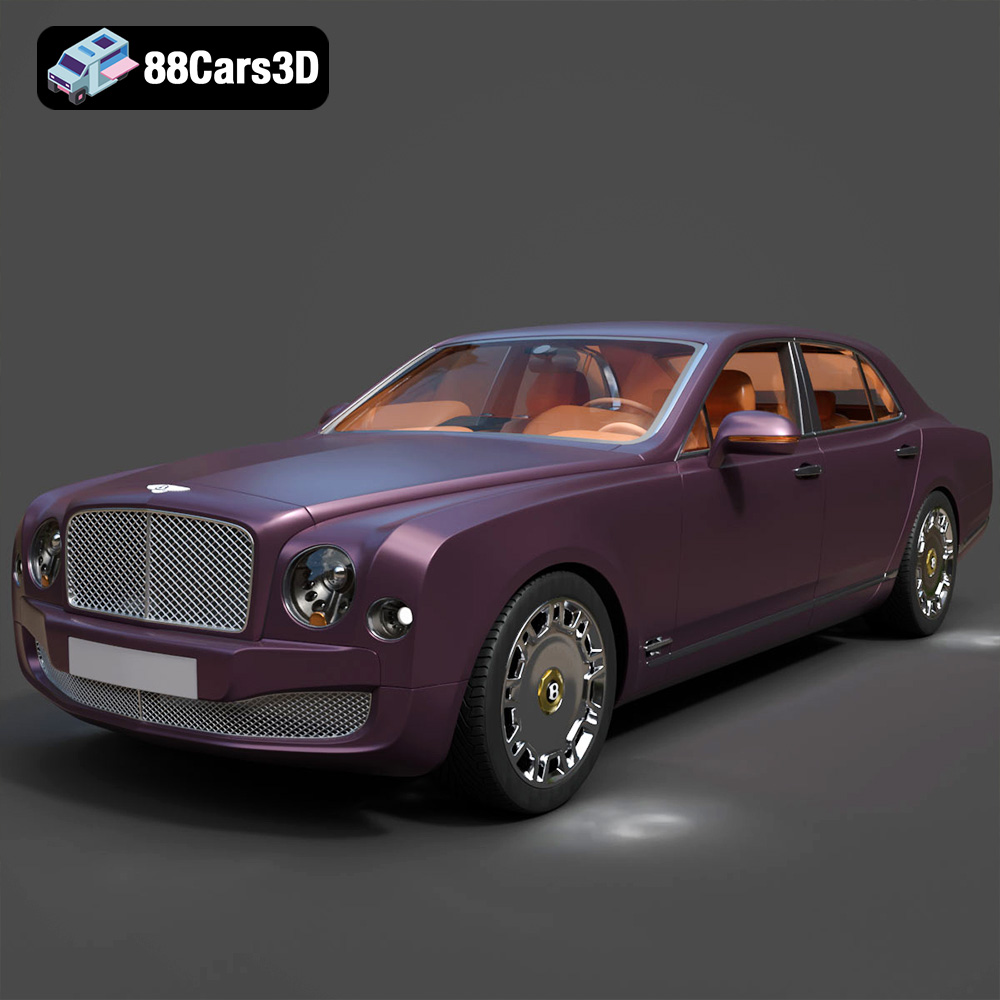
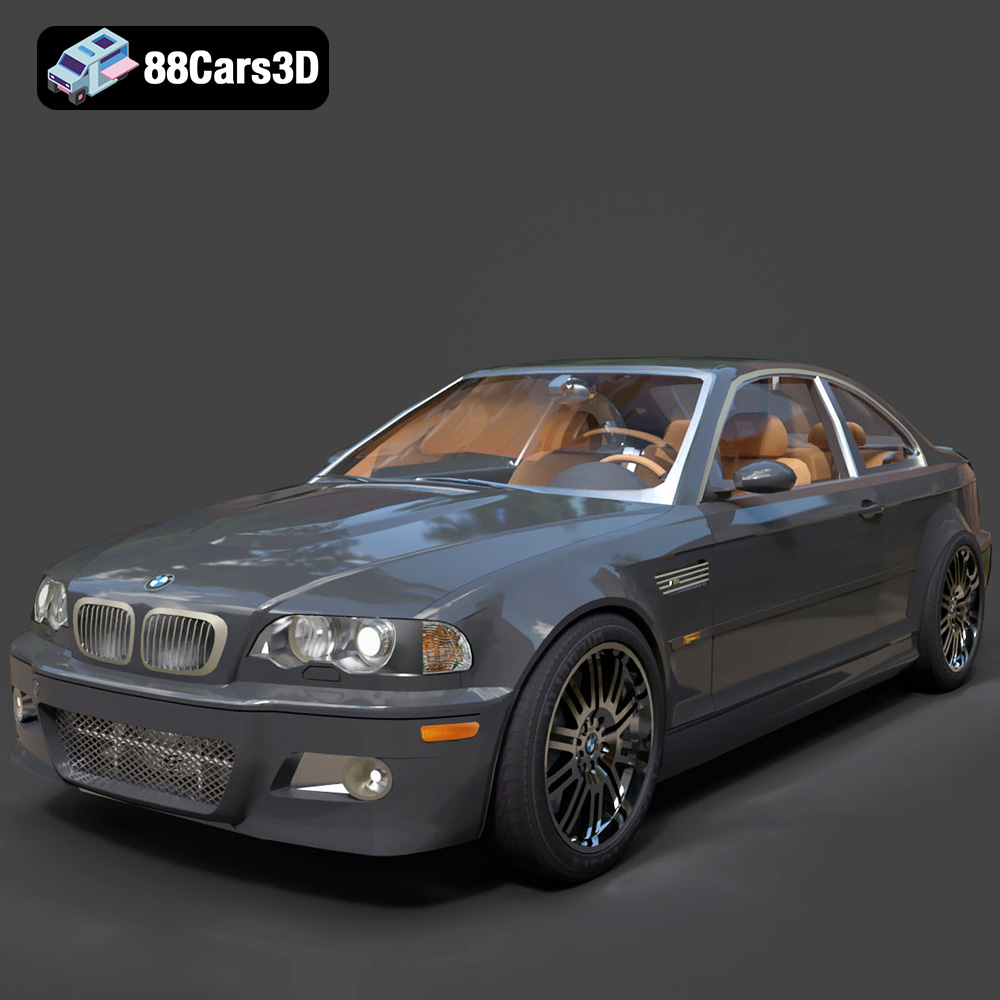
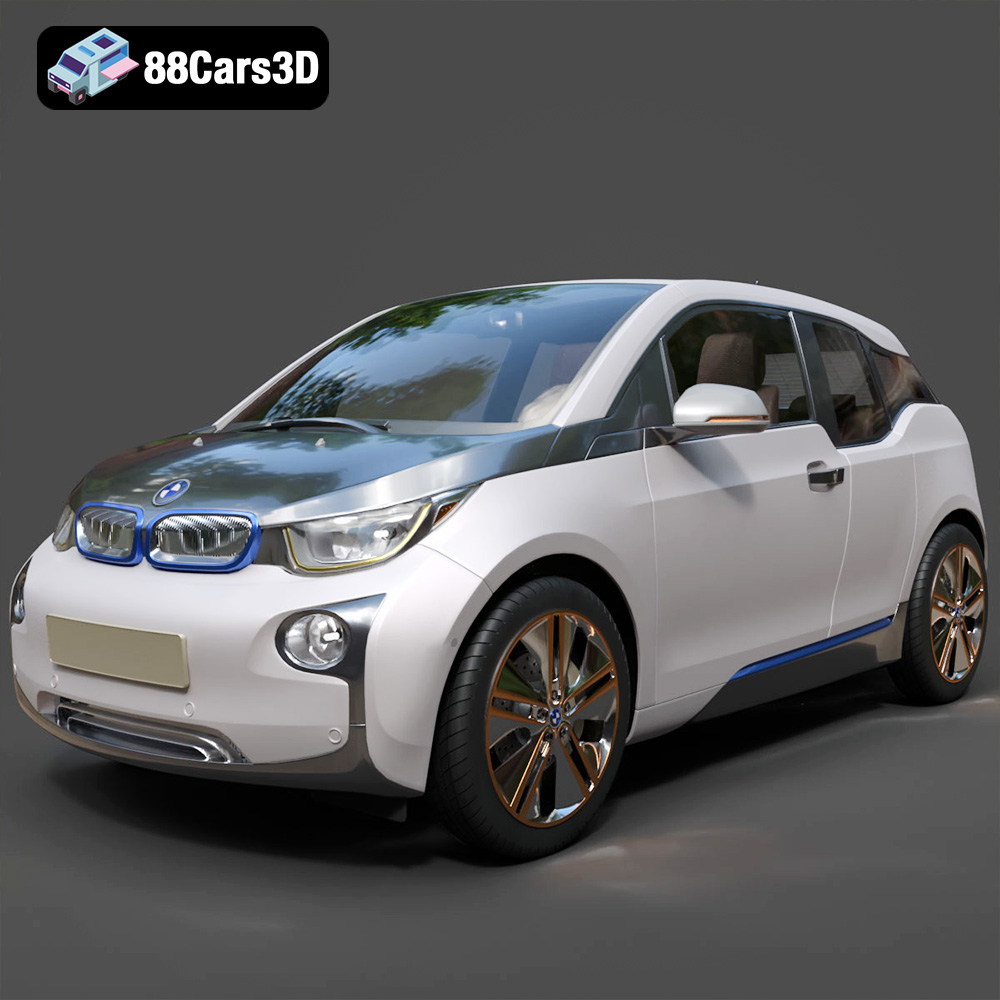
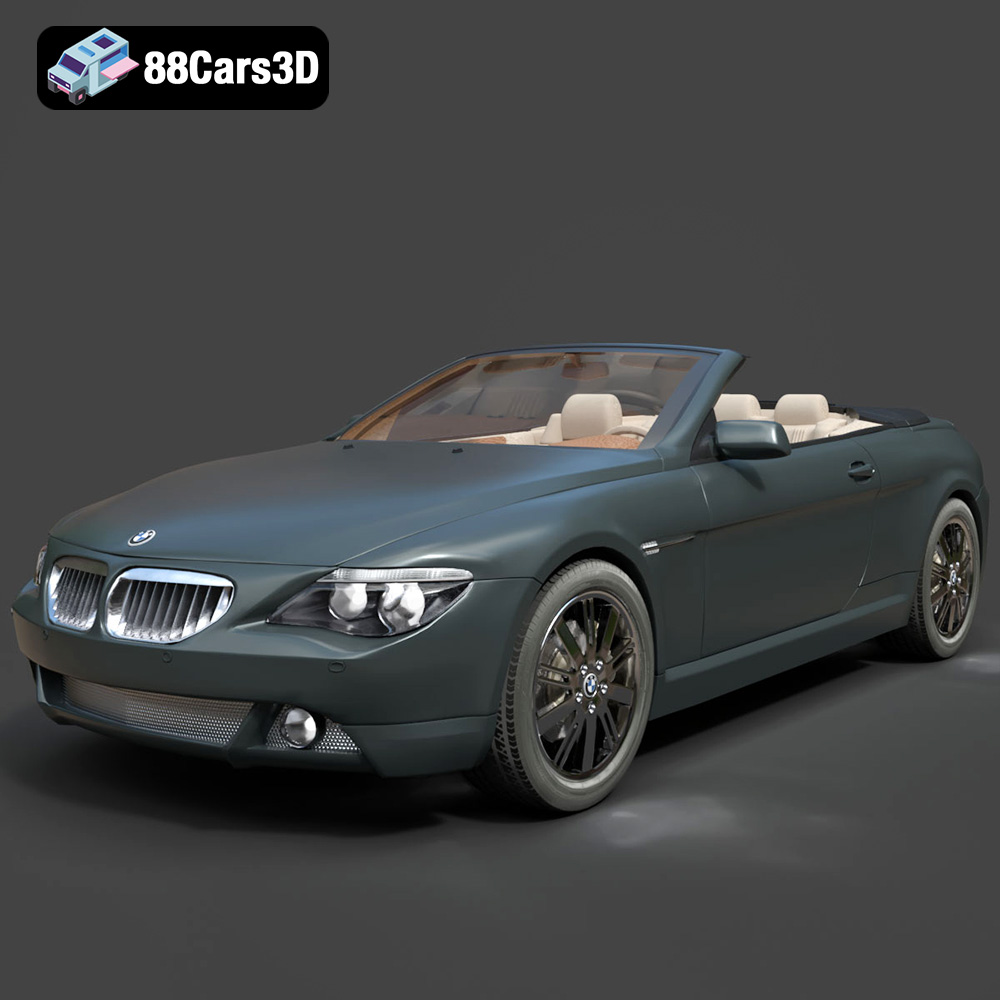
⚡ FLASH SALE: Get 60% OFF All Premium 3D & STL Models! ⚡

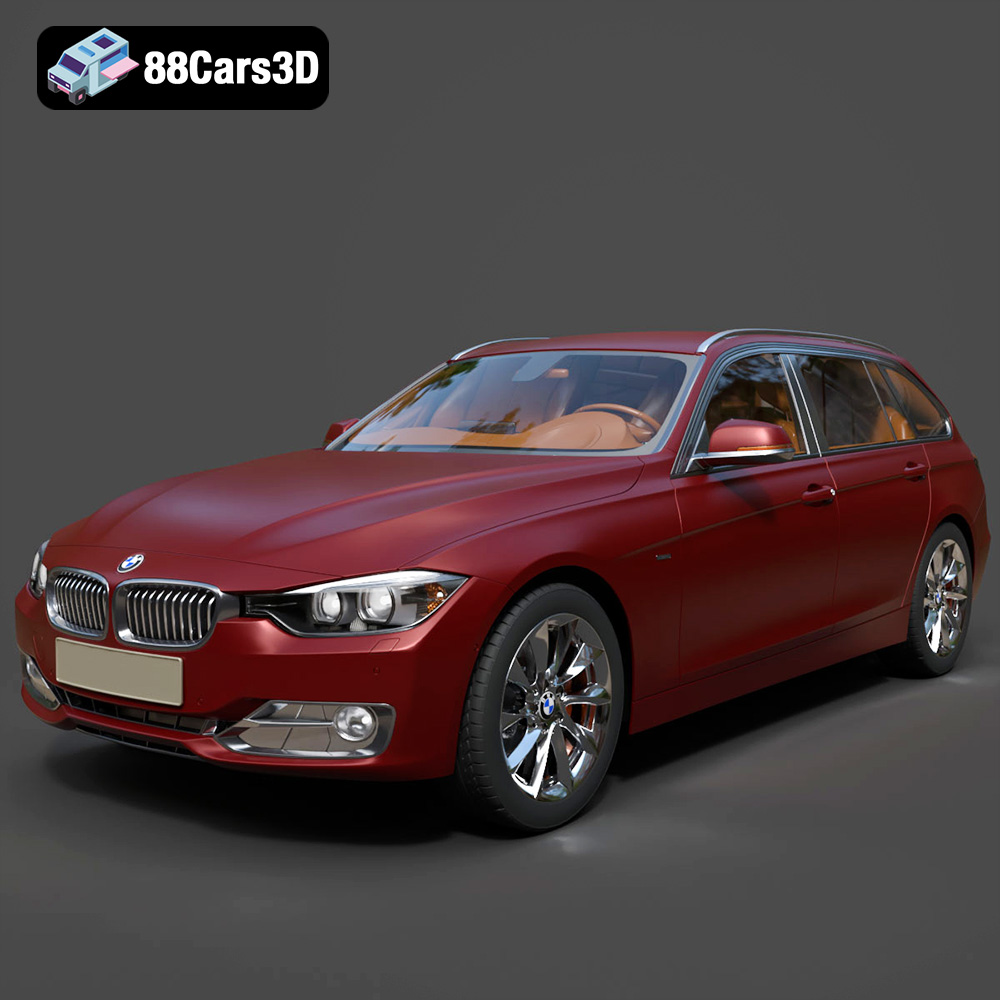
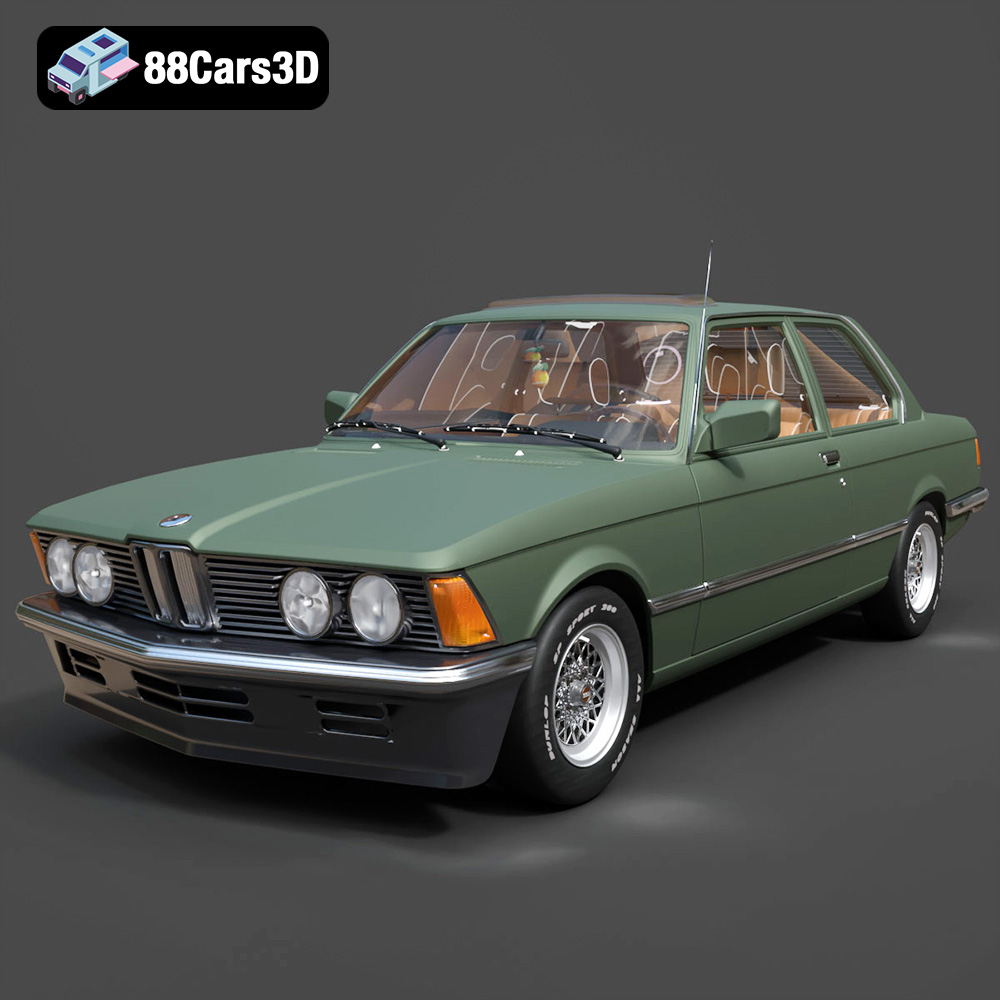
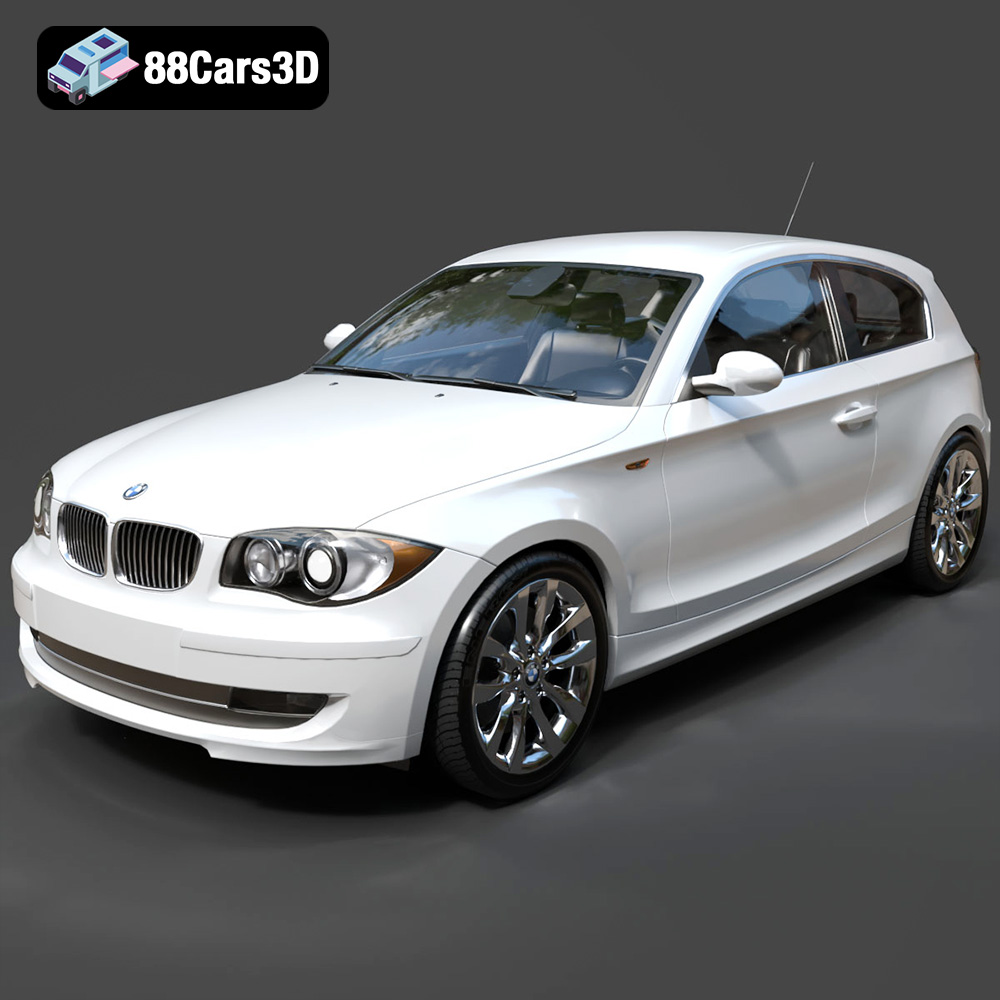
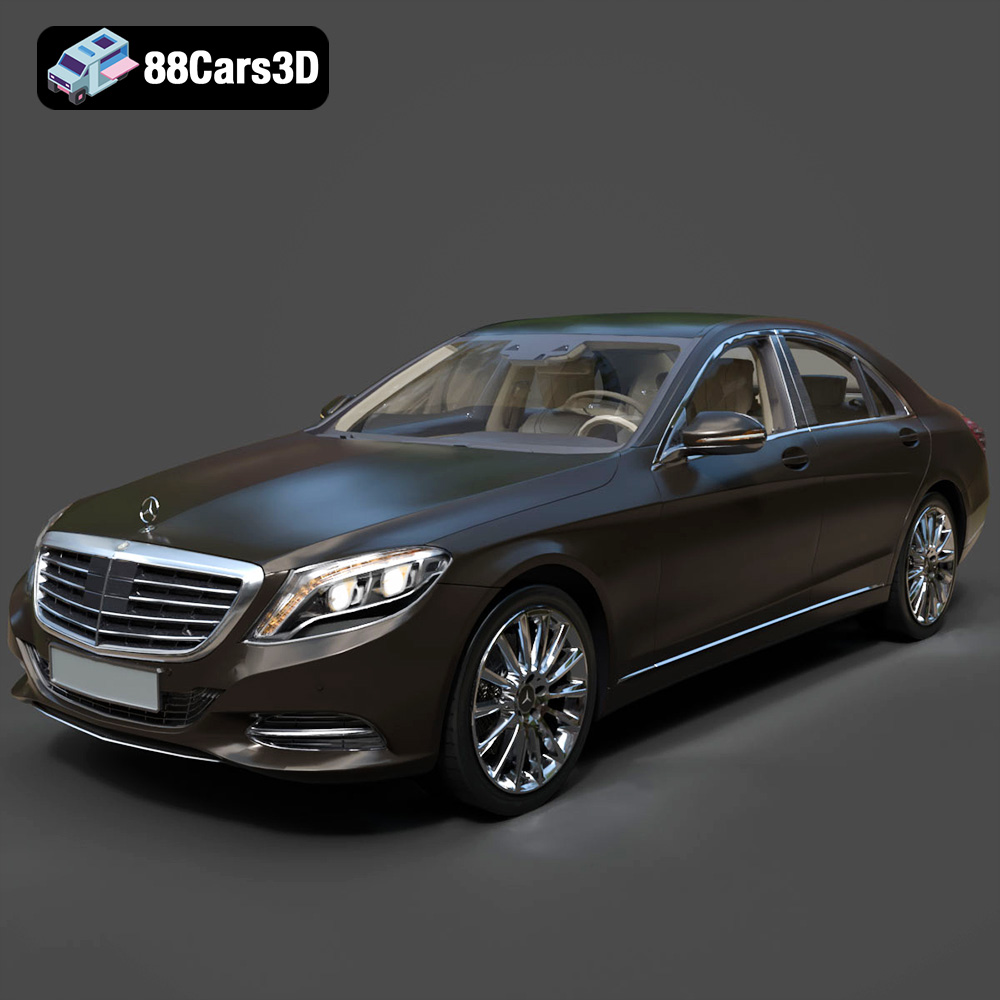
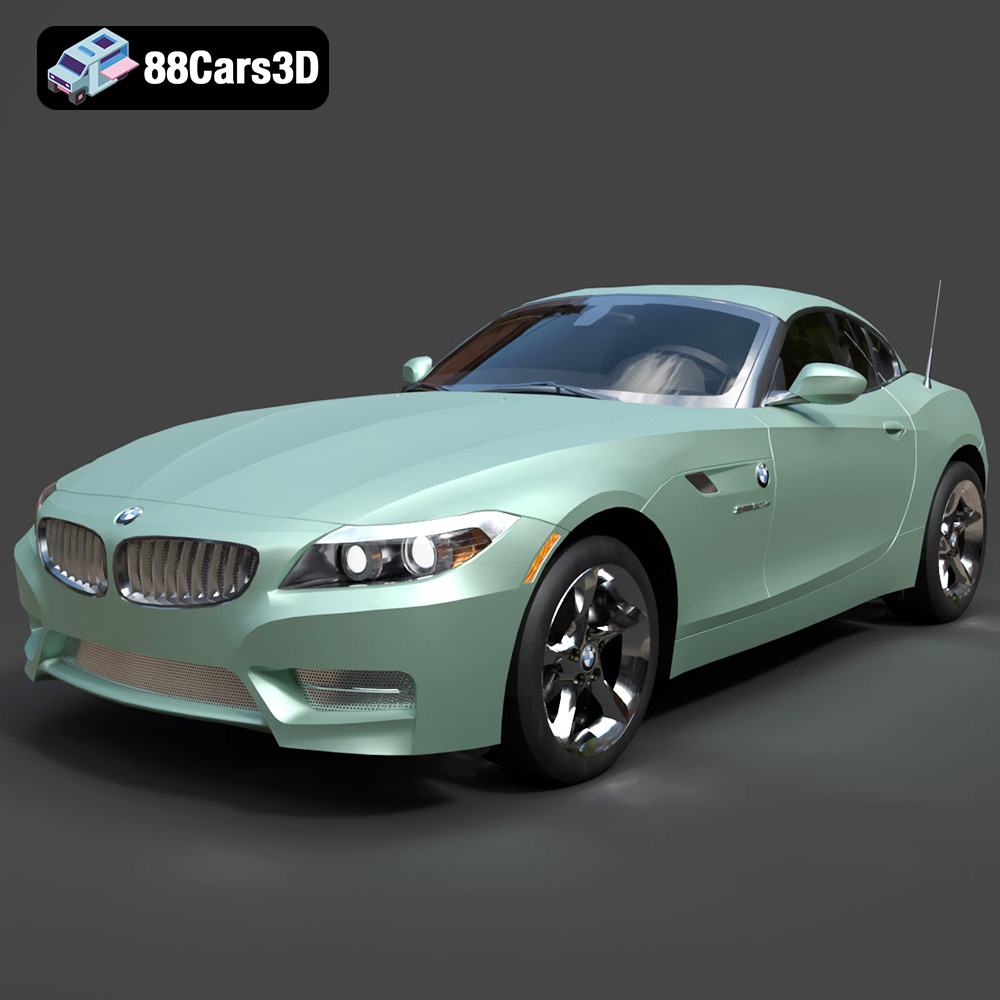
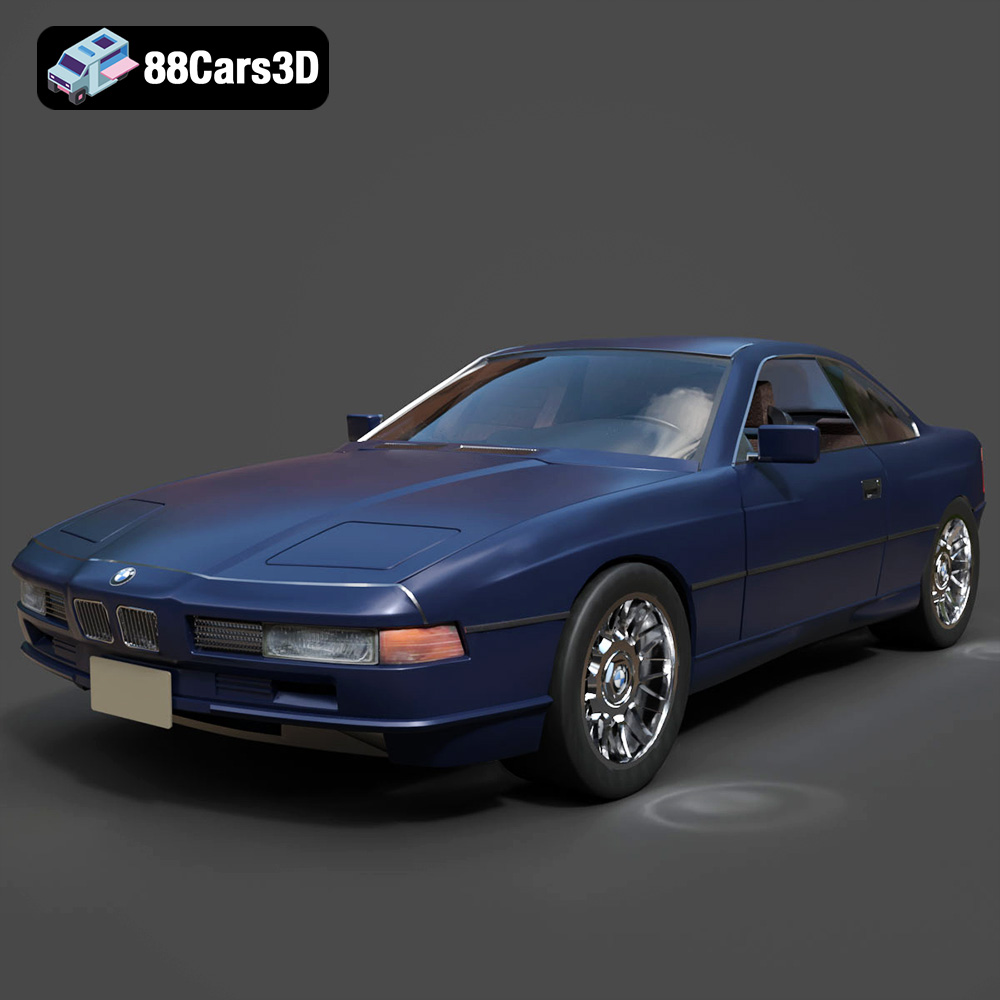
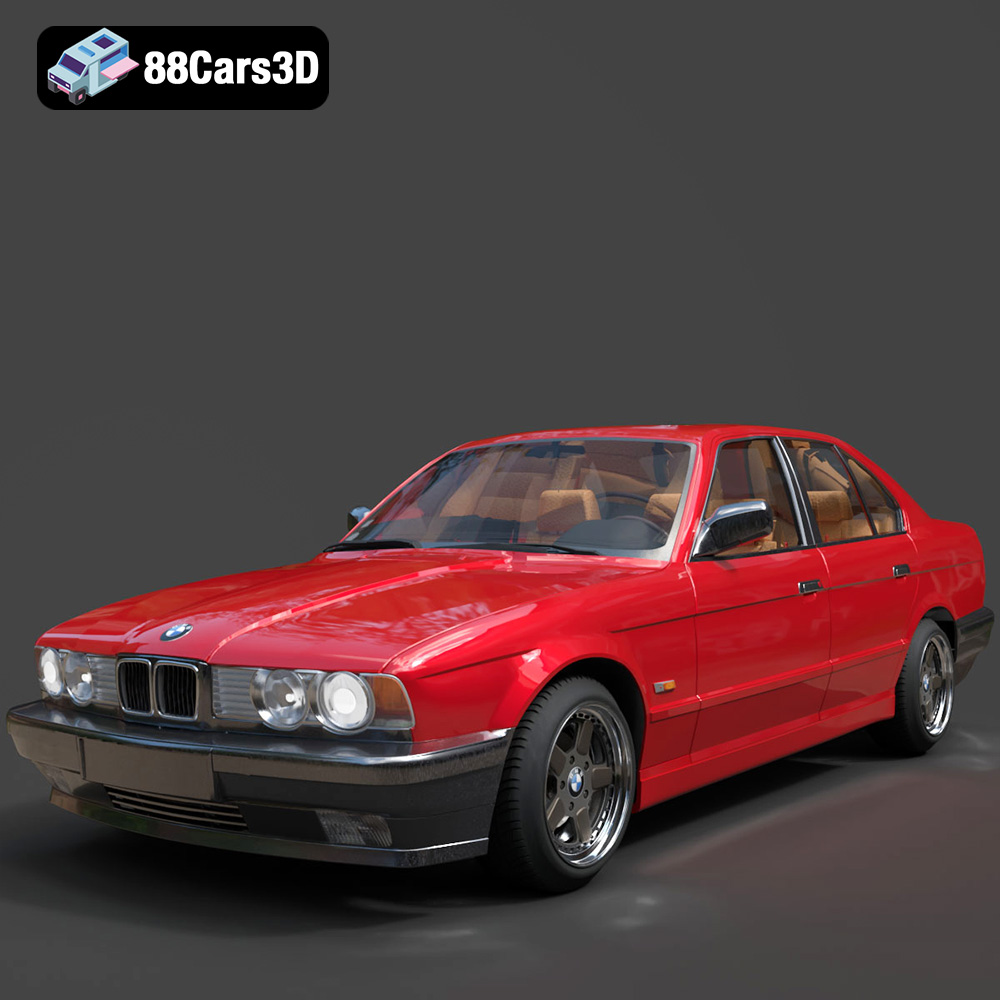
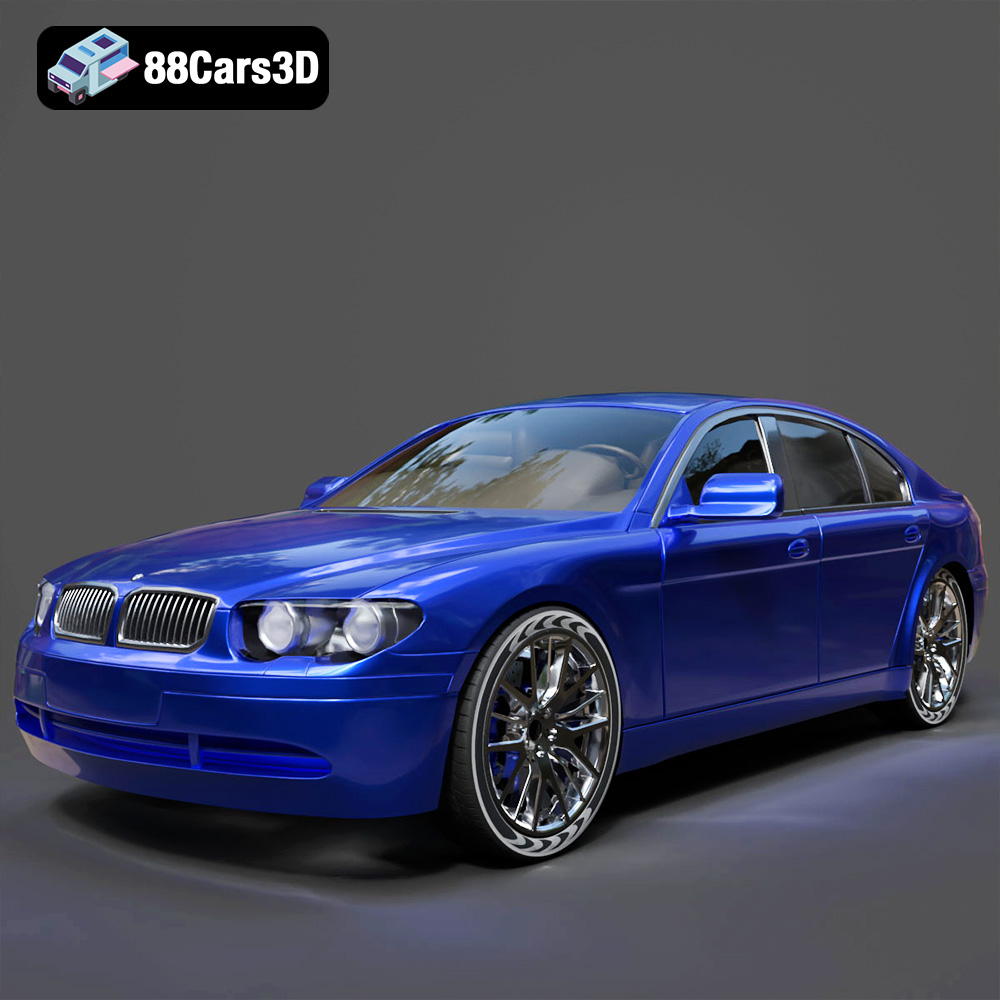
In the rapidly evolving digital landscape, the demand for stunningly realistic and technically precise 3D car models has never been higher. From breathtaking automotive marketing campaigns to immersive video games and cutting-edge virtual reality experiences, the quality of your 3D assets can make or break a project. Achieving photorealism and optimal performance requires a deep understanding of modeling techniques, material science, and engine integration.
This comprehensive guide will explore the intricate world of high-quality 3D car models, delving into the technical specifications, workflows, and diverse applications that define the industry standard. Whether you’re a seasoned 3D artist, a game developer, an automotive designer, or a visualization specialist, mastering these elements is crucial. Platforms like 88cars3d.com stand at the forefront, providing a curated selection of professionally crafted assets ready to integrate into your most ambitious projects, ensuring you always start with a solid foundation.
Choosing the correct file format is a critical first step in any 3D workflow, impacting compatibility, performance, and the preservation of crucial asset data. Each format serves specific purposes, optimized for different software, engines, or end-use scenarios. Understanding their strengths and limitations is key to a streamlined and efficient production pipeline, especially when working with complex 3D car models.
The .blend format is the native file type for Blender, the powerful open-source 3D creation suite. It encapsulates an entire Blender scene, including meshes, materials, textures (packed or external references), lighting, cameras, animations, rigging, and even modifiers. For artists working primarily within Blender, this format offers maximum flexibility and editability. It’s ideal for projects where the car model will undergo significant artistic manipulation or be part of a larger Blender-centric scene. When you purchase a .blend file, you’re getting a fully editable project, allowing for deep customization of materials, topology, and even the underlying geometry. This is particularly useful for studios with Blender-centric workflows, ensuring every aspect of the 3D car model is accessible.
Autodesk’s .fbx (Filmbox) format is arguably the most widely adopted interchange format in the 3D industry, especially prevalent in game development and visual effects. It excels at preserving scene data, including geometry, materials (with common parameters), textures, rigging, animations, and even basic lighting. Its robust support across major DCC (Digital Content Creation) tools like 3ds Max, Maya, and Blender, and direct integration into game engines like Unreal Engine and Unity, makes it indispensable. For game assets, .fbx is often preferred for its ability to package everything needed for real-time pipelines, making it the go-to choice for importing high-fidelity 3D car models into interactive environments.
The .obj (Wavefront Object) format is a universal standard known for its simplicity and broad compatibility. It primarily stores geometric data – vertices, normals, UV coordinates, and faces – and can reference an accompanying .mtl (Material Template Library) file for basic material properties like diffuse color and texture maps. While it doesn’t support advanced features like rigging or animation, its widespread acceptance means almost every 3D software can import and export .obj files. This makes it an excellent choice for straightforward mesh exchange or when you need a clean geometric base that can be further developed in any application.
The .glb (GLB-Binary) format is the binary version of glTF (GL Transmission Format), designed specifically for efficient transmission and loading of 3D scenes and models by applications, particularly web browsers, AR, and VR platforms. It packages all asset data (geometry, materials, textures, animations) into a single, compact file. This optimization for delivery makes .glb a perfect choice for showcasing 3D car models on websites, integrating them into augmented reality apps, or developing lightweight virtual experiences. Its PBR (Physically Based Rendering) material support ensures consistent visual quality across different viewers.
The .stl (Stereolithography) format is the de facto standard for 3D printing. It represents a 3D model as a collection of unconnected triangles, defining only the surface geometry without color, texture, or material information. Its strength lies in its simplicity and universal acceptance by 3D printers and slicing software. When a project requires a physical prototype or a scale model of a 3D car model, converting it to .stl is the crucial step before sending it to a 3D printer. Precision in mesh quality is paramount here to ensure print accuracy.
The .ply (Polygon File Format, or Stanford Triangle Format) is often used for storing 3D data from scanners and CAD applications. It supports both polygon meshes and point clouds, and can store additional properties like color, transparency, surface normals, and even texture coordinates for each vertex or face. This makes .ply particularly useful for scientific data, reverse engineering, or when working with highly detailed scan data of real-world objects, including complex automotive components. Its versatility in storing diverse attribute data sets it apart for more analytical applications.
While not a traditional open file format like .fbx, the concept of an “.unreal” asset refers to an asset that has been fully processed and imported into Unreal Engine’s native content browser. This often means the original .fbx or .obj file has been converted, materials set up using Unreal’s robust material editor, textures imported and assigned, LODs (Levels of Detail) generated, and collision meshes created. For developers, a pre-configured “.unreal” asset (often meaning an Unreal Project file or a migrated content pack) provides an immediately usable asset, saving significant setup time and ensuring optimal performance within the engine.
The .max format is the native scene file for Autodesk 3ds Max, one of the leading software packages for 3D modeling, animation, and rendering. Like .blend, it stores an entire project, including all geometry, modifiers, materials (V-Ray, Corona, Arnold, etc.), textures, lighting, cameras, animation, and scene settings. For studios and artists who rely on 3ds Max for their primary workflow, .max files offer the most complete and editable version of a 3D car model. This allows for deep iteration, animation setup, and highly customized rendering configurations, leveraging the full power of 3ds Max’s extensive toolset.
The journey from a conceptual sketch to a fully realized 3D car model is a meticulous process demanding precision, artistic vision, and technical proficiency. High-quality assets begin with impeccable modeling, ensuring every curve and detail reflects the designer’s intent and stands up to close-up scrutiny in renders or real-time applications.
The choice of modeling technique significantly impacts the flexibility, detail, and smoothness of a 3D car model. Subdivision surface modeling (often called SubD or polygonal modeling) is a prevalent method where a low-polygon base mesh is smoothed algorithmically, generating a high-resolution surface while retaining control over the underlying cage. This allows for organic shapes and efficient iteration. On the other hand, NURBS (Non-Uniform Rational B-Splines) modeling relies on mathematical curves and surfaces, offering absolute precision and curvature continuity – critical for automotive design where perfect reflections are paramount. While NURBS are excellent for design and CAD, they often need to be converted to polygons for rendering and game engine integration. Expert modelers often combine approaches, using NURBS for initial design accuracy and then converting to SubD for final detailing and optimization.
Beyond aesthetics, the underlying mesh topology plays a crucial role in how a 3D car model performs and renders. Clean topology, characterized by quads (four-sided polygons), even polygon distribution, and efficient edge flow, is essential for smooth deformations, believable reflections, and predictable subdivision. For real-time assets, careful consideration of poly count is critical; achieving visual fidelity within budget constraints often involves using Levels of Detail (LODs), where simplified versions of the model are swapped in at a distance to save performance. Equally vital is UV mapping, the process of flattening the 3D surface into 2D space for texture application. Expert UV unwrapping ensures textures are displayed without stretching or distortion, maximizing texture resolution and facilitating efficient material creation, crucial for high-quality automotive rendering.
To truly bring a 3D car model to life, realistic materials are indispensable. Modern workflows predominantly use Physically Based Rendering (PBR), a method that accurately simulates how light interacts with surfaces in the real world. This involves creating a suite of texture maps (Albedo/Base Color, Metallic, Roughness, Normal, Ambient Occlusion) that define the material’s properties. For a car, this means meticulously crafting textures for reflective paint, transparent glass, metallic chrome, rubber tires, and various interior fabrics. Understanding how these maps work together to simulate realistic reflections, refractions, and microscopic surface details is fundamental to achieving stunning visual fidelity. The precision in PBR texturing is what differentiates a good render from a truly photorealistic one, making the car look and feel tangible.
Rendering is where all the technical prowess of modeling and texturing culminates, transforming inert geometry into captivating visuals. Automotive rendering demands a nuanced understanding of light, shadow, and material interaction to achieve the photorealism expected in high-end visualizations.
Lighting is arguably the most critical element in any render. For automotive rendering, simulating real-world lighting conditions is paramount. This is often achieved through High Dynamic Range Image (HDRI) maps, which capture the full range of light intensity and color from a real environment. Wrapping an HDRI around a scene provides accurate ambient illumination, reflections, and refractions, instantly grounding the 3D car model in a believable space. Combining HDRIs with targeted area lights, spot lights, or even physically accurate sun and sky systems allows artists to precisely control highlights, shadows, and mood, enhancing the vehicle’s form and showcasing its contours. Mastering the interplay of natural and artificial light sources is an art form in itself.
The distinct material properties of a car – its glossy paint, transparent glass, and reflective chrome – present unique challenges and opportunities in rendering. Automotive paint often requires complex shaders that simulate multiple layers, including a base coat, metallic flakes (for metallic paints), and a clear coat, all contributing to intricate reflections and light scattering. Glass needs accurate refraction, dispersion (for prism-like effects), and volumetric absorption to look convincing. Chrome and other polished metals demand sharp, mirror-like reflections that precisely capture the environment. Advanced render engines like V-Ray, Corona Renderer, and Arnold provide sophisticated shader networks that allow artists to meticulously recreate these material behaviors, ensuring every surface reacts to light with breathtaking realism.
While a raw render might look good, it’s in post-production where true photorealism is often achieved. Using software like Adobe Photoshop or Blackmagic Fusion, artists can enhance the render through a variety of techniques. This includes color grading to set the mood, adding subtle atmospheric effects like haze or dust, enhancing reflections and specular highlights, and incorporating lens effects such as depth of field, chromatic aberration, and lens flares to mimic a real camera. Noise reduction, sharpening, and contrast adjustments further refine the image. These steps bridge the gap between a computer-generated image and a photograph, providing the final polish that elevates a good render to an exceptional one, making the 3D car model indistinguishable from its real-world counterpart.
The transition of high-fidelity 3D car models from offline rendering pipelines to interactive real-time environments like game engines requires specific optimizations and workflows to ensure performance without sacrificing visual quality.
For game development, raw high-poly models are often too demanding for real-time performance. This necessitates careful optimization. Levels of Detail (LODs) are crucial, where multiple versions of the same model, each with a progressively lower polygon count, are created. The engine then automatically switches between these LODs based on the camera’s distance, ensuring detailed models are only rendered when close up. Alongside visual meshes, collision meshes are vital for realistic physics and interaction. These are simplified, often invisible, meshes that define the physical boundaries of the car, allowing for accurate collisions with the environment and other objects. Effective LODs and robust collision meshes are non-negotiable for integrating 3D car models into performant game engines.
Integrating 3D car models into popular game engines like Unreal Engine and Unity follows a well-defined workflow. Typically, an optimized .fbx file (containing geometry, UVs, and basic material assignments) is imported. Artists then proceed to set up PBR materials using the engine’s node-based material editors, applying the various texture maps created during the texturing phase. This involves creating complex shaders for car paint, glass, and metal directly within the engine. Further steps include setting up physical materials for tire grip and suspension, configuring vehicle blueprints or prefabs, and often implementing realistic vehicle physics systems. For those seeking a head start, 88cars3d.com often provides models that are already optimized for these engines or offer raw assets perfectly suited for such pipelines.
In interactive real-time applications, every millisecond counts. Beyond poly count and LODs, several other factors impact performance. The number and complexity of materials, texture resolution, shader instructions, and the use of transparency or elaborate particle effects can all contribute to GPU load. Efficient batching of draw calls, careful occlusion culling, and optimizing lighting solutions are also critical. For vehicle simulation games, the complexity of the physics engine and AI logic further adds to CPU demands. Balancing visual fidelity with frame rate targets is an ongoing challenge, requiring artists and developers to make informed decisions at every stage of the pipeline to ensure a smooth and engaging user experience.
The utility of high-quality 3D car models extends far beyond static renders or traditional video games, embracing emerging technologies and industries that demand precision and visual excellence.
Virtual production, especially prevalent in film and television, leverages real-time game engines to visualize sets and characters, integrating CG elements with live-action footage. High-quality 3D car models are indispensable here, serving as hero assets that interact seamlessly with actors and environments in virtual stages. Similarly, in Augmented Reality (AR) and Virtual Reality (VR), car models create immersive experiences for training, product showcases, or interactive configurators. Imagine test driving a new car in VR or seeing a virtual vehicle appear in your driveway through AR – these applications rely heavily on accurate, optimized 3D assets to provide a believable and engaging experience. The .glb format, with its web and AR/VR optimizations, is particularly useful here.
In the automotive industry, 3D printing and rapid prototyping have revolutionized the design and development cycle. High-fidelity 3D car models, often starting from CAD data or meticulously sculpted meshes, can be converted into physical prototypes using various 3D printing technologies. This allows designers and engineers to quickly iterate on concepts, test ergonomics, assess aesthetics, and even produce functional parts before committing to expensive tooling for mass production. The .stl and .ply formats are central to this workflow, providing the precise geometric data necessary for manufacturing. The ability to physically hold and examine a complex automotive component before it even exists in metal is a testament to the power of 3D modeling.
Perhaps one of the most widespread applications, automotive marketing and product visualization heavily relies on stunning 3D car models. Before a car is even mass-produced, photorealistic renders are used for advertising, brochures, online configurators, and press releases. This allows manufacturers to showcase various color options, trim levels, and accessories without building physical prototypes for every variation. The flexibility of 3D means cars can be placed in any environment imaginable, from bustling cityscapes to serene landscapes, all precisely lit and composed to evoke emotion and desire. High-quality assets, like those found on 88cars3d.com, provide the foundation for these impactful visual campaigns, delivering unparalleled realism and marketing effectiveness.
The world of 3D car models is a vibrant intersection of art, engineering, and technology. From the initial precise modeling to the intricate dance of PBR texturing, sophisticated rendering, and meticulous optimization for real-time engines, every step contributes to the creation of truly captivating digital assets. Understanding file formats, workflow nuances across different software (3ds Max, Blender, Unreal), and the technical specifications like poly counts and UV mapping, are not just details – they are the bedrock of successful projects.
Whether you’re crafting a photorealistic render for an advertising campaign, building an immersive virtual experience, or developing the next generation of racing games, the quality of your 3D car models is paramount. Investing in expertly crafted assets ensures efficiency, visual excellence, and compatibility across diverse platforms. For those seeking top-tier automotive rendering and game-ready game assets, resources like 88cars3d.com offer a gateway to a world of high-quality, professional 3D car models, empowering artists and developers to push the boundaries of digital realism and innovation.