⚡ FLASH SALE: Get 60% OFF All Premium 3D & STL Models! ⚡

In today’s dynamic gaming landscape, reaching a wide audience means transcending the limitations of a single platform. Players expect immersive experiences across their PCs, consoles, mobile devices, and even in AR/VR environments. For game developers and visualization professionals, the challenge lies in creating high-fidelity content that performs optimally on diverse hardware without compromising quality. This is where Unreal Engine truly shines, offering an unparalleled suite of tools designed for building robust, scalable, and visually stunning cross-platform applications.
This comprehensive guide will delve deep into the strategies and techniques required to master cross-platform development with Unreal Engine. We’ll explore everything from project setup and asset optimization to advanced rendering features and performance profiling, with a special focus on incorporating high-quality 3D car models for automotive visualization and interactive experiences. Whether you’re aiming for a photorealistic automotive configurator, a thrilling racing game, or an architectural walkthrough, understanding these principles will empower you to deliver exceptional results on any target device. Prepare to unlock the full potential of Unreal Engine for your next multi-platform project.
Unreal Engine has long been revered for its cutting-edge graphics and powerful editor, making it a go-to choice for AAA game studios and indie developers alike. Its architecture is fundamentally designed with scalability in mind, offering a robust framework that supports a vast array of platforms right out of the box. From high-end PCs and next-generation consoles like PlayStation 5 and Xbox Series X to mobile devices, web browsers (via WebGL), and even emerging AR/VR headsets, Unreal Engine provides a unified workflow. This means you can develop your core experience once and then optimize it for various deployment targets, significantly reducing development time and resources compared to building natively for each platform.
The engine’s modular design, coupled with its source code availability for custom modifications, grants developers immense flexibility. Tools like the Material Editor, Blueprint Visual Scripting system, and Sequencer are platform-agnostic, allowing artists and designers to create complex functionalities and cinematics without needing to rewrite code for each target. Furthermore, Unreal Engine’s rendering pipeline is highly configurable, enabling precise control over visual fidelity and performance across different hardware specifications. This adaptability is crucial for maintaining both artistic vision and technical stability, ensuring your project reaches the broadest possible audience with consistent quality.
Unreal Engine’s commitment to cross-platform success is evident in its continuous updates and support for new technologies. The engine’s integrated SDK management system streamlines the process of preparing your project for different platforms, handling everything from API integration to packaging settings. Developers can leverage features like device profiles and scalability settings to automatically adjust graphical quality based on the target hardware, ensuring a smooth experience whether on a powerful gaming PC or a budget smartphone. For instance, you can define lower texture resolutions, simpler shaders, or reduced geometric detail specifically for mobile builds, while unleashing full fidelity for PC or console versions. The consistency across platforms is maintained by Unreal Engine’s PBR (Physically Based Rendering) system, ensuring that assets, including detailed 3D car models, maintain their intended look and feel with minimal adjustments, regardless of the rendering backend.
At its heart, Unreal Engine employs a highly optimized rendering architecture that intelligently manages resources. Features like instanced rendering, occlusion culling, and texture streaming work tirelessly behind the scenes to minimize draw calls and memory usage. For large open worlds or detailed automotive scenes, these optimizations are critical. The engine’s data-driven approach means that much of the game logic and asset configuration can be managed through data assets and blueprints, making it easier to iterate and adapt content for specific platform requirements without deep code changes. This robust foundation empowers developers to focus on creative execution, knowing that the engine will handle much of the heavy lifting involved in scaling the project across diverse hardware. For detailed insights into Unreal Engine’s core architecture and rendering pipeline, refer to the official documentation at https://dev.epicgames.com/community/unreal-engine/learning.
A successful cross-platform project begins with meticulous planning and configuration. Before diving into asset creation, it’s essential to establish a project structure that inherently supports multiple targets. This involves making informed decisions about content scale, naming conventions, and utilizing Unreal Engine’s built-in platform management features from day one. Starting with a clear strategy for asset optimization and a robust folder structure prevents future headaches when juggling platform-specific versions of textures, meshes, or even entire game modes.
When initiating your project, consider using the “Blank” template or a minimal template, as this provides the most control over what features are included, helping to keep project size lean. Enable plugins judiciously; only activate those essential for your core features and target platforms. For instance, if you’re targeting mobile, ensure the “Mobile” rendering features are enabled, but avoid heavy-duty desktop-only plugins that might bloat your mobile build. Configuration files (e.g., `DefaultEngine.ini`, `DefaultGame.ini`) are paramount for setting up platform-specific rendering paths, input mapping, and feature toggles. Understanding how to override settings per platform within these files is a powerful technique for tailoring the experience without duplicating entire projects.
Unreal Engine provides powerful mechanisms for customizing settings per platform. The Project Settings menu contains extensive options under “Platforms” for Android, iOS, Windows, Mac, Linux, and various consoles. Here, you can define specific texture compression settings, rendering features, and packaging rules for each target. Even more granular control can be achieved with Device Profiles, which allow you to define a hierarchy of settings based on specific hardware models (e.g., iPhone 12 vs. iPhone 8, or high-end vs. low-end Android devices).
For example, a high-fidelity 3D car model might use 4K textures on PC, but you could set a Device Profile to automatically downscale those textures to 1K for mobile devices to save memory and improve performance. You can also disable demanding features like dynamic shadows or advanced post-processing effects for lower-end devices. This systematic approach ensures that your game or visualization scales gracefully, providing the best possible experience within the constraints of each platform. Regularly reviewing and updating these profiles as new hardware emerges is a critical part of long-term project maintenance.
For any professional game development, especially cross-platform, robust source control is non-negotiable. Systems like Git or Perforce allow teams to collaborate effectively and manage different branches for specific platform optimizations or experimental features. Integrating source control with a continuous integration/continuous deployment (CI/CD) pipeline is the next logical step. A CI/CD pipeline can automate the process of building, packaging, and testing your project for multiple platforms simultaneously. This not only saves significant time but also helps catch platform-specific bugs early in the development cycle. For instance, a nightly build could automatically generate Windows, Android, and iOS packages, then run automated tests to ensure core functionalities remain intact across all targets. This proactive approach to build management is vital for maintaining a high level of quality and efficiency in a multi-platform development environment.
High-quality 3D car models are often central to automotive visualization and racing games. While Unreal Engine excels at rendering incredibly detailed assets, optimizing these models is paramount for cross-platform compatibility and performance. A model that looks stunning on a powerful PC with Nanite enabled might cripple a mobile device or even a console if not properly managed. The key lies in creating a scalable asset pipeline where different levels of detail and feature sets can be easily swapped or configured based on the target platform.
When sourcing automotive assets, platforms like 88cars3d.com offer optimized models designed for Unreal Engine, often featuring clean topology, PBR materials, and sometimes even pre-configured LODs. However, even with high-quality purchased assets, further optimization is usually necessary to tailor them perfectly to your specific project’s needs and target platforms. This involves careful consideration of polygon counts, texture resolutions, material complexity, and the strategic use of Unreal Engine’s built-in optimization tools. The goal is to strike a balance between visual fidelity and performance, ensuring that every platform receives an experience that feels tailored and smooth.
Nanite, Unreal Engine’s virtualized geometry system, is a game-changer for high-fidelity assets on platforms that support it (primarily PC and next-gen consoles). Nanite allows artists to import film-quality assets with millions or even billions of polygons directly into Unreal Engine without performance concerns. It automatically handles LODs, culling, and streaming, dramatically simplifying the artist’s workflow. When working with extremely detailed 3D car models, enabling Nanite for your static meshes can preserve every intricate detail without manual LOD creation or polygon reduction.
However, it’s crucial to remember that Nanite is not universal. Mobile and older console platforms do not support Nanite. For these targets, traditional LOD (Level of Detail) management is still essential. This means creating multiple versions of your 3D car models, each with progressively lower polygon counts and simplified meshes. Unreal Engine’s built-in LOD generation system can automate some of this process, but often manual refinement is needed to ensure visual integrity at different distances. A common strategy is to use Nanite for high-end builds and disable it (or provide non-Nanite fallbacks) for other platforms, relying on carefully crafted traditional LODs.
Textures and materials are significant contributors to both visual quality and memory footprint. For cross-platform development, careful management is critical. Aim for power-of-two texture resolutions (e.g., 256×256, 1024×1024, 2048×2048) and use appropriate compression settings. Unreal Engine’s texture editor allows you to override texture settings per platform, automatically adjusting resolutions and compression formats. For example, a 4K texture for a car body could be set to 2K for consoles and 1K for mobile devices.
When creating PBR materials, strive for efficiency. Minimize the number of unique textures per material and avoid overly complex shader graphs. Use Material Functions to encapsulate common logic and reduce redundancy. For highly detailed assets like cars, consider using texture atlases where multiple smaller textures are packed into a single larger one to reduce draw calls. Decals can add surface detail without adding geometry, which is excellent for scuffs, dirt, or badges on car models. For mobile, simplifying materials to use fewer instructions and texture lookups is often necessary. This might mean using a single base color texture instead of separate albedo, metallic, and roughness maps, or baking some lighting information directly into the base color for static objects.
Achieving consistent and captivating visuals across diverse platforms is one of the most significant challenges in cross-platform development. Unreal Engine offers a powerful rendering pipeline, but leveraging it effectively requires understanding how different lighting techniques, material complexities, and visual effects impact performance on various hardware. From cutting-edge global illumination to simplified mobile shaders, the goal is to create a dynamic visual experience that scales elegantly without breaking immersion.
Lumen, Unreal Engine’s real-time global illumination and reflections system, delivers breathtaking photorealism on supported platforms (PC and next-gen consoles). Lumen allows for dynamic lighting scenarios, realistic bounces, and intricate reflections, which are perfect for showcasing the luxurious finishes of 3D car models. However, Lumen is computationally intensive. For platforms that don’t support Lumen or for performance-critical scenarios, traditional lighting methods remain vital. This includes baked static lighting (Lightmass), precomputed indirect lighting volumes, and carefully placed dynamic lights for key elements. A hybrid approach often yields the best results, using Lumen where possible and falling back to optimized baked solutions for other targets.
For cross-platform compatibility, it’s crucial to design your lighting system with scalability in mind. Start by establishing a robust default lighting setup that looks good on all platforms. Then, selectively enable or enhance features for higher-end targets. For instance, on PC and consoles, you might use Lumen for full global illumination, dynamic area lights, and screen-space reflections. For mobile, you might disable Lumen entirely, rely heavily on baked static lighting (Lightmass), use simpler sphere or capsule reflections, and strategically place a few dynamic point or spot lights for interactive elements like headlights.
When baking lighting, ensure your lightmaps are optimally sized and compressed. Large lightmaps can quickly consume memory. Use Lightmap UVs wisely to minimize wasted space. For dynamic elements like vehicles, consider using a single static skylight and directional light for ambient and direct lighting, with additional movable lights for specific effects. The scalability settings within Unreal Engine also allow you to control the quality of shadows, reflections, and other lighting features at runtime, which is an invaluable tool for ensuring stable frame rates across all devices.
Post-processing effects, such as Bloom, Depth of Field, Ambient Occlusion, and Color Grading, are essential for cinematic visuals but can be performance heavy. Just like lighting, these should be carefully scaled for different platforms. Unreal Engine’s Post Process Volumes allow granular control over these effects, and their intensity can be adjusted via Device Profiles or Blueprint logic. For mobile, it’s often best to keep post-processing to a minimum, focusing on essential color correction and perhaps a subtle bloom effect.
For more complex visual effects like particle systems (created with **Niagara**), optimization is key. Use GPU particles where possible for better performance, but be mindful of their cost on mobile. Reduce particle counts, limit overdraw, and use optimized materials for particles. Consider simplified versions of effects for lower-end platforms – for example, a less dense smoke trail from a car or fewer sparks on impact. Sequencer, Unreal Engine’s cinematic tool, can be used to choreograph complex visual events and animate lighting or effects. When creating cinematics for cross-platform delivery, ensure that the chosen effects and their intensity are within the performance budget of your target platforms. It’s often beneficial to render pre-rendered cinematics for mobile if complex real-time effects are too demanding.
Creating truly engaging cross-platform games and visualizations goes beyond just visuals; it encompasses responsive controls, dynamic interactivity, and stable performance across all devices. Unreal Engine’s **Blueprint visual scripting** system empowers designers and developers to rapidly prototype and implement complex gameplay mechanics and interactive elements without writing a single line of C++ code, making it ideal for managing platform-specific logic. However, even with Blueprint, performance optimization is a continuous process that requires diligent profiling and iteration.
For automotive applications, this might involve an interactive **automotive configurator** where users can change car colors, wheels, or interiors in real-time. Each interaction needs to be fluid and instantaneous, regardless of whether the user is on a high-end PC or a tablet. Similarly, a real-time racing game demands consistent frame rates and responsive physics across all platforms. Understanding how to build robust interactive systems and then methodically identify and resolve performance bottlenecks is crucial for a successful cross-platform launch.
Blueprint is incredibly powerful for implementing interactive logic, but care must be taken to write efficient scripts. Avoid polling every tick for non-critical events; instead, use event-driven programming. Cache references to actors and components rather than performing repeated “Get All Actors Of Class” searches. For platform-specific logic, you can use the “Get Platform Name” node in Blueprint to conditionally execute different code paths. For instance, a complex shader effect might be enabled via Blueprint for PC, but a simpler one used for mobile.
When developing features like vehicle dynamics and physics simulation, Unreal Engine’s Chaos physics system offers robust capabilities. However, physics calculations can be CPU intensive. For cross-platform projects, consider simplifying physics interactions or reducing the number of simulated objects on lower-end devices. For example, a high-fidelity car crash simulation might be disabled on mobile, replaced by a pre-scripted animation or a simpler impact effect. When designing an interactive automotive configurator, ensure that asset swapping (e.g., changing wheels) is optimized to load new assets asynchronously and efficiently, perhaps by pre-loading common options.
Unreal Engine provides an extensive suite of profiling tools to identify performance bottlenecks. The “Stat” commands (e.g., `stat fps`, `stat unit`, `stat gpu`) offer real-time feedback on frame rates, CPU, and GPU performance. For deeper analysis, the Unreal Insights tool offers a comprehensive view of CPU and GPU timings, memory usage, and asset streaming, allowing you to pinpoint exact frames or Blueprint nodes causing slowdowns.
When profiling, always test on your target hardware. What runs smoothly on your development PC might be a slideshow on a mobile device. Focus on reducing draw calls, optimizing texture memory, and minimizing shader complexity. Utilize **LOD management** aggressively for all meshes, not just car models. Implement culling techniques like frustum culling, occlusion culling, and distance culling to ensure only visible objects are rendered. For larger environments, level streaming can load and unload parts of the world dynamically, saving memory and improving performance. For mobile, reducing the number of post-processing effects, disabling real-time reflections, and simplifying material graphs are common optimization strategies. Consistent profiling throughout development is the key to maintaining a high-performance cross-platform application.
The journey to cross-platform success culminates in rigorous testing and efficient deployment. Packaging your Unreal Engine project for multiple platforms involves specific configurations and careful attention to detail. Once deployed, extensive testing across all target devices is paramount to catch platform-specific bugs, performance regressions, and input inconsistencies. Furthermore, the rapid pace of technological evolution demands a future-proof development strategy, ensuring your project remains relevant and functional as new hardware and software standards emerge.
Unreal Engine’s packaging system is highly configurable, allowing you to create platform-specific builds that include only the necessary assets and code. This minimizes build sizes and loading times, which is especially critical for mobile deployments. Understanding how to set up build configurations for shipping versus development builds, and how to manage cooking settings, is essential. For instance, “cooking” content means converting assets into a platform-optimized format. You’ll likely need different cooking settings for a Windows build versus an Android APK or an iOS IPA.
Unreal Engine streamlines the deployment process with its “Package Project” functionality, accessible from the File menu. Here, you can select your target platform and configure various packaging options, such as whether to include debug files, choose content cooking methods, and specify distribution signing certificates for mobile platforms. For larger teams or continuous integration, Unreal Engine’s command-line build tools allow for automated, headless packaging, which can be integrated into a CI/CD pipeline for consistent and reliable builds across all target platforms. This automation is invaluable for managing the complexity of multiple platform releases.
It’s crucial to test your packaged builds on actual target hardware. Emulators can provide a rough idea, but real-world performance and specific device quirks are best identified on physical devices. Pay close attention to input responsiveness (touch, gamepad, keyboard/mouse), frame rate stability, memory usage, and any visual artifacts that might appear only on certain GPUs or operating system versions. For AR/VR experiences, thoroughly test tracking accuracy, rendering latency, and user comfort.
The cross-platform journey doesn’t end at launch. Regular maintenance, updates, and adaptation to new hardware are ongoing tasks. As new Unreal Engine versions are released, consider upgrading your project to leverage new features and optimizations. However, always thoroughly test upgrades in a separate branch before committing to the main development line.
To future-proof your project, adhere to best practices:
* **Modular Design:** Structure your code and assets in a modular way so that components can be easily updated, replaced, or swapped for platform-specific versions.
* **Data-Driven Development:** Centralize configurable parameters in data assets or configuration files. This allows for quick adjustments without recompiling code.
* **API Agnosticism:** Where possible, abstract platform-specific APIs behind a common interface in C++ or Blueprint, making it easier to adapt to new SDKs.
* **Performance Budgeting:** Establish strict performance budgets (polygon counts, draw calls, memory limits) for each target platform and stick to them.
* **Version Control:** Maintain a robust version control system and archive older builds. This provides a safety net for rollbacks and historical analysis.
By adopting these strategies, you can ensure that your cross-platform Unreal Engine project remains robust, performant, and adaptable for years to come, maximizing its lifespan and audience reach.
While building games is a primary use case, Unreal Engine’s cross-platform capabilities extend powerfully into high-fidelity real-time applications like **automotive visualization**, interactive product configurators, and even virtual production. The demand for photorealistic car models, interactive showrooms, and dynamic marketing content is soaring, and Unreal Engine provides the tools to meet this need across desktops, mobile devices, AR/VR, and large-scale LED walls.
The ability to use the same core assets – such as the pristine 3D car models from marketplaces like 88cars3d.com – across various platforms opens up immense possibilities. Imagine a customer interacting with a new car model in an AR app on their phone, then seamlessly transitioning to a high-fidelity configurator on a dealership’s large touchscreen, all powered by the same Unreal Engine project. This consistency in visual quality and user experience is a major selling point for automotive brands and design studios.
Building an interactive automotive configurator in Unreal Engine is a prime example of leveraging cross-platform capabilities. Using **Blueprint visual scripting**, developers can create intuitive interfaces where users can customize every aspect of a vehicle: paint color, wheel designs, interior materials, and optional features. The challenge is ensuring these changes happen instantaneously and seamlessly, regardless of the platform.
For configurators targeting mobile or web, asset streaming and optimization are critical. Instead of loading every possible option at startup, assets can be loaded on demand when a user selects a specific option. For example, when a user changes wheel designs, only the mesh and textures for the new wheels are loaded and swapped. This requires careful asset management and asynchronous loading techniques. Material instance parameters allow for dynamic color changes without creating new materials, further saving memory. On high-end platforms, features like **Lumen** for real-time global illumination and ray-traced reflections (if supported) can make the car models look incredibly lifelike, enhancing the configurator experience significantly.
Unreal Engine is at the forefront of virtual production, enabling filmmakers to create stunning real-time environments on large LED volumes. This technology blends physical sets with virtual backdrops, allowing actors to interact with realistic digital environments in real-time. For automotive commercials or product launches, this means placing a physical car within a dynamic, photorealistic virtual world, with accurate lighting and reflections.
The cross-platform nature of Unreal Engine allows the same high-fidelity 3D car models and environments developed for a game or configurator to be used directly in a virtual production setup. Features like **Sequencer** are invaluable for choreographing camera movements, lighting changes, and vehicle animations for these cinematic productions. Performance is paramount, as LED walls require extremely high resolutions and frame rates. This often necessitates the most aggressive optimizations, even on high-end systems, and potentially leveraging cluster rendering setups where multiple PCs render different parts of the scene in sync. The power of Unreal Engine in this domain provides an unmatched level of creative freedom and efficiency for automotive content creators.
Building compelling cross-platform experiences with Unreal Engine is a nuanced yet immensely rewarding endeavor. By embracing a strategic approach to project setup, rigorously optimizing your assets – particularly high-fidelity 3D car models – and intelligently leveraging Unreal Engine’s powerful rendering and scripting features, you can deliver visually stunning and high-performing applications across a multitude of devices. From the precision of **Nanite** and the realism of **Lumen** to the flexibility of **Blueprint** and the cinematic power of **Sequencer**, Unreal Engine offers an unparalleled ecosystem for developers and artists.
Remember, consistent performance and visual fidelity across platforms don’t happen by accident. They are the result of diligent planning, continuous profiling, and a deep understanding of Unreal Engine’s capabilities and limitations on various hardware. Whether you’re crafting the next big game, an immersive **automotive visualization**, or a cutting-edge AR/VR experience, mastering these cross-platform techniques will be the cornerstone of your success. Dive in, experiment, and empower your projects to reach a truly global audience.
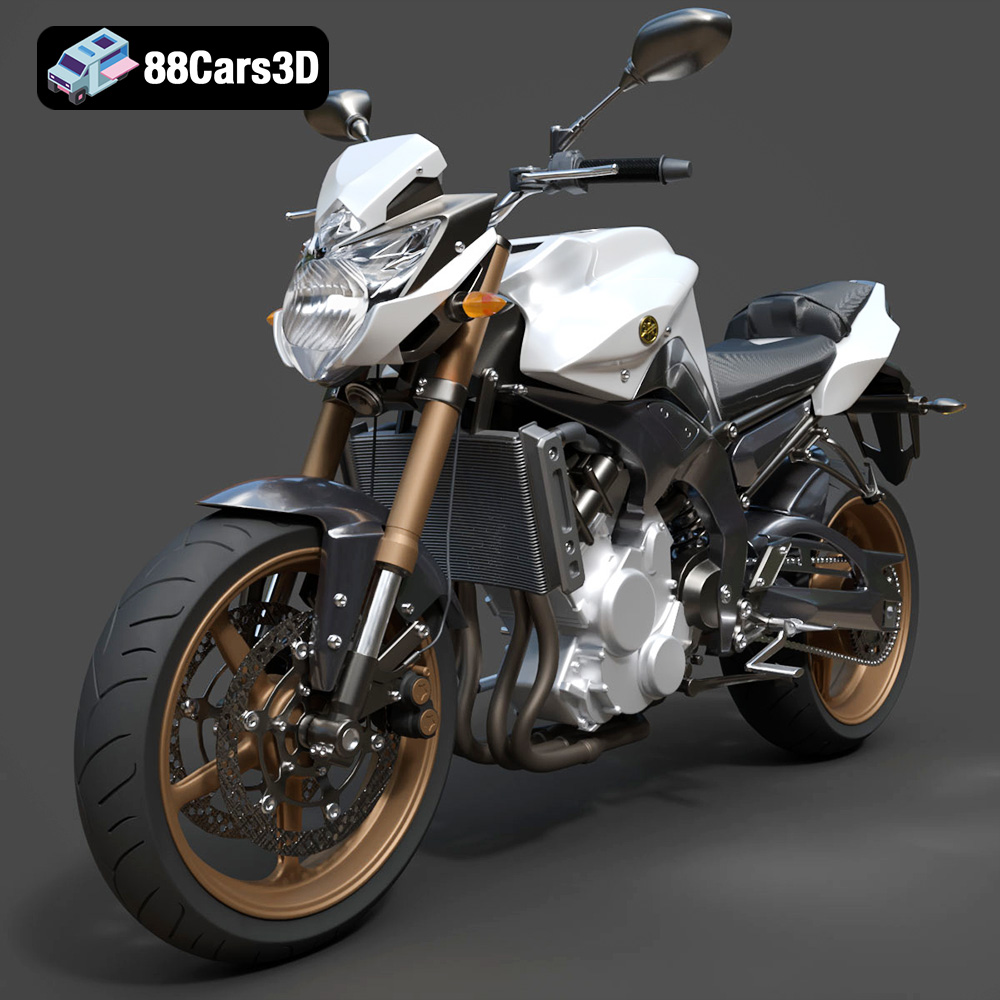
Texture: Yes
Material: Yes
Download the Yamaha FZ8 2011 3D Model featuring clean geometry, realistic detailing, and a fully modeled interior. Includes .blend, .fbx, .obj, .glb, .stl, .ply, .unreal, and .max formats for rendering, simulation, and game development.
Price: $19.99
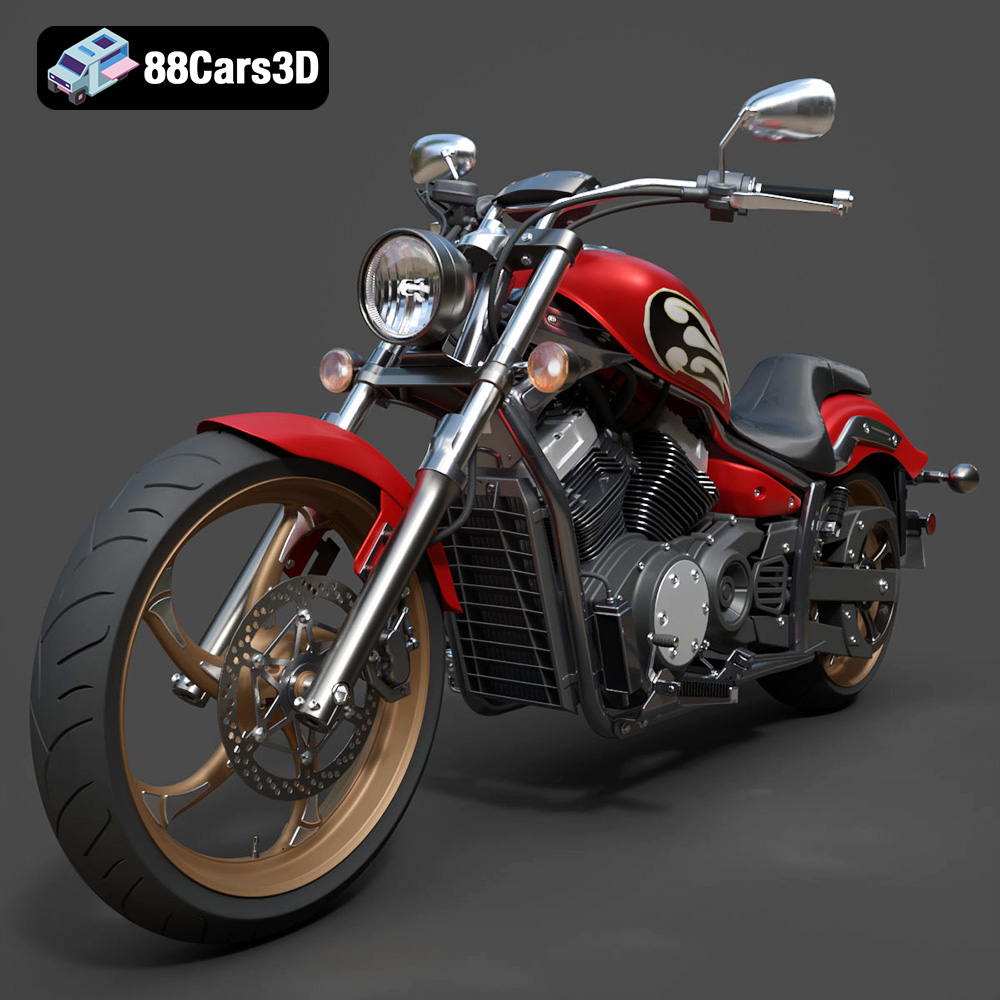
Texture: Yes
Material: Yes
Download the Yamaha Stryker 2012 3D Model featuring clean geometry, realistic detailing, and a fully modeled interior. Includes .blend, .fbx, .obj, .glb, .stl, .ply, .unreal, and .max formats for rendering, simulation, and game development.
Price: $19.99
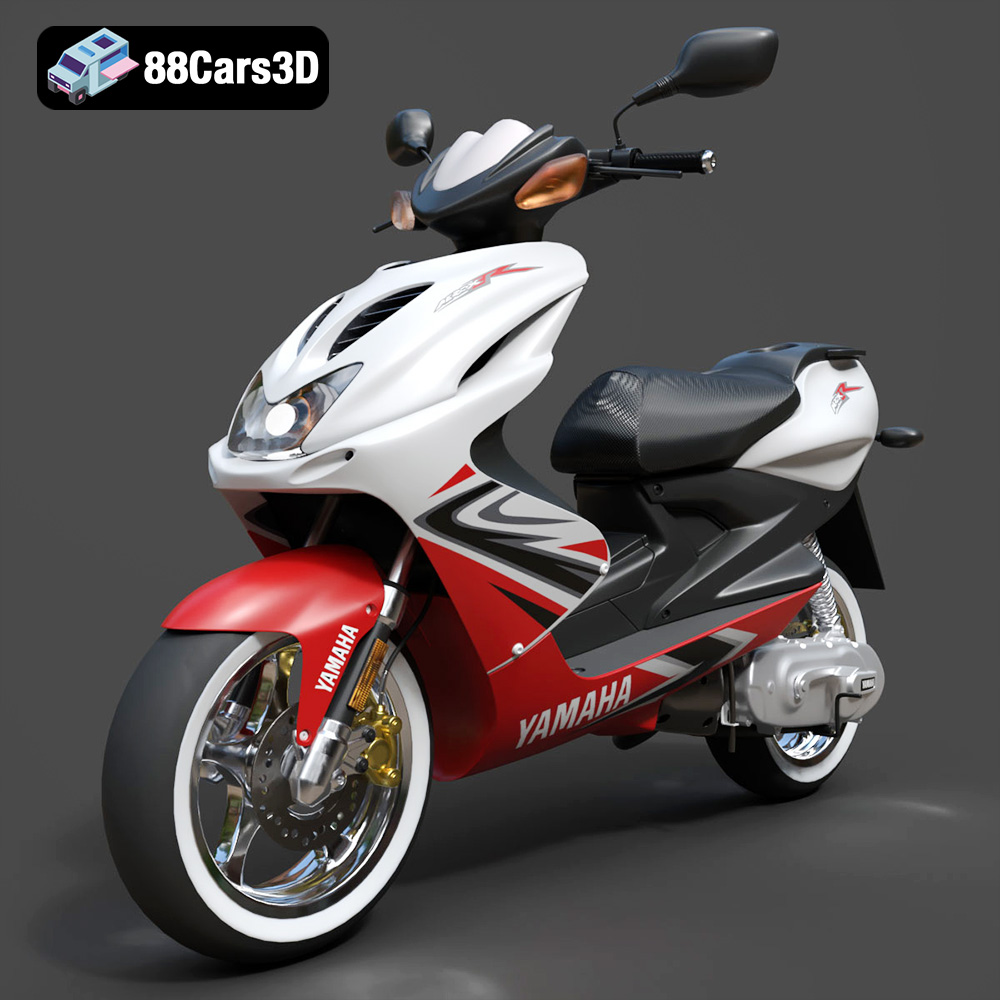
Texture: Yes
Material: Yes
Download the Yamaha Aerox R-002 2024 3D Model featuring clean geometry, realistic detailing, and a fully modeled interior. Includes .blend, .fbx, .obj, .glb, .stl, .ply, .unreal, and .max formats for rendering, simulation, and game development.
Price: $19.99
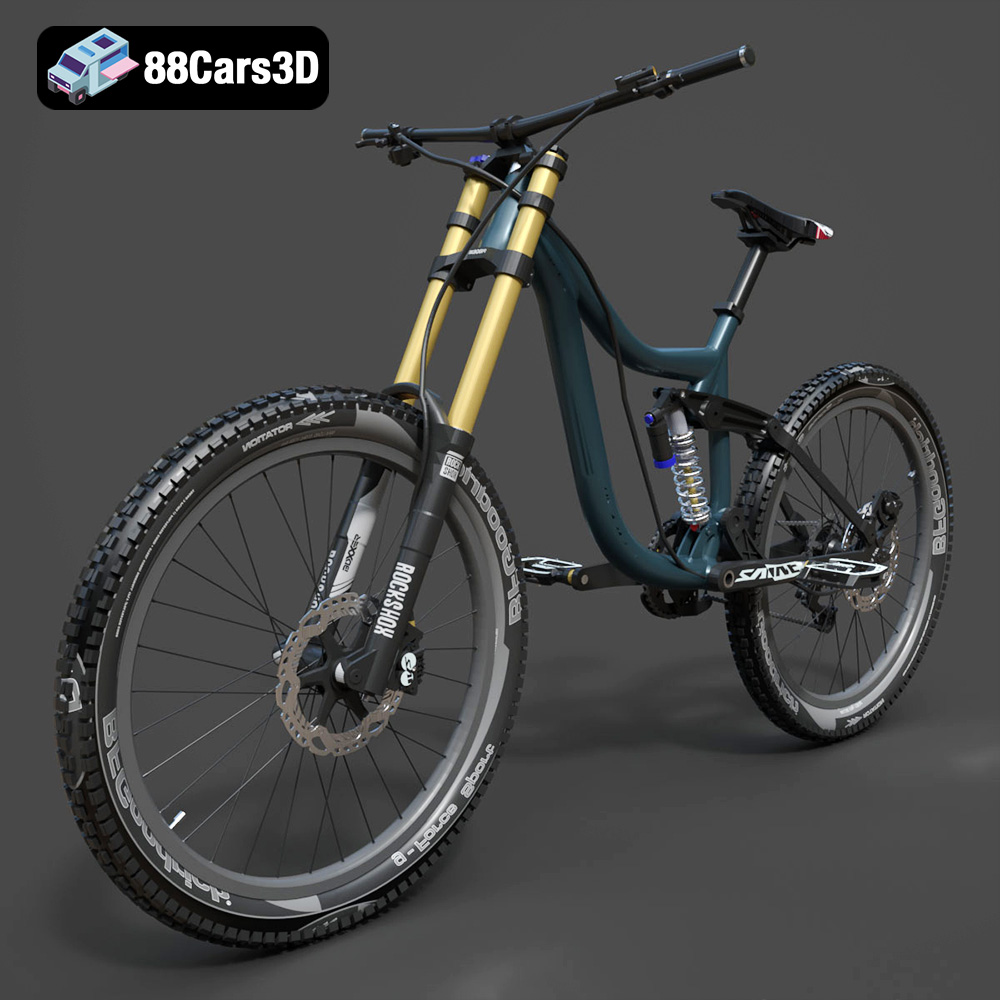
Texture: Yes
Material: Yes
Download the Mototsikly Downhill Bike-002 3D Model featuring clean geometry, realistic detailing, and precise mechanical components. Includes .blend, .fbx, .obj, .glb, .stl, .ply, .unreal, and .max formats for rendering, simulation, and game development.
Price: $19.99
Texture: Yes
Material: Yes
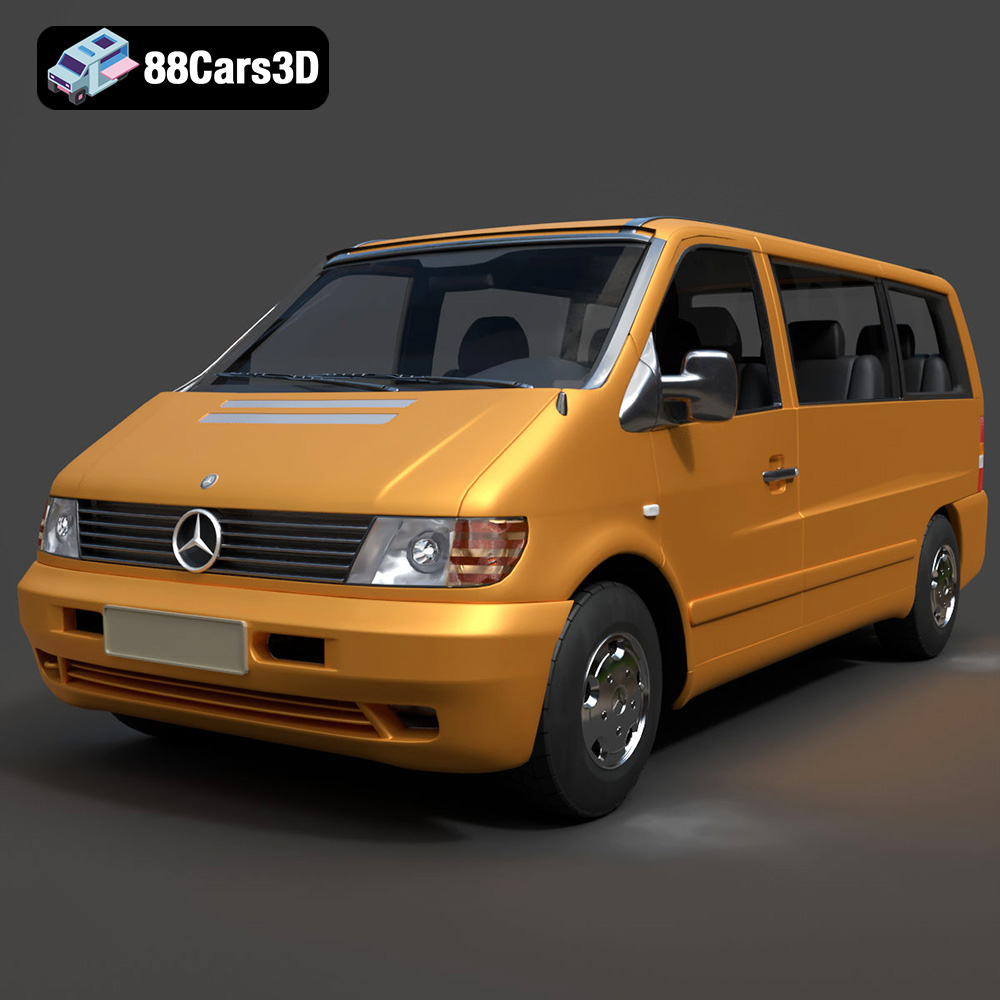
Download the Mercedes-Benz Vito Passenger Van 3D Model featuring clean geometry, realistic detailing, and a fully modeled interior. Includes .blend, .fbx, .obj, .glb, .stl, .ply, .unreal, and .max formats for rendering, simulation, and game development.
Price: $19.99
Texture: Yes
Material: Yes
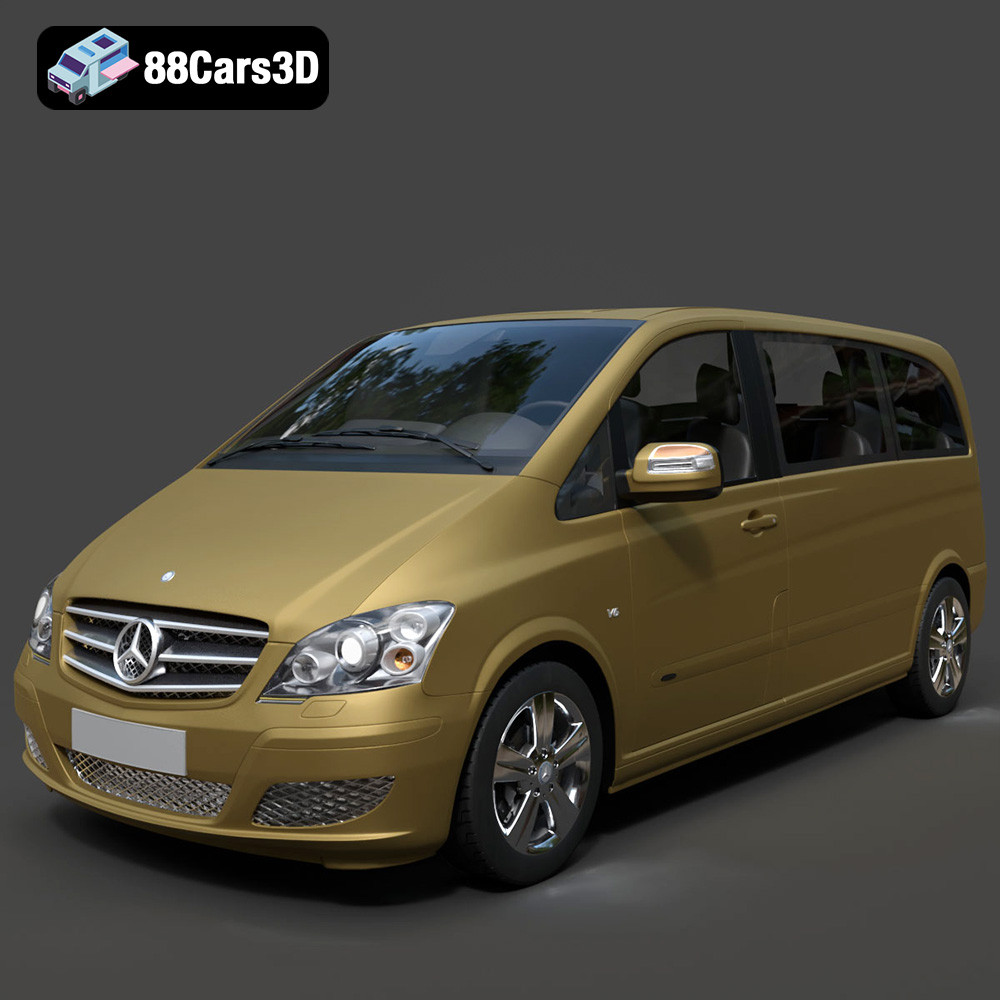
Download the Mercedes-Benz Viano 2010 3D Model featuring clean geometry, realistic detailing, and a fully modeled interior. Includes .blend, .fbx, .obj, .glb, .stl, .ply, .unreal, and .max formats for rendering, simulation, and game development.
Price: $19.99

Texture: Yes
Material: Yes
Download the Emt Avtobus 007 3D Model featuring clean geometry, realistic detailing, and a fully modeled interior. Includes .blend, .fbx, .obj, .glb, .stl, .ply, .unreal, and .max formats for rendering, simulation, and game development.
Price: $19.99
Texture: Yes
Material: Yes
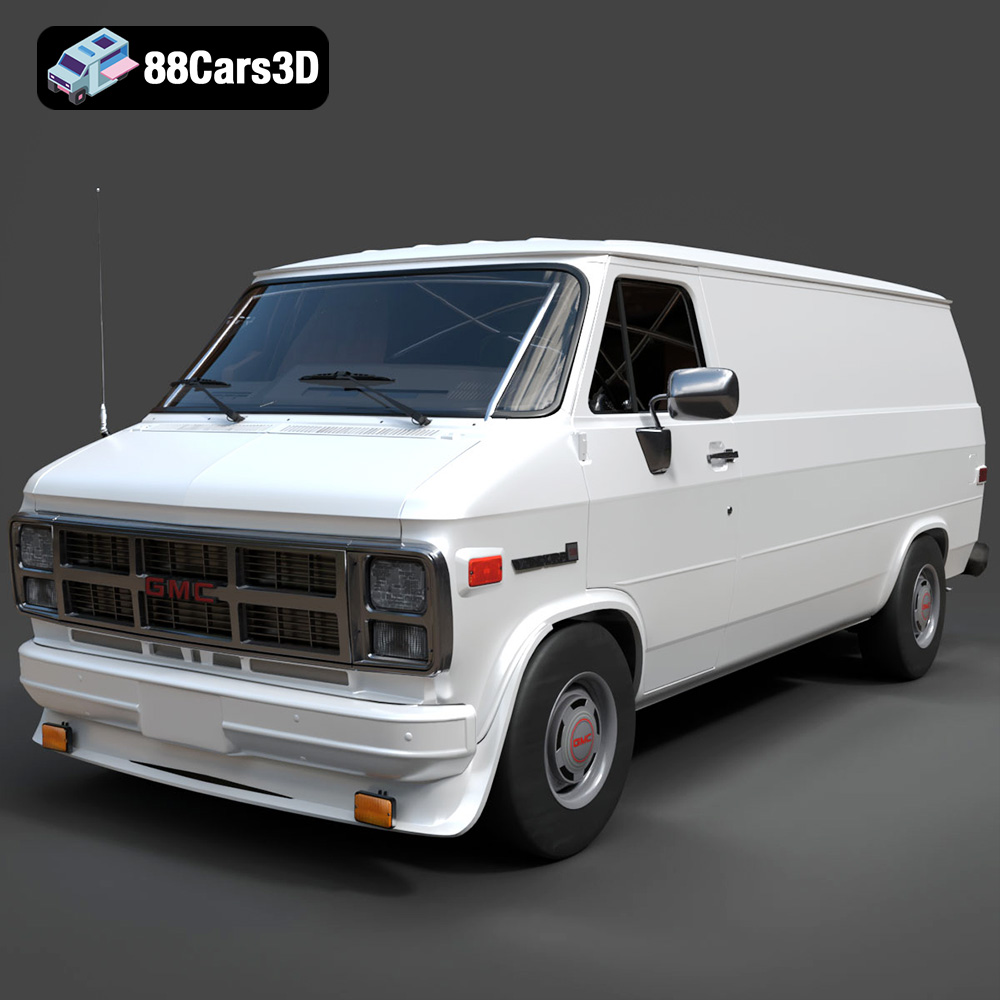
Download the GMC Vandura G-1500 1983 3D Model featuring clean geometry, realistic detailing, and a fully modeled interior. Includes .blend, .fbx, .obj, .glb, .stl, .ply, .unreal, and .max formats for rendering, simulation, and game development.
Price: $19.99

Texture: Yes
Material: Yes
Download the Ford E-450 Ambulance 3D Model featuring clean geometry, realistic detailing, and a fully modeled interior. Includes .blend, .fbx, .obj, .glb, .stl, .ply, .unreal, and .max formats for rendering, simulation, and game development.
Price: $19.99

Texture: Yes
Material: Yes
Download the Fiat Ducato SWB-001 3D Model featuring clean geometry, realistic detailing, and a fully modeled interior. Includes .blend, .fbx, .obj, .glb, .stl, .ply, .unreal, and .max formats for rendering, simulation, and game development.
Price: $19.99

