⚡ FLASH SALE: Get 60% OFF All Premium 3D & STL Models! ⚡

In today’s visually driven world, an animated car commercial isn’t just an advertisement; it’s a meticulously crafted piece of cinematic art designed to evoke emotion, communicate innovation, and leave a lasting impression. From the sleek lines of a luxury sedan cruising through an impossible cityscape to the rugged determination of an SUV conquering untamed wilderness, 3D car models offer unparalleled creative freedom to bring any automotive vision to life. This comprehensive guide will take you on a journey through the intricate technical workflows, artistic considerations, and industry best practices involved in transforming static 3D car models into dynamic, high-impact animated commercials. Whether you’re a seasoned 3D artist, an aspiring animator, or a marketing professional looking to understand the magic behind the screen, we’ll unpack the secrets to creating automotive narratives that captivate and convert. Get ready to accelerate your skills in modeling, rigging, animation, rendering, and post-production, transforming your vision into a stunning visual spectacle that resonates with audiences.
The journey to an award-winning car commercial begins with the 3D model itself. The quality of your source model directly impacts every subsequent stage, from rigging and animation to rendering and final compositing. A poorly constructed model with messy topology will lead to headaches, artifacts, and a compromised final product. This initial phase is about ensuring your digital asset is robust, optimized, and ready for the demanding processes of animation. Sourcing high-quality models from reputable platforms like 88cars3d.com can significantly streamline this process, providing a strong foundation upon which to build your animated masterpiece.
When acquiring a 3D car model, whether from a marketplace or by creating it from scratch, pay meticulous attention to its topology. For animation, clean quad-based topology is paramount. Avoid models riddled with N-gons (polygons with more than four sides) or triangles in areas that will deform or require smooth subdivision. A good animation-ready model will have a consistent edge flow that follows the contours of the car, particularly around panel lines, wheel wells, and doors. This ensures that when the model is subdivided for rendering or deformed during animation (e.g., subtle body flex, suspension compression), it maintains its elegant form without pinching or unsightly artifacts. Target polygon counts vary, but a production-ready car model for cinematic rendering often ranges from 200,000 to 1,000,000 polygons before subdivision, allowing for intricate detail without being overly cumbersome. Always inspect the mesh in wireframe mode and check for non-manifold geometry or overlapping vertices, which can cause rendering issues.
Flawless UV mapping is critical for applying realistic PBR (Physically Based Rendering) materials and intricate decals that define a car’s character. Each component of the car – body panels, wheels, interior, lights – should have clean, non-overlapping UV islands. For large, continuous surfaces like the car body, strive for minimal seams and uniform texel density across all islands to prevent stretching or pixelation. Automotive models often utilize multiple UV sets: one for general color and detail, another for ambient occlusion or dirt maps, and sometimes a third for specific decals or wear masks. Aim for texture resolutions that support close-up shots without loss of detail. For instance, the main body paint might use 8K or 16K textures (Albedo, Normal, Roughness, Metallic), while smaller components could use 4K or 2K. Ensure all texture maps are correctly packed and named intuitively (e.g., `car_body_Albedo.png`, `wheel_rim_Normal.exr`). When sourcing models from marketplaces such as 88cars3d.com, verify that they come with well-organized UVs and PBR-ready texture sets to save valuable production time.
A static 3D car model is merely a sculpture; rigging is the process of giving it the skeletal structure and controls necessary to animate its every nuance. For an automotive commercial, this goes far beyond simply rotating wheels. It involves creating a robust, intuitive rig that allows for realistic suspension compression, steering, and even subtle body roll, bringing an unparalleled level of realism and dynamism to the animation. A well-constructed rig is the animator’s best friend, enabling efficient and expressive motion.
The fundamental car rig typically involves a main control object (often an empty or a custom shape) that acts as the global parent for the entire vehicle. Children to this main control are the car’s body, chassis, and individual wheel rigs. Each wheel rig should consist of several components: a hub for rotation, a suspension bone (or system of bones) to handle vertical travel, and a steering bone for turning. Parent constraint relationships are crucial here. The wheel hubs are parented to the suspension bones, which are in turn parented to the chassis. The chassis itself might be parented to the main control or have its own set of controls for body lean and elevation. Utilizing local transformation axes for rotation can simplify animation, ensuring that wheels rotate around their correct centers. In Blender, for example, creating custom bone shapes and linking them to specific functions via drivers or constraints (like `Transform` constraints for steering or `Limit Location` for suspension travel) is a common practice. More information on rigging constraints can be found in the official Blender 4.4 documentation at https://docs.blender.org/manual/en/4.4/rigging/constraints/index.html.
For true realism, especially in dynamic shots, an advanced suspension rig is indispensable. This often involves inverse kinematics (IK) chains for each wheel, allowing the wheel to stay grounded while the car’s body moves over terrain or reacts to acceleration/braking. Each IK chain typically has a target bone (e.g., a wheel controller) and a pole vector to control the knee direction of the “suspension” bones. Springs or dampeners can be simulated using drivers or dynamic parenting, where the compression of the suspension system directly influences the position of the wheel and the reaction of the car’s body. Furthermore, a steering rig should correctly mimic Ackerman steering geometry, where the inner wheel turns at a sharper angle than the outer wheel during a turn, reducing tire scrub and increasing realism. This can be achieved with mathematical expressions in drivers or dedicated custom scripts. Additionally, creating a “ground detection” system using raycasting or collision objects can automate wheel compression over uneven surfaces, saving immense animation time. This level of detail in rigging, while complex, provides animators with precise control over every aspect of the car’s interaction with its environment, leading to a much more believable and visually striking final animation.
Lighting is the silent storyteller in any visual medium, and in automotive commercials, it plays a pivotal role in defining the car’s form, emphasizing its features, and setting the emotional tone. Whether it’s the glistening reflection of studio lights on a meticulously polished surface or the dramatic interplay of sunlight and shadow on an open road, the right lighting transforms a mere 3D model into a captivating cinematic presence. The environment, in turn, provides the context, grounding the vehicle in a believable and engaging world.
For studio-style commercials, a common setup involves a three-point lighting system, often augmented with additional fill and rim lights. A large key light (e.g., a massive area light or softbox) provides the primary illumination, defining the car’s major forms. A fill light, usually softer and less intense, reduces harsh shadows. Rim lights, placed behind and to the sides of the car, create specular highlights along edges, separating the car from the background and enhancing its silhouette. Consider using large, soft area lights or even emissive planes as light sources to achieve those iconic, elongated reflections on the car’ paintwork. For “on-location” scenes, the approach shifts to emulating natural light sources. A powerful directional light simulates the sun, paired with a sky dome or HDR environment map for ambient light and reflections. Varying the color temperature of lights (cooler blues for morning/evening, warmer yellows for midday) can drastically alter the mood. For dynamic shots, think about “light-sweeps” where the car passes through pools of light and shadow, using animated Gobos (light blockers) or moving light sources to create visual interest and highlight specific features as the car moves.
High Dynamic Range Images (HDRIs) are indispensable for realistic lighting and reflections in automotive rendering. An HDRI wraps around your scene, providing accurate environmental lighting, reflections, and even subtle color bounced light. When selecting HDRIs, look for high-resolution (8K-16K or more) options that match the mood and time of day of your scene. For convincing integration, it’s often paired with a “backplate” – a high-resolution photograph of the desired environment taken from the same perspective as your 3D camera. The 3D car is then rendered against this backplate, taking its lighting cues from the HDRI. For scenes requiring more interaction, such as dust kicking up or reflections of nearby buildings, a full 3D environment or a combination of 3D elements and matte paintings will be necessary. When building 3D environments, optimize geometry and textures heavily, as they are often background elements. Techniques like projecting textures onto simple geometry or using instancing for repeated elements (trees, lampposts) can keep render times manageable. The goal is seamless integration, making it impossible to distinguish the CGI car from the real-world environment.
Animation is where the car truly comes to life, transitioning from a static object to a dynamic character in its own narrative. The interplay between the car’s movement and the camera’s choreography is what creates a compelling commercial. Every acceleration, turn, and suspension bounce contributes to the overall storytelling, while the camera frames the action, emphasizing key design elements and emotional beats. Mastering both car and camera animation is essential for cinematic impact.
Camera animation in car commercials is an art form itself, designed to highlight speed, elegance, power, or versatility. Avoid static shots unless used for a specific dramatic pause. Instead, employ fluid, dynamic camera movements that track the car, reveal its form, or emphasize its environment. Common techniques include:
* **Tracking Shots:** The camera moves alongside the car, maintaining a consistent distance and perspective, often achieved with parent constraints or follow path constraints.
* **Crane Shots:** Elevating or lowering the camera to reveal the car’s surroundings or provide a sweeping, majestic view.
* **Dolly Shots:** The camera moves horizontally or vertically relative to the subject, often used for revealing or emphasizing scale.
* **Orbital Shots:** The camera rotates around the car, showcasing its 360-degree design, frequently utilizing an empty object as a target for the camera to orbit around.
* **Dynamic Push-Ins/Pull-Outs:** Rapid zooms or dolly moves to create emphasis or transition between scenes.
* **Motion Blur:** Crucial for conveying speed. Apply both camera and object motion blur during rendering, carefully adjusting settings to achieve a natural look.
* **Depth of Field:** Use shallow depth of field to draw attention to specific parts of the car or to separate it from the background, adding a cinematic quality.
Always consider the pacing of your shots. Fast cuts and quick camera movements convey excitement and speed, while slower, more deliberate movements can emphasize luxury and elegance.
Animating the car itself involves a blend of techniques to achieve maximum realism and storytelling potential.
* **Path Animation:** For cruising shots or specific routes, animating the car along a bezier curve or NURBS path is highly efficient. The car’s main control rig is constrained to the path, and its speed is controlled by an offset parameter. The wheels are then linked to the car’s forward motion, rotating automatically based on speed and wheel radius, often through drivers or expressions (e.g., `(distance_traveled / (2 * pi * wheel_radius)) * 360` for rotation in degrees).
* **Keyframing:** For more intricate movements like drifts, quick accelerations, braking, or detailed suspension reactions, traditional keyframing is essential. Animate the car’s position, rotation, and the individual components of its rig (steering, suspension compression). Utilize the graph editor in your 3D software (3ds Max, Blender, Maya) to refine animation curves, ensuring smooth acceleration/deceleration (ease-in/ease-out) and realistic motion.
* **Suspension Animation:** Beyond basic compression, animate subtle body roll during turns and pitch during acceleration/braking. This adds significant weight and realism to the car’s movement.
* **Tire Deformations:** For extreme close-ups during hard turns or acceleration, consider subtle tire bulge or deformation to convey the forces acting on the rubber. This can be achieved with blend shapes or a bone-based deformation rig on the tires.
* **Simulations:** For elements like dust clouds kicked up by a rallying car, rain streaks on the windshield, or smoke from burning tires, particle simulations or fluid simulations are invaluable. Tools like TyFlow in 3ds Max or Blender’s Mantaflow can create highly realistic environmental effects, adding another layer of visual richness to the commercial. These simulations are often cached and then rendered alongside the car to ensure consistency.
Rendering is the process where all your efforts in modeling, texturing, lighting, and animation coalesce into the final image. For car commercials, photorealism is not just a goal; it’s an expectation. Modern renderers offer incredible capabilities to achieve this, but mastering their settings and understanding PBR principles are key to producing stunning, high-fidelity visuals that compete with live-action footage.
Physically Based Rendering (PBR) materials are the cornerstone of photorealism. They accurately simulate how light interacts with surfaces in the real world, providing consistent and believable results across various lighting conditions. For automotive models, key PBR maps include:
* **Albedo/Base Color:** The diffuse color of the surface, free of lighting information.
* **Metallic:** A grayscale map (0.0 for dielectrics, 1.0 for metals) indicating if a surface is metallic.
* **Roughness/Glossiness:** Controls the microscopic surface irregularities, determining how sharp or blurry reflections are. (Roughness values range 0-1, where 0 is perfectly smooth and 1 is completely rough; Glossiness is the inverse).
* **Normal Map:** Adds fine surface details without increasing geometry, crucial for intricate panel gaps, tire treads, or carbon fiber weaves.
* **IOR (Index of Refraction):** Important for transparent materials like glass and headlights (e.g., glass ~1.5, water ~1.33).
* **Transmission/Opacity:** Controls how light passes through a material.
For car paint, a complex shader often involves multiple layers: a base metallic coat, a clear coat layer with its own roughness and tint, and sometimes a flake layer for iridescent effects. In renderers like Corona, V-Ray, Cycles, or Arnold, these layers can be stacked or blended using advanced shader nodes. Optimize your shaders by baking complex procedural textures to image maps where possible, and ensure all textures are in appropriate file formats (e.g., `.exr` for HDR data like normal maps and displacement, `.png` for Albedo).
Render settings are crucial for balancing image quality and render time. For cinematic quality, higher sampling rates (e.g., 200-500 samples per pixel for raytracing renderers) are often necessary to minimize noise, especially in reflections and areas with complex global illumination. Adjust ray depths for reflection and refraction to capture realistic interactions. Output settings should prioritize high-bit depth image sequences (e.g., 16-bit or 32-bit OpenEXR) over compressed video formats like MP4. OpenEXR sequences offer:
* **High Dynamic Range:** Capturing a wider range of light information, allowing for greater flexibility in post-processing.
* **Multi-Channel Data (Render Passes/AOV’s):** Breaking down the final image into separate components like Diffuse, Specular, Reflections, Refractions, Normals, Z-Depth, Cryptomatte (for easy mask generation), and Velocity (for motion blur in post). These passes provide immense control in compositing, allowing you to fine-tune specific elements without re-rendering the entire scene.
Plan your render passes carefully based on what you anticipate needing in post-production. For a typical commercial shot, a minimum set would include Beauty, Alpha, Z-Depth, Cryptomatte for materials/objects, and a Reflection pass. This enables extensive manipulation in compositing software, offering a safety net for minor adjustments and artistic enhancements.
The rendering phase delivers raw visual data, but it’s in post-production where the true magic of a commercial comes to life. Compositing is the art of combining all the rendered layers and passes, enhancing them with visual effects, color grading, and motion graphics to create a cohesive, polished, and breathtaking final sequence. This stage is about refining the narrative, amplifying the emotion, and ensuring every frame shines with commercial-grade quality.
Using software like Adobe After Effects, Nuke, or DaVinci Resolve, you’ll begin by assembling your render passes. The “Beauty” pass forms the foundation, onto which you layer elements like reflections, refractions, and volumetrics (if rendered separately). Alpha passes are used to precisely mask and isolate individual components of the car or environment, allowing for targeted adjustments. Z-Depth passes are invaluable for adding realistic atmospheric perspective, depth of field effects in post, or creating distance-based fog. Cryptomatte passes simplify the creation of masks for specific materials or objects, making color correction or effect application incredibly efficient.
Color grading is arguably the most impactful part of post-production. It sets the mood, enhances visual appeal, and ensures consistency across all shots.
* **Primary Corrections:** Adjust exposure, contrast, white balance, and saturation to ensure a solid baseline.
* **Secondary Corrections:** Target specific colors (e.g., making the car’s red paint pop, or adjusting the hue of the sky) or isolated areas using masks.
* **Look Development:** Apply creative looks – warm cinematic tones, cool futuristic vibes, gritty desaturated styles – that align with the brand and commercial’s message. Use LUTs (Look Up Tables) as starting points.
* **Vignettes & Grains:** Subtle vignettes can draw the eye to the car, while film grain can add texture and a cinematic feel, helping to blend CGI with any live-action elements.
Beyond basic layering and color, car commercials often integrate various visual effects and motion graphics to elevate the presentation.
* **Lens Flares & Glares:** Used judiciously, these can add realism to bright light sources or dramatic emphasis.
* **Glows & Aberration:** Subtle glows around lights or chromatic aberration can enhance visual interest, mimicking real-world camera optics.
* **Speed Lines & Distortion:** For extremely fast sequences, abstract speed lines or localized motion distortion can heighten the sense of velocity.
* **Particle Effects:** Enhancing existing simulations or adding new ones in post (e.g., subtle dust motes in the air, falling leaves) to enrich the environment.
* **Motion Graphics:** Brand logos, text overlays, price call-outs, or technical feature showcases are typically animated with sophisticated motion graphics, ensuring they complement the car’s aesthetics and are seamlessly integrated into the commercial.
Finally, consider the technical specifications for your deliverables. Most commercials require high-resolution (often 4K or even 8K), high-bitrate video files, typically in formats like ProRes, DNxHD, or uncompressed image sequences. Ensure correct aspect ratios (e.g., 16:9 for standard TV, wider cinematic ratios for specific campaigns) and frame rates (24fps, 25fps, 30fps, or higher for slow motion) are maintained throughout the pipeline. Understanding the target platform (broadcast, web, social media) will dictate the final compression and encoding settings. Diligent attention to these details ensures your animated car commercial looks stunning and performs flawlessly across all distribution channels.
Creating a compelling animated car commercial with 3D models is a highly technical yet deeply artistic endeavor, demanding mastery across a broad spectrum of disciplines. From meticulously preparing a high-quality 3D model with impeccable topology and UVs, through the intricate process of rigging for dynamic motion, to choreographing breathtaking camera movements and animating the car with realistic precision, every stage is critical. Photorealistic rendering, leveraging advanced PBR materials and multi-channel render passes, brings the vision to life, while the final touches in post-production – encompassing sophisticated compositing, precise color grading, and impactful motion graphics – elevate the raw renders into cinematic masterpieces. By adhering to industry best practices, understanding the nuanced interplay of light, motion, and materials, and utilizing the powerful toolsets available in modern 3D software, artists can craft narratives that not only showcase the beauty and engineering of an automotive marvel but also resonate deeply with audiences. Embrace the challenge, refine your skills, and unleash the full potential of 3D car models to create unforgettable automotive stories.
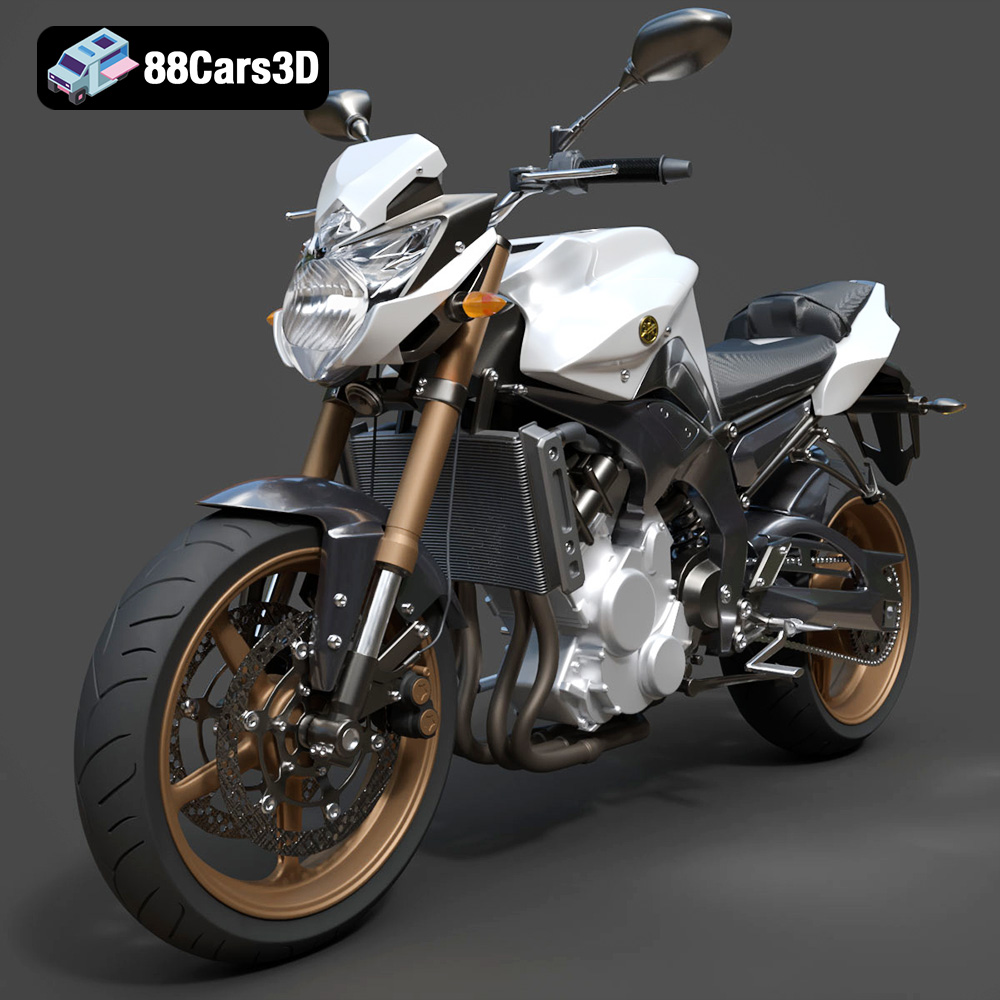
Texture: Yes
Material: Yes
Download the Yamaha FZ8 2011 3D Model featuring clean geometry, realistic detailing, and a fully modeled interior. Includes .blend, .fbx, .obj, .glb, .stl, .ply, .unreal, and .max formats for rendering, simulation, and game development.
Price: $19.99
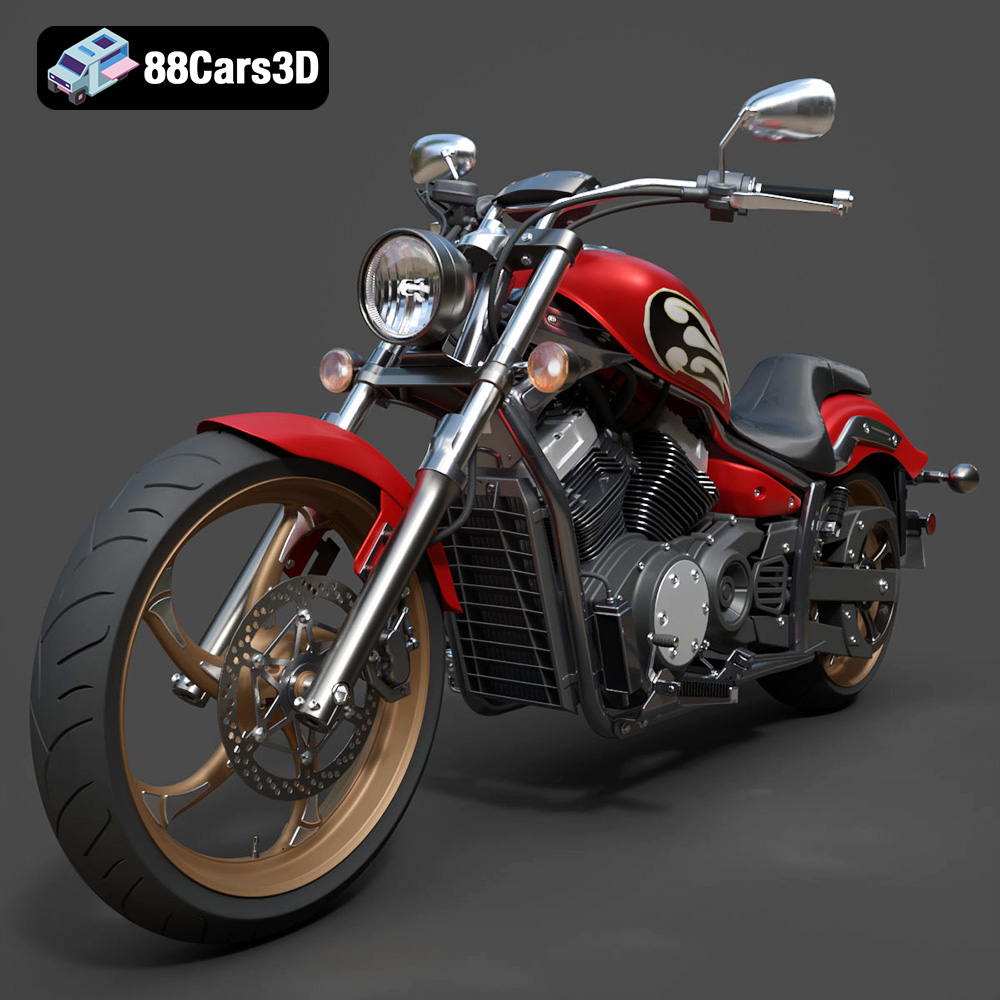
Texture: Yes
Material: Yes
Download the Yamaha Stryker 2012 3D Model featuring clean geometry, realistic detailing, and a fully modeled interior. Includes .blend, .fbx, .obj, .glb, .stl, .ply, .unreal, and .max formats for rendering, simulation, and game development.
Price: $19.99
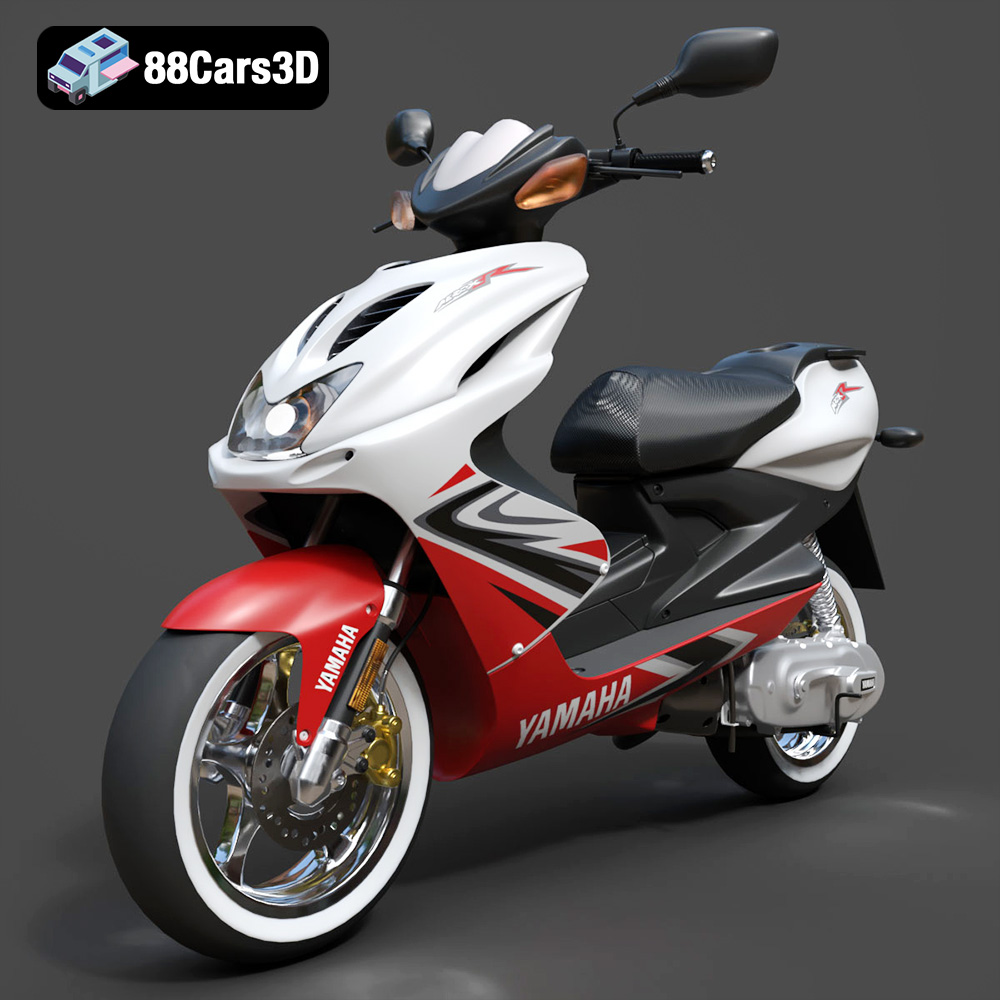
Texture: Yes
Material: Yes
Download the Yamaha Aerox R-002 2024 3D Model featuring clean geometry, realistic detailing, and a fully modeled interior. Includes .blend, .fbx, .obj, .glb, .stl, .ply, .unreal, and .max formats for rendering, simulation, and game development.
Price: $19.99
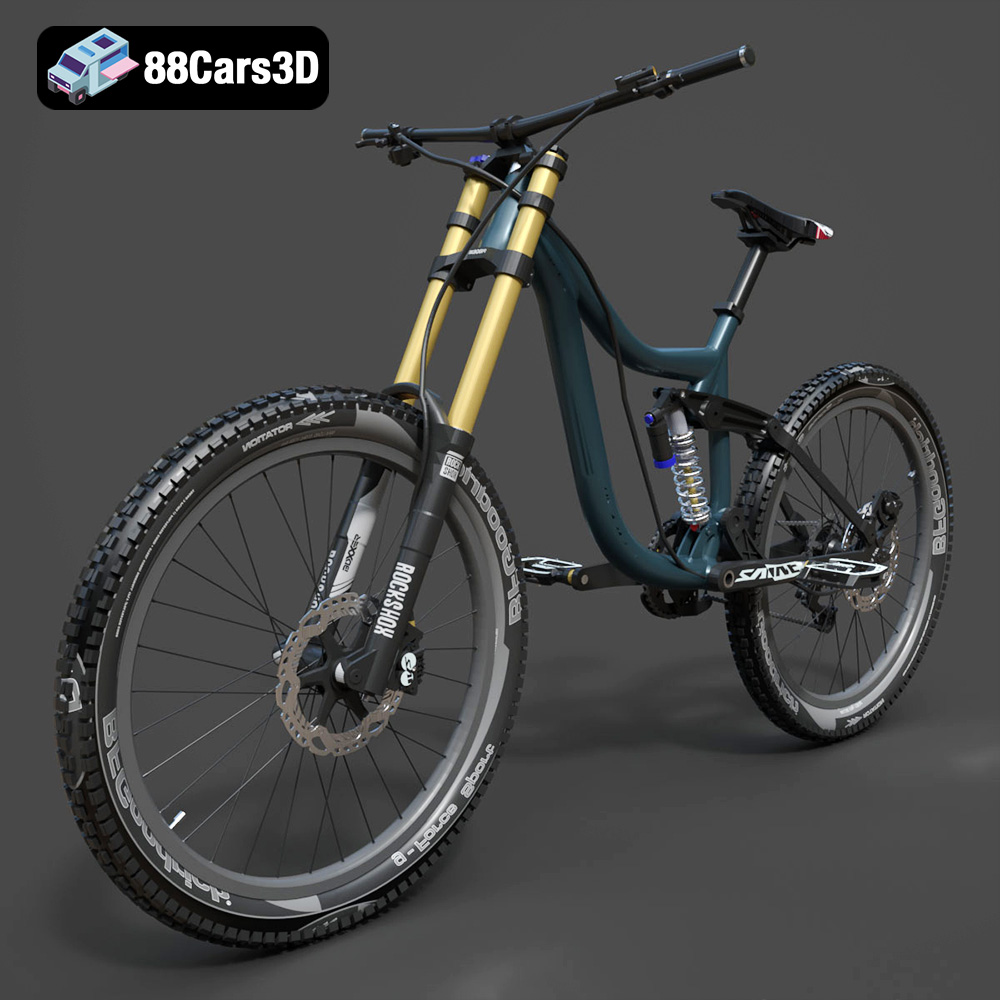
Texture: Yes
Material: Yes
Download the Mototsikly Downhill Bike-002 3D Model featuring clean geometry, realistic detailing, and precise mechanical components. Includes .blend, .fbx, .obj, .glb, .stl, .ply, .unreal, and .max formats for rendering, simulation, and game development.
Price: $19.99
Texture: Yes
Material: Yes
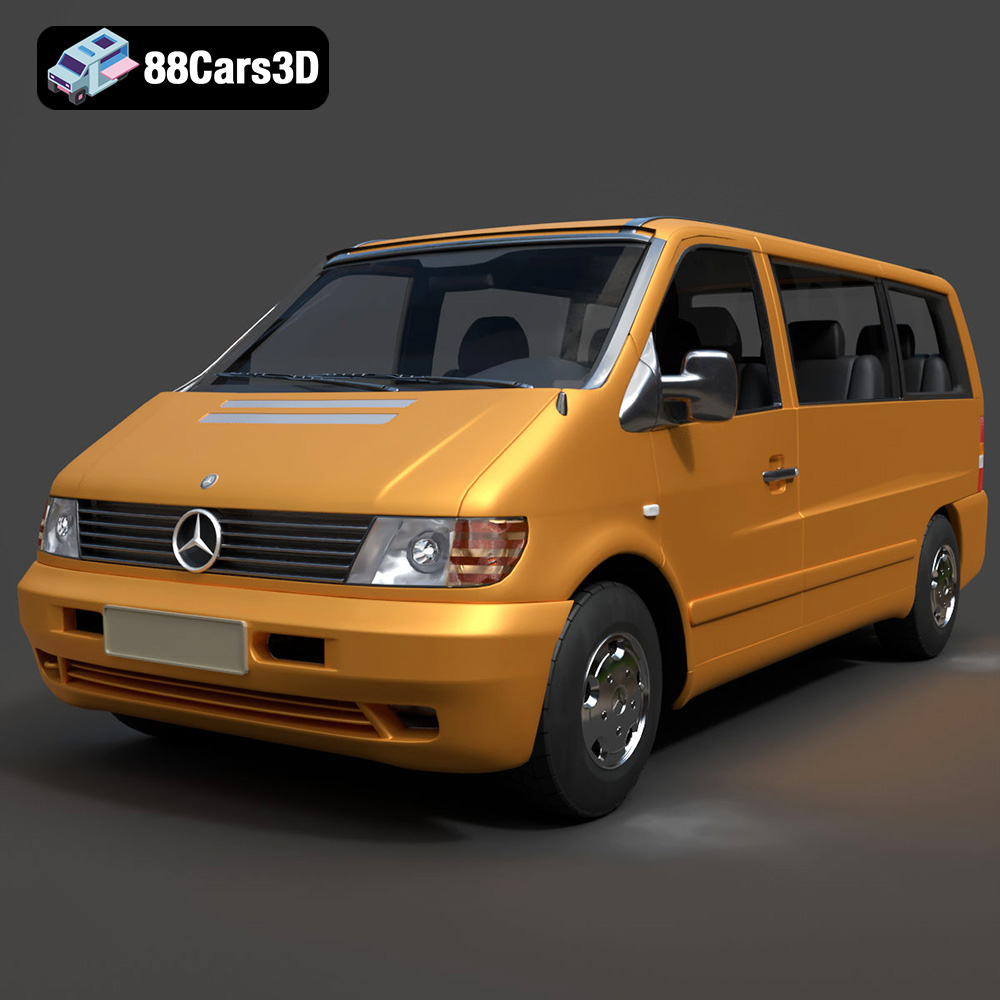
Download the Mercedes-Benz Vito Passenger Van 3D Model featuring clean geometry, realistic detailing, and a fully modeled interior. Includes .blend, .fbx, .obj, .glb, .stl, .ply, .unreal, and .max formats for rendering, simulation, and game development.
Price: $19.99
Texture: Yes
Material: Yes
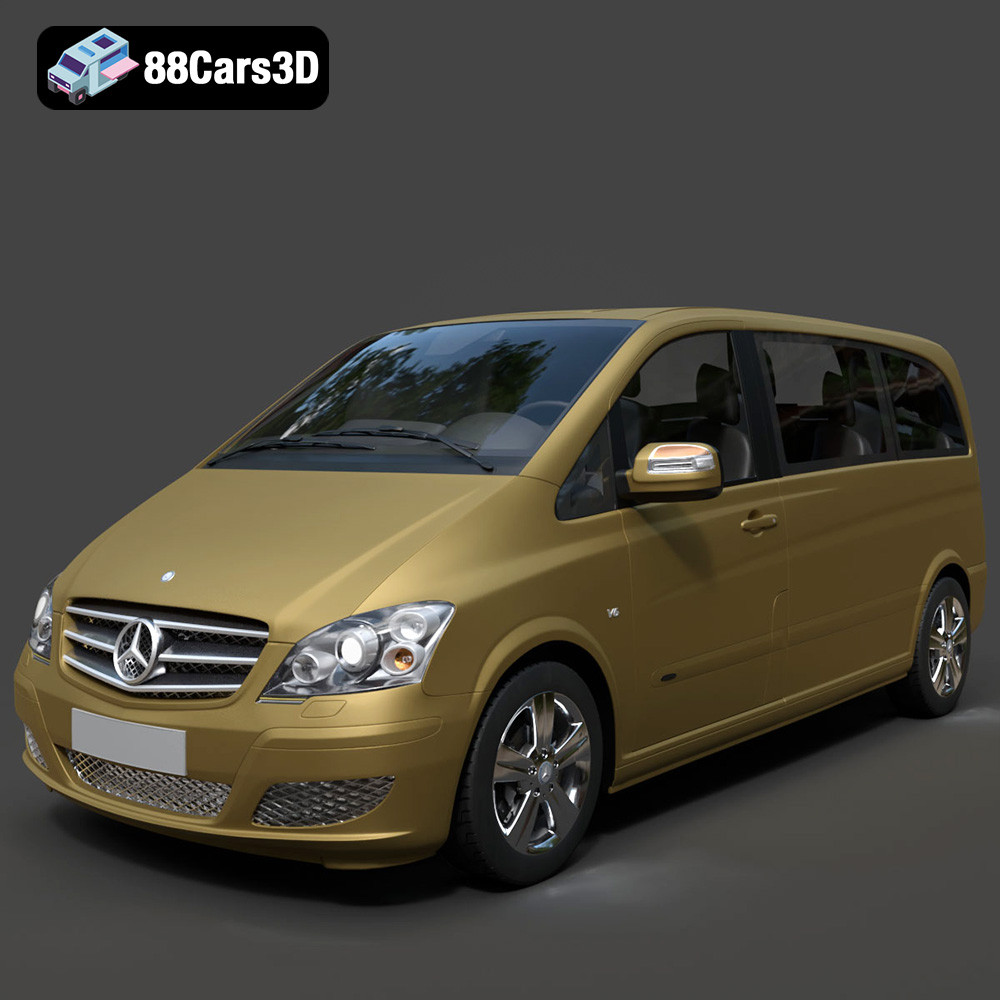
Download the Mercedes-Benz Viano 2010 3D Model featuring clean geometry, realistic detailing, and a fully modeled interior. Includes .blend, .fbx, .obj, .glb, .stl, .ply, .unreal, and .max formats for rendering, simulation, and game development.
Price: $19.99

Texture: Yes
Material: Yes
Download the Emt Avtobus 007 3D Model featuring clean geometry, realistic detailing, and a fully modeled interior. Includes .blend, .fbx, .obj, .glb, .stl, .ply, .unreal, and .max formats for rendering, simulation, and game development.
Price: $19.99
Texture: Yes
Material: Yes
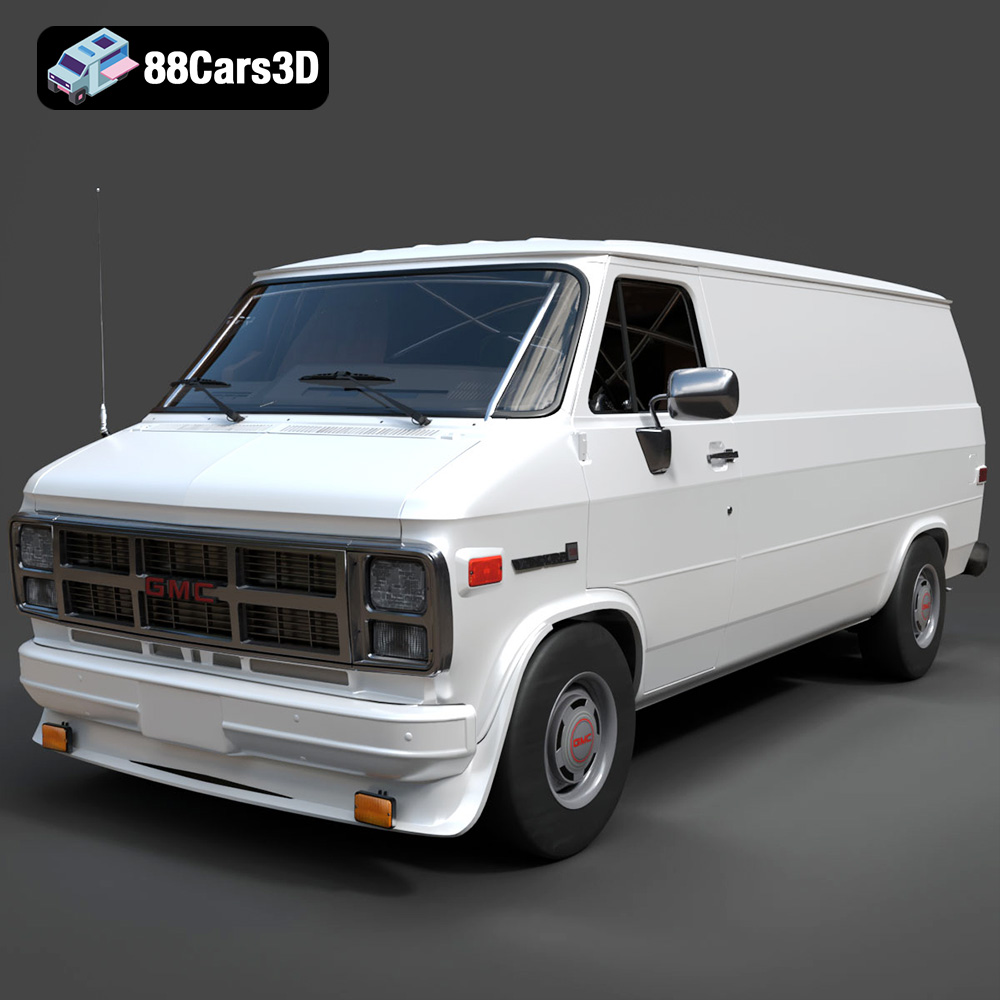
Download the GMC Vandura G-1500 1983 3D Model featuring clean geometry, realistic detailing, and a fully modeled interior. Includes .blend, .fbx, .obj, .glb, .stl, .ply, .unreal, and .max formats for rendering, simulation, and game development.
Price: $19.99
Texture: Yes
Material: Yes
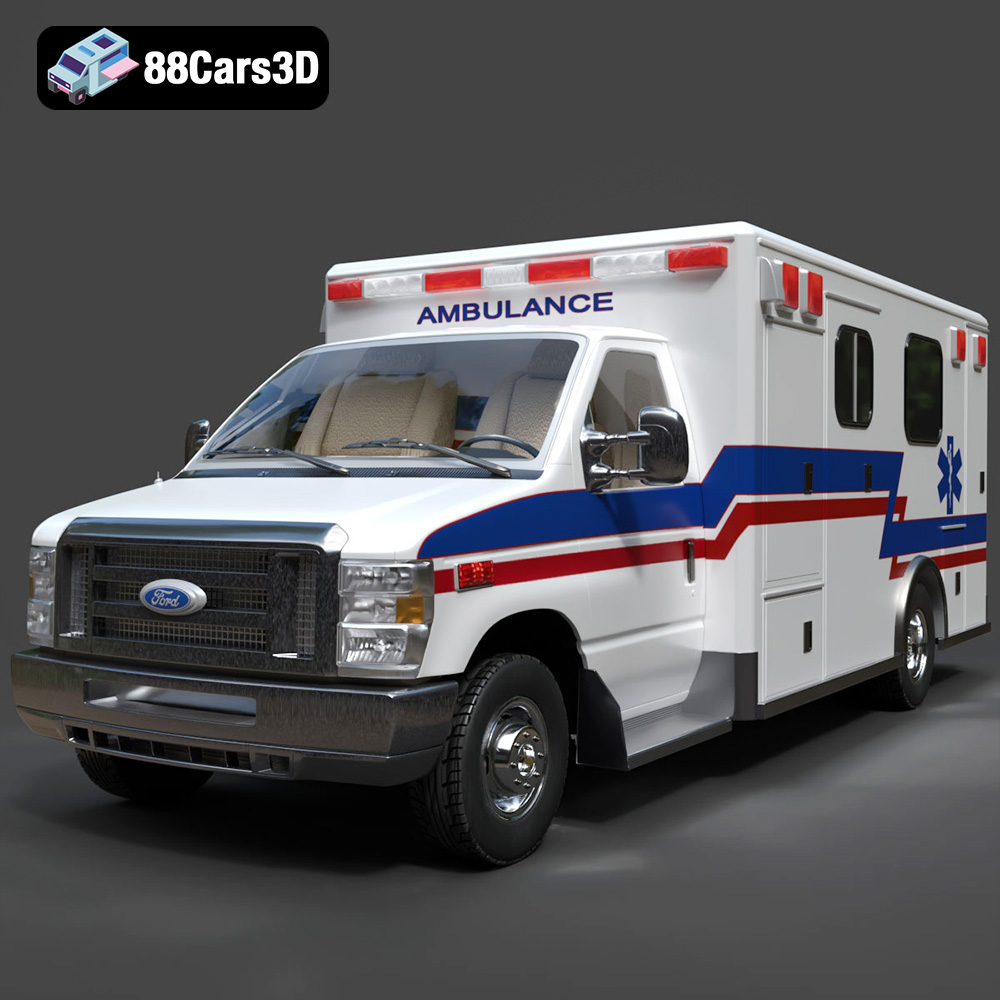
Download the Ford E-450 Ambulance 3D Model featuring clean geometry, realistic detailing, and a fully modeled interior. Includes .blend, .fbx, .obj, .glb, .stl, .ply, .unreal, and .max formats for rendering, simulation, and game development.
Price: $19.99

Texture: Yes
Material: Yes
Download the Fiat Ducato SWB-001 3D Model featuring clean geometry, realistic detailing, and a fully modeled interior. Includes .blend, .fbx, .obj, .glb, .stl, .ply, .unreal, and .max formats for rendering, simulation, and game development.
Price: $19.99

