⚡ FLASH SALE: Get 60% OFF All Premium 3D & STL Models! ⚡

The automotive industry has always been at the forefront of innovation, not just in vehicle design but also in how these marvels are presented to the world. In an era where visual fidelity and immersive experiences are paramount, traditional greenscreen workflows are rapidly giving way to a revolutionary technique: LED wall virtual production. Powered by real-time engines like Unreal Engine, this technology allows filmmakers, advertisers, and visualization specialists to place physical cars within dynamic, photorealistic digital environments, all captured in-camera.
This paradigm shift transforms everything from concept design and marketing campaigns to interactive configurators and virtual showrooms. Imagine a real car seamlessly integrated into any environment imaginable – from a bustling cityscape to an alien landscape – with accurate reflections, interactive lighting, and dynamic weather, all rendered live. This blog post will serve as your comprehensive guide to understanding and implementing LED wall virtual production for automotive visualization using Unreal Engine. We’ll delve into project setup, asset optimization, advanced rendering techniques, and performance strategies, equipping you with the knowledge to create stunning, in-camera visual effects that captivate your audience.
Virtual production (VP) with LED walls hinges on creating a seamless blend between the physical and digital worlds. At its core, this involves projecting an Unreal Engine environment onto a large LED screen, which then acts as a dynamic backdrop for a physical subject, such as an automotive vehicle. This approach offers unparalleled realism for reflections, lighting, and parallax, making post-production compositing significantly easier or even entirely eliminating it for in-camera VFX. To embark on this journey, a robust Unreal Engine project setup is paramount, demanding careful attention to both software configuration and hardware infrastructure.
The process begins with configuring Unreal Engine specifically for multi-display output, primarily using its nDisplay framework. nDisplay is a powerful, integrated solution within Unreal Engine that manages synchronized rendering across multiple displays, whether they are flat panels, curved LED walls, or even projector arrays. Each display tile on an LED wall typically functions as a “viewport” that needs to be rendered from a slightly different perspective to maintain correct parallax and immersion. Proper nDisplay setup involves defining the physical layout of your LED wall within the engine, specifying the resolution of each panel, and setting up the cluster rendering architecture that distributes the workload across multiple GPUs. This complex synchronization ensures that the virtual environment appears cohesive and distortion-free from the perspective of the camera filming the physical car. Without this precise calibration, the illusion breaks down, leading to skewed perspectives and noticeable seams between LED panels. For detailed guides on nDisplay setup, refer to the official Unreal Engine documentation at https://dev.epicgames.com/community/unreal-engine/learning.
A successful LED wall virtual production setup requires several key plugins and configurations within Unreal Engine. First and foremost is the nDisplay plugin, which is essential for multi-display output. Alongside nDisplay, the Live Link plugin is critical for tracking real-world objects, particularly the physical camera, which sends its position and rotation data to Unreal Engine. This camera tracking allows the engine to render the virtual environment from the correct perspective, ensuring perfect parallax between the foreground physical car and the background digital world. Other crucial plugins include OpenCV for lens distortion correction and various Cine Camera features that emulate real-world cinematographic lenses and controls. When starting a project, it’s often advisable to use one of the Virtual Production templates provided by Unreal Engine, as they come pre-configured with many of these necessary plugins and optimized settings, providing a solid foundation for your automotive shoot. Careful management of project settings, such as enabling ray tracing (if hardware permits) and configuring appropriate anti-aliasing methods, is also vital for achieving the high visual fidelity required for LED wall productions.
The computational demands of real-time rendering on LED walls are immense, necessitating robust hardware and a well-planned network architecture. A typical nDisplay cluster involves a “primary” machine and several “nDisplay nodes,” each driving a section of the LED wall. Each node typically houses one or more high-end GPUs (e.g., NVIDIA RTX A6000 or 4090 series) to render its assigned portion of the virtual environment at high resolutions and frame rates (often 60+ FPS). A dedicated, high-speed network (10 Gigabit Ethernet or higher) is crucial for low-latency communication and synchronization between these nodes. Furthermore, a stable Genlock system is often implemented to synchronize the output of all GPUs with the LED wall controller and the filming camera, preventing tearing or stuttering in the final footage. Monitoring hardware performance, GPU temperatures, and network latency throughout the production is essential to ensure a smooth, uninterrupted shoot. A dedicated capture machine is also often part of the setup, used to record the live output from the LED wall and the physical camera for post-production review or final delivery.
The success of any virtual production, particularly for automotive visualization, hinges on the quality of the 3D assets. A photorealistic car model is the star of the show, demanding meticulous attention to detail, clean topology, and accurately calibrated materials. When working with LED walls, the digital car needs to stand up to the scrutiny of being filmed next to a physical counterpart or as the sole focus, interacting believably with the rendered environment and receiving realistic light and shadow.
Sourcing high-quality 3D car models is the first critical step. Platforms like 88cars3d.com offer a wide selection of professional-grade 3D car models specifically optimized for Unreal Engine, featuring clean topology, detailed interiors, and production-ready PBR materials. These assets are designed to minimize the tedious cleanup work often associated with less refined models, allowing artists to focus on creative tasks rather than technical fixes. Once acquired, these models need to be efficiently imported and prepared within Unreal Engine to ensure optimal performance and visual fidelity on the LED stage. This involves understanding various file formats, proper scaling, and initial material setup to prevent common rendering artifacts.
When selecting 3D car models, prioritize those with clean, optimized topology and proper UV mapping. For instance, models from marketplaces such as 88cars3d.com are often provided in formats like FBX or USD (Universal Scene Description), both of which are excellent choices for Unreal Engine. FBX is a widely supported format, while USD offers advanced capabilities for scene composition, non-destructive editing, and collaborative workflows, becoming increasingly prevalent in virtual production pipelines. During import, ensure that scale is consistent; Unreal Engine typically operates on a centimeter scale, so models should be scaled appropriately to match real-world dimensions (e.g., a car that is 4.5 meters long in reality should be 450 units long in Unreal). Disable automatic LOD generation for initial import, as you’ll likely want more control over this process, especially with Nanite. For models without Nanite, setting up proper Level of Detail (LOD) groups is crucial for performance. A high-quality vehicle might have millions of polygons for its full detail (LOD0), but lower LODs with polygon counts ranging from tens of thousands down to a few thousand are needed for distant shots or less critical components to maintain a smooth frame rate.
Photorealistic rendering demands physically-based rendering (PBR) materials. In Unreal Engine, this typically involves using a Metallic-Roughness workflow. For car paint, this means creating intricate materials that simulate multiple layers: a base metallic coat, a clear coat with accurate reflections (using the Clear Coat and Clear Coat Roughness inputs in the material editor), and potentially flake layers for pearlescent or metallic effects. High-resolution textures (4K or even 8K for hero assets like the car body) are essential for details like carbon fiber, tire tread, and leather interiors. These textures should be properly packed (e.g., Ambient Occlusion, Roughness, Metallic into a single RGB channel texture) to reduce sample counts and memory usage. Material instances are invaluable for creating variations (e.g., different car colors or finishes) from a single master material, allowing for rapid iteration and reduced shader compilation times. Leveraging Unreal Engine’s Material Editor to construct complex car paint shaders with parameters for color, metallic flake density, and clear coat properties allows for unparalleled flexibility during production.
Beyond the car itself, the success of LED wall virtual production heavily relies on the realism and dynamism of the virtual environment projected onto the LED screens. This environment is not merely a static backdrop; it serves as the primary light source and reflection map for the physical vehicle, dictating how light interacts with its surfaces. Achieving true photorealism requires sophisticated lighting techniques and the efficient management of incredibly detailed virtual worlds, all rendered in real-time.
Unreal Engine’s cutting-edge rendering features, particularly Lumen and Nanite, are game-changers in this context. Lumen provides dynamic global illumination and reflections, crucial for accurately bouncing light off the virtual environment onto the physical car and vice-versa. Nanite, on the other hand, allows artists to use virtually limitless geometric detail, which is essential for creating expansive, high-fidelity environments without manual LOD management, maintaining performance even with millions of polygons in the background scene. When combined, these technologies enable the creation of highly immersive and believable virtual stages that truly enhance the automotive visualization.
Lumen is Unreal Engine’s revolutionary fully dynamic global illumination and reflections system, providing an unprecedented level of realism crucial for LED wall virtual production. With Lumen enabled, light from your virtual environment will accurately bounce and illuminate the physical car on your LED stage, producing realistic indirect lighting and reflections. This is critical for automotive visualization, as car surfaces are highly reflective and sensitive to environmental lighting. To maximize Lumen’s impact, integrate it with a dynamic sky system like the Sun and Sky actor or Ultra Dynamic Sky (a popular marketplace asset). These systems allow for real-time adjustments to time of day, cloud cover, and atmospheric effects, instantly changing the lighting mood on set. Supplement Lumen with carefully placed virtual lights (directional lights for sun, sky lights for ambient, point/spot lights for specific accents) that match the mood and directionality of the virtual environment. For scenarios requiring extremely high fidelity reflections on highly polished car surfaces, consider complementing Lumen with Screen Space Global Illumination (SSGI) or even limited use of Hardware Ray Tracing, provided your nDisplay cluster has sufficient GPU power.
Creating expansive, highly detailed virtual worlds for LED walls traditionally posed a significant performance challenge due to polygon budgets. Nanite, Unreal Engine’s virtualized geometry system, fundamentally changes this. With Nanite, artists can import cinema-quality assets with millions or even billions of polygons (e.g., photogrammetry scans of landscapes, detailed cityscapes) directly into Unreal Engine without the need for manual LODs or complex optimization workflows. Nanite intelligently streams and renders only the necessary detail, ensuring excellent performance regardless of the geometric complexity. This is invaluable for LED wall environments, allowing for incredibly rich and detailed backdrops that appear stunningly realistic. When coupled with World Partition, a system for creating vast, open worlds by streaming level data based on camera proximity, artists can build massive virtual environments that seamlessly load and unload content as the camera moves. This allows for incredibly long virtual camera moves or sweeping vistas without hitting memory limits, providing unparalleled creative freedom for automotive virtual productions. While Nanite excels with static meshes, consider its application for the majority of your environment assets to unleash its full potential in scene complexity.
The true power of virtual production extends beyond merely displaying a static background. Unreal Engine empowers artists and developers to create highly interactive experiences and craft compelling cinematic narratives directly on the LED stage. This level of dynamic control not only enhances the visual realism but also opens up new avenues for creative expression and real-time iteration. For automotive visualization, this means being able to dynamically change vehicle specifications, activate animations, or orchestrate complex camera movements and lighting cues, all in sync with the physical vehicle and real-time capture.
The ability to respond to directorial input and adjust elements on the fly is a hallmark of efficient virtual production. Unreal Engine’s visual scripting system, Blueprint, allows for rapid prototyping and implementation of interactive functionalities without writing a single line of code. Furthermore, its powerful non-linear editor, Sequencer, provides the tools to choreograph complex cinematic sequences, blending virtual camera moves with live action, enabling unprecedented flexibility in content creation for high-end automotive commercials or product reveals.
Blueprint visual scripting is an indispensable tool for adding dynamic and interactive elements to your automotive virtual production. Imagine a scenario where a client wants to see a car in a different color or with different wheel rims instantly during a shoot. With Blueprint, you can create a robust automotive configurator directly within your Unreal Engine project. This involves creating variables for material parameters (e.g., base color for paint, roughness for interior leather) and linking them to UI widgets or remote control inputs. A simple Blueprint script could trigger a change in the car’s paint material instance from red to blue, swap out mesh components for different wheel designs, or even animate doors opening and closing with the press of a button. For more advanced interactions, Blueprint can control vehicle physics, allowing for dynamic driving sequences where the car reacts realistically to an invisible track, or even simulating suspension compression as a driver enters the vehicle. This immediate feedback loop significantly streamlines the creative process and allows for a much more agile production workflow on set. For beginners, Unreal Engine’s documentation provides excellent starting points for Blueprint logic, helping to create your first interactive elements.
Unreal Engine’s Sequencer is a powerful non-linear cinematic editor that allows you to create and edit cinematic sequences, complete with camera movements, character animations, lighting changes, and visual effects. In the context of LED wall virtual production, Sequencer is invaluable for several reasons:
Mastering Sequencer allows for unparalleled creative control and precision, transforming the LED stage into a dynamic storytelling canvas for automotive visualization.
While Unreal Engine’s capabilities for virtual production are immense, driving high-resolution content across multiple LED panels at real-time frame rates is a significant technical challenge. Performance optimization is not merely a recommendation; it’s a necessity for maintaining a smooth, flicker-free experience on the LED wall and ensuring the final captured footage is pristine. Jittery animations, dropped frames, or visual artifacts can severely compromise the illusion and degrade the professional quality of the output. Therefore, a deep understanding of optimization strategies and advanced technical workflows is crucial for any virtual production team.
Beyond raw performance, achieving a polished final look involves careful attention to color management, post-processing, and seamlessly integrating the physical and virtual elements. The goal is to make the virtual environment indistinguishable from reality when viewed through the camera lens, requiring sophisticated techniques that go beyond basic rendering. These advanced workflows are what elevate a good virtual production to an exceptional one, delivering stunning automotive content that truly stands out.
Optimizing an nDisplay setup requires a holistic approach, considering both general Unreal Engine performance and nDisplay-specific configurations.
These strategies are critical to ensure a smooth, high-fidelity real-time experience across all LED panels, especially when dealing with demanding automotive scenes.
Achieving a seamless blend between the physical car and the virtual environment demands meticulous color management and post-processing.
These techniques, when applied meticulously, ensure that the final captured image from the LED stage is stunningly realistic and production-ready.
The innovation driven by LED wall virtual production is just one facet of the broader real-time revolution impacting automotive visualization. As technology evolves, the boundaries between real and virtual continue to blur, opening up exciting new possibilities for how cars are designed, marketed, and experienced. Unreal Engine’s versatility extends far beyond the LED stage, offering powerful tools for augmented reality (AR) and virtual reality (VR) applications, which are increasingly critical for interactive design reviews, immersive showrooms, and advanced training simulations within the automotive sector.
These emerging technologies not only enhance the visualization process but also streamline collaborative workflows across global teams. The future of automotive content creation is intrinsically linked to these real-time pipelines, emphasizing efficiency, interactivity, and unprecedented visual fidelity. Understanding how to leverage these tools alongside traditional virtual production techniques positions professionals at the cutting edge of industry practice.
Beyond cinematic production, Unreal Engine excels in creating immersive AR and VR experiences, which are transformative for automotive design and client presentations. Imagine designers collaboratively reviewing a new vehicle prototype in VR, walking around it, opening doors, and changing colors in real-time, all while feeling a true sense of scale and presence. This significantly accelerates design iteration cycles, as stakeholders can make informed decisions earlier in the process, minimizing costly physical prototypes. For AR, apps can project a digital car model onto a real-world environment via a tablet or phone, allowing potential customers to visualize a vehicle in their driveway or office. Optimizing automotive models for AR/VR requires careful consideration of polygon counts (even with Nanite, mobile AR/VR has stricter limits), draw calls, and texture memory. Techniques like baking ambient occlusion, using instanced meshes for repetitive parts, and implementing efficient culling are crucial. Unreal Engine’s ARCore and ARKit plugins provide direct access to mobile AR capabilities, while its OpenXR support allows for broad compatibility with VR headsets, making it a powerful platform for delivering next-generation immersive automotive experiences.
The automotive industry relies heavily on CAD (Computer-Aided Design) data, which is notoriously dense and complex. Efficiently transforming this engineering data into real-time ready assets for Unreal Engine is a critical challenge. Dedicated data preparation pipelines are essential, often involving software like Autodesk VRED, DeltaGen, or Pixyz Studio to tessellate CAD geometry, optimize meshes, and prepare PBR materials. The Universal Scene Description (USD) format, pioneered by Pixar and increasingly adopted across industries, is revolutionizing this workflow. USD provides a robust framework for scene description, asset composition, and non-destructive editing, allowing multiple artists to collaborate on the same scene without overwriting each other’s work. It enables the interchange of complex data—geometry, materials, animations, cameras, and lighting—between different DCC (Digital Content Creation) applications and Unreal Engine, ensuring data integrity and consistency. For automotive virtual production, this means a CAD model can be brought into Unreal Engine via USD, layers can be added for virtual production-specific elements (e.g., optimized LODs, cinematic camera rigs, interactive Blueprints), and these changes can be maintained and versioned collaboratively. This fosters greater efficiency, reduces bottlenecks, and supports true concurrent development across design, engineering, and visualization teams globally.
The fusion of Unreal Engine and LED wall technology represents a monumental leap forward in automotive visualization and content creation. By mastering the techniques discussed – from meticulous project setup and the integration of high-fidelity 3D car models from platforms like 88cars3d.com, to leveraging Lumen for dynamic lighting, Nanite for expansive environments, and Blueprint/Sequencer for interactive storytelling – professionals can create unparalleled photorealistic experiences directly in-camera. This approach not only streamlines production workflows, significantly reducing post-production time and costs, but also empowers creatives with real-time flexibility and control on set.
The journey into LED wall virtual production is an investment in cutting-edge technology and expertise, yielding stunning results that were once only achievable through lengthy and expensive traditional methods. Whether for high-impact advertising campaigns, immersive product launches, or advanced design reviews, Unreal Engine’s capabilities, combined with optimized automotive assets, provide an incredibly powerful toolkit. Embrace this technological shift, explore the comprehensive resources available in Unreal Engine, and begin crafting the next generation of breathtaking automotive visuals that truly captivate and inspire.
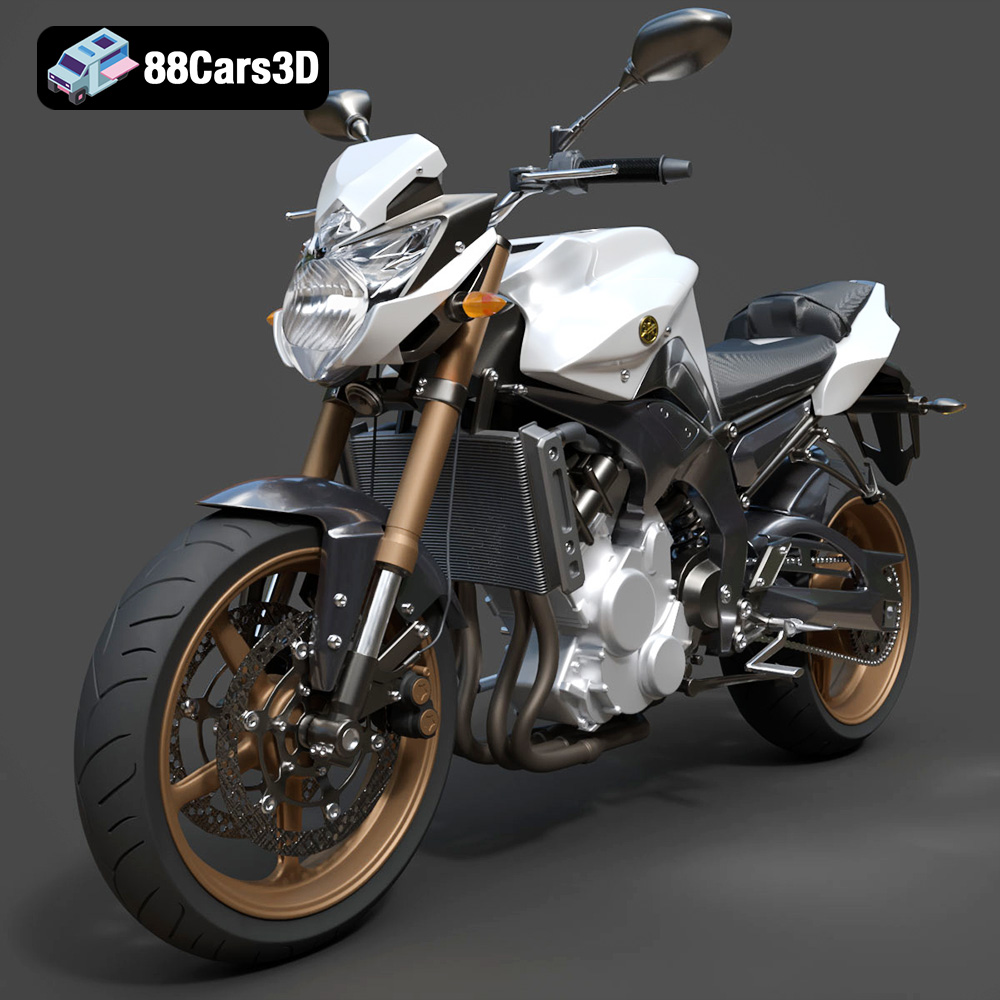
Texture: Yes
Material: Yes
Download the Yamaha FZ8 2011 3D Model featuring clean geometry, realistic detailing, and a fully modeled interior. Includes .blend, .fbx, .obj, .glb, .stl, .ply, .unreal, and .max formats for rendering, simulation, and game development.
Price: $19.99
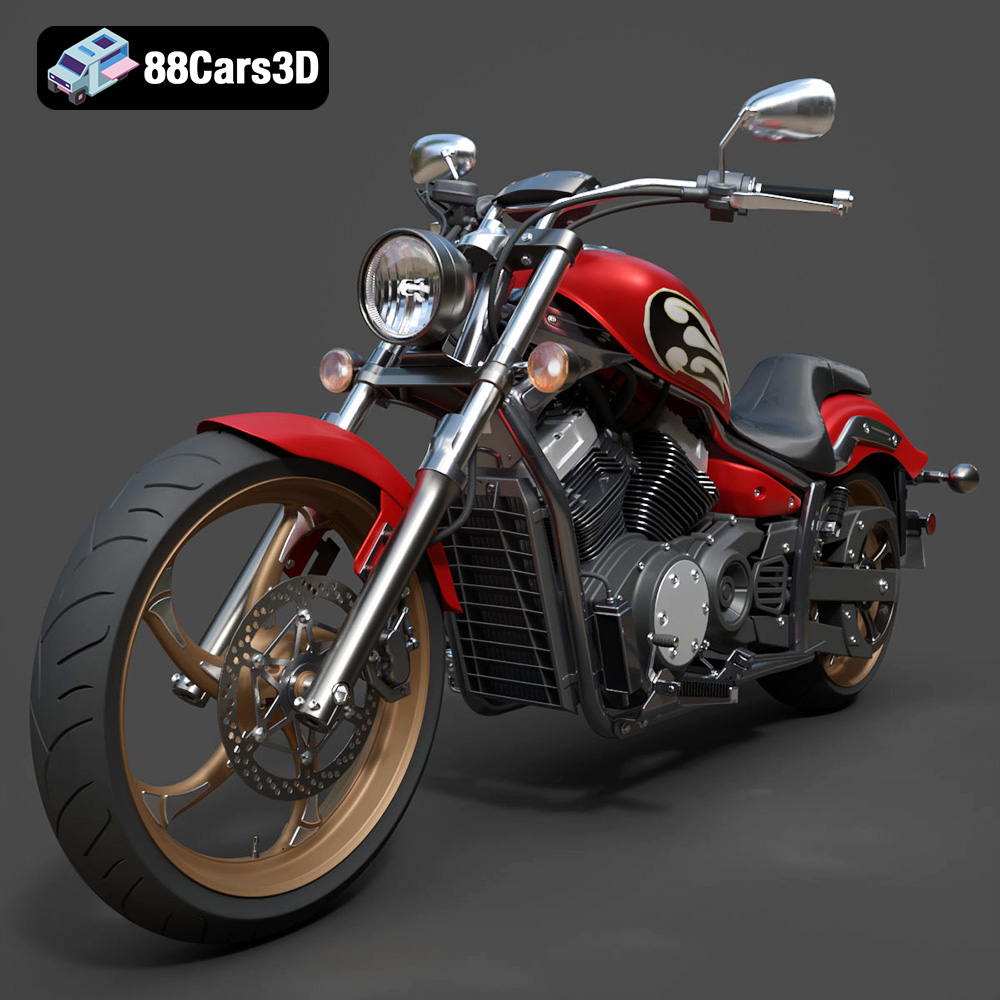
Texture: Yes
Material: Yes
Download the Yamaha Stryker 2012 3D Model featuring clean geometry, realistic detailing, and a fully modeled interior. Includes .blend, .fbx, .obj, .glb, .stl, .ply, .unreal, and .max formats for rendering, simulation, and game development.
Price: $19.99
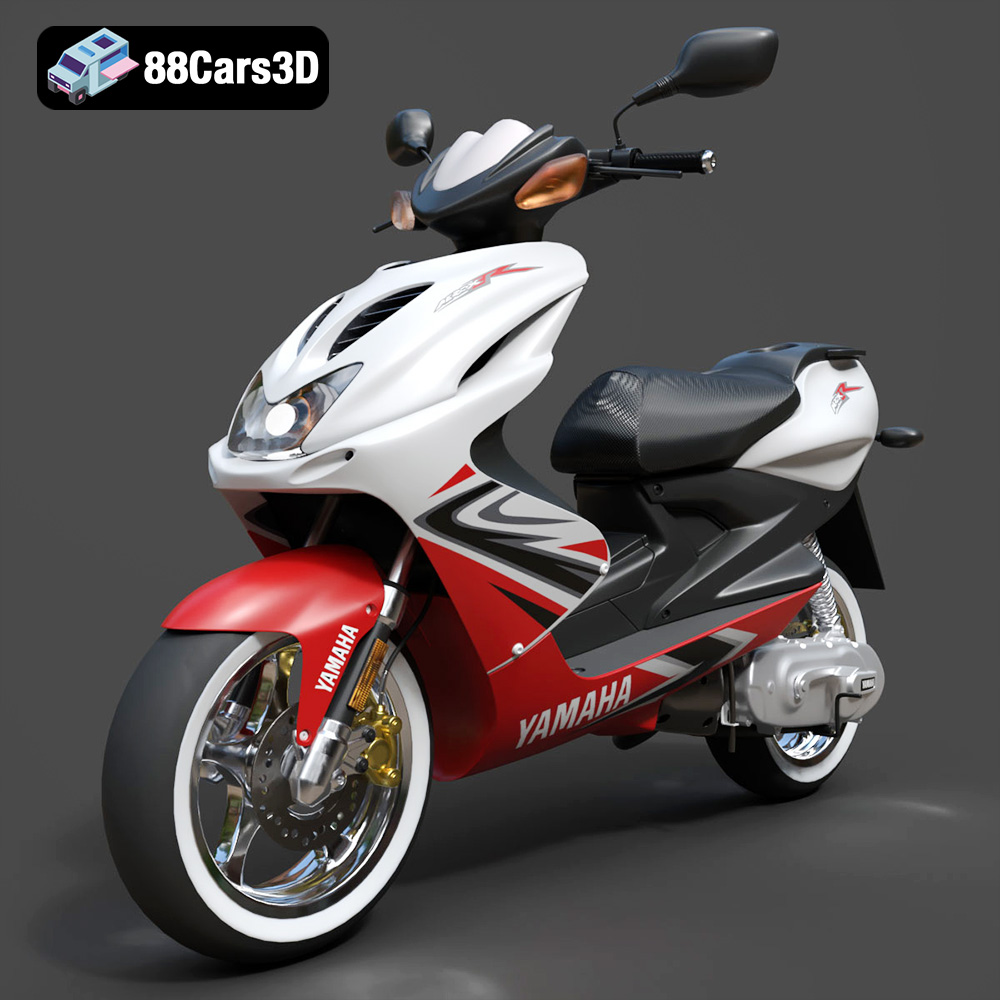
Texture: Yes
Material: Yes
Download the Yamaha Aerox R-002 2024 3D Model featuring clean geometry, realistic detailing, and a fully modeled interior. Includes .blend, .fbx, .obj, .glb, .stl, .ply, .unreal, and .max formats for rendering, simulation, and game development.
Price: $19.99
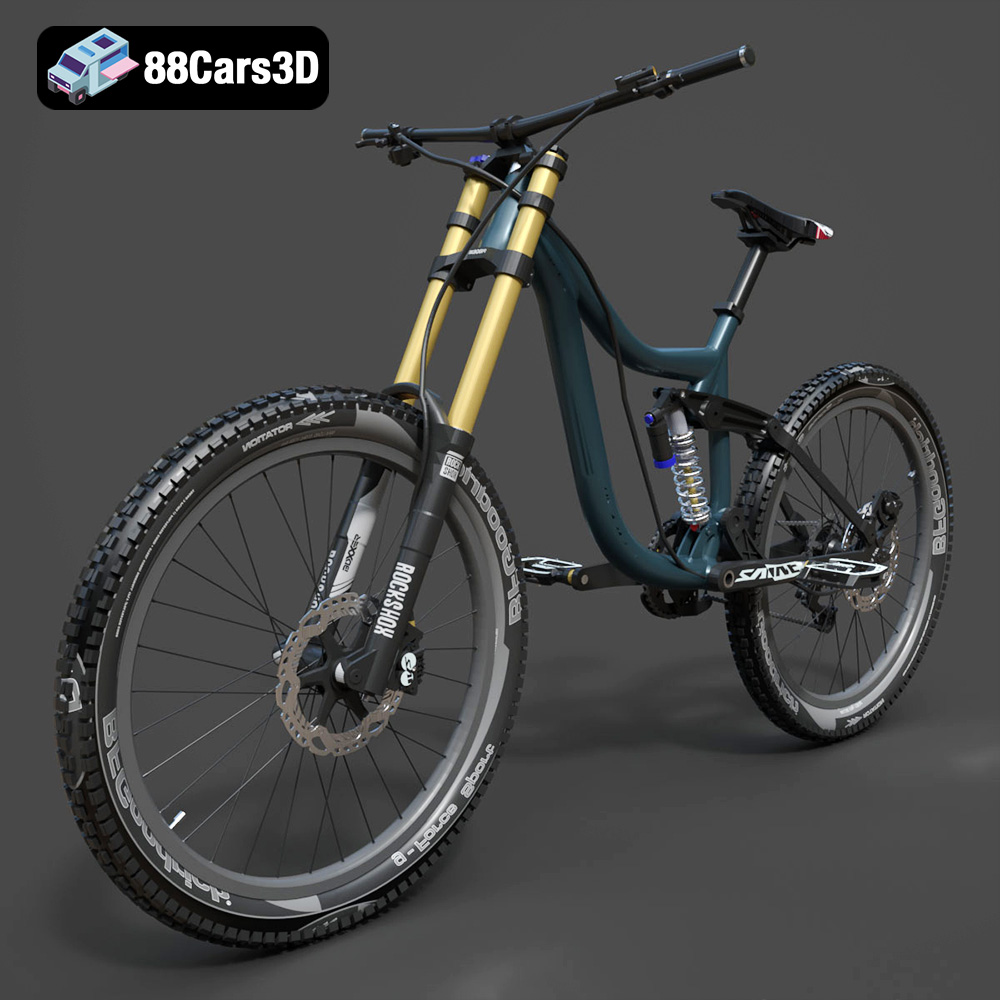
Texture: Yes
Material: Yes
Download the Mototsikly Downhill Bike-002 3D Model featuring clean geometry, realistic detailing, and precise mechanical components. Includes .blend, .fbx, .obj, .glb, .stl, .ply, .unreal, and .max formats for rendering, simulation, and game development.
Price: $19.99
Texture: Yes
Material: Yes
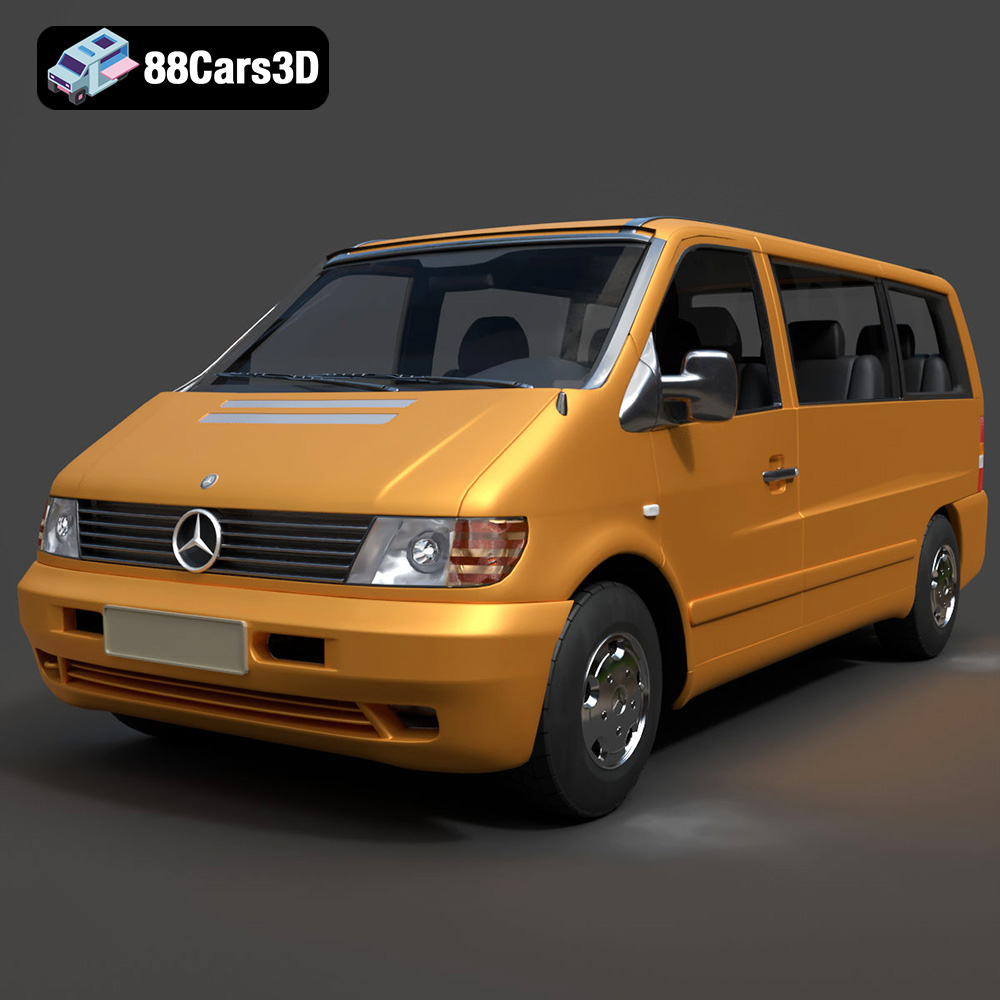
Download the Mercedes-Benz Vito Passenger Van 3D Model featuring clean geometry, realistic detailing, and a fully modeled interior. Includes .blend, .fbx, .obj, .glb, .stl, .ply, .unreal, and .max formats for rendering, simulation, and game development.
Price: $19.99
Texture: Yes
Material: Yes
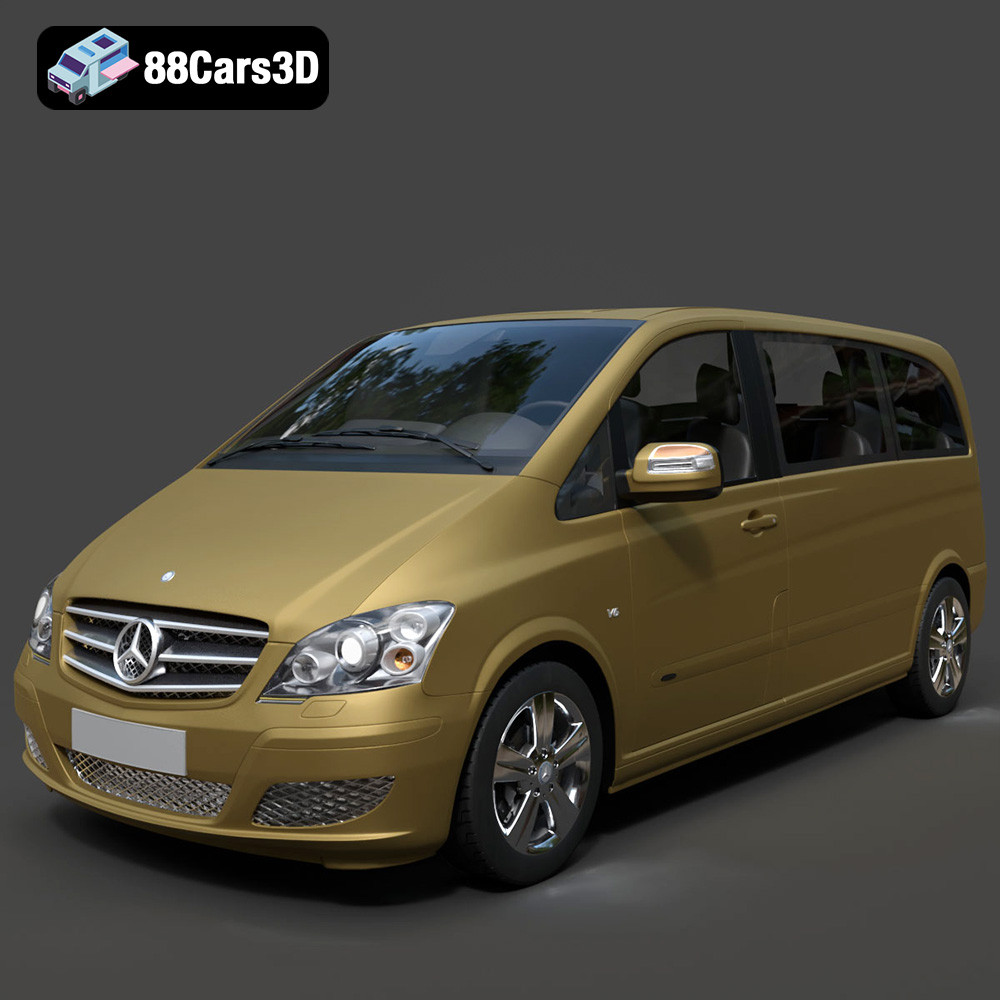
Download the Mercedes-Benz Viano 2010 3D Model featuring clean geometry, realistic detailing, and a fully modeled interior. Includes .blend, .fbx, .obj, .glb, .stl, .ply, .unreal, and .max formats for rendering, simulation, and game development.
Price: $19.99

Texture: Yes
Material: Yes
Download the Emt Avtobus 007 3D Model featuring clean geometry, realistic detailing, and a fully modeled interior. Includes .blend, .fbx, .obj, .glb, .stl, .ply, .unreal, and .max formats for rendering, simulation, and game development.
Price: $19.99
Texture: Yes
Material: Yes
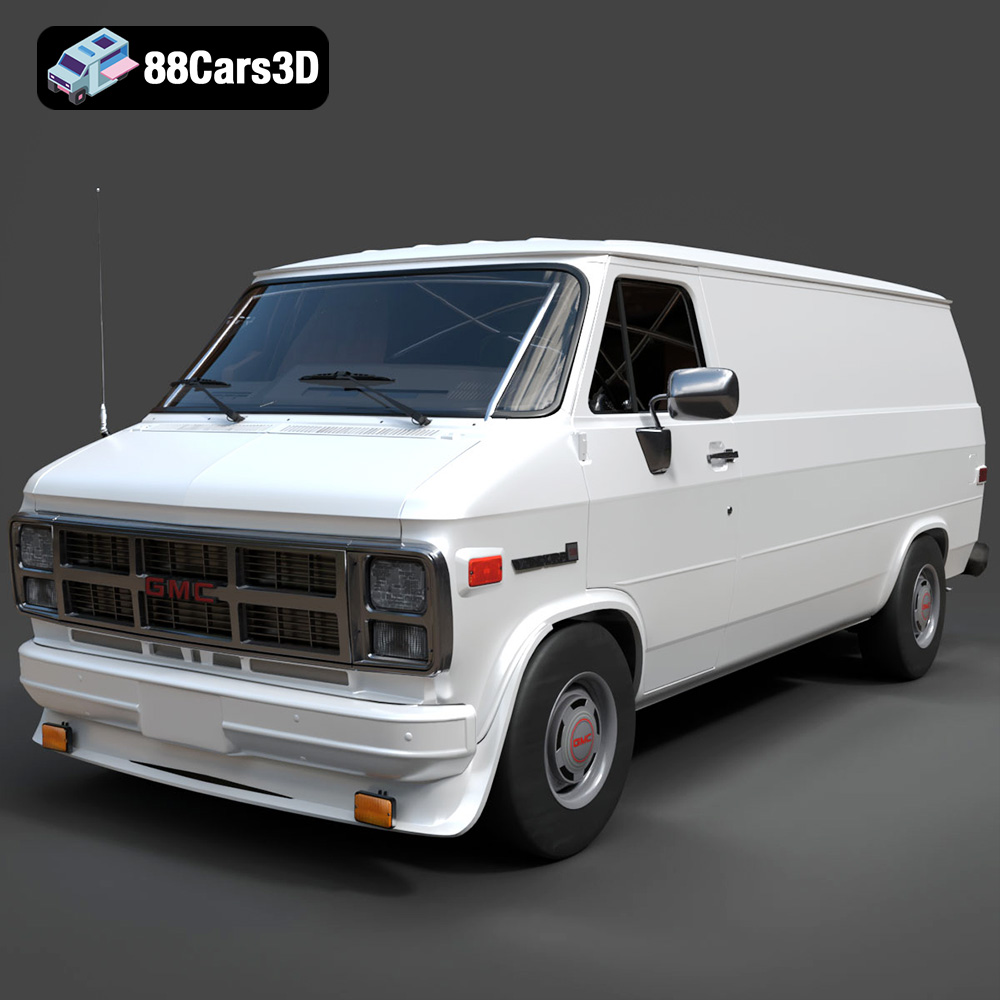
Download the GMC Vandura G-1500 1983 3D Model featuring clean geometry, realistic detailing, and a fully modeled interior. Includes .blend, .fbx, .obj, .glb, .stl, .ply, .unreal, and .max formats for rendering, simulation, and game development.
Price: $19.99
Texture: Yes
Material: Yes
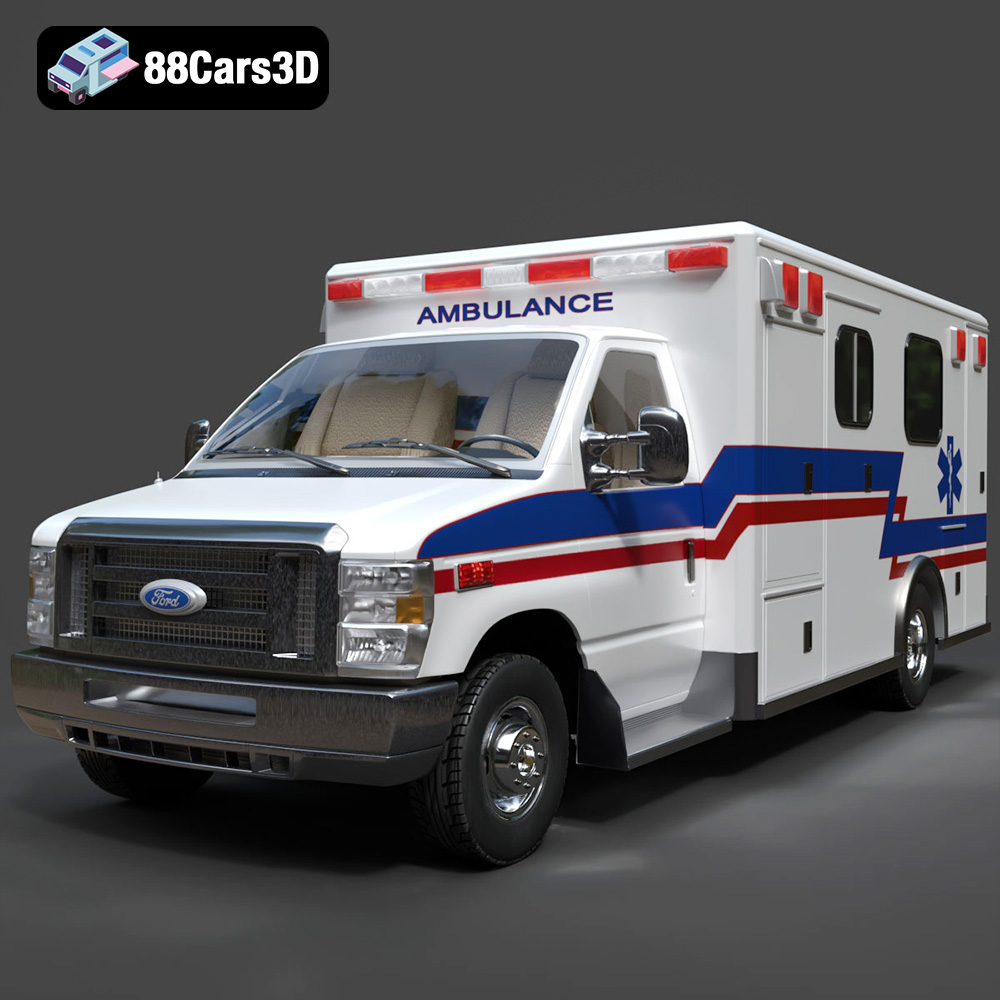
Download the Ford E-450 Ambulance 3D Model featuring clean geometry, realistic detailing, and a fully modeled interior. Includes .blend, .fbx, .obj, .glb, .stl, .ply, .unreal, and .max formats for rendering, simulation, and game development.
Price: $19.99

Texture: Yes
Material: Yes
Download the Fiat Ducato SWB-001 3D Model featuring clean geometry, realistic detailing, and a fully modeled interior. Includes .blend, .fbx, .obj, .glb, .stl, .ply, .unreal, and .max formats for rendering, simulation, and game development.
Price: $19.99

