⚡ FLASH SALE: Get 60% OFF All Premium 3D & STL Models! ⚡

The automotive industry is undergoing a profound transformation, not just in vehicle design and propulsion, but also in how professionals are trained. Traditional training methods, often reliant on physical models, expensive equipment, and limited hands-on opportunities, are giving way to innovative solutions powered by real-time technology. Unreal Engine, Epic Games’ robust real-time 3D creation tool, has emerged as a frontrunner in delivering highly immersive, cost-effective, and scalable interactive training simulations.
Imagine a mechanic troubleshooting a complex engine issue without ever touching a wrench, an assembly line worker practicing a delicate installation procedure virtually, or a sales professional confidently demonstrating a car’s features in an interactive 3D environment. These scenarios are no longer futuristic concepts; they are the present reality, thanks to Unreal Engine. For automotive professionals, game developers, and visualization experts, mastering Unreal Engine for training simulations opens up a world of possibilities. This comprehensive guide will delve deep into the technical workflows, best practices, and advanced features of Unreal Engine to help you create compelling and effective interactive training experiences, leveraging high-quality assets like those found on 88cars3d.com.
Every successful Unreal Engine project begins with a well-planned foundation. For interactive training simulations, this involves specific project configurations and a streamlined approach to integrating your high-quality 3D automotive assets. Getting these initial steps right ensures optimal performance, scalability, and a smooth development pipeline, especially when working with detailed models.
Starting a new project in Unreal Engine requires thoughtful consideration of templates and settings. For automotive training, the “Blank” or “Games – Third Person” template can be good starting points, depending on whether you need character interaction. Crucially, navigate to Edit > Project Settings and adjust several key areas. Under “Engine – Rendering,” ensure “Support Sky Atmosphere” and “Volumetric Clouds” are enabled if your simulation requires realistic outdoor environments. For high-fidelity visuals, especially with modern GPUs, consider enabling “Lumen Global Illumination and Reflections” under the “Global Illumination” and “Reflections” methods respectively, although be mindful of their performance impact on lower-end target hardware, particularly for AR/VR. For training applications, consistency in lighting and reflections is paramount to realism. Furthermore, configure input settings under “Engine – Input” to define controls for navigation, interaction, and UI elements. Setting up custom input actions and axis mappings from the outset will simplify your Blueprint scripting later on. Always start with a scalability setting in mind. If targeting mobile VR or less powerful machines, set your default scalability to “Medium” or “Low” and optimize from there, progressively increasing fidelity where possible. Establishing a clear folder structure (e.g., Assets/Cars, Blueprints/Interactions, Materials/CarPaint) from the beginning is also crucial for project organization, particularly in larger, collaborative projects.
High-quality 3D car models are the backbone of any automotive training simulation. Platforms like 88cars3d.com offer meticulously crafted models, often available in multiple formats like FBX, USD, and even USDZ, which are ideal for Unreal Engine. When importing an FBX model, drag and drop the file directly into the Content Browser. In the FBX Import Options dialog, pay close attention to several settings:
Once imported, examine the model’s polygon count. While Nanite (discussed later) handles high-poly meshes gracefully, traditional optimization is still vital for non-Nanite assets and older hardware. Use the Static Mesh Editor’s “Merge Actors” tool to combine smaller, non-interactive meshes, reducing draw calls. Ensure UV maps are present and correctly laid out for texture application and lightmap generation. For complex assets, verify tangent space generation and consider re-importing with specific settings if shading issues appear. Always double-check the model’s scale to ensure it matches Unreal Engine’s default unit (centimeters).
Realism in automotive visualization is paramount, especially for training simulations where visual accuracy aids in knowledge retention and skill development. Unreal Engine’s advanced rendering capabilities, coupled with meticulous material and lighting setup, can transform a static 3D model into a photorealistic digital twin.
Physically Based Rendering (PBR) materials are the cornerstone of photorealistic visuals in Unreal Engine. PBR materials accurately simulate how light interacts with surfaces based on real-world physics, requiring specific texture maps: Base Color (or Albedo), Normal, Roughness, Metallic, and optionally Ambient Occlusion and Emissive.
When sourcing 3D car models, like those from 88cars3d.com, they often come with a suite of PBR textures. In Unreal Engine’s Material Editor, create a new Material asset. Drag and drop your texture maps into the graph. Connect the texture outputs to their corresponding inputs on the main Material node:
For car paint, consider using a “Clear Coat” material layer if available, or manually simulating it by blending two PBR materials: a base layer for the paint and a transparent, reflective layer for the clear coat. Parameters like ‘Fresnel’ and ‘Specular’ can be fine-tuned to achieve various automotive finishes, from glossy metallics to matte textures. Utilizing Material Instances is crucial for efficiency, allowing you to create variations of a single master material (e.g., different car colors) without recompiling shaders.
Unreal Engine’s lighting system offers unprecedented realism, with Lumen leading the charge for dynamic global illumination and reflections. Lumen calculates light bounces in real-time, providing incredibly realistic soft shadows, ambient occlusion, and diffuse interreflection that adapt instantly to changes in the scene. To enable Lumen, go to Edit > Project Settings > Engine > Rendering and set “Global Illumination Method” and “Reflection Method” to “Lumen.”
For automotive training, Lumen allows for dynamic scenarios like a car moving into a garage, a door opening to reveal an engine bay, or time-of-day changes, all with perfectly integrated lighting.
Beyond Lumen, incorporate traditional lighting elements:
Post-processing volumes are indispensable for achieving cinematic quality. Add a Post Process Volume to your scene and adjust settings like “Exposure,” “Color Grading,” “Bloom,” “Vignette,” and “Screen Space Reflections” to refine the final look. Experiment with different HDRIs from sources like Poly Haven to instantly change the environmental mood and reflections, significantly impacting the realism of your car materials. For detailed guides on lighting, refer to the official Unreal Engine documentation at dev.epicgames.com/community/unreal-engine/learning.
The essence of an effective training simulation lies in its interactivity. Users must be able to manipulate objects, trigger events, and receive feedback. Unreal Engine’s Blueprint visual scripting system empowers developers, even those without extensive coding experience, to create complex game logic, user interfaces, and intricate training sequences.
Blueprint allows you to define object behaviors, respond to user input, and manage the flow of your simulation. For an automotive training simulation, common interactive mechanics include:
Organize your Blueprints efficiently. Create parent Blueprints for generic car parts (e.g., ‘BP_InteractablePart’) and then child Blueprints for specific parts (e.g., ‘BP_EngineBlock’, ‘BP_Wheel’), inheriting common functionalities and adding unique logic. Functions and Macros within Blueprints help keep graphs clean and reusable. For instance, a “ShowInfoPanel” function could take a text input and display it on a UMG widget.
A structured training simulation often involves a sequence of steps, guiding the user through a procedure. Blueprint is exceptionally powerful for managing these sequential events.
Building a robust training module involves careful planning of the learning objectives and translating them into discrete interactive steps. Always provide clear visual and auditory feedback to the user, confirming their actions and guiding them through the simulation. Utilize comments and reroute nodes within your Blueprint graphs to maintain readability, especially for complex sequences.
Achieving photorealistic visuals while maintaining smooth real-time performance is a constant balancing act in Unreal Engine, particularly with highly detailed automotive assets. Modern features like Nanite, coupled with traditional optimization strategies, are crucial for striking this balance in training simulations.
Nanite, Unreal Engine 5’s virtualized geometry system, revolutionizes how high-polygon meshes are handled. It allows artists to import film-quality assets, often with millions of polygons, directly into Unreal Engine without significant performance degradation. For detailed 3D car models from sources like 88cars3d.com, Nanite is a game-changer.
To enable Nanite on a Static Mesh:
Nanite works by rendering only the necessary detail for each pixel on screen, efficiently streaming data from disk. This means you can have incredibly detailed car bodies, engines, and interiors without manually creating multiple Levels of Detail (LODs) for those specific Nanite-enabled meshes. However, it’s important to note Nanite’s current limitations: it does not support Skeletal Meshes (animated parts like doors), World Position Offset, or custom depth/stencil rendering. For these cases, traditional mesh handling or specific workarounds are necessary. Always profile your scene (using stat nanite in the console) to understand Nanite’s contribution to performance. For parts of the car that need to be animated or interact with specific rendering features, consider keeping them as standard Static Meshes or Skeletal Meshes.
While Nanite handles static, high-poly meshes, effective Level of Detail (LOD) management remains vital for non-Nanite assets (e.g., animated components, complex transparency) and for overall scene optimization. Unreal Engine’s automatic LOD generation can be a good starting point:
For critical components, manual LOD creation in external 3D software offers the best control over mesh quality and polygon distribution. Ensure your lowest LODs have significantly reduced triangle counts, especially for objects that will be viewed from a distance.
Beyond LODs, general performance optimization techniques are crucial for real-time rendering:
stat fps, stat unit, stat gpu, stat rhi) to identify performance bottlenecks. The Unreal Engine documentation provides extensive guidance on profiling tools and optimization best practices.By combining Nanite for high-detail static elements with smart LODs for animated or legacy assets, and diligently applying general optimization principles, you can deliver visually stunning and performant automotive training simulations.
To truly elevate training simulations beyond simple interaction, developers can leverage Unreal Engine’s capabilities for immersive technologies like AR/VR, create guided cinematic experiences, and incorporate realistic physics to enhance learning and engagement.
Augmented Reality (AR) and Virtual Reality (VR) offer unparalleled immersion for automotive training. Imagine trainees virtually walking around a new car model, disassembling an engine with their own hands, or seeing critical data overlaid on a real-world engine.
Designing for AR/VR requires a different approach to UI/UX, prioritizing comfort, clear visual cues, and natural interactions. Always consider the potential for cyber sickness and provide comfortable locomotion options if movement is required.
Beyond interactive training, cinematic sequences can be integrated to provide guided tours, demonstrate complex procedures, or highlight key features. Unreal Engine’s Sequencer is a powerful non-linear editor for creating stunning in-engine cinematics.
For realistic vehicle behavior and interaction, Unreal Engine’s Chaos Vehicle Physics system provides robust tools.
Utilizing Sequencer for instructional narratives and Chaos Vehicle Physics for realistic vehicle behavior elevates the training experience, making it more dynamic, engaging, and directly applicable to real-world scenarios. The combination of high-quality 3D car models, like those available on 88cars3d.com, with these advanced Unreal Engine features, unlocks the full potential of interactive automotive training.
The journey into creating interactive training simulations with Unreal Engine is one of immense potential and rewarding challenges. We’ve explored the essential technical aspects, from configuring your project and integrating high-fidelity 3D car models to crafting photorealistic PBR materials and dynamic lighting with Lumen. We’ve delved into the power of Blueprint for developing intricate interaction logic and structured training modules, ensuring that simulations are not just visually stunning but also educationally effective.
Furthermore, we’ve highlighted how cutting-edge features like Nanite can handle unprecedented geometric detail, while smart LOD management and comprehensive profiling keep performance smooth. Finally, we touched upon extending immersion through AR/VR, leveraging Sequencer for cinematic storytelling, and integrating realistic vehicle physics with Chaos. By embracing these techniques, you’re not just building simulations; you’re creating powerful, interactive learning environments that transform how the automotive industry educates and empowers its workforce.
The future of automotive training is real-time, immersive, and interactive. By applying the principles and workflows discussed here, you are well-equipped to develop compelling solutions that drive skill development and efficiency. As you embark on your next project, remember that a strong foundation of quality assets, like those readily available on marketplaces such as 88cars3d.com, combined with a deep understanding of Unreal Engine’s capabilities, will be your greatest assets. Continue to explore the vast resources available, including the comprehensive Unreal Engine documentation, to push the boundaries of what’s possible in real-time automotive visualization and training.
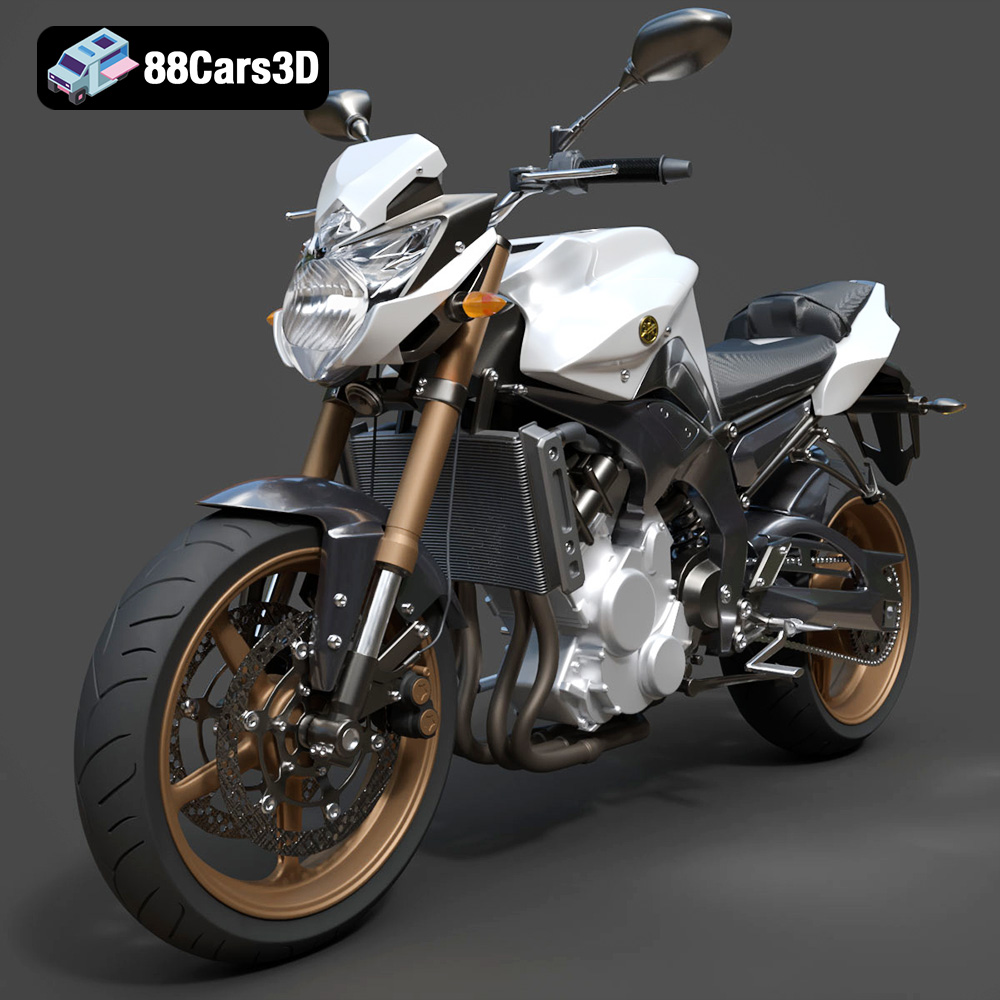
Texture: Yes
Material: Yes
Download the Yamaha FZ8 2011 3D Model featuring clean geometry, realistic detailing, and a fully modeled interior. Includes .blend, .fbx, .obj, .glb, .stl, .ply, .unreal, and .max formats for rendering, simulation, and game development.
Price: $19.99
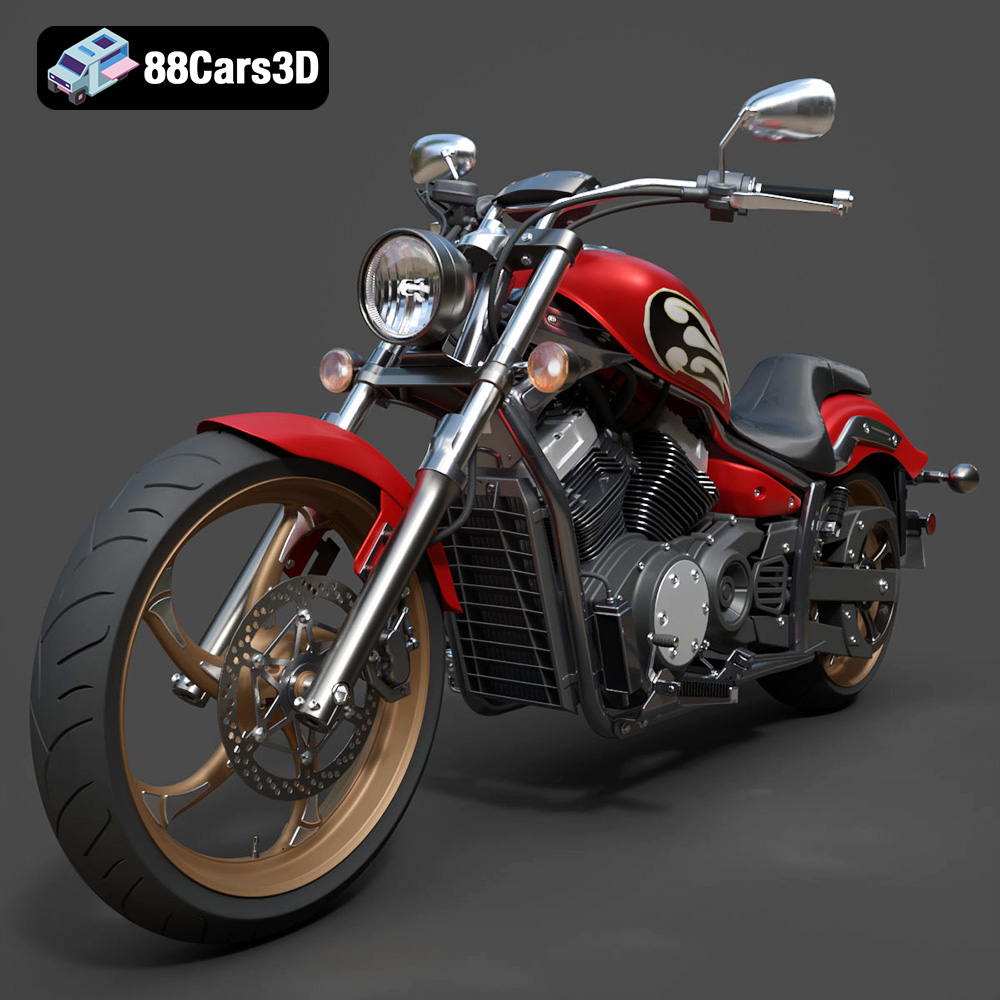
Texture: Yes
Material: Yes
Download the Yamaha Stryker 2012 3D Model featuring clean geometry, realistic detailing, and a fully modeled interior. Includes .blend, .fbx, .obj, .glb, .stl, .ply, .unreal, and .max formats for rendering, simulation, and game development.
Price: $19.99
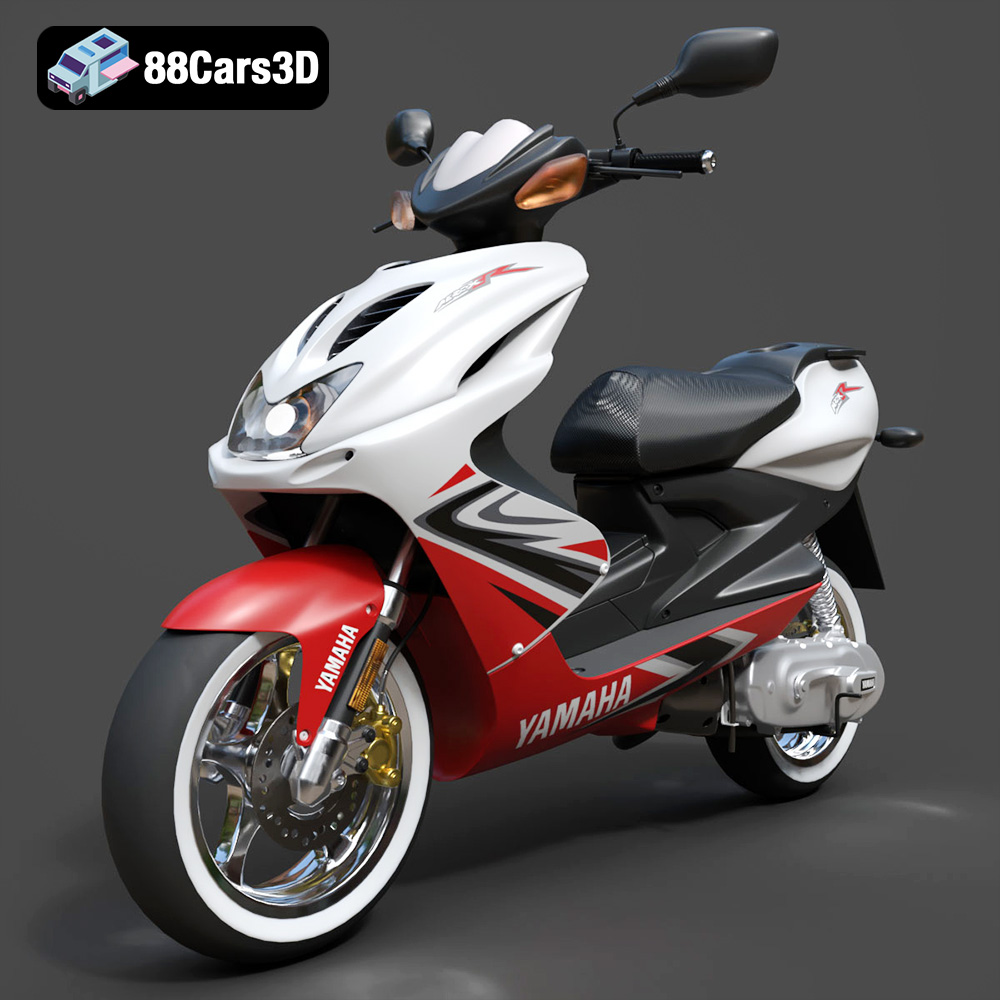
Texture: Yes
Material: Yes
Download the Yamaha Aerox R-002 2024 3D Model featuring clean geometry, realistic detailing, and a fully modeled interior. Includes .blend, .fbx, .obj, .glb, .stl, .ply, .unreal, and .max formats for rendering, simulation, and game development.
Price: $19.99
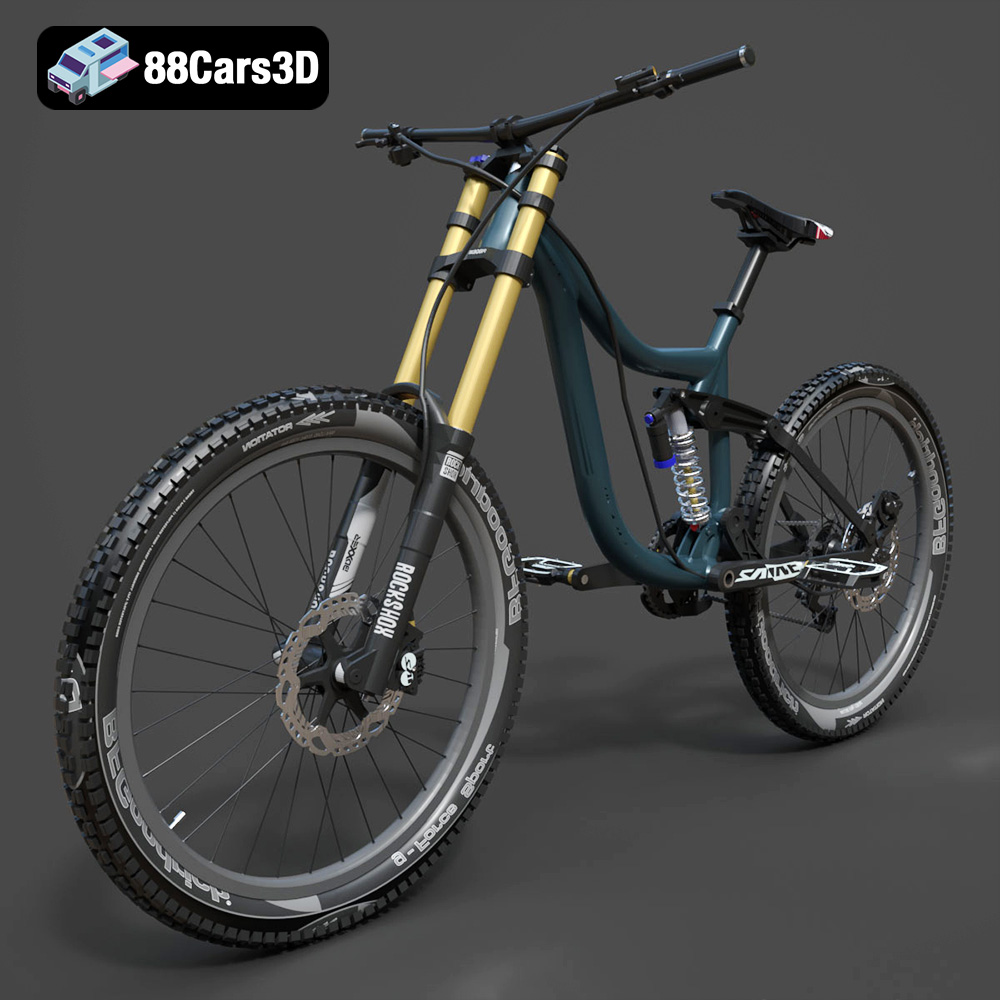
Texture: Yes
Material: Yes
Download the Mototsikly Downhill Bike-002 3D Model featuring clean geometry, realistic detailing, and precise mechanical components. Includes .blend, .fbx, .obj, .glb, .stl, .ply, .unreal, and .max formats for rendering, simulation, and game development.
Price: $19.99
Texture: Yes
Material: Yes
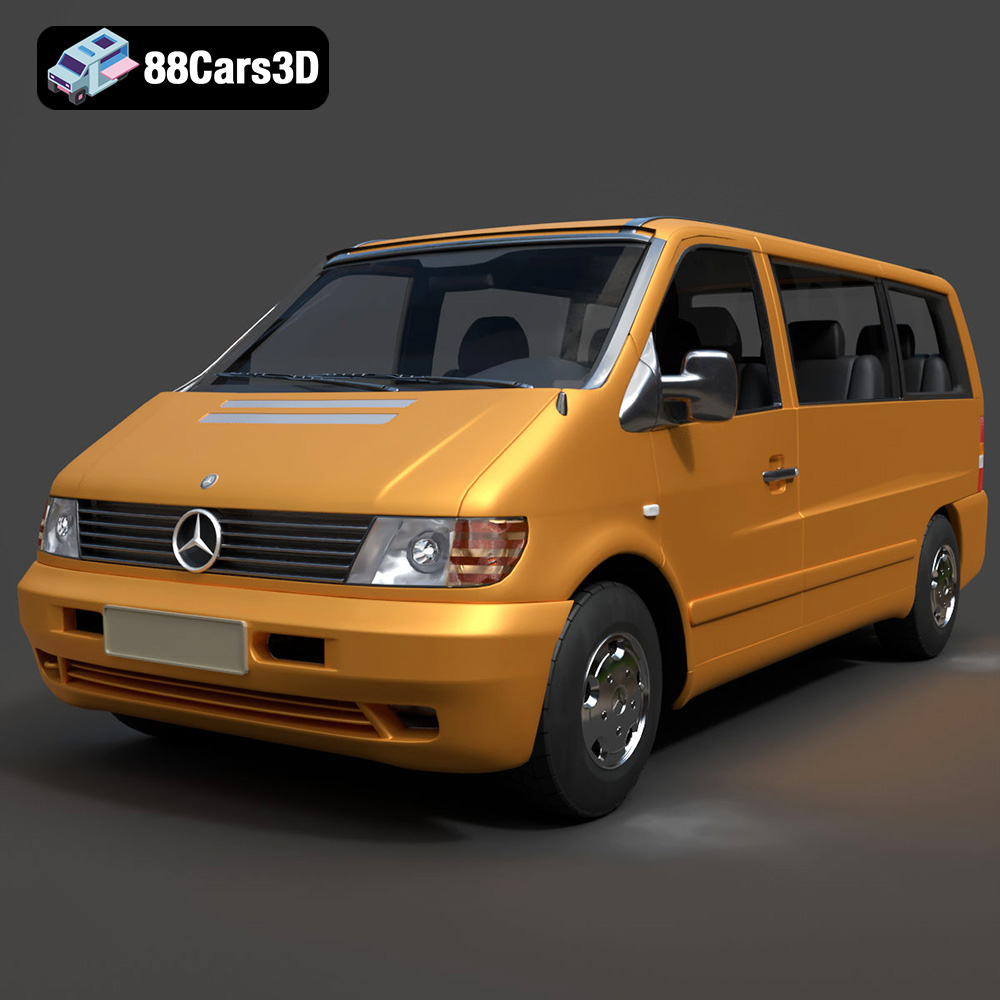
Download the Mercedes-Benz Vito Passenger Van 3D Model featuring clean geometry, realistic detailing, and a fully modeled interior. Includes .blend, .fbx, .obj, .glb, .stl, .ply, .unreal, and .max formats for rendering, simulation, and game development.
Price: $19.99
Texture: Yes
Material: Yes
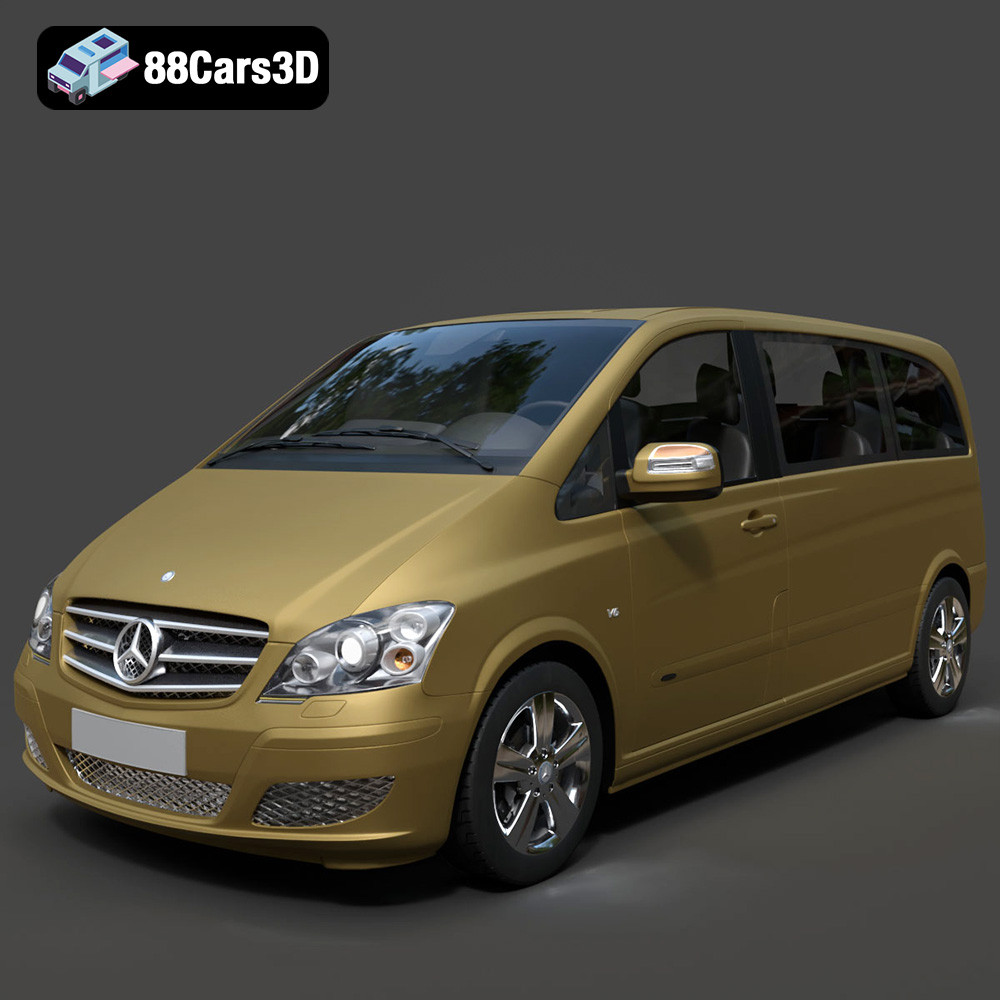
Download the Mercedes-Benz Viano 2010 3D Model featuring clean geometry, realistic detailing, and a fully modeled interior. Includes .blend, .fbx, .obj, .glb, .stl, .ply, .unreal, and .max formats for rendering, simulation, and game development.
Price: $19.99

Texture: Yes
Material: Yes
Download the Emt Avtobus 007 3D Model featuring clean geometry, realistic detailing, and a fully modeled interior. Includes .blend, .fbx, .obj, .glb, .stl, .ply, .unreal, and .max formats for rendering, simulation, and game development.
Price: $19.99
Texture: Yes
Material: Yes
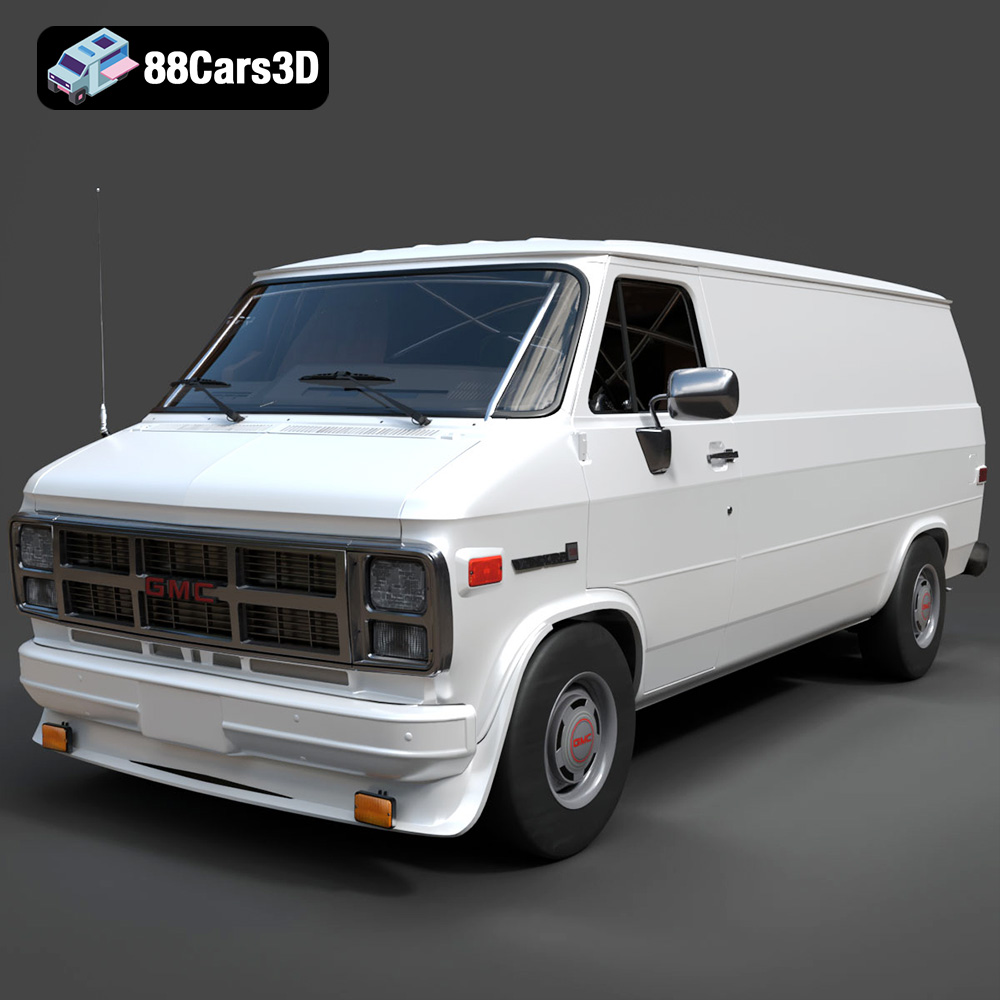
Download the GMC Vandura G-1500 1983 3D Model featuring clean geometry, realistic detailing, and a fully modeled interior. Includes .blend, .fbx, .obj, .glb, .stl, .ply, .unreal, and .max formats for rendering, simulation, and game development.
Price: $19.99
Texture: Yes
Material: Yes
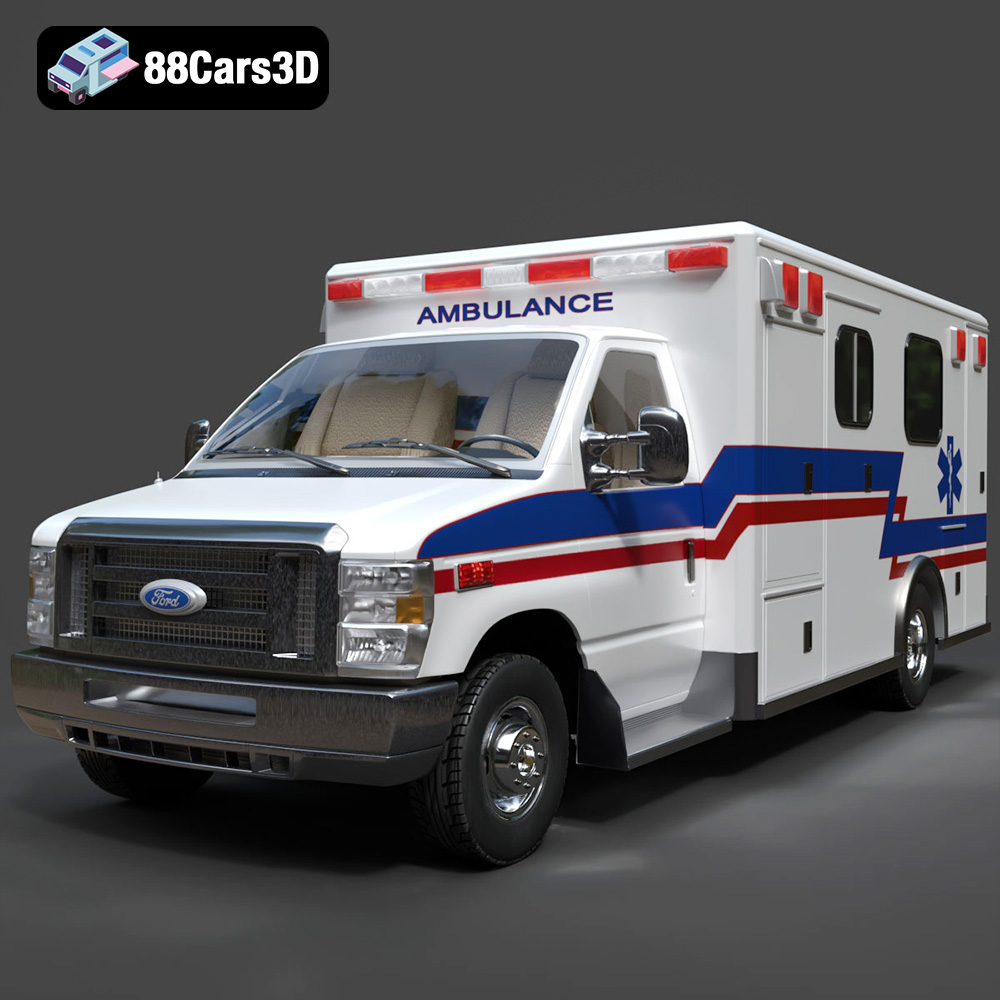
Download the Ford E-450 Ambulance 3D Model featuring clean geometry, realistic detailing, and a fully modeled interior. Includes .blend, .fbx, .obj, .glb, .stl, .ply, .unreal, and .max formats for rendering, simulation, and game development.
Price: $19.99

Texture: Yes
Material: Yes
Download the Fiat Ducato SWB-001 3D Model featuring clean geometry, realistic detailing, and a fully modeled interior. Includes .blend, .fbx, .obj, .glb, .stl, .ply, .unreal, and .max formats for rendering, simulation, and game development.
Price: $19.99

