⚡ FLASH SALE: Get 60% OFF All Premium 3D & STL Models! ⚡

“`html
The world of 3D printing is constantly pushing boundaries, allowing us to create objects of astonishing complexity and detail. From intricate automotive models with fine panel gaps and delicate spoilers to functional prototypes with complex internal structures, the possibilities are virtually limitless. However, translating these sophisticated digital designs into tangible, high-quality prints often presents a unique set of challenges. Overhangs, bridges, thin walls, and delicate features can quickly become sources of frustration, leading to failed prints and wasted time and material. At 88cars3d.com, we understand the desire to bring these detailed car models to life with precision. This guide is designed to equip you with the knowledge and techniques to tackle even the most complex STL files, ensuring successful, high-fidelity prints every time. We’ll delve into the nuances of file preparation, slicer settings, support strategies, and material considerations, transforming potential printing pitfalls into triumphs of additive manufacturing.
Before you even load a file into your slicer, a thorough understanding of the STL file itself is paramount, especially when dealing with complex geometries often found in high-detail printable car models. The STL (STereoLithography) format, despite its ubiquity, is essentially a collection of triangular facets that approximate the surfaces of a 3D object. The quality of these facets, their orientation, and the overall integrity of the mesh directly impact printability. Files from marketplaces like 88cars3d.com are meticulously prepared, but understanding potential issues can save you significant troubleshooting time.
A “watertight” or “manifold” mesh is crucial for 3D printing. This means the surface represents a solid object with no holes, internal faces, or overlapping triangles. Imagine trying to fill a leaky bucket – the slicer struggles to determine where the boundaries of the object are, leading to gaps, incorrect infill, or outright printing failures. Tools like Meshmixer, Blender, or even Netfabb offer powerful mesh analysis and repair capabilities. Look for functions that detect non-manifold edges, inverted normals, and holes. For intricate car models, pay close attention to areas like wheel arches, chassis details, and aerodynamic elements, as these are prone to mesh imperfections if not expertly modeled.
Each triangle in an STL file has a “normal” vector, indicating which side is considered the “outside” of the object. Consistent, outward-facing normals are essential. Inconsistent or inverted normals can confuse the slicer, causing it to interpret internal surfaces as external, or vice versa, leading to printing artifacts or complete failure. Most 3D modeling software allows you to visualize and recalculate normals. If you’re using a pre-prepared file from a trusted source, this is less likely to be an issue, but it’s a fundamental concept for understanding mesh integrity.
While more triangles can represent finer detail, an excessively high triangle count (often referred to as a “dense mesh”) can lead to performance issues in slicer software and increase file size considerably. Conversely, too few triangles can result in a visibly faceted or “blocky” output, sacrificing detail. For 3D printing, finding a balance is key. Professional modelers, like those providing files on 88cars3d.com, optimize models to retain detail while managing polygon count for efficient slicing and printing. If you encounter a very dense mesh, consider using decimation tools in software like Blender to reduce the triangle count without significant loss of visual fidelity.
The slicer is your primary tool for translating the STL file into machine instructions. For complex geometries, default settings are rarely sufficient. We need to meticulously adjust parameters to accommodate overhangs, thin features, and delicate structures. This is where the real magic (and sometimes frustration) of 3D printing complex objects lies.
A smaller layer height (e.g., 0.1mm or 0.08mm) captures finer details and produces smoother surfaces, which is ideal for intricate car models with subtle curves and sharp edges. However, this comes at the cost of significantly increased print time. Conversely, a larger layer height (e.g., 0.2mm or 0.3mm) prints much faster but can result in noticeable layer lines, especially on curved surfaces. For highly detailed models, consider a two-pass approach: print the main body with a finer layer height and less critical components (like the chassis or interior parts if not highly detailed) with a slightly larger layer height to save time. Always start with the recommended settings for the model and adjust incrementally.
Printing complex geometries often requires slower print speeds. This allows the molten plastic more time to cool and solidify before the next layer is deposited, reducing the risk of sagging on overhangs and improving adhesion between layers. For outer walls and small, intricate features, reducing speed to 30-40 mm/s can make a huge difference. Inner walls and infill can often be printed slightly faster, but caution is advised. When printing parts with significant overhangs, consider enabling a “print outer wall before inner wall” setting in your slicer (if available) to provide a solid base for the overhang to build upon.
Complex models often involve many small movements and direction changes, increasing the likelihood of stringing (thin wisps of plastic) and blobs (excessive material buildup). Fine-tuning retraction distance and speed is crucial. For Bowden extruders, you might need a longer retraction distance (e.g., 5-7mm) and moderate speed (e.g., 40-50 mm/s). Direct drive extruders typically require shorter distances (e.g., 0.5-2mm) and similar or slightly faster speeds. Perform retraction calibration tests (like stringing tests) to find the optimal settings for your specific printer and filament combination.
Support structures are essential for printing parts of a 3D model that overhang or bridge in mid-air. For complex geometries, effective support generation and strategic placement are critical to achieving a successful print and clean results. Poorly designed or placed supports can damage delicate features during removal or fail to provide adequate reinforcement.
Most slicers offer different support types: ‘Normal’ (tree-like structures) and ‘Tree’ or ‘Organic’ (more branched, sometimes more efficient). For delicate car model parts like spoilers, mirrors, or intricate grilles, ‘Tree’ supports can be advantageous as they often use less material and are easier to remove with less collateral damage. Experiment with different support densities and patterns. A higher density provides more stability but is harder to remove. Consider disabling supports on flat surfaces where possible (e.g., the underside of a car body if it’s printed upside down) to minimize post-processing. Enabling “Support Interface” can create a denser, flatter surface at the top of the support, making it easier to remove the main support structure while leaving a smoother surface on the model itself.
Slicers have specific settings to control how overhangs and bridges are printed. The ‘Overhang Angle’ setting determines the maximum angle that can be printed without supports; anything steeper will require them. For complex models, you might want to lower this from the default 45-60 degrees to 30-45 degrees to be safe. ‘Bridge Settings’ control how the printer handles printing across gaps. Adjusting bridge speed (slower is often better) and fan speed can improve the quality of bridges. Ensure your cooling fan is running at 100% for overhangs and bridges to help the plastic solidify quickly.
Patience and the right tools are key to successful support removal. For FDM printing, allow the print to cool completely. Use needle-nose pliers, hobby knives (like an X-Acto knife), and dental picks to carefully break away support material. For resin prints, supports are often removed after washing and before the final cure. Cutting them close to the model with flush cutters and then sanding is a common approach. If supports are proving difficult to remove without damaging the model, consider slightly increasing the ‘Support Z Distance’ in your slicer for the next print attempt. This creates a small air gap between the support and the model, making detachment easier.
How you orient your model on the build plate and ensure proper adhesion can be the difference between a perfect print and a detached, failed one. This is especially critical for models with large, flat surfaces or significant overhangs.
The orientation of your STL file on the build plate significantly impacts the need for supports, print quality, and potential failure points. For many car models, printing them upside down is often advantageous. This places the relatively flat underside on the build plate, minimizing the need for supports on the most visible exterior surfaces. It also means that overhangs like wheel arches and fenders are printed with better support from the layers below. However, consider the roofline and any delicate spoilers; if printing upside down requires excessive supports on these high-detail areas, printing upright might be a better choice, even if it demands more careful support placement.
Poor bed adhesion is one of the most common causes of print failure, especially with larger or more complex models. The first layer must adhere strongly to the build surface. Ensure your build plate is clean – oils from fingerprints can prevent adhesion. Use isopropyl alcohol (IPA) for cleaning. Consider using adhesion aids like a glue stick, hairspray (for certain build surfaces), or specialized build surface tapes. For printers with heated beds, ensuring the correct bed temperature for your chosen material (e.g., 60-70°C for PLA, 80-100°C for PETG/ABS) is crucial. Calibrating your Z-offset or initial layer height so the filament is slightly “squished” onto the build plate creates a strong foundation.
When dealing with models that have a small contact area with the build plate or are prone to warping (like ABS), using a ‘Brim’ or ‘Raft’ in your slicer settings can significantly improve bed adhesion. A Brim adds a single layer of extruded lines around the base of the model, increasing the surface area contact. A Raft prints a thicker, multi-layered platform underneath the model; while it uses more material and can affect the finish of the bottom surface, it provides maximum stability. For most car models printed upright, a Brim is often sufficient. If printing upside down, a Raft might be beneficial if the roofline is particularly narrow.
The choice of material and the type of 3D printer (FDM vs. Resin) play pivotal roles in successfully printing complex geometries. Each has its strengths and weaknesses that must be considered for detailed models.
Fused Deposition Modeling (FDM) printers build objects layer by layer using thermoplastic filaments.
For complex FDM prints, consider using a smaller nozzle size (e.g., 0.2mm or 0.3mm instead of the standard 0.4mm) to achieve finer details. Ensure your printer’s cooling fan is optimized – sometimes reducing fan speed slightly for the first few layers can improve adhesion, while full speed is needed for overhangs.
Resin printing uses UV light to cure liquid photopolymer resin layer by layer. This technology excels at producing extremely high-detail models, making it ideal for intricate 1:64 or 1:32 scale car models.
For printable car models intended for resin printing, ensure the STL is watertight and manifold, as resin’s high resolution magnifies any mesh imperfections. Platforms like 88cars3d.com often provide specific recommendations for FDM or resin printing for their models.
Even with careful preparation, printing complex objects can present unique challenges. Understanding common failures and how to address them proactively is key to mastering the process.
As mentioned earlier, retraction settings are primary. However, other factors contribute: filament moisture (dry your filament!), travel speed (increase slightly if stringing occurs during non-print moves), and temperature (sometimes a slight decrease in nozzle temperature can help). Blobs often occur at the start/end of layer lines or during retractions; ensure your Z-seam alignment is set to ‘Sharpest Corner’ or ‘User Specified’ in less visible areas if possible.
This is a direct result of insufficient cooling or support. Ensure your part cooling fan is running at maximum speed for overhangs. If sagging persists, consider printing slower, reducing the overhang angle threshold in your slicer, or adding more targeted supports directly underneath the problematic areas. For warping (lifting of corners from the build plate), focus on bed adhesion techniques (brims, rafts, clean surface) and material choice (PLA is less prone than ABS). Enclosures can help maintain ambient temperature for materials like ABS.
If you notice entire sections of your print are misaligned vertically, it’s likely due to layer shifting. This usually happens when the print head (or bed) encounters resistance and skips steps. Check belt tension (X and Y axes), ensure no wires are snagging the movement, and verify that the stepper motor drivers are not overheating. Regular printer maintenance, including cleaning rails, lubricating rods, and ensuring all screws are tight, prevents many mechanical failures. PID tuning your hotend and bed can also stabilize temperatures, preventing minor fluctuations that might contribute to issues.
Before printing, always perform a mesh check. If you find errors that your slicer can’t handle, use dedicated software. In Meshmixer, ‘Inspector’ can find and often auto-repair holes and non-manifold edges. Blender’s ‘3D-Print Toolbox’ addon is excellent for checking and cleaning meshes. For critical parts, consider using Autodesk Netfabb for advanced repair capabilities. When downloading models from reputable sources like 88cars3d.com, mesh errors are rare, but understanding the repair process is a valuable skill for any serious 3D printing hobbyist.
Printing complex geometries, particularly intricate printable car models, requires a blend of understanding your digital file, meticulous slicer configuration, strategic support placement, and careful material selection. By delving into the structure of your STL files, optimizing slicer settings like layer height and print speed, mastering support generation and removal, and ensuring robust bed adhesion through proper orientation and techniques, you can overcome the most common printing failures. Whether you’re using FDM or resin printing, the principles of precision and careful calibration remain the same. Treat each print as an iterative process; don’t be afraid to experiment with settings and learn from each outcome. The detailed automotive masterpieces available on platforms like 88cars3d.com are designed to be printed successfully, offering a rewarding challenge for makers of all levels. Embrace the technical details, practice patience, and you’ll soon be producing stunning, high-fidelity 3D prints that capture the essence of your favorite vehicles.
“`
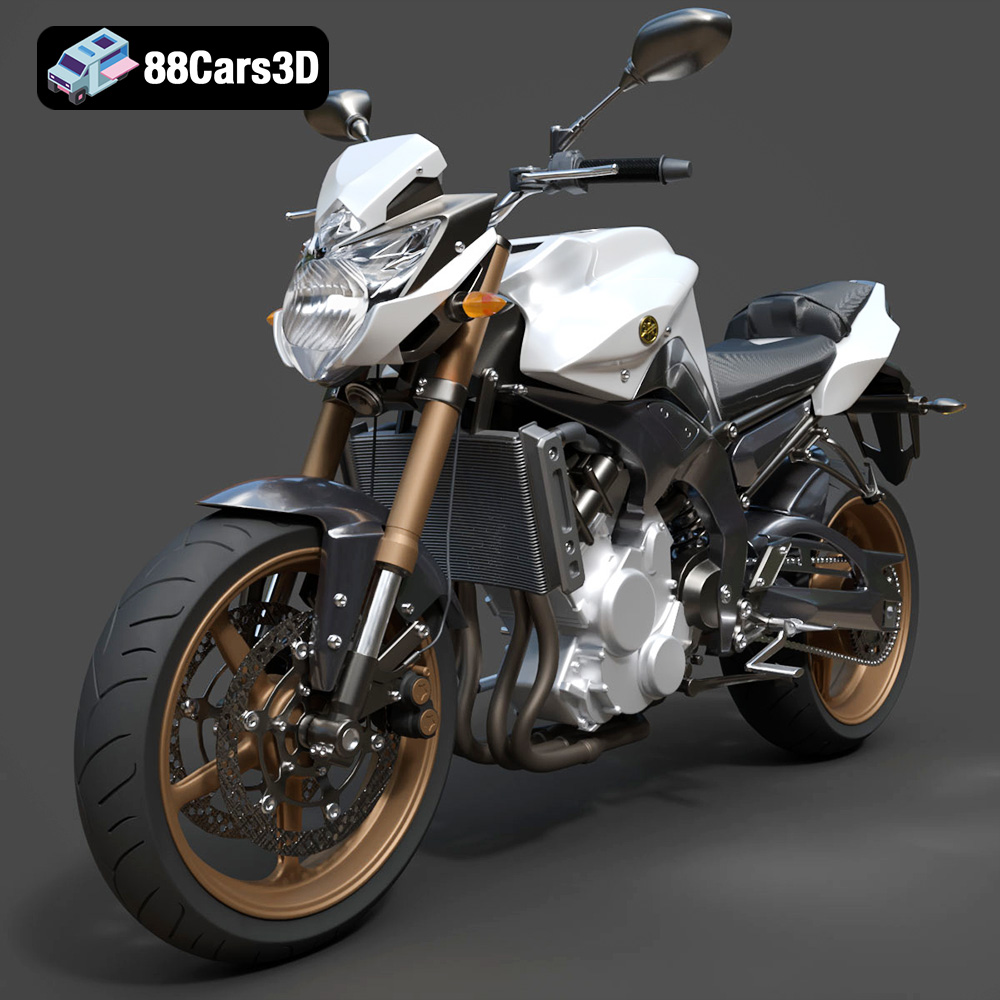
Texture: Yes
Material: Yes
Download the Yamaha FZ8 2011 3D Model featuring clean geometry, realistic detailing, and a fully modeled interior. Includes .blend, .fbx, .obj, .glb, .stl, .ply, .unreal, and .max formats for rendering, simulation, and game development.
Price: $19.99
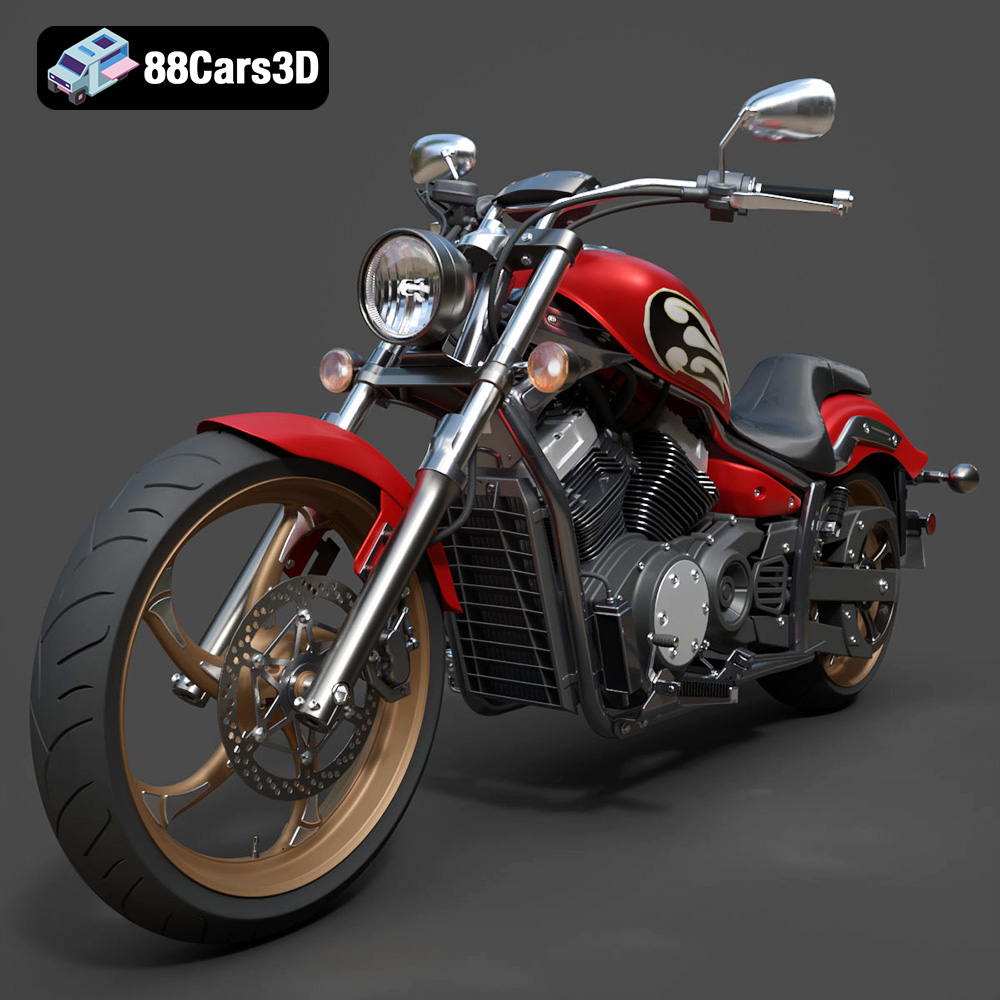
Texture: Yes
Material: Yes
Download the Yamaha Stryker 2012 3D Model featuring clean geometry, realistic detailing, and a fully modeled interior. Includes .blend, .fbx, .obj, .glb, .stl, .ply, .unreal, and .max formats for rendering, simulation, and game development.
Price: $19.99
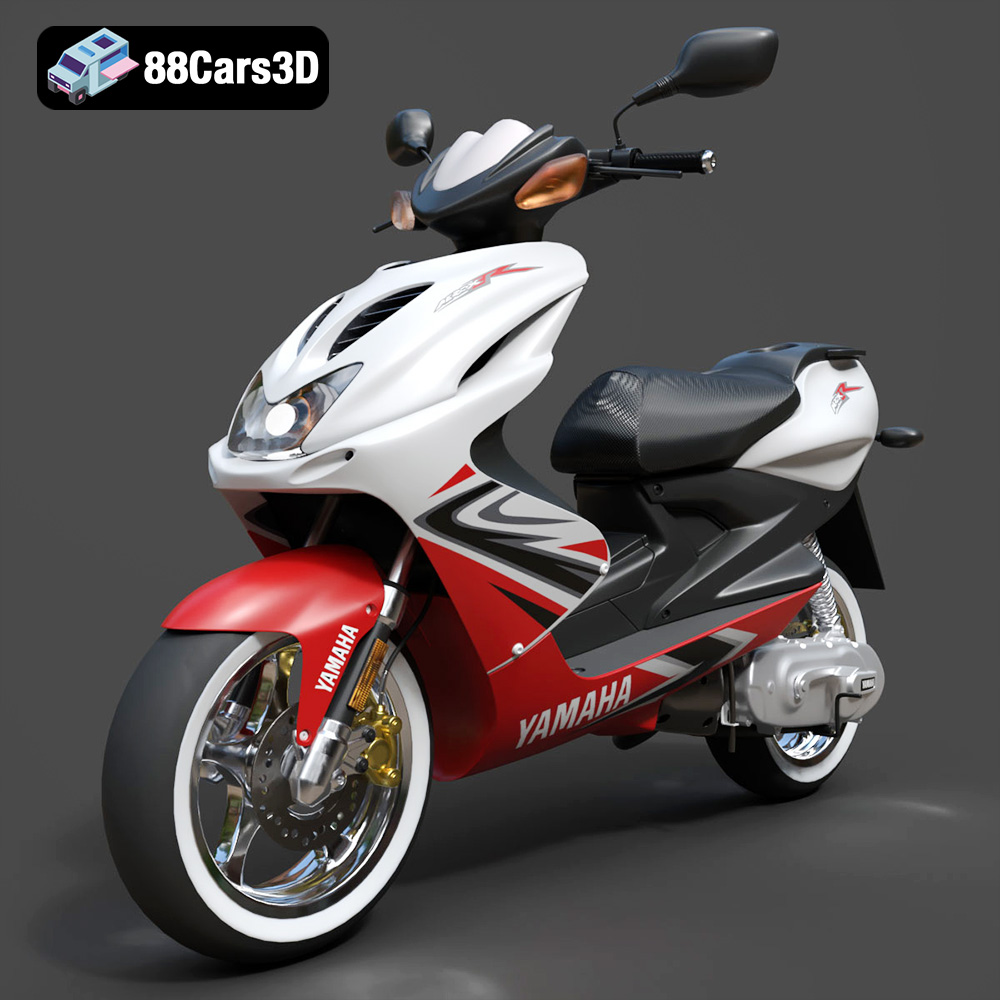
Texture: Yes
Material: Yes
Download the Yamaha Aerox R-002 2024 3D Model featuring clean geometry, realistic detailing, and a fully modeled interior. Includes .blend, .fbx, .obj, .glb, .stl, .ply, .unreal, and .max formats for rendering, simulation, and game development.
Price: $19.99
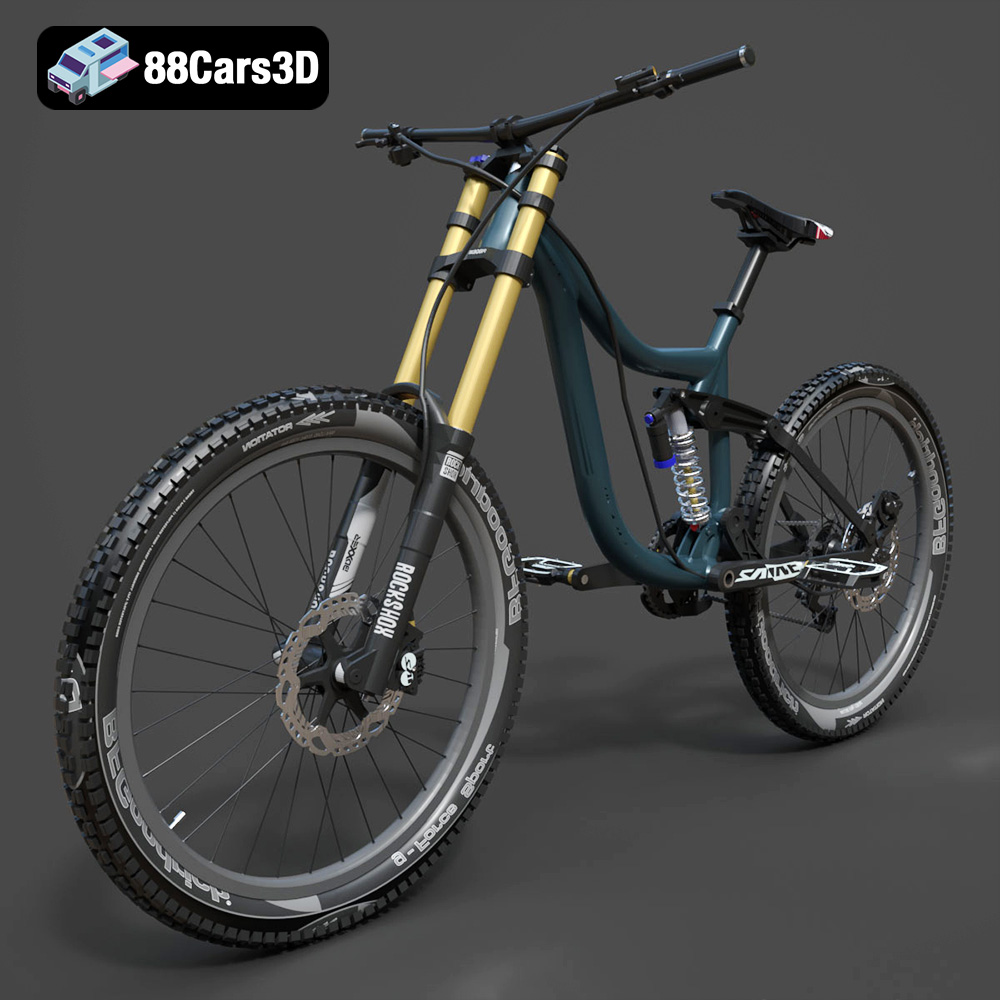
Texture: Yes
Material: Yes
Download the Mototsikly Downhill Bike-002 3D Model featuring clean geometry, realistic detailing, and precise mechanical components. Includes .blend, .fbx, .obj, .glb, .stl, .ply, .unreal, and .max formats for rendering, simulation, and game development.
Price: $19.99
Texture: Yes
Material: Yes
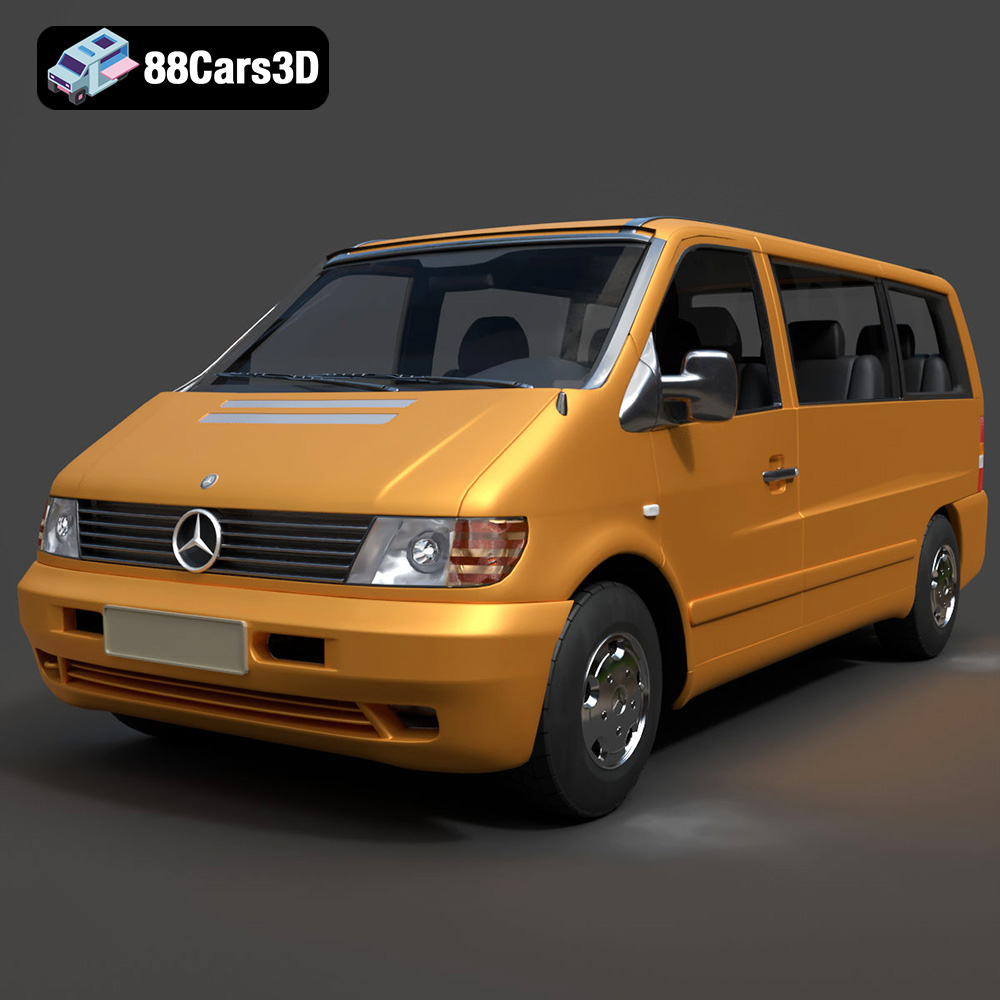
Download the Mercedes-Benz Vito Passenger Van 3D Model featuring clean geometry, realistic detailing, and a fully modeled interior. Includes .blend, .fbx, .obj, .glb, .stl, .ply, .unreal, and .max formats for rendering, simulation, and game development.
Price: $19.99
Texture: Yes
Material: Yes
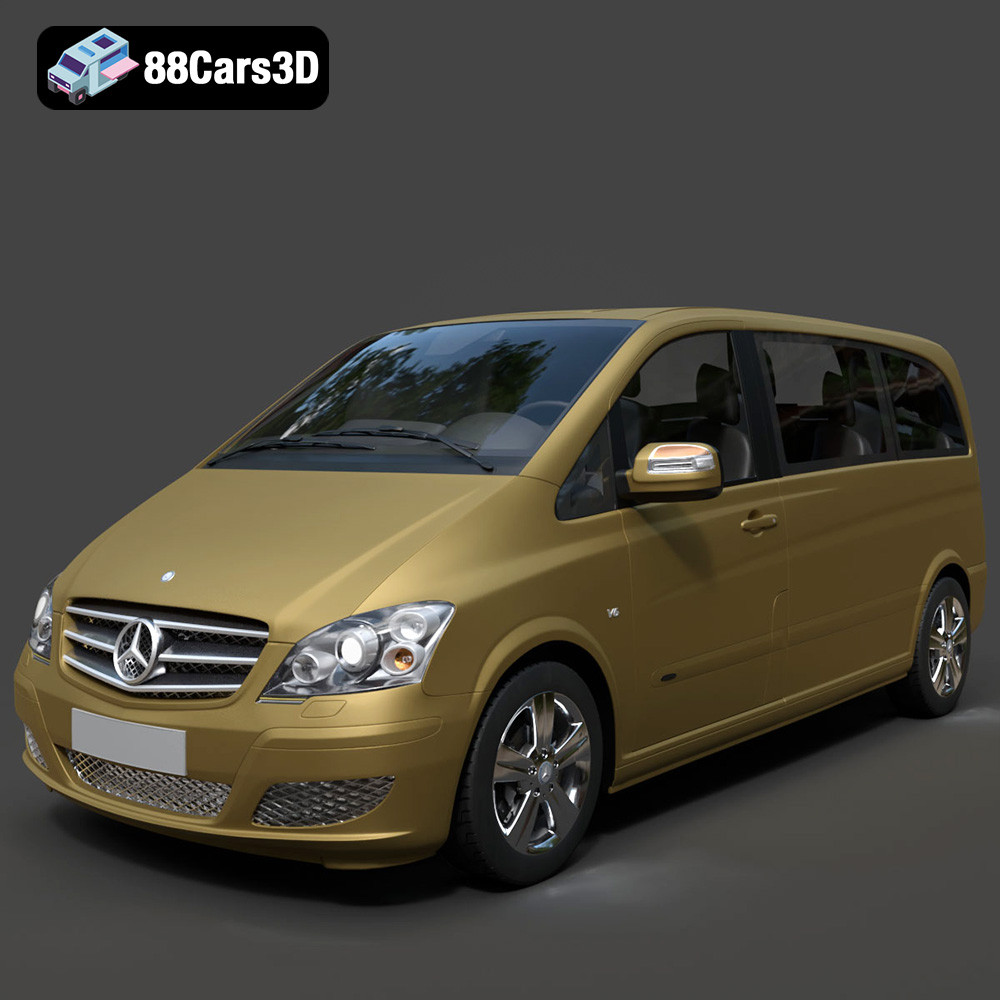
Download the Mercedes-Benz Viano 2010 3D Model featuring clean geometry, realistic detailing, and a fully modeled interior. Includes .blend, .fbx, .obj, .glb, .stl, .ply, .unreal, and .max formats for rendering, simulation, and game development.
Price: $19.99

Texture: Yes
Material: Yes
Download the Emt Avtobus 007 3D Model featuring clean geometry, realistic detailing, and a fully modeled interior. Includes .blend, .fbx, .obj, .glb, .stl, .ply, .unreal, and .max formats for rendering, simulation, and game development.
Price: $19.99
Texture: Yes
Material: Yes
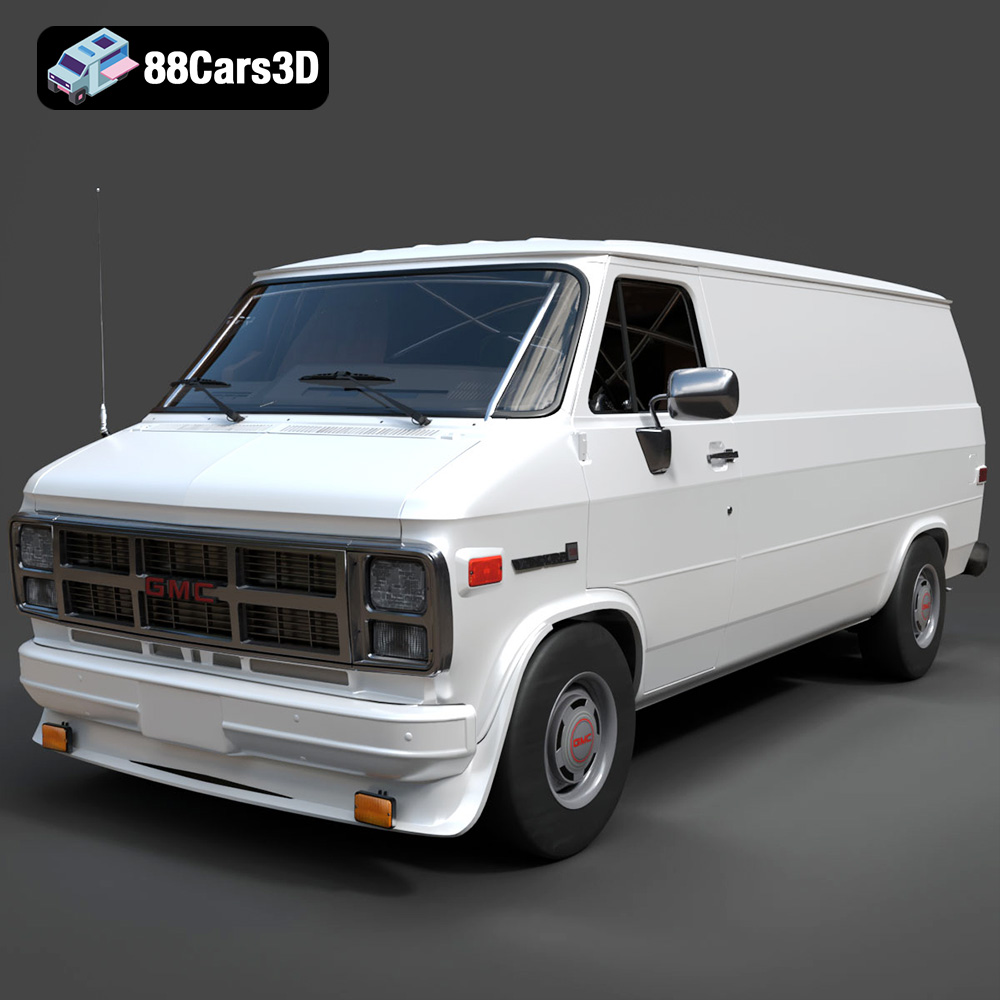
Download the GMC Vandura G-1500 1983 3D Model featuring clean geometry, realistic detailing, and a fully modeled interior. Includes .blend, .fbx, .obj, .glb, .stl, .ply, .unreal, and .max formats for rendering, simulation, and game development.
Price: $19.99
Texture: Yes
Material: Yes
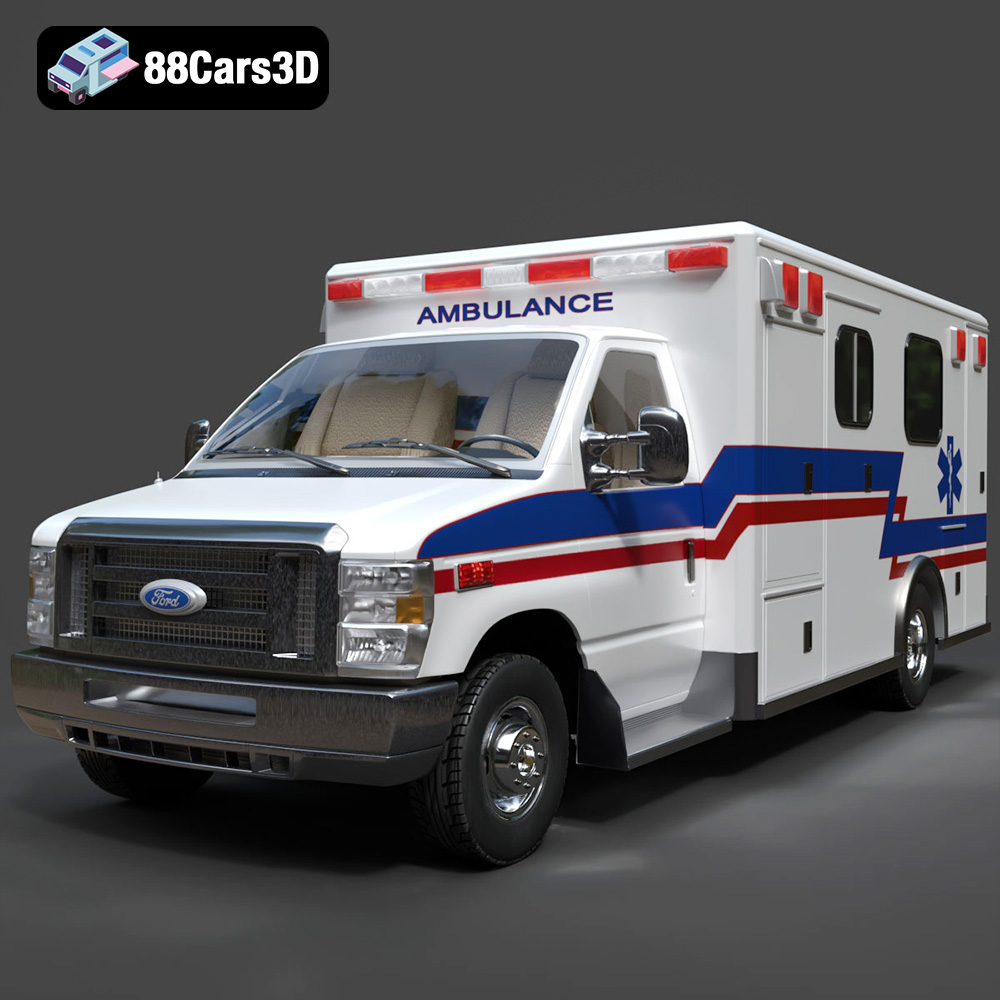
Download the Ford E-450 Ambulance 3D Model featuring clean geometry, realistic detailing, and a fully modeled interior. Includes .blend, .fbx, .obj, .glb, .stl, .ply, .unreal, and .max formats for rendering, simulation, and game development.
Price: $19.99

Texture: Yes
Material: Yes
Download the Fiat Ducato SWB-001 3D Model featuring clean geometry, realistic detailing, and a fully modeled interior. Includes .blend, .fbx, .obj, .glb, .stl, .ply, .unreal, and .max formats for rendering, simulation, and game development.
Price: $19.99

