⚡ FLASH SALE: Get 60% OFF All Premium 3D & STL Models! ⚡

“`html
Welcome to the exciting world of 3D printing detailed automotive models! Whether you’re a seasoned maker, a passionate collector of classic cars, or an engineer prototyping your next automotive innovation, achieving high-quality prints is paramount. At 88cars3d.com, we understand that the journey from a digital STL file to a tangible, perfectly rendered car model involves more than just hitting ‘print.’ Two fundamental, yet often overlooked, aspects significantly impact your success: your 3D printer’s nozzle diameter and its build volume (bed size). Choosing the right combination for your specific project can mean the difference between a flawless replica and a print riddled with imperfections. This comprehensive guide will delve deep into the technical considerations of nozzle selection and bed size, equipping you with the knowledge to optimize your FDM printing workflow for everything from intricate engine components to full-scale car bodies. We’ll explore how these parameters influence print resolution, speed, strength, and material compatibility, empowering you to make informed decisions for every 3D printable car model you bring to life.
The nozzle is where the magic of FDM 3D printing happens – it’s the gateway through which molten filament is extruded onto the build plate. Its diameter is arguably the most critical factor influencing the level of detail, print speed, and overall strength of your printed object. Think of it like a pen; a finer tip allows for more intricate drawings, while a broader tip can cover larger areas more quickly but with less precision. For intricate 3D printable car models found on platforms like 88cars3d.com, selecting the appropriate nozzle size is key to capturing fine details like grilles, panel lines, and tiny emblems.
The most common nozzle sizes for FDM printers range from 0.2mm to 1.0mm. Each has distinct advantages and disadvantages:
When downloading a 3D printable car model from marketplaces such as 88cars3d.com, consider the intended scale and desired level of detail. If the model is small and features intricate elements, start with a 0.2mm or 0.4mm nozzle. If the model is larger, or if you’re prioritizing speed for functional parts, consider a 0.6mm nozzle. It’s often beneficial to have a set of nozzles (e.g., 0.4mm and 0.2mm) to switch between depending on the specific part of the car model you’re printing. For instance, you might print the main body with a 0.4mm nozzle for a balance of speed and detail, and then switch to a 0.2mm nozzle for printing separate, highly detailed parts like mirrors or interior components. Remember that changing nozzles requires careful printer maintenance, including bed leveling and potentially adjusting Z-offset, as the nozzle height relative to the build plate will change.
Your slicer software (like Cura, PrusaSlicer, or Simplify3D) is where you translate your chosen nozzle size into tangible print settings. The software uses the nozzle diameter to calculate extrusion widths, line overlaps, and travel moves. Incorrectly configuring these settings based on your installed nozzle can lead to under-extrusion, over-extrusion, gaps, or poor adhesion. For example, if you install a 0.6mm nozzle but leave your slicer settings configured for a 0.4mm nozzle, you’ll likely experience under-extrusion because the software is attempting to push out less material than the larger nozzle can handle. Conversely, keeping 0.4mm settings with a 0.2mm nozzle can lead to over-extrusion and nozzle jams. Therefore, it’s crucial to input the correct nozzle diameter into your slicer’s printer profile.
The ‘line width’ setting in your slicer directly corresponds to the extrusion width. While it’s often set automatically based on nozzle diameter (e.g., 100-120% of nozzle diameter), manual adjustments can be beneficial. For instance, with a 0.4mm nozzle, a line width of 0.4mm to 0.48mm is common. With a 0.6mm nozzle, you might increase this to 0.6mm or even 0.72mm. Increasing the line width allows for faster printing by laying down thicker lines, but it can sometimes reduce the ability to resolve fine details. The ‘extrusion multiplier’ (or ‘flow rate’) is another critical parameter. This value adjusts the overall amount of filament extruded. If you notice gaps between lines or infill, you might need to increase this value slightly. If lines are bulging or squashed, you might need to decrease it. These adjustments are especially important when switching between nozzle sizes or when using filaments with slightly different diameters.
Layer height is directly related to the nozzle diameter and significantly impacts both print quality and time. The general rule of thumb is that your layer height should not exceed 75-80% of your nozzle diameter to ensure good layer adhesion and prevent extrusion issues. For a 0.4mm nozzle, layer heights between 0.1mm and 0.2mm are typical. A 0.1mm layer height will result in much smoother curves and finer surface detail, making it ideal for car models where aesthetics are key. However, printing at 0.1mm will take approximately four times longer than printing at 0.2mm for the same model height. For larger parts or components where speed is more critical, 0.2mm or even 0.3mm (for a 0.4mm nozzle) might be acceptable. For a 0.2mm nozzle, you’ll want to stick to layer heights of 0.05mm to 0.1mm to truly benefit from the fine detail capability. Conversely, with a 0.8mm nozzle, layer heights of 0.3mm to 0.4mm are common, prioritizing speed over micro-level detail.
The choice of nozzle size also impacts how support structures are generated and removed. Smaller nozzles can create finer, more delicate support structures that are easier to remove from intricate parts, minimizing surface scarring. However, they also require more intricate support settings (e.g., finer support patterns, denser support infill) to ensure they effectively hold up overhangs. Larger nozzles create thicker, more robust support structures that are quicker to print but can be more challenging to remove cleanly from detailed models, potentially damaging delicate features. When printing complex car models with significant overhangs, consider the trade-off between the speed of printing supports with a larger nozzle and the risk of damaging the final model during removal. Platforms like 88cars3d.com often provide models optimized for printing, but user support settings remain a critical factor influenced by nozzle choice.
The build volume, or bed size, of your 3D printer dictates the maximum dimensions of a single-piece object you can print. For automotive models, this is a crucial consideration, especially if you’re aiming for larger scales or printing complete car bodies without needing to split them into multiple parts. A larger build volume offers greater flexibility, allowing for more ambitious projects and potentially reducing assembly time and visible layer lines from joining parts.
3D printers come with a wide range of build volumes, commonly measured in millimeters (X, Y, Z dimensions). Some common ranges include:
If a desired car model exceeds your printer’s build volume, you have two primary options: scaling down or splitting the model. Scaling down is straightforward in your slicer, but it reduces the overall size and potentially the detail of the model. For many automotive enthusiasts, maintaining a specific scale is important. Splitting the model, however, is a more advanced but often necessary technique. This involves using 3D modeling software (like Blender, Meshmixer, or even built-in features in some slicers like PrusaSlicer) to cut the STL file into smaller, manageable pieces that fit within your build volume. These pieces can then be printed individually and later assembled using adhesives (like super glue or epoxy) and potentially small pins or dowels for alignment. When splitting models, consider adding alignment features like interlocking slots or keyed joints to simplify assembly and ensure a strong bond. The design of the STL files on 88cars3d.com often accounts for this, with clear indications of how to split larger models.
The orientation of your model on the build plate is critical, especially for larger prints. It affects the strength, surface finish, and amount of support material needed. For car bodies, printing them upright often maximizes detail on the visible surfaces but can require extensive supports for the wheel wells and undercarriage. Printing them on their side might reduce supports but could introduce visible layer lines on the sides of the car. Printing them upside down can be advantageous for body panels, with the roof providing a flat surface for bed adhesion and the undercarriage requiring supports. Experimentation is key here. Regardless of orientation, ensuring excellent bed adhesion is paramount for large prints. Warping can occur due to uneven cooling, especially with materials like ABS. Using a heated bed, appropriate build surface (e.g., PEI, glass with adhesion aids like glue stick or hairspray), and potentially a brim or raft in your slicer settings can significantly improve the success rate of large prints.
The choice of nozzle diameter and the available build volume are not independent decisions; they work in tandem to define the possibilities of your 3D printing projects. A printer with a large build volume is less impactful if you’re constantly using a tiny nozzle that makes printing large objects take weeks. Conversely, a large nozzle on a small bed might mean you can only print very basic, large-scale parts that don’t showcase the printer’s potential for detail.
Let’s consider a few scenarios:
The key is to understand the constraints and capabilities of your printer and to select your nozzle and print strategy accordingly. For users looking for a wide range of vehicle models ready for printing, 88cars3d.com offers a diverse catalog, many of which are designed with printability in mind for common FDM setups.
If you find yourself consistently limited by your current nozzle size or build volume, consider upgrades. Nozzles are inexpensive consumables, and switching between common sizes (0.25mm, 0.4mm, 0.6mm) is a relatively simple process for most printers. For larger projects, investing in a printer with a larger build volume might be necessary. Ensure that any larger printer you consider also offers adequate features for reliability, such as a robust frame, stable heated bed, and good quality extruder components. Remember that larger build volumes can sometimes introduce new challenges, such as longer heat-up times, increased risk of warping on very large prints, and the need for more powerful cooling solutions.
Even with the perfect nozzle and bed size, a flawed STL file can lead to failed prints. This is where essential file preparation and mesh repair come into play, especially crucial for intricate automotive models.
Before sending any model to the slicer, it’s good practice to inspect its integrity. Common issues include:
Software like Meshmixer, Netfabb, or even Blender can be used to automatically or manually repair these issues. Many slicers also have basic mesh repair functions, but dedicated tools offer more robust solutions. For 3D printable car models, ensuring clean geometry is vital for smooth surfaces and accurate part fitting. If you download files from reputable sources like 88cars3d.com, they are typically pre-checked and repaired, but it’s always a good habit to verify, especially if you plan on modifying the model.
Once repaired, use your slicer or modeling software to scale the model to your desired size. As discussed, consider your printer’s build volume. Orienting the model correctly on the virtual build plate is the next critical step. Aim to minimize overhangs and steep angles where possible, reducing the need for excessive support material. For car models, think about which surfaces need to be the highest quality. Placing these surfaces upwards, or orienting the model so they require minimal support, is often beneficial. For example, printing a car body upright might look intuitive, but the underside often has complex curves that are difficult to support. Flipping it over and printing the roof-down might offer a flatter surface for adhesion and easier support placement for the undercarriage.
Generating effective support structures is a balancing act. You need enough support to hold overhangs and bridges, but too much can be difficult to remove and can mar the surface finish. Experiment with different support types (standard, tree/organic), densities, and interface settings in your slicer. Tree supports, for example, are often excellent for detailed models like cars as they are less dense and easier to remove from intricate areas, leaving fewer marks. Consider the nozzle size here: smaller nozzles can create more precise supports, while larger ones print them faster. The ideal strategy often involves a combination of careful model orientation and optimized support settings tailored to your chosen nozzle size.
By carefully considering your nozzle diameter and build volume, and by implementing sound file preparation and slicing strategies, you can significantly enhance the quality and success rate of your 3D printed automotive models. Happy printing!
“`
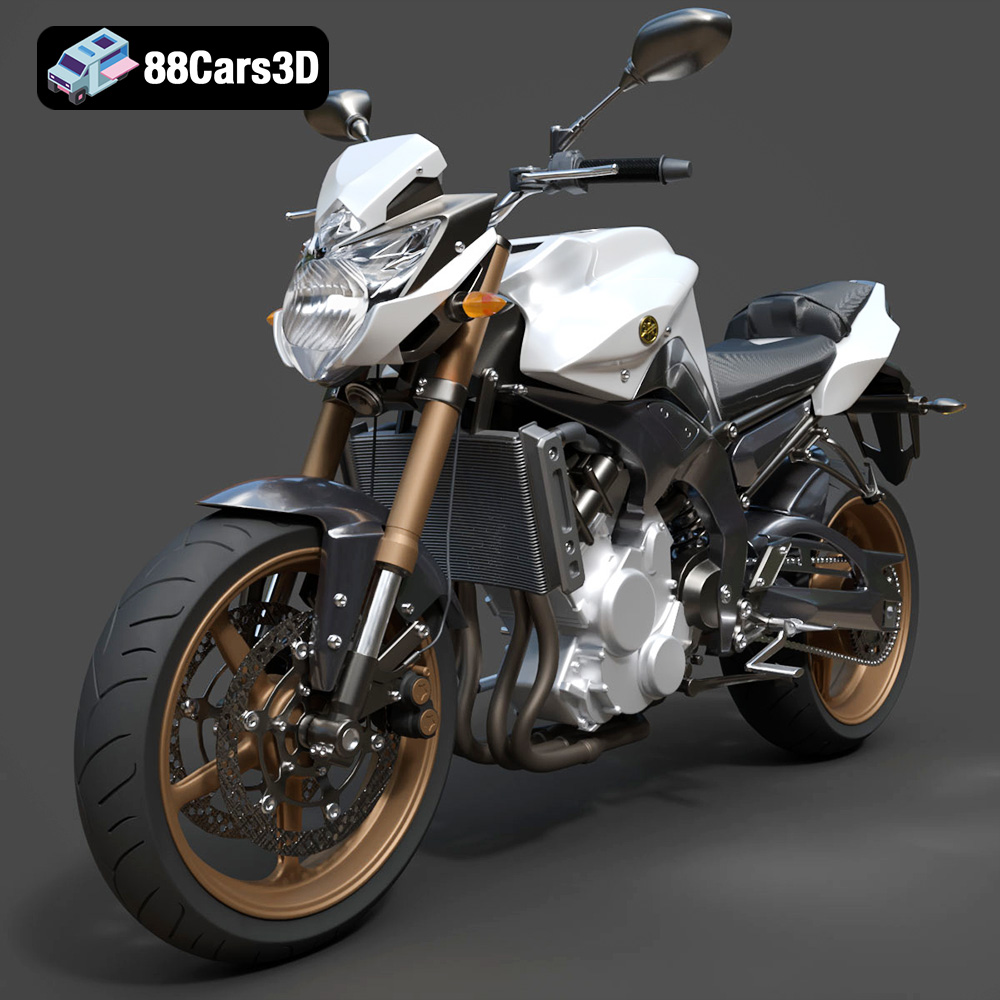
Texture: Yes
Material: Yes
Download the Yamaha FZ8 2011 3D Model featuring clean geometry, realistic detailing, and a fully modeled interior. Includes .blend, .fbx, .obj, .glb, .stl, .ply, .unreal, and .max formats for rendering, simulation, and game development.
Price: $19.99
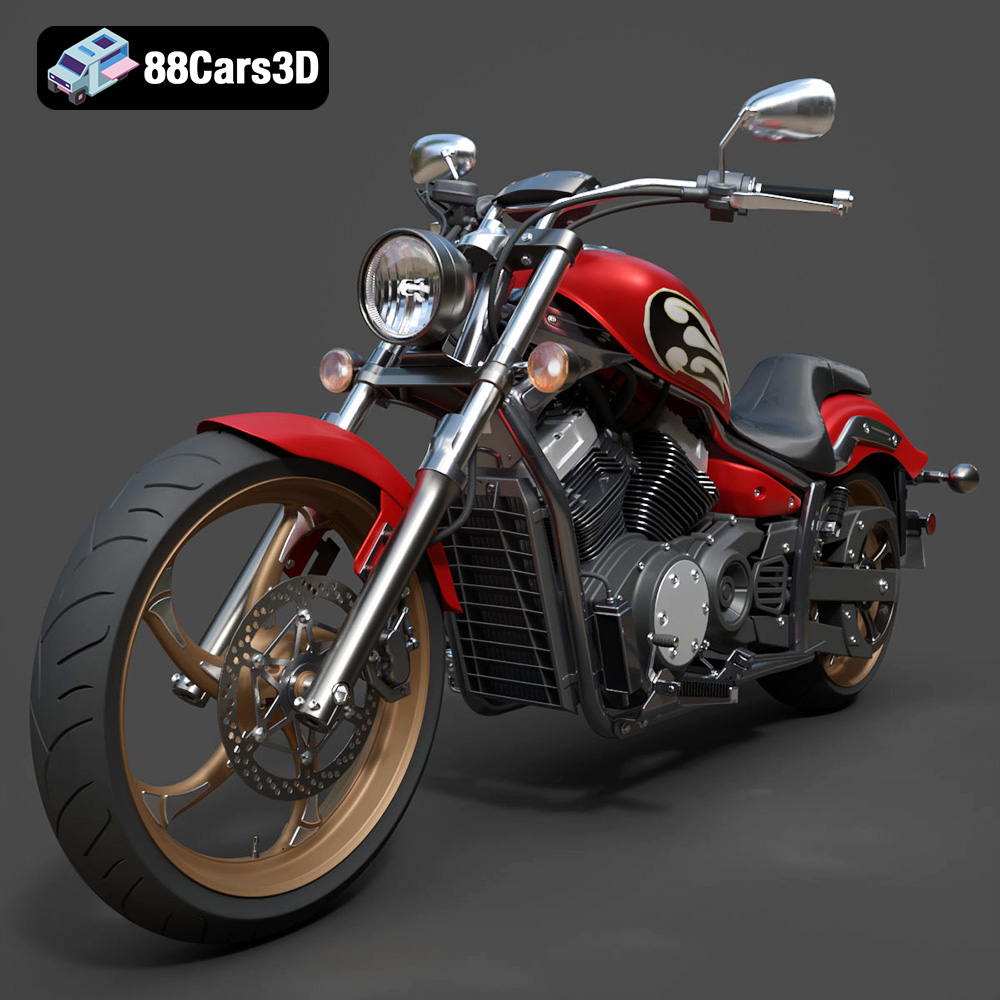
Texture: Yes
Material: Yes
Download the Yamaha Stryker 2012 3D Model featuring clean geometry, realistic detailing, and a fully modeled interior. Includes .blend, .fbx, .obj, .glb, .stl, .ply, .unreal, and .max formats for rendering, simulation, and game development.
Price: $19.99
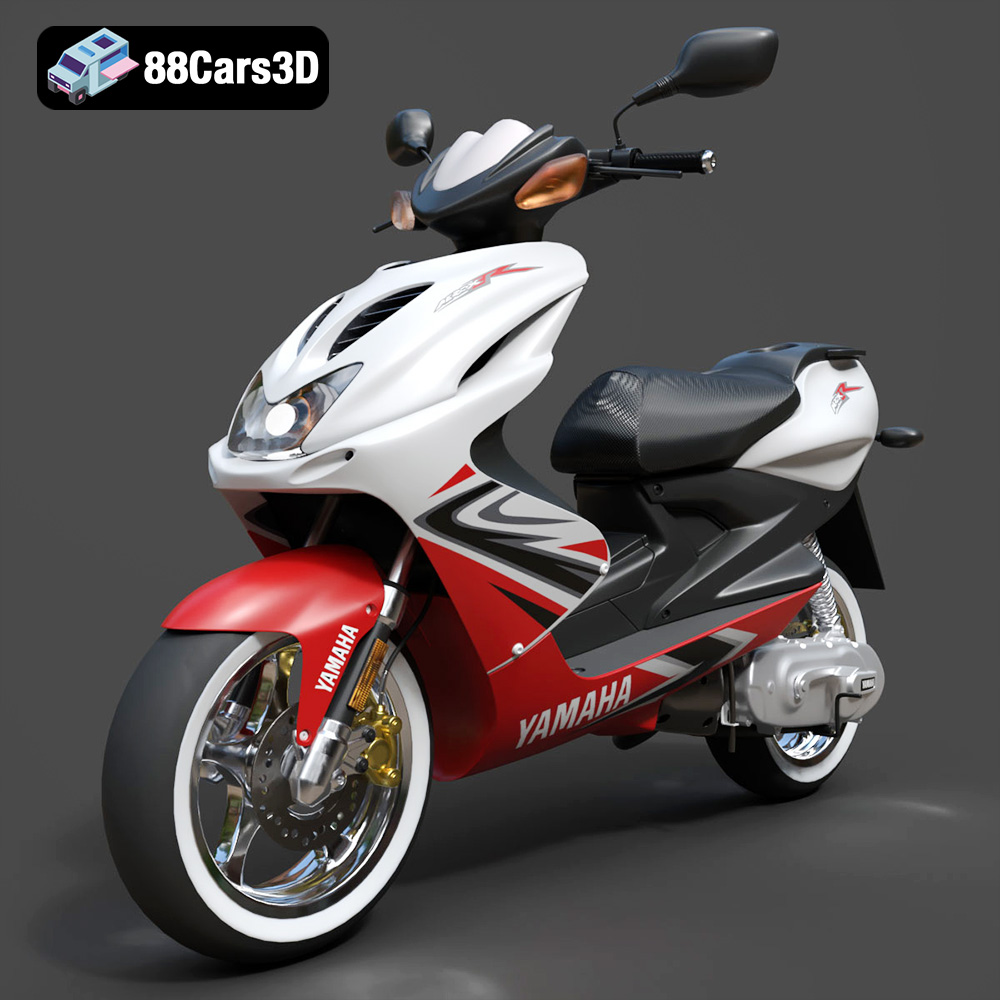
Texture: Yes
Material: Yes
Download the Yamaha Aerox R-002 2024 3D Model featuring clean geometry, realistic detailing, and a fully modeled interior. Includes .blend, .fbx, .obj, .glb, .stl, .ply, .unreal, and .max formats for rendering, simulation, and game development.
Price: $19.99
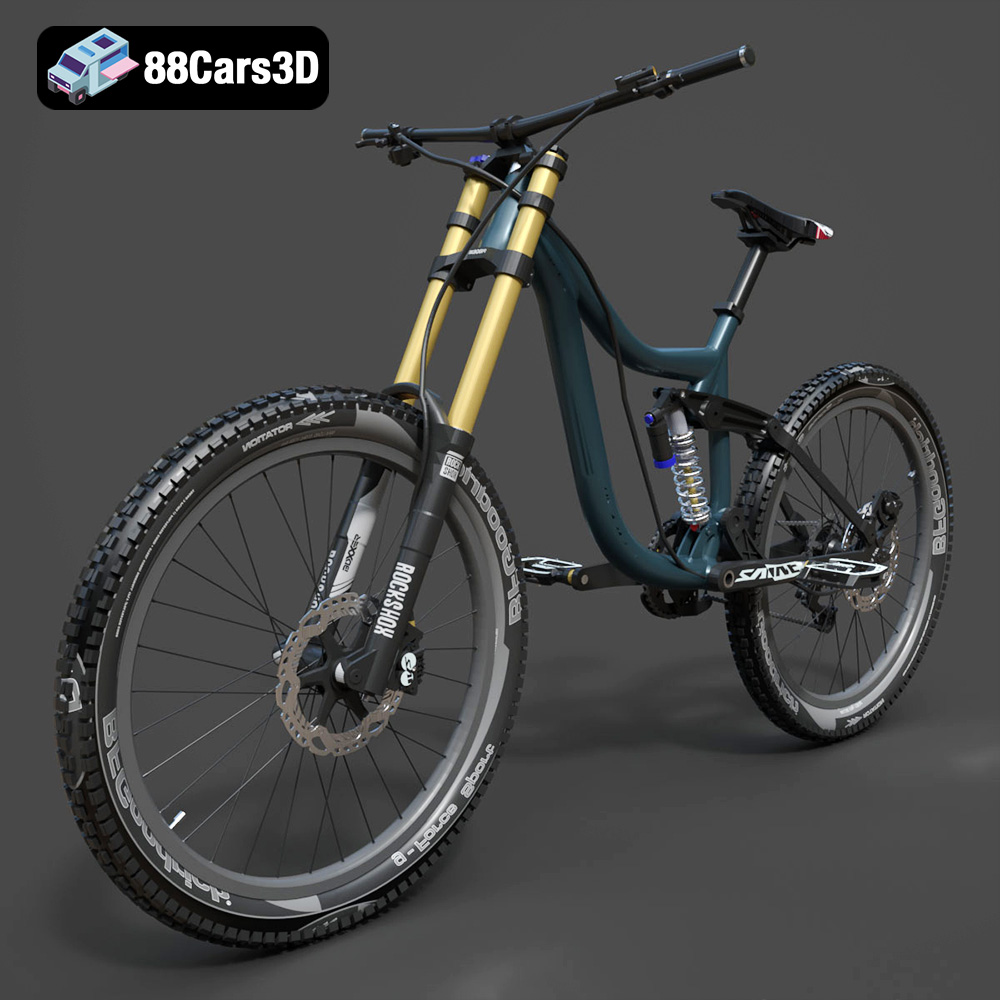
Texture: Yes
Material: Yes
Download the Mototsikly Downhill Bike-002 3D Model featuring clean geometry, realistic detailing, and precise mechanical components. Includes .blend, .fbx, .obj, .glb, .stl, .ply, .unreal, and .max formats for rendering, simulation, and game development.
Price: $19.99
Texture: Yes
Material: Yes
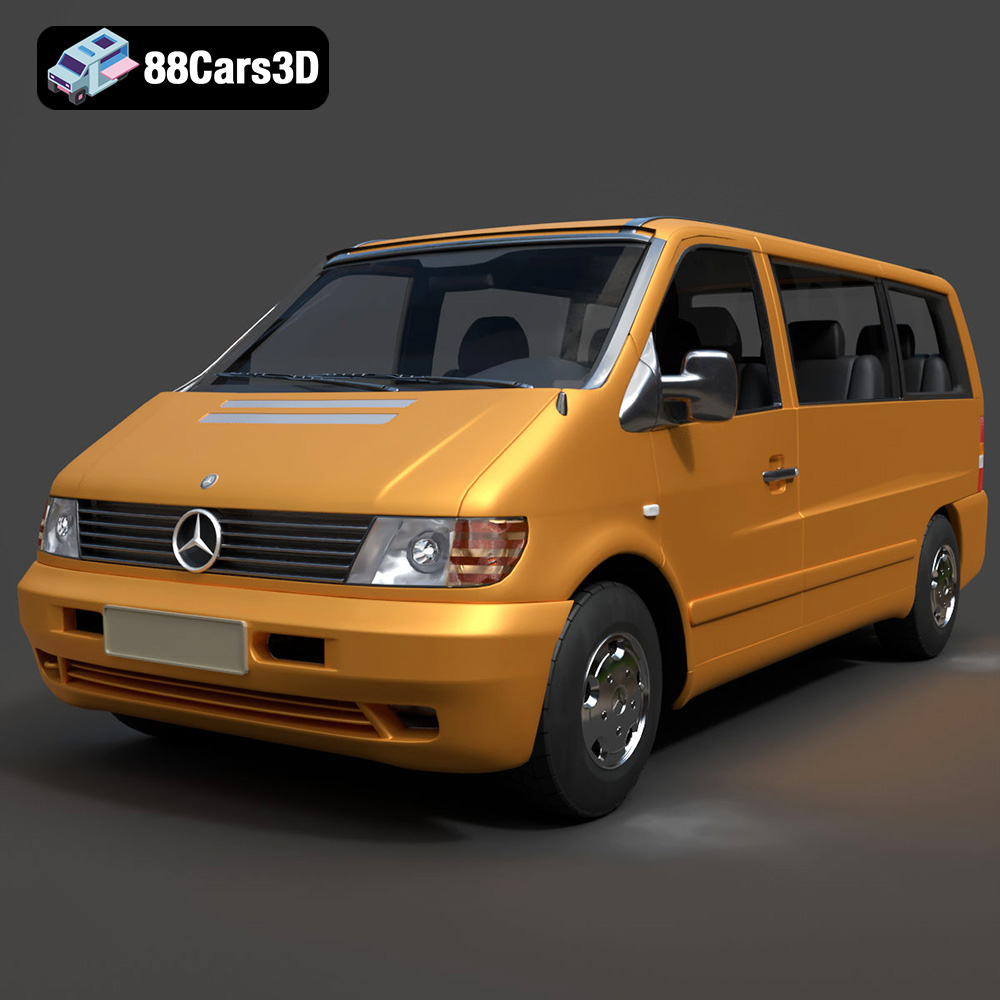
Download the Mercedes-Benz Vito Passenger Van 3D Model featuring clean geometry, realistic detailing, and a fully modeled interior. Includes .blend, .fbx, .obj, .glb, .stl, .ply, .unreal, and .max formats for rendering, simulation, and game development.
Price: $19.99
Texture: Yes
Material: Yes
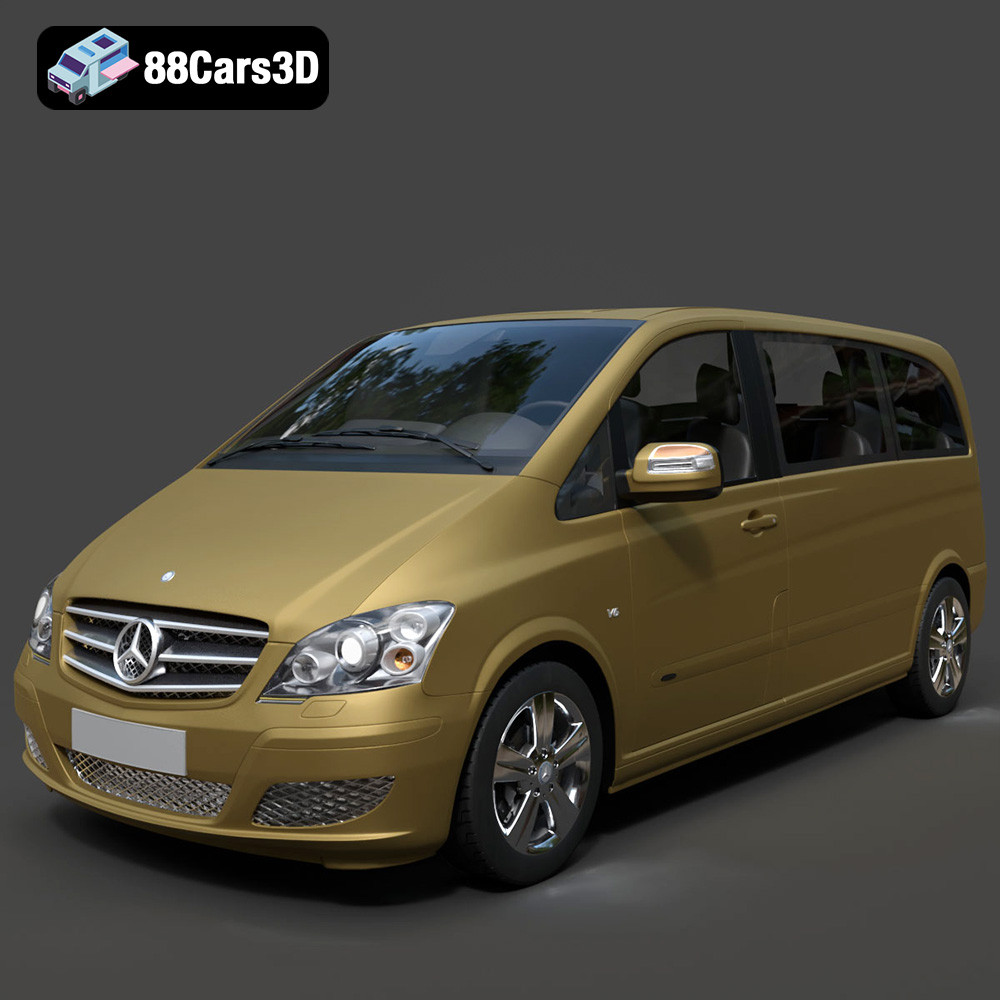
Download the Mercedes-Benz Viano 2010 3D Model featuring clean geometry, realistic detailing, and a fully modeled interior. Includes .blend, .fbx, .obj, .glb, .stl, .ply, .unreal, and .max formats for rendering, simulation, and game development.
Price: $19.99

Texture: Yes
Material: Yes
Download the Emt Avtobus 007 3D Model featuring clean geometry, realistic detailing, and a fully modeled interior. Includes .blend, .fbx, .obj, .glb, .stl, .ply, .unreal, and .max formats for rendering, simulation, and game development.
Price: $19.99
Texture: Yes
Material: Yes
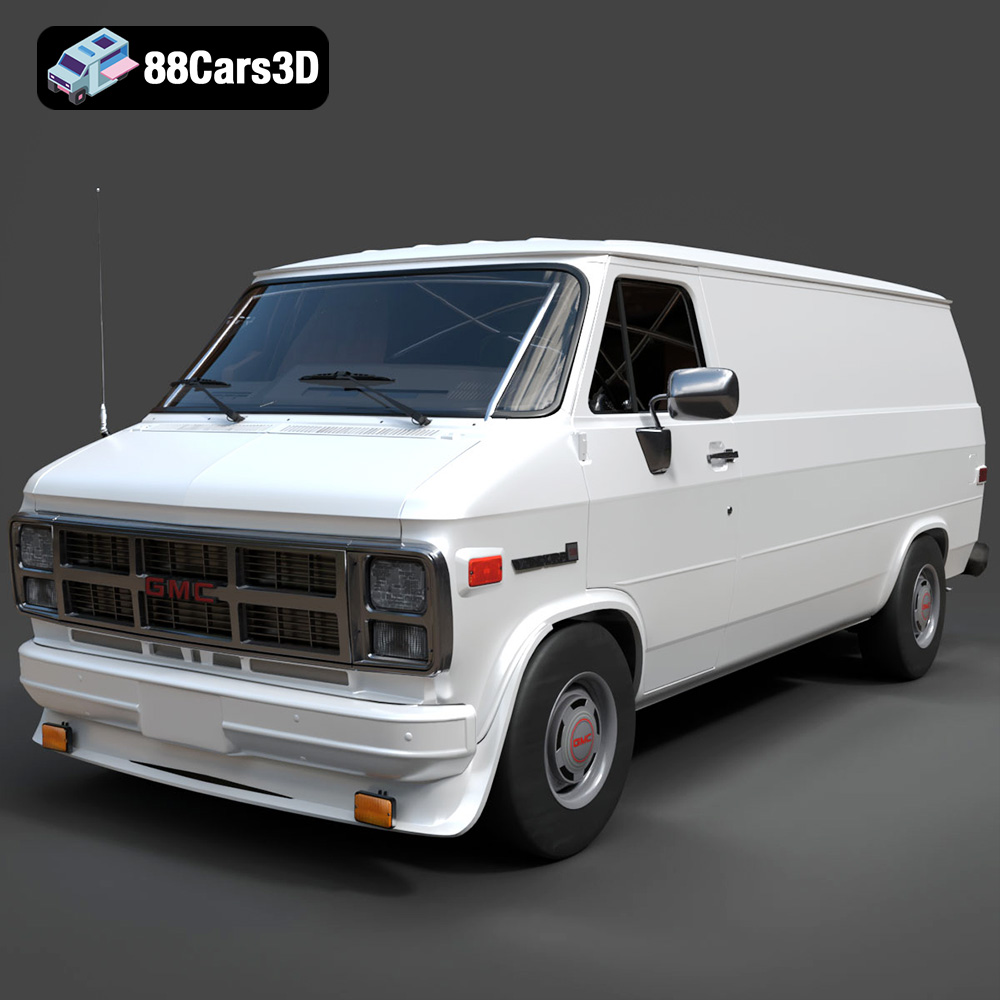
Download the GMC Vandura G-1500 1983 3D Model featuring clean geometry, realistic detailing, and a fully modeled interior. Includes .blend, .fbx, .obj, .glb, .stl, .ply, .unreal, and .max formats for rendering, simulation, and game development.
Price: $19.99
Texture: Yes
Material: Yes
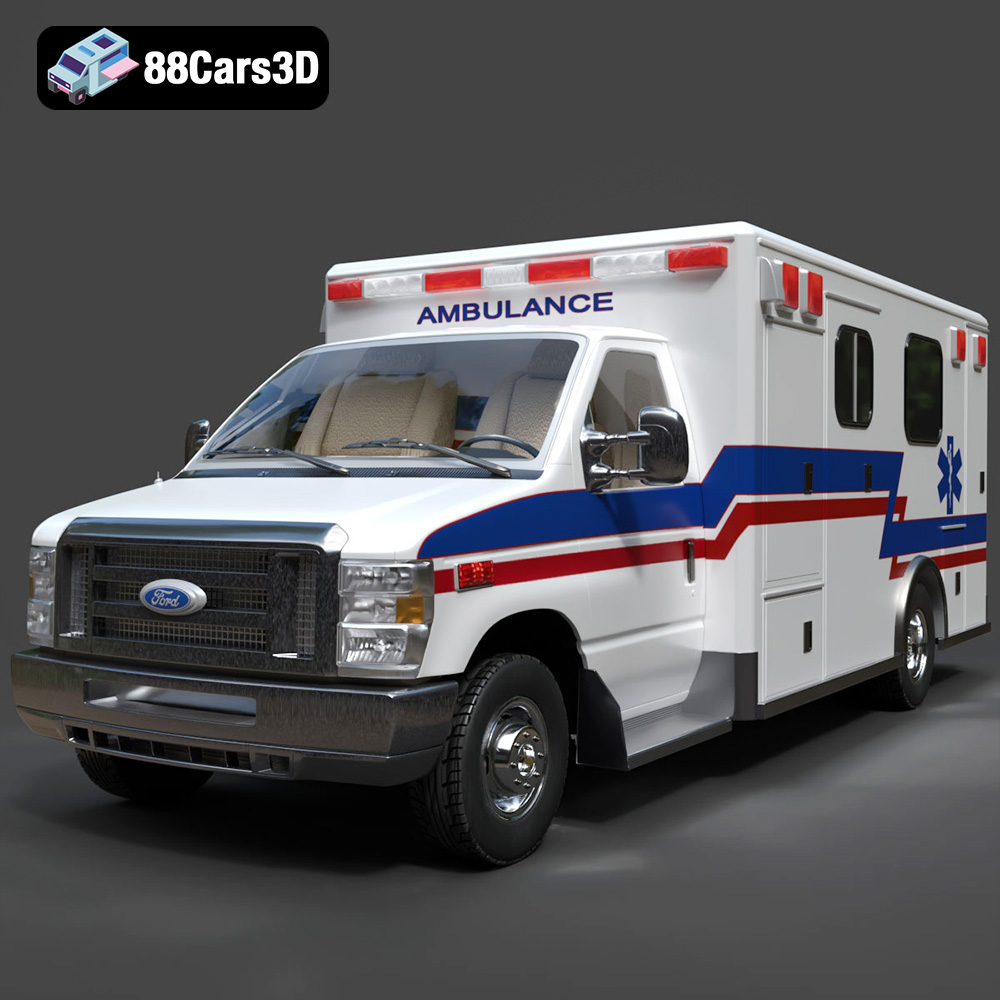
Download the Ford E-450 Ambulance 3D Model featuring clean geometry, realistic detailing, and a fully modeled interior. Includes .blend, .fbx, .obj, .glb, .stl, .ply, .unreal, and .max formats for rendering, simulation, and game development.
Price: $19.99

Texture: Yes
Material: Yes
Download the Fiat Ducato SWB-001 3D Model featuring clean geometry, realistic detailing, and a fully modeled interior. Includes .blend, .fbx, .obj, .glb, .stl, .ply, .unreal, and .max formats for rendering, simulation, and game development.
Price: $19.99

