⚡ FLASH SALE: Get 60% OFF All Premium 3D & STL Models! ⚡

“`html
The allure of 3D printing lies in its ability to bring digital creations into the physical world. For automotive enthusiasts and model makers, this means transforming intricate car designs into tangible replicas. However, the journey from a digital 3D model to a perfectly printed object isn’t always smooth. One of the most common stumbling blocks is encountering errors within STL files – the de facto standard for 3D printing. These digital imperfections can manifest as print failures, unexpected artifacts, or simply prevent your slicer from generating toolpaths altogether. Understanding how to identify and rectify these common STL file errors is a crucial skill for any serious 3D printing hobbyist. This guide will equip you with the knowledge and techniques to preprocess your STL files effectively, ensuring your 3D printer can translate your chosen printable car models into stunning, accurate results. We’ll delve into the anatomy of an STL file, explore common error types, and walk through step-by-step solutions using industry-standard software, ultimately empowering you to achieve prints with unparalleled quality and reliability.
Before we can fix STL file errors, it’s essential to understand what an STL file actually is and how it represents a 3D object. STL, which stands for Stereolithography or Standard Tessellation Language, is a surprisingly simple file format. It describes the surface geometry of a 3D object without any information about color, texture, or other surface properties. Instead, it uses a series of interconnected triangles (or facets) to approximate the object’s shape. Each triangle is defined by three vertices (corner points) and a normal vector, which indicates the outward-pointing direction of the triangle’s surface. This tessellation approach is easily interpreted by 3D printers and slicing software, but it also gives rise to several potential issues.
When a 3D model is exported to STL, complex curves and surfaces are broken down into numerous small, flat triangles. The density of this tessellation directly impacts the file size and the level of detail captured. A lower tessellation rate results in fewer triangles, a smaller file, but a more approximated shape with visible facets. Conversely, a high tessellation rate yields a more accurate representation but results in a much larger file and can sometimes introduce minor geometric inconsistencies. The key challenge arises when this tessellation process, or the original modeling process, leads to inconsistencies in how these triangles connect. For instance, if the triangles don’t perfectly align or if their normal vectors point in conflicting directions, the slicer will struggle to interpret the surface as a solid, watertight object.
There are two primary types of STL files: ASCII and Binary. ASCII STL files are human-readable, meaning you can open them in a text editor and see the coordinates of the vertices and the normal vectors. This makes them useful for debugging and understanding the raw data. However, they are significantly larger and slower to process. Binary STL files, on the other hand, are more compact and efficient. They contain the same information but in a compressed, machine-readable format. While most slicing software can handle both, understanding the difference can be helpful when dealing with extremely large models or when troubleshooting specific import issues. For professional workflows and larger models, binary STLs are generally preferred due to their performance advantages.
The tessellation process and the nature of the STL format can lead to several recurring errors that prevent successful 3D printing. Recognizing these issues is the first step towards a seamless printing experience. Many of these errors relate to the fundamental requirement of a “watertight” or “manifold” model – a surface that can be conceptually filled with material without any holes or self-intersections.
A non-manifold error occurs when the mesh is not a valid representation of a 2D surface embedded in 3D space. This can manifest in several ways:
These errors are particularly problematic because they break the assumption that the STL represents a solid object. Slicers rely on this assumption to calculate infill, generate supports, and determine the outer boundaries for printing.
Normal vectors are critical for defining the “outside” of a surface. If a triangle’s normal vector points inwards instead of outwards, the software interprets that surface as being inside-out. While visually the model might look correct, the slicer sees it as a surface with holes or incorrect orientation. Multiple inverted normals across a model can lead to areas being printed incorrectly, or not at all, and can cause issues with slicing depth calculations.
Degenerate triangles are malformed triangles that can cause significant problems. These include:
These can be harder to spot visually, but they are often flagged by mesh repair tools.
Fortunately, a robust ecosystem of software tools exists to help diagnose and fix these STL file errors. While some 3D modeling software has built-in repair functions, dedicated mesh editing and repair applications offer more powerful and targeted solutions.
Most modern slicing software, such as Ultimaker Cura, PrusaSlicer, and Simplify3D, includes basic mesh repair capabilities. When you import an STL file, the slicer will often automatically attempt to fix common issues like holes and inverted normals. Enabling these features is usually a simple checkbox in the preferences or slicer settings. For example, Cura has an option called “Mesh Fixes” which includes “Union Overlapping,” “Merge Close Vertices,” and “Identify Holes.” PrusaSlicer also offers similar automated repair functions upon import. While these automated fixes are convenient and often sufficient for minor issues, they might not always resolve more complex non-manifold problems or severe self-intersections.
For more stubborn or complex errors, you’ll want to turn to specialized software. Three powerful options stand out:
When downloading models from marketplaces such as 88cars3d.com, while the files are optimized, occasional issues can still arise. Having these tools at your disposal ensures you can handle any discrepancies.
A typical workflow for fixing STL files using Meshmixer involves these steps:
Beyond fixing the STL file itself, understanding and configuring your slicing software is paramount for achieving high-quality prints of complex objects like car models. This involves a delicate balance between print speed, detail preservation, and structural integrity.
Layer height dictates the thickness of each individual layer deposited by your 3D printer. A smaller layer height (e.g., 0.1mm) results in finer details, smoother curves, and a reduced “stair-stepping” effect on sloped surfaces, which is crucial for the sleek lines of car models. However, printing with smaller layer heights significantly increases print time as the printer has to lay down many more layers to complete the object. Conversely, a larger layer height (e.g., 0.2mm or 0.3mm) drastically reduces print time but sacrifices detail and increases the visibility of layer lines. For highly detailed car models, a layer height between 0.1mm and 0.15mm is often a good compromise, especially for FDM printers. Resin printers, with their inherent high resolution, can often achieve much finer detail with layer heights as low as 0.025mm or 0.05mm.
The infill is the internal support structure of your print. For display models like those from 88cars3d.com, high infill density is often unnecessary. An infill density between 10% and 20% is usually sufficient to provide internal support and prevent the outer walls from collapsing, while also saving material and reducing print time. The choice of infill pattern also matters. Grid, cubic, and gyroid patterns are popular and offer good all-around strength. For lighter display pieces, simpler patterns like grid at a lower density are perfectly adequate. Complex patterns like 3D honeycomb or gyroid can offer better structural integrity in multiple directions if the model has thin, cantilevered parts.
Printing too fast can lead to poor layer adhesion, ringing artifacts, and reduced detail. Printing too slow, while yielding higher quality, can lead to excessive print times and potential issues like heat creep in FDM printers. For detailed car models, reducing print speed, especially for outer walls and top layers, is highly recommended. A good starting point for outer walls might be 40-50 mm/s, while inner walls and infill can be printed faster (e.g., 60-80 mm/s). Similarly, tuning acceleration and jerk settings in your slicer or printer firmware can significantly reduce vibrations and ghosting, leading to cleaner surface finishes. Lower acceleration values generally result in smoother prints but increase print time.
The way you position your model on the print bed (orientation) and the support structures you generate are critical factors in print success, especially for models with intricate details and overhangs like car bodies and spoilers.
The orientation of your model can dramatically affect the need for support structures and the visual quality of the print. For car models, consider these points:
Experimentation is key here. Sometimes printing a model at a 45-degree angle can offer a good balance between support reduction and surface finish.
Support structures are essential for printing parts with significant overhangs or bridges. For car models, common areas needing support include wheel arches, spoilers, mirrors, and any undercarriage details. Most slicers offer various support settings:
Careful removal is crucial. Use flush cutters, pliers, or hobby knives to gently break away supports. For FDM prints, sometimes a quick blast of compressed air can help dislodge smaller support pieces. For resin prints, supports are typically removed after washing and curing.
A print starting with poor bed adhesion is doomed from the start. For FDM printing, ensuring your build plate is clean and level is fundamental. Methods like using a brim or raft can significantly improve adhesion, especially for models with small contact areas with the build plate:
For resin printers, ensuring the build plate is clean, level, and that the initial “exposure” settings are dialed in correctly for your resin type is critical for preventing print failures.
The choice of material and the subsequent post-processing steps play a vital role in the final appearance and durability of your 3D printed car models.
Each filament and resin type has unique properties that influence printability and the final outcome:
For most display car models, PLA or standard resins are excellent starting points.
Once your model is printed, the real magic often happens during post-processing:
Taking the time for thorough post-processing will elevate your 3D printed car models from raw prints to professional-looking replicas.
Successfully 3D printing detailed automotive models hinges on a meticulous workflow that begins long before the print starts. By understanding the structure and potential pitfalls of STL files, you can proactively address errors using powerful mesh repair tools like Meshmixer or Blender. This ensures your slicer receives clean, watertight data, preventing frustrating print failures. Furthermore, mastering your slicer settings – from layer height and infill to print speed and orientation – allows you to optimize for the intricate details and smooth finishes required for automotive replicas. Choosing the right material and dedicating time to post-processing techniques like sanding, painting, and careful assembly will transform your printed object into a high-quality model worthy of any collection. Platforms like 88cars3d.com offer a fantastic selection of meticulously prepared STL files, but a solid understanding of these fundamental 3D printing principles will empower you to achieve the best possible results, time after time. Embrace the process, experiment with settings, and enjoy bringing your favorite cars to life in three dimensions!
“`
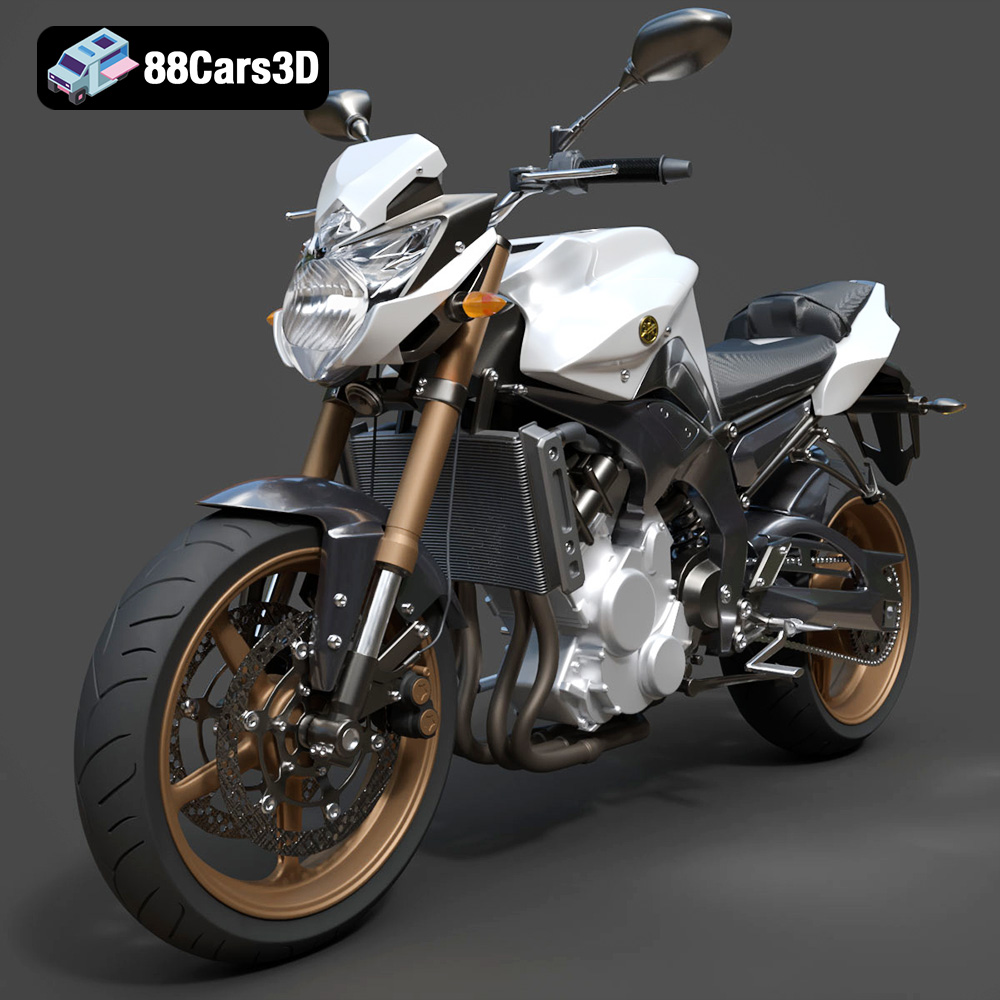
Texture: Yes
Material: Yes
Download the Yamaha FZ8 2011 3D Model featuring clean geometry, realistic detailing, and a fully modeled interior. Includes .blend, .fbx, .obj, .glb, .stl, .ply, .unreal, and .max formats for rendering, simulation, and game development.
Price: $19.99
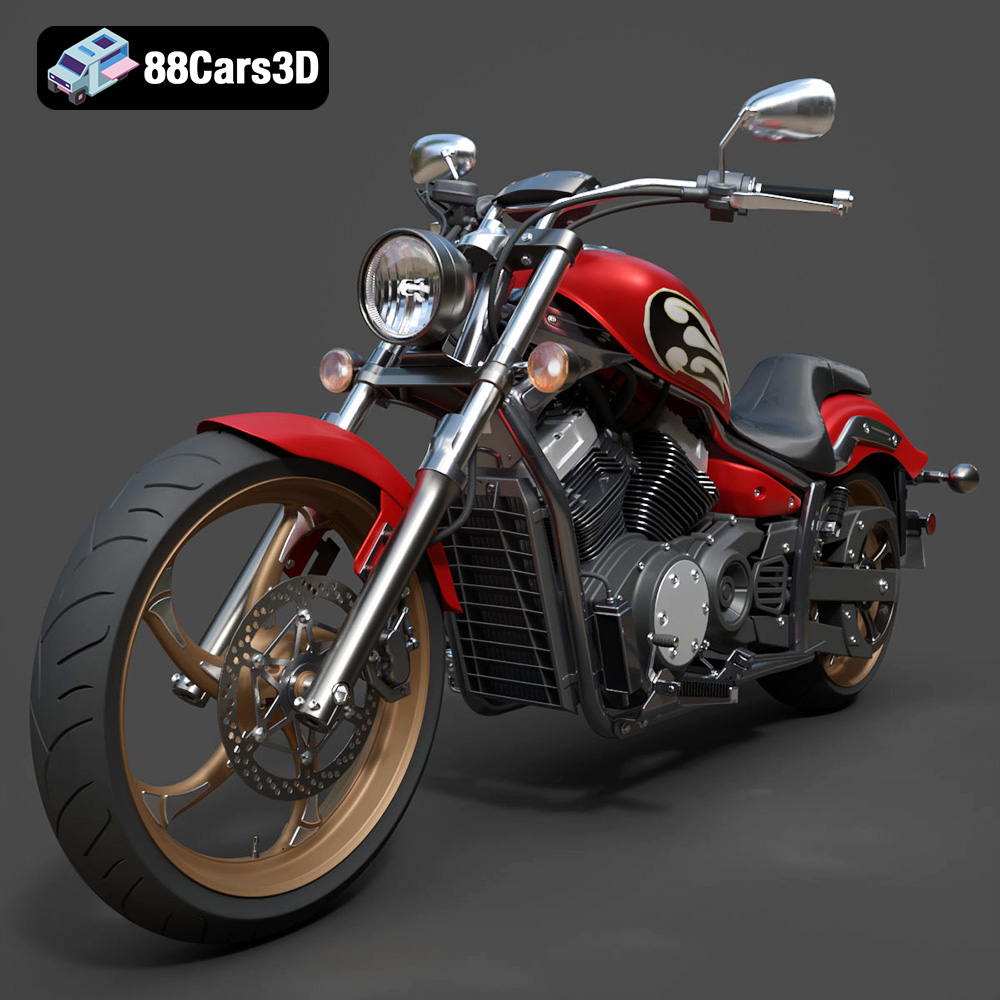
Texture: Yes
Material: Yes
Download the Yamaha Stryker 2012 3D Model featuring clean geometry, realistic detailing, and a fully modeled interior. Includes .blend, .fbx, .obj, .glb, .stl, .ply, .unreal, and .max formats for rendering, simulation, and game development.
Price: $19.99
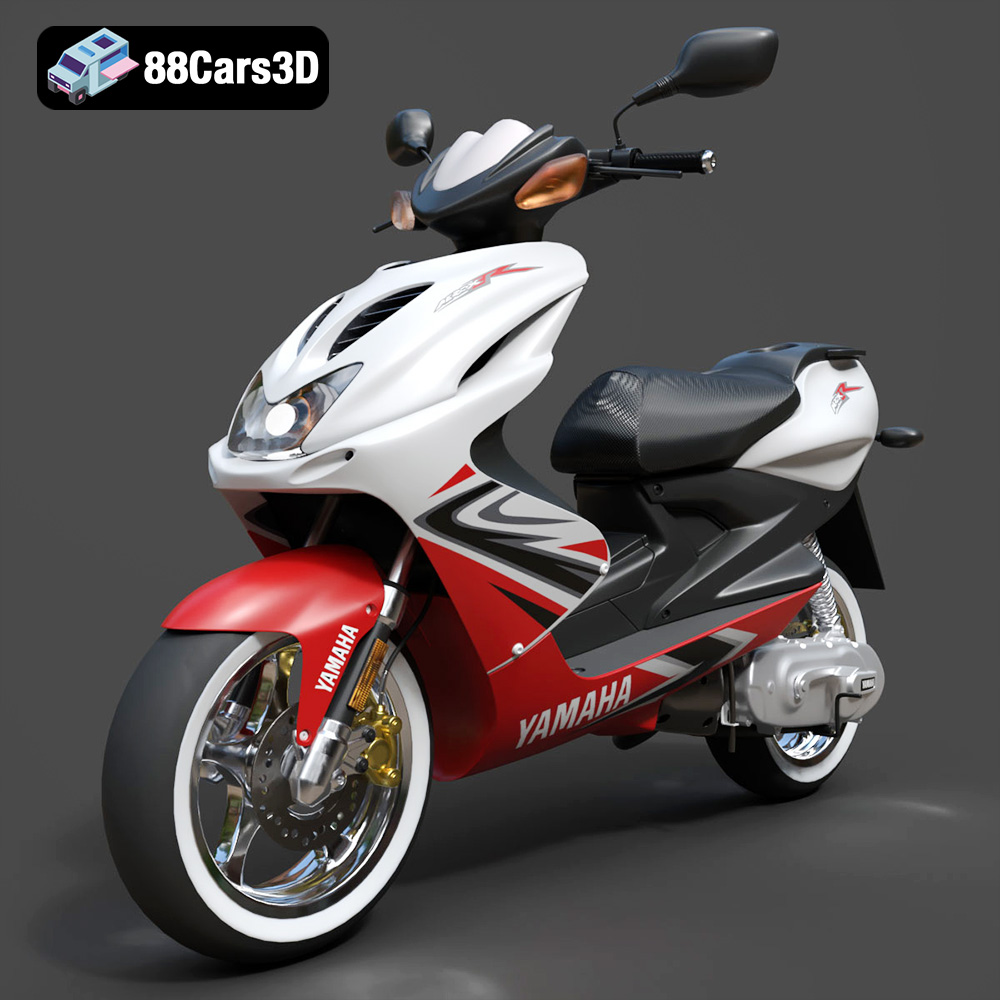
Texture: Yes
Material: Yes
Download the Yamaha Aerox R-002 2024 3D Model featuring clean geometry, realistic detailing, and a fully modeled interior. Includes .blend, .fbx, .obj, .glb, .stl, .ply, .unreal, and .max formats for rendering, simulation, and game development.
Price: $19.99
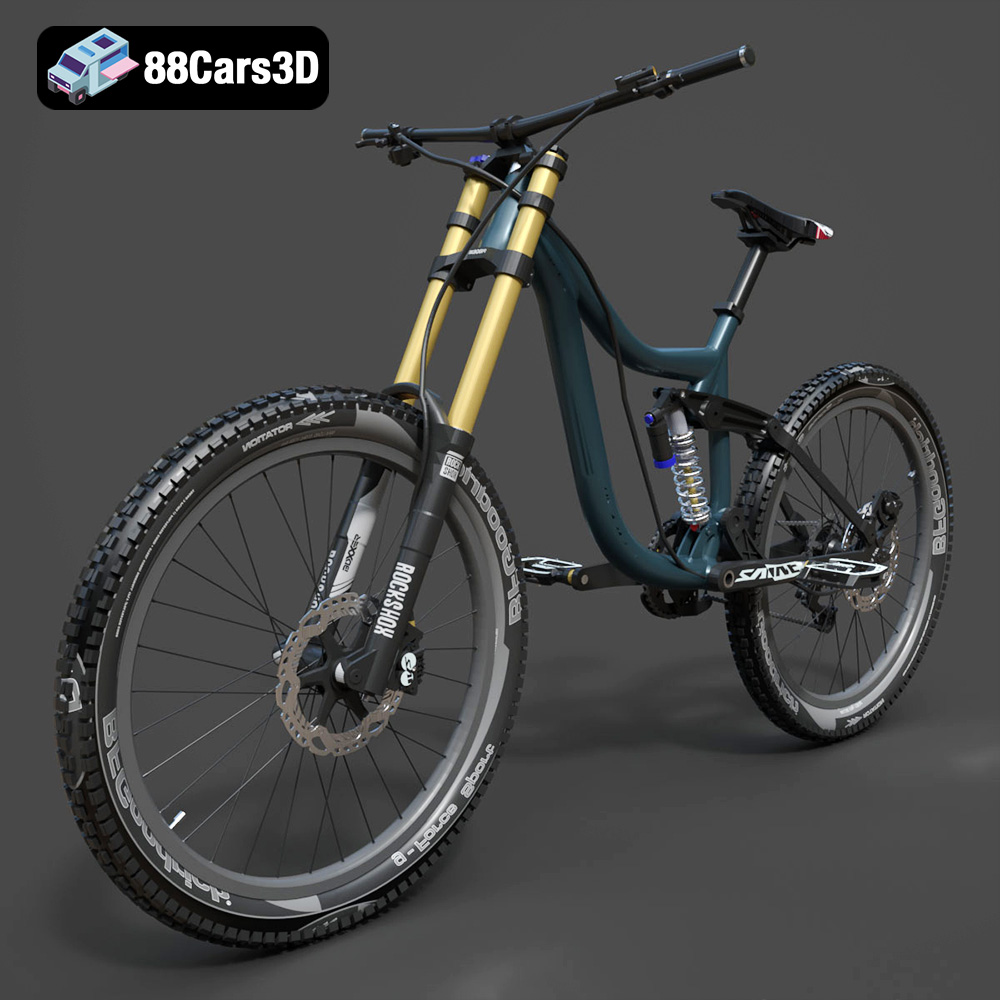
Texture: Yes
Material: Yes
Download the Mototsikly Downhill Bike-002 3D Model featuring clean geometry, realistic detailing, and precise mechanical components. Includes .blend, .fbx, .obj, .glb, .stl, .ply, .unreal, and .max formats for rendering, simulation, and game development.
Price: $19.99
Texture: Yes
Material: Yes
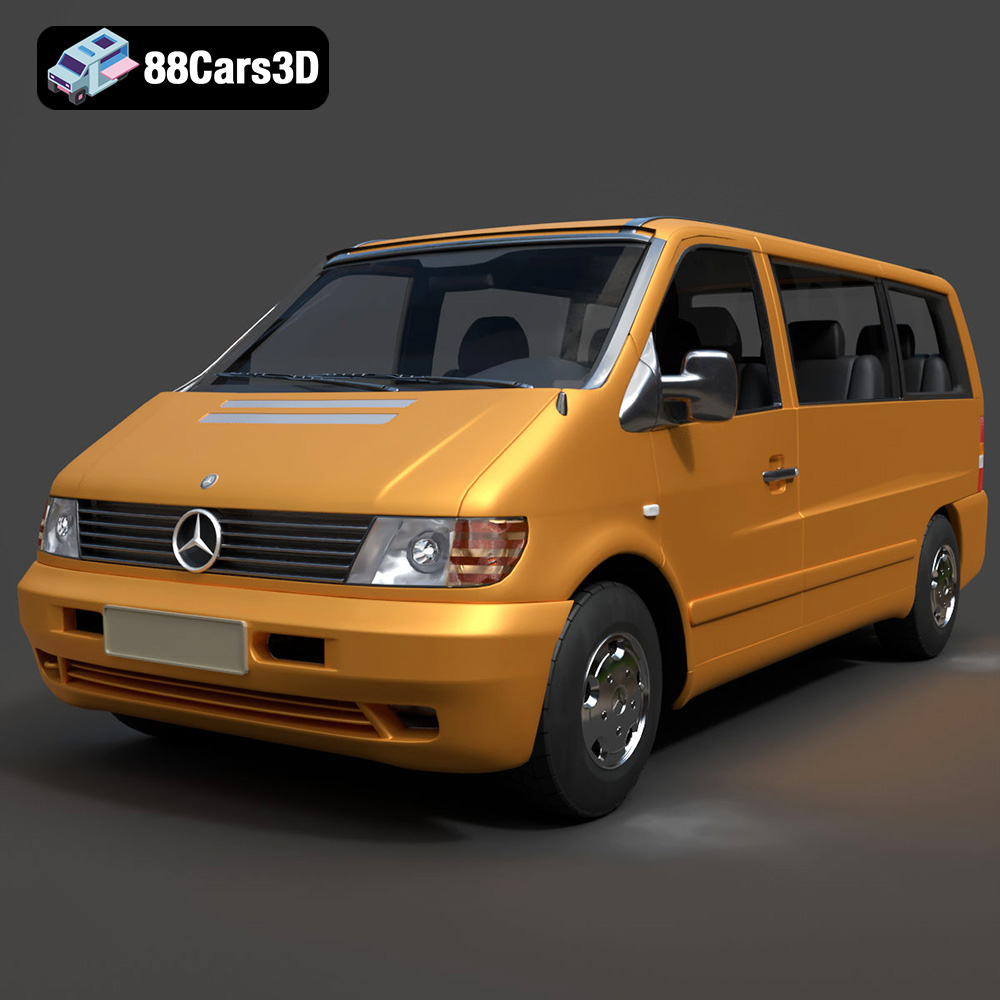
Download the Mercedes-Benz Vito Passenger Van 3D Model featuring clean geometry, realistic detailing, and a fully modeled interior. Includes .blend, .fbx, .obj, .glb, .stl, .ply, .unreal, and .max formats for rendering, simulation, and game development.
Price: $19.99
Texture: Yes
Material: Yes
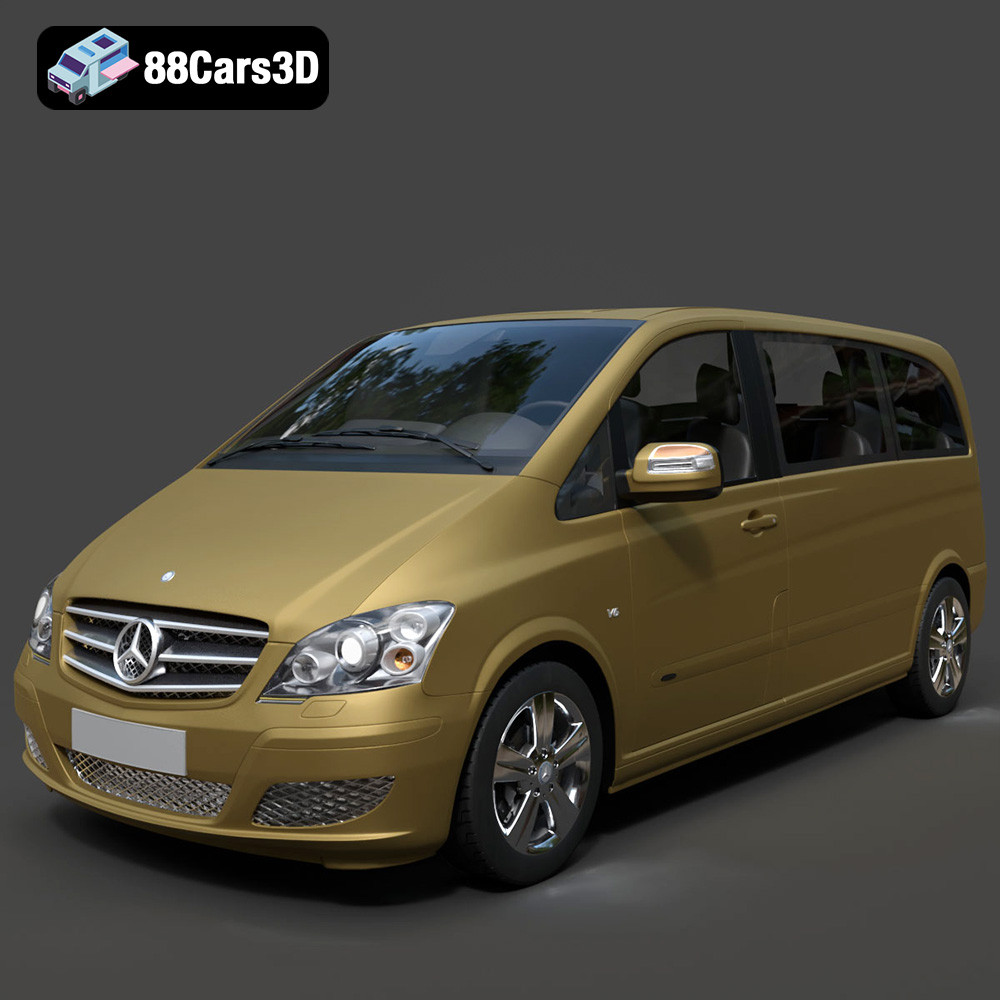
Download the Mercedes-Benz Viano 2010 3D Model featuring clean geometry, realistic detailing, and a fully modeled interior. Includes .blend, .fbx, .obj, .glb, .stl, .ply, .unreal, and .max formats for rendering, simulation, and game development.
Price: $19.99

Texture: Yes
Material: Yes
Download the Emt Avtobus 007 3D Model featuring clean geometry, realistic detailing, and a fully modeled interior. Includes .blend, .fbx, .obj, .glb, .stl, .ply, .unreal, and .max formats for rendering, simulation, and game development.
Price: $19.99
Texture: Yes
Material: Yes
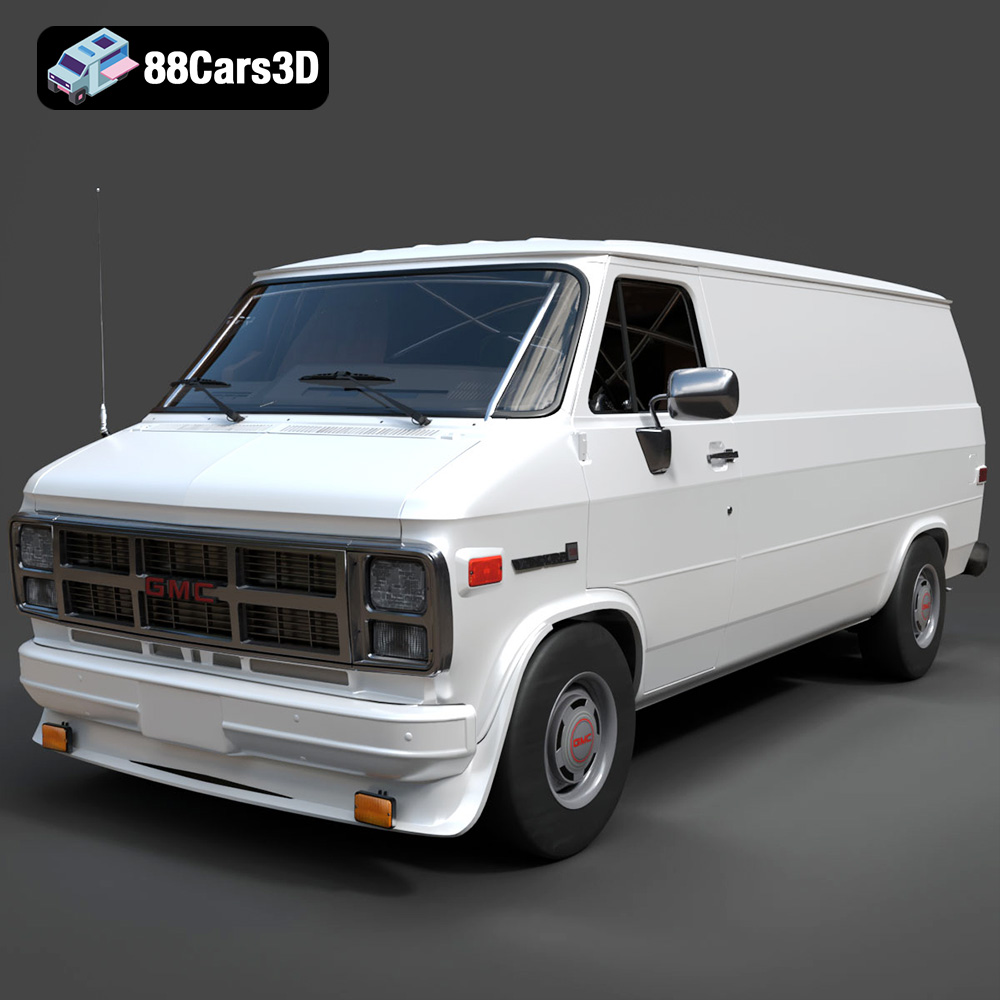
Download the GMC Vandura G-1500 1983 3D Model featuring clean geometry, realistic detailing, and a fully modeled interior. Includes .blend, .fbx, .obj, .glb, .stl, .ply, .unreal, and .max formats for rendering, simulation, and game development.
Price: $19.99
Texture: Yes
Material: Yes
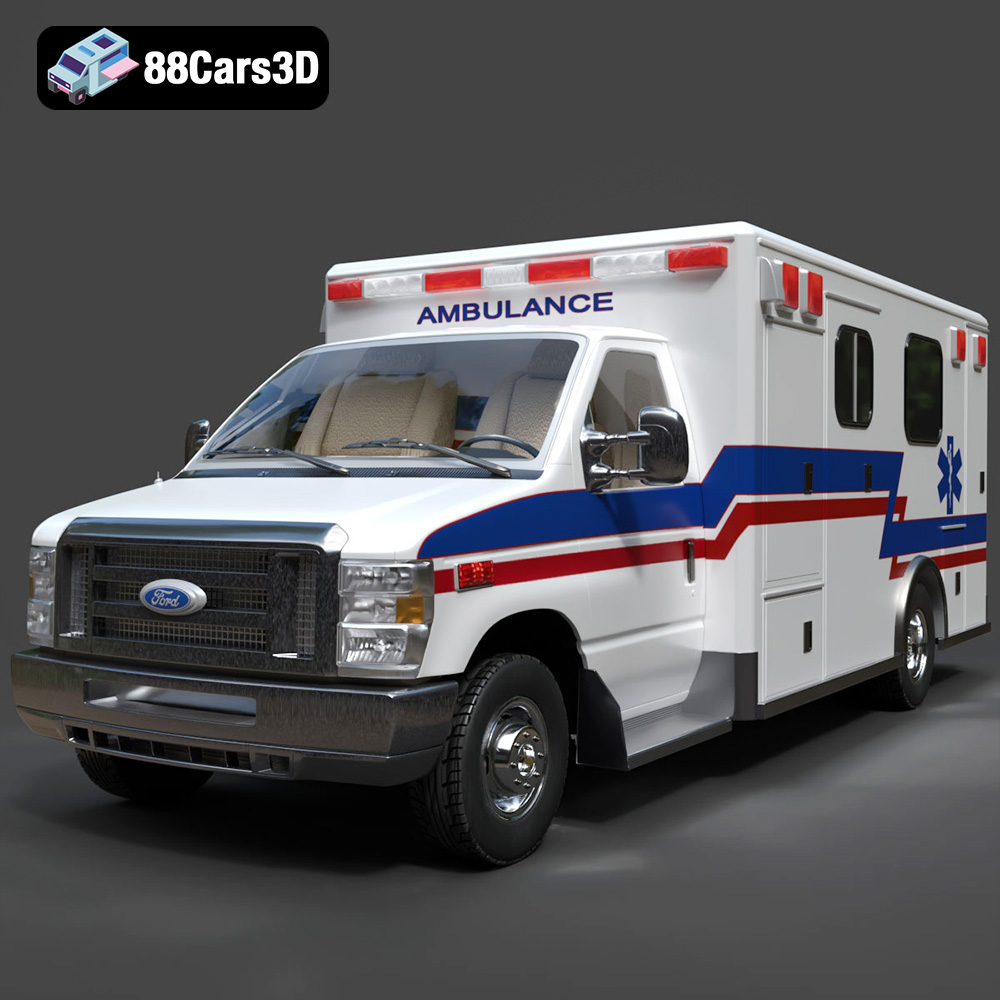
Download the Ford E-450 Ambulance 3D Model featuring clean geometry, realistic detailing, and a fully modeled interior. Includes .blend, .fbx, .obj, .glb, .stl, .ply, .unreal, and .max formats for rendering, simulation, and game development.
Price: $19.99

Texture: Yes
Material: Yes
Download the Fiat Ducato SWB-001 3D Model featuring clean geometry, realistic detailing, and a fully modeled interior. Includes .blend, .fbx, .obj, .glb, .stl, .ply, .unreal, and .max formats for rendering, simulation, and game development.
Price: $19.99

