⚡ FLASH SALE: Get 60% OFF All Premium 3D & STL Models! ⚡

The automotive industry has always been at the forefront of technological innovation, and its design and marketing processes are no exception. Gone are the days when static renders and physical prototypes were the only means to visualize a new vehicle. Today, real-time rendering engines like Unreal Engine have revolutionized automotive visualization, offering unparalleled fidelity, interactivity, and speed. From concept design and engineering reviews to marketing campaigns and interactive showrooms, Unreal Engine empowers artists and developers to bring their automotive visions to life with stunning realism.
For professionals seeking to push the boundaries of automotive design, development, and marketing, mastering Unreal Engine is not just an advantage—it’s a necessity. This comprehensive guide will delve deep into leveraging Unreal Engine for automotive visualization, covering everything from project setup and model integration to advanced material creation, lighting, performance optimization, and interactive experiences. Whether you’re a seasoned 3D artist, a game developer, or an automotive designer, you’ll discover how to harness the full power of Unreal Engine to create breathtaking, real-time automotive content. We’ll also highlight how high-quality assets from platforms like 88cars3d.com can accelerate your workflow and elevate the realism of your projects.
The foundation of any successful Unreal Engine automotive project lies in its initial setup and the quality of its core assets. A robust project configuration ensures optimal performance and visual fidelity, while high-quality 3D car models provide the detail necessary for photorealistic results. Starting with these elements correctly positioned dramatically streamlines the entire development pipeline.
When launching a new project in Unreal Engine for automotive visualization, selecting the right template and configuring key settings is crucial. We often recommend starting with a Blank or Games template, as they offer flexibility without unnecessary overhead. For optimal visual quality, especially for photorealistic car renders, ensure your project settings are adjusted appropriately:
A clean project structure, organizing assets into logical folders (e.g., “Vehicles,” “Environments,” “Materials,” “Blueprints”), is essential for maintainability and collaboration. Consistent naming conventions for files and folders will also save countless hours in the long run.
The quality of your 3D car model directly impacts the final visual output. High-polygon models with clean topology, proper UV mapping, and well-organized material IDs are paramount. When sourcing automotive assets from marketplaces such as 88cars3d.com, you can expect professionally prepared models that meet these rigorous standards, often optimized for immediate Unreal Engine integration.
The import process typically involves FBX or USD files:
After import, initial optimization steps are often necessary even for high-quality models. Check the scale of your imported model to ensure it aligns with Unreal Engine’s default units (centimeters). Apply any necessary rotation (e.g., if the model is imported with a Z-up orientation). While Nanite can handle extremely high polygon counts, understanding your mesh density and cleaning up unnecessary vertices or faces through decimation tools (if needed for older pipelines or specific targets) is still a valuable skill. Ultimately, starting with a well-structured and high-fidelity model, such as those found on 88cars3d.com, provides an invaluable head start, minimizing post-import cleanup and allowing you to focus on artistic refinement.
The illusion of photorealism in Unreal Engine projects, especially for high-detail objects like cars, largely hinges on the quality and accuracy of its materials. Physically Based Rendering (PBR) is the cornerstone of modern real-time graphics, ensuring that materials react to light in a physically plausible manner, regardless of lighting conditions. Mastering PBR material creation in Unreal Engine is essential for achieving truly believable automotive visualization.
PBR is a collection of rendering techniques that aim to simulate how light interacts with surfaces based on real-world physics. For automotive models, this translates to incredibly convincing car paint, reflective chrome, realistic glass, and tactile interiors. The core PBR texture maps you’ll work with are:
For an automotive context, understanding these maps allows you to precisely control how different parts of a car, from its glossy paint to its matte plastic trim, respond to light, giving them an authentic real-world appearance.
Unreal Engine’s Material Editor is a powerful node-based system that allows artists to create incredibly complex and realistic materials. For automotive applications, several advanced techniques are often employed:
By leveraging the Material Editor’s flexibility and understanding the nuances of PBR, you can create automotive materials that stand up to the closest scrutiny, making your 3D car models indistinguishable from their real-world counterparts.
Lighting is arguably the most critical element in conveying realism in any 3D scene, and automotive visualization is no exception. How light interacts with the car’s surfaces, creating reflections, shadows, and subtle color bounces, defines the visual impact. Unreal Engine provides a powerful suite of real-time lighting tools, with Lumen and HDRI environments leading the charge in achieving cinematic-quality results dynamically.
Lumen, Unreal Engine’s fully dynamic global illumination and reflections system, is a game-changer for automotive visualization. Traditional methods often relied on baked Lightmass GI, which was static and time-consuming. Lumen offers:
To enable Lumen, go to Project Settings > Rendering and set “Global Illumination” and “Reflections” to Lumen. Ensure your meshes have sufficient detail and properly set up materials for Lumen to accurately calculate light bounces. For high-performance scenarios, understanding Lumen’s various settings (e.g., Final Gather Quality, Ray Length) and optimizing them for your target platform is key. More details on Lumen’s setup and optimization can be found in the Unreal Engine documentation.
While Lumen handles global illumination and reflections, it works in conjunction with traditional direct lighting sources to define the primary illumination of your automotive scene:
For studio setups, consider using combinations of spotlights and rectangular lights to simulate softboxes, strip lights, and other professional photography equipment. These direct lights, combined with Lumen’s bounce light and HDRI reflections, create a rich, multi-layered lighting scenario that truly brings out the details and curves of your 3D car models. Experiment with light temperatures, intensities, and shadow biases to achieve the desired mood and visual impact.
Achieving photorealistic automotive visualization in real-time requires a delicate balance between visual fidelity and performance. Unreal Engine offers groundbreaking technologies like Nanite and robust LOD management systems to handle the extreme detail often found in 3D car models, ensuring smooth frame rates without compromising visual quality, even on demanding platforms like VR or interactive configurators.
Nanite is Unreal Engine 5’s virtualized geometry system, designed to handle incredibly dense meshes with billions of polygons without significant performance loss. For automotive visualization, Nanite is a revolutionary tool, allowing artists to import production-ready CAD data or highly detailed sculpted models directly into Unreal Engine without extensive manual poly reduction or LOD generation. Its benefits include:
To enable Nanite for a static mesh, simply right-click the mesh in the Content Browser, go to “Nanite,” and select “Enable Nanite.” You can also enable it in the Static Mesh Editor. While Nanite is incredibly powerful, it’s essential to understand its current limitations (e.g., not currently supporting skeletal meshes, translucent materials, or custom UVs beyond the first eight). For objects that interact physically or require complex material blending, you might still need traditional mesh optimization or specialized setups. However, for the primary car body, interior components, and wheels, Nanite is an indispensable tool for achieving unmatched detail in real-time.
While Nanite handles high-poly static meshes exceptionally well, effective Level of Detail (LOD) management and broader data optimization are still crucial for specific scenarios and for overall project performance:
By intelligently combining Nanite’s power for static geometry with strategic LOD management and comprehensive data optimization, you can ensure your Unreal Engine automotive projects deliver breathtaking visual fidelity at smooth, interactive frame rates, even when dealing with extremely high-quality 3D car models like those sourced from 88cars3d.com.
Unreal Engine’s versatility extends beyond static renders, empowering automotive professionals to create dynamic, interactive configurators, immersive virtual experiences, and stunning cinematic presentations. Tools like Blueprint and Sequencer are fundamental in bringing these visions to life, offering powerful yet accessible ways to add interactivity and narrative flow to your automotive projects.
An automotive configurator is a powerful marketing and design tool, allowing users to customize a vehicle in real-time. Unreal Engine’s Blueprint Visual Scripting system provides a node-based interface that allows non-programmers to create complex interactive logic. For a car configurator, Blueprint can control:
The power of Blueprint lies in its visual nature, allowing for rapid prototyping and iteration of interactive features without writing a single line of code. This makes it ideal for designers and artists who need to quickly implement complex behaviors for their automotive visualizations.
For marketing campaigns, concept reveals, or detailed product showcases, cinematic content is paramount. Unreal Engine’s Sequencer is a robust, non-linear editor that allows you to choreograph complex scenes with animation, camera movements, effects, and audio. Its features are analogous to professional video editing software but operate directly within the 3D environment:
By mastering Blueprint and Sequencer, automotive professionals can transition from static renders to fully interactive and cinematic experiences, providing unparalleled engagement and detail to their audiences. When combined with high-quality 3D car models, these tools allow for the creation of truly immersive and impactful content.
Beyond stunning visuals and interactive configurators, Unreal Engine extends its capabilities into highly specialized and emerging applications within the automotive sector. From simulating realistic vehicle dynamics to optimizing for augmented and virtual reality experiences, Unreal Engine is shaping the future of how vehicles are designed, tested, and experienced.
For driving simulations, engineering analysis, or simply adding a layer of realism to an interactive demo, accurate vehicle physics is crucial. Unreal Engine’s Chaos Vehicle system provides a robust framework for simulating car dynamics:
Implementing realistic physics, especially for high-fidelity car models, allows engineers to conduct virtual testing, game developers to create immersive driving experiences, and designers to understand vehicle behavior in various scenarios, all within the real-time environment of Unreal Engine.
Augmented Reality (AR) and Virtual Reality (VR) are rapidly transforming how consumers interact with cars, offering virtual showrooms, immersive test drives, and interactive training. However, these platforms demand extreme performance optimization. Unreal Engine provides tools to meet these stringent requirements:
The future of automotive visualization is increasingly interactive and immersive. By leveraging Unreal Engine’s advanced physics systems and its robust AR/VR optimization capabilities, professionals can create groundbreaking experiences that redefine how we engage with automobiles, from virtual design to customer interaction. Platforms like 88cars3d.com provide optimized 3D car models that are an ideal starting point for these demanding real-time applications, ensuring your projects begin with a solid foundation of quality and performance.
Unreal Engine has firmly established itself as an indispensable tool in the automotive industry, transforming every stage of the vehicle lifecycle from conceptual design to immersive marketing. As we’ve explored, its capabilities stretch far beyond basic rendering, offering a comprehensive ecosystem for creating photorealistic, interactive, and high-performance automotive experiences. From harnessing the power of Lumen and Nanite for unparalleled visual fidelity and performance, to building dynamic configurators with Blueprint, and orchestrating cinematic narratives with Sequencer, Unreal Engine empowers professionals to push creative boundaries.
The journey into advanced automotive visualization requires a blend of artistic vision and technical prowess. By diligently setting up projects, crafting physically accurate materials, mastering sophisticated lighting, and optimizing for real-time performance and emerging platforms like AR/VR, you can unlock the full potential of your 3D car models. Remember, the foundation of any stunning visualization starts with high-quality assets. When sourcing professional-grade 3D car models that are optimized for Unreal Engine, marketplaces like 88cars3d.com offer an excellent resource to kickstart your projects with clean topology, realistic materials, and multiple file formats.
As the automotive world continues its rapid evolution, so too will the tools and techniques for real-time visualization. Embracing Unreal Engine means staying at the cutting edge, ready to innovate and deliver groundbreaking experiences. We encourage you to delve deeper into the features discussed, explore the extensive Unreal Engine documentation, and experiment with these powerful tools. The future of automotive visualization is real-time, interactive, and truly limitless.
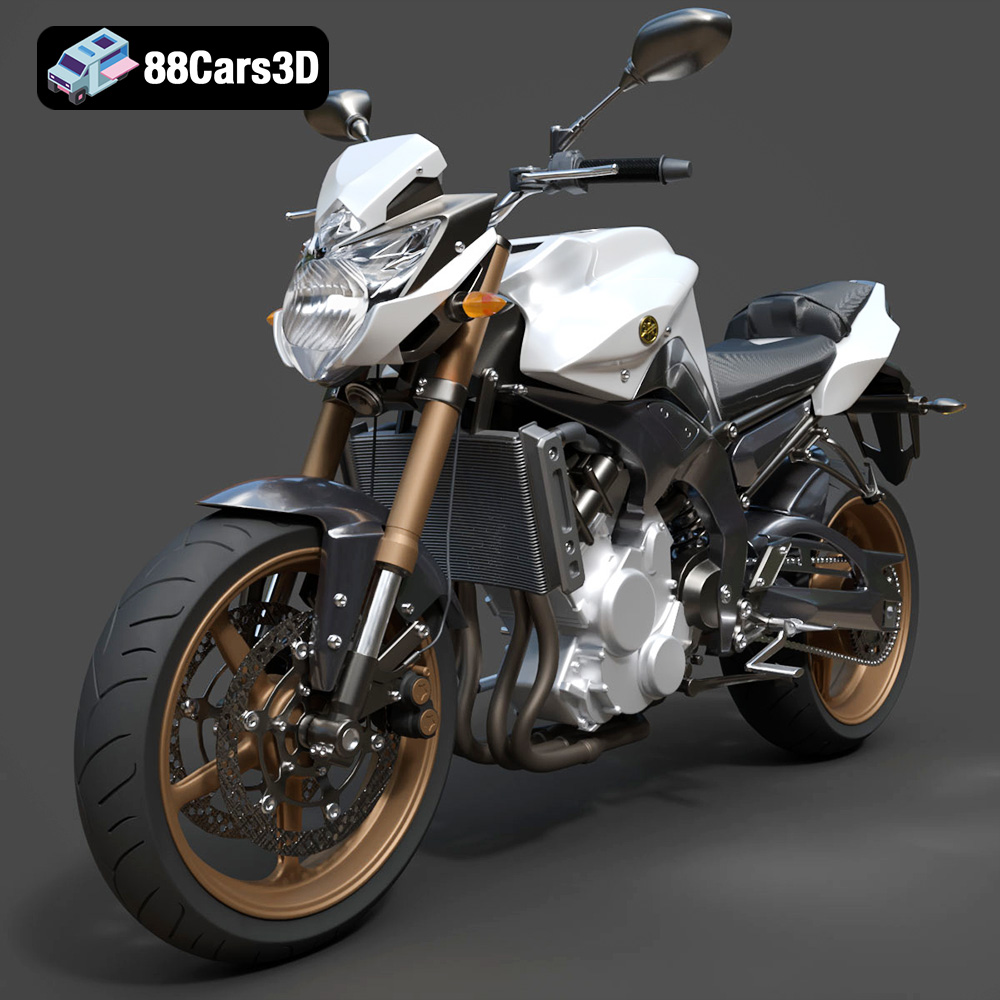
Texture: Yes
Material: Yes
Download the Yamaha FZ8 2011 3D Model featuring clean geometry, realistic detailing, and a fully modeled interior. Includes .blend, .fbx, .obj, .glb, .stl, .ply, .unreal, and .max formats for rendering, simulation, and game development.
Price: $19.99
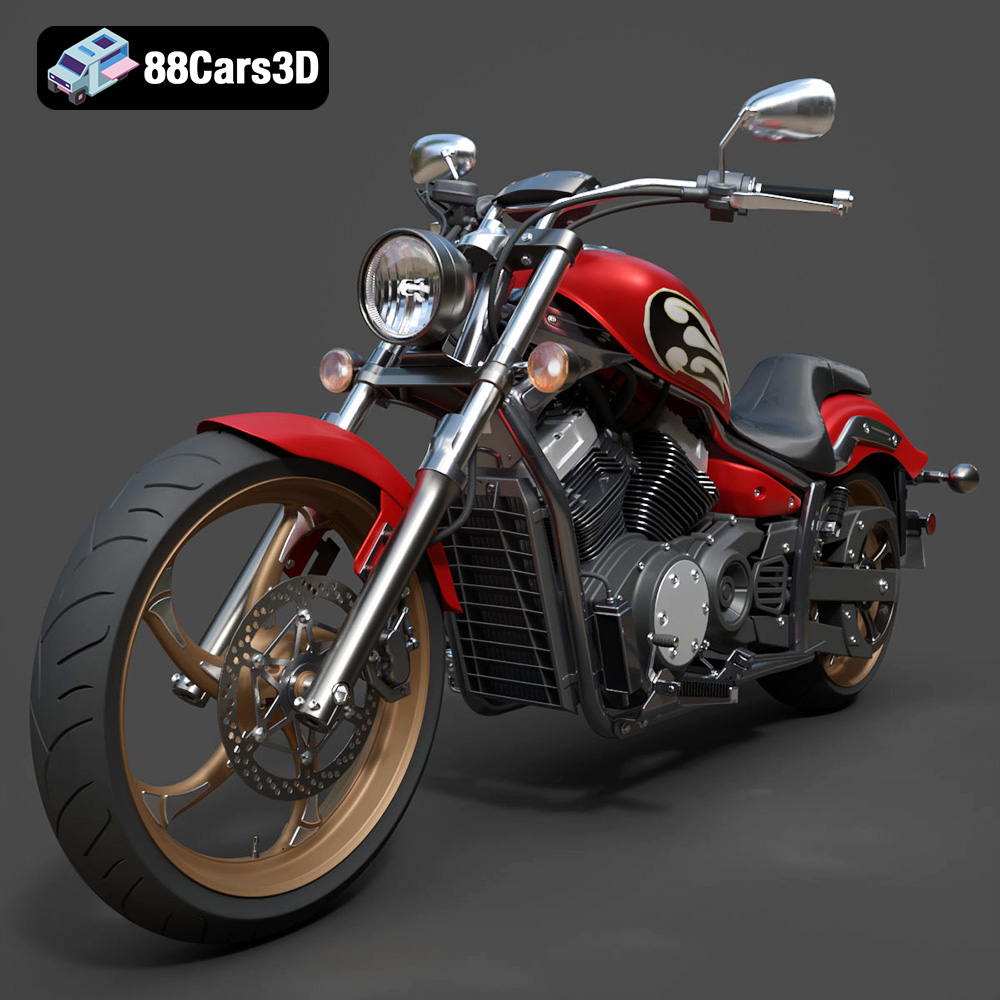
Texture: Yes
Material: Yes
Download the Yamaha Stryker 2012 3D Model featuring clean geometry, realistic detailing, and a fully modeled interior. Includes .blend, .fbx, .obj, .glb, .stl, .ply, .unreal, and .max formats for rendering, simulation, and game development.
Price: $19.99
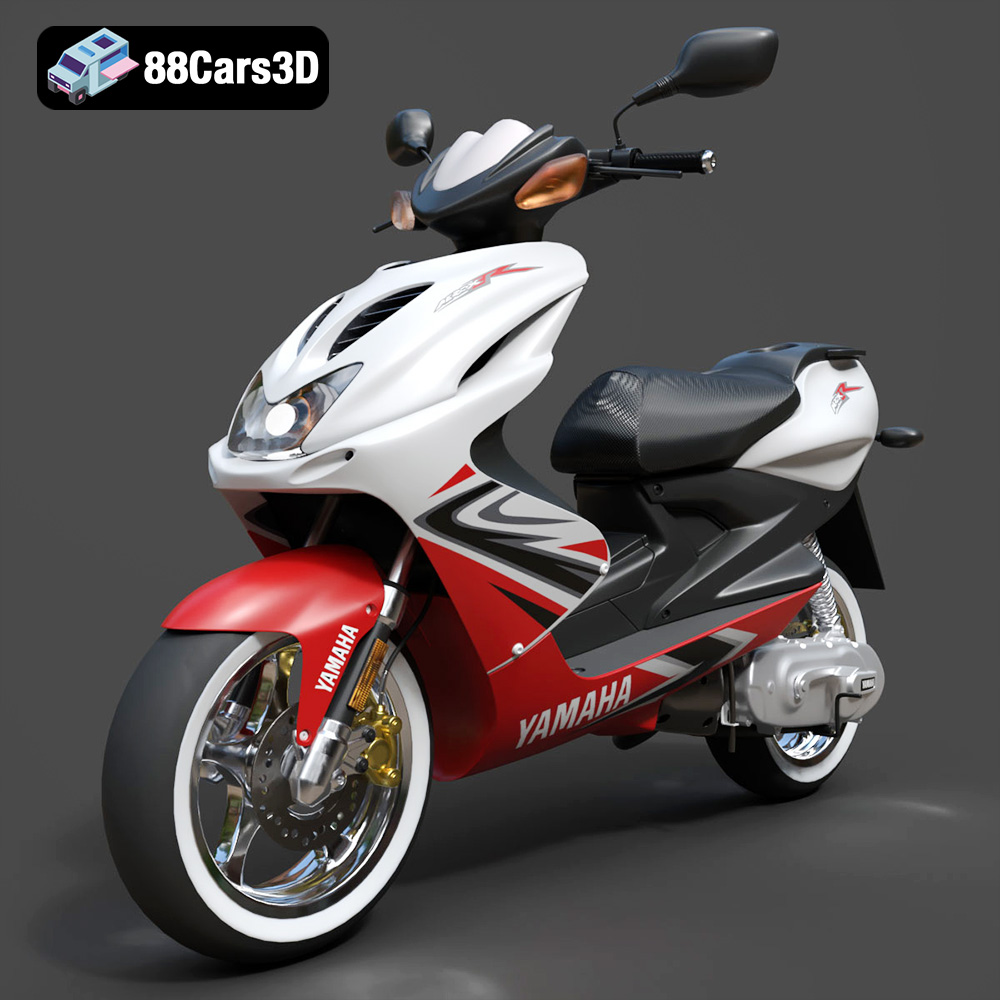
Texture: Yes
Material: Yes
Download the Yamaha Aerox R-002 2024 3D Model featuring clean geometry, realistic detailing, and a fully modeled interior. Includes .blend, .fbx, .obj, .glb, .stl, .ply, .unreal, and .max formats for rendering, simulation, and game development.
Price: $19.99
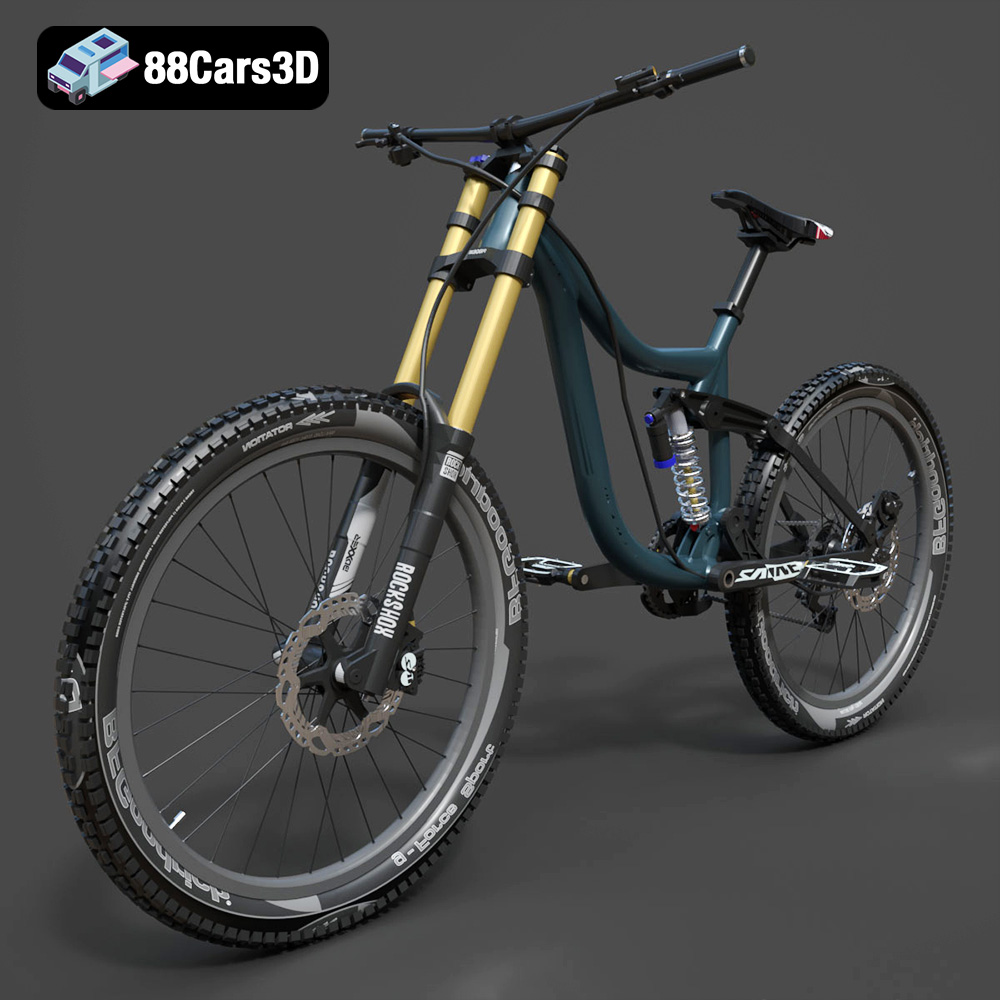
Texture: Yes
Material: Yes
Download the Mototsikly Downhill Bike-002 3D Model featuring clean geometry, realistic detailing, and precise mechanical components. Includes .blend, .fbx, .obj, .glb, .stl, .ply, .unreal, and .max formats for rendering, simulation, and game development.
Price: $19.99
Texture: Yes
Material: Yes
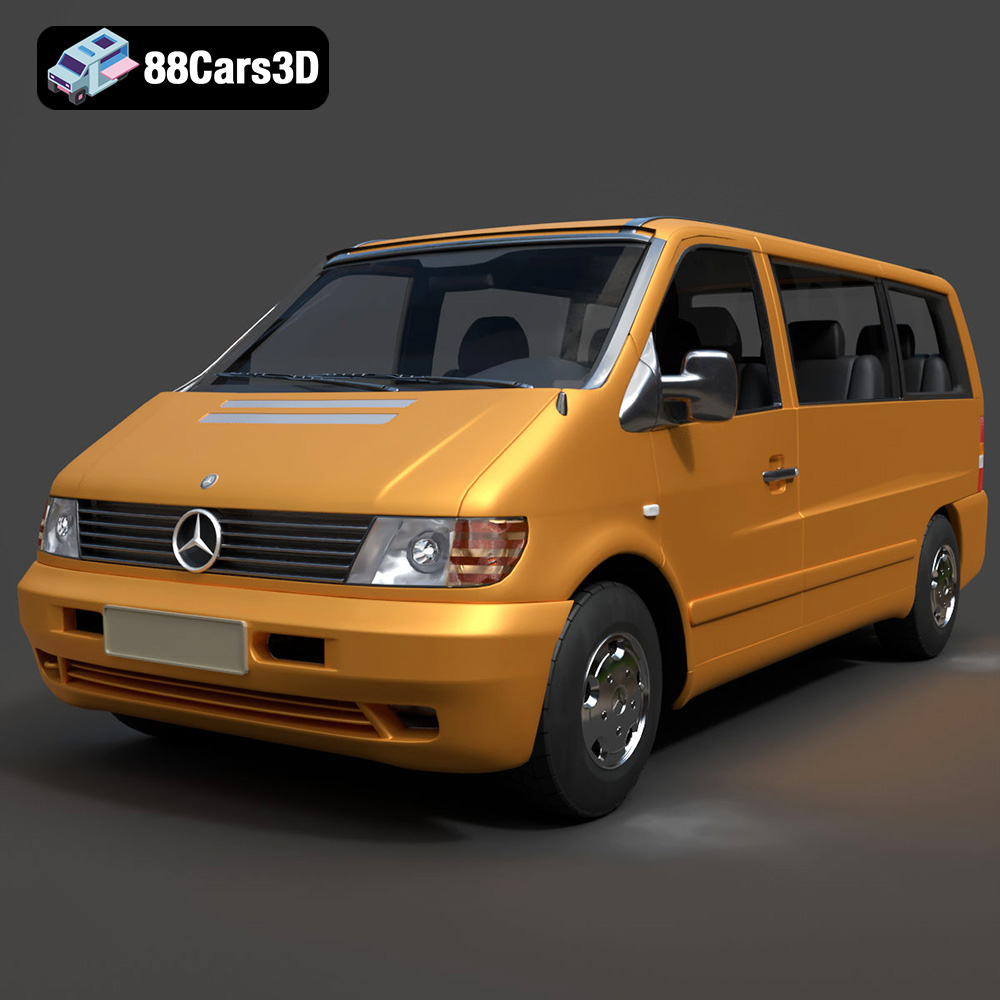
Download the Mercedes-Benz Vito Passenger Van 3D Model featuring clean geometry, realistic detailing, and a fully modeled interior. Includes .blend, .fbx, .obj, .glb, .stl, .ply, .unreal, and .max formats for rendering, simulation, and game development.
Price: $19.99
Texture: Yes
Material: Yes
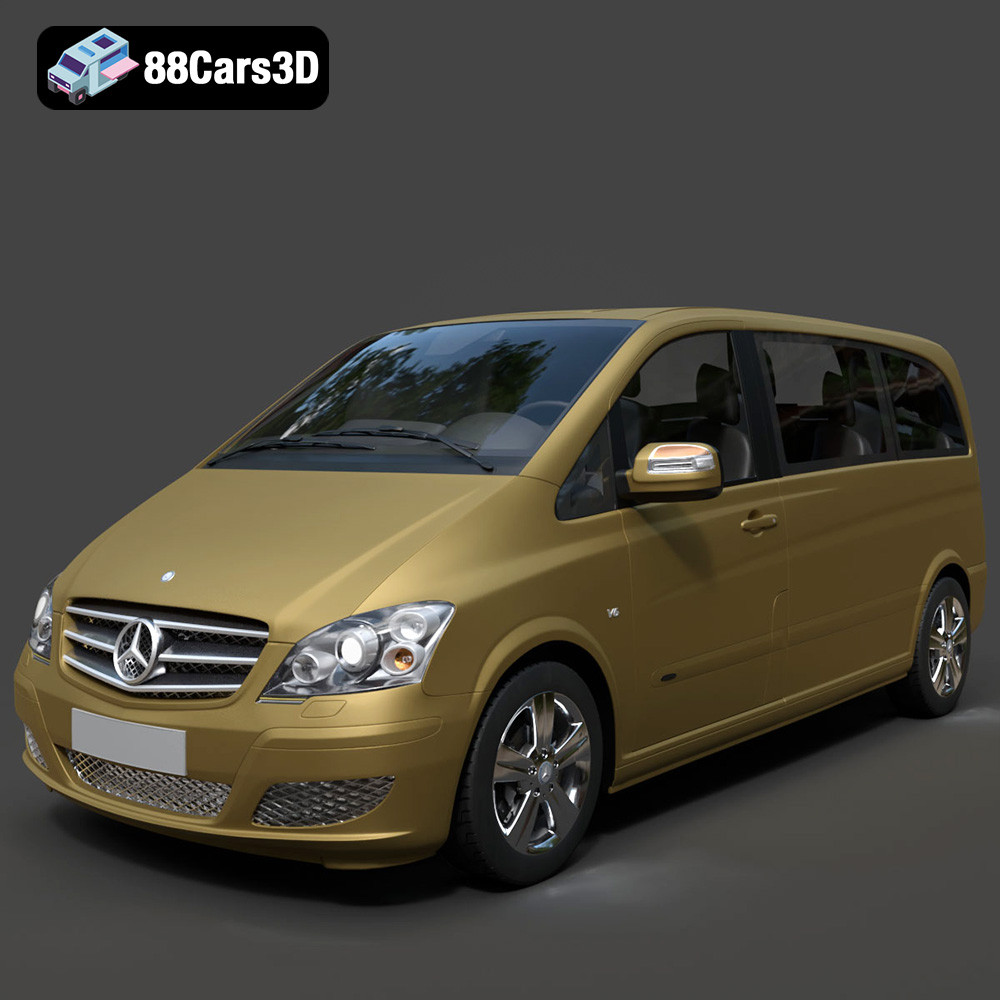
Download the Mercedes-Benz Viano 2010 3D Model featuring clean geometry, realistic detailing, and a fully modeled interior. Includes .blend, .fbx, .obj, .glb, .stl, .ply, .unreal, and .max formats for rendering, simulation, and game development.
Price: $19.99

Texture: Yes
Material: Yes
Download the Emt Avtobus 007 3D Model featuring clean geometry, realistic detailing, and a fully modeled interior. Includes .blend, .fbx, .obj, .glb, .stl, .ply, .unreal, and .max formats for rendering, simulation, and game development.
Price: $19.99
Texture: Yes
Material: Yes
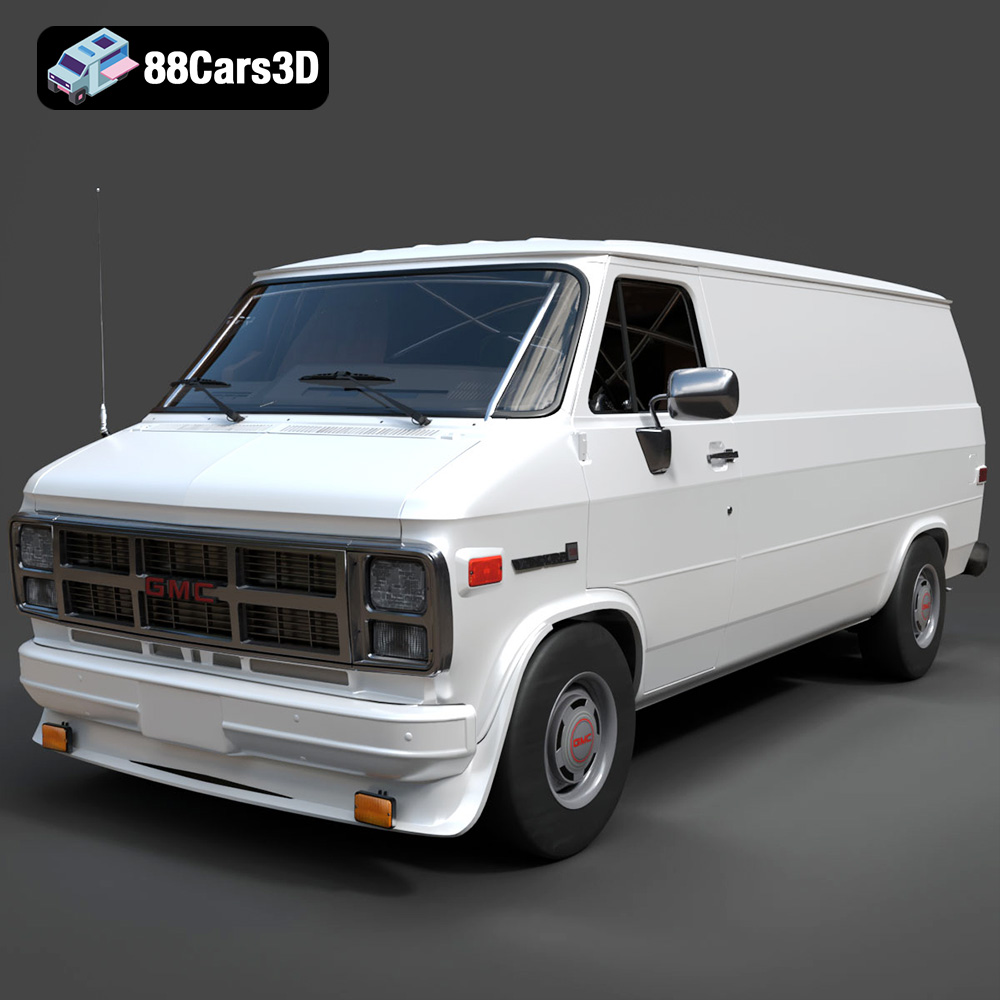
Download the GMC Vandura G-1500 1983 3D Model featuring clean geometry, realistic detailing, and a fully modeled interior. Includes .blend, .fbx, .obj, .glb, .stl, .ply, .unreal, and .max formats for rendering, simulation, and game development.
Price: $19.99
Texture: Yes
Material: Yes
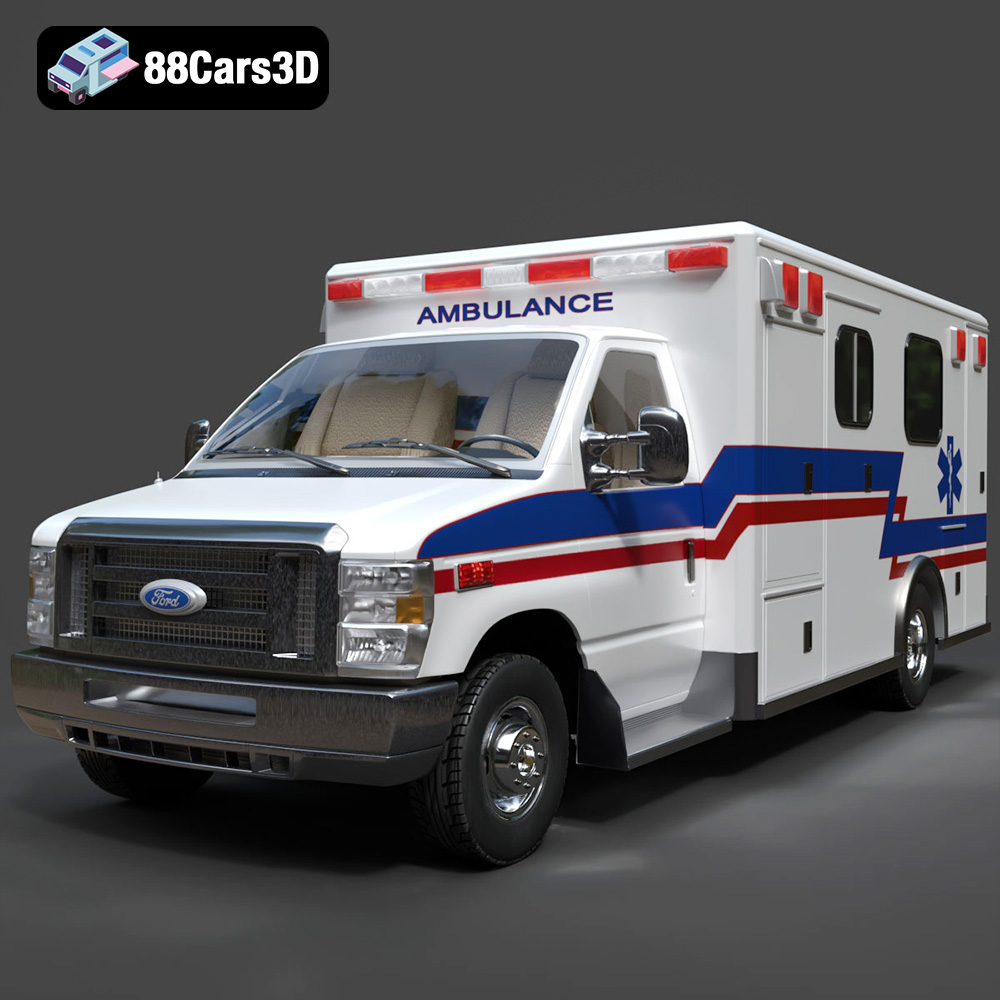
Download the Ford E-450 Ambulance 3D Model featuring clean geometry, realistic detailing, and a fully modeled interior. Includes .blend, .fbx, .obj, .glb, .stl, .ply, .unreal, and .max formats for rendering, simulation, and game development.
Price: $19.99

Texture: Yes
Material: Yes
Download the Fiat Ducato SWB-001 3D Model featuring clean geometry, realistic detailing, and a fully modeled interior. Includes .blend, .fbx, .obj, .glb, .stl, .ply, .unreal, and .max formats for rendering, simulation, and game development.
Price: $19.99

