⚡ FLASH SALE: Get 60% OFF All Premium 3D & STL Models! ⚡

The automotive industry is in constant motion, not just on the road, but also in the digital realm. From concept design and engineering visualization to marketing campaigns and interactive customer experiences, the demand for high-fidelity, real-time rendering is skyrocketing. At the heart of this revolution lies Unreal Engine, a powerhouse platform that empowers artists and developers to create breathtaking automotive visuals and immersive interactive applications previously thought impossible. For professionals working with 3D car models, understanding how to harness Unreal Engine is no longer an option, but a necessity.
This comprehensive guide delves deep into the essential workflows and advanced techniques for integrating, optimizing, and showcasing 3D car models within Unreal Engine. We’ll explore everything from initial project setup and material creation to cutting-edge features like Nanite and Lumen, empowering you to push the boundaries of realism and interactivity. Whether you’re a game developer crafting realistic vehicle physics, an automotive designer visualizing future models, or a marketing professional building immersive configurators, mastering these techniques will elevate your projects and captivate your audience. Prepare to drive your Unreal Engine skills into the fast lane and transform static 3D car models into dynamic, living representations.
Embarking on any significant Unreal Engine project requires careful planning, and automotive visualization is no exception. A robust project setup is the foundation upon which your high-fidelity 3D car models will shine. The initial configuration dictates performance, scalability, and the overall quality of your real-time rendering. Understanding which project template to choose, configuring essential settings, and establishing a professional workflow are paramount steps to ensure a smooth development process and a stunning final output.
For automotive projects, we often prioritize visual fidelity and real-time performance. This means leaning into settings that enable cinematic quality rendering while being mindful of optimization from the outset. Incorrect settings can lead to unnecessary rebuilding of shaders, poor performance, or incompatible features. Therefore, dedicating time to thoroughly configure your project environment according to best practices will save countless hours down the line. We’ll explore how to select the ideal starting point, adjust core engine settings for optimal automotive rendering, and establish a foundation for collaborative efforts.
When starting a new project in Unreal Engine, the choice of template significantly impacts your initial setup. For automotive visualization and real-time rendering, the “Blank” or “Film, Television, and Live Events” templates are often excellent starting points. The “Blank” template offers the most minimalist approach, giving you full control over adding only necessary features, which can be beneficial for performance-critical applications. The “Film, Television, and Live Events” template comes pre-configured with cinematic settings, high-quality post-processing, and often includes features like Lumen and Nanite enabled by default, making it ideal for high-fidelity automotive renders.
Key Project Settings to adjust:
For detailed documentation on project settings, refer to the official Unreal Engine learning resources at dev.epicgames.com/community/unreal-engine/learning.
In professional environments, especially when working with extensive 3D car models and large Unreal Engine projects, version control is indispensable. Systems like Git with Git LFS (Large File Storage) or Perforce (Helix Core) are highly recommended. Git LFS handles large binary files efficiently, which is crucial for textures, meshes, and engine assets. Perforce is often preferred by larger studios for its robust features and ability to handle massive projects with many contributors.
Implementing version control:
SM_CarBody_Mercedes_SClass, T_CarPaint_Red_D (Diffuse).A well-managed version control system ensures that project history is maintained, assets are protected, and team members can collaborate effectively, streamlining the development of complex automotive visualization projects.
The core of any automotive visualization project is, of course, the 3D car model itself. The quality, optimization, and correct integration of these models into Unreal Engine are critical for achieving photorealism and optimal performance. High-quality 3D car models, such as those found on platforms like 88cars3d.com, often come with clean topology, PBR materials, and proper UV mapping, which significantly streamline the import process. However, even with premium assets, specific Unreal Engine workflows are essential to maximize their potential and ensure efficient real-time rendering.
This section will guide you through the best practices for importing various 3D car model formats, optimizing their geometry, and leveraging Unreal Engine’s advanced features like Nanite to handle incredibly detailed models without crippling performance. Understanding these techniques is fundamental to transforming raw 3D data into a vibrant, interactive automotive experience within the engine.
Unreal Engine supports a variety of 3D file formats, with FBX being the most common for static meshes and animations. However, newer formats like USD (Universal Scene Description) and USDZ are gaining traction, especially in pipelines involving multiple software packages and virtual production.
FBX Import:
USD/USDZ Import:
USD (Universal Scene Description) is increasingly important for complex pipelines. It excels at scene description, allowing for non-destructive edits and collaborative workflows. USDZ is a single-file, zipped version of USD, ideal for AR applications.
Always review your imported assets in the Content Browser and ensure scale, pivot points, and orientations are correct. Incorrect pivots can cause issues with physics and interactivity.
Nanite is a game-changer for high-fidelity 3D car models, allowing artists to import and render virtually unlimited geometric detail without significant performance overhead. It intelligently streams and renders only the necessary detail, drastically reducing draw calls and memory footprint. This means you can use ultra-high-polygon models, perfect for cinematic automotive visualization and next-generation games.
Implementing Nanite for Car Models:
Benefits for Automotive:
For more on Nanite, check the official documentation: dev.epicgames.com/community/unreal-engine/learning.
While Nanite excels for primary, high-detail meshes, Level of Detail (LOD) management remains crucial for objects that might not benefit from Nanite (e.g., simpler props, foliage) or for projects targeting platforms without full Nanite support (e.g., mobile AR/VR). Even with Nanite enabled, managing LODs for complex parts (like an engine bay visible only when the hood is open) can be beneficial.
Unreal Engine’s Automatic LOD Generation:
Manual LODs: For critical assets or specific performance needs, you can import pre-optimized LOD meshes generated in your 3D modeling software. This offers greater control over topology and UVs for each level.
Combining Strategies: For a comprehensive automotive scene, use Nanite for the main car body and highly detailed components, and traditional LODs for surrounding environment assets, distant cars, or less critical elements, ensuring a balanced approach to visual fidelity and performance.
The realism of a 3D car model in Unreal Engine hinges significantly on the quality of its PBR (Physically Based Rendering) materials and the sophistication of its lighting. Automotive paint, chrome, glass, and intricate interior fabrics each require precise material setups to react realistically to light. Unreal Engine’s Material Editor and advanced lighting solutions like Lumen provide the tools to achieve cinematic levels of visual fidelity, bringing your vehicles to life in a way that truly captivates.
This section will walk you through the process of creating authentic PBR materials, exploring the nuances of metallic and non-metallic surfaces common in automotive design. We’ll then dive into Unreal Engine’s revolutionary Lumen global illumination system, contrasting it with traditional lighting methods to show how you can achieve dynamic, breathtaking lighting for any automotive scenario.
PBR materials are fundamental for achieving photorealistic results. They mimic how light interacts with real-world surfaces, ensuring consistency across different lighting conditions. For automotive models, this means accurate representation of car paint, metal, glass, plastic, and rubber.
Core PBR Channels:
Automotive-Specific Material Creation:
Optimized 3D car models from marketplaces like 88cars3d.com often come with pre-configured PBR textures, which greatly simplifies this process, allowing you to focus on fine-tuning within the Material Editor.
Lumen is Unreal Engine’s fully dynamic global illumination and reflections system, providing incredibly realistic lighting that reacts instantly to changes. For automotive visualization, Lumen is transformative, eliminating the need for complex lightmap baking and enabling truly interactive and cinematic lighting scenarios.
Lumen Configuration:
Benefits for Automotive:
While Lumen offers dynamic GI, traditional lighting methods and HDRI (High Dynamic Range Image) backdrops remain crucial for specific control and environmental realism, often complementing Lumen rather than being replaced by it.
HDRI Backdrops:
Spot, Point, and Rect Lights:
By strategically combining Lumen’s dynamic GI with the environmental accuracy of HDRIs and the artistic control of traditional lights, you can create virtually any desired lighting scenario for your 3D car models, from photorealistic studio shots to dramatic outdoor renders.
Unreal Engine’s capabilities extend far beyond static visualization. For automotive projects, the ability to create interactive experiences and compelling cinematic sequences is paramount. Imagine a customer configuring a car in real-time, opening doors, changing colors, and viewing it from every angle, or a stunning commercial showcasing a vehicle’s features with dynamic camera moves and special effects. Blueprint visual scripting and Sequencer are the powerful tools that make these interactive demos and cinematic masterpieces possible.
This section will explore how Blueprint can bring your 3D car models to life with interactive functionalities, guiding you through the creation of dynamic automotive configurators. We’ll also delve into Sequencer, Unreal Engine’s non-linear editor, demonstrating how to craft broadcast-quality cinematic content that showcases your vehicles with unparalleled flair and precision.
Blueprint is Unreal Engine’s visual scripting system, allowing developers and artists to create complex gameplay and interactive functionalities without writing a single line of code. For automotive visualization, Blueprint is essential for building dynamic configurators, interactive showrooms, and even realistic vehicle physics systems.
Common Automotive Blueprint Applications:
Blueprint is a highly intuitive system. For further learning on Blueprint basics and advanced concepts, Epic Games provides extensive documentation and tutorials on their learning portal: dev.epicgames.com/community/unreal-engine/learning.
An interactive automotive configurator is a powerful marketing and sales tool, allowing potential customers to personalize a vehicle and see it rendered in photorealistic detail. Blueprint is the backbone of such systems.
Configurator Development Steps:
Beyond basic configuration, you can add dynamic lighting changes, environmental shifts (e.g., showroom to outdoor), and even animated sequences using Sequencer to showcase the selected vehicle in action.
Sequencer is Unreal Engine’s multi-track, non-linear editor, providing professional tools for creating high-quality cinematics, in-game cutscenes, and virtual production sequences. For automotive marketing and design reviews, Sequencer allows you to produce stunning, broadcast-quality videos of your 3D car models.
Sequencer Workflow for Automotive:
Sequencer is integrated deeply with the entire engine, allowing you to control almost any aspect of your scene over time, making it an indispensable tool for automotive cinematic content creation.
The convergence of 3D car models with cutting-edge real-time technologies like Virtual Reality (VR), Augmented Reality (AR), and Virtual Production (VP) is revolutionizing how we interact with and visualize vehicles. Unreal Engine stands at the forefront of this revolution, offering robust tools and workflows to deploy immersive automotive experiences across various platforms. From interactive showrooms in VR to showcasing a new model superimposed onto a real-world environment in AR, and even filming commercials on massive LED volumes, the possibilities are expansive.
This section will explore the specific considerations and optimization strategies required to bring high-fidelity 3D car models into VR and AR environments. We’ll also delve into the exciting world of virtual production, detailing how Unreal Engine and LED walls are transforming automotive content creation, offering unparalleled flexibility and creative freedom.
AR and VR offer unparalleled immersion for automotive applications, allowing users to explore vehicles in a way static images or videos cannot. However, these platforms have stringent performance requirements. Maintaining a high, consistent frame rate (e.g., 90fps for VR, 60fps for AR) is critical to prevent motion sickness and ensure a comfortable experience.
Key Optimization Strategies for AR/VR Car Models:
For mobile AR, specifically, tools like Unreal Engine’s ARCore and ARKit plugins are crucial. Utilizing USDZ for AR (where applicable) can provide highly optimized asset delivery. Always profile your application rigorously using tools like the Unreal Engine Profiler and GPU Visualizer to identify bottlenecks.
Virtual Production, especially with LED walls, has transformed filmmaking and content creation. For automotive marketing and commercials, it offers unparalleled flexibility, allowing filmmakers to place a physical car on a stage and surround it with a dynamic, photorealistic Unreal Engine environment displayed on high-resolution LED screens. This eliminates the need for expensive location shoots and green screens.
Workflow Essentials:
This workflow allows for immediate visual feedback, reduced post-production, and incredible creative freedom, making it ideal for high-stakes automotive campaigns. The 3D car models need to be perfectly integrated into the Unreal Engine scene, ensuring consistent scale and lighting with the virtual environment.
Beyond visual realism, simulating realistic vehicle physics and dynamics is crucial for interactive applications, games, and even engineering simulations. Unreal Engine provides robust solutions for this, primarily through its Chaos Physics engine and dedicated vehicle components.
Chaos Vehicles Plugin:
Physics Optimization:
Integrating these physics systems with high-quality 3D car models allows for fully interactive driving simulations, accurate crash testing visualizations, or dynamic vehicle showcases where the car behaves realistically within its virtual environment.
Achieving stunning visual fidelity with 3D car models in Unreal Engine is only half the battle; maintaining a smooth, consistent frame rate is equally critical, especially for real-time applications like games, AR/VR, and interactive configurators. Unoptimized projects can lead to stuttering, slow load times, and a poor user experience. Effective performance optimization is an ongoing process, not a one-time fix, and requires a deep understanding of Unreal Engine’s profiling tools and best practices.
This final section focuses on equipping you with the knowledge and techniques to identify and resolve performance bottlenecks. We’ll explore Unreal Engine’s built-in profiling tools, discuss advanced asset management strategies, and highlight scalability settings that ensure your automotive visualizations run flawlessly across a range of hardware configurations, delivering truly seamless real-time experiences.
Before you can optimize, you need to know what’s causing the slowdowns. Unreal Engine provides a suite of powerful profiling tools to diagnose performance issues, whether they are CPU or GPU bound.
Essential Profiling Tools:
Stat FPS: Displays current frame rate and frame time.Stat Unit: Shows game thread, draw thread, GPU, and RHI times. Helps identify CPU vs. GPU bottleneck.Stat RHI: Detailed RHI (Rendering Hardware Interface) statistics, including draw calls and primitive counts.Stat GPU: Provides detailed breakdown of GPU rendering passes.Stat Engine: General engine statistics.Stat SceneRendering: Detailed rendering statistics for the scene.ProfileGPU command): Provides a hierarchical view of rendering commands on the GPU, allowing you to pinpoint which post-process effects, lighting passes, or meshes are most expensive.Process: Start by using simple Stat commands to get a general idea. If it’s GPU bound, use Stat GPU and GPU Visualizer. If CPU bound, Stat Unit will help you narrow down if it’s the game thread (Blueprints, AI, physics) or draw thread (sending data to GPU). Once you’ve identified the bottleneck, you can apply targeted optimization strategies.
Efficient management of textures and assets is crucial, especially when dealing with high-resolution 3D car models and large environments. Poor asset management can lead to excessive memory usage and stuttering due to textures being loaded on demand.
Texture Streaming:
Asset Management Best Practices:
To ensure your automotive visualization project runs well on a wide range of hardware, from high-end workstations to mid-range gaming PCs, implementing robust scalability settings is vital. Unreal Engine allows you to create profiles that automatically adjust rendering quality based on the user’s hardware or chosen quality preset.
Configuring Scalability:
r.PostProcessAA.Method 0 for no Anti-Aliasing) or through Blueprint/C++ code.By effectively using scalability settings, you empower users to tailor their experience to their hardware, ensuring that your stunning 3D car models are accessible and performant for the broadest possible audience, without compromising the high-fidelity experience for those with top-tier systems.
Unreal Engine has firmly established itself as the indispensable tool for high-fidelity automotive visualization and real-time rendering. From the initial project setup to crafting photorealistic materials, leveraging advanced lighting with Lumen and Nanite, and building interactive experiences with Blueprint and Sequencer, the engine provides an unparalleled toolkit for bringing 3D car models to life. We’ve explored the intricate steps of importing and optimizing assets, creating PBR materials that truly shine, and designing dynamic lighting scenarios that captivate.
Furthermore, we’ve delved into the exciting frontiers of AR/VR optimization and the revolutionary potential of virtual production with LED walls, demonstrating how Unreal Engine drives innovation across every facet of the automotive industry. The critical importance of performance optimization, utilizing Unreal Engine’s powerful profiling tools and scalability settings, ensures that your projects not only look spectacular but also run seamlessly across diverse platforms. By embracing these techniques and continuously honing your skills, you are empowered to transform static models into engaging, interactive, and truly immersive automotive experiences.
The journey into advanced automotive visualization with Unreal Engine is continuous, with new features and best practices emerging regularly. Remember to always seek out high-quality 3D car models from trusted sources like 88cars3d.com to ensure a strong foundation for your projects. Dive into the Unreal Engine learning resources at dev.epicgames.com/community/unreal-engine/learning, experiment with the techniques discussed, and push the boundaries of what’s possible. Your next groundbreaking automotive project awaits.
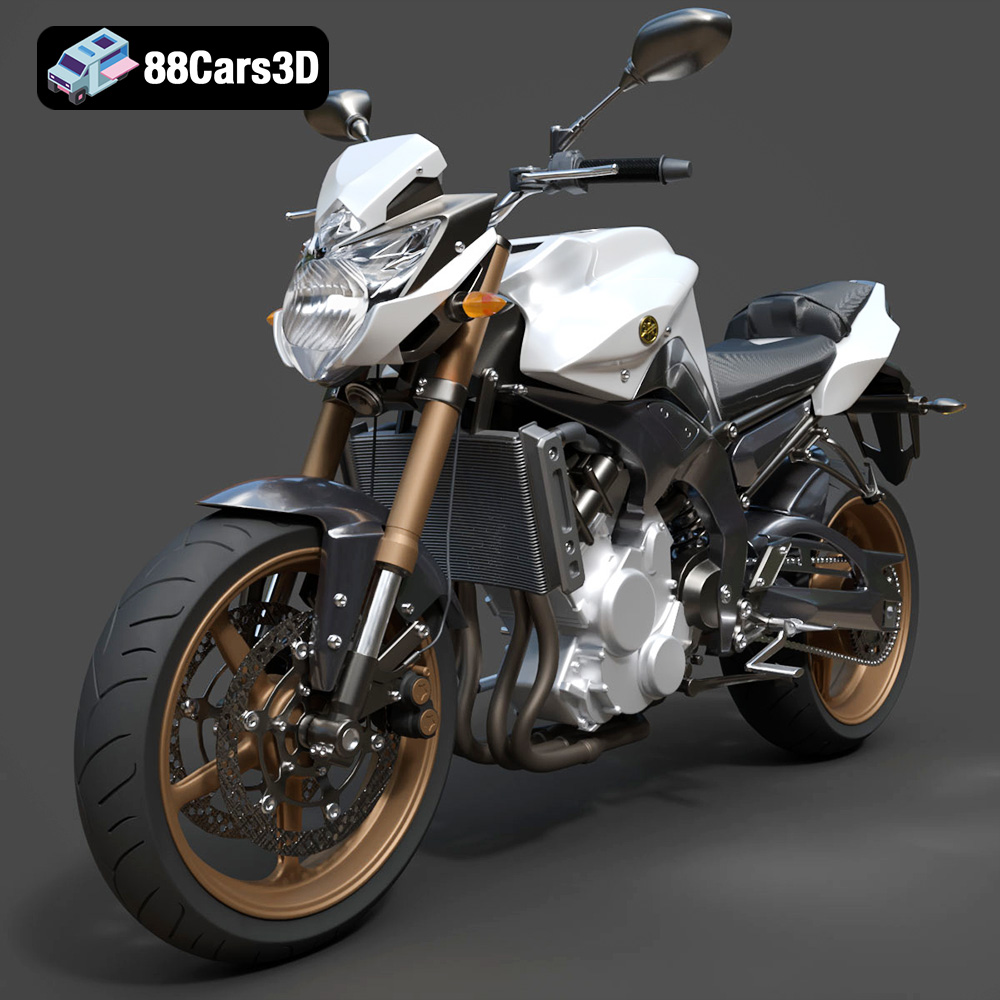
Texture: Yes
Material: Yes
Download the Yamaha FZ8 2011 3D Model featuring clean geometry, realistic detailing, and a fully modeled interior. Includes .blend, .fbx, .obj, .glb, .stl, .ply, .unreal, and .max formats for rendering, simulation, and game development.
Price: $19.99
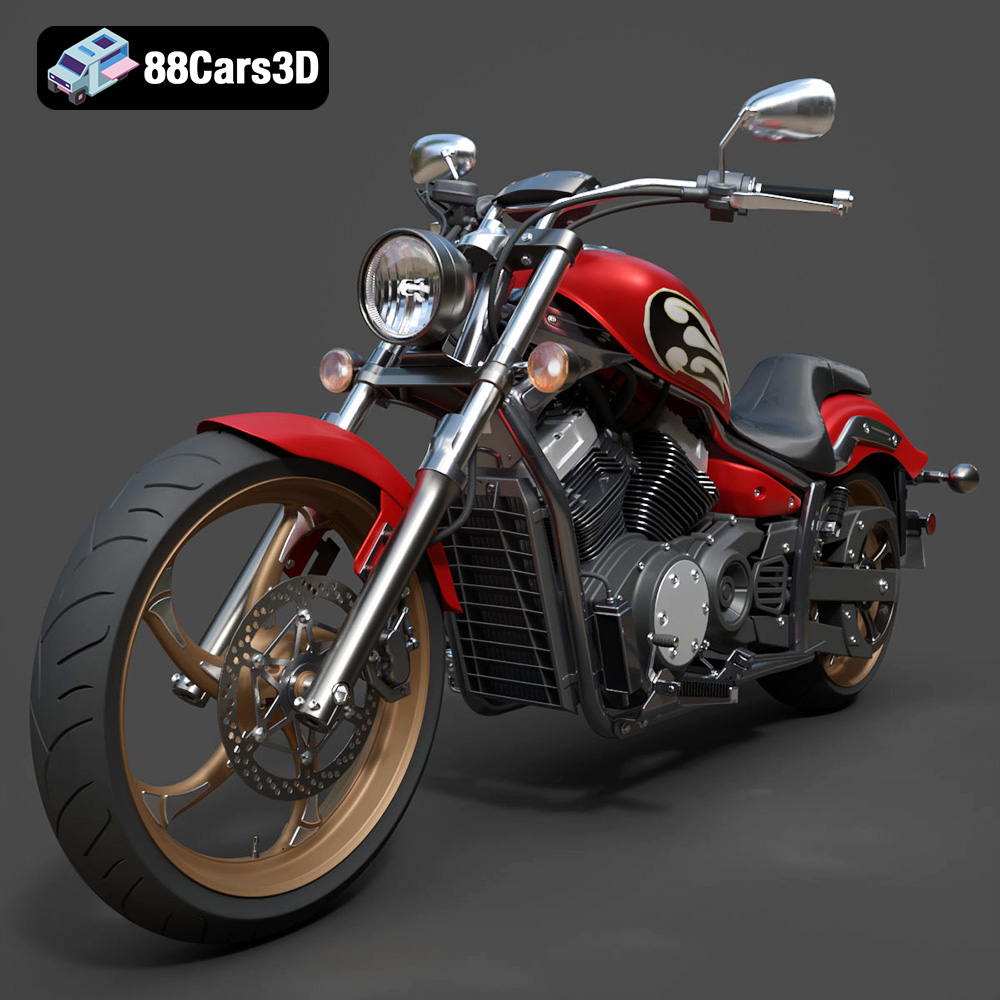
Texture: Yes
Material: Yes
Download the Yamaha Stryker 2012 3D Model featuring clean geometry, realistic detailing, and a fully modeled interior. Includes .blend, .fbx, .obj, .glb, .stl, .ply, .unreal, and .max formats for rendering, simulation, and game development.
Price: $19.99
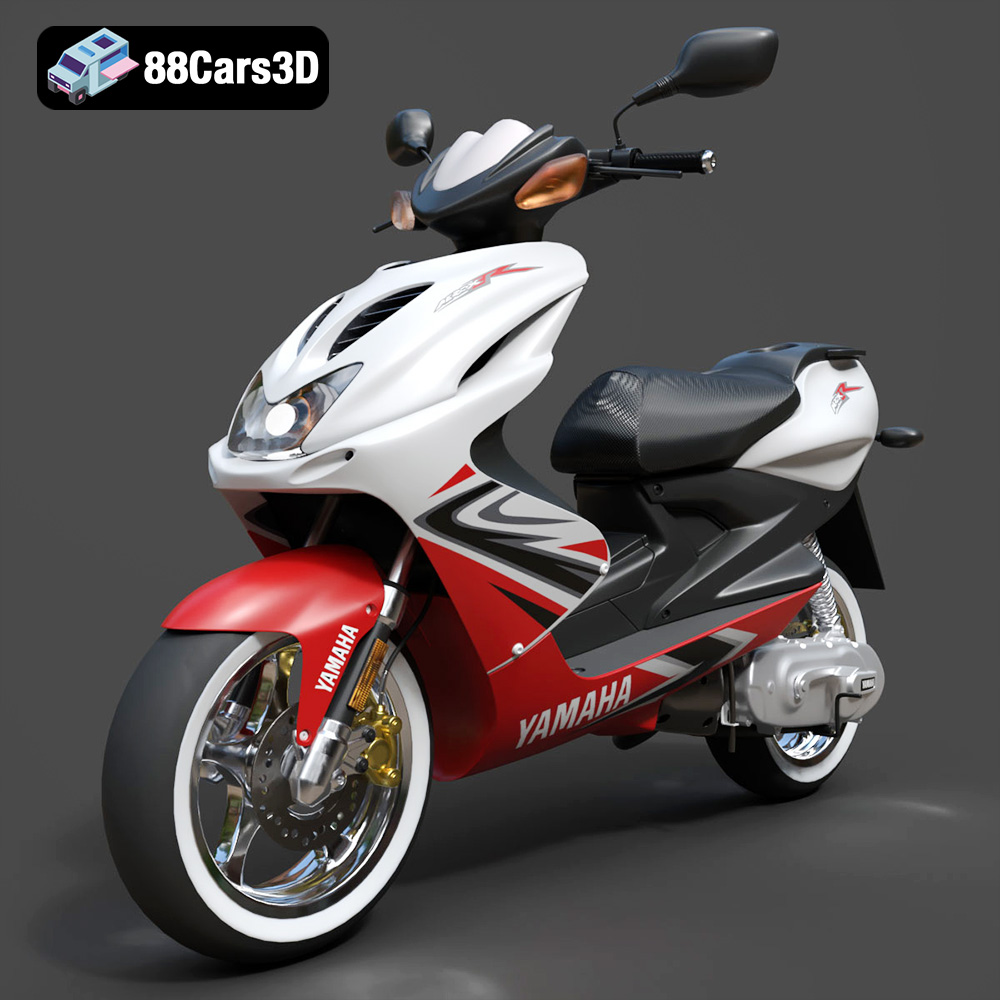
Texture: Yes
Material: Yes
Download the Yamaha Aerox R-002 2024 3D Model featuring clean geometry, realistic detailing, and a fully modeled interior. Includes .blend, .fbx, .obj, .glb, .stl, .ply, .unreal, and .max formats for rendering, simulation, and game development.
Price: $19.99
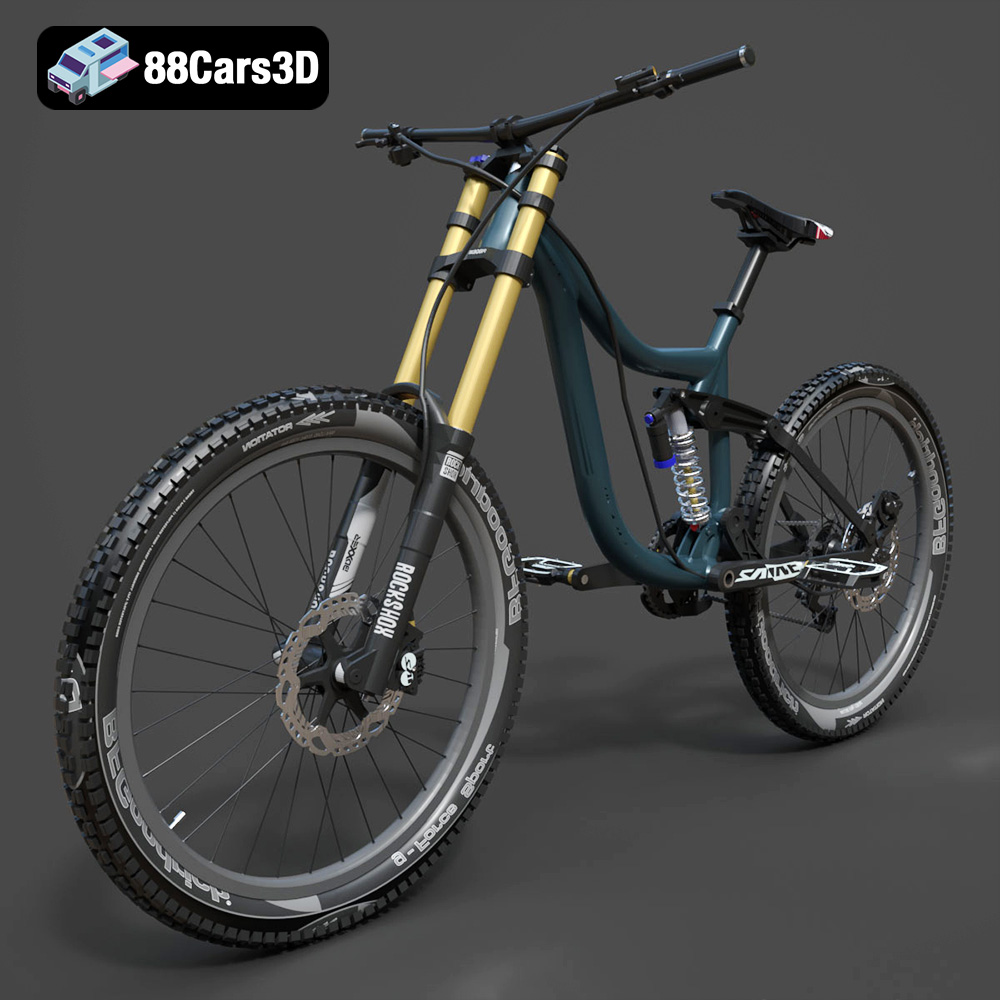
Texture: Yes
Material: Yes
Download the Mototsikly Downhill Bike-002 3D Model featuring clean geometry, realistic detailing, and precise mechanical components. Includes .blend, .fbx, .obj, .glb, .stl, .ply, .unreal, and .max formats for rendering, simulation, and game development.
Price: $19.99
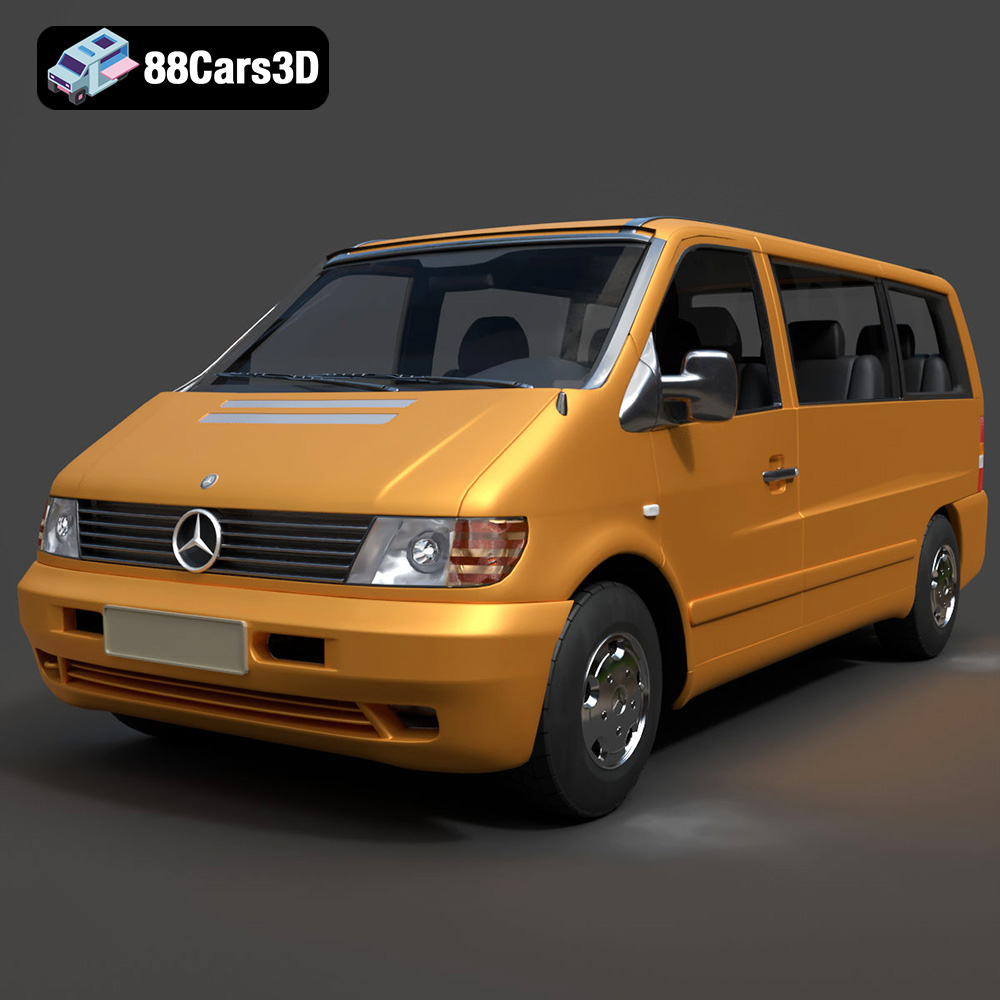
Texture: Yes
Material: Yes
Download the Mercedes-Benz Vito Passenger Van 3D Model featuring clean geometry, realistic detailing, and a fully modeled interior. Includes .blend, .fbx, .obj, .glb, .stl, .ply, .unreal, and .max formats for rendering, simulation, and game development.
Price: $19.99
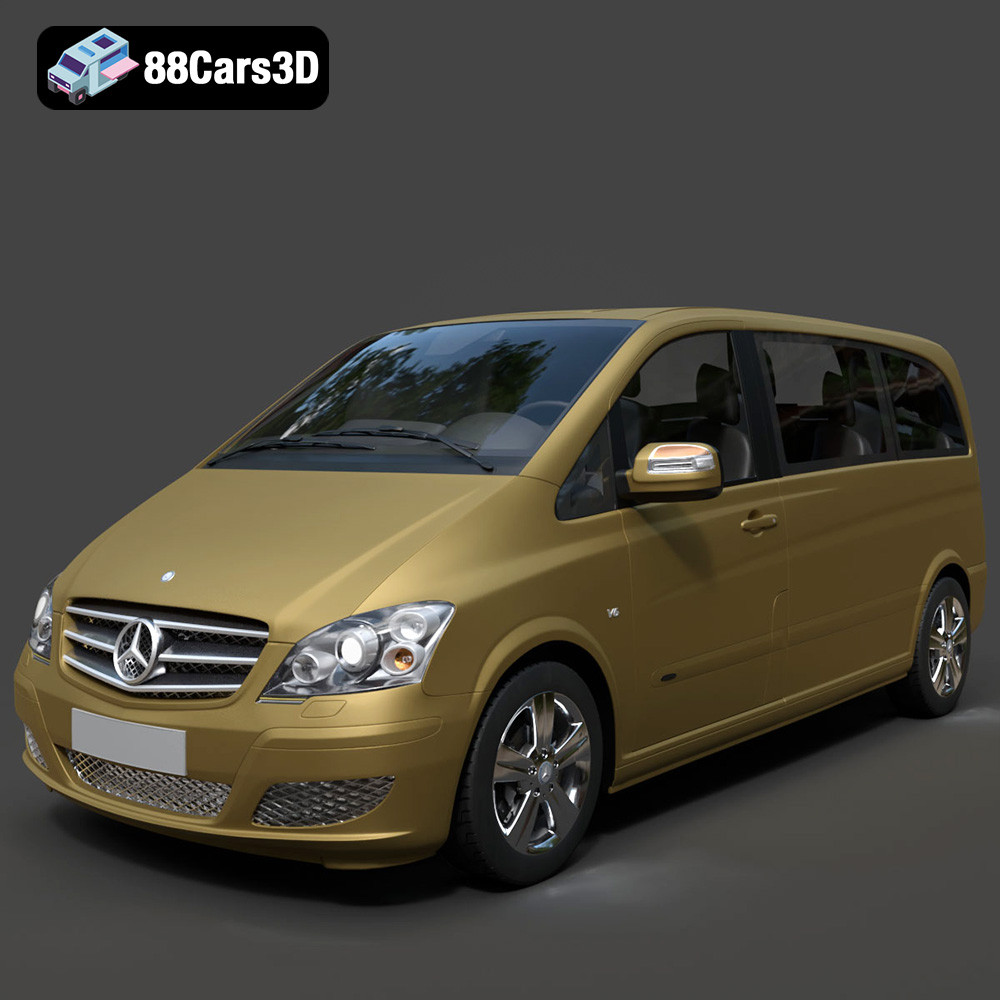
Texture: Yes
Material: Yes
Download the Mercedes-Benz Viano 2010 3D Model featuring clean geometry, realistic detailing, and a fully modeled interior. Includes .blend, .fbx, .obj, .glb, .stl, .ply, .unreal, and .max formats for rendering, simulation, and game development.
Price: $19.99

Texture: Yes
Material: Yes
Download the Emt Avtobus 007 3D Model featuring clean geometry, realistic detailing, and a fully modeled interior. Includes .blend, .fbx, .obj, .glb, .stl, .ply, .unreal, and .max formats for rendering, simulation, and game development.
Price: $19.99
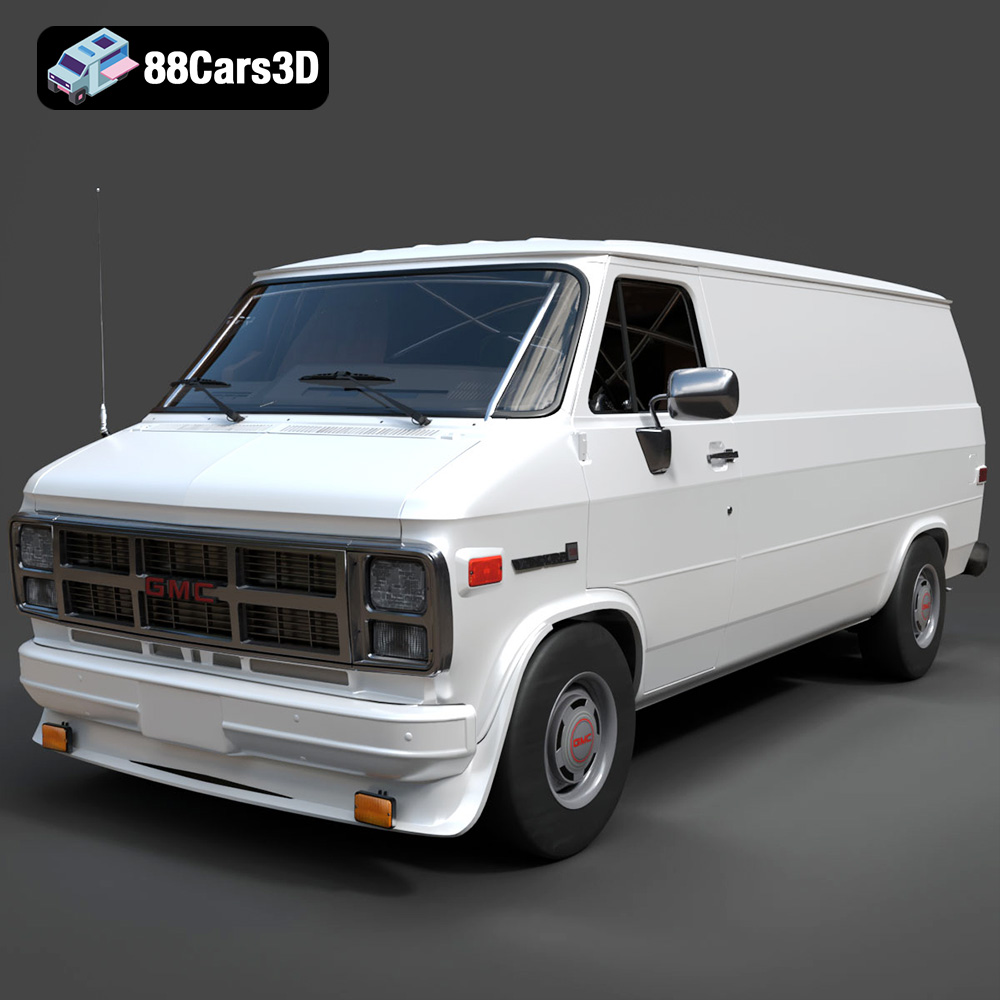
Texture: Yes
Material: Yes
Download the GMC Vandura G-1500 1983 3D Model featuring clean geometry, realistic detailing, and a fully modeled interior. Includes .blend, .fbx, .obj, .glb, .stl, .ply, .unreal, and .max formats for rendering, simulation, and game development.
Price: $19.99
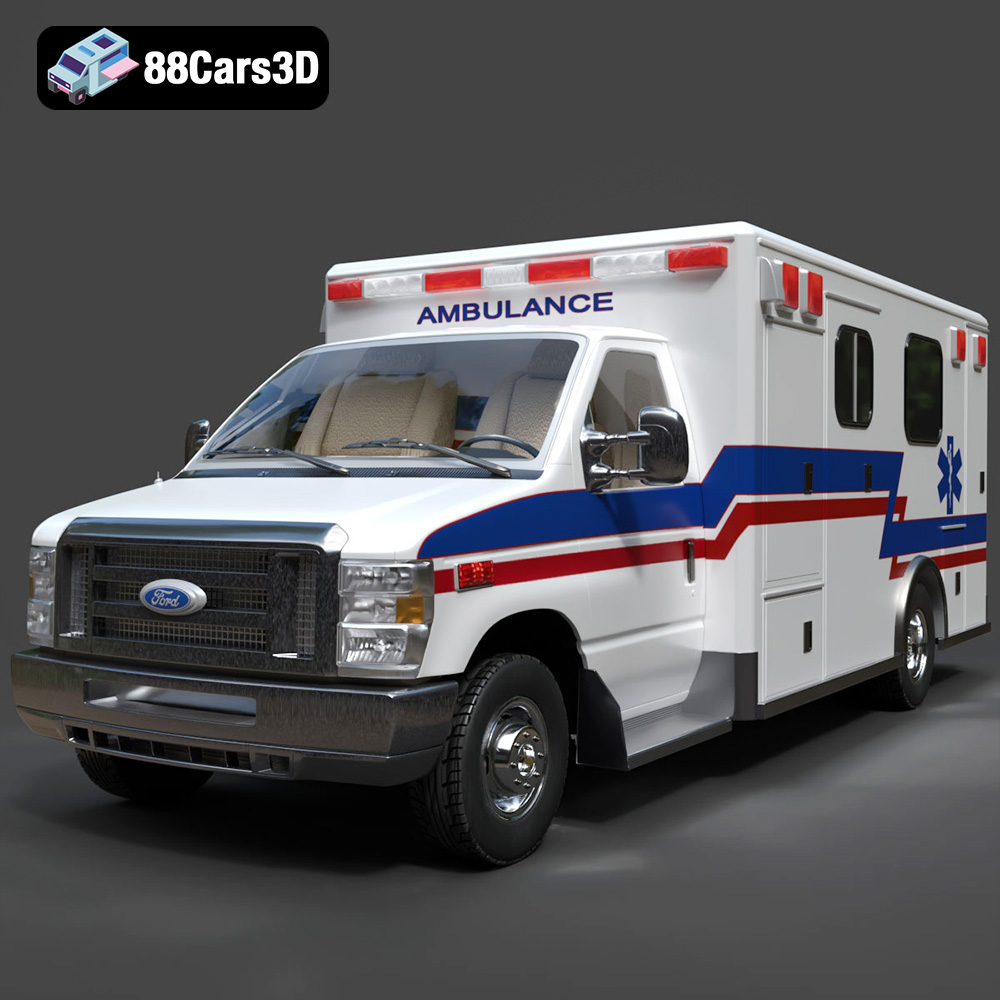
Texture: Yes
Material: Yes
Download the Ford E-450 Ambulance 3D Model featuring clean geometry, realistic detailing, and a fully modeled interior. Includes .blend, .fbx, .obj, .glb, .stl, .ply, .unreal, and .max formats for rendering, simulation, and game development.
Price: $19.99

Texture: Yes
Material: Yes
Download the Fiat Ducato SWB-001 3D Model featuring clean geometry, realistic detailing, and a fully modeled interior. Includes .blend, .fbx, .obj, .glb, .stl, .ply, .unreal, and .max formats for rendering, simulation, and game development.
Price: $19.99

