⚡ FLASH SALE: Get 60% OFF All Premium 3D & STL Models! ⚡

The roar of a powerful engine, the glint of chrome, the intricate web of wires and hoses – few things captivate automotive enthusiasts and 3D artists quite like a meticulously detailed engine bay. Far more than just a functional component, the engine bay is often considered the heart of a vehicle, a testament to engineering prowess and mechanical beauty. For 3D artists and automotive designers, recreating this complex symphony of components with hyperrealism presents both a formidable challenge and an immense reward.
A truly realistic engine bay model elevates any automotive visualization, game asset, or AR/VR experience from good to exceptional. It’s the difference between a static image and a breathing, living machine. This comprehensive guide will deep dive into the technical intricacies of crafting stunningly realistic engine bay models in 3D, covering everything from foundational topology and precision UV mapping to advanced PBR material creation, rendering techniques, and performance optimization for various applications. Whether you’re a seasoned professional or an aspiring enthusiast, prepare to unlock the secrets to creating engine bays that truly impress.
Creating a realistic engine bay begins with impeccable 3D modeling topology. Given the intricate nature of engine components – from cast iron blocks to delicate wiring – clean, efficient, and deformation-ready geometry is paramount. Bad topology can lead to shading artifacts, difficulty in UV mapping, and poor performance in real-time applications. Our goal is to create meshes that are not only visually accurate but also structurally sound and optimized for downstream processes.
The engine block, cylinder heads, intake manifold, and transmission housing form the structural backbone of the engine bay. For these large, often cast or machined parts, a non-destructive workflow is highly recommended. Begin with simple primitives and gradually refine them using subdivision surface modeling (often paired with support loops) or hard-surface techniques. Focus on maintaining a quad-dominant mesh, as triangles can introduce pinching and uneven shading, especially when smoothed. Edge loops should follow the natural contours and creases of the part, defining crucial edges and ensuring smooth transitions. Bevels (or chamfers) are your best friend for breaking up perfectly sharp edges, adding subtle highlights, and greatly enhancing realism, as no real-world object has a perfectly sharp edge. Aim for a moderate polygon count that allows for detail without becoming unmanageable; for high-resolution renders, these core components might range from 100,000 to 500,000 polygons, while game assets would require significant optimization.
The true magic of an engine bay lies in its myriad small details. Wires, hoses, pipes, bolts, nuts, clamps, and brackets add an unparalleled layer of realism. For wires and hoses, spline-based modeling or curve extrusions are incredibly efficient. In 3ds Max, you can draw splines and then apply a Sweep modifier or a Lathe modifier. In Blender, creating a curve and setting its bevel depth (under Object Data Properties > Geometry > Bevel) is a quick way to generate pipes and wires. For bolts and nuts, model one or two variations and then instance them using array modifiers or scattering tools to populate the engine bay efficiently. This approach drastically reduces manual effort and allows for quick adjustments. Detail density is key here: ensure that the level of detail is consistent across the entire engine bay, preventing some areas from looking sparse while others are overly cluttered.
Different 3D software offers unique advantages for engine bay modeling:
Remember, the foundation of a realistic engine bay is solid modeling. Invest time in creating clean, efficient geometry, and the subsequent stages of texturing and rendering will be significantly smoother.
Once your engine bay components are modeled, the next critical step is UV mapping. This process unwraps your 3D geometry into a 2D space, allowing you to apply textures accurately. For the complex, often overlapping, and highly detailed surfaces of an engine bay, precision UV mapping is not merely a task but an art form that directly impacts the final visual quality and performance.
The sheer number and complexity of engine bay parts make a blanket “Smart UV Project” approach insufficient for high-quality results. Instead, approach UV mapping strategically. Each major component (engine block, valve cover, intake manifold, exhaust headers) should be unwrapped individually, often broken down into logical, flatter pieces. The key is to minimize distortion and stretching in the UV layout. Seam placement is crucial: hide seams in less visible areas, along natural edges, or where material changes occur. For cylindrical objects like hoses and pipes, a single seam running lengthwise is usually ideal. For complex shapes, consider using projection methods (planar, cylindrical, spherical) as a starting point, then refining with tools that allow for relaxing and straightening UV shells.
Efficient UV space utilization is vital for achieving high texture resolution without excessive memory consumption. Maximize the use of the 0-1 UV square, leaving minimal empty space. Arrange UV shells logically, grouping similar materials or parts together. Texel density (pixels per unit of surface area) should be consistent across all visible parts of the engine bay. This ensures that a bolt head doesn’t have significantly higher or lower texture detail than the engine block next to it, maintaining visual harmony. For high-resolution renders, texture maps might be 4K or even 8K, requiring meticulous UV layouts to prevent pixelation. For game assets, 2K or 4K maps are common, with careful packing to share textures where possible.
While generally avoided for unique texturing, overlapping UVs can be advantageous for specific scenarios in engine bays. For instance, if you have multiple identical bolts, nuts, or small brackets, overlapping their UVs allows them to share the same texture space. This dramatically saves texture memory and reduces draw calls in game engines. For unique details like serial numbers or warning labels, ensure those UVs are unique. Texture atlasing involves combining multiple smaller textures into one larger texture map. This is incredibly beneficial for performance, especially in game development, as it reduces the number of material calls a renderer has to make. You can atlas all the wires, hoses, and small metal parts into one or two larger texture sheets, greatly streamlining the rendering pipeline.
Thoughtful UV mapping is a cornerstone of professional 3D car models. It’s an investment that pays dividends in both visual fidelity and workflow efficiency for texturing and rendering.
Beyond impeccable modeling and UVs, realistic engine bays demand sophisticated materials. Physically Based Rendering (PBR) materials are essential for accurately simulating how light interacts with various surfaces, leading to truly convincing results. Understanding the Metalness/Roughness workflow is key to bringing your engine components to life.
An engine bay is a tapestry of diverse materials: cast iron, polished aluminum, various plastics, rubber, copper, steel, and fluids. Each requires careful PBR setup. For the engine block, think of rough, somewhat oxidized cast iron, which will have a low metallic value and a high roughness value. Polished chrome or aluminum components will have a high metallic value and a very low roughness value, creating sharp, reflective highlights. Hoses are typically rubber or reinforced plastic, characterized by a non-metallic (dielectric) material with varying degrees of roughness and subtle surface imperfections. Wires often feature insulated casings (dielectric) and exposed metal cores (metallic). Even fluids like oil or coolant require specific transparent or translucent material properties. The complexity necessitates layering materials to build up realism, such as a base metal layer with a separate grunge/dirt layer.
Brand new engine bays are rare; realism comes from subtle signs of use and age. Texture maps are where you imbue this history. Beyond the core PBR channels (Base Color, Metallic, Roughness, Normal, Ambient Occlusion), consider these for added realism:
Software like Substance Painter or Quixel Mixer are industry standards for generating these complex PBR texture sets, allowing for non-destructive, layer-based texturing workflows.
Connecting your texture maps to the appropriate channels in your 3D software’s shader network is crucial. For the Metalness/Roughness workflow:
Other maps like Height/Displacement, Emission, and Opacity might be used for specific effects.
Mastering PBR materials is a cornerstone of photorealistic rendering. With careful attention to detail in your texture maps and shader networks, your engine bay will exude realism.
After investing countless hours in modeling, UV mapping, and texturing, the rendering phase is where your engine bay truly comes alive. It’s about more than just hitting the render button; it involves thoughtful lighting, compelling camera work, and meticulous post-processing to achieve a photorealistic result that tells a story.
Effective lighting is paramount for showcasing the intricate details of an engine bay. A common and highly effective approach is to use High Dynamic Range Images (HDRIs) for realistic, environment-based lighting and reflections. HDRIs provide an authentic global illumination solution, subtly illuminating all surfaces and creating accurate reflections on metallic and glossy parts. Complement HDRIs with targeted artificial lights:
Experiment with different light colors and intensities to create mood and depth. For instance, subtle warm lights can enhance the feeling of warmth from a recently run engine, while cooler tones might evoke a more clinical, showroom feel.
Choosing the right camera angles is crucial for presenting your engine bay effectively. A combination of wide, establishing shots and tighter detail shots will best convey the complexity and craftsmanship. For wide shots, consider slightly elevated angles that look down into the engine bay, revealing the overall layout. For detail shots, get in close, using a shallow depth of field (DoF) to blur out the background and foreground, directing focus to specific components like a turbocharger, intake manifold, or intricate wiring. Utilize cinematic principles like the rule of thirds to compose your shots. Avoid overly wide-angle lenses for close-ups, as they can introduce distortion; a focal length between 85mm and 120mm often works well for detailed automotive renders.
Achieving a high-quality render requires balancing detail, realism, and render time. Modern renderers offer numerous settings to fine-tune this balance:
The render straight out of your 3D software is rarely the final product. Post-processing in tools like Adobe Photoshop or After Effects is essential for that professional, polished look. This step allows you to:
By thoughtfully applying these rendering and post-processing techniques, you transform raw 3D data into captivating, photorealistic imagery that truly showcases the beauty of your engine bay models.
While photorealistic renders are crucial for visualizations and marketing, integrating engine bay models into real-time game engines presents a unique set of challenges and requirements. The goal is to maintain visual fidelity while adhering to strict performance budgets. Optimizing your 3D car models for game development ensures smooth frame rates and an immersive user experience.
One of the most critical optimization techniques is implementing Level of Detail (LOD) meshes. An engine bay, with its high polygon count, would severely impact performance if rendered at full detail from a distance. LODs involve creating multiple versions of the model, each with progressively lower polygon counts. The game engine then automatically switches between these versions based on the camera’s distance from the object:
Many 3D software packages and game engines offer automated LOD generation, but manual refinement is often necessary to ensure visual integrity at each level.
Draw calls are instructions sent from the CPU to the GPU to draw objects. Each draw call incurs overhead, and too many can bottleneck performance. Engine bays, with their hundreds of individual components, can quickly accumulate a high draw call count. Strategies to reduce them include:
Just as with draw calls, each material in a game engine requires a separate pass for rendering. Having dozens of individual texture maps for different engine parts can be highly inefficient. Texture atlasing and packing help consolidate these:
For interactive game environments where the player might inspect or even interact with the engine bay (e.g., opening the hood, performing repairs), simple collision meshes are necessary. These are low-polygon, invisible meshes that define the physical boundaries of the components. They don’t need to be as detailed as the visual mesh but should accurately represent the overall shape for physics calculations. For engine parts that might move (e.g., a fan, belt), setting up basic physics constraints and rigid bodies might be required, though this is often handled at a higher level of game logic.
By meticulously optimizing engine bay models for game engines, you can provide players with a truly immersive and performant experience, showcasing the incredible detail of your automotive game assets without compromise.
The utility of high-quality 3D engine bay models extends far beyond traditional renders and game development. Augmented Reality (AR), Virtual Reality (VR), and 3D printing represent cutting-edge applications that demand specific optimization and preparation techniques to bring these intricate digital assets into new interactive and physical realms. Platforms like 88cars3d.com, offering models in various file formats, cater to these diverse needs.
AR/VR environments impose even stricter performance budgets than traditional game engines. The need for a stable high frame rate (often 90+ FPS per eye) to prevent motion sickness means that every polygon, texture, and draw call must be ruthlessly optimized. When preparing engine bay models for AR/VR:
The challenge in AR/VR is to convey the detail and realism of an engine bay within these tight constraints, making smart compromises and leveraging baking workflows.
Transforming a digital engine bay model into a physical object via 3D printing requires a different set of technical considerations. 3D printers need watertight, manifold meshes without holes, intersecting faces, or non-manifold geometry. Common issues and solutions include:
Printing an entire engine bay as one piece is challenging due to complexity; often, it’s better to print major components separately and assemble them post-print. When sourcing models from marketplaces such as 88cars3d.com, always check the product descriptions for their suitability for 3D printing, as not all models are prepared for this specific application.
No single file format fits all applications. Understanding the strengths and weaknesses of different formats is crucial for a smooth workflow:
Platforms like 88cars3d.com often provide models in multiple formats to ensure maximum compatibility for different artist workflows and end applications, whether it’s for high-end rendering, game development, or AR/VR experiences.
These advanced applications demonstrate the versatility of well-crafted 3D engine bay models. By understanding and applying the specific optimization and preparation techniques required for AR/VR and 3D printing, artists can unlock new avenues for showcasing their incredible attention to detail.
Creating realistic 3D engine bay models is a journey that demands a blend of artistic vision and technical mastery. From the foundational principles of clean topology and precise UV mapping to the intricate dance of PBR material creation, thoughtful rendering, and rigorous optimization for game engines or advanced applications like AR/VR and 3D printing, every stage contributes to the final, awe-inspiring result. We’ve explored the importance of a non-destructive modeling workflow for major components, the strategic placement of seams for UVs, the nuanced layering of textures for dirt and wear, the artistic science of lighting, and the critical performance considerations for real-time environments.
The ability to craft an engine bay that not only looks authentic but also performs flawlessly across diverse platforms is a hallmark of professional 3D car models. It adds immense value to automotive visualizations, enriches game assets, and opens doors to innovative interactive experiences. Remember to pay meticulous attention to detail, strive for consistent texel density, and always consider the end-use of your model during every phase of development.
We hope this comprehensive guide has equipped you with the knowledge and actionable insights to elevate your 3D engine bay projects. The automotive world is full of intricate beauty waiting to be digitally captured. Keep practicing, keep refining your techniques, and always strive for that next level of realism. For those seeking high-quality, pre-made 3D car models to jumpstart their projects or for inspiration, platforms like 88cars3d.com offer a wide array of meticulously crafted assets, ready to be integrated into your next masterpiece.
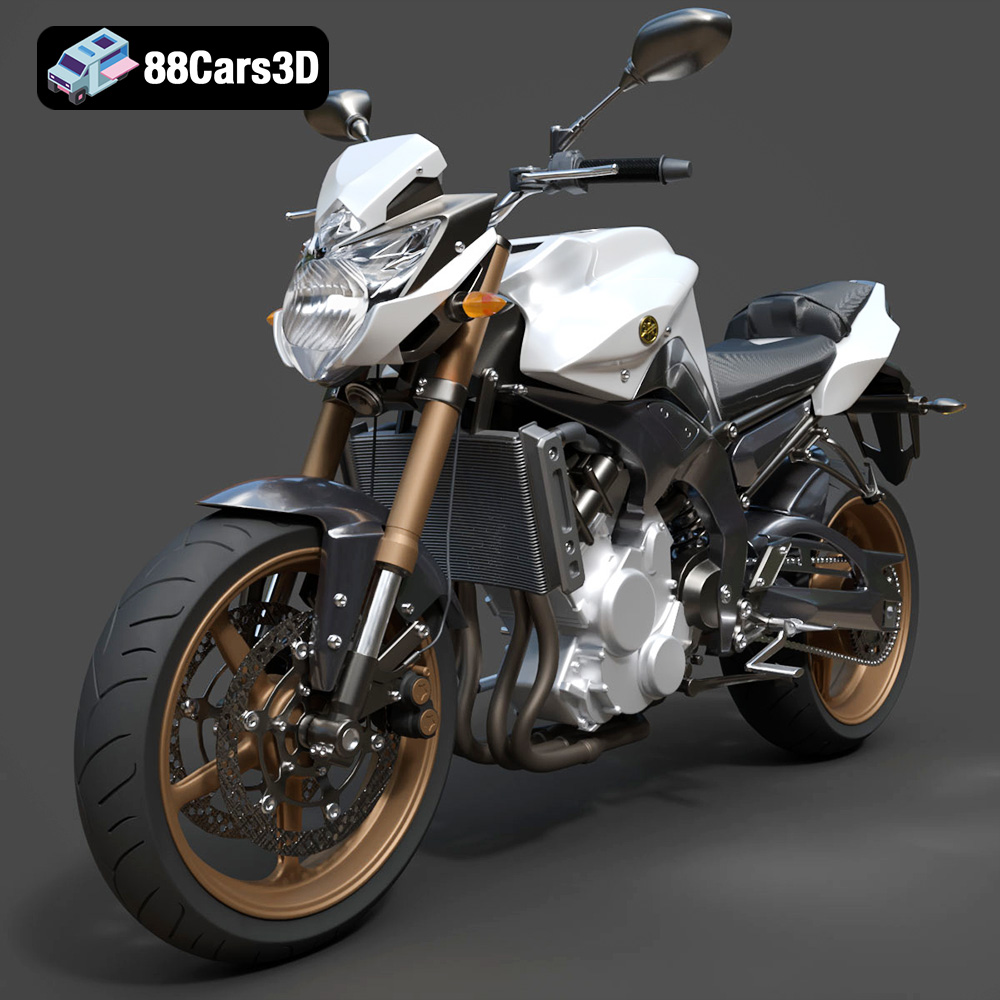
Texture: Yes
Material: Yes
Download the Yamaha FZ8 2011 3D Model featuring clean geometry, realistic detailing, and a fully modeled interior. Includes .blend, .fbx, .obj, .glb, .stl, .ply, .unreal, and .max formats for rendering, simulation, and game development.
Price: $19.99
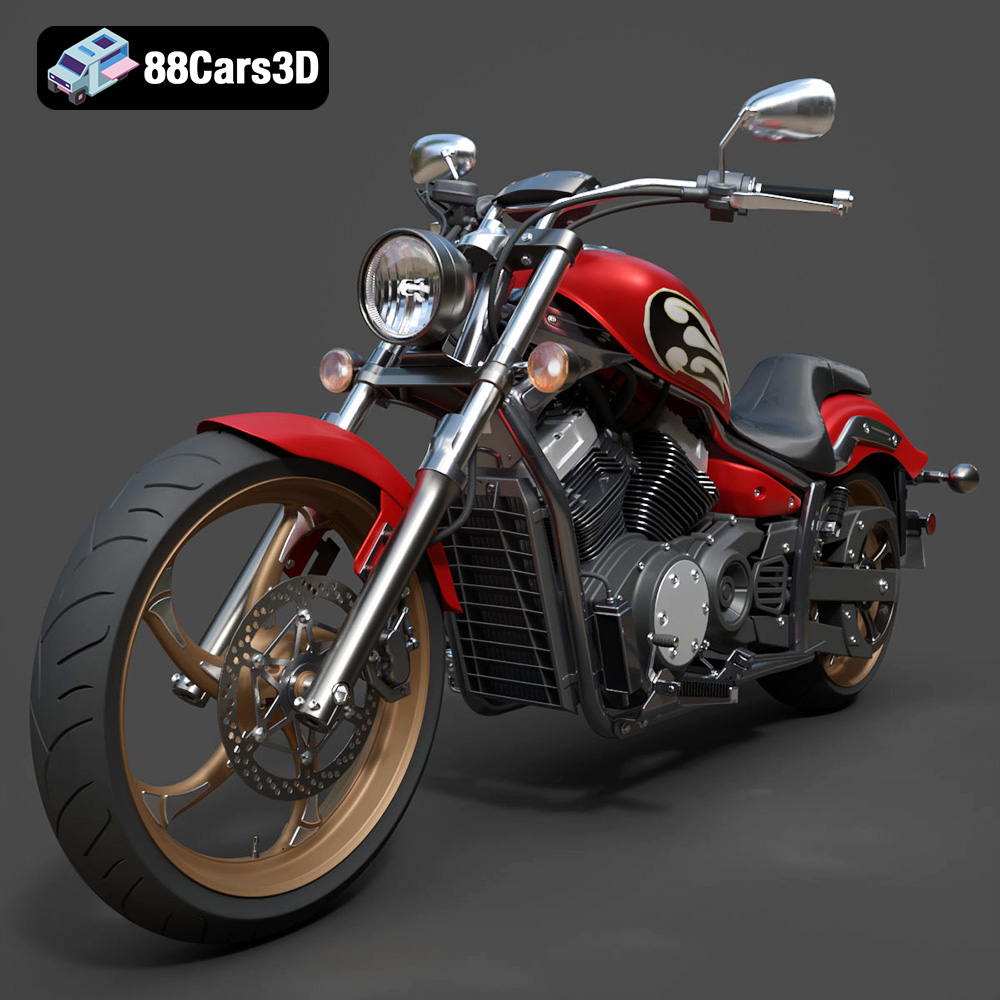
Texture: Yes
Material: Yes
Download the Yamaha Stryker 2012 3D Model featuring clean geometry, realistic detailing, and a fully modeled interior. Includes .blend, .fbx, .obj, .glb, .stl, .ply, .unreal, and .max formats for rendering, simulation, and game development.
Price: $19.99
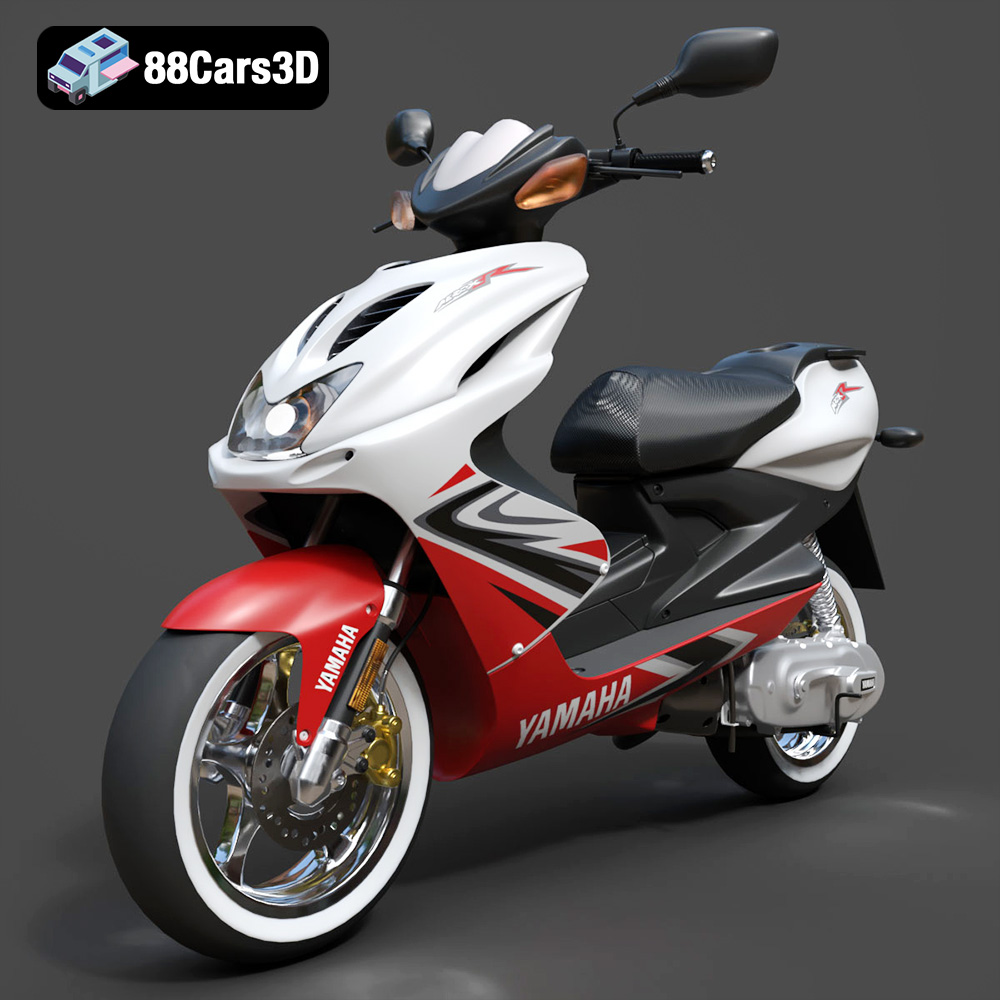
Texture: Yes
Material: Yes
Download the Yamaha Aerox R-002 2024 3D Model featuring clean geometry, realistic detailing, and a fully modeled interior. Includes .blend, .fbx, .obj, .glb, .stl, .ply, .unreal, and .max formats for rendering, simulation, and game development.
Price: $19.99
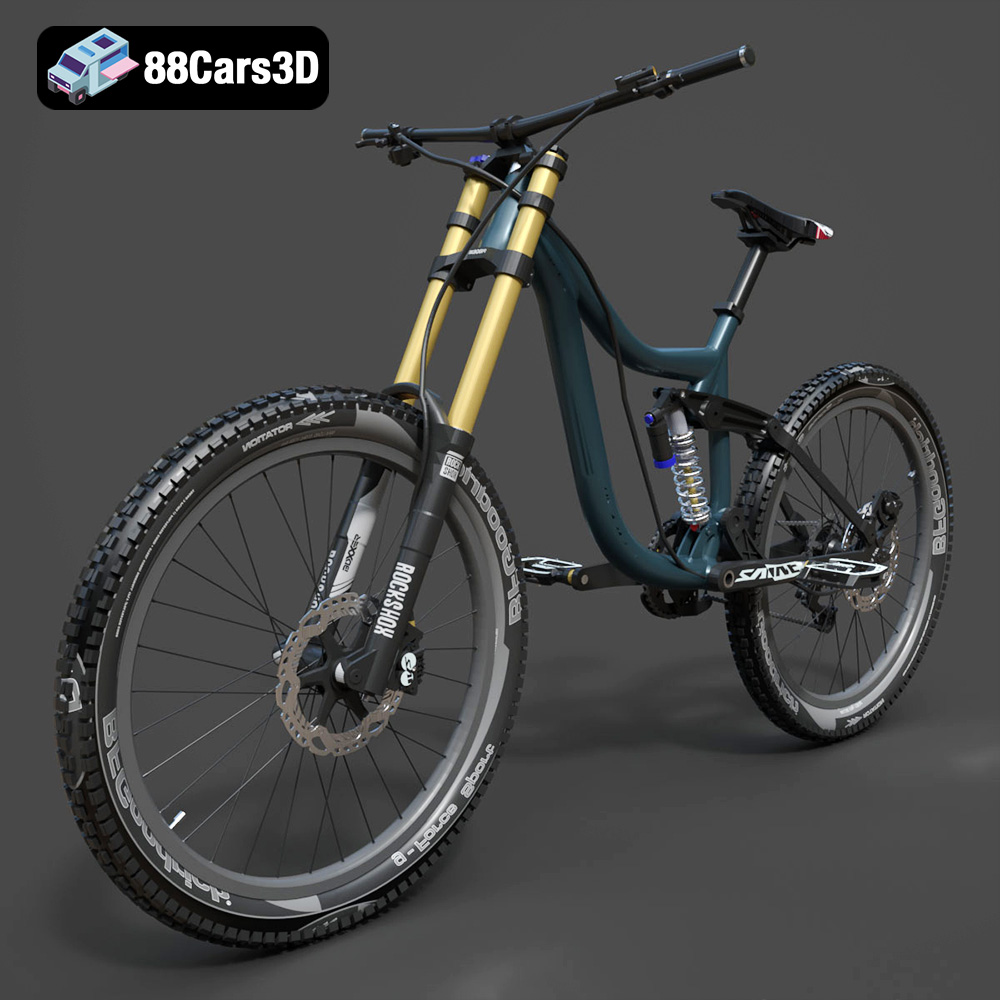
Texture: Yes
Material: Yes
Download the Mototsikly Downhill Bike-002 3D Model featuring clean geometry, realistic detailing, and precise mechanical components. Includes .blend, .fbx, .obj, .glb, .stl, .ply, .unreal, and .max formats for rendering, simulation, and game development.
Price: $19.99
Texture: Yes
Material: Yes
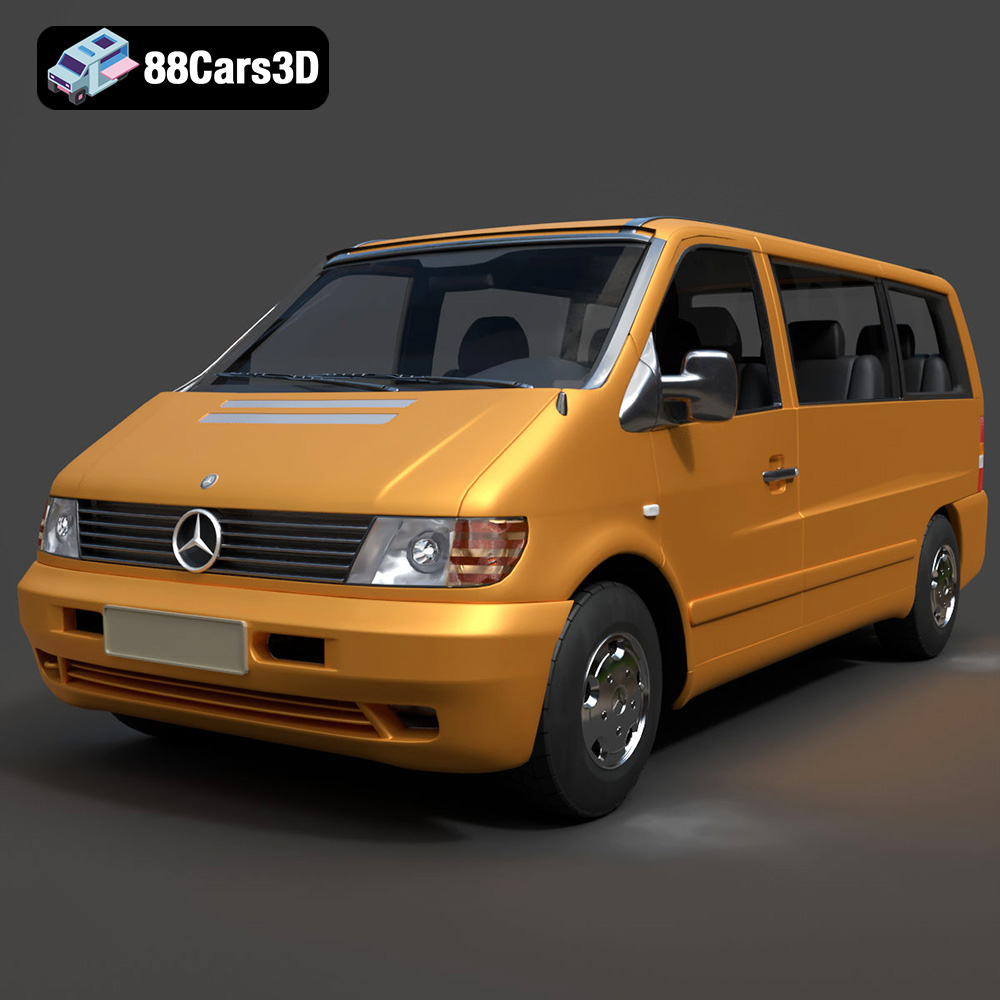
Download the Mercedes-Benz Vito Passenger Van 3D Model featuring clean geometry, realistic detailing, and a fully modeled interior. Includes .blend, .fbx, .obj, .glb, .stl, .ply, .unreal, and .max formats for rendering, simulation, and game development.
Price: $19.99
Texture: Yes
Material: Yes
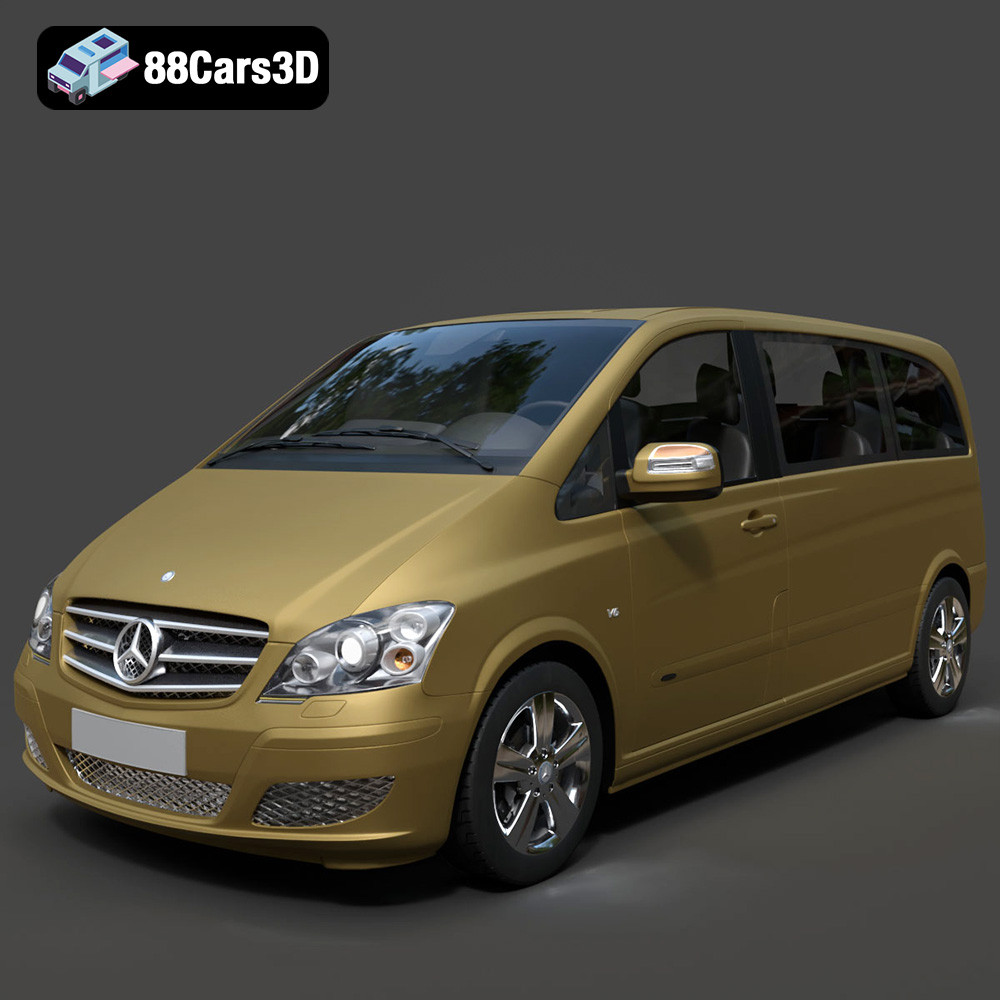
Download the Mercedes-Benz Viano 2010 3D Model featuring clean geometry, realistic detailing, and a fully modeled interior. Includes .blend, .fbx, .obj, .glb, .stl, .ply, .unreal, and .max formats for rendering, simulation, and game development.
Price: $19.99

Texture: Yes
Material: Yes
Download the Emt Avtobus 007 3D Model featuring clean geometry, realistic detailing, and a fully modeled interior. Includes .blend, .fbx, .obj, .glb, .stl, .ply, .unreal, and .max formats for rendering, simulation, and game development.
Price: $19.99
Texture: Yes
Material: Yes
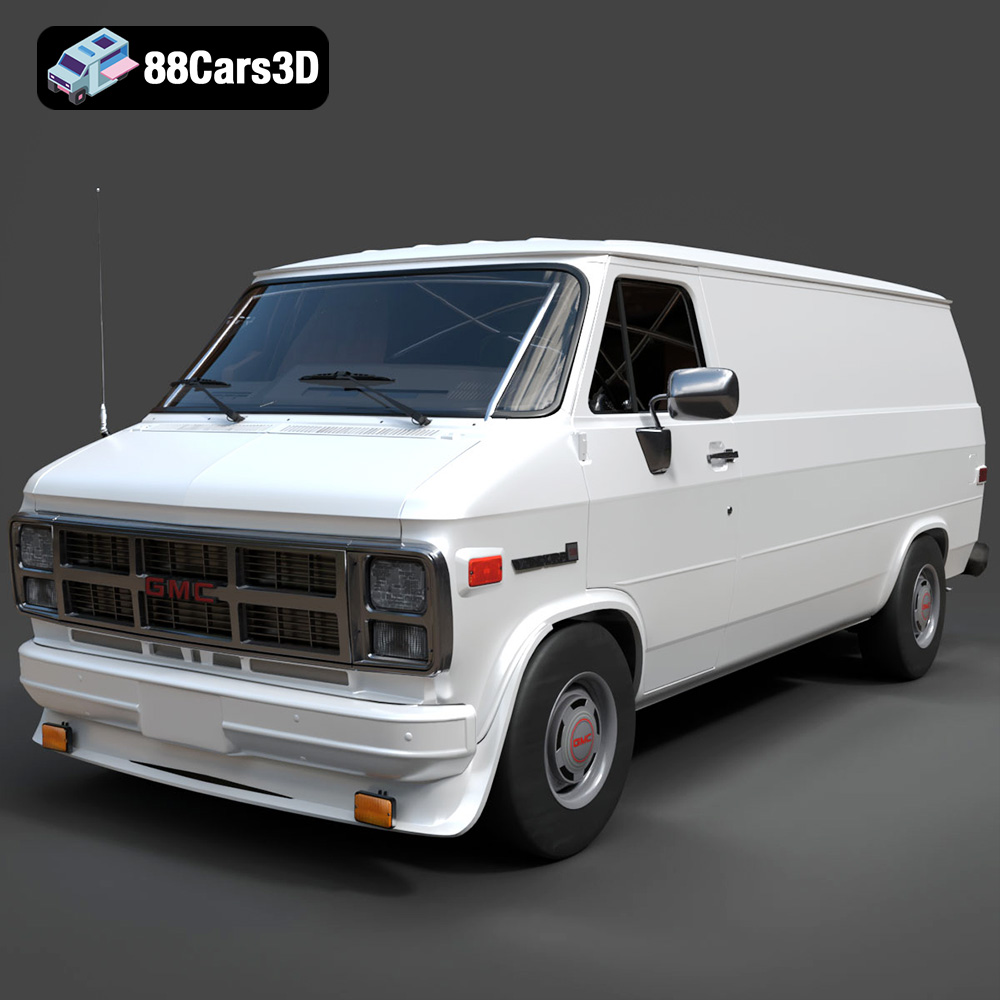
Download the GMC Vandura G-1500 1983 3D Model featuring clean geometry, realistic detailing, and a fully modeled interior. Includes .blend, .fbx, .obj, .glb, .stl, .ply, .unreal, and .max formats for rendering, simulation, and game development.
Price: $19.99
Texture: Yes
Material: Yes
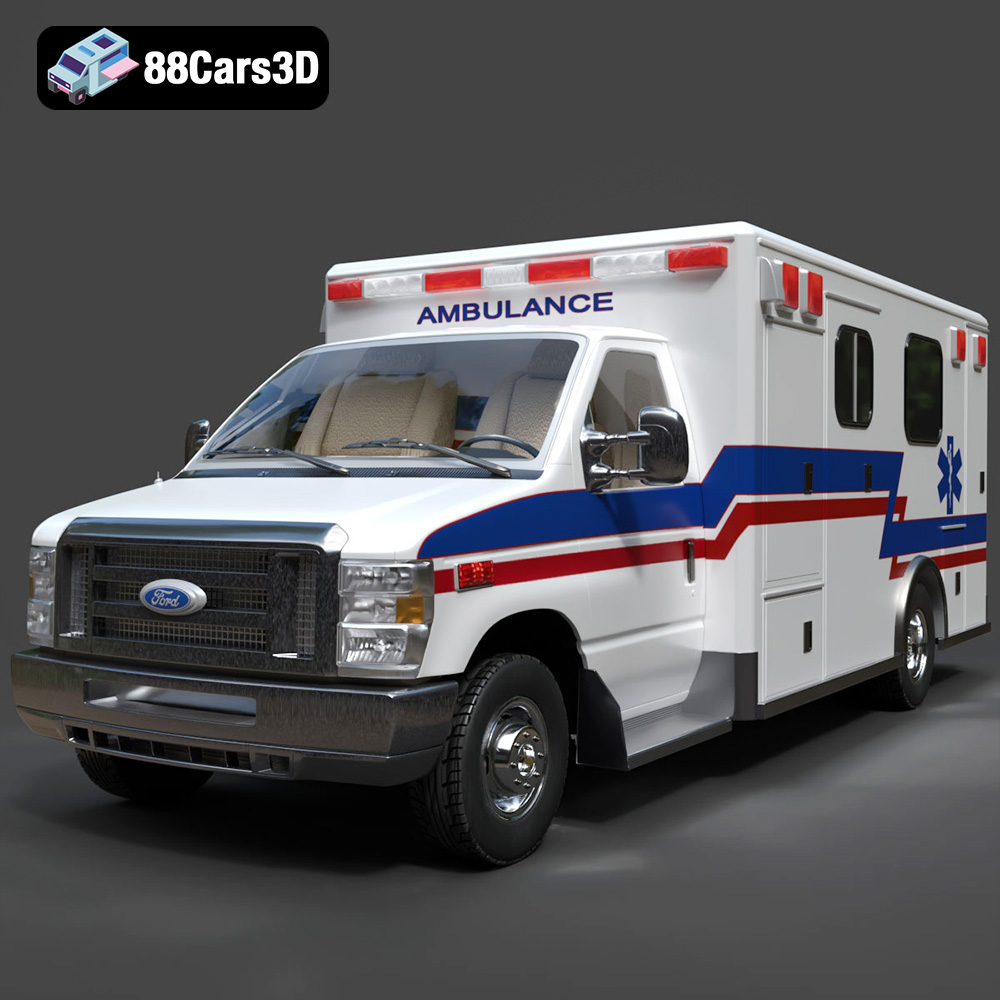
Download the Ford E-450 Ambulance 3D Model featuring clean geometry, realistic detailing, and a fully modeled interior. Includes .blend, .fbx, .obj, .glb, .stl, .ply, .unreal, and .max formats for rendering, simulation, and game development.
Price: $19.99

Texture: Yes
Material: Yes
Download the Fiat Ducato SWB-001 3D Model featuring clean geometry, realistic detailing, and a fully modeled interior. Includes .blend, .fbx, .obj, .glb, .stl, .ply, .unreal, and .max formats for rendering, simulation, and game development.
Price: $19.99

