⚡ FLASH SALE: Get 60% OFF All Premium 3D & STL Models! ⚡

In the fast-evolving landscape of digital design, the demand for meticulously crafted 3D car models has never been higher. From breathtaking photorealistic visualizations to high-octane interactive experiences, these assets form the backbone of countless projects across industries. Whether you’re a professional looking to elevate your architectural renderings, a game developer striving for unparalleled realism, or an engineer prototyping a new vehicle concept, the quality of your 3D car models directly impacts the final output. This comprehensive guide delves into the technical intricacies, workflows, and vast applications of these digital marvels, demonstrating why investing in premium assets is a cornerstone of success.
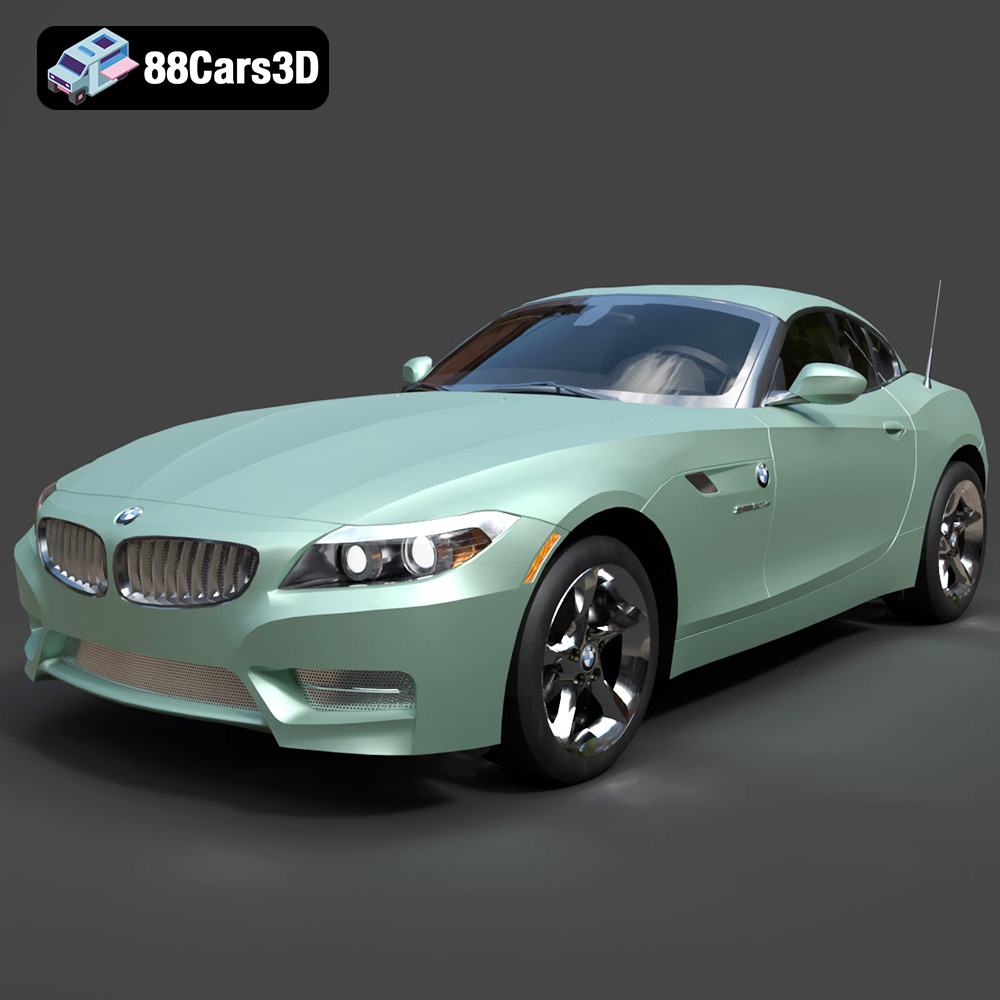
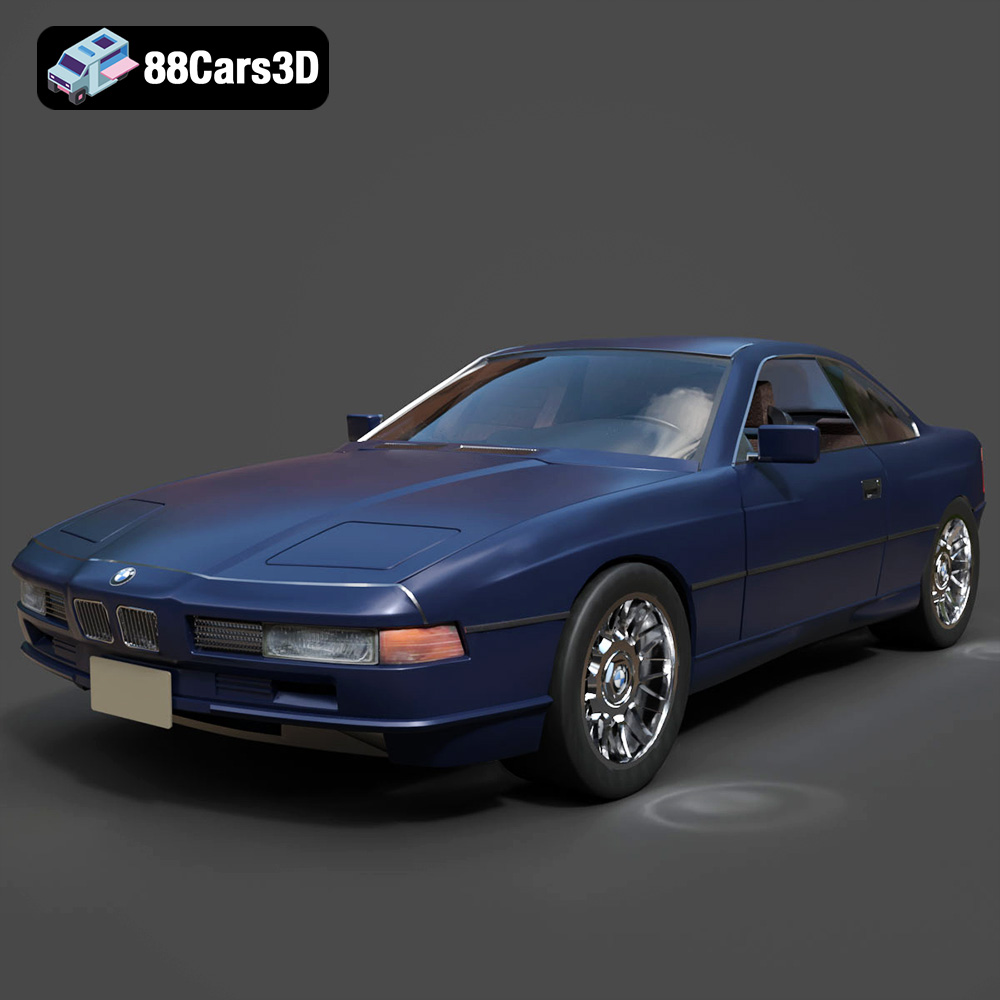
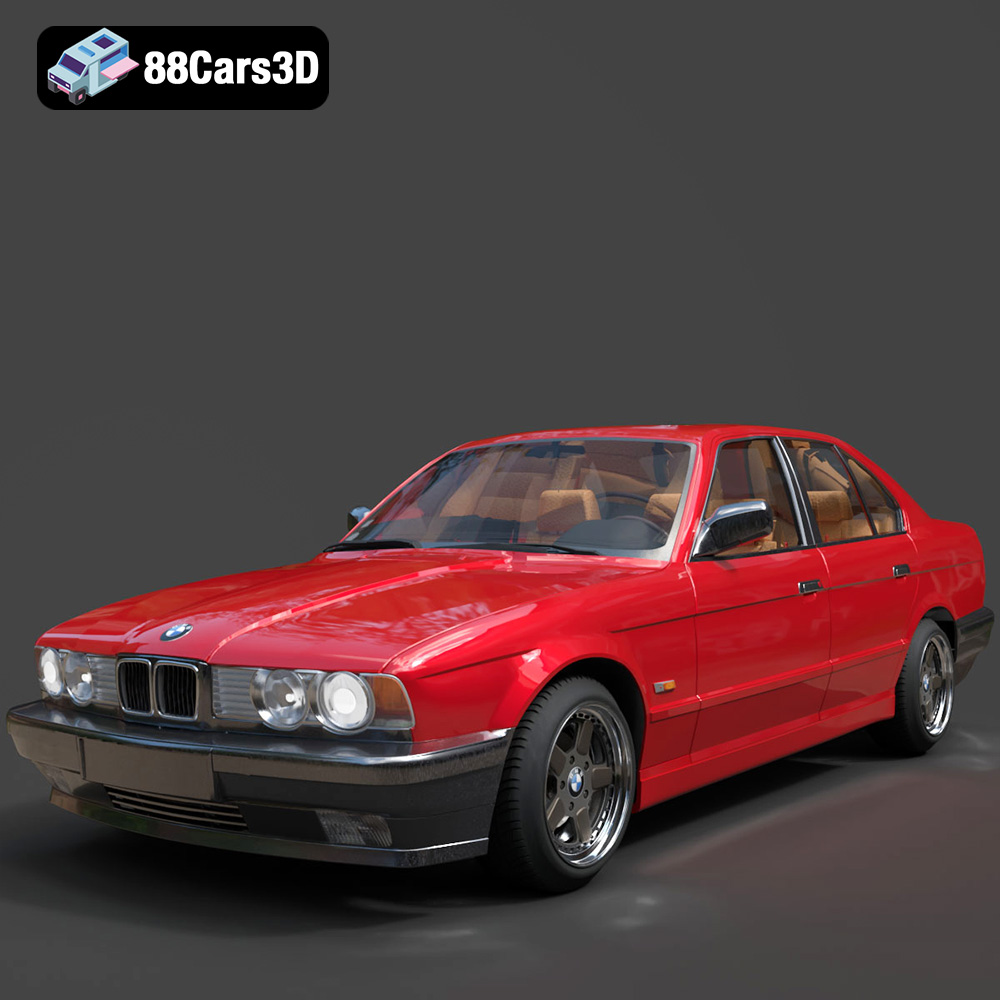
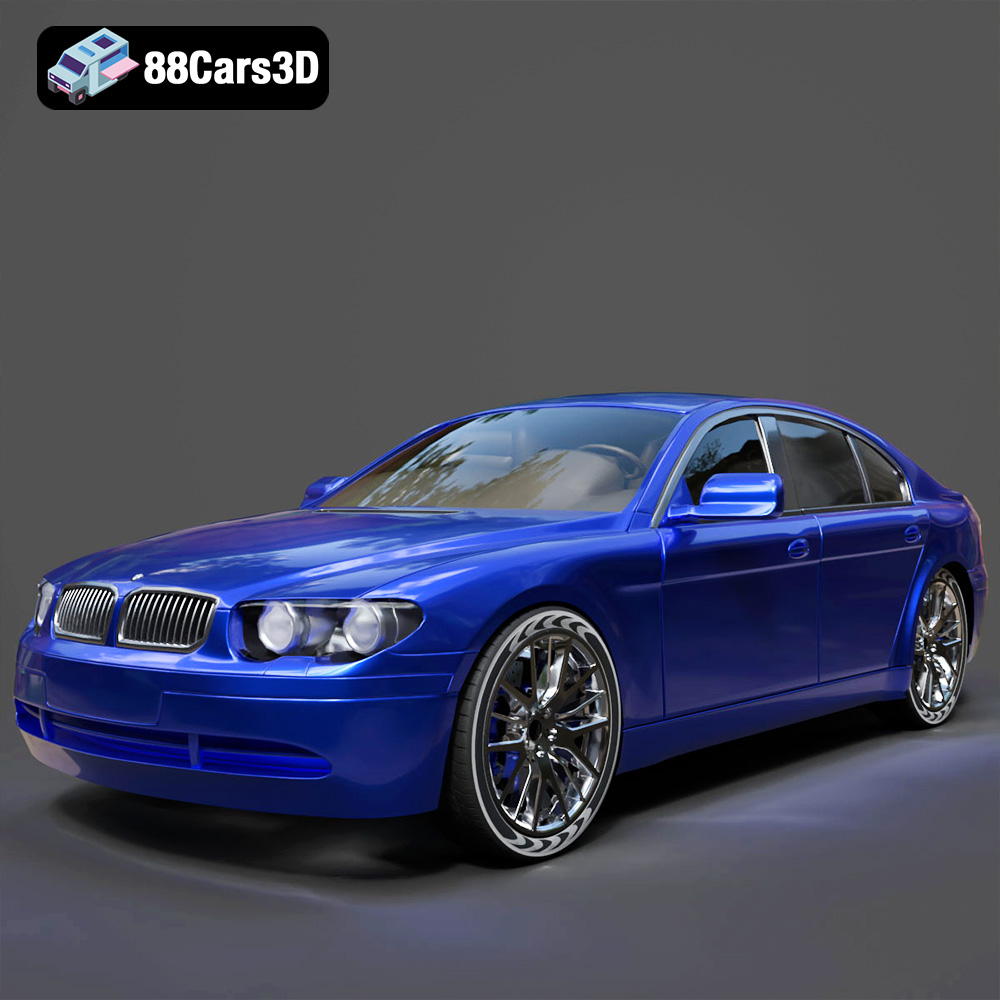
At its core, a 3D car model is more than just a collection of polygons; it’s a digital representation embodying design intent, engineering precision, and artistic vision. The foundation of any successful project hinges on the quality and accuracy of these models.
For automotive designers and engineers, 3D car models are indispensable tools for visualization and rapid prototyping. Before a single physical component is manufactured, every curve, panel gap, and material finish can be meticulously examined in a digital environment. High-fidelity models allow for precise evaluation of aerodynamics, ergonomics, and aesthetic appeal. This level of detail ensures that design iterations are efficient, costly errors are minimized, and the final product aligns perfectly with the initial vision. The subtle reflections on a meticulously modeled car paint or the intricate stitching on an interior seat can convey a sense of luxury and attention to detail that is crucial for marketing and pre-production reviews.
In the world of interactive entertainment, realism is paramount, and 3D car models are central to delivering immersive experiences. Modern racing simulators and open-world games demand vehicles that not only look authentic but also perform realistically. This requires models with optimized polygon counts, clean UV layouts for texturing, and carefully defined hierarchies for animation and physics integration. From the primary hero vehicles players interact with directly to the background traffic, each car contributes to the overall fidelity of the game world. Poorly constructed models can lead to visual glitches, performance bottlenecks, and a diminished player experience, highlighting the critical need for well-optimized, high-quality assets.
The mesh topology of a 3D car model is a critical technical consideration. A clean, quad-based topology is ideal for deformation, subdivision, and efficient UV mapping. For rendering purposes, a high poly count (e.g., several hundred thousand to millions of polygons) might be acceptable to capture every subtle curve and detail, especially for close-up shots. However, for real-time applications like games or AR/VR, optimization is key. This involves creating various Levels of Detail (LODs), where simpler versions of the model are swapped in at greater distances from the camera, significantly reducing the computational load while maintaining visual quality. Techniques like normal mapping are employed to simulate high-detail geometry using lower-polygon meshes, a cornerstone of efficient game asset creation.
Selecting the correct file format is a crucial technical decision that impacts compatibility, workflow efficiency, and the ultimate application of your 3D car models. Each format serves specific purposes, optimized for different stages of the design, rendering, or game development pipeline. Understanding these distinctions is fundamental for any professional working with digital automotive assets.
.blend – Fully Editable Blender Scene with Materials: The native file format for Blender, .blend files encapsulate an entire scene, including geometry, materials, textures (packed within the file or linked), animations, lighting, cameras, and even user interface layouts. This format is ideal when working exclusively within Blender or sharing projects with other Blender users, as it preserves all project data in its editable state. For artists and studios heavily invested in the Blender ecosystem, .blend offers unparalleled flexibility for iterative design and complex scene management. A .blend file from a resource like 88cars3d.com ensures you receive a comprehensive, ready-to-tweak asset within your preferred modeling environment.
.max – Editable 3ds Max Project for Animation and Rendering: As the proprietary format for Autodesk 3ds Max, .max files are comprehensive scene files similar to .blend. They store all scene elements, including object geometry, modifiers, materials (V-Ray, Corona, Standard), lighting, cameras, animation keyframes, and render settings. This format is a staple in architectural visualization, product design, and high-end cinematic rendering due to 3ds Max’s robust toolset for modeling, animation, and integration with powerful renderers. When purchasing a .max file, users can expect a fully prepared scene, often with professional material setups and optimized lighting, ready for high-quality automotive rendering.
.fbx – Ideal for Unreal, Unity, and Real-time Pipelines: Developed by Autodesk, FBX is arguably the most widely adopted exchange format for 3D data, particularly in game development. It supports geometry, materials, textures, animations, skinning, and camera data. Its strength lies in its ability to transfer complex scene information between various 3D applications (like 3ds Max, Maya, Blender, Cinema 4D) and game engines (Unreal Engine, Unity) with high fidelity. For real-time applications, .fbx is often the go-to choice due to its robustness in handling animations and hierarchies, making it essential for integrating 3D car models as interactive game assets.
.obj – Universal Format for Cross-Software Compatibility: The Wavefront .obj format is one of the oldest and most universally supported 3D file formats. It primarily stores geometry (vertices, normals, texture coordinates, faces) and references external .mtl (material) files for basic material properties. While it doesn’t support animation or rigging, its simplicity and widespread compatibility make it excellent for transferring static meshes between almost any 3D software. For simple mesh exchange or as a fallback when other formats fail, .obj remains a reliable choice for 3D car models.
.glb – Optimized for AR, VR, and Browser-Based Display: GLB is the binary version of glTF (Graphics Language Transmission Format), designed for efficient transmission and loading of 3D scenes and models by engines and applications. It packages all assets (geometry, materials, textures, animations) into a single, self-contained file, making it incredibly lightweight and suitable for web-based 3D viewers, augmented reality (AR), and virtual reality (VR) applications. Its PBR (Physically Based Rendering) material support ensures consistent visual fidelity across different platforms, making it an increasingly popular choice for interactive 3D car models on the web.
.ply – Precision Mesh Format for CAD or Analysis: The Polygon File Format (PLY) is designed to store polygonal models and associated data from 3D scanners or other sources. It supports properties like color, transparency, surface normals, and range data. While not as common for general-purpose 3D modeling as .fbx or .obj, it’s highly valued in scientific, engineering, and CAD applications where precise mesh data and vertex attributes are critical for analysis and measurement, rather than just visual rendering.
.stl – Suitable for 3D Printing Output: STL (Stereolithography) is the standard file format for additive manufacturing (3D printing). It represents a 3D model as a collection of unconnected triangular facets, defining only the surface geometry of an object without color, texture, or other CAD attributes. For 3D car models intended for physical production, ensuring a watertight, manifold STL mesh is critical to prevent errors during the slicing and printing process. It’s a precise, albeit basic, format for physical prototyping.
.unreal – Engine-Ready Asset for Real-time Environments: While not a direct export format from DCC software, “.unreal” refers to assets specifically prepared and imported into Unreal Engine. This typically involves an optimized .fbx file that has been thoroughly processed within the engine, configured with materials, textures, collision meshes, LODs, and potentially blueprints or animations specific to Unreal Engine. Assets designated as “.unreal” are often pre-optimized and configured to leverage Unreal Engine’s features, providing a ready-to-use component for game developers and real-time visualization specialists, streamlining the integration of 3D car models into engine projects.
Achieving photorealistic automotive rendering is an art form that blends technical mastery with a keen eye for detail. It’s about more than just a good model; it’s about capturing the essence of the vehicle through light, shadow, and material fidelity.
The realism of a rendered car heavily relies on its materials. Modern workflows predominantly use Physically Based Rendering (PBR) shaders, which accurately simulate how light interacts with surfaces in the real world. For car paint, this involves layers of metallic flakes, a clear coat that exhibits complex reflections (Fresnel effect), and subtle imperfections. Interior materials, such as leather, fabric, and plastics, require precise texture maps (albedo, normal, roughness, metallic, ambient occlusion) to convey their unique properties. Details like anisotropic reflections on brushed metal or the intricate weave of carbon fiber are crucial and achieved through specific texture maps and shader configurations. Software like 3ds Max with V-Ray or Corona, and Blender with Cycles, offer sophisticated material editors to craft these nuanced shaders.
Lighting is the ultimate sculptor of form and mood. For automotive rendering, various lighting setups are employed to highlight different aspects of the vehicle. High Dynamic Range Imagery (HDRI) is foundational, providing realistic environment lighting and reflections. Studio lighting setups, often using a combination of area lights, softboxes, and spotlights, allow for precise control over highlights and shadows, accentuating the car’s curves and lines. Consider a three-point lighting system with a key light, fill light, and back light, augmented by specific rim lights to define edges. Exterior shots often leverage natural light simulations, using sun and sky systems, sometimes complemented by subtle artificial fills to enhance detail. The careful placement and intensity of lights can make a car look sleek and aggressive, or elegant and sophisticated.
Once the raw render passes are complete, post-processing and compositing in software like Adobe Photoshop or Nuke are essential. This stage refines the image, adding crucial elements that elevate it from a good render to a stunning visualization. Techniques include color grading to set the mood, adding subtle chromatic aberration, lens flare, and depth of field for cinematic realism. Global illumination and reflection passes are composited to enhance volumetric effects. Vignettes can draw attention to the car, while motion blur adds dynamism to action shots. Removing noise, adjusting contrast, and fine-tuning reflections are all part of this critical final step, ensuring the rendered 3D car model truly shines.
Turning high-fidelity 3D car models into efficient, interactive game assets requires a specialized set of skills and an understanding of real-time engine constraints. The goal is to maximize visual quality while maintaining optimal performance.
Game engines like Unreal Engine and Unity operate under strict performance budgets. A render-ready 3D car model, often with millions of polygons, is too heavy for real-time applications. The first step in optimization is polygon reduction. This often involves creating multiple Levels of Detail (LODs). A typical workflow might include LOD0 (high poly, e.g., 80,000-150,000 tris) for close-ups, LOD1 (medium poly, e.g., 30,000-50,000 tris), and LOD2 (low poly, e.g., 10,000-20,000 tris) for distant views. These LODs are automatically swapped by the engine based on the camera’s distance, ensuring performance without sacrificing visual quality where it matters most. Baking high-detail information (like panel lines, vents, and scratches) from a high-poly model onto the normal maps of a lower-poly model is also crucial for maintaining visual fidelity.
Beyond visual LODs, functional components like collision meshes are vital. Instead of using the detailed visual mesh for physics calculations (which would be computationally expensive), simplified collision models (often primitive shapes like boxes, spheres, or convex hulls) are created. These colliders define the physical boundaries of the car for accurate interactions with the game world. Furthermore, for interactive elements such as opening doors, hoods, trunks, and steering wheels, the 3D car model needs to be properly rigged. This involves establishing a hierarchy of parent-child relationships between different parts of the car and defining pivot points for rotation, allowing for smooth, in-game animations and physics-driven movements.
When bringing 3D car models into Unreal Engine, the workflow is highly structured. After optimizing the mesh and creating LODs in a DCC application like 3ds Max or Blender, the model is exported as an .fbx file. Within Unreal Engine, the asset is imported, and its material setup is converted to Unreal’s PBR system. This typically involves creating a Master Material with instances for various car paints, glass, and interior fabrics, allowing artists to easily tweak parameters like color, roughness, and metallic values. Collision meshes are generated or imported, and physics assets are configured. For complex vehicle interactions, Unreal Engine’s Chaos Vehicle System provides robust tools for setting up suspension, wheel physics, and drive types, ensuring a realistic driving experience. Blueprint scripting is often used to add custom logic for vehicle controls, damage systems, and visual effects, transforming a static model into a fully interactive game vehicle.
The utility of 3D car models extends far beyond traditional rendering and game development, finding critical applications in emerging technologies like Augmented Reality (AR), Virtual Reality (VR), and Additive Manufacturing (3D Printing).
AR and VR are transforming how we interact with products, and 3D car models are at the forefront of this revolution. Imagine experiencing a new car model in your driveway through AR, or exploring its interior in a fully immersive VR showroom. For AR/VR, the emphasis is on highly optimized models that maintain visual quality at very high frame rates (e.g., 90 FPS or higher) to prevent motion sickness. This often means stricter polygon budgets than even typical game assets, efficient UV mapping, and consolidated texture atlases to reduce draw calls. The .glb format is particularly favored here due to its efficiency and PBR material support, ensuring consistent appearance across different AR/VR platforms and web browsers. These interactive experiences are powerful tools for pre-sales, training, and virtual design reviews, offering unprecedented levels of engagement.
3D printing offers a tangible bridge from the digital to the physical. Engineers and designers leverage 3D car models to create physical prototypes, custom parts, or even scale models. For 3D printing, the model must be “watertight” – meaning it has a fully enclosed, manifold surface without any gaps, internal geometry, or flipped normals. The standard file format for 3D printing is .stl, which represents the model as a series of triangles. Before exporting to .stl, designers often need to perform specific checks and repairs using tools like Meshmixer or Netfabb to ensure the geometry is suitable for slicing and printing. Considerations like wall thickness, overhangs, and support structures also come into play during the preparation phase, ensuring the printed object matches the digital design accurately and without structural flaws.
The future of 3D car models is poised for even greater integration and sophistication. We are seeing a move towards even higher fidelity assets that can seamlessly transition between real-time engines and offline renderers without significant re-work. Photogrammetry and laser scanning are becoming more accessible, allowing for highly accurate capture of real-world vehicles for digital reproduction. Procedural generation techniques are also evolving, enabling rapid creation of variations and customization options for car models, critical for large-scale open-world games and diverse product catalogs. As hardware capabilities improve, the line between optimized game assets and render-ready models will continue to blur, leading to even more immersive and realistic experiences across all platforms.
Choosing the ideal 3D car model is a critical decision that can significantly impact your project’s timeline, budget, and final quality. It’s not just about aesthetics; it’s about technical suitability and value.
The poly count of a model dictates its geometric detail and performance footprint. For high-end visualizations, a model with millions of polygons and intricate details (e.g., individual headlight bulbs, detailed engine components) might be desirable. For game development or AR/VR, models need to be optimized, often with different LODs to handle varying distances. Similarly, texture resolution is crucial. High-resolution PBR texture sets (e.g., 4K or 8K for primary vehicles) provide crisp details, but also demand more memory. Evaluate if the provided textures align with your project’s requirements for visual fidelity versus performance. A general rule of thumb: ensure the resolution is high enough to look good at your closest intended camera distance.
Clean and efficient UV mapping is paramount. Poor UVs can lead to distorted textures, visible seams, and difficulty in applying custom liveries or materials. Inspect the UV layout to ensure it’s logical, has minimal stretching, and makes efficient use of texture space. Furthermore, assess the quality of the included materials. Are they PBR-ready? Are all necessary maps (Albedo/Base Color, Normal, Roughness, Metallic, AO) included and correctly calibrated? A well-constructed material setup saves significant time and ensures consistent results across different rendering environments. For realistic automotive rendering, the quality of the car paint shader, glass, and tire materials is particularly important.
When you invest in high-quality 3D car models, you’re not just buying geometry; you’re acquiring professional craftsmanship, technical expertise, and a ready-to-use foundation for your projects. Providers like 88cars3d.com specialize in delivering meticulously created models that adhere to industry best practices. This means clean topology, efficient UVs, PBR-ready materials, and often multiple file formats (like .max, .blend, .fbx, .obj, .glb, .stl) to ensure broad compatibility. Such assets reduce production time, eliminate the need for extensive cleanup or optimization, and provide a consistent level of quality across all your work. Choosing reliable sources for your 3D car models ensures that your focus remains on creative execution rather than technical remediation.
The world of 3D car models is a vibrant and technically demanding domain, critical for success in automotive rendering, game development, AR/VR experiences, and industrial design. From the foundational decision of choosing the right file format to mastering advanced rendering techniques and optimizing for real-time performance, each step demands precision and expertise. High-quality assets serve as the indispensable backbone for creating visually stunning and functionally robust digital automotive content. By understanding the intricate workflows and technical specifications involved, professionals can harness the full potential of these powerful digital tools. Investing in expertly crafted 3D car models, such as those found at 88cars3d.com, is an investment in efficiency, quality, and the ultimate success of your creative and technical endeavors.