⚡ FLASH SALE: Get 60% OFF All Premium 3D & STL Models! ⚡

In the evolving landscape of real-time rendering and virtual production, achieving photorealistic visuals is paramount, especially in demanding fields like automotive visualization. While Unreal Engine continually pushes the boundaries of real-time fidelity with features like Lumen and Nanite, sometimes the ultimate benchmark for visual quality requires a different approach: Path Tracing. This powerful rendering technique, integrated directly into Unreal Engine, offers physically accurate, unbiased global illumination, making it an indispensable tool for generating breathtaking stills and cinematic sequences of 3D car models.
For 3D artists, game developers, and visualization professionals who demand unparalleled realism for their automotive projects, understanding and leveraging Path Tracing is a game-changer. Imagine showcasing a meticulously crafted vehicle, reflecting its environment with perfect accuracy, its paint shimmering under realistic studio lights, and every curve defined by subtle, lifelike shadows. This level of detail elevates product showcases, marketing materials, and architectural visualizations to a new echelon. This comprehensive guide will delve into the intricacies of Unreal Engine’s Path Tracer, from setup and optimization to advanced material and lighting techniques, empowering you to unlock true offline rendering quality for your projects, especially when working with the high-fidelity 3D car models available on platforms like 88cars3d.com.
At its core, Path Tracing is a rendering method that simulates light transport in a scene by tracing individual light paths from the camera into the scene, bouncing off surfaces, and eventually connecting to light sources. Unlike traditional rasterization, which approximates lighting, Path Tracing is a physically based, unbiased technique. This means it accurately simulates complex light phenomena such as global illumination, reflections, refractions, caustics, and soft shadows, resulting in imagery that is virtually indistinguishable from real-world photography.
The beauty of Unreal Engine’s Path Tracer lies in its seamless integration within the engine’s real-time environment. You can compose your scene, set up your camera, and iterate on materials and lighting using real-time feedback, then switch to Path Tracing mode to render out final-quality, noise-free images or sequences. This hybrid workflow offers the best of both worlds: the speed and interactivity of real-time development combined with the pristine quality of offline rendering, all within a single application. For automotive visualization, where every detail matters, Path Tracing ensures that the intricate designs, paint finishes, and interior materials of your 3D car models are presented with absolute fidelity.
While often used interchangeably, Path Tracing is a specific form of Ray Tracing. Ray Tracing is a broader family of algorithms that trace the path of light rays to render images. It encompasses various techniques, including basic ray casting for shadows and reflections, to more advanced methods like global illumination. Unreal Engine’s real-time Ray Tracing features (like those contributing to Lumen’s reflections and global illumination) are often biased, meaning they use approximations and denoisers to achieve interactive frame rates. This is essential for playable experiences, but introduces compromises in absolute physical accuracy.
Path Tracing, on the other hand, is an unbiased Monte Carlo ray tracing algorithm. It samples numerous light paths per pixel, following them as they bounce around the scene until they hit a light source or leave the scene. By averaging these numerous random paths, it converges on a physically correct solution for light transport. This process is computationally intensive and takes time to converge, which is why it’s typically used for offline rendering of static images or cinematic sequences rather than interactive gameplay. The result, however, is an image with unparalleled realism, free from the artifacts or approximations inherent in real-time solutions.
Automotive visualization demands an extraordinary level of precision and realism. From showcasing the intricate reflections on a car’s glossy paint to the subtle interplay of light and shadow across its sculpted surfaces, every visual cue contributes to the perception of quality and design. Path Tracing provides:
When you’re working with the high-quality, meticulously detailed 3D car models from marketplaces such as 88cars3d.com, you want a rendering solution that can truly do them justice. Path Tracing in Unreal Engine is precisely that solution, allowing every polygon, texture, and material property to shine with maximum realism.
To harness the power of Path Tracing, your Unreal Engine project needs to be configured correctly. While Unreal Engine 5 has made many rendering features more accessible, there are specific steps to ensure Path Tracing is enabled and your scene is optimized for the best results. This initial setup is crucial for a smooth workflow and high-quality output.
Path Tracing in Unreal Engine relies on the broader Ray Tracing framework. Therefore, you must first enable Ray Tracing in your project settings:
Edit > Project Settings > Platforms > Windows and set the Default RHI to DirectX 12. Restart the editor.Edit > Project Settings > Engine > Rendering. Under the Ray Tracing section, check the box for Ray Tracing. This will require another editor restart.Once Ray Tracing is enabled, you can activate the Path Tracer. The easiest way is through the Viewport options:
Perspective dropdown.Path Tracer and select it. Your viewport will now switch to Path Tracing mode.Alternatively, you can use console commands for more granular control:
r.PathTracing 1: Activates Path Tracing.r.PathTracing.SamplesPerPixel [number]: Sets the number of samples to accumulate. Higher numbers reduce noise but take longer.r.PathTracing.MaxBounces [number]: Controls how many times light rays bounce. A value of 8-10 is often sufficient for most scenes, but higher values might be needed for complex glass or intricate reflections.It’s important to note that Path Tracing is a demanding feature, requiring a modern GPU with support for hardware-accelerated Ray Tracing (NVIDIA RTX series or AMD Radeon RX 6000/7000 series and newer). Without dedicated RT cores, performance will be significantly impacted, making renders slow and potentially impractical.
While Path Tracing is powerful, its results are only as good as the assets you feed it. High-quality 3D car models, like those from 88cars3d.com, already come with many optimizations built-in, but understanding best practices for your scene is vital.
Remember that Path Tracing is all about light interaction with surfaces. The better your assets represent real-world objects in terms of geometry and surface properties, the more convincing the final rendered image will be. Sourcing automotive assets from marketplaces such as 88cars3d.com provides a strong foundation, as these models are typically created with these professional standards in mind.
With Path Tracing, materials and lighting are not merely decorative elements; they are fundamental drivers of realism. Path Tracing is incredibly sensitive to physically inaccurate properties, and even minor deviations can break the illusion of reality. Mastering these aspects is paramount to achieving truly photorealistic automotive visualizations.
Physically Based Rendering (PBR) materials are the cornerstone of realism in modern rendering, and Path Tracing truly makes them shine. PBR workflows ensure that materials react to light in a predictable and physically accurate manner, mimicking how light behaves in the real world. For automotive surfaces, this means meticulous attention to detail on properties like albedo, roughness, metallic, and normal maps.
When creating or adjusting materials in Unreal Engine’s Material Editor, use real-world reference values for PBR properties. For instance, a clear coat on car paint might have a roughness value between 0.01 and 0.05, while a matte finish would be closer to 0.5-0.7. Leverage features like the Material Editor’s built-in preview with different lighting environments to verify your PBR setups. Path Tracing will then faithfully interpret these properties, generating realistic reflections, glossiness, and light scattering.
Lighting is arguably the most critical element in automotive visualization. With Path Tracing, you’re simulating light, not faking it. This means every light source, its intensity, color, and size, will have a direct and accurate impact on the final image. Using a combination of different light types allows for sophisticated and compelling illumination.
Experiment with different lighting setups – a classic three-point lighting system, dramatic low-key lighting, or a bright, expansive studio environment. Path Tracing will ensure that light behaves consistently and accurately across all these scenarios, revealing the true form and detail of your 88cars3d.com vehicle assets.
While Path Tracing offers unparalleled visual fidelity, it comes with a computational cost. Understanding its advanced settings and implementing smart optimization strategies are crucial for managing render times and achieving clean, high-quality results efficiently.
The primary factor influencing render quality and time in Path Tracing is the number of samples per pixel (SPP). Each sample represents a light path traced from the camera. The more samples, the more accurately the light transport is approximated, and the less noise will be present in the final image. However, increasing SPP linearly increases render time. For automotive renders, where smooth surfaces and subtle reflections are critical, higher sample counts are often necessary to eliminate visual noise.
r.PathTracing.SamplesPerPixel console command or directly in the Path Tracer settings in the viewport. For initial previews, 32-64 SPP might suffice. For final high-resolution stills, you might need anywhere from 512 to 4096 SPP, or even higher, depending on the scene complexity, material roughness, and presence of challenging lighting (e.g., indirect light, caustics).r.PathTracing.MaxBounces. This determines how many times a light ray can bounce off surfaces. A higher number captures more indirect light, crucial for realistic global illumination. A value of 8-10 is often a good starting point for interior and complex exterior scenes.To mitigate the need for extremely high SPP and thus reduce render times, Unreal Engine supports denoisers. Denoisers use machine learning algorithms to analyze noisy images (rendered with fewer samples) and predict what a noise-free image would look like. This can dramatically cut down render times without sacrificing significant quality, especially for animation.
r.PathTracing.Denoiser 1 console command. It’s excellent for reducing noise in both diffuse and specular components.When using denoisers, it’s a balance. Too few samples will result in a “smeared” or artificial look after denoising, especially in fine details or areas with complex reflections. A good workflow is to find the minimum SPP that produces acceptable results before denoising, then let the denoiser clean up the remaining subtle noise.
Path Tracing is resource-intensive. Your GPU is the primary workhorse, and a powerful graphics card with ample VRAM is essential. Here are some performance considerations and troubleshooting tips:
By understanding these parameters and troubleshooting techniques, you can effectively manage the render process and achieve stunning Path Traced results for your Unreal Engine automotive projects, especially with high-quality assets such as those sourced from 88cars3d.com.
Path Tracing in Unreal Engine extends far beyond simple static renders. It integrates seamlessly into various professional workflows, from cinematic production to virtual photography, making it a versatile tool for showcasing automotive designs in their best light.
Unreal Engine’s Sequencer is a powerful non-linear editor that allows you to create high-quality cinematic sequences. When combined with Path Tracing, it becomes an unstoppable force for automotive commercials, product reveal videos, and design showcases. The workflow involves setting up cameras, animating movements, and then rendering the sequence using the Path Tracer.
This workflow enables you to produce studio-quality animation without ever leaving Unreal Engine, providing unparalleled control and iterative speed compared to traditional offline renderers.
For designers and marketers, Path Tracing offers the ability to create stunning virtual photographs of automotive products without the need for physical prototypes or expensive photoshoots. You can experiment with different environments, lighting setups, and camera angles quickly and cost-effectively.
This approach democratizes high-end product visualization, making it accessible within a real-time engine environment. The ability to iterate on designs and instantly visualize them in photorealistic quality is a massive advantage in the automotive industry.
While the focus here is automotive, the principles of Path Tracing apply broadly to any form of visualization demanding extreme realism. Architectural Visualization (ArchViz) and general product visualization can greatly benefit. Imagine an architectural walkthrough where every surface reflects light perfectly, or a product showcase that highlights the intricate textures and finishes of an object. Path Tracing provides the same physical accuracy, resulting in images that effectively communicate design intent and evoke emotion. The techniques learned for car models directly translate to rendering furniture, electronics, or even entire building exteriors and interiors, ensuring consistent quality across all your projects. For more details on Unreal Engine’s features, refer to the official Unreal Engine documentation.
Unreal Engine offers a spectrum of rendering solutions, each designed for specific purposes. While Path Tracing delivers offline rendering quality, it’s crucial to understand how it complements or differs from real-time technologies like Lumen and Nanite, especially when working on hybrid projects or making strategic workflow decisions.
Lumen is Unreal Engine’s fully dynamic global illumination and reflections system, providing real-time, high-quality indirect lighting and reflections for interactive experiences. It’s groundbreaking for its ability to respond instantly to changes in lighting and geometry, making it perfect for games, interactive configurators, and virtual production with live elements.
Path Tracing Strengths:
Path Tracing Limitations:
Decision Point:
Nanite is Unreal Engine’s virtualized geometry system, designed to handle immense amounts of geometric detail – billions of polygons – without traditional performance penalties. It intelligently streams and renders only the detail necessary, making it possible to import film-quality assets directly into the engine.
Crucially, Nanite meshes are fully compatible with Path Tracing. This is a game-changer for offline rendering, as it means you can leverage the incredibly detailed 3D car models from sources like 88cars3d.com, import them directly as Nanite meshes, and then render them with the Path Tracer without worrying about polygon limitations. The Path Tracer will accurately sample the full geometric detail provided by Nanite, resulting in exquisitely detailed surfaces and crisp edges that were previously challenging to achieve efficiently. This combination truly represents the best of both worlds: effortless management of high-poly assets with Nanite, and unparalleled visual fidelity with Path Tracing.
Path Tracing in Unreal Engine represents the pinnacle of offline rendering quality, offering a level of physical accuracy and photorealism that is truly transformative for automotive visualization. By meticulously simulating light transport, it unlocks the full potential of your 3D car models, ensuring that every curve, reflection, and material finish is rendered with breathtaking fidelity. From the nuanced reflections on a metallic paint job to the subtle global illumination within an interior, Path Tracing captures the essence of reality, making your virtual vehicles virtually indistinguishable from their real-world counterparts.
Throughout this guide, we’ve explored the foundational concepts of Path Tracing, delved into the essential project setup and asset optimization techniques, and highlighted the critical role of PBR materials and advanced lighting in achieving stunning results. We’ve also discussed how to manage render settings, leverage denoisers for efficiency, and integrate Path Tracing into professional workflows for cinematic sequences and virtual photography. Finally, understanding its complementary relationship with real-time solutions like Lumen and Nanite empowers you to choose the right tool for every rendering challenge, achieving both interactivity and ultimate quality where needed.
Embracing Path Tracing in your Unreal Engine projects is an investment in unparalleled visual excellence. Whether you’re creating marketing materials, showcasing design concepts, or producing cinematic content, this powerful feature will elevate your automotive visuals to new heights. We encourage you to experiment with these techniques, explore the high-quality assets available on platforms like 88cars3d.com, and unlock the true photorealistic potential that Unreal Engine’s Path Tracer offers. The journey to hyper-realistic automotive rendering starts here.
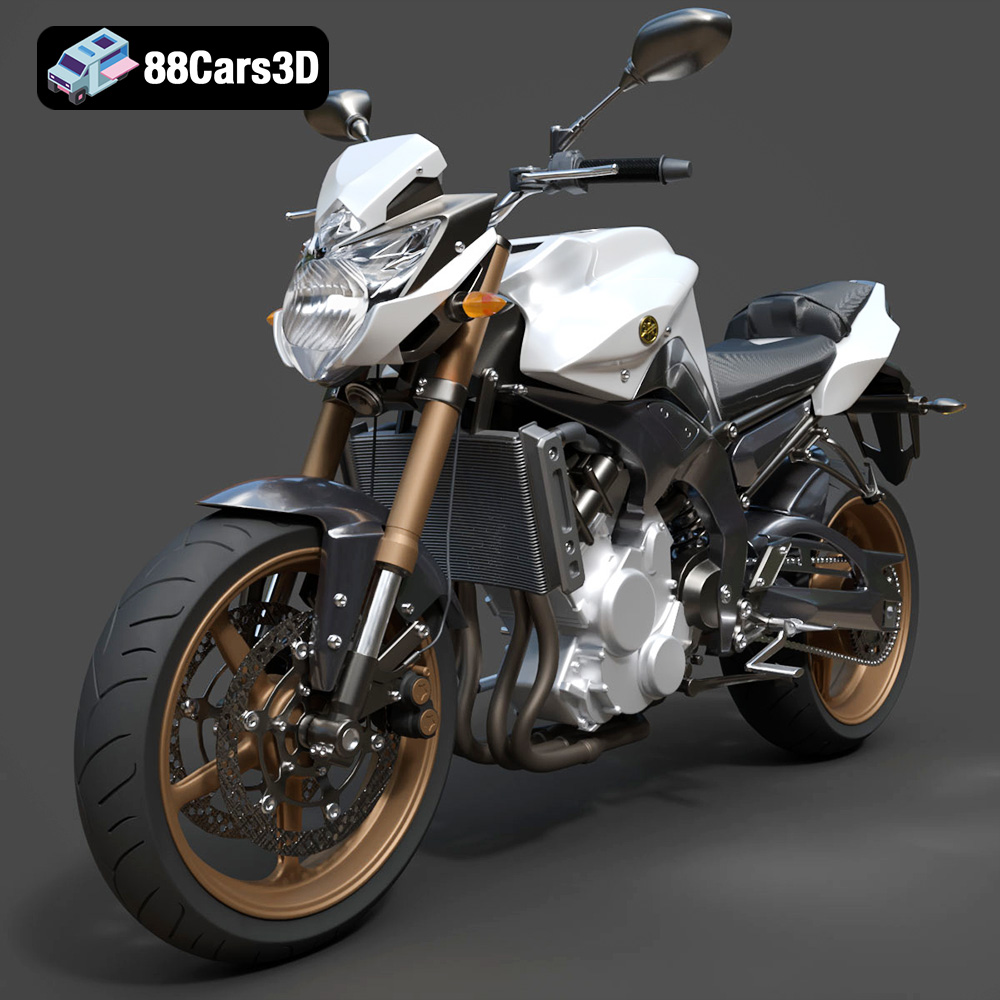
Texture: Yes
Material: Yes
Download the Yamaha FZ8 2011 3D Model featuring clean geometry, realistic detailing, and a fully modeled interior. Includes .blend, .fbx, .obj, .glb, .stl, .ply, .unreal, and .max formats for rendering, simulation, and game development.
Price: $19.99
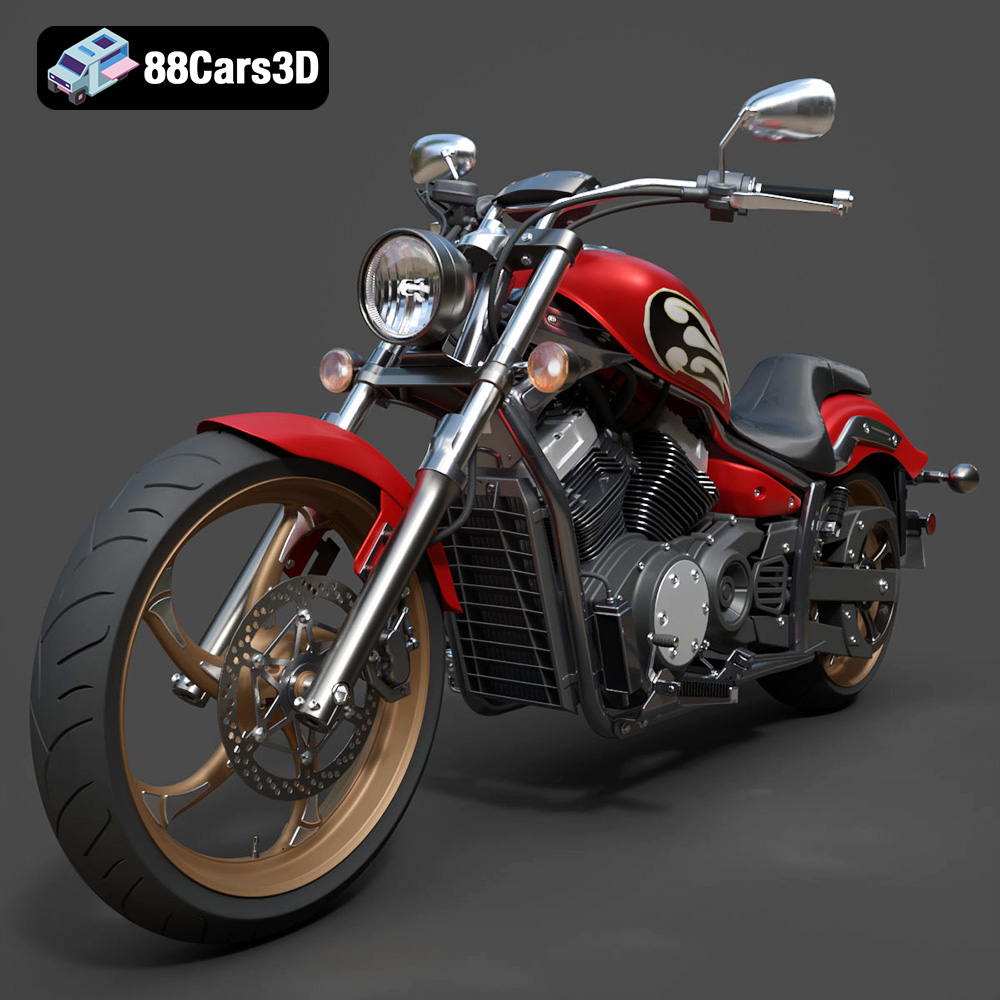
Texture: Yes
Material: Yes
Download the Yamaha Stryker 2012 3D Model featuring clean geometry, realistic detailing, and a fully modeled interior. Includes .blend, .fbx, .obj, .glb, .stl, .ply, .unreal, and .max formats for rendering, simulation, and game development.
Price: $19.99
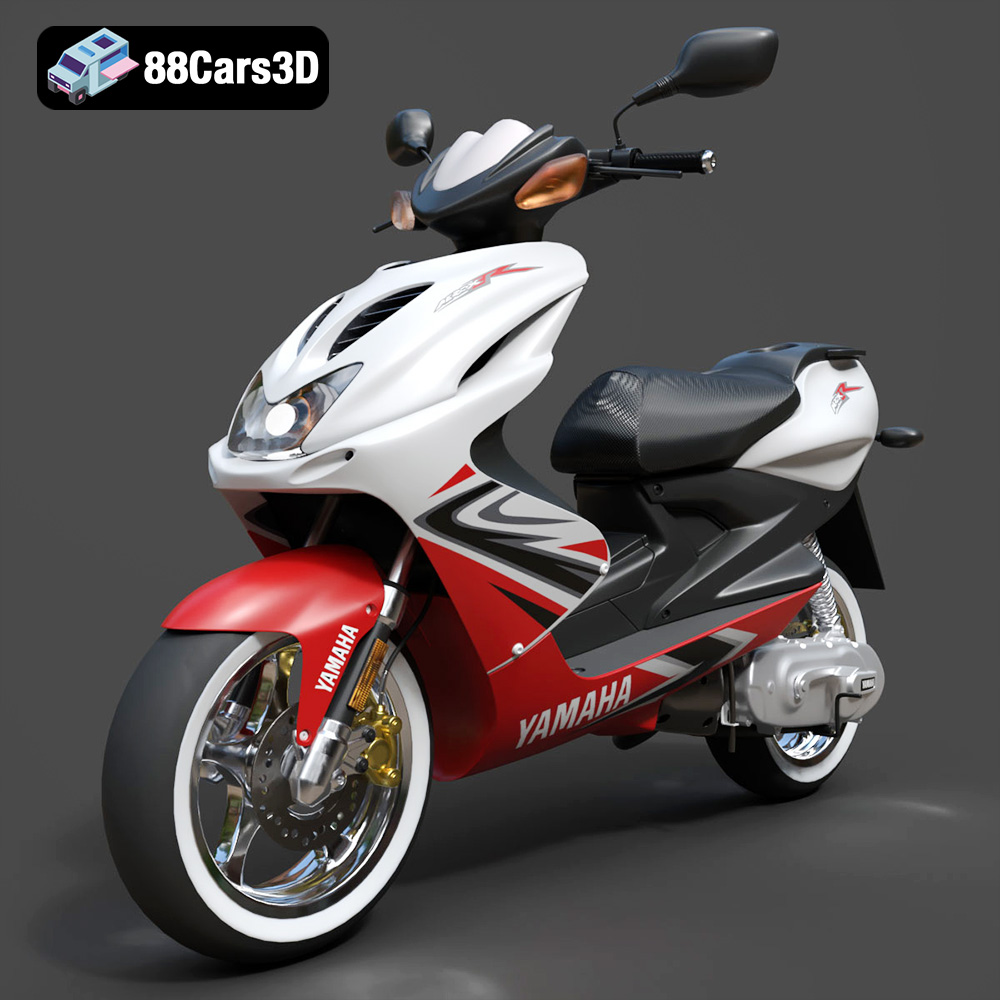
Texture: Yes
Material: Yes
Download the Yamaha Aerox R-002 2024 3D Model featuring clean geometry, realistic detailing, and a fully modeled interior. Includes .blend, .fbx, .obj, .glb, .stl, .ply, .unreal, and .max formats for rendering, simulation, and game development.
Price: $19.99
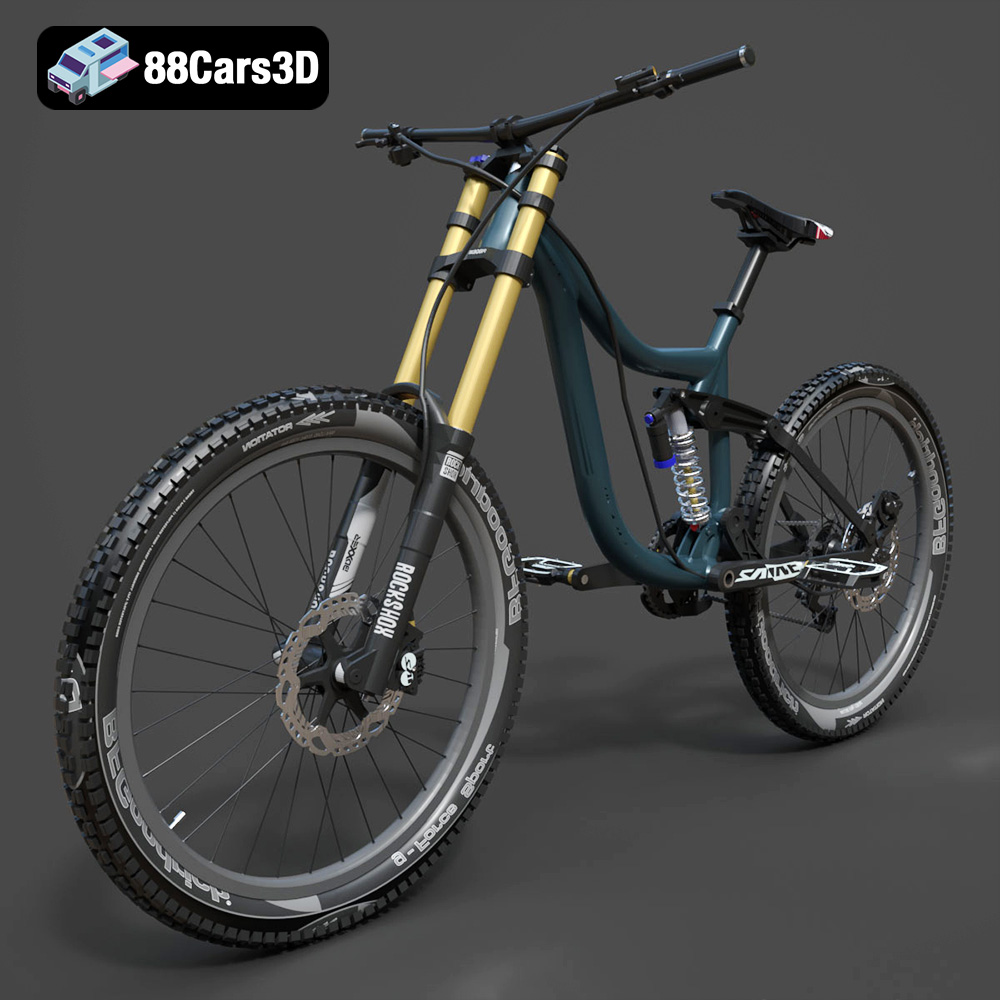
Texture: Yes
Material: Yes
Download the Mototsikly Downhill Bike-002 3D Model featuring clean geometry, realistic detailing, and precise mechanical components. Includes .blend, .fbx, .obj, .glb, .stl, .ply, .unreal, and .max formats for rendering, simulation, and game development.
Price: $19.99
Texture: Yes
Material: Yes
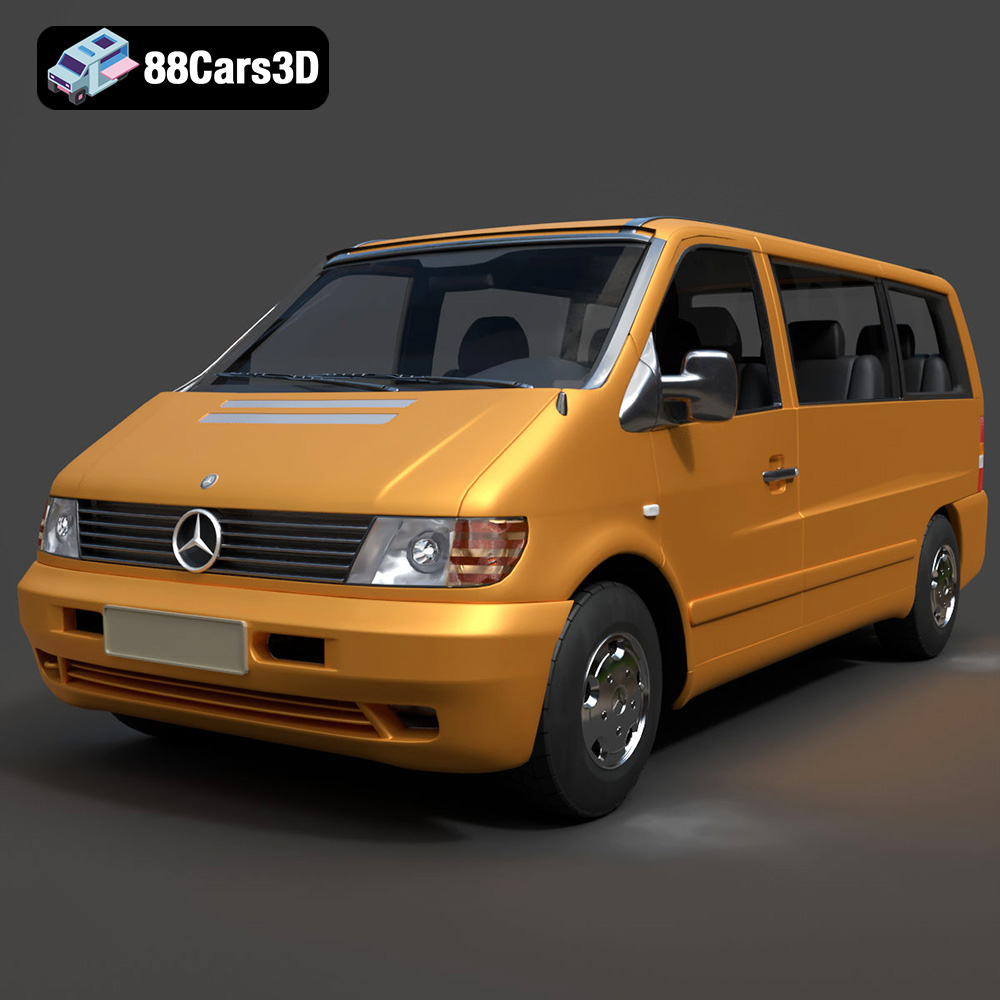
Download the Mercedes-Benz Vito Passenger Van 3D Model featuring clean geometry, realistic detailing, and a fully modeled interior. Includes .blend, .fbx, .obj, .glb, .stl, .ply, .unreal, and .max formats for rendering, simulation, and game development.
Price: $19.99
Texture: Yes
Material: Yes
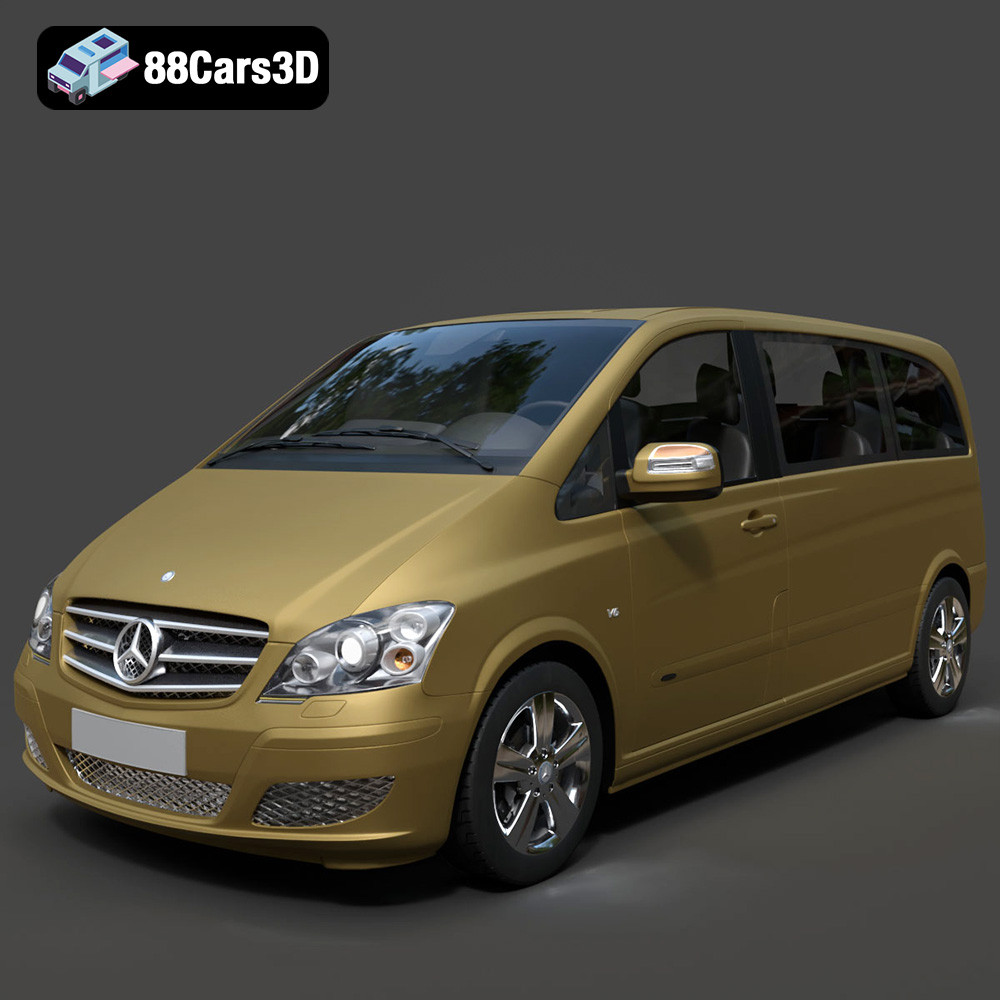
Download the Mercedes-Benz Viano 2010 3D Model featuring clean geometry, realistic detailing, and a fully modeled interior. Includes .blend, .fbx, .obj, .glb, .stl, .ply, .unreal, and .max formats for rendering, simulation, and game development.
Price: $19.99

Texture: Yes
Material: Yes
Download the Emt Avtobus 007 3D Model featuring clean geometry, realistic detailing, and a fully modeled interior. Includes .blend, .fbx, .obj, .glb, .stl, .ply, .unreal, and .max formats for rendering, simulation, and game development.
Price: $19.99
Texture: Yes
Material: Yes
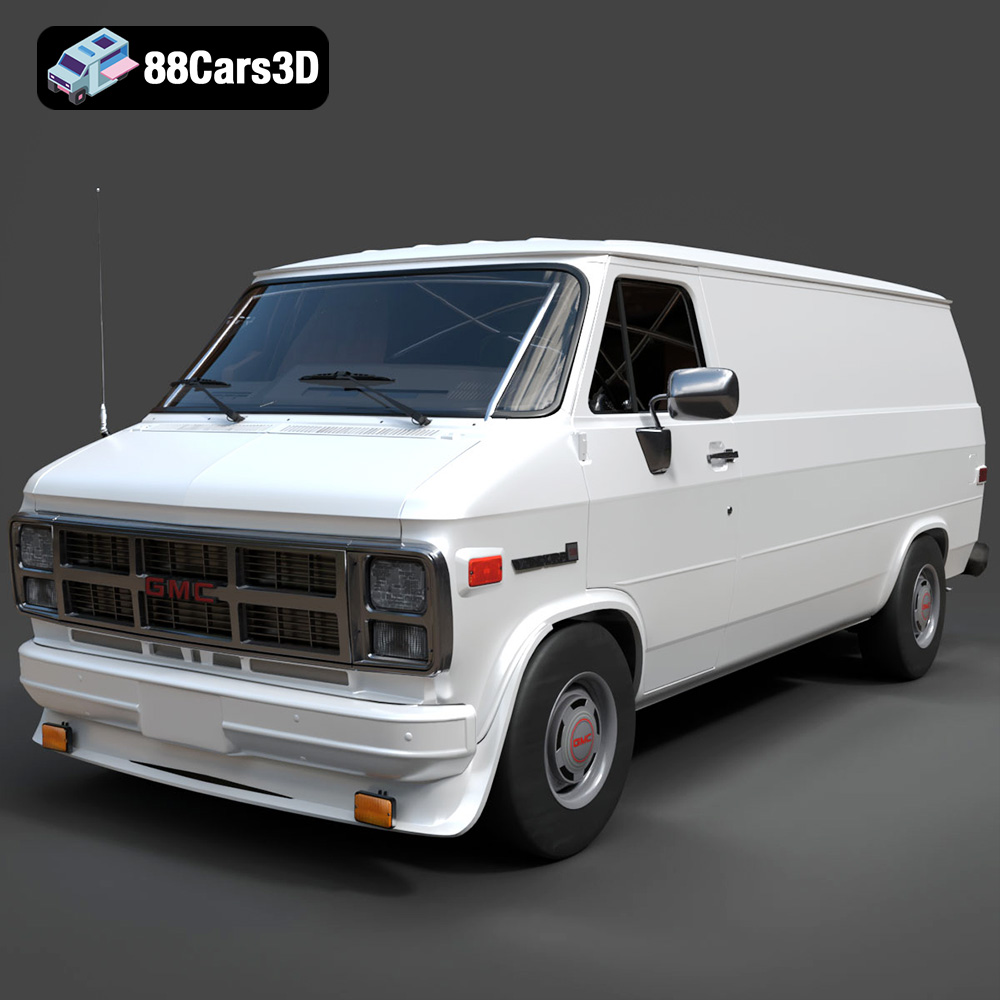
Download the GMC Vandura G-1500 1983 3D Model featuring clean geometry, realistic detailing, and a fully modeled interior. Includes .blend, .fbx, .obj, .glb, .stl, .ply, .unreal, and .max formats for rendering, simulation, and game development.
Price: $19.99
Texture: Yes
Material: Yes
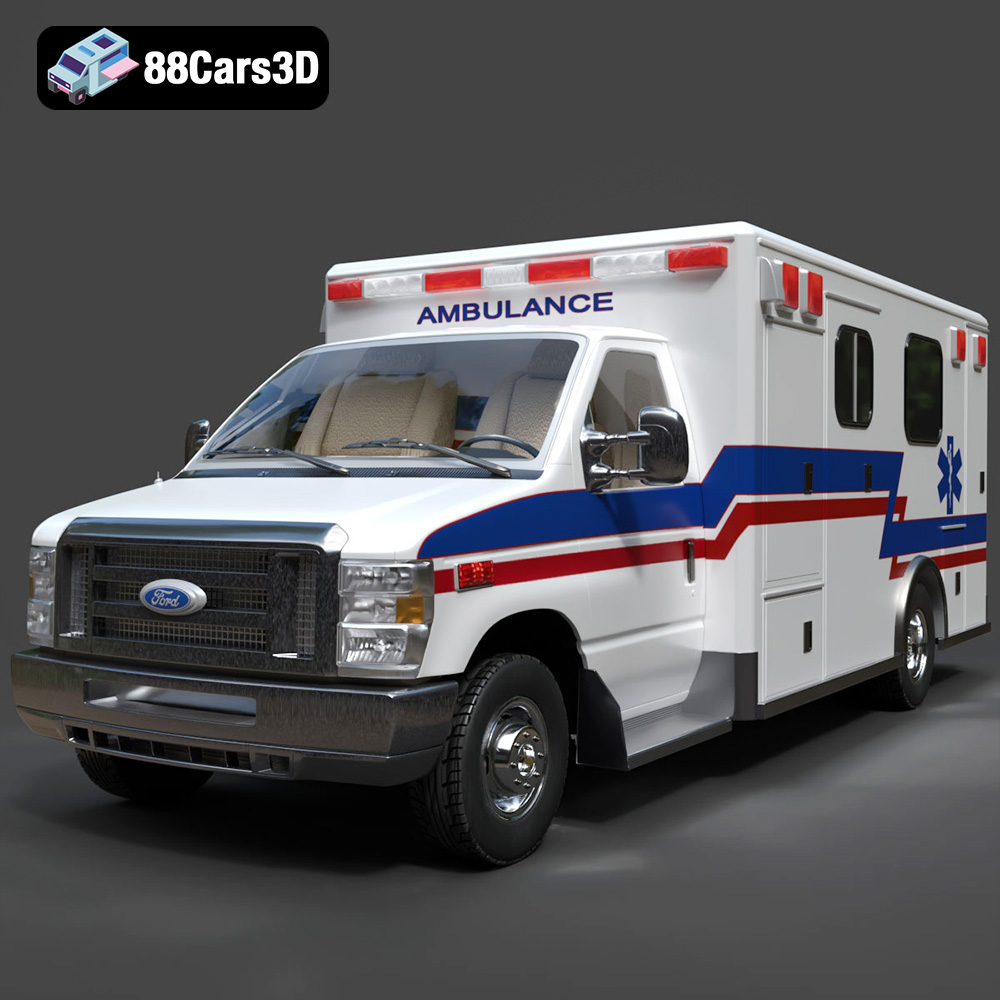
Download the Ford E-450 Ambulance 3D Model featuring clean geometry, realistic detailing, and a fully modeled interior. Includes .blend, .fbx, .obj, .glb, .stl, .ply, .unreal, and .max formats for rendering, simulation, and game development.
Price: $19.99

Texture: Yes
Material: Yes
Download the Fiat Ducato SWB-001 3D Model featuring clean geometry, realistic detailing, and a fully modeled interior. Includes .blend, .fbx, .obj, .glb, .stl, .ply, .unreal, and .max formats for rendering, simulation, and game development.
Price: $19.99

