⚡ FLASH SALE: Get 60% OFF All Premium 3D & STL Models! ⚡

Unreal Engine stands as a powerhouse in real-time content creation, celebrated for its versatility across various industries, from stunning automotive visualization and architectural walkthroughs to immersive games and virtual production. While its rendering capabilities often steal the spotlight, Unreal Engine also provides an incredibly robust framework for building intricate gameplay mechanics: the Gameplay Ability System (GAS).
For game developers striving to create deep, engaging combat systems, RPG mechanics, or any form of player-character interaction that involves abilities, buffs, debuffs, and persistent effects, GAS is an indispensable tool. It offers a highly scalable, data-driven approach to managing everything from a character’s basic attack to complex spell combos, passive buffs, and even vehicle-specific capabilities in a racing or combat game. This long-form technical guide will delve into the intricacies of Unreal Engine’s Gameplay Ability System, explaining its core components, implementation best practices, and how to leverage its power to craft advanced combat mechanics. We’ll explore how this system provides the flexibility needed for both simple and highly complex interactions, ensuring your game’s systems are robust, performant, and easily extensible.
The Unreal Engine Gameplay Ability System (GAS) is a highly extensible, data-driven framework designed to manage and replicate gameplay abilities, attributes, and effects. It’s Epic Games’ internal system, battle-tested in titles like Paragon and Fortnite, making it a powerful choice for projects requiring complex character interactions and RPG-style mechanics. At its heart, GAS aims to separate ability logic from character state, promoting modularity and reusability.
Instead of hardcoding every attack, spell, or passive buff directly into a character Blueprint, GAS provides a structured way to define these actions as independent “abilities” that can be granted, activated, and removed. It handles crucial aspects like cooldowns, costs (mana, stamina), targeting, execution, and most importantly, network replication, ensuring a consistent experience in multiplayer games. This system is not just for combat; it can be used for any defined action a character or even an interactive object can perform, such as opening doors, using items, or even triggering environment-specific events.
The benefits of using GAS are manifold. Firstly, it significantly reduces boilerplate code, especially for multiplayer games, as it inherently manages replication of abilities and their effects. Secondly, its data-driven nature makes it incredibly flexible; designers can tweak ability properties and effects via Data Assets without touching C++ code. Thirdly, it promotes a clean architecture, where abilities are self-contained and easily testable. Imagine a game where vehicles have unique abilities – a turbo boost, an EMP pulse, or a defensive shield. Each of these could be a Gameplay Ability, granted to a specific vehicle asset. This approach ensures consistency and robust design across all your game assets, whether they are character models or high-fidelity 3D car models.
For developers building games with extensive character progression, diverse enemy types, or interactive environments, GAS offers unparalleled advantages. It allows for the creation of intricate synergies between abilities and attributes, enabling a deeper level of strategic gameplay. Consider a scenario where a character has an attribute for “movement speed,” and an ability applies a “slow” effect, modifying that speed. GAS handles this modification seamlessly. This level of granular control is crucial for balancing game mechanics and providing satisfying player feedback. Moreover, its event-driven nature allows for easy integration with UI systems, particle effects, and sound cues, creating a truly immersive experience.
While often associated with combat, GAS’s utility extends far beyond. It can power inventory systems (e.g., “Use Item” ability), crafting mechanics, environmental interactions (e.g., “Activate Lever” ability), and even complex vehicle systems. For instance, in a racing game where vehicles have special maneuvers, each maneuver (e.g., drift, jump, boost) could be a Gameplay Ability. This broad applicability makes GAS a valuable skill for any Unreal Engine game developer, regardless of their project’s genre. Leveraging high-quality game assets, such as those found on marketplaces like 88cars3d.com, ensures that the visual representation of these abilities is as polished as the underlying mechanics.
At the heart of the Gameplay Ability System lies a quartet of core components that work in concert to define and execute gameplay logic: the Ability System Component (ASC), Gameplay Abilities, Gameplay Attributes, and Gameplay Effects. Understanding how these elements interact is fundamental to mastering GAS.
The Ability System Component (ASC) is the central hub for GAS interactions. It’s a UActorComponent that you attach to any Actor that needs to possess abilities, attributes, or be affected by gameplay effects. Typically, this is your character or pawn. The ASC manages a list of granted Gameplay Abilities, stores and modifies Gameplay Attributes, and tracks active Gameplay Effects. It also handles the core replication logic for all these elements, making it an essential bridge for multiplayer functionality. Setting up the ASC is usually one of the first steps when integrating GAS into a character. For example, a high-performance 3D car model, if it were to have specific ‘abilities’ in a game (like a temporary shield or speed boost), would need an ASC attached to its Actor blueprint to manage these capabilities.
A Gameplay Ability (UGameplayAbility) is the action itself. It’s a single, self-contained piece of gameplay logic that can be activated by an ASC. Abilities encapsulate everything needed for an action: its cost (e.g., mana, stamina), cooldown, animation montage, particle effects, sound cues, and the actual logic that executes when activated. This logic is typically implemented in C++ or Blueprint. Abilities are highly configurable through data assets and can be designed to activate in various ways (e.g., instantly, over time, requiring a target). They can also have associated Gameplay Tags that define their properties or effects, enabling flexible design patterns like ‘Can’t be interrupted’ or ‘Deals fire damage’.
Gameplay Attributes are numerical properties that define the state of an ASC owner, similar to traditional RPG stats. Examples include Health, Max Health, Mana, Max Mana, Movement Speed, Strength, Defense, etc. Attributes are grouped into UAttributeSet classes, which are collections of FGameplayAttributeData members. AttributeSets are owned by the ASC and automatically handle network replication for these values. When an attribute changes, the ASC can broadcast events, allowing UI elements, visual effects, or other game systems to react accordingly. Defining a comprehensive set of attributes is crucial for any game with character progression or dynamic effects, as these values form the basis for all modifications by Gameplay Effects.
Gameplay Effects (GEs) are the mechanism by which changes occur to Gameplay Attributes. They are essentially data-driven recipes that define how an attribute is modified. A GE can be instant (e.g., a healing potion) or duration-based (e.g., a poison debuff over time), and can apply modifications in various ways: adding a flat value, multiplying by a percentage, or setting an override. GEs can also modify other Gameplay Attributes based on the value of another attribute (e.g., “increase damage by 10% of character’s Strength”). They are incredibly powerful for implementing everything from damage calculations and healing to buffs, debuffs, stat changes, and even applying tags. A single Gameplay Effect can be applied by many different Gameplay Abilities, promoting reuse and consistency across your combat mechanics.
Bringing a Gameplay Ability to life involves a structured workflow, from defining its basic properties to implementing its intricate logic. This process leverages both C++ and Blueprint, offering flexibility to developers with varying expertise.
Every Gameplay Ability begins as a UGameplayAbility class, which you can either extend in C++ or create a Blueprint child class from. For most designers and Blueprint-centric developers, creating a Blueprint child of UGameplayAbility (or a C++ base class you’ve created) is the common approach. In this Blueprint, you’ll configure essential properties: what input gesture activates it, its cooldown, any required mana or stamina cost, the Gameplay Tags it grants, and any activation conditions. For instance, a “Turbo Boost” ability for a car might require a certain ‘Fuel’ attribute level and activate on a specific key press. You’d define a ‘Boost_Cost’ Gameplay Effect that subtracts fuel, and a ‘Boost_Cooldown’ Gameplay Effect that prevents re-use for a duration.
Inside the Blueprint, you’ll override functions like ActivateAbility. This is where the core logic resides. For a simple ability, it might play an animation, spawn a projectile, and then call EndAbility. For more complex abilities, you might use an AbilityTask (e.g., Wait for Target Data, Play Montage, Wait for Event) to manage asynchronous operations, control animations, or handle targeting. AbilityTasks are powerful nodes that allow abilities to pause execution and resume when certain conditions are met, greatly simplifying complex ability flows and ensuring proper replication.
GAS handles cooldowns and costs through Gameplay Effects. To implement a cooldown, you create a Gameplay Effect (e.g., GE_Cooldown_TurboBoost) that applies a special Gameplay Tag (e.g., Ability.TurboBoost.OnCooldown) for a specific duration. This GE is applied to the ASC when the ability is activated. The ability’s configuration then checks for this tag; if present, the ability cannot be activated. For costs, a separate Gameplay Effect (e.g., GE_Cost_TurboBoost) is created. This GE uses an ‘Instant’ duration and applies a ‘Subtract’ modifier to the relevant attribute (e.g., Fuel). Both the cooldown and cost GEs are specified directly within the Gameplay Ability’s details panel, making them easy to manage and adjust.
This data-driven approach for managing costs and cooldowns is a hallmark of GAS’s flexibility. It means you can easily create variations of abilities with different costs or cooldowns simply by assigning different Gameplay Effects, without needing to duplicate the core ability logic. This is particularly useful in games with many abilities or unlockable upgrades. You can also specify refund conditions for costs, for example, if an ability is interrupted.
A significant part of an ability’s impact comes from its visual and auditory feedback. Gameplay Abilities are designed to integrate seamlessly with animation systems. Typically, an ability will use an AbilityTask_PlayMontageAndWait to play a specific animation montage on the character’s Skeletal Mesh. This task can then wait for animation notifies (e.g., a “Hit” notify) to trigger subsequent ability logic, such as applying damage or spawning particles. Additionally, abilities can directly spawn Niagara particle systems or play sound cues, providing immediate feedback to the player. When working with custom character or vehicle models, such as detailed 3D car models, it’s crucial that these visual elements align perfectly with the model’s structure and movement, enhancing the overall polish and realism of the game. For more details on animation workflows, refer to the official Unreal Engine documentation on Animation Blueprints.
The interplay between Gameplay Attributes and Gameplay Effects forms the dynamic core of the Gameplay Ability System, driving all numerical changes and state modifications within your game. Mastering this relationship is key to crafting sophisticated and responsive game mechanics.
As mentioned, Gameplay Attributes are grouped into UAttributeSet classes. When you begin a GAS project, you’ll typically create one or more custom C++ AttributeSet classes that inherit from UAttributeSet. Inside this class, you declare your FGameplayAttributeData members for each attribute (e.g., Health, Stamina, AttackPower, etc.). It’s also common practice to define a public static FGameplayProperty for each attribute, which simplifies accessing attribute values in Blueprint. For example:
// Header file (.h)
UCLASS()
class MYGAME_API UMyAttributeSet : public UAttributeSet
{
    GENERATED_BODY()

public:
    UMyAttributeSet();

    UPROPERTY(BlueprintReadOnly, Category = "Attributes")
    FGameplayAttributeData Health;
    ATTRIBUTE_ACCESSORS(UMyAttributeSet, Health)

    // ... other attributes

protected:
    virtual void PreAttributeChange(const FGameplayAttribute& Attribute, float& NewValue) override;
    virtual void PostGameplayEffectExecute(const FGameplayEffectModCallbackData& Data) override;
};
The PreAttributeChange and PostGameplayEffectExecute functions are vital. PreAttributeChange allows you to clamp attribute values before they are committed (e.g., ensuring Health doesn’t go above Max Health or below zero). PostGameplayEffectExecute is where you can react to attribute changes after a Gameplay Effect has been applied, such as triggering death events when Health drops to zero, updating UI, or applying damage to a target.
Gameplay Effects (GEs) are the workhorses for modifying attributes. They are created as Blueprint child classes of UGameplayEffect and are entirely data-driven. A single GE can have multiple modifiers, each targeting a specific attribute and applying a change (Add, Multiply, Divide, Override). Beyond simple attribute modification, GEs can also:
The power of GEs lies in their reusability. A single “Damage” GE can be applied by various abilities (e.g., ‘Sword Slash’, ‘Fireball’), with the actual damage amount calculated by a GEEC. This modularity greatly simplifies balancing and maintenance. For game developers working with varied assets, including character models or specialized vehicles like those available from 88cars3d.com, ensuring that these assets can accurately receive and visually represent the effects of GEs is crucial for a cohesive game experience.
GAS provides mechanisms for attribute aggregation, where an attribute’s final value might be derived from several base attributes and modifiers. For instance, a ‘Total Damage’ attribute could be an aggregation of ‘Base Damage’ plus ‘Strength Bonus’. This is often handled within the PostGameplayEffectExecute function of an AttributeSet or through custom GEECs, allowing for complex formulas that dynamically adjust attribute values. This is essential for creating deep RPG systems where character stats meaningfully influence gameplay outcomes. Using the official Unreal Engine documentation on Gameplay Effect Custom Execution Calculations can provide deeper insights into advanced GE design.
Beyond the core components, the Gameplay Ability System offers sophisticated features like Gameplay Tags and robust replication mechanisms, which are critical for building complex, multiplayer-ready game experiences.
Gameplay Tags are hierarchical FNames (e.g., “Ability.Weapon.Melee”, “Status.Buff.Speed”, “Damage.Type.Fire”) that serve as lightweight, flexible identifiers throughout GAS. They are incredibly powerful for:
Setting up a comprehensive tag hierarchy from the start is highly recommended. Tags are managed via a data asset (DefaultGameplayTags.ini or a custom GameplayTagTable data asset) and can be accessed and modified in both C++ and Blueprint. They are automatically replicated, making them perfect for multiplayer state management without explicit replication code.
One of GAS’s most significant strengths is its built-in replication handling. The Ability System Component manages the replication of granted abilities, active Gameplay Effects, and attribute changes across the network. This means developers spend less time writing complex multiplayer synchronization code and more time on gameplay logic. When a Gameplay Ability is activated on the client, GAS can perform a “prediction” of the ability’s outcome. If the server later confirms the client’s action, the predicted effects are validated; otherwise, the client rolls back to the server’s authoritative state. This client-side prediction dramatically reduces perceived latency, providing a smoother multiplayer experience. However, careful consideration is needed when designing abilities to ensure their prediction works correctly, especially for abilities that interact with other networked actors or physics simulations.
For complex abilities, you might need to use AbilityTasks that handle server-side confirmation, or manually replicate specific data if it falls outside the standard GAS replication model. Understanding the nuances of network roles (Authority vs. Simulated Proxy) and RPCs (Remote Procedure Calls) is still important, even with GAS handling much of the heavy lifting. Ensuring that all assets, from character models to environments and detailed 3D car models, are properly optimized for network performance is equally important to maintain a smooth multiplayer experience.
For scenarios where standard attribute modifiers aren’t enough, Gameplay Effect Execution Calculations (GEEC) provide a powerful escape hatch. These are C++ classes that you can assign to a Gameplay Effect to perform entirely custom attribute modification logic. This is ideal for complex damage formulas, healing calculations based on multiple variables, or highly specialized status effects. GEECs receive detailed information about the instigator, target, and effect context, allowing for highly dynamic calculations. Furthermore, GAS promotes extreme data-driven scalability. Abilities, Attributes, and Effects can all be configured through Data Assets, allowing designers to iterate rapidly on balance and mechanics without programmer intervention. This modularity means you can create libraries of abilities and effects that can be easily plugged into different characters, enemies, or even interactive objects, saving immense development time.
Implementing the Gameplay Ability System effectively requires a thoughtful approach to project setup, character integration, and performance considerations. A well-structured integration ensures a scalable and maintainable game.
The first step is to enable the “GameplayAbilities” plugin in your Unreal Engine project. This makes the necessary C++ classes and Blueprint nodes available. Next, you’ll need a custom GameMode (or derive from an existing one) and a custom PlayerState or GameState if you plan to store game-wide attributes or abilities. The core integration typically starts with your Character or Pawn class. Your character class (e.g., AMyCharacter) should derive from ACharacter (or a custom base class) and implement the IAbilitySystemInterface. This interface requires you to return a pointer to your character’s UAbilitySystemComponent.
In your character’s C++ constructor or BeginPlay, you’ll create and initialize your UAbilitySystemComponent and your UAttributeSet(s). It’s crucial to properly set the ASC’s owner and avatar actor, typically to the character itself. For example:
// In AMyCharacter::BeginPlay()
AbilitySystemComponent = NewObject<UAbilitySystemComponent>(this, TEXT("AbilitySystemComponent"));
AbilitySystemComponent->RegisterComponent();
AbilitySystemComponent->InitAbilityActorInfo(this, this);

AttributeSet = NewObject<UMyAttributeSet>(this, TEXT("AttributeSet"));

// Grant startup abilities and apply default attributes
You’ll also need to grant any initial abilities or apply default attribute values (e.g., initial health, mana) using Gameplay Effects during character initialization. These are often defined in Data Assets and applied during PostInitializeComponents or BeginPlay.
Once the ASC is set up, you can grant specific Gameplay Abilities to your character. This is typically done in the character’s C++ code or a Blueprint event (like BeginPlay) using GiveAbility(). You can also bind input actions directly to Gameplay Abilities. The ASC can listen for input presses (e.g., FGameplayAbilityInputId) and activate the corresponding ability.
For UI, the ASC provides delegate events for attribute changes (OnAttributeChanged) and active Gameplay Effect changes (OnActiveGameplayEffectAdded, OnActiveGameplayEffectRemoved). You can bind your UI widgets (e.g., health bars, mana bars, active buff icons) to these delegates to ensure they update dynamically. For instance, a health bar widget would bind to the Health attribute’s change delegate and update its fill percentage accordingly. This ensures your UI is always synchronized with the underlying gameplay state, providing immediate feedback to the player.
When developing games, especially those featuring vehicles, integrating assets like the high-quality 3D car models from 88cars3d.com means ensuring that their unique visual elements can be linked to GAS-driven effects. For example, a car’s ‘boost’ ability might trigger a visual effect on the car model itself, or a ‘shield’ ability might activate a force field mesh around it. The integration needs to be seamless for an immersive experience.
While GAS is highly optimized, poor implementation can still lead to performance issues, especially in multiplayer games with many active abilities and effects. Key optimization strategies include:
PreAttributeChange and PostGameplayEffectExecute functions lightweight. Avoid complex calculations or heavy operations that run every time an attribute changes.Adhering to a clear data-driven design, utilizing Gameplay Tags extensively, and keeping ability logic as modular as possible will lead to a more maintainable and performant GAS implementation. Regular profiling (using Unreal Insight) is essential to identify and address any performance bottlenecks. This holistic approach ensures that both your intricate gameplay mechanics and stunning visual assets work in harmony.
The true power of the Gameplay Ability System shines in its application to complex, real-world game scenarios. From intricate combat systems to interactive vehicle mechanics, GAS provides the robust framework needed for modern game development.
GAS is the backbone for many modern RPG and action games. You can design a diverse range of character classes, each with unique abilities, attribute sets, and progression paths. For example, a “Warrior” might have abilities focused on melee damage and defense, while a “Mage” specializes in elemental spells and crowd control. Each character’s stats (Strength, Intellect, Agility) would be Gameplay Attributes, modified by equipment (via Gameplay Effects) and character level. Passive skills could be implemented as constantly active Gameplay Effects, applying persistent buffs or modifying attribute calculations. The modularity of GAS allows for easy expansion with new classes, abilities, and items without overhauling existing systems.
Think about status effects like “Poison,” “Burn,” “Stun,” or “Root.” Each of these can be a Gameplay Effect, potentially with custom execution calculations to determine damage over time or duration. Tags are vital here: a “Stun” effect might grant the “Status.Stunned” tag, which then prevents other abilities from activating. This interconnectedness allows for deep tactical gameplay and player build diversity.
While often showcased with characters, GAS is highly adaptable for vehicles, especially in games featuring vehicular combat or specialized racing mechanics. Imagine a futuristic racing game where cars have unique abilities. A “Speed Boost” ability could instantly apply a Gameplay Effect that temporarily increases the vehicle’s ‘Top Speed’ attribute and grants a ‘Status.Boosting’ tag. A “Shield Generator” ability might create a temporary Gameplay Effect that reduces incoming damage to the vehicle’s ‘Armor’ attribute. A “EMP Pulse” ability could apply a ‘Status.DisableElectronics’ tag to nearby enemy vehicles, preventing their abilities from activating for a short duration.
This approach transforms a static vehicle into a dynamic, ability-wielding entity within your game. By treating vehicle maneuvers and special functions as Gameplay Abilities, you get all the benefits of GAS: built-in replication, cooldowns, costs, and a data-driven structure. When developing such a game, starting with high-quality, optimized 3D car models is crucial. These models, with clean topology and PBR materials, not only look fantastic but also provide a solid foundation for attaching visual effects and hitboxes that are integral to your GAS-driven vehicle abilities. Consider how a “nitro boost” effect would visually integrate with the exhaust pipes of a realistic car model, enhancing immersion.
While GAS is inherently gameplay-focused, the principles of modularity and data-driven design it champions resonate even in non-game applications within Unreal Engine. For instance, in an automotive configurator or virtual production environment, while you wouldn’t use “abilities” in the combat sense, the idea of modular “options” or “features” that can be toggled and their “effects” (changing paint, adding accessories) could conceptually align with GAS’s structure if stretched. This highlights how Unreal Engine’s underlying design philosophies prioritize flexibility and scalability across its diverse use cases. Regardless of whether you’re building a game with advanced combat or a virtual showroom, the quality and optimization of your assets, like those readily available from platforms such as 88cars3d.com, remain paramount for achieving visually stunning and performant real-time experiences.
The Unreal Engine Gameplay Ability System is a formidable framework for crafting advanced and scalable gameplay mechanics. By embracing its core components—Ability System Components, Gameplay Abilities, Gameplay Attributes, and Gameplay Effects—developers can build intricate combat systems, versatile character progressions, and dynamic interactive elements with unprecedented efficiency and robustness. Its data-driven nature and built-in network replication capabilities make it an ideal choice for projects aiming for deep gameplay and seamless multiplayer experiences.
Whether you’re developing a complex RPG with a multitude of spells and abilities, or designing a vehicle combat game where high-performance 3D car models gain unique special maneuvers, GAS provides the architectural foundation to bring your vision to life. Mastering this system will empower you to create engaging, professional-grade gameplay that stands out. Remember that while robust systems like GAS handle the logic, the visual fidelity and optimization of your game assets—from characters to environments to the high-quality 3D car models you might source from marketplaces like 88cars3d.com—are equally critical for delivering a truly immersive and polished experience. Dive into GAS, experiment with its powerful features, and unlock a new level of sophistication for your Unreal Engine projects.
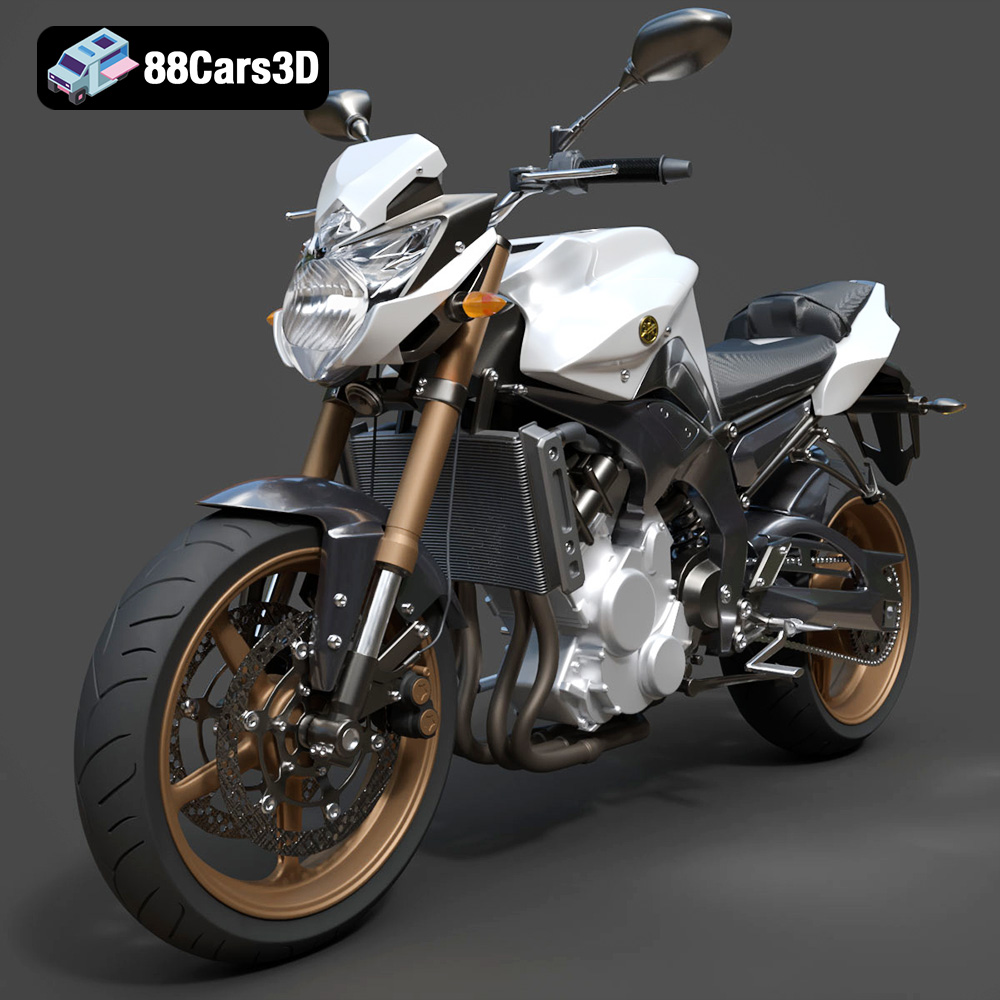
Texture: Yes
Material: Yes
Download the Yamaha FZ8 2011 3D Model featuring clean geometry, realistic detailing, and a fully modeled interior. Includes .blend, .fbx, .obj, .glb, .stl, .ply, .unreal, and .max formats for rendering, simulation, and game development.
Price: $19.99

Texture: Yes
Material: Yes
Download the Yamaha Stryker 2012 3D Model featuring clean geometry, realistic detailing, and a fully modeled interior. Includes .blend, .fbx, .obj, .glb, .stl, .ply, .unreal, and .max formats for rendering, simulation, and game development.
Price: $19.99
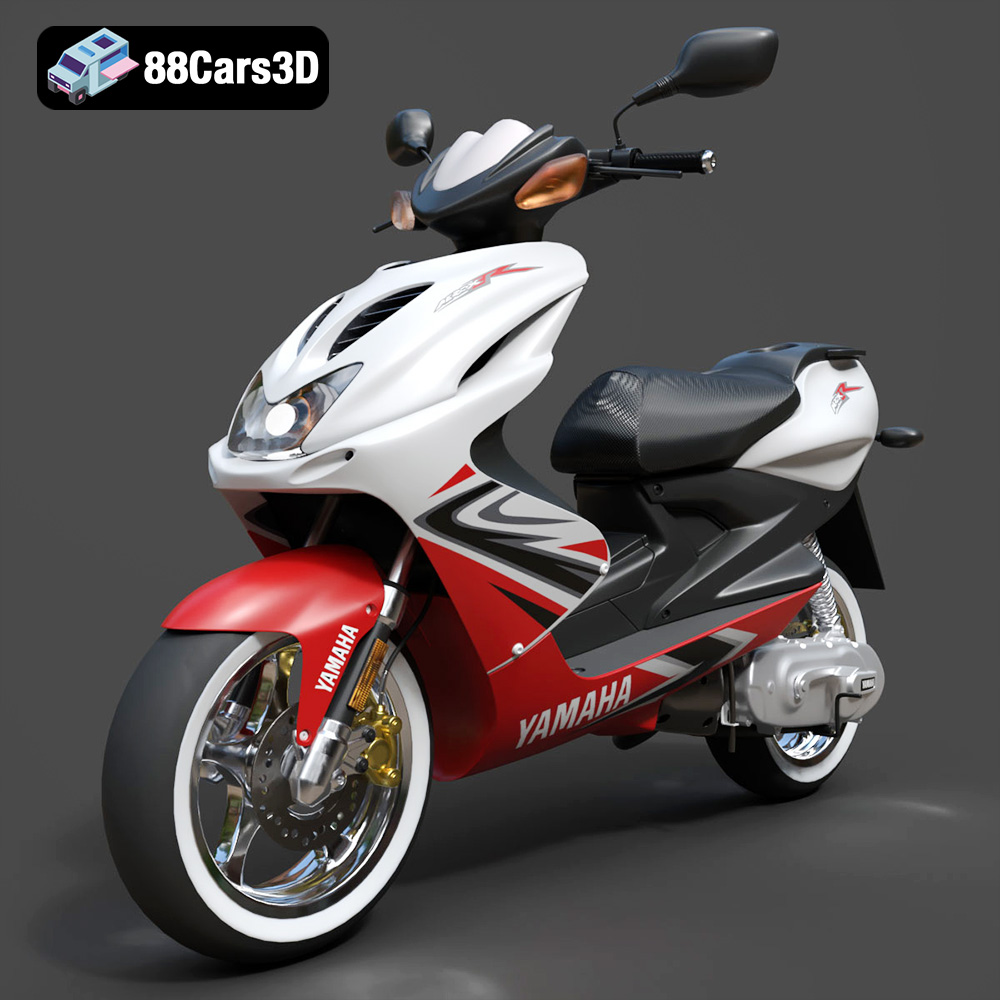
Texture: Yes
Material: Yes
Download the Yamaha Aerox R-002 2024 3D Model featuring clean geometry, realistic detailing, and a fully modeled interior. Includes .blend, .fbx, .obj, .glb, .stl, .ply, .unreal, and .max formats for rendering, simulation, and game development.
Price: $19.99
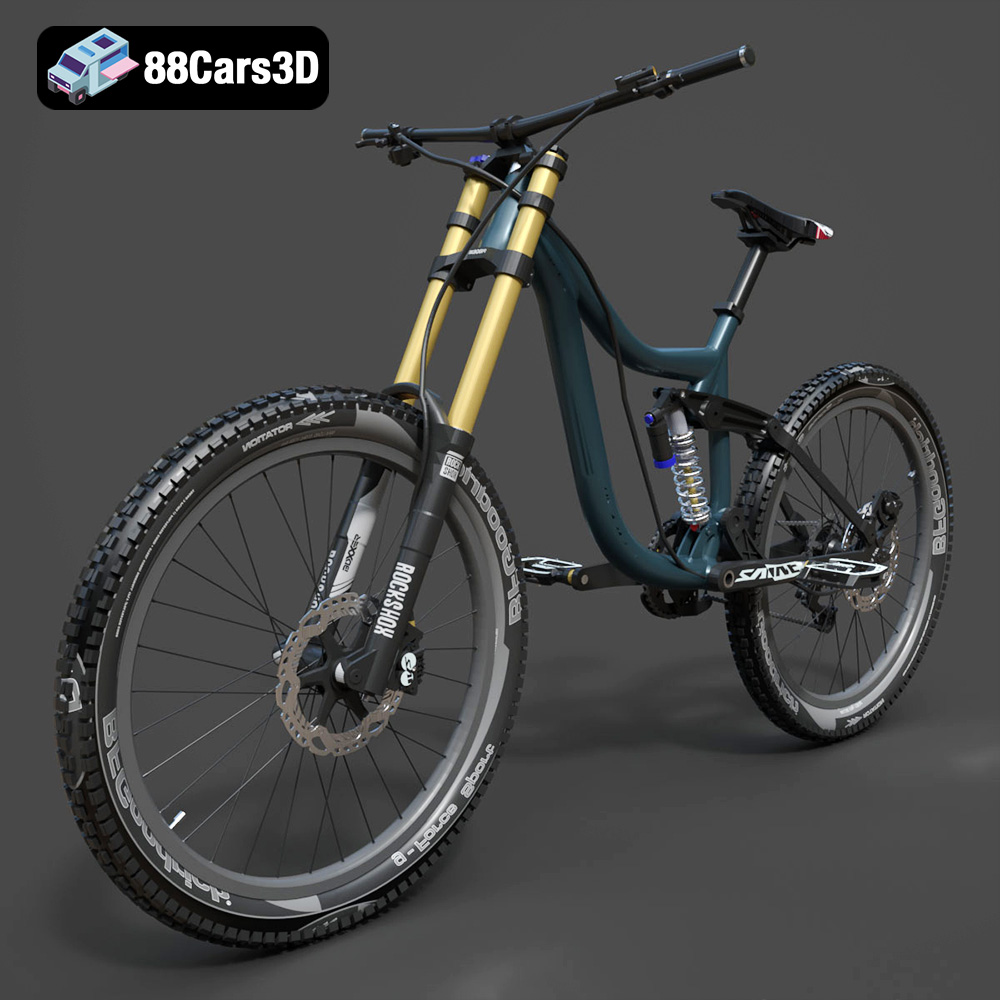
Texture: Yes
Material: Yes
Download the Mototsikly Downhill Bike-002 3D Model featuring clean geometry, realistic detailing, and precise mechanical components. Includes .blend, .fbx, .obj, .glb, .stl, .ply, .unreal, and .max formats for rendering, simulation, and game development.
Price: $19.99

Texture: Yes
Material: Yes
Download the Mercedes-Benz Vito Passenger Van 3D Model featuring clean geometry, realistic detailing, and a fully modeled interior. Includes .blend, .fbx, .obj, .glb, .stl, .ply, .unreal, and .max formats for rendering, simulation, and game development.
Price: $19.99

Texture: Yes
Material: Yes
Download the Mercedes-Benz Viano 2010 3D Model featuring clean geometry, realistic detailing, and a fully modeled interior. Includes .blend, .fbx, .obj, .glb, .stl, .ply, .unreal, and .max formats for rendering, simulation, and game development.
Price: $19.99

Texture: Yes
Material: Yes
Download the Emt Avtobus 007 3D Model featuring clean geometry, realistic detailing, and a fully modeled interior. Includes .blend, .fbx, .obj, .glb, .stl, .ply, .unreal, and .max formats for rendering, simulation, and game development.
Price: $19.99
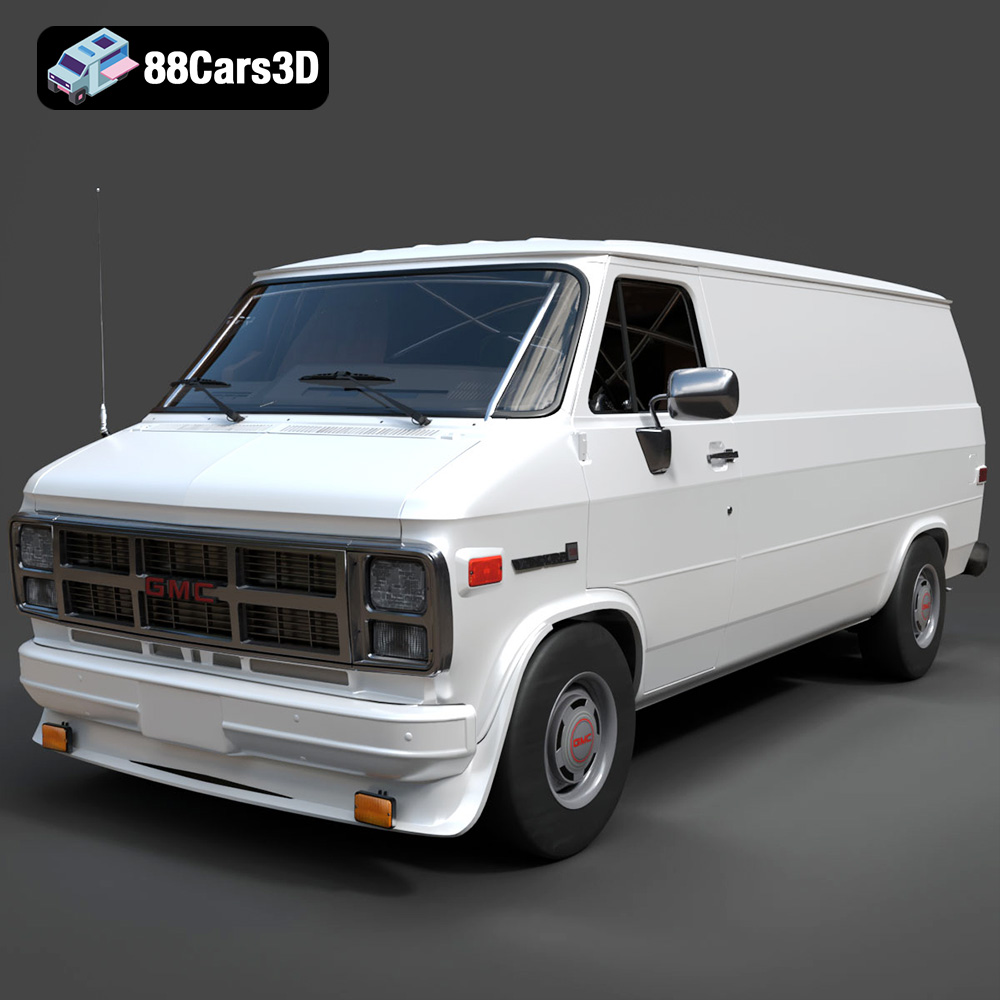
Texture: Yes
Material: Yes
Download the GMC Vandura G-1500 1983 3D Model featuring clean geometry, realistic detailing, and a fully modeled interior. Includes .blend, .fbx, .obj, .glb, .stl, .ply, .unreal, and .max formats for rendering, simulation, and game development.
Price: $19.99

Texture: Yes
Material: Yes
Download the Ford E-450 Ambulance 3D Model featuring clean geometry, realistic detailing, and a fully modeled interior. Includes .blend, .fbx, .obj, .glb, .stl, .ply, .unreal, and .max formats for rendering, simulation, and game development.
Price: $19.99

Texture: Yes
Material: Yes
Download the Fiat Ducato SWB-001 3D Model featuring clean geometry, realistic detailing, and a fully modeled interior. Includes .blend, .fbx, .obj, .glb, .stl, .ply, .unreal, and .max formats for rendering, simulation, and game development.
Price: $19.99

