⚡ FLASH SALE: Get 60% OFF All Premium 3D & STL Models! ⚡

The quest for ultimate realism in automotive visualization and interactive experiences often pushes the boundaries of conventional tools. While Unreal Engine’s Material Editor is incredibly powerful and intuitive, there comes a point where artists and developers seek a deeper level of control—a way to craft truly bespoke visual effects that stand out. This is where Unreal Engine shader development with HLSL (High-Level Shading Language) becomes not just an advantage, but a necessity.
For professionals leveraging high-quality 3D car models, such as those found on 88cars3d.com, mastering HLSL unlocks an unparalleled realm of artistic and technical possibilities. Imagine car paints that dynamically react to light with intricate flake patterns, clear coats with physically accurate multi-layer reflections, or procedural wear and tear that evolves in real-time. HLSL is the language that speaks directly to the GPU, allowing you to define precisely how light interacts with surfaces at a pixel-by-pixel level, transcending the limitations of pre-built material nodes.
This comprehensive guide will take you through the journey of integrating HLSL into your Unreal Engine projects, specifically tailored for enhancing automotive assets. We’ll explore why custom shaders are essential, how to set up your environment, craft advanced PBR materials, delve into global shaders, optimize for performance, and debug your creations. By the end, you’ll be equipped with the knowledge to elevate your automotive visualizations and interactive experiences to new, breathtaking levels of fidelity and uniqueness.
Unreal Engine’s Material Editor offers a robust, node-based visual scripting environment for creating intricate shaders. It’s fantastic for quickly assembling PBR materials, applying textures, and implementing many common effects. However, for specialized visual effects, particularly those demanding high levels of physical accuracy or unique procedural generation, the visual nature can become cumbersome, inefficient, or even prohibitive. This is where HLSL steps in, providing direct access to the underlying GPU operations, allowing for unparalleled control over the rendering pipeline. For automotive visualization, where every reflection, every glint, and every surface detail contributes significantly to realism, HLSL is an invaluable tool.
Consider the nuances of automotive paint: it’s not just a base color and a clear coat. Modern finishes often incorporate metallic flakes, multi-layer interference effects, and unique specular behaviors that are challenging to replicate accurately with standard material nodes. HLSL empowers you to write the exact mathematical equations and algorithms needed to simulate these complex phenomena, achieving a level of fidelity that distinguishes your work. Furthermore, custom HLSL shaders can be highly optimized, potentially leading to better performance for certain complex operations compared to their node-based counterparts, especially when dealing with large scenes or real-time applications like AR/VR.
Deciding when to transition from the Material Editor to HLSL involves evaluating the complexity and performance requirements of your desired effect. Here are key scenarios where HLSL becomes the preferred choice:
Unreal Engine provides two primary avenues for integrating HLSL code into your project, each suited for different scales of complexity and integration:
Understanding which integration method to choose is crucial for maintaining an organized and efficient workflow. For assets sourced from marketplaces like 88cars3d.com, which are already highly detailed, using custom expressions can enhance specific material features, while full shader modules can define overarching rendering effects for a cohesive automotive scene.
Embarking on HLSL shader development in Unreal Engine requires a proper setup to ensure your code is recognized, compiled, and integrated correctly. While the Material Editor’s `Custom` node offers a quick entry point, tackling more complex, engine-level shaders demands a more structured approach, often involving custom plugins. Regardless of the method, understanding the underlying principles of how Unreal handles shader compilation is crucial for a smooth development experience. This section will guide you through the essential steps, from minor tweaks for custom expressions to the more involved process of creating dedicated shader modules.
Before proceeding, ensure you have a C++ project in Unreal Engine. Even if you’re primarily working with Blueprints, a C++ project structure is necessary for creating and integrating custom plugins and shader modules. You can easily convert a Blueprint-only project by adding a new C++ class from the File menu. This foundational step ensures that Unreal’s build system (Unreal Build Tool, or UBT) is correctly configured to compile C++ code and, by extension, your custom shaders.
The `Custom` node in the Material Editor is your gateway to writing direct HLSL code without leaving the visual graph. It’s perfect for isolated calculations or minor adjustments to material attributes. Here’s a basic workflow:
Example: Custom Fresnel for Car Paint: Instead of the default Fresnel, you could implement a more complex or artist-controlled Fresnel approximation in a `Custom` node. You might input `Normal`, `ViewDirection`, and a `Power` scalar, then compute `float NdotV = dot(Normal, ViewDirection); return pow(1.0 – NdotV, Power);` for a simple custom falloff.
For more involved shader development, where you need to define new shader types or integrate deeply into the rendering pipeline, creating an Unreal Engine plugin with a dedicated shader module is the standard approach. This process involves several steps:
        // Maps the /Project/Shaders/ directory to our plugin's Shaders folder
        // This makes your .usf and .ush files accessible for compilation.
        PublicDefinitions.Add("SHADER_COMPILER_DUMP_DEBUG_INFO=1"); // Optional, for debugging
        PrivateIncludePaths.AddRange(
            new string[] {
                Path.Combine(ModuleDirectory, "Shaders")
            }
        );
        // Add a shader source directory mapping. This makes shaders in the "Shaders" folder available.
        // The first argument is the "virtual" path you'll use to include headers, the second is the physical path.
        // E.g., #include "/MyCustomAutomotiveShaders/MyShaderHeader.ush"
        AddShaderSourceDirectory(Path.Combine(ModuleDirectory, "Shaders"));
The `AddShaderSourceDirectory` call is crucial. It tells Unreal’s shader compiler where to look for your `.usf` and `.ush` files.
Debugging shader compilation issues can be tricky. Common problems include incorrect file paths in `.Build.cs`, syntax errors in HLSL, or mismatched input/output types. Setting `PublicDefinitions.Add(“SHADER_COMPILER_DUMP_DEBUG_INFO=1”);` can help by generating more verbose logs, making it easier to pinpoint issues. Always refer to the Unreal Engine documentation for the latest best practices on shader module integration.
The beauty of high-quality 3D car models, such as those available on 88cars3d.com, lies in their meticulous detail and realistic surface properties. While Unreal Engine’s Material Editor excels at applying PBR textures, HLSL empowers you to push the boundaries of realism, particularly for complex automotive finishes like multi-layer car paints, highly anisotropic metals, and dynamic surface effects. By crafting custom HLSL shaders, you gain pixel-level control, enabling you to implement physically accurate light interactions that would be difficult or impossible with standard nodes. This precision rendering is what truly sets professional automotive visualization apart.
A car’s appearance is defined by its interaction with light: the way paint reflects, the gleam of chrome, the transparency of glass. HLSL allows you to directly manipulate how these interactions are calculated. You can introduce advanced microfacet models, custom Fresnel approximations, and procedural patterns that respond dynamically to lighting and camera angles. This level of detail is crucial for achieving photorealistic results, especially when showcasing vehicles in high-fidelity environments, virtual production stages, or interactive configurators.
Automotive paint is a prime example of where custom HLSL shines. A standard car paint material is typically a two-layer system: a base coat (color, metallic flakes) and a clear coat (a transparent, highly reflective layer). Replicating this accurately in HLSL offers significant advantages:
This approach results in dynamic, sparkling paint that reacts realistically as the camera or light moves, avoiding repetitive texture patterns and offering a far more convincing effect than simple noise maps.
Writing highly detailed HLSL shaders is only half the battle; ensuring they run efficiently in real-time is equally critical, especially for interactive applications or virtual production. Automotive scenes often feature multiple high-polygon vehicles, and each pixel rendered on their surfaces contributes to the overall frame time. Excessive shader complexity can quickly become a bottleneck.
By meticulously crafting your HLSL code and rigorously profiling its performance, you can achieve stunning automotive visuals that are not only breathtaking but also highly efficient for real-time rendering applications.
While custom expressions and material-specific HLSL snippets provide immense power, the true depth of HLSL integration in Unreal Engine extends to global shaders and dynamic runtime control. These advanced techniques allow you to influence the entire rendering pipeline, implement custom post-processing effects, and create highly interactive experiences that respond to user input or game logic. For sophisticated automotive visualizations and interactive product configurators, mastering these integration points is paramount.
Global shaders operate independently of a specific material, enabling effects that affect the entire screen or perform general-purpose computations on the GPU. Combined with Blueprint’s ability to drive shader parameters dynamically, you can build incredibly complex and reactive visual systems. Imagine a custom screen-space reflection technique specifically tuned for car windows, or a tool that allows users to seamlessly change car materials, apply decals, or even simulate weather effects in real-time, all controlled by custom HLSL logic orchestrated by Blueprint.
Global shaders are HLSL shaders that are not tied to a specific mesh or material. Instead, they are typically executed as part of a post-processing pass or as compute shaders for general-purpose GPU computing. This makes them ideal for full-screen effects or custom rendering logic that operates on scene data.
When to use global shaders:
The process of setting up a global shader in Unreal Engine involves:
Example: Custom Screen-Space Reflections for Car Windows: You could write a global pixel shader that accesses the scene’s depth and normal buffers, performs custom ray marching to find reflection points on car windows, and then samples the scene color buffer to generate a more stylized or performant screen-space reflection effect than the default options. This level of detail makes car windows truly look like real glass, reflecting the environment beautifully.
Connecting your advanced HLSL logic with Blueprint visual scripting is essential for creating interactive experiences, such as automotive configurators or dynamic game environments. This allows artists and designers to control complex shader properties without touching a single line of code. The key is to expose your HLSL parameters to Unreal’s material system, making them accessible via Material Instances.
The synergy between HLSL’s raw power and Blueprint’s accessibility creates a robust framework for advanced visual development. It bridges the gap between low-level GPU programming and high-level interactive design, enabling a wide array of applications from cinematic automotive sequences with Sequencer to fully interactive showrooms in VR.
The journey of shader development doesn’t end with a compelling visual effect; it extends into rigorous debugging and relentless optimization. Creating high-fidelity automotive shaders, especially for real-time applications, demands meticulous attention to performance and stability. Furthermore, as rendering technology evolves, so too do the possibilities for enhancing vehicle visualization. Understanding how to troubleshoot, streamline, and adapt your HLSL creations is paramount for delivering production-ready content that meets the high standards of today’s immersive experiences.
For detailed 3D car models like those found on 88cars3d.com, the stakes are high. Every frame must be crisp, every reflection accurate, and performance must remain fluid across various target platforms, from high-end virtual production stages to mobile AR/VR applications. This section will equip you with essential strategies for identifying and resolving issues, optimizing your shaders for peak performance, and looking ahead to the exciting future of automotive rendering with HLSL.
Debugging HLSL code in Unreal Engine can be challenging due to its parallel execution nature on the GPU. Unlike CPU code, you can’t typically set breakpoints and step through pixel by pixel directly within the material editor. However, several strategies can help pinpoint issues:
Automotive applications, especially those targeting AR/VR, demand exceptional performance. Custom HLSL shaders must be lean and efficient. When optimizing:
The landscape of real-time rendering is constantly evolving, and HLSL continues to be at the forefront of innovation:
The journey into Unreal Engine shader development with HLSL is an ongoing process of learning, experimentation, and refinement. It’s about combining technical prowess with artistic vision to create truly groundbreaking visuals. By embracing these debugging techniques, performance optimization strategies, and staying abreast of emerging technologies, you can ensure your automotive visualizations not only look spectacular but also perform flawlessly across all platforms.
We’ve embarked on a comprehensive journey through the intricate world of Unreal Engine shader development with HLSL, revealing its immense power in elevating automotive visualization and interactive experiences. From the foundational understanding of why custom shaders are essential to the nuanced processes of integration, crafting advanced PBR materials, and delving into engine-level rendering techniques, it’s clear that HLSL offers a level of control and creativity unparalleled by traditional material graphs alone.
The ability to define precise light interactions, implement custom microfacet models for realistic car paints, and engineer dynamic visual effects at a pixel level allows you to transcend conventional rendering limits. Whether it’s the mesmerizing glint of a custom flake shader, the accurate anisotropy of brushed metal, or a fully interactive configurator driven by runtime shader parameters, HLSL empowers you to realize your most ambitious automotive visions. Platforms like 88cars3d.com provide the high-quality, production-ready 3D car models that serve as the perfect canvas for these advanced shader techniques, ensuring your base assets are already optimized for success.
Mastering HLSL in Unreal Engine is not just about writing code; it’s about gaining an intimate understanding of the rendering pipeline, pushing the boundaries of real-time graphics, and ultimately, crafting experiences that captivate and immerse your audience. Embrace the challenge of learning this powerful language, experiment with its capabilities, and rigorously debug and optimize your creations. The future of automotive visualization is bright, and with HLSL in your toolkit, you are well-equipped to define its next frontier. Start exploring, start creating, and witness your automotive projects transform into truly breathtaking masterpieces.
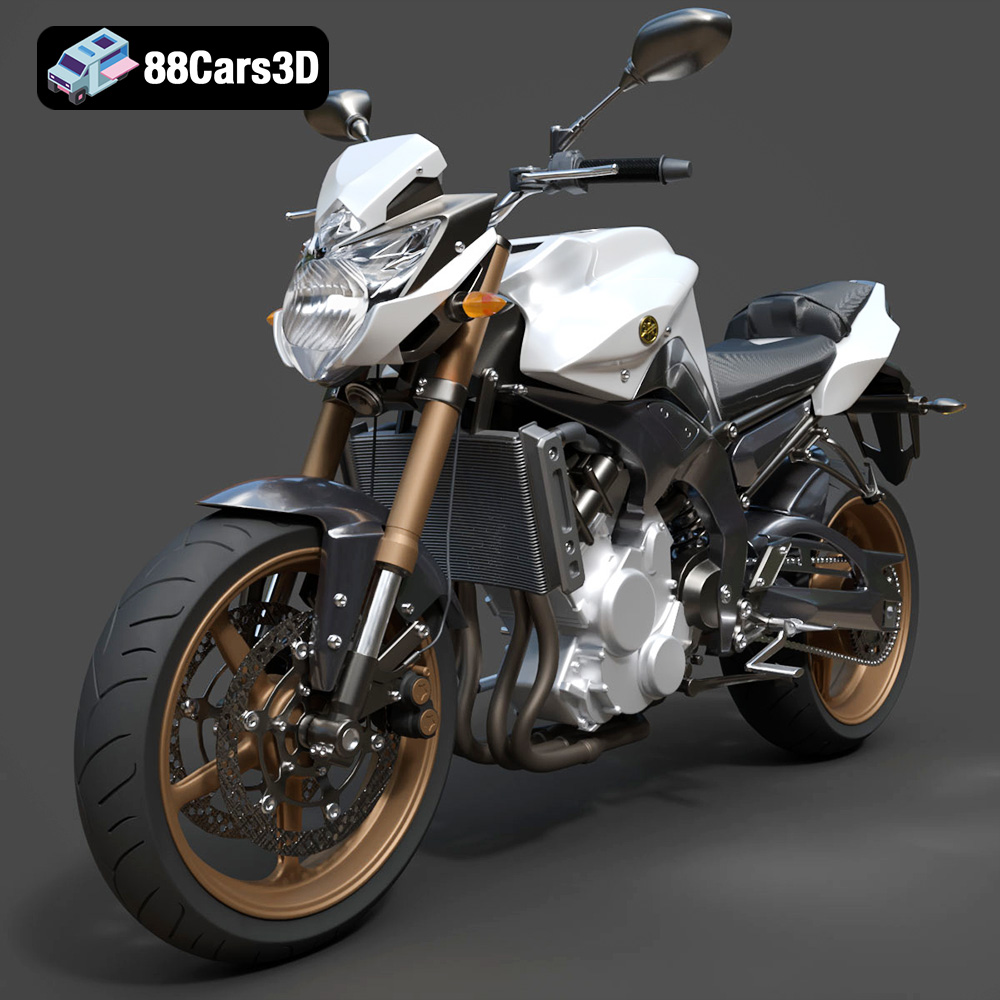
Texture: Yes
Material: Yes
Download the Yamaha FZ8 2011 3D Model featuring clean geometry, realistic detailing, and a fully modeled interior. Includes .blend, .fbx, .obj, .glb, .stl, .ply, .unreal, and .max formats for rendering, simulation, and game development.
Price: $19.99
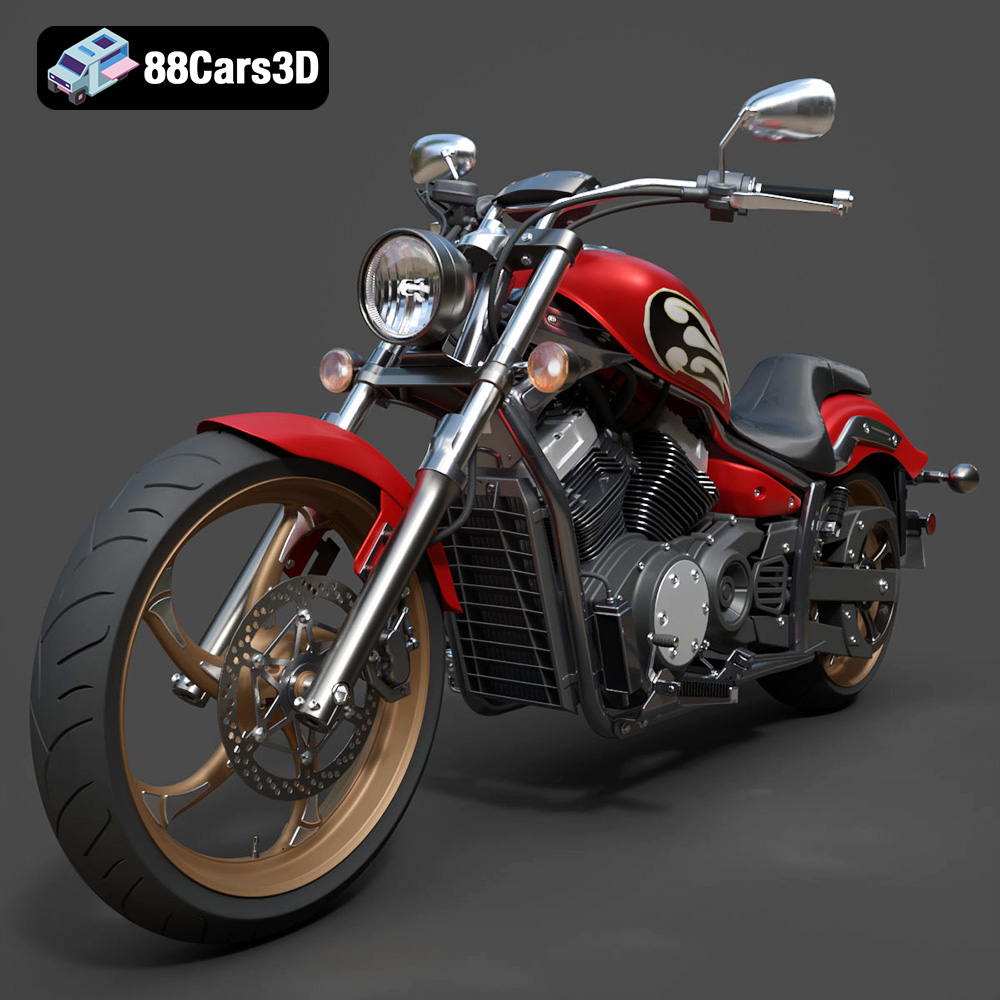
Texture: Yes
Material: Yes
Download the Yamaha Stryker 2012 3D Model featuring clean geometry, realistic detailing, and a fully modeled interior. Includes .blend, .fbx, .obj, .glb, .stl, .ply, .unreal, and .max formats for rendering, simulation, and game development.
Price: $19.99
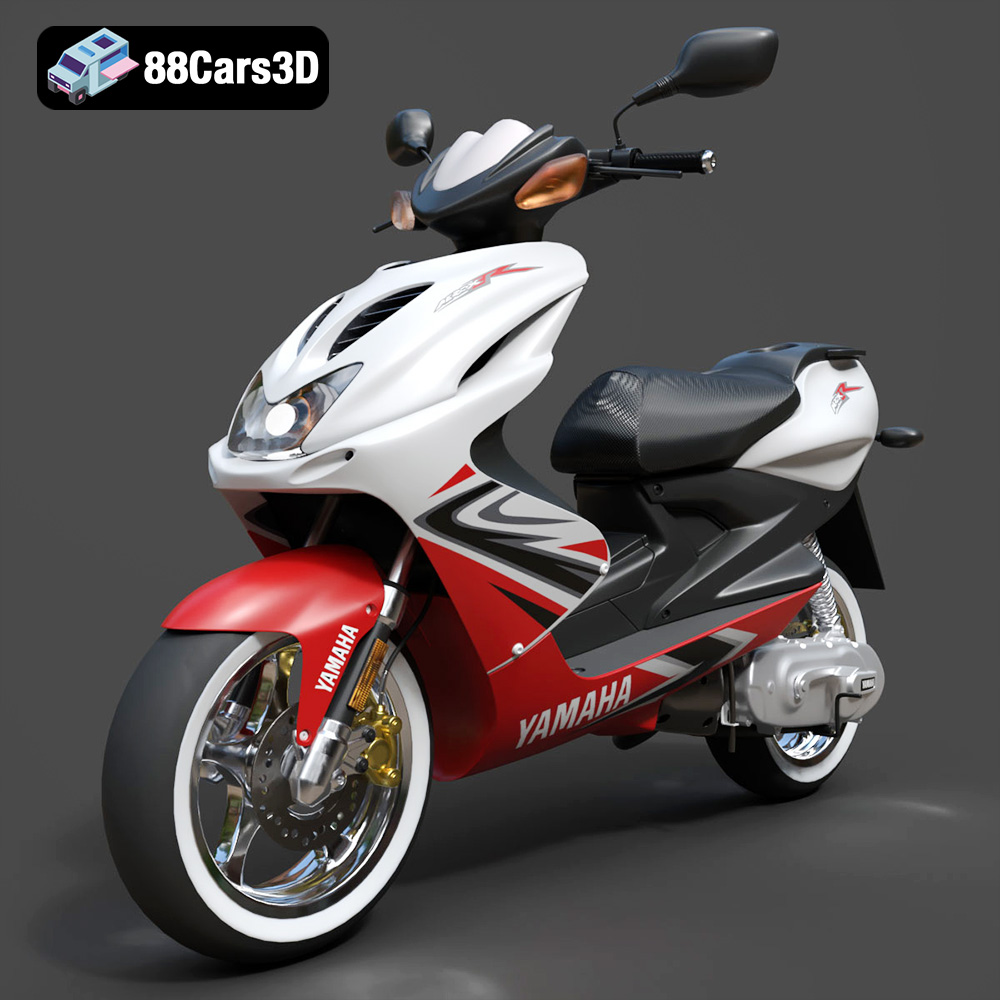
Texture: Yes
Material: Yes
Download the Yamaha Aerox R-002 2024 3D Model featuring clean geometry, realistic detailing, and a fully modeled interior. Includes .blend, .fbx, .obj, .glb, .stl, .ply, .unreal, and .max formats for rendering, simulation, and game development.
Price: $19.99
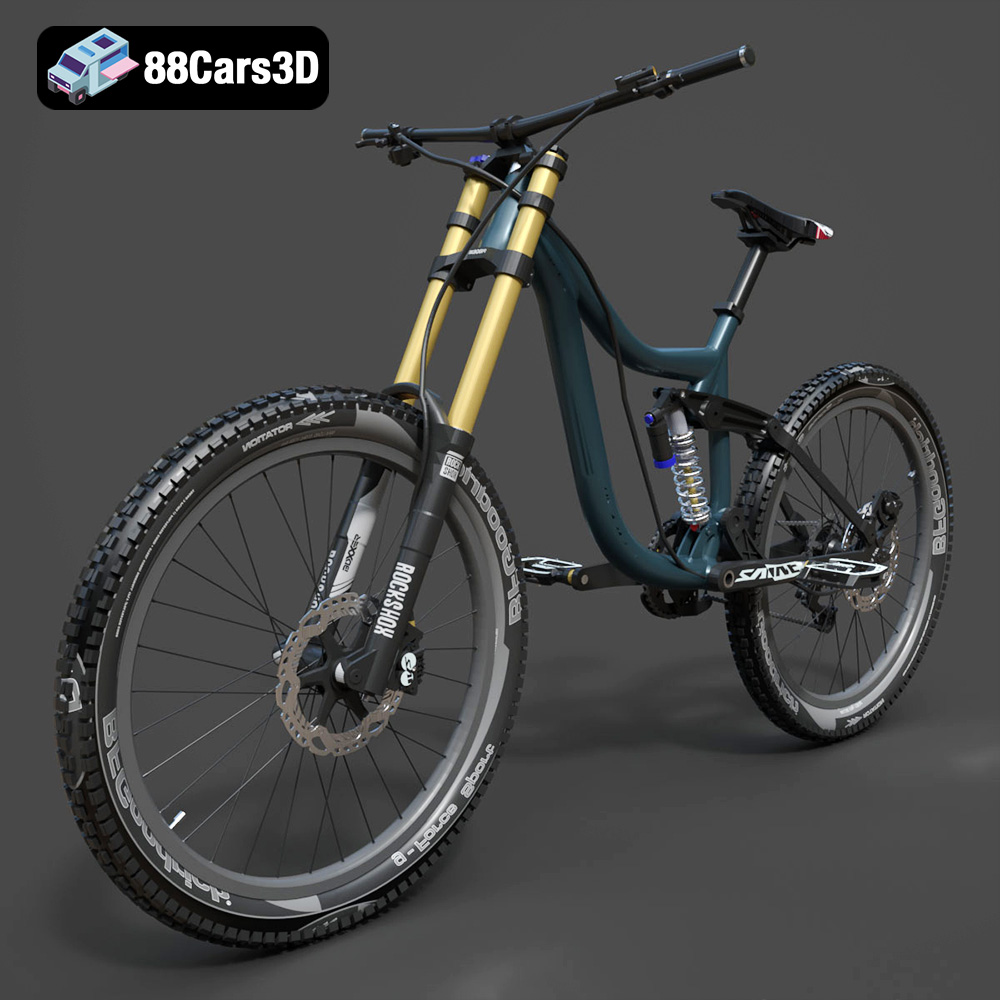
Texture: Yes
Material: Yes
Download the Mototsikly Downhill Bike-002 3D Model featuring clean geometry, realistic detailing, and precise mechanical components. Includes .blend, .fbx, .obj, .glb, .stl, .ply, .unreal, and .max formats for rendering, simulation, and game development.
Price: $19.99
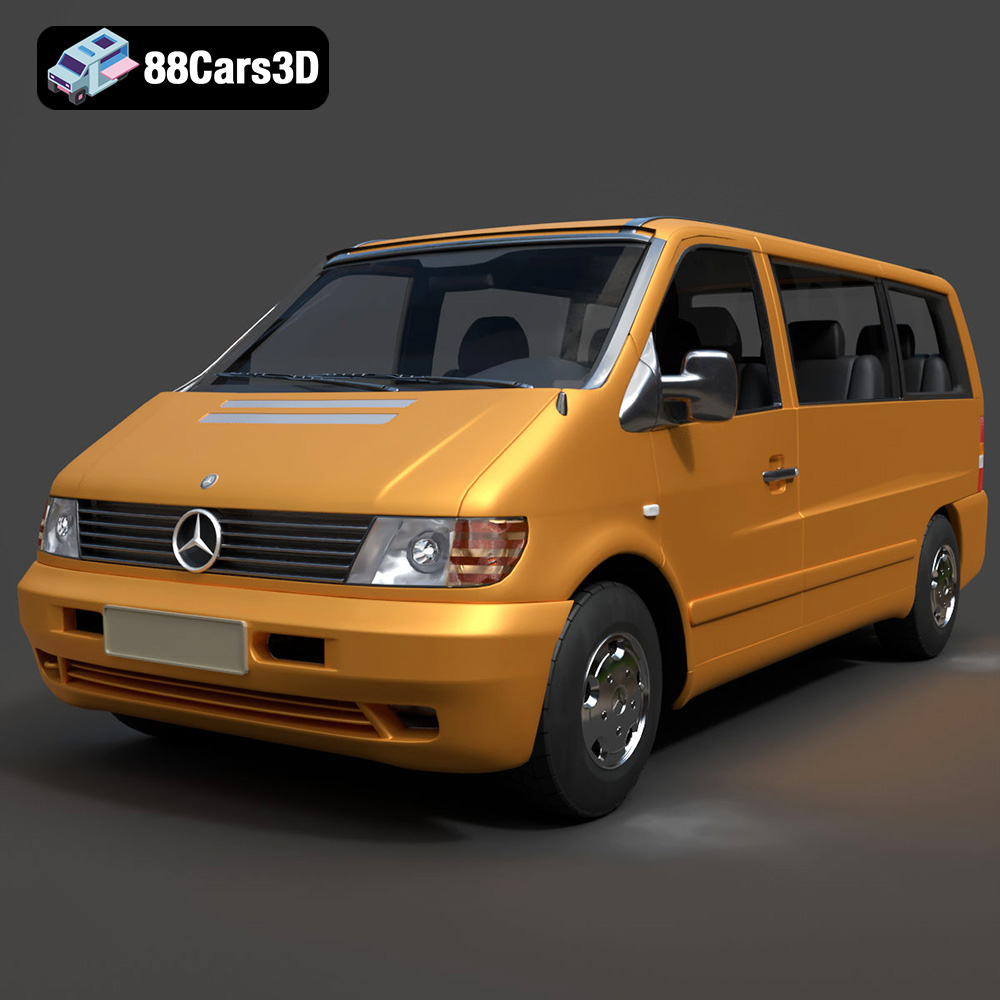
Texture: Yes
Material: Yes
Download the Mercedes-Benz Vito Passenger Van 3D Model featuring clean geometry, realistic detailing, and a fully modeled interior. Includes .blend, .fbx, .obj, .glb, .stl, .ply, .unreal, and .max formats for rendering, simulation, and game development.
Price: $19.99
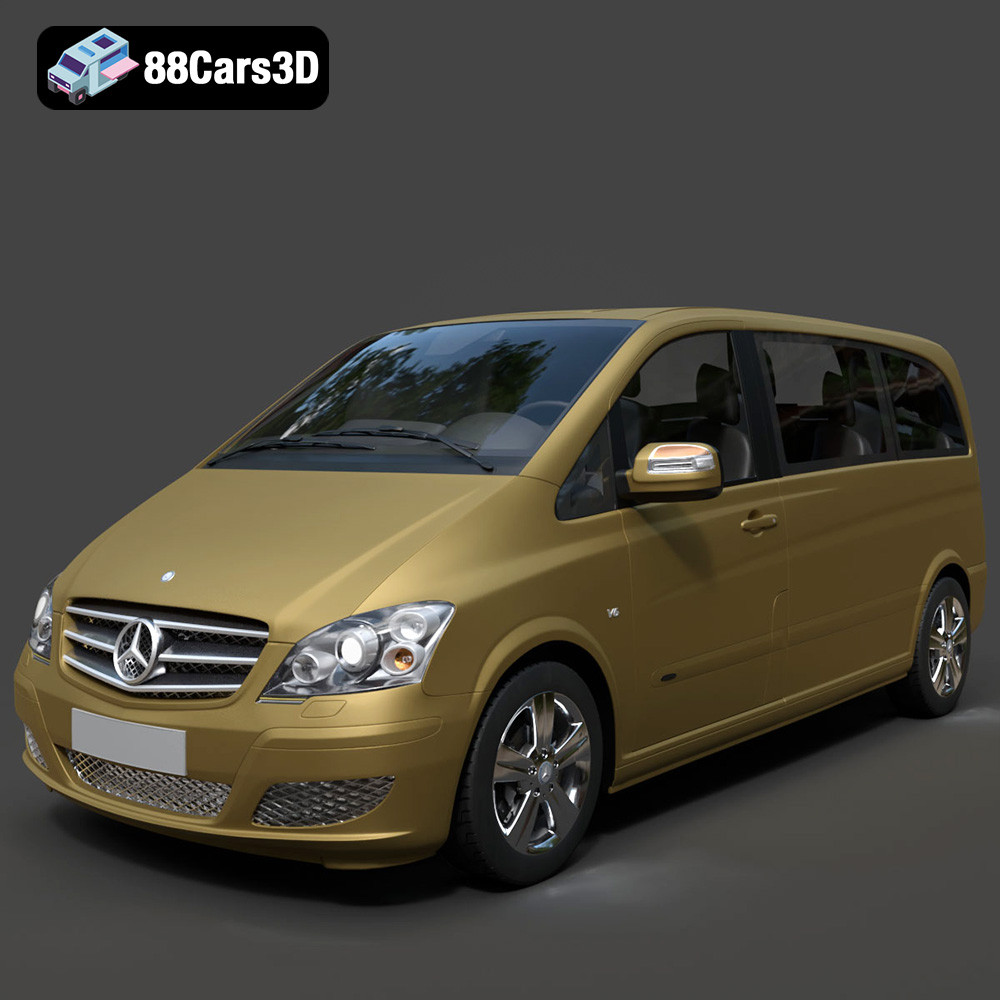
Texture: Yes
Material: Yes
Download the Mercedes-Benz Viano 2010 3D Model featuring clean geometry, realistic detailing, and a fully modeled interior. Includes .blend, .fbx, .obj, .glb, .stl, .ply, .unreal, and .max formats for rendering, simulation, and game development.
Price: $19.99

Texture: Yes
Material: Yes
Download the Emt Avtobus 007 3D Model featuring clean geometry, realistic detailing, and a fully modeled interior. Includes .blend, .fbx, .obj, .glb, .stl, .ply, .unreal, and .max formats for rendering, simulation, and game development.
Price: $19.99
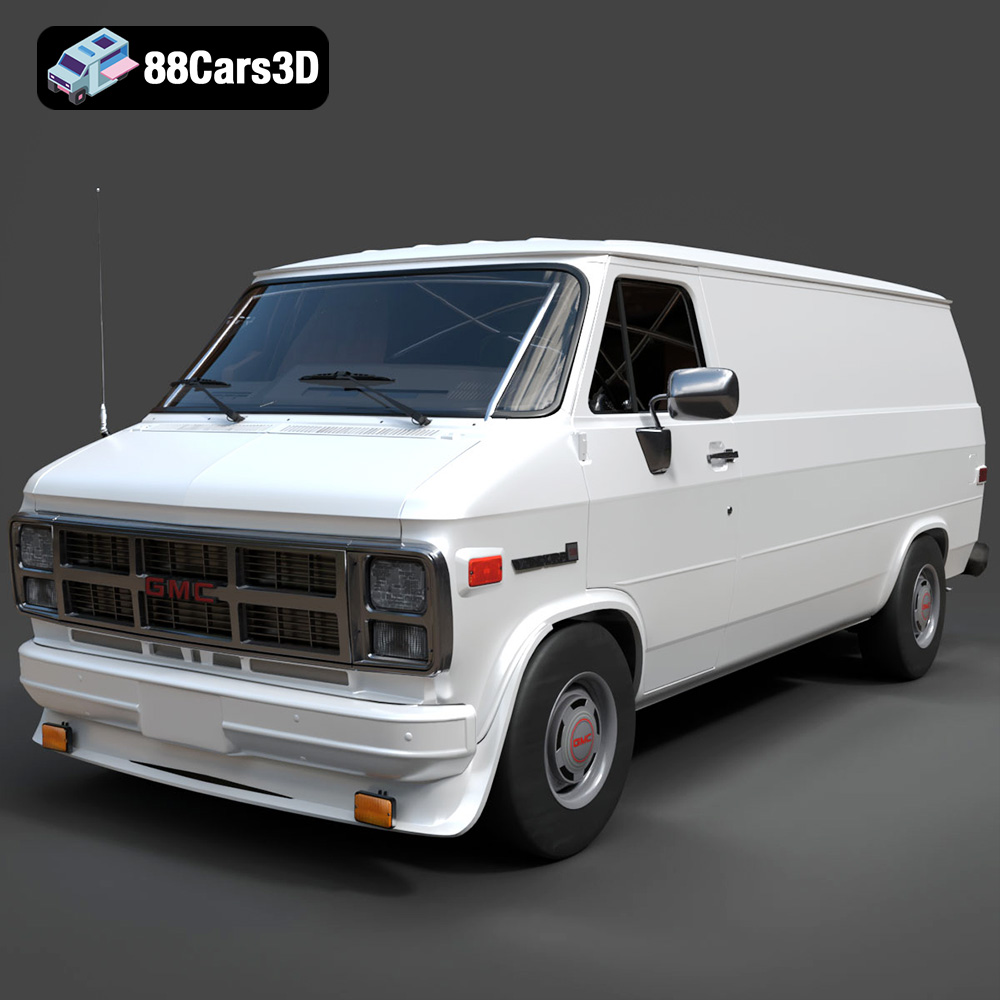
Texture: Yes
Material: Yes
Download the GMC Vandura G-1500 1983 3D Model featuring clean geometry, realistic detailing, and a fully modeled interior. Includes .blend, .fbx, .obj, .glb, .stl, .ply, .unreal, and .max formats for rendering, simulation, and game development.
Price: $19.99

Texture: Yes
Material: Yes
Download the Ford E-450 Ambulance 3D Model featuring clean geometry, realistic detailing, and a fully modeled interior. Includes .blend, .fbx, .obj, .glb, .stl, .ply, .unreal, and .max formats for rendering, simulation, and game development.
Price: $19.99

Texture: Yes
Material: Yes
Download the Fiat Ducato SWB-001 3D Model featuring clean geometry, realistic detailing, and a fully modeled interior. Includes .blend, .fbx, .obj, .glb, .stl, .ply, .unreal, and .max formats for rendering, simulation, and game development.
Price: $19.99

