⚡ FLASH SALE: Get 60% OFF All Premium 3D & STL Models! ⚡

Welcome, fellow enthusiasts and makers! If you’re passionate about creating intricate 3D printable car models, you understand that the journey from a digital STL file to a tangible masterpiece involves more than just hitting “print.” The quality of your final model is a direct reflection of your 3D printer’s capabilities, your preparation skills, and the finesse of your slicing settings. At 88cars3d.com, we specialize in providing meticulously crafted STL files designed for the best possible print outcomes. This article dives deep into the essential features that truly matter when selecting or optimizing a 3D printer for model making, particularly for detailed automotive replicas. We’ll explore everything from resolution and build volume to material compatibility and user-friendliness, empowering you to make informed decisions and elevate your printing game.
Before we even discuss printer hardware, it’s crucial to appreciate the digital foundation: the STL file. An STL (STereoLithography) file is the standard format for 3D printing, representing a 3D object’s surface geometry as a collection of triangular facets. For intricate models like cars, the quality of this mesh is paramount. Low-polygon models will result in visible “stair-stepping” artifacts, even on the best printers. Conversely, excessively high-polygon models can bog down slicing software and potentially introduce errors.
A key aspect of a good STL file, especially those sourced from marketplaces like 88cars3d.com, is ensuring it’s “watertight” or “manifold.” This means the mesh has no holes, no internal faces, and no overlapping geometry. Think of it like a watertight container – if there’s a leak (a hole), your slicer might struggle to interpret the volume, leading to printing errors. Software like Meshmixer, Blender, or Autodesk Netfabb are invaluable tools for inspecting and repairing STL files. Identifying non-manifold edges or faces and correcting them is a critical step in file preparation. Many slicers will attempt to auto-repair minor issues, but for complex models, manual intervention ensures predictable results.
Beyond manifold geometry, printable models require careful consideration of wall thickness. Thin walls might look good in a CAD program but can be impossible to print reliably on many FDM printers, leading to delamination or complete failure. Similarly, even the most beautifully designed car model will likely require support structures to print overhangs and bridges. High-quality STL files, like those found on 88cars3d.com, often come with pre-optimized support considerations or are designed to minimize the need for them. Understanding how supports interact with your model and how they will be removed is as crucial as the model’s design itself.
The ability of your 3D printer to reproduce fine details is arguably its most important characteristic for model making. This is primarily governed by its resolution, which is influenced by several factors, including layer height and nozzle diameter.
Layer height is the thickness of each individual layer deposited by the printer. For FDM printers, common layer heights range from 0.05mm to 0.3mm. For highly detailed automotive models, you’ll want to utilize the lower end of this spectrum. A layer height of 0.1mm or even 0.08mm can significantly reduce the visible “stair-stepping” effect on curved surfaces like fenders and windshields, resulting in a smoother finish. However, printing at such fine resolutions dramatically increases print time. A model that takes 5 hours at 0.2mm might take 20+ hours at 0.1mm. It’s a critical tradeoff between print speed and the desired level of detail. For resin printers (SLA/DLP/MSLA), layer heights are typically much finer, often ranging from 0.025mm to 0.1mm, offering inherently superior detail reproduction for small, intricate parts.
For FDM printers, the nozzle diameter plays a crucial role. Standard nozzles are typically 0.4mm. Using a smaller nozzle, such as 0.2mm or 0.25mm, allows for finer extrusion lines and therefore higher potential detail. This is particularly beneficial for printing small features like grilles, emblems, or intricate wheel spokes. However, printing with smaller nozzles requires careful calibration, slower print speeds, and can be more prone to clogging. It also increases print time significantly, as the printer needs to lay down many more lines to fill the same area. For many hobbyists, a 0.4mm nozzle with optimized settings and fine layer heights strikes a good balance.
The material you choose to print with has a profound impact on the final appearance, durability, and post-processing capabilities of your car models. Both FDM and resin printers offer a wide array of material options, each with its own strengths and weaknesses.
For FDM printing, PLA (Polylactic Acid) remains a popular choice due to its ease of printing, low warping, and availability in countless colors. It’s ideal for beginners and for models that won’t be subjected to high temperatures or significant stress. PETG offers better temperature resistance and durability than PLA but can be slightly more challenging to print, with a tendency for stringing. ABS, while strong and heat-resistant, requires a heated enclosure and good ventilation due to its higher printing temperature and potentially toxic fumes. For detailed car models, PLA is often sufficient, especially when post-processing techniques are employed. However, if you plan on painting models and want a very smooth finish, experimenting with ASA (similar to ABS but with better UV resistance) or even Nylon might be worth considering for its strength and surface finish.
Resin printers (SLA, DLP, MSLA) excel at reproducing incredibly fine details and achieving exceptionally smooth surfaces right off the printer. This makes them ideal for highly detailed model cars where sharp edges and subtle curves are critical. Various resin types are available, including standard resins, tough resins (for increased durability), and flexible resins. For car models, standard or high-detail resins are usually the best choice. The layer lines are virtually non-existent, and the finish is often comparable to injection-molded parts. However, resin printing involves messier post-processing (washing and curing) and the materials can be more brittle than FDM filaments.
The slicer software is your primary interface for translating an STL file into machine instructions for your 3D printer. Mastering its settings is crucial for achieving optimal print quality, especially for complex models.
Effective support generation is critical for car models, which often feature dramatic overhangs like spoilers, wheel arches, and undercarriages. Most slicers (Cura, PrusaSlicer, Simplify3D) offer various support types:
* **Standard/Grid:** Efficient in material usage but can be difficult to remove cleanly from detailed surfaces.
* **Tree/Branching:** More organic, often easier to remove from the model, and can be more material-efficient for complex geometries.
* **Custom Supports:** Manually placed supports for precise control.
When using tree supports, experiment with density (e.g., 10-15%) and contact Z distance (e.g., 0.1-0.2mm) to balance stability with ease of removal. For models downloaded from platforms like 88cars3d.com, the STL is often designed with support removal in mind, but always preview your supports in the slicer.
The way you orient your model on the print bed significantly impacts its structural integrity and the appearance of layer lines. For car models, consider:
* **Minimizing Supports:** Orienting parts to reduce the need for supports on visible surfaces.
* **Layer Line Direction:** Placing parts so layer lines follow the natural contours of the vehicle (e.g., printing a car body upright means layer lines will be horizontal around the body, which is often desirable).
* **Strength:** For FDM printing, avoid aligning critical stress points along layer lines, as this is the weakest axis.
While supports provide temporary stability during printing, the internal structure of your model – its infill – contributes to its rigidity and strength. For display models, high infill percentages (e.g., 20-30%) are often unnecessary and just waste material and time. A light infill pattern like Grid or Gyroid at 10-15% is usually sufficient. However, for parts that might be handled frequently or require some durability, increasing infill density or using stronger patterns like Cubic can be beneficial.
Crucially, the **wall count** (or shell count) is often more important than infill for surface quality and rigidity. A wall count of 2 or 3, combined with a fine layer height, will create a solid outer shell that holds its shape well and hides internal infill patterns from the surface. For thin printed parts, a higher wall count can effectively create a hollow, solid object without any internal infill.
The journey doesn’t end when the print is finished. Post-processing is essential for transforming a raw 3D print into a professional-looking model.
Careful removal of support structures is paramount. Use flush cutters, hobby knives, and needle-nose pliers to gently detach supports. For FDM prints, sanding is the go-to method for smoothing layer lines and removing imperfections. Start with coarse grit sandpaper (e.g., 120-220 grit) and progressively move to finer grits (e.g., 400, 800, 1000+). Wet sanding can produce even smoother results. For resin prints, the surface is already very smooth, but you’ll need to wash away uncured resin (usually with isopropyl alcohol) and cure the part under UV light. Filling small gaps or imperfections can be done with modeling putty or specialized 3D print fillers.
Once the surface is prepared, painting can begin. Priming the model first is highly recommended, as it helps reveal any remaining imperfections and provides a uniform base for your paint. Acrylic paints are versatile and widely available for both airbrushing and brush painting. For assembly, cyanoacrylate (super glue) or specialized plastic cements are typically used. Ensure precise alignment, especially for complex sub-assemblies like the chassis, interior, and body panels.
Even the most feature-rich printer will produce subpar results if it’s not properly calibrated and maintained. Regular maintenance is key to consistent, high-quality prints.
A perfectly level print bed is foundational. An uneven bed will lead to the first layer being too close in some areas (causing scraping and clogs) and too far in others (resulting in poor adhesion and elephant’s foot). Manual bed leveling requires patience, while auto-bed leveling (ABL) systems use a probe to measure the bed’s topography and compensate during printing. Regardless of your method, ensuring a clean print bed (using isopropyl alcohol) and appropriate adhesion aids (like glue stick, hairspray, or PEI sheets) is critical for preventing print failures, especially with larger models.
E-steps calibration ensures that your extruder motor pushes the correct amount of filament. Incorrect e-steps can lead to under-extrusion (weak, stringy prints) or over-extrusion (blobs and poor detail). PID tuning stabilizes the temperature of your hotend and heated bed, preventing fluctuations that can affect layer adhesion and print quality. These calibrations, along with ensuring belts are tensioned correctly and that there’s no play in your axes, are fundamental to reliable printing.
### Conclusion: The Perfect Print is a Synergy of Factors
Choosing the right 3D printer for producing high-quality car models, whether for display, collection, or hobby projects, involves a nuanced understanding of various technical features. While high resolution, fine layer height capabilities, and precise nozzle control are paramount for capturing intricate details, they must be complemented by robust slicing techniques, careful material selection, and diligent printer calibration. The quality of your STL files, such as those meticulously prepared and offered by 88cars3d.com, provides the essential starting point. By focusing on these key features – from mesh integrity and slicer settings to post-processing and printer maintenance – you empower yourself to overcome printing challenges and consistently achieve stunning, detailed automotive replicas. Investing time in understanding these elements will undoubtedly elevate your 3D printing projects and bring your passion for cars into the physical realm with unparalleled precision. Happy printing!
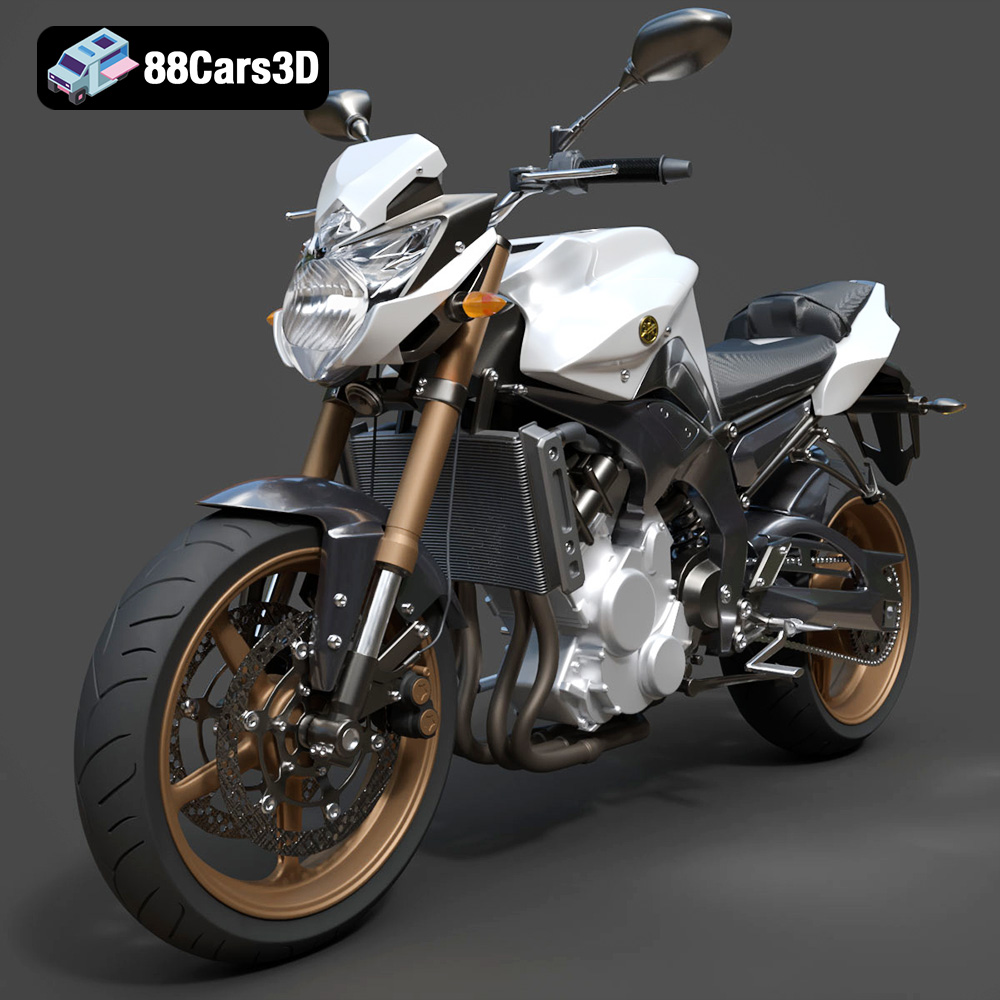
Texture: Yes
Material: Yes
Download the Yamaha FZ8 2011 3D Model featuring clean geometry, realistic detailing, and a fully modeled interior. Includes .blend, .fbx, .obj, .glb, .stl, .ply, .unreal, and .max formats for rendering, simulation, and game development.
Price: $19.99
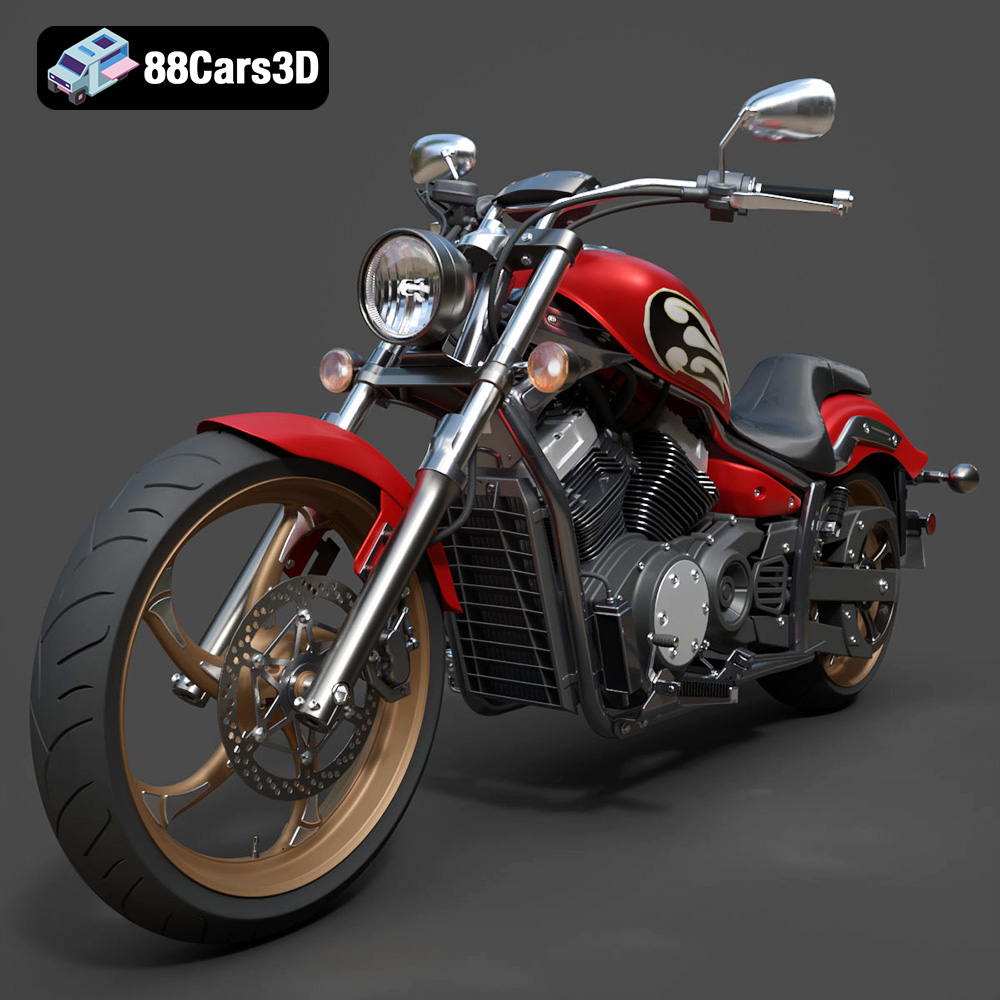
Texture: Yes
Material: Yes
Download the Yamaha Stryker 2012 3D Model featuring clean geometry, realistic detailing, and a fully modeled interior. Includes .blend, .fbx, .obj, .glb, .stl, .ply, .unreal, and .max formats for rendering, simulation, and game development.
Price: $19.99
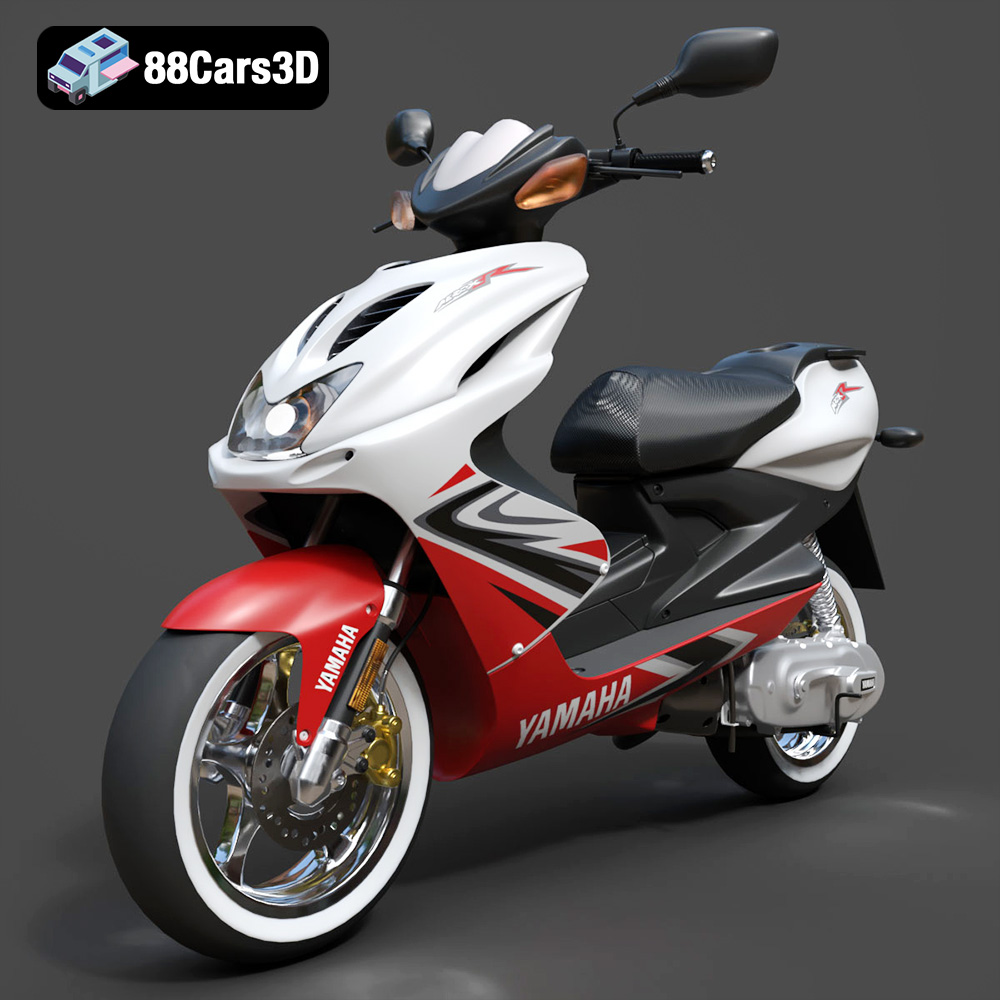
Texture: Yes
Material: Yes
Download the Yamaha Aerox R-002 2024 3D Model featuring clean geometry, realistic detailing, and a fully modeled interior. Includes .blend, .fbx, .obj, .glb, .stl, .ply, .unreal, and .max formats for rendering, simulation, and game development.
Price: $19.99
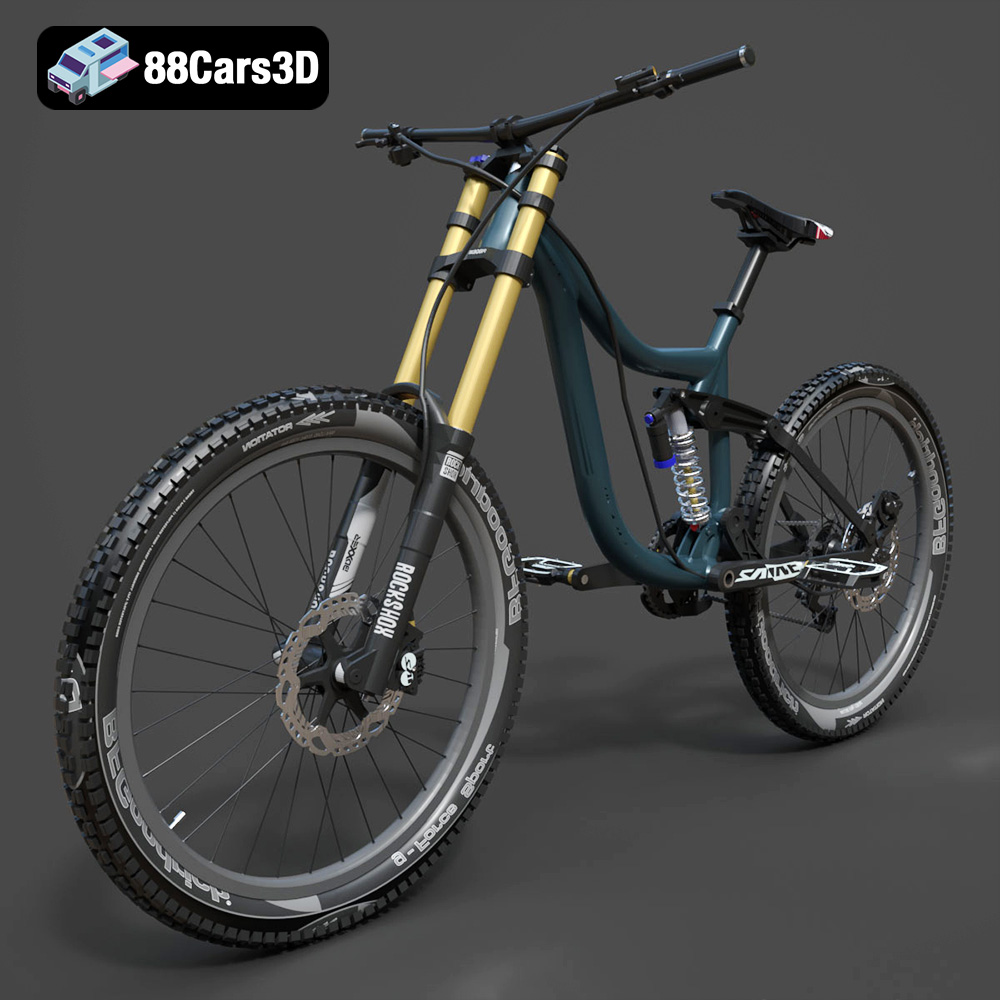
Texture: Yes
Material: Yes
Download the Mototsikly Downhill Bike-002 3D Model featuring clean geometry, realistic detailing, and precise mechanical components. Includes .blend, .fbx, .obj, .glb, .stl, .ply, .unreal, and .max formats for rendering, simulation, and game development.
Price: $19.99
Texture: Yes
Material: Yes
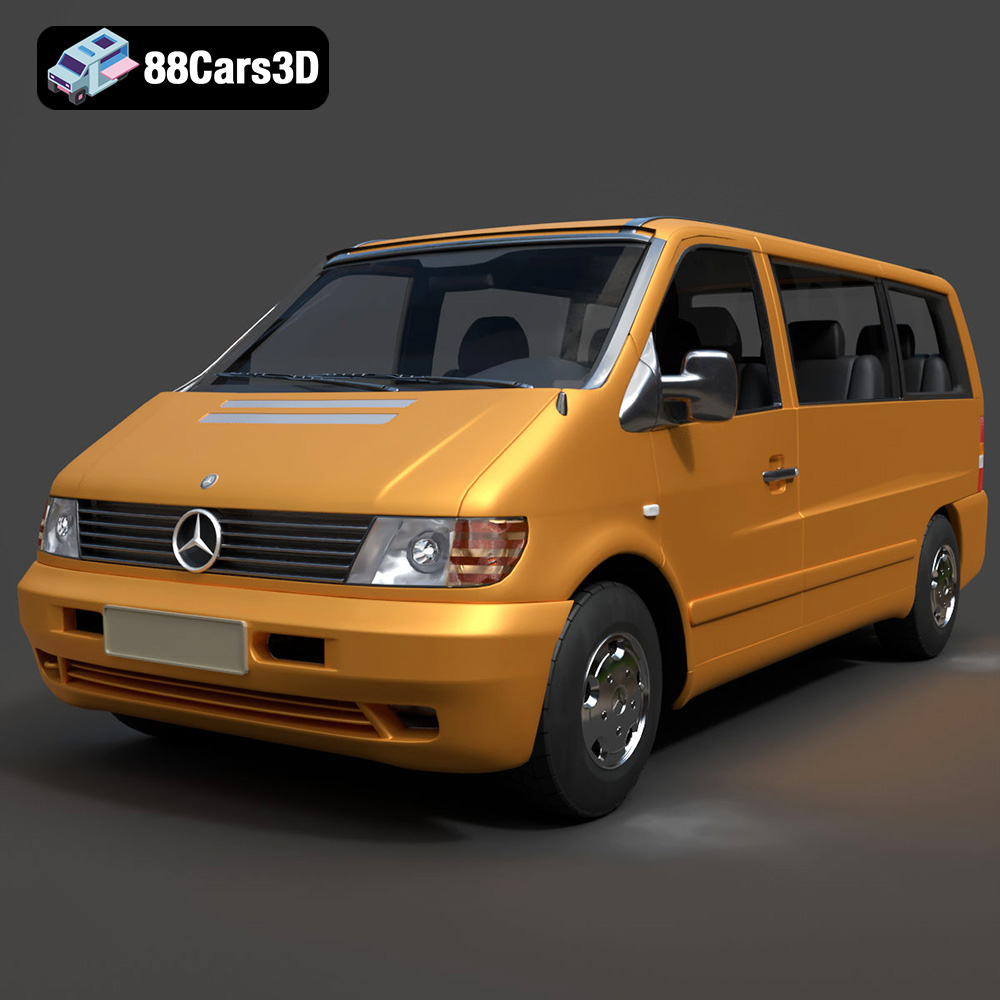
Download the Mercedes-Benz Vito Passenger Van 3D Model featuring clean geometry, realistic detailing, and a fully modeled interior. Includes .blend, .fbx, .obj, .glb, .stl, .ply, .unreal, and .max formats for rendering, simulation, and game development.
Price: $19.99
Texture: Yes
Material: Yes
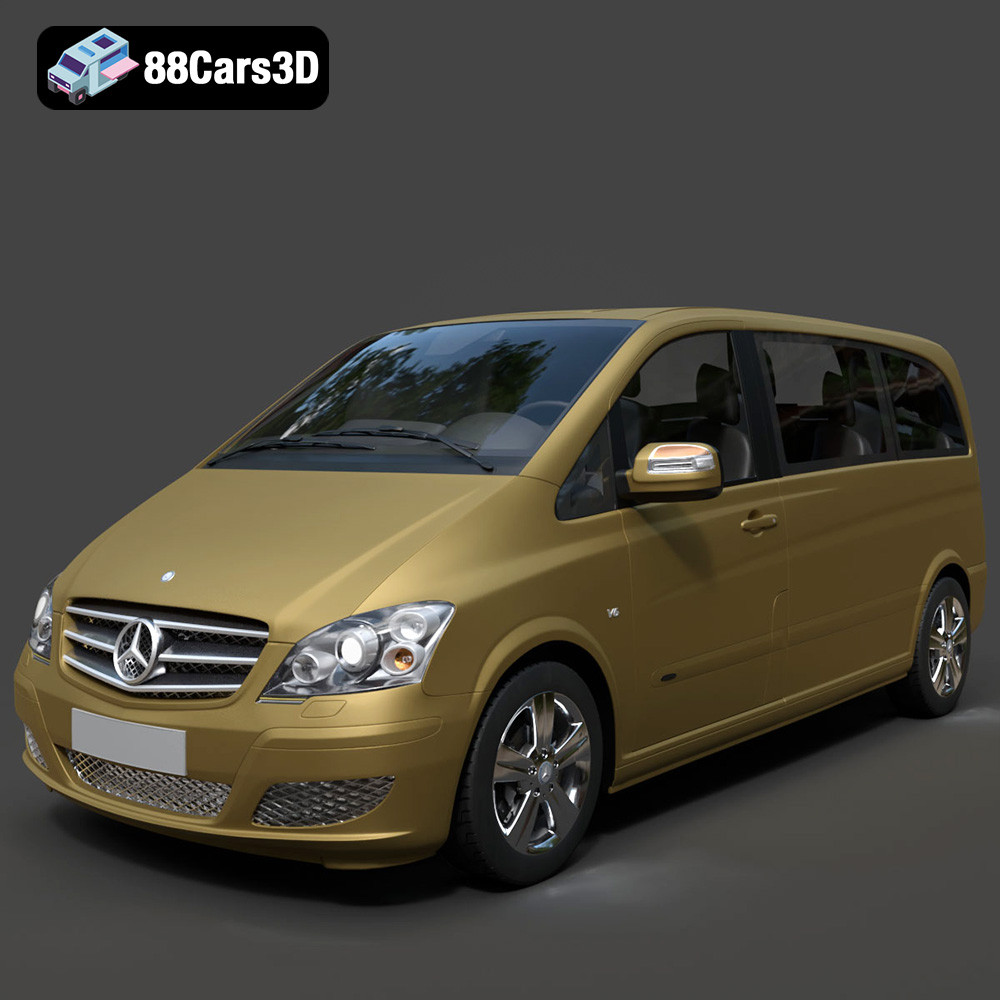
Download the Mercedes-Benz Viano 2010 3D Model featuring clean geometry, realistic detailing, and a fully modeled interior. Includes .blend, .fbx, .obj, .glb, .stl, .ply, .unreal, and .max formats for rendering, simulation, and game development.
Price: $19.99

Texture: Yes
Material: Yes
Download the Emt Avtobus 007 3D Model featuring clean geometry, realistic detailing, and a fully modeled interior. Includes .blend, .fbx, .obj, .glb, .stl, .ply, .unreal, and .max formats for rendering, simulation, and game development.
Price: $19.99
Texture: Yes
Material: Yes
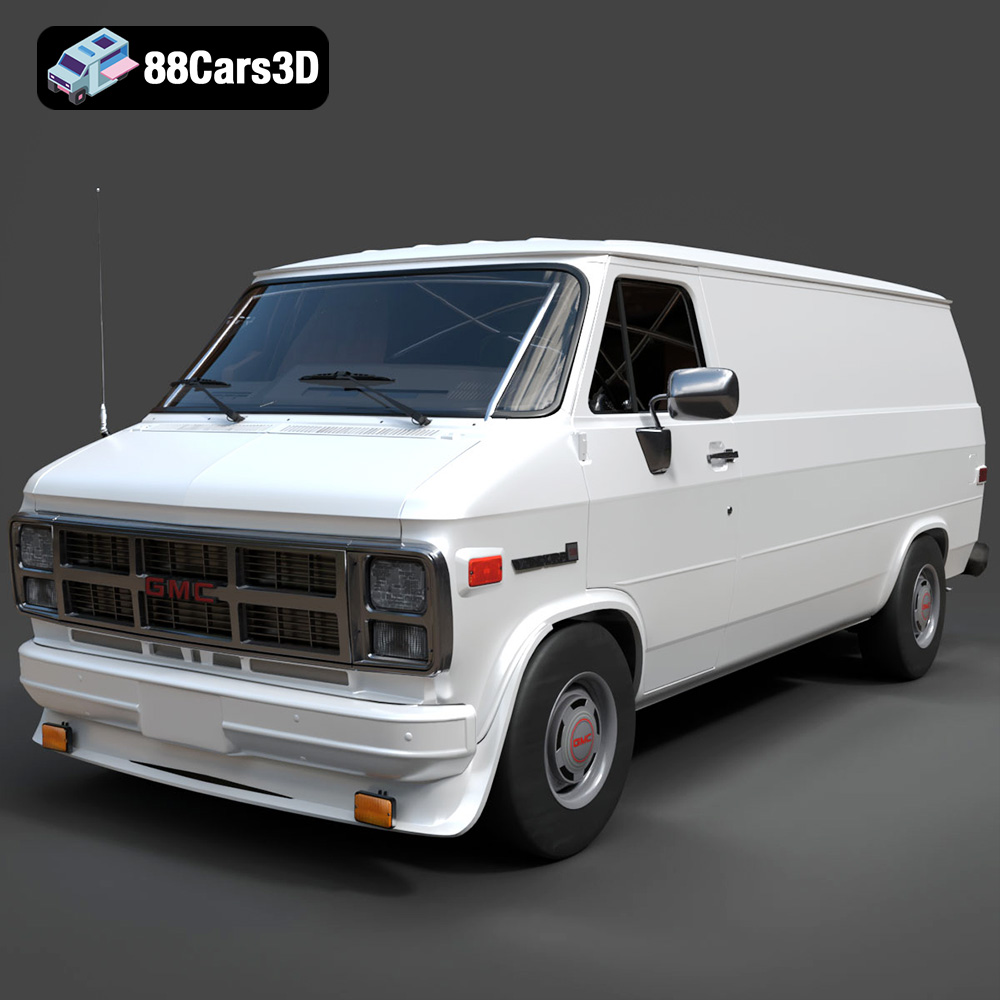
Download the GMC Vandura G-1500 1983 3D Model featuring clean geometry, realistic detailing, and a fully modeled interior. Includes .blend, .fbx, .obj, .glb, .stl, .ply, .unreal, and .max formats for rendering, simulation, and game development.
Price: $19.99
Texture: Yes
Material: Yes
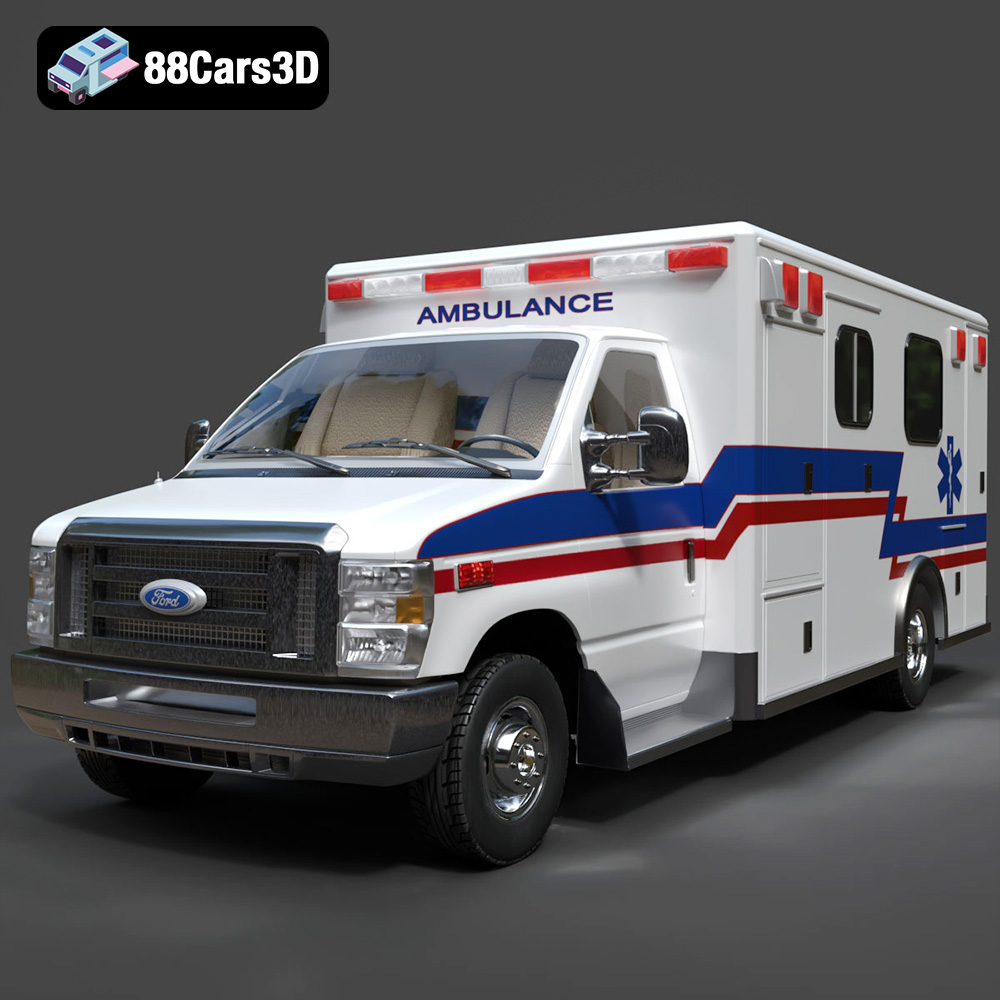
Download the Ford E-450 Ambulance 3D Model featuring clean geometry, realistic detailing, and a fully modeled interior. Includes .blend, .fbx, .obj, .glb, .stl, .ply, .unreal, and .max formats for rendering, simulation, and game development.
Price: $19.99

Texture: Yes
Material: Yes
Download the Fiat Ducato SWB-001 3D Model featuring clean geometry, realistic detailing, and a fully modeled interior. Includes .blend, .fbx, .obj, .glb, .stl, .ply, .unreal, and .max formats for rendering, simulation, and game development.
Price: $19.99

