⚡ FLASH SALE: Get 60% OFF All Premium 3D & STL Models! ⚡

“`html
The allure of a perfectly rendered 3D printed car model is undeniable. Imagine holding a miniature replica of your favorite vehicle, its curves flowing seamlessly, its details sharp and precise, and its surfaces as smooth as polished metal. For enthusiasts and hobbyists alike, achieving this level of finish is often the ultimate goal. While the digital world of STL files and the physical realm of 3D printing present unique challenges, mastering the techniques for surface smoothness can elevate your prints from good to exceptional. This guide will delve deep into the technical aspects of preparing your STL files and optimizing your 3D printer settings to achieve those coveted mirror-like finishes on your printable car models. We’ll explore everything from the fundamental structure of STL files to advanced slicing strategies, material considerations, and essential post-processing steps. Get ready to transform your prints!
The journey to a smooth surface begins long before the first layer is extruded. It starts with the digital blueprint – the STL (Stereolithography) file. This ubiquitous file format represents a 3D model’s surface geometry as a collection of triangular facets. While efficient for representing complex shapes, the inherent nature of this tessellation can introduce subtle stair-stepping artifacts, especially on curved surfaces, which are prevalent in automotive designs. Understanding the mesh topology and identifying potential issues within the STL is crucial for preventing them from manifesting as visible imperfections in your 3D prints. The density of the triangles, the orientation of their normals, and the presence of non-manifold geometry can all significantly impact the final surface quality.
The resolution of an STL file directly dictates how finely a curved surface is approximated by triangles. A low-resolution STL will have fewer, larger triangles, leading to a pronounced stair-stepping effect on curves. Conversely, a high-resolution STL uses more, smaller triangles, resulting in a smoother approximation. However, excessively high resolution can lead to enormous file sizes and processing challenges. Tools like Meshmixer, Blender, or even Netfabb allow you to analyze and potentially re-mesh your STL files. Increasing the mesh density can mitigate visible tessellation, but it’s a balancing act. For printable car models, especially those with sweeping body panels, finding an optimal resolution is key. Platforms like 88cars3d.com often provide models with carefully considered mesh resolutions, optimized for printing, but understanding this principle is vital if you’re working with custom or modified files.
A “manifold” or “watertight” mesh is essential for 3D printing. This means the mesh has no holes, no intersecting faces, and no edges that are shared by more than two faces. Non-manifold geometry can cause slicers to misinterpret the model, leading to printing errors, gaps, or entirely failed prints. Common issues include internal faces, stray vertices, and edges connected to more than two faces. Before printing, it’s best practice to run a mesh repair process. Software like Meshmixer offers automatic “Make Solid” and “Fix Meshes” tools, while Netfabb is a professional standard for advanced mesh repair. Ensuring your STL is manifold is a foundational step for achieving any degree of surface quality.
The slicer software is your bridge between the digital STL file and the physical 3D printer. Its settings have a profound impact on surface quality, particularly on curved and angled surfaces common in car models. Optimizing layer height, print speed, wall thickness, and support structures are critical parameters that directly influence the final appearance. Even with a perfectly prepared STL, incorrect slicing can result in visible layer lines and surface blemishes. Mastering these settings allows you to fine-tune the balance between print quality, print time, and material usage.
The most direct way to reduce the visibility of layer lines is to decrease the layer height. For FDM printing, typical layer heights range from 0.1mm to 0.3mm. To achieve a noticeably smoother surface on intricate car models, consider printing at lower layer heights, such as 0.08mm or even 0.06mm. This significantly increases print time, as the printer must lay down many more thin layers to build the object. For resin printers, layer heights are typically much smaller (0.025mm to 0.1mm), inherently providing a smoother base finish. The trade-off is always print time versus detail and surface quality. For critical details on a car model, like the sharp lines of a spoiler or the curvature of a fender, a lower layer height is often worth the wait.
Printing too fast can lead to ringing artifacts (ghosting) and poor layer adhesion, both of which degrade surface quality. For smooth exterior surfaces on car models, reducing print speed, especially for outer walls and top layers, is highly recommended. A good starting point for outer walls might be 30-50mm/s. Furthermore, controlling acceleration and jerk settings in your slicer can minimize vibrations and sudden movements that cause surface imperfections. Lowering these values can lead to a smoother finish but will increase print time. Experimenting with these settings on a test print is essential to find the sweet spot for your specific printer and filament.
While infill is internal, the number of walls (or perimeters) directly affects the exterior surface quality. Increasing the number of walls from the default 2-3 to 4-5 can provide better support for the outer surfaces, reduce infill showing through, and improve overall structural integrity. This also helps prevent infill patterns from creating subtle surface undulations, especially with lighter infill densities. For lightweight but strong models, consider advanced infill patterns like Gyroid or Cubic, which offer better support in all directions compared to basic grid patterns. However, for purely aesthetic car models where strength isn’t paramount, a minimal infill density (10-15%) combined with sufficient walls is usually adequate.
Automotive models are often characterized by complex geometries with overhangs, bridges, and intricate details. Effective support generation and strategic print orientation are paramount to ensuring these features are printed cleanly and without defects that mar the surface finish. Poorly placed or difficult-to-remove supports can leave unsightly marks, while an unfavorable orientation can exacerbate layer lines and introduce artifacts where they are least desired.
Supports are necessary evils for most complex prints. The goal is to generate supports that are strong enough to hold the overhangs but also easy to remove without damaging the model’s surface. Slicers offer various support types: normal, tree (or organic), and custom. Tree supports, often found in Cura as “Branch Support” or PrusaSlicer’s “Tree Support,” tend to be more efficient and often leave fewer marks because they contact the model at fewer points and can be easier to break away. Adjusting support density, contact distance (Z distance between support and model), and XY distance is crucial. A slightly larger Z distance makes removal easier but can lead to a less perfect surface. Consider using support enforcers or interface layers in your slicer, which create a denser, more defined contact area that can be peeled away cleanly, leaving a better surface underneath.
The orientation of your car model on the print bed is one of the most critical factors affecting surface quality. Generally, you want to orient the model so that the most visible surfaces have minimal overhangs and face upwards as much as possible. For a car, this often means printing it upright, with the wheels on the build plate. This allows the roof, hood, and sides to be printed with fewer supports and minimal stair-stepping on the primary visual surfaces. However, printing upright can create challenges with the undercarriage or wheel arches if they have significant overhangs. Experiment with tilting the model slightly to find an orientation that minimizes the need for supports on critical exterior areas, even if it means adding more supports to less visible sections. Always inspect the sliced model in your slicer’s preview mode to visualize where supports will be placed and how layer lines will appear.
While not directly related to surface smoothness of the printed object itself, good bed adhesion is crucial for preventing print failures that would necessitate extensive post-processing or reprinting. A print that detaches from the bed, even partway through, will inevitably have surface defects. Ensure your build surface is clean, level, and uses appropriate adhesion aids like brim, raft, or specialized adhesives (glue stick, hairspray) if needed, especially for larger models or materials prone to warping like ABS. For FDM printers, checking nozzle temperature and bed temperature settings is fundamental for reliable adhesion.
The choice of printing material and the calibration status of your 3D printer play significant roles in achieving smooth surfaces. Different materials have inherent properties that affect their surface finish, and a well-calibrated printer ensures consistent and precise extrusion, which is vital for detail and smoothness.
PLA is often the go-to material for hobbyists due to its ease of printing and low warping. It generally produces a good surface finish with well-defined layer lines. For enhanced smoothness, consider specialty PLA formulations like silk PLA or metallic PLA, which have additives that create a naturally shinier, smoother appearance. PETG offers better strength and temperature resistance but can sometimes be stringier, requiring careful tuning of retraction settings to avoid surface blemishes. ABS can achieve very smooth surfaces, especially when post-processed with acetone vapor smoothing, but it’s prone to warping and requires an enclosed printer and higher temperatures. For high-detail automotive models, particularly those with intricate engine bays or undercarriage details, resin printers (SLA/DLP/MSLA) excel. They produce incredibly smooth surfaces with minimal visible layer lines due to their layer-by-layer curing process. Choosing the right resin type (e.g., standard, tough, or high-detail resins) further refines the outcome. When downloading models from marketplaces such as 88cars3d.com, consider the suggested materials or choose one that aligns with your desired finish and printer capabilities.
A miscalibrated printer is a recipe for surface defects. Key calibration steps include:
Regular maintenance, such as cleaning the nozzle and ensuring belts are properly tensioned, also contributes to a printer’s ability to produce smooth, high-quality prints.
Even with meticulous slicing and optimal printer settings, achieving a truly flawless surface often requires a combination of advanced digital techniques and careful post-processing. These steps can address residual imperfections and elevate the aesthetic appeal of your 3D printed car models, making them indistinguishable from professionally manufactured miniatures.
For those comfortable with 3D modeling software like Blender or Maya, applying subdivision surface modifiers to your car model before slicing can dramatically improve the smoothness of curves. This technique adds more geometry to the model in a controlled manner, effectively smoothing out the underlying tessellation without creating excessively large STL files. Once the subdivision is applied and you’re satisfied with the visual smoothness, you can then export the mesh as an STL. This is an advanced step best suited for those who have experience with 3D modeling, but it offers unparalleled control over the digital smoothness of your model.
For FDM prints, sanding is the most common method for smoothing surfaces. Start with coarse-grit sandpaper (e.g., 120-220 grit) to remove prominent layer lines and support marks, then progressively move to finer grits (400, 600, 800, and even up to 2000+ grit) for a polished finish. Using wet sanding techniques can help reduce dust and achieve a smoother result. For larger gaps or significant imperfections, fillers like automotive body filler (Bondo), wood filler, or specialized 3D printing putties can be used. Apply the filler, let it cure, and then sand it smooth. This process can be time-consuming but is essential for achieving a professional-grade finish on FDM prints.
Once sanded smooth, applying a primer is crucial. A good quality primer will fill in any microscopic imperfections, unify the surface, and provide an excellent base for paint. Automotive primers are ideal for car models. Multiple thin coats are better than one thick coat. After priming, you can proceed with painting. Airbrushing can provide a very smooth, even finish, mimicking automotive paint jobs. Use thin coats of high-quality acrylic or enamel paints. Decals and clear coats can further enhance the realism of your printed car model.
For ABS prints, acetone vapor smoothing is a highly effective technique for achieving a glass-like finish. Exposing the print to a controlled amount of acetone vapor causes the outer layer to melt and flow, smoothing out layer lines. This requires careful execution in a well-ventilated area and with appropriate safety precautions. For resin prints, while inherently smooth, post-curing under UV light enhances their durability and final surface hardness. Some post-processing resins can also be applied to further enhance gloss or create specific surface textures.
Achieving perfectly smooth surfaces on your 3D printed car models is a journey that involves a deep understanding of your digital tools, your 3D printer’s capabilities, and the materials you use. From ensuring a watertight and well-defined STL file to meticulously tuning your slicer settings, mastering support strategies, and employing effective post-processing techniques, each step plays a vital role. Remember that patience and iterative refinement are key. Don’t be discouraged by initial imperfections; view them as learning opportunities. Platforms like 88cars3d.com offer a fantastic starting point with high-quality, print-ready STL files, allowing you to focus on perfecting the printing and finishing process. By applying the technical insights and practical advice detailed in this guide, you’ll be well on your way to creating stunning, smooth-surfaced 3D printed car models that truly stand out.
“`
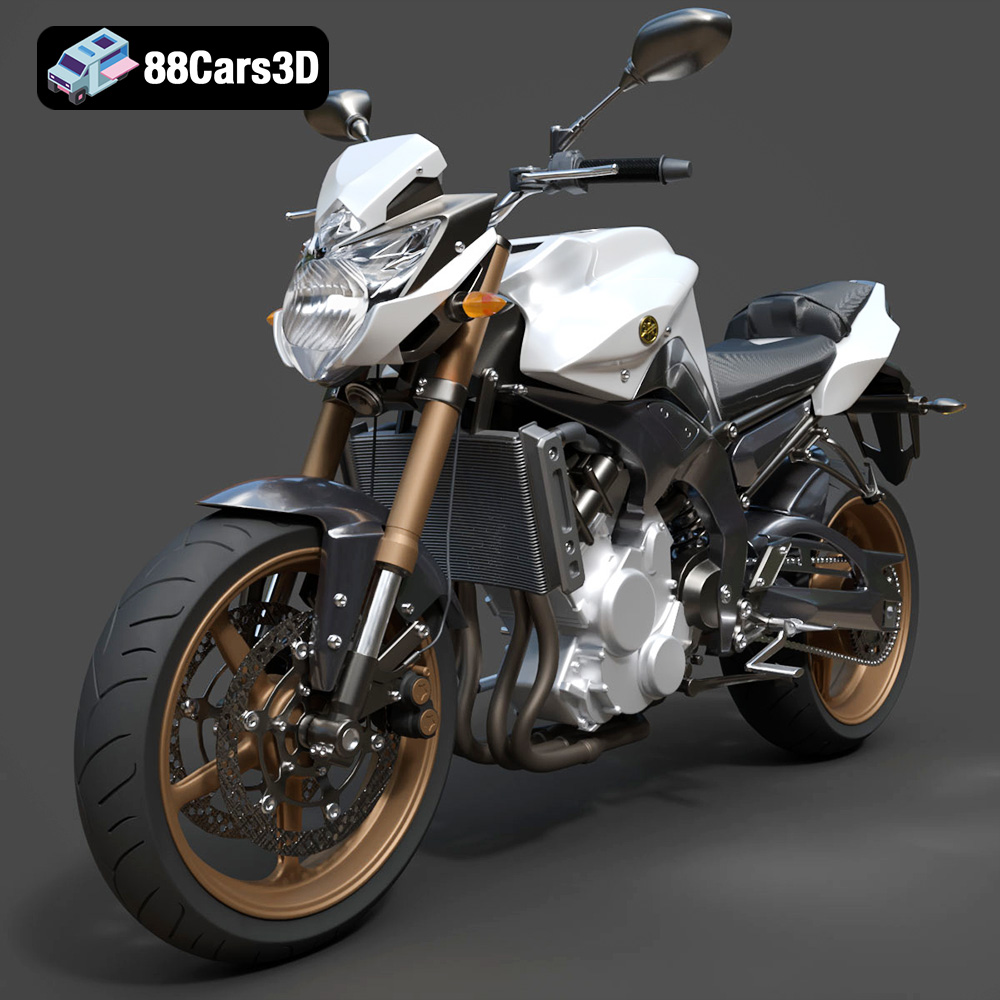
Texture: Yes
Material: Yes
Download the Yamaha FZ8 2011 3D Model featuring clean geometry, realistic detailing, and a fully modeled interior. Includes .blend, .fbx, .obj, .glb, .stl, .ply, .unreal, and .max formats for rendering, simulation, and game development.
Price: $19.99
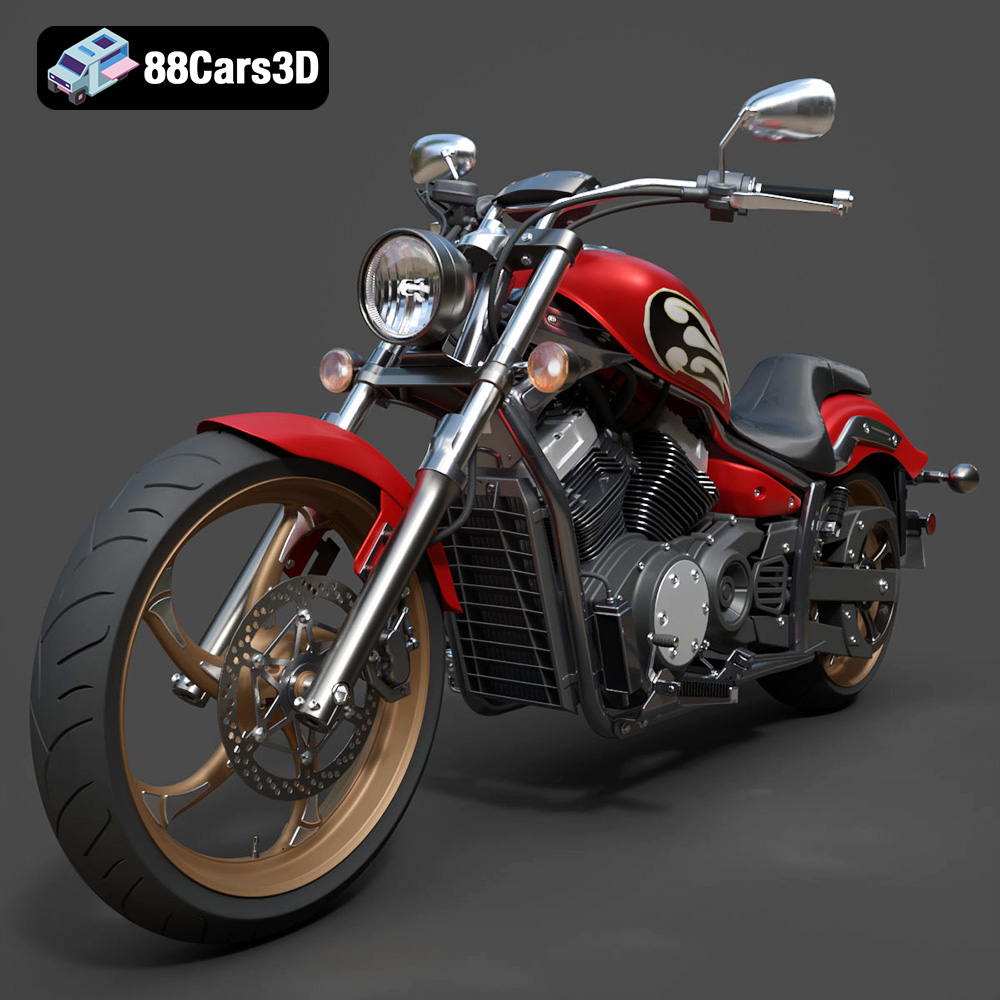
Texture: Yes
Material: Yes
Download the Yamaha Stryker 2012 3D Model featuring clean geometry, realistic detailing, and a fully modeled interior. Includes .blend, .fbx, .obj, .glb, .stl, .ply, .unreal, and .max formats for rendering, simulation, and game development.
Price: $19.99
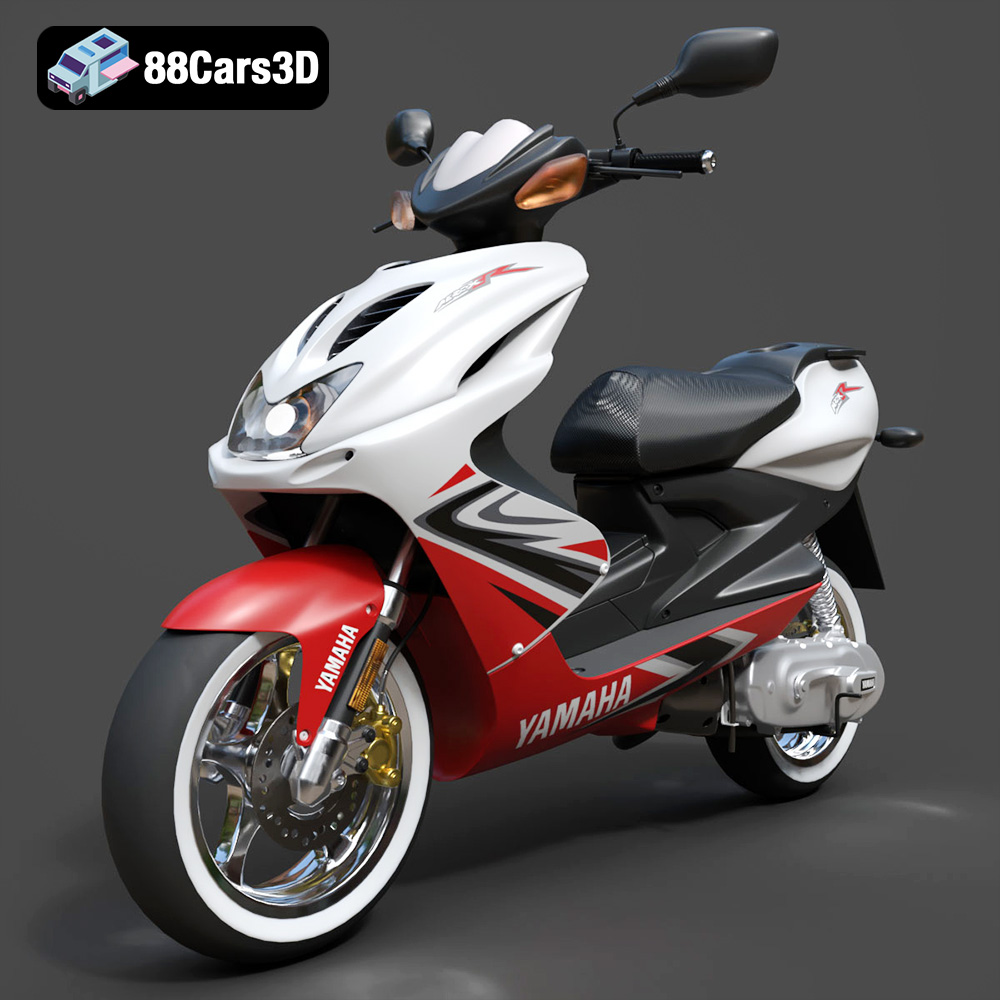
Texture: Yes
Material: Yes
Download the Yamaha Aerox R-002 2024 3D Model featuring clean geometry, realistic detailing, and a fully modeled interior. Includes .blend, .fbx, .obj, .glb, .stl, .ply, .unreal, and .max formats for rendering, simulation, and game development.
Price: $19.99
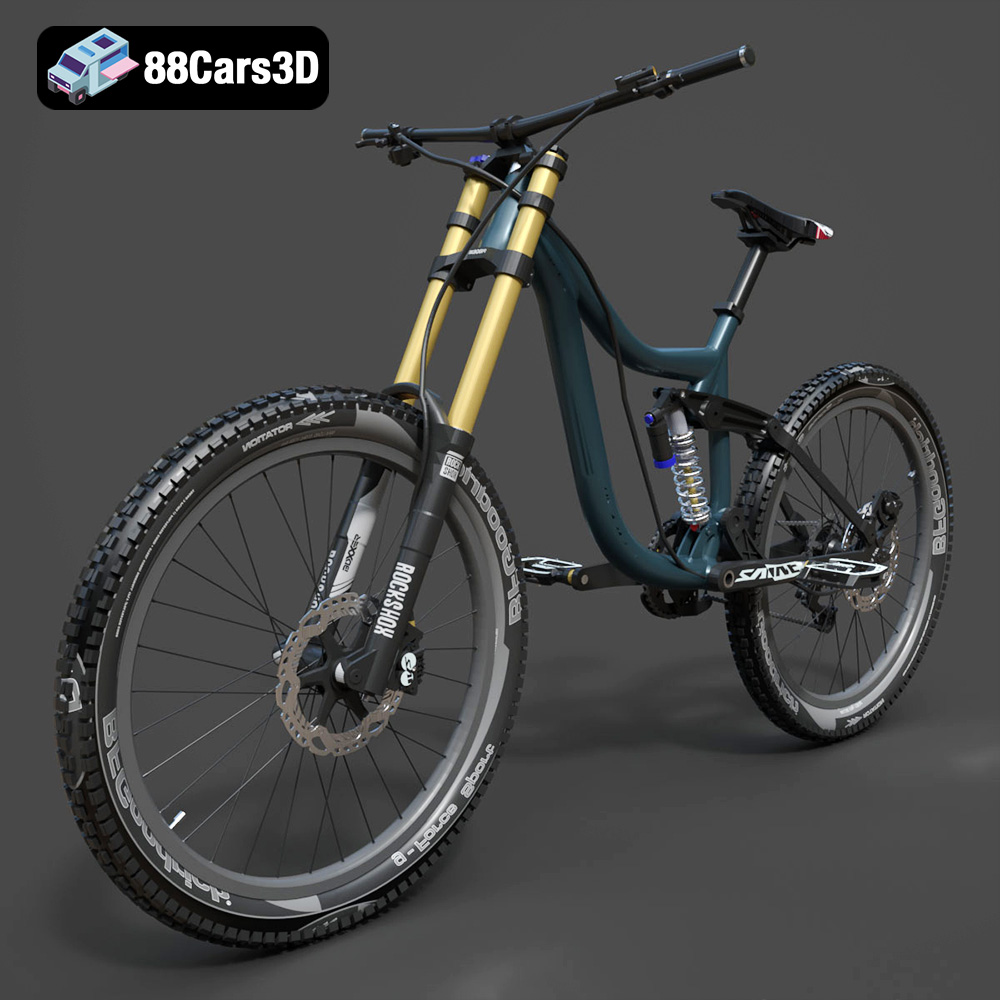
Texture: Yes
Material: Yes
Download the Mototsikly Downhill Bike-002 3D Model featuring clean geometry, realistic detailing, and precise mechanical components. Includes .blend, .fbx, .obj, .glb, .stl, .ply, .unreal, and .max formats for rendering, simulation, and game development.
Price: $19.99
Texture: Yes
Material: Yes
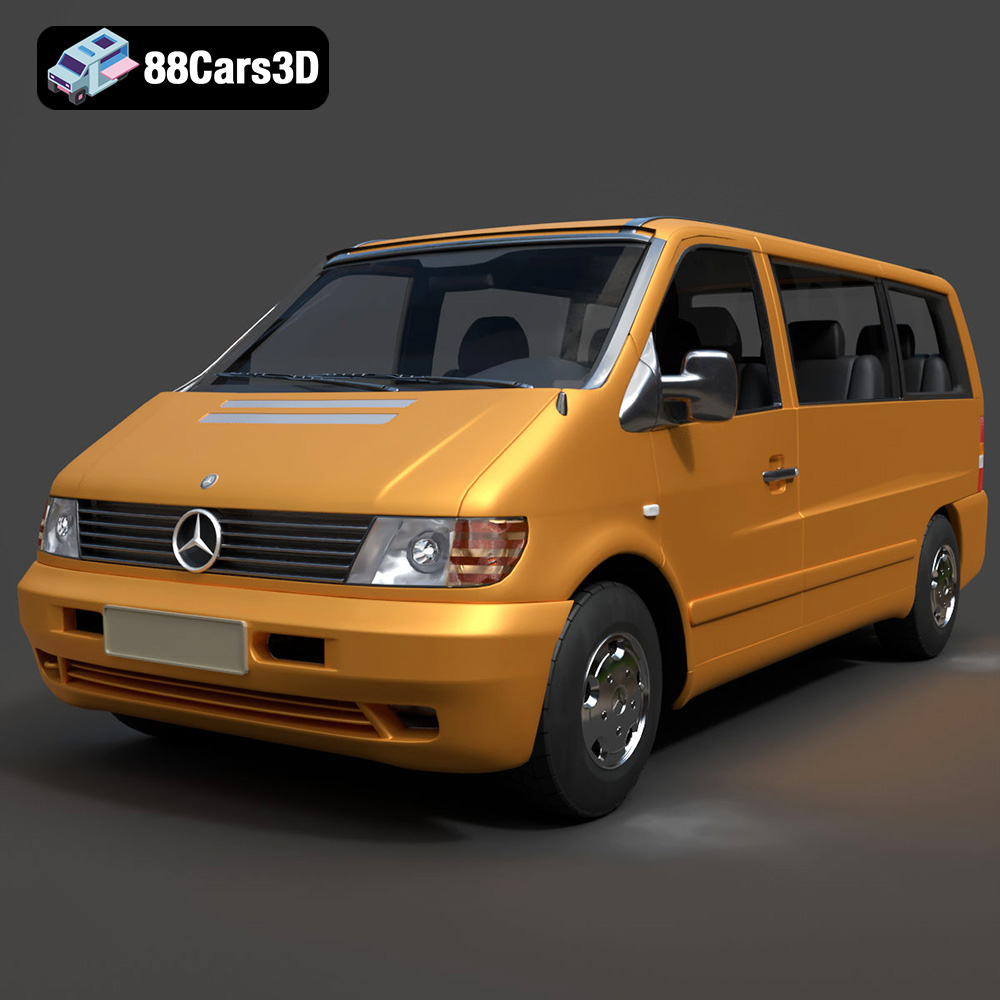
Download the Mercedes-Benz Vito Passenger Van 3D Model featuring clean geometry, realistic detailing, and a fully modeled interior. Includes .blend, .fbx, .obj, .glb, .stl, .ply, .unreal, and .max formats for rendering, simulation, and game development.
Price: $19.99
Texture: Yes
Material: Yes
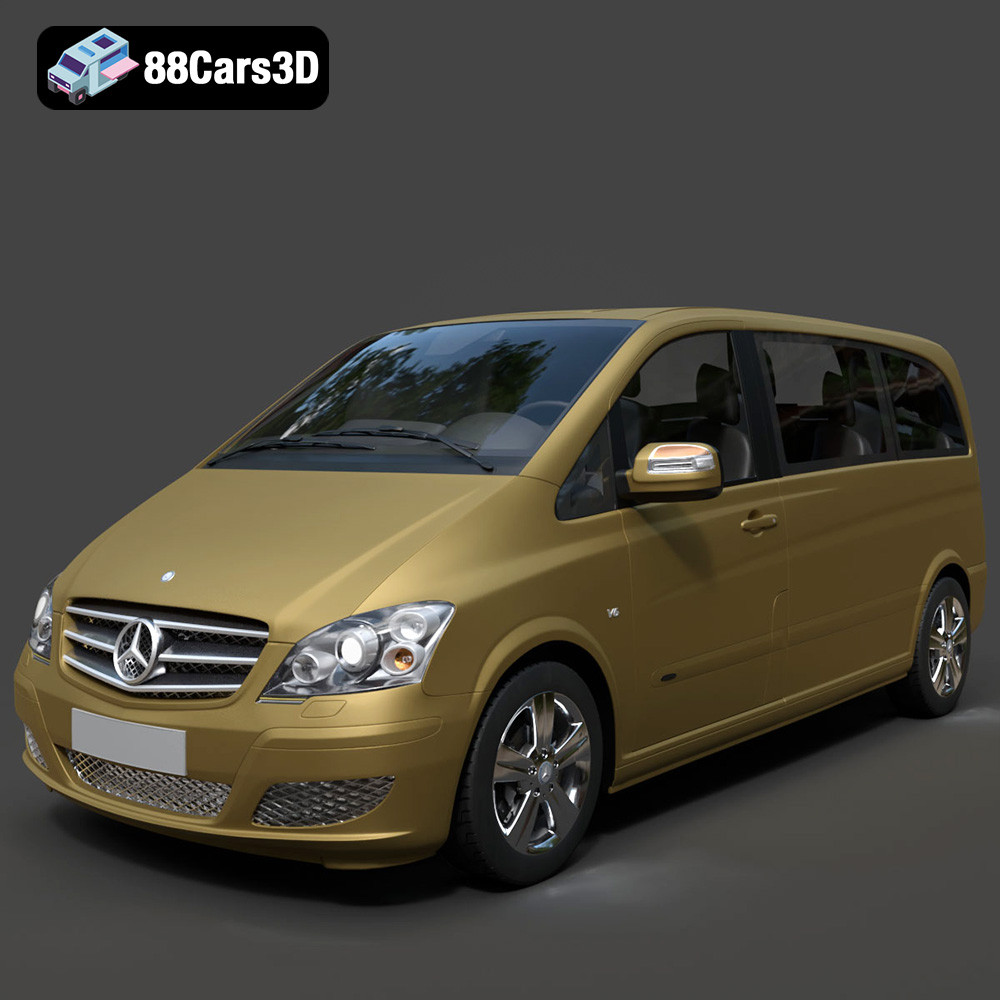
Download the Mercedes-Benz Viano 2010 3D Model featuring clean geometry, realistic detailing, and a fully modeled interior. Includes .blend, .fbx, .obj, .glb, .stl, .ply, .unreal, and .max formats for rendering, simulation, and game development.
Price: $19.99

Texture: Yes
Material: Yes
Download the Emt Avtobus 007 3D Model featuring clean geometry, realistic detailing, and a fully modeled interior. Includes .blend, .fbx, .obj, .glb, .stl, .ply, .unreal, and .max formats for rendering, simulation, and game development.
Price: $19.99
Texture: Yes
Material: Yes
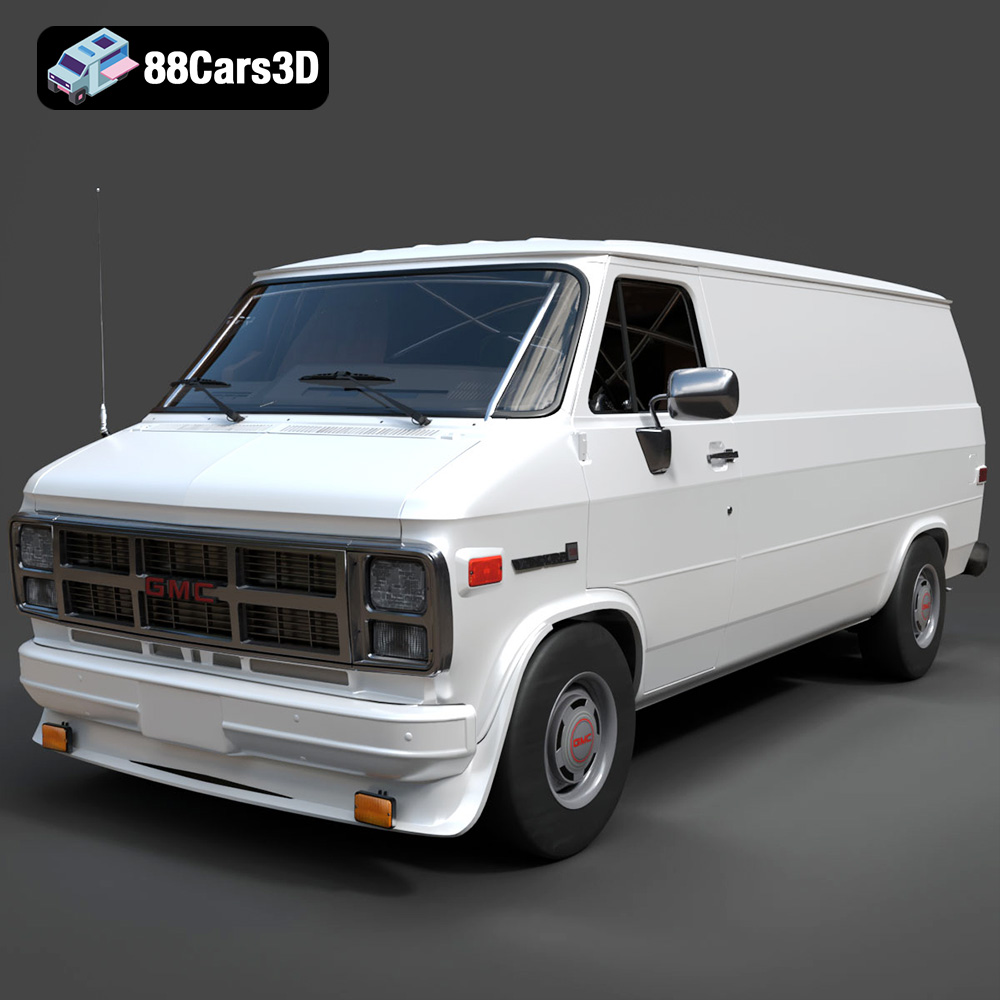
Download the GMC Vandura G-1500 1983 3D Model featuring clean geometry, realistic detailing, and a fully modeled interior. Includes .blend, .fbx, .obj, .glb, .stl, .ply, .unreal, and .max formats for rendering, simulation, and game development.
Price: $19.99
Texture: Yes
Material: Yes
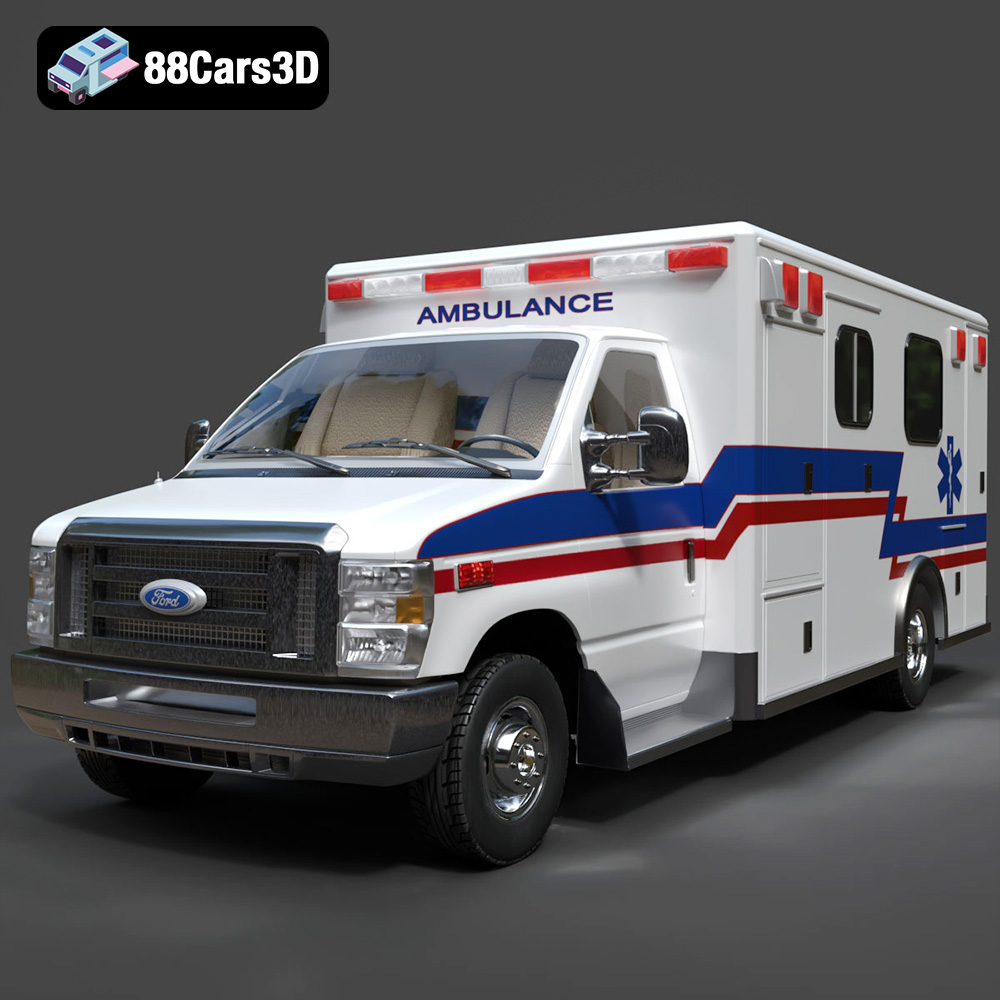
Download the Ford E-450 Ambulance 3D Model featuring clean geometry, realistic detailing, and a fully modeled interior. Includes .blend, .fbx, .obj, .glb, .stl, .ply, .unreal, and .max formats for rendering, simulation, and game development.
Price: $19.99

Texture: Yes
Material: Yes
Download the Fiat Ducato SWB-001 3D Model featuring clean geometry, realistic detailing, and a fully modeled interior. Includes .blend, .fbx, .obj, .glb, .stl, .ply, .unreal, and .max formats for rendering, simulation, and game development.
Price: $19.99

