⚡ FLASH SALE: Get 60% OFF All Premium 3D & STL Models! ⚡

The automotive world thrives on personalization. From a subtle spoiler addition to a complete body kit overhaul, the ability to customize a vehicle allows enthusiasts to express their unique style. In the realm of 3D modeling, this desire for bespoke design translates into a fascinating challenge: how to create 3D car models that offer an unparalleled degree of customization without sacrificing quality, performance, or artistic integrity. This comprehensive guide will take you on an in-depth journey into the art and science of creating modular 3D car parts, a skill set invaluable for anyone working in automotive rendering, game development, AR/VR experiences, or high-fidelity visualization. We’ll explore everything from foundational design principles and precision modeling techniques to advanced material setup, game engine optimization, and even procedural generation methods. By mastering modularity, you’ll empower users to mix and match components, dramatically increasing the versatility and lifespan of your 3D assets, whether for a sprawling open-world game or a cutting-edge configurator on platforms like 88cars3d.com. Prepare to unlock a new dimension of creativity and efficiency in your 3D automotive projects.
True modularity begins long before a single polygon is laid down. It’s a design philosophy that dictates how components will interact, ensuring seamless integration and consistent aesthetics. The core idea is to break down a complex 3D car model into discrete, interchangeable units. This isn’t just about separating a door from a fender; it’s about planning how different variations of those doors and fenders will attach, align, and complement each other. Think about how a real car is assembled on a production line – each part is designed to fit precisely with others, regardless of its specific trim level or optional features. This foresight in the initial design phase is paramount. Without it, you’ll encounter a myriad of issues later, from gaps and misalignments to inconsistent material properties and scaling problems. Investing time upfront in a robust modular design strategy will save countless hours of troubleshooting and rework, leading to a much more efficient and scalable asset pipeline.
Before opening your 3D software, grab a pen and paper, or utilize digital tools for sketching and diagramming. Identify the key areas of the car that will offer customization points. Common modular components include:
For each component category, consider the variations you intend to create. For instance, a “sport” bumper, a “luxury” bumper, and a “utility” bumper should all be designed to occupy the same physical space and connect to the main chassis in the same manner. Define the exact attachment points and the allowable deformation or overlap, if any, for each part. Think about how many different “styles” of each part you might need, and how they will visually interact. This conceptual stage also involves defining the overall aesthetic language for your modular parts to ensure cohesion across different combinations. A good practice is to establish a “base” or “stock” version of each part first, and then build variations upon that foundation, ensuring that core attachment geometry remains consistent. This thoughtful planning sets the stage for a smooth modeling process.
One of the most critical aspects of modular design is maintaining absolute consistency in scale and unit measurement across all your assets. Imagine trying to attach a spoiler designed in meters to a car body modeled in centimeters – it’s a recipe for disaster. Before any modeling begins, standardize your scene units (e.g., meters, centimeters, inches) and stick to them religiously. Most 3D software offers robust unit setup options; ensure they match your target engine or application. For example, Unity often prefers meters, while some CAD-based applications might use millimeters. Furthermore, establish a consistent grid system and ensure all modular parts are centered or aligned to a common origin point (e.g., the world origin [0,0,0]). This allows for easy snapping and positioning of parts. When modeling, always work to real-world dimensions. A car door isn’t just “large”; it has a specific height, width, and depth. This precision is vital for realistic visualization and ensures that parts will look and function correctly when assembled. Platforms like 88cars3d.com emphasize high-quality, accurately scaled models, and a consistent grid system is fundamental to achieving this.
Modeling modular parts demands an even higher degree of precision in topology and edge flow than standalone models. The goal is to create parts that not only look good individually but seamlessly integrate when swapped, without visible seams, distortions, or shading artifacts. This requires meticulous attention to polygon density, vertex alignment, and the strategic use of modeling techniques that support clean transitions between components. Poor topology on a modular part can lead to ugly shading discontinuities, difficult UV unwrapping, and problematic deformation if the part needs to animate (e.g., a door opening). A clean, quad-based topology with efficient edge loops is always the gold standard, especially for automotive surfaces where smooth reflections and accurate curvature are paramount.
The visual integrity of a modular system hinges on uniform polygon density and precise vertex alignment at connection points. When designing two interchangeable fenders, for example, their attachment edges must share not only the exact same position in space but also a comparable number of vertices and edge loops. This “matching” of geometry prevents visible gaps, overlapping faces, or uneven subdivision when parts are combined. For areas where parts meet, ensure edge loops terminate cleanly and don’t create n-gons or non-manifold geometry. Use snapping tools to precisely align vertices and edges. If a specific area (like a panel gap) is designed to have a certain width, model that width consistently across all connecting components. This ensures that when parts are swapped, the panel gaps remain uniform, contributing to a professional and realistic look. High-quality 3D car models, like those found on 88cars3d.com, always demonstrate this level of topological precision, which is crucial for achieving photorealistic renders and smooth real-time performance.
While manual modeling provides the most control, Boolean operations can be powerful tools for creating cutouts and intersections, especially for complex shapes like air intakes or exhaust ports. However, Booleans are notorious for generating messy, triangulated, and non-quad topology. When using them, it’s critical to follow up with a rigorous clean-up process. After a Boolean operation, immediately inspect the affected geometry:
The goal is to restore a clean, quad-based mesh that maintains good edge flow. For example, when cutting a hole for a headlight, ensure the new edge loops cleanly define the opening and flow into the surrounding bodywork. This prevents pinch points and ensures smooth shading around the cutout. The Blender 4.4 documentation offers excellent resources on mesh cleanup and retopology techniques, which are fundamental for maintaining high-quality geometry after Boolean operations. You can find detailed guides on tools and workflows at https://docs.blender.org/manual/en/4.4/.
Beyond geometry, the visual quality of modular parts heavily relies on consistent UV mapping and uniform PBR (Physically Based Rendering) materials. Inconsistent UVs or wildly different material properties between swapped components will immediately break immersion and compromise realism. The objective is to ensure that a matte black bumper from one set perfectly matches the matte black fender from another, not just in color but in reflectivity, roughness, and other PBR attributes. This requires a strategic approach to UV layout and a disciplined methodology for PBR shader creation.
For modular car parts, especially those meant for real-time applications, efficient UV mapping is crucial. Instead of individual texture sets for every small part, consider a modular UV strategy that utilizes texture atlases. A texture atlas combines multiple textures (e.g., paint, trim, carbon fiber, rubber) into a single, larger image. This significantly reduces draw calls in game engines, improving performance.
When creating UVs for modular parts:
Texture atlasing involves meticulously arranging the UV shells of multiple modular parts into a single UV map. Tools like Blender’s “Pack Islands” feature (available in the UV Editor) can help, but manual adjustment is often needed for optimal packing and texel density control.
PBR materials are fundamental for achieving realistic renders. For modular car parts, uniformity in PBR shader parameters is as important as the geometry itself. When creating different body panels (hood, door, fender) that are all supposed to be the “same” car paint, their PBR material properties (Base Color, Metallic, Roughness, Normal, etc.) must be identical. If you’re building a customization system, you might have:
Leverage material instancing in your game engine or rendering software. Create a master PBR material for each type of surface (e.g., “CarPaint_Master,” “TireRubber_Master,” “Chrome_Master”). Then, create instances of these masters for individual parts, allowing you to tweak parameters like base color without affecting the underlying PBR logic. For instance, in Blender, you can use node groups to create reusable shader components, ensuring consistent PBR setups across your assets. This workflow guarantees visual consistency and simplifies material management for a vast array of modular parts.
Once your modular parts are modeled, UV-mapped, and textured, the next crucial step is preparing them for integration into a dynamic customization system. This involves defining how parts attach and detach, often through simple rigging, and then exporting them in formats optimized for real-time engines and various applications. A well-prepared export pipeline ensures that your assets are easily usable and performant across different platforms, from high-end rendering software to mobile AR/VR experiences.
While full-vehicle rigging for animation is complex, modular customization typically only requires “rigging” in the sense of defining clear attachment points and pivot origins.
This “rigging” ensures that regardless of the modular part’s specific geometry, it will always align correctly when placed on the main vehicle body. For instance, if you have three different front bumpers, they should all be modeled such that their origin point aligns with the “FrontBumper_AttachPoint” empty on the chassis.
Choosing the right file format is paramount for modular assets. Different formats offer varying levels of support for materials, animations, and scene hierarchy, as well as differing levels of optimization for specific applications.
When exporting, always ensure your meshes are triangulated (most game engines prefer this for performance), apply all transforms (scale, rotation, position) to zero out object data, and remove any unnecessary scene elements like cameras or lights. This keeps your modular asset files clean and efficient.
Modular 3D car models are particularly powerful for game development and AR/VR experiences, offering players and users unprecedented customization options. However, integrating these complex systems requires careful optimization to maintain smooth frame rates and efficient resource utilization. Performance is always a critical consideration, especially with the high polygon counts and detailed textures often associated with realistic automotive models.
Level of Detail (LOD) is a performance optimization technique where multiple versions of the same mesh, with varying polygon counts, are used. As the object moves further from the camera, a lower-polygon version is swapped in, reducing rendering overhead. For modular car parts, LODs are indispensable.
Creating LODs takes extra time during asset production, but the performance benefits in a real-time environment with many customizable vehicles are immense. Without them, even a single highly detailed car could cripple performance, let alone a scene populated with multiple, uniquely customized vehicles.
In game engines, a “draw call” is an instruction from the CPU to the GPU to render an object. Minimizing draw calls is crucial for performance. When you have many instances of the same object (e.g., four identical wheels on a car, or multiple cars using the same modular spoiler), instancing becomes key.
Optimizing for draw calls and leveraging instancing directly impacts frame rate, especially in scenarios with many customizable cars, such as racing games or large open-world environments. For AR/VR experiences, where performance budgets are even tighter, these optimizations are not just beneficial but absolutely essential for a smooth and immersive user experience.
While traditional modeling offers precise control, the sheer volume of variations possible with modular car parts can sometimes benefit from more advanced, algorithmic approaches. Parametric design and procedural generation allow artists to define rules and parameters that automatically generate variations, speeding up the creation process and opening doors to truly dynamic customization.
Blender’s Geometry Nodes system (introduced in Blender 2.92 and significantly expanded in subsequent versions, including Blender 4.4) is a powerful non-destructive tool for procedural modeling and asset generation. It allows artists to manipulate mesh data (vertices, edges, faces, attributes) using a node-based interface.
For modular car parts, Geometry Nodes can be used to:
The non-destructive nature of Geometry Nodes means you can tweak parameters at any time without undoing previous work, making it incredibly flexible for experimenting with variations. The official Blender 4.4 documentation provides a comprehensive guide to Geometry Nodes, including many examples that can be adapted for automotive applications. Refer to https://docs.blender.org/manual/en/4.4/modeling/geometry_nodes/index.html for detailed tutorials and node explanations. This approach allows for a “design by parameter” workflow, where a single base model can spawn countless unique variations.
In game engines or visualization applications, the dynamic assembly and modification of modular car parts are driven by code. Scripting is required to:
For Unity, C# is used; for Unreal Engine, C++ and Blueprint visual scripting are common. For web-based configurators using glTF, JavaScript with libraries like Three.js or Babylon.js would handle the logic. This scripting is the “brain” behind the customization, enabling users to interact with and personalize their 3D car models in real-time. Developing robust and efficient scripting for these systems is key to delivering a smooth and responsive user experience.
The creation of modular 3D car parts for customization is a sophisticated endeavor that bridges artistic vision with technical precision and optimization. By embracing a modular design philosophy from the outset, focusing on meticulous topology and consistent UV mapping, leveraging PBR materials for visual uniformity, and mastering efficient export formats, you can build a versatile library of assets. Furthermore, optimizing these assets for game engines and AR/VR with LODs and efficient instancing ensures high performance across diverse applications. Advanced techniques like Blender’s Geometry Nodes and robust scripting empower you to push the boundaries of dynamic content generation and user interaction.
The demand for high-quality, customizable 3D automotive assets is only growing, driven by game developers seeking deeper player engagement, automotive designers needing flexible visualization tools, and AR/VR creators crafting immersive experiences. By applying the principles outlined in this guide, you won’t just be creating individual 3D models; you’ll be building powerful, adaptable systems that offer endless possibilities for creativity and personalization. Whether you’re supplying assets to marketplaces like 88cars3d.com or developing your own proprietary projects, mastering modularity will elevate your craft and position you at the forefront of 3D automotive design. Start building your customizable garage today, piece by meticulously crafted piece.

Meta Description:
Texture: Yes
Material: Yes
Download the Porsche Cayenne 3D Model featuring realistic exterior styling and detailed interior design. Includes .blend, .fbx, .obj, .glb, .stl, .ply, .unreal, and .max formats for rendering, simulation, AR VR, and game development.
Price: $19.9
Texture: Yes
Material: Yes
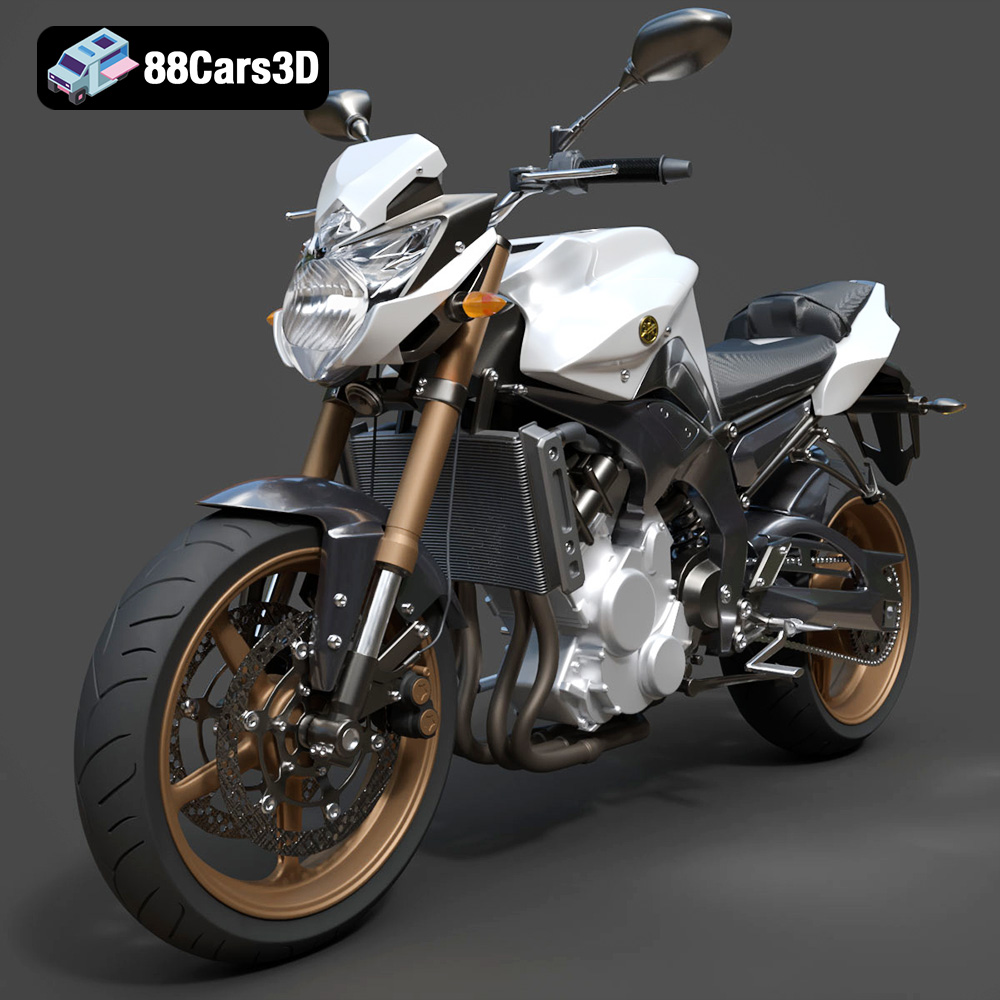
Download the Yamaha FZ8 2011 3D Model featuring clean geometry, realistic detailing, and a fully modeled interior. Includes .blend, .fbx, .obj, .glb, .stl, .ply, .unreal, and .max formats for rendering, simulation, and game development.
Price: $19.99
Texture: Yes
Material: Yes
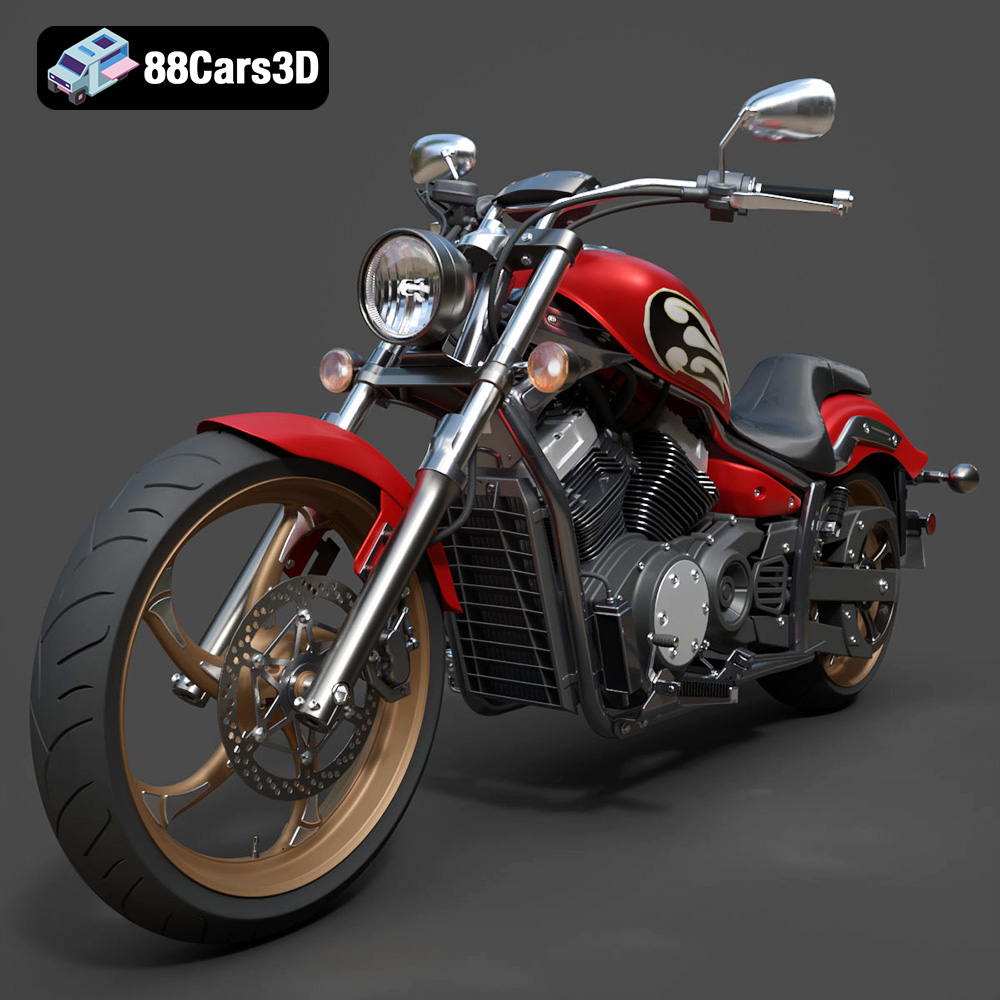
Download the Yamaha Stryker 2012 3D Model featuring clean geometry, realistic detailing, and a fully modeled interior. Includes .blend, .fbx, .obj, .glb, .stl, .ply, .unreal, and .max formats for rendering, simulation, and game development.
Price: $19.99
Texture: Yes
Material: Yes
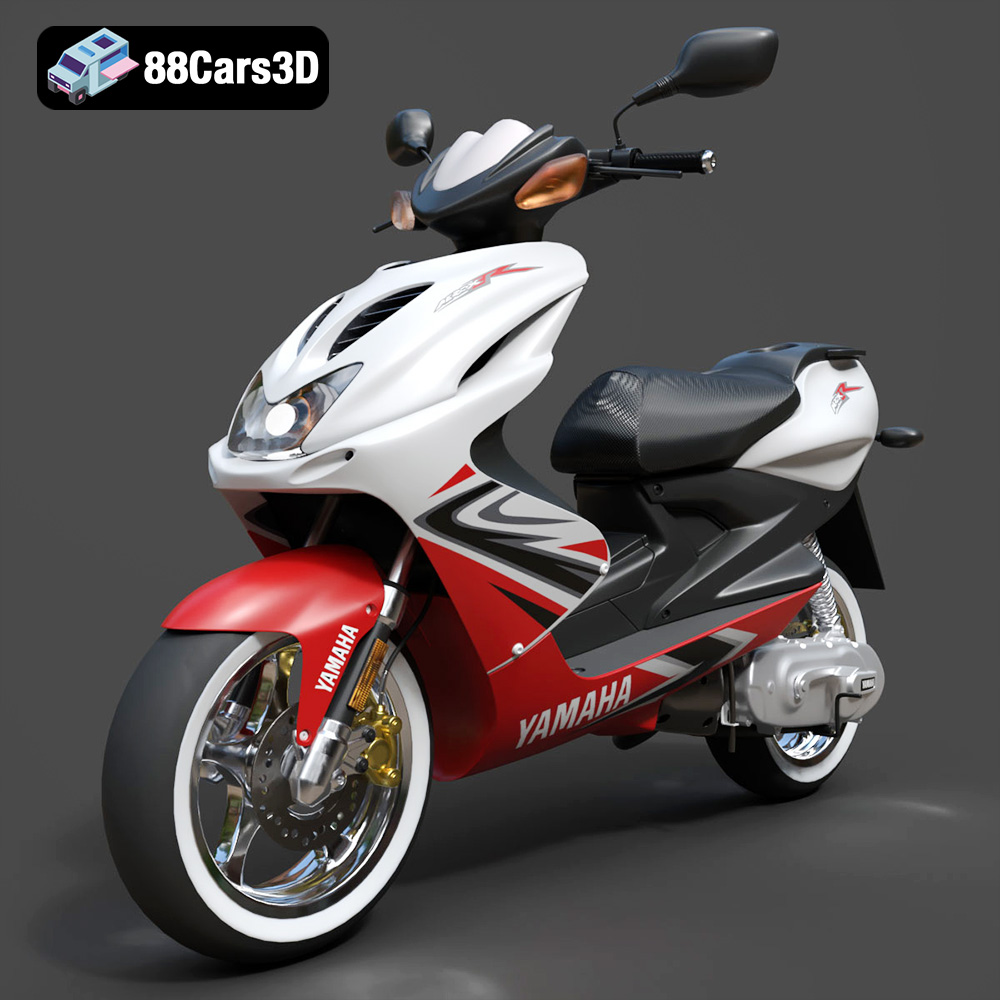
Download the Yamaha Aerox R-002 2024 3D Model featuring clean geometry, realistic detailing, and a fully modeled interior. Includes .blend, .fbx, .obj, .glb, .stl, .ply, .unreal, and .max formats for rendering, simulation, and game development.
Price: $19.99
Texture: Yes
Material: Yes
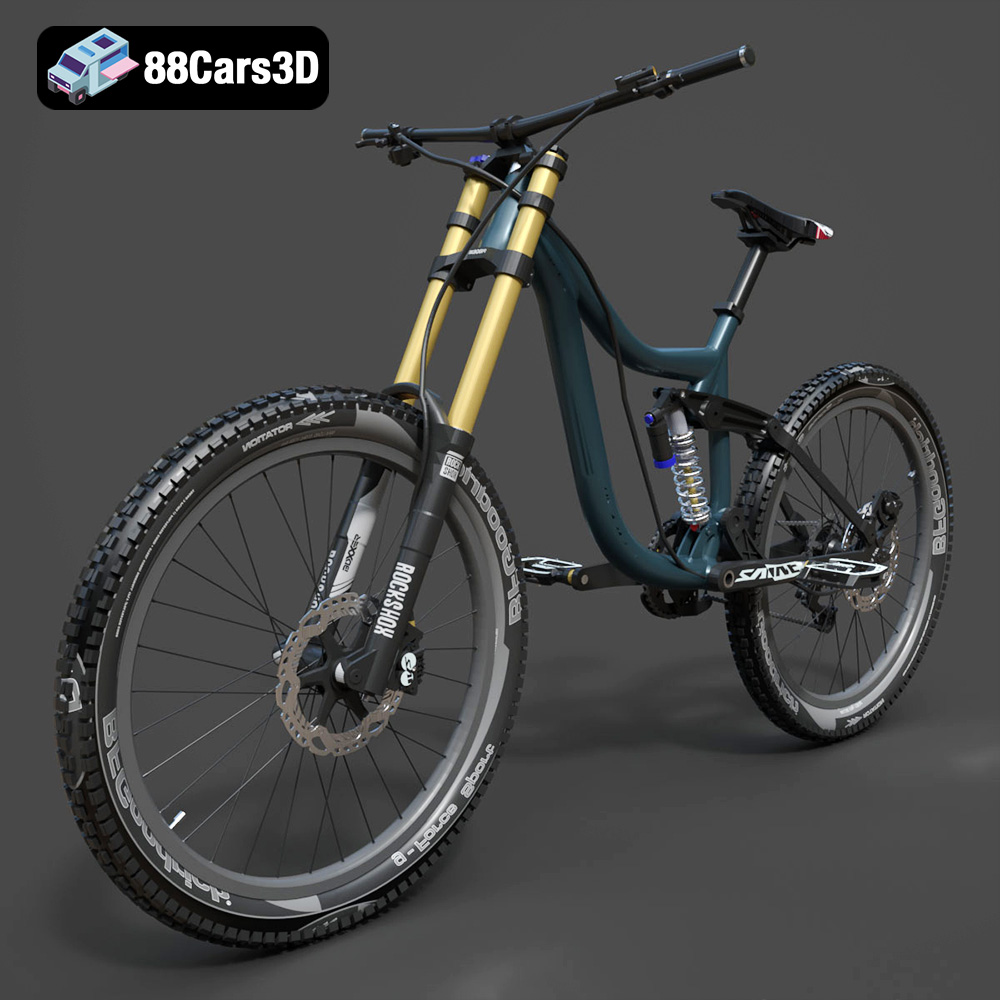
Download the Mototsikly Downhill Bike-002 3D Model featuring clean geometry, realistic detailing, and precise mechanical components. Includes .blend, .fbx, .obj, .glb, .stl, .ply, .unreal, and .max formats for rendering, simulation, and game development.
Price: $19.99
Texture: Yes
Material: Yes
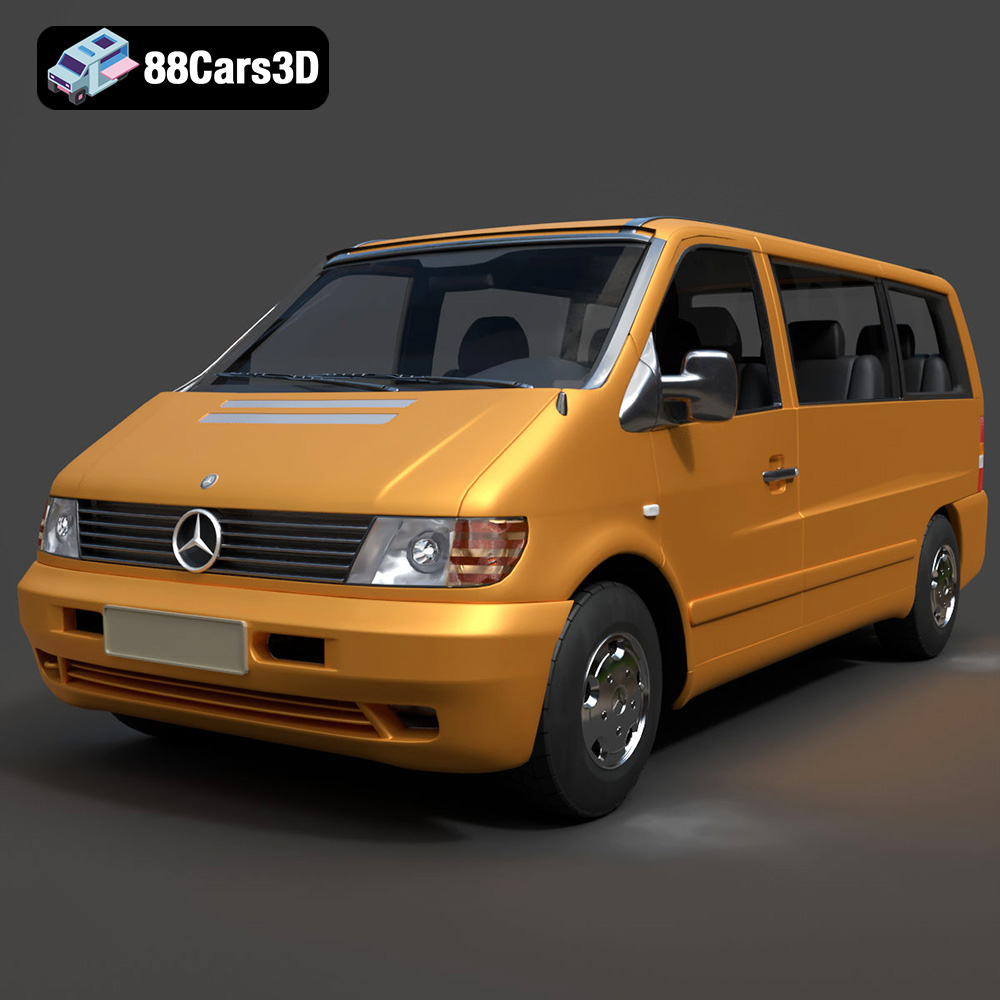
Download the Mercedes-Benz Vito Passenger Van 3D Model featuring clean geometry, realistic detailing, and a fully modeled interior. Includes .blend, .fbx, .obj, .glb, .stl, .ply, .unreal, and .max formats for rendering, simulation, and game development.
Price: $19.99
Texture: Yes
Material: Yes
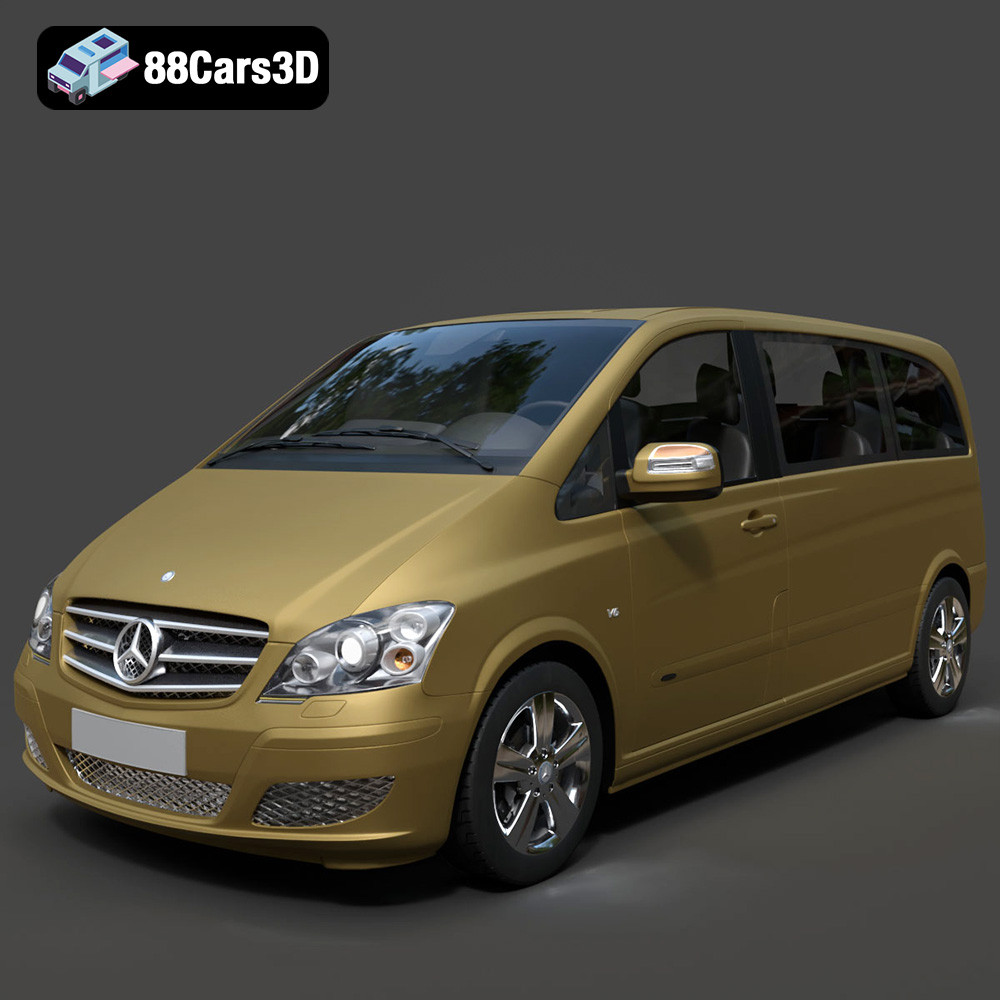
Download the Mercedes-Benz Viano 2010 3D Model featuring clean geometry, realistic detailing, and a fully modeled interior. Includes .blend, .fbx, .obj, .glb, .stl, .ply, .unreal, and .max formats for rendering, simulation, and game development.
Price: $19.99

Texture: Yes
Material: Yes
Download the Emt Avtobus 007 3D Model featuring clean geometry, realistic detailing, and a fully modeled interior. Includes .blend, .fbx, .obj, .glb, .stl, .ply, .unreal, and .max formats for rendering, simulation, and game development.
Price: $19.99
Texture: Yes
Material: Yes
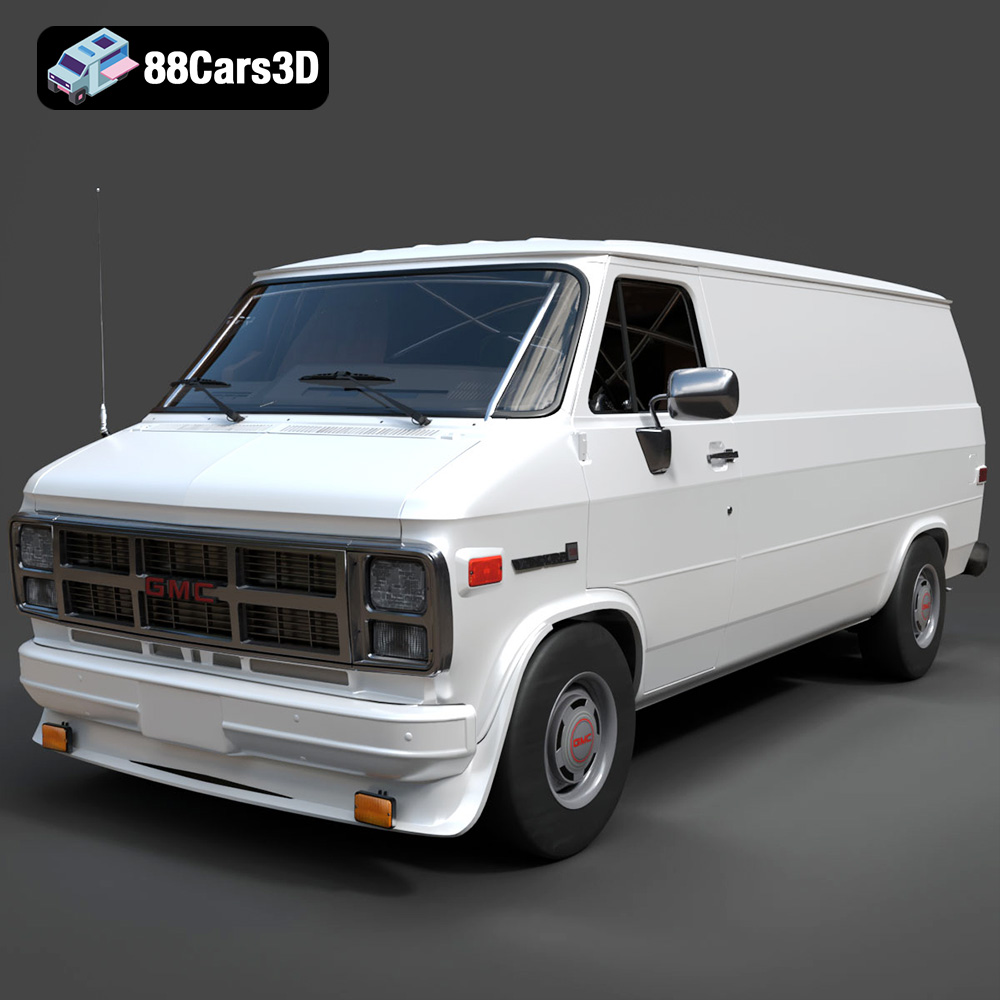
Download the GMC Vandura G-1500 1983 3D Model featuring clean geometry, realistic detailing, and a fully modeled interior. Includes .blend, .fbx, .obj, .glb, .stl, .ply, .unreal, and .max formats for rendering, simulation, and game development.
Price: $19.99
Texture: Yes
Material: Yes
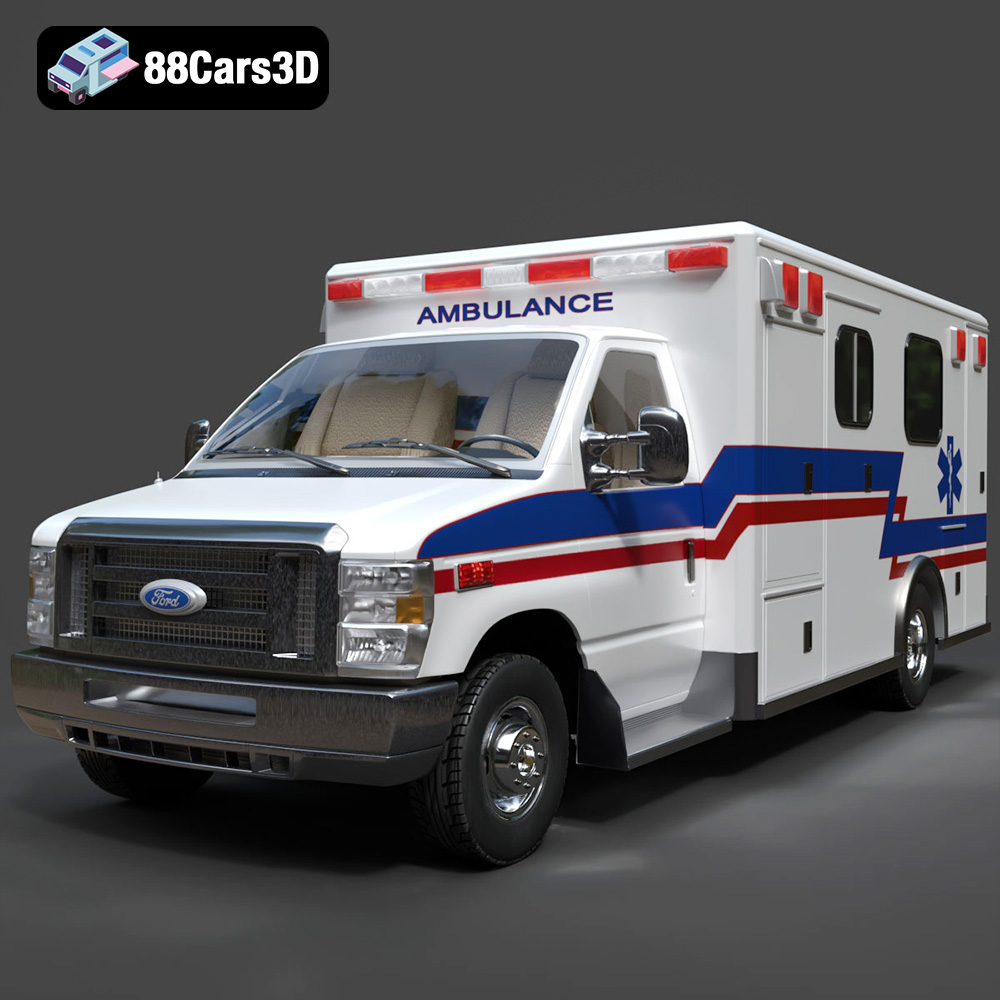
Download the Ford E-450 Ambulance 3D Model featuring clean geometry, realistic detailing, and a fully modeled interior. Includes .blend, .fbx, .obj, .glb, .stl, .ply, .unreal, and .max formats for rendering, simulation, and game development.
Price: $19.99

