⚡ FLASH SALE: Get 60% OFF All Premium 3D & STL Models! ⚡

In the exhilarating world of real-time rendering and interactive experiences, Unreal Engine stands as a titan. Yet, for many 3D artists, automotive designers, and visualization professionals, the perceived barrier of traditional coding can seem daunting. What if you could harness the engine’s immense power, craft intricate interactive scenes, and even build sophisticated automotive configurators without writing a single line of C++ code? Enter Unreal Engine Blueprint Visual Scripting – a revolutionary system that empowers non-programmers to bring their visions to life with intuitive, node-based logic.
This comprehensive guide is designed to demystify Blueprint, illustrating its incredible potential, especially within the demanding realm of automotive visualization. We’ll embark on a journey from understanding Blueprint’s core principles to implementing advanced interactive features for your high-fidelity 3D car models. Whether you’re aiming to create a dynamic virtual showroom, an immersive AR/VR experience, or a stunning cinematic sequence, Blueprint is your key to unlocking unparalleled creative freedom. Platforms like 88cars3d.com offer optimized 3D car models that are perfectly suited for these workflows, providing a solid foundation for your interactive projects. Prepare to transform your static automotive renders into dynamic, responsive, and truly engaging experiences.
Unreal Engine Blueprint Visual Scripting is fundamentally a complete gameplay scripting system based on the concept of using a node-based interface to create gameplay elements. Unlike traditional text-based coding languages like C++, Blueprint uses visual nodes connected by “wires” to define logic, events, and actions. This approach drastically lowers the entry barrier for artists, designers, and enthusiasts who want to build interactive applications without delving into complex programming syntax. Imagine dragging and dropping logical blocks, connecting them, and watching your ideas come to life – that’s the essence of Blueprint.
The power of Blueprint lies in its accessibility and iterative nature. You can rapidly prototype ideas, test interactions, and refine your logic on the fly. This agility is invaluable in fast-paced development cycles, allowing artists to directly implement their interactive designs without constantly relying on a programmer. It fosters a more collaborative environment where creative concepts can be translated into functional systems almost immediately. Furthermore, Blueprint is fully integrated with every aspect of Unreal Engine, meaning you can control virtually any engine feature, from manipulating PBR materials to triggering complex particle effects or interacting with advanced rendering features like Lumen and Nanite. For detailed information on its capabilities, the official Unreal Engine documentation is an excellent resource.
At its core, Blueprint is an object-oriented system. Everything in Unreal Engine is an ‘object’ or an ‘Actor,’ and Blueprints allow you to extend their functionality. Instead of writing text code like if (condition) { do_this; } else { do_that; }, you drag an “If” node, connect a “Condition” pin, and then connect “True” and “False” execution pins to other action nodes. This visual representation makes debugging significantly easier, as you can literally see the flow of your logic. It’s an event-driven system, meaning actions happen in response to specific events, such as a player clicking on an object, a timer expiring, or a level loading.
For non-programmers, this visual paradigm translates into immediate understanding and greater control. Artists can develop interactive elements directly related to their 3D models – changing car colors, opening doors, or triggering engine sounds – without needing to understand pointers, memory management, or complex class hierarchies. This democratizes game and application development, allowing individuals with strong artistic or design backgrounds to become powerful creators. The iterative design process becomes incredibly fluid, enabling faster prototyping and more creative experimentation.
To master Blueprint, understanding a few core concepts is essential:
Once you have a grasp of Blueprint fundamentals, the real fun begins: making your automotive models interactive. This section will guide you through the process of preparing your 3D car models, especially those sourced from high-quality marketplaces like 88cars3d.com, and then implementing basic but impactful interactions using Blueprint.
The key to successful interactive automotive visualization in Unreal Engine is starting with well-structured assets. Models from 88cars3d.com are typically optimized with clean topology, proper UV mapping, and PBR-ready material setups, which are crucial for performance and visual fidelity. When importing, ensure your model’s hierarchy is logically organized (e.g., separate meshes for body, wheels, doors, interior components) to facilitate easy selection and manipulation via Blueprint.
Importing your 3D car model into Unreal Engine is a straightforward process, typically using the FBX file format. Here’s a general workflow:
BP_InteractiveCar.Having a well-organized Blueprint with accessible components is the foundation for all your interactive logic. For optimal performance, especially with highly detailed models, consider enabling Nanite for your static meshes. Nanite allows for cinematic-quality polygon counts while maintaining real-time performance, which is a game-changer for automotive visualization.
Let’s dive into some practical Blueprint examples for basic car interactions:
BP_InteractiveCar Blueprint, add two Point Light Components (for headlights) and two Spot Light Components (for high beams) as children of your car’s main body mesh, positioning them correctly.BP_InteractiveCar Blueprint.BP_InteractiveCar, on “Event BeginPlay,” create a “Create Dynamic Material Instance” node. Target your car’s mesh, select the original car material, and store the “Return Value” in a new Material Instance Dynamic Reference variable.Beyond simple interactions, Blueprint truly shines when building complex systems like automotive configurators. These tools allow users to customize a vehicle in real-time, changing colors, wheels, interior trims, and even adding accessories. Blueprint provides the architectural flexibility to manage these choices, update materials and meshes, and ensure a seamless user experience. By combining UI elements created with Unreal Motion Graphics (UMG) with robust Blueprint logic, you can deliver professional-grade configurators.
A well-designed configurator will often use data structures to store available options, making the system scalable and easy to update. For instance, you might use an array of materials for different paint finishes or an array of static mesh references for various wheel designs. This modular approach, driven entirely by Blueprint, is what elevates a basic interactive model into a powerful visualization tool capable of showcasing every facet of a vehicle’s design. This level of detail and interactivity is paramount in modern automotive visualization, from marketing tools to virtual showrooms.
To create a truly advanced color picker, you’ll want to leverage Data Tables and UMG (Unreal Motion Graphics) widgets. This approach centralizes your data and makes the UI responsive:
WB_ColorSwatch) containing an “Image” (for thumbnail) and “Text” (for color name).WB_ColorSwatch‘s Event Graph, add an “Event OnClicked” for the button. On click, “Dispatch” a custom event that passes the selected color data back to the main configurator Blueprint.BP_CarConfigurator), “Event BeginPlay” should retrieve the data from your Color Data Table (“Get Data Table Row Names,” then “Get Data Table Row” for each).WB_ColorSwatch template. Populate its image and text from the Data Table row.WB_ColorSwatch to a function in your BP_CarConfigurator that then calls “Set Vector Parameter Value” on your Material Instance Dynamic for the car body, updating the color.This organized approach ensures scalability; adding new colors simply means updating the Data Table without changing any Blueprint logic.
Dynamic camera controls are crucial for showcasing a vehicle effectively. Blueprint can manage complex camera behaviors:
BP_OrbitCamera) containing a “Spring Arm Component” and a “Camera Component” attached to it. On “Event Tick,” calculate the desired rotation based on mouse input (using “Get Mouse X,” “Get Mouse Y,” “Add Controller Pitch/Yaw Input”). Use “Set Relative Rotation” on the Spring Arm to orbit around a target car.While complex vehicle physics often leverage Unreal Engine’s Chaos Vehicles plugin or dedicated C++ code, Blueprint can handle simpler interactions:
Unreal Engine 5 introduces groundbreaking technologies like Nanite and Lumen, pushing the boundaries of real-time fidelity. Blueprint serves as the control panel, allowing artists and designers to harness these features dynamically. By understanding how to integrate Blueprint with these advanced systems, you can create automotive visualizations that are not only interactive but also visually stunning and highly performant.
The synergy between Blueprint and these engine features is critical for optimizing high-detail automotive assets. For instance, a highly detailed 3D car model from 88cars3d.com might benefit immensely from Nanite for its geometric complexity, while Lumen ensures it’s beautifully lit in real-time. Blueprint provides the means to switch between different car models with varying levels of detail, toggle visual effects, or adjust lighting conditions, all without touching a line of code.
Nanite Virtualized Geometry allows Unreal Engine to render incredibly high-polygon models (millions or even billions of triangles) in real-time without significant performance penalties. For automotive models, this means cinematic-quality detail can be displayed directly in an interactive experience. Blueprint plays a role in managing these assets:
Lumen is Unreal Engine’s fully dynamic global illumination and reflections system, providing incredibly realistic lighting without baking. Blueprint enables dynamic control over this sophisticated lighting environment:
Niagara is Unreal Engine’s powerful and flexible particle effects system. Blueprint is essential for triggering, controlling, and parametrizing these effects:
BP_InteractiveCar, add a “Niagara Component” as a child of the car, positioned at the exhaust pipe. Blueprint can then “Activate” or “Deactivate” this component based on engine state (e.g., “On Engine Start” event activates exhaust, “On Engine Stop” deactivates).While Blueprint is incredibly powerful and convenient, it’s crucial to write efficient scripts to maintain optimal real-time performance, especially for demanding applications like automotive visualization. Poorly optimized Blueprints can lead to frame rate drops, hitches, and a generally unpolished user experience. Understanding best practices and how to debug performance issues is key to delivering high-quality interactive content.
Every node connection, every variable access, and every event firing consumes CPU cycles. In real-time applications, where milliseconds count, inefficient Blueprint logic can quickly accumulate. The goal is to achieve the desired interactivity and visual fidelity while minimizing the computational overhead. This often involves careful consideration of when and how Blueprint logic executes, and making smart choices about data management and event handling.
Following these guidelines will significantly improve the performance and maintainability of your Blueprints:
Even with best practices, bugs and performance bottlenecks can emerge. Unreal Engine provides tools to help you identify and resolve these issues:
UnrealInsights.exe in your Engine/Binaries folder). It allows you to capture detailed performance data, including Blueprint execution times, memory usage, and rendering performance. You can specifically filter for Blueprint events to identify which parts of your logic are consuming the most CPU time.stat unit: Displays frame time, game thread, render thread, and GPU times. Helps identify overall bottlenecks.stat game: Breaks down game thread performance, including Blueprint costs.stat blueprint: Provides detailed statistics on Blueprint execution time.stat scenerendering: Provides detailed rendering statistics, useful when troubleshooting Nanite/Lumen performance.Blueprint is not just a tool for hobbyists; it’s a cornerstone in professional pipelines across various industries, particularly in automotive visualization. From high-stakes virtual production sets to immersive training simulations and engaging marketing experiences, Blueprint empowers developers to create sophisticated, interactive content without needing a dedicated programming team for every feature. Its flexibility and tight integration with Unreal Engine’s advanced features make it an invaluable asset for delivering cutting-edge automotive projects.
The ability to rapidly prototype, iterate, and deploy interactive experiences means automotive studios can bring new vehicle designs to market faster, train personnel more effectively, and engage customers in unprecedented ways. Blueprint drives the interactivity in these scenarios, making complex technical showcases accessible and intuitive. For businesses that rely on showcasing product innovations and design, Unreal Engine and Blueprint provide the tools to differentiate themselves in a highly competitive market, especially when combined with high-quality assets available from sources like 88cars3d.com.
In virtual production, where real-time engines drive LED walls for cinematic backgrounds, Blueprint is indispensable. It controls:
For immersive showrooms, Blueprint builds the entire interactive experience:
AR (Augmented Reality) and VR (Virtual Reality) are revolutionizing how we interact with cars, and Blueprint is at the heart of their development:
The demand for real-time visualization skills, especially in Unreal Engine, is only growing. Mastering Blueprint positions you at the forefront of this evolution. It allows artists and designers to take ownership of the interactive aspects of their projects, fostering a deeper understanding of game design principles and technical implementation. As Unreal Engine continues to evolve with even more advanced features, Blueprint will remain the accessible gateway, enabling rapid adoption and creative application of these new technologies. Investing time in Blueprint today is an investment in a future of limitless creative possibilities in real-time automotive visualization.
Unreal Engine Blueprint Visual Scripting is far more than a simplified coding tool; it’s a powerful, intuitive system that democratizes real-time development. For anyone in automotive visualization, 3D art, or game development, especially those without a programming background, Blueprint unlocks the full potential of Unreal Engine, allowing you to create truly interactive and immersive experiences. We’ve explored everything from understanding Blueprint’s core concepts and setting up basic interactions with your 3D car models to building sophisticated configurators, integrating with advanced Unreal Engine features like Nanite and Lumen, and optimizing your projects for peak performance. We also looked at real-world applications in virtual production, AR/VR, and training simulations, highlighting Blueprint’s critical role.
The journey from static render to dynamic, interactive experience is now within your grasp. By leveraging high-quality 3D car models from marketplaces like 88cars3d.com and applying the Blueprint techniques outlined in this guide, you can transform your automotive visions into compelling real-time applications. Don’t let the perceived complexity of game engines deter you. Embrace the visual power of Blueprint, experiment with its vast capabilities, and start building your interactive automotive masterpieces today. The future of automotive visualization is interactive, and Blueprint is your roadmap to getting there.
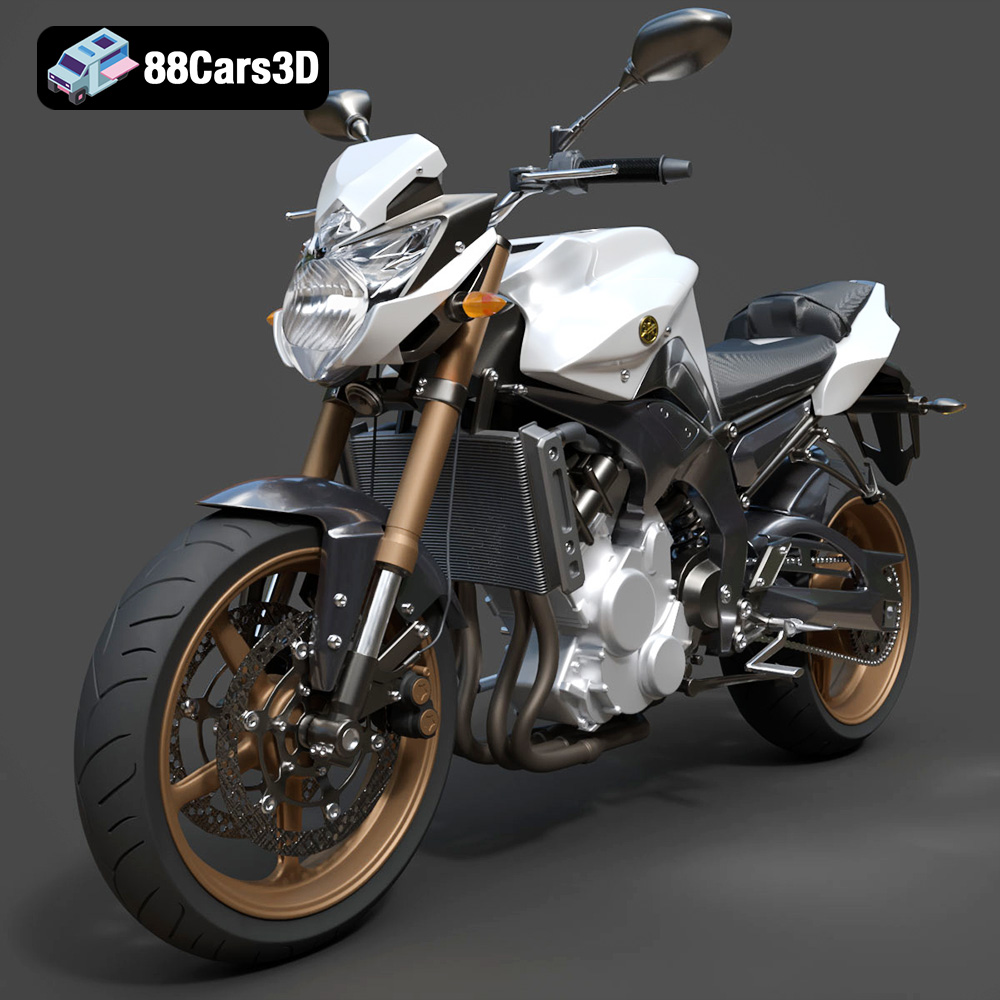
Texture: Yes
Material: Yes
Download the Yamaha FZ8 2011 3D Model featuring clean geometry, realistic detailing, and a fully modeled interior. Includes .blend, .fbx, .obj, .glb, .stl, .ply, .unreal, and .max formats for rendering, simulation, and game development.
Price: $19.99
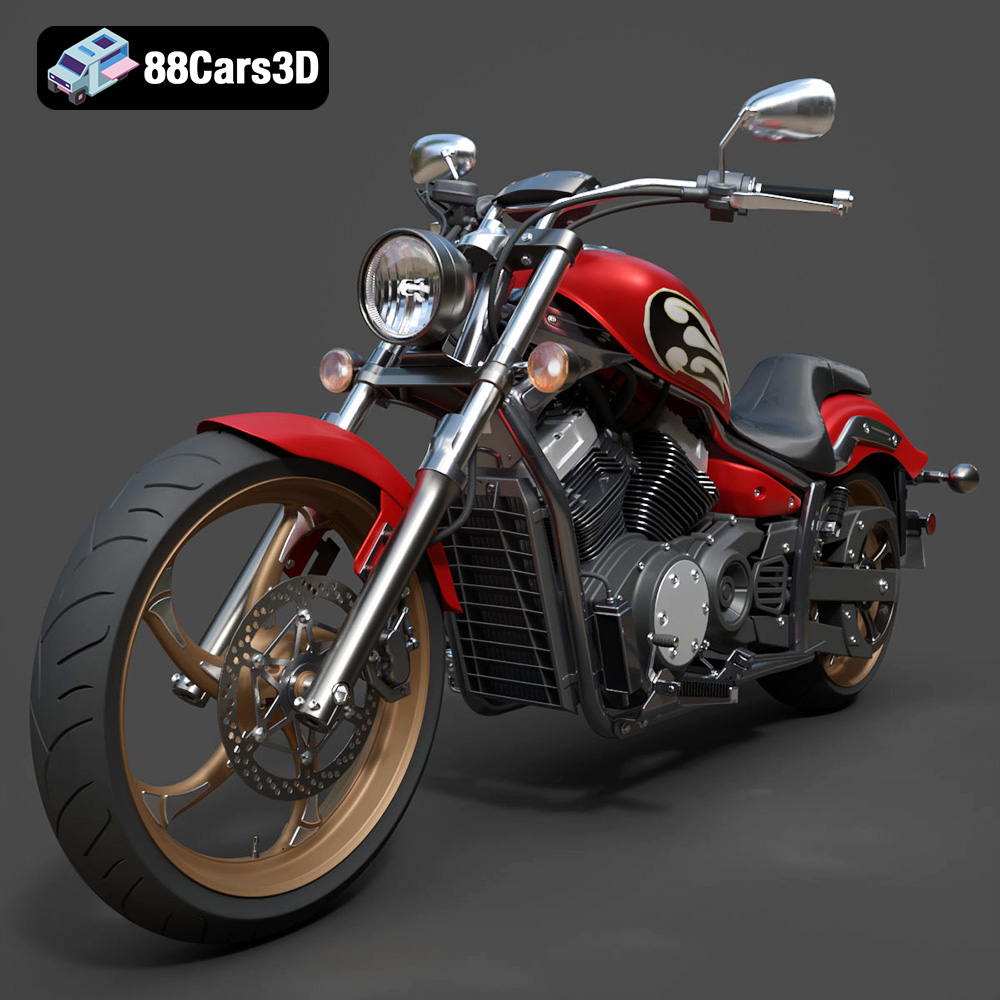
Texture: Yes
Material: Yes
Download the Yamaha Stryker 2012 3D Model featuring clean geometry, realistic detailing, and a fully modeled interior. Includes .blend, .fbx, .obj, .glb, .stl, .ply, .unreal, and .max formats for rendering, simulation, and game development.
Price: $19.99
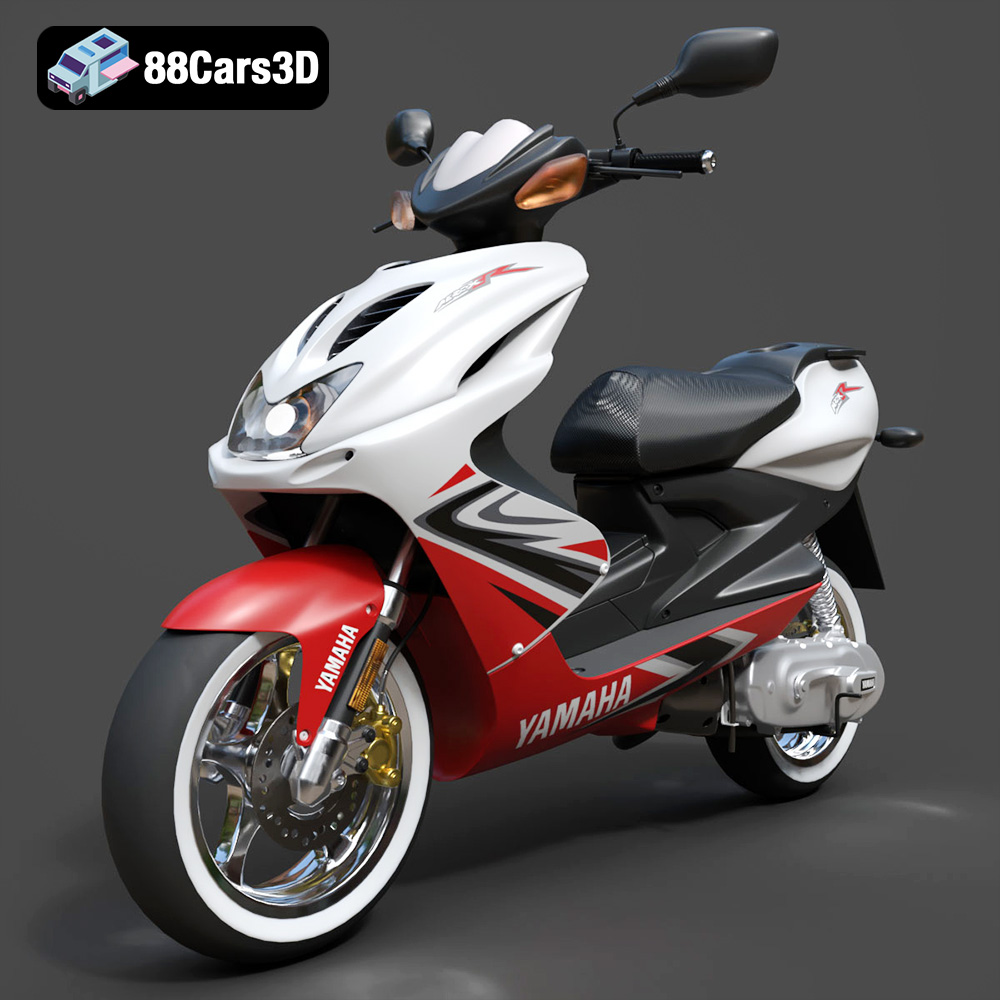
Texture: Yes
Material: Yes
Download the Yamaha Aerox R-002 2024 3D Model featuring clean geometry, realistic detailing, and a fully modeled interior. Includes .blend, .fbx, .obj, .glb, .stl, .ply, .unreal, and .max formats for rendering, simulation, and game development.
Price: $19.99
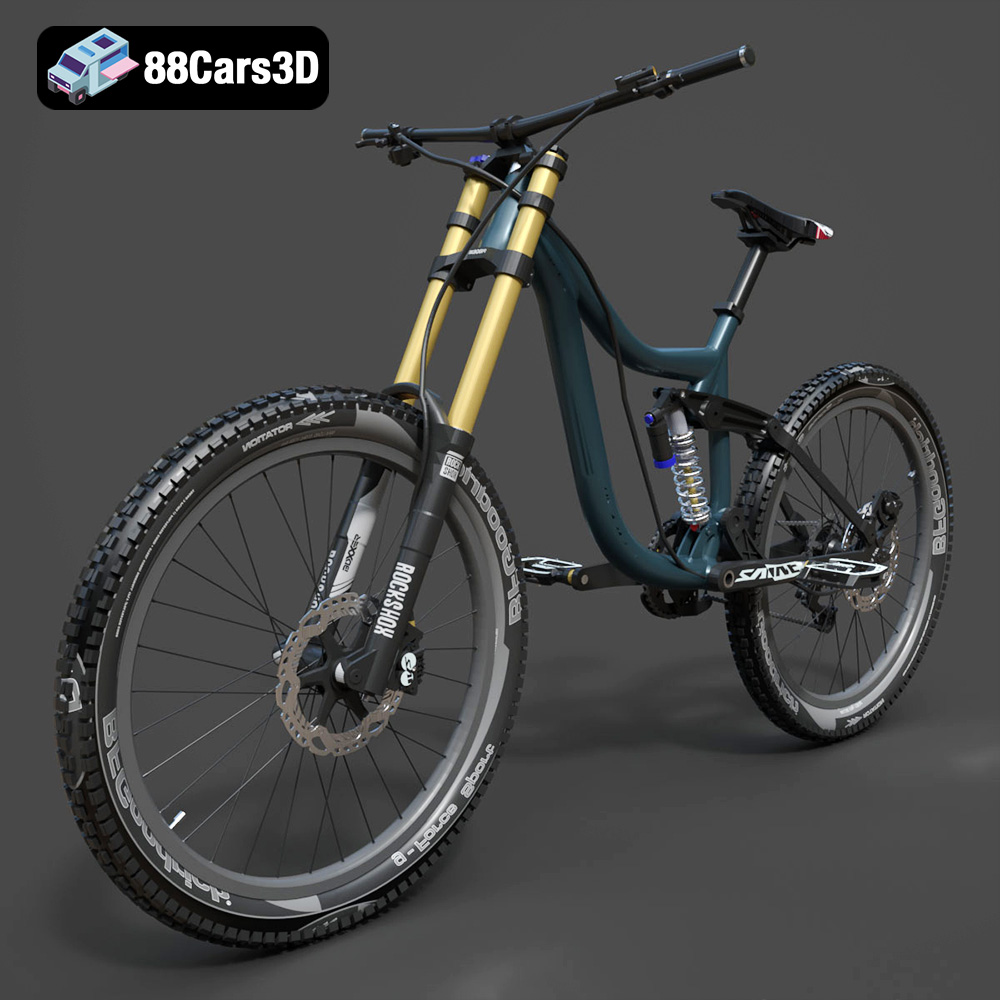
Texture: Yes
Material: Yes
Download the Mototsikly Downhill Bike-002 3D Model featuring clean geometry, realistic detailing, and precise mechanical components. Includes .blend, .fbx, .obj, .glb, .stl, .ply, .unreal, and .max formats for rendering, simulation, and game development.
Price: $19.99
Texture: Yes
Material: Yes
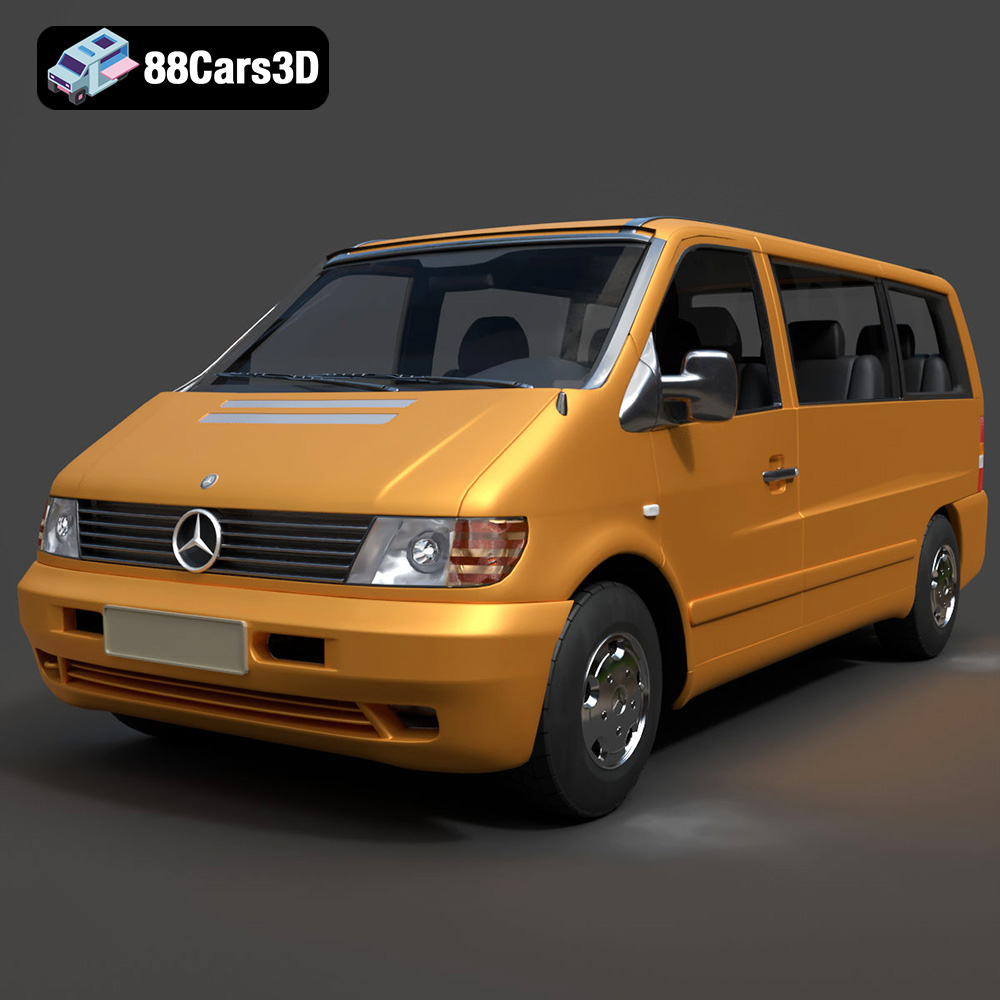
Download the Mercedes-Benz Vito Passenger Van 3D Model featuring clean geometry, realistic detailing, and a fully modeled interior. Includes .blend, .fbx, .obj, .glb, .stl, .ply, .unreal, and .max formats for rendering, simulation, and game development.
Price: $19.99
Texture: Yes
Material: Yes
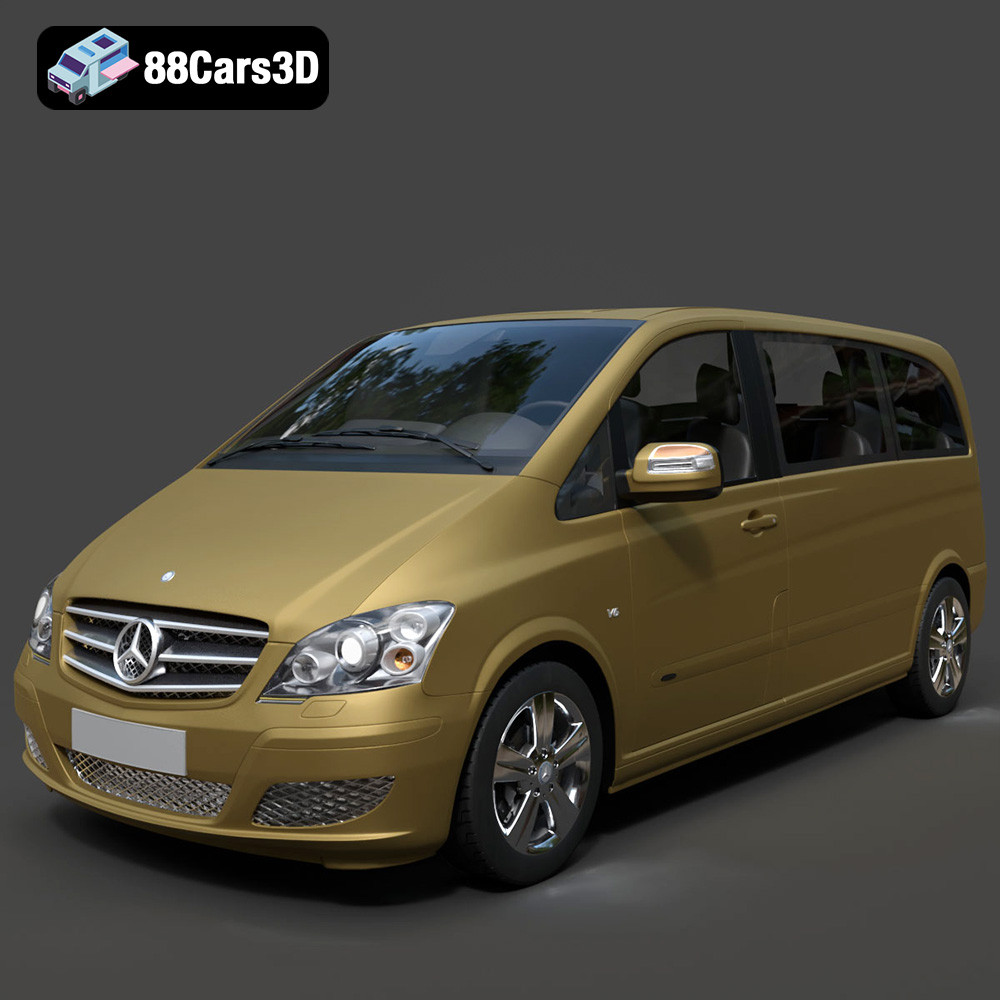
Download the Mercedes-Benz Viano 2010 3D Model featuring clean geometry, realistic detailing, and a fully modeled interior. Includes .blend, .fbx, .obj, .glb, .stl, .ply, .unreal, and .max formats for rendering, simulation, and game development.
Price: $19.99

Texture: Yes
Material: Yes
Download the Emt Avtobus 007 3D Model featuring clean geometry, realistic detailing, and a fully modeled interior. Includes .blend, .fbx, .obj, .glb, .stl, .ply, .unreal, and .max formats for rendering, simulation, and game development.
Price: $19.99
Texture: Yes
Material: Yes
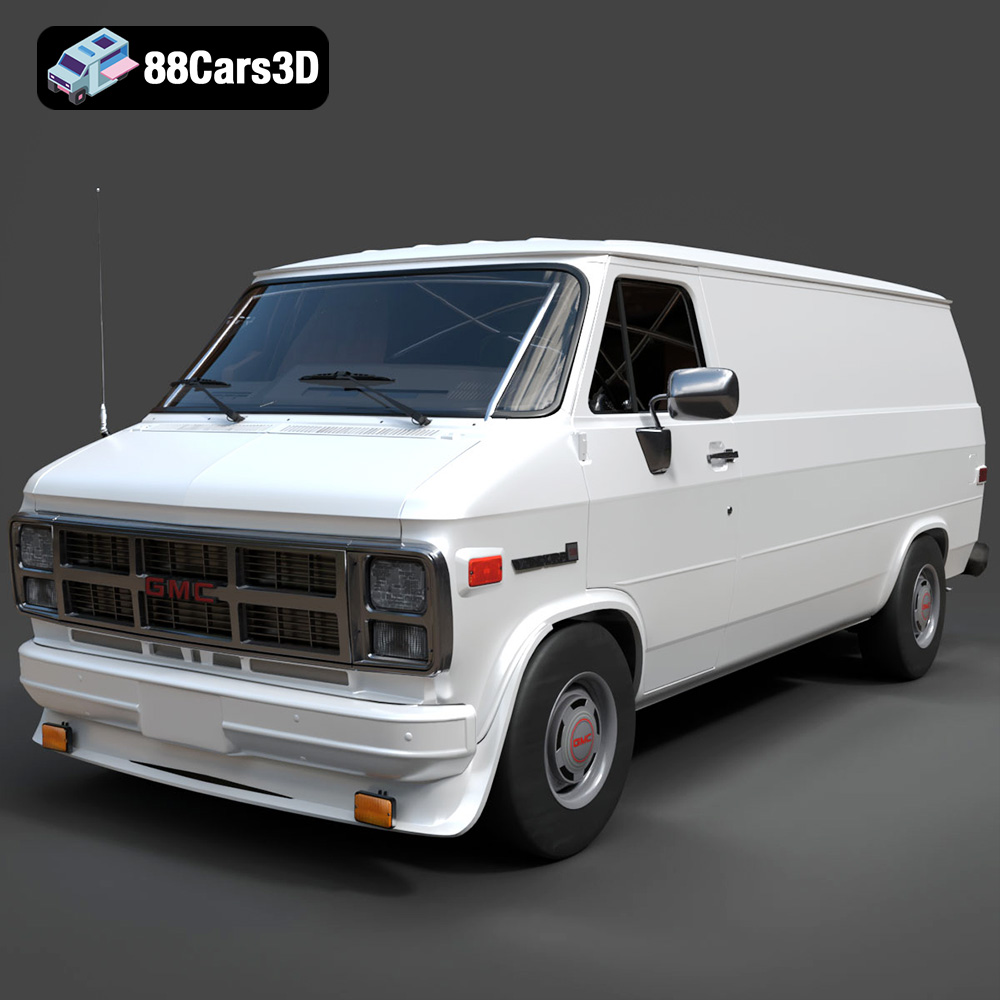
Download the GMC Vandura G-1500 1983 3D Model featuring clean geometry, realistic detailing, and a fully modeled interior. Includes .blend, .fbx, .obj, .glb, .stl, .ply, .unreal, and .max formats for rendering, simulation, and game development.
Price: $19.99
Texture: Yes
Material: Yes
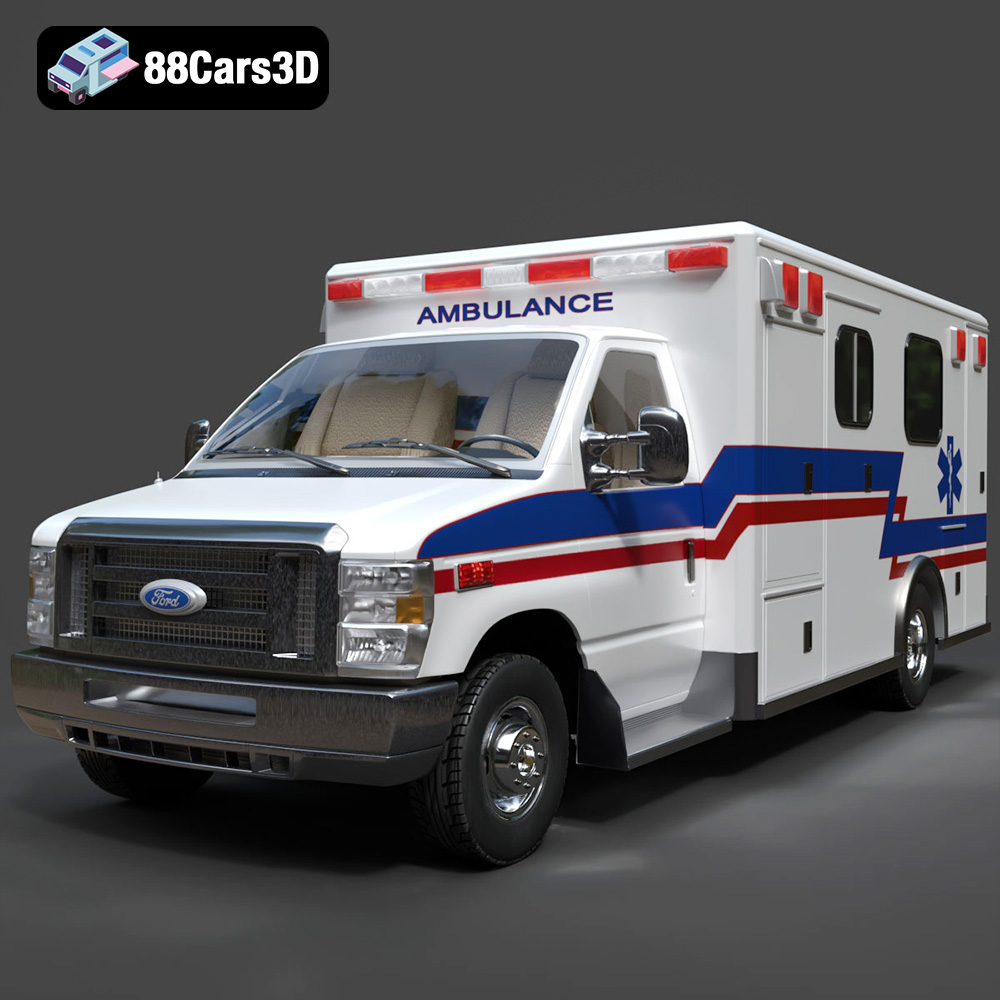
Download the Ford E-450 Ambulance 3D Model featuring clean geometry, realistic detailing, and a fully modeled interior. Includes .blend, .fbx, .obj, .glb, .stl, .ply, .unreal, and .max formats for rendering, simulation, and game development.
Price: $19.99

Texture: Yes
Material: Yes
Download the Fiat Ducato SWB-001 3D Model featuring clean geometry, realistic detailing, and a fully modeled interior. Includes .blend, .fbx, .obj, .glb, .stl, .ply, .unreal, and .max formats for rendering, simulation, and game development.
Price: $19.99

