In the high-octane world of automotive design and marketing, compelling visuals are paramount. Gone are the days when static renders and costly physical prototypes were the only means to showcase magnificent vehicles. Today, Unreal Engine stands at the forefront of real-time visualization, offering unparalleled fidelity and interactive capabilities. For professionals in automotive visualization, game development, and cinematic production, mastering Unreal Engine is no longer an option but a necessity. At the heart of Unreal Engine’s cinematic prowess lies Sequencer, a robust multi-track editor that empowers artists to craft breathtaking, broadcast-quality cinematics directly within the engine.
This comprehensive guide will take you on a deep dive into leveraging Unreal Engine’s Sequencer for creating stunning automotive cinematic content. We’ll explore everything from setting up your project and integrating high-quality 3D car models (like those available on 88cars3d.com) to mastering advanced lighting, material creation, and the intricate art of Sequencer animation. Whether you’re aiming to produce a sleek car commercial, a dynamic game cutscene, or an interactive configurator demo, understanding these workflows will elevate your projects to a professional standard. Prepare to unlock the full potential of real-time rendering and transform your automotive visions into spectacular animated realities.
Laying the Foundation: Project Setup and Asset Integration for Automotive Cinematics
A successful cinematic project in Unreal Engine begins with meticulous planning and a well-structured setup. The engine offers various project templates, but for cinematic endeavors, starting with a blank template or a “Film, Television, and Live Events” template can provide a clean slate or optimized settings respectively. The goal is to establish an efficient workflow from the outset, ensuring your assets are integrated seamlessly and optimized for real-time rendering performance.
Project settings are crucial. Navigate to Edit > Project Settings and review categories like Engine > Rendering, where you can enable features such as Lumen, Nanite, and Virtual Shadow Maps, which are vital for high-fidelity automotive visualization. Consider your target platform and adjust scalability settings accordingly to maintain optimal frame rates during development. Consistent project organization, using clear folder structures for meshes, materials, textures, and sequences, is paramount for collaborative work and long-term project maintainability. An organized project not only speeds up iteration but also prevents common headaches associated with missing references or disorganized assets.
Importing High-Quality 3D Car Models
The visual fidelity of your automotive cinematic is directly dependent on the quality of your source 3D car models. Platforms like 88cars3d.com specialize in providing pre-optimized, high-resolution car models specifically designed for Unreal Engine, featuring clean topology, realistic UV mapping, and PBR-ready materials. When importing, the industry standard FBX format is often preferred, but Universal Scene Description (USD) is gaining traction for its robust support for scene hierarchy, animation, and material definitions, offering a powerful alternative for complex automotive assets.
To import, simply drag and drop your FBX or USD file into the Content Browser, or use the Add/Import > Import option. Key import settings to consider include:
- Skeletal Mesh / Static Mesh: For static car models, choose Static Mesh. If your model includes rigged components like doors or wheels for animation, consider importing as a Skeletal Mesh, though often individual parts are animated separately for greater control.
- Normal Import Method: Set to “Import Normals” or “Import Normals and Tangents” to ensure correct shading.
- Material Import Method: Select “Create New Materials” to generate basic PBR materials based on your source file’s material assignments. You’ll refine these later.
- Build Adjacency Buffer / Build Reverse Index Buffer: Enable these for better lighting and rendering quality, especially for static meshes.
- Combine Meshes: Generally, keep this unchecked for car models to maintain individual parts (body, wheels, interior) for easier material assignment and animation.
After import, always perform an initial check. Ensure the model’s scale is correct (Unreal Engine uses centimeters as its base unit), the pivot point is logically placed for rotation and movement, and the UV maps are present and appropriately laid out for texturing. For more details on importing assets, refer to the official Unreal Engine documentation at https://dev.epicgames.com/community/unreal-engine/learning.
Optimizing Car Models for Real-time Performance
Even with high-end assets, optimization is key to maintaining smooth real-time performance, especially for complex scenes or when targeting VR/AR. Modern Unreal Engine features like Nanite have revolutionized how high-polygon meshes are handled.
- Nanite Virtualized Geometry: For static meshes, enabling Nanite is a game-changer. It allows you to import models with millions of polygons without manually creating traditional Level of Detail (LOD) meshes. Nanite intelligently streams and renders only the necessary detail, drastically improving performance while maintaining visual fidelity. Simply open the Static Mesh Editor for your car model and check the “Enable Nanite” box.
- Traditional LODs: For skeletal meshes or models not compatible with Nanite (e.g., translucent materials or complex deformations), manual LODs are still crucial. Unreal Engine can generate these automatically (Static Mesh Editor > LOD Settings > Number of LODs) or you can import custom LODs. Aim for 3-5 LODs, decreasing polygon count by 50-75% for each successive level.
- Texture Resolutions: Ensure textures are appropriately sized. While 4K or even 8K textures might be used for close-up shots on critical areas, consider 2K or 1K for less prominent parts to conserve VRAM. Use texture streaming (default in UE) to load only visible mip levels, further optimizing performance.
- Material Slots: Minimize the number of material slots per mesh. Consolidating materials where possible can reduce draw calls.
A good rule of thumb for a cinematic close-up shot of a single car in UE5 with Nanite is to aim for a body mesh with 200k-500k triangles (before Nanite optimization), and around 50k-100k for individual wheels. With Nanite, these numbers become less critical as the engine handles the poly budget dynamically.
Crafting Realistic PBR Materials and Captivating Environments
Beyond the mesh itself, the magic of automotive visualization lies in its materials. Physically Based Rendering (PBR) materials are fundamental to achieving photo-realism in Unreal Engine, accurately simulating how light interacts with surfaces in the real world. Mastering the Material Editor is essential for creating compelling car paint, realistic glass, and lifelike interior surfaces.
Advanced PBR Material Creation for Car Paint and Interiors
Car paint is arguably the most complex and critical material to get right. It typically involves multiple layers: a base metallic or diffuse layer, a clear coat, and often metallic flakes or pearlescent effects. In Unreal Engine’s Material Editor, this can be achieved using a layered material approach or by carefully blending attributes.
- Base Color: This defines the fundamental color of the surface. For car paint, this will be your primary hue.
- Metallic: A value of 1 for metallic surfaces (like chrome or the base layer of car paint) and 0 for non-metallic (like rubber or plastic). Car paint typically uses a value between 0.8 and 1 for its metallic base.
- Roughness: Controls the microscopic surface imperfections that scatter light. A value of 0 is perfectly smooth (like a mirror), and 1 is completely rough (like matte paint). Car paint will have very low roughness for the clear coat, while tires will have higher roughness.
- Normal Map: Provides fine surface detail, simulating bumps and grooves without adding geometric complexity (e.g., subtle scratches or panel lines).
- Clear Coat: Unreal Engine’s material system includes a dedicated “Clear Coat” input. This allows you to simulate the reflective, glossy layer over the base paint. You’ll typically set a Clear Coat value of 1 and control its roughness and normal map independently.
- Flakes/Pearlescent Effects: These often involve complex material functions or textures that blend in a noisy normal map or vary the base color/specular based on camera angle.
For interior materials like leather, fabric, or plastic, focus on accurate texture maps for Base Color, Roughness, and Normal. Leather might require a slightly higher roughness and a subtle normal map to capture its texture. Glass materials should typically be translucent with a low roughness, and an appropriate Fresnel effect for realistic reflections.
Pro-Tip: Always create Material Instances from your master materials. This allows you to easily create variations (different car colors, interior trims) without compiling new shaders, significantly speeding up iteration times and reducing memory footprint.
Building Immersive Worlds: Environment Assets and Megascans
A beautifully rendered car needs an equally stunning environment to truly shine. Unreal Engine’s robust toolset allows you to build complex and immersive environments for your cinematics. This can range from a minimalist studio setup with softbox lighting to a sprawling outdoor scene with photorealistic foliage and architecture.
- Quixel Megascans: Integrated directly into Unreal Engine, Quixel Megascans provides an unparalleled library of high-quality, PBR-ready 3D assets and surface materials. These assets, from rocks and plants to urban surfaces, are perfect for populating your scene and adding photorealistic detail, matching the fidelity of your 88cars3d.com car models.
- Modular Environment Design: For larger scenes, adopting a modular approach by creating reusable building blocks (walls, floors, props) helps manage complexity and promotes efficient asset reuse.
- Landscape System: For outdoor scenes, Unreal Engine’s built-in Landscape system allows you to sculpt vast terrains, paint different surface materials, and add foliage using the Foliage tool.
- Decals: Use decals for adding subtle details like road markings, tire marks, or grunge to surfaces, enhancing realism without adding geometry.
Remember to optimize your environment assets as well. Use Nanite for static environment meshes where applicable, generate LODs for foliage and distant objects, and consolidate materials where logical. A well-designed environment not only provides a believable backdrop but also contributes to the overall lighting and reflections on your automotive subject.
Mastering Illumination: Real-time Lighting for Automotive Cinematics
Lighting is the soul of any visual production, and in automotive visualization, it’s absolutely critical for showcasing the design, curves, and luxury of a vehicle. Unreal Engine provides an incredibly flexible and powerful lighting system, from advanced global illumination solutions to traditional light sources, allowing artists to craft breathtaking cinematic moods.
Dynamic Global Illumination with Lumen
Lumen, Unreal Engine 5’s default global illumination (GI) and reflections system, is a game-changer for real-time automotive cinematics. It calculates bounced light and indirect illumination dynamically, allowing for incredible realism without the need for light baking. This means that if you move a light or change an environment element, the GI updates in real-time, providing immediate visual feedback crucial for artistic iteration.
- Setup: Ensure Lumen is enabled in your Project Settings (Engine > Rendering > Global Illumination > Lumen and Reflections > Lumen). Your Post Process Volume should also have Lumen GI and Reflections enabled.
- Benefits for Automotive: Lumen excels at capturing subtle light bounces, like the ambient light reflecting off the ground onto the underside of the car, or the intricate interplay of light within the vehicle’s interior. It creates incredibly soft and natural shadows and adds depth to surfaces, making car paint look richer and more complex.
- Performance: While Lumen is dynamic, it does come with a performance cost. Adjust settings within the Post Process Volume (e.g., Lumen Scene Lighting Quality, Final Gather Quality) to balance visual quality with performance. For static parts of your scene, consider baking lightmaps for elements that don’t need dynamic GI to alleviate Lumen’s burden, especially for complex architectural elements.
Lumen’s ability to provide immediate feedback on complex lighting scenarios makes it an indispensable tool for automotive artists striving for photorealism. For optimal results, ensure your models have proper UVs for Lumen’s software ray tracing, and that materials are PBR compliant.
Traditional Lighting Techniques and Cinematic Best Practices
While Lumen handles global illumination, specific light sources are still essential for shaping your scene and highlighting key features of the car. Combining Lumen with traditional lights allows for unparalleled artistic control:
- Directional Light: Simulates the sun, providing strong primary illumination and sharp shadows. Adjust its angle to define the time of day and overall mood.
- Sky Light: Captures the distant sky, providing diffuse ambient light and reflections. Using a high-dynamic-range image (HDRI) as its source (via a Cubemap) is crucial for realistic outdoor lighting and reflections on car surfaces.
- Rect Lights & Spot Lights: These are your workhorses for specific illumination. Rect Lights mimic studio softboxes, perfect for illuminating car panels evenly and creating beautiful reflections. Spot Lights can be used to emphasize details like wheels or badges, or to simulate headlights/taillights.
- Three-Point Lighting: A fundamental cinematic technique involving a Key Light (main source), Fill Light (softens shadows), and Back Light/Rim Light (separates the subject from the background). This is highly effective for studio-style car presentations.
- IES Profiles: For realistic light falloff and patterns from Spot or Point Lights, use IES (Illuminating Engineering Society) profiles. These are data files that describe the light distribution of real-world light fixtures.
- Post Process Volume: This is your final layer of control over the visual output. Use it for:
- Exposure: Adjust overall brightness.
- Color Grading: Apply cinematic looks (LUTs, color wheels, saturation, contrast).
- Bloom: Simulate lens flares and bright light diffusion.
- Depth of Field (DOF): Guide the viewer’s eye by blurring foreground or background elements, crucial for professional close-up shots of car details.
- Vignette/Lens Flares: Add subtle cinematic imperfections.
Experimentation is key. Play with light positions, intensities, colors, and shadow settings to achieve the desired mood and highlight the car’s design intent effectively.
Introducing Sequencer: Your Cinematic Control Center
Once your high-quality 3D car models are imported, materials crafted, and lighting established, the next step is to bring your scene to life with animation. This is where Unreal Engine’s Sequencer comes into play. Sequencer is a powerful non-linear cinematic editor that allows you to create complex, multi-track animations, cutscenes, and cinematics directly within your Unreal Engine project. It provides precise control over actors, cameras, lights, and even material parameters over time, making it the ultimate tool for automotive storytelling.
The Sequencer interface is intuitive for anyone familiar with video editing software. It features a timeline where you add “tracks” for individual actors, cameras, or events. Within each track, you create “sections” which contain “keyframes” that define the values of properties at specific points in time. Whether you’re animating a camera swoop around a car, making doors open, or changing the car’s paint color dynamically, Sequencer offers the precision needed for professional results.
Setting Up Your First Sequence and Camera Tracks
Creating your first sequence is straightforward. In the Content Browser, right-click and select Cinematics > Level Sequence. Give it a descriptive name and then double-click to open it. The Sequencer window will appear, ready for you to populate.
- Adding a Cine Camera Actor: In the main viewport, go to Create > Cinematics > Cine Camera Actor. Select this camera, then in Sequencer, click the green + Track button and choose Actor to Sequencer > Cine Camera Actor. This adds a camera track to your sequence.
- Keyframing Camera Movement: With the Cine Camera Actor selected in Sequencer, click the + Track button under its track and add a “Transform” track. Now, for the current time marker, adjust the camera’s position and rotation in the viewport. Click the small “plus” icon next to “Location” and “Rotation” to add keyframes. Move the time marker forward, adjust the camera again, and add new keyframes. Sequencer will automatically interpolate the movement between these keyframes.
- Cinematic Camera Settings: The Cine Camera Actor offers real-world camera controls:
- Focal Length: Mimics different lenses (e.g., wide-angle for dramatic shots, telephoto for compressed perspectives).
- Current Aperture (F-stop): Controls the depth of field. Lower F-stop values (e.g., f/2.8) create shallower DOF, blurring backgrounds beautifully.
- Focus Settings: Use the “Focus Method” (Tracking or Manual) to ensure your car remains sharply in focus as the camera moves.
- Sensor Size: Affects the field of view and depth of field characteristics.
- Camera Rigs: For complex, smooth camera movements (like dollies, cranes, or orbits), consider using a Camera Rig Rail or Camera Rig Crane. These allow you to define a path for the camera to follow, giving you more precise and professional-looking motion.
Animating Car Models and Environment Elements
Beyond cameras, Sequencer is adept at animating virtually any actor in your scene. This is where your 3D car models truly come alive.
- Adding Car Models to Sequencer: Drag your car model from the World Outliner into Sequencer or use the + Track > Actor to Sequencer method. If your car model consists of multiple parts (body, doors, wheels), add each relevant part as a separate actor track for individual control.
- Keyframing Transformations: Similar to cameras, add Transform tracks for your car model’s components. You can keyframe their Location, Rotation, and Scale. For instance, to animate a car driving, keyframe its Location over time. To open a door, keyframe its Rotation.
- Vehicle Dynamics (Chaos Vehicles): For realistic driving simulations, Unreal Engine’s Chaos Vehicles system can be integrated. While Sequencer primarily handles pre-canned animations, you can record a Chaos Vehicle’s movement in real-time and then import that recording into Sequencer as an animation track. This provides incredibly realistic suspension and wheel physics.
- Animating Lights and Effects: You can also animate properties of lights (intensity, color), particle systems (e.g., a Niagara exhaust plume appearing), or even material parameters (e.g., car paint changing color over time). Add the respective actor to Sequencer, then add a track for the specific property you wish to animate.
The key to good animation is timing and easing. Sequencer provides a Curve Editor for refining your keyframe interpolations, allowing you to create smooth, natural movements that enhance the cinematic quality of your automotive showcase.
Advanced Sequencer Workflows for Professional Automotive Renders
While basic keyframing provides a solid foundation, Unreal Engine’s Sequencer, combined with its powerful scripting and VFX systems, allows for incredibly sophisticated and dynamic automotive cinematics. These advanced workflows are where you can truly differentiate your work and push the boundaries of real-time visualization.
Leveraging Blueprint and Event Tracks for Interactivity and VFX
Blueprint visual scripting is an integral part of Unreal Engine and can be seamlessly integrated with Sequencer to trigger complex actions or create dynamic effects that would be difficult or impossible with keyframes alone. This is particularly useful for interactive configurators or highly dynamic cinematic sequences.
- Event Tracks: In Sequencer, you can add “Event Tracks.” These tracks allow you to call custom Blueprint events at specific points in your timeline. For example, you could have an event fire that:
- Changes Car Materials: Trigger a Blueprint function that swaps the car’s paint material or interior trim material instantly or with a dissolve effect. This is perfect for showcasing different customization options.
- Activates/Deactivates Lights: Turn headlights or interior ambient lights on/off dynamically.
- Spawns Niagara Effects: Instantiate a Niagara particle system for effects like tire smoke, dust kicked up by wheels, water splashes, or even stylized energy fields around the car. Niagara is Unreal’s modular, highly customizable particle system, capable of generating incredibly complex and high-fidelity visual effects.
- Triggers Audio: Play specific sound effects (engine roar, door closing) or musical cues at precise moments.
- Activates Complex Animations: Call Blueprint functions that initiate more elaborate animations that might be too complex to keyframe directly in Sequencer, such as a robotic arm interacting with the car, or a complex transformation sequence.
- Custom Blueprint Logic: You can create a Blueprint Actor that acts as a cinematic controller, housing various functions and custom events. By referencing this Blueprint in your Sequencer’s Event Track, you gain immense control over the scene’s behavior, making your cinematics far more dynamic and less rigid.
This integration of Blueprint and Niagara with Sequencer is what allows for truly bespoke and high-impact automotive presentations, moving beyond simple camera fly-throughs to engaging, interactive experiences.
Multi-Camera Setups, Takes, and Post-Production Effects
Professional cinematics rarely rely on a single camera. Sequencer facilitates multi-camera workflows, allowing for dynamic cuts and diverse shot compositions.
- Multi-Camera Workflow: Create multiple Cine Camera Actors in your scene, each set up for a specific shot (e.g., a wide shot, a close-up of the wheels, an interior shot). In Sequencer, add a “Camera Cuts” track. This track allows you to define which camera is active at any given point in the timeline. You can cut instantly between cameras, mimicking professional film editing.
- Takes System: For complex shots, you might want to try several different versions of a camera move or an animation. Sequencer’s “Takes” system allows you to record multiple iterations of a track without overwriting previous attempts. This is invaluable for experimenting with timing and performance, saving you time and providing creative flexibility.
- Per-Shot Post-Processing: Instead of applying a single Post Process Volume to the entire scene, you can add Post Process Settings directly to your Cine Camera Actor or within the Sequencer itself. This allows you to apply unique color grading, exposure, depth of field, or other visual effects on a per-shot basis. For example, a dramatic close-up might have a very shallow depth of field and warm color grade, while a wide establishing shot might have a deeper DOF and a cooler palette.
- Audio Tracks: Sequencer fully supports audio. Add “Audio Tracks” to integrate background music, sound effects (like engine revs, tire squeals, door slams), or voiceovers. Precise timing of audio cues enhances the emotional impact and realism of your automotive cinematic. Ensure your audio assets are clean and appropriately mixed.
By leveraging these advanced features, you can assemble a complete cinematic experience, with professional camera work, dynamic effects, and polished post-production, all within the real-time environment of Unreal Engine.
Rendering and Optimization for High-Quality Output
The culmination of your cinematic efforts in Unreal Engine is the final render: transforming your real-time sequence into a high-quality video file or image sequence for distribution. Achieving broadcast-quality output requires careful attention to rendering settings and ongoing performance optimization.
High-Resolution Rendering with Movie Render Queue
For professional output, Unreal Engine’s Movie Render Queue (MRQ) is the tool of choice. MRQ is designed for high-quality, offline rendering, offering a suite of advanced features far beyond the legacy “Render Movie” option.
- Accessing MRQ: Go to Window > Cinematics > Movie Render Queue. Add your Level Sequence to the queue.
- Output Settings:
- Output Directory & Format: Choose your output location and format. For highest quality and post-compositing flexibility, EXR (OpenEXR) is recommended, often as a multichannel EXR to export various render passes (Base Color, Normal, Depth, World Position, Motion Vector, Specular) for use in compositing software like Nuke or After Effects. PNG sequences are also a good option for lossless quality, while MP4/ProRes can be used for direct video output.
- Resolution: Render at your target resolution (e.g., 1920×1080 for HD, 3840×2160 for 4K). For automotive visualization, rendering at 4K or even 8K provides stunning detail.
- Frame Rate: Match your cinematic’s frame rate (e.g., 24, 30, 60 FPS).
- Anti-Aliasing (Crucial for Cars!): MRQ’s anti-aliasing settings are paramount for reducing jagged edges and flickering, especially on high-contrast areas like car body lines.
- Temporal Sample Count: This is a powerful setting. Higher values (e.g., 32-64) will render multiple sub-frames over time and combine them, drastically improving temporal anti-aliasing and reducing flickering from complex materials like car paint or fine details. This is often the most significant factor for clean automotive renders.
- Spatial Sample Count: Provides additional spatial anti-aliasing for static scenes or elements.
- Render Passes: MRQ allows you to export various render passes, which are individual image layers containing specific data (e.g., diffuse color, normal vectors, depth information, motion vectors). These are invaluable for professional post-production, enabling precise adjustments, compositing, and visual effects in external software without re-rendering the entire sequence.
- Warm Up Frame Count: Use this setting to allow shaders to compile and systems like Lumen to stabilize before the actual render begins, preventing artifacts at the start of your sequence.
- Common Issues & Solutions:
- Flickering/Noise: Increase Temporal Sample Count, ensure Lumen’s Final Gather Quality is sufficient, and check for overlapping geometry or issues with normal maps.
- Long Render Times: Optimize your scene (see next section), reduce unnecessary lights, simplify complex materials if possible. Higher temporal samples will increase render time but improve quality significantly.
MRQ is designed to produce final pixel quality that rivals offline renderers, making it the go-to for professional automotive cinematics.
Performance Optimization Strategies for Real-time Cinematics
Even though MRQ renders offline, optimizing your scene for performance during development and playback remains critical. A well-optimized scene will preview smoothly, allowing for faster iterations, and reduce overall render times.
- Profiling Tools: Unreal Engine offers robust profiling tools. Use
stat FPS to monitor frame rate, stat Unit for CPU/GPU/Draw time breakdown, and stat GPU to see where your GPU time is being spent. The GPU Visualizer (Window > Developer Tools > GPU Visualizer) provides an in-depth look at rendering costs.
- Asset Optimization:
- Nanite: Ensure all eligible static meshes (car body, environment props) are Nanite-enabled. This is paramount for high-poly assets.
- LODs: Properly set up LODs for non-Nanite meshes, especially foliage, distant buildings, and interior elements not in close-up.
- Texture Streaming: Ensure texture streaming is enabled and textures have appropriate mip maps. This prevents loading full-resolution textures when only lower quality is needed.
- Lighting Optimization:
- Light Count: Minimize the number of dynamic lights. Consolidate lights where possible.
- Shadows: Dynamic shadows are expensive. Reduce the shadow distance for lights or disable shadows for distant, less impactful lights. Use Virtual Shadow Maps for high-quality shadows with less performance impact than traditional ray-traced shadows.
- Lumen Settings: Adjust Lumen’s quality settings in the Post Process Volume. Lowering Lumen Scene Lighting Quality or Final Gather Quality can improve performance at the cost of some visual fidelity.
- Occlusion Culling: Ensure effective occlusion culling. This system automatically prevents rendering objects hidden behind other objects.
- Material Complexity: Complex materials with many instructions can be performance heavy. Simplify materials where possible, especially for distant objects. Use Material Instances to share shader complexity and reduce memory.
- Collision Meshes: Simplify collision meshes for static objects. Complex collision can impact CPU performance.
Regular profiling and optimization throughout your cinematic production process will lead to a smoother development experience and ultimately, faster, higher-quality renders.
Conclusion
Creating professional automotive cinematics in Unreal Engine is a journey that marries artistic vision with technical mastery. From the foundational steps of project setup and importing optimized 3D car models (like those expertly crafted by 88cars3d.com) to the intricate dance of PBR material creation, advanced real-time lighting with Lumen, and the orchestrating power of Sequencer, every stage plays a crucial role in bringing your automotive visions to life.
We’ve explored how Nanite revolutionizes high-poly asset handling, how Lumen delivers dynamic global illumination, and how Blueprint and Niagara integrate seamlessly with Sequencer for truly interactive and visually stunning experiences. Finally, mastering the Movie Render Queue ensures your hard work culminates in a polished, broadcast-quality output. The power of real-time rendering in Unreal Engine is not just about speed; it’s about empowering artists with unprecedented creative control and immediate feedback, allowing for boundless experimentation and refinement.
The automotive industry demands excellence, and Unreal Engine provides the tools to deliver it. By continuously honing your skills in these areas and leveraging high-quality assets from trusted sources, you’ll be well-equipped to produce captivating automotive visualization content that resonates with audiences. Start experimenting, pushing boundaries, and creating your next cinematic masterpiece today!
Featured 3D Car Models
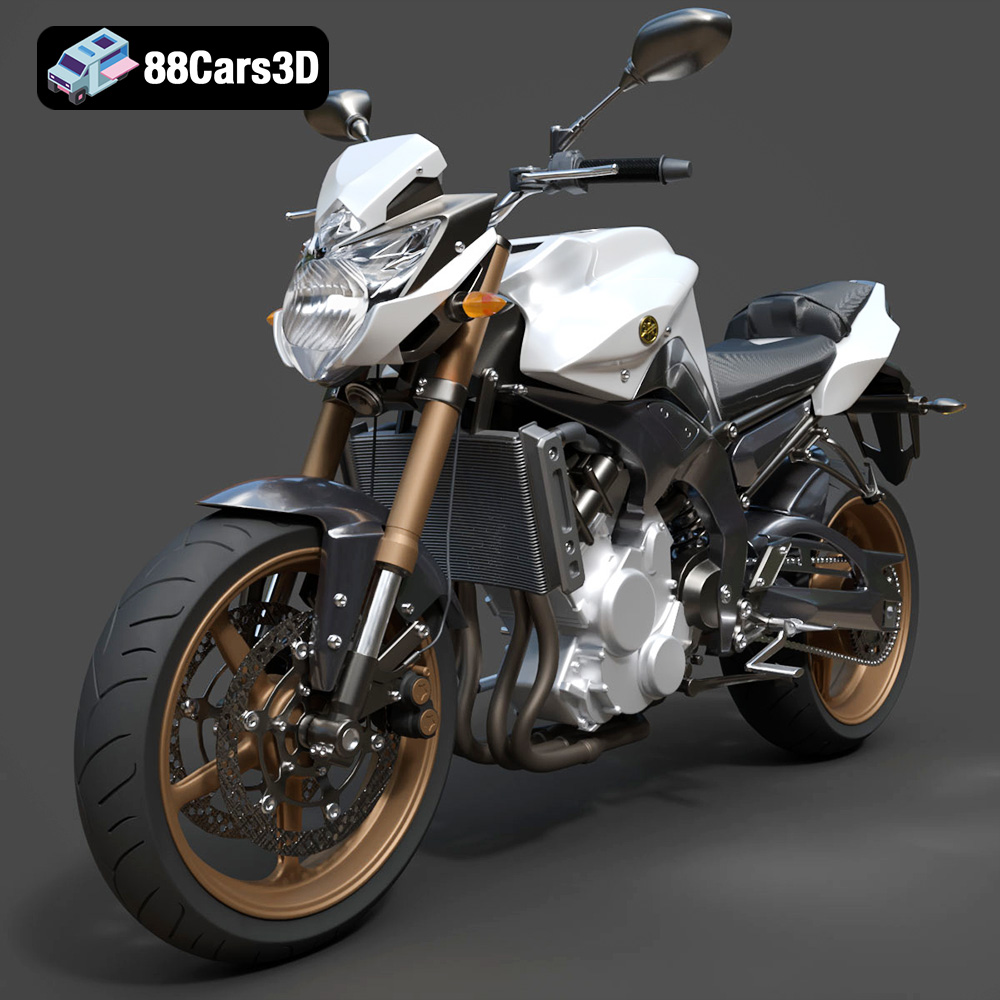
Texture: Yes
Material: Yes
Download the Yamaha FZ8 2011 3D Model featuring clean geometry, realistic detailing, and a fully modeled interior. Includes .blend, .fbx, .obj, .glb, .stl, .ply, .unreal, and .max formats for rendering, simulation, and game development.
Price: $19.99
View Product
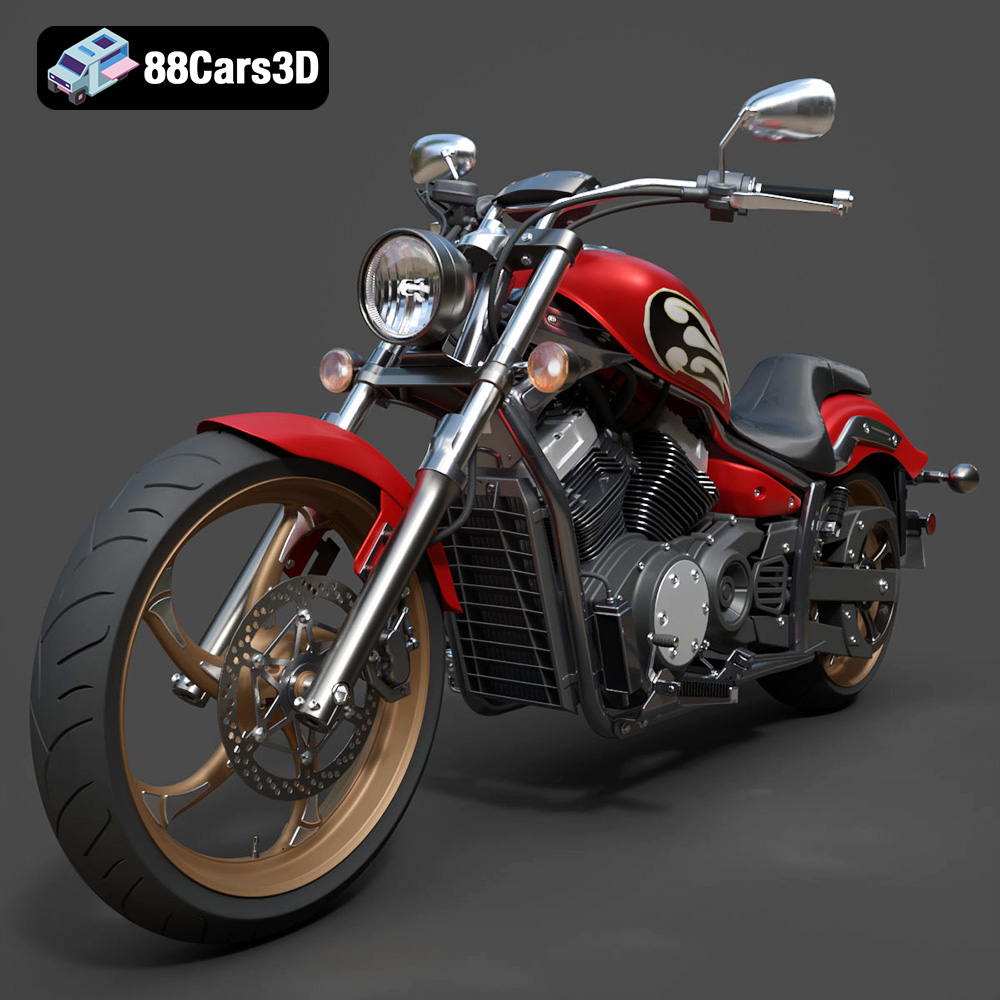
Texture: Yes
Material: Yes
Download the Yamaha Stryker 2012 3D Model featuring clean geometry, realistic detailing, and a fully modeled interior. Includes .blend, .fbx, .obj, .glb, .stl, .ply, .unreal, and .max formats for rendering, simulation, and game development.
Price: $19.99
View Product
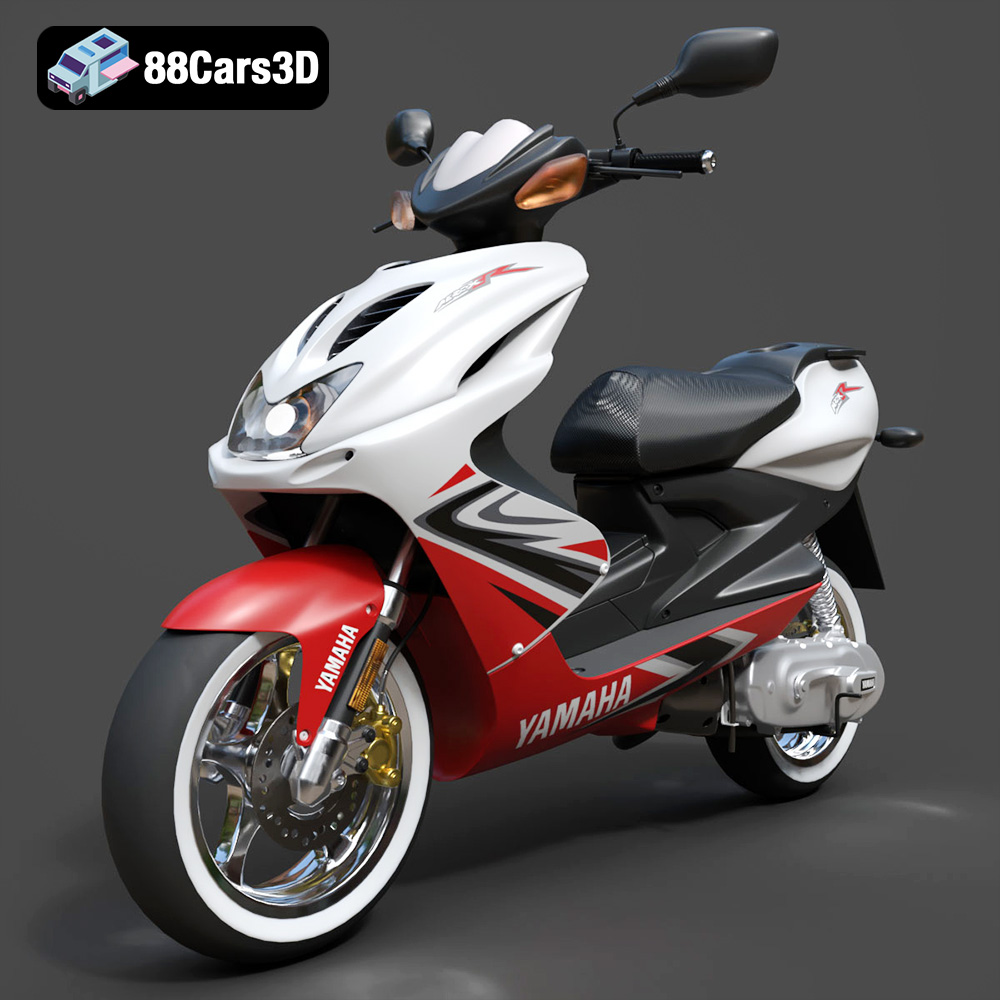
Texture: Yes
Material: Yes
Download the Yamaha Aerox R-002 2024 3D Model featuring clean geometry, realistic detailing, and a fully modeled interior. Includes .blend, .fbx, .obj, .glb, .stl, .ply, .unreal, and .max formats for rendering, simulation, and game development.
Price: $19.99
View Product
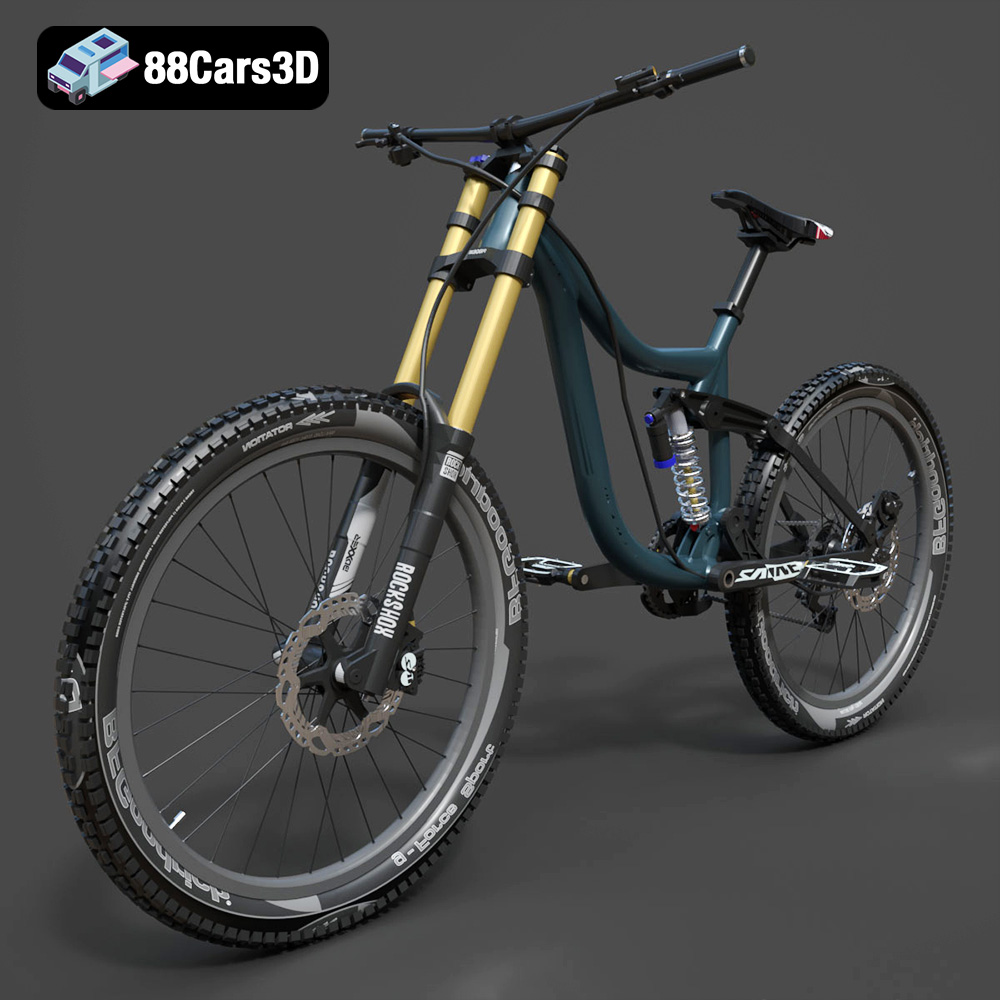
Texture: Yes
Material: Yes
Download the Mototsikly Downhill Bike-002 3D Model featuring clean geometry, realistic detailing, and precise mechanical components. Includes .blend, .fbx, .obj, .glb, .stl, .ply, .unreal, and .max formats for rendering, simulation, and game development.
Price: $19.99
View Product
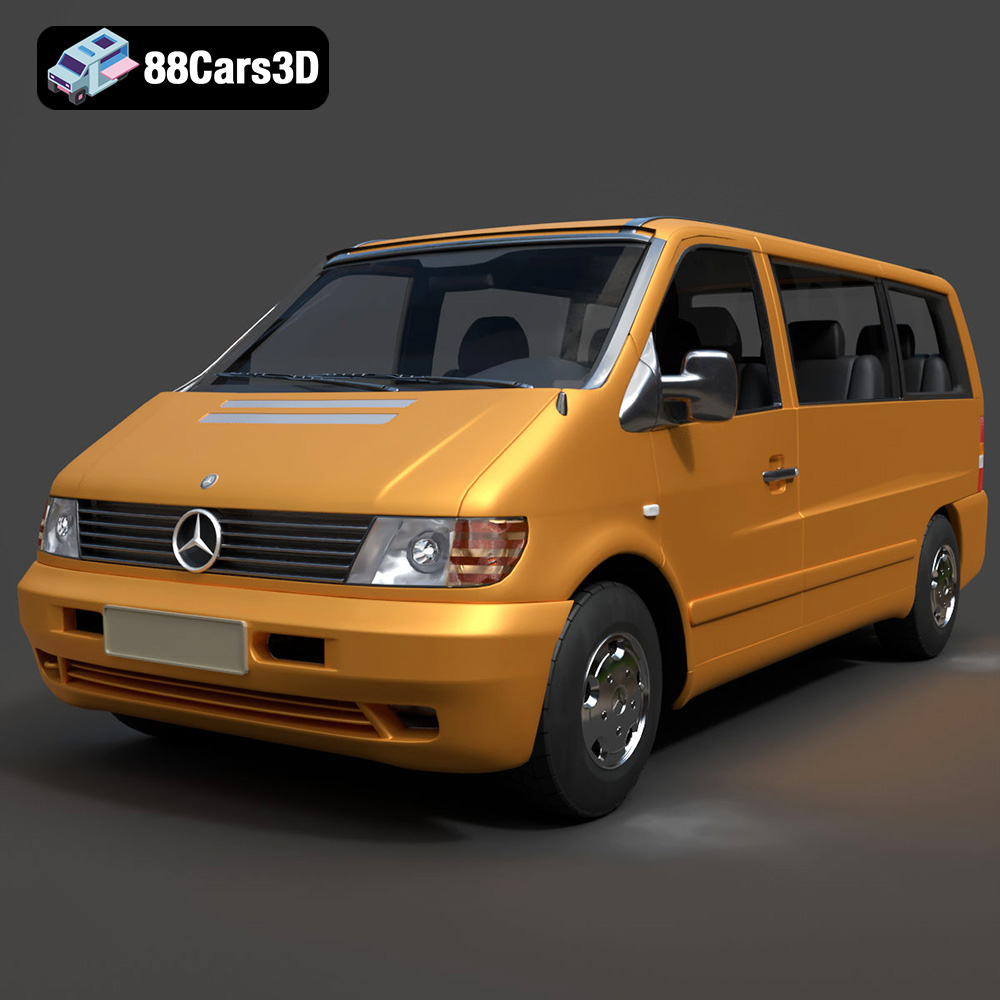
Texture: Yes
Material: Yes
Download the Mercedes-Benz Vito Passenger Van 3D Model featuring clean geometry, realistic detailing, and a fully modeled interior. Includes .blend, .fbx, .obj, .glb, .stl, .ply, .unreal, and .max formats for rendering, simulation, and game development.
Price: $19.99
View Product
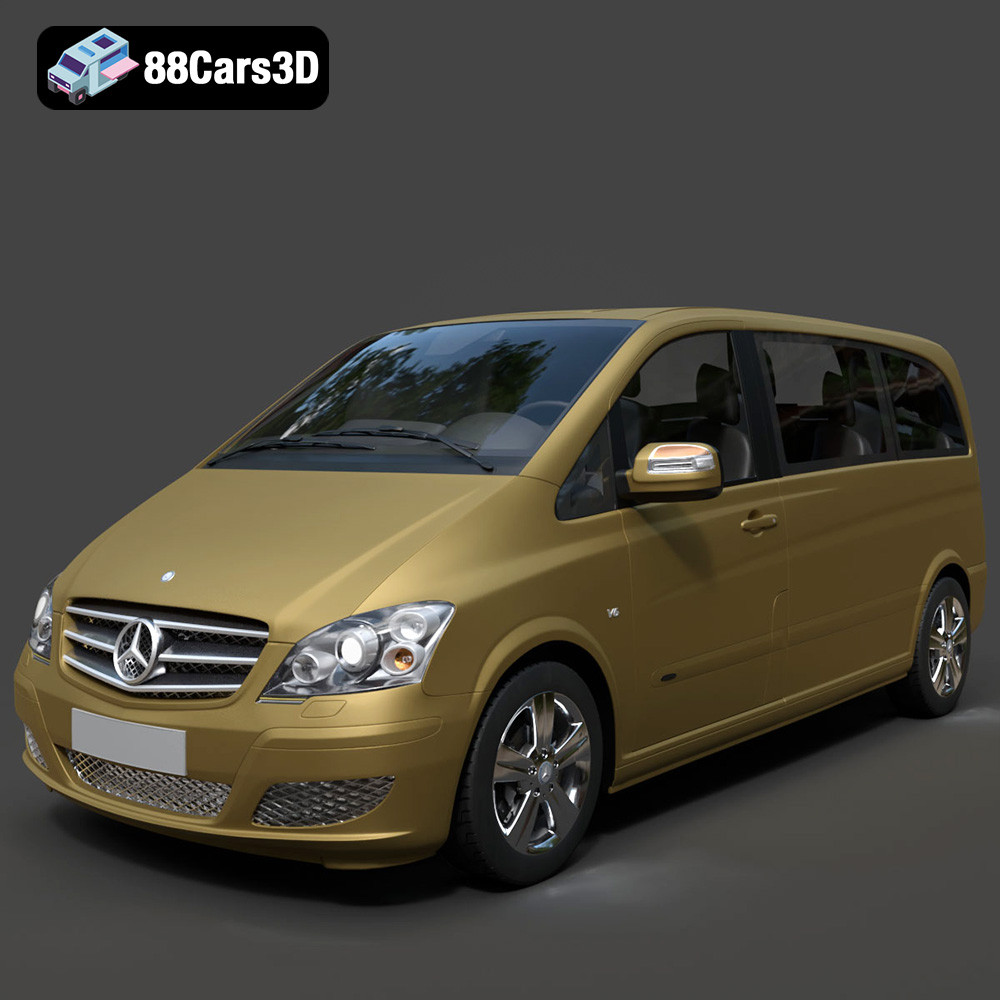
Texture: Yes
Material: Yes
Download the Mercedes-Benz Viano 2010 3D Model featuring clean geometry, realistic detailing, and a fully modeled interior. Includes .blend, .fbx, .obj, .glb, .stl, .ply, .unreal, and .max formats for rendering, simulation, and game development.
Price: $19.99
View Product

Texture: Yes
Material: Yes
Download the Emt Avtobus 007 3D Model featuring clean geometry, realistic detailing, and a fully modeled interior. Includes .blend, .fbx, .obj, .glb, .stl, .ply, .unreal, and .max formats for rendering, simulation, and game development.
Price: $19.99
View Product
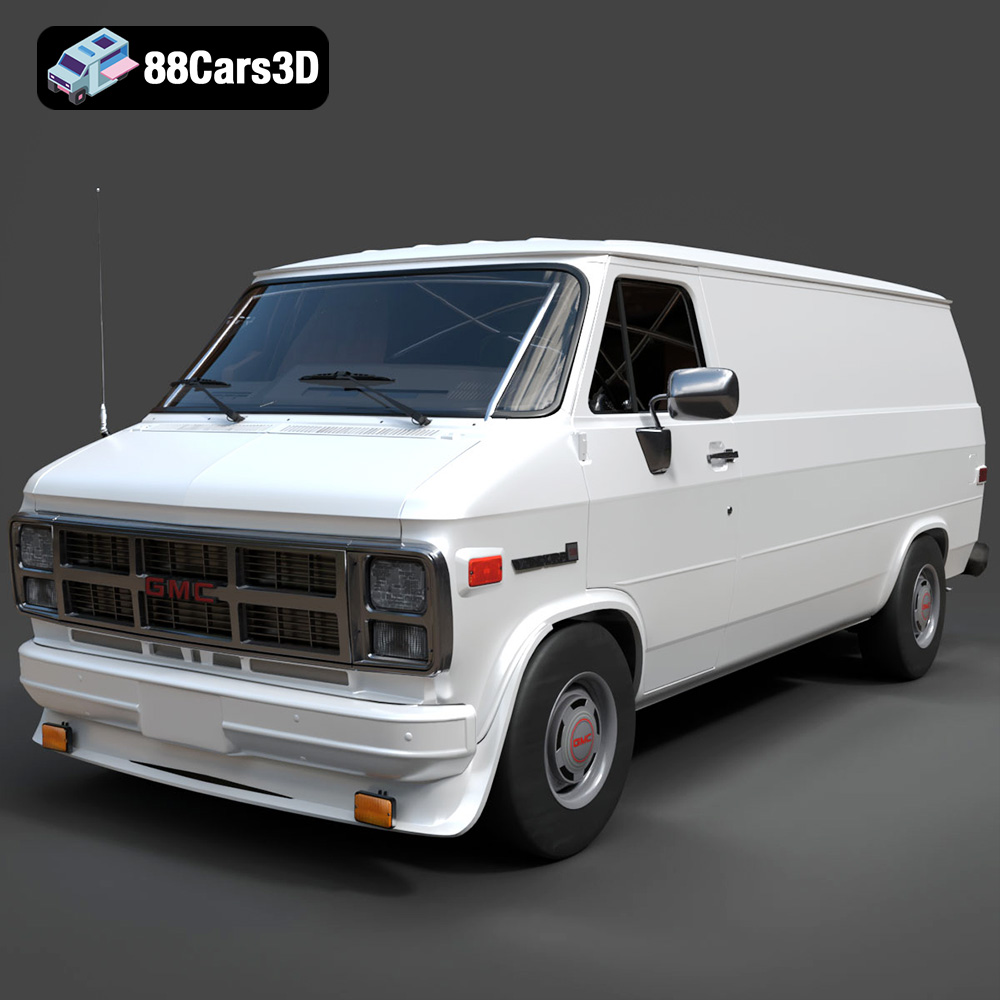
Texture: Yes
Material: Yes
Download the GMC Vandura G-1500 1983 3D Model featuring clean geometry, realistic detailing, and a fully modeled interior. Includes .blend, .fbx, .obj, .glb, .stl, .ply, .unreal, and .max formats for rendering, simulation, and game development.
Price: $19.99
View Product
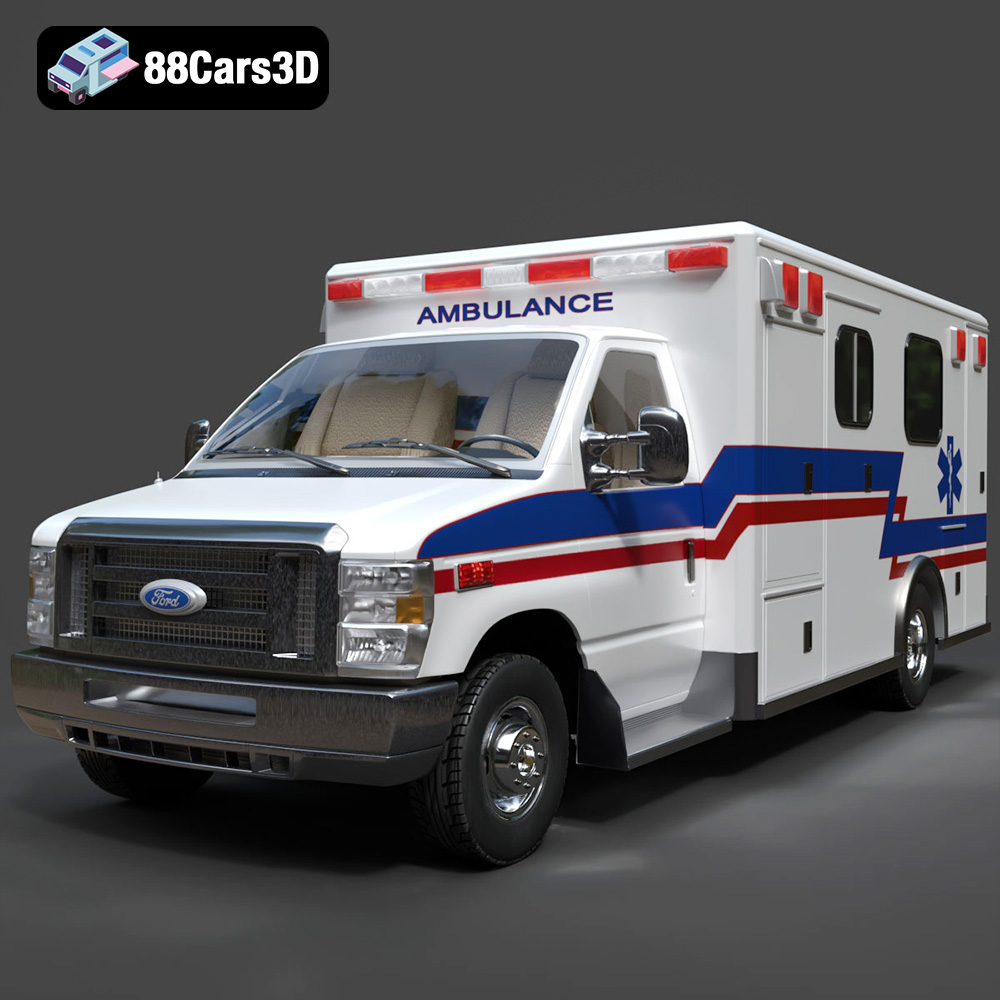
Texture: Yes
Material: Yes
Download the Ford E-450 Ambulance 3D Model featuring clean geometry, realistic detailing, and a fully modeled interior. Includes .blend, .fbx, .obj, .glb, .stl, .ply, .unreal, and .max formats for rendering, simulation, and game development.
Price: $19.99
View Product

Texture: Yes
Material: Yes
Download the Fiat Ducato SWB-001 3D Model featuring clean geometry, realistic detailing, and a fully modeled interior. Includes .blend, .fbx, .obj, .glb, .stl, .ply, .unreal, and .max formats for rendering, simulation, and game development.
Price: $19.99
View Product


