⚡ FLASH SALE: Get 60% OFF All Premium 3D & STL Models! ⚡

Achieving hyper-realistic automotive renders is a challenging yet deeply rewarding pursuit for any 3D artist. The sleek curves, reflective surfaces, and intricate details of a car demand a lighting setup that can truly bring them to life. While traditional three-point lighting setups offer control, they often fall short in replicating the subtle complexities of real-world illumination. This is where High Dynamic Range Imaging (HDRI) steps in as a game-changer, offering an unparalleled level of realism and immersion.
This comprehensive guide will delve deep into the world of HDRI lighting for automotive visualization. We’ll explore the fundamental principles of HDRIs, guide you through sourcing and preparing these essential assets, and provide detailed workflows for integrating them into popular 3D software like 3ds Max, Blender, and Maya. Beyond the basics, we’ll unlock advanced techniques for fine-tuning your lighting, optimizing performance for both still renders and game engines, and adding those crucial post-processing touches that elevate a good render to an exceptional one. By the end of this article, you’ll possess the knowledge and practical insights to transform your 3D car models into photorealistic masterpieces, ready for portfolios, marketing, or game asset integration.
High Dynamic Range Imaging, or HDRI, is more than just a fancy panoramic image; it’s a powerful data set that captures the full spectrum of light information from a real-world environment. Unlike standard low dynamic range (LDR) images (like JPEGs or PNGs) that store light intensity between 0 and 255 per channel, HDRIs store true-to-life luminance values, ranging from the deepest shadows to the brightest highlights, often using 32-bit floating-point precision. This vast range of light information is precisely what makes HDRIs indispensable for automotive rendering. When applied as an environmental light source, an HDRI doesn’t just project an image onto your scene; it actively illuminates it, casting accurate shadows, reflecting realistic colors, and defining the character of your car model with unprecedented fidelity.
An HDRI essentially acts as a virtual light dome around your 3D scene, projecting light rays inward based on the real-world light captured within the image. For automotive models, this means that the chrome, paint, and glass surfaces will accurately reflect the environment, receiving both direct and indirect illumination from the HDRI. The subtle color shifts, the varying intensities of light, and the precise angles of reflection—all critical components of a realistic car render—are automatically and realistically derived from the HDRI data. Without HDRIs, achieving this level of natural interaction between light and material would require an elaborate and often manually intensive setup of dozens of individual lights, which would still struggle to replicate the nuanced global illumination provided by a true environmental map. This inherent efficiency and realism are why professionals universally adopt HDRIs for high-quality automotive visualization.
The magic of HDRI lies in its ability to encode a vast range of light intensities. Imagine a bright sun in an HDRI: it doesn’t just appear as a white blob; it carries the actual luminance value of the sun, allowing your renderer to accurately calculate sharp, intense highlights on reflective surfaces. Conversely, the subtle ambient light from a cloudy sky or the bounce light from a nearby building is also captured, providing soft, diffused illumination to the shadowed areas of your car. This data is used by physically based rendering (PBR) engines to simulate how light interacts with materials in the real world. The colors in the HDRI directly influence the tint of the light hitting your car, creating convincing color casts and indirect illumination. For instance, an HDRI captured at sunset will imbue your car with warm, orange tones, while a cloudy day HDRI will yield softer, desaturated light. The accuracy of these reflections is paramount for automotive models, where surface imperfections, clear coats, and metallic flakes are heavily defined by their interaction with light.
HDRIs come in various forms, each suited for different applications. The most common are **spherical or 360-degree panoramas**, which capture a full omnidirectional view from a single point, ideal for complete environmental lighting. **Dome HDRIs** are often similar but might be optimized for specific studio setups. For outdoor scenes, you’ll find **natural environment HDRIs** captured in forests, cityscapes, or open fields, each offering unique lighting characteristics. **Studio HDRIs**, on the other hand, often mimic professional photography studios, featuring softboxes, reflectors, and controlled lighting setups. These are excellent for clean, commercial-style renders, highlighting the form and details of the car without distracting backgrounds. Additionally, some HDRIs are specifically designed for reflections, providing crisp, detailed reflections without necessarily being the primary light source, often paired with a separate, simpler HDRI for actual illumination. Understanding these types allows you to select the perfect HDRI for your desired mood and aesthetic.
The quality of your final render is heavily dependent on the quality of your HDRI. A low-resolution or poorly captured HDRI can lead to blurry reflections, inaccurate lighting, and a generally unconvincing scene. Investing time in sourcing and preparing high-quality HDRI assets is a crucial step towards achieving professional-grade automotive renders.
There are numerous resources for acquiring HDRIs, ranging from free libraries to professional paid platforms. For free options, websites like Poly Haven (formerly HDRI Haven) are excellent starting points, offering a vast collection of high-resolution HDRIs under permissive licenses. However, for the absolute best quality and variety, especially for commercial projects, paid platforms are often the way to go. Websites like HDRI-Skies, Greg Zaal’s Patreon, and marketplaces like Gumroad host expertly captured HDRIs tailored for various lighting scenarios, from urban environments to studio setups. When evaluating sources, pay attention to the resolution, dynamic range, and clarity of the HDRIs. Some providers also offer specialized HDRIs that come with matching backplates, which can significantly streamline your compositing workflow. Always prioritize sources that explicitly state the bit depth and resolution of their HDRIs.
When selecting an HDRI, several technical specifications are paramount. **Resolution** is key: while 4K or 8K HDRIs might suffice for distant reflections or ambient light, for crisp, detailed reflections on a car’s surface, especially when zoomed in, you should aim for **16K, 32K, or even higher resolution** HDRIs. Higher resolution HDRIs provide more pixel data, resulting in sharper reflections and more accurate light distribution. **Bit depth** is equally important; always opt for 32-bit floating-point EXR or HDR files, as these formats retain the full dynamic range. Lower bit-depth files, even if in an HDRI format, can introduce banding artifacts in highlights and shadows, diminishing realism. **File size** will naturally increase with resolution and bit depth, so balance quality with your system’s capabilities. Finally, consider the **dynamic range of the capture itself**. A good HDRI should have a significant difference between its brightest and darkest values, indicating that it truly captured the high dynamic range of the environment, not just an average exposure.
Before even bringing your HDRI into your 3D software, some basic adjustments can be considered, though most of these are typically handled within your 3D application’s environment settings. The most common adjustment is **rotation**, which is critical for positioning the light source (e.g., the sun) to hit your car at the desired angle and to ensure reflections align with any potential backplates. **Exposure** is another fundamental control, allowing you to brighten or darken the overall intensity of the light emitted by the HDRI. **Gamma** adjustments can be used to control the contrast, making shadows deeper or highlights softer. While less common, basic **saturation** adjustments might be useful if the colors in the HDRI are too vibrant or desaturated for your desired aesthetic. However, exercise caution with these global adjustments, as over-manipulating an HDRI can compromise its realistic light properties. Most high-quality HDRIs require minimal pre-processing outside of your 3D renderer.
The process of setting up HDRI lighting varies slightly between different 3D software and rendering engines, but the core principles remain consistent. You’ll typically use the HDRI as an environmental texture, mapped onto a spherical or dome light source, which then illuminates your scene.
In 3ds Max, using HDRIs with renderers like Corona or V-Ray is straightforward.
1. **Open the Material Editor (M key)**.
2. **For Corona Renderer:** Drag a **CoronaBitmap** map into your slate editor. Load your `.hdr` or `.exr` file into this map. Crucially, set the “Mapping” type within the CoronaBitmap to “Spherical Environment” or “Spherical.” Then, drag this CoronaBitmap into the “Scene Environment” slot in the **Render Setup (F10) -> Scene tab -> Scene Environment** section, or apply it directly to a **Corona Light Material** on a sphere surrounding your scene, or more commonly, place it directly into the “Environment map” slot of a **Corona Sky** object. The Corona Sky object, when set to “Use HDRI,” allows for intuitive rotation, intensity, and color balance adjustments.
3. **For V-Ray:** Drag a **V-Ray Bitmap** map into your slate editor. Load your `.hdr` or `.exr` file. Similar to Corona, ensure the “Mapping” type is set to “Spherical.” Then, drag this V-Ray Bitmap into the “Environment slot” of a **V-Ray Dome Light**. The Dome Light is specifically designed to use HDRIs for global illumination. Within the Dome Light settings, you can easily control intensity, rotation (often via the “UV Gen” or “Texture Map” rollout, adjusting the W-axis for rotation), and even exclude specific objects from its illumination. Both renderers allow you to control the exposure of the HDRI independently of the main scene exposure, giving you fine-tuned control over the light’s intensity.
Blender offers a robust and intuitive system for HDRI lighting, particularly with its powerful Cycles and real-time Eevee renderers.
1. **Switch to the Shading Workspace:** This provides a clear node-based interface for your world settings.
2. **In the Shader Editor, change from “Object” to “World”:** You’ll see a default “Background” node connected to the “World Output” node.
3. **Add an “Environment Texture” node:** Go to Add -> Texture -> Environment Texture. Connect its “Color” output to the “Color” input of the “Background” node.
4. **Load your HDRI:** Click “Open” on the Environment Texture node and navigate to your `.hdr` or `.exr` file.
5. **Adjust strength and rotation:** The “Strength” value in the Background node controls the HDRI’s overall intensity. For rotation, add a **”Mapping” node** (Add -> Vector -> Mapping) and a **”Texture Coordinate” node** (Add -> Input -> Texture Coordinate). Connect “Generated” from the Texture Coordinate to “Vector” of the Mapping node, and then the “Vector” of the Mapping node to the “Vector” input of the Environment Texture. Now, you can adjust the Z-rotation value in the Mapping node to rotate your HDRI environment around your car.
Blender’s official documentation at https://docs.blender.org/manual/en/4.4/ provides detailed insights into “World Shading” and “Environment Textures,” offering further advanced settings and explanations for optimal usage. For Eevee, ensure you have a “Reflection Cubemap” or “Irradiance Volume” in your scene to capture and process the HDRI lighting effectively in real-time.
Maya artists can seamlessly integrate HDRIs using its native Arnold renderer or third-party options like Redshift.
1. **For Arnold Renderer:**
* Go to **Arnold -> Lights -> Skydome Light**. This creates a dome light specifically designed for environmental lighting.
* In the **Attribute Editor** for the Skydome Light, click the checkerboard icon next to “Color.” Select “File” as the texture type.
* Load your `.hdr` or `.exr` file in the “Image Name” slot of the File node.
* Ensure the “Color Space” for the File node is set to “Utility – Raw” or “sRGB” depending on your renderer’s color management setup (often Utility – Raw for HDRIs).
* Adjust the “Exposure” and “Intensity” attributes of the Skydome Light to control the HDRI’s brightness. Rotation is handled by rotating the Skydome Light transform node itself. Arnold’s Skydome Light also offers “Samples” for quality and “Resolution” for the internal cubemap resolution, impacting render quality and speed.
2. **For Redshift Renderer:**
* Go to **Redshift -> Lights -> RS Dome Light**.
* In the Attribute Editor for the RS Dome Light, click the checkerboard next to “Texture.” Select “File” and load your HDRI.
* Adjust “Exposure,” “Intensity,” and “Scale” in the Dome Light attributes. Rotation is also handled by rotating the RS Dome Light transform node in the viewport. Redshift’s Dome Light is highly optimized for fast HDRI rendering, with options for “Samples” and “Portal Mode” for interior scenes.
While basic HDRI setup provides a solid foundation, mastering advanced techniques allows for unparalleled realism and creative control over your automotive renders. These methods involve combining light sources, meticulous placement, and understanding how different elements contribute to the final image.
Rarely does a professional automotive render rely solely on an HDRI. The most convincing results come from a synergistic approach, combining the broad ambient and global illumination from an HDRI with strategically placed physical lights. For instance, an HDRI might provide the overall environment, but a subtle area light could act as a **fill light** to gently brighten specific shadowed areas on the car’s body, preventing overly harsh contrast. **Rim lights** (often small spot or area lights placed behind the car) can dramatically enhance its silhouette, separating it from the background and highlighting its contours. If you’re using a **backplate** (a 2D photographic background), **match lights** become crucial. These are lights (e.g., a strong directional light for the sun, or a soft area light for a window) placed to mimic the primary light sources present in the backplate, ensuring that the shadows and highlights on your 3D car align perfectly with the photographic environment. This combination creates a sense of depth and believability that an HDRI alone cannot achieve.
The rotation of your HDRI is not just about aesthetics; it’s a technical decision that profoundly impacts your render. A common practice is to **rotate the HDRI to align its primary light source (e.g., the sun) with the main light source in a chosen backplate**. This ensures consistent shadow directions and realistic highlights. Beyond matching, strategic rotation can dramatically alter the mood and story of your render. Rotating the HDRI to place a prominent light source (like a streetlamp or sunset) directly behind the car can create dramatic **rim lighting**. Conversely, placing it to the side can emphasize the car’s broad surfaces and paint reflections. Experimentation is key here. Often, small incremental rotations, coupled with test renders, reveal the most appealing angles that highlight the car’s design, paint finish, and chrome details. Pay close attention to how reflections traverse the car’s body panels – this is often the most revealing indicator of your HDRI’s orientation.
A common oversight in HDRI rendering is neglecting the ground plane. While the HDRI illuminates your car, the absence of a proper ground plane means there’s nothing for the light to bounce off of, nor anything to catch realistic shadows. A simple, large plane beneath your car serves several critical functions. Firstly, it provides a surface for the HDRI to illuminate and for your car to cast **contact shadows** onto, which are essential for grounding the vehicle in the scene. Without them, the car appears to float. Secondly, this ground plane will also pick up reflections from the HDRI, contributing to the overall global illumination and adding subtle color bounces back onto the underside of your car. For renders against a backplate, this ground plane is often made invisible to the camera but remains visible to reflections and shadows, catching the shadows and providing realistic reflected light that matches the backplate’s environment. Ensure your ground plane’s material is neutral and catches shadows effectively, or even samples colors from your backplate if you’re aiming for absolute realism.
For ultimate control and realism, particularly in complex scenarios or when using certain renderers, advanced artists sometimes employ multiple HDRIs. One HDRI might be used purely for **lighting and global illumination**, chosen for its optimal light distribution and intensity. A second, often higher-resolution HDRI, could then be used exclusively for **reflections**. This is particularly useful if your primary lighting HDRI has a specific mood (e.g., soft, diffused light) but you want sharper, more detailed reflections from a different, perhaps more studio-like, environment to emphasize the car’s paint finish. In some renderers, this can be achieved by applying one HDRI to the environment lighting and another to the reflection override slot of your materials or renderer settings. In game engines, this concept extends to using **reflection probes** or cubemaps, which capture specific environmental reflections around the vehicle, often different from the main scene lighting. This separation allows for intricate control, ensuring both the overall lighting and the fine details of reflections are optimized independently.
High-resolution HDRIs can be demanding on system resources, especially during interactive rendering or for real-time applications. Striking a balance between visual quality and performance is crucial, requiring an understanding of various optimization strategies.
While a 32K HDRI provides impeccable detail, it also consumes significant VRAM and can slow down render times, especially during interactive previews. For background illumination or less critical reflections, an 8K or even 4K HDRI might be perfectly sufficient. The key is to assess where the HDRI’s detail is most visible. If the HDRI itself is not directly visible in the render (i.e., you’re using a backplate), then a lower resolution for lighting purposes might be acceptable, while a separate, higher-resolution version could be used for reflections if your renderer supports it. Conversely, if the HDRI environment *is* visible in the background, a higher resolution is generally preferable. For game engines, real-time reflection probes often use much lower resolution cubemaps to maintain frame rates. Always consider the final output resolution and the specific needs of your scene when choosing an HDRI resolution. For high-quality 3D car models found on platforms like 88cars3d.com, ensuring your HDRI setup doesn’t become a bottleneck is important for showcasing their detailed topology and PBR materials.
Most modern renderers implement “Importance Sampling” for environmental lights, including HDRIs. This technique intelligently focuses rendering samples on the brightest areas of the HDRI (e.g., the sun disc) where light contribution is highest, rather than uniformly sampling the entire environment. This dramatically reduces noise and improves render efficiency. In your renderer settings (e.g., Corona’s “HDRI samples,” V-Ray’s “Subdivs” for the Dome Light, Arnold’s “Samples” for the Skydome Light, or Cycles’ “World Samples”), increasing the sample count for the HDRI will reduce noise in your global illumination and reflections, albeit at the cost of increased render time. It’s a trade-off. Start with lower values for test renders and gradually increase them for your final output until the noise is acceptably low. Understanding how your chosen renderer handles importance sampling is vital for optimizing both quality and speed.
Integrating HDRIs into game engines like Unity or Unreal Engine requires a different approach than offline rendering. While you can often use an HDRI as a skybox or for global illumination, the real-time nature of game engines necessitates optimized solutions.
* **Reflection Probes (Unity) / Reflection Captures (Unreal):** These are essentially static cubemaps generated at specific points in your scene, capturing the surrounding environment (including the HDRI skybox) and applying it to reflective objects. Multiple probes are often needed to cover a complex car model accurately.
* **Sky Light:** Both engines have a “Sky Light” component that can sample an HDRI or a cubemap to provide ambient lighting and reflections, similar to a dome light in offline renderers.
* **Lightmass (Unreal) / Baked Global Illumination (Unity):** For static elements, you can pre-calculate or “bake” the HDRI’s global illumination into lightmaps, which is far more performant than real-time GI.
* **LODs (Level of Detail):** When using detailed 3D car models from marketplaces like 88cars3d.com, ensure they come with appropriate LODs. This helps game engines render optimized versions of the model based on its distance from the camera, further enhancing performance regardless of lighting complexity.
* **Texture Atlasing:** Combining multiple smaller textures (like those for individual car parts) into a single larger texture atlas can reduce draw calls, improving rendering performance. While not directly related to HDRI, optimized assets contribute to the overall performance envelope when using real-time HDRI solutions.
For AR/VR applications, performance is even more critical. Using low-resolution reflection probes, minimizing draw calls, and leveraging baked lighting wherever possible are paramount to maintaining high frame rates and a comfortable user experience.
The render output from your 3D software is rarely the final image. Post-processing in image editing software like Photoshop, Affinity Photo, or GIMP is an essential step to refine your render, correct imperfections, and add artistic flair, bringing it closer to a professional photographic look.
Even with a perfectly lit 3D scene, slight adjustments to exposure and color balance in post-production can make a significant difference. Your rendered image might benefit from a subtle increase in overall exposure or a focused adjustment to highlights and shadows. **Color correction** is crucial for ensuring your car’s paint appears true-to-life and for matching the overall mood. Adjusting **white balance** to remove unwanted color casts (e.g., a slight blue tint from an overcast HDRI) can make the image feel more natural. Techniques like S-curves in Photoshop’s Curves adjustment layer allow for precise control over tonal ranges, enhancing contrast without crushing details. A well-executed color grade can elevate the entire image, making the car pop and the environment feel more integrated.
Real cameras introduce subtle imperfections that contribute to a photographic aesthetic. Replicating these in post-processing adds a layer of realism to your HDRI renders.
* **Glare/Lens Flares:** Bright light sources in your HDRI (like the sun) should often produce a slight glare or subtle lens flare, mimicking how light refracts within a camera lens. Most rendering engines have options for this, but dedicated plugins or manual techniques in Photoshop can offer more artistic control.
* **Bloom:** This soft glow around bright areas simulates light bleeding over in the camera sensor. It can make headlamps, brake lights, and bright reflections on chrome appear more luminous and convincing.
* **Vignetting:** A subtle darkening of the image corners can draw the viewer’s eye towards the central subject—your car.
* **Chromatic Aberration:** A slight color fringing at high-contrast edges, mimicking lens imperfections, can also contribute to a photographic feel, though it should be used very sparingly to avoid an amateurish look.
When you render your car against an HDRI, you often have a transparent background or use a separate backplate. Seamlessly compositing your rendered car onto a backplate is an art form.
1. **Perspective Match:** Ensure your 3D camera’s perspective perfectly matches the backplate’s camera. This is critical for grounding the car realistically.
2. **Lighting Match:** As discussed, use physical lights to mimic the primary light sources in the backplate, ensuring shadows and highlights align.
3. **Color and Tone Match:** Adjust the rendered car’s colors, saturation, and contrast to seamlessly blend with the backplate.
4. **Reflections:** The HDRI should ideally match the backplate’s environment to provide accurate reflections on the car’s surface. If not, separate reflection passes can be composited.
5. **Atmospheric Effects:** Add subtle depth of field, atmospheric haze, or mist layers to further integrate the car into its new environment, ensuring it doesn’t look “pasted on.”
In complex scenes, you might want specific lights to affect only certain objects. **Light linking** (or light exclusion) allows you to control which lights illuminate which objects. For example, you might want a very subtle fill light to only affect the car’s interior, or a strong rim light to only illuminate the car’s body, without affecting the ground plane or background elements. This granular control gives you immense power to shape the light and shadow in your scene, isolating effects and refining your render. While HDRIs provide global illumination, combining them with light linking for targeted physical lights ensures that every element of your render receives precisely the illumination it needs, avoiding unwanted light spills or shadows and ultimately contributing to a cleaner, more professional final image.
Mastering HDRI lighting is an indispensable skill for anyone serious about creating photorealistic automotive renders. We’ve journeyed from understanding the fundamental data behind High Dynamic Range Images to executing complex multi-light setups and refining our images in post-production. The power of HDRIs lies in their ability to inject real-world light data directly into your 3D scenes, providing natural illumination, accurate reflections, and an immediate sense of realism that traditional lighting methods struggle to achieve.
Remember the critical steps: judiciously sourcing high-quality, high-resolution HDRIs, implementing them correctly within your chosen 3D software (be it 3ds Max, Blender, or Maya), and then pushing beyond the basics with advanced techniques like combining them with physical lights, meticulous rotation, and smart ground plane integration. Never underestimate the importance of optimization, especially when preparing assets for game engines or AR/VR, where performance directly impacts user experience. Finally, embrace post-processing as the crucial last step to polish your renders, adding the subtle photographic nuances that elevate them from mere 3D images to compelling visual narratives.
The journey to photorealism is iterative, demanding patience and experimentation. Armed with the insights from this guide, you are well-equipped to unlock the full potential of HDRI lighting and create truly stunning automotive visualizations. Continue to practice, experiment with different HDRIs, and refine your workflows. For your next project, remember to explore the vast array of high-quality 3D car models available on marketplaces such as 88cars3d.com, ensuring your foundational assets are as impressive as your lighting expertise. The road to breathtaking renders is now brightly lit!
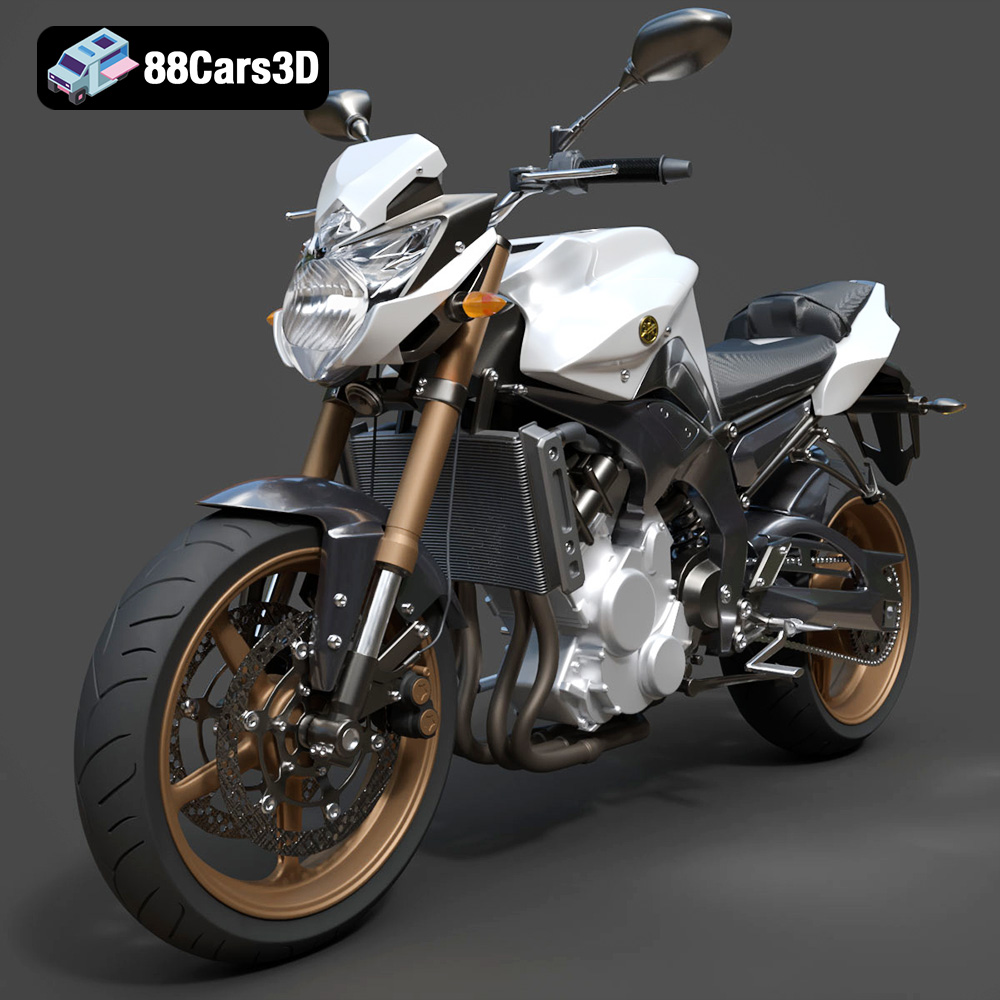
Texture: Yes
Material: Yes
Download the Yamaha FZ8 2011 3D Model featuring clean geometry, realistic detailing, and a fully modeled interior. Includes .blend, .fbx, .obj, .glb, .stl, .ply, .unreal, and .max formats for rendering, simulation, and game development.
Price: $19.99
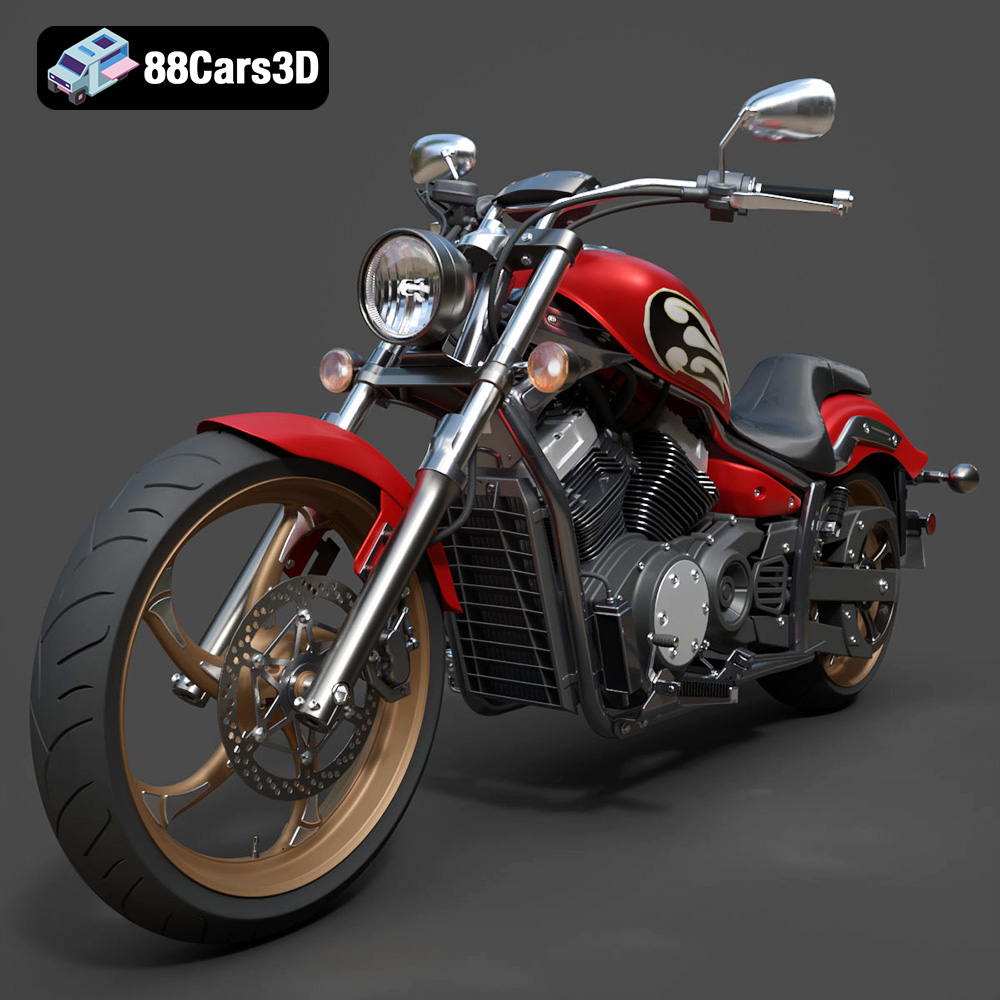
Texture: Yes
Material: Yes
Download the Yamaha Stryker 2012 3D Model featuring clean geometry, realistic detailing, and a fully modeled interior. Includes .blend, .fbx, .obj, .glb, .stl, .ply, .unreal, and .max formats for rendering, simulation, and game development.
Price: $19.99
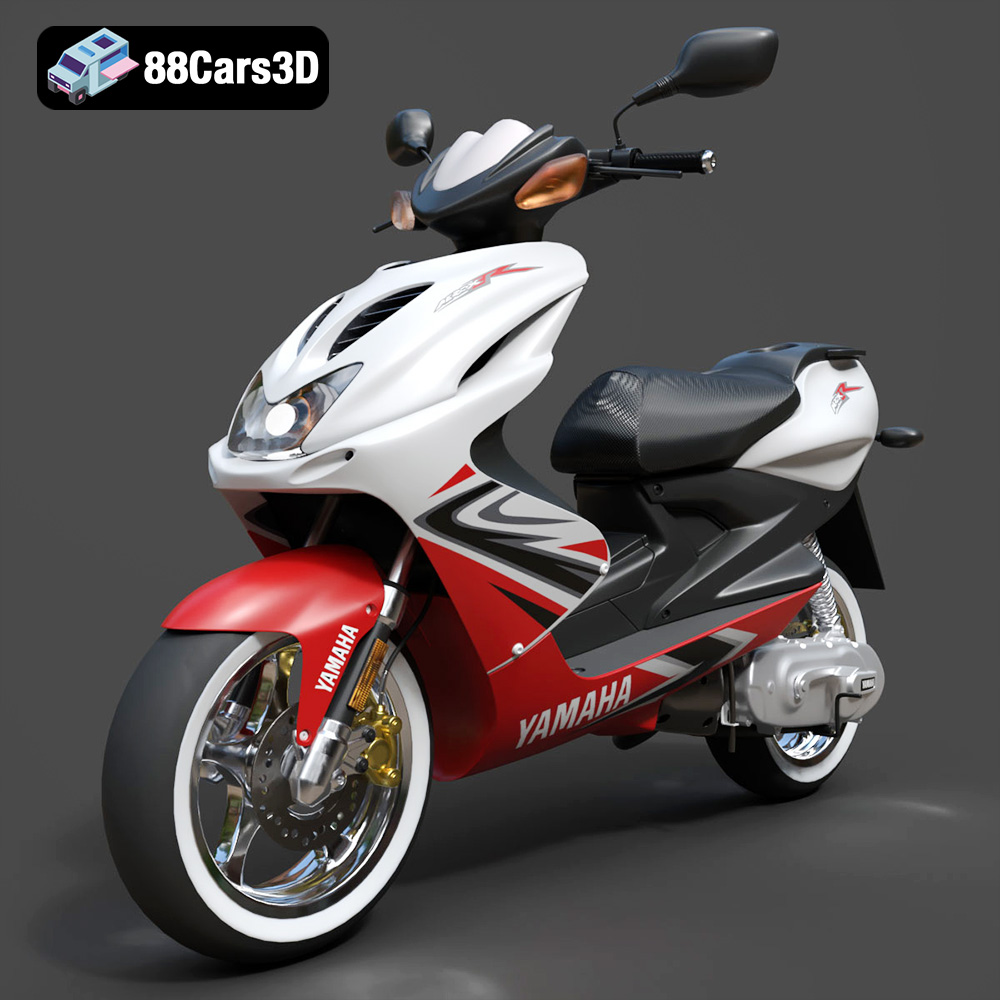
Texture: Yes
Material: Yes
Download the Yamaha Aerox R-002 2024 3D Model featuring clean geometry, realistic detailing, and a fully modeled interior. Includes .blend, .fbx, .obj, .glb, .stl, .ply, .unreal, and .max formats for rendering, simulation, and game development.
Price: $19.99
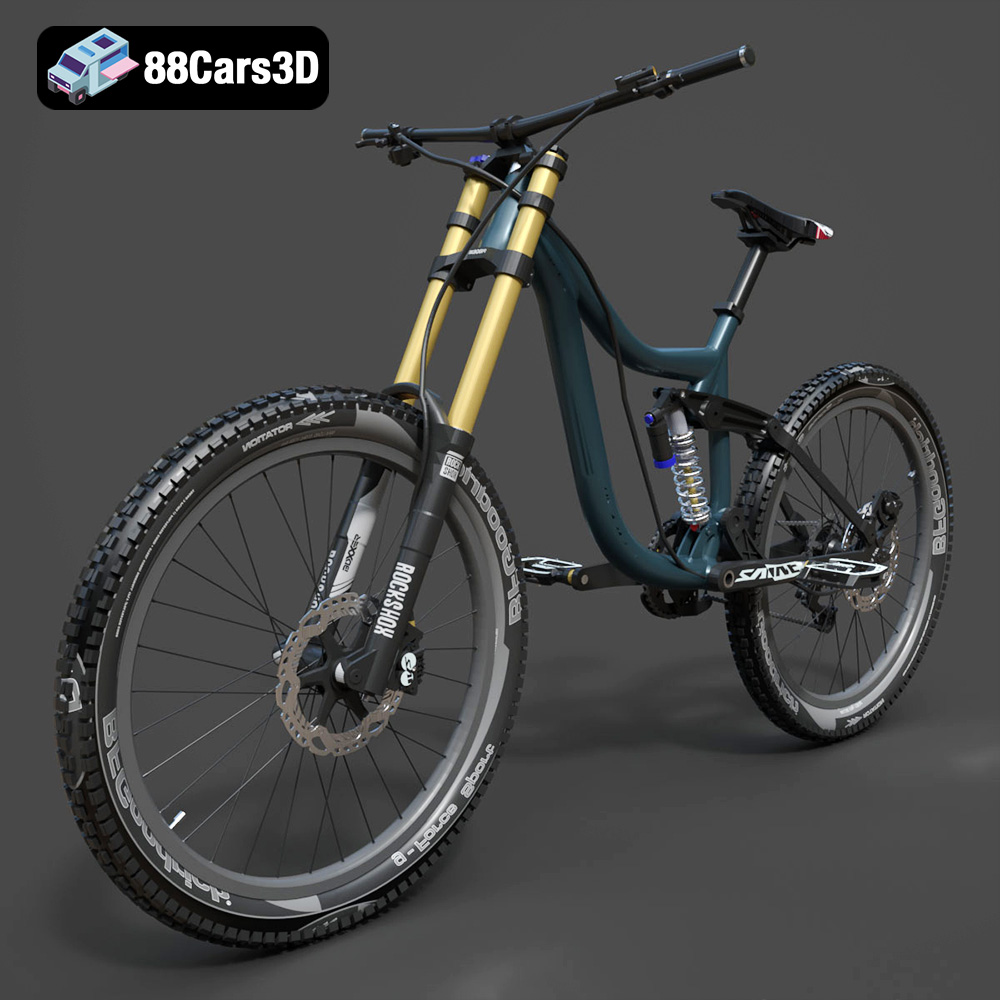
Texture: Yes
Material: Yes
Download the Mototsikly Downhill Bike-002 3D Model featuring clean geometry, realistic detailing, and precise mechanical components. Includes .blend, .fbx, .obj, .glb, .stl, .ply, .unreal, and .max formats for rendering, simulation, and game development.
Price: $19.99
Texture: Yes
Material: Yes
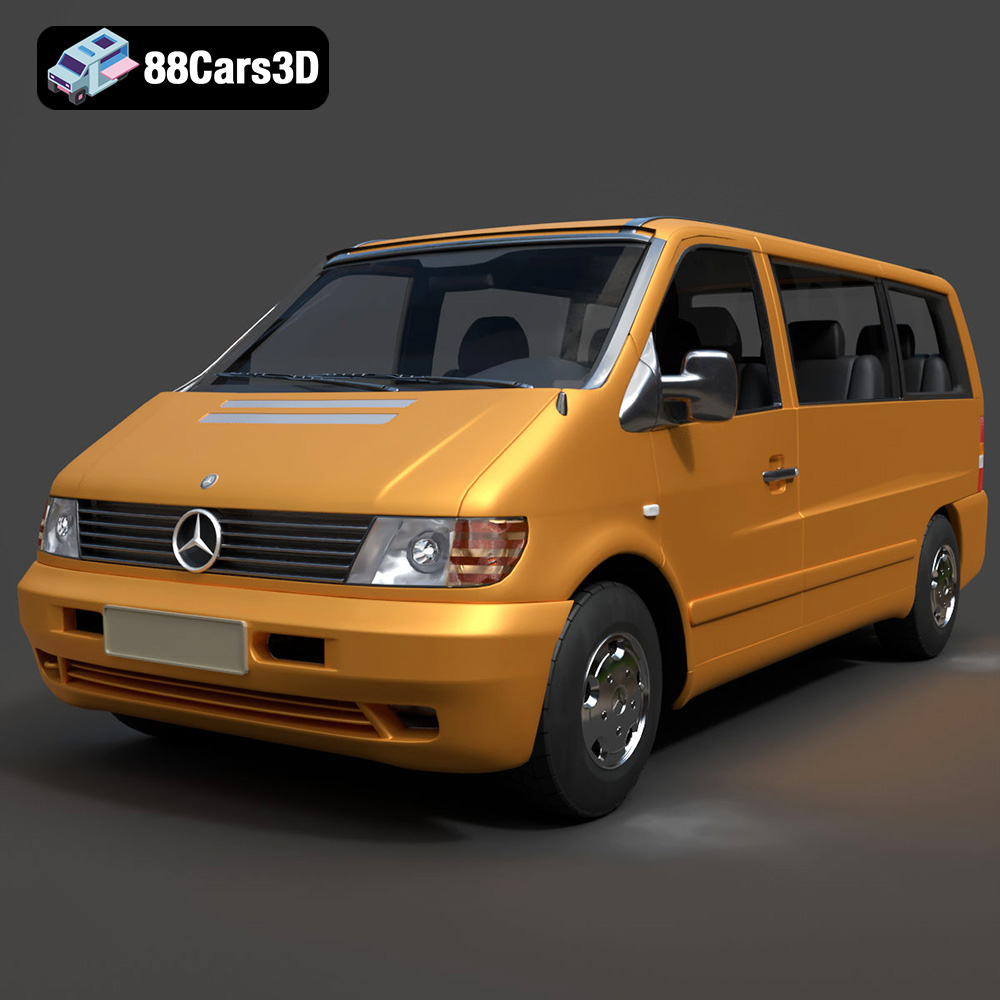
Download the Mercedes-Benz Vito Passenger Van 3D Model featuring clean geometry, realistic detailing, and a fully modeled interior. Includes .blend, .fbx, .obj, .glb, .stl, .ply, .unreal, and .max formats for rendering, simulation, and game development.
Price: $19.99
Texture: Yes
Material: Yes
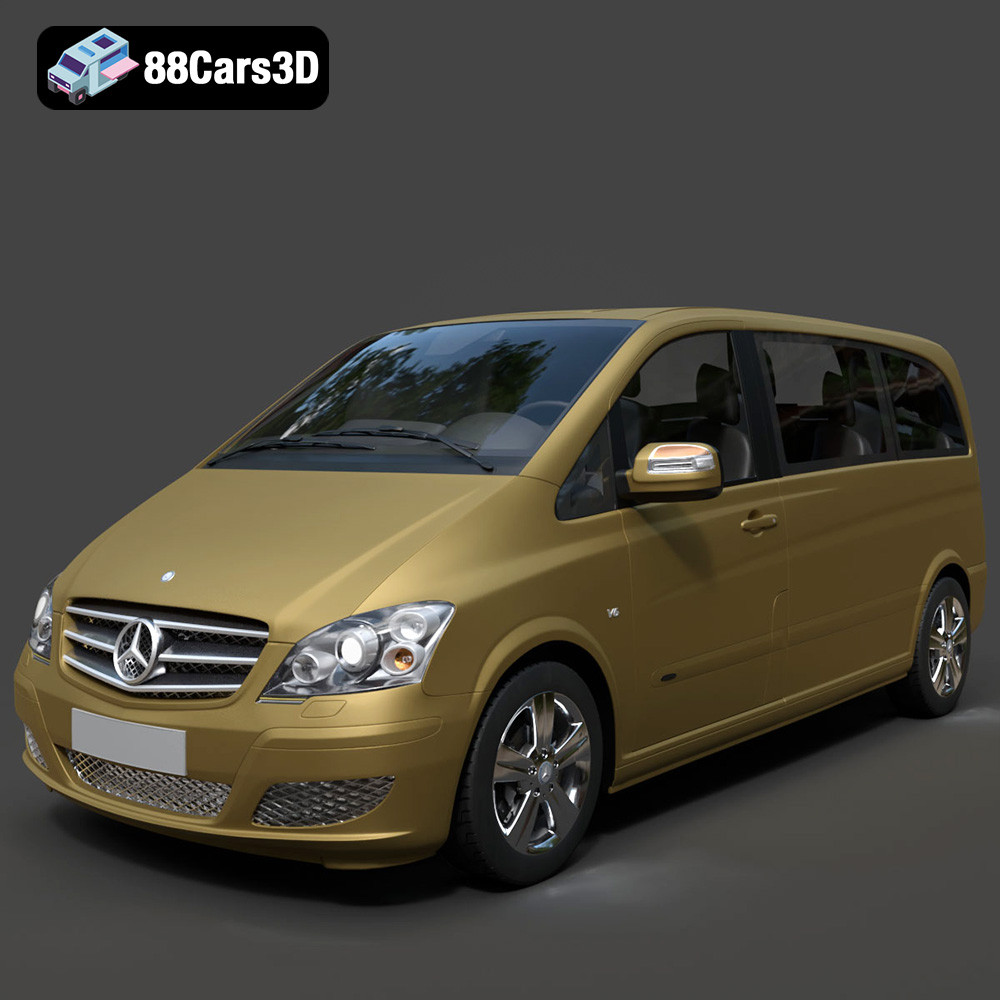
Download the Mercedes-Benz Viano 2010 3D Model featuring clean geometry, realistic detailing, and a fully modeled interior. Includes .blend, .fbx, .obj, .glb, .stl, .ply, .unreal, and .max formats for rendering, simulation, and game development.
Price: $19.99

Texture: Yes
Material: Yes
Download the Emt Avtobus 007 3D Model featuring clean geometry, realistic detailing, and a fully modeled interior. Includes .blend, .fbx, .obj, .glb, .stl, .ply, .unreal, and .max formats for rendering, simulation, and game development.
Price: $19.99
Texture: Yes
Material: Yes
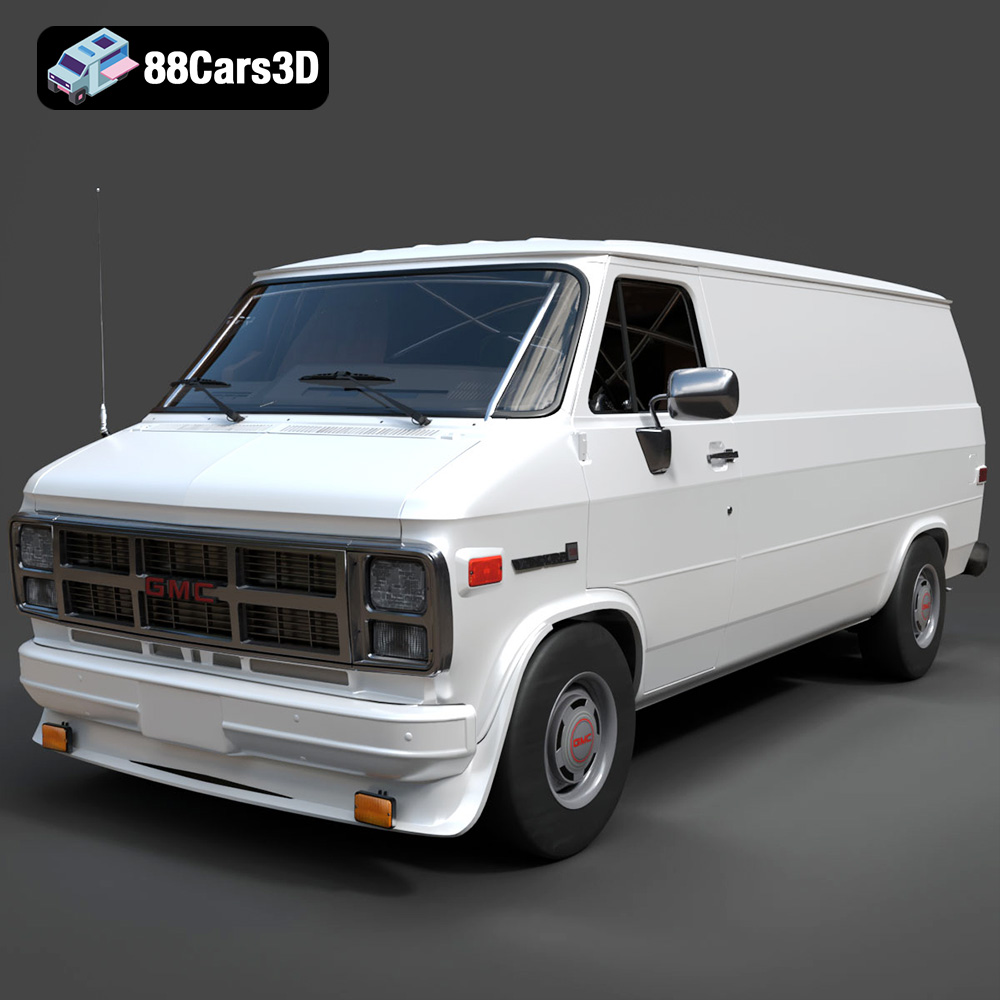
Download the GMC Vandura G-1500 1983 3D Model featuring clean geometry, realistic detailing, and a fully modeled interior. Includes .blend, .fbx, .obj, .glb, .stl, .ply, .unreal, and .max formats for rendering, simulation, and game development.
Price: $19.99
Texture: Yes
Material: Yes
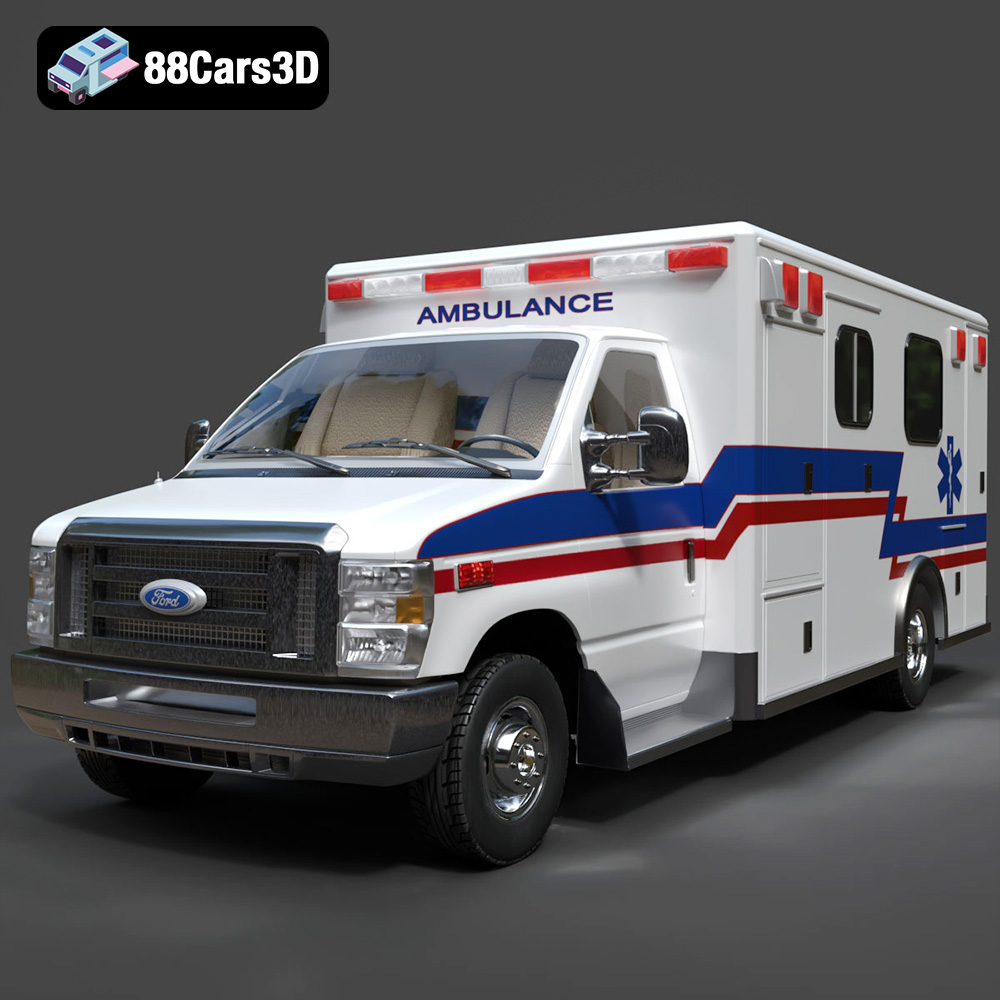
Download the Ford E-450 Ambulance 3D Model featuring clean geometry, realistic detailing, and a fully modeled interior. Includes .blend, .fbx, .obj, .glb, .stl, .ply, .unreal, and .max formats for rendering, simulation, and game development.
Price: $19.99

Texture: Yes
Material: Yes
Download the Fiat Ducato SWB-001 3D Model featuring clean geometry, realistic detailing, and a fully modeled interior. Includes .blend, .fbx, .obj, .glb, .stl, .ply, .unreal, and .max formats for rendering, simulation, and game development.
Price: $19.99

