⚡ FLASH SALE: Get 60% OFF All Premium 3D & STL Models! ⚡

In the rapidly evolving landscape of real-time rendering, stunning 3D models are only half the story. The true power of an interactive experience in Unreal Engine often lies in its user interface (UI) and user experience (UX). Whether you’re developing a cutting-edge automotive configurator, an immersive game, a virtual production setup, or a sophisticated architectural visualization, a well-designed UI/UX is paramount to engagement and usability.
Unreal Engine’s powerful Unreal Motion Graphics (UMG) Widget System provides artists and developers with an intuitive yet robust framework to craft dynamic, responsive, and aesthetically pleasing interfaces. This comprehensive guide will delve deep into UMG, exploring its fundamentals, advanced techniques, and critical optimization strategies. We’ll uncover how to integrate these UI elements seamlessly with high-fidelity 3D assets, such as the premium 3D car models available on 88cars3d.com, to create truly compelling real-time applications. From laying out basic menus to building complex, data-driven interfaces, you’ll learn the tools and best practices required to elevate your projects and captivate your audience. Prepare to transform your vision into an interactive reality with the power of UMG.
Unreal Motion Graphics (UMG) is Unreal Engine’s visual UI editor, designed to empower developers to create user interfaces directly within the engine. Unlike Slate, the underlying C++ framework that UMG is built upon, UMG offers a user-friendly drag-and-drop interface, leveraging Widget Blueprints to visually construct and script UI elements. This abstraction makes UI development significantly more accessible, allowing artists and designers to actively participate in the creation process without extensive C++ knowledge. The benefits of UMG are manifold: rapid prototyping, visual feedback, and tight integration with Unreal Engine’s Blueprint visual scripting system, ensuring seamless communication between your UI and game logic.
At its core, UMG revolves around Widgets – individual UI components like buttons, text blocks, images, sliders, and progress bars. These widgets are organized hierarchically within a Widget Blueprint, a specialized Blueprint asset that defines the structure and behavior of your UI. The most fundamental layout widget is the Canvas Panel, which provides a flexible space where other widgets can be positioned and resized, often using anchors for responsive design. Understanding how to effectively use and combine these basic building blocks is crucial for any UMG project, whether you’re creating a simple heads-up display (HUD) for a game or an intricate control panel for a virtual automotive studio.
When you open a Widget Blueprint, you’ll be greeted by a dedicated editor interface, distinct from the standard Blueprint Editor. This editor is typically divided into several key panels:
Mastering the flow between these tabs is fundamental to efficient UI development. For instance, you might drag a button onto the canvas in the Designer, then switch to the Graph tab to add an “OnClicked” event handler for that button.
The journey of building UI in UMG begins with a solid understanding of its fundamental elements:
By combining these simple elements with thoughtful design, you can begin to construct interfaces that not only look good but are also intuitive and functional, effectively showcasing the visual fidelity of your Unreal Engine projects.
Crafting an effective UI goes beyond merely placing widgets on a canvas; it requires thoughtful layout, consistent styling, and clear pathways for user interaction. In UMG, Unreal Engine provides powerful tools to achieve this, enabling developers to create interfaces that adapt gracefully to different screen sizes and provide a cohesive visual experience. Best practices dictate using a combination of layout widgets and anchor points to ensure your UI remains responsive and readable, regardless of the display resolution. Over-reliance on absolute positioning, while tempting with the Canvas Panel, often leads to static UIs that break on varied aspect ratios.
Styling is another critical component. A consistent visual language helps users understand the UI quickly and enhances the overall aesthetic appeal of your application. UMG allows extensive customization of widget appearance through properties like colors, fonts, and textures. You can define specific styles for different states of interactive widgets, such as a button’s appearance when it’s hovered over or pressed. This visual feedback is crucial for guiding the user and making the UI feel responsive and professional. Finally, basic interactivity forms the bedrock of any functional UI, enabling users to trigger actions within your application.
A truly effective UI must be responsive, adapting its layout and scale to various screen sizes and aspect ratios without manual adjustment. UMG provides several mechanisms to achieve this:
These widgets are essential for creating complex, organized layouts that dynamically adjust.
By combining these tools, you can design UIs that look consistent and function correctly across a wide range of devices, from desktops to AR/VR headsets.
In any substantial project, you’ll inevitably find yourself needing similar UI elements in multiple places. Instead of duplicating effort, UMG promotes modularity through User Widgets. A User Widget is essentially a custom Widget Blueprint that you create to encapsulate a specific piece of UI, along with its associated logic.
For example, imagine you have a list of available car models (perhaps sourced from 88cars3d.com) in an automotive configurator. Each item in that list might consist of an image of the car, its name, and a “Select” button. Instead of building this trio of widgets individually for every car in the list, you can create a “CarListItem” User Widget. This User Widget would contain the image, text, and button, along with any Blueprint logic to update its displayed car data or handle its selection event.
The benefits of User Widgets are significant:
To create a User Widget, simply right-click in your Content Browser, go to User Interface, and select Widget Blueprint. Once created, you can drag and drop instances of your User Widget into other Widget Blueprints, just like any other standard UMG widget. This hierarchical approach to UI design is fundamental for building scalable and maintainable interfaces.
Once the static structure and basic interactivity of your UI are established, the next crucial step is to make it dynamic and engaging. This involves linking your UI elements to real-time data from your game or application logic, animating transitions for a smoother user experience, and incorporating more sophisticated interaction patterns beyond simple button clicks. Data binding is a cornerstone of dynamic UI, allowing widgets to automatically update their displayed content based on underlying variable changes, while UI animations provide visual feedback and enhance the perceived responsiveness of the interface.
Unreal Engine’s UMG system, coupled with Blueprint visual scripting, provides robust tools for these advanced interactions. You can create progress bars that reflect loading status, sliders to control parameters like volume or camera zoom, and combo boxes for selecting options from a list. These interactive elements not only make your application more functional but also enrich the user experience, transforming passive viewing into active engagement. For instance, in an automotive visualization project, a slider could dynamically adjust the time of day, instantly updating the lighting and reflections on a high-fidelity car model sourced from 88cars3d.com.
The true power of UMG comes alive when integrated with Unreal Engine’s Blueprint visual scripting. The “Graph” tab within a Widget Blueprint is where you define the logic that drives your UI.
Understanding how to effectively leverage these Blueprint tools within your Widget Blueprints is crucial for creating responsive and intelligent UI. The official Unreal Engine documentation at https://dev.epicgames.com/community/unreal-engine/learning provides excellent detailed resources on working with UMG and Blueprint scripting.
A robust UI needs to communicate effectively with the rest of your application. UMG offers several powerful mechanisms for this:
By mastering these communication methods, you can build intricate UIs that are deeply integrated with your application’s logic, enabling complex interactions and dynamic content updates.
Once you’ve grasped the fundamentals of UMG and its integration with Blueprint, the next step is to elevate your user experience through advanced techniques and streamlined workflows. This includes managing complex UI flows, ensuring intuitive input, and preparing your application for a global audience. A truly sophisticated UI doesn’t just display information; it guides the user seamlessly through various states and options, provides clear feedback, and anticipates their needs. Effective UI management becomes critical as applications grow in complexity, such as an automotive configurator that allows users to customize every aspect of a vehicle, from paint color to interior trim.
Furthermore, considering the diverse landscape of target devices – from traditional PCs to mobile, AR, and VR platforms – requires a flexible design approach. Each platform presents unique input methods and display constraints that a well-designed UI must accommodate. Finally, in an interconnected world, localization is no longer a niche feature but a necessity for reaching wider markets and ensuring inclusivity. By adopting these advanced techniques, you can transform a functional UI into an exceptional user experience that resonates with your audience.
Designing UI for a multi-platform environment presents unique challenges, primarily concerning input methods, screen dimensions, and safe areas.
For AR/VR, minimizing text and using intuitive iconography are best practices. The goal is to reduce cognitive load and maintain immersion. When showcasing high-quality car models from 88cars3d.com in AR/VR, UI elements for swapping colors or opening doors should feel like they belong in the virtual space.
Unreal Engine’s flexibility allows you to create separate Widget Blueprints for different platforms or use visibility settings to toggle platform-specific UI elements within a single Widget Blueprint, offering a scalable solution for multi-platform deployment.
For complex applications with extensive dynamic content, hardcoding data directly into Widget Blueprints quickly becomes unmanageable. This is where Data Assets shine. A Data Asset is a highly flexible Unreal Engine asset that allows you to define structured data outside of Blueprints, making it easily accessible and modifiable without recompiling code.
Imagine an automotive configurator featuring dozens of car models, each with multiple paint options, wheel choices, and interior trims. Each option has a name, a thumbnail image, an associated material, and perhaps a price. Storing this information directly in Blueprint arrays would be cumbersome. Instead, you can create a Data Asset, perhaps called `CarConfigDataAsset`, and define structs for `PaintOption`, `WheelOption`, etc. Each struct would contain the relevant properties.
Benefits of Data Assets for UI:
To implement this, you would create a `UDataAsset` derived C++ class or a Blueprint Data Asset (if you extend `UDataAsset` in C++ and expose it to Blueprint). Then, within your Widget Blueprints, you would reference these Data Assets, iterate through their arrays of options, and dynamically populate your UI elements (e.g., creating a list of buttons, each representing a paint color with its name and swatch). This approach dramatically improves the maintainability and scalability of your interactive applications.
While UMG provides incredible flexibility and ease of use, an unoptimized UI can quickly become a performance bottleneck, especially in demanding real-time applications like high-fidelity automotive visualization or VR experiences. Just as you meticulously optimize your 3D car models for clean topology and efficient materials (a standard for assets from 88cars3d.com), your UI must also be lean and performant. Bloated UIs can lead to increased draw calls, higher CPU overhead, and ultimately, a choppy user experience, detracting from the overall quality of your project.
Understanding the factors that impact UI performance and implementing best practices from the outset is crucial. This includes being mindful of widget count, texture sizes, and the frequency of updates. UMG, like any rendering system, incurs a cost for every element it draws and every piece of logic it executes. Profiling your UI to identify bottlenecks is an indispensable skill for any Unreal Engine developer. By systematically optimizing your UMG interfaces, you can ensure that your interactive experiences run smoothly, even on less powerful hardware, maintaining a consistent frame rate and a polished feel.
To effectively optimize your UMG UI, you first need to identify what’s causing performance issues. Unreal Engine provides powerful tools for this:
The Slate Debugger helps you understand the visual and rendering structure of your UI, guiding your optimization efforts.
Regularly profiling your UI, especially during development phases and after adding significant new features, is a critical best practice to catch performance issues early.
Several strategies can significantly reduce the performance overhead of your UMG interfaces:
By diligently applying these optimization techniques, you can ensure that your Unreal Engine UI remains performant, enhancing the overall user experience without compromising the visual fidelity of your real-time applications, particularly when paired with high-quality assets such as those found on 88cars3d.com.
The true power of Unreal Engine’s UMG system shines in its real-world applications, particularly in industries demanding high visual fidelity and intricate interactivity. Automotive visualization is a prime example, where UMG is leveraged to create stunning and functional interfaces for everything from consumer-facing configurators to professional design reviews and virtual production stages. The combination of Unreal Engine’s real-time rendering capabilities, the exquisite detail of 3D car models (like those from 88cars3d.com), and a robust UMG-driven UI transforms a static presentation into an immersive, hands-on experience.
Imagine a customer at a dealership interacting with a large touch screen, seamlessly customizing a vehicle in real-time, swapping out paint colors, wheel designs, and interior trims with a tap. Or consider automotive designers collaborating in a virtual environment, manipulating concept car models and receiving instant visual feedback through an intuitive UI. UMG makes these scenarios not just possible, but highly efficient to develop. From simple menus that switch camera views to complex interactive dashboards within the virtual car itself, UMG empowers developers to build engaging and practical applications across the automotive lifecycle.
Building an automotive configurator is an excellent demonstration of UMG’s capabilities in conjunction with 3D models and Blueprint logic. Here’s a conceptual workflow:
This Blueprint acts as the central control for the 3D car model.
This setup creates a powerful, interactive experience where the user’s UI choices are immediately reflected on the high-fidelity 3D car model, providing instant gratification and detailed visual feedback.
AR/VR pushes the boundaries of UI design even further, demanding interfaces that are intuitive and non-intrusive within a three-dimensional space. For automotive applications, AR/VR presents unique opportunities:
Key considerations for AR/VR UI with UMG:
By thoughtfully integrating UMG with AR/VR principles, developers can create truly revolutionary automotive experiences, bringing 3D car models to life in unprecedented ways.
The journey through Unreal Engine’s UMG Widget System reveals its immense power in shaping interactive experiences for a diverse range of applications, from cutting-edge automotive visualization to immersive game development and virtual production. We’ve explored the foundational elements, delved into dynamic data binding and animations, discussed advanced techniques for multi-platform design, and emphasized the critical importance of performance optimization. A well-crafted UI/UX is not merely an afterthought; it is an integral component that enhances usability, engagement, and the overall perceived quality of your real-time projects.
By leveraging UMG, developers and artists can create responsive, intuitive, and visually appealing interfaces that seamlessly integrate with high-fidelity 3D assets, breathing life into static models. Whether you’re building an interactive configurator for a luxury vehicle, a dynamic HUD for a game, or an intuitive control panel for a virtual environment, the principles and techniques discussed here provide a robust framework. Remember to always prioritize user experience, design for adaptability, and rigorously optimize your UI for peak performance. The seamless interaction between stunning 3D content—like the meticulously crafted models found on 88cars3d.com—and an expertly designed UI is what truly captivates an audience. Embrace the full potential of UMG, experiment with its features, and transform your visions into compelling, interactive realities.
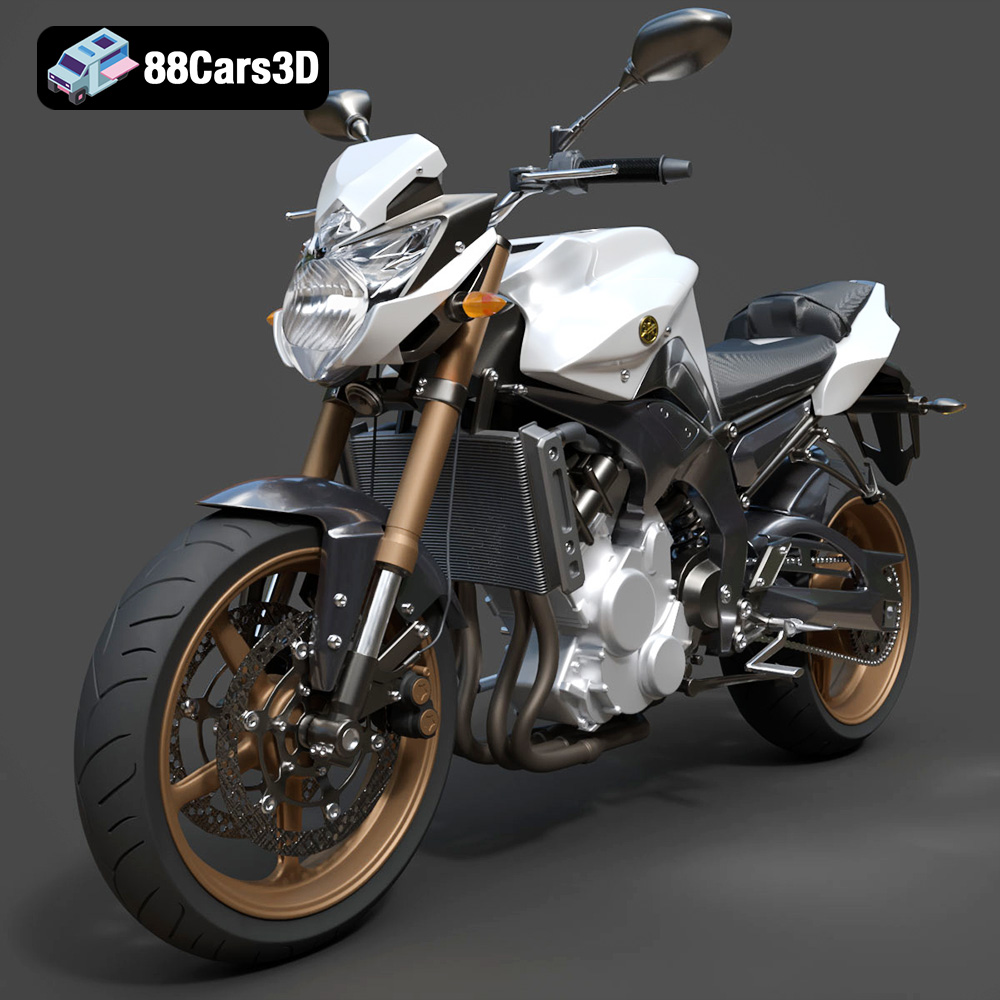
Texture: Yes
Material: Yes
Download the Yamaha FZ8 2011 3D Model featuring clean geometry, realistic detailing, and a fully modeled interior. Includes .blend, .fbx, .obj, .glb, .stl, .ply, .unreal, and .max formats for rendering, simulation, and game development.
Price: $19.99
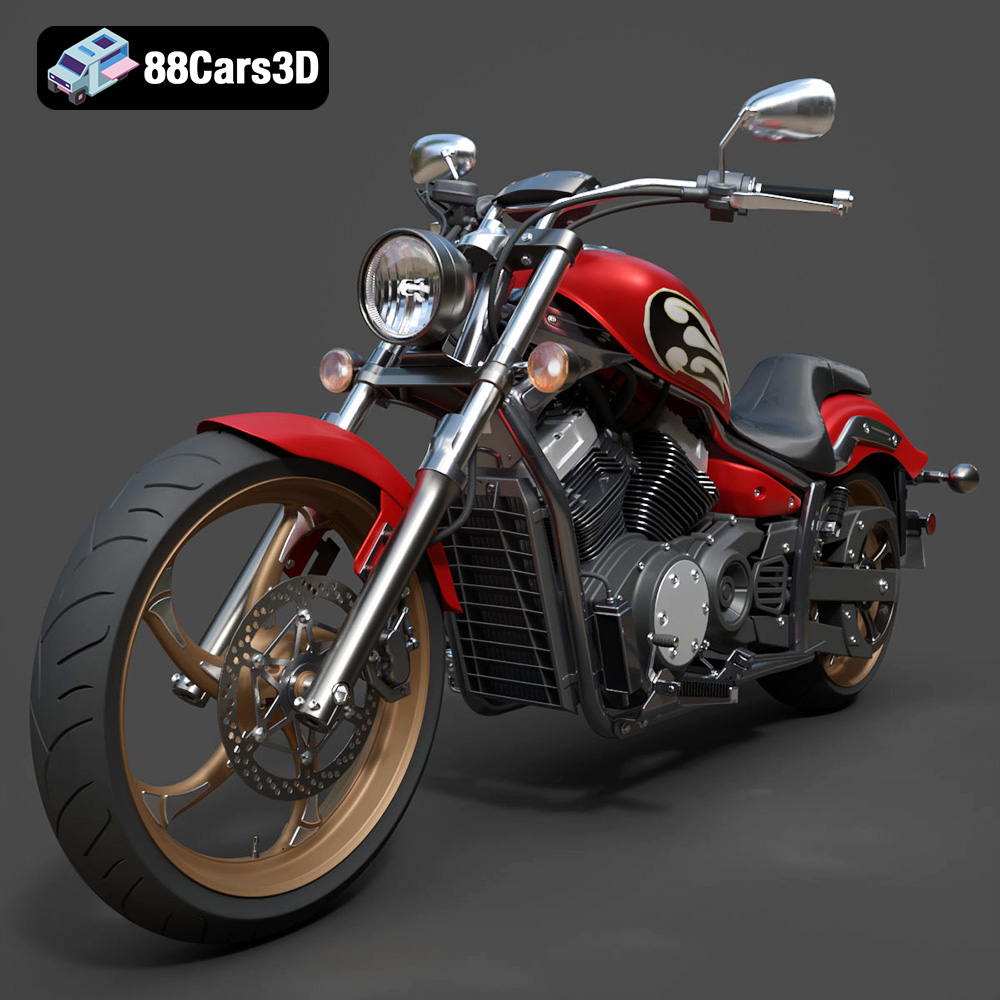
Texture: Yes
Material: Yes
Download the Yamaha Stryker 2012 3D Model featuring clean geometry, realistic detailing, and a fully modeled interior. Includes .blend, .fbx, .obj, .glb, .stl, .ply, .unreal, and .max formats for rendering, simulation, and game development.
Price: $19.99
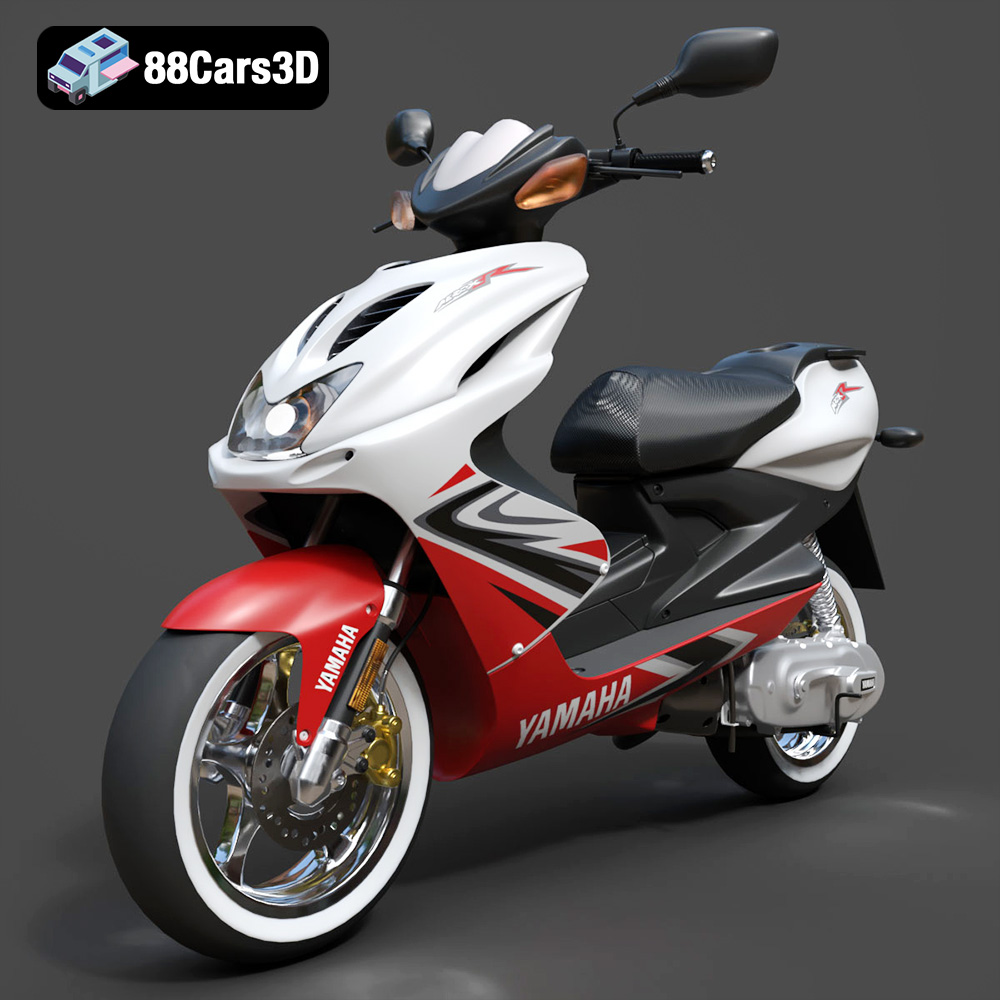
Texture: Yes
Material: Yes
Download the Yamaha Aerox R-002 2024 3D Model featuring clean geometry, realistic detailing, and a fully modeled interior. Includes .blend, .fbx, .obj, .glb, .stl, .ply, .unreal, and .max formats for rendering, simulation, and game development.
Price: $19.99
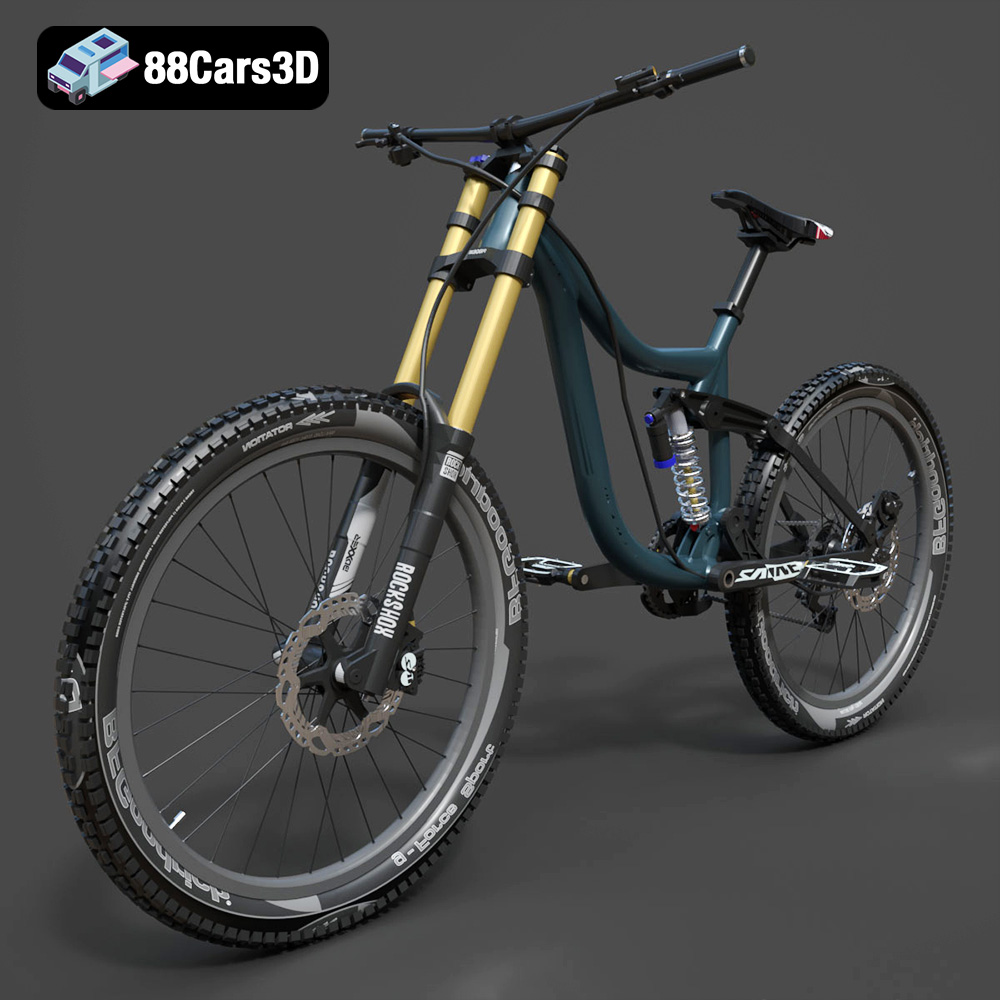
Texture: Yes
Material: Yes
Download the Mototsikly Downhill Bike-002 3D Model featuring clean geometry, realistic detailing, and precise mechanical components. Includes .blend, .fbx, .obj, .glb, .stl, .ply, .unreal, and .max formats for rendering, simulation, and game development.
Price: $19.99
Texture: Yes
Material: Yes
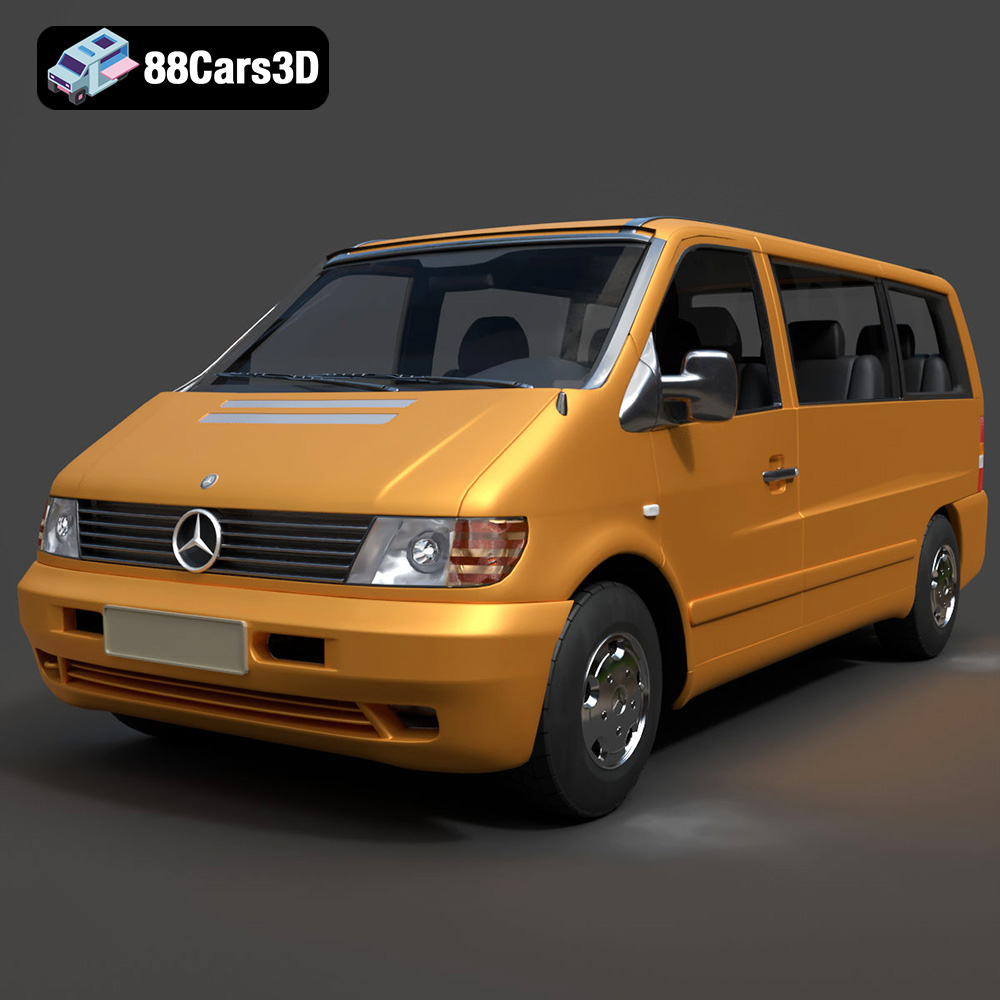
Download the Mercedes-Benz Vito Passenger Van 3D Model featuring clean geometry, realistic detailing, and a fully modeled interior. Includes .blend, .fbx, .obj, .glb, .stl, .ply, .unreal, and .max formats for rendering, simulation, and game development.
Price: $19.99
Texture: Yes
Material: Yes
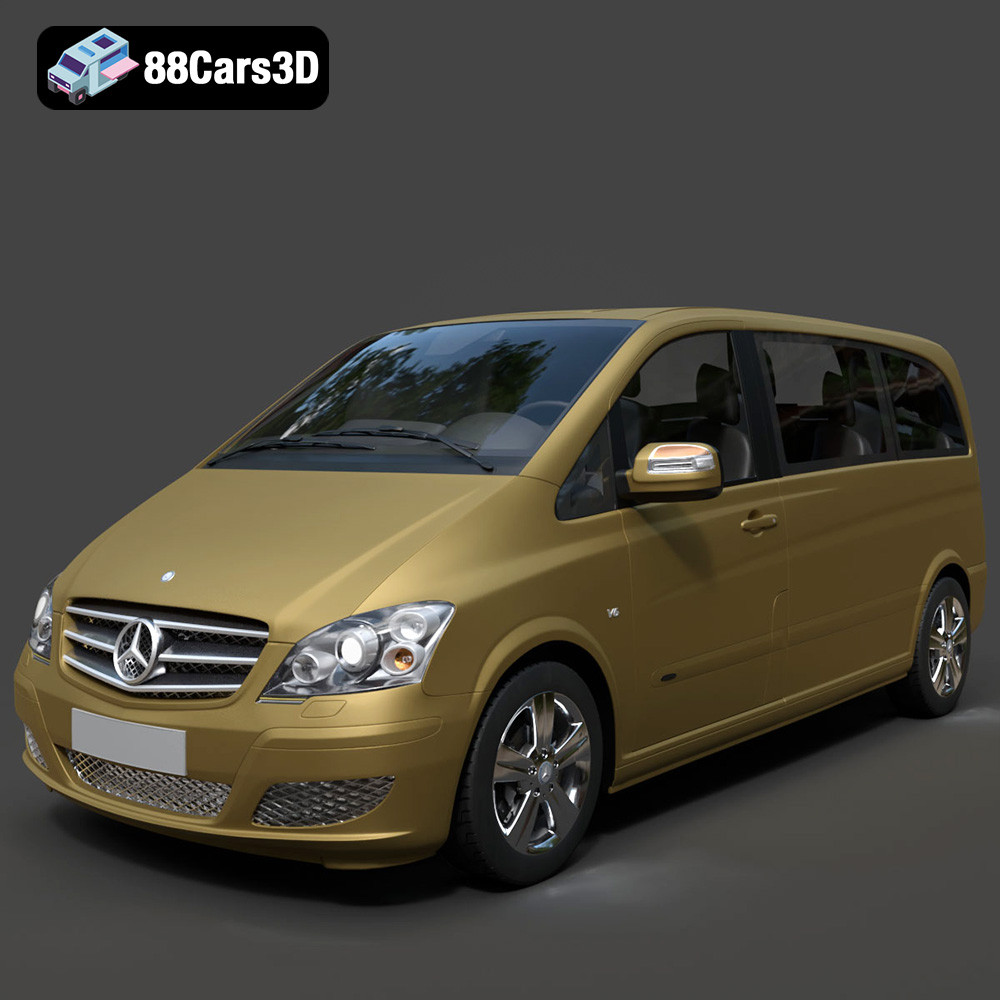
Download the Mercedes-Benz Viano 2010 3D Model featuring clean geometry, realistic detailing, and a fully modeled interior. Includes .blend, .fbx, .obj, .glb, .stl, .ply, .unreal, and .max formats for rendering, simulation, and game development.
Price: $19.99

Texture: Yes
Material: Yes
Download the Emt Avtobus 007 3D Model featuring clean geometry, realistic detailing, and a fully modeled interior. Includes .blend, .fbx, .obj, .glb, .stl, .ply, .unreal, and .max formats for rendering, simulation, and game development.
Price: $19.99
Texture: Yes
Material: Yes
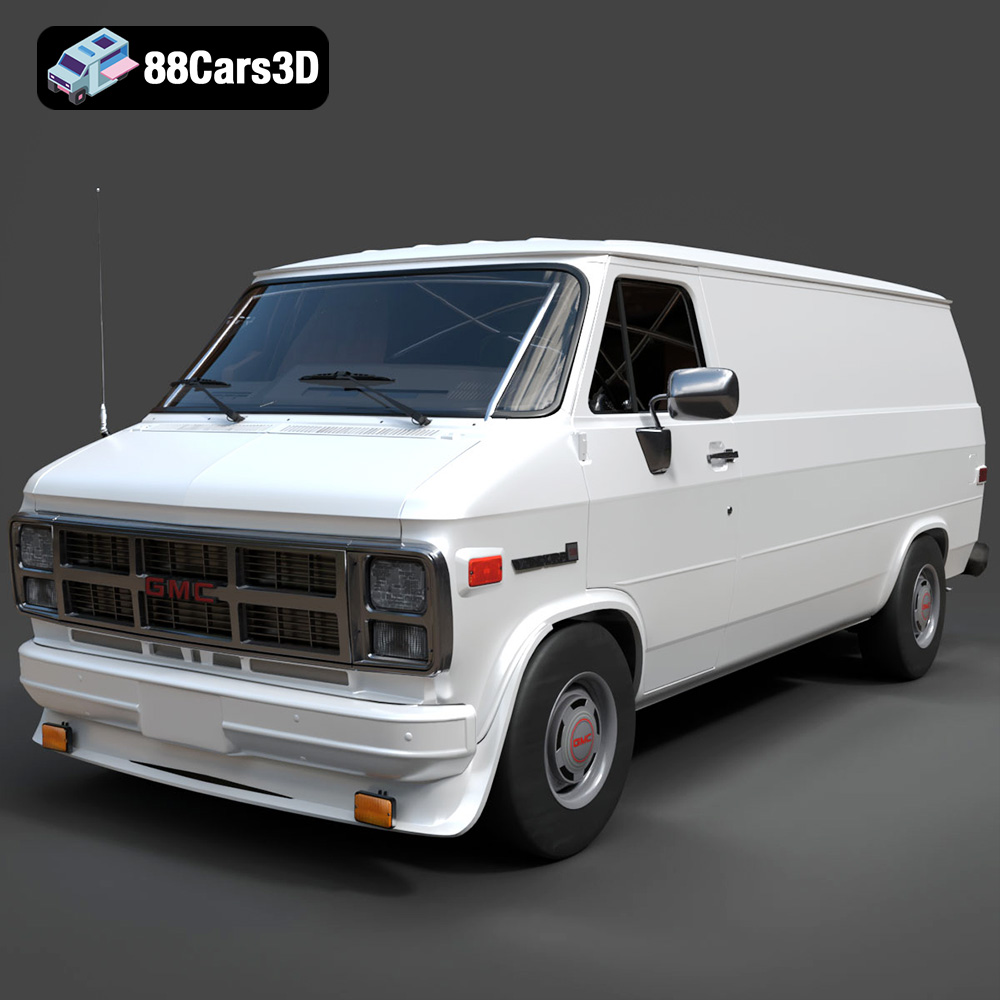
Download the GMC Vandura G-1500 1983 3D Model featuring clean geometry, realistic detailing, and a fully modeled interior. Includes .blend, .fbx, .obj, .glb, .stl, .ply, .unreal, and .max formats for rendering, simulation, and game development.
Price: $19.99

Texture: Yes
Material: Yes
Download the Ford E-450 Ambulance 3D Model featuring clean geometry, realistic detailing, and a fully modeled interior. Includes .blend, .fbx, .obj, .glb, .stl, .ply, .unreal, and .max formats for rendering, simulation, and game development.
Price: $19.99

Texture: Yes
Material: Yes
Download the Fiat Ducato SWB-001 3D Model featuring clean geometry, realistic detailing, and a fully modeled interior. Includes .blend, .fbx, .obj, .glb, .stl, .ply, .unreal, and .max formats for rendering, simulation, and game development.
Price: $19.99

