⚡ FLASH SALE: Get 60% OFF All Premium 3D & STL Models! ⚡

In the dynamic world of 3D artistry, game development, and automotive design, the choice of file format for your 3D car models is far more critical than it might seem. It dictates everything from compatibility across software and platforms to the fidelity of materials, animation, and ultimately, the success of your project. Whether you’re crafting a photorealistic automotive rendering, optimizing a high-performance vehicle for a game, or preparing a stunning visualization for AR/VR, understanding the nuances of formats like FBX, OBJ, GLTF, and USDZ is paramount. This deep dive will equip you with the technical knowledge to navigate this complex landscape, ensuring your high-quality 3D car models are always presented in their best light. We’ll explore the specific strengths, weaknesses, and optimal use cases for each format, offering practical advice and industry best practices to help you make informed decisions, enhance your workflows, and unlock new creative possibilities for your automotive assets.
The FBX format, developed by Autodesk, has long reigned as a cornerstone in the 3D industry due to its robust capabilities for handling complex scene data. For 3D car models, FBX is invaluable for its ability to encapsulate not just geometry and UV mapping, but also crucial elements like skeletal animation, PBR materials, cameras, lights, and even blend shapes (morph targets). This comprehensive data retention makes it an ideal intermediary format for moving detailed automotive assets between different 3D software packages such as 3ds Max, Maya, Blender, and directly into game engines like Unity and Unreal Engine. When sourcing professional-grade 3D car models from platforms like 88cars3d.com, you’ll frequently find FBX as a primary offering precisely because it ensures a high degree of fidelity upon import, preserving intricate details such as complex multi-layered car paint shaders and intricate interior mechanisms. Its binary structure also means it’s relatively efficient in terms of file size compared to text-based formats for equally complex data.
FBX truly shines in its ability to carry a rich array of data. For 3D car models, this includes high-resolution mesh data, often featuring millions of polygons, along with detailed UV layouts essential for texture application. More critically, FBX supports the embedding of PBR (Physically Based Rendering) material definitions, allowing artists to transfer complex metallic, roughness, normal, and albedo maps that define realistic car finishes. While it doesn’t always perfectly translate every custom shader node from one renderer to another, it carries the base PBR texture assignments and material properties, which can then be reconnected in the target software. Furthermore, if your 3D car model includes articulated parts like opening doors, rotating wheels, or even sophisticated suspension systems that are rigged and animated, FBX is the go-to format for transferring these animations. It handles keyframe animation, skinning, and even takes data, ensuring that the movement and hierarchy of your car model remain intact across different applications. This is especially crucial for cinematic automotive visualizations or interactive vehicle configurators.
In a typical automotive design workflow, an FBX file might originate from a CAD conversion or a meticulously modeled asset in Maya or 3ds Max. From there, it can be exported as FBX for texturing in Substance Painter, then re-imported into the original DCC (Digital Content Creation) tool for rendering with Corona Renderer or V-Ray, or directly imported into Unity or Unreal Engine for real-time applications. For instance, an architect creating a photorealistic exterior rendering might use an FBX car model in 3ds Max with Corona. The same model, perhaps with reduced polygon counts (LODs) and optimized materials, can then be exported as a new FBX for a driving simulator in Unreal Engine. The consistency FBX offers across this pipeline makes it indispensable. Artists can rely on it to retain hierarchical structures – such as the car body, wheels, interior, and lights – as separate, controllable objects within the scene, simplifying scene management and interaction.
Despite its strengths, FBX is not without its challenges. Version compatibility can sometimes be an issue; an FBX file saved from an older version of Maya might not perfectly translate when opened in the latest Blender, or vice-versa. To mitigate this, it’s often best practice to save FBX files in a widely supported version, usually 2014 or 2018, unless a specific feature requires a newer version. Scale inconsistencies are another common headache; ensure that your 3D car model is consistently scaled (e.g., in meters or centimeters) in your source software before export to prevent import issues in other applications. Properly consolidating materials and textures before export can also prevent missing texture links. For complex automotive assets, it’s advisable to “bake” certain elements, like ambient occlusion or complex procedural textures, into texture maps before FBX export to ensure consistent appearance across platforms, especially for game assets.
The OBJ format, short for Wavefront Object, is arguably the most widely supported and simplest 3D file format available. Introduced by Wavefront Technologies for their Advanced Visualizer software, OBJ has become a de facto standard for exchanging basic 3D geometry. For 3D car models, OBJ files primarily store polygon mesh data – vertices, normals, UV coordinates, and groups – along with references to external material files (.MTL) that define basic color, diffuse, and specular properties. While it lacks support for advanced features like animation, rigging, or PBR materials, its sheer universality and human-readable text-based structure make it incredibly robust for pure geometric data exchange, particularly useful for high-polygon models or for transferring base meshes for further detailing.
The core strength of OBJ lies in its simplicity. Almost every 3D software application, from high-end DCC tools like ZBrush and Blender to CAD software and 3D printing slicers, can import and export OBJ files. This makes it an excellent choice for a foundational geometry exchange. When you need to provide a clean mesh of a 3D car model without worrying about proprietary features or complex scene data, OBJ is reliable. It accurately preserves the mesh topology, including vertex positions, face indices, and custom normals, which is crucial for maintaining the smooth curvature and sharp lines characteristic of automotive designs. Furthermore, it reliably stores UV mapping data, which is essential for applying textures to the car body, wheels, and interior. While the associated MTL file is basic, it effectively assigns material slots, allowing different parts of the car (e.g., body, windows, tires) to have distinct material definitions upon import, which can then be upgraded to full PBR shaders.
OBJ files are particularly useful in several key areas for 3D car models. In architectural visualization (arch-viz), where static, highly detailed car models are often placed as scene dressing, OBJ is a perfect fit. The primary concern is the accurate representation of the vehicle’s form, and OBJ excels at this. Similarly, for 3D printing preparation, OBJ is a go-to format. Since 3D printers only care about the mesh geometry, and less about animations or complex shaders, an OBJ file provides the cleanest data. Artists can import OBJ car models into sculpting software like ZBrush for high-detail surface work or into CAD software for reverse engineering. It also serves as an excellent “base mesh” format; if you’re starting a new project and need a clean car body to sculpt upon, an OBJ file provides a versatile foundation that can be easily imported into any modeling software without data loss from proprietary features.
The simplicity of OBJ is also its primary limitation. It does not support advanced features such as animation, rigging, blend shapes, lights, cameras, or complex PBR materials beyond basic color and texture maps. This means that if your 3D car model includes these elements, they will be stripped away upon export to OBJ. To compensate for the lack of PBR support, artists often manually reconnect texture maps (Albedo, Normal, Roughness, Metallic, Ambient Occlusion) in the target software after importing an OBJ. For animated assets, a separate FBX or GLTF would be required. When preparing an OBJ for 3D printing, it’s crucial to ensure the mesh is watertight and manifold – meaning it has no holes, intersecting faces, or non-uniform normals – as these issues can cause printing errors. Software like Blender’s 3D Print Toolbox (accessible via add-ons, learn more at the official Blender 4.4 documentation: https://docs.blender.org/manual/en/4.4/addons/3d_print_toolbox.html) or Meshmixer can be used to repair and prepare OBJ meshes for printing, ensuring a successful physical output of your 3D car model.
GLTF, and its binary counterpart GLB, are rapidly becoming the preferred format for efficient transmission and loading of 3D scenes and models in web-based and real-time applications. Developed by the Khronos Group, GLTF is often dubbed the “JPEG of 3D” due to its focus on delivering rich 3D content in a compact and easy-to-parse format. It is particularly well-suited for interactive 3D car models on websites, AR experiences, and game assets where performance and file size are critical considerations. GLTF supports PBR materials, animation, skinning, and even basic lighting, making it a comprehensive solution for modern 3D workflows without the overhead of older, less optimized formats.
GLTF’s structure is based on JSON, which makes it human-readable and easy to integrate with web technologies. It can reference external binary files for mesh data, images for textures, and shaders, or it can be entirely self-contained within a single `.glb` (GLB is a binary version of GLTF) file. This self-contained nature of GLB is especially beneficial for web deployments, as it reduces HTTP requests and simplifies asset management. For 3D car models, GLTF’s strong support for PBR materials is a huge advantage. It provides a standardized way to define material properties (albedo, metallic, roughness, normal, occlusion) that translate consistently across different GLTF viewers and renderers, ensuring that your car’s paint, chrome, and glass surfaces look accurate regardless of where they are displayed. Furthermore, GLTF incorporates features like Draco compression for mesh data, significantly reducing file sizes without noticeable loss of visual quality, which is crucial for delivering fast-loading 3D car models on the web.
The automotive industry is rapidly adopting GLTF for various applications. Interactive 3D car configurators on manufacturer websites, for instance, heavily rely on GLTF to showcase vehicles in real-time with photorealistic materials and customizable options. Users can rotate, zoom, and even change paint colors or wheel designs instantly, all powered by optimized GLTF assets. For game developers, GLTF offers a streamlined pipeline for game assets. While many game engines directly support FBX, GLTF provides an alternative that is often more optimized for web-based games or experiences built on engines that prioritize web standards. The ability to embed PBR textures and animations directly means fewer manual setup steps, accelerating development cycles. When creating 3D car models for these applications, focusing on efficient topology (e.g., polygon counts between 50,000 to 200,000 for high-detail, real-time models), texture atlasing, and proper PBR material setup within GLTF is key to achieving optimal performance and visual quality.
Creating and exporting high-quality GLTF/GLB files for 3D car models requires careful attention in your DCC software. Blender, with its excellent native GLTF exporter, provides a robust workflow. When preparing a car model in Blender, ensure:
1. **Clean Topology:** Maintain quad-dominant meshes for smooth subdivision and optimal deformation.
2. **Proper UV Mapping:** Each mesh component (body, wheels, interior) should have clear, non-overlapping UVs.
3. **PBR Materials:** Use Blender’s Principled BSDF shader, connecting your Albedo, Normal, Metallic, Roughness, and Ambient Occlusion maps correctly. The GLTF exporter will convert these to the standardized PBR Metallic-Roughness workflow.
4. **Scene Scale:** Set your scene units correctly (e.g., meters) and apply scale transformations to your objects to avoid size discrepancies on import.
5. **Animations (Optional):** Ensure all animations are baked and linked to the correct objects or armatures.
When exporting from Blender, navigate to `File > Export > glTF 2.0 (.glb/.gltf)`. In the export options, you can choose between `.glb` (binary, single file) or `.gltf` (text with external assets). You can also enable options like “Apply Modifiers,” “Draco Mesh Compression,” and “Limit to Selection” to control the output. For detailed instructions on Blender’s GLTF export options, consult the official Blender 4.4 documentation: https://docs.blender.org/manual/en/4.4/addons/import_export/scene_gltf2.html. This attention to detail ensures that your automotive models are web-ready and performant.
USDZ, a proprietary format developed by Apple in collaboration with Pixar, is designed specifically for augmented reality (AR) and virtual reality (VR) experiences within the Apple ecosystem. Based on Pixar’s Universal Scene Description (USD) framework, USDZ is a single, self-contained, and uncompressed zip archive that can store 3D model data (geometry, UVs), PBR materials, animations, and even audio. It’s the primary format for ARKit and Quick Look on iOS devices, making it indispensable for showcasing 3D car models in AR applications, marketing, and interactive product visualizations on iPhones and iPads. The format prioritizes performance and visual quality in real-time AR environments, making it a powerful tool for bringing automotive designs into the real world.
USDZ’s main strength lies in its seamless integration with Apple’s AR capabilities. With Quick Look, users can tap on a USDZ file in Safari, Mail, or Messages, and instantly view a 3D car model in their real-world environment through their iPhone or iPad camera, without needing a dedicated app. This democratizes AR content, making it accessible for millions of users. For developers, ARKit leverages USDZ to build more complex, interactive AR applications where 3D car models can be placed, scaled, rotated, and even animated within a live camera feed. This makes USDZ invaluable for automotive brands looking to offer virtual showrooms, interactive product demos, or even immersive design reviews in AR. The format is optimized for mobile hardware, ensuring smooth performance even with detailed 3D car models, providing an engaging and photorealistic experience.
Preparing 3D car models for USDZ requires meticulous optimization to ensure optimal performance and visual fidelity in AR.
* **Polygon Count:** While USDZ can handle relatively high polygon counts, for smooth AR experiences on mobile devices, aim for a balance. A general guideline for a detailed car model might be between 100,000 to 300,000 triangles. Higher counts might lead to frame rate drops.
* **PBR Materials:** Ensure your materials are set up using a standard PBR workflow (Albedo/Base Color, Metallic, Roughness, Normal Map, Ambient Occlusion). USDZ’s implementation of PBR is robust, but non-standard shaders or overly complex material networks might not translate correctly. Textures should ideally be square and powers of two (e.g., 2048×2048, 4096×4096) for efficient memory usage.
* **Mesh Optimization:** Remove any unnecessary geometry, apply modifiers, and clean up stray vertices or faces.
* **Scaling and Orientation:** Ensure your model is exported with the correct real-world scale (e.g., 1 unit = 1 meter) and that its forward direction (typically +Z) and up direction (+Y) are consistent with the USDZ standard to avoid orientation issues in AR.
* **Hierarchy:** Keep your scene hierarchy clean and logical for better management and potential animation.
Creating USDZ files can be done through various methods.
* **DCC Software:** Specialized exporters are available for major DCC tools like Maya and Blender (often through plugins or scripting) that can directly export to USD or USDZ.
* **Apple’s usd_converter:** Apple provides command-line tools for converting existing assets (such as OBJ, FBX, or GLTF) into USDZ. This usually involves first converting to a USD file, then zipping it into USDZ.
* **Adobe Aero:** Adobe Aero is a user-friendly AR authoring tool that can import various 3D formats and publish directly to USDZ, offering a more visual workflow for creating AR scenes with 3D car models.
* **Online Converters:** Several online platforms and services now offer USDZ conversion, simplifying the process for those without specialized software.
Deployment is straightforward: once you have a USDZ file, you can host it on a web server, embed it in an iOS app, or send it via Messages. Apple’s Quick Look technology then handles the rest, allowing users to experience your 3D car model in AR with minimal effort. This powerful accessibility makes USDZ a game-changer for sharing automotive visualization.
While selecting the right file format is crucial, the quality and optimization of the 3D car model itself are equally important, regardless of its final container. A poorly optimized model, even in the “best” format, will lead to performance issues and visual degradation. Therefore, understanding fundamental 3D art principles like topology, UV mapping, and PBR material creation is essential for producing high-quality automotive assets ready for rendering, game engines, AR/VR, or 3D printing.
Exquisite automotive models demand pristine topology. For vehicle surfaces, this typically means a **quad-dominant mesh**, avoiding n-gons (faces with more than four edges) and minimizing triangles where possible, as quads deform better and facilitate cleaner subdivision.
* **Edge Flow:** Pay close attention to edge loops that define the contours, creases, and panels of the car. These loops should follow the natural lines of the vehicle, allowing for smooth curvature and crisp hard edges when subdivision surfaces (like OpenSubdiv in Blender or MeshSmooth in 3ds Max) are applied.
* **Density:** Maintain an appropriate poly count. For high-fidelity renders, a dense mesh might be acceptable, but for game assets or AR/VR, careful polygon reduction (decimation) and the strategic use of normal maps to capture detail from a high-poly model are necessary. A well-optimized game asset might have polygon counts ranging from 50,000 for a detailed background car to 150,000-250,000 for a hero vehicle with interior.
* **Cleanliness:** Avoid overlapping vertices, non-manifold geometry, or flipped normals, as these can cause rendering artifacts and issues during export or 3D printing preparation. Tools like Blender’s Mesh Cleanup operations (`Mesh > Clean Up`) are invaluable for identifying and fixing these issues.
Effective UV mapping is critical for applying realistic textures to complex car surfaces.
* **Seam Placement:** Strategically place UV seams in less visible areas, such as along panel gaps, under the vehicle, or where different materials meet. The goal is to minimize visible distortions and provide natural breaks for texturing.
* **Texel Density:** Ensure consistent texel density across all parts of the car. This means that a texture applied to the car body should have a similar resolution per unit of surface area as a texture applied to the wheel or interior. Inconsistent density leads to blurry or pixelated textures.
* **Multi-UV Sets:** For extremely detailed models or specific rendering requirements, consider using multiple UV sets. One set might be for the main body paint, another for decals, and a third for ambient occlusion or lightmaps, preventing texture overlap and maximizing resolution.
* **Texture Atlasing:** For game assets and real-time applications, consolidating multiple smaller textures into a single, larger texture atlas can significantly reduce draw calls, improving performance. All UVs for different car parts would then be packed into different regions of this single atlas.
Physically Based Rendering (PBR) materials are fundamental for achieving photorealistic results for 3D car models. PBR workflows ensure that materials react consistently and accurately to light, regardless of the rendering environment.
* **Key Maps:** A standard PBR material typically uses:
* **Albedo/Base Color:** Defines the inherent color of the surface without lighting information.
* **Metallic:** Specifies which parts of the surface are metallic (usually 0 for non-metallic, 1 for metallic).
* **Roughness:** Controls the micro-surface detail, influencing how light scatters (0 for perfectly smooth/reflective, 1 for rough/matte).
* **Normal Map:** Adds fine surface detail (scratches, bumps, panel lines) without increasing polygon count.
* **Ambient Occlusion (AO):** Simulates soft shadows where surfaces are close together.
* **Shader Networks:** In software like Blender or 3ds Max, these maps are connected to a “Principled BSDF” or similar PBR shader node. Creating realistic car paint, for example, often involves complex shader networks with multiple layers (base coat, clear coat, metallic flakes), which need to be baked down or carefully reconstructed when exporting to formats with limited shader support. When designing your 3D car models, consider how these complex material definitions will translate across formats like FBX, GLTF, and USDZ, often requiring texture baking for optimal compatibility.
With a myriad of projects demanding 3D car models, choosing the right file format is a strategic decision that impacts the entire production pipeline. Understanding the strengths and weaknesses of FBX, OBJ, GLTF, and USDZ, combined with a solid grasp of optimization techniques, empowers you to select the ideal format and navigate potential conversions seamlessly.
The “best” file format is entirely dependent on your project’s requirements:
* **For High-Fidelity Rendering & Inter-DCC Workflow:** **FBX** is your primary choice. It carries geometry, UVs, PBR material assignments, and animations between 3ds Max, Maya, Blender, and renderers like Corona or V-Ray, maintaining the most comprehensive scene data.
* **For Pure Geometry Exchange & 3D Printing:** **OBJ** is unbeatable. Its simplicity ensures maximum compatibility for basic mesh data, ideal for sculpting, CAD imports, or preparing models for 3D printing services. Just remember its limitations regarding animation and advanced materials.
* **For Web-Based 3D & Real-time Game Assets:** **GLTF/GLB** is the modern standard. Its efficiency, PBR support, and compact nature make it perfect for interactive web experiences, online configurators, and optimized game engine assets.
* **For Apple AR/VR Experiences:** **USDZ** is the undisputed champion. Its seamless integration with ARKit and Quick Look on iOS devices makes it essential for anyone targeting Apple’s ecosystem for augmented reality visualizations of 3D car models.
When acquiring ready-made 3D car models, platforms like 88cars3d.com often provide multiple formats, allowing you to choose the one best suited for your specific use case, whether it’s for game development, high-end rendering, or interactive web applications.
Converting between 3D file formats is a common necessity, but it’s important to be aware of potential data loss.
* **DCC Software as Converters:** Most 3D software (Blender, Maya, 3ds Max) can import and export a wide range of formats, acting as powerful conversion tools. For example, you can import an OBJ, add PBR materials and animations, and then export it as an FBX or GLTF.
* **Dedicated Converters:** Tools like Autodesk FBX Converter, online services (e.g., Sketchfab’s uploader, various free online converters), or specialized command-line utilities (like Apple’s USD tools) are also available.
* **Understanding Data Loss:** Remember, formats support different data types. Converting an FBX with complex skeletal animations to an OBJ will result in the loss of all animation data. Similarly, converting a GLTF with specific PBR material extensions to an older FBX version might result in generic material properties. Always save a backup of your original file and anticipate the need to reconnect or recreate certain elements (like complex shaders) after conversion.
Beyond the format, the final appearance of your 3D car model is significantly influenced by post-processing and rendering techniques.
* **Lighting and Environment Setup:** For rendering, meticulously crafted lighting (e.g., HDRI environments for realistic reflections, key lights to highlight contours) is paramount. In game engines, proper light baking and real-time lighting setups ensure the car looks integrated into the scene.
* **Rendering Workflows:** Whether using ray tracing (Corona, V-Ray, Cycles, Arnold) for photorealism or real-time rasterization in game engines, understanding render settings, anti-aliasing, and denoising is crucial. For example, rendering car paint often requires high sample counts to resolve metallic flakes and clear coat reflections without noise.
* **Compositing and Post-Production:** No raw render is ever truly finished. Post-production in software like Photoshop or After Effects allows for color grading, adding lens flares, motion blur, depth of field, subtle glows, and atmospheric effects, elevating a good render of a 3D car model into a stunning visual masterpiece. These final touches are essential for visualization professionals to create impactful imagery.
The world of 3D car models is constantly evolving, driven by innovations in rendering, game development, and immersive technologies like AR/VR. Your mastery of file formats like FBX, OBJ, GLTF, and USDZ is no longer a niche skill but a fundamental requirement for any serious 3D artist, game developer, or automotive designer. By understanding each format’s technical underpinnings, optimizing your models with clean topology and PBR materials, and employing smart conversion strategies, you gain the power to deliver exceptional 3D car models across any platform or application.
Armed with this comprehensive guide, you are now better equipped to make informed decisions that will enhance your workflows, streamline your pipelines, and ultimately lead to more visually stunning and performant projects. Continue to explore, experiment, and push the boundaries of what’s possible with 3D automotive design. For a wide selection of high-quality, pre-optimized 3D car models in various professional formats, ready for your next project, explore the extensive library at 88cars3d.com. The future of 3D automotive visualization is in your hands – choose your formats wisely and drive your creativity forward!
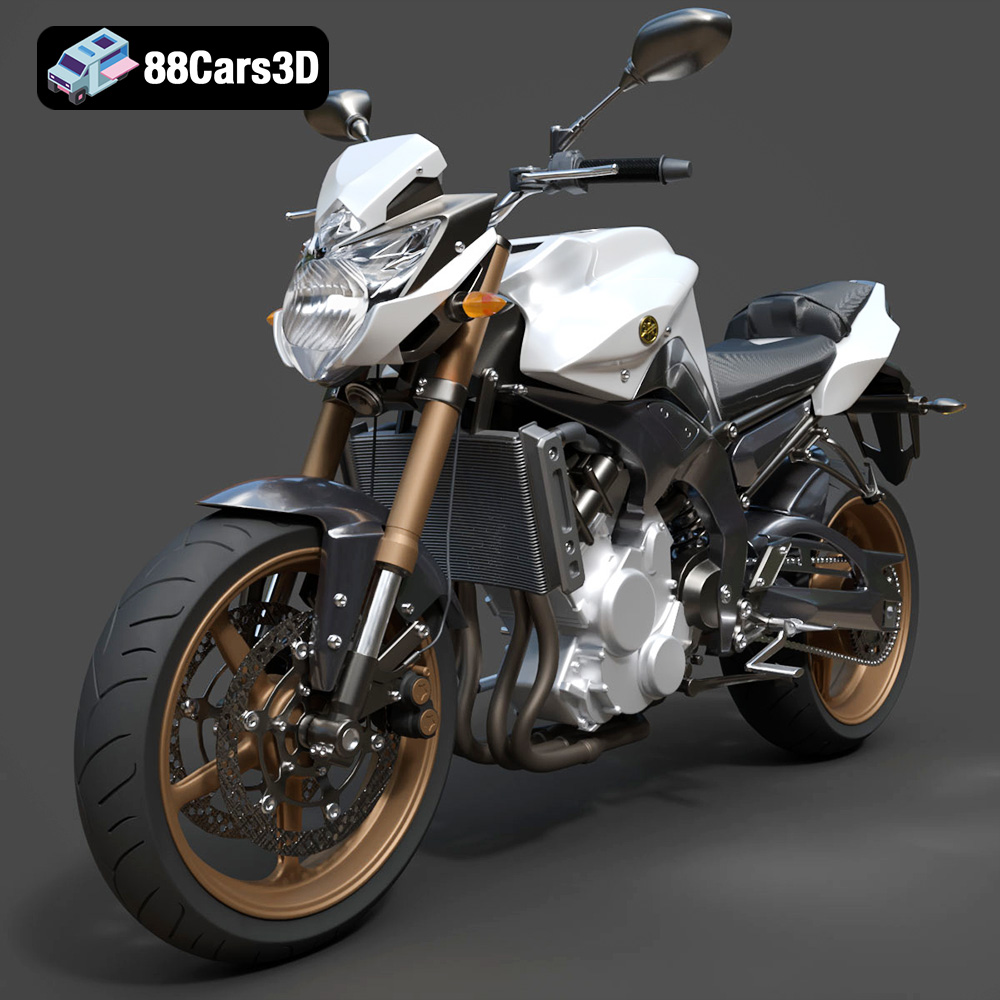
Texture: Yes
Material: Yes
Download the Yamaha FZ8 2011 3D Model featuring clean geometry, realistic detailing, and a fully modeled interior. Includes .blend, .fbx, .obj, .glb, .stl, .ply, .unreal, and .max formats for rendering, simulation, and game development.
Price: $19.99
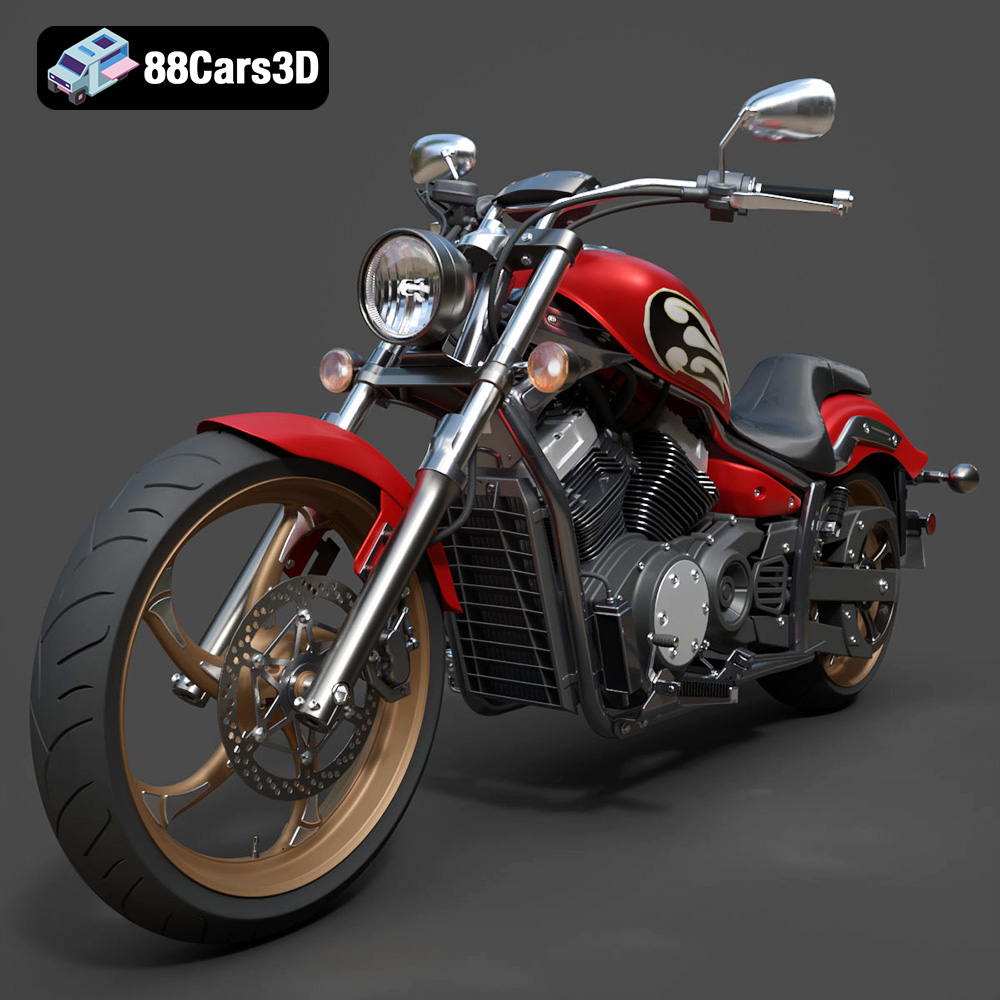
Texture: Yes
Material: Yes
Download the Yamaha Stryker 2012 3D Model featuring clean geometry, realistic detailing, and a fully modeled interior. Includes .blend, .fbx, .obj, .glb, .stl, .ply, .unreal, and .max formats for rendering, simulation, and game development.
Price: $19.99
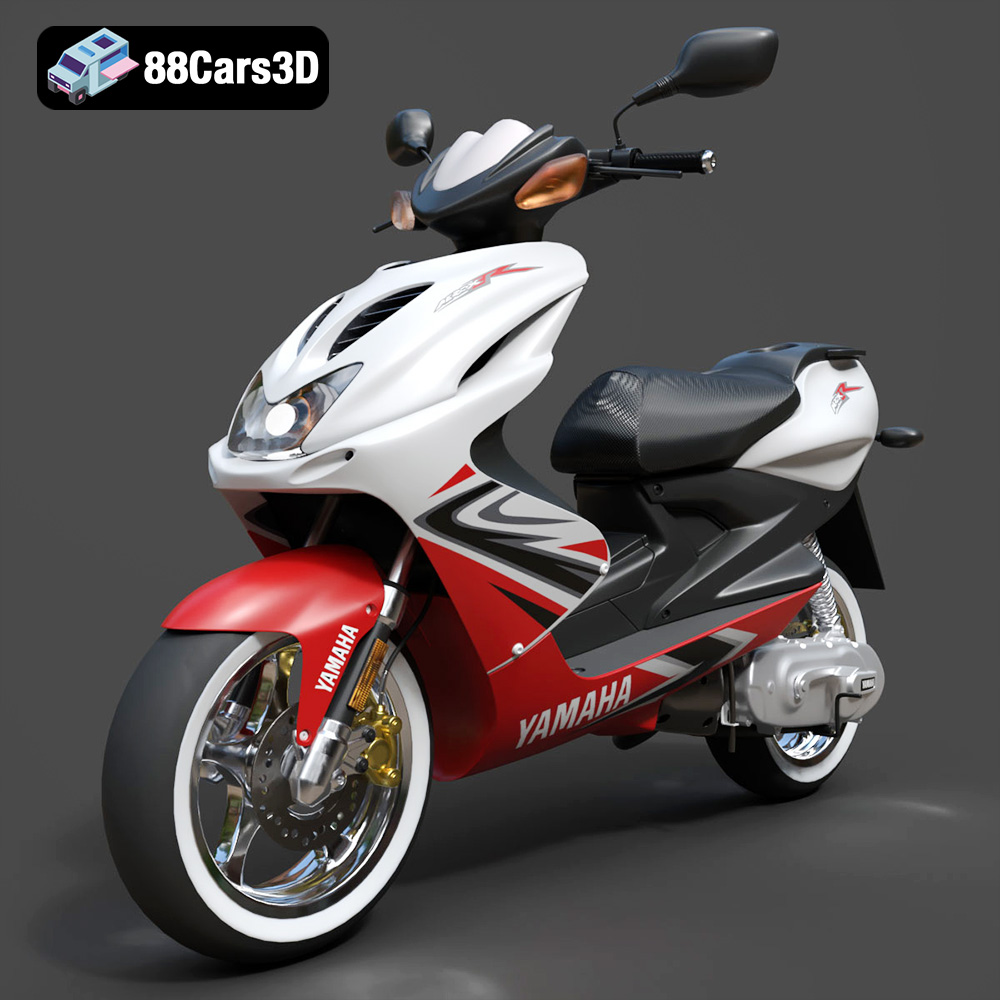
Texture: Yes
Material: Yes
Download the Yamaha Aerox R-002 2024 3D Model featuring clean geometry, realistic detailing, and a fully modeled interior. Includes .blend, .fbx, .obj, .glb, .stl, .ply, .unreal, and .max formats for rendering, simulation, and game development.
Price: $19.99
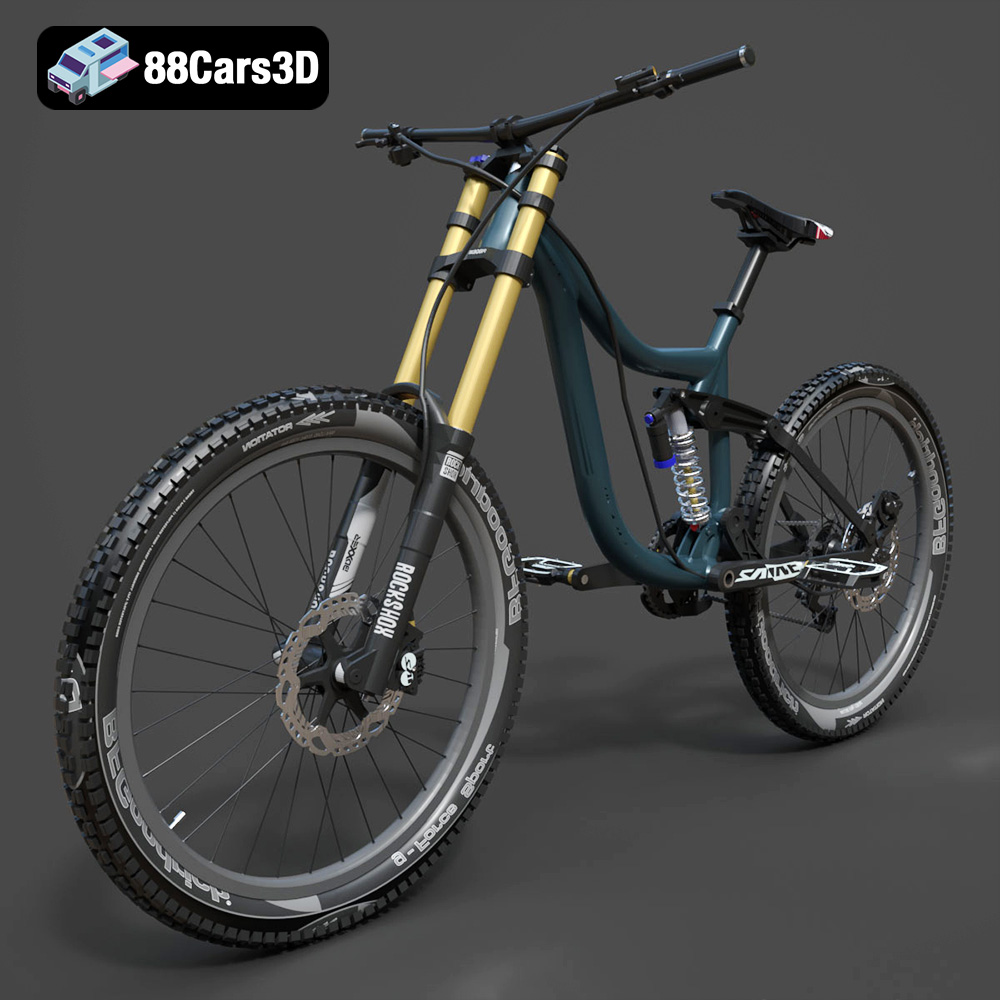
Texture: Yes
Material: Yes
Download the Mototsikly Downhill Bike-002 3D Model featuring clean geometry, realistic detailing, and precise mechanical components. Includes .blend, .fbx, .obj, .glb, .stl, .ply, .unreal, and .max formats for rendering, simulation, and game development.
Price: $19.99
Texture: Yes
Material: Yes
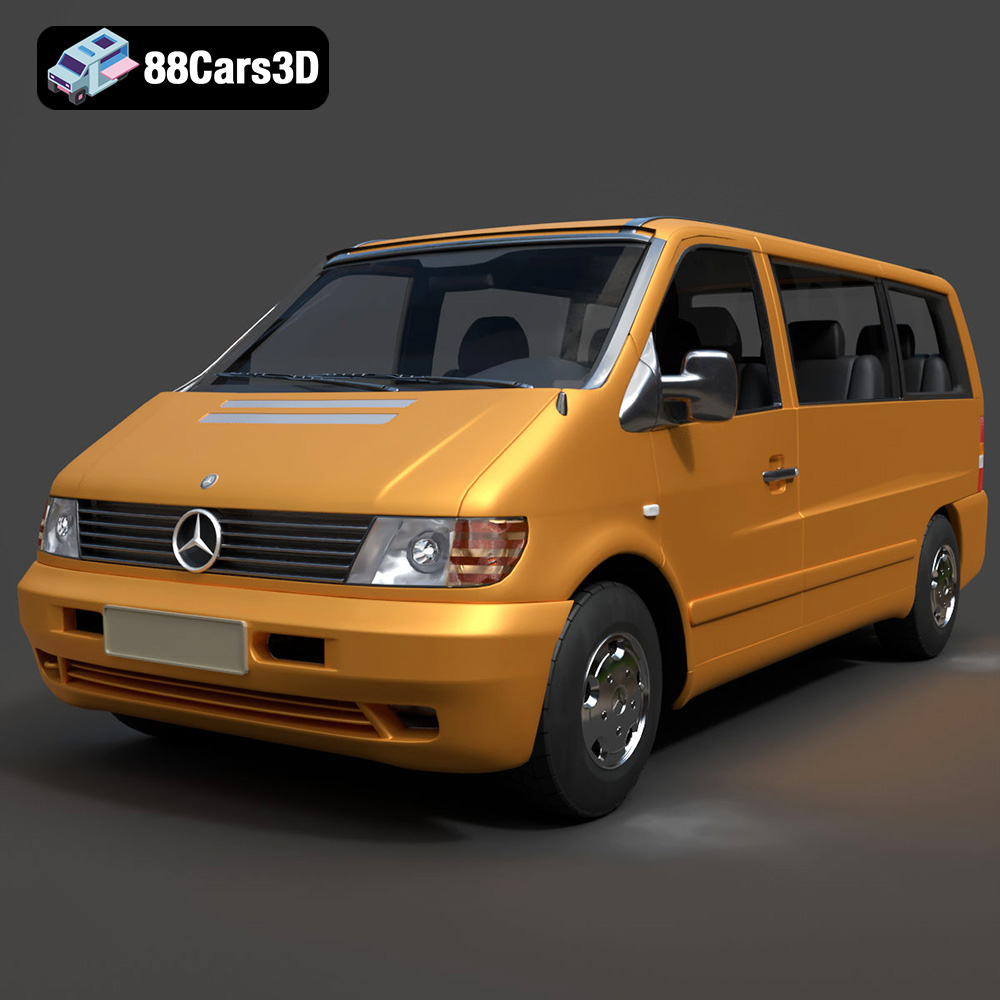
Download the Mercedes-Benz Vito Passenger Van 3D Model featuring clean geometry, realistic detailing, and a fully modeled interior. Includes .blend, .fbx, .obj, .glb, .stl, .ply, .unreal, and .max formats for rendering, simulation, and game development.
Price: $19.99
Texture: Yes
Material: Yes
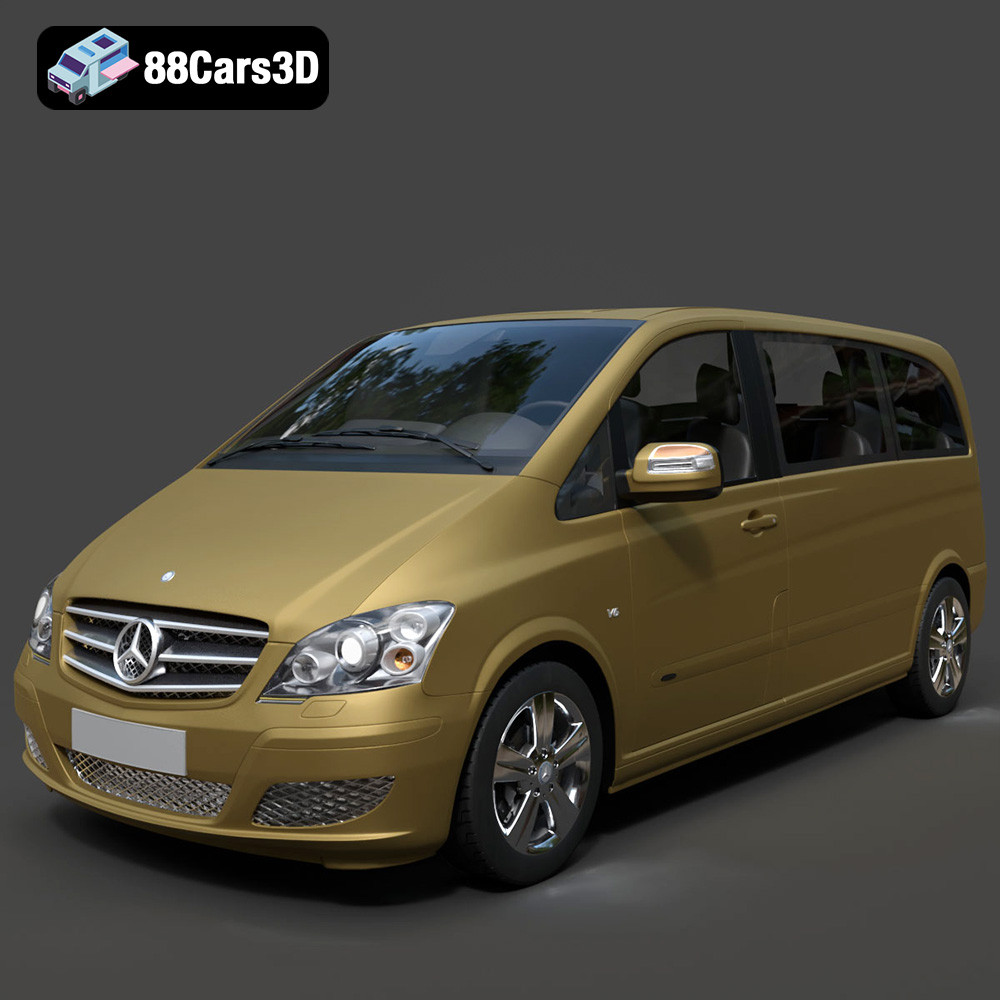
Download the Mercedes-Benz Viano 2010 3D Model featuring clean geometry, realistic detailing, and a fully modeled interior. Includes .blend, .fbx, .obj, .glb, .stl, .ply, .unreal, and .max formats for rendering, simulation, and game development.
Price: $19.99

Texture: Yes
Material: Yes
Download the Emt Avtobus 007 3D Model featuring clean geometry, realistic detailing, and a fully modeled interior. Includes .blend, .fbx, .obj, .glb, .stl, .ply, .unreal, and .max formats for rendering, simulation, and game development.
Price: $19.99
Texture: Yes
Material: Yes
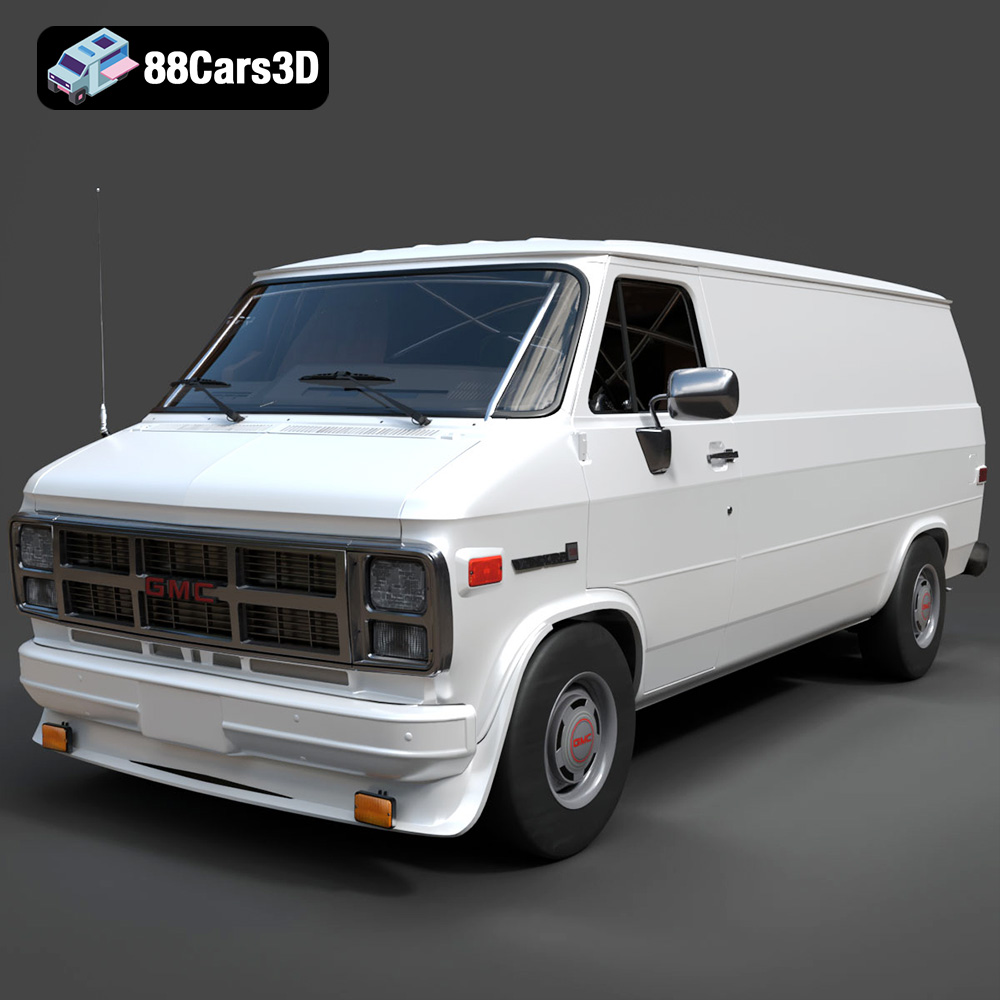
Download the GMC Vandura G-1500 1983 3D Model featuring clean geometry, realistic detailing, and a fully modeled interior. Includes .blend, .fbx, .obj, .glb, .stl, .ply, .unreal, and .max formats for rendering, simulation, and game development.
Price: $19.99
Texture: Yes
Material: Yes
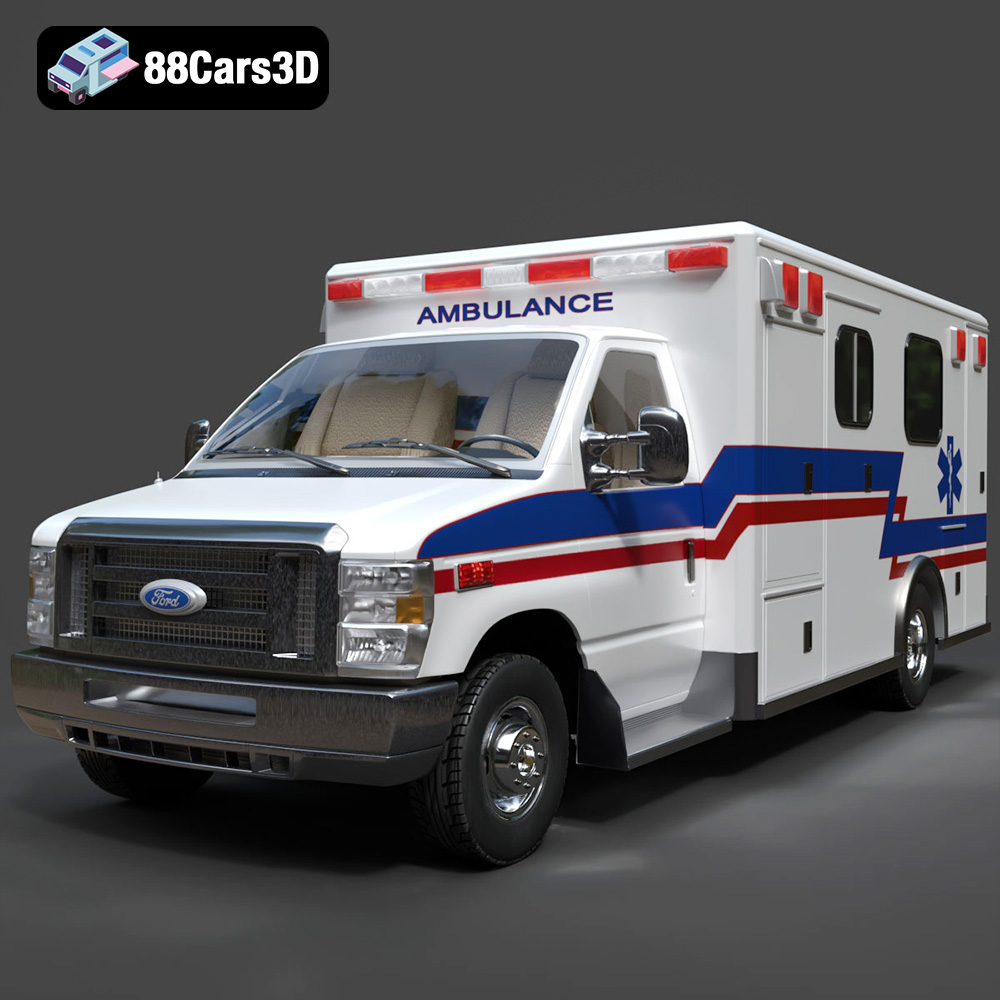
Download the Ford E-450 Ambulance 3D Model featuring clean geometry, realistic detailing, and a fully modeled interior. Includes .blend, .fbx, .obj, .glb, .stl, .ply, .unreal, and .max formats for rendering, simulation, and game development.
Price: $19.99

Texture: Yes
Material: Yes
Download the Fiat Ducato SWB-001 3D Model featuring clean geometry, realistic detailing, and a fully modeled interior. Includes .blend, .fbx, .obj, .glb, .stl, .ply, .unreal, and .max formats for rendering, simulation, and game development.
Price: $19.99

