“`html
Mastering the Slice: Achieving Flawless 3D Prints from Your STL Files
The journey from a digital 3D model to a tangible object is an exciting one, especially when that object is a meticulously crafted printable car model. At the heart of this transformation lies the slicing software – the unsung hero that translates your 3D model data (often in STL file format) into the precise instructions your 3D printer needs to bring it to life. But simply loading an STL file and hitting “print” rarely yields the stellar results you’re after. Achieving high-quality prints, particularly for intricate models like those found on platforms like 88cars3d.com, requires a deep understanding of slicing parameters, printer capabilities, and the underlying physics of additive manufacturing. This comprehensive guide will demystify the slicing process, equipping you with the knowledge to optimize your settings, troubleshoot common issues, and consistently produce breathtaking 3D prints. We’ll delve into everything from the foundational structure of STL files to advanced support strategies and material-specific considerations, empowering you to unlock the full potential of your 3D printer and your chosen models.
Understanding the Foundation: STL Files and Mesh Topology
Before we dive into slicing, it’s crucial to understand what an STL file represents and why its structure matters. STL (STereoLithography) is the de facto standard file format for 3D printing, describing the surface geometry of a three-dimensional object using a collection of triangular facets. Each triangle is defined by the coordinates of its three vertices and a normal vector, which indicates the outward-facing direction. This seemingly simple representation is fundamental to how slicers interpret and process models.
The Importance of Watertight Meshes
A “watertight” or “manifold” mesh is paramount for successful slicing. This means the surface of the model is continuous, with no holes, gaps, or internal faces. Imagine trying to fill a colander with water – the holes prevent it from holding liquid. Similarly, gaps in your STL file can confuse the slicing software, leading to print failures, missing sections, or distorted geometry. When downloading models from marketplaces such as 88cars3d.com, rest assured that they are typically provided as clean, watertight meshes, optimized for printing. However, if you’re working with models from other sources or have modified them yourself, you’ll need to be vigilant about mesh integrity.
- Identifying Holes: Slicing software like Cura, PrusaSlicer, or dedicated mesh repair tools like Meshmixer or Netfabb can often detect non-manifold edges (where more or less than two triangles share an edge) and holes.
- Repairing Meshes: For minor issues, automatic repair functions in slicers can sometimes fix them. For more complex problems, manual intervention in software like Blender or Meshmixer might be necessary. This often involves manually bridging gaps or removing internal geometry that shouldn’t be there.
- Understanding Triangle Orientation: Incorrectly oriented normals (pointing inwards) can also cause issues. Slicers rely on these normals to define the “outside” of the model. Most software can recalculate or flip normals to correct orientation problems.
STL vs. Other File Formats (OBJ, FBX)
While STL is king for 3D printing, you might encounter other formats like OBJ and FBX. OBJ files can store more information, including color and texture data, and can represent surfaces using polygons other than just triangles (though slicers often triangulate them). FBX is a proprietary format primarily used in game development and animation, also capable of storing complex scene data. For direct slicing, STL remains the most universally supported and straightforward format. If you receive a model in OBJ or FBX, ensure your slicing software can import it correctly, or convert it to STL if necessary, keeping in mind that texture information will likely be lost in the process.
Slicing Parameters: The Heart of Print Quality
Slicing software acts as your translator, converting your 3D model into layer-by-layer instructions (G-code) for your printer. The settings you choose within this software have a profound impact on the final print’s accuracy, strength, surface finish, and print time. Mastering these parameters is key to achieving professional-level results.
Layer Height: The Resolution Slider
Layer height dictates the thickness of each individual layer deposited by your printer. It’s a direct trade-off between print quality and print time.
- Fine Layer Heights (e.g., 0.08mm – 0.12mm): These settings produce smoother surfaces with less visible “stair-stepping” on curved or angled features. This is ideal for highly detailed models, such as those representing classic cars where smooth body panels are crucial. However, printing at fine resolutions significantly increases print time, as the printer has many more layers to lay down.
- Standard Layer Heights (e.g., 0.15mm – 0.2mm): This is a good balance for most FDM prints, offering decent detail without excessively long print times. It’s suitable for many printable car models where extreme micro-detailing isn’t the primary focus.
- Coarse Layer Heights (e.g., 0.25mm – 0.3mm): These settings are faster but result in more prominent layer lines. They are best suited for functional parts, prototypes, or models where surface finish is less critical.
For high-quality printable car models from 88cars3d.com, a layer height between 0.1mm and 0.15mm is often recommended to capture the subtle curves and details.
Print Speed: Balancing Velocity and Quality
Print speed determines how quickly the print head moves while extruding filament. Like layer height, it’s a balancing act.
- Outer Walls/Perimeters: Printing outer walls slower (e.g., 25-40 mm/s) is crucial for achieving a smooth, aesthetically pleasing exterior finish.
- Inner Walls: These can often be printed slightly faster than outer walls, as their visibility is less critical (e.g., 40-60 mm/s).
- Infill: Infill printing speed can be higher (e.g., 50-80 mm/s) as it’s internal and doesn’t directly impact surface quality.
- Travel Speed: This is the speed at which the print head moves when not extruding. Higher travel speeds (e.g., 100-150 mm/s) reduce overall print time but can sometimes cause vibrations or stringing if set too high.
Tip: Always start with conservative print speed settings recommended for your filament and printer, and gradually increase them while observing print quality. Excessive speed often leads to poor layer adhesion, ringing artifacts, and under-extrusion.
Temperatures: The Thermosensitive Sweet Spot
Nozzle and bed temperatures are critical for proper material adhesion and extrusion. These are highly dependent on the specific filament material you are using.
- Nozzle Temperature: This affects how easily the filament melts and flows. Too low, and you get under-extrusion and poor layer bonding. Too high, and you risk heat creep, stringing, and potential degradation of the filament. Refer to the filament manufacturer’s recommendations, typically ranging from 190-220°C for PLA and 230-260°C for PETG/ABS.
- Bed Temperature: This promotes adhesion of the first layer to the build plate, preventing warping and detachment during the print. PLA generally requires 50-60°C, while PETG and ABS benefit from higher temperatures (70-110°C).
Calibration: Always perform temperature towers and retraction towers for new filament spools to fine-tune these settings for optimal results. Ensure your printer’s thermistor and heater cartridge are functioning correctly.
Support Structures: Holding Up the Delicate Details
Many complex 3D models, especially intricate printable car models with overhangs, bridges, and floating elements, require support structures. These temporary structures prevent layers from collapsing before they solidify, ensuring the model prints correctly. Effective support generation and removal are critical for a clean final product.
Types of Supports
Slicers offer various support types, each with its own advantages:
- Normal/Grid Supports: These create a dense grid structure underneath overhangs. They are generally strong but can be difficult to remove cleanly.
- Tree/Organic Supports: Introduced in more advanced slicers (like Cura’s experimental tree supports or PrusaSlicer’s organic supports), these structures branch out from the build plate or model like tree limbs, reaching only the necessary areas. They use less material, are easier to remove, and often leave fewer marks on the model’s surface. These are excellent for organic shapes and complex geometries.
- Support Enforcers/Blockers: Some slicers allow you to designate specific areas where supports should or should not be generated, giving you granular control.
Support Settings Optimization
Beyond the type, several key settings influence support performance:
- Overhang Angle: This threshold determines when supports are needed. An angle of 45-60 degrees is typical. Lowering it means supports will be generated for shallower overhangs, increasing print time and material usage but ensuring overhangs are well-supported.
- Support Density: Controls how solid the support structure is. Lower density (10-15%) is often sufficient and easier to break away. Higher density provides more stability but is harder to remove.
- Support Interface Layers: Adding a few solid, dense layers at the top and bottom of the support structure (support interface) can create a smoother surface finish where the support touches the model, making removal cleaner and post-processing easier.
- Support Z Distance: This is the critical gap between the support structure and the model. A small gap (e.g., 0.1mm – 0.2mm) allows for good adhesion to the model, ensuring it prints correctly, while still being breakable. Too large a gap, and the overhang may droop; too small, and removal becomes difficult, potentially damaging the model.
- Support Placement: Options like “Touching Buildplate” (supports only originate from the print bed) or “Everywhere” (supports can attach to the model itself) offer flexibility depending on the model’s geometry.
Support Removal Techniques
Patience and the right tools are key for support removal.
- Gentle Wiggling: For many supports, a gentle rocking motion can break them free.
- Flush Cutters/Pliers: Precision pliers and flush cutters are invaluable for snipping away support material close to the model surface.
- Hobby Knives/Deburring Tools: For fine details or stubborn support remnants, a sharp hobby knife or a deburring tool can carefully shave away excess material.
- Soluble Supports (Advanced): For printers equipped with dual extruders, using soluble support filament (like PVA for PLA) allows you to dissolve the supports in water, leaving a perfectly clean model.
Print Orientation and Bed Adhesion: The First Layer Matters Most
How you orient your model on the build plate and ensure it sticks reliably are fundamental to print success. This affects print quality, strength, and the need for supports.
Optimal Print Orientation
The orientation of your model dictates which surfaces are exposed to the environment, how layers are built up, and where stresses might concentrate. For printable car models:
- Minimize Overhangs: Rotate the model to reduce the number and severity of overhangs that require supports. Often, printing a car body upright with minimal tilt is best, as the underside will have the most complex overhangs.
- Maximize Surface Quality: Orient the model so that critical visible surfaces (like the car’s body panels) are printed with minimal layer lines or support scarring. This might mean printing certain components separately and assembling them later.
- Consider Part Strength: For FDM prints, layer adhesion is strongest along the X/Y plane and weakest in the Z direction. Orienting parts to align forces with the layer lines can improve their structural integrity.
- Bed Adhesion Area: Ensure a sufficient flat surface area of the model is in contact with the build plate to prevent detachment.
Ensuring Strong Bed Adhesion
A print failing because it detached from the build plate is a frustratingly common issue. Here’s how to prevent it:
- Clean Build Plate: Oils from your fingers or residual filament can compromise adhesion. Clean your build plate with isopropyl alcohol before every print.
- Bed Leveling: A perfectly level bed is non-negotiable. Ensure the nozzle is the correct distance from the bed across its entire surface. Many printers have auto-leveling features, but manual verification is still often necessary.
- First Layer Settings:
- Print Speed: Print the first layer significantly slower (e.g., 15-25 mm/s) to allow the filament to properly adhere.
- Layer Height: A slightly thicker first layer (e.g., 0.2mm – 0.3mm) can help “squish” the filament into the build surface.
- Temperature: Ensure your bed temperature is within the optimal range for your material.
- Adhesion Aids: For materials prone to warping (like ABS) or on build surfaces that might be less forgiving, consider using adhesion aids like a glue stick, hairspray, or specialized build surface sheets (e.g., PEI).
- Brim and Skirt:
- Skirt: A few outlines printed around the model without touching it. Helps prime the nozzle and check bed level before the actual print starts.
- Brim: A single or multiple layers of extrusion extending outwards from the base of the model, providing a larger surface area for adhesion. Excellent for parts with small footprints or prone to warping.
Infill and Strength: The Internal Structure of Your Prints
Infill refers to the internal support structure printed inside the model’s outer walls. It significantly affects the part’s strength, weight, and print time. While car models are often primarily decorative, understanding infill is crucial for any functional or display pieces.
Infill Patterns
Slicers offer a variety of infill patterns, each with different properties:
- Grid: A simple and common pattern providing good strength in two directions.
- Lines: Efficient and fast, but provides less strength than grid.
- 3D Honeycomb/Gyroid: These patterns are strong in all directions and are often more efficient in terms of material usage and print time compared to simple grid patterns, while offering excellent structural integrity. Gyroid is particularly popular for its strength and reduced internal vibrations.
- Cubic/Adaptive Cubic: Offers good strength and is relatively material-efficient.
For display models, a low infill density is often sufficient. For parts that might experience stress, choosing a pattern like Gyroid or Cubic with higher density is recommended.
Infill Density and Percentage
This setting determines how much material fills the internal volume of the model, expressed as a percentage.
- 10-20%: Sufficient for most decorative items and models where strength is not a major concern. This keeps print times and material usage low. For many printable car models, this range is ideal.
- 20-40%: Offers a good balance of strength and material saving, suitable for parts that may experience light stress.
- 50% and above: Creates very strong, solid parts, but significantly increases print time and material consumption. This is generally reserved for highly functional or structural components.
Adaptive Infill: Some advanced slicers offer adaptive infill, where the density is automatically varied within the model, being denser in areas that require more support and less dense elsewhere. This optimizes strength and material usage.
FDM vs. Resin Printing: Choosing the Right Technology
The choice between Fused Deposition Modeling (FDM) and Stereolithography (SLA)/Digital Light Processing (DLP) resin printing significantly impacts your approach to slicing and the final quality of your printable car models.
FDM Printing Considerations
FDM printers build objects by extruding melted filament layer by layer. They are generally more affordable and versatile in terms of material options (PLA, PETG, ABS, TPU, etc.).
- Layer Lines: FDM prints are inherently prone to visible layer lines, especially at coarser resolutions. Fine tuning layer height and print speed is crucial for smoother finishes.
- Supports: Support structures are almost always necessary for overhangs and can be more challenging to remove cleanly without marring the surface. Tree supports are a significant advantage here.
- Detail Level: Limited by nozzle diameter (typically 0.4mm). Achieving extremely fine details can be difficult.
- Materials: Wide range available, each with specific slicing requirements (temperatures, cooling, adhesion).
Resin Printing Considerations
Resin printers cure liquid photopolymer resin using UV light, layer by layer. They excel at producing incredibly smooth surfaces and capturing minute details.
- Exceptional Detail: Capable of resolutions far exceeding FDM, making them ideal for highly detailed miniature models, including intricate car parts.
- Smooth Surfaces: Layer lines are virtually non-existent, resulting in a polished finish straight off the printer.
- Supports: Still required, but typically very fine and delicate, often designed to be easily sanded away or removed with minimal impact. Orientation is critical to minimize “drainage holes” and suction effects.
- Post-Processing: Requires washing in isopropyl alcohol (IPA) and a final UV cure. Resin fumes and uncured resin require careful handling and safety precautions (gloves, ventilation).
- Material Properties: Resins vary (standard, tough, flexible, castable), each with specific exposure time settings in the slicer.
For hyper-realistic, small-scale printable car models with intricate panel lines and trim, resin printing often offers superior results. However, for larger models or those where extreme detail isn’t paramount, FDM provides a more accessible and often faster option.
Advanced Techniques and Troubleshooting
Even with careful settings, printing can present challenges. Here are advanced techniques and common troubleshooting tips.
Calibration is Key
Before diving into complex prints, ensure your printer is properly calibrated:
- E-step Calibration: Ensures your extruder is pushing the correct amount of filament.
- PID Tuning: Stabilizes nozzle and bed temperatures.
- Flow Rate/Extrusion Multiplier: Fine-tunes filament extrusion to prevent over or under-extrusion.
- Bed Leveling & Z-Offset: As discussed, crucial for first layer adhesion.
Common Print Failures and Solutions
- Warping: Often caused by poor bed adhesion, drafts, or incorrect bed temperature. Solutions: Increase bed temperature, use a brim, ensure no drafts, clean the build plate.
- Stringing/Oozing: Filament is pulled between separate parts of the print. Solutions: Optimize retraction settings (distance and speed), lower nozzle temperature slightly, ensure filament is dry.
- Layer Shifting: Layers are misaligned. Solutions: Check belt tension, ensure stepper motor drivers are not overheating, reduce print speed, check for physical obstructions.
- Under-extrusion: Thin or broken lines, gaps in layers. Solutions: Check for nozzle clogs, calibrate E-steps, increase flow rate, check filament path for friction, ensure correct temperature.
- Over-extrusion: Blobs and zits on the surface, dimensional inaccuracies. Solutions: Lower flow rate, recalibrate E-steps, check nozzle for wear.
- Bridging Failures: Overhangs between two points fail. Solutions: Optimize bridging speed and fan speed settings, adjust temperature, use dedicated bridging settings in the slicer.
Post-Processing for Perfection
Once your printable car model is off the printer, the journey isn’t over. Post-processing elevates your print from good to exceptional:
- Support Removal: Carefully remove all support material using appropriate tools.
- Sanding: Start with coarse grit sandpaper (e.g., 120-220 grit) to remove major imperfections and layer lines, progressively moving to finer grits (400, 800, 1000+). Wet sanding can help achieve smoother finishes.
- Filling: Use modeling putty, Bondo, or specialized 3D print filler to fill layer lines or small imperfections, followed by more sanding.
- Priming: A few coats of primer help reveal any remaining surface flaws and provide an even base for painting.
- Painting: Use acrylics, enamels, or spray paints suitable for models. Airbrushing can yield professional results.
- Assembly: If printed in multiple parts, use appropriate adhesives (super glue, epoxy) for assembly.
Conclusion: Your Blueprint for Print Success
Mastering the art of slicing STL files for 3D printing is an iterative process that combines technical understanding with practical experience. By understanding the intricacies of STL file formats, meticulously configuring your slicing software parameters – from layer height and print speed to support generation and infill strategies – and choosing the right printing technology (FDM vs. resin), you lay the groundwork for exceptional results. Always remember the importance of printer calibration, robust bed adhesion, and patient post-processing. Whether you’re printing a detailed classic sports car or a robust utility vehicle, the principles remain the same: attention to detail at every stage translates directly to the quality of your final 3D print. Embrace experimentation, learn from each print, and don’t hesitate to consult resources and communities. With the right knowledge and a touch of patience, you’ll be consistently producing stunning, high-quality 3D printable car models that you can be proud of.
“`
Featured 3D Car Models
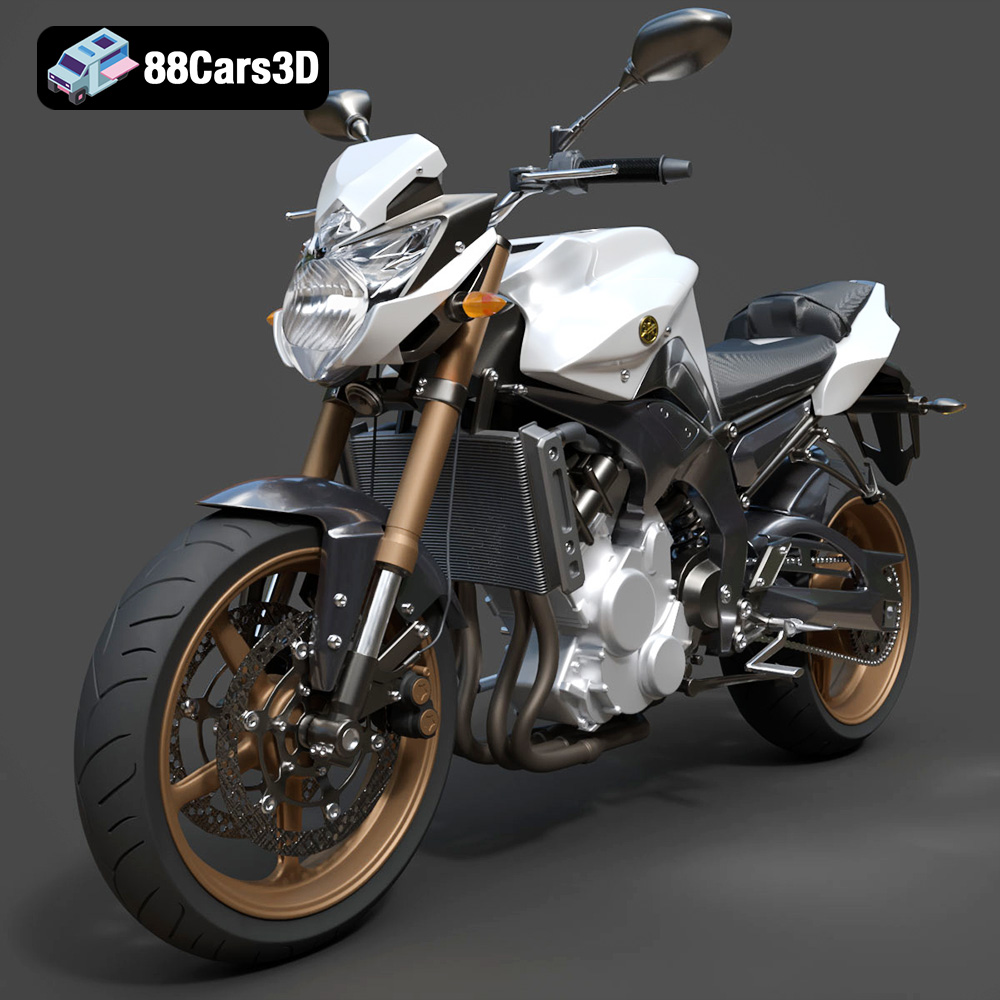
Texture: Yes
Material: Yes
Download the Yamaha FZ8 2011 3D Model featuring clean geometry, realistic detailing, and a fully modeled interior. Includes .blend, .fbx, .obj, .glb, .stl, .ply, .unreal, and .max formats for rendering, simulation, and game development.
Price: $19.99
View Product
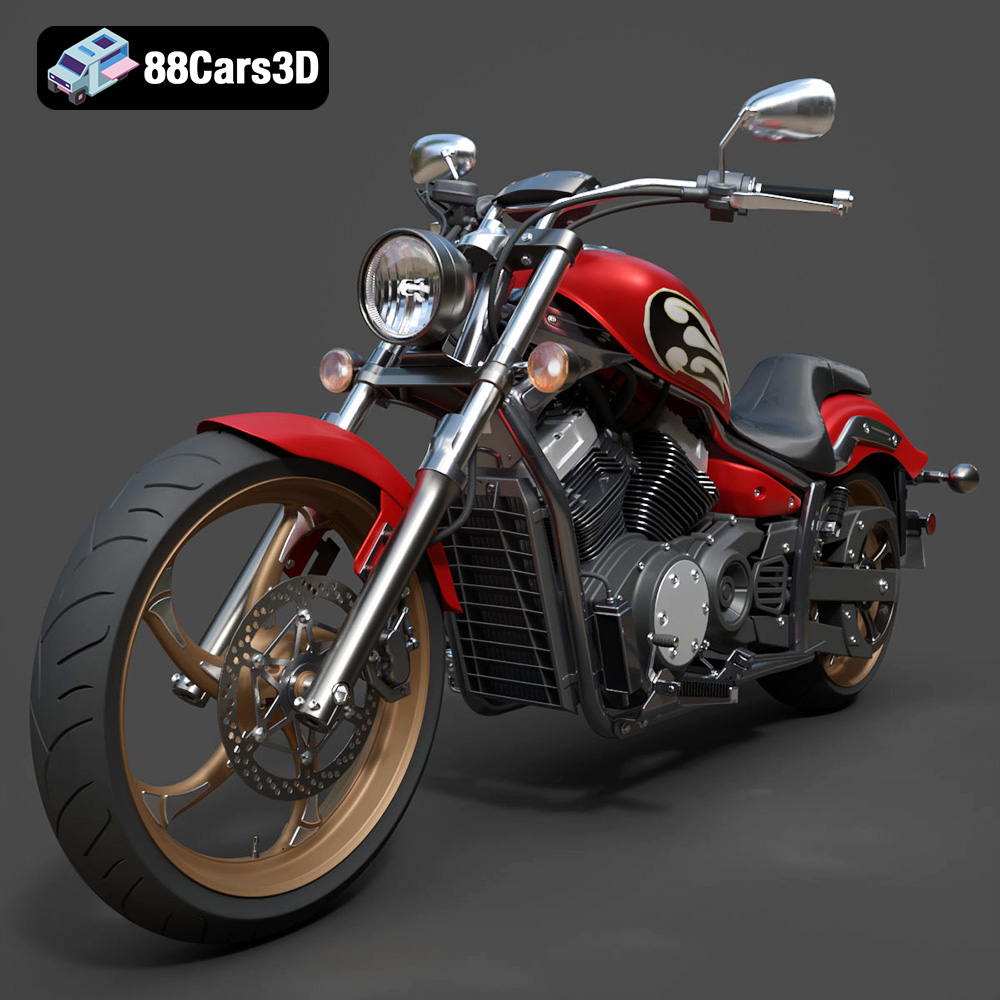
Texture: Yes
Material: Yes
Download the Yamaha Stryker 2012 3D Model featuring clean geometry, realistic detailing, and a fully modeled interior. Includes .blend, .fbx, .obj, .glb, .stl, .ply, .unreal, and .max formats for rendering, simulation, and game development.
Price: $19.99
View Product
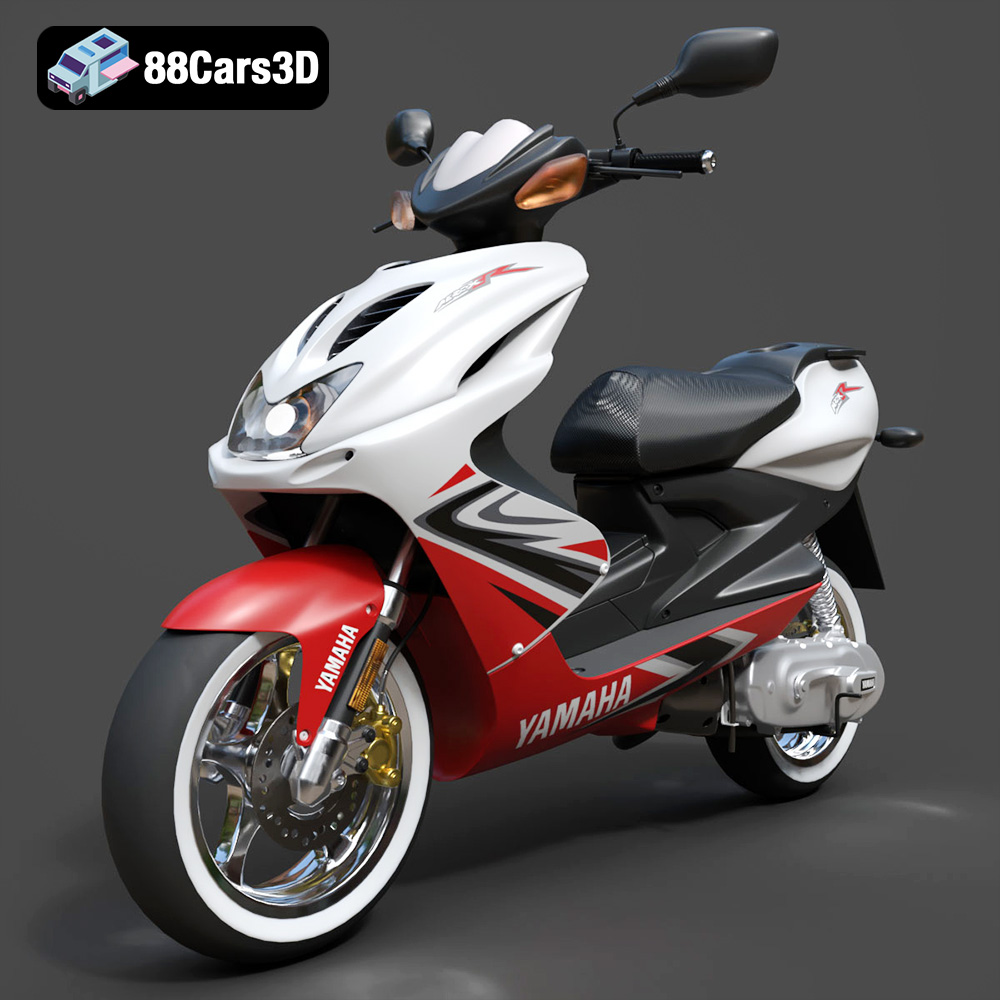
Texture: Yes
Material: Yes
Download the Yamaha Aerox R-002 2024 3D Model featuring clean geometry, realistic detailing, and a fully modeled interior. Includes .blend, .fbx, .obj, .glb, .stl, .ply, .unreal, and .max formats for rendering, simulation, and game development.
Price: $19.99
View Product
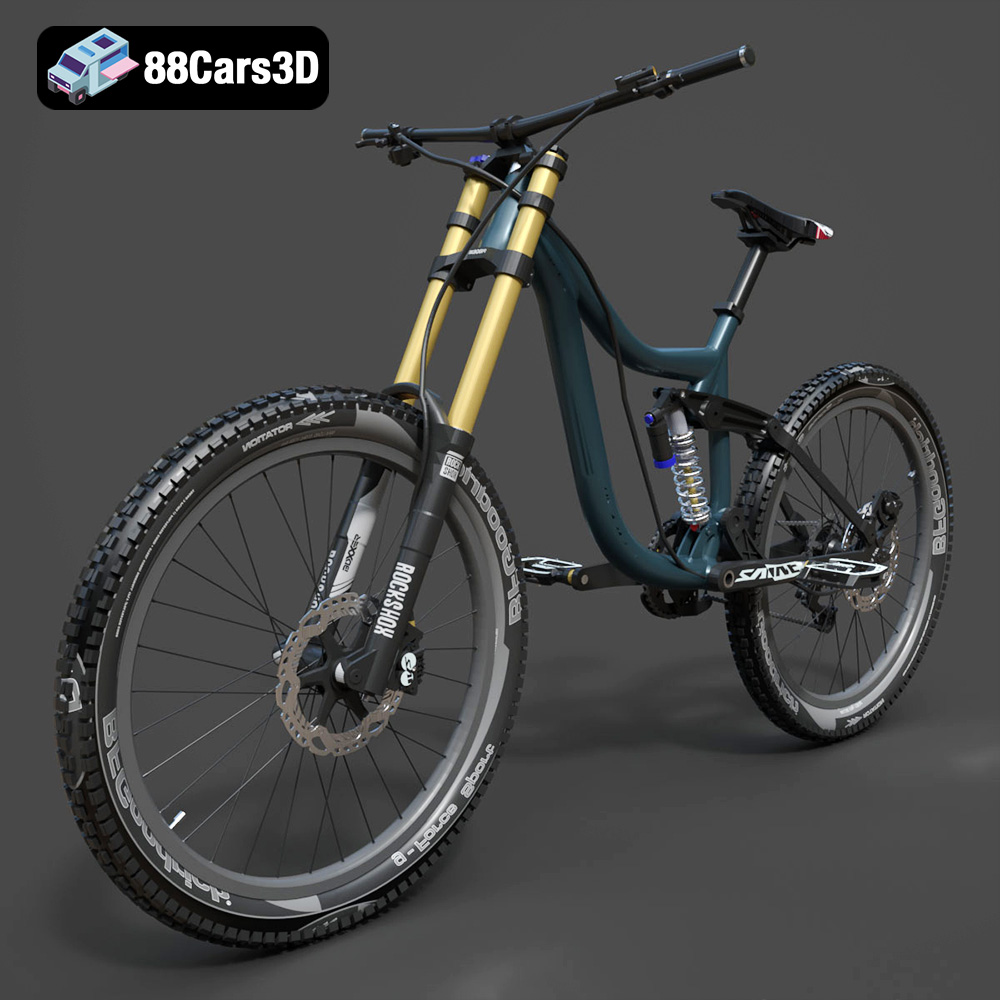
Texture: Yes
Material: Yes
Download the Mototsikly Downhill Bike-002 3D Model featuring clean geometry, realistic detailing, and precise mechanical components. Includes .blend, .fbx, .obj, .glb, .stl, .ply, .unreal, and .max formats for rendering, simulation, and game development.
Price: $19.99
View Product
Texture: Yes
Material: Yes
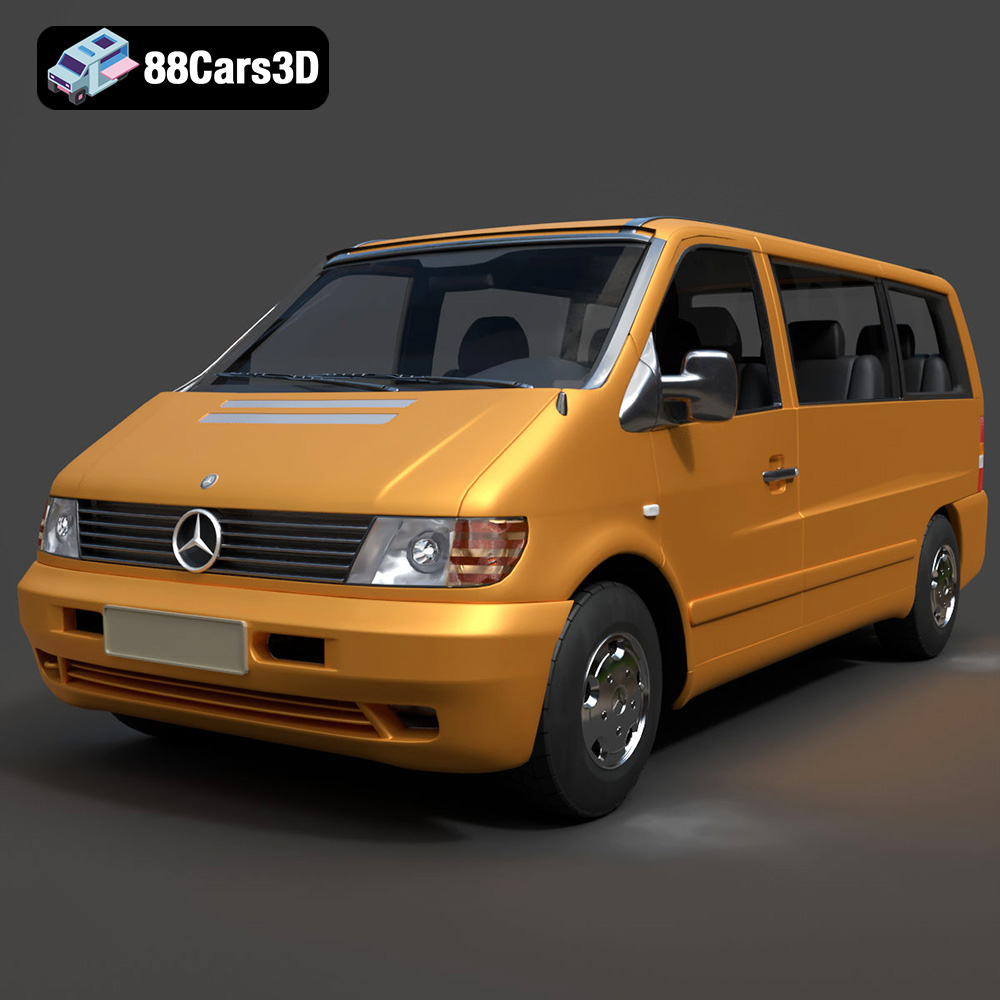
Download the Mercedes-Benz Vito Passenger Van 3D Model featuring clean geometry, realistic detailing, and a fully modeled interior. Includes .blend, .fbx, .obj, .glb, .stl, .ply, .unreal, and .max formats for rendering, simulation, and game development.
Price: $19.99
View Product
Texture: Yes
Material: Yes
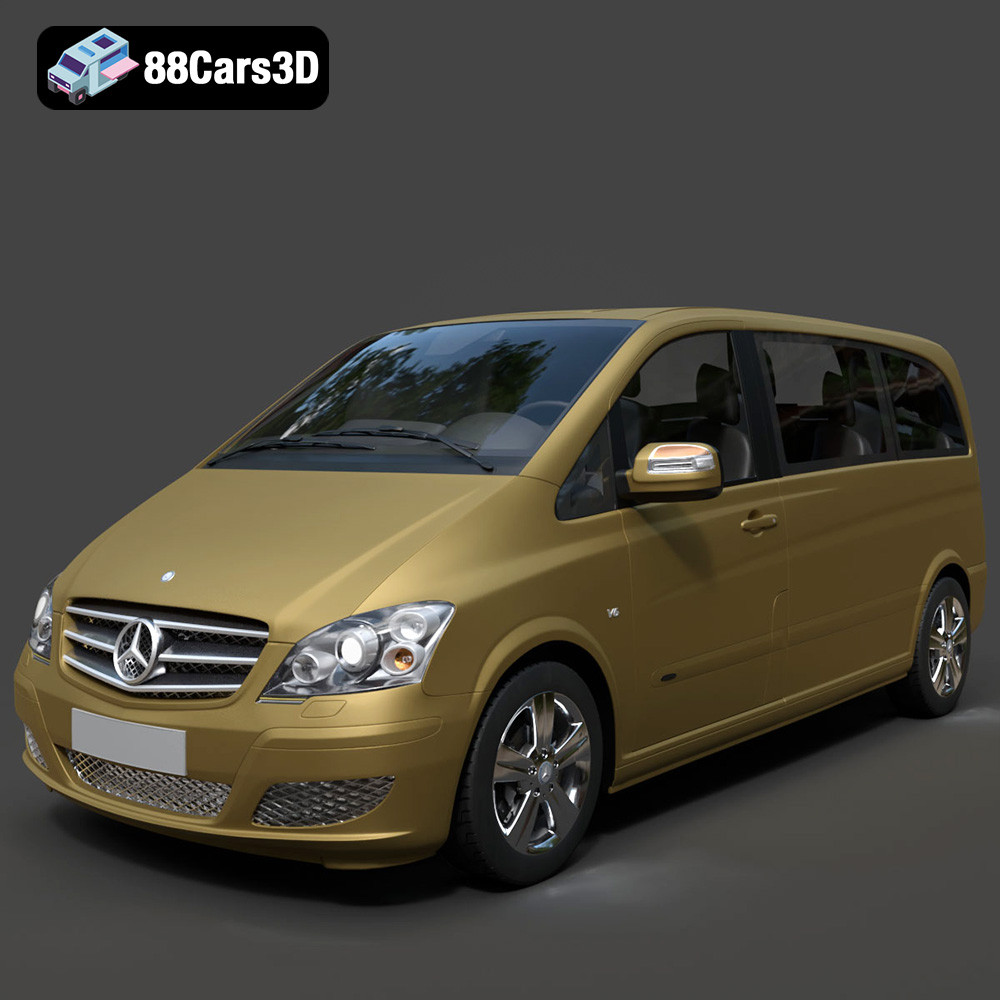
Download the Mercedes-Benz Viano 2010 3D Model featuring clean geometry, realistic detailing, and a fully modeled interior. Includes .blend, .fbx, .obj, .glb, .stl, .ply, .unreal, and .max formats for rendering, simulation, and game development.
Price: $19.99
View Product

Texture: Yes
Material: Yes
Download the Emt Avtobus 007 3D Model featuring clean geometry, realistic detailing, and a fully modeled interior. Includes .blend, .fbx, .obj, .glb, .stl, .ply, .unreal, and .max formats for rendering, simulation, and game development.
Price: $19.99
View Product
Texture: Yes
Material: Yes
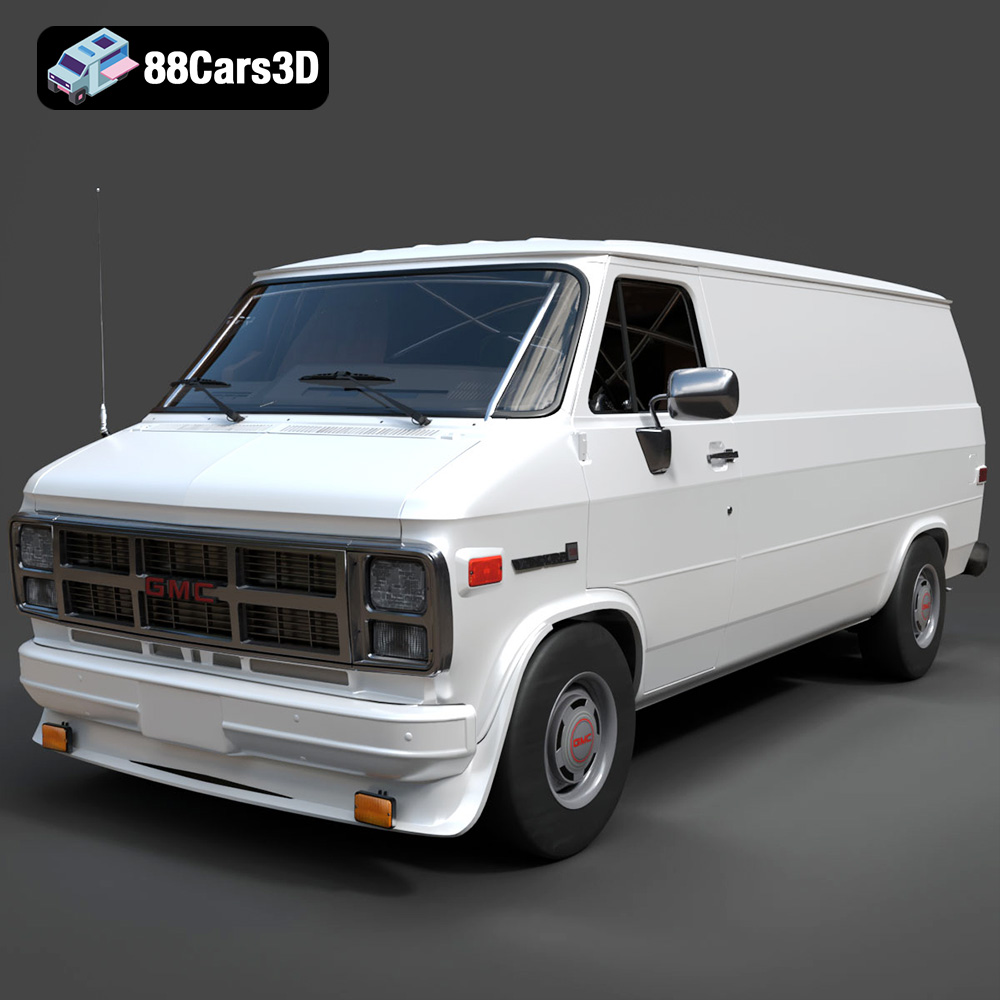
Download the GMC Vandura G-1500 1983 3D Model featuring clean geometry, realistic detailing, and a fully modeled interior. Includes .blend, .fbx, .obj, .glb, .stl, .ply, .unreal, and .max formats for rendering, simulation, and game development.
Price: $19.99
View Product
Texture: Yes
Material: Yes
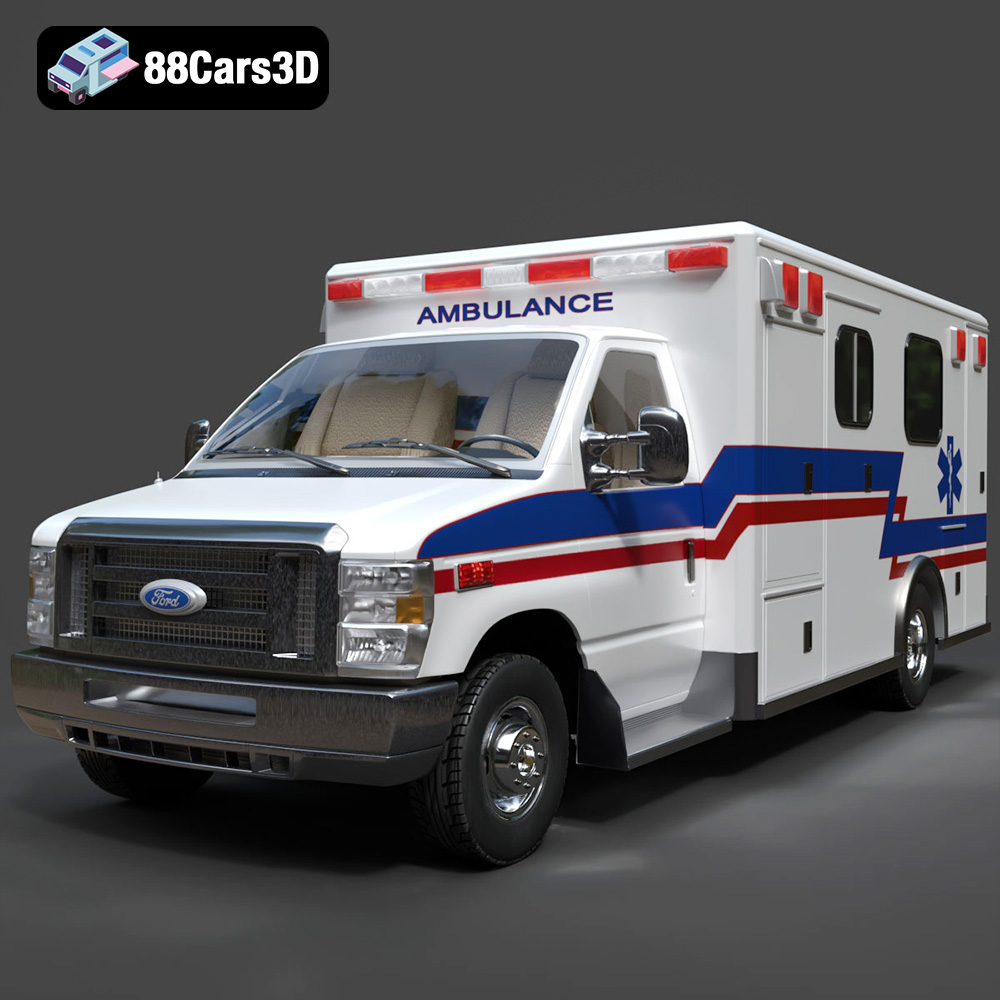
Download the Ford E-450 Ambulance 3D Model featuring clean geometry, realistic detailing, and a fully modeled interior. Includes .blend, .fbx, .obj, .glb, .stl, .ply, .unreal, and .max formats for rendering, simulation, and game development.
Price: $19.99
View Product

Texture: Yes
Material: Yes
Download the Fiat Ducato SWB-001 3D Model featuring clean geometry, realistic detailing, and a fully modeled interior. Includes .blend, .fbx, .obj, .glb, .stl, .ply, .unreal, and .max formats for rendering, simulation, and game development.
Price: $19.99
View Product


